
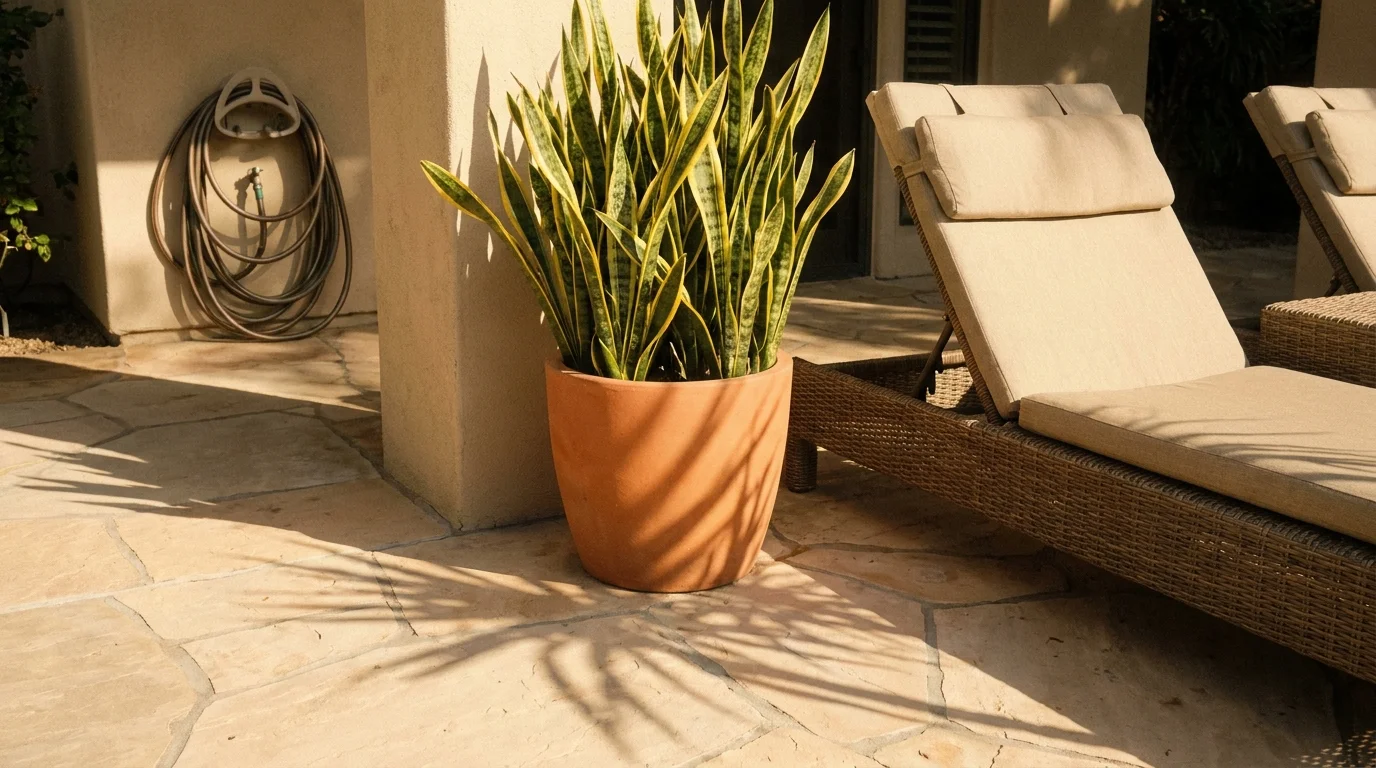
Outdoor Strategy #7: Snake Plants for Versatile Container Spaces
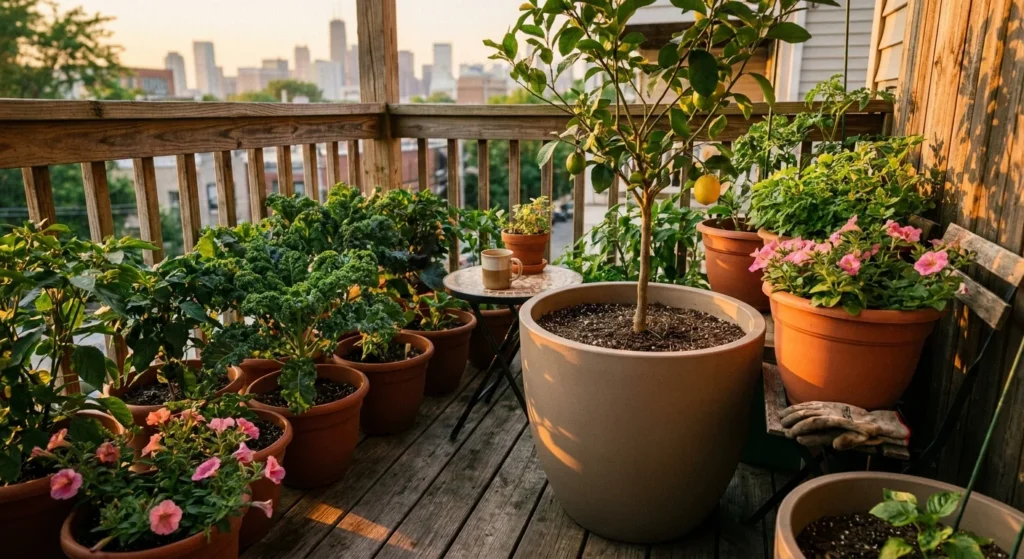
While focusing heavily on outdoor borders and permanent beds is essential, many homeowners also want to cultivate inviting patios, covered porches, and transitional seating areas. Incorporating resilient container specimens offers a brilliant, low-impact way to bridge the aesthetic gap between the house and the yard.
When planning your patio layout, incorporating versatile species often recognized as indoor plants easy care champions—such as the architectural Snake Plant (Sansevieria)—provides immense flexibility and striking visual contrast.
Featuring stiff, sword-like leaves heavily banded with yellow and dark green, the snake plant provides instant vertical architecture to an outdoor seating area during the warm summer months.
You can place a lightweight composite pot on a rolling caddy to effortlessly move the plant into the shade or wheel it indoors before the first autumn frost threatens.
Snake plants notoriously thrive on neglect; their thick leaves store significant amounts of water, meaning you can comfortably leave for a two-week summer vacation without arranging for a neighbor to water your patio containers.

3 Responses
My snake plant in the hallway (with filtered sunlight is loosing leaves around the edges. What can I do?!
Hi there! Thanks for reaching out. 😊
If your snake plant is losing leaves around the edges, a few things could be causing it—even in filtered light. First, check your watering routine: snake plants usually prefer their soil to dry out completely between waterings, and too much moisture can lead to leaf damage or rot.
Also take a look at the hallway temperature—cold drafts from doors/windows or sudden temperature changes can stress the plant. If the edges look brown and crispy, low humidity or inconsistent watering could also be the culprit.
I’d recommend trimming off any damaged leaves, checking the roots for signs of rot (mushy/dark roots), and moving it slightly closer to brighter indirect light if your hallway is a bit too dim.
Snake plants are resilient, so with a few small adjustments, it should bounce back. Hope this helps—and feel free to share a photo if you’d like more specific advice!
How about any plants that hummingbirds may apprecite?!