
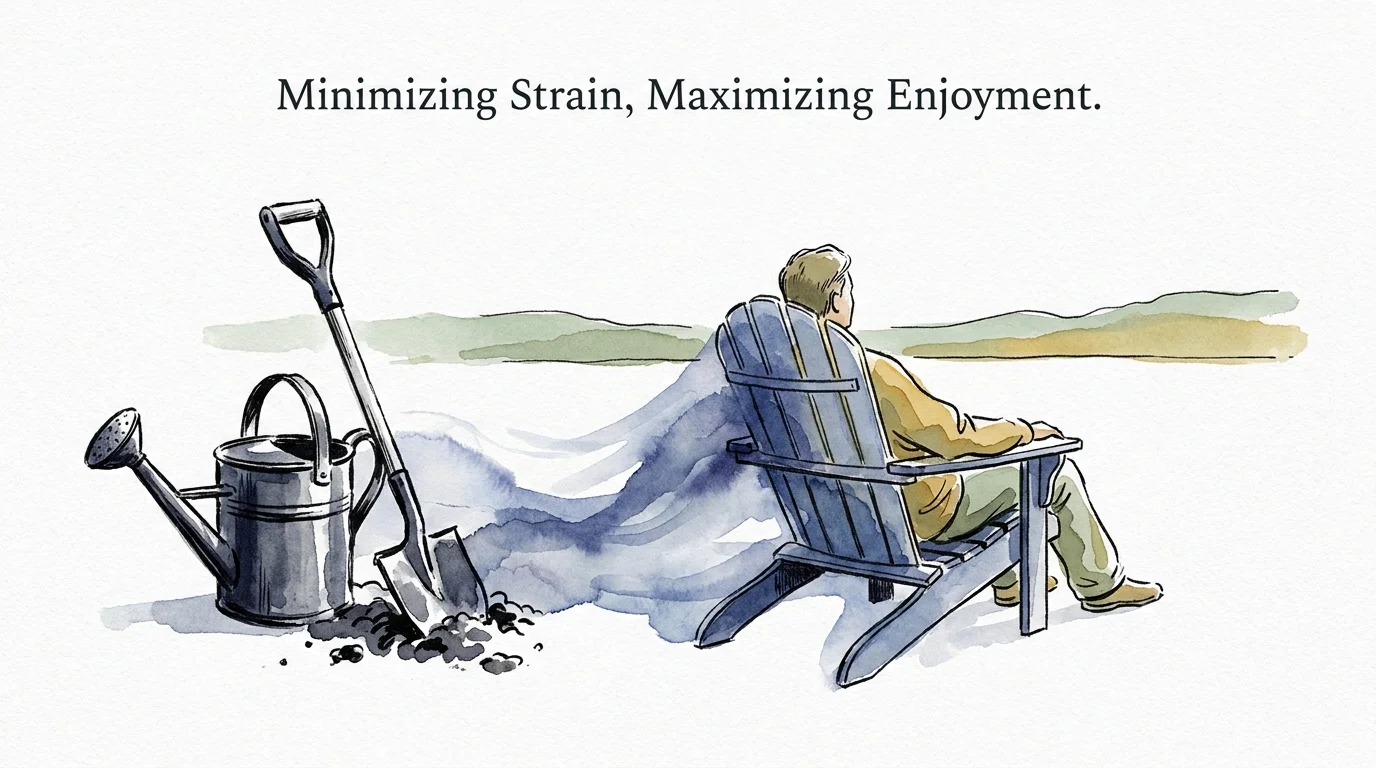
Introduction: Transforming Your Yard with These Ideas
As you refine your landscape over the years, your priorities naturally shift toward maximizing enjoyment while minimizing physical strain.
Creating a vibrant outdoor space does not require spending hours on your knees pulling weeds, lifting heavy bags of topsoil, or hauling watering cans across the lawn. Transitioning to a low-maintenance garden allows you to reclaim your weekends and protect your joints from the repetitive stress of heavy yard work.
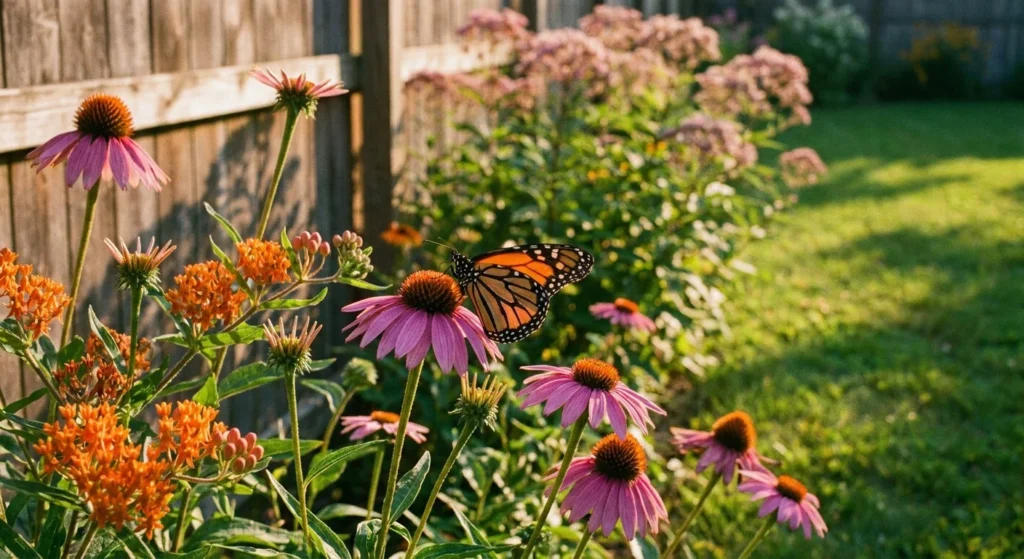
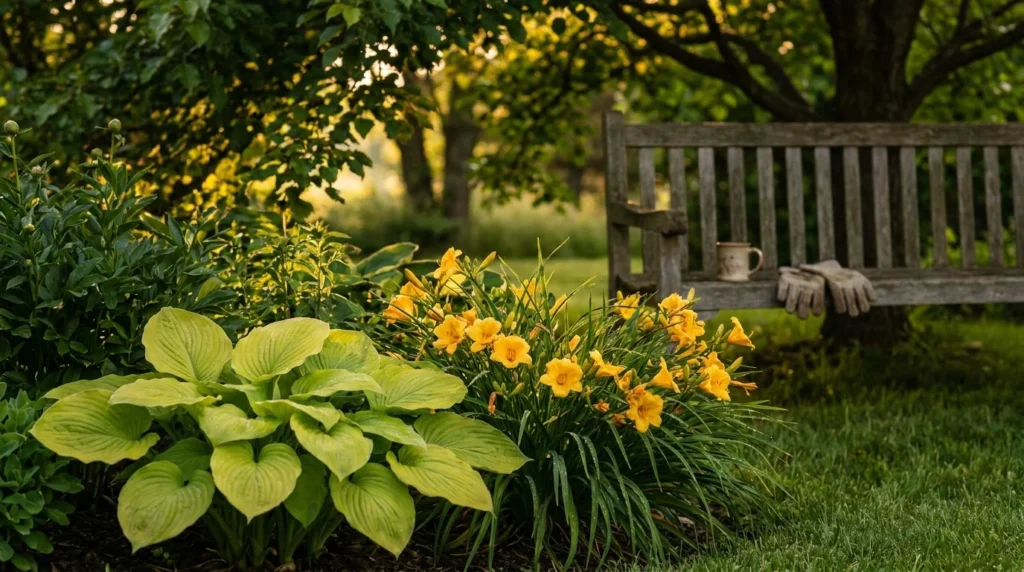
Whether you manage a sweeping suburban landscape, a cozy courtyard, or a series of accessible raised beds, the foundation of an effortless yard lies entirely in your plant choices.
The strategies outlined here will guide you toward resilient, long-lived species that offer tremendous curb appeal with a fraction of the traditional effort.

3 Responses
My snake plant in the hallway (with filtered sunlight is loosing leaves around the edges. What can I do?!
Hi there! Thanks for reaching out. 😊
If your snake plant is losing leaves around the edges, a few things could be causing it—even in filtered light. First, check your watering routine: snake plants usually prefer their soil to dry out completely between waterings, and too much moisture can lead to leaf damage or rot.
Also take a look at the hallway temperature—cold drafts from doors/windows or sudden temperature changes can stress the plant. If the edges look brown and crispy, low humidity or inconsistent watering could also be the culprit.
I’d recommend trimming off any damaged leaves, checking the roots for signs of rot (mushy/dark roots), and moving it slightly closer to brighter indirect light if your hallway is a bit too dim.
Snake plants are resilient, so with a few small adjustments, it should bounce back. Hope this helps—and feel free to share a photo if you’d like more specific advice!
How about any plants that hummingbirds may apprecite?!