
Seasonal Considerations for Your Garden
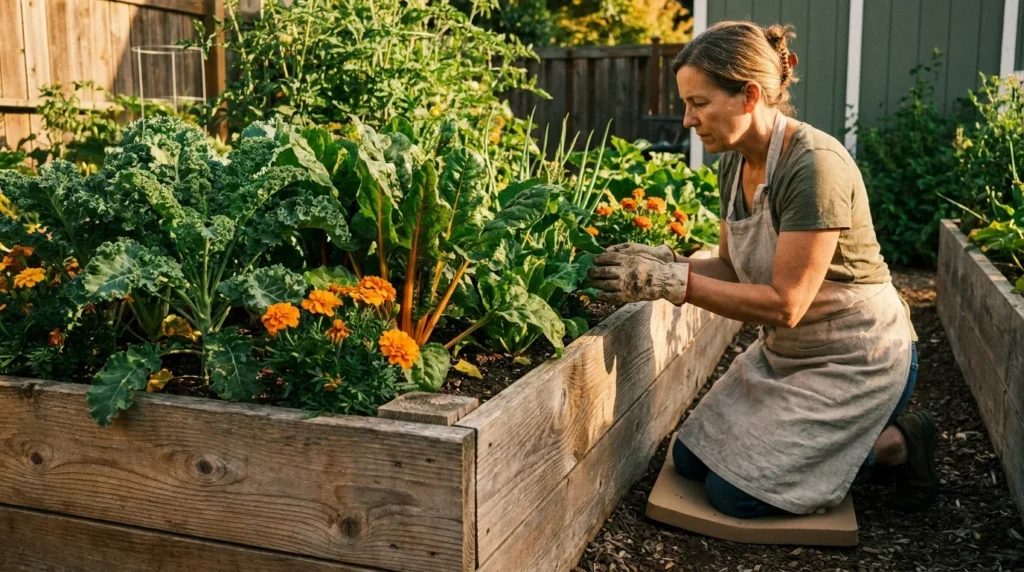
Understanding how to manage your outdoor spaces throughout the changing seasons dramatically reduces your overall workload and preserves your physical energy. During the spring months, your primary focus should center on applying a thick, three-inch layer of organic mulch across all your garden beds.
This single action effectively locks essential moisture into the soil and heavily suppresses early weed germination, saving you countless hours of pulling weeds during the sweltering heat of July and August.
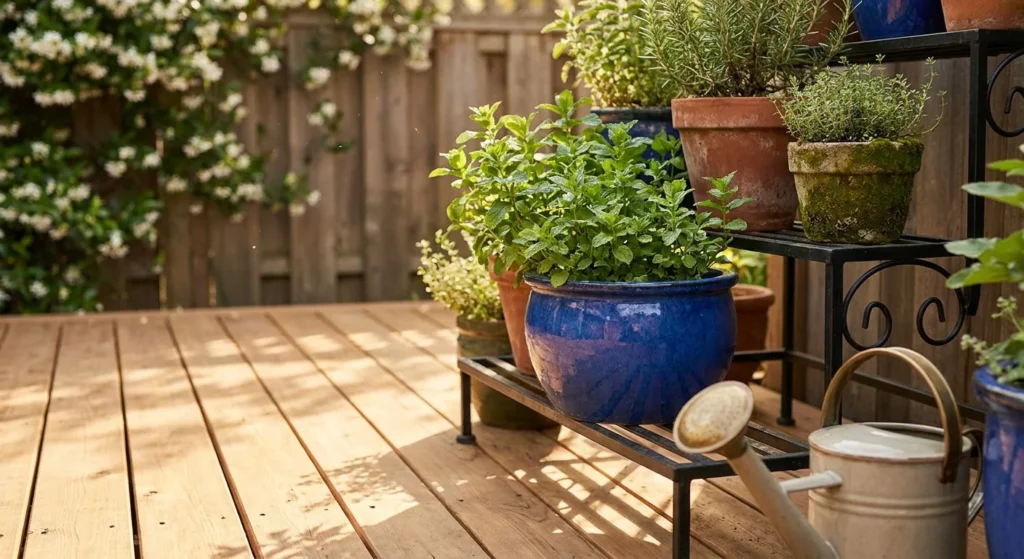
As summer temperatures peak, manual watering becomes the most physically demanding chore in the yard. You can bypass hauling heavy watering cans by installing a simple, automated drip irrigation system or snaking a soaker hose through your established beds.
Connecting these hoses to a basic battery-operated timer located at the spigot ensures your plants receive deep, consistent watering at the soil level, which prevents foliar diseases and encourages deep, drought-resistant root systems to develop.
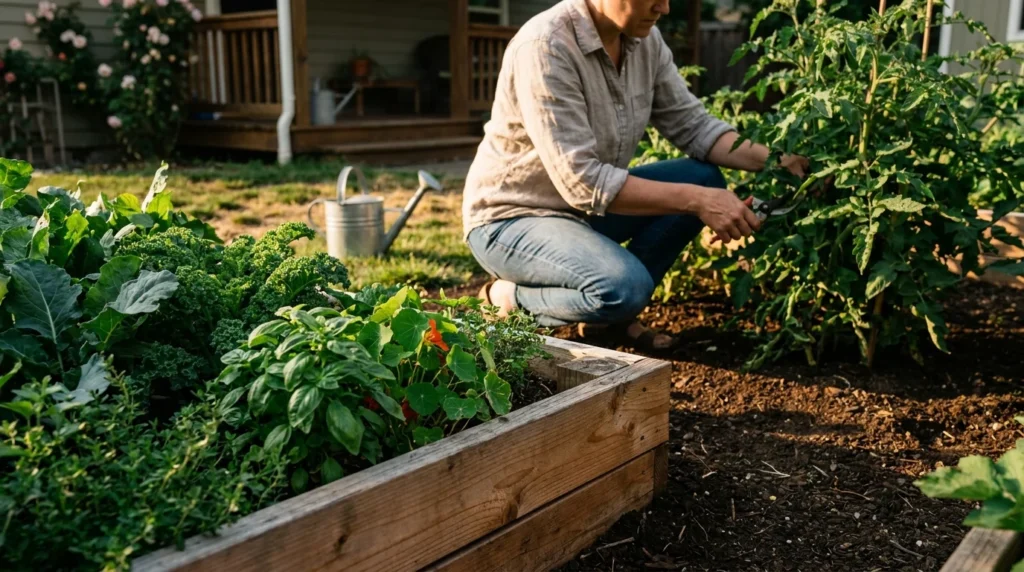
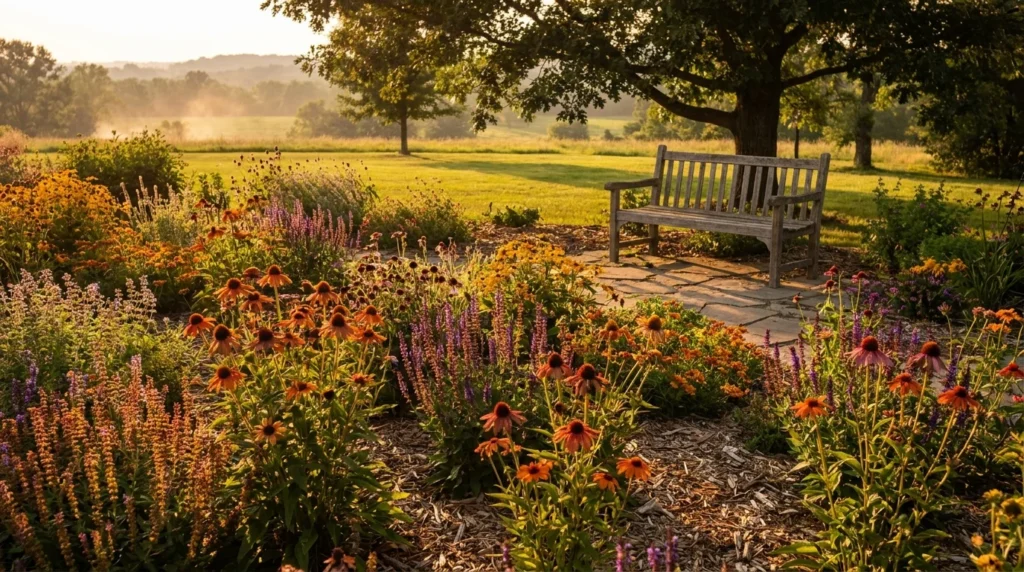
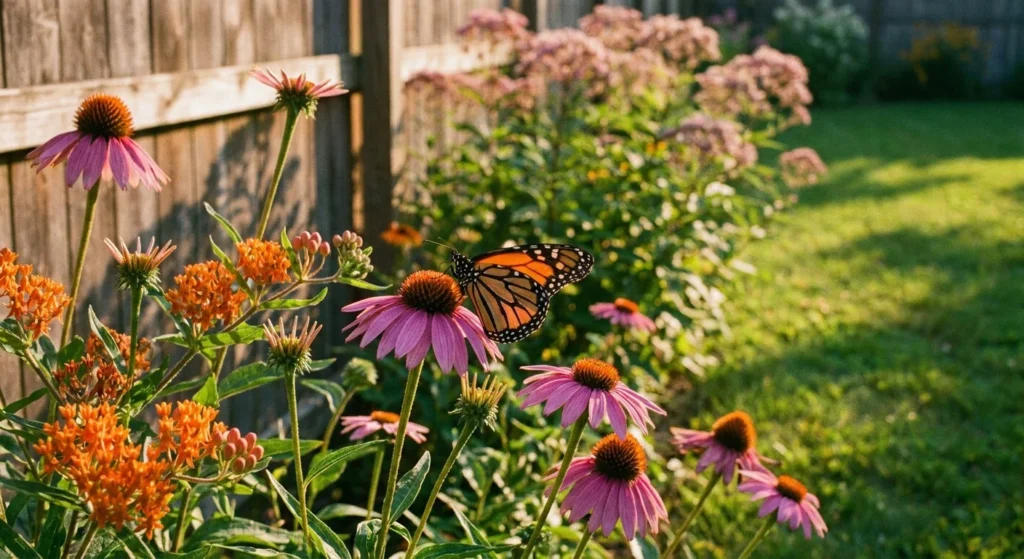
When autumn arrives, resist the traditional urge to cut every perennial down to the bare soil. Leaving the foliage and dried seed heads of plants like coneflowers and sedums intact provides critical winter interest and feeds local wildlife.
This modern approach to fall cleanup keeps organic material in the beds, insulating the plant roots against freezing temperatures while significantly cutting down the number of yard waste bags you have to lift and drag to the curb.
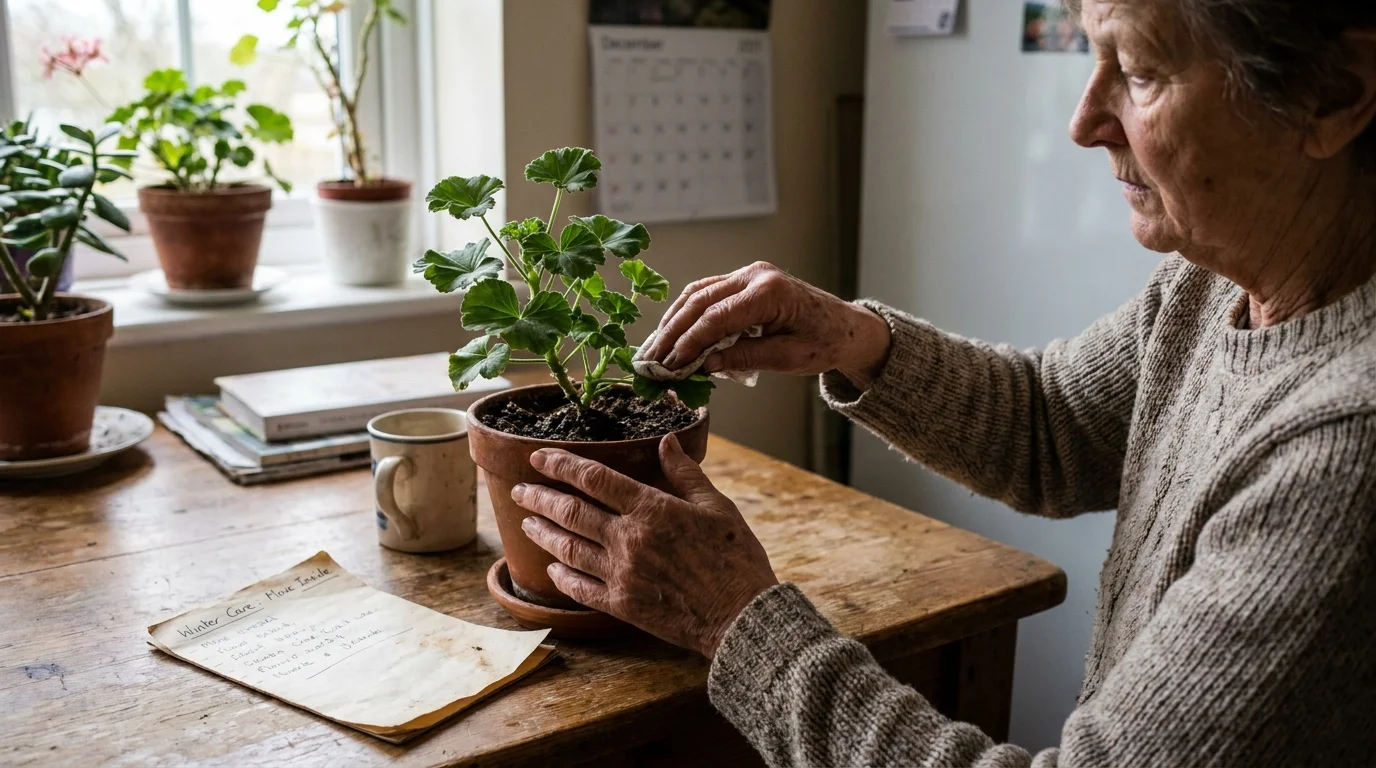
Winter serves as your vital resting period and the perfect time for strategic planning. Use these colder months to evaluate which plants performed well and which ones required too much effort.
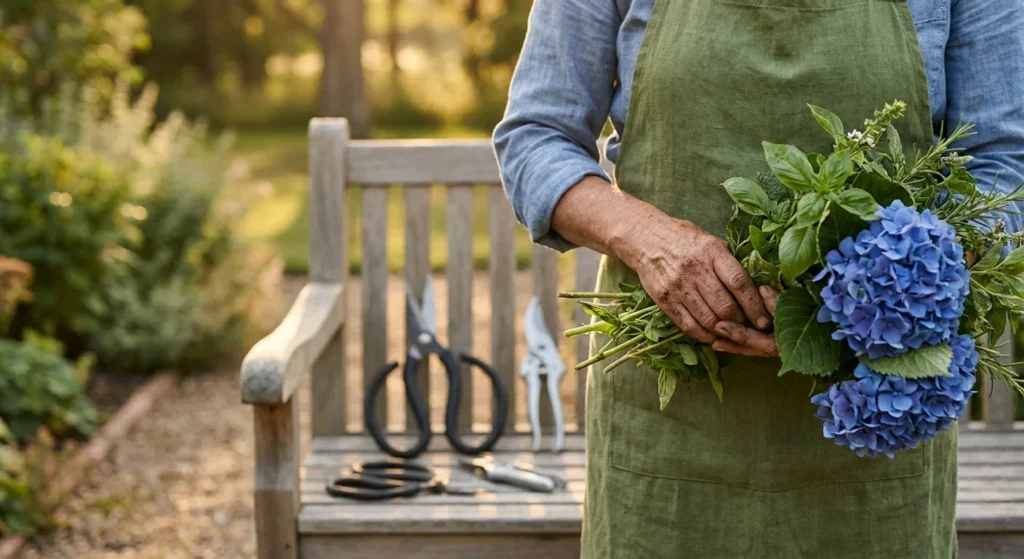
Winter also presents an excellent opportunity to clean, sharpen, and lubricate your ergonomic gardening tools, ensuring they perform smoothly and require less physical force when the spring planting season eventually returns.

3 Responses
My snake plant in the hallway (with filtered sunlight is loosing leaves around the edges. What can I do?!
Hi there! Thanks for reaching out. 😊
If your snake plant is losing leaves around the edges, a few things could be causing it—even in filtered light. First, check your watering routine: snake plants usually prefer their soil to dry out completely between waterings, and too much moisture can lead to leaf damage or rot.
Also take a look at the hallway temperature—cold drafts from doors/windows or sudden temperature changes can stress the plant. If the edges look brown and crispy, low humidity or inconsistent watering could also be the culprit.
I’d recommend trimming off any damaged leaves, checking the roots for signs of rot (mushy/dark roots), and moving it slightly closer to brighter indirect light if your hallway is a bit too dim.
Snake plants are resilient, so with a few small adjustments, it should bounce back. Hope this helps—and feel free to share a photo if you’d like more specific advice!
How about any plants that hummingbirds may apprecite?!