
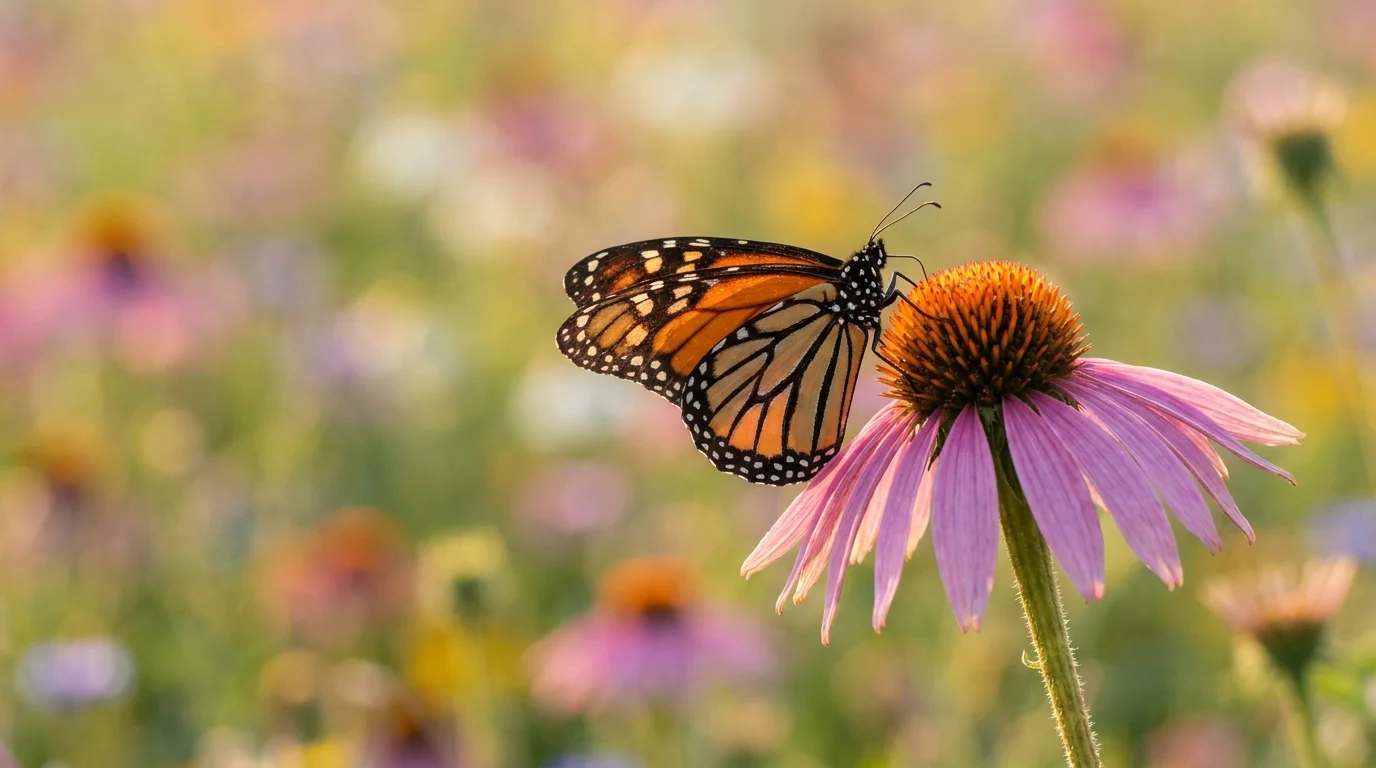
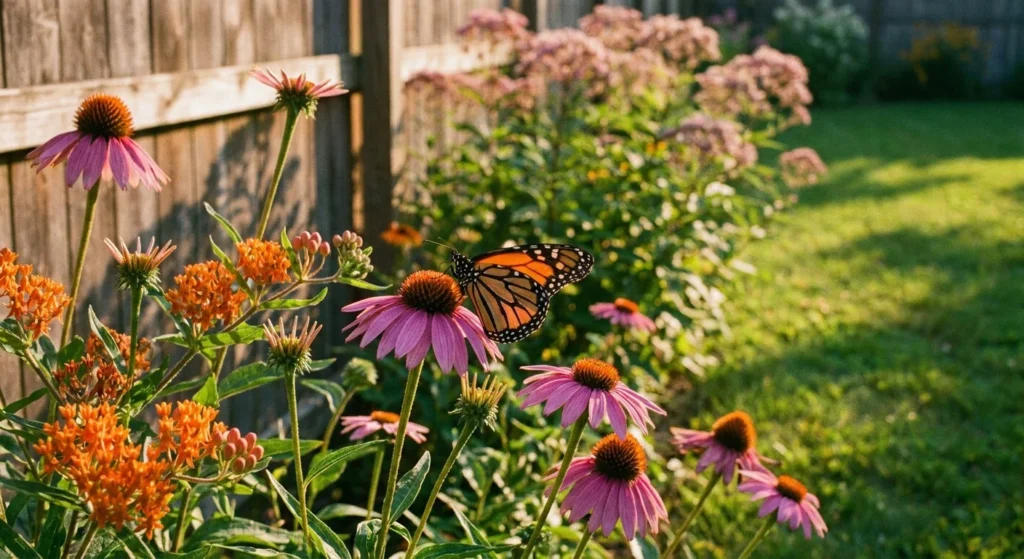
Outdoor Strategy #5: Coneflowers for Pollinator Attraction
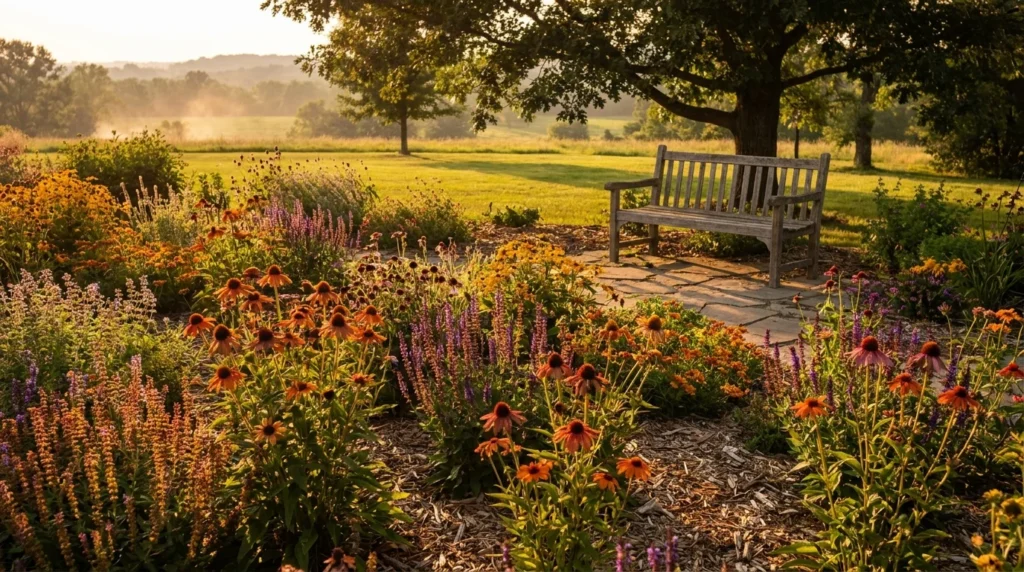
Native plants inherently possess the genetic tools necessary to survive local weather extremes, and the purple coneflower (Echinacea purpurea) exemplifies this rugged, uncompromising resilience.
Featuring incredibly deep taproots that dive far below the soil surface, coneflowers easily shrug off summer heatwaves and severe dry spells that would quickly decimate fussier, exotic species.
Incorporating coneflowers into your beds perfectly aligns with simple garden tips that emphasize working harmoniously with native ecology. You can plant them in well-drained soil across Zones 3 through 9 and essentially forget about them.
They distinctly dislike overly rich soil; in fact, over-fertilizing causes their normally rigid stems to become weak, floppy, and unmanageable. When the vibrant petals drop in the autumn, the dark, structural seed cones remain upright.
Leaving these cones intact provides crucial winter forage for goldfinches and other native songbirds, effectively turning your garden into a natural bird feeder without requiring you to carry heavy bags of seed from the local hardware store.

3 Responses
My snake plant in the hallway (with filtered sunlight is loosing leaves around the edges. What can I do?!
Hi there! Thanks for reaching out. 😊
If your snake plant is losing leaves around the edges, a few things could be causing it—even in filtered light. First, check your watering routine: snake plants usually prefer their soil to dry out completely between waterings, and too much moisture can lead to leaf damage or rot.
Also take a look at the hallway temperature—cold drafts from doors/windows or sudden temperature changes can stress the plant. If the edges look brown and crispy, low humidity or inconsistent watering could also be the culprit.
I’d recommend trimming off any damaged leaves, checking the roots for signs of rot (mushy/dark roots), and moving it slightly closer to brighter indirect light if your hallway is a bit too dim.
Snake plants are resilient, so with a few small adjustments, it should bounce back. Hope this helps—and feel free to share a photo if you’d like more specific advice!
How about any plants that hummingbirds may apprecite?!