
Dealing with Outdoor Pests and Weather
Managing the inevitable arrival of pests and unpredictable weather systems does not require applying harsh, toxic chemicals or engaging in daily garden patrols. When dealing with browsing mammals like deer and rabbits, your most effective strategy involves utilizing plants they naturally detest. Highly fragrant or textured plants, such as yarrow, peonies, and aromatic herbs, naturally repel these animals. By positioning these resistant plants along the perimeter of your yard, you create a biological fence that gently encourages wildlife to forage elsewhere.
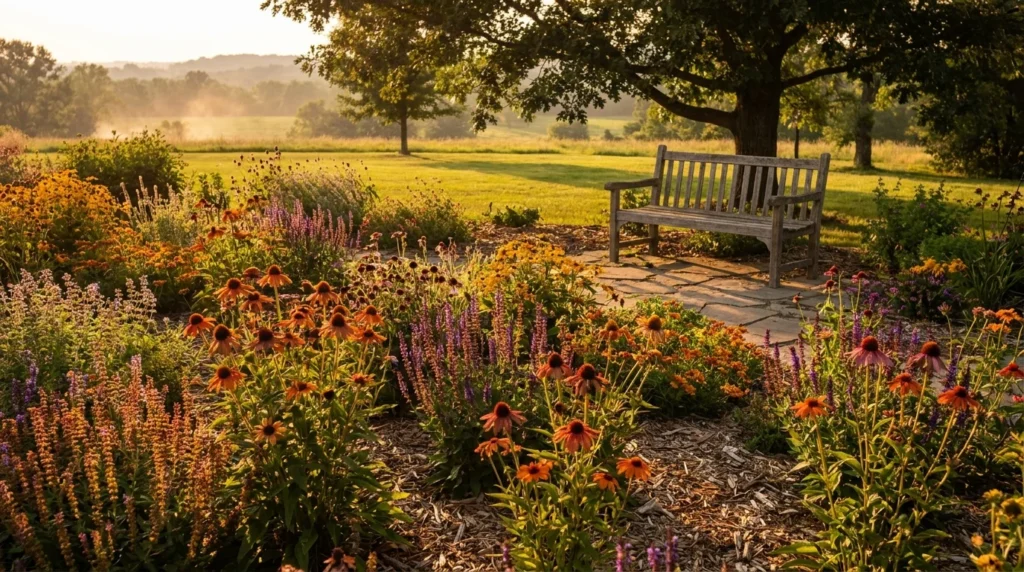
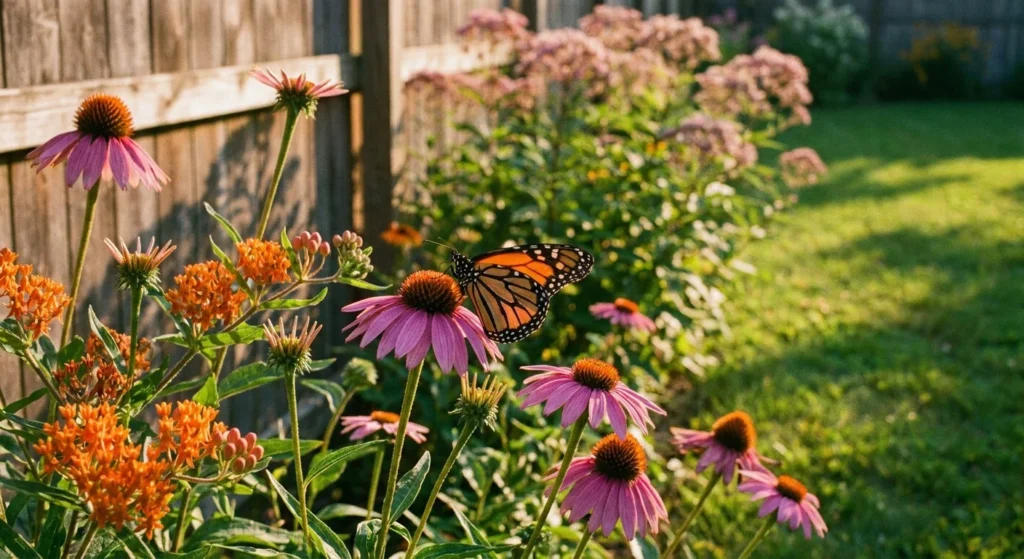
Insect management in a low-maintenance landscape relies heavily on fostering a balanced, natural ecosystem. Instead of reaching for broad-spectrum pesticides at the first sight of an aphid, allow natural predators like ladybugs, lacewings, and parasitic wasps to handle the infestation. Providing diverse, native plantings—like the coneflower—attracts these beneficial insects to your yard, establishing a self-policing environment that keeps destructive pest populations firmly in check without requiring you to mix or spray hazardous chemicals.
Combating severe weather, particularly sudden heatwaves and prolonged droughts, requires proactive soil management. Amending your beds with rich organic compost acts like a sponge, drastically increasing the water-holding capacity of the earth. When extreme heat is forecasted, providing your beds with one long, slow, deep soaking is vastly superior to shallow daily waterings. Deep watering forces plant roots to grow further down into the cooler, protected layers of the soil, ensuring they can weather extreme surface temperatures without wilting.
Frequently Asked questions
How can I reduce the physical strain of planting and maintaining my garden?
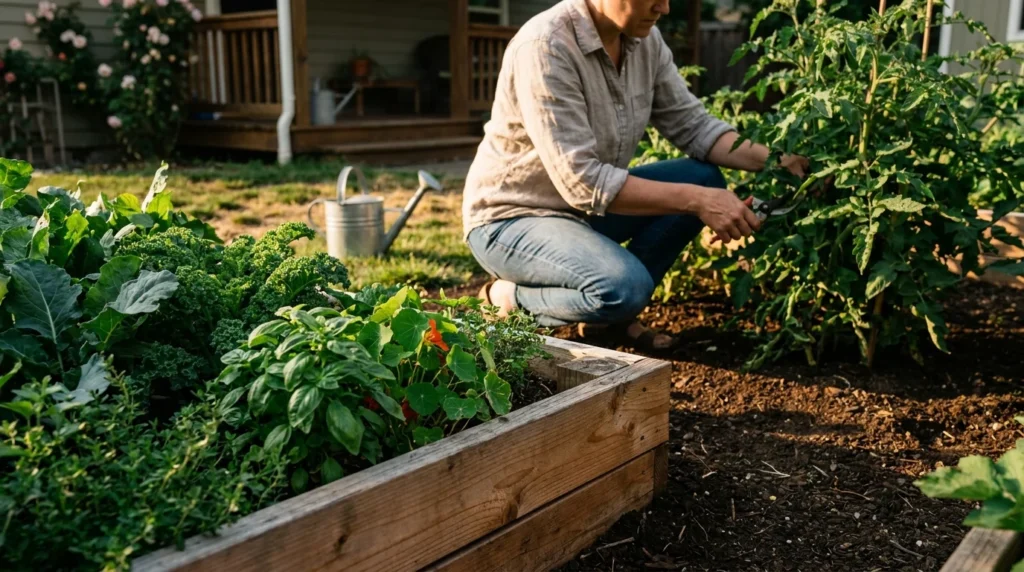
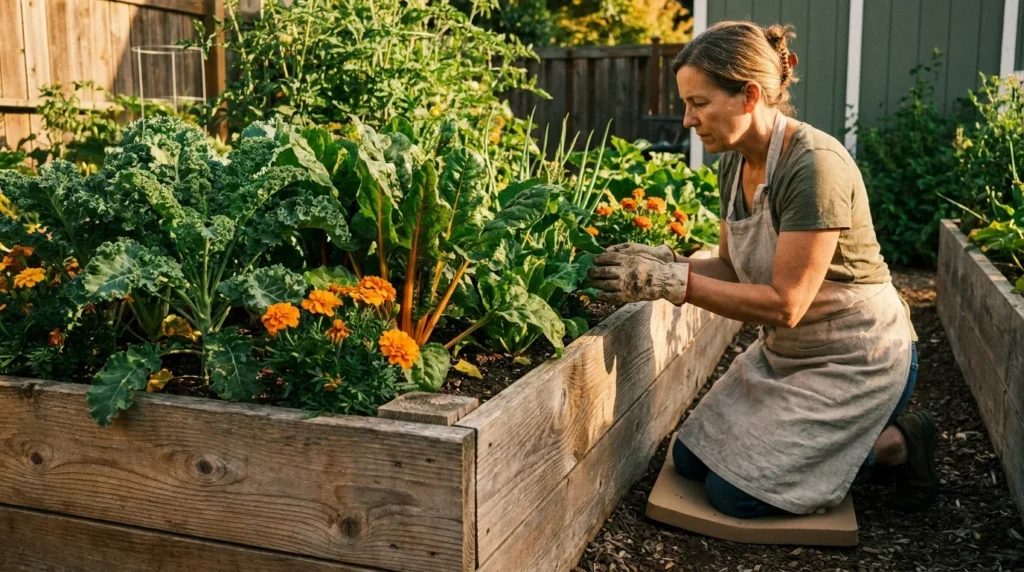
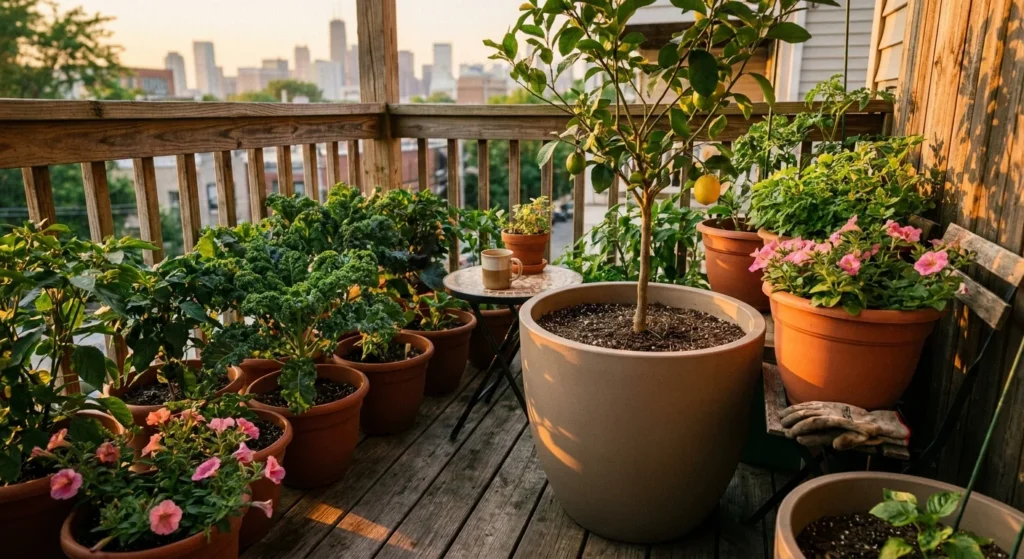
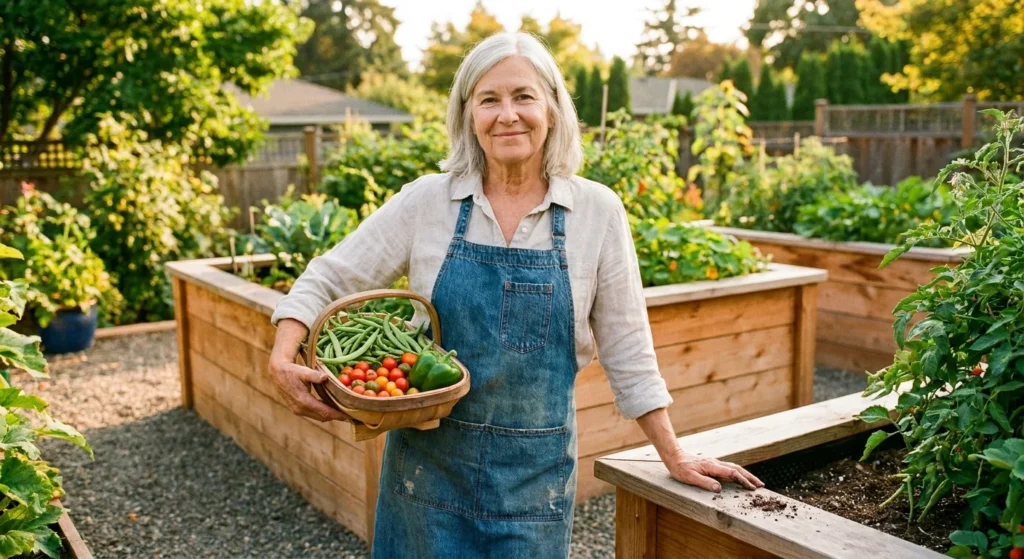
The most effective method for minimizing physical stress involves transitioning to elevated gardening solutions. Installing raised beds, utilizing tall container pots, and implementing vertical trellises brings the work directly to your natural waist height. Additionally, investing in ergonomic tools featuring extended handles and padded, shock-absorbing grips significantly reduces the pressure placed on your wrists, knees, and lower back during routine maintenance sessions.
Do low-maintenance plants spread too quickly and become invasive?
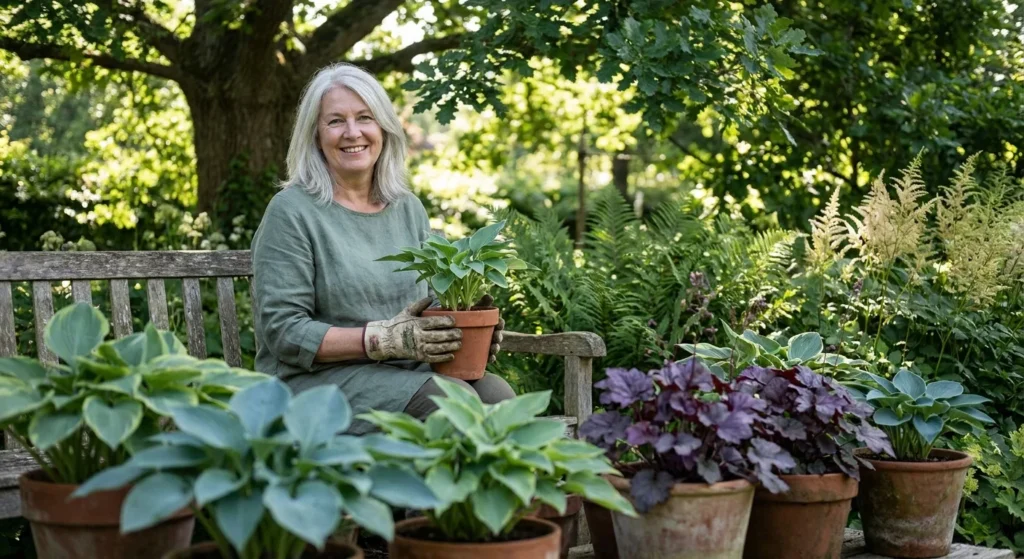
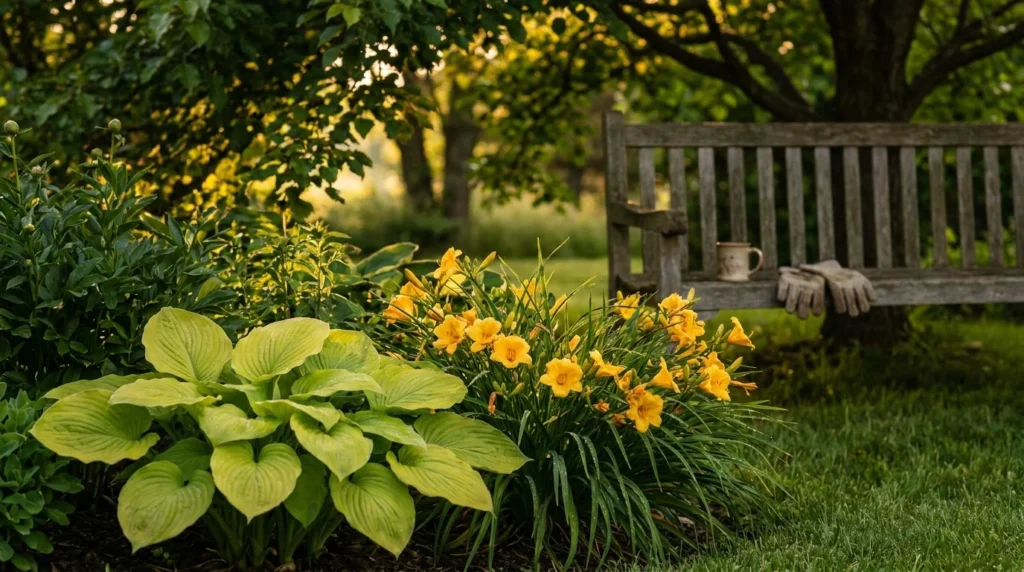
While some aggressive groundcovers can certainly overtake a garden bed, the specific plants recommended above—such as hostas, coral bells, and dwarf spirea—were explicitly chosen for their well-behaved, clumping growth habits. To ensure your plants stay exactly where you want them, always check the plant tag for words like “clumping” or “compact,” and avoid species labeled as “vigorous spreaders” or “rapid naturalizers.”
How do I improve my heavy clay soil without physically double-digging the beds?
You can dramatically improve dense, compacted clay soil through a simple, labor-free process known as top-dressing. Instead of violently tilling the earth, simply layer two to three inches of rich, organic compost directly over the soil surface every spring and fall. Earthworms, beneficial soil microbes, and natural rainfall will slowly pull this vital organic matter down into the clay, naturally breaking it up and improving drainage without requiring you to lift a single heavy shovel.
Can I safely leave my container plants outdoors all winter?
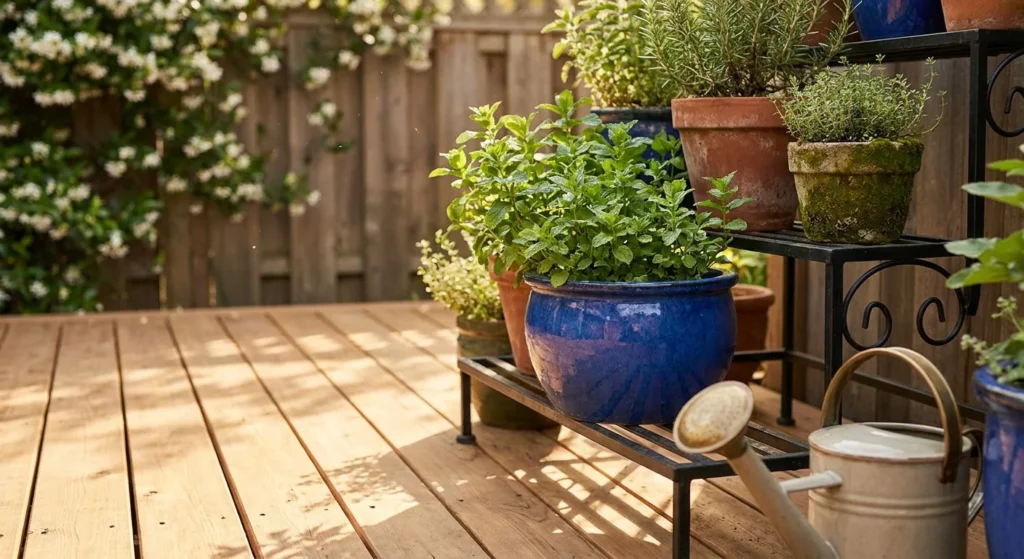
The survival of your container plants during the winter depends entirely on the material of the pot and your local climate zone. Ceramic and terracotta pots will easily crack when wet soil freezes and rapidly expands inside them. Furthermore, plants in containers experience much colder root temperatures than those planted directly in the ground. If you live in a region with freezing temperatures, you must either move delicate plants like the snake plant indoors or choose ultra-hardy outdoor perennials housed in flexible, frost-proof composite or resin containers.
Check your USDA Plant Hardiness Zone at the USDA’s website. For lawn and garden care advice, consult your local University Extension program (listed here). Find native plant information from the National Wildlife Federation.
Disclaimer: This article provides general outdoor gardening advice. Success can vary greatly based on your specific climate, soil type, and local conditions. Always choose plants appropriate for your USDA Hardiness Zone.
3 Responses
My snake plant in the hallway (with filtered sunlight is loosing leaves around the edges. What can I do?!
Hi there! Thanks for reaching out. 😊
If your snake plant is losing leaves around the edges, a few things could be causing it—even in filtered light. First, check your watering routine: snake plants usually prefer their soil to dry out completely between waterings, and too much moisture can lead to leaf damage or rot.
Also take a look at the hallway temperature—cold drafts from doors/windows or sudden temperature changes can stress the plant. If the edges look brown and crispy, low humidity or inconsistent watering could also be the culprit.
I’d recommend trimming off any damaged leaves, checking the roots for signs of rot (mushy/dark roots), and moving it slightly closer to brighter indirect light if your hallway is a bit too dim.
Snake plants are resilient, so with a few small adjustments, it should bounce back. Hope this helps—and feel free to share a photo if you’d like more specific advice!
How about any plants that hummingbirds may apprecite?!