You can awaken your garden from winter slumber weeks before the last frost arrives. Planting cold-hardy annuals right now injects immediate, vibrant color into your patio pots and barren garden beds.
These resilient early bloomers shrug off freezing nights and flourish in crisp morning air. You will enjoy saturated petals and delightful fragrance while neighboring landscapes remain dormant and gray.
Whether you tuck starter plants into containers or sow seeds into chilly soil, fast blooms are entirely within your reach. Discover the best flowers to plant in early spring for reliable, breathtaking displays.
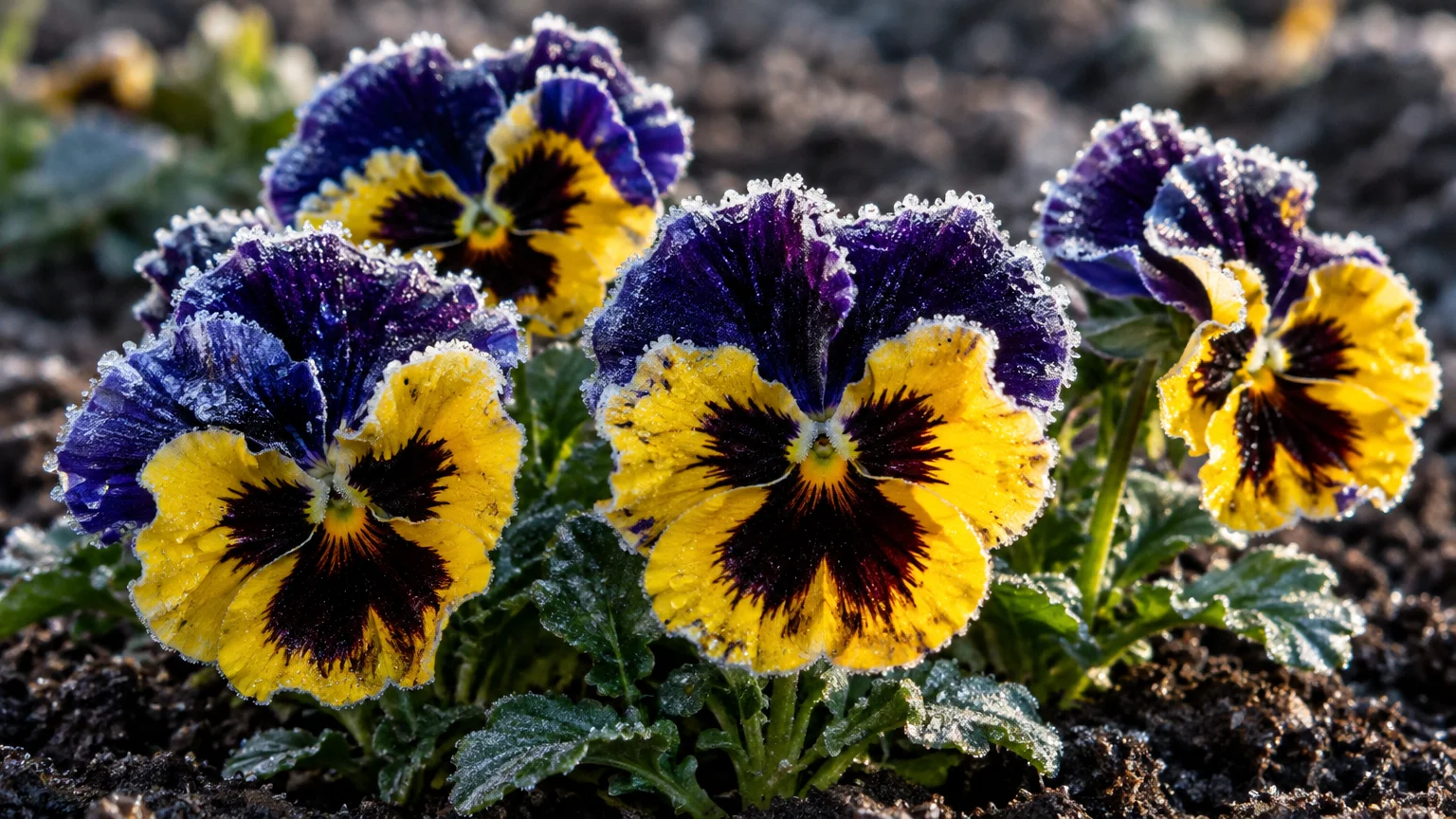
Tip #1: Pansies (Viola tricolor hortensis)
Pansies are the undisputed champions of the early spring garden. Their cheerful faces withstand sudden cold snaps; they even tolerate light snow without dropping their petals.
Plant nursery starts directly into nutrient-rich, well-draining soil as soon as the ground thaws. Space them six inches apart in garden beds or cluster them tightly inside patio containers.
Provide full sunlight to encourage continuous flowering throughout the chilly season. If nights threaten to drop below twenty degrees Fahrenheit, cover the plants with burlap overnight.
Pinch off fading blooms every few days to stimulate a constant flush of fresh buds. This simple deadheading routine prevents premature seed production and extends the show into summer.
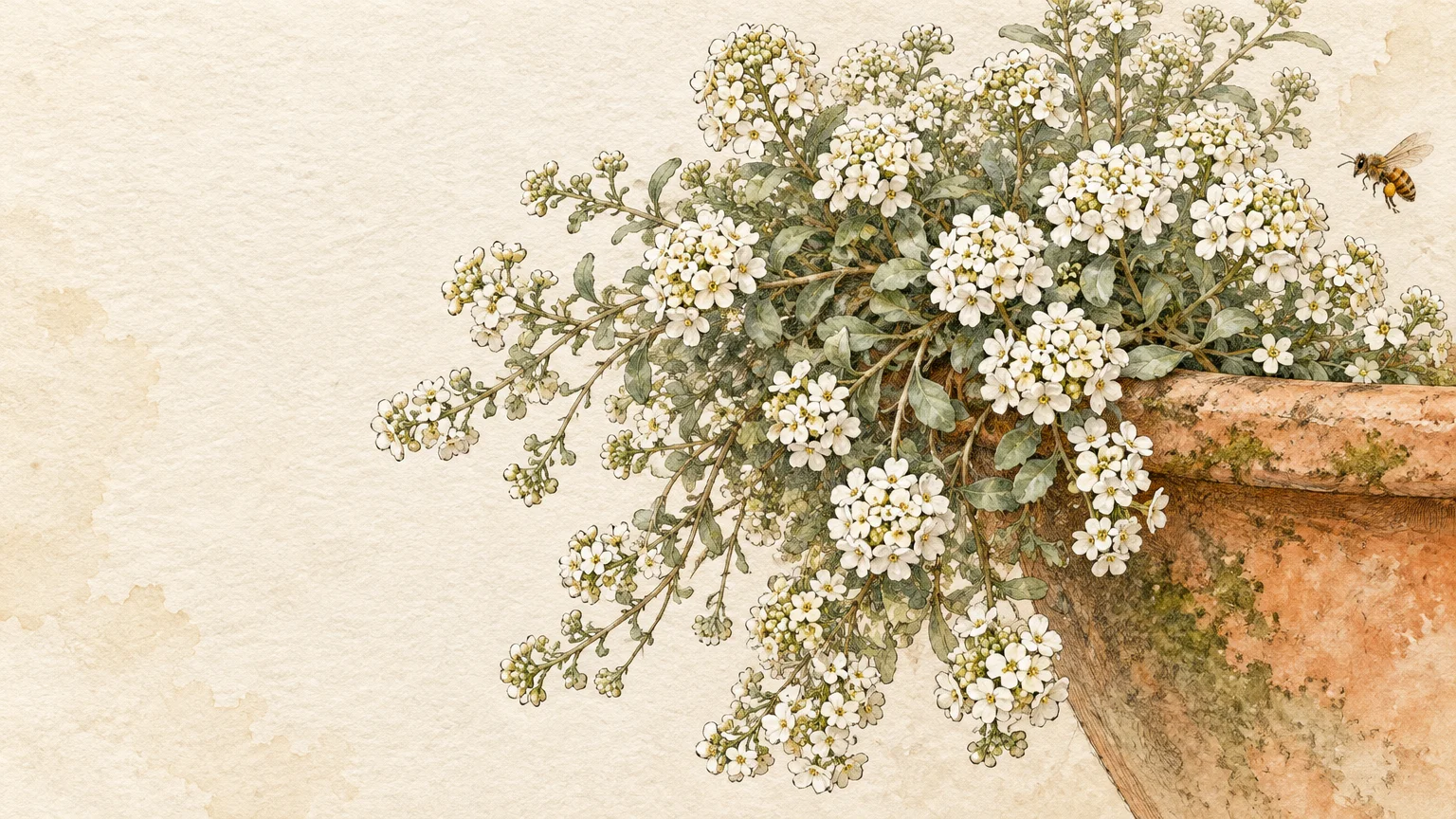
Tip #2: Sweet Alyssum (Lobularia maritima)
Sweet alyssum creates an instant carpet of honey-scented blossoms that softens hard container edges. These quick blooming flowers thrive in chilly weather and attract beneficial early pollinators to your yard.
Scatter seeds over moist, raked soil and press them down lightly; you can also transplant starter plugs after hard ground freezes subside. Water gently to settle the roots without disturbing the seedlings.
Position your plants where they receive morning sun and crisp afternoon light. Alyssum performs best when the soil remains evenly damp rather than soaking wet.
If stems stretch or get leggy, shear them back by one-third using clean garden snips. This trim triggers compact, vigorous new growth and a second explosion of fragrant flowers.
Tip #3: Johnny Jump-Ups (Viola tricolor)
Johnny jump-ups, the delicate wild cousins of pansies, produce dozens of diminutive purple and yellow flowers. They endure unexpected spring freezes with remarkable resilience and often reseed themselves generously.
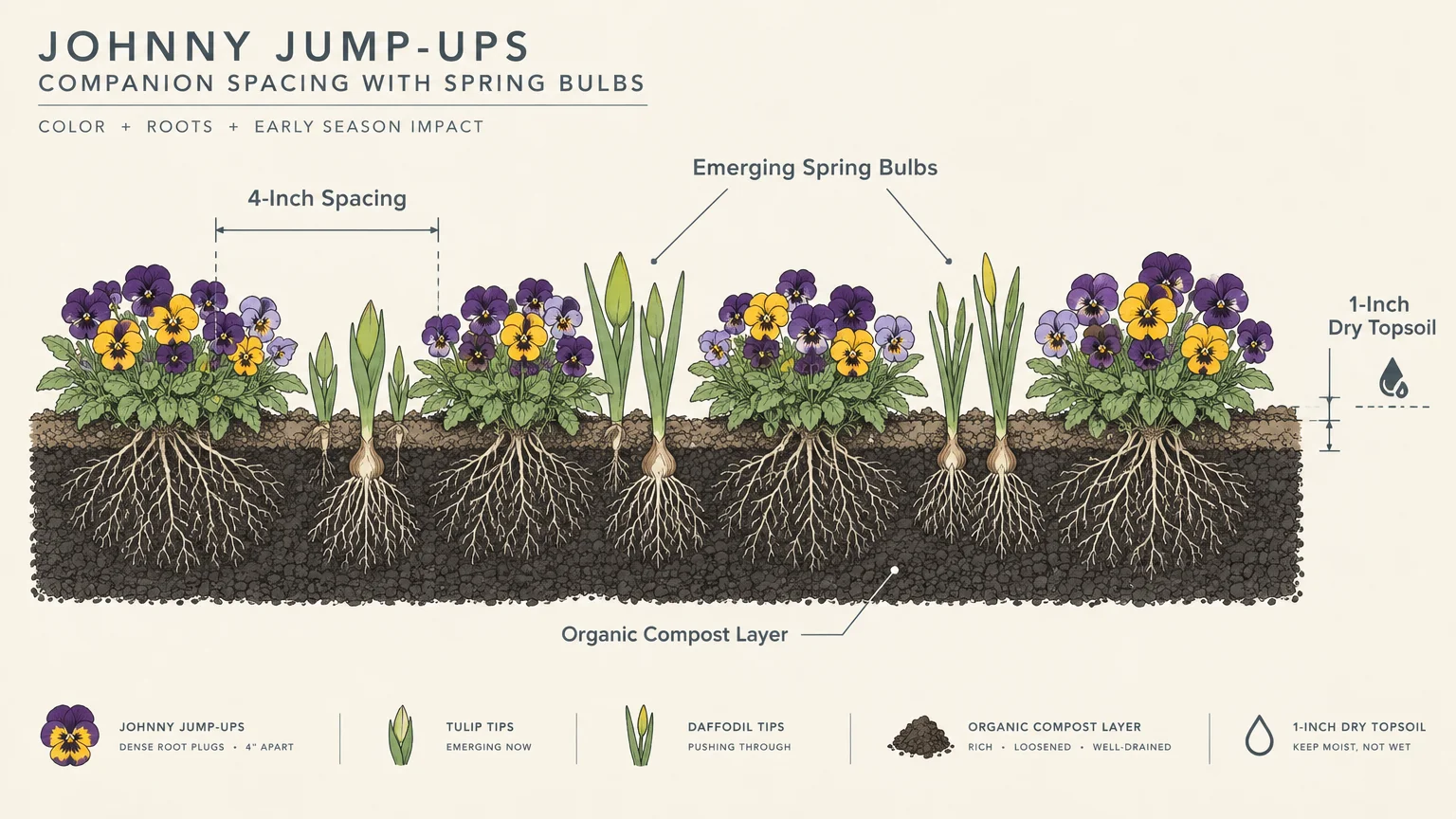
Tuck these charming bloomers into sunny rockeries, pathway borders, or early balcony boxes. They perform best in moist, fertile soil enriched with a small handful of organic compost.
Plant them four inches apart to form dense, colorful carpets that crowd out early spring weeds. Their compact size makes them ideal companions alongside emerging spring bulbs.
Water the soil consistently whenever the top inch feels dry to the touch. These dainty flowers will reward you by blooming tirelessly until early summer heat arrives.
Tip #4: Calendula (Calendula officinalis)
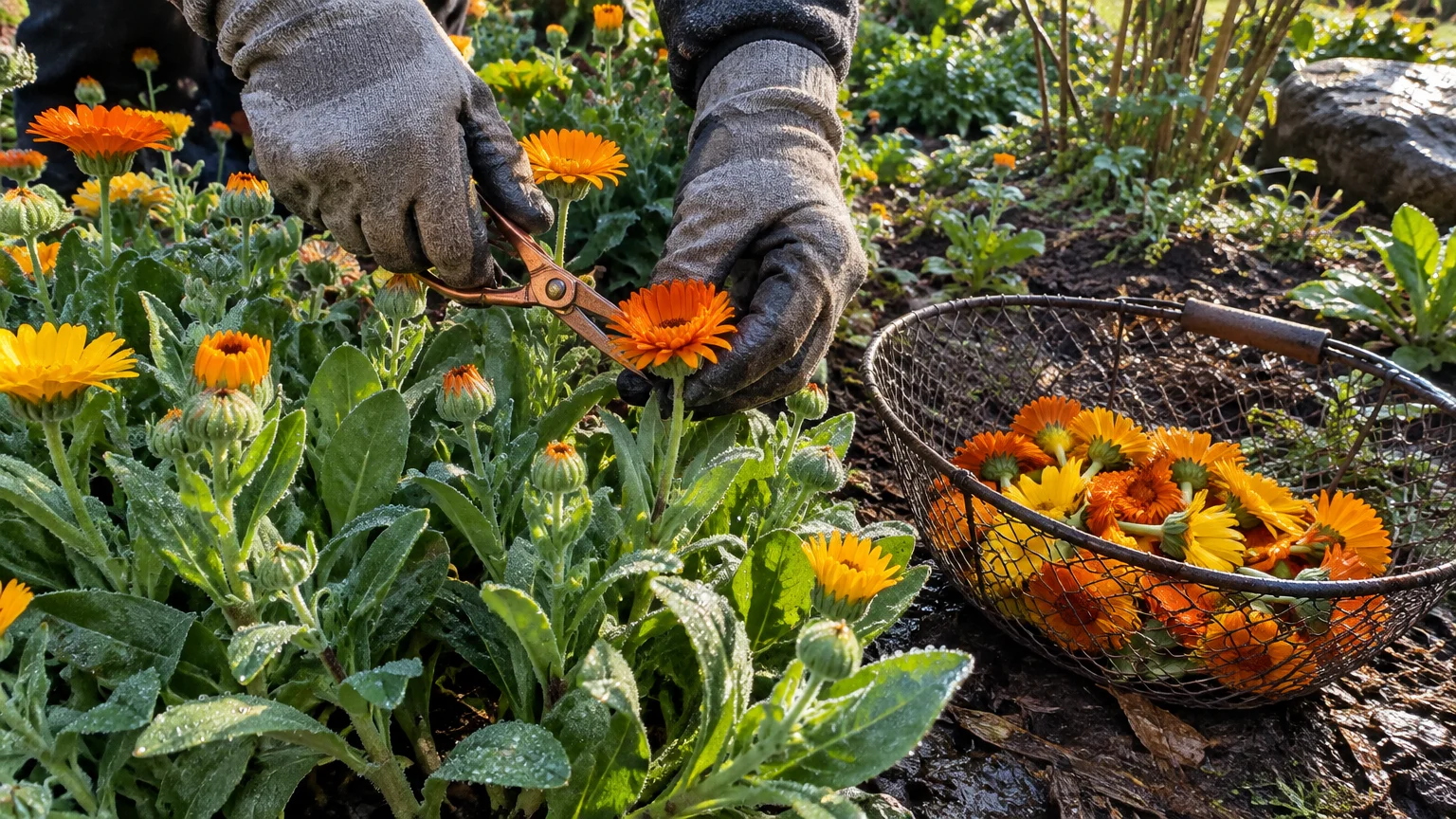
Calendula, commonly known as pot marigold, introduces warm golden and fiery orange tones to chilly borders. Their thick, frost-resistant leaves and daisy-like flower heads brighten dull spaces almost instantly.
Sow the curved seeds directly into prepared garden soil about one-half inch deep. They germinate rapidly in cold dirt, producing sturdy sprouts within a week to ten days.
Give calendula moderate moisture and full sun to keep the stems stout and upright. Well-draining soil prevents root issues during damp, rainy spring weeks.
Harvest the edible flower petals regularly to toss into fresh salads and keep plants producing new buds. Frequent cutting encourages the plants to branch out into lush, blooming bushes.
Tip #5: Snapdragons (Antirrhinum majus)
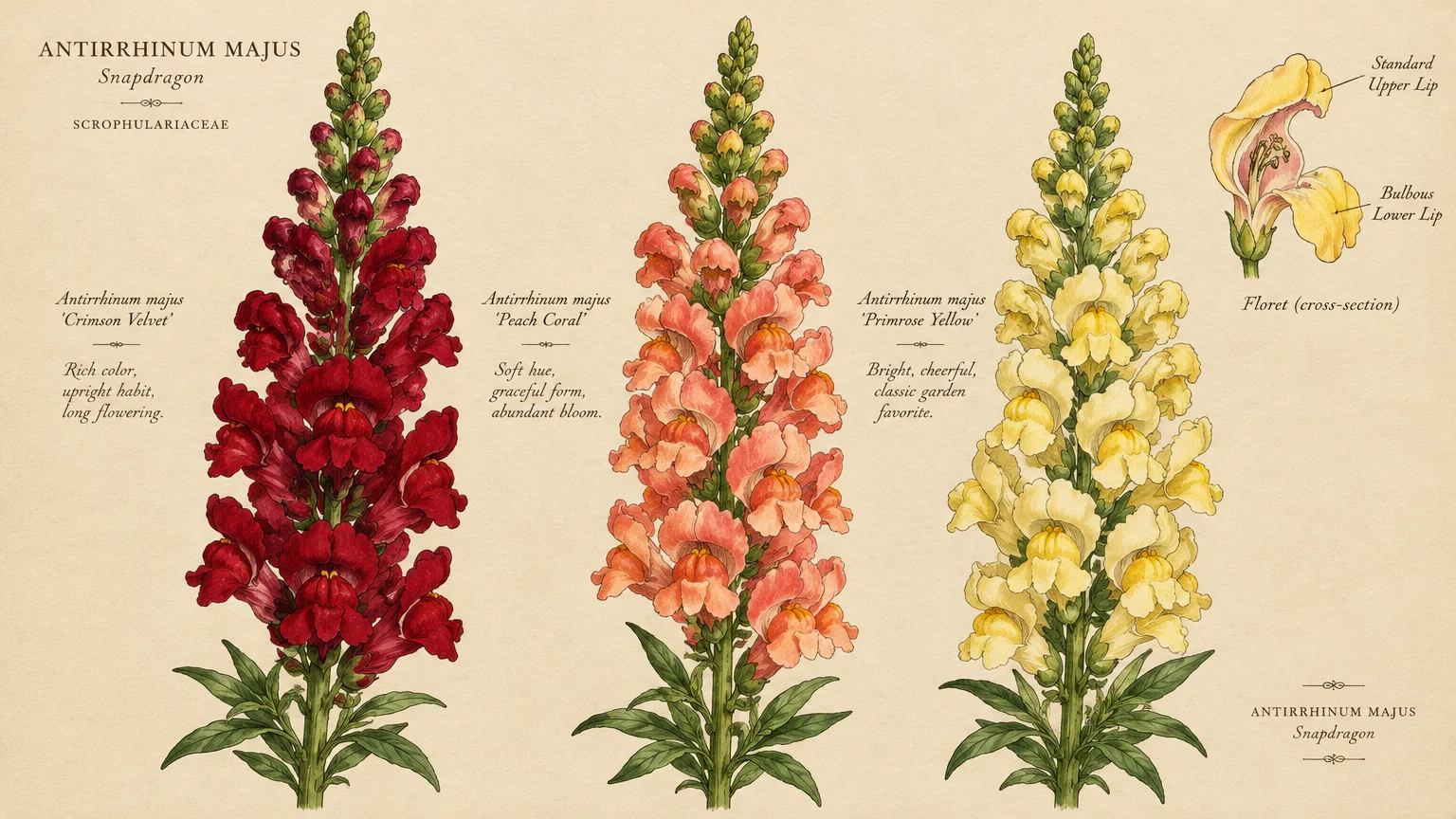
Snapdragons provide dramatic vertical structure and classic garden charm when cool weather stalls other tall perennials. Dwarf varieties excel in small planters, whereas standard cultivars anchor early garden borders.
Set nursery transplants into moist, rich soil as soon as heavy winter ground freezing ends. Water them thoroughly at the base to encourage deep, frost-proof root establishment.
Pinch the central growing tips of young plants to promote dense branching and multiple bloom spikes. This simple step turns a single upright stalk into a bushy showstopper.
Feed them with a balanced liquid fertilizer every two weeks once buds appear. Stake taller types early to protect the heavy flower heads against harsh spring gusts.
Tip #6: Primroses (Primula vulgaris)
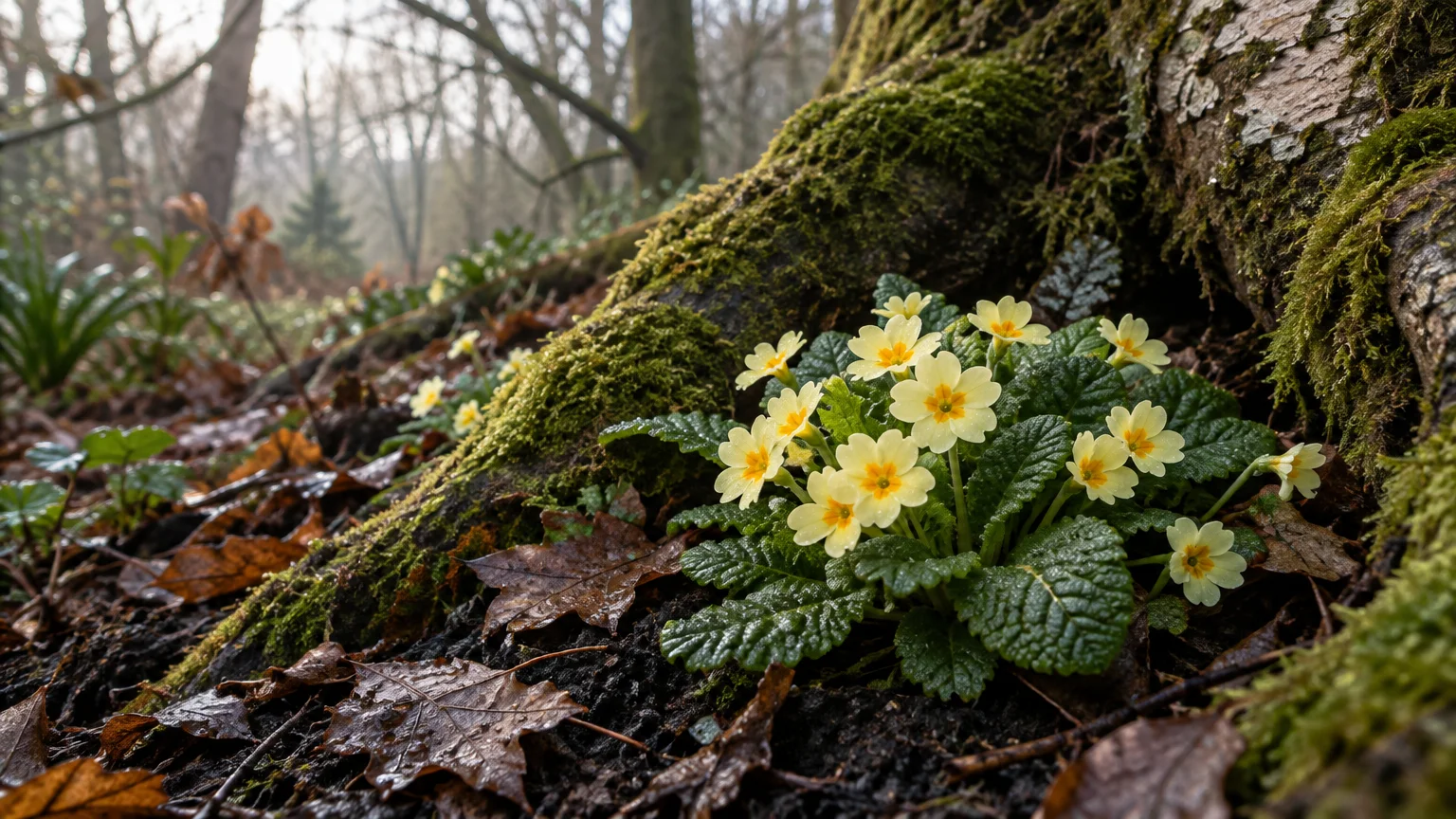
Primroses offer some of the most vivid jewel-toned colors you can find in early spring. Their radiant rosettes of textured leaves surround clusters of bright yellow, crimson, pink, and blue flowers.
Position these shade lovers under deciduous trees or beneath covered porch railings where harsh midday sun cannot scorch them. They thrive in damp, humus-rich earth that mimics woodland floors.
Mix plenty of leaf mold or compost into the planting hole before setting the root ball level with the soil. Consistent moisture is critical; primroses wilt quickly if their roots dry out.
Remove spent flower stems at ground level to promote continuous flowering. Once summer arrives, these hardy perennials will rest quietly until their return next year.
Tip #7: Sweet Peas (Lathyrus odoratus)
Sweet peas fill the crisp morning air with an unforgettable, vintage perfume. These climbing beauties love cold roots and damp spring breezes, making them a quintessential early season choice.
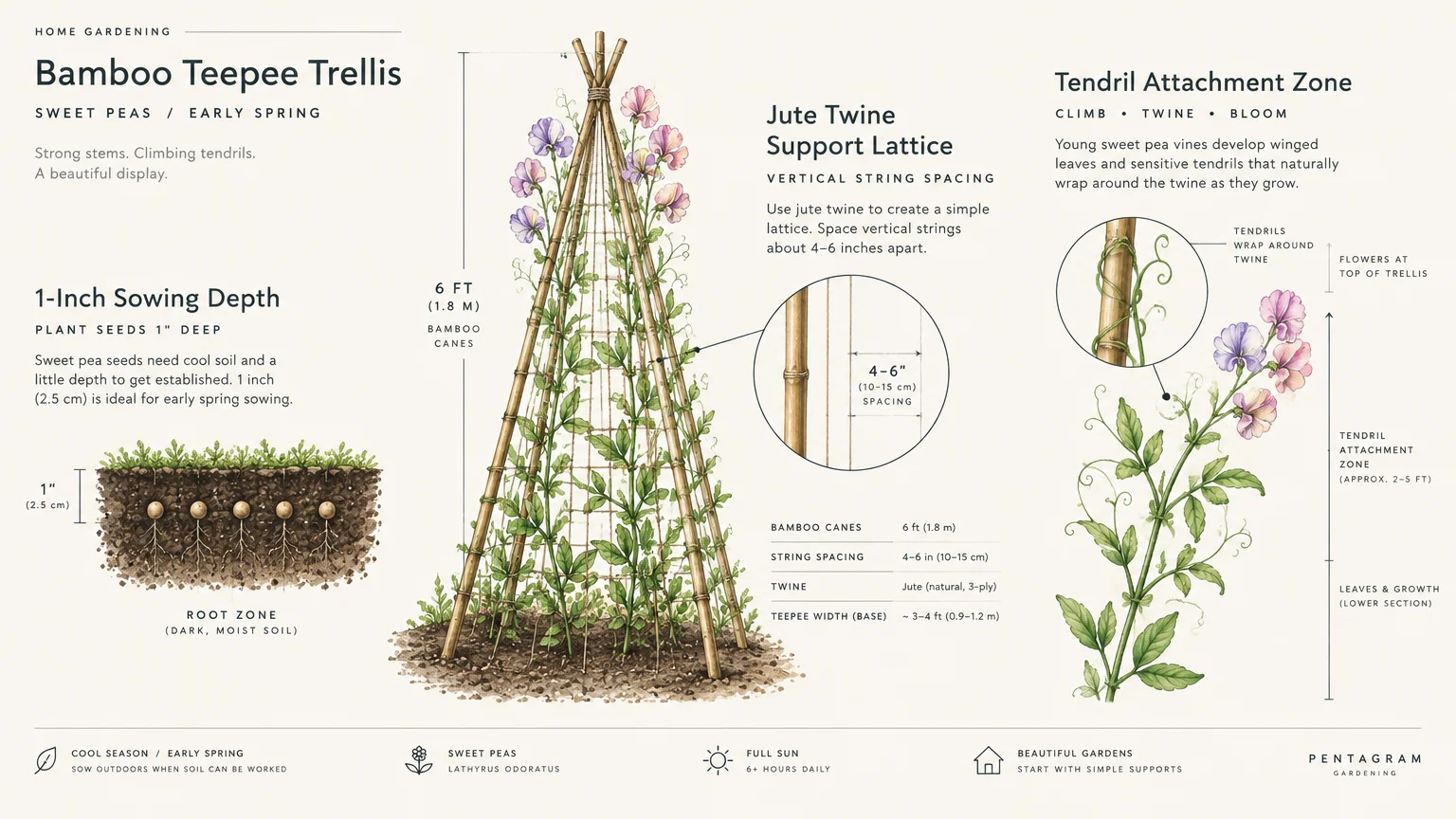
Soak the seeds overnight in warm water to soften their tough seed coats before planting. Sow them one inch deep along a sturdy trellis as soon as the soil is workable.
Mulch the soil base heavily with straw or compost to keep the root system cool and moist. As vines grow, train the tender tendrils onto netting or bamboo supports.
Pick the fragrant blooms frequently for indoor bouquets. Frequent cutting prevents seed pod formation, keeping the vines loaded with fresh blossoms for many weeks.
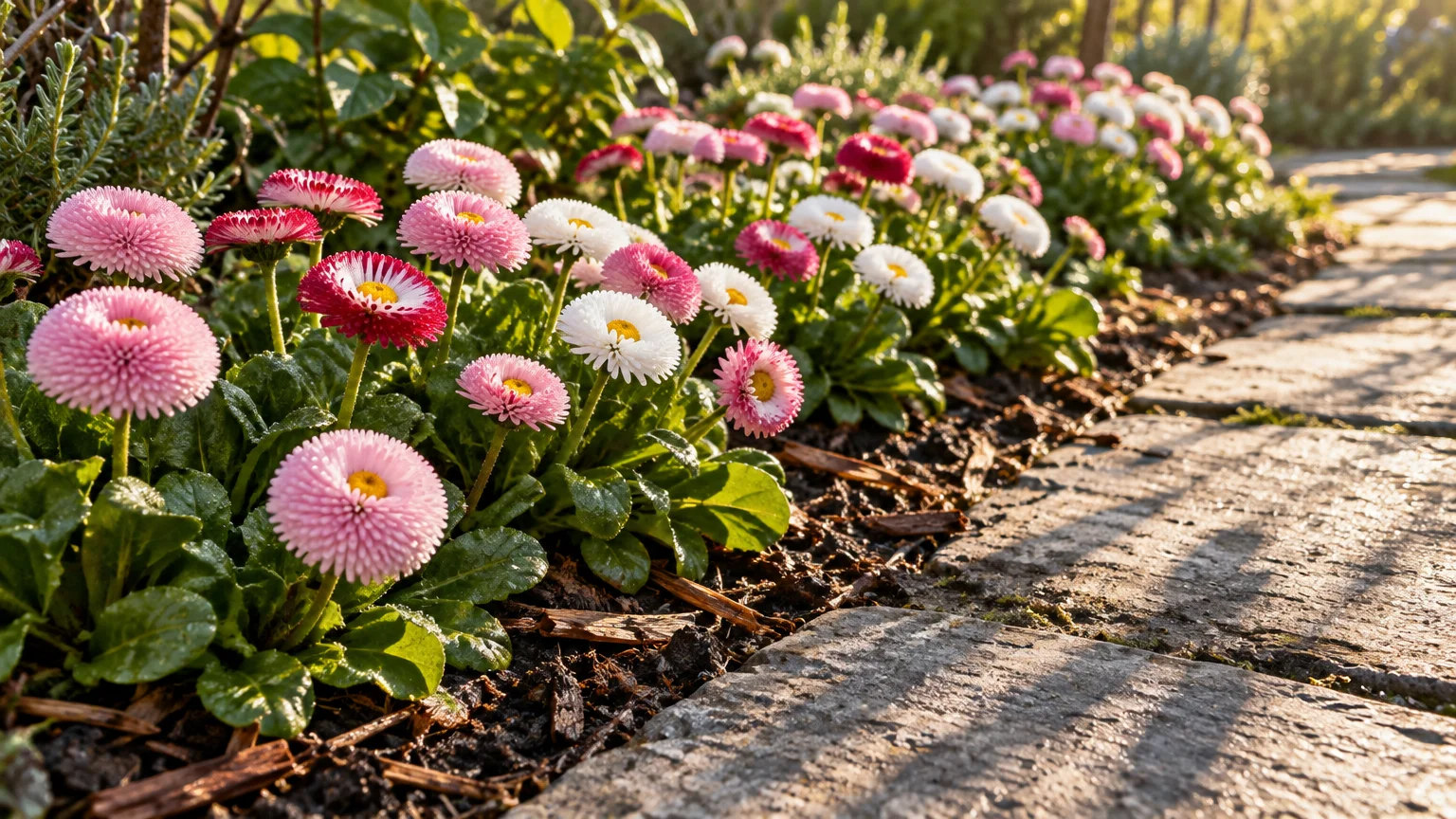
Tip #8: English Daisies (Bellis perennis)
English daisies produce neat, button-shaped flowers in soft shades of pink, white, and rose. They form tight mounds of foliage that create charming focal points along stone pathways and border edges.
Install potted starts into moist, well-draining garden soil in early spring. They handle partial shade and cool mornings with ease, resisting light frosts that would damage tender summer annuals.
Pair them with low-growing pansies or miniature daffodils to build dynamic textural contrasts. Ensure the planting site drains excess water effectively to avoid root rot during cold spring rains.
Maintain consistent soil moisture without allowing water to pool around the crowns. Deadhead spent buttons promptly to prolong their dense blooming cycle well into late spring.
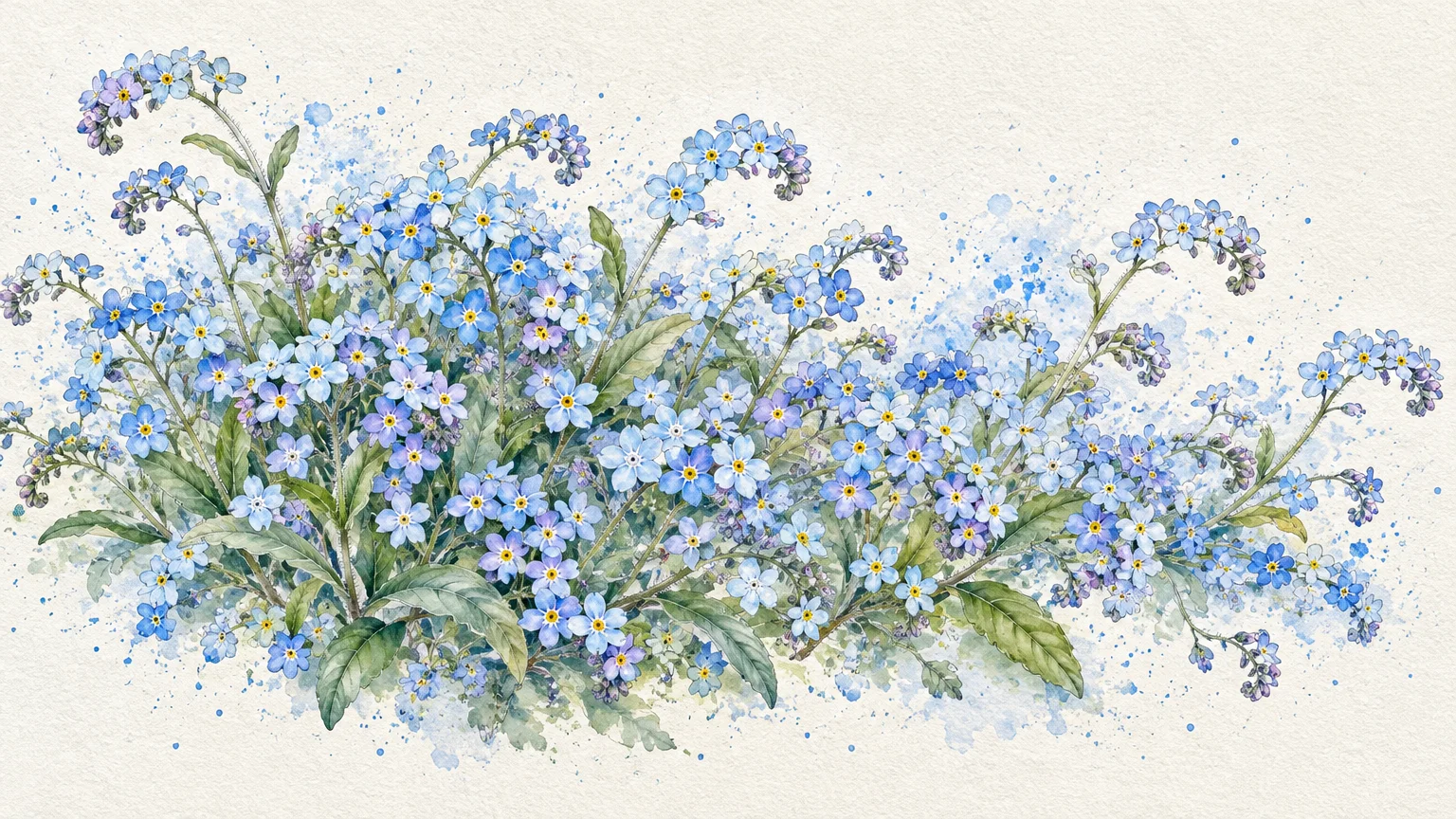
Tip #9: Forget-Me-Nots (Myosotis sylvatica)
Forget-me-nots bathe your early spring landscape in an ethereal sea of sky-blue clouds. Their tiny, delicate flowers contrast beautifully with emerging spring bulbs like tulips and daffodils.
Scatter seeds in early spring across moist, lightly shaded ground. Rake the soil gently over the seeds and keep the area damp until seedlings establish themselves.
These cold-tolerant annuals prefer moist soil rich in organic matter. They spread naturally to fill bare spaces between emerging shrubs without choking out surrounding garden companions.
Allow the spent flowers to dry on the plant at the end of the season. They will drop seeds naturally, guaranteeing reliable spring color year after year.
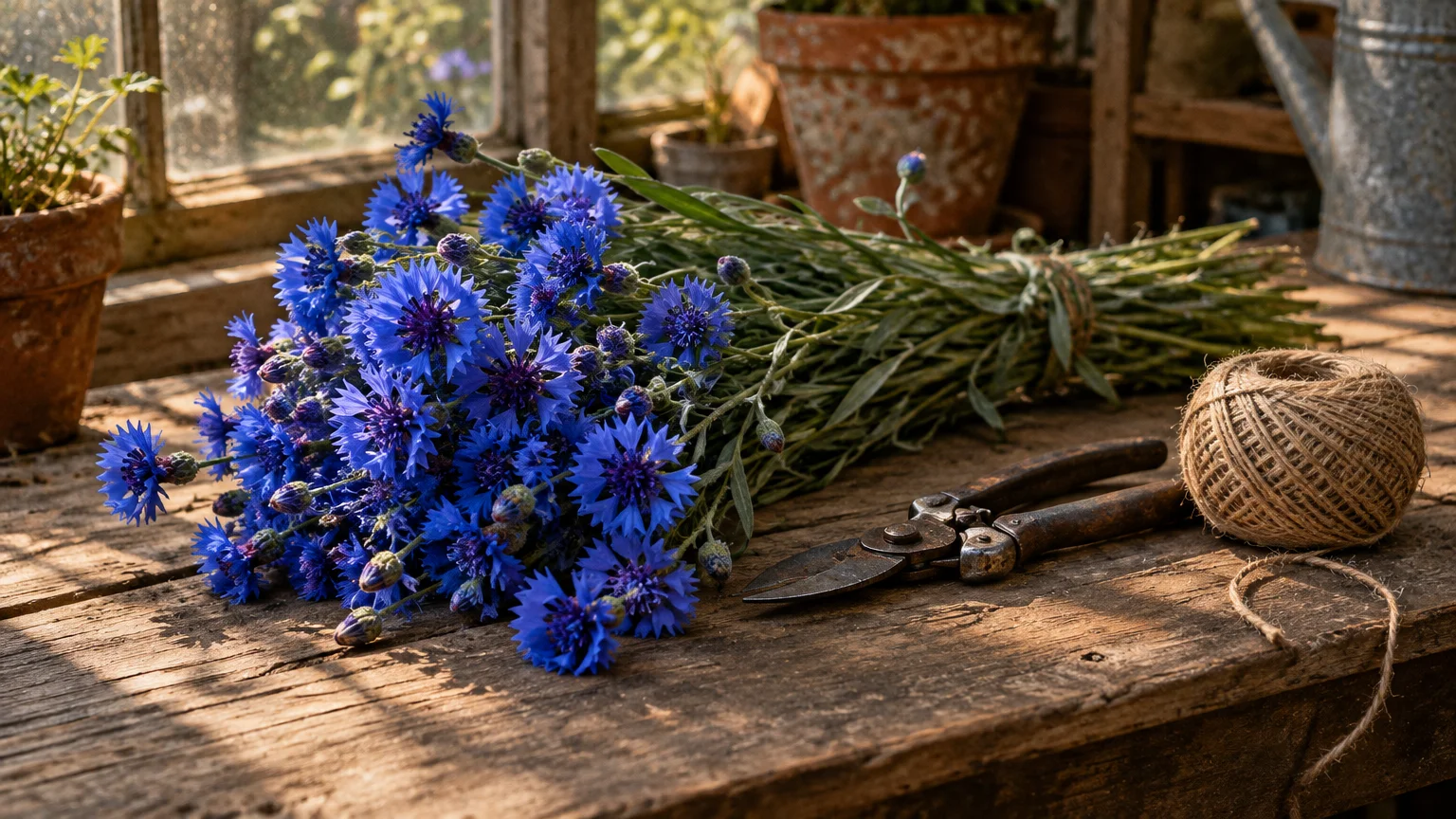
Tip #10: Bachelor’s Buttons (Centaurea cyanus)
Bachelor’s buttons, or cornflowers, produce striking ruffled blooms in shades of true blue, pink, and burgundy. Their slender silver-green stems contrast beautifully against dark garden mulch and rich potting soil.
Sow seeds directly into outdoor beds as soon as you can dig the garden soil. These fast-growing annuals establish roots quickly in cool dirt and resist early spring chills.
Select a location that receives at least six hours of direct sunlight each day. Thin the emerging seedlings to eight inches apart so the stems develop sturdy girth and branching.
Harvest the flowers regularly for drying or cutting; cutting stimulates the plant to generate continuous blooms. The vivid blue florets also make charming edible garnishes for spring treats.
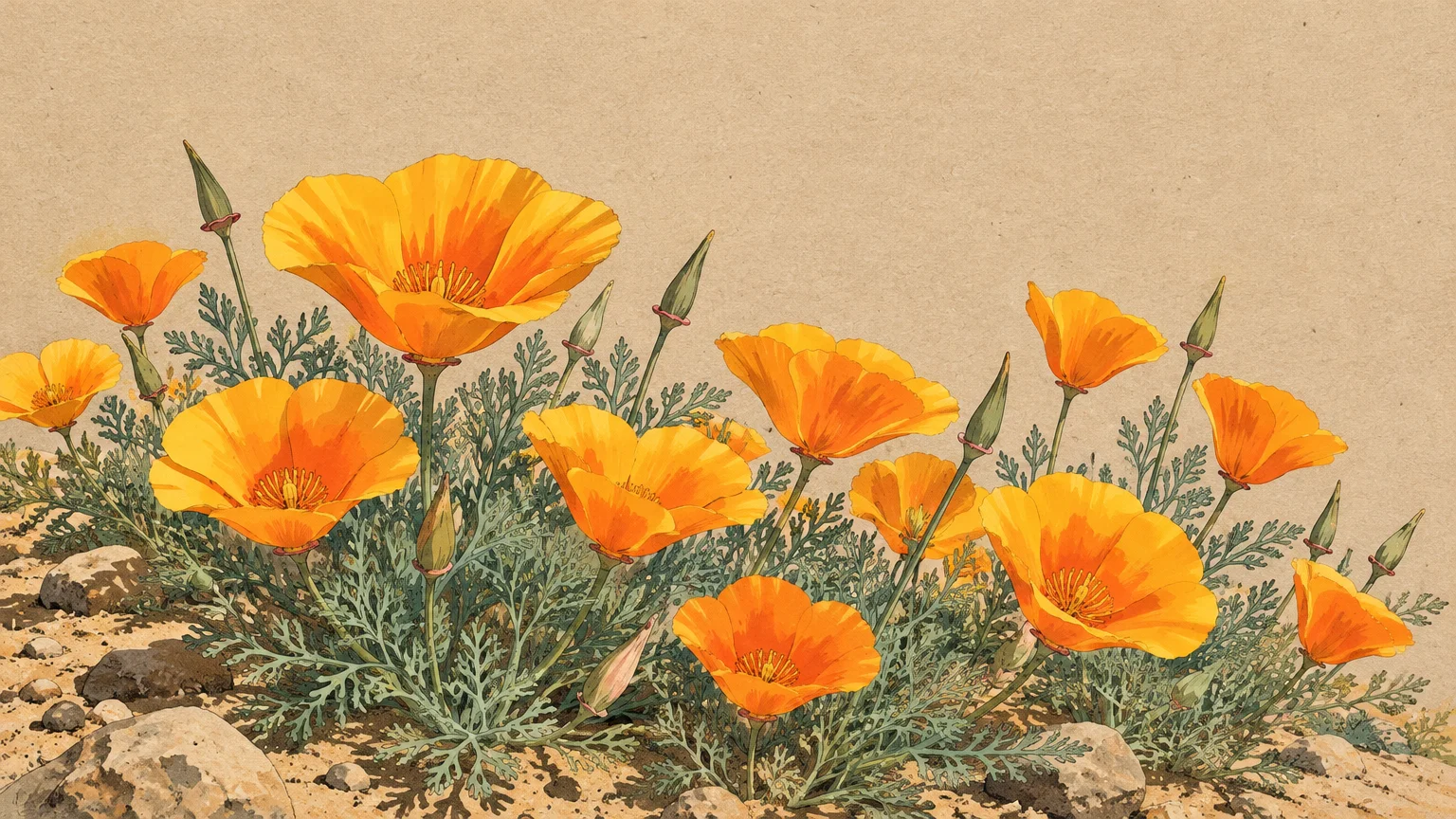
Tip #11: California Poppies (Eschscholzia californica)
California poppies provide brilliant satin-textured petals in glowing hues of gold, orange, and cream. They thrive in rugged, lean soils where other garden annuals often struggle to grow.
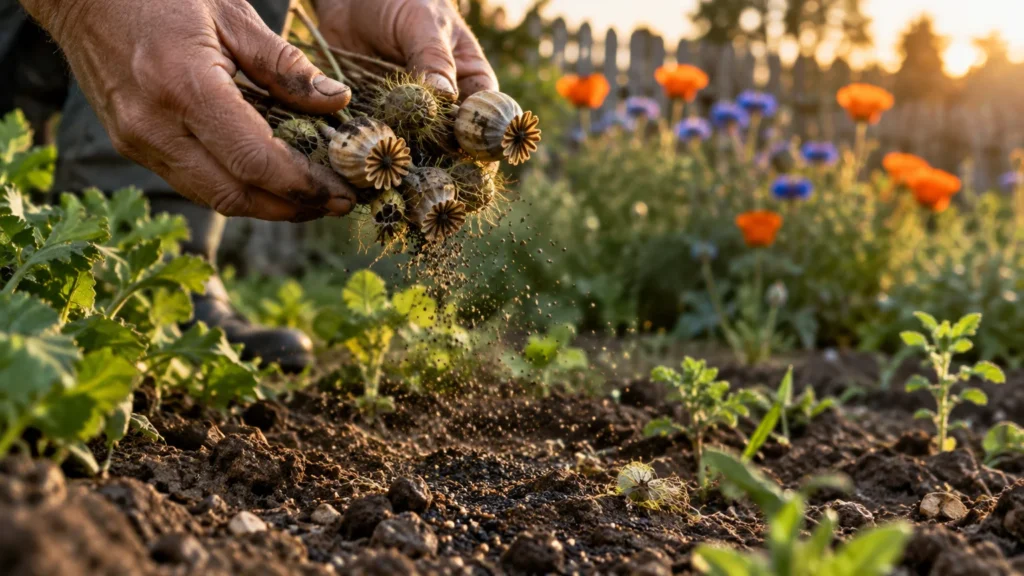
Sow the fine seeds directly on the soil surface because poppies dislike having their taproots disturbed by transplanting. Press the seeds down lightly and water with a fine misting nozzle.
Locate them in the sunniest spot in your garden and avoid heavy fertilizers. Excess nutrients cause lush green foliage at the expense of those stunning, radiant flowers.
These tough flowers open wide on warm afternoons and close their petals on cloudy, chilly days. Once established, they demand very little water and practically care for themselves.
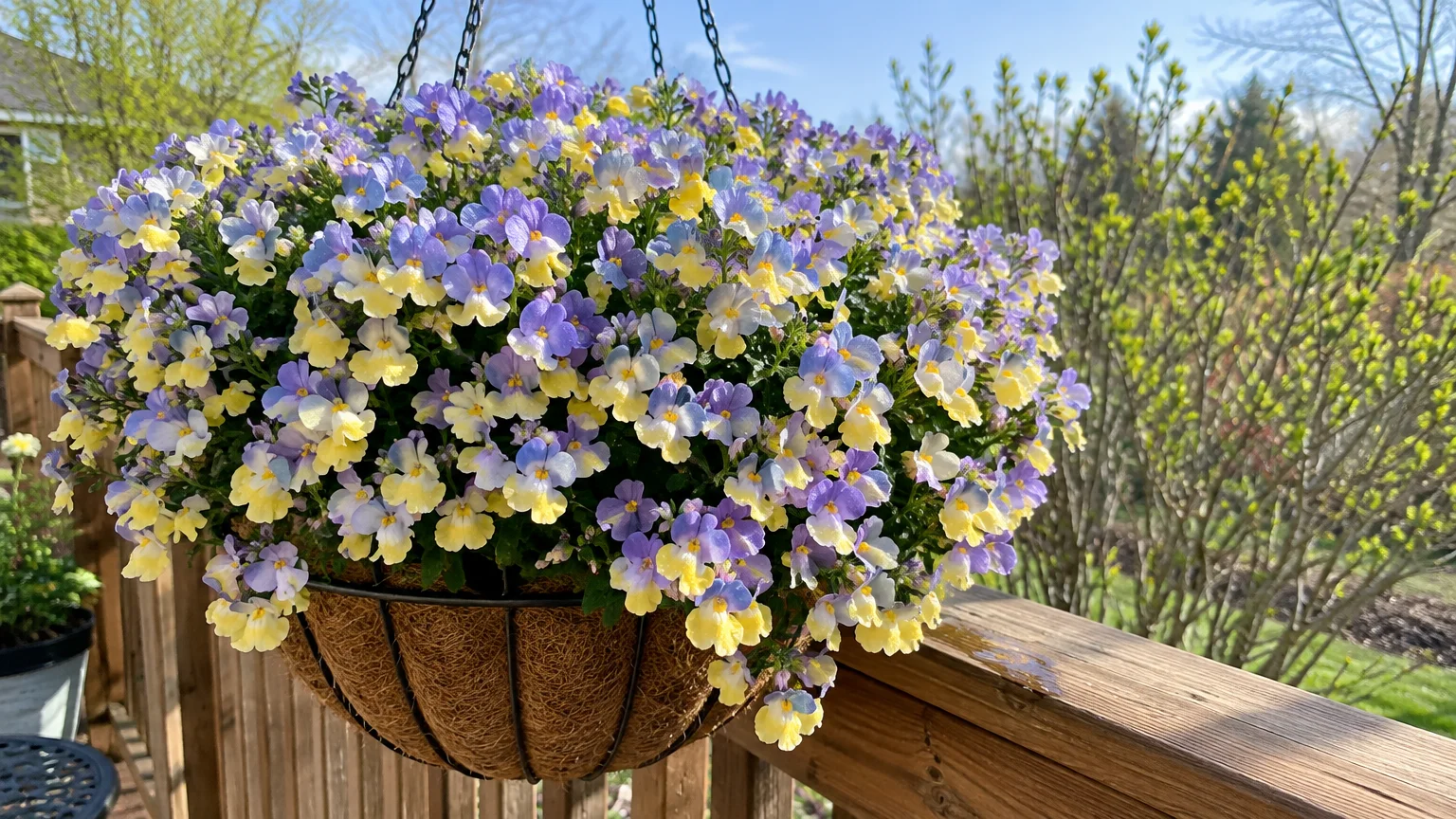
Tip #12: Nemesia (Nemesia caerulea)
Nemesia features clusters of tiny, orchid-like flowers that release a subtle, sweet scent into the air. Available in vibrant bicolors, purples, and yellows, it offers striking color in hanging baskets and window boxes.
Plant healthy container starts into a rich, lightweight potting mix with good drainage holes. Space the plants six to eight inches apart to give them room to expand.
Position your containers where they receive morning sun and partial afternoon shade. Cool root zones keep nemesia blooming vigorously while high heat causes flowering to pause.
Keep the soil consistently damp but never waterlogged to protect the delicate feeder roots. Shear the plant back lightly if blooming slows; fresh buds will rapidly replace the old growth.
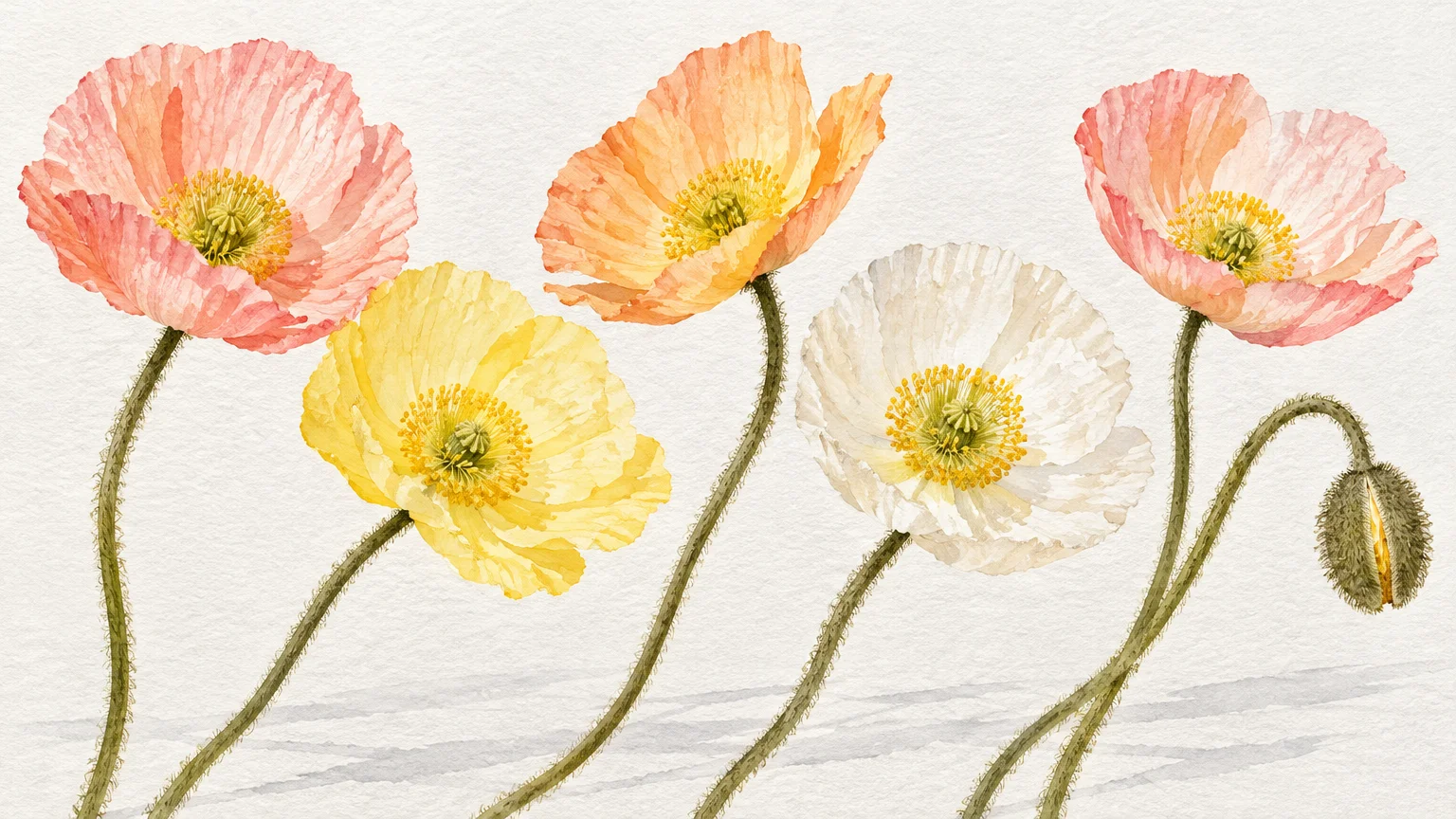
Tip #13: Iceland Poppies (Papaver nudicaule)
Iceland poppies emerge on wiry, twisting stems topped with translucent petals that resemble crushed crêpe paper. Despite their delicate appearance, they are remarkably cold-hardy and thrive in brisk, chilly climates.
Transplant young nursery starts into sunny beds prepared with compost and grit for sharp drainage. Ensure the crown rests level with the surrounding soil to prevent rot during damp spells.
Water the base of the plant during dry periods, taking care not to wet the papery blossoms. A sunny exposure encourages straight stems and deeply saturated petal coloration.
Cut the stems just as buds crack open to enjoy long-lasting indoor arrangements. Sear the cut stem ends briefly in hot water to stop sap loss and extend vase life.
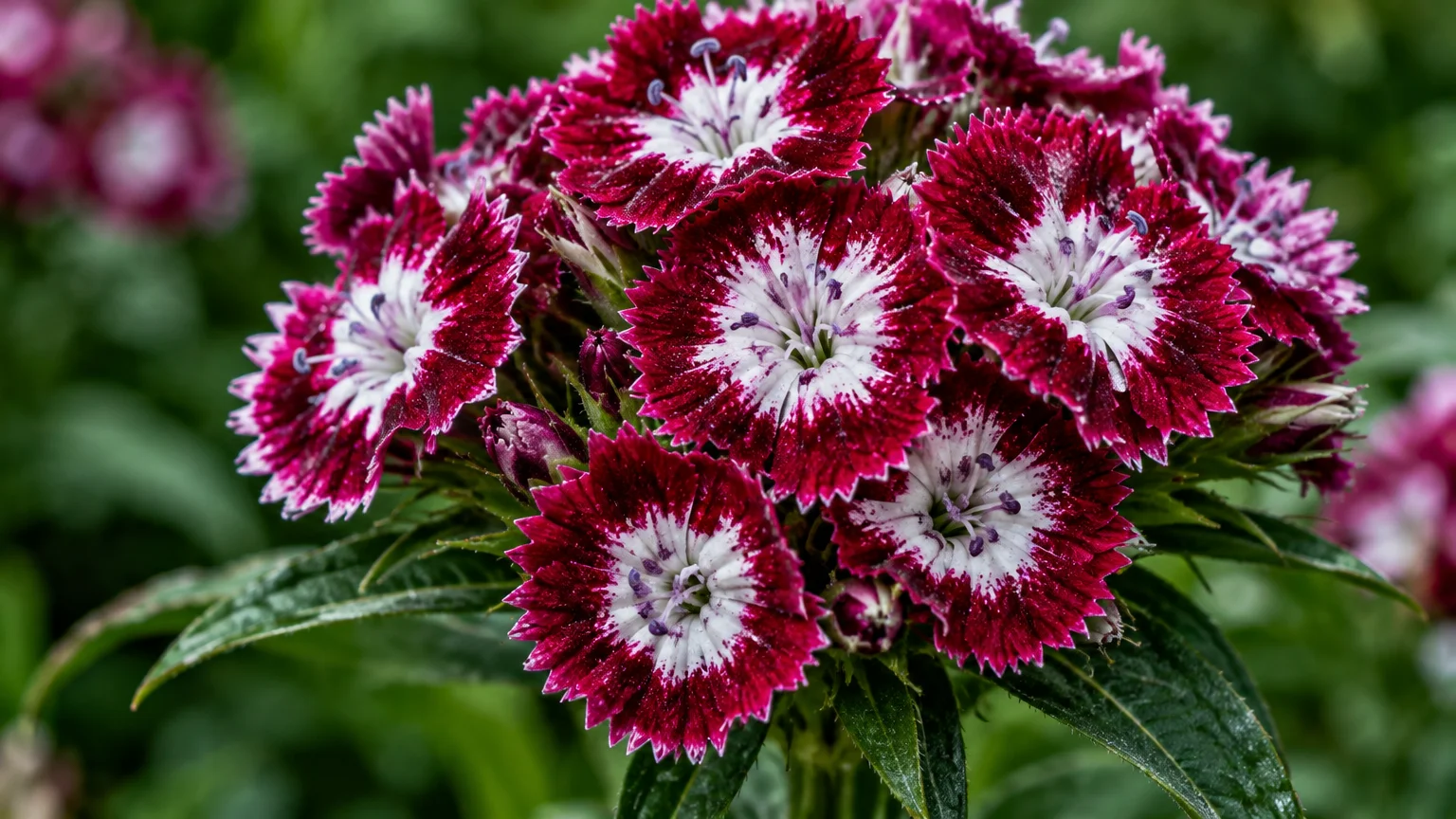
Tip #14: Sweet William (Dianthus barbatus)
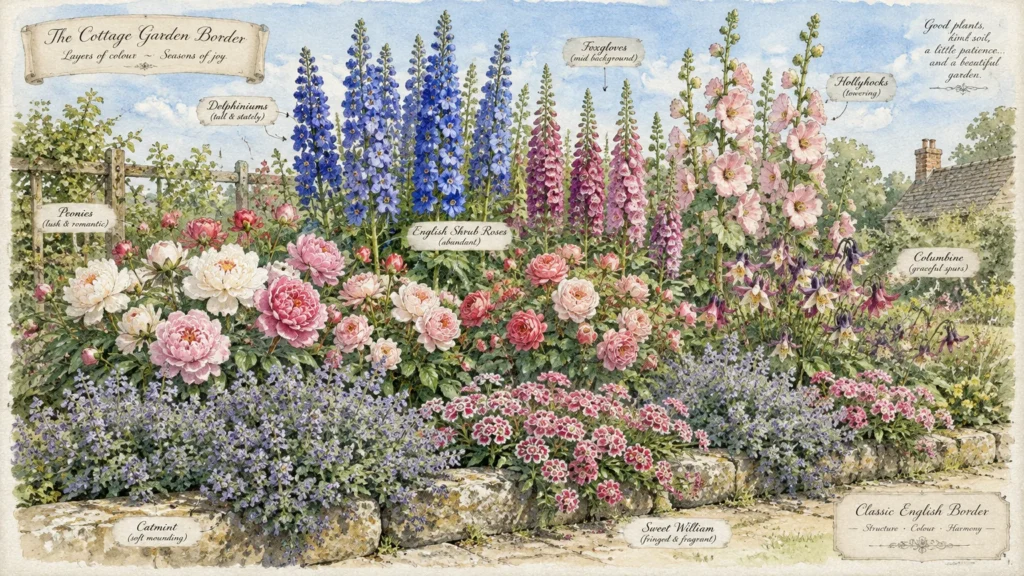
Sweet William delivers dense, flat-topped flower heads packed with spicy, clove-scented florets. Their striking fringe and patterned centers bring rich reds, whites, and purples to early garden designs.
Place young starts into fertile, slightly alkaline soil that receives plenty of morning sunlight. Space individual plants eight to ten inches apart to allow good air circulation around their foliage.
Water at ground level once a week to maintain steady moisture without wetting the dense flower clusters. Wet foliage can encourage fungal mildew during cool, foggy spring mornings.
Deadhead spent flower trusses to encourage side shoots to develop fresh buds. This resilient biennial often persists through winter chills, delivering dependable color year after year.
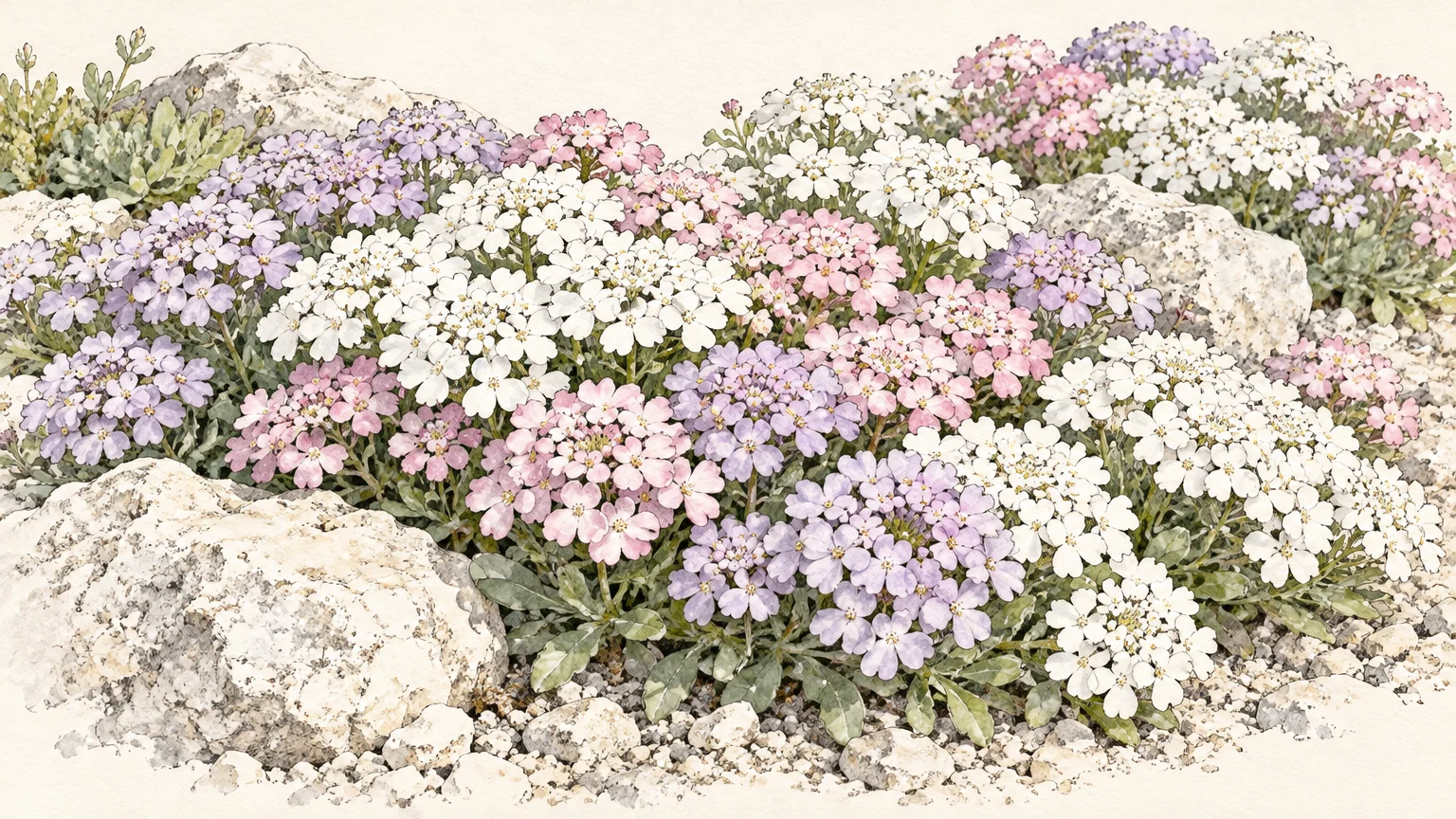
Tip #15: Annual Candytuft (Iberis umbellata)
Annual candytuft produces mound-forming domes smothered in white, lilac, and crimson blossoms. It grows rapidly from seed, making it one of the quickest ways to establish colorful early ground cover.
Sow seeds directly onto raked soil in early spring, barely dusting them with fine dirt. Keep the seedbed evenly moist until vigorous sprouts appear within two weeks.
Position candytuft along sunny garden pathways, rock gardens, or the edges of raised beds. It thrives in well-drained, sandy loam and tolerates moderate soil acidity.
Trim back spent floral heads after the main flush to stimulate a secondary wave of color. Its sprawling habit quickly fills awkward gaps between newly planted perennial clumps.
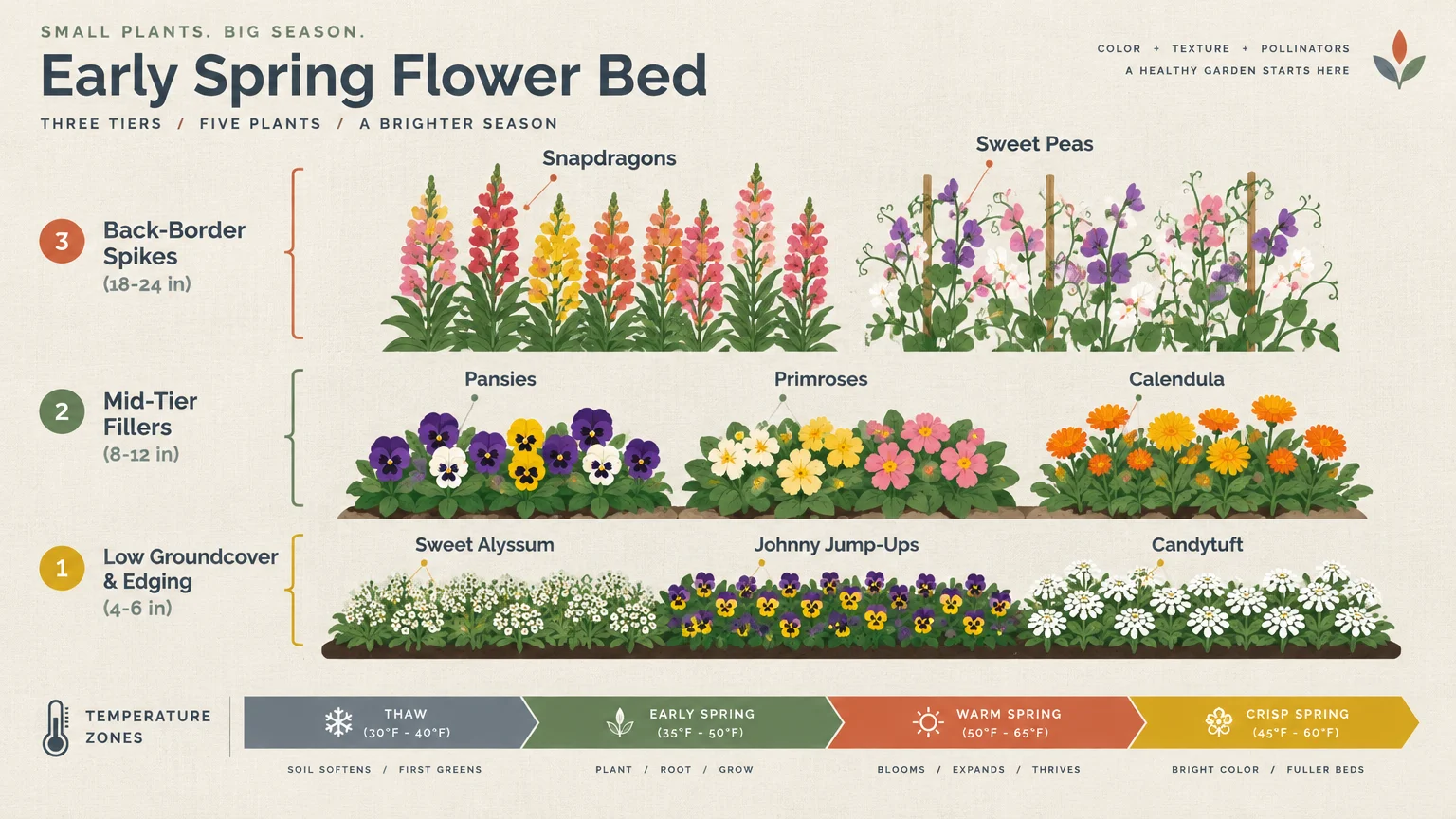
Putting It All Together: Enjoy Your Beautiful Garden
Transforming your garden does not require waiting for warm summer breezes. By selecting these hardy cool season flowers, you create vibrant color while other gardens remain dormant.
Spring planting becomes much more rewarding when you prepare your containers and garden beds with porous, compost-enriched soil. Good drainage protects delicate roots from freezing during cold, soggy spring weather.
Group plants with similar sunlight and watering requirements together for effortless maintenance. Layer taller bloomers like snapdragons behind sprawling sweet alyssum to build stunning visual depth.
Step outside each morning to deadhead spent blooms and monitor soil moisture levels. Your proactive care will reward you with an energetic, breathtaking floral display all season long.
For region-specific advice, consult your local University Extension program (find yours via the USDA directory). For plant databases and inspiration, visit the Missouri Botanical Garden or the Royal Horticultural Society.
Disclaimer: This article provides general gardening advice; always consider your specific climate, soil conditions, and local pests. Follow safety guidelines when using gardening tools and products.
Frequently Asked Questions
When is the best time to start planting early spring flowers?
Start planting as soon as the soil thaws and is workable in late winter or early spring. Cold-hardy varieties can handle chilly soil and mild nighttime frosts without issue.
Check your local frost dates to plan whether to sow seeds indoors first or plant transplants outdoors.
Do early spring flowers need protection from late frosts?
Most cool-season flowers easily tolerate light frosts and near-freezing temperatures. Their sturdy plant cells produce sugars that act as natural antifreeze against sudden cold snaps.
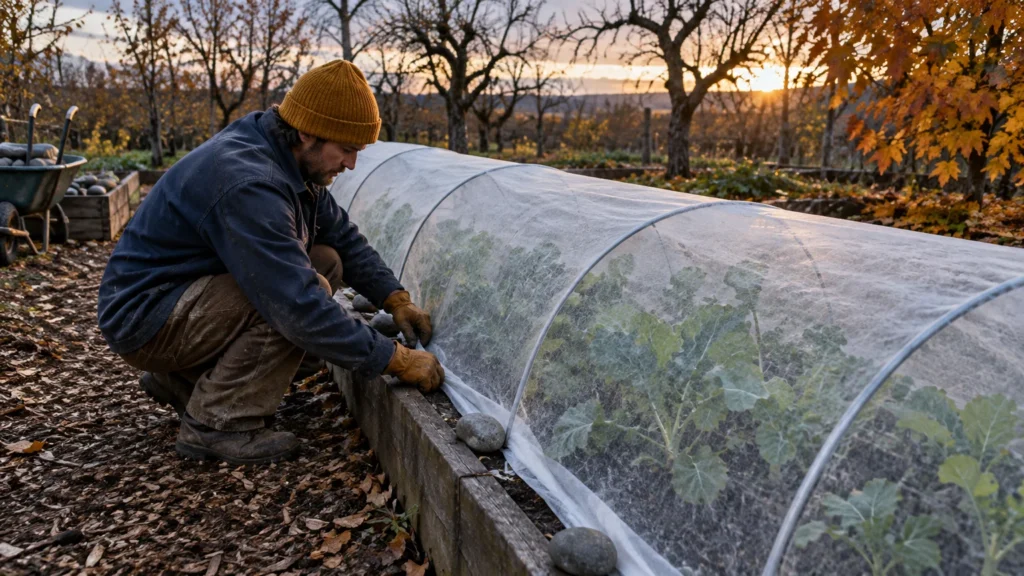
If temperatures threaten to plunge below twenty degrees Fahrenheit, cover your plants with frost cloth or overturned buckets overnight.
How often should you water flowers in early spring?
Water your flowers only when the top inch of soil feels dry to the touch. Cool temperatures and frequent spring rains significantly reduce soil evaporation rates.
Always water at the base of the plant to keep leaves dry and prevent fungal disease during cool weather.
Can you grow these early spring flowers in containers?
Yes, cool-season flowers perform exceptionally well in patio containers, hanging baskets, and window boxes. Containers allow you to control soil quality and move plants to sunny spots easily.
Choose containers with generous drainage holes to ensure heavy spring rainwaters drain away quickly.