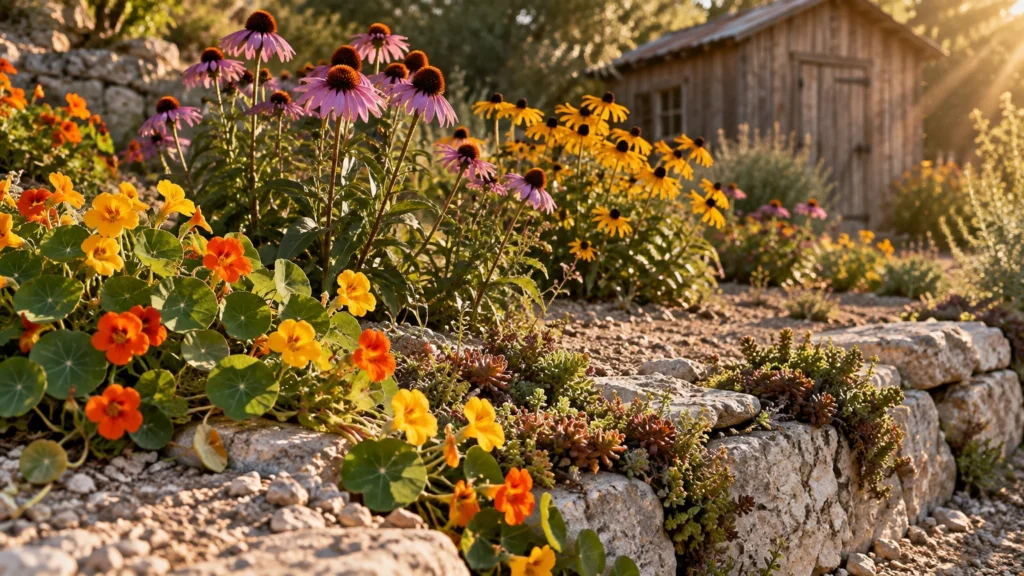
Transform your yard into a romantic, pollinator-packed paradise by choosing resilient cottage garden flowers that bloom reliably every summer. These classic varieties deliver lush colors, rich fragrances, and effortless charm without demanding endless weekend chores.
Traditional English cottage garden plants create dense, layered borders that naturally crowd out weeds and shelter beneficial wildlife. Mixing sturdy perennials with self-seeding annuals gives you a dynamic, ever-changing flower garden design across every season.
Whether you cultivate expansive borders or a modest suburban plot, these twelve proven selections guarantee continuous blooms and nostalgic beauty. Let us explore the best cottage garden perennials and annuals to elevate your outdoor sanctuary.
Tip #1: Foxglove (Digitalis purpurea)
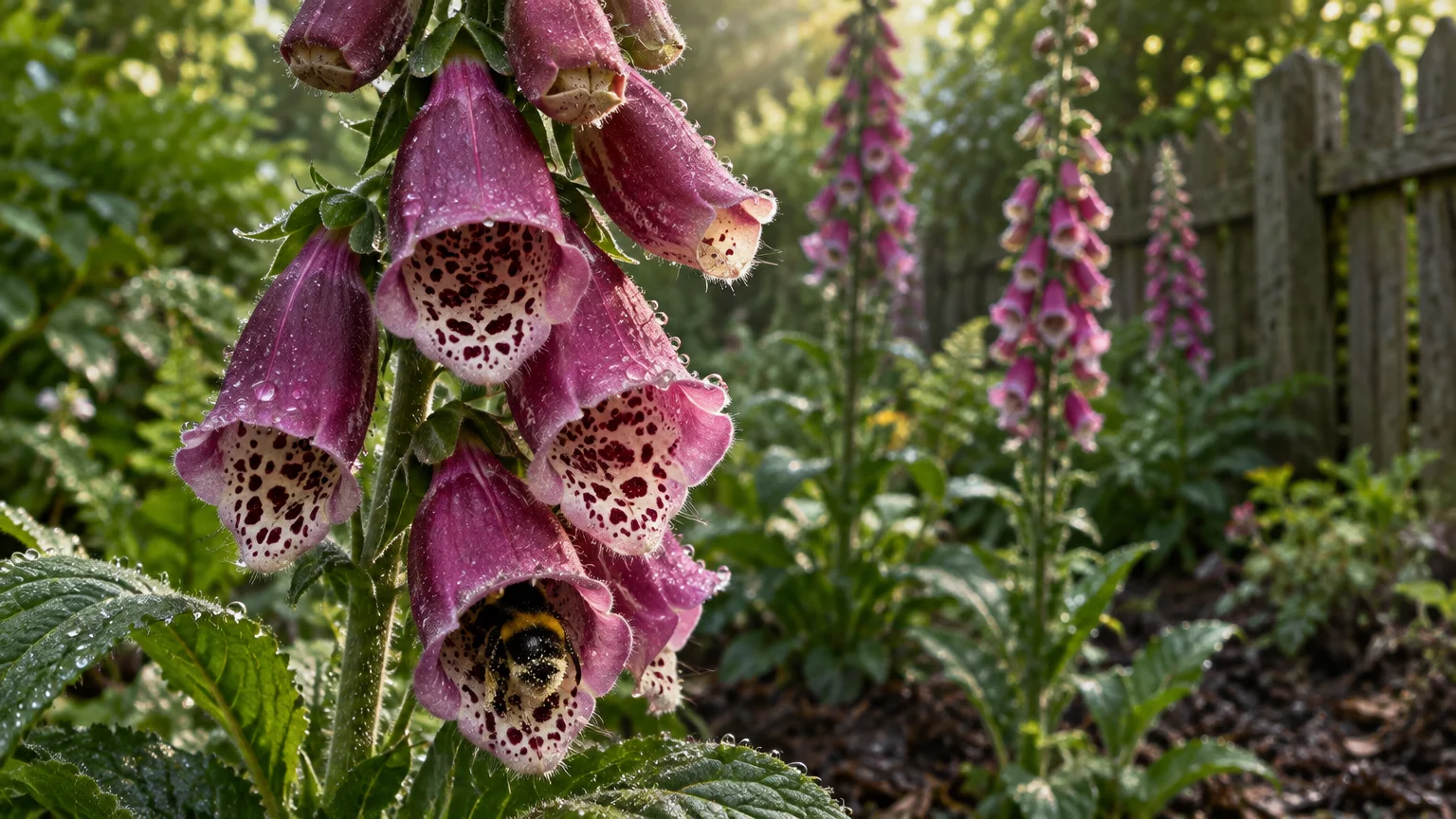
Foxgloves produce dramatic, towering spires lined with speckled, tubular blossoms that define traditional cottage garden ideas. These heritage biennials reach heights of three to five feet, creating instant vertical impact in early summer borders.
Bumblebees eagerly crawl inside the nectar-rich tubular bells; their daily foraging activity brings vibrant life to your beds. Foxgloves perform exceptionally well across USDA Hardiness Zones 4 through 9 in partial shade.
Plant them in moist, organically rich soil enriched with plenty of leaf mold or well-rotted compost. Space individual crowns sixteen to eighteen inches apart to promote adequate air circulation and prevent leaf diseases.
Keep the soil consistently damp during dry spring spells, but avoid waterlogging the roots. A two-inch layer of organic mulch helps retain precious ground moisture and suppresses competing weeds.
Allow spent flower spikes to dry naturally on the plant at the end of the flowering season. They will self-sow freely throughout your garden beds, ensuring reliable blooms every alternating year.
Tip #2: Delphinium (Delphinium elatum)
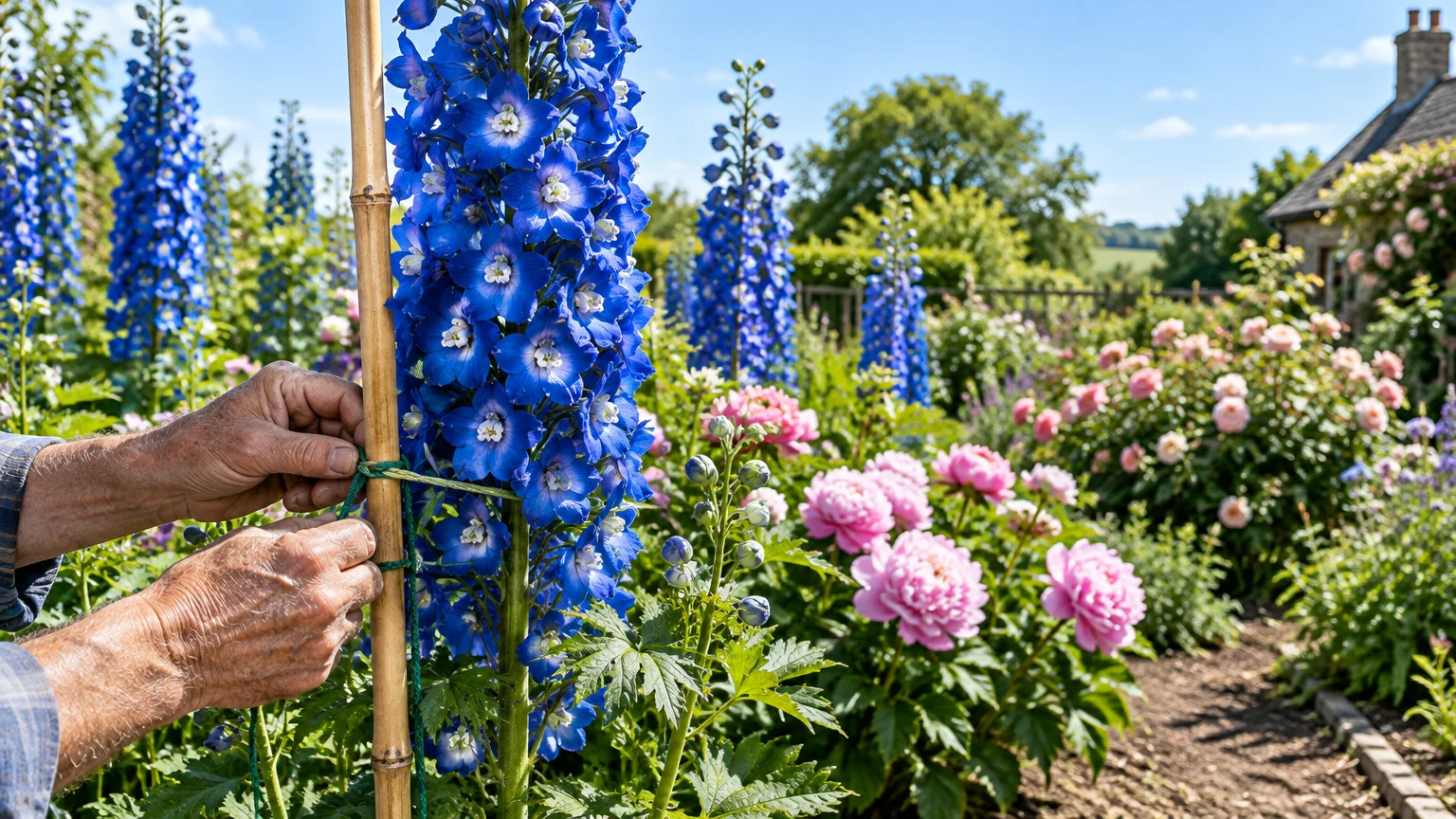
Delphiniums offer some of the most striking true-blue hues found anywhere in the botanical world. Their majestic, densely packed flower spikes soar up to six feet tall, commanding immediate attention in cottage borders.
These classic English cottage garden plants provide bold vertical lines that balance rounded, mounding companions like roses and peonies. They thrive in regions with cool, moderate summer temperatures across USDA Zones 3 through 7.
Position your delphiniums in full sunlight where they receive at least six hours of direct daily exposure. Provide deep, rich, well-draining soil with a neutral pH between 6.5 and 7.0.
Stake the heavy flowering stems early in spring before they grow taller than twelve inches. Sturdy bamboo stakes or circular grow-through rings protect brittle stems from fierce wind and heavy summer rain.
Cut spent bloom spikes down to the basal foliage immediately after the first display fades. Feed the plant with balanced liquid fertilizer to stimulate an impressive second flush of flowers in late summer.
Tip #3: Peony (Paeonia lactiflora)
Herbaceous peonies bring sumptuous romance to borders with their massive, ruffled blooms and sweet, lingering fragrance. A single mature plant can yield dozens of glorious blossoms every May and June.
Renowned as some of the best cottage garden perennials, peonies often survive for over fifty years in the same spot. They resist deer browsing, tolerate moderate drought once established, and thrive in USDA Zones 3 through 8.
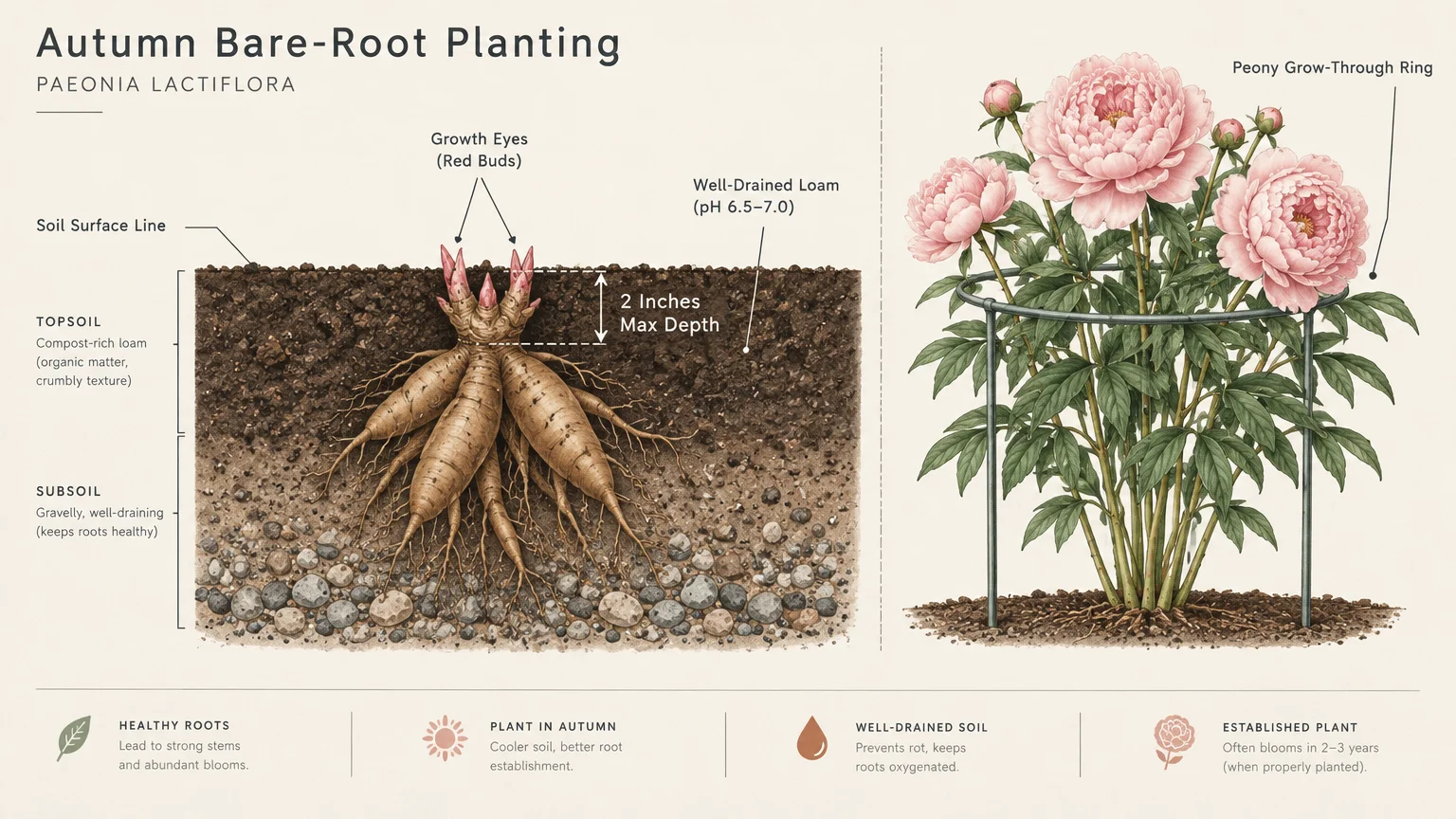
Plant bare-root peonies in autumn, positioning the reddish growth eyes no more than two inches beneath the soil surface. Planting crowns too deeply prevents flower buds from developing properly.
Choose a site with fertile, well-draining soil and at least six hours of direct sunlight daily. Install a metal peony ring in early spring so emerging stems grow directly through the supporting grid.
Cut the foliage back to ground level after the first hard autumn frost to prevent fungal spores from overwintering. This simple cleanup guarantees vigorous, disease-free shoots when spring arrives.
Tip #4: Hollyhock (Alcea rosea)
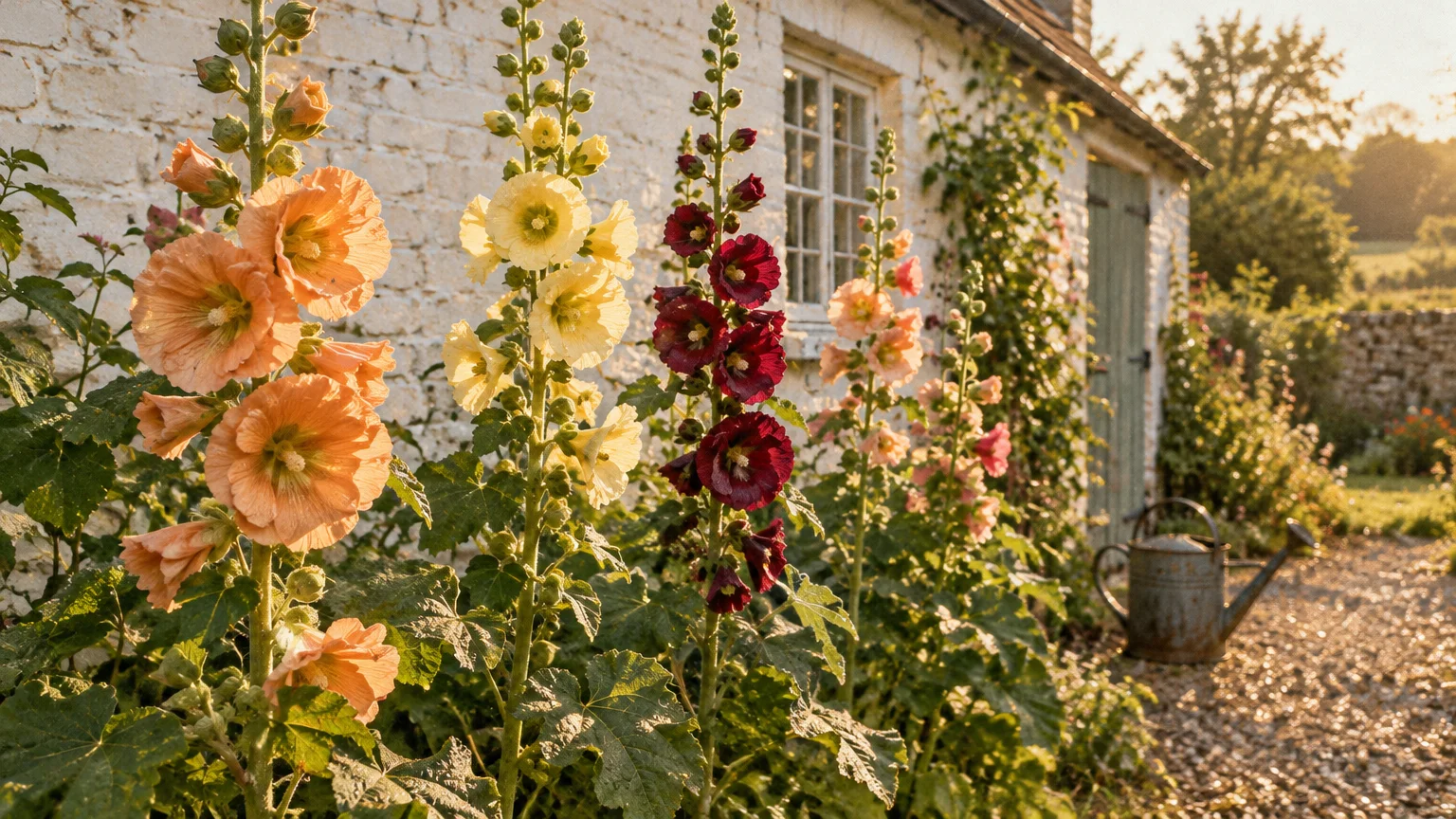
Hollyhocks stand as quintessential architectural sentinels against rustic fences, brick outbuildings, and sunny garden walls. Their broad, saucer-shaped blossoms unfurl along sturdy spires that easily climb eight to nine feet into the air.
These heritage biennials attract hummingbirds, bees, and butterflies in vast numbers throughout midsummer. They flourish across USDA Zones 3 through 9, soaking up radiant warmth and full sunshine all day long.
Sow seeds directly into loosened, well-drained soil during late spring or early autumn. Keep the planting area moist until germination occurs, which typically takes twelve to twenty-one days.
Space young plants twenty-four inches apart to ensure steady airflow around the lower leaves. Water exclusively at the base with a soaker hose to shield the foliage from devastating hollyhock rust fungus.
Allow several dried seed pods to open naturally before cutting back the main stalks in autumn. The seeds will scatter across the soil, providing fresh flowering rosettes for the coming seasons.
Tip #5: English Rose (Rosa)
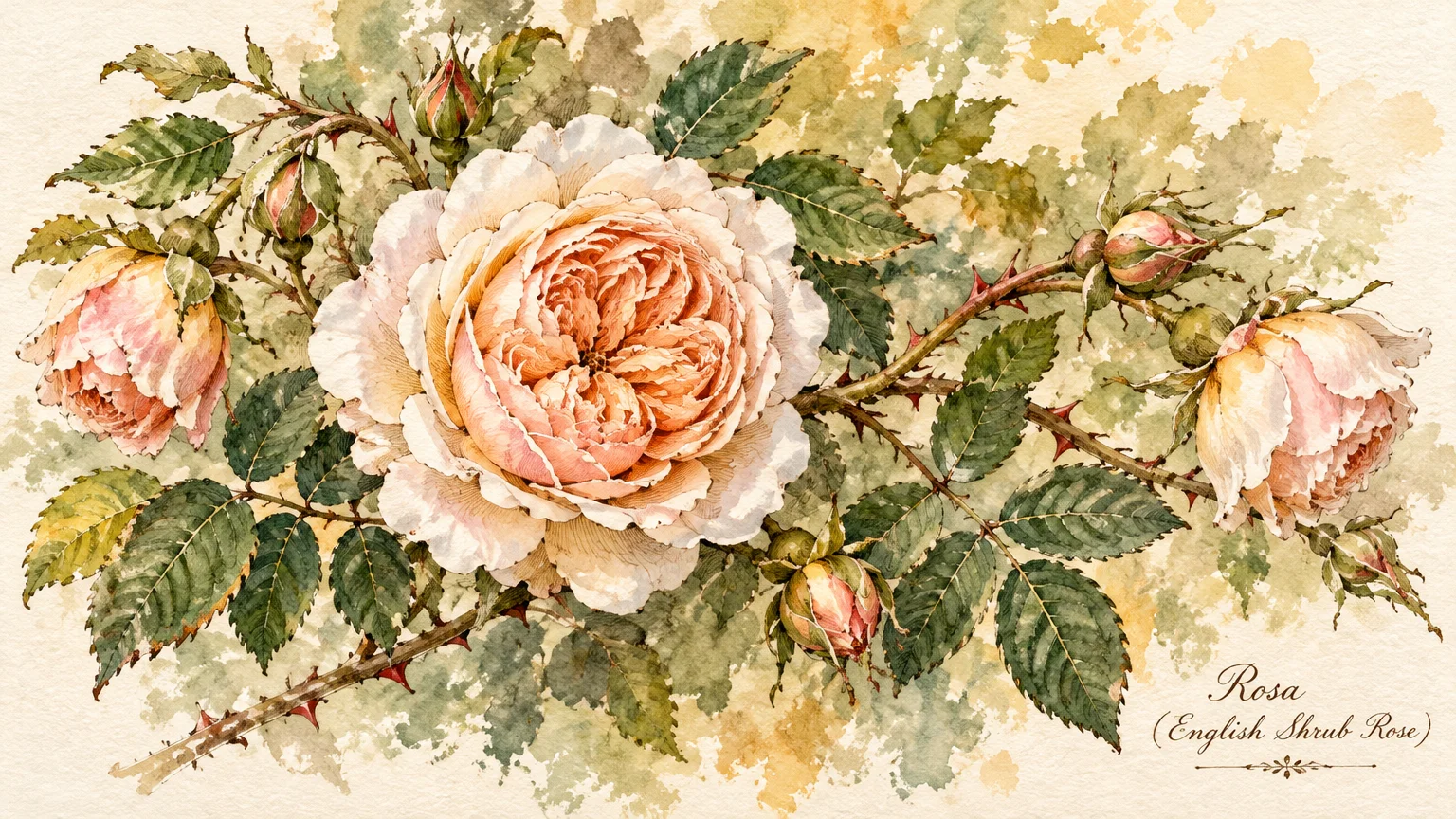
Shrub roses form the emotional centerpiece of any authentic cottage garden, offering lush petals and captivating fragrance. Cultivars bred by David Austin combine antique blossom forms with remarkable modern disease resistance.
They bloom generously from late May through autumn frosts across USDA Zones 5 through 9. Their graceful, arching branches soften stone pathways and mingle gracefully with surrounding perennials.
Choose a planting location that receives a minimum of six hours of bright sunlight every day. Incorporate two shovelfuls of compost into the planting hole to support root development in loamy, well-drained soil.
Apply a two-inch layer of shredded bark mulch over the root zone, keeping the mulch several inches away from the stems. Water deeply once a week at ground level to encourage deep, drought-resilient roots.
Prune shrub roses in early spring just as dormant buds begin to swell. Remove dead wood and reduce branch lengths by one-third to encourage vigorous, flower-laden new shoots.
Tip #6: English Lavender (Lavandula angustifolia)
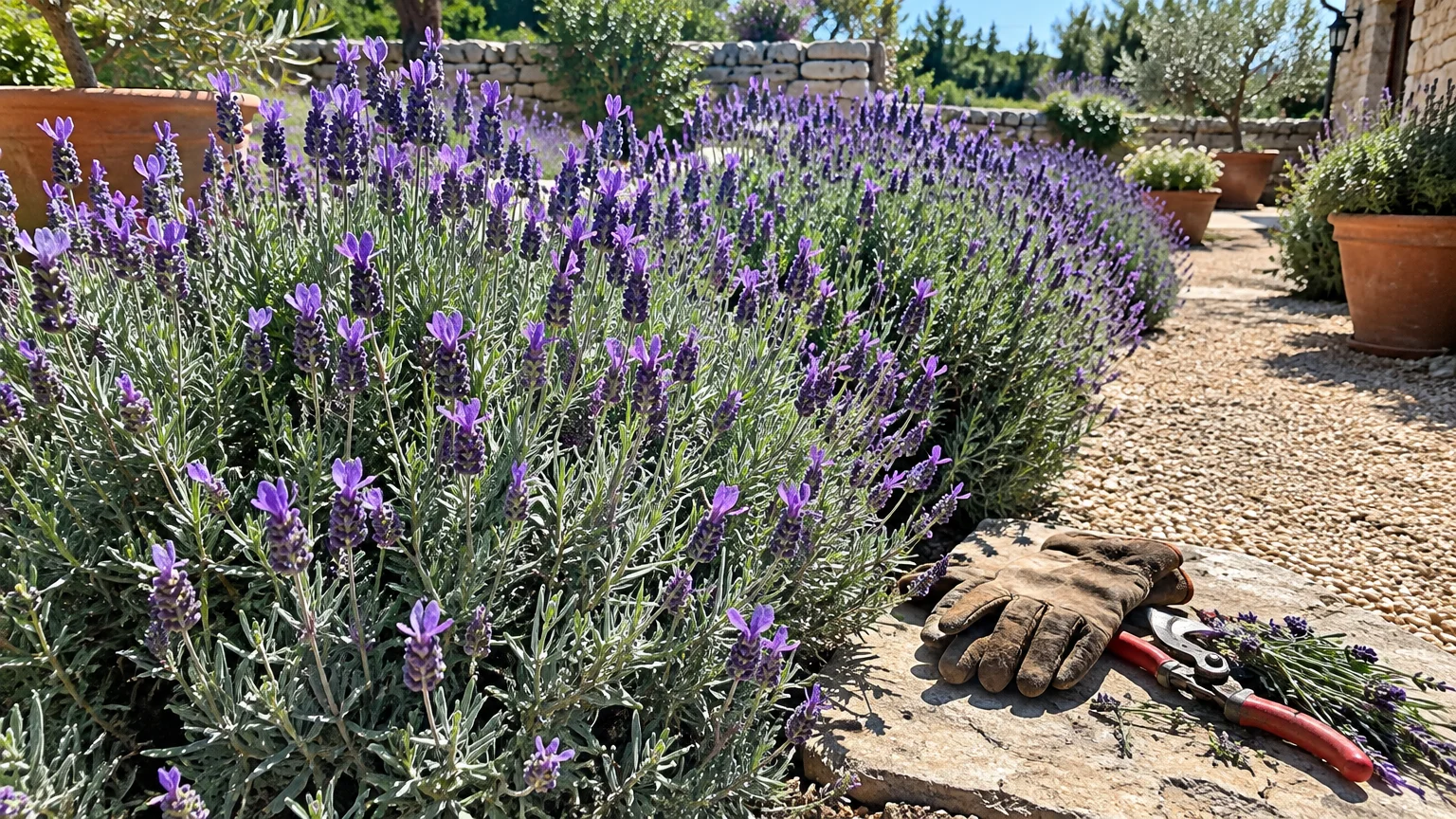
English lavender infuses the cottage landscape with aromatic foliage, compact structure, and radiant violet-blue blossoms. It forms fragrant, billowy low hedges along stone walkways and sunny border borders.
This Mediterranean perennial thrives in USDA Zones 5 through 9, enduring intense summer heat and sandy, low-nutrient soils. Its pungent aromatic oils naturally repel deer and garden pests while drawing legions of pollinators.
Plant lavender in lean, sharply drained soil with a neutral to slightly alkaline pH between 6.7 and 7.5. Avoid heavy clay beds and organic mulches, which trap moisture and induce lethal crown rot.
Surround plants with crushed gravel rather than wood mulch to reflect sunlight and keep the lower stems dry. Water young plants weekly until established; mature plants require very little supplemental moisture.
Prune plants back by one-third right after blooms fade in late summer, never cutting into old brown wood. This pruning keeps plants dense and prevents woody, sprawling centers from developing.
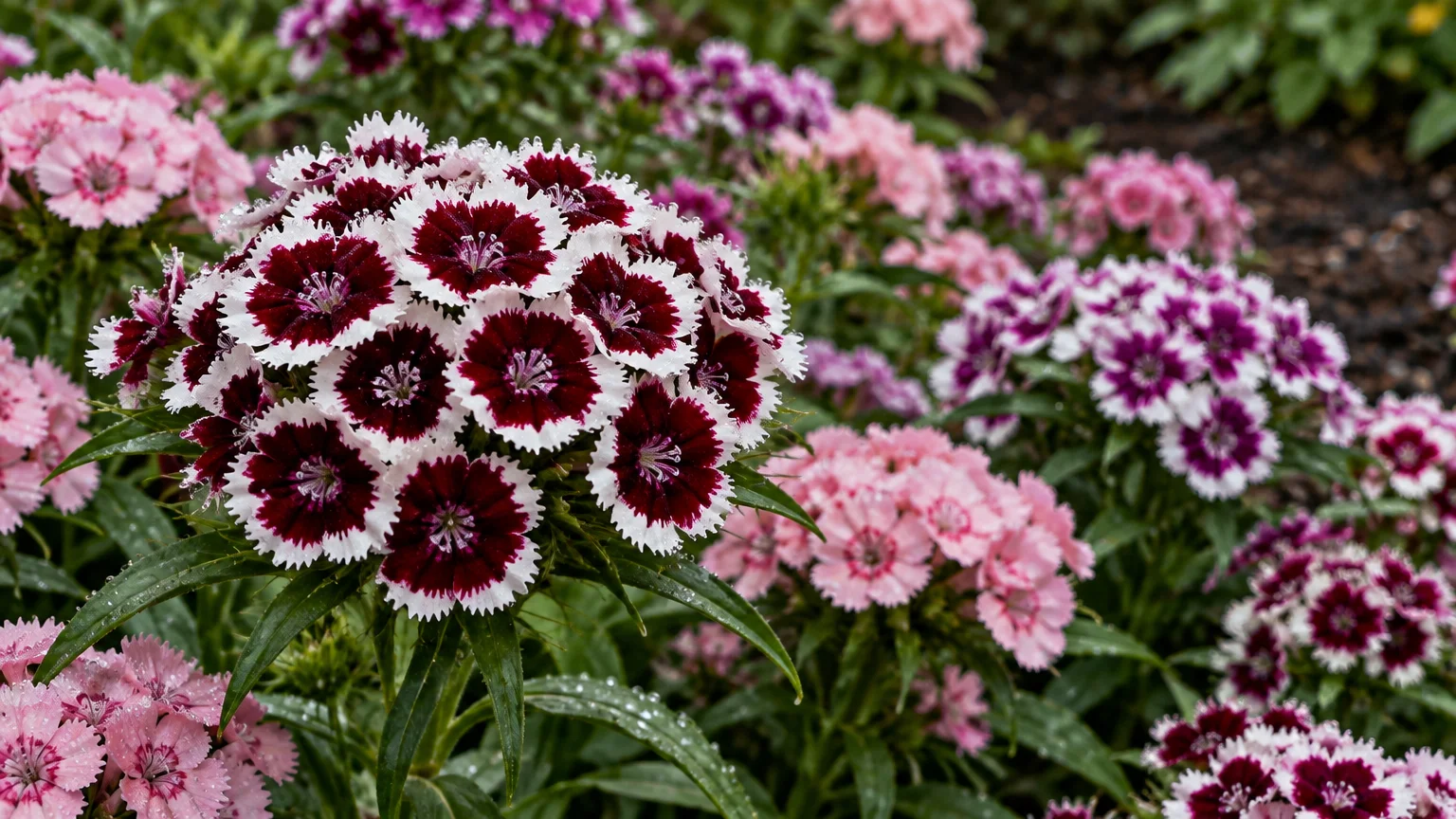
Tip #7: Sweet William (Dianthus barbatus)
Sweet William delights the senses with tight, domed clusters of fringed flowers that exude an alluring spicy-clove fragrance. Blossoms display contrasting patterns in vivid shades of scarlet, salmon, rose, and white.
Reaching twelve to twenty-four inches tall, this dependable biennial acts as an ideal mid-border bridge in USDA Zones 3 through 9. The sturdy stems also make exceptional cut flowers that last up to two weeks in water.
Plant Sweet William in well-draining soil with a neutral to slightly alkaline pH in full sun or light shade. Ensure the crown sits level with the surrounding ground to avoid moisture buildup around the base.
Deadhead fading blossom heads regularly throughout June and July to extend the flowering window. This simple task stimulates the plant to produce fresh lateral flower shoots rather than setting seed prematurely.
Leave the final flush of late-summer blooms to mature and drop seeds freely across your beds. These seeds germinate rapidly in autumn, guaranteeing a continuous cycle of blossoms each following summer.
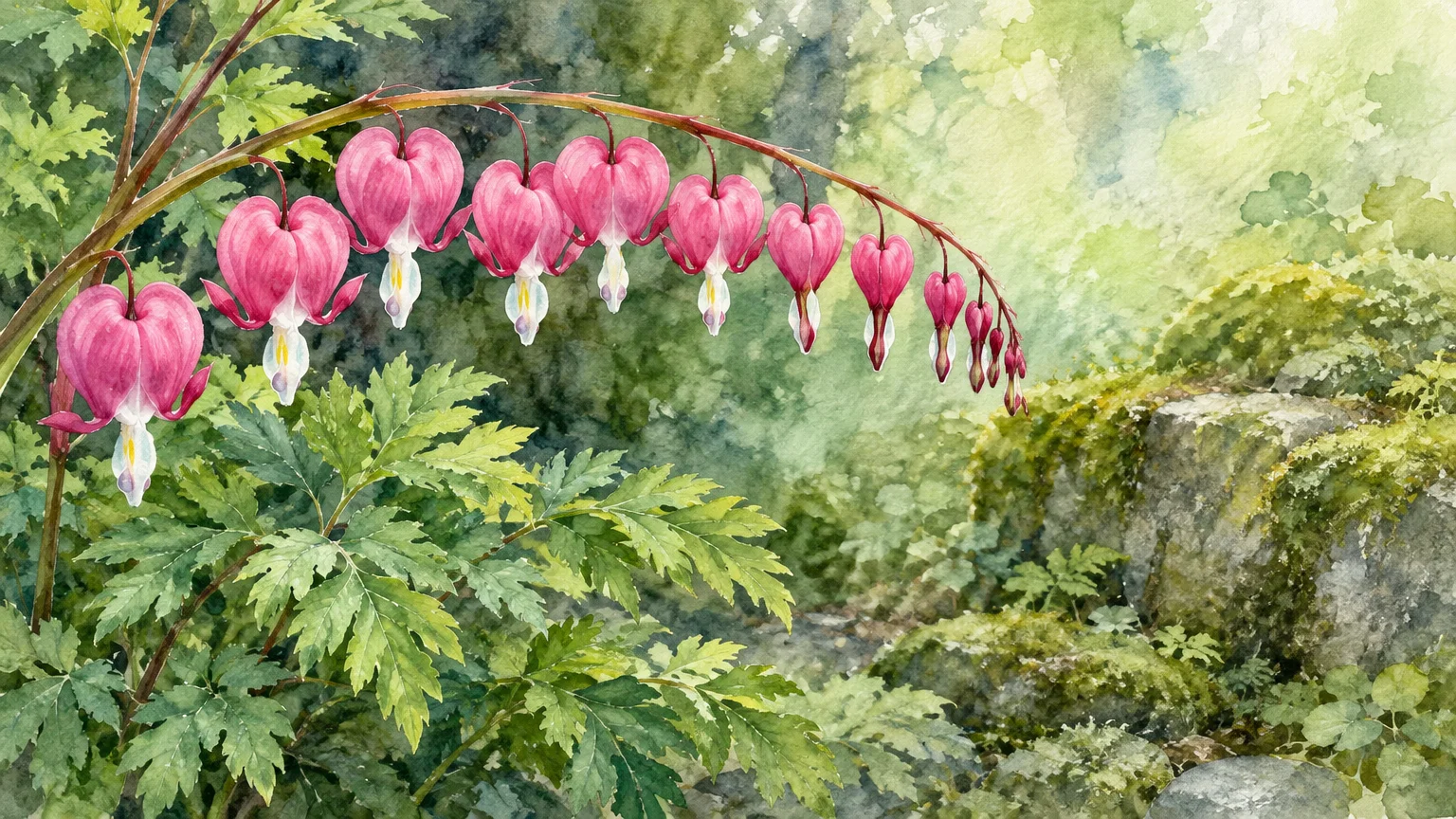
Tip #8: Bleeding Heart (Lamprocapnos spectabilis)
Bleeding heart brings poetic charm to shady garden corners with its arched stems and pendulous, heart-shaped blossoms. Each blossom features a tiny white droplet emerging from outer pink petals above fern-like foliage.
Thriving across USDA Zones 3 through 9, this spring-blooming perennial excels in dappled woodland borders. It provides early-season nectar to queen bumblebees and other pollinators emerging from cold winter dormancy.
Plant bleeding heart in rich, moist soil heavily amended with leaf mold and organic compost. Pick a sheltered garden spot protected from harsh winds and scorch-inducing afternoon sun.
Keep the soil evenly moist during the spring growth spurt to sustain lush leaves and heavy bloom sets. Do not let the planting site dry out completely while the plant remains actively growing.
The foliage naturally turns yellow and disappears underground during the dog days of midsummer. Interplant with wide-leaved hostas or hardy ferns to seamlessly cover the dormant plant’s vacant spot.
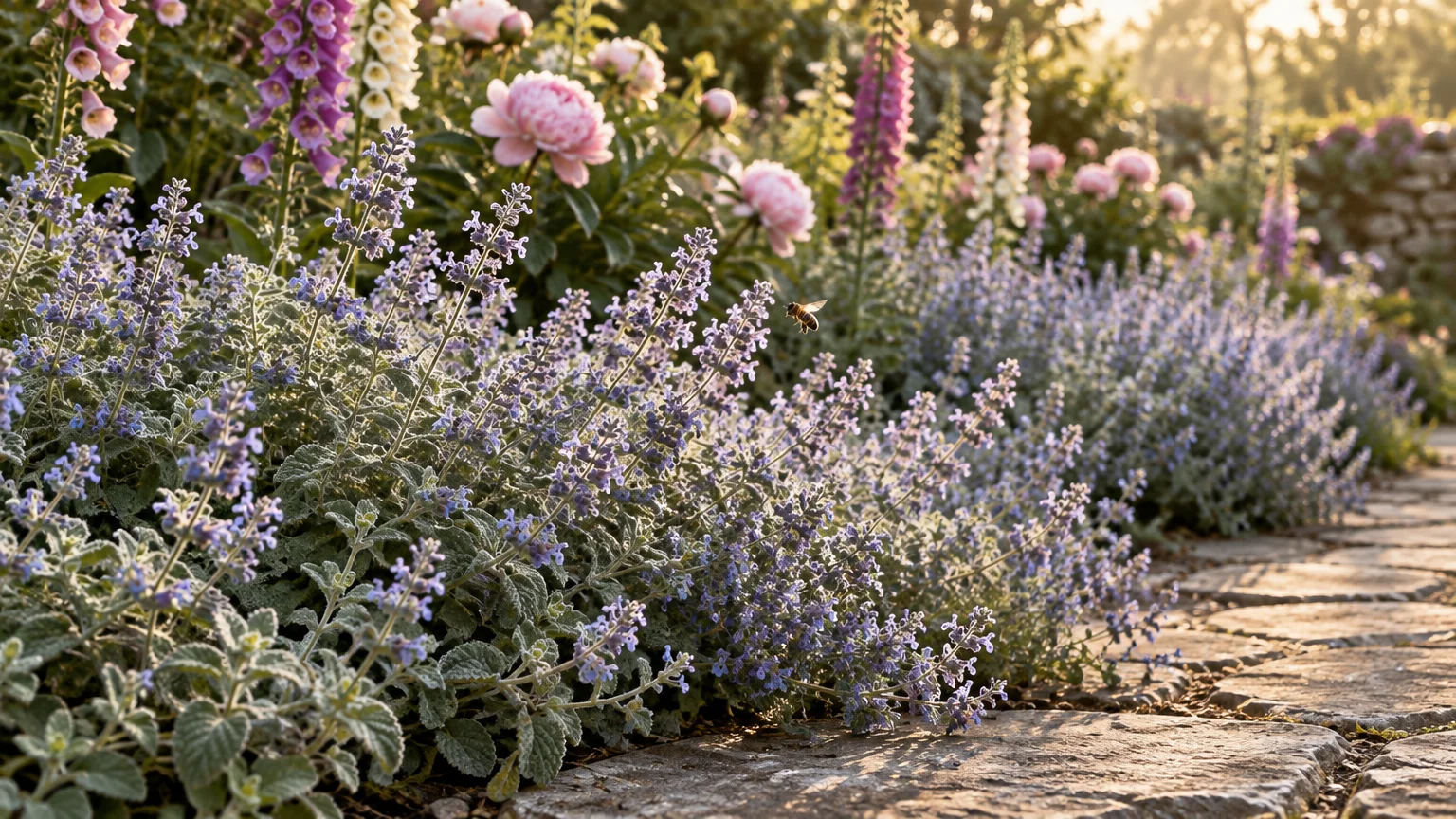
Tip #9: Catmint (Nepeta racemosa)
Catmint blankets border edges with aromatic gray-green foliage and endless sprays of soft lavender-blue flowers. Popular cultivars like ‘Walker’s Low’ produce a continuous sea of color from late May through early autumn.
Exceptionally tough, catmint thrives in USDA Zones 3 through 8, shrugging off drought, heat, and poor soils with ease. Deer and rabbits avoid its pungent foliage, leaving flowers untouched throughout the growing season.
Site catmint in full sun and fast-draining soil; overly rich soils cause the stems to sprawl and flop. Space plants two to three feet apart to accommodate their generous, billowy growth habit.
Water young transplants moderately until their root systems settle into the garden. Once established, catmint requires almost no supplemental irrigation except during historic, prolonged heat waves.
Shear the entire plant back by half with garden shears after the first bloom cycle slows in midsummer. This drastic cutback prompts fresh, compact foliage and an immediate second wave of blooms.
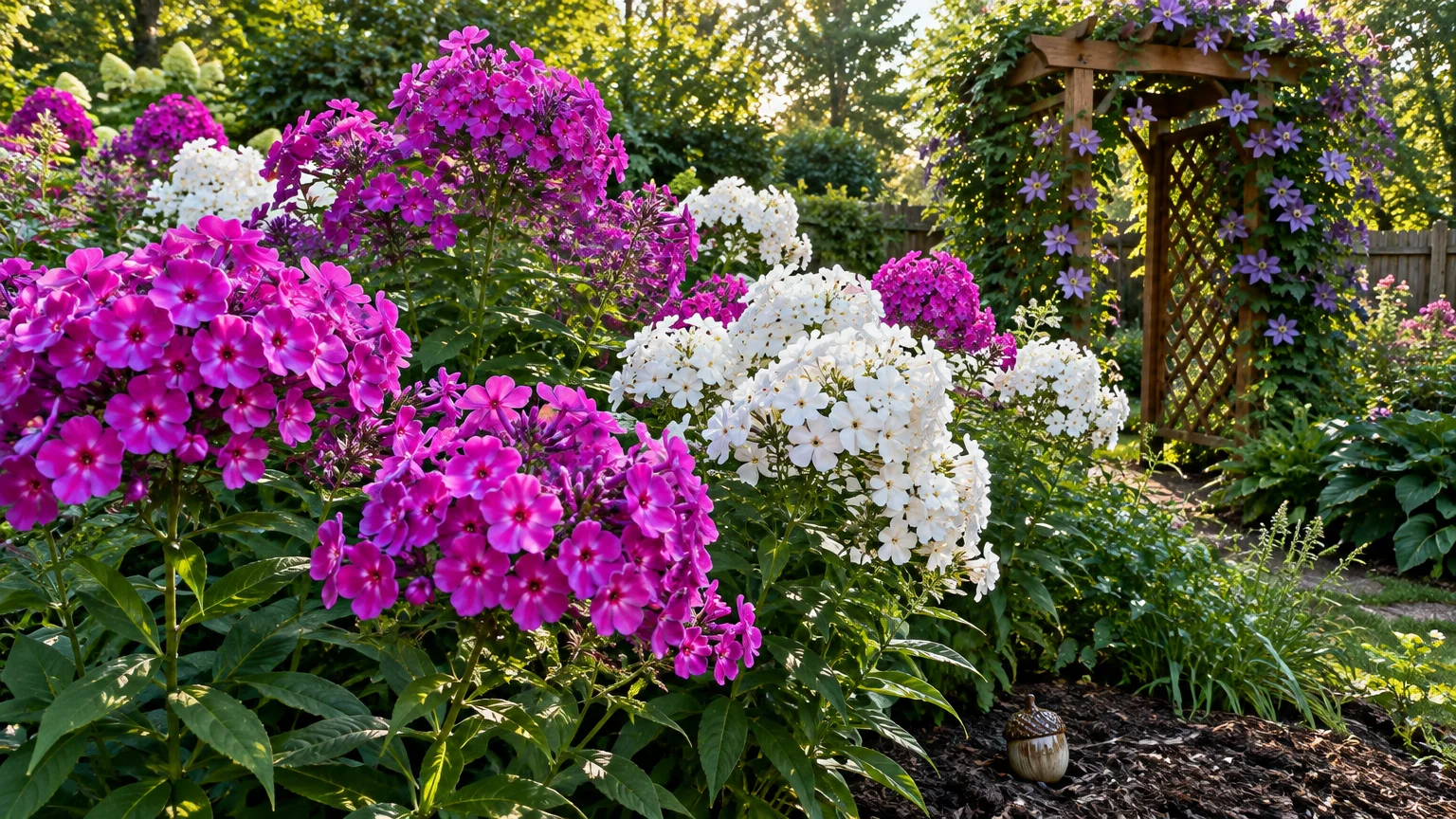
Tip #10: Garden Phlox (Phlox paniculata)
Garden phlox rules the late-summer garden, producing dense, pyramidal flower heads bursting with vibrant color and honey-like perfume. Blossoms paint cottage borders in luminous shades of white, coral, lavender, violet, and deep crimson.
Reaching three to four feet tall, phlox delivers critical height and substance to mid-border positions in USDA Zones 4 through 8. Swallowtails and monarch butterflies visit these nectar-packed blossom clusters all day long.
Plant phlox in rich, moisture-retentive soil exposed to at least six hours of bright sunlight every day. Select mildew-resistant varieties like ‘Jeana’ or ‘David’ to maintain crisp, healthy foliage through humid summers.
Space stems eighteen inches apart and thin out one-third of emerging spring shoots at ground level. This selective thinning increases airflow through the clump and dramatically reduces fungal infection risks.
Remove spent floral clusters promptly to redirect plant energy and avoid rogue self-sown seedlings. Unchecked phlox seedlings frequently revert to dull, washed-out magenta colors that overwhelm named cultivars.
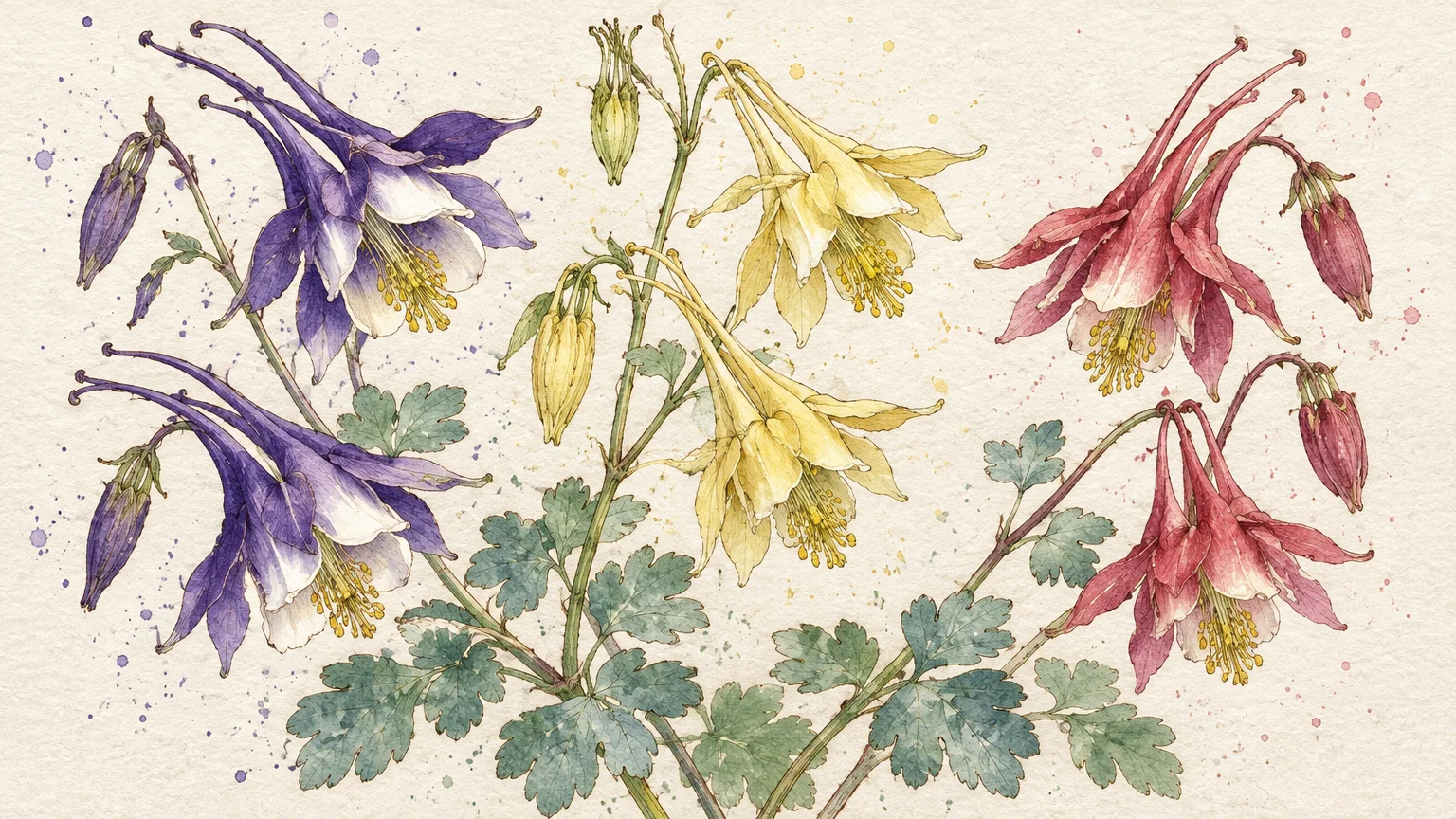
Tip #11: Columbine (Aquilegia)
Columbine adds fairy-tale charm to cottage borders with its nodding blossoms, intricate backwards spurs, and scalloped blue-green foliage. It bridges the tricky seasonal gap between late-spring bulbs and early-summer perennials with effortless grace.
These cold-hardy perennials thrive across USDA Zones 3 through 9, tolerating both bright sunshine and dappled partial shade. Migrating hummingbirds rely on columbine’s hidden nectar reservoirs during their northward spring journeys.
Plant columbine in rich, moist, well-draining soil enriched with composted bark or leaf mold. Space plants twelve to eighteen inches apart so their delicate floral silhouettes stand out clearly against neighboring greenery.
Keep the soil consistently moist throughout the spring blooming period, applying an organic mulch layer around each clump. Avoid overhead watering to protect the delicate, nodding blooms from premature damage.
Let several seed pods mature and split open naturally at the end of the flowering cycle. Columbines cross-pollinate easily, creating exciting new color variations in your garden beds each spring.
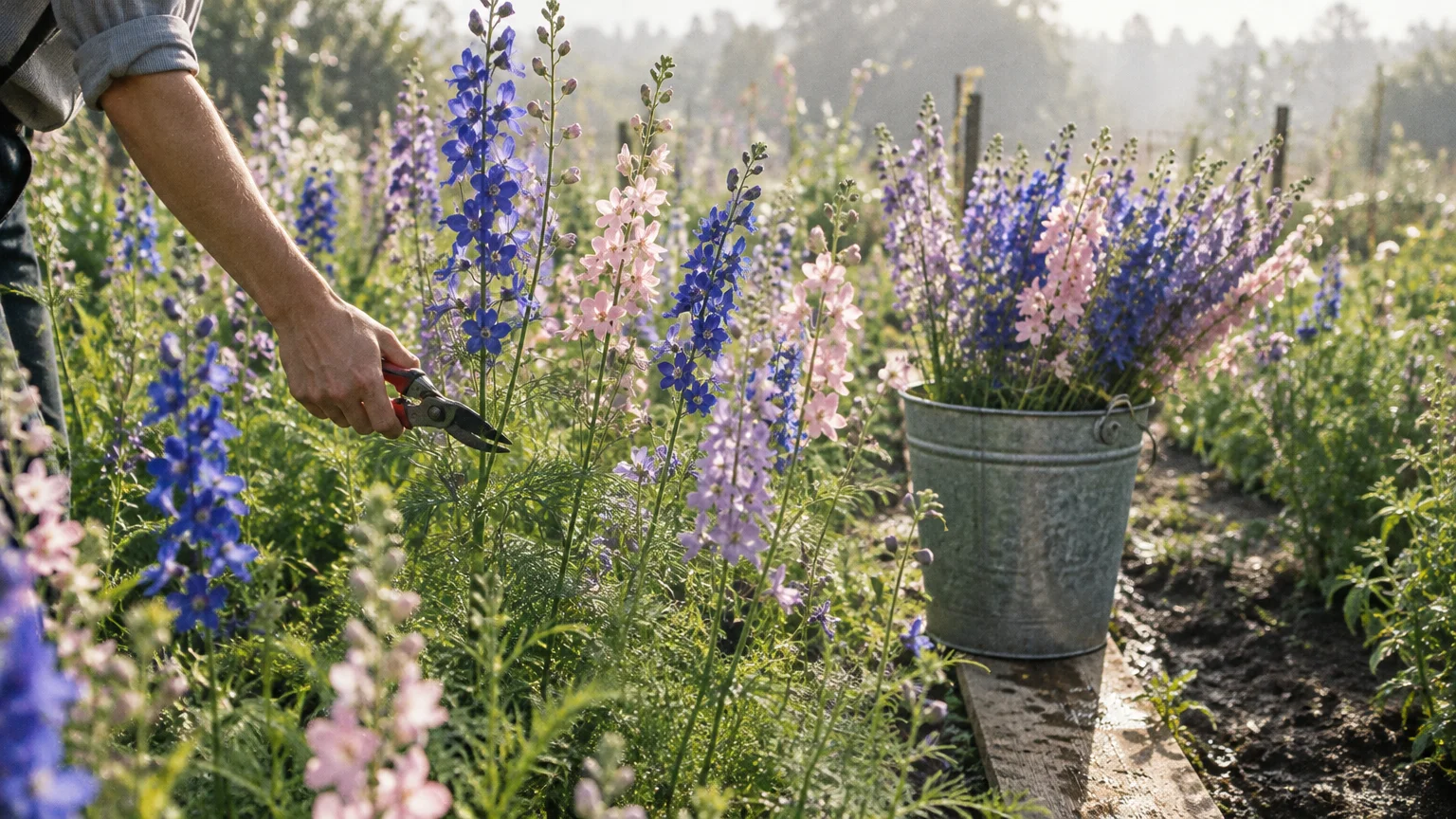
Tip #12: Larkspur (Consolida ajacis)
Larkspur gives you all the aristocratic presence of delphiniums with the effortless simplicity of an annual plant. Feathery, finely divided foliage produces upright spikes studded with ruffled blooms in shades of lilac, pink, and white.
This cool-season annual thrives during spring and early summer before soaring summer temperatures take over. It represents an indispensable staple for dynamic flower garden design, filling empty spaces with soft color.
Direct sow seeds directly into garden beds in late autumn or early spring; larkspur dislikes root disturbance from transplanting. The seeds require cold temperatures between 35°F and 50°F to break dormancy successfully.
Scatter seeds across raked soil, pressing them down lightly before covering them with an eighth-inch of fine compost. Thin the emerging seedlings to ten inches apart once they develop their true ferny leaves.
Allow spent seed stalks to dry in place toward midsummer so they drop viable seed for next year. Once seed drops, remove the brown stems to keep your borders tidy and fresh.
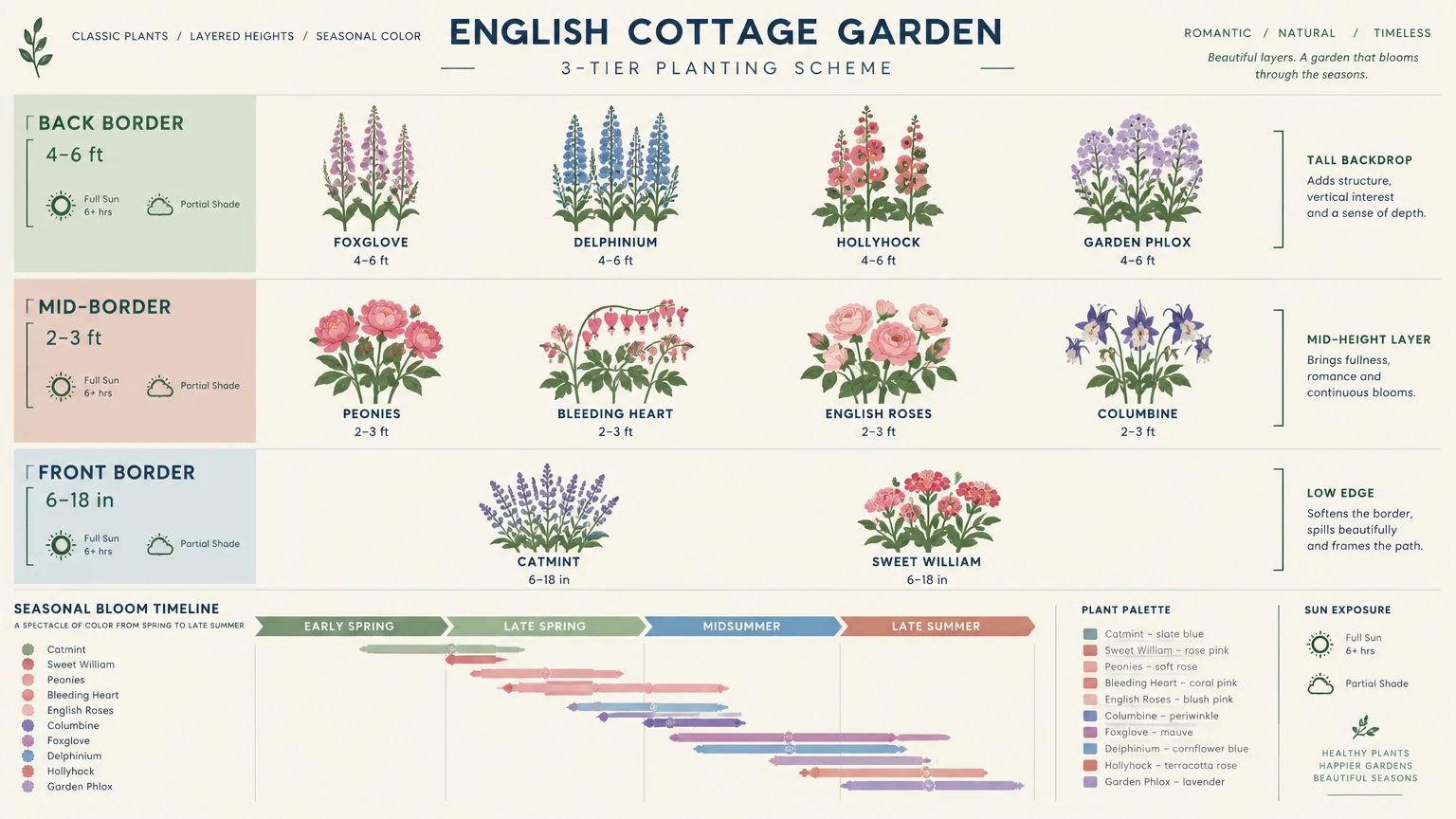
Putting It All Together: Enjoy Your Beautiful Garden
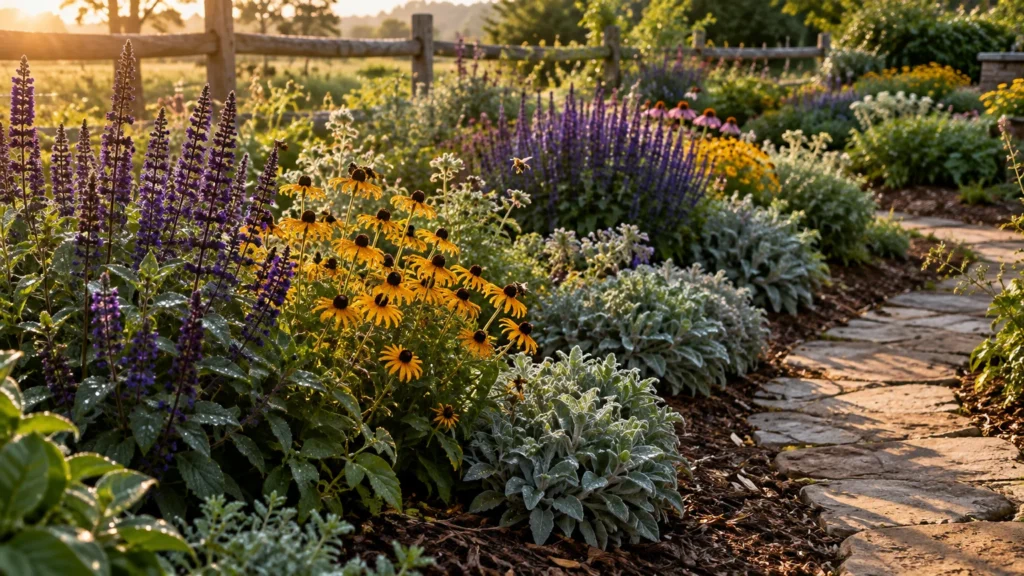
Creating an authentic cottage garden is all about embracing natural abundance, informal layering, and continuous seasonal color. Combining vertical accents like foxgloves and hollyhocks with mounding perennials creates a balanced, romantic tapestry.
Focus on planting densely to suppress pesky weeds and create sheltered microclimates for beneficial garden wildlife. Interweave early-spring bloomers with late-summer powerhouses so your landscape never suffers from a visual lull.
Remember to observe your soil conditions, sun exposure, and local climate when arranging your favorite varieties. Thoughtful placement ensures your flowers flourish vigorously while cutting down your weekly garden maintenance.
Grab your trowel, loosen your soil, and start sowing these timeless cottage garden flowers today. Your outdoor living space will soon transform into a fragrant, buzzing haven of beauty and nostalgia.
Frequently Asked Questions
What makes a flower a cottage garden plant?
Cottage garden flowers typically feature informal growth habits, rich fragrances, and timeless, old-fashioned appearances. Historically, these plants served dual purposes by providing herbal remedies, pollinator forage, and beautiful bouquets.
They often self-sow freely or return reliably year after year, requiring minimal fuss and pampering from the gardener.
How do I stop my cottage garden from looking messy?
Maintain clean structural edges along your lawn and pathways to provide visual order against billowing blooms. Crisp edging creates an intentional, polished contrast that highlights free-flowing flowers.
Additionally, repeat three or four key plant species across your beds to create visual rhythm and cohesion. Deadheading spent blooms regularly also keeps the entire border looking fresh and tidy.
Can I grow a cottage garden in small spaces or containers?
Yes, you can cultivate an exquisite cottage garden on a small patio using large, deep containers. Focus on compact cultivars of catmint, lavender, and Sweet William alongside dwarf climbing roses.
Group containers closely together in sunny spots to recreate the dense, layered aesthetic of traditional English cottage garden plants.
How much maintenance does a cottage garden require?
While established cottage gardens require less weeding due to dense planting, they benefit from seasonal tasks like pruning, staking, and deadheading. Spending twenty minutes each week tending to your plants keeps them healthy and productive.
Applying a thick layer of organic mulch each spring significantly reduces watering needs and keeps soil fertile.
For region-specific advice, consult your local University Extension program (find yours via the USDA directory). For plant databases and inspiration, visit the Missouri Botanical Garden or the Royal Horticultural Society.
Disclaimer: This article provides general gardening advice; always consider your specific climate, soil conditions, and local pests. Follow safety guidelines when using gardening tools and products.