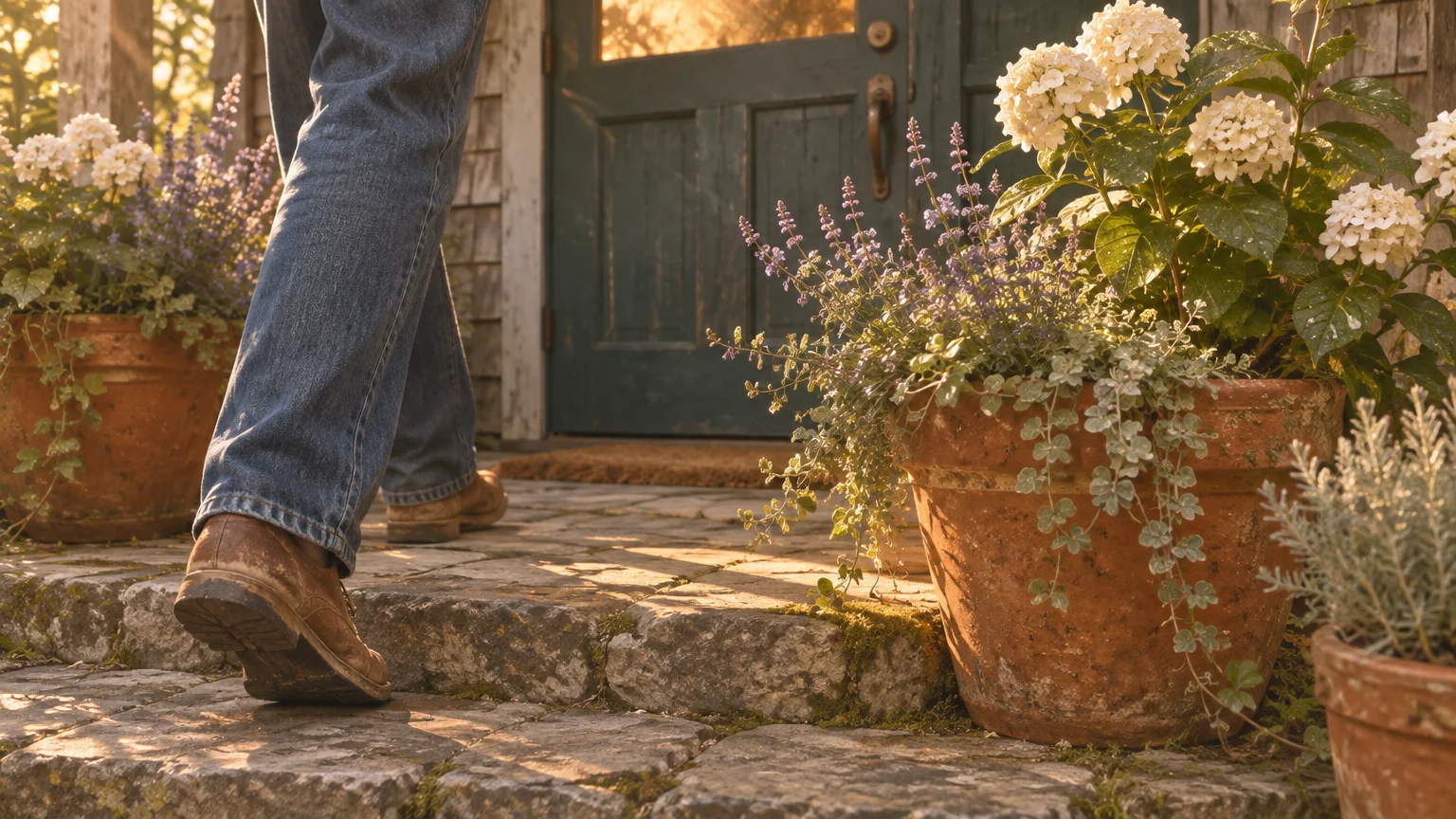
Stepping up to a home framed by fragrant flowers changes the entire arrival experience before anyone knocks. The right front door plants greet your guests with natural perfume while softening hard masonry and concrete steps.
You do not need a sprawling estate to build a welcoming scented flowers garden near your entryway. Smart plant selection pairs compact growth habits with reliable blooms across sunny stoops and shaded porches alike.
These nine curb appeal plants fit comfortably beside walkways without blocking sightlines or crowding siding. You will get verified spacing dimensions, climate zones, and practical care tips to keep your entryway thriving.
Outdoor Strategy #1: English Lavender (Lavandula angustifolia)
English lavender delivers an unmistakable herbal scent every time you brush past the stems on your way inside. Its silvery foliage and violet-blue spikes also bring crisp structure to sunny front walkways.
Sizing and USDA Hardiness
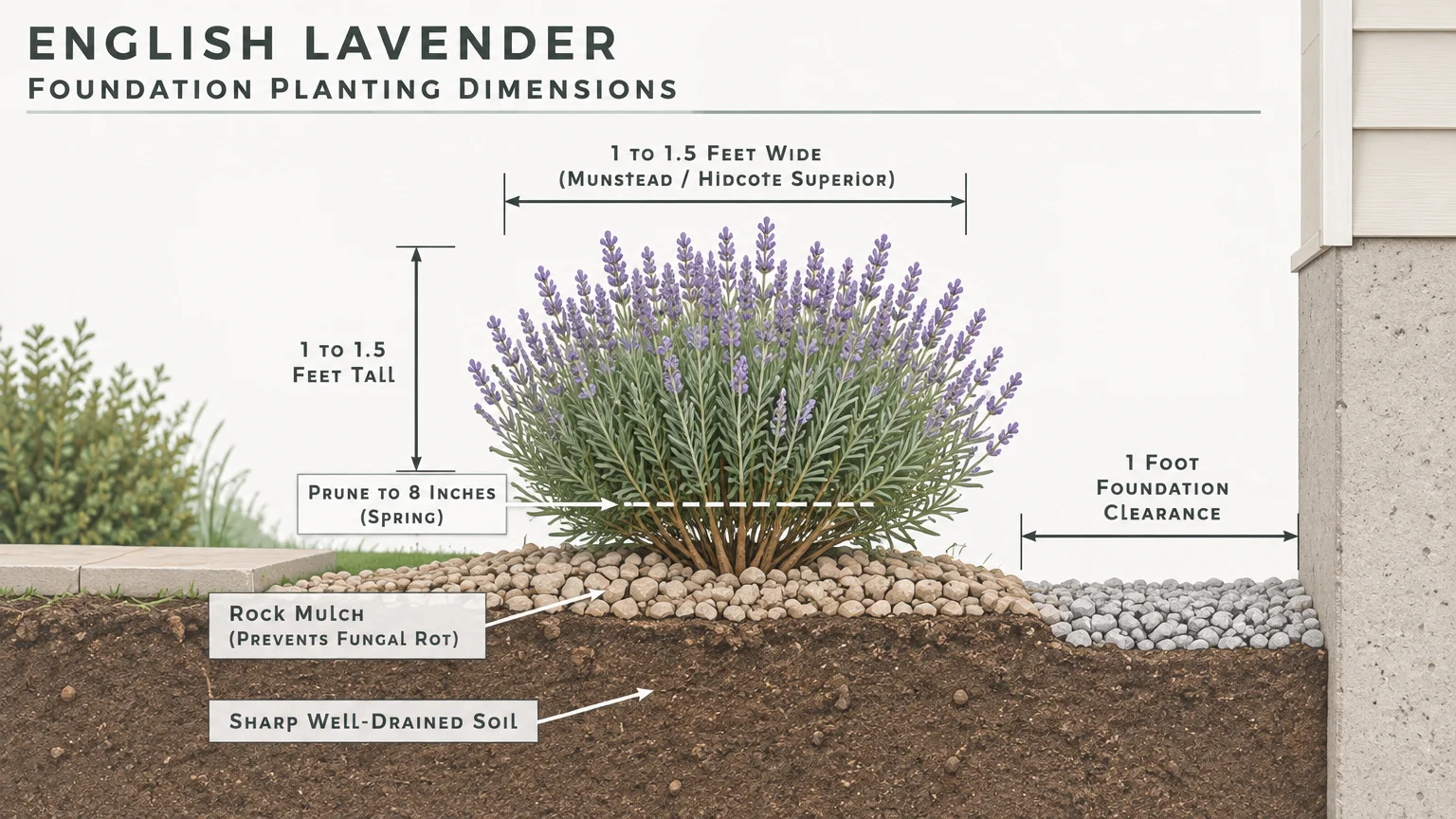
English lavender thrives in USDA Hardiness Zones 5 through 8, according to the Missouri Botanical Garden Plant Finder. For tight entryways, choose compact cultivars rather than the straight species, which reaches 2 to 3 feet tall and wide.
Both Munstead and Hidcote Superior mature at just 1 to 1.5 feet tall and wide. Sharon Roberts grows slightly taller at 1.5 to 2 feet, making it easy to tuck along stone edges without overhanging your path.
Sun, Soil, and Drainage
Plant English lavender in full sun where it receives at least six hours of direct light daily. It requires dry to medium moisture in sharply well-drained, alkaline soil to keep its roots healthy.
Heavy clay holds excess moisture and quickly leads to root rot near downspouts. Amend dense soil with coarse grit or plant in a raised entryway border to keep crowns dry.
Placement and Pruning
Flowers open from June through August, providing months of summer color and fragrance right beside your steps. Use rock mulch rather than organic wood mulch around lavender in humid climates to prevent fungal rot.
Keeping wood mulch at least 1 foot away from your foundation also deters termites, per the LSU AgCenter. Prune plants back to 8 inches every third spring to prevent woody, bare centers.
Outdoor Strategy #2: Dwarf Korean Lilac (Syringa meyeri ‘Palibin’)
Standard lilacs often swallow small front porches, yet Dwarf Korean lilac packs classic spring perfume into a manageable footprint. Its 4-inch pale-pink panicles release a sweet aroma that carries across the entire front yard.
Compact Scale for Entryways
While straight species Syringa meyeri grows 5 to 8 feet tall and 10 feet wide, the Palibin cultivar stays 4 to 5 feet tall and 5 to 7 feet wide. Grafted tree forms reach roughly 8 feet tall for vertical framing.
This hardy shrub thrives across USDA Zones 3 through 7, giving cold-climate homeowners a dependable spring focal point. It blooms from late April to early May in Zone 6 before summer perennials take over.
Foundation Clearance and Air Circulation
Plant Dwarf Korean lilac in full sun and well-drained soil for the heaviest flower display. Palibin shows extreme resistance to powdery mildew, especially when you give the foliage plenty of moving air.
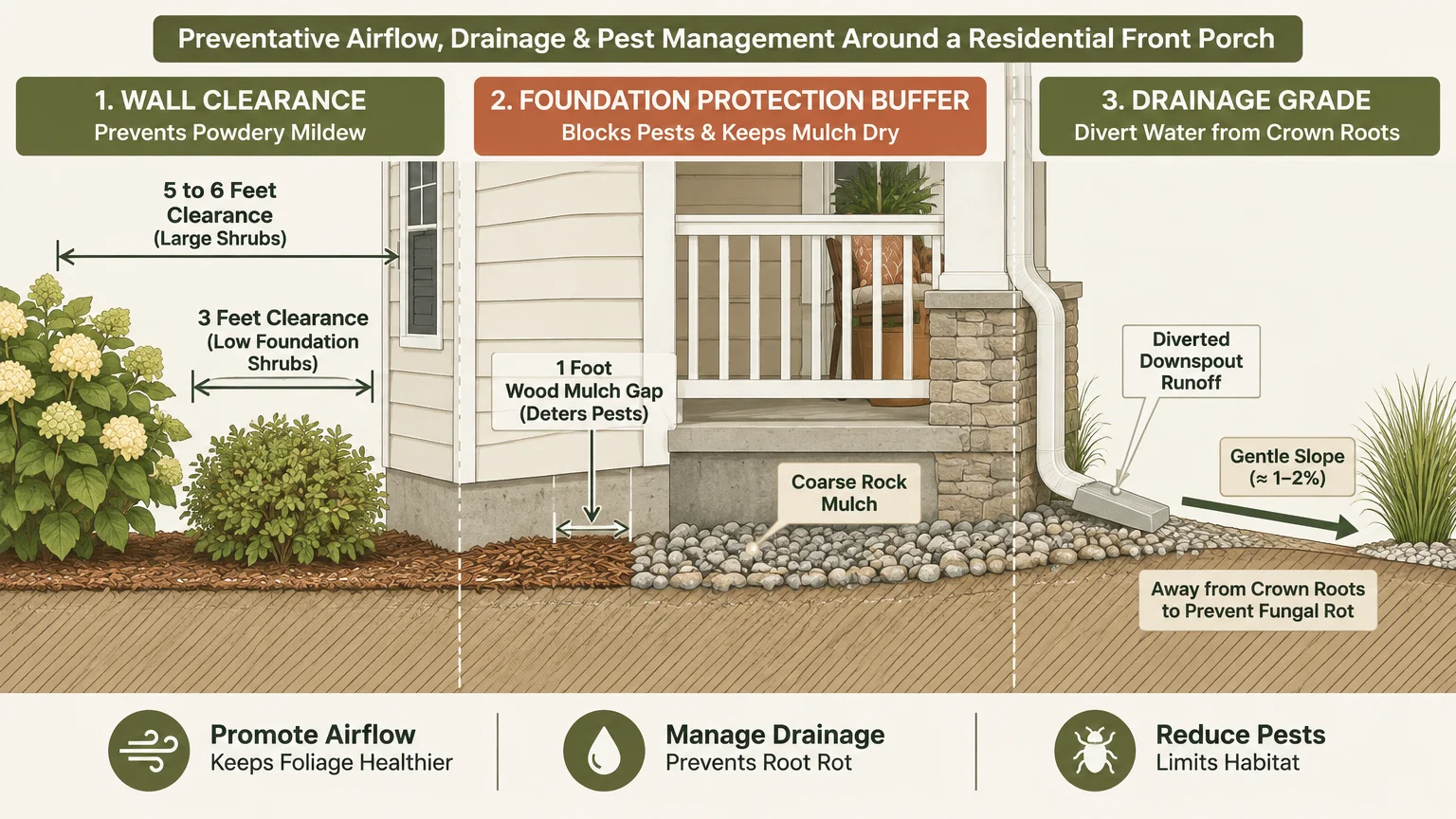
Clemson Cooperative Extension advises keeping shorter foundation shrubs at least 3 feet clear of house walls to promote airflow and prevent mildew. For larger shrubs, the LSU AgCenter recommends 5 to 6 feet of clearance within 6- to 9-foot-wide beds.
Timing Your Pruners
Hold off on winter trimming because next spring’s buds already sit on the branches. Prune immediately after the flowers fade in late spring so you do not accidentally remove next year’s scent.
Outdoor Strategy #3: Sweet Alyssum (Lobularia maritima)
Sweet alyssum works like living carpet along front steps, spilling delicate clusters of honey-scented white, pink, or purple blooms. Because it stays low, you can plant it inches from a stoop without obstructing house numbers or handrails.
Annual Flexibility and Spread
Homeowners grow sweet alyssum as an annual in most climates, though vigorous hybrids like Snow Princess act as winter-hardy perennials in USDA Zones 10 to 11. Standard varieties reach just 3 to 9 inches tall and up to 12 inches wide.
Snow Princess spreads vigorously to 1 to 2 feet tall and 2 to 3 feet wide, making it ideal for large porch planters. Both forms pair effortlessly with taller fragrant shrubs in mixed entryway beds.
Light and Seeding Schedule
Give sweet alyssum full sun to part shade; afternoon shade protects the blooms when summer temperatures climb. You can sow seeds directly outdoors several weeks before your last spring frost date.
For earlier curb appeal, start seeds indoors 5 to 6 weeks prior to your last frost. Set young transplants along walkway borders once daytime soil temperatures begin warming up.
Midseason Rejuvenation
If blooms stall during intense midsummer heat, shear the entire plant back by one-half with clean garden scissors. Water deeply afterward to encourage a fresh wave of cool-season flowers through autumn.
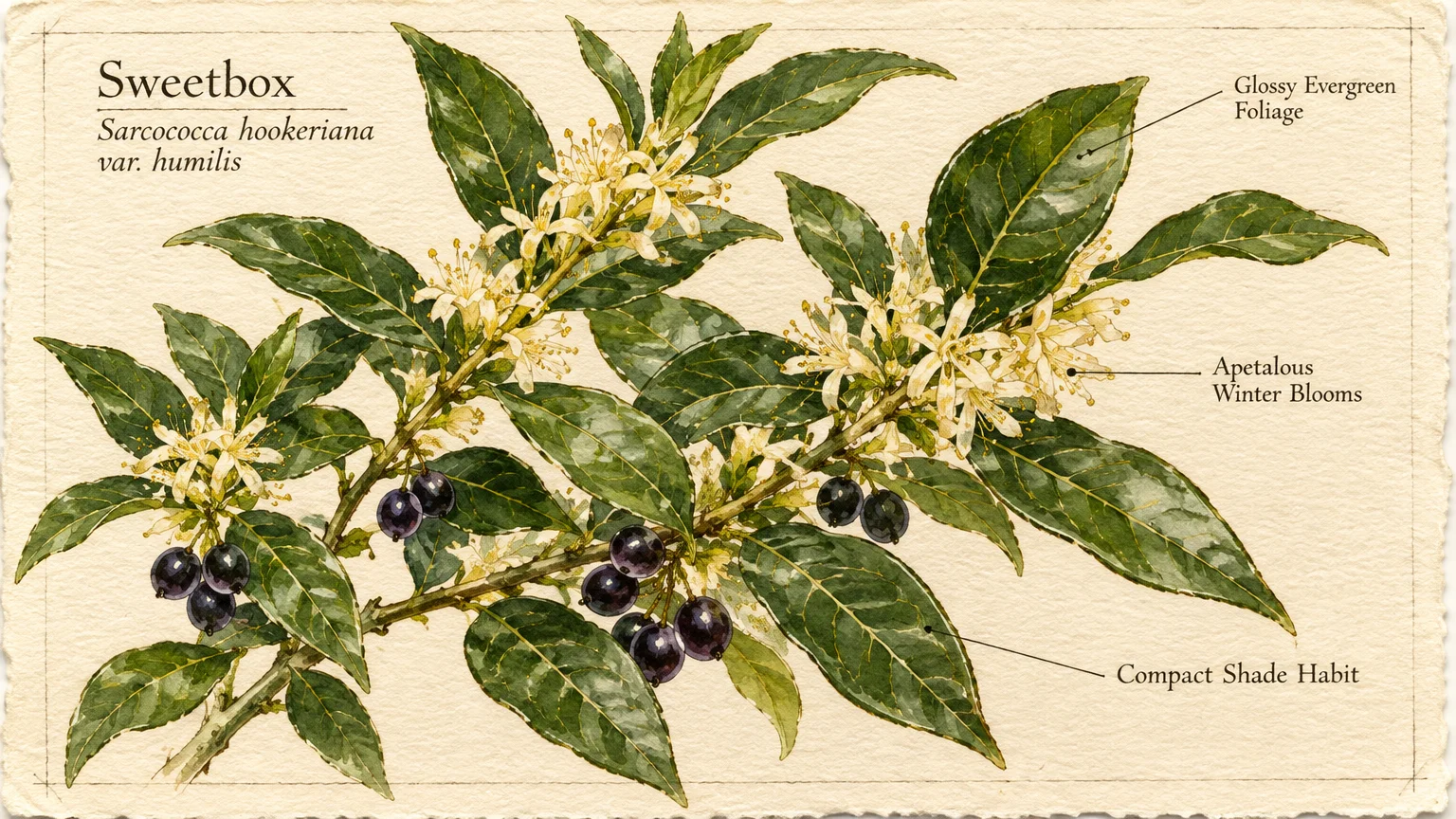
Outdoor Strategy #4: Sweetbox (Sarcococca hookeriana var. humilis and S. confusa)
Many front doors sit under deep overhangs or mature shade trees where sun-loving flowers refuse to bloom. Sweetbox solves that challenge with glossy evergreen leaves and winter blossoms that smell richly of vanilla and hyacinth.
Shade-Loving Varieties
Sweetbox performs best in part shade to heavy shade because direct sun burns or dulls its dark green foliage. Plant it in moist, organically rich, acidic, well-drained soil beside shaded porches.
Sarcococca hookeriana var. humilis stays 1 to 2 feet tall in USDA Zones 6 through 8, surviving temperatures down to minus 10 degrees Fahrenheit. Fragrant Mountain reaches 2 to 3 feet tall and 3 to 4 feet wide.
If you want slightly more height in Zones 6 through 9, NC State Extension highlights Sarcococca confusa, which reaches 3 to 5 feet tall and wide. Both varieties keep your entryway green year-round.
Winter Bloom and Wildlife Resistance
Tiny white flowers open from winter into early spring—typically March to April for S. hookeriana—surprising visitors with intense perfume on mild afternoons. NC State Extension specifically recommends sweetbox near walkways and doors because it resists both deer and rabbits.
Keep smaller cultivars 3 to 4 feet away from siding, per LSU AgCenter foundation guidelines. That spacing protects your exterior paint while giving roots room to establish.
Outdoor Strategy #5: Koreanspice Viburnum (Viburnum carlesii)
Koreanspice viburnum earns its name from spicy-sweet pink buds that open into snow-white globes every spring. Even a single compact shrub beside a front path fills the air with rich fragrance.
Right-Sizing Your Cultivar
Standard Koreanspice viburnum grows 4 to 6 feet tall and 4 to 7 feet wide across USDA Zones 4 through 7. That size works well at the corner of a wide front bed, though narrower stoops benefit from dwarf selections.
Compactum matures at 2.5 to 4 feet tall and wide, fitting gracefully beneath low front windows. Spice Baby grows 3.5 to 5 feet tall and 3.5 to 6 feet wide, offering a balanced mid-sized option.
Low-Maintenance Entryway Care
Plant Koreanspice viburnum in full sun to part shade with medium moisture and well-drained soil. The Missouri Botanical Garden rates this shrub as low maintenance once its roots settle in.
Flowers appear from March to April, kicking off the outdoor season right as you start spending more time on the porch. Prune immediately after flowering because the shrub sets next year’s flower buds during summer.
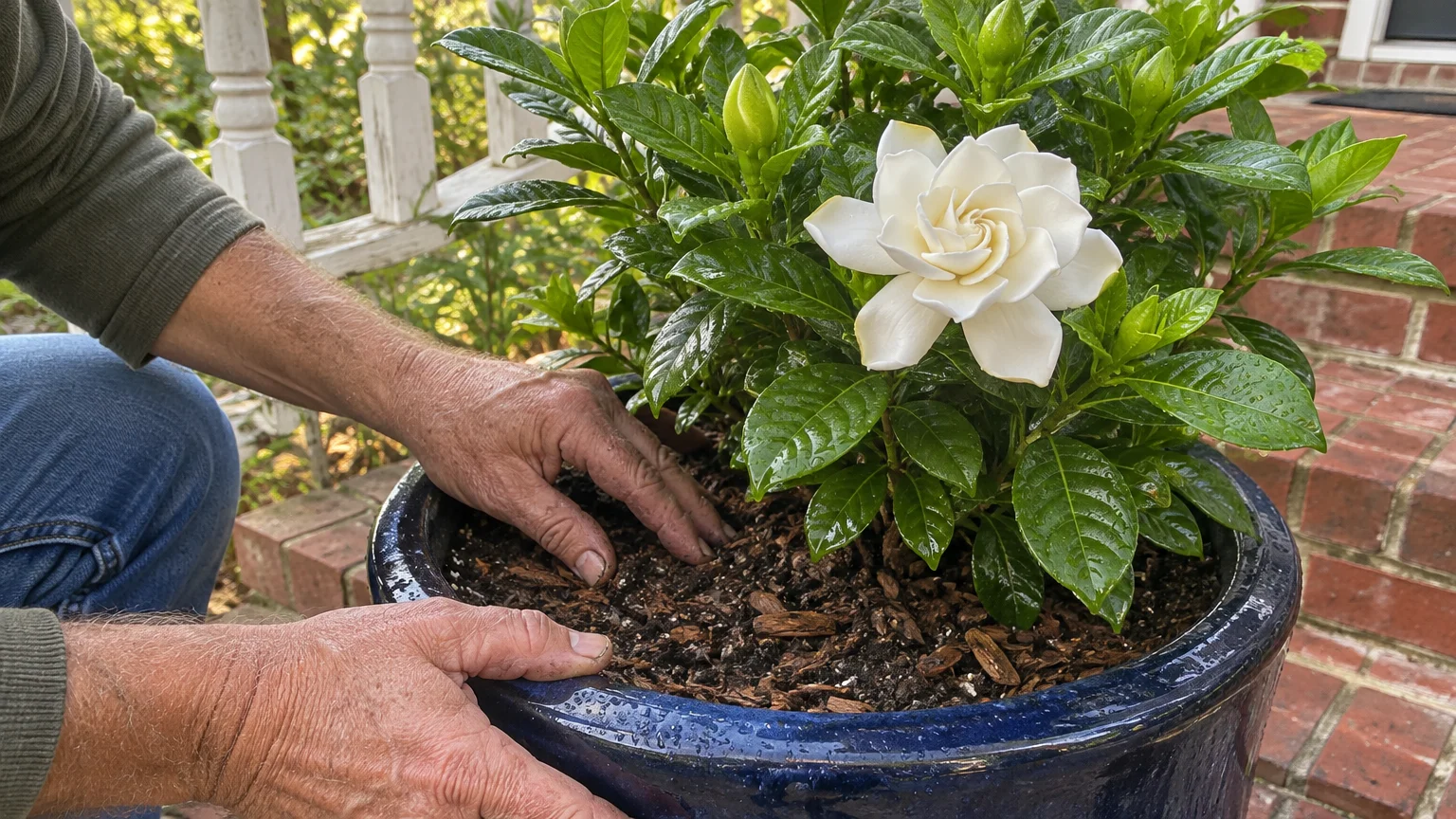
Outdoor Strategy #6: Gardenia (Gardenia jasminoides)
Few blooms match the creamy, intoxicating perfume of a freshly opened gardenia beside a front porch. Its waxy white flowers pop vividly against dark, lustrous evergreen leaves from late spring into summer.
Choosing Cold-Hardy Cultivars
Most gardenias thrive in USDA Zones 7 or 8 through 10, where mild winters protect evergreen foliage. However, cold-hardy selections including Crown Jewel, Grif’s Select, and Summer Snow extend into Zone 6 with winter protection.
Typical gardenias reach 3 to 6 feet tall, so match the cultivar to your porch height. Crown Jewel stays compact at 2 to 3 feet tall and 3 to 4 feet wide, while Summer Snow reaches 4 to 5 feet tall and wide.
Acidic Soil and High-Maintenance Needs
Give gardenias part shade—ideally morning sun with dappled afternoon relief—and humus-rich, acidic, well-drained soil. The Missouri Botanical Garden classifies gardenia as high maintenance, so inspect leaves regularly for moisture stress or nutrient chlorosis.
Consistent watering and acidic mulch help keep blooms coming without bud drop. Container-grown gardenias also let colder-zone homeowners wheel the fragrance into a sheltered garage before hard freezes hit.
Outdoor Strategy #7: Star Jasmine (Trachelospermum jasminoides)
If your entryway lacks wide planting beds, go vertical with star jasmine on a porch trellis or pillar. Its pinwheel white flowers release a sweet jasmine scent that greets anyone climbing the steps.
Warm-Climate Vines and Container Options
Star jasmine grows reliably outdoors in USDA Zones 8 through 10 as a twining evergreen vine. It climbs 3 to 20 feet high and spreads 3 to 6 feet wide when trained along sturdy supports.
Gardeners north of Zone 8 can grow star jasmine in heavy patio pots on a sunny porch during summer and overwinter it indoors. Blooms open heavily in late spring, especially May, with sporadic flowers continuing through summer.
Pollinator and Safety Awareness
Star jasmine is attractive to bees, which helps your yard’s ecology while requiring thoughtful placement near doorways. Position the trellis slightly off to the side of door latches and narrow steps so guests do not brush past foraging bees.
Note that star jasmine stems exude a milky sap when broken, so wear garden gloves during pruning. Keep pruned clippings swept off walkways so pets cannot chew on stray stems.
Outdoor Strategy #8: Winter Daphne (Daphne odora)
Winter daphne rescues late-winter curb appeal by bursting into pink-and-cream bloom while most other plants remain asleep. Its citrus-laced fragrance carries easily in cool air, turning chilly February trips to the mailbox into a treat.
Microclimates and Hardiness
Winter daphne thrives in USDA Zones 7 through 9, tolerating winter lows down to roughly 10 degrees Fahrenheit. In Zone 6, the Missouri Botanical Garden recommends planting it in a sheltered spot, such as the south side of a home.
This broadleaf evergreen maintains a tidy footprint of 3 to 4 feet tall and 2 to 4 feet wide. Because it dislikes root disturbance, pick its permanent spot carefully before digging.
Light, Moisture, and Bloom Window
Plant winter daphne in part shade with medium, evenly drained moisture—avoid soggy pockets that trigger root decline. Depending on your zone, flowers open from late January through March in Zones 8 and 9, or March through April in Zone 7.
Avoid excessive summer fertilizer or heavy pruning near the base. Light shaping right after spring bloom keeps its mounded silhouette neat beside porch stairs.
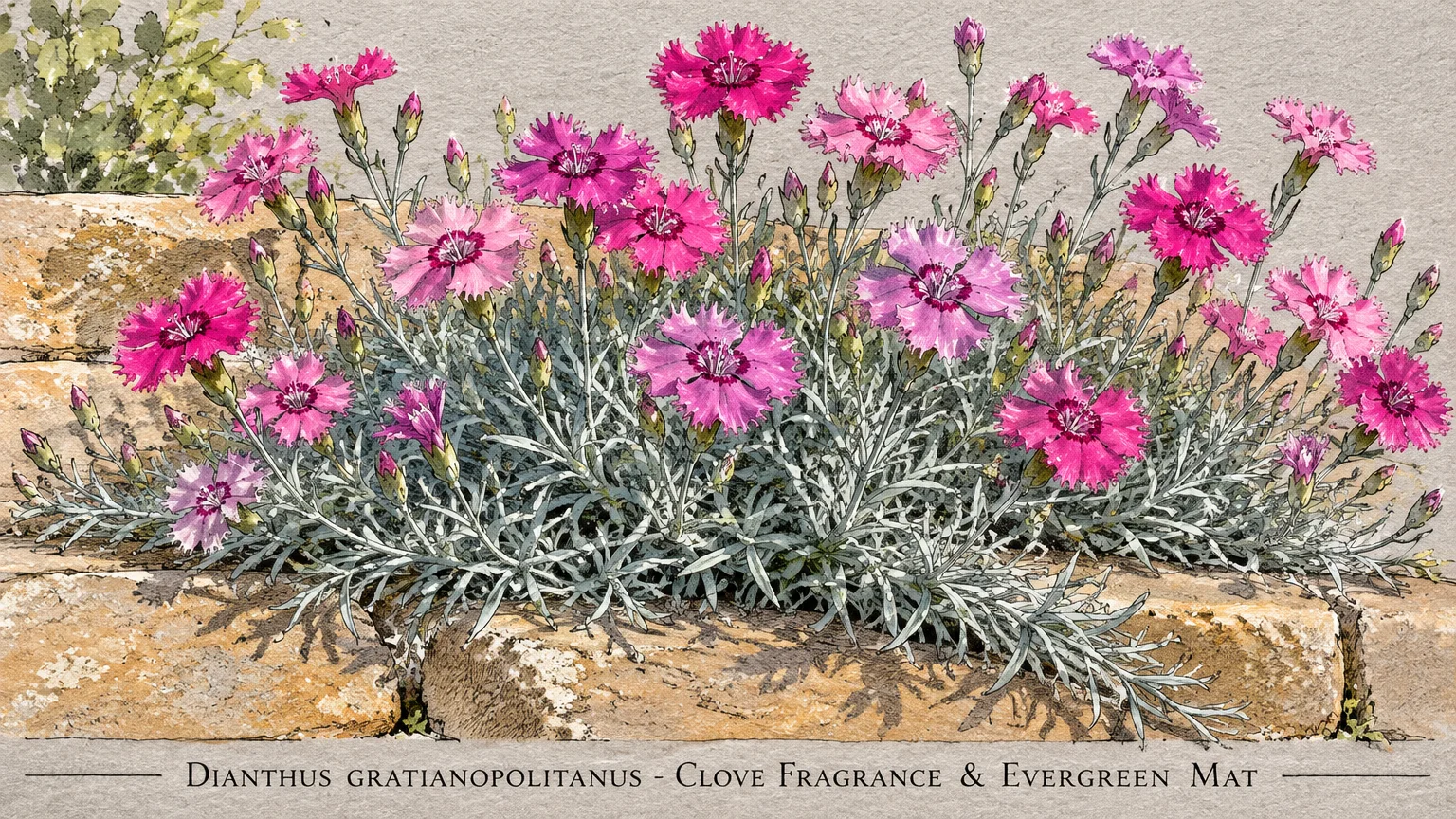
Outdoor Strategy #9: Cheddar Pinks (Dianthus gratianopolitanus)
Cheddar pinks bring nostalgic clove fragrance right to the edge of sunny front walks without demanding constant fuss. Blue-green grassy mounds stay neat even when the bright pink flowers finish blooming.
Wide Hardiness and Compact Edging
Cheddar pinks thrive across an impressive range from USDA Zones 3 through 9. Each clump stays 9 to 12 inches tall and spreads 1.5 to 2 feet wide, framing brick or stone paths cleanly.
Plant them in full sun with well-drained soil and enjoy low-maintenance resilience plus natural deer tolerance. Flowers open from May to June, and deadheading spent stems encourages a cheerful second wave of bloom.
A Tall Alternative for Narrow Corners
If you prefer a taller flowering shrub in a tight sunny corner, check cultivar dimensions carefully before buying. Standard mock orange (Philadelphus coronarius) reaches 10 to 12 feet tall and wide, quickly swallowing small front doors.
Instead, choose an upright selection like Illuminati Tower, which stays just 3 to 4 feet tall and 1 to 2 feet wide in USDA Zones 4 to 7. Its May and June blooms offer classic citrus scent in narrow spaces.
Seasonal Considerations for Your Garden
Your local climate dictates when front door plants wake up, bloom, and enter dormancy. Before buying shrubs, confirm your current zone using the 2023 USDA Plant Hardiness Zone Map, updated jointly by the USDA Agricultural Research Service and Oregon State University’s PRISM Climate Group.
This map divides the country into 13 zones using 30-year averages from 1991 to 2020 across 13,412 weather stations, split into 5-degree half-zones. Roughly half the United States shifted into a warmer half-zone—averaging about 2.5 degrees Fahrenheit warmer winters nationwide, according to USDA horticulturist Todd Rounsaville.
Even with updated mapping, front entryways create unique microclimates against brick walls and concrete steps. Check your USDA Plant Hardiness Zone at the USDA’s website, and consult your local University Extension program (listed here) for regional soil testing.
You can also explore regionally adapted native options using the National Wildlife Federation plant finder before finalizing your planting plan.
Spring: Prep Beds and Time Your Pruning
Always call 811 before digging new front-yard beds so you do not strike shallow cable, gas, or electric lines. Grade entryway soil to slope downward 6 inches for every 10 feet away from your foundation for proper drainage, per the LSU AgCenter.
Keep all plants at least 2 feet clear on every side of outdoor air-conditioning units and 5 feet clear overhead. Once Dwarf Korean lilac and Koreanspice viburnum finish blooming in spring, prune them promptly before summer bud set begins.
Summer: Deadhead and Manage Moisture
Deadhead cheddar pinks right after their May-to-June flush to trigger repeat blooms along sunny paths. If heat slows down sweet alyssum, shear plants by half and water deeply to revive them.
Check moisture around gardenias during dry spells, especially under wide eaves that block natural rainfall. Morning watering lets foliage dry before nightfall, reducing leaf spot risks near sheltered walls.
Fall: Plant Shrubs and Refresh Borders
Early fall soil stays warm while air cools, making September and October prime months for planting hardy fragrant shrubs like lilac, viburnum, and sweetbox. Root growth continues until ground freezes, giving shrubs a head start before spring.
Avoid heavy late-fall pruning on spring bloomers or evergreen gardenias, which triggers tender shoots that frost can burn. Clear fallen leaves off low lavender crowns so winter moisture does not sit against stems.
Winter: Protect Tender Entryway Plants
Wrap burlap screens around borderline Zone 6 gardenias or winter daphne when bitter winds sweep across exposed porches. Keep rock or crushed granite in the 1-foot buffer directly against your siding rather than piling thick wood mulch against wood trim.
Winter-blooming sweetbox and winter daphne need little help once established, though snow-laden branches benefit from gentle brushing. Knock heavy wet snow upward off evergreen shrubs before branches snap.
Dealing with Outdoor Pests and Weather
Front doors sit at the crossroads of foot traffic, house walls, pets, and local wildlife, creating distinct challenges compared to backyard borders. Planning for pests and weather extremes right from planting day saves constant troubleshooting later.
Deterring Deer, Rabbits, and Termites
Unfenced front yards often double as midnight buffets for browsing deer and hungry rabbits. Pair deer-resistant sweetbox in shady borders with deer-tolerant cheddar pinks and aromatic English lavender in sunny beds.
While protecting stems above ground, safeguard your home’s structure below the mulch line. Follow LSU AgCenter advice by holding organic wood mulch at least 1 foot back from the foundation, filling that narrow strip with gravel or crushed granite to deter termites.
Managing Fungal Disease and Bee Traffic
Tight spacing against brick or stucco traps humidity and invites powdery mildew or root rot. Maintain at least 3 feet of clearance for shorter shrubs per Clemson Cooperative Extension guidelines, and choose rock mulch around humidity-sensitive lavender.
Fragrant flowers naturally attract helpful pollinators, which is wonderful for gardens yet tricky beside narrow door frames. Plant bee magnets like star jasmine a couple of feet clear of latches and railings so people and pollinators share the entrance peacefully.
Protecting Curious Pets
Curious dogs and outdoor cats frequently sniff or nibble fresh growth right beside front steps. Keep in mind that the ASPCA Animal Poison Control Center warns that eating any plant material—even non-toxic varieties—can trigger vomiting and stomach upset in pets.
Always look up exact botanical names in the ASPCA Toxic and Non-Toxic Plants database before planting near pet paths. If you suspect a pet ingested a plant such as sap-producing star jasmine, call your veterinarian or the ASPCA 24-hour hotline at (888) 426-4435.
Frequently Asked Questions
Do fragrant front door plants really improve curb appeal value?
Yes, thoughtful front-yard landscaping delivers measurable returns alongside daily enjoyment. According to the 2023 Remodeling Impact Report: Outdoor Features by the National Association of REALTORS and the National Association of Landscape Professionals, 92 percent of realtors suggest boosting curb appeal before listing.
In that report, landscape maintenance ranked highest at 74 percent recommended with 104 percent cost recovery, while standard lawn care averaged 415 dollars with a 217 percent recovery. Consumers rated all 11 outdoor projects at 9.0 or higher out of 10 on the joy score scale.
How far from my house foundation should I plant fragrant shrubs?
Give your siding and roots room to breathe rather than crowding plants right against the foundation wall. The LSU AgCenter recommends placing smaller foundation shrubs 3 to 4 feet from the house and larger shrubs 5 to 6 feet away inside 6- to 9-foot-wide beds.
At minimum, Clemson Cooperative Extension advises keeping shorter shrubs at least 3 feet clear for air circulation. Proper spacing prevents paint peeling, reduces mildew, and keeps branches from scratching guests on the walkway.
Which scented flowers work best for a heavily shaded front door?
Sweetbox is your strongest evergreen performer for deep or heavy shade, producing fragrant white blooms in late winter to early spring while resisting deer and rabbits. Winter daphne and gardenia also thrive in part shade where morning sun meets afternoon shelter.
Avoid squeezing sun-demanding English lavender or cheddar pinks under dark porch roofs. Shade stretches their stems, invites rot, and drastically reduces flower scent.
How can I plant a fragrant entryway on a tight budget or while renting?
Start with packets of sweet alyssum seeds sown outdoors before your last frost or started inside 5 to 6 weeks early. One inexpensive seed packet borders an entire walkway or fills multiple portable porch planters.
Renters can also grow compact Munstead lavender, gardenia, or overwintered star jasmine in movable containers beside the steps. When you move, your scented flowers garden packs up right along with your patio furniture.
Disclaimer: This article provides general outdoor gardening advice. Success can vary greatly based on your specific climate, soil type, and local conditions. Always choose plants appropriate for your USDA Hardiness Zone.