Identifying hazardous vegetation protects your family and transforms how you manage uncultivated yard borders. A quick visual inspection reveals whether an unfamiliar weed poses an immediate contact threat.
Several common outdoor invaders produce blistering sap and caustic defense oils that cause severe injury. Learning to identify these dangerous plants shields your skin and keeps your landscape maintenance running smoothly.
You should never tackle unmanaged property edges without understanding the botanical risks hiding in plain sight. Here are seven dangerous plants you should never touch along with essential tips to neutralize them safely.
Outdoor Strategy #1: Giant Hogweed (Heracleum mantegazzianum)
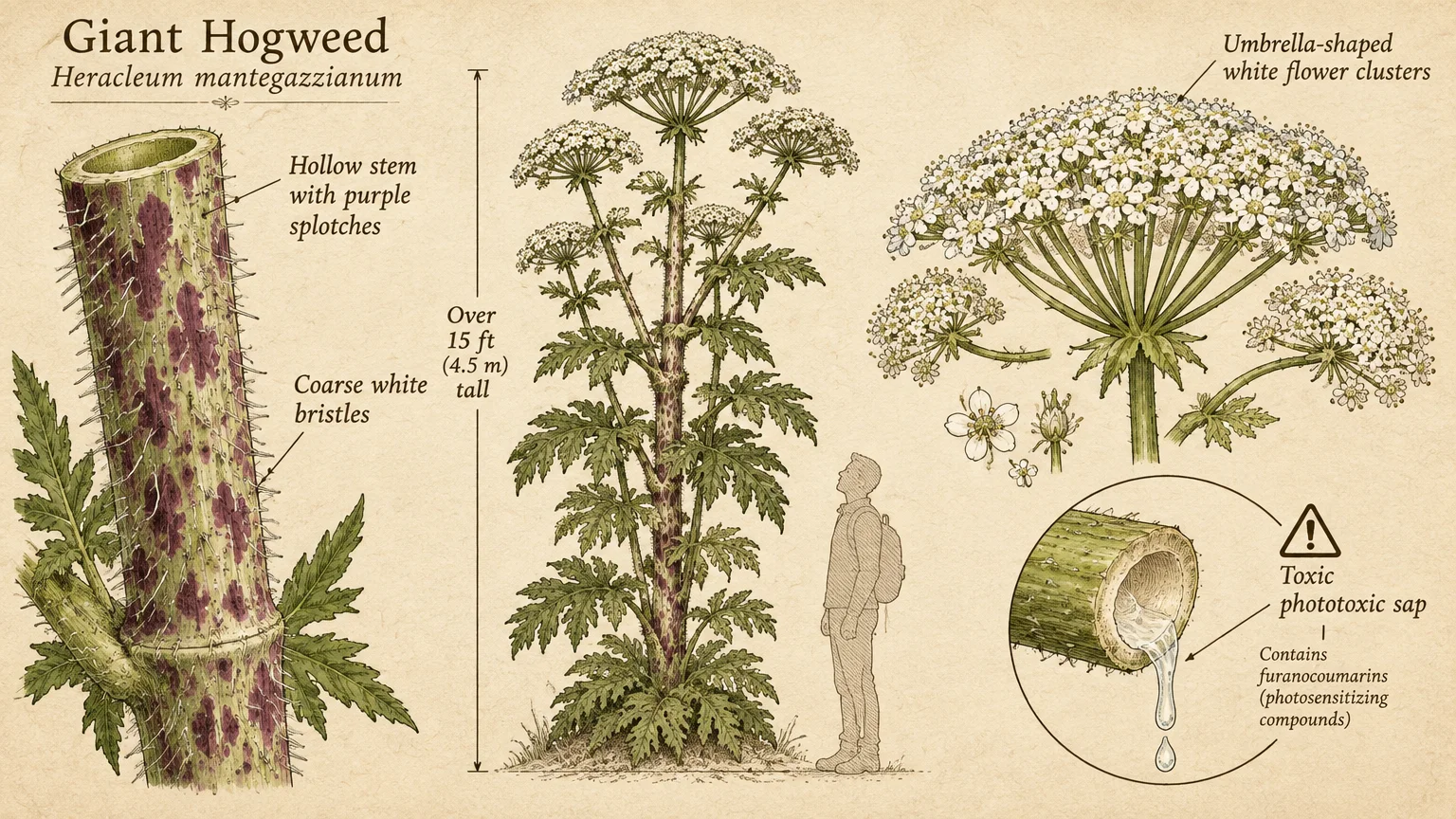
Giant hogweed ranks among the most hazardous perennial invaders you will ever encounter along moist woodland borders. This colossal member of the carrot family can soar to heights over fifteen feet tall.
The plant produces clear, watery sap containing potent phototoxic chemicals known as furanocoumarins. When these compounds contact your skin and react with natural sunlight, they cause painful phytophotodermatitis within hours.
The resulting chemical burns frequently lead to deep, fluid-filled blisters and purplish scars that linger for months or years. If sap gets into your eyes, it can cause severe inflammation and temporary or permanent blindness.
Identify this threat by looking for thick, hollow green stems covered in dark reddish-purple splotches and coarse white bristles. In early summer, mature specimens crown themselves with massive umbrella-shaped clusters of tiny white flowers.
You should never attempt to cut down giant hogweed with a string trimmer or standard mower. Doing so pulverizes the tissue and sprays toxic sap directly across your clothing, face, and exposed arms.
If you spot this invader in your garden borders, isolate the area immediately and keep pets away. Professional land management services use specialized hazardous-material suits to dig out taproots and spray targeted systemic herbicides safely.
For landscape replacement, install non-invasive structural perennials like native Joe Pye weed or goat’s beard. These alternatives deliver dramatic architectural scale to damp ground without placing your household in harm’s way.
Regularly monitor ditch banks and fence lines where moist soil creates ideal conditions for wind-blown seeds to germinate. Early detection allows you to destroy young rosettes before they form deep taproots.
Outdoor Strategy #2: Poison Ivy (Toxicodendron radicans)
Poison ivy is one of the most widespread poisonous plants across North American suburban yards and forest margins. It thrives in diverse conditions, adapting as a low groundcover, an upright shrub, or a climbing woody vine.
Every single structure of this plant contains urushiol, an oily organic resin that bonds with skin proteins almost instantly. Touching any leaf, stem, or root triggers an intensely itchy, blistering allergic contact dermatitis.
You can recognize poison ivy by its classic compound leaves grouped in threes. The middle leaflet always sits on a longer stem than the two flanking leaflets, which often feature asymmetrical notches.
The foliage emerges glossy red in spring, transitions to a rich forest green during summer, and turns brilliant crimson in autumn. In winter, hairy aerial roots clinging tightly to tree trunks still harbor active, dangerous resin.
Never burn poison ivy debris under any circumstances. Burning releases vaporized urushiol into the air, which can cause life-threatening internal blisters inside human lungs when inhaled.
Manage small outbreaks by donning heavy nitrile gloves over thick leather work gauntlets. Sever the main stems at ground level with sharp bypass loppers, and immediately bag the severed vine fragments for trash disposal.
After removal, establish aggressive native groundcovers such as wild ginger or creeping phlox to outcompete emerging seedlings. Dense canopy cover discourages new poison ivy growth by limiting light penetration to the garden floor.
Clean your gardening hand tools with rubbing alcohol immediately after working near infested trees or perimeter stone walls. This solvent breaks down invisible resin residues before they transfer to your skin or storage sheds.
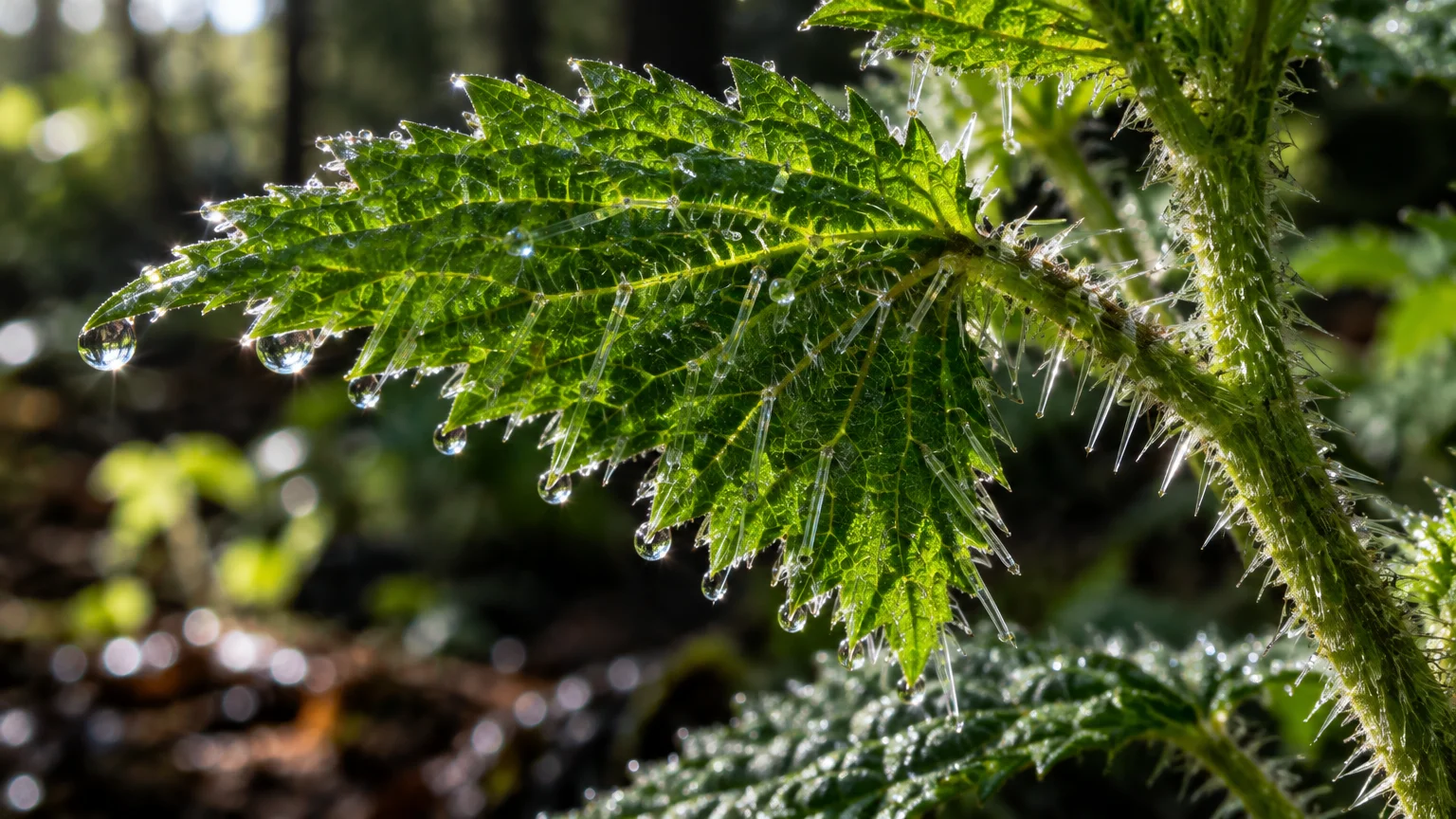
Outdoor Strategy #3: Stinging Nettle (Urtica dioica)
Stinging nettle frequently establishes colonies in neglected yard perimeters, rich compost piles, and moist ditch banks. While celebrated by foragers when cooked, raw contact turns an afternoon of routine weeding into a burning ordeal.
The stems and leaves possess thousands of brittle, hollow hairs called trichomes made of silica. When you brush against them, the fragile tips break off and act like tiny hypodermic needles.
These needles inject a painful cocktail of formic acid, histamine, and serotonin directly under your skin. The immediate result is a localized rash of raised white welts accompanied by sharp stinging and persistent throbbing.
You can identify stinging nettle by its opposite, heart-shaped leaves with coarsely serrated edges. The plant features four-angled square stems and small, dangling greenish flower clusters that emerge from leaf axils in midsummer.
To eradicate patches that encroach on outdoor living areas, attack the root systems during early spring when soil remains damp. Use a sturdy garden fork to lift the bright yellow underground rhizomes without snapping them.
Always wear thick canvas trousers and heavy puncture-resistant gloves while working near nettle-heavy hedgerows. If an accidental sting occurs, wash the skin promptly with cool water and apply a paste of baking soda.
Convert cleared nettle territory into productive raised vegetable beds or decorative shrub borders lined with sweet woodruff. Mulching heavily with double-shredded hardwood suppresses any remaining dormant nettle seeds from germinating.
Mowing nettles repeatedly before they set seed starves the root system and reduces colony vigor over two growing seasons. Consistent lawn mowing prevents this opportunistic spreader from dominating sunny transitions between lawn and woods.
Outdoor Strategy #4: Poison Sumac (Toxicodendron vernix)
Poison sumac is significantly more toxic than its cousins poison ivy and poison oak. Fortunately for homeowners, this woody wetland shrub rarely invades dry suburban lawns, preferring swamps, bogs, and permanently damp pond margins.
This species packs an extraordinary concentration of urushiol throughout its wood, sap, and foliage. To prevent severe toxic plants skin damage, you must avoid brushing against its deceptive foliage during wetland garden chores.
The plant grows as an open, spreading small tree or large shrub reaching up to twenty feet in height. Its smooth reddish-brown twigs support pinnately compound leaves arranged with seven to thirteen smooth-edged leaflets.
Do not confuse poison sumac with harmless staghorn sumac, which produces fuzzy red upright fruit spikes. Poison sumac instead develops loose, hanging clusters of cream-colored or translucent gray berries in late summer.
If poison sumac encroaches on your shoreline or naturalized water garden, handle eradication with immense care. Avoid physical contact by applying an aquatic-approved systemic herbicide directly onto freshly cut stump surfaces in late summer.
Never chip the wood into mulch or drag cut branches through active recreation zones in your landscape. Urushiol remains chemically active and virulent on dead plant tissue for several seasons after cutting.
Replant wet problem zones with water-loving native shrubs such as buttonbush or winterberry holly. These desirable wetland species stabilize soggy banks, attract beneficial songbirds, and remain completely safe for human hands to prune.
Create a buffer zone between naturalized marshes and recreational lawns by maintaining a clean gravel path. Physical distance prevents children and domestic pets from straying into dense thickets where toxic sumac thrives.
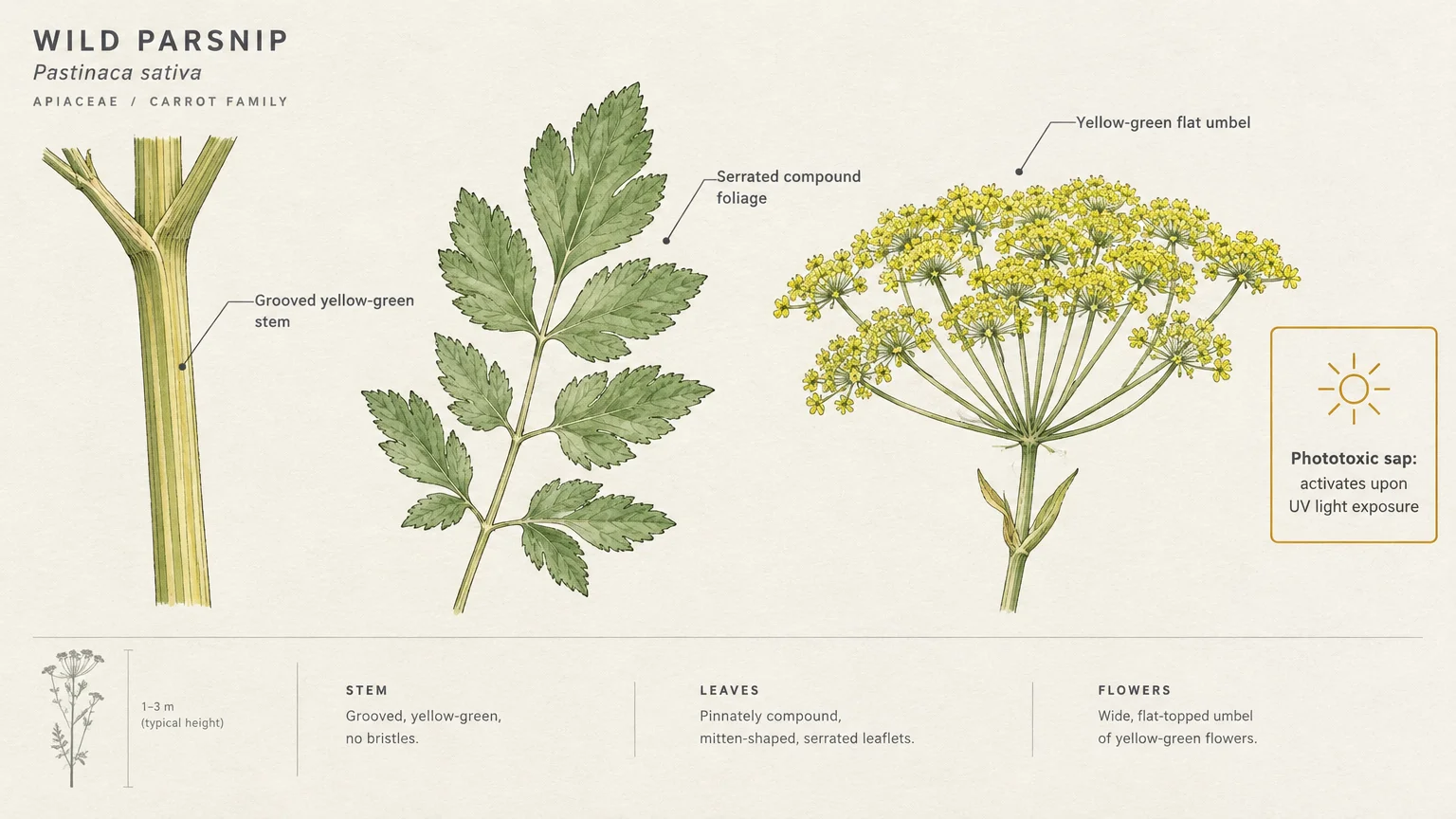
Outdoor Strategy #5: Wild Parsnip (Pastinaca sativa)
Wild parsnip has aggressively invaded roadsides, abandoned meadows, and open sunny yard boundaries across temperate regions. This escapee from historic European vegetable gardens creates severe hazards for unsuspecting gardeners who touch its leaves.
Like giant hogweed, wild parsnip sap contains potent furanocoumarins that cause devastating phytophotodermatitis. The combination of crushed plant tissue, skin perspiration, and ultraviolet sunlight produces painful second-degree blisters and long-term hyperpigmentation.
The plant grows as a biennial rosette in its first year before shooting up a four-foot flowering stalk. Look for grooved, hollow stems holding flat umbels of vibrant yellow-green flowers resembling dill or Queen Anne’s lace.
The compound leaves look remarkably similar to domestic celery, featuring serrated leaflets arranged opposite one another. Gardeners often brush against these deceptively familiar leaves while pulling weeds along rural fence lines.
Control wild parsnip colonies by cutting the flowering taproot two inches below ground level using a sharp dandelion spade. Always perform this chore on overcast days or during late dusk to minimize the risk of sunlight-triggered reactions.
If sap contacts your skin, immediately cover the area to block all sunlight and wash thoroughly with dish soap. Keep the affected skin shielded from solar exposure for at least forty-eight hours to stop chemical activation.
Fill newly cleared sunny beds with robust competitive perennials like purple coneflower and black-eyed Susan. Dense plantings shade out biennial parsnip seedlings and create an eye-catching, pollinator-friendly perennial border.
Mow wild meadow edges before parsnip flower heads turn from yellow to seed-bearing brown in midsummer. Timely mowing exhausts root energy stores and interrupts the self-seeding cycle that drives meadow infestations.
Outdoor Strategy #6: Castor Bean Plant (Ricinus communis)
Landscape designers frequently prize the castor bean plant for its massive tropical foliage, deep bronze hues, and rapid growth. Despite its dramatic architectural beauty, this tender perennial contains ricin, one of the deadliest naturally occurring toxins on Earth.
The highest concentration of lethal ricin resides within the attractively mottled seeds, housed inside spiky seed pods. Handling damaged seeds or broken foliage can introduce dangerous toxins directly into small cuts or mucous membranes.
The leaves grow over two feet wide with seven to nine pointed lobes radiating from an umbrella-like central stalk. In warm climates, it rapidly reaches ten to fifteen feet tall in a single growing season.
You should never plant castor bean if children, curious pets, or livestock visit your outdoor space. Ingesting even a single crushed seed can induce catastrophic multi-organ failure and lethal toxicity within days.
If you inherit castor bean plants on a newly acquired property, dismantle them safely before seed pods mature. Wear impermeable rubber gloves, cut the plants down at the base, and securely double-bag every component for landfill disposal.
Never toss castor bean trimmings into household compost bins or municipal green-waste collection barrels. The hardy seeds can survive standard composting temperatures and reseed prolifically across garden beds next spring.
Achieve a similar dramatic tropical aesthetic by planting bronze-leaved canna lilies or red-stemmed hibiscus instead. These striking ornamental substitutes deliver identical bold texture and vivid color without creating a deadly hazard in your yard.
Inspect bagged commercial topsoil and bulk mulch deliveries for suspicious, bean-like mottled seeds before spreading. Promptly discarding strange seed pods prevents accidental introductions into your perennial flower borders.
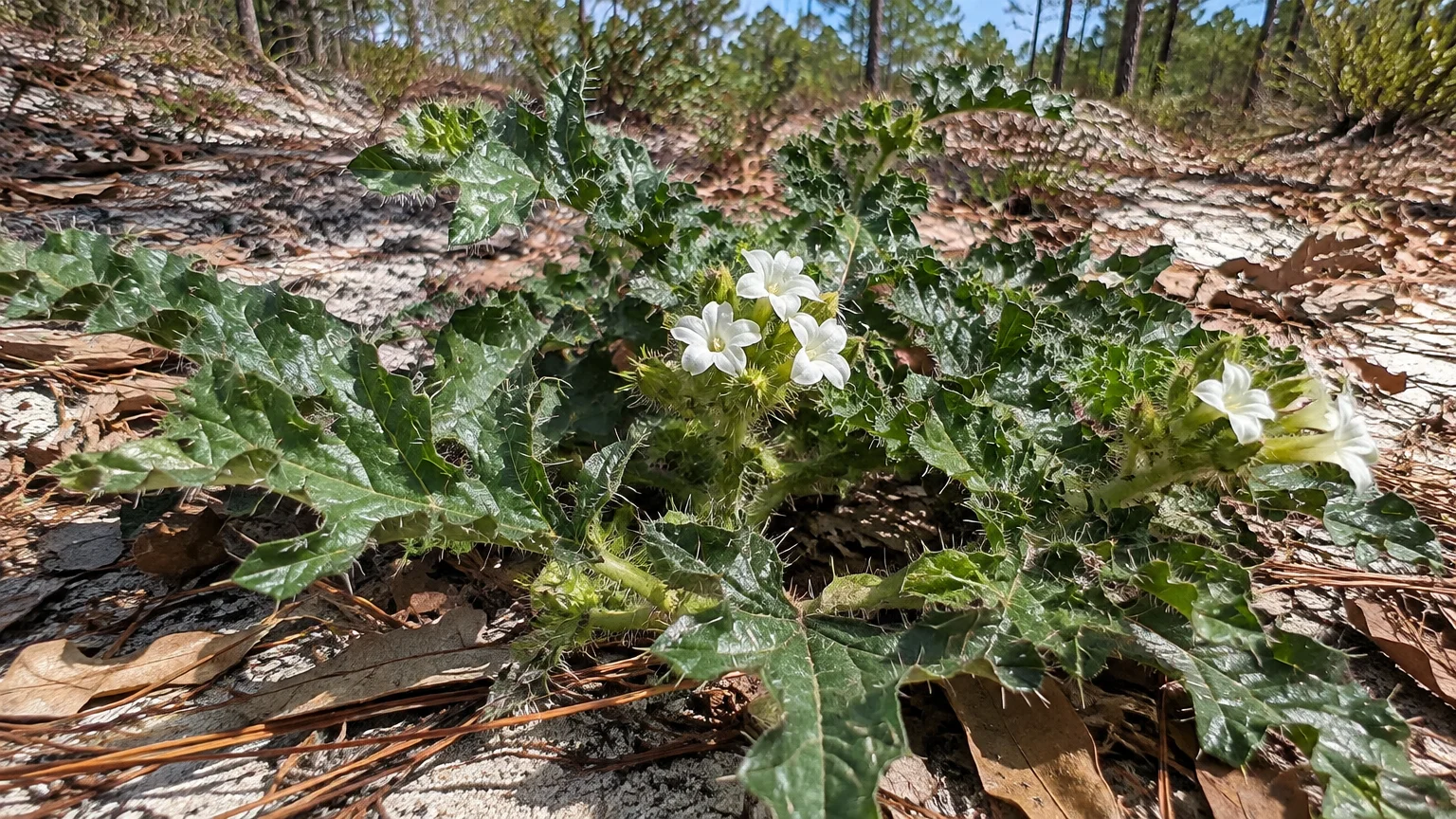
Outdoor Strategy #7: Tread-Softly (Cnidoscolus stimulosus)
Tread-softly, commonly known as finger-rot or spurge nettle, is a notoriously painful perennial herb native to sandy southeastern soils. It thrives in pine barrens, sunny sandhills, neglected pastures, and coastal landscape edges.
Every surface of this plant is bristling with stiff, glassy urticating hairs that release an excruciating venom on contact. Merely brushing against a stem delivers instant, blinding pain followed by intense throbbing that lasts for hours.
Victims rapidly develop raised, erythematous rashes, skin discoloration, and severe swelling at the exact point of contact. In sensitive individuals, the systemic histamine surge causes dizziness and secondary soft-tissue inflammation.
The plant features crinkled, dark green leaves deeply divided into three to five irregularly lobed segments. Throughout spring and summer, it displays pleasant-looking white five-petaled blossoms that lure unwary gardeners into touching the poisonous foliage.
Tread-softly anchors itself with a massive, fleshy tuberous root that can extend several feet beneath dry sand. Mowing off the top growth simply stimulates rapid resprouting from these deep, resilient underground energy reserves.
Eliminate tread-softly near garden walkways by carefully uncovering the crown and severing the root well below ground level. Always wear puncture-resistant rubber boots and thick leather rose-pruning sleeves to avoid accidental contact during excavation.
Replace eradicated colonies with resilient native sand-dwellers such as purple lovegrass, blanket flower, or southern coastal switchgrass. These durable species stabilize shifting sandy soils and establish safe, touchable beauty around perimeter paths.
Solarize stubborn sandy patches using clear polyethylene plastic sheets anchored tightly over the soil during midsummer heat. Elevated ground temperatures weaken deep tuber structures and destroy latent weed seeds without chemical runoff.
Seasonal Considerations for Your Garden
Managing hazardous flora requires an adaptable seasonal plan tailored to each stage of plant development. Understanding when toxins peak helps you work efficiently while keeping your family and pets completely protected.
In the spring, dormant roots awaken and tender new shoots begin emerging through leaf litter. Urushiol oils rise rapidly through developing vines, making early manual extraction easier before dense underbrush obscures harmful leaves.
Summer brings peak foliage density and high concentrations of phototoxic sap in species like giant hogweed and wild parsnip. Schedule outdoor maintenance on heavily overcast days or during evening hours to minimize solar reaction risks.
During the fall, deciduous shrubs like sumac display brilliant fiery colors that tempt unsuspecting flower arrangers. Never cut colorful wild foliage for indoor decorative displays until you have verified every botanical identification trait.
In winter, bare woody stems and hairy climbing vines remain fully toxic despite losing their leaves. Always treat dormant woodland vines with the same rigorous caution you exercise during peak summer growth.
Inspect garden perimeters after heavy winter storms to identify fallen tree limbs intertwined with torn toxic vines. Cold temperatures do not degrade urushiol oils or stinging trichomes resting on broken dormant branches.
Map out problematic colonies on graph paper during late autumn before seasonal frost knocks down aboveground foliage. This visual landscape record directs your targeted eradication efforts when spring growth resumes next season.
Dealing with Outdoor Pests and Weather
Environmental pressures significantly alter how dangerous and poisonous plants behave across your home landscape. Prolonged drought stresses surrounding turf and ornamental shrubs, allowing deep-rooted toxic weeds to outcompete desired garden specimens.
Heavy rainstorms wash caustic sap and oily residues across adjacent lawn areas and outdoor stonework. Be cautious when walking barefoot on patios or turf bordered by crushed poison ivy and hogweed plants.
While browsing deer and rabbits avoid plants you should never touch, they frequently trample and damage them. Bruised stems exude toxic fluids onto game trails where your roaming pets can easily pick up invisible residues.
Dogs and outdoor cats possess thick fur coats that shield their skin from immediate allergic contact reactions. However, their fur readily collects urushiol oils and passes them directly to your hands during routine petting.
Strong seasonal winds disperse thousands of airborne seeds from invasive parsnip and hogweed flower heads across manicured lawns. Establish dense perimeter windbreaks of native evergreens to catch drifting weed seeds before they infiltrate flower borders.
High summer temperatures accelerate chemical volatility, causing defensive plant oils to transfer more rapidly onto porous garden gloves. Regularly clean leather work gloves with specialized degreasing soaps to prevent cross-contaminating other landscape tools.
Erect physical barrier fencing around compost piles and wooded property edges to exclude wildlife and curious pets. Clear physical boundaries reduce accidental exposure to concealed toxic patches throughout changing weather conditions.
Frequently Asked questions
How do regional climate zones affect the toxicity and spread of these plants?
Warmer hardiness zones provide extended growing seasons that allow perennial species like castor bean to become semi-permanent shrubs. In contrast, northern freezes kill annual top growth but stimulate vigorous root-sprouting each spring.
Higher ambient humidity and intense ultraviolet radiation in southern regions also heighten human skin sensitivity to phototoxic sap. Always adjust your protective gear based on your specific regional sunlight intensity and ambient heat.
What is the most cost-effective way to clear toxic plants from a large yard?
The most economical method involves early mechanical intervention combined with immediate site restoration. Digging taproots manually when soil is wet prevents expensive chemical treatments and stops invasive colonies from multiplying across your acreage.
Following extraction, spreading a four-inch blanket of free wood chips from local arborists smothers lingering seed banks. Dense mulching eliminates costly repeat weeding efforts and builds healthy organic matter for future plantings.
Can dead or dried plants still cause skin reactions?
Yes, urushiol resins remain chemically active on dead vines, roots, and tool surfaces for multiple years. You can suffer a severe rash from pulling dried brush cleared months or even seasons earlier.
Always treat dead stems of poison ivy, sumac, and tread-softly with the exact same protective protocols as living specimens. Bag and dispose of dried debris rather than leaving it exposed to wind or curious pets.
How can I safely clean tools that have touched poisonous plants?
Clean contaminated pruners, loppers, and spade blades using isopropyl alcohol or specialized grease-cutting outdoor cleansers. Standard cold water merely beads on oily urushiol without dissolving or neutralizing the hazardous molecular film.
Wear disposable nitrile gloves while wiping down metal and wooden handles with disposable shop towels. Dispose of the contaminated towels in a sealed plastic bag and oil your blades before storing them.
Check your USDA Plant Hardiness Zone at the USDA’s website. For lawn and garden care advice, consult your local University Extension program (listed here). Find native plant information from the National Wildlife Federation.
Disclaimer: This article provides general outdoor gardening advice. Success can vary greatly based on your specific climate, soil type, and local conditions. Always choose plants appropriate for your USDA Hardiness Zone.