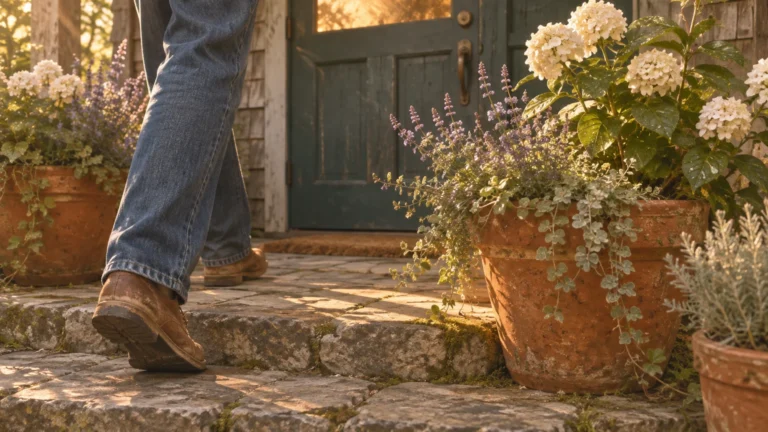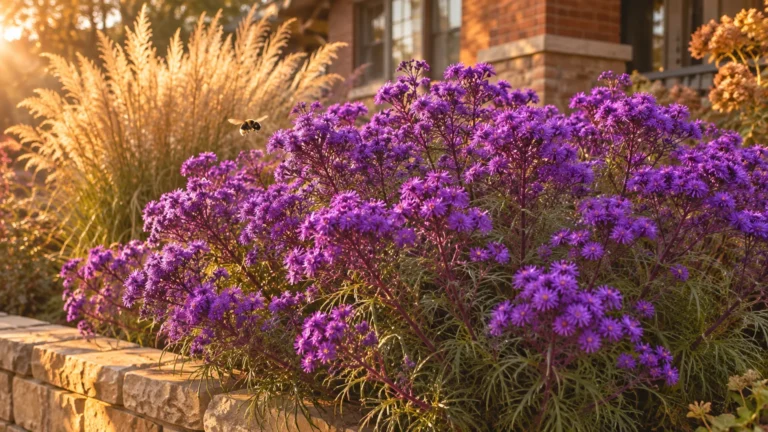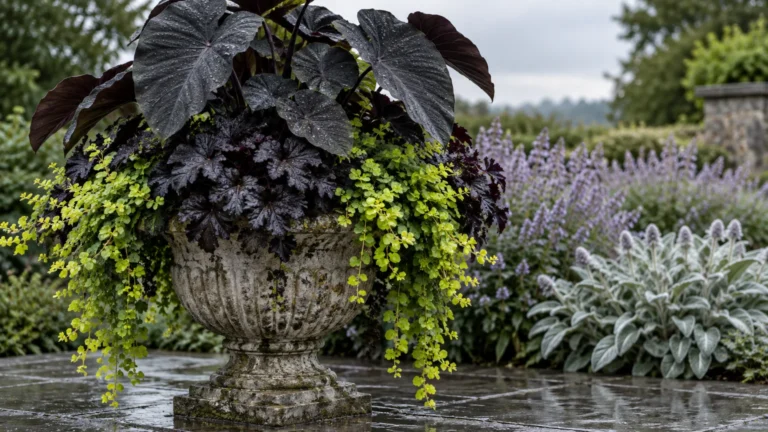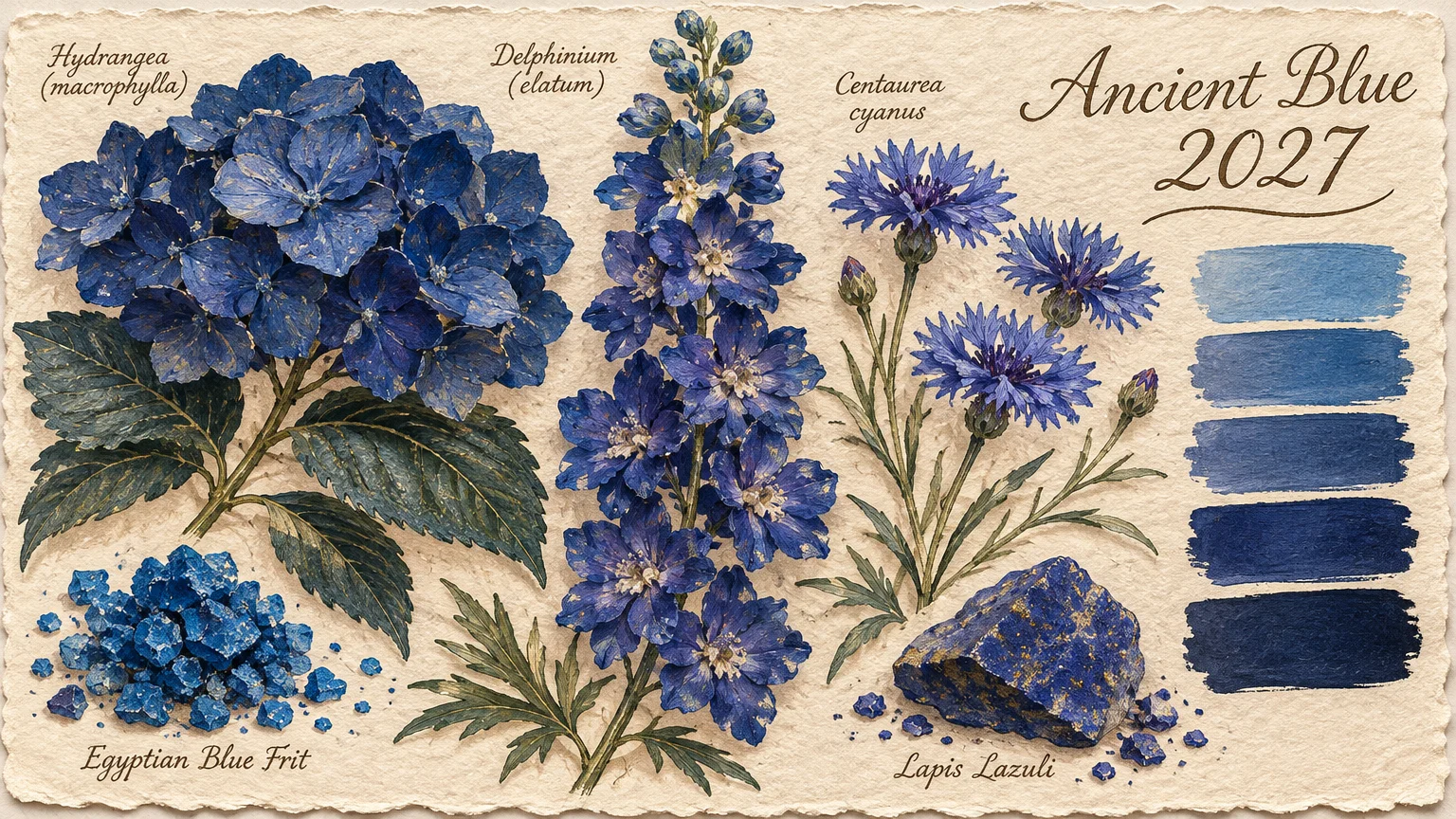
Cool indigo blooms can transform your yard into a calm, screen-free retreat this year. Embracing the Ancient Blue garden color 2027 movement brings rich, saturated hues to sunny borders and shady corners alike.
Because fewer than 10% of flowering plant species naturally produce blue petals, every sapphire blossom feels like a genuine garden treasure. Adding these rare tones immediately sets your landscape apart from ordinary neighborhood beds.
You can layer true-blue perennials, annuals, and spring bulbs across every USDA Hardiness Zone with simple sun and soil planning. These ten standout blue flowers deliver lasting curb appeal, pollinator value, and effortless outdoor style.
Outdoor Strategy #1: Anchor Borders with Bigleaf Hydrangea
Tap Into the Ancient Blue 2027 Movement
Garden Media Group named Ancient Blue its 2027 Color of the Year in its 26th annual 2027 Garden Trends Report: Digging for Dopamine, released on September 2, 2026. This deep indigo hue takes inspiration from Egyptian blue, recognized as the world’s first synthetic pigment.
Few shrubs capture that velvety depth better than bigleaf hydrangea (Hydrangea macrophylla). Its bold mophead and lacecap clusters turn foundation beds, entry walkways, and patio borders into vibrant focal points all summer long.
Dial In Soil Chemistry and Hardiness
Bigleaf hydrangea grows 3 to 6 feet tall and wide, providing generous mid-border structure without overwhelming compact suburban yards. Most classic cultivars are hardy to USDA Zone 6, though winter mulch lets them survive in Zone 5.
If you garden in colder regions, choose reblooming cultivars like ‘Endless Summer’ for reliable flower power across Zones 4 through 9. These improved selections bloom on both old and new wood, protecting your display after harsh late freezes.
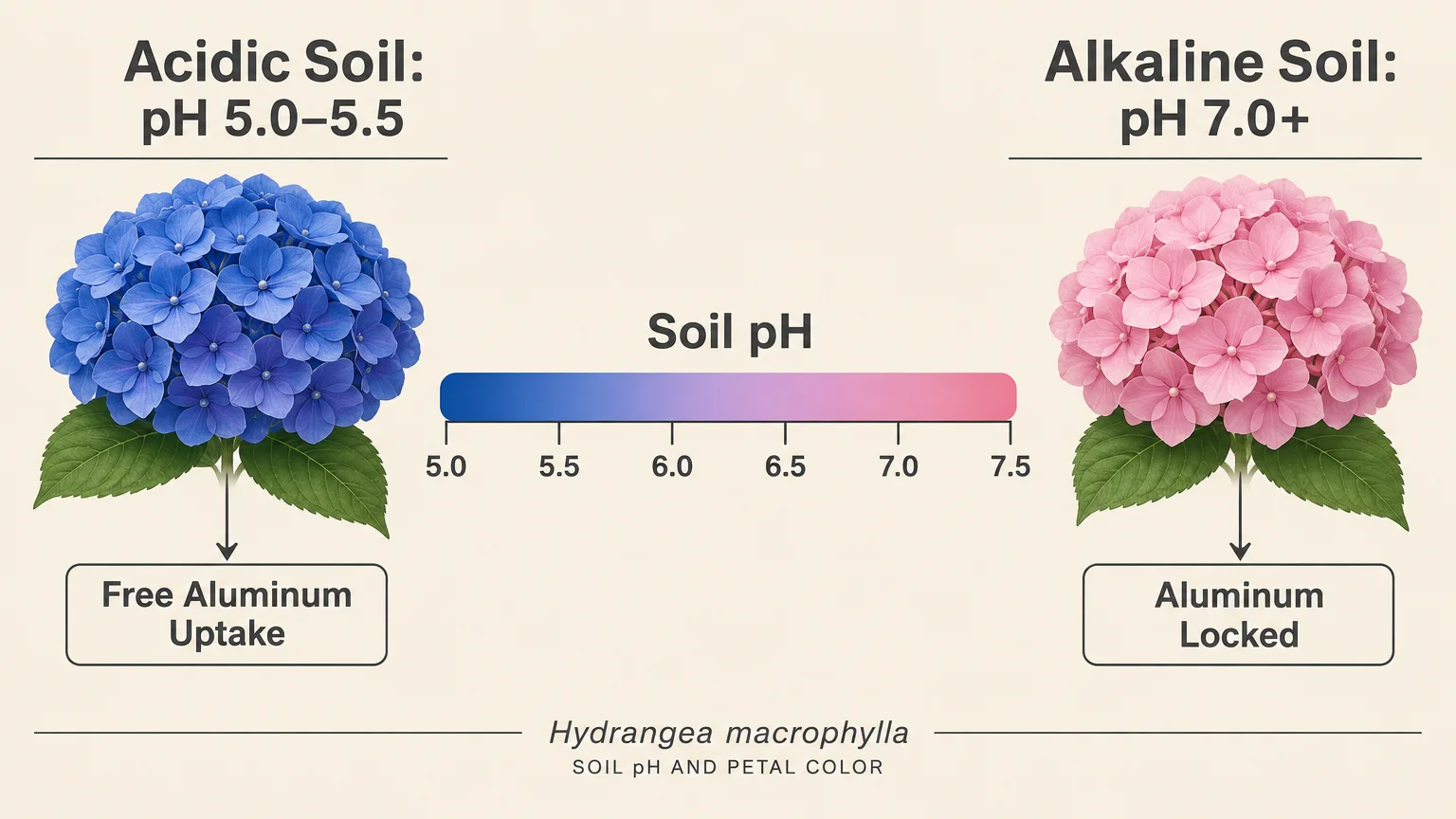
Soil chemistry acts as your personal paintbrush with these shrubs, according to the Missouri Botanical Garden and University of Missouri IPM. Acidic soil below pH 7—ideally pH 5.0 to 5.5, or under 6.0—frees aluminum for root uptake and produces true blue petals.
Alkaline soil above pH 7 shifts those exact same blooms toward pink, while white cultivars never change color regardless of amendments. Always test your dirt before planting so you can plan sulfur or organic compost additions early.
Site Selection and Pet Safety
Tuck bigleaf hydrangeas into morning sun with dappled afternoon shade so intense midday heat does not scorch leaves or droop flower heads. Rich, evenly moist soil with good drainage keeps stems sturdy during dry stretches.
Keep family pets in mind when choosing planting spots near lawns or play areas. Both NC State Extension and the ASPCA note that bigleaf hydrangea carries low-severity poison characteristics and is toxic to dogs, cats, and horses.
Outdoor Strategy #2: Build Vertical Drama with Candle Larkspur
Create Lush English-Style Borders
Monrovia’s 2027 study highlights a clear move away from stark minimalism toward lush, English-garden-inspired borders known as the “Gilded Garden” style. Candle larkspur (Delphinium elatum) brings that unmistakable cottage height right to the back of your sunny beds.
Stately plants reach 3 to 5 feet tall, while vigorous hybrids soar past 6 feet in fertile ground. Each towering stalk packs 25 to 100 individual florets from late spring into early summer, creating dramatic vertical spires.
Manage Climate Limits and Support
Candle larkspur thrives across USDA Zones 3 through 7, where cool nights fuel sturdy growth and saturated petal color. South of Zone 7, hot and humid summers drain its energy and sharply shorten plant survival.
Even in ideal northern yards, treat Delphinium elatum as a short-lived perennial lasting 3 to 5 years. Dividing vigorous clumps or replacing aging crowns keeps your border heights consistent without leaving sudden gaps.
Site your spires in sheltered pockets protected from strong gusts, and stake hollow stems before buds swell. After the main bloom fades, shear spent flower stalks down to stimulate a fresh, lighter flush of late-summer color.
Handle Toxicity with Care
Place these towering blue garden plants well back from footpaths where curious dogs or young children play. NC State Extension and the ASPCA classify the genus Delphinium as having high-severity toxicity—and D. elatum medium-severity—due to dangerous diterpene alkaloids.
Always wear gardening gloves when pruning or deadheading stems, and keep trimmings out of livestock pastures. Safe placement lets you enjoy dramatic vertical beauty without unnecessary household worry.
Outdoor Strategy #3: Sow True-Blue Cornflowers in Sunny Patches
Unlock Rare Pigment Chemistry
Botanists at the UC Botanical Garden at Berkeley report that fewer than 10% of the world’s more than 280,000 flowering plant species naturally produce blue blooms. Most plants lack true blue pigments and instead rely on anthocyanins such as delphinidin derivatives.
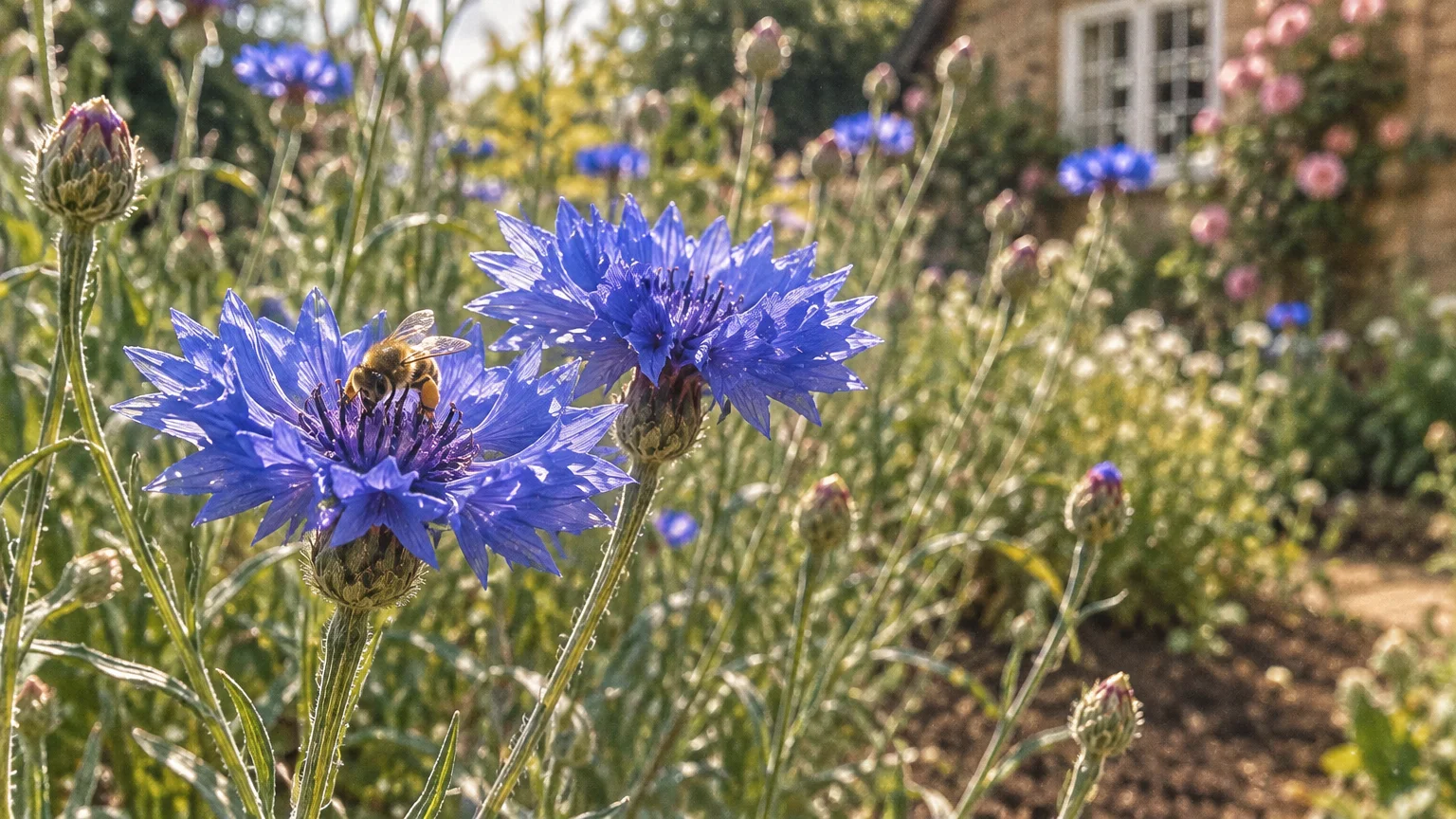
Cornflower (Centaurea cyanus), also called bachelor’s button, solves that chemical puzzle with remarkable precision. Science in School explains that cornflowers achieve vivid blue via protocyanin—a complex uniting 6 protocyanin molecules, 6 flavone molecules, 1 ferric iron ion, 1 magnesium ion, and 2 calcium ions.
Stretch Your Planting Budget
Because cornflower grows as an easy annual across USDA Zones 2 through 11, nearly every homeowner can scatter its seeds directly into spring soil. Plants mature quickly to 1 to 3 feet tall and 1 to 2 feet wide.
Crisp 1.5-inch ruffled flowers open from May through July, filling bare gaps between slower-growing shrubs at minimal cost. Give your patch full sun and average, well-drained soil for sturdy, upright stems that resist flopping.
Once established, cornflowers tolerate dry weather gracefully and draw butterflies along with seed-loving songbirds to your yard. Snip stems early in the morning for crisp indoor bouquets that bring garden color trends onto your kitchen table.
Keep Self-Seeding Under Control
Deadhead faded blooms regularly if you prefer tidy, formal flower beds along front walkways. The Missouri Botanical Garden notes that cornflower has naturalized across parts of the United States and southern Canada.
Removing spent heads prevents unwanted seedlings from popping up in adjacent vegetable rows or gravel paths. Letting just a few stalks drop seed gives you free blooms again next spring without taking over neighboring perennials.
Outdoor Strategy #4: Extend Summer Color with Mealycup Sage
Bridge the Mid-Summer Bloom Gap
Many spring and early-summer blue flowers fade right when outdoor barbecues and patio gatherings hit full swing. Mealycup sage (Salvia farinacea) keeps your beds vivid by pushing up 4- to 8-inch violet-blue racemes from May right up until autumn frost.
Upright plants grow 1 to 3 feet tall and 1 to 2 feet wide, making them versatile fillers for narrow walkways or mixed container planters. Their slender spikes add crisp vertical rhythm beside mounded daisies or ornamental grasses.
Thrive in Heat and Poor Soil
Homeowners in USDA Zones 8 through 10 can grow mealycup sage as a reliable tender perennial. If you live in cooler northern zones, treat it as a fast-performing warm-season annual after frost danger passes.
Plant this sun lover in full sun to part shade with well-drained soil, and skip heavy nitrogen fertilizers that push leafy growth at the expense of flowers. Established roots handle blistering summer heat and extended drought with minimal watering.
Deter Neighborhood Deer Naturally
Unfenced front yards often suffer overnight damage when hungry deer wander through suburban neighborhoods. Mealycup sage carries textured foliage that deer typically ignore, protecting your curb appeal without constant chemical sprays.
Trim back faded flower spikes occasionally if you want denser branching, though plants stay remarkably neat on their own. Group three or more plants together in sunny borders for an unmistakable wash of indigo color.
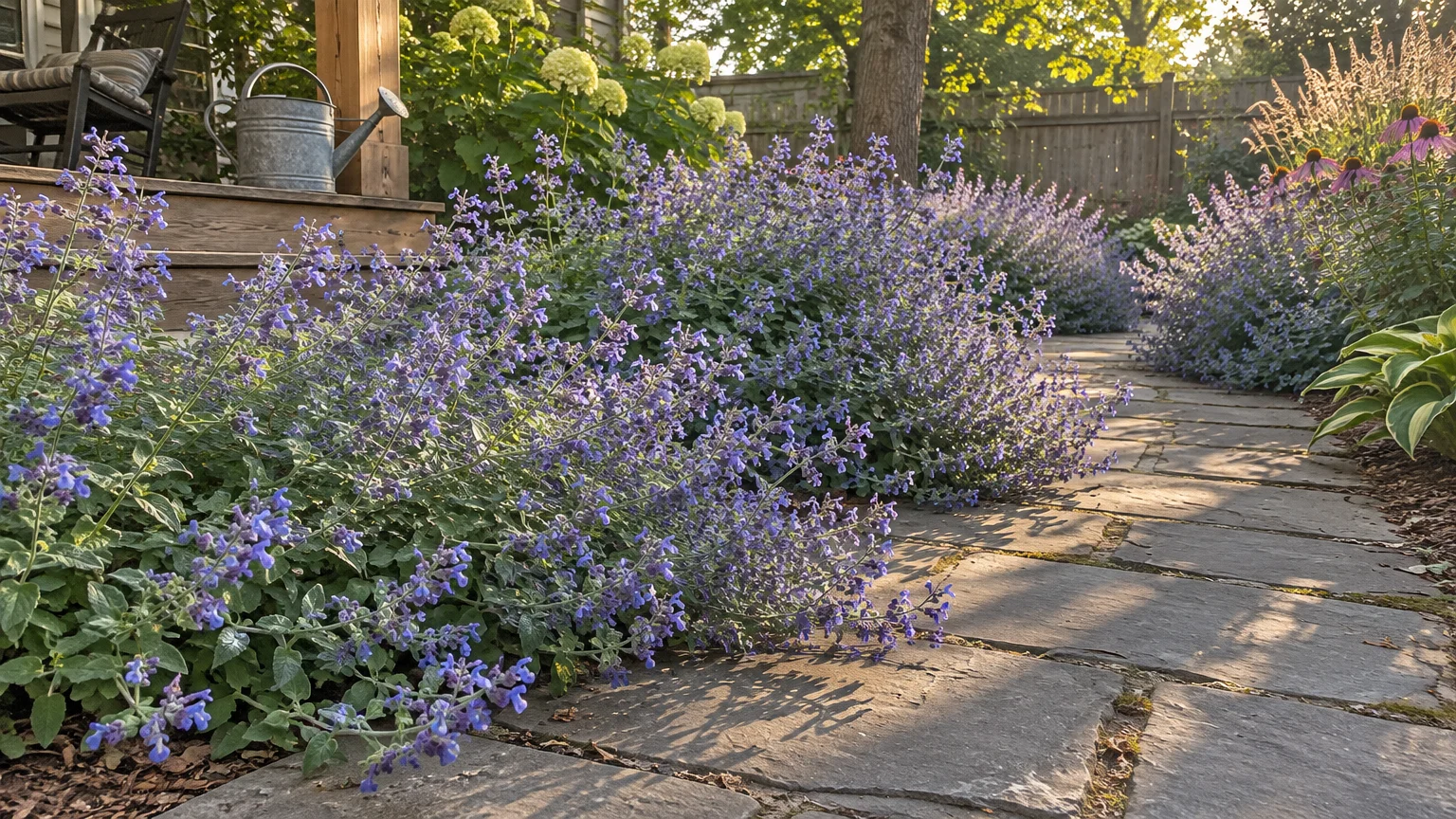
Outdoor Strategy #5: Soften Walkways with ‘Six Hills Giant’ Catmint
Swap Rigid Lawn Edges for Billowy Color
Straight concrete sidewalks and brick retaining walls can feel sterile beside closely cropped turfgrass. ‘Six Hills Giant’ catmint (Nepeta) drapes gently over hard edges with fragrant gray-green leaves and airy lavender-blue blossoms.
This vigorous herbaceous perennial reaches 2 to 3 feet tall and spreads 2 to 4 feet wide, quickly knitting borders together. Blooms hold steady from June through September across USDA Zones 4 through 7, while other Nepeta varieties start at Zone 3.
Cut Maintenance and Water Bills
Give ‘Six Hills Giant’ full sun to part shade and lean, sharp-draining soil so roots stay healthy through wet winters. Dense foliage naturally shades out weed seedlings beneath the canopy, slashing your weekend weeding chores.
Once roots settle into your yard, catmint shrugs off drought, intense heat, rabbits, and foraging deer alike. That tough resilience makes it one of the smartest low-care flowers for garden slopes and sunny mailbox beds.
Refresh Foliage Mid-Season
Heavy summer rains or sprawling growth can occasionally open up the center of mature clumps by midsummer. Shear plants back lightly after the heaviest early bloom wave slows down to spark tidy new leaves and fresh flower spikes.
Avoid placing catmint in soggy clay pockets where winter moisture pools around the crown. Mixing coarse compost or grit into heavy soil before planting keeps clumps returning strongly year after year.
Outdoor Strategy #6: Add Architectural Texture with Small Globe Thistle
Break Up Soft Borders with Metallic Spheres
Memorable outdoor landscapes balance soft, feathery blossoms against bold geometric shapes. Small globe thistle (Echinops ritro) introduces crisp, spiky 1- to 2-inch spheres of steel-blue color that stand out immediately against green lawns.
Hardy across USDA Zones 3 through 8, plants grow 3 to 4 feet tall and 2 to 2.5 feet wide from July through September. Their sturdy stems remain upright without staking, even in open, breezy yards.
Put Dry, Sunny Spots to Work
Skip rich soil amendments when planting small globe thistle; it actually prefers full sun and dry-to-medium, well-drained dirt. Hot gravel strips, rocky slopes, and drought-prone curb beds bring out its tightest form and sharpest metallic hue.
Butterflies crowd onto the round flower heads throughout late summer, turning tough yard zones into lively pollinator stations. Meanwhile, rabbits steer clear of the prickly, architectural foliage all season long.
Preserve Blooms for Indoor Style
Before every tiny floret on a sphere opens completely, snip a few long stems for effortless dried arrangements. Hang small bundles upside down in a dry, shaded room so the steel-blue orbs hold their cool tone through winter.
Leaving remaining seed heads standing into autumn adds crisp architectural interest while feeding passing birds. Cut dry stalks down cleanly in late winter before fresh basal rosettes emerge.
Outdoor Strategy #7: Brighten Shady Corners with Siberian Bugloss
Bring Indigo Sparkle to Tree Canopies
Shady north-facing foundations and mature oak canopies often leave gardeners stuck with plain green groundcovers. Siberian bugloss (Brunnera macrophylla) thrives in part shade across USDA Zones 3 through 8, illuminating dim beds early in the year.
From April to May, delicate sprays of sky-blue flowers hover delicately above wide, heart-shaped foliage. Neat mounds stay compact at 1 to 1.5 feet tall and 1.5 to 2.5 feet wide, fitting comfortably beside hostas and ferns.
Enjoy Multi-Season Foliage Value
Even after spring blossoms fade away, Siberian bugloss earns its keep with bold, textured leaves through autumn frost. Silver-patterned cultivars brighten dark corners like natural garden lanterns long after summer heat arrives.
Keep soil consistently moist and rich in leaf mold or aged compost so foliage stays lush without crisping along the margins. Afternoon shade is essential in warmer zones to prevent heat stress on broad leaves.
Protect Woodland Paths from Rabbits
Woodland borders frequently draw hungry rabbits looking for tender spring shoots. Because the Missouri Botanical Garden lists Siberian bugloss as rabbit-tolerant, you can line shaded patios and stepping-stone paths without wire cages.
Space young plants according to their mature width so air circulates freely around foliage during humid spells. A thin layer of shredded leaf mulch helps hold steady root moisture without smothering the crown.
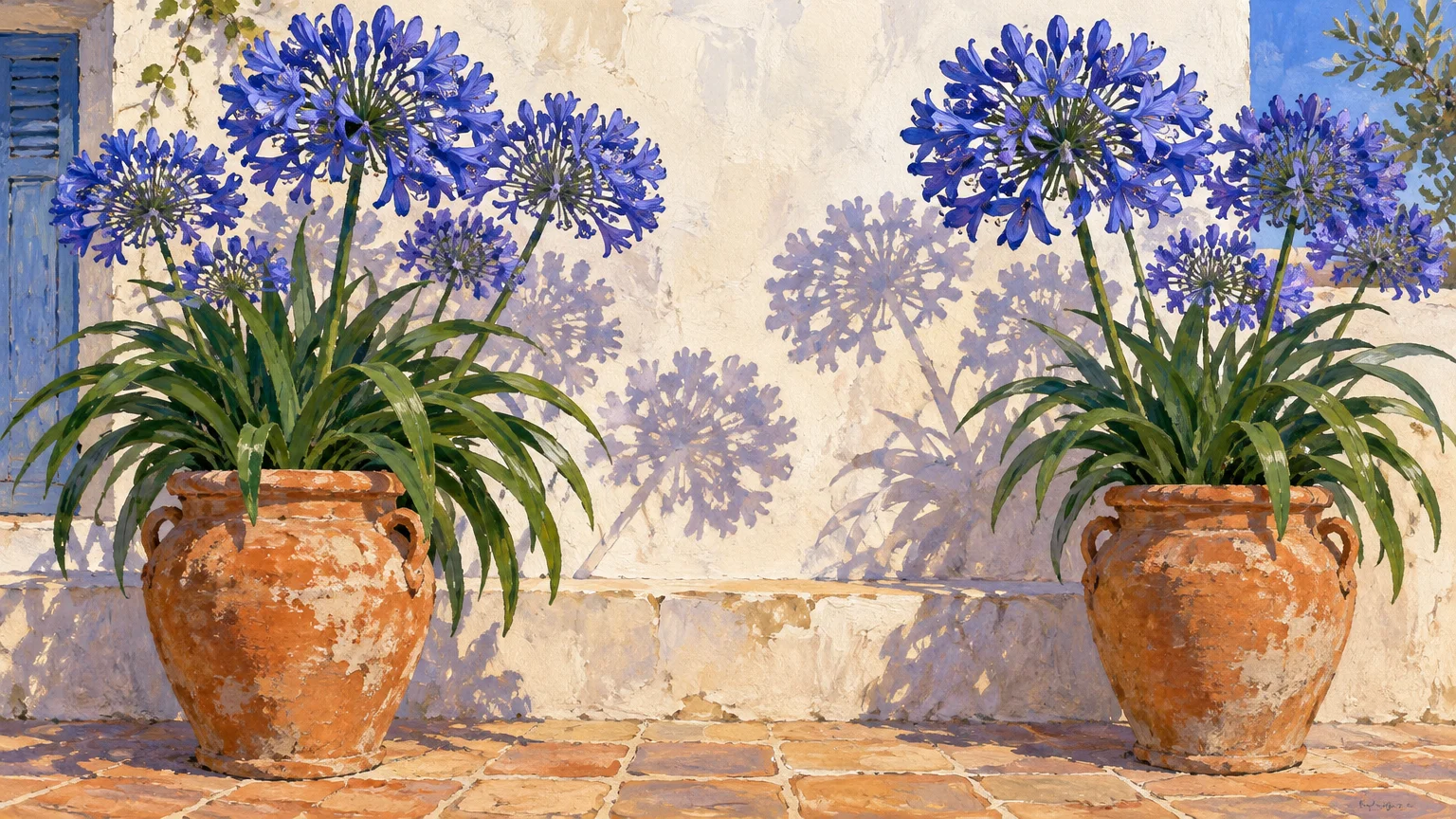
Outdoor Strategy #8: Frame Patios with Lily of the Nile
Honor Ancient Heritage on Sunny Terraces
Despite its evocative name, lily of the Nile (Agapanthus africanus) originates from South Africa rather than Egypt—making it a clever botanical nod to Egyptian blue’s ancient roots. Upright stalks top glossy, strap-like foliage with glowing blue umbels throughout June and July.
Classic A. africanus stays compact at 1.5 to 2 feet tall and wide, ideal for edging sunny pool decks or seating walls. Modern hybrids expand your scale options dramatically, ranging from 18 inches up to 4 or 5 feet tall.
Plant Correctly for Cold and Warm Zones
Gardeners in USDA Zones 8 through 10 can plant lily of the Nile straight into well-drained ground for permanent structure. Certain deciduous hybrids survive down to Zone 6, while cold-hardy cultivars such as ‘Cold Hardy White’ tolerate Zone 5.
Follow NC State Extension spacing guidelines by planting rhizomes 1 inch deep and 8 inches apart in fertile, sharp-draining soil. Give plants bright sun so stalks stand strong and bloom heavily each summer.
If freezing winters limit outdoor planting in your area, grow Agapanthus in heavy terracotta or resin patio pots. Keep container plants slightly pot-bound rather than repotting too quickly, since snug roots trigger abundant flower production.
Watch Placement Around Pets
NC State Extension notes that Agapanthus carries low-severity poison characteristics, so treat it thoughtfully around curious household animals. Elevating containers on plant stands or brick steps keeps grazing dogs away from the glossy leaves.
Outdoor Strategy #9: Carpet Early Spring Beds with Grape Hyacinth
Wake Up Winter Yards in April
Bare brown soil in early spring makes even well-designed yards feel sluggish after snow melts. Grape hyacinth (Muscari armeniacum) bursts open in April across USDA Zones 4 through 8, carpeting beds in saturated cobalt-blue bells.
Each compact bulb sends up 1 to 3 flower scapes carrying 20 to 40 tightly packed blossoms. Standing just 6 to 9 inches tall and 3 to 6 inches wide, these little dynamos tuck cleanly beneath deciduous shrubs or along sunny front paths.
Multiply Color Effortlessly Over Time
Plant bulbs in full sun to part shade during autumn, choosing well-drained pockets so winter rain never rots dormant roots. Grape hyacinth naturalizes steadily over the seasons, turning modest clusters into sweeping blue rivers.
Pair these early blooms with golden daffodils or emerging hosta shoots for crisp seasonal contrast before summer perennials wake up. Let green foliage yellow naturally after blooming so bulbs store full energy for next April’s show.
Enjoy True Pet and Deer Peace of Mind
Many spring bulbs create headaches for pet owners or rural homeowners battling hungry wildlife. Grape hyacinth solves both problems cleanly: the Missouri Botanical Garden lists it as deer-tolerant, keeping early blossoms intact.
Even better, the ASPCA confirms that grape hyacinth is non-toxic to dogs, cats, and horses. You can border family lawns, dog runs, and play spaces freely with zero toxicity concerns.
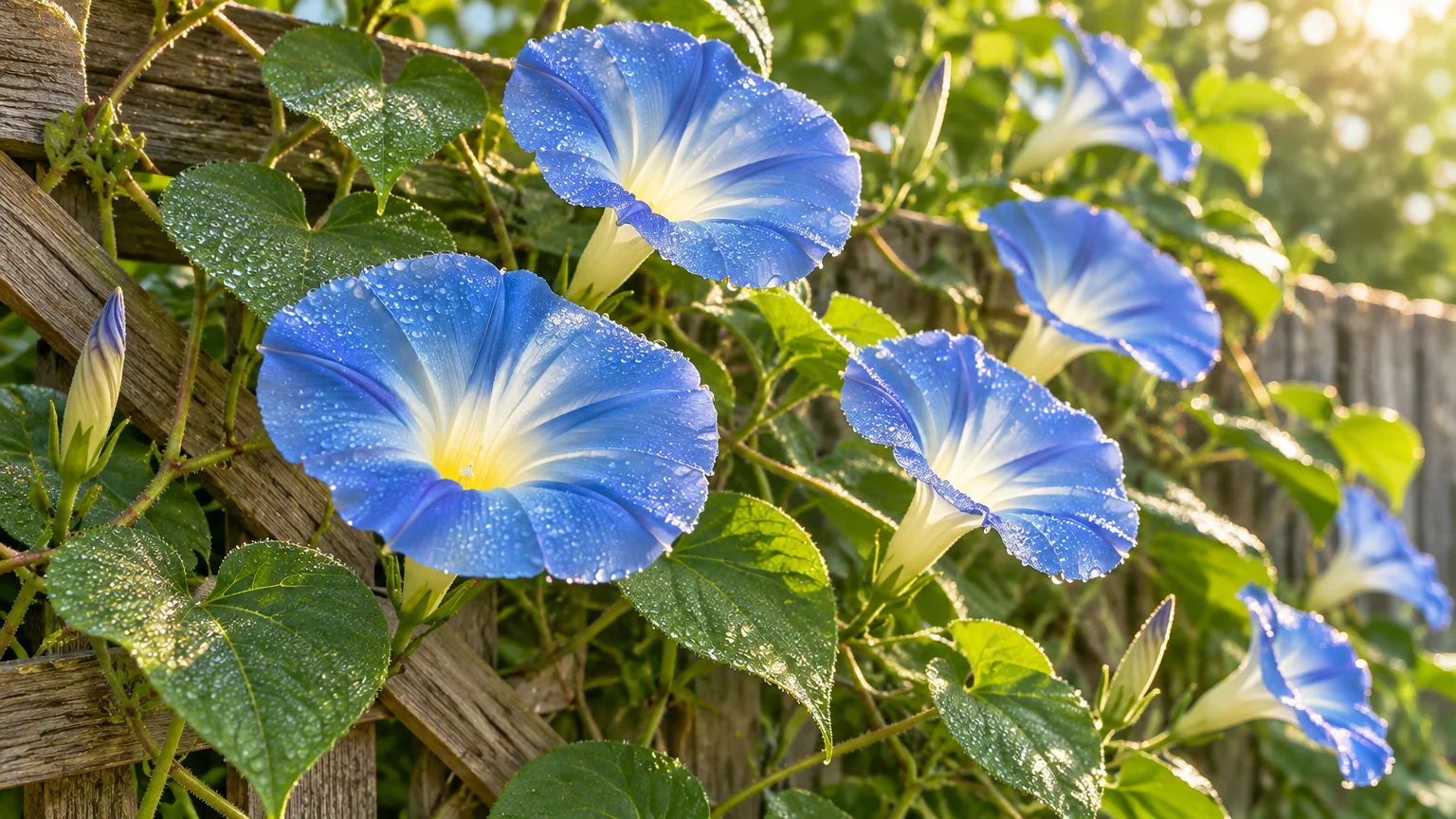
Outdoor Strategy #10: Cloak Fences and Trellises with Morning Glory
Use Vertical Space in Compact Yards
Narrow side yards, chain-link fences, and bare pergola posts still hold huge potential for blue garden plants when you grow upward. Annual morning glories (Ipomoea tricolor, including classic ‘Heavenly Blue’) climb rapidly to paint vertical structures in luminous sky-blue trumpets.
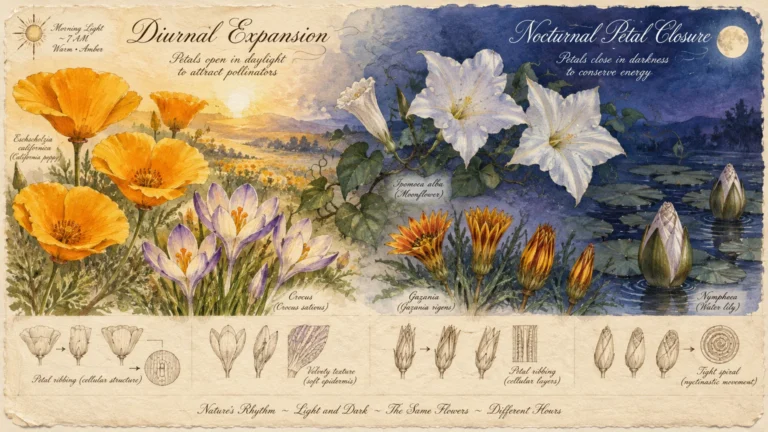
Researchers at the UC Botanical Garden at Berkeley describe a remarkable pH shift inside every morning glory flower. Buds open reddish-purple and transform into vivid blue as petal vacuole pH climbs from 6.6 (slightly acidic) to 7.7 (slightly basic).
Encourage Maximum Bloom Output
Sow morning glory seeds directly in full sun after your final spring frost once garden soil warms up. Provide sturdy twine, wire trellises, or wooden latticework immediately so young tendrils grab hold and climb cleanly.
Avoid feeding vines rich, high-nitrogen fertilizer, which fuels dense green curtains of leaves with fewer blossoms. Average, well-drained dirt and steady watering during dry spells keep fresh trumpets unfurling every morning through autumn.
Respect Seed Toxicity Around Family
Treat morning glories as high-impact visual accents placed well out of reach of small children and curious animals. NC State Extension and the ASPCA warn that Ipomoea tricolor seeds contain lysergic acids, posing low-severity poison risks to humans.
Swallowing seeds can trigger hallucinations, dilated pupils, nausea, vomiting, and diarrhea, and plants are toxic to cats, dogs, and horses. Deadhead spent vines before seed pods scatter if you share your outdoor space with pets or young kids.
Seasonal Considerations for Your Garden
Garden Media Group’s 2027 report notes that people check their phones an average of 205 times per day, while 92% want to cut screen time and 75% of children ages 8 to 10 prefer being outdoors. Planning four-season blue interest turns your yard into a daily invitation outside.
Spring Awakening
Enjoy April carpets of grape hyacinth and Siberian bugloss while planting bare-root delphiniums and container-grown catmint in workable soil. Wait until frost risk passes completely before sowing cornflower or morning glory seeds and setting out tender mealycup sage.
Check existing bigleaf hydrangea stems for winter dieback before pruning, removing only truly dead gray tips once fresh green buds swell. Early spring is also ideal for mixing organic compost around shade-loving crowns.
Summer Peak and Maintenance
Water newly planted shrubs and potted lily of the Nile consistently during heat waves, while leaving drought-tough globe thistle and catmint on leaner rations. Stake tall candle larkspur spires early and cut spent stalks to invite a second round of summer buds.
Deadhead annual cornflowers regularly if you want continuous blooms without aggressive self-seeding. Shear back sprawling catmint clumps lightly after their initial bloom peak fades to refresh foliage through late summer.
Autumn Planting and Soil Prep
Fall offers ideal cool-weather conditions for planting grape hyacinth bulbs across USDA Zones 4 through 8 before ground freezes solid. Divide overcrowded Siberian bugloss or catmint clumps in early autumn so roots settle comfortably before winter.
Test soil pH around bigleaf hydrangeas during fall cleanup so amendments have months to adjust chemistry ahead of next year’s blossoms. Clear spent morning glory vines promptly if you want to prevent seed pods from dropping onto borders.
Winter Protection
Tuck protective mulch around bigleaf hydrangea crowns in Zone 5 to shield precious old-wood flower buds from bitter winter winds. Move container-grown Agapanthus into a frost-free garage or sunny indoor spot before hard freezes hit cold zones.
Leave dried small globe thistle stems standing until late winter to feed songbirds and preserve sculptural shapes against snow. Clean up dead foliage right before spring shoots push upward.
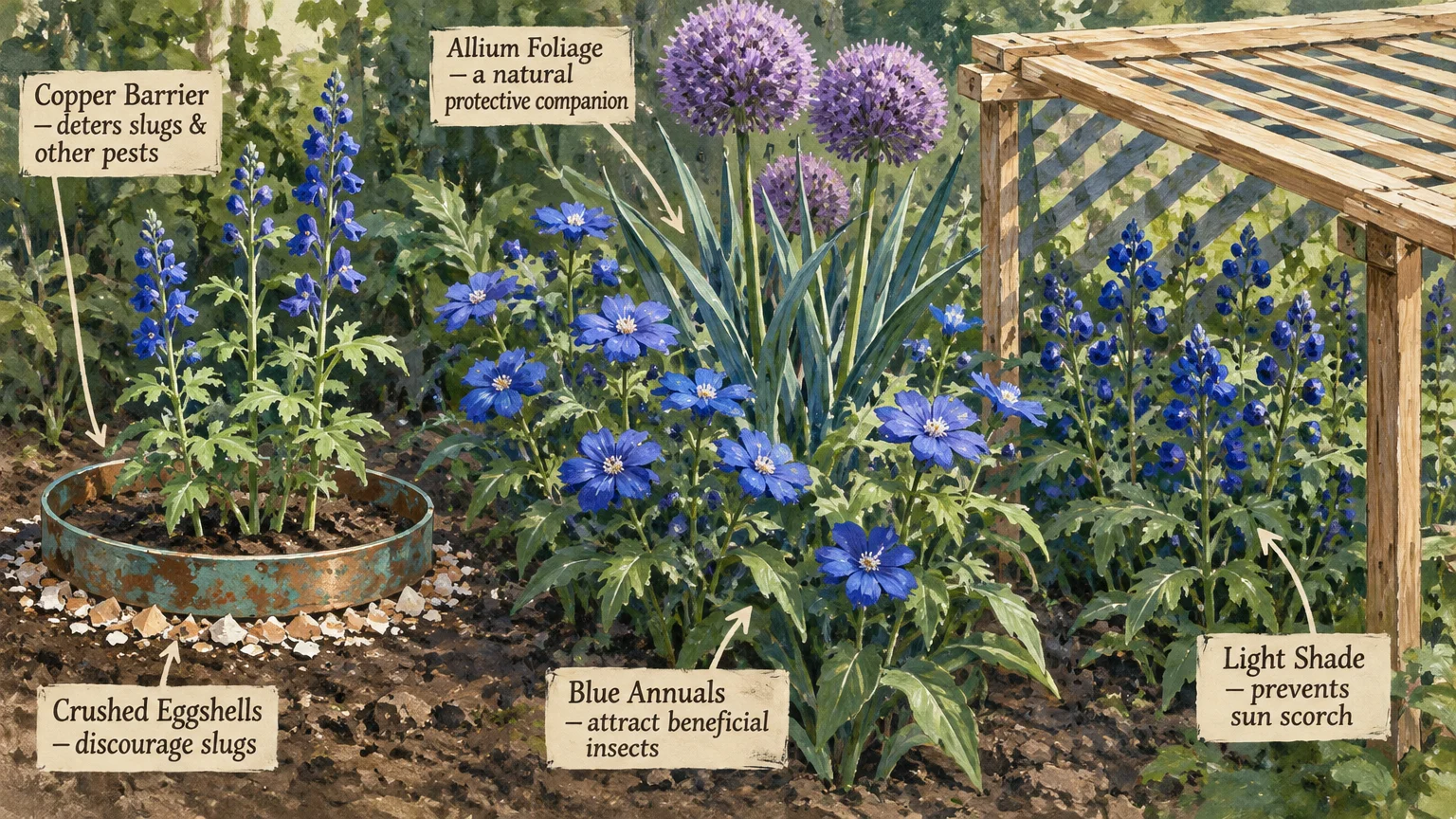
Dealing with Outdoor Pests and Weather
Outsmart Deer and Rabbits Naturally
Heavy wildlife pressure ruins delicate landscapes quickly unless you choose unpalatable species right from the start. Anchor unfenced front beds with deer-tolerant mealycup sage, catmint, and grape hyacinth, and lean on rabbit-tolerant small globe thistle and Siberian bugloss.
Layer fragrant catmint along outer border edges to create a natural scent barrier around choicer perennials tucked behind it. Consistent plant selection saves you endless hours reapplying foul-smelling sprays after every rainstorm.
Beat Heat, Drought, and Wind
Match plant water needs carefully instead of scattering thirsty shrubs alongside desert-tough perennials in the same irrigation zone. Group cornflower, catmint, mealycup sage, and small globe thistle together in hot, sunny spots where summer rainfall runs thin.
Protect brittle candle larkspur stems from snapping by planting them beside sturdy fences or tall evergreen hedges that block prevailing winds. Morning watering directs moisture straight to roots while keeping leaves dry to discourage fungal spots.
Balance Safety and Regional Planning
Map pet-friendly play lawns separately from ornamental beds containing delphinium, bigleaf hydrangea, lily of the Nile, or morning glory. Non-toxic grape hyacinth lets dogs and children roam close to your front beds without worry.
Check your USDA Plant Hardiness Zone at the USDA’s website. For lawn and garden care advice, consult your local University Extension program (listed here). Find native plant information from the National Wildlife Federation.
Frequently Asked Questions
Why are true blue flowers so rare in nature?
Researchers at the UC Botanical Garden at Berkeley and Ornamental Plant Research note that fewer than 10% of flowering species produce blue blooms because plants lack true blue pigments. Instead, petals rely on anthocyanins like delphinidin stabilized by cellular pH, copigments, or metal ions.
Because even slight shifts in soil chemistry or petal vacuole acidity alter those complexes, true sapphire hues remain prized rarities in outdoor landscapes. Selecting proven cultivars gives your yard effortless color stability.
How do I keep my bigleaf hydrangea blooms blue instead of pink?
Maintain acidic soil below pH 7—ideally pH 5.0 to 5.5, or under 6.0—so naturally occurring aluminum stays available for roots to absorb. According to the Missouri Botanical Garden and University of Missouri IPM, alkaline soil above pH 7 locks out aluminum and yields pink flowers.
Keep in mind that white hydrangea cultivars never change hue regardless of soil amendments. Testing your soil pH before applying sulfur prevents guesswork and protects root health.
Which blue garden plants work best on a tight budget?
Direct-sow packets of annual cornflower and morning glory seeds in sunny soil for high-impact color at minimal cost per square foot. Both germinate readily outdoors and fill bare yard patches quickly within a single growing season.
For lasting perennial value, buy a modest batch of grape hyacinth bulbs in autumn and let them naturalize gradually. Within a few springs, small clusters multiply into lush carpets without costing you an extra dime.
How can I create the 2027 “Gilded Garden” look in a small yard?
Echo Monrovia’s 2027 maximalist border style by layering plant heights tightly rather than trying to build wide flower beds. Edge narrow paths with compact grape hyacinth and spilling catmint while anchoring the middle tier with upright mealycup sage.
Add vertical height along a fence or slim trellis using morning glory vines or, in cool zones, tall candle larkspur. Stacking bloom times from April through frost packs rich, screen-free beauty into even the tiniest courtyard.
Disclaimer: This article provides general outdoor gardening advice. Success can vary greatly based on your specific climate, soil type, and local conditions. Always choose plants appropriate for your USDA Hardiness Zone.