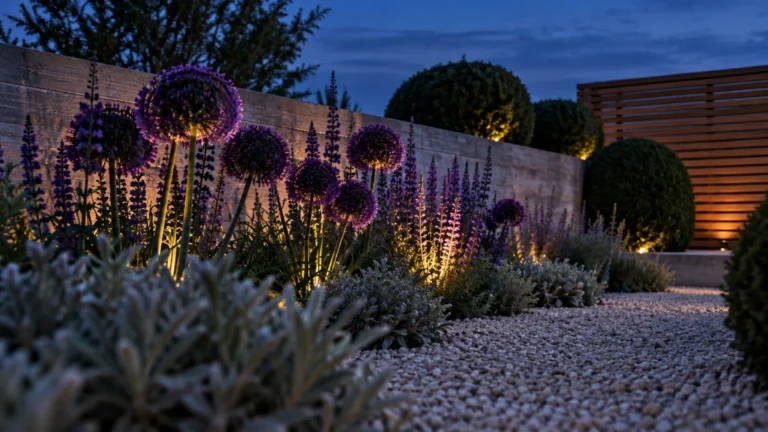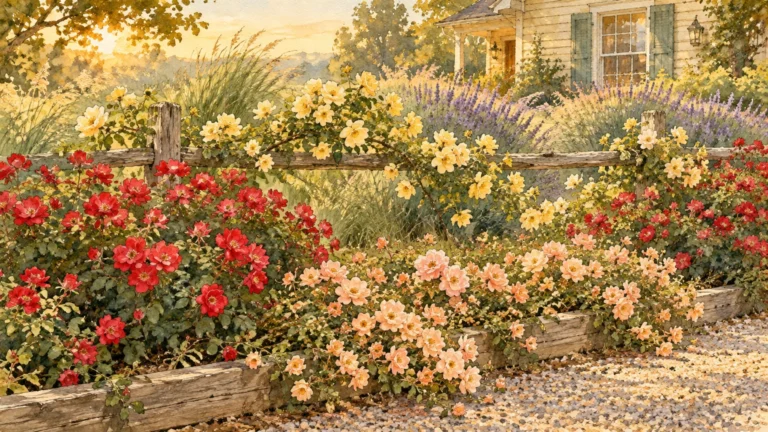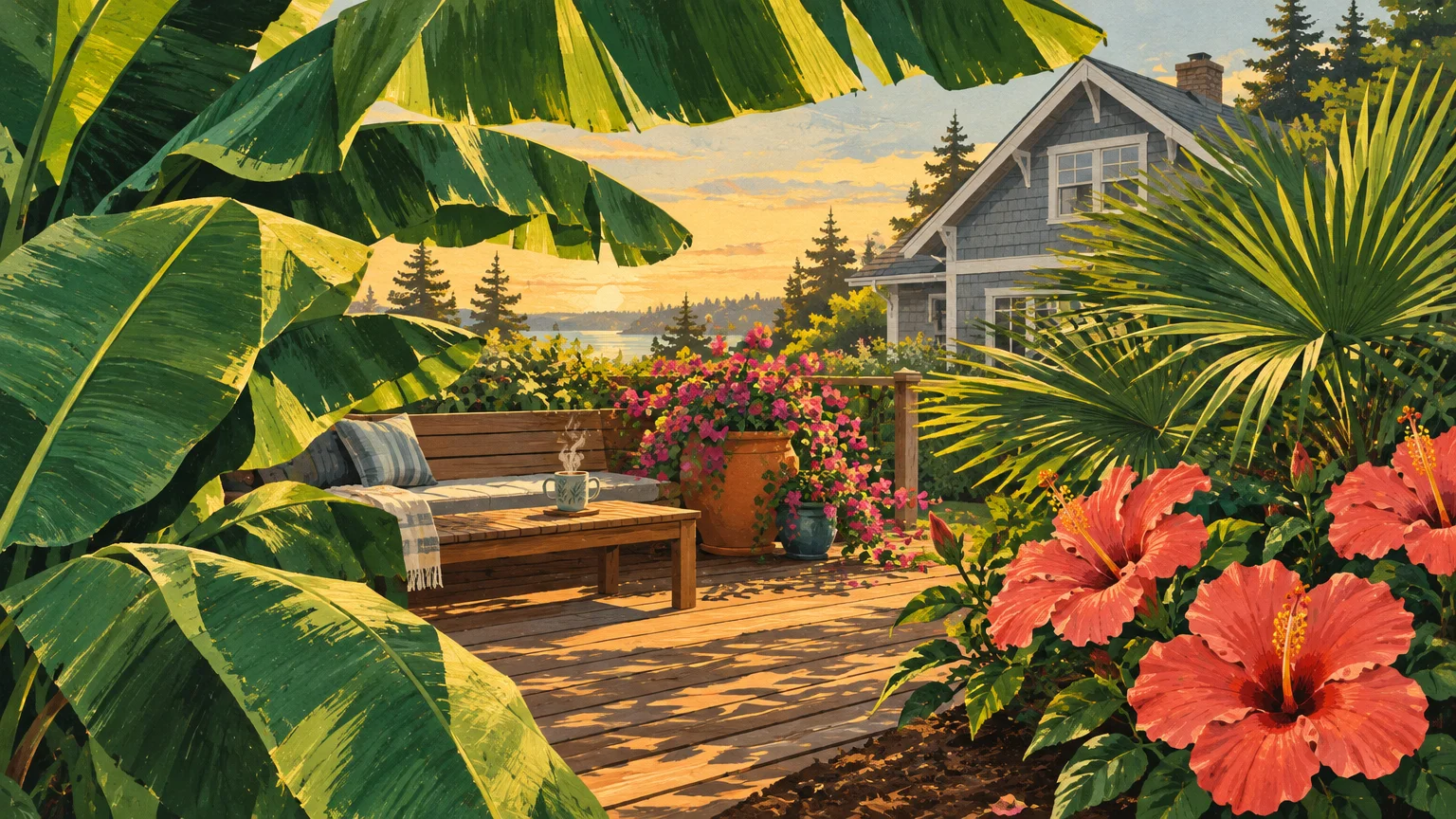
You do not need a zip code near the equator to build a lush backyard paradise filled with oversized foliage and vibrant blooms. Today’s cold hardy tropical plants thrive surprisingly far north when you match them to your microclimate.
The 2023 USDA Plant Hardiness Zone Map reflects an average warming shift of 2.5°F since 2012, moving roughly half of the United States into a warmer half-zone. That shift opens exciting new possibilities for gardeners.
Whether you plant directly in garden beds or showcase tropical plants in pots, these 15 standout varieties deliver authentic resort style across every region.
Outdoor Strategy #1: Plant the Japanese Fiber Banana (Musa basjoo) for Towering Canopy
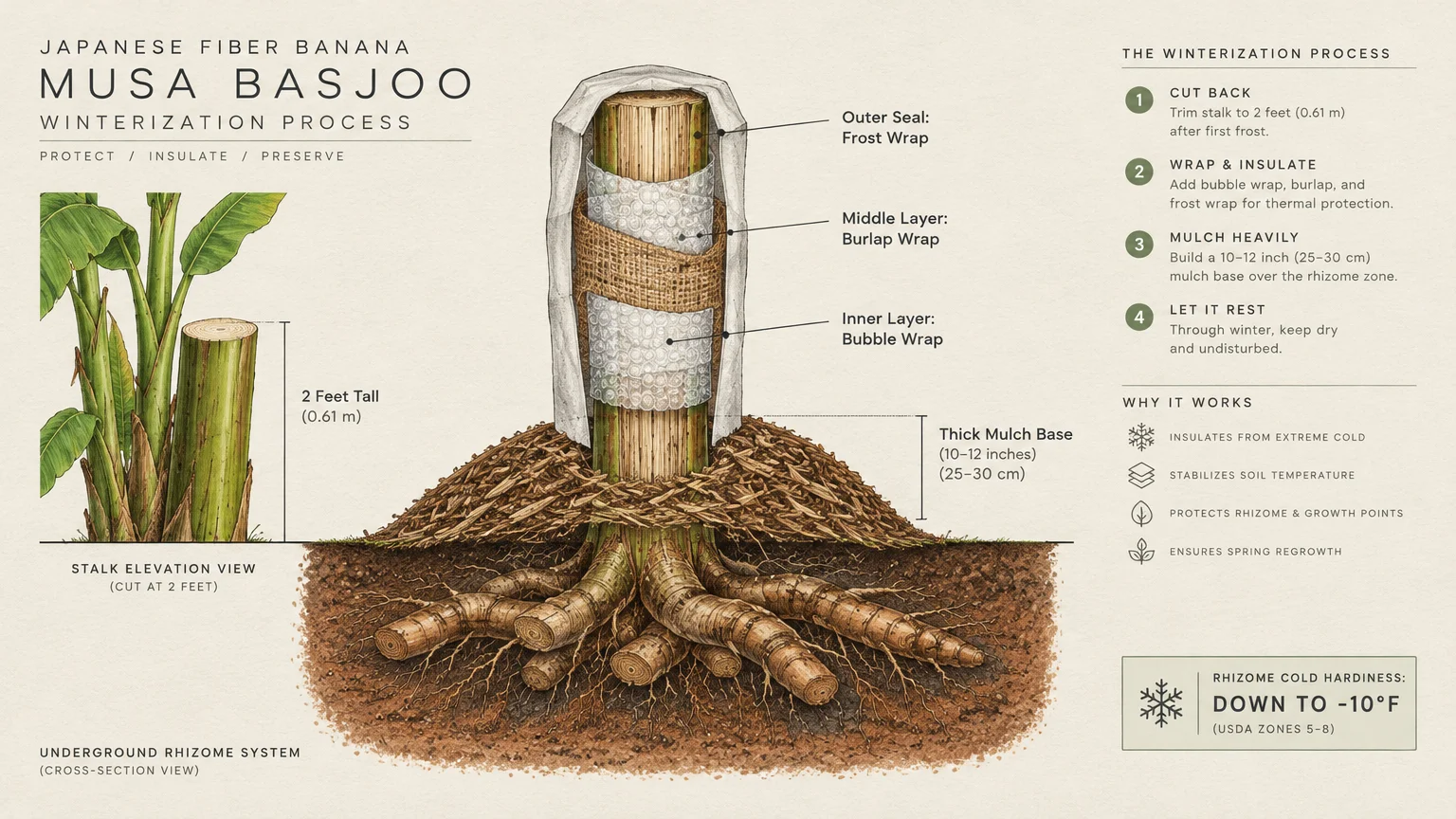
Nothing signals an instant island getaway faster than massive paddle-shaped banana leaves swaying over a patio. According to NC State Extension, the Japanese fiber banana is hardy enough that its underground rhizomes survive down to -10°F in USDA Zones 5 through 8.
Expect above-ground foliage to die back after your first hard freeze, then surge back from the roots each spring. You can maximize summer height by planting this fast grower in rich, moist soil with full sun and shelter from strong winds.
As winter arrives, follow NC State Extension guidance by cutting frost-killed stems back to 2 feet tall. Wrap the remaining trunks in burlap, bubble wrap, or plastic wrap, and mound thick mulch around the base.
After 12 to 24 months of growth, mature clumps may even reward you with small, ornamental bananas. Although those fruits are inedible, their dramatic tropical presence anchors any backyard paradise.
Outdoor Strategy #2: Anchor Your Beds with the Needle Palm (Rhapidophyllum hystrix)
Many northern gardeners assume true palms belong strictly to coastal resorts, yet the needle palm shatters that rule. NC State Extension identifies it as the most cold-hardy palm available, surviving in USDA Zone 6b and enduring brief sub-zero cold snaps.
This slow-growing evergreen reaches 3 to 6 feet tall and spreads 4 to 8 feet wide, forming a dense, sculptural mound. Plant it near a south-facing brick wall or beneath high tree canopies to shield fronds from harsh winter winds.
Mulch deeply around the root zone every autumn to stabilize soil temperatures during sudden freezes. Because this palm prefers consistent moisture without soggy roots, amend heavy clay beds with plenty of organic compost before planting.
Keep safety in mind when choosing a spot for this striking specimen. NC State Extension warns that the plant develops dangerous 6- to 10-inch black spines at the leaf bases, so position it well away from narrow walkways and play areas.
Outdoor Strategy #3: Add Vertical Drama with the Windmill Palm (Trachycarpus fortunei)
If you want a classic single-trunk palm silhouette, look to the hardy windmill palm. Missouri Botanical Garden lists it as hardy to USDA Zone 7 in protected locations, noting that established specimens typically survive temperatures down to 10°F.
While it towers 20 to 40 feet in mild coastal climates, it stays a manageable 8 to 10 feet tall in Zones 6 and 7. That compact stature fits beautifully beside decks, pergolas, or backyard water features.
UF/IFAS Gardening Solutions rates this palm for Zones 8a through 11 and recommends applying an 8-2-12 slow-release palm fertilizer if fronds show yellowing or nutrient deficiencies. Proper nutrition keeps its fan-shaped crown deep green all year.
In marginal Zone 6 or 7 yards, choose a sheltered site out of freezing northwest gusts. Wrapping the trunk in breathable frost cloth during deep cold spells protects the central growing bud until spring warmth returns.
Outdoor Strategy #4: Tuck Bold Fan Foliage Under Trees with Dwarf Palmetto (Sabal minor)
Dark, dry shade beneath mature oaks often challenges tropical garden ideas, yet the native dwarf palmetto thrives there effortlessly. Missouri Botanical Garden notes that established plants survive down to 0°F and remain hardy in protected USDA Zone 7 sites.
Growing roughly 6 feet tall and 6 feet wide, this trunkless palm spreads architectural blue-green fans measuring 1 to 5 feet across. Its bold geometric leaves create rich contrast beside fine-textured ferns and woodland sedges.
Unlike fussy exotics, dwarf palmetto handles wet soils and occasional summer dry spells once established. Space several plants in a sweeping drift to evoke a wild coastal hammock right inside a suburban border.
Check your local soil drainage before planting, though this species tolerates heavier ground than most palms. A 3-inch layer of pine straw or shredded bark keeps roots cool during summer heatwaves and insulated through winter freezes.
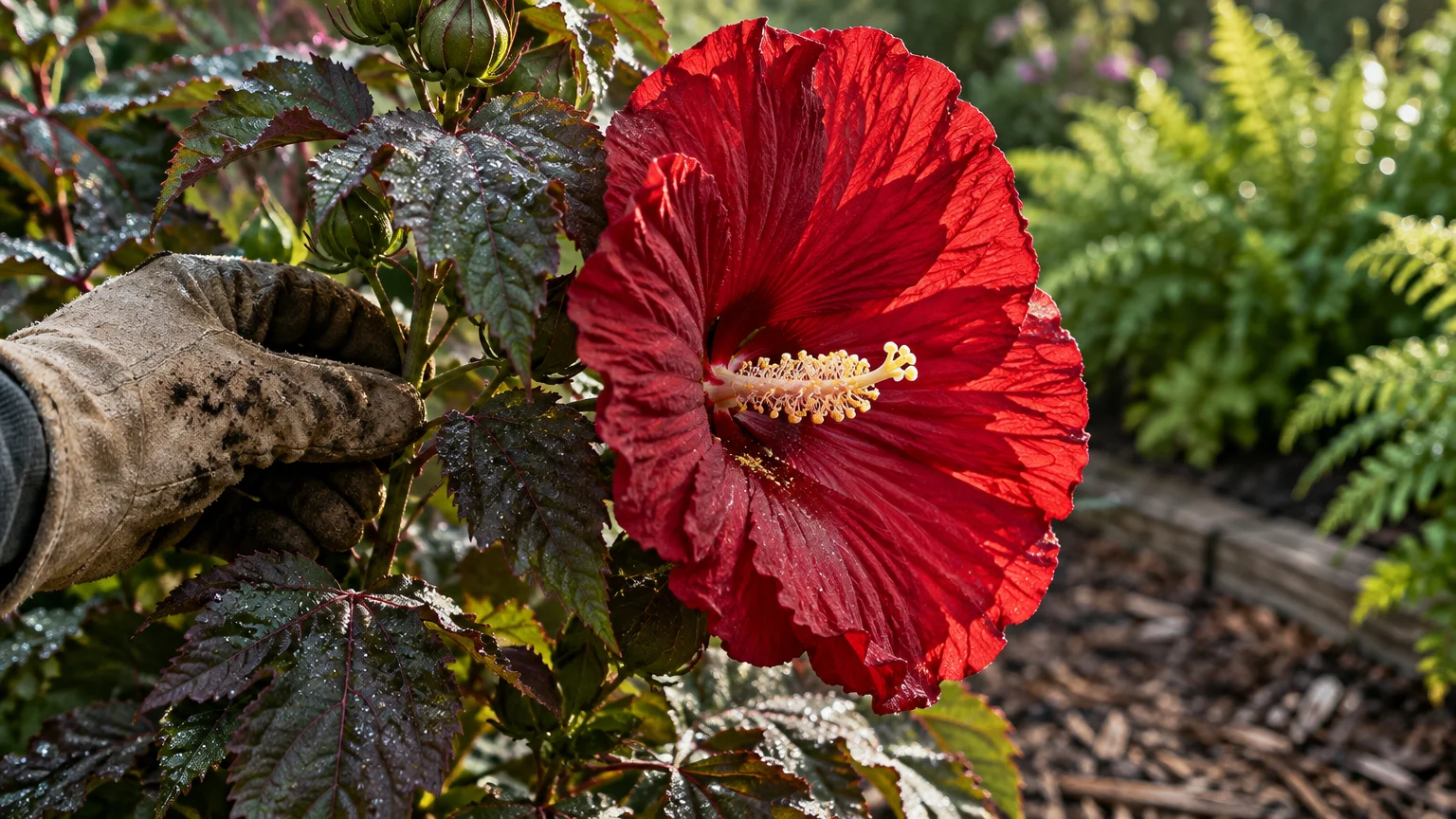
Outdoor Strategy #5: Bring Dinner-Plate Blooms via Hardy Hibiscus (Hibiscus moscheutos)
You do not have to move to Maui to grow showstopping hibiscus flowers as wide as dinner plates. Missouri Botanical Garden rates cultivars such as Blue River II hardy across USDA Zones 5 through 9, blooming reliably from July through September.
Depending on the cultivar, bushes grow 2 to 7 feet tall and produce extravagant blossoms spanning 4 to 8 inches across. Gardeners increasingly prize standout colors; Axiom’s Annual 2026 Gardening Outlook Study found 77% are willing to pay more for specific flower shades.
Give hardy hibiscus full sun and consistent moisture—they thrive near downspouts, rain gardens, or pond edges. Wait patiently in spring because new shoots emerge later than most perennials, often well into May.
In late autumn, Missouri Botanical Garden recommends cutting dead stems back to 3 or 4 inches above soil level. Add a layer of compost over the crown, and watch your plants explode with fresh growth next summer.
Outdoor Strategy #6: Drape Fences in Purple Passionflower (Passiflora incarnata)
Vertical surfaces offer prime real estate when you want an immersive island look on a modest lot. Purple passionflower, a vigorous native vine, climbs 6 to 8 feet on trellises and stays hardy across USDA Zones 5 through 9 per Missouri Botanical Garden.
Its intricate, fringed blooms look almost otherworldly, attracting butterflies and hummingbirds straight to your seating area. In milder Zones 7 through 9, you can also grow blue passionflower (Passiflora caerulea), which climbs 10 to 25 feet.
Give this sun-loving climber a sturdy arbor or fence wire where its tendrils can grip easily. Because purple passionflower spreads via underground suckers, place it along a mowed lawn edge or inside a buried root barrier to contain its reach.
Expect the top growth to vanish in freezing winters, then scramble rapidly upward again by early summer. By July, your plain wooden fence transforms into a blooming living tapestry.
Outdoor Strategy #7: Build Bold Architecture with Rice Paper Plant (Tetrapanax papyrifer)
Few plants rival the sheer scale of the rice paper plant when you want instant jungle proportions. Missouri Botanical Garden lists it for USDA Zones 8 through 10, while Plant Delights Nursery rates hardy selections down to Zone 7b.
Reaching 4 to 12 feet tall, this dramatic shrub unfolds deeply lobed leaves spanning 10 to 15 inches or more across. In Zone 8, winter frosts often knock stems to the ground before fresh shoots burst upward again in spring.
NC State Extension notes frost sensitivity above Zone 8b, so northern gardeners should grow it in oversized patio containers or treat it as an annual centerpiece. Partial shade protects those huge leaves from scorching during harsh August afternoons.
Wear gloves and long sleeves whenever you prune or move this specimen. Missouri Botanical Garden cautions that the fuzzy undersides of rice paper plant leaves can trigger skin rashes in sensitive gardeners.
Outdoor Strategy #8: Brighten Shady Corners with Japanese Aralia (Fatsia japonica)
Covered porches and shaded north walls often feel gloomy, yet Japanese aralia turns low-light spaces into lush tropical alcoves. Missouri Botanical Garden lists it hardy in USDA Zones 8 through 10, displaying glossy, 7- to 9-lobed leaves up to 16 inches wide.
Those broad, shiny blades bounce dappled light around dark patios, brightening dreary corners without requiring direct sun. Outdoors in mild zones, it grows into a commanding evergreen shrub; indoors in cold climates, potted plants stay around 6 feet tall.
If winter temperatures drop below Zone 8, bring potted aralia inside before hard frosts arrive. Missouri Botanical Garden notes it handles cool indoor rooms between 60°F and 70°F far better than many fussy houseplants.
Plant it in fertile, well-drained soil and mist foliage occasionally when winter indoor heating dries the air. Pair its bold, hand-shaped leaves with delicate ferns to create rich layered contrast.
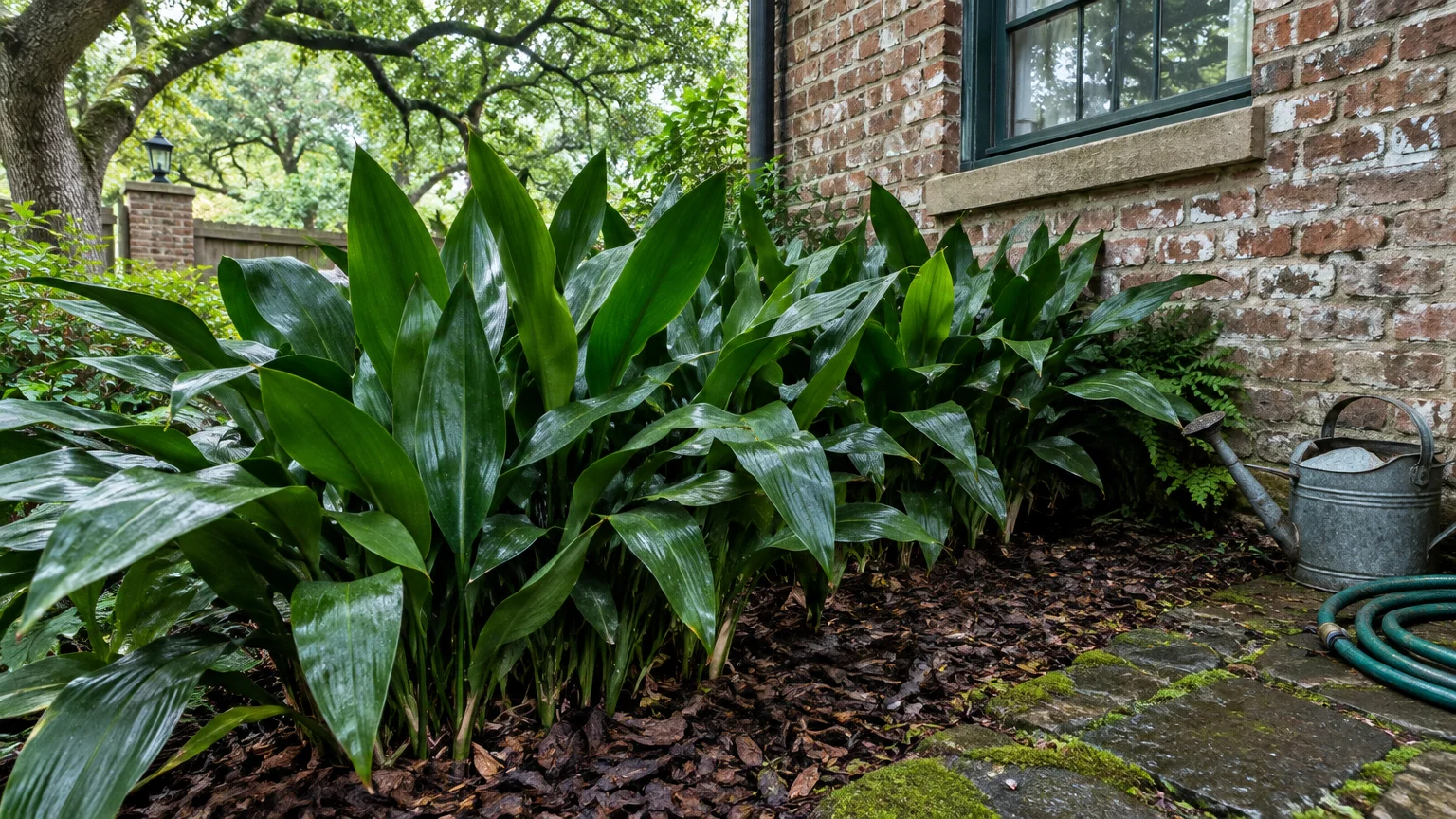
Outdoor Strategy #9: Carpet Dark Borders with Cast Iron Plant (Aspidistra elatior)
Every tropical garden needs reliable ground-level greenery that holds beds together beneath taller focal plants. NC State Extension highlights cast iron plant as a tough, rhizomatous evergreen reaching up to 2 feet tall in upright clumps.
Hardy outdoors in warmer southern zones and unmatched in shaded containers everywhere else, it tolerates drought, deep shade, and neglect. Even better, NC State Extension notes it resists deer browsing and handles light coastal salt spray.
Use cast iron plant to edge shaded patios, flank front steps, or fill deep porch urns where nothing else survives. Choose variegated cultivars with creamy white or speckled gold stripes to illuminate dim entryways.
In Zones 6 and colder, grow it as one of your easiest tropical plants in pots. Move containers into a bright mudroom or garage before freezing weather, watering sparingly until spring temperatures climb.
Outdoor Strategy #10: Screen Your Patio with Non-Invasive Clumping Bamboo (Fargesia robusta)
Tall bamboo whispers in summer breezes like nothing else, creating instant privacy from neighboring windows and street noise. However, choosing the wrong bamboo species can create an expensive neighborhood headache.
Running bamboos in the genus Phyllostachys spread aggressively via underground rhizomes; under Connecticut Public Act 13-82, landowners face legal liability if running bamboo invades neighboring properties. University of Maryland Extension also notes two Phyllostachys species are regulated as invasive in Maryland.
Skip that risk completely by planting non-invasive clumping bamboo (Fargesia robusta), rated hardy in USDA Zones 5a through 8b by NC State Extension. It stays neatly in tight, upright clumps without escaping across property lines.
Position clumping bamboo where it receives morning sun and afternoon shade, especially in hot southern states. Feed in spring with balanced lawn or shrub fertilizer and keep roots evenly moist during the first growing season.
Outdoor Strategy #11: Ignite Vibrant Color with Canna Lilies (Canna spp.)
Broad banana-like leaves paired with blazing red, orange, or golden flowers make cannas essential for high-energy tropical garden ideas. Illinois Extension notes cannas remain hardy outdoors in Zones 8 and warmer, while American Meadows reports survival in Zone 7 with heavy mulch.
Temperatures below 14°F kill unprotected rhizomes, yet cold-climate gardeners grow cannas effortlessly as summer bulbs. Simply dig the fleshy rhizomes right before a killing frost, trim away dead foliage, and cure them in a dry spot for 1 to 3 days.
Store cured rhizomes in breathable boxes packed with slightly damp peat moss or wood shavings between 35°F and 50°F. Replant them outdoors once spring soil warms up, or pot them early indoors for faster June blooms.
For effortless patio flair, choose dark burgundy or striped foliage cultivars that look stunning even before flower spikes open. Deadhead spent blooms regularly to keep fresh color firing until autumn frost.
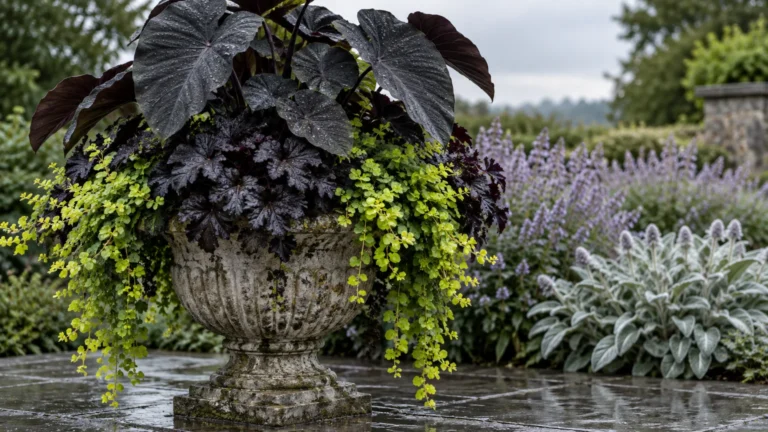
Outdoor Strategy #12: Create Lush Drama with Cold-Hardy Elephant Ears (Colocasia esculenta)
Nothing commands attention across a yard like heart-shaped elephant ear leaves fluttering above flower borders. Standard Colocasia esculenta grows 5 to 7 feet tall with massive 3-foot leaves, while Greenhouse Product News notes newly bred cold-hardy cultivars thrive up to USDA Zone 7.
In Zones 6 and colder, treat elephant ears just like cannas by lifting tubers in fall or growing them in large decorative planters. Demand for statement containers keeps surging; Grand View Research valued the U.S. garden planters market at $4.91 billion in 2025.
Give elephant ears rich organic soil and steady watering—they love damp garden spots and even shallow pond edges. However, check local rules before planting in warm regions, as Greenhouse Product News notes Colocasia esculenta is invasive in peninsular Florida.
Also keep curious pets away from these dramatic plants. The ASPCA warns that elephant ears contain needle-like calcium oxalate crystals that trigger oral irritation, drooling, swelling, and vomiting in dogs and cats.
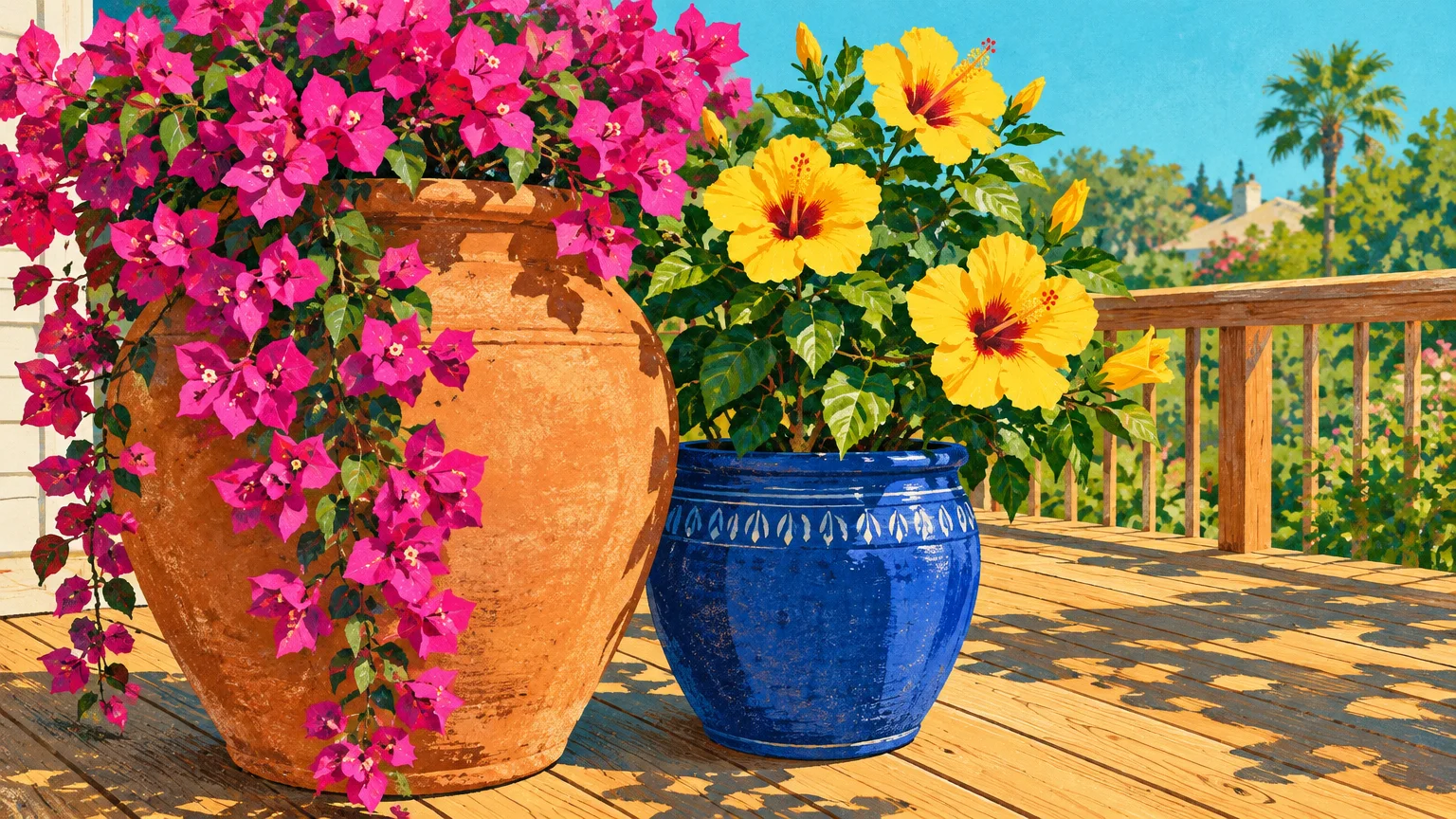
Outdoor Strategy #13: Style Sunny Decks with Potted Tropical Hibiscus and Bougainvillea
Hot, sun-baked decks often scorch traditional perennials, yet potted tropical hibiscus (Hibiscus rosa-sinensis) and bougainvillea revel in intense afternoon heat. Growing tropical plants in pots lets you enjoy vivid coral, magenta, and tangerine blooms anywhere in North America.
Fill lightweight resin or glazed ceramic containers with fast-draining potting mix, and water deeply whenever the top inch dries out. Bougainvillea blooms heaviest when slightly rootbound and kept on the drier side between waterings.
Watch evening forecasts closely as summer fades into early autumn. University of Missouri Extension advises bringing potted hibiscus, bougainvillea, and mandevilla indoors whenever nighttime temperatures regularly drop below 45°F to prevent chill injury.
According to the Royal Horticultural Society, you can overwinter both plants in a cool, frost-free space around 50°F (10°C). Cut back leggy stems by one-third, reduce watering to prevent root rot, and bring them back outside after spring frosts pass.
Outdoor Strategy #14: Command Attention with Container-Grown Bird of Paradise (Strelitzia reginae)
Few flowers look as sculptural and unmistakable as the orange-and-blue crane crest of a bird of paradise. Because this sun-worshipping exotic lacks frost tolerance, growing it in a heavy, wheeled patio pot works best across temperate regions.
During summer, roll your container onto a bright terrace where at least 6 hours of direct sunlight fuel sturdy flower stalks. Feed monthly from spring through August with balanced liquid fertilizer to support thick, leathery leaves.
Penn State Extension warns that many tender tropicals suffer damage once night temperatures dip into the low 40s°F, so wheel pots inside before your first frost. Give the plant your sunniest south-facing window through winter.
Keep household pets in mind when bringing this showpiece indoors for six months of the year. The ASPCA lists bird of paradise as toxic to both dogs and cats, so place it in a pet-free sunroom or blocked corner.
Outdoor Strategy #15: Soften Seating Areas with Pet-Safe Potted Palms and Boston Ferns
If dogs or cats roam your deck and sunroom freely, you do not need to sacrifice lush island style. The ASPCA classifies areca palm (Dypsis lutescens), parlor palm (Chamaedorea elegans), ponytail palm (Beaucarnea recurvata), and Boston fern (Nephrolepis exaltata) as non-toxic to dogs and cats.
Hang overflowing Boston ferns from porch rafters to frame your outdoor seating area in soft emerald fronds. Group tiered planters of feathery areca palms and sculptural ponytail palms beside lounge chairs to build cozy resort privacy.
National Gardening Association data shows 79.2% of U.S. households gardened in 2025 while spending a record $79.0 billion, and versatile patio foliage remains a smart investment. These non-toxic classics transition smoothly from shaded summer decks to bright indoor living rooms.
Before moving containers back onto the patio next spring, follow Petitti Garden Centers’ guidance to harden plants off slowly over two weeks. Start in full shade once night temperatures stay consistently at 45°F or above to avoid sunburned leaves.
Seasonal Considerations for Your Garden
Spring
Hold off on rushing overwintered pots onto the patio during warm April afternoons. Wait until nighttime lows remain steadily at 45°F or higher, then gradually introduce tender plants to outdoor light over a two-week transition starting in shade.
Once soil warms past freezing, plant stored canna and elephant ear rhizomes 2 to 4 inches deep. Top-dress hardy palms and bananas with compost and slow-release fertilizer to fuel explosive summer leaf production.
Summer
Oversized foliage transpires huge amounts of water during July heatwaves, so check potted plants daily and run drip irrigation through ground beds. Apply a 2- to 3-inch layer of organic mulch around root zones to lock in moisture.
Watch container drainage trays after heavy thunderstorms so roots never sit in stagnant water. Deadhead spent hibiscus and canna blooms weekly to maintain crisp, resort-worthy curb appeal through late August.
Fall
Follow Penn State Extension and University of Missouri Extension guidelines by moving tender potted tropicals indoors once night temperatures slip into the mid-40s°F. Inspect undersides of leaves and flush pots with water to evict hiding pests before bringing plants inside.
Dig tender canna and elephant ear bulbs right before a killing frost, cure them for up to three days, and store them cool and dry. Cut hardy hibiscus stems to 3 or 4 inches and wrap Japanese fiber banana trunks before hard freezes strike.
Winter
Keep indoor tropicals like begonia, gardenia, and elephant ears in bright light at 60°F to 70°F as advised by the Royal Horticultural Society, while resting hibiscus and bougainvillea around 50°F. Cut watering dramatically since dormant plants rot quickly in wet potting soil.
Outside, monitor thick mulch blankets around needle palms, dwarf palmettos, and clumping bamboo after severe storms. Resist pruning frost-browned evergreen palm fronds until spring, since dead outer leaves insulate the tender central bud.
Dealing with Outdoor Pests and Weather
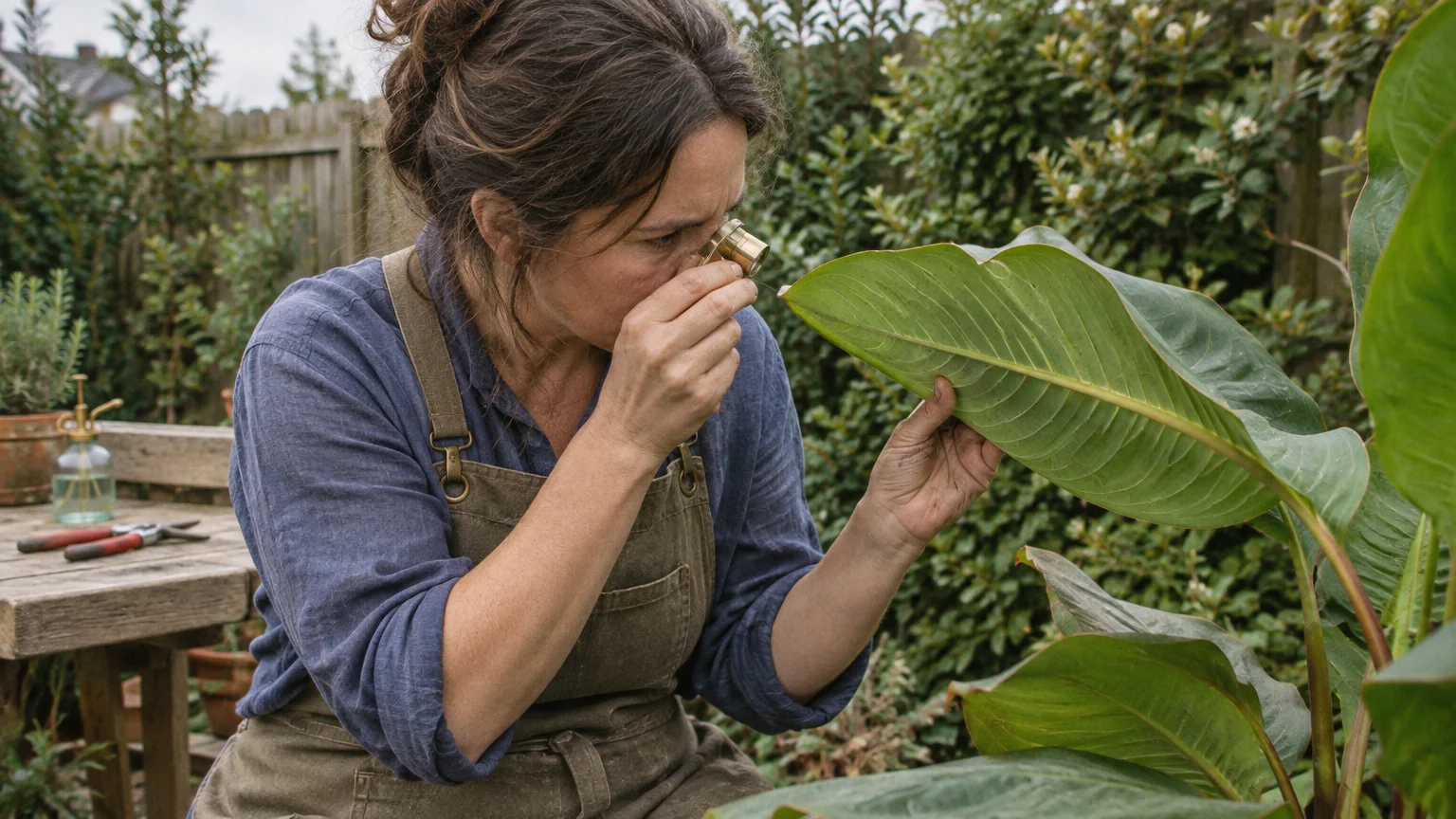
Insects such as spider mites, aphids, and scale often hitch rides onto indoor-outdoor pots when dry autumn air sets in. Blast foliage firmly with a garden hose outside before winter move-in, or treat infested stems with insecticidal soap.
Deer rarely bother tough, fibrous foliage like cast iron plant, needle palm, or spiky palmetto, making them strong anchors for rural yards. Protect softer shoots of young banana and hibiscus plants with temporary wire rings or organic repellents until they tower above browsing height.
Sudden spring cold snaps and howling winter winds pose bigger threats than summer heat. Site marginal palms against sun-warmed brick walls, shield them from northern gusts, and keep breathable frost cloth ready for unexpected freezes.
Finally, protect your family and pets when mixing exotic specimens into shared outdoor spaces. Keep toxic plants listed by the ASPCA—including sago palm, calla lily, elephant ear, and bird of paradise—away from curious pets, and wear gloves when handling prickly needle palms or irritating rice paper leaves.
Check your USDA Plant Hardiness Zone at the USDA’s website. For lawn and garden care advice, consult your local University Extension program (listed here).
Find native plant information from the National Wildlife Federation.
Frequently Asked Questions
Can I really grow tropical plants in Zone 5 or 6 without a greenhouse?
Yes, several true cold hardy tropical plants survive Zone 5 and 6 winters right in the ground when mulched and sited thoughtfully. Japanese fiber banana, hardy hibiscus, purple passionflower, and clumping bamboo return faithfully every spring without greenhouse heat.
You can also pair those permanent anchor plants with summer bulbs like cannas and a few rolling patio containers. That layered strategy gives you full island luxury while requiring only basic garage or windowsill space in winter.
How can I build an island garden on a tight budget?
Start with fast-growing, multiplying perennials and bulbs rather than expensive mature specimen palms. A single bag of canna rhizomes or one hardy hibiscus bush fills huge visual space by mid-summer for a modest upfront cost.
Axiom’s Annual 2026 Gardening Outlook Study notes 63.6% of gardeners plan to expand their plots, and dividing clumps makes expansion affordable. Split rhizomes from banana, cast iron plant, and elephant ears each spring to multiply your oasis for free.
What makes a plant look tropical if I only want low-maintenance natives?
Focus on leaf shape, bloom size, and bold texture rather than exotic origin alone. Native options like dwarf palmetto, needle palm, hardy hibiscus, and purple passionflower deliver authentic resort drama while staying naturally adapted to regional rainfall and pests.
Combine those hardy natives with a couple of seasonal annuals or potted palms near your main patio. You will spend far less time hauling heavy containers and more time relaxing in your backyard paradise.
Should I fertilize potted tropicals during winter?
Stop fertilizing all potted tropicals from early fall until fresh spring growth appears. Lower indoor light levels naturally slow plant metabolism, so excess fertilizer salts build up and burn dormant roots.
Resume light feeding only after days lengthen in March or April and you see crisp new leaves unfurling. Consistent warmth and bright window light matter far more than fertilizer through January and February.
Disclaimer: This article provides general outdoor gardening advice. Success can vary greatly based on your specific climate, soil type, and local conditions.
Always choose plants appropriate for your USDA Hardiness Zone.