You can cultivate a vibrant rose garden without spending your weekends spraying fungicides or pruning delicate canes. Modern easy care roses deliver stunning color and sweet fragrances while shrugging off harsh weather and common pests.
Selecting naturally disease resistant roses eliminates the frustration of fussy traditional varieties. These hardy selections let you enjoy continuous flushes of blossoms with minimal watering, trimming, or soil pampering.
Whether you want low-growing groundcovers or magnificent blooming hedges, reliable varieties make success simple. Explore our curated list of resilient cultivars built for effortless beauty all season long.
Tip #1: Knock Out Shrub Roses
Why It Thrives With Little Care
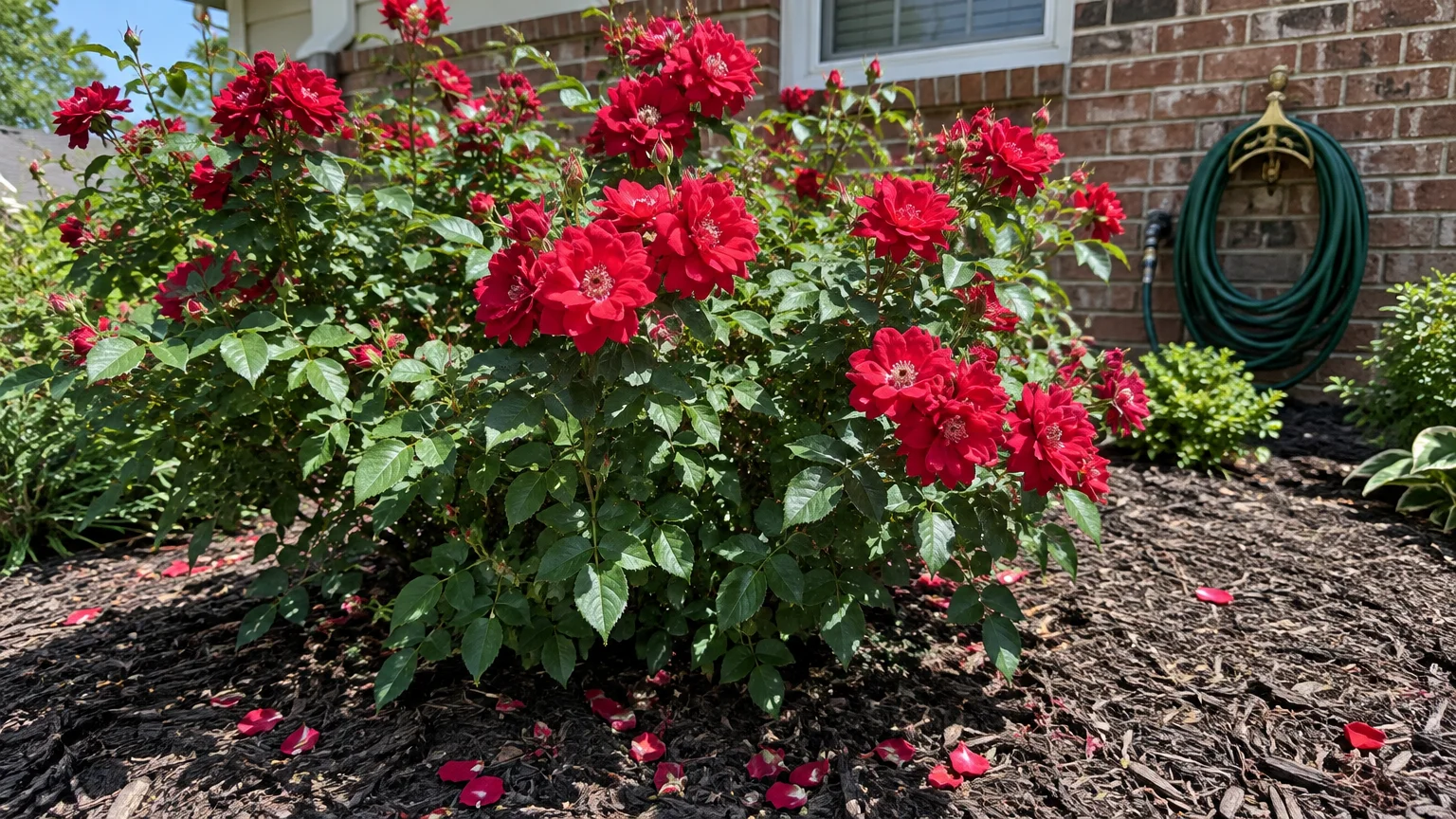
Knockout roses transformed modern gardening when breeder William Radler introduced them to home landscapes. These tough shrubs resist black spot and powdery mildew without any chemical sprays.
They bloom continuously from late spring until the first hard frost arrives. The plant drops its own spent petals, saving you from tedious deadheading chores throughout summer.
Their exceptional genetic vigor helps them overcome brief dry periods and hot, humid microclimates. You can grow them successfully in heavy clay or lighter sandy loams without extensive soil modification.
How to Plant and Maintain It
Plant your shrub in full sun and well-draining soil across USDA Zones 5 through 9. Water the root zone deeply during the first growing season to establish strong anchor roots.
Apply a two-inch layer of organic bark mulch around the root perimeter. This blanket insulates feeder roots from intense summer heat and locks in vital soil moisture.
Prune the branches back by one-third in early spring to maintain a tidy, rounded shape. A single feeding of balanced organic fertilizer in spring keeps them blooming vigorously.
Avoid overhead watering in late evening to protect foliage health. These reliable bushes provide nonstop color in mixed perennial borders, mass plantings, and flowering privacy screens.
Tip #2: Drift Groundcover Roses
Why It Thrives With Little Care
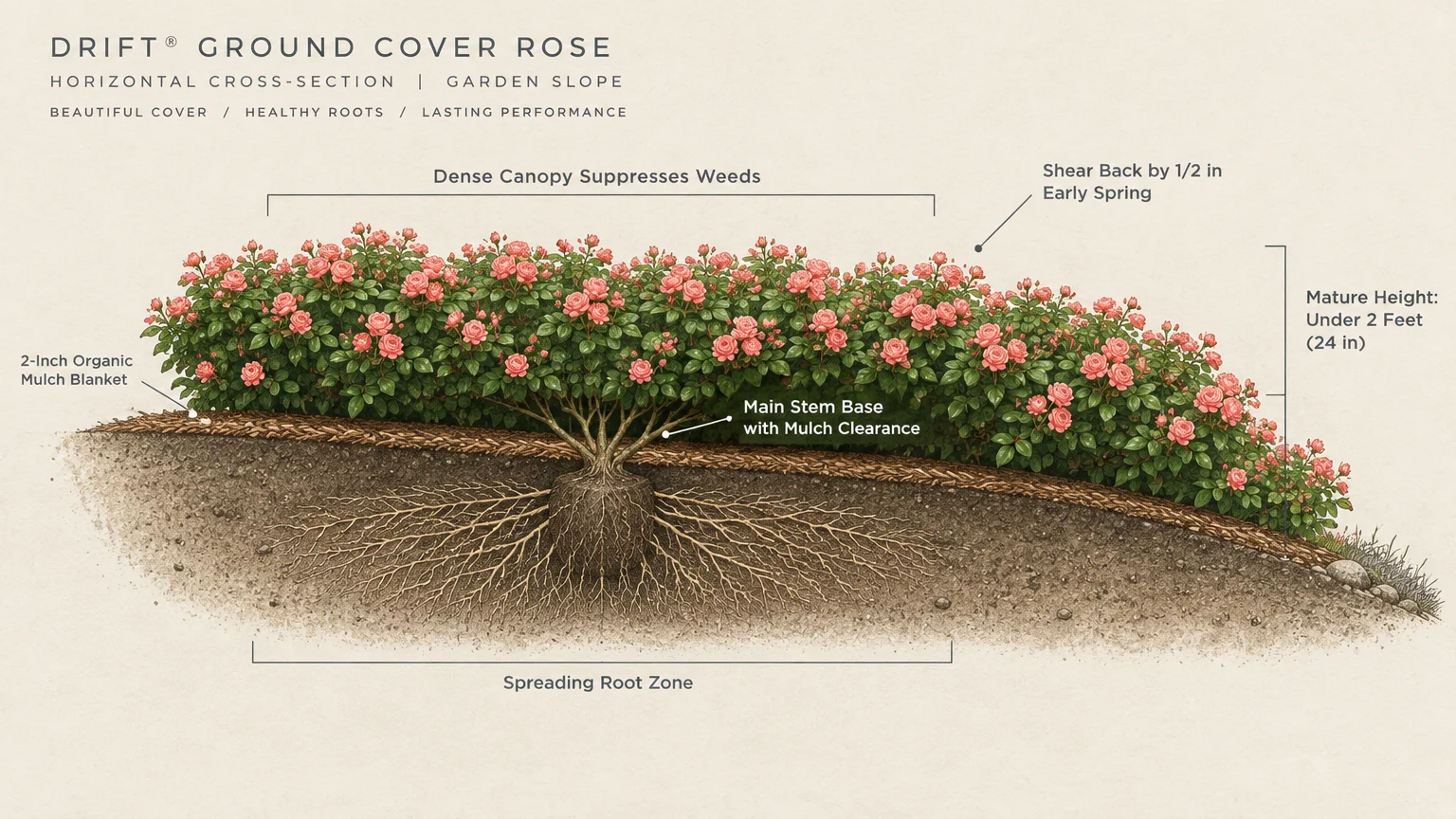
Drift roses combine the toughness of groundcover selections with the abundant blooms of miniature shrubs. They rarely exceed two feet in height, making them perfect for compact spaces.
Like their Knock Out cousins, Drift varieties offer remarkable resistance to rust and foliage blights. You can plant them along walkways or slopes without worrying about disease wiping out foliage.
Their dense growth habit naturally smothers emerging garden weeds. This tight branching structure forms a continuous mound of glossy foliage studded with vibrant clusters all summer.
How to Plant and Maintain It
Dig a planting hole twice as wide as the nursery container; spread the roots gently in loosened soil. Choose an area that receives at least six hours of direct sunlight each day.
Apply a two-inch layer of organic mulch around the perimeter to conserve soil moisture and suppress weeds. Keep the mulch pulled back a few inches from the main stem base.
Shear the stems back by half each spring using sharp garden shears. This fast trimming stimulates a rush of fresh foliage and an avalanche of cheerful flowers.
These easy care roses require no delicate hand-pinching or staking. They serve as exceptional living carpets that choke out weeds beneath taller perennials and shrubs.
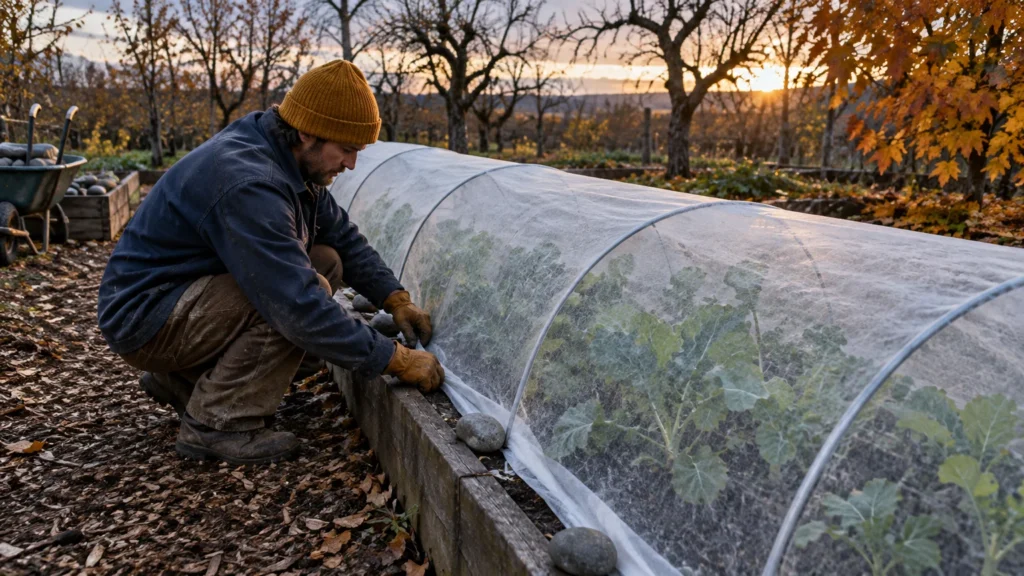
In colder regions, simply mound clean compost around the plant crown before hard freezing weather arrives. Come spring, pull the compost back to nourish the soil for the new season.
Tip #3: Rugosa Rose (Rosa rugosa)
Why It Thrives With Little Care
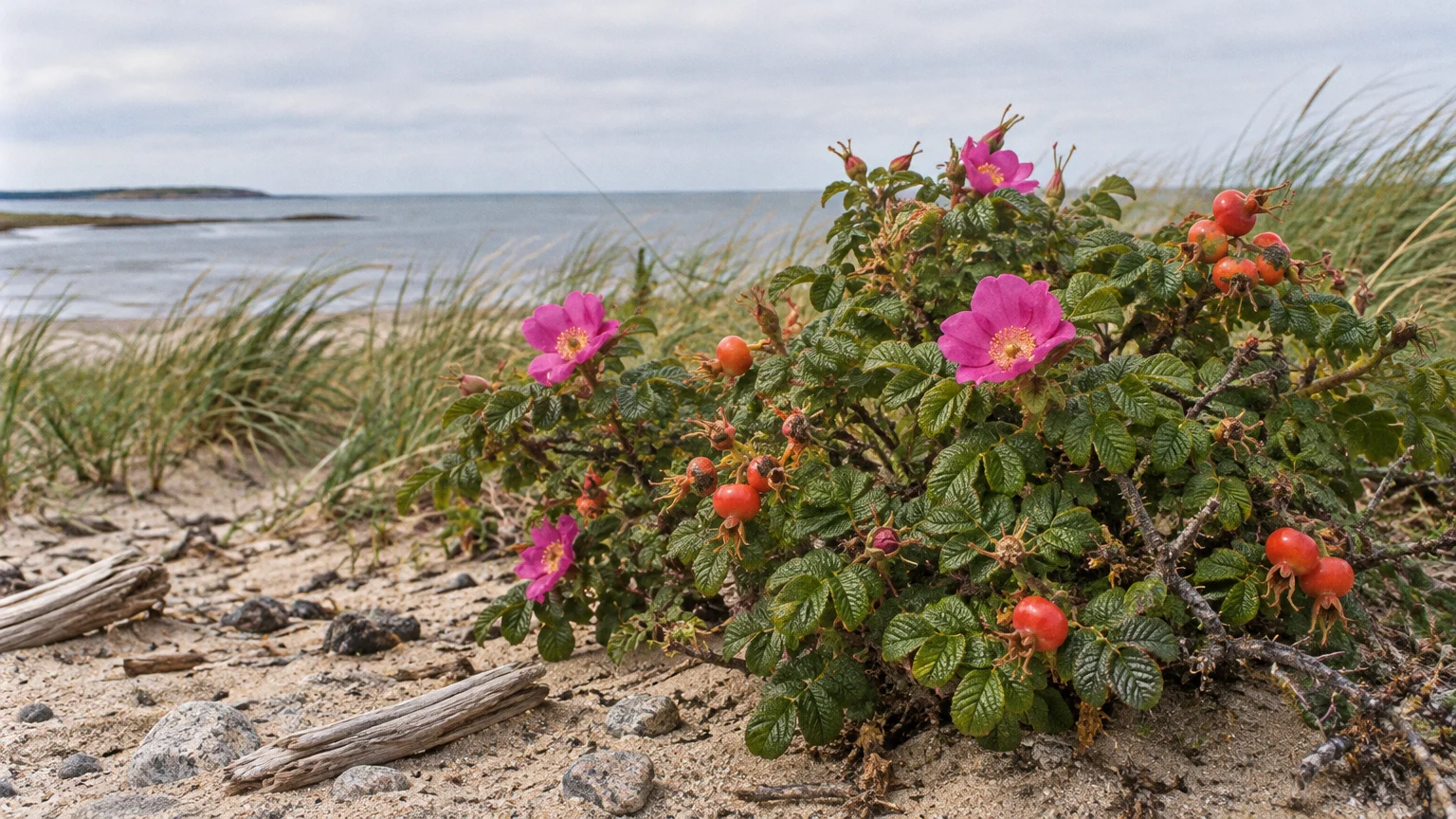
Rugosa roses—often called beach roses—boast extreme cold tolerance and unrivaled durability. They thrive in poor, sandy soil where other shrubs wither and decline.
Their deeply crinkled, leathery foliage acts as natural armor against fungal spores and chewing insects. Furthermore, the shrub tolerates salty coastal winds and winter road salt without showing damage.
Deer and other browsing wildlife generally avoid Rugosa shrubs because their stems feature dense, needle-like prickles. This makes them ideal for open rural properties and unfenced perimeter plantings.
How to Plant and Maintain It
Set your Rugosa in well-draining soil under full sun in USDA Zones 2 through 7. Avoid spraying this variety with chemical fertilizers or pesticides, as its sensitive leaves burn easily.
Topdress the surrounding soil with a shovel of aged compost each spring to provide gentle, sustained nutrition. Regular garden soil provides plenty of nutrients for this self-sufficient survivor.
In autumn, the fragrant blossoms give way to massive, edible red-orange rose hips. These vitamin-rich hips feed local songbirds and provide striking ornamental interest throughout cold winter months.
Simply prune out dead or crossed canes every two or three years to maintain air circulation. Few disease resistant roses match the rugged independence of this coastal marvel.
Give these shrubs plenty of room to expand naturally, as they produce underground suckers. Their spreading habit makes them fantastic for stabilizing loose hillsides and forming impenetrable hedges.
Tip #4: Flower Carpet Groundcover Roses
Why It Thrives With Little Care
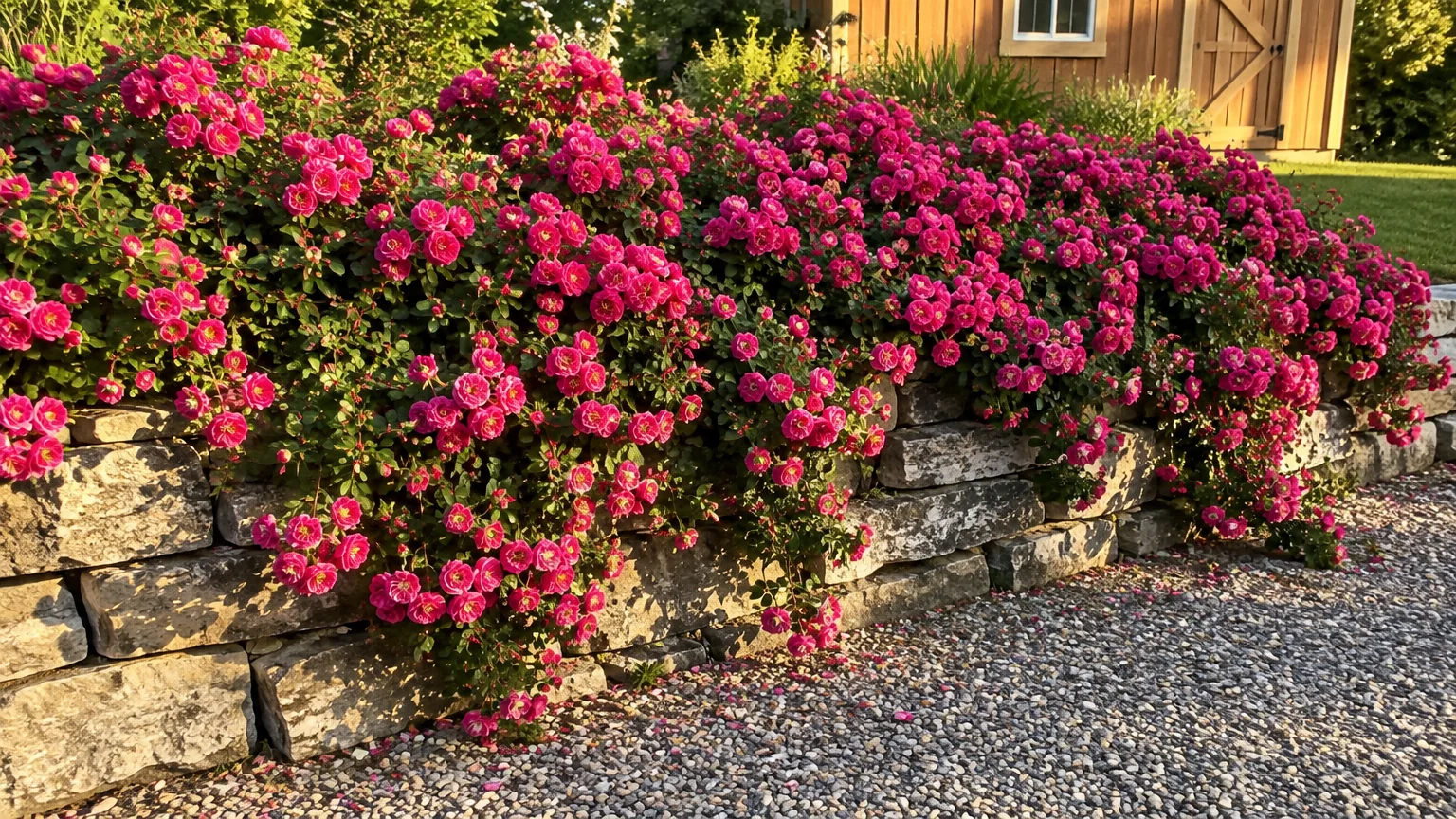
The Flower Carpet series earned global acclaim for introducing truly bulletproof groundcovers to home landscapes. Each bush produces up to two thousand blossoms per flush across a single extended season.
Their glossy, wax-coated leaves naturally shed moisture, preventing spores from penetrating plant tissue. You never need to spray for black spot, mildew, or leaf drop.
These roses withstand urban pollution, poor soils, and humid downpours with equal grace. They maintain deep green, lustrous foliage right up until freezing temperatures trigger winter dormancy.
How to Plant and Maintain It
Position these spreading bushes on sunny garden banks, retaining walls, or spacious patio containers. Space plants three feet apart so the spreading branches knit together into a dense canopy.
Water plants at ground level during extended summer dry spells to encourage continuous bud production. A layer of shredded bark mulch keeps the shallow feeder roots cool and damp.
At the end of winter, cut the entire bush back by two-thirds using hedge shears. The plant responds immediately with vibrant new canes packed with fresh flower clusters.
Beginners love this variety because it forgives neglect, poor trimming technique, and variable weather. It represents the ultimate low maintenance roses choice for erosion control.
Add a single application of balanced, slow-release plant food in spring to fuel months of heavy flowering. After that initial boost, rain and sunshine provide everything else the shrub requires.
Tip #5: The Fairy Polyantha Rose
Why It Thrives With Little Care
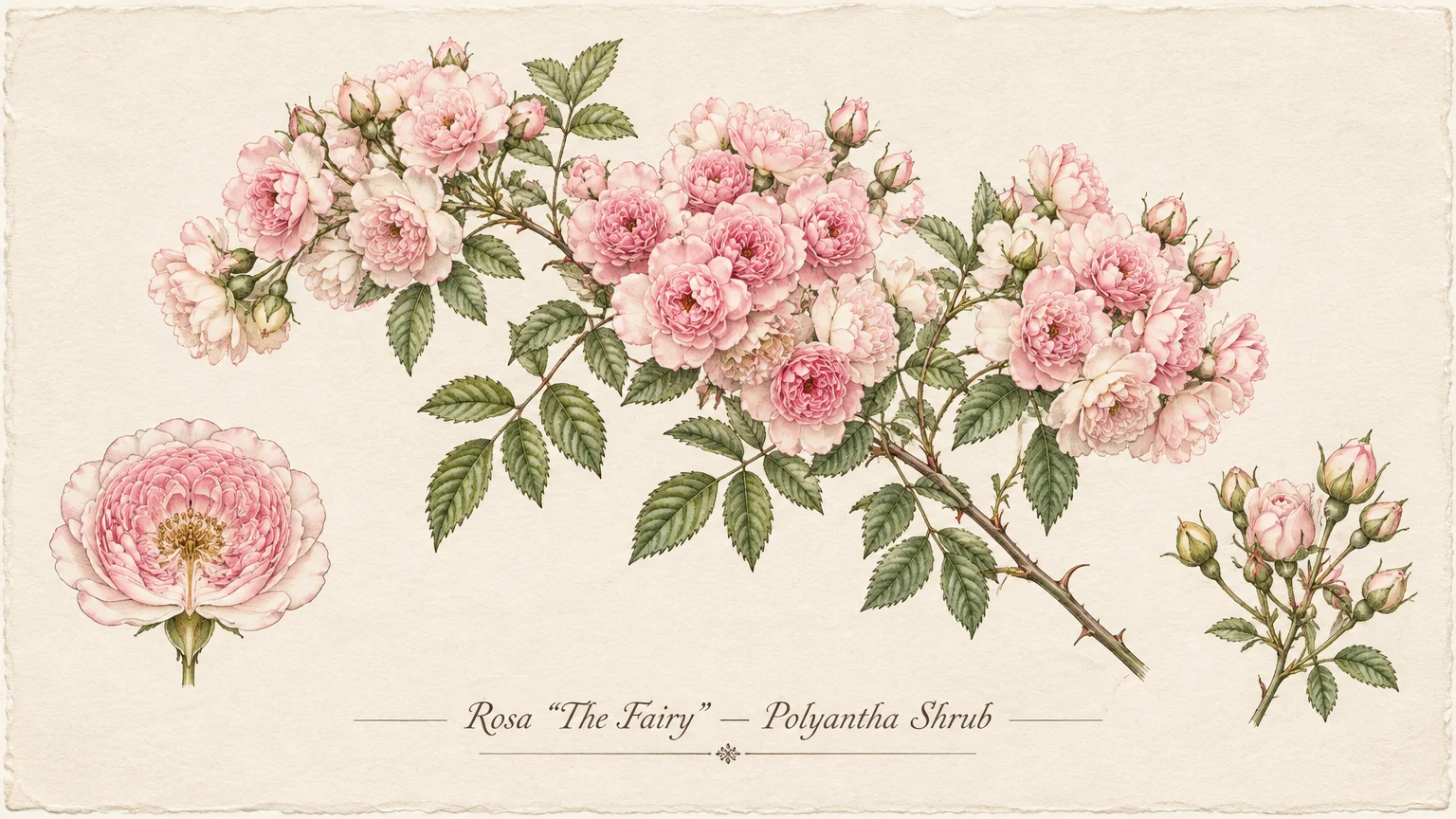
Introduced in 1932, ‘The Fairy’ remains an heirloom favorite because it thrives under tough conditions. This compact polyantha shrub produces sprays of miniature soft-pink rosettes from July through November.
It adapts to partial shade better than most varieties, blooming reliably with only four hours of direct light. Its disease resistance allows it to flourish in damp, humid microclimates.
The arching canes drape gracefully over raised garden edges and stone borders. Unlike fussy modern hybrids, this classic cultivar maintains strong natural vigor without routine coddling.
How to Plant and Maintain It
Plant this rose in fertile garden soil amended with organic matter in USDA Zones 4 through 9. Water consistently during dry periods until new shoots show active outward expansion.
Because the shrub self-cleans effectively, spent petals flutter away cleanly in the breeze without manual intervention. You can skip the tedious chore of deadheading individual flower clusters entirely.
Prune lightly in late winter to remove damaged tips and shape the overall outline of the shrub. A light topdressing of compost in spring supplies all the fuel it needs.
This time-tested heirloom proves that roses for beginners can possess both vintage charm and fierce resilience. It fits gracefully into cottage borders and small patio gardens alike.
Use sharp pruners to thin out the oldest center canes every few years. This simple rejuvenation opens the shrub to warm breezes and keeps flowering wood fresh and productive.
Tip #6: Julia Child Floribunda Rose
Why It Thrives With Little Care
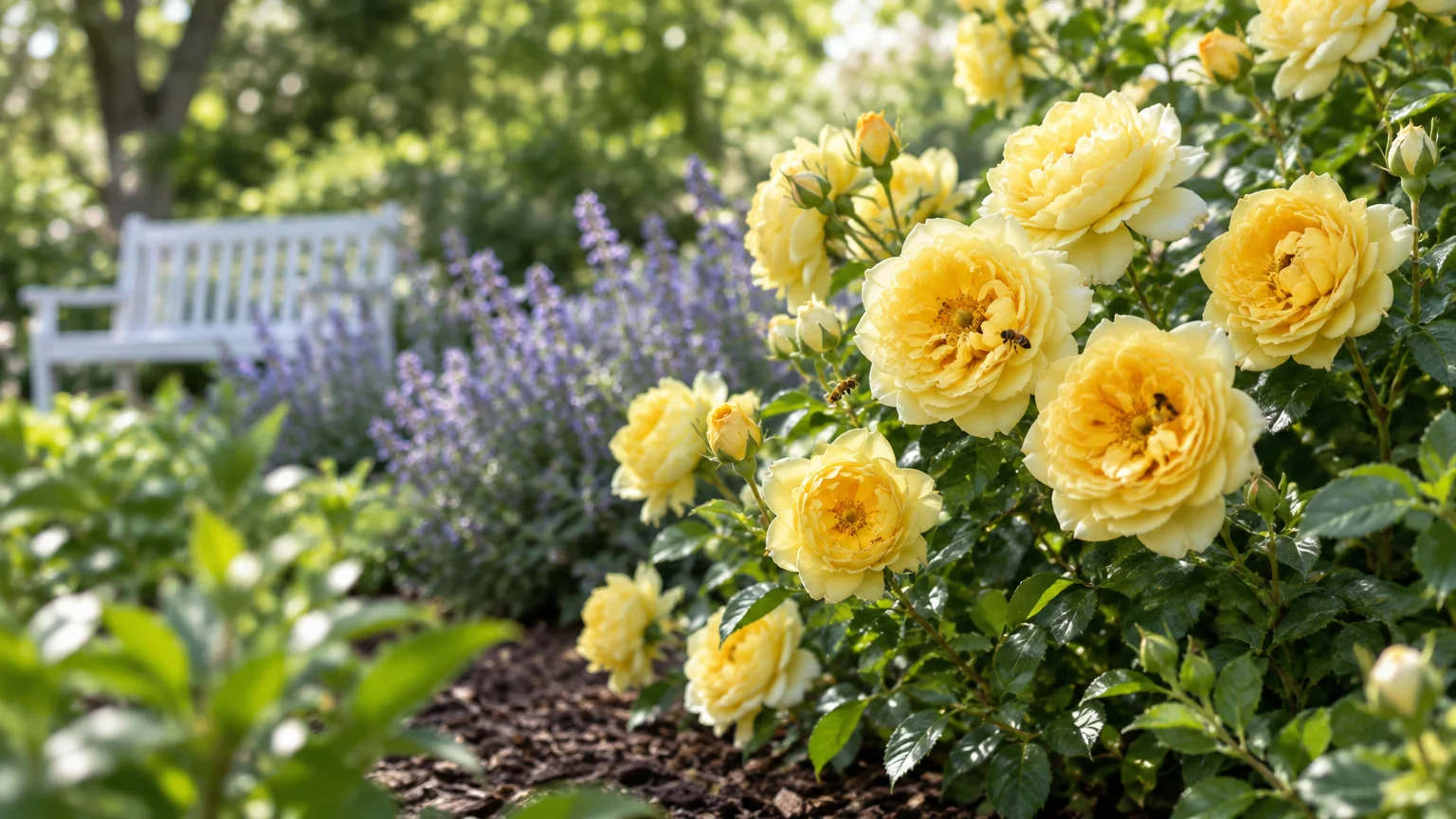
Named personally by the legendary chef, the Julia Child rose delights gardeners with butter-yellow blooms and an anise fragrance. Unlike older floribunda varieties, it boasts exceptional health and vigor.
University trials consistently rank this cultivar among the most disease resistant roses available for home gardens. Its thick, shiny green leaves resist black spot even in warm, muggy climates.
The shrub produces full, ruffled blossoms in repeating flushes that continue until hard freezes arrive. You gain the classic look of traditional exhibition roses without their demanding maintenance routines.
How to Plant and Maintain It
Provide a sunny location with rich, loamy soil that drains excess moisture freely after heavy rains. Dig the hole as deep as the root ball and twice as broad.
Feed your shrub once in spring with a slow-release granular fertilizer formulated for flowering shrubs. Water thoroughly at the base of the plant to keep the root zone hydrated.
Cut back older woody canes by one-third in early spring just as dormant leaf buds swell. Remove any dead stems to allow sunlight and fresh air into the interior crown.
The rounded, bushy habit looks pristine without constant clipping, staking, or winter protection in Zones 5 through 9. You get showstopping cut flowers without the customary chemical regimen.
Mulch the root zone with composted leaves or pine bark to maintain consistent subterranean moisture. This protective shield reduces summer heat stress during intense heatwaves.
Tip #7: Lady Banks Climbing Rose
Why It Thrives With Little Care
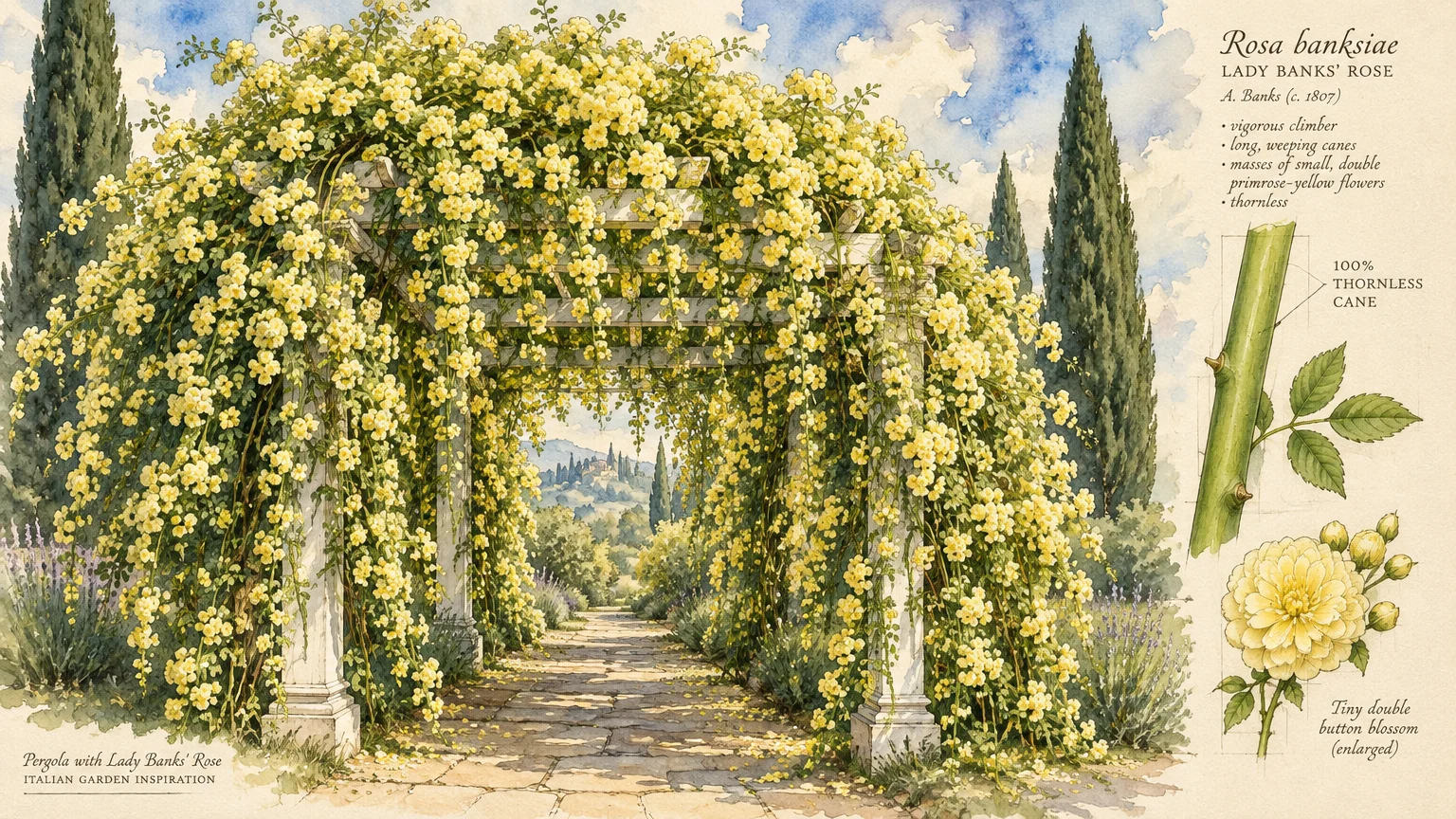
If you desire a massive vertical display without thorns or fuss, Lady Banks delivers unrivaled performance. In spring, this vigorous climbing vine covers itself in thousands of miniature pastel blossoms.
The smooth, thornless stems make training and handling pleasant; you will never snag your hands or clothing. It naturally resists common fungal diseases and tolerates intense summer heat.
This vigorous climber creates an impenetrable green canopy within just a few growing seasons. Its small, dark leaves remain semi-evergreen throughout mild winter regions, offering year-round garden privacy.
How to Plant and Maintain It
Plant Lady Banks near a sturdy arbor, pergola, or fence line in USDA Zones 6 through 9. Make sure the support structure can bear the weight of mature woody canes.
Water your young climber weekly during its first year; established specimens withstand considerable summer drought. It tolerates lean, rocky soil that would stunt more delicate cultivars.
Prune only after the spring blooming display finishes, since flowers emerge exclusively on old wood. Thin out crowded canes and redirect vigorous shoots to maintain your desired boundary.
Lady Banks lives for decades with almost no supplementary fertilizer, pest control, or winter fuss. It offers magnificent, cascading architectural grandeur with effortless seasonal care.
Tie the main structural canes to your trellis using soft garden twine during early development. Once established, the woody framework supports itself naturally across arches and walls.
Putting It All Together: Enjoy Your Beautiful Garden
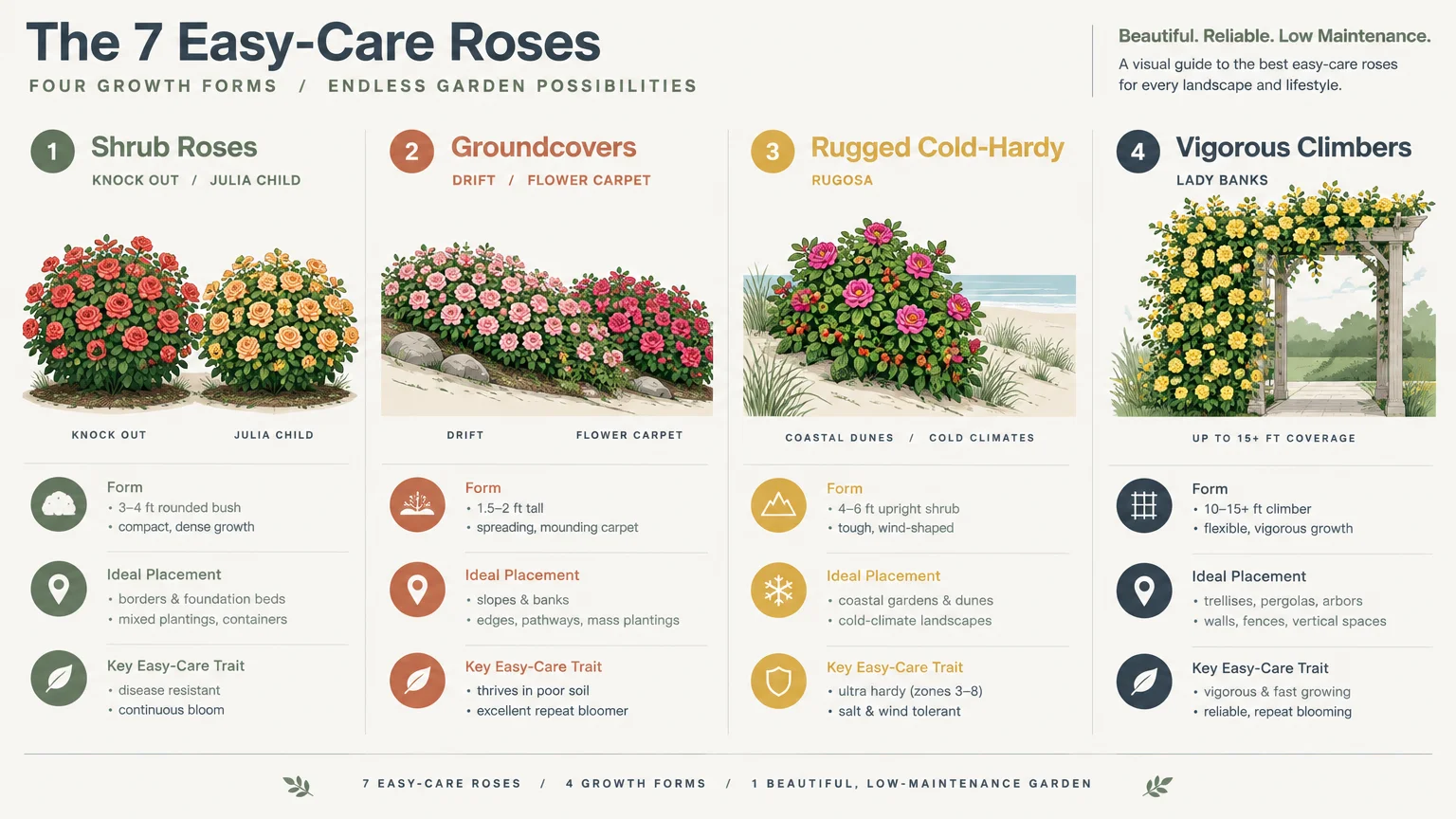
Choosing resilient varieties changes your relationship with the garden from exhausting chore to pure enjoyment. By matching vigorous cultivars to your sunlight and soil, you secure months of brilliant color.
Plant your bushes in areas receiving at least six hours of sun with decent drainage. Good air movement around the leaves further bolsters their natural defenses against lingering dampness.
Mulch beds with wood chips or compost to insulate roots, retain moisture, and suppress competing weeds. Deep watering at the soil level keeps foliage dry and roots firmly anchored.
Modern easy care roses free you from rigid spray schedules, elaborate trellises, and winter wraps. Step outside, clip a few fragrant blossoms for your table, and savor your thriving sanctuary.
Observe your plants across different seasons to learn their natural rhythms and growth habits. Healthy shrubs reward minimal effort with an abundance of vibrant blooms year after year.
For region-specific advice, consult your local University Extension program (find yours via the USDA directory). For plant databases and inspiration, visit the Missouri Botanical Garden or the Royal Horticultural Society.
Disclaimer: This article provides general gardening advice. Always consider your specific climate, soil conditions, and local pests. Follow safety guidelines when using gardening tools and products.
Frequently Asked Questions
Do easy care roses need deadheading to keep blooming?
Most modern low maintenance roses are self-cleaning and drop their spent petals automatically. You do not need to deadhead them to stimulate new flower buds throughout summer.
However, snipping off old flower clusters can neaten the shrub’s appearance if you prefer a manicured look. The choice remains entirely up to your personal aesthetic preference.
Leaving spent blooms on wild species like Rugosa encourages ornamental hips to form for winter interest. Balance your desire for tidy stems with wildlife benefits.
How much direct sunlight do low maintenance roses require?
Most varieties perform best with six or more hours of direct sunlight each day. Sun exposure fuels abundant flower production and accelerates the drying of morning dew on leaves.
Certain selections like ‘The Fairy’ tolerate partial shade and bloom reliably with four to five hours. Always verify your chosen cultivar’s light requirements before digging the planting hole.
Shadier spots produce slightly fewer flowers and looser growth habits over time. Choose the sunniest open spot available in your yard for maximum flower density.
Can you grow disease resistant roses in large patio containers?
Compact cultivars such as Drift roses and smaller Knock Out selections thrive in generous pots. Ensure the container has drainage holes and holds at least fifteen gallons of potting mix.
Potted specimens dry out faster than garden beds, so check soil moisture regularly during summer. Apply a balanced liquid organic fertilizer every few weeks during the active blooming cycle.
Move pots to a sheltered garage or porch corner during extreme sub-zero winter spells. Insulating potted roots protects plants in zones with severe freezes.
What is the best time of year to prune low maintenance roses?
The optimal time to prune repeat-blooming shrub roses is late winter or early spring before new growth starts. Cut back stems just as the dormant buds begin to swell.
For once-blooming varieties like Lady Banks, wait until immediately after the spring bloom finishes. Pruning in spring beforehand would remove the flower buds formed on the previous year’s wood.
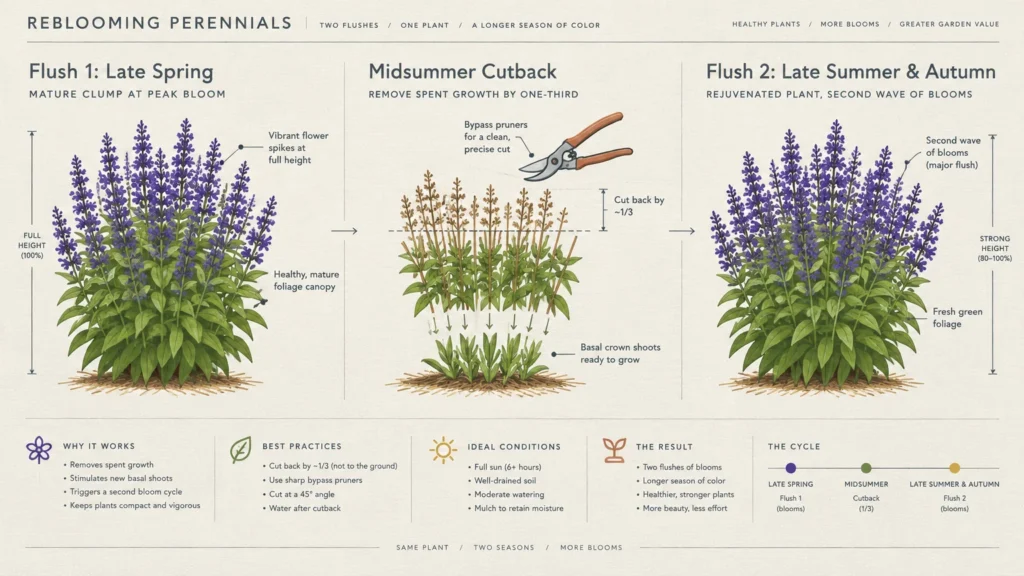
Always sanitize your bypass pruners with rubbing alcohol before trimming stems to prevent transferring pathogens. Clean cuts heal rapidly and stimulate strong, upright shoots.