You can double your garden color without buying extra plants each spring. Planting reblooming perennials gives you vibrant waves of blossoms in early summer and a spectacular second act before frost arrives.
These hardworking repeat blooming flowers maximize your garden beds while saving you money and maintenance time. With the right cutting techniques and reliable moisture, you can keep your landscape flourishing across multiple seasons.
Smart plant choices transform tired flower beds into dynamic, long blooming perennials displays. Explore these dependable garden flowers that naturally produce a breathtaking second flush of vivid blooms.
Tip #1: Reblooming Bearded Iris
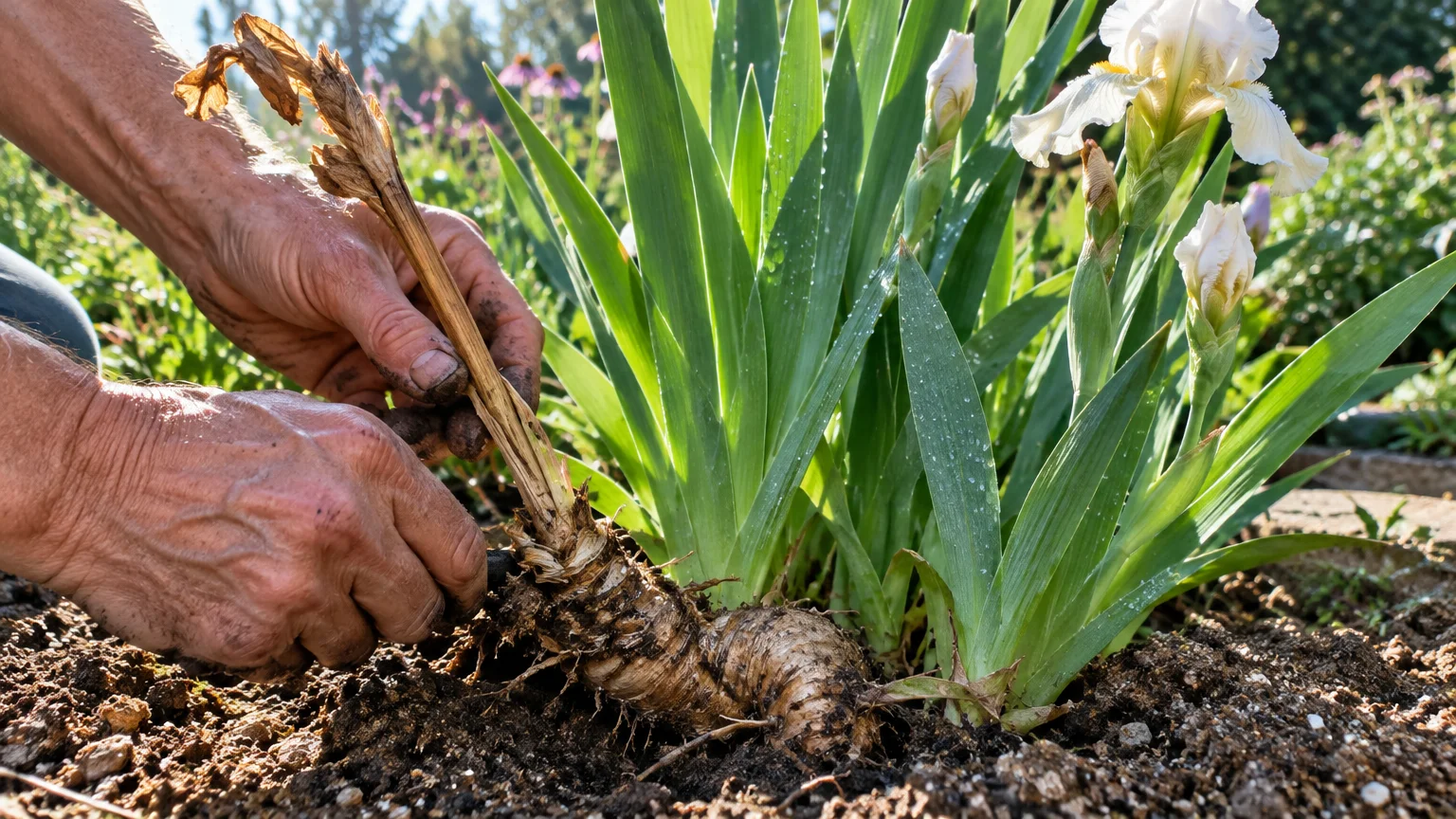
Reblooming bearded irises (Iris germanica) provide classic elegance in late spring and repeat their show in late summer. Cultivars like ‘Immortality’ and ‘Feed Back’ reliably produce two distinct blooming cycles each year.
These cold-hardy perennials that bloom twice store ample energy in thick underground rhizomes. That stored fuel allows them to push up fresh flower stalks after the summer heat breaks.
Snap off spent spring bloom stalks at the base as soon as flowers fade. Avoid cutting the fan of green foliage, which gathers sunlight to recharge the plant.
Water your irises deeply during prolonged summer droughts to stimulate secondary flower buds. Apply a balanced low-nitrogen organic fertilizer in midsummer to support autumn bloom formation.
Plant them in full sun with well-draining soil where rhizomes sit slightly exposed to the air. Proper planting depth prevents rot and guarantees an abundant second floral flush.
Tip #2: Perennial Salvia
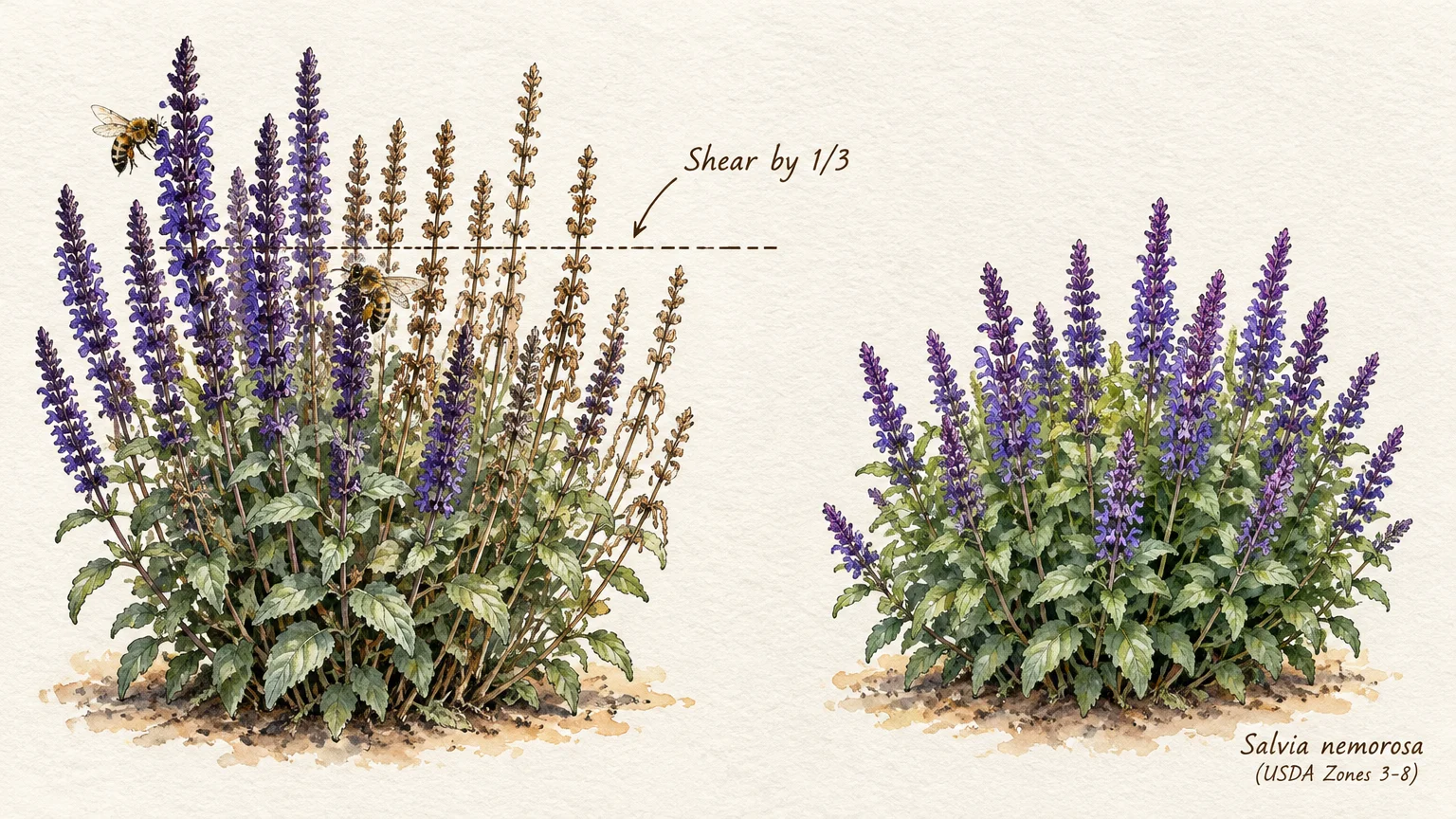
Perennial salvia (Salvia nemorosa) brings striking vertical spires of violet and deep blue to garden beds. Varieties such as ‘May Night’ and ‘Caradonna’ rank among the most dependable reblooming perennials available.
Salvia blooms heavily in late spring, creating dense nectar stations for honeybees and butterflies. Once the main flower spikes fade, the plant pauses before preparing another floral round.
Shear the entire plant down by one-third using clean bypass pruners after the first flush ends. This aggressive cutback removes spent seed heads and stimulates bushy new growth from the crown.
Give the trimmed plants a thorough soaking and a splash of diluted liquid kelp. Within three to four weeks, fresh green foliage emerges, crowned with a vibrant second batch of spikes.
Salvia thrives in dry, sunny locations across USDA hardiness zones 3 through 8. Its aromatic foliage naturally deters deer and rabbits from grazing your colorful summer borders.
Tip #3: Catmint
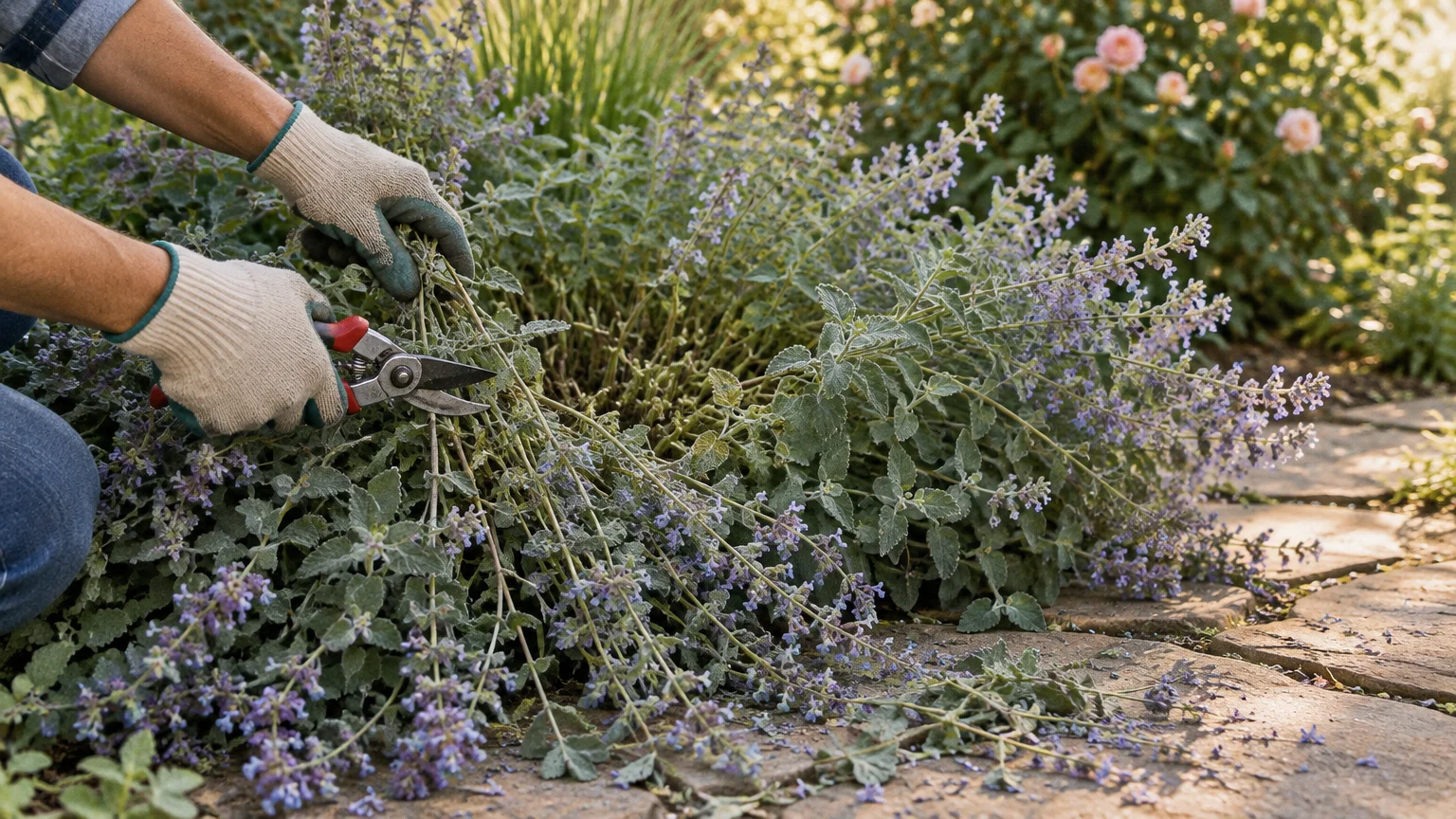
Catmint (Nepeta) blankets borders with aromatic grayish-green foliage and clouds of soft lavender-blue blossoms. Cultivars like ‘Walker’s Low’ and ‘Junior Walker’ deliver continuous color with minimal gardener intervention.
The first bloom explodes in late spring and lasts for up to six weeks. As the summer progresses, stems can flop outward and leave an open, scruffy center.
Cut the entire clump back by half right after the first wave of blossoms subsides. This haircut restores a compact mound shape while triggering fresh stems to form immediately.
Your catmint will respond within weeks by producing a second, equally dense cloud of blossoms until frost. This plant tolerates poor soil, high heat, and intense midsummer drought without complaint.
Plant catmint along pathways where brushing against its foliage releases a pleasant herbal scent. It also pairs wonderfully alongside shrub roses and ornamental grasses in sunny borders.
Tip #4: Reblooming Daylily
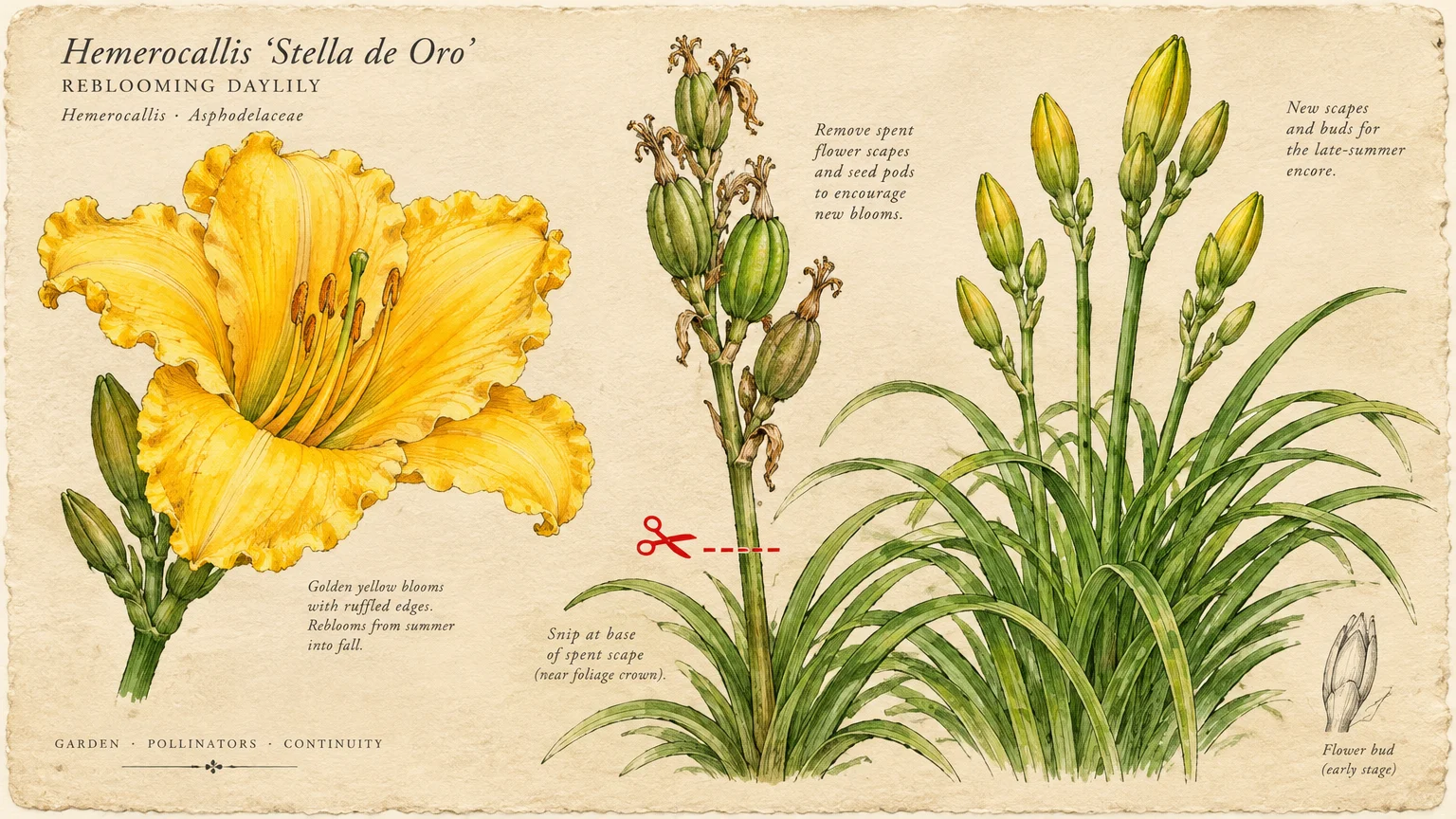
Modern daylilies (Hemerocallis) offer much more than just a single midsummer show. Reblooming daylilies, such as the famous ‘Stella de Oro’ and ‘Happy Returns’, bloom vigorously in spring and late summer.
While individual daylily flowers last just twenty-four hours, mature clumps produce dozens of flower scapes. This staggering bloom habit keeps your landscape filled with warm yellow and gold tones for months.
Snap off developing green seed pods near the base of the scape once blooms drop. Diverting energy away from seed production signals the plant to generate fresh autumn buds.
Clear out yellowing lower foliage by pulling gently downward on individual leaves. This grooming improves airflow through the crown and keeps the plant looking fresh between flowering flushes.
These resilient repeat blooming flowers flourish in USDA zones 3 through 9 under full sunlight. They tolerate heavy clay soils and roadside salt better than almost any other garden perennial.
Tip #5: Delphinium
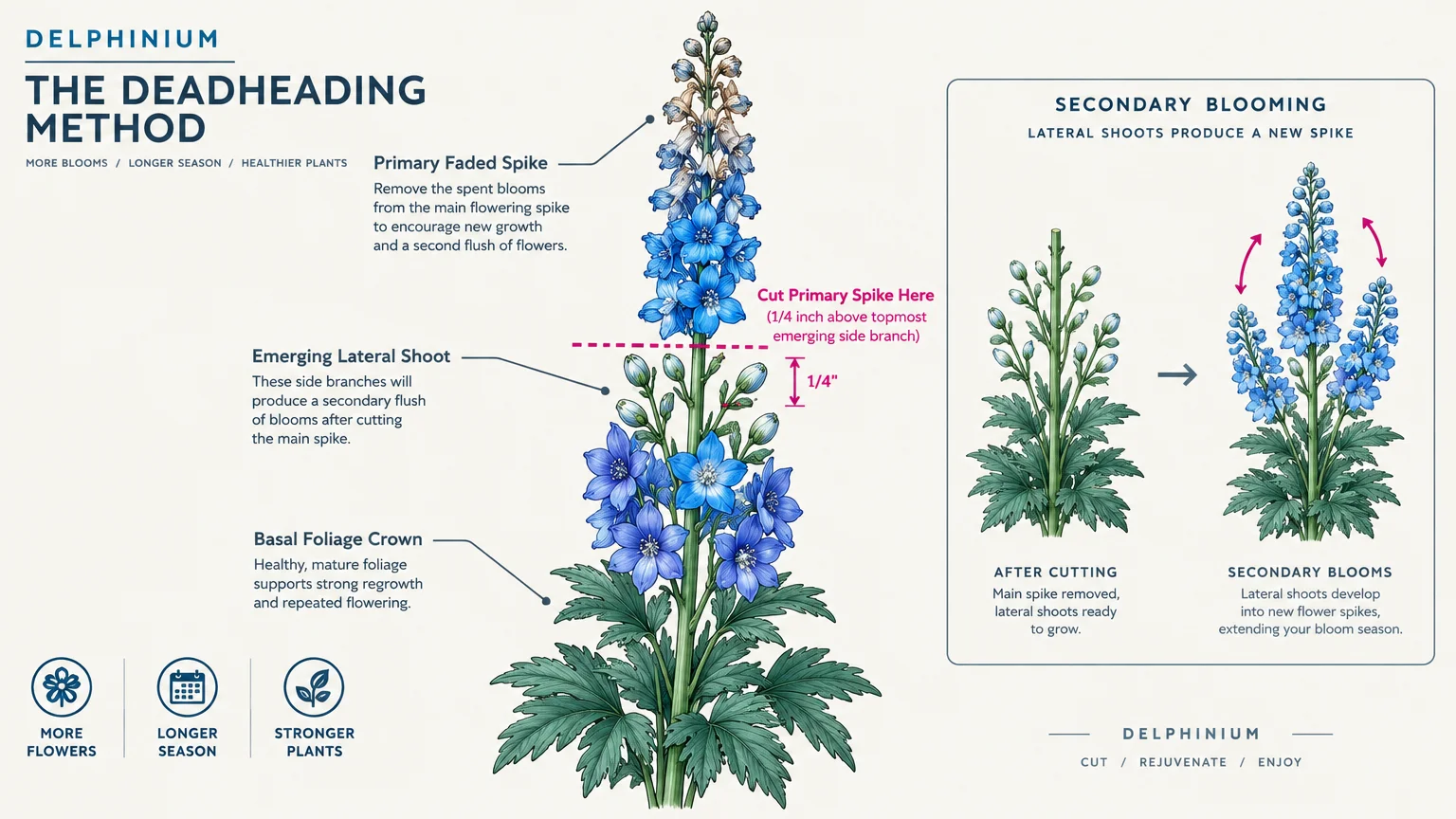
Delphinium (Delphinium elatum) produces majestic, stately flower spires that define classic English cottage borders. Modern hybrid series, including ‘Magic Fountains’ and ‘New Millennium’, naturally produce a second autumn floral display.
Delphiniums send up tall, rich blue or purple towers in early summer before warm weather peaks. Once summer heat intensifies, the primary flower spires finish blooming and set seeds.
Cut fading flower stalks down to the basal foliage as soon as the last blossoms drop. Then, apply a high-potassium organic fertilizer around the root perimeter to stimulate new basal growth.
Keep the soil consistently moist around the root zone without letting the crown become waterlogged. Cool late-summer nights will cue the root system to shoot up a second batch of stately spires.
Stake delphiniums early in their growth cycle to prevent strong autumn winds from snapping tender stems. Delphiniums prefer rich, compost-amended soil and sheltered sunny locations with cool root runs.
Tip #6: Coneflower
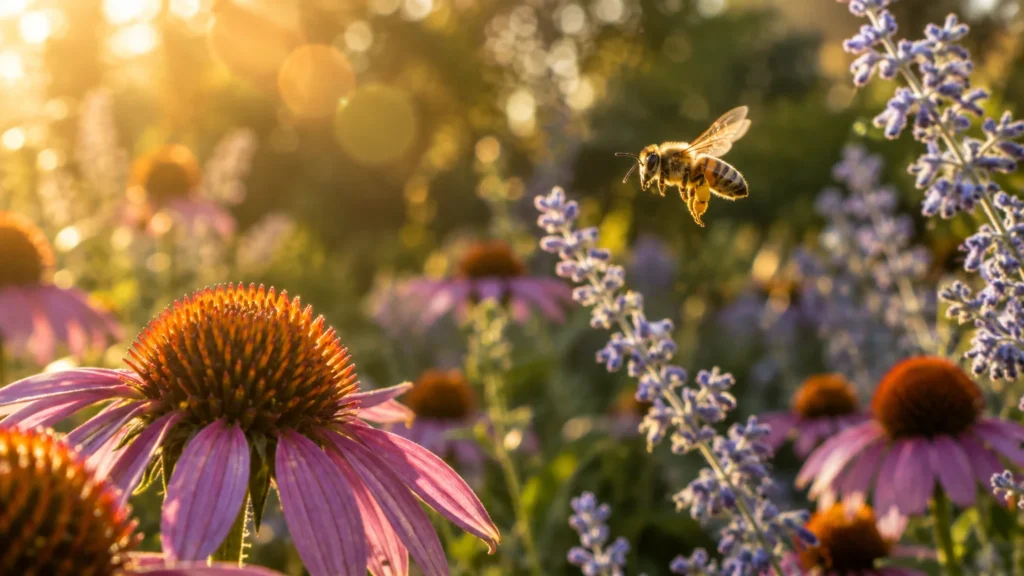
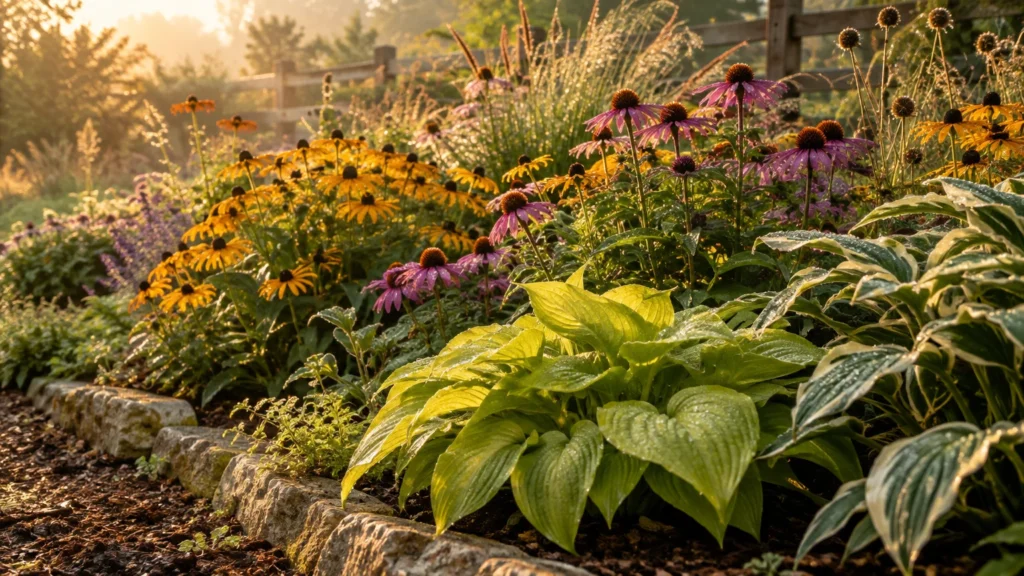
Coneflowers (Echinacea purpurea) stand out as native powerhouses in modern drought-tolerant perennial borders. These long blooming perennials offer daisy-like petals surrounding prickly, cone-shaped centers that attract goldfinches and swallowtail butterflies.
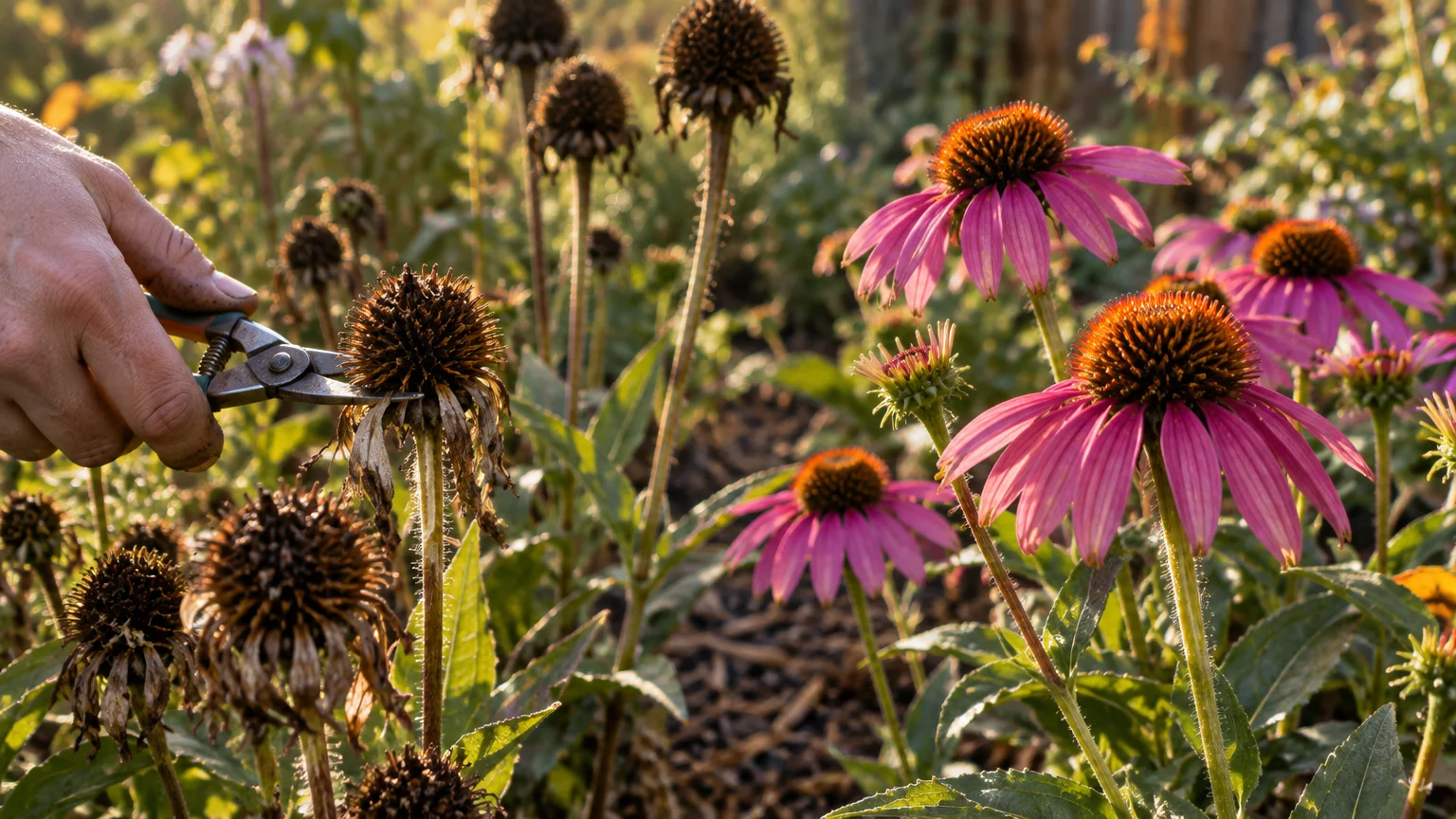
The first bloom sequence launches in early summer and maintains its rich colors for several weeks. Left alone, the central cones develop seeds, which naturally halts additional flower production.
Prune spent flower heads back to the highest leaf junction where new buds are forming. This targeted deadheading redirects the plant’s resources into lateral shoots that yield a vibrant late-summer encore.
In early autumn, leave the final flush of cones in place rather than trimming them away. Birds will feast on the ripe seeds during late autumn and early winter months.
Coneflowers thrive in poor to average garden soils and resist high heat and drought with ease. They reward gardeners across USDA zones 3 to 9 with exceptional durability and reliable repeat color.
Tip #7: Blanket Flower
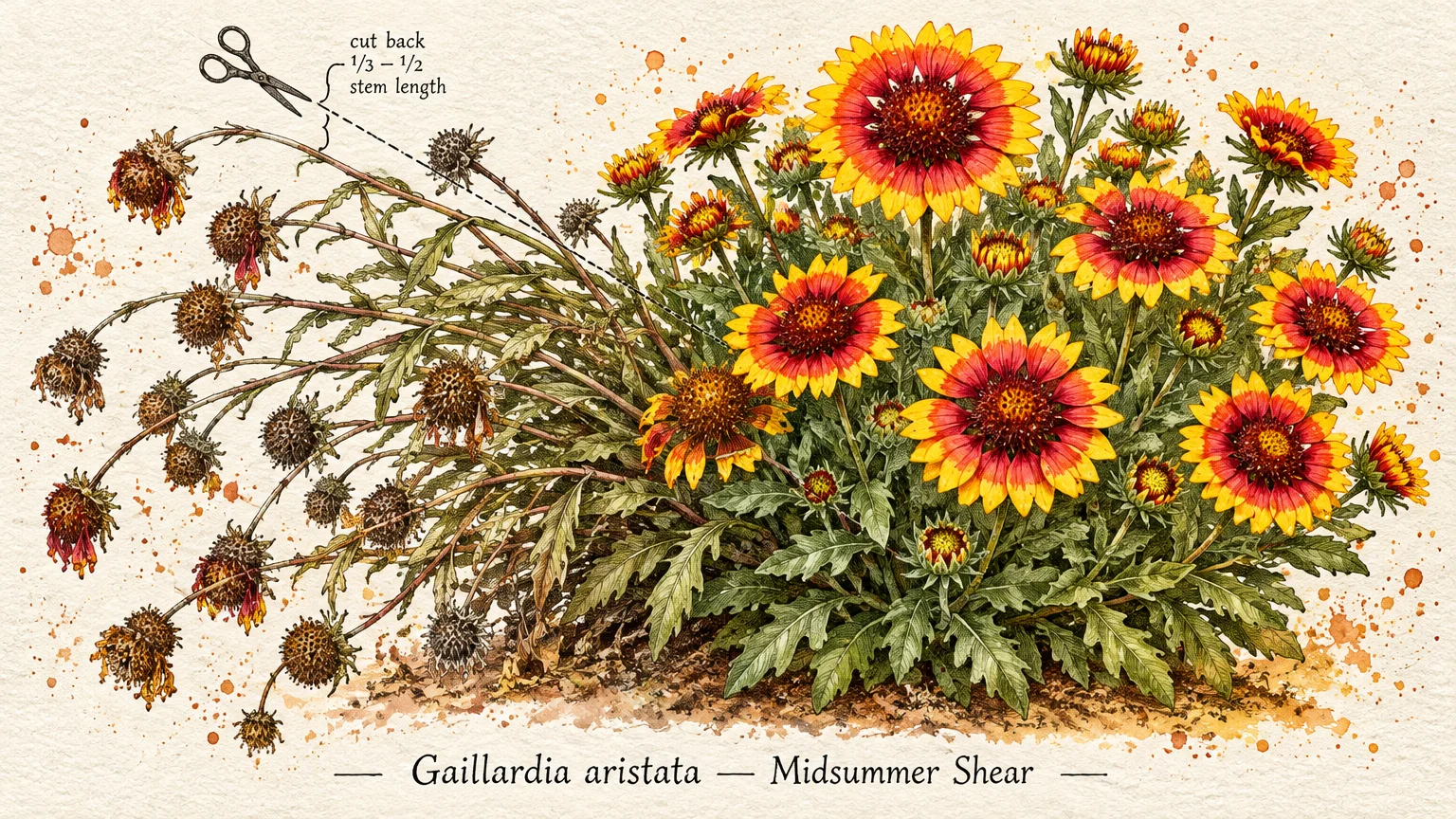
Blanket flower (Gaillardia x grandiflora) delivers sizzling bi-color patterns of ruby red, orange, and sunny yellow. This hardy sun-lover excels as one of the most productive perennials that bloom twice in tough environments.
Blanket flowers begin their colorful display in late spring and can continue blooming without pause through summer. However, forming heavy seed clusters can exhaust the plant and shorten its overall garden lifespan.
Shear back the plant by roughly one-third in midsummer when the initial blossoms begin to look weathered. This simple maintenance task encourages fresh vegetative stems and triggers a prolific second flush before frost.
Avoid overwatering or heavily fertilizing blanket flowers, as rich soils cause them to become weak and floppy. Lean, sandy soils allow these tough garden flowers to build sturdier root systems and bloom profusely.
Place blanket flowers in full sunlight to ensure maximum petal saturation and continuous bloom initiation. Their compact size makes them ideal choices for edging sunny borders, rock gardens, and patio containers.
Tip #8: Cranesbill Geranium
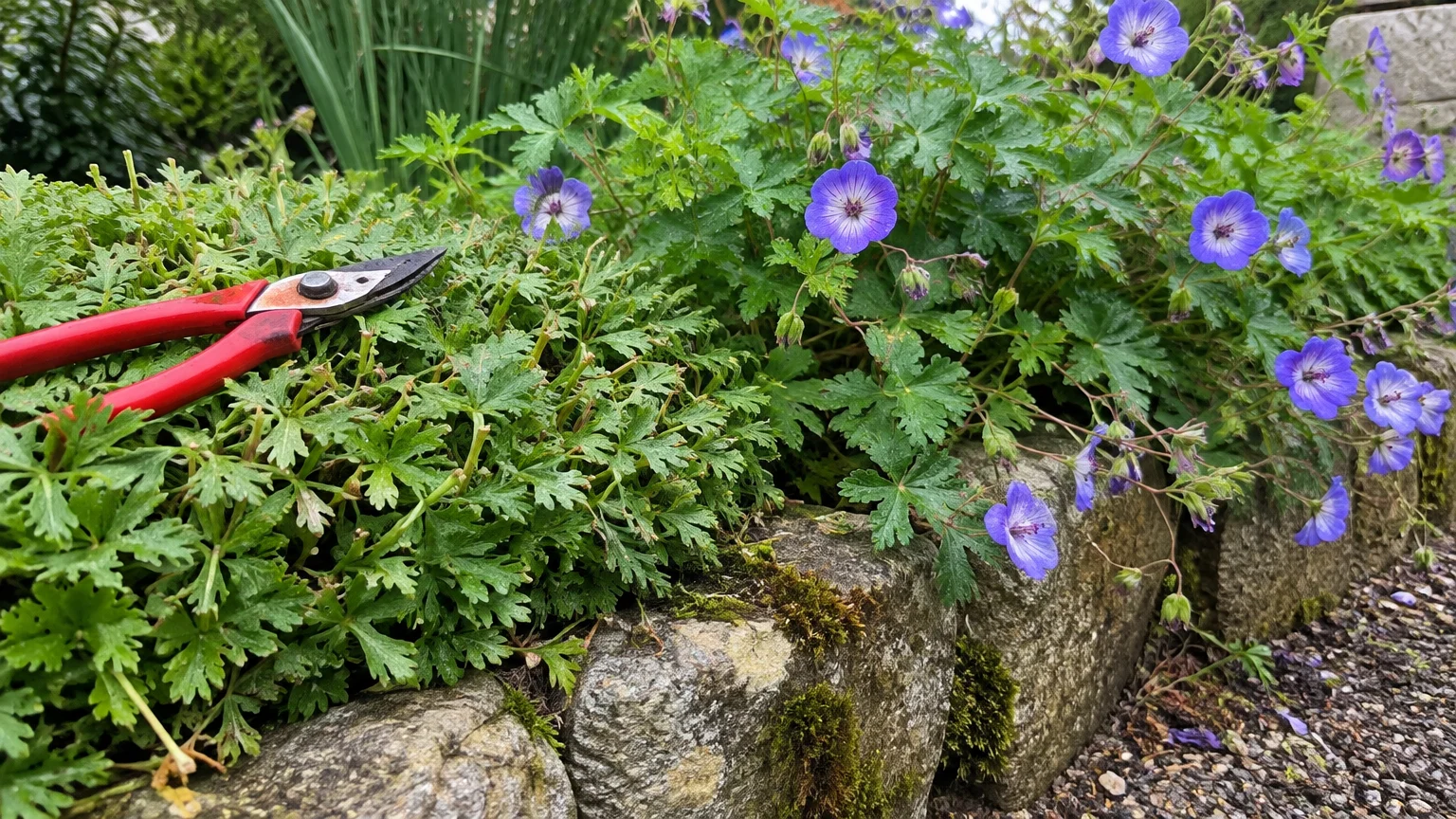
Cranesbill geraniums (Geranium species) form dense ground covers blanketed with delicate, saucer-shaped blossoms. Cultivars like ‘Rozanne’ and ‘Johnson’s Blue’ provide gardeners with spectacular spring flowers followed by an autumn repeat.
The initial flush covers the plant in soft blue, violet, or magenta petals in late spring. By midsummer, creeping stems often become untidy, leggy, and sparse in their floral output.
Shear the entire plant back to within two inches of the ground using garden shears. While this drastic haircut might seem severe, it stimulates rapid regeneration of lush, compact foliage within days.
Water thoroughly after cutting back and add a thin top-dressing of organic compost around the roots. Within weeks, fresh green leaves and a profusion of secondary flowers will carpet your garden bed.
Cranesbill thrives in USDA zones 4 through 8 in either full sun or partial shade. Their low-growing foliage effectively suppresses garden weeds while providing seamless transitions between taller perennial plantings.
Tip #9: Spiked Speedwell
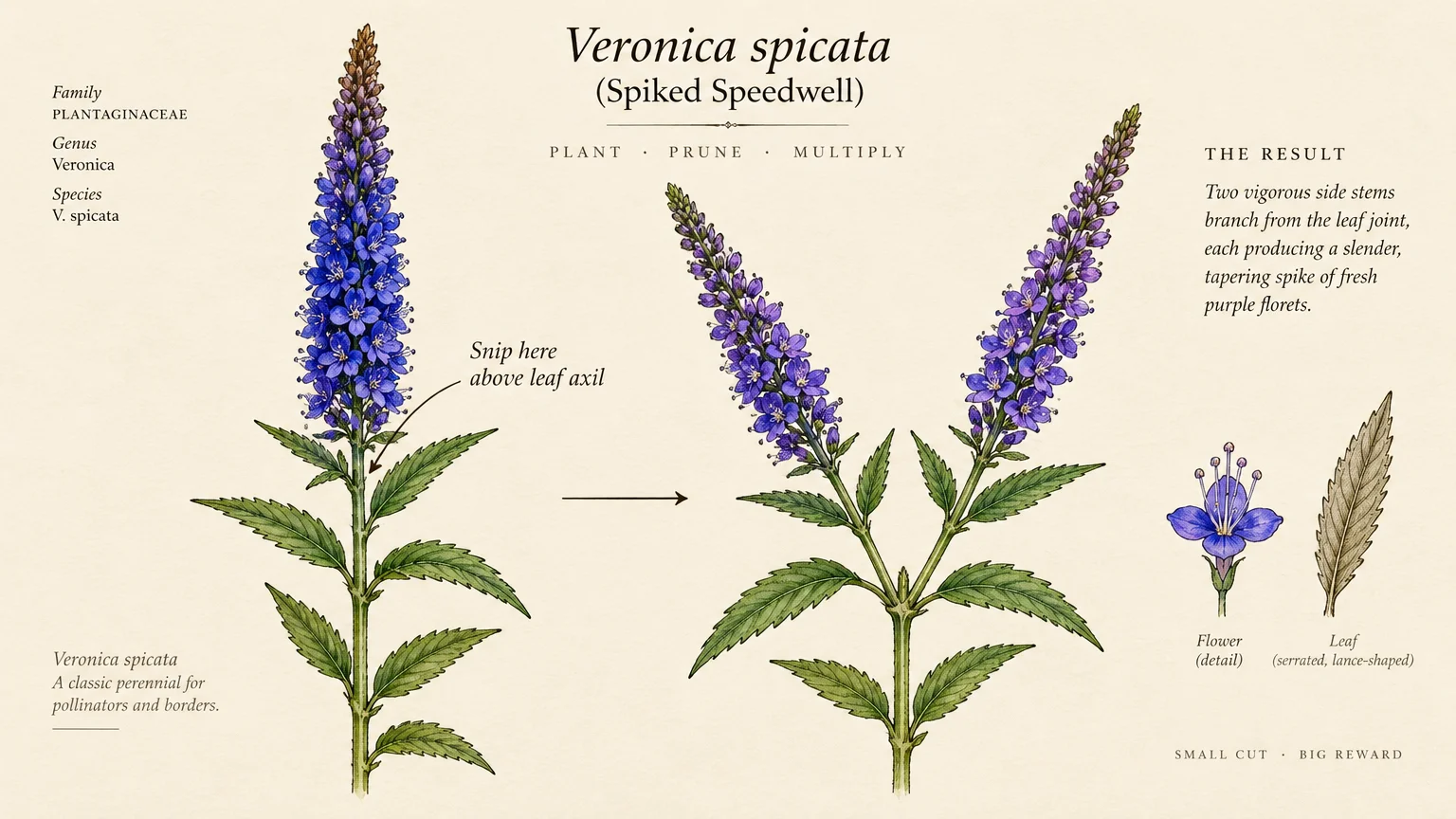
Spiked speedwell (Veronica spicata) displays slender, tapered flower spikes in dazzling shades of cobalt blue, rose, and white. Popular varieties like ‘Royal Candles’ and ‘Red Fox’ add striking vertical texture to mixed garden borders.
Speedwell opens its first vibrant spikes in early summer, drawing pollinator attention across your landscape. When the lower flowers on the spike turn brown, the plant begins directing energy toward seed development.
Snip off individual spent spikes right down to the junction of the lateral leaf buds. This targeted deadheading spurs the growth of smaller secondary spikes along the sides of each stem.
For larger planting drifts, shear the upper stems back by half to save gardening time. Keep the surrounding soil evenly moist and apply a light organic mulch to keep root temperatures cool.
Speedwell handles cold climates effortlessly, flourishing from USDA zone 3 through zone 8 in full sunlight. Its tight growth habit and upright form create perfect partners for spreading roses and daylilies.
Tip #10: Fringed Bleeding Heart
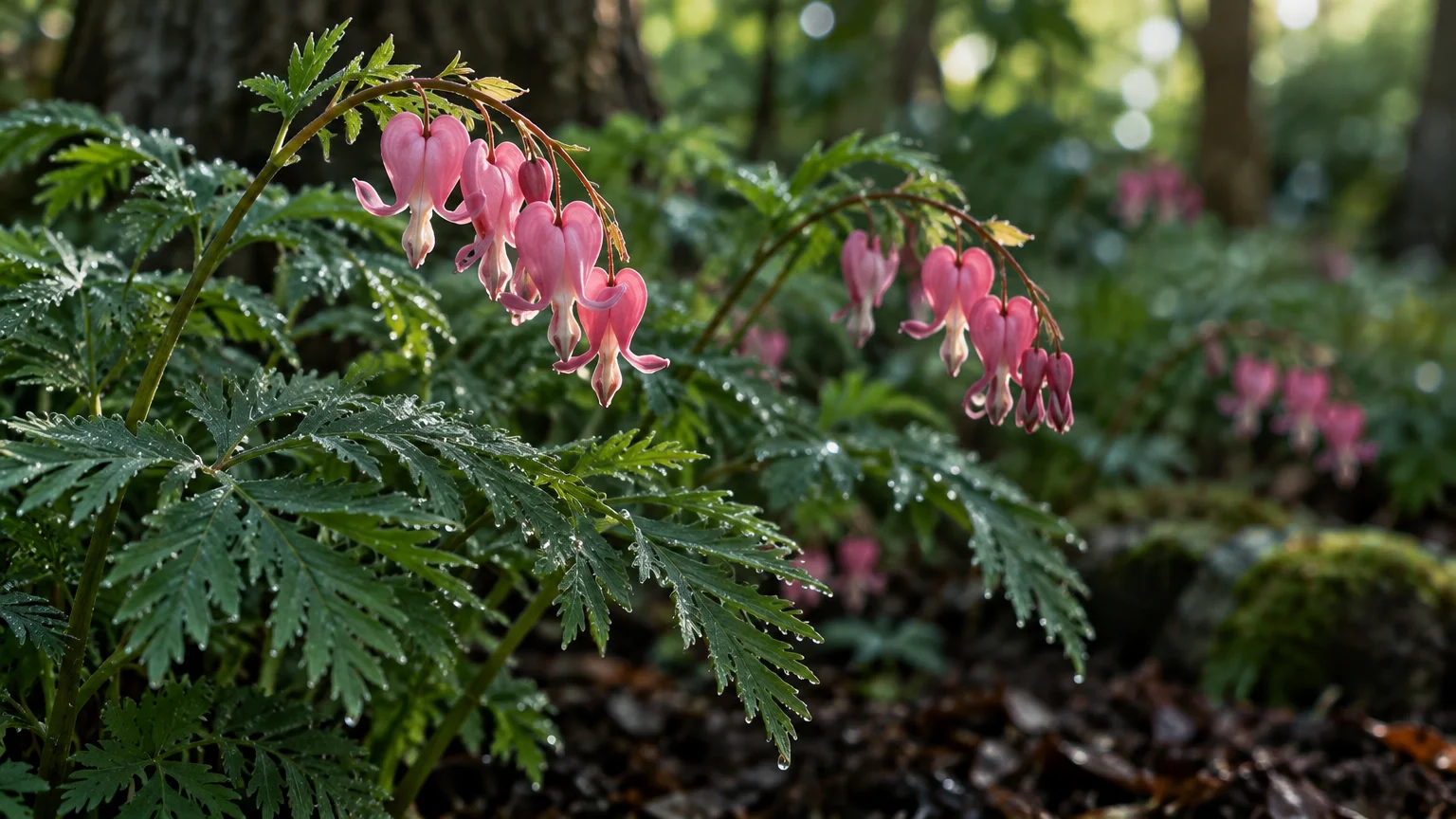
Unlike common old-fashioned bleeding hearts that vanish by July, fringed bleeding heart (Dicentra eximia) blooms repeatedly. This eastern North American native produces delicate pink or white heart-shaped flowers dangling above ferny foliage.
Fringed bleeding heart produces its primary bloom surge from mid-spring into early summer before summer heat peaks. When high summer temperatures arrive, the plant pauses active flowering while maintaining healthy, lush foliage.
Trim away fading flower scapes at their base once blossoms fade to prevent energy-draining seed production. Provide regular irrigation during hot weeks to keep the delicate, feathery leaves from turning brown.
As temperatures moderate in late summer, your bleeding heart will send up a fresh flush of blooms. These charming late-season flowers often persist until the first hard autumn frost strikes your garden.
Plant fringed bleeding hearts in partial shade with rich, humus-rich soil that drains excess moisture well. They excel under tree canopies and woodland pathways where harsher sun cannot scorch their leaves.
Tip #11: Garden Phlox
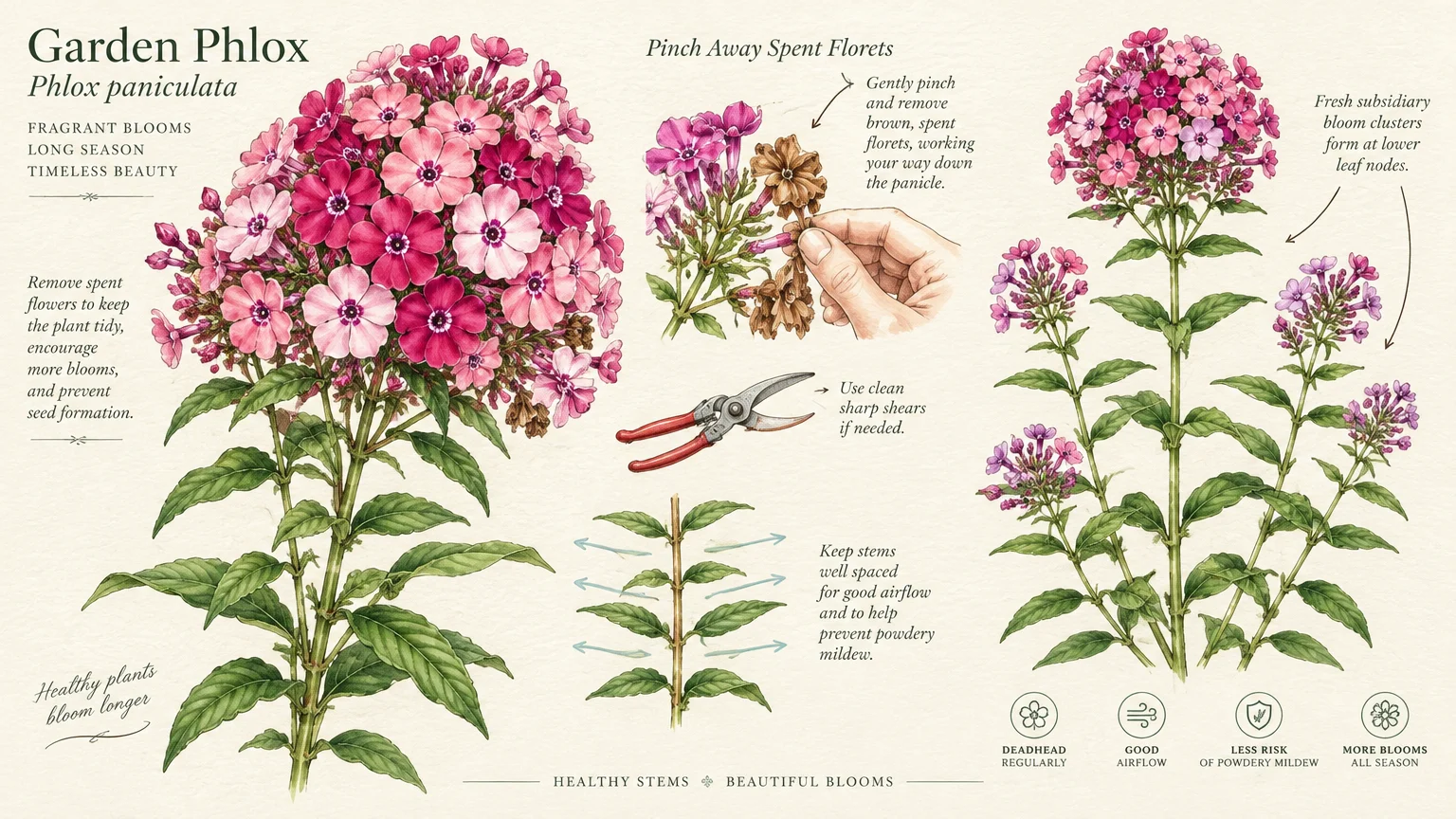
Tall garden phlox (Phlox paniculata) fills mid-to-late summer landscapes with sweet fragrance and massive, rounded flower panicles. Modern cultivars, such as ‘Jeana’ and the ‘Flame’ series, offer superb mildew resistance alongside repeat blooming habits.
The main terminal flower clusters produce spectacular color displays in midsummer that attract hummingbirds from all around. Once those primary heads fade, the plant prepares to direct its energy into seed capsules.
Snip off the central spent flower head just above the highest pair of leaf nodes. Removing this top flower cluster encourages secondary side shoots to develop, producing an autumn flush of smaller panicles.
Space phlox plants generously to promote good airflow and avoid wetting the leaves when watering the roots. Drip irrigation or soaker hoses protect the foliage while providing the deep hydration phlox plants crave.
Phlox thrives in USDA hardiness zones 4 through 8 when grown in fertile, evenly moist garden soil. Their sweet nectar and late-season flowers provide vital food resources for migratory butterflies heading south.
Putting It All Together: Enjoy Your Beautiful Garden
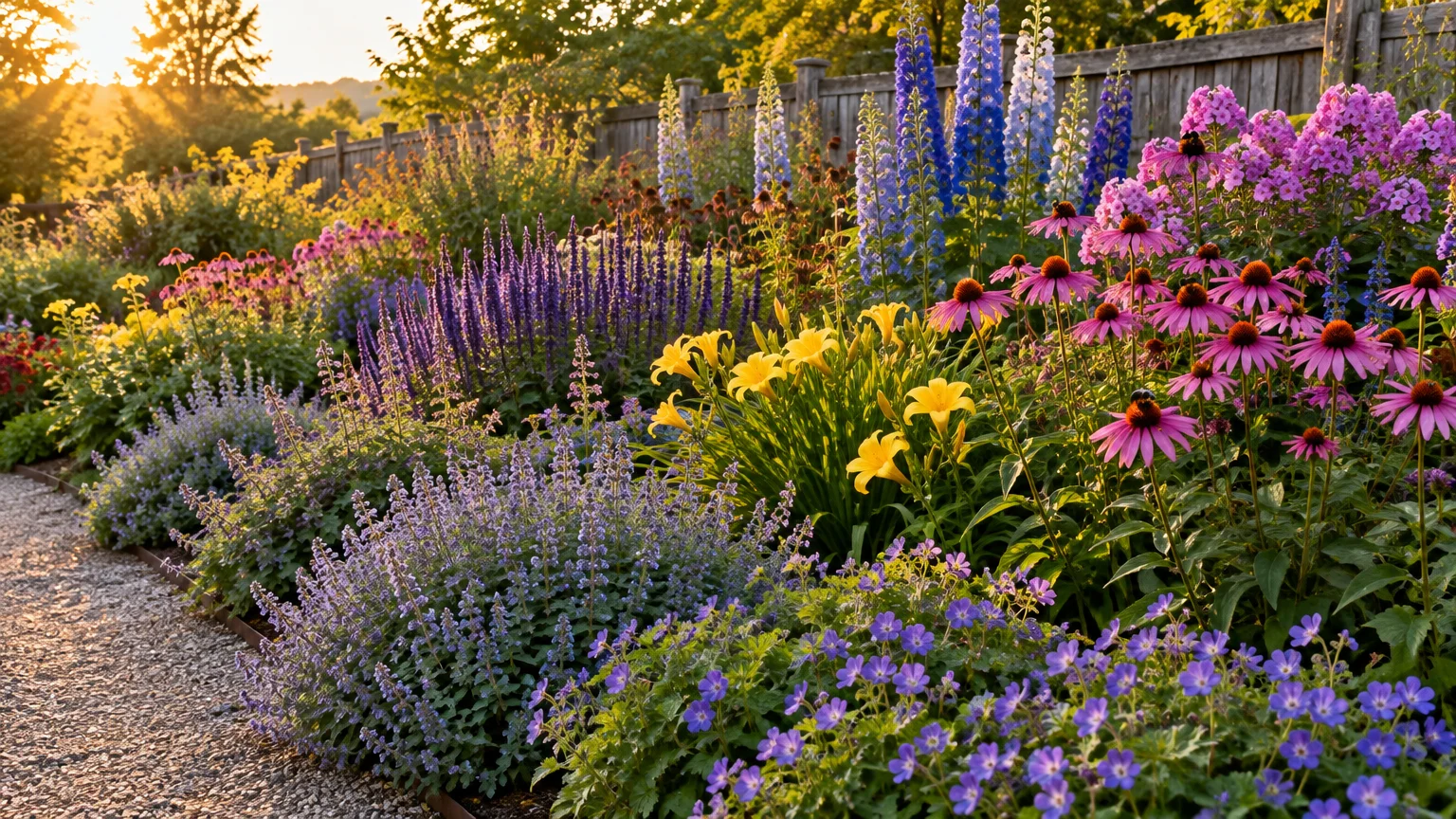
Planting perennials that bloom twice brings continuous color and structural rhythm to your outdoor spaces. By selecting the right varieties, you effortlessly double your seasonal blossoms without expanding your planting beds.
Remember that timing your deadheading and pruning makes all the difference for repeat blooms. Shearing spent stems promptly tells the plant to divert its energy into new bud formation.
Consistent moisture and moderate soil nutrition give your perennials the fuel they need for a strong autumn comeback. Healthy roots support vibrant secondary flowers year after year.
Start with two or three repeat blooming flowers this season to discover how easy double-blooming gardens can be. Your borders will burst with vibrant shades from early spring straight through the first autumn freeze.
For region-specific advice, consult your local University Extension program (find yours via the USDA directory). For plant databases and inspiration, visit the Missouri Botanical Garden or the Royal Horticultural Society.
Frequently Asked Questions
Why do some perennials bloom twice while others only flower once?
Reblooming perennials possess unique genetics that allow them to initiate flower buds under multiple photoperiods or temperature cycles. Unlike single-season bloomers, these varieties do not shut down flower production after setting their initial buds.
Proper maintenance also plays a critical role in encouraging this genetic potential. Removing developing seed heads signals the plant to produce a second flush of blossoms before winter arrives.
Do I have to fertilize perennials to make them bloom a second time?
Light feeding helps rebloomers, but heavy fertilization often causes excessive foliage growth at the expense of flowers. A side-dressing of organic compost or a balanced low-nitrogen organic fertilizer in midsummer works best.
High nitrogen fertilizers should be avoided during midsummer because they stimulate weak, sappy vegetative stems. Focus instead on adequate potassium, phosphorus, and consistent moisture to fuel budding.
How late in the season will reblooming perennials produce flowers?
Most reblooming garden flowers continue their second floral wave until the first hard autumn frost occurs. In mild climates, varieties like catmint and coneflower can even bloom well into November.
Track your region’s average first frost date to gauge how long your autumn show will last. Cooler autumn temperatures often intensify the color saturation of the second flower flush.
Does deadheading harm the plant if I do it too early?
Deadheading will not harm healthy plants; in fact, removing faded flowers conserves valuable plant energy. Simply ensure you trim only the spent blooms and avoid cutting away healthy green foliage.
Green leaves are essential because they generate energy through photosynthesis to feed the crown and root system. Preserving foliage ensures robust root reserves for the upcoming winter dormancy.
Disclaimer: This article provides general gardening advice. Always consider your specific climate, soil conditions, and local pests; follow safety guidelines when using gardening tools and products.