Transform your backyard into a buzzing haven by filling your beds with high-yield nectar sources. Planting the right flowers keeps bumblebees and honeybees thriving from early spring thaw until the autumn frost.
Consistent blooms supply foraging insects with protein-rich pollen and carbohydrate-heavy nectar through seasonal droughts and temperature swings. You will cultivate a healthier harvest in your vegetable patch while preserving local biodiversity.
These twelve dependable plants establish easily, resist common pests, and generate continuous color. Introduce them to your landscape to create an active, resilient oasis for pollinators.
Tip #1: Purple Coneflower (Echinacea purpurea)
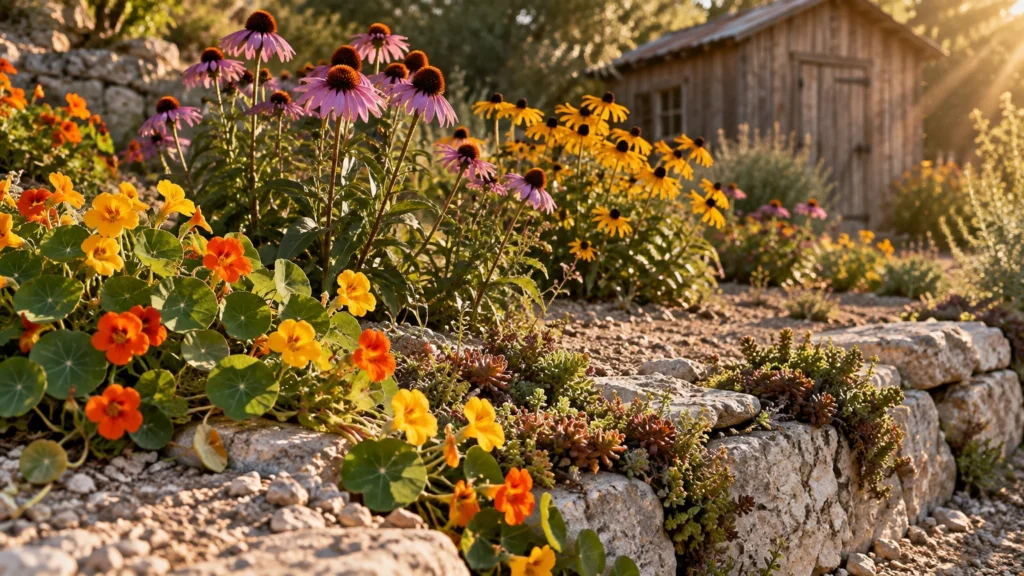
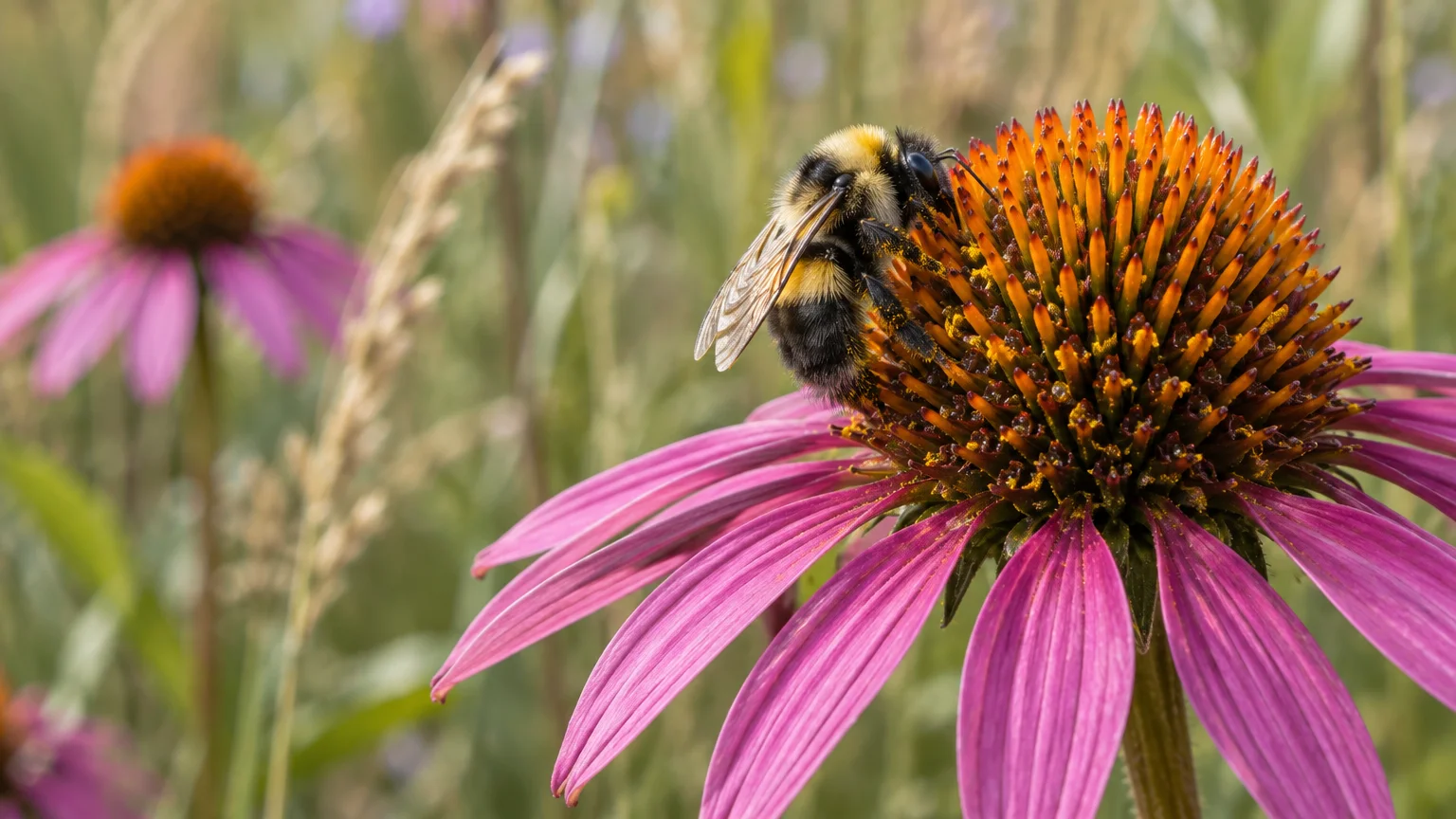
Purple coneflower stands tall with prominent central cones and vibrant magenta petals that brighten your landscape. This hardy perennial blooms from mid-summer until autumn frost, providing an enduring anchor for borders.
Bees flock to the spiky central disks, which pack hundreds of tiny, nectar-rich florets into a single flower head. Bumblebees and leafcutter bees easily cling to the sturdy petals while harvesting heavy loads of golden pollen.
Plant purple coneflower in full sun and well-draining soil to ensure robust stems and vigorous root development. The plant tolerates summer drought with ease once its taproot anchors deeply into the ground.
Pair coneflowers with ornamental grasses or black-eyed Susans to create a resilient, prairie-style meadow. This companion planting strategy provides sheltered foraging pathways that protect smaller bee species from wind gusts.
Leave the dried seed heads intact as winter approaches to sustain local goldfinches and shelter native ground bees. Prune the remaining foliage back to the crown during late winter before fresh spring growth begins.
Tip #2: Russian Sage (Salvia yangii)
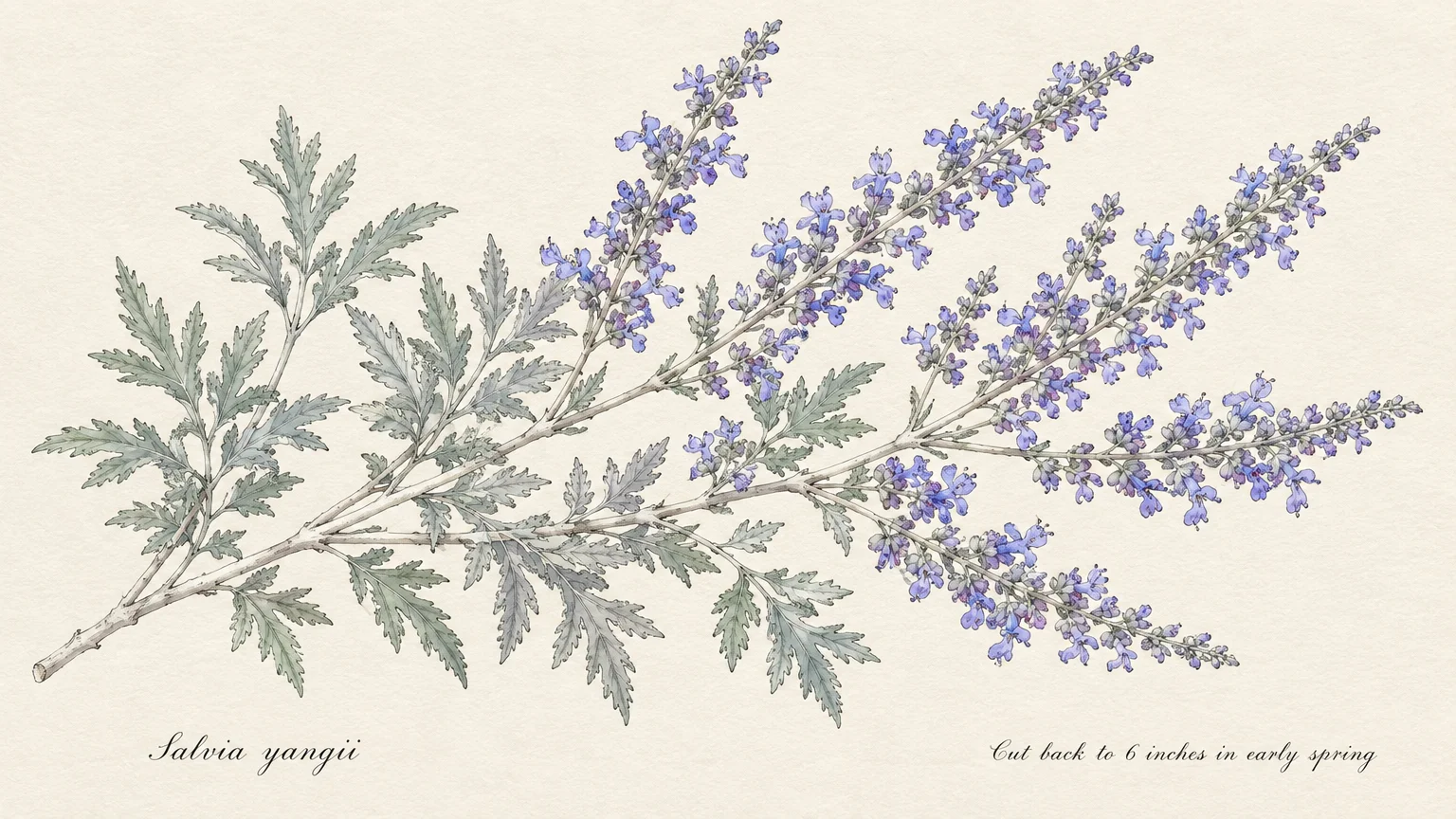
Russian sage displays airy clouds of lavender-blue blossoms atop aromatic, silvery foliage from early summer through mid-autumn. Its sprawling, upright habit introduces striking texture and cool color to sunny perennial borders.
Honeybees and sweat bees swarm these small tubular florets because they continuously produce sugar-rich nectar throughout hot afternoons. The fragrant foliage also repels foraging deer and rabbits, protecting the floral resources for visiting pollinators.
Site this woody perennial in lean, dry soil where it receives at least six hours of direct sunlight daily. Rich or overly damp soils cause the stems to flop, diminishing floral output.
Plant Russian sage along sunny gravel paths or stone walls where radiated warmth boosts blossom production. The drought-resistant roots thrive alongside other Mediterranean herbs without competing for water.
Cut the woody stems down to six inches above the soil line in early spring. This annual pruning prompts vigorous new branches that produce abundant blooms throughout the entire growing season.
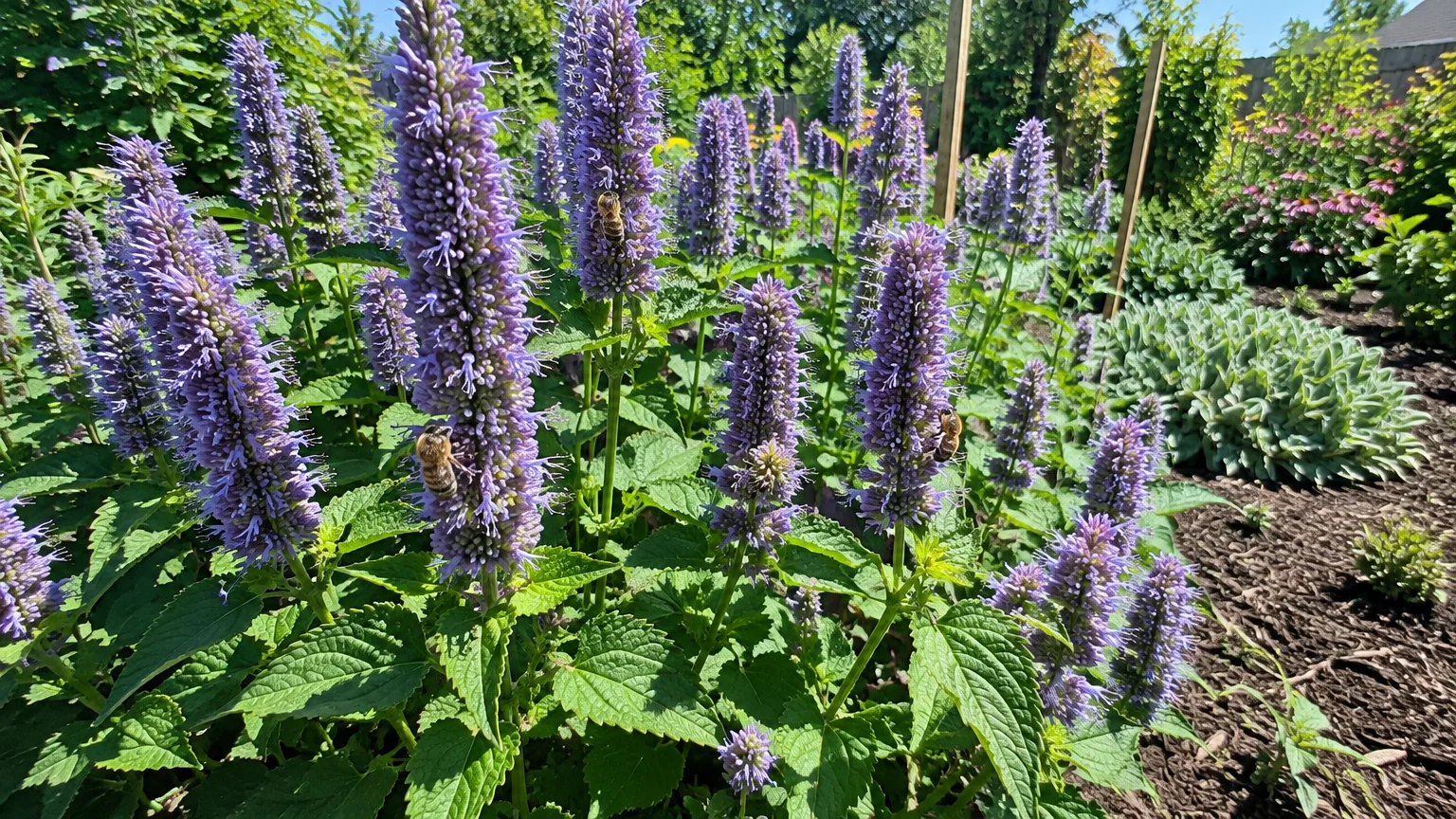
Tip #3: Anise Hyssop (Agastache foeniculum)
Anise hyssop produces dense, upright spikes of soft violet blossoms alongside licorice-scented leaves from June until October. It ranks among the most productive pollinator garden plants you can cultivate in temperate regions.
The botanical genus name translates to much abundance, referencing the remarkable density of flowers per spike. Bumblebees, digger bees, and honeybees cover the plants all day, collecting high-potency nectar.
Choose an open spot with fertile, loamy soil that drains moisture efficiently during winter thaws. Space individual plants two feet apart to encourage airflow and prevent fungal powdery mildew on the foliage.
Group these upright spires in the middle of your garden borders behind lower-growing mounding perennials. The aromatic leaves release a pleasant scent whenever you brush past them during routine garden maintenance.
Snip fading flower spikes to promote secondary shoots that extend the blooming period into late fall. This simple shearing preserves tidy borders while feeding pollinators during lean autumn weeks.
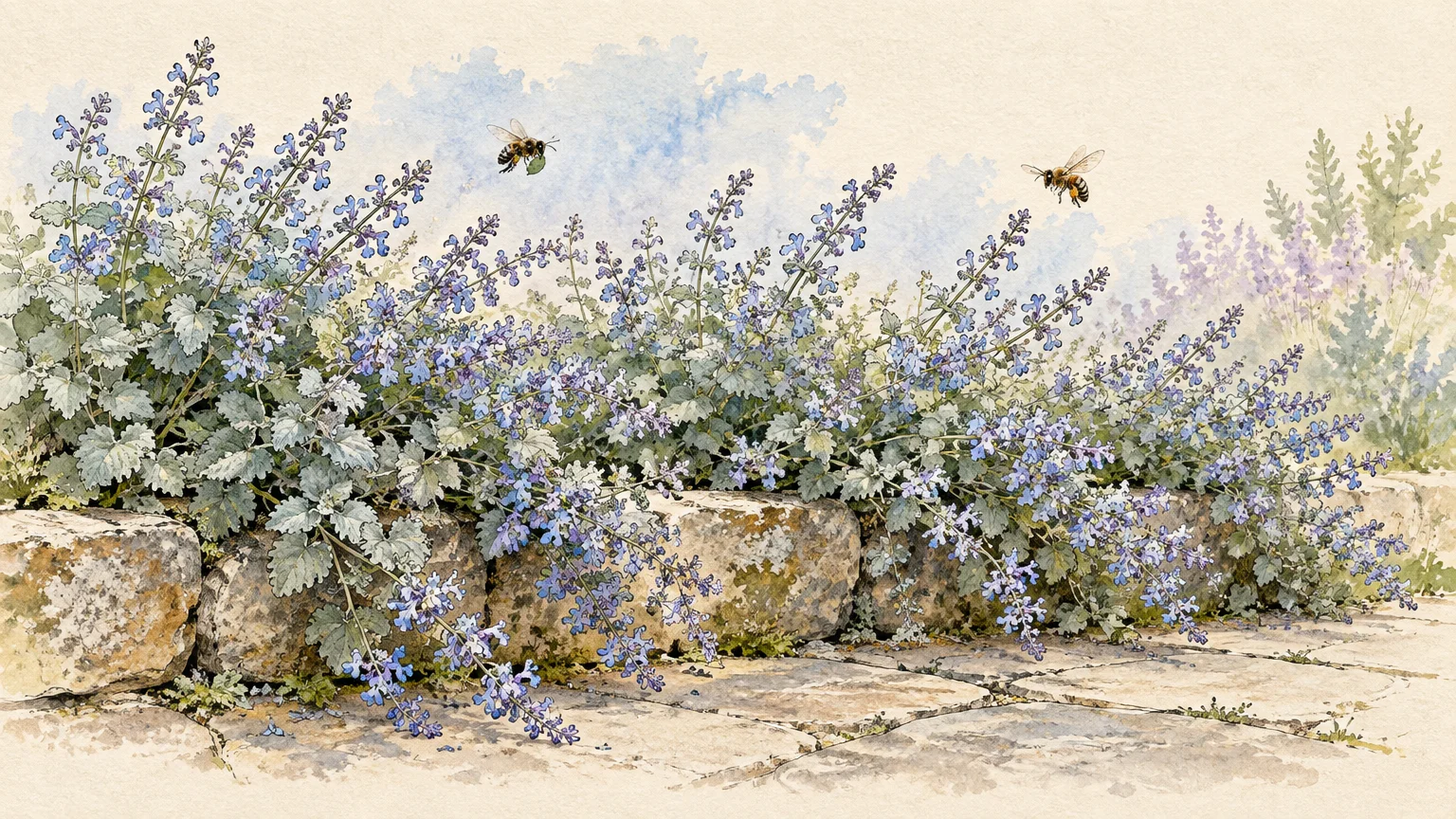
Tip #4: Catmint (Nepeta faassenii)
Catmint creates low mounds of grayish-green foliage smothered in lavender flowers from mid-spring straight through autumn. Varieties like ‘Walker’s Low’ provide continuous color along walkway borders and stone retaining walls.
The open, two-lipped blossoms welcome both short-tongued honeybees and long-tongued bumblebees seeking reliable nectar supplies. Because catmint blooms early, it sustains emerging queen bees when other garden perennials remain dormant.
Install catmint in full sun or light afternoon shade, using average soil with moderate drainage. Water newly transplanted specimens regularly until established; thereafter, catmint survives prolonged heat and dry spells.
Use catmint as a soft edging plant beneath upright shrub roses to deter common garden pests. The billowy foliage softens hard landscape edges while creating continuous forage zones along garden perimeters.
Shear the entire clump back by half after the initial flush of flowers fades in early summer. This swift trimming prompts a fresh surge of emerald leaves and a second round of bee friendly flowers.
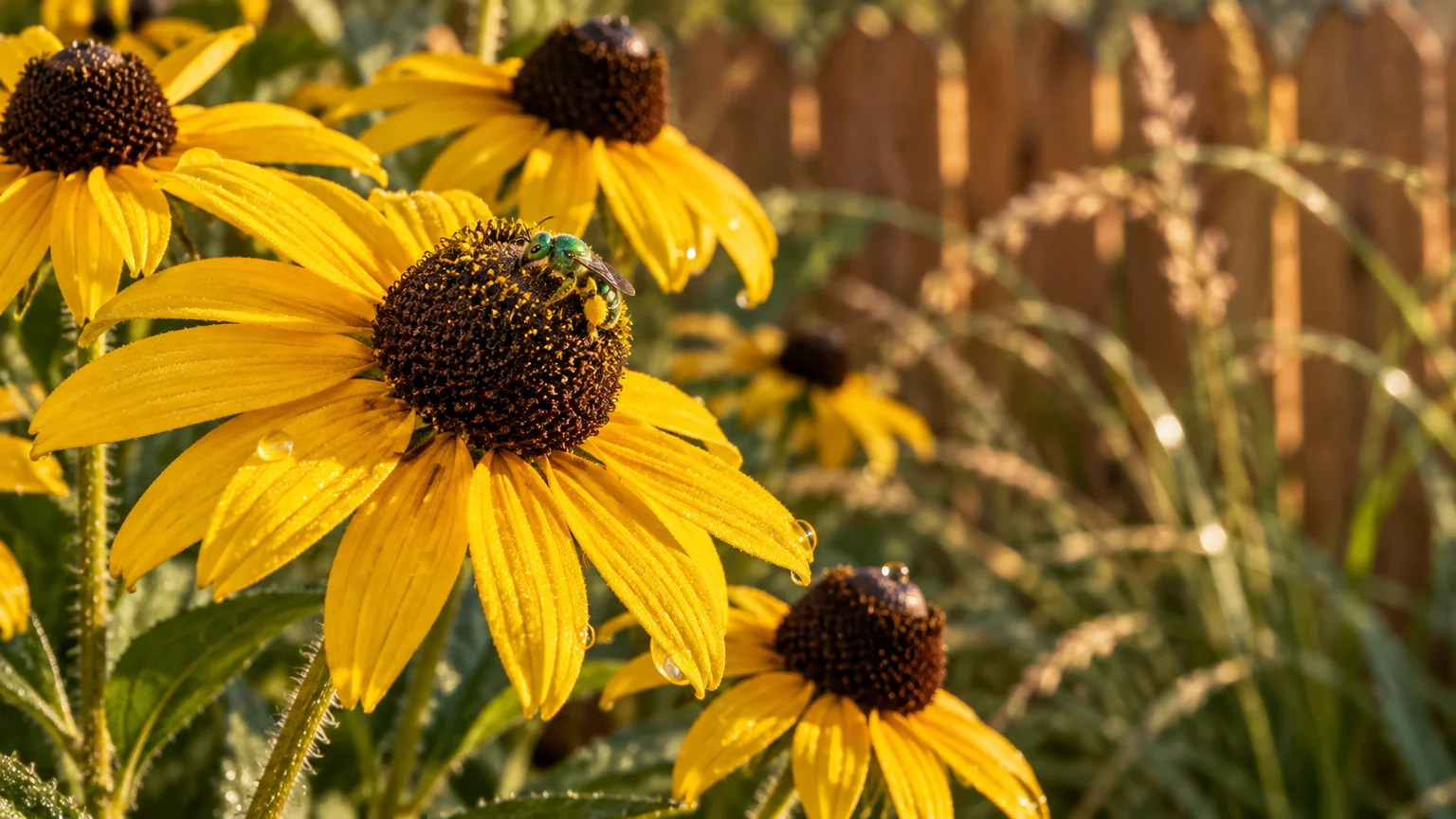
Tip #5: Black-Eyed Susan (Rudbeckia fulgida)
Black-eyed Susan features sunny golden rays around dark brown button centers, brightening your garden borders from July through October. These cheerful native perennials spread reliably to create dense, vibrant drifts across open ground.
The wide composite flower heads act as convenient landing pads for various native solitary bees and hoverflies. Each dark disk holds abundant pollen grains that female bees collect to provision their underground brood cells.
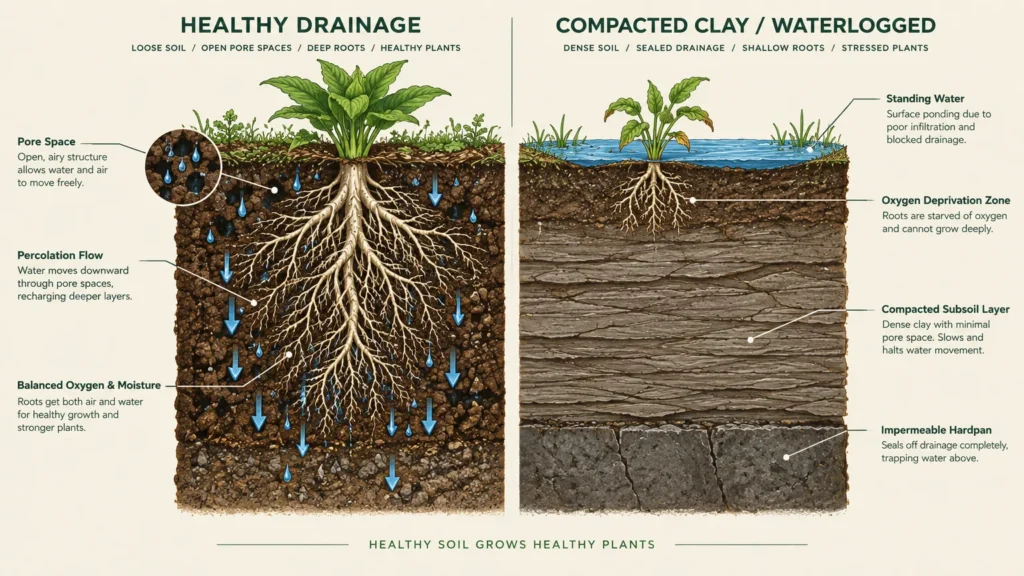
Plant your black-eyed Susans in moderately fertile soil under full sunlight for maximum bloom volume. They adapt well to heavier clay soils, provided the ground does not stay waterlogged during chilly winters.
Combine them with deep purple asters and blue salvias to craft a stunning autumn color contrast. Bees easily identify these contrasting hues from a distance, drawing them directly to your flower beds.
Divide mature clumps every three to four years in early spring to sustain vigor and prevent center dieback. Spreading the divisions around your yard multiplies nectar sources across your neighborhood landscape.
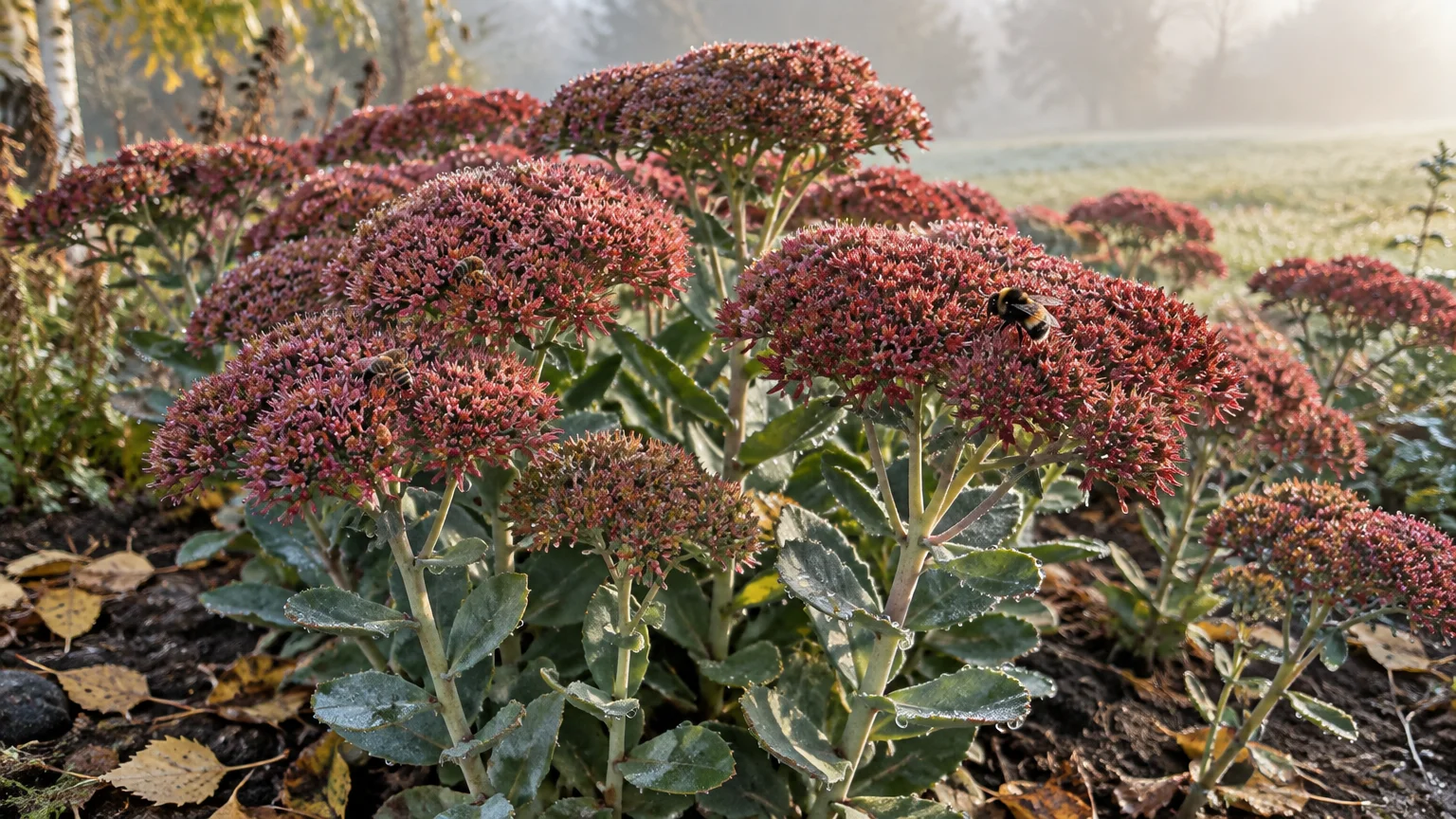
Tip #6: Autumn Joy Sedum (Hylotelephium spectabile)
Autumn Joy sedum forms sturdy mounds of succulent green foliage that culminate in broad, broccoli-like flower heads. The pale pink florets deepen into rich rust-red tones from late August until hard freezing temperatures arrive.
When summer blooms vanish, this succulent becomes a vital emergency nectar station for winter-bound bees. Hundreds of workers often blanket a single flower head on warm September afternoons to build winter honey reserves.
Position your sedums in full sun and fast-draining, gravelly soil to maintain strong, upright stems. Excess moisture or heavy fertilizer weakens the succulent stems, causing the heavy flower heads to split outward.
Plant sedum clusters along south-facing stone foundations where rocks absorb ambient daytime heat. The stored warmth keeps nearby flowers slightly warmer in late autumn, lengthening active foraging hours for bees.
Leave the dried russet flower heads standing throughout winter to catch snowfall and add sculptural beauty. Pinch back young spring stems by half in June if you desire bushier, more compact growth.
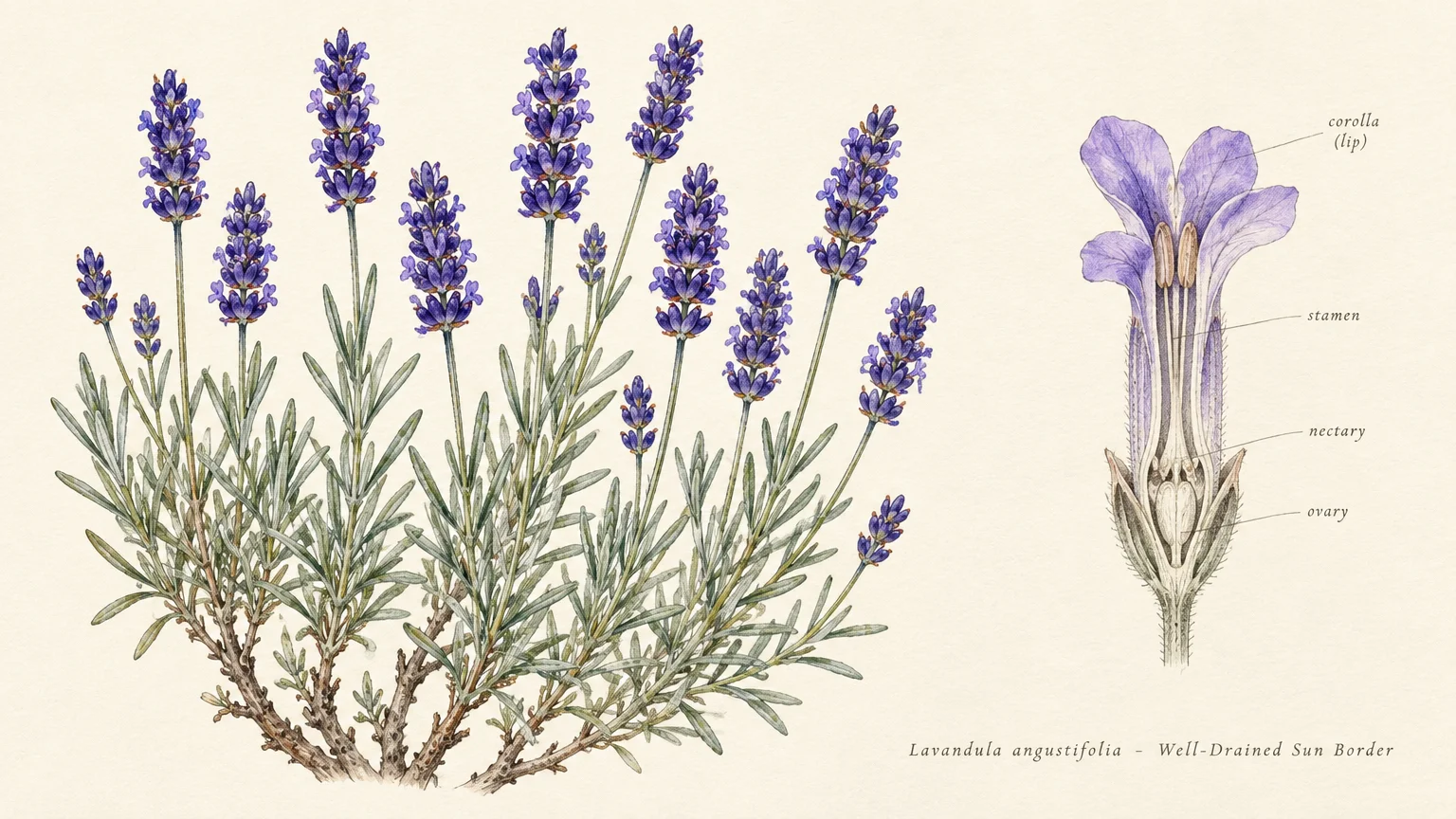
Tip #7: Lavender (Lavandula angustifolia)
English lavender perfumes the garden with timeless fragrance and spikes of rich purple blossoms from late spring into August. It pairs beautifully with roses, ornamental grasses, and sunny stone paths throughout cottage-style landscapes.
Bees favor lavender for its extraordinary nectar sugar concentration, which can exceed thirty percent on sunny days. Bumblebees methodically work their way up each spike, filling their pollen baskets in minutes.
Grow lavender in gritty, neutral-to-alkaline soil under intense sun, ensuring water drains immediately away from its roots. Wet soil in winter kills more lavender plants than sub-zero temperatures ever do.
Incorporate coarse horticultural sand or crushed gravel into heavy clay soils before planting your lavender. Elevating your planting beds slightly above grade also guarantees proper root drainage during heavy rainstorms.
Prune spent flower stalks down to the green foliage right after flowering finishes to keep bushes compact. Never cut back into old, leafless wood, as lavender rarely sprouts from mature woody branches.
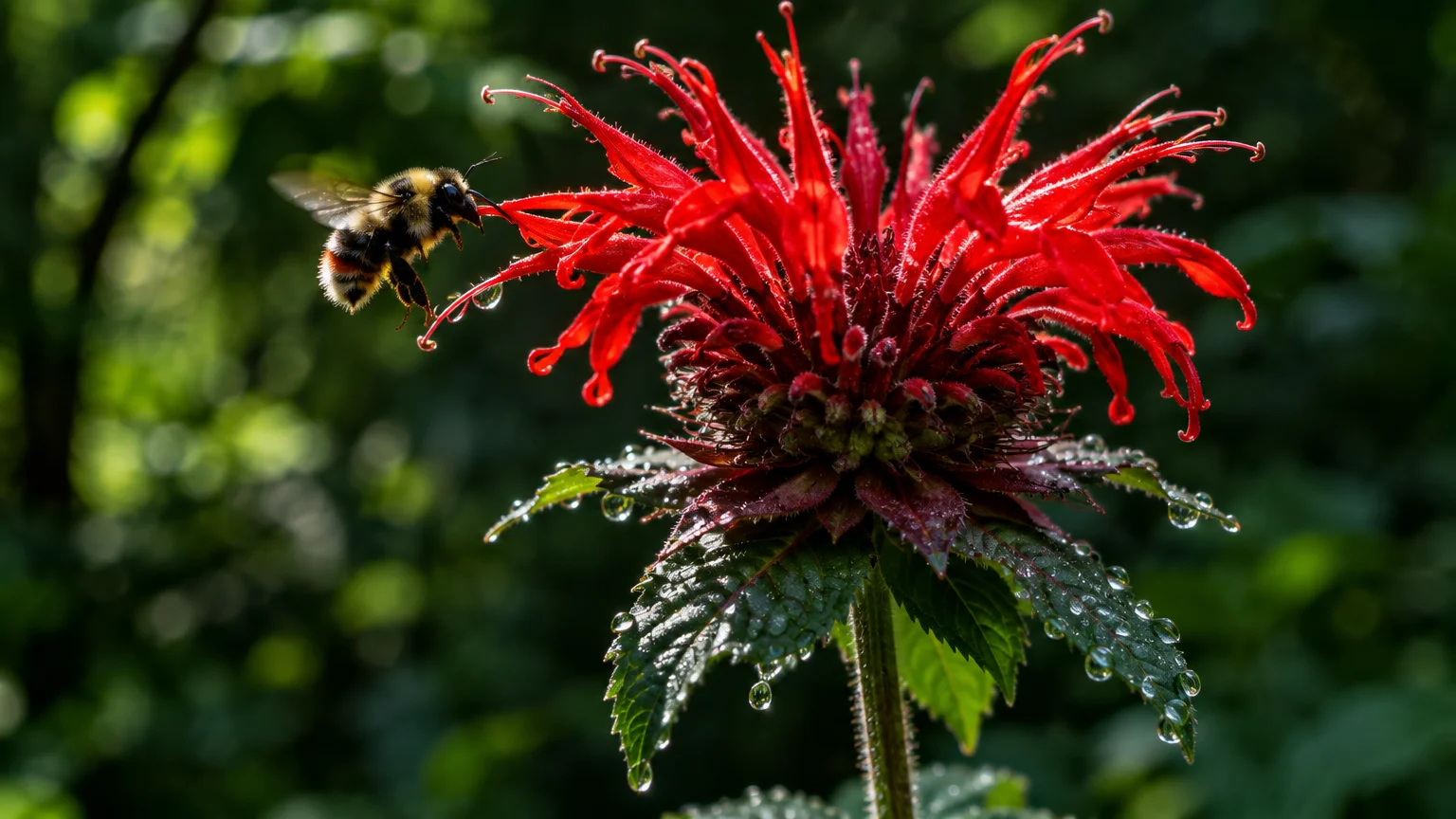
Tip #8: Bee Balm (Monarda didyma)
Bee balm produces crown-like clusters of tubular scarlet, pink, or purple flowers above aromatic foliage throughout mid-summer. As a proud North American native, it thrives along woodland edges, moist meadows, and sunny perennial beds.
Specialist bees and bumblebees prize the deep floral tubes for their copious nectar secretions. Watching long-tongued bees burrow into each curved blossom provides captivating daily entertainment for any enthusiastic gardener.
Plant bee balm in rich, moisture-retentive soil that receives plenty of morning sun and afternoon dappled light. Provide consistent moisture during dry spells to protect the root systems from stress.
Surround bee balm with low groundcovers to keep the root zones cool during intense July heat waves. Mulching with two inches of shredded leaves helps retain crucial soil moisture throughout hot summer afternoons.
Select mildew-resistant cultivars such as ‘Jacob Cline’ or ‘Raspberry Wine’ to maintain pristine foliage all summer long. Thin out congested central stems in late spring to encourage air circulation around the crowns.
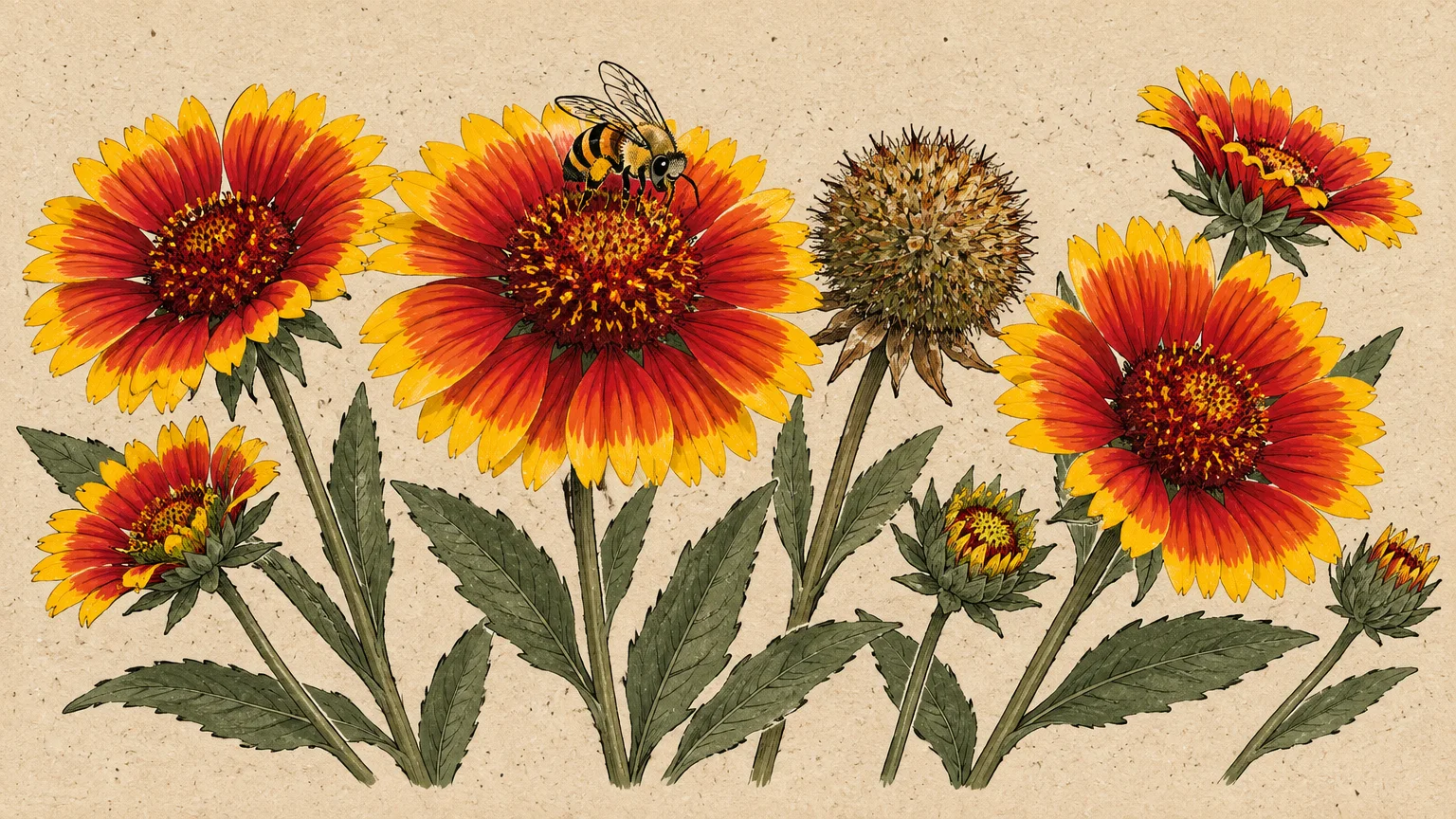
Tip #9: Blanket Flower (Gaillardia grandiflora)
Blanket flower blazes with fiery combinations of crimson, orange, and yellow petals radiating from textured button centers. This short-lived perennial flowers non-stop from early June until the first heavy frost of November.
Native sweat bees and leafcutters visit these flat composite blossoms to harvest abundant, easily accessible pollen grains. The intense warm colors naturally attract pollinators from considerable distances across the neighborhood.
Install blanket flower in poor, sandy soil exposed to unfiltered sunlight throughout the day. Overly rich soils shorten the lifespan of this sun-loving prairie plant by stimulating weak, floppy growth.
Plant blanket flower along exposed slopes or rock gardens where other delicate perennials struggle with heat stress. Its dense root system anchors loose topsoil while generating unending floral color through summer droughts.
Deadhead spent blossoms periodically during the mid-summer peak to stimulate continuous flushes of radiant color. Allow the final round of blossoms to set seed in late autumn to foster self-sowing seedlings.
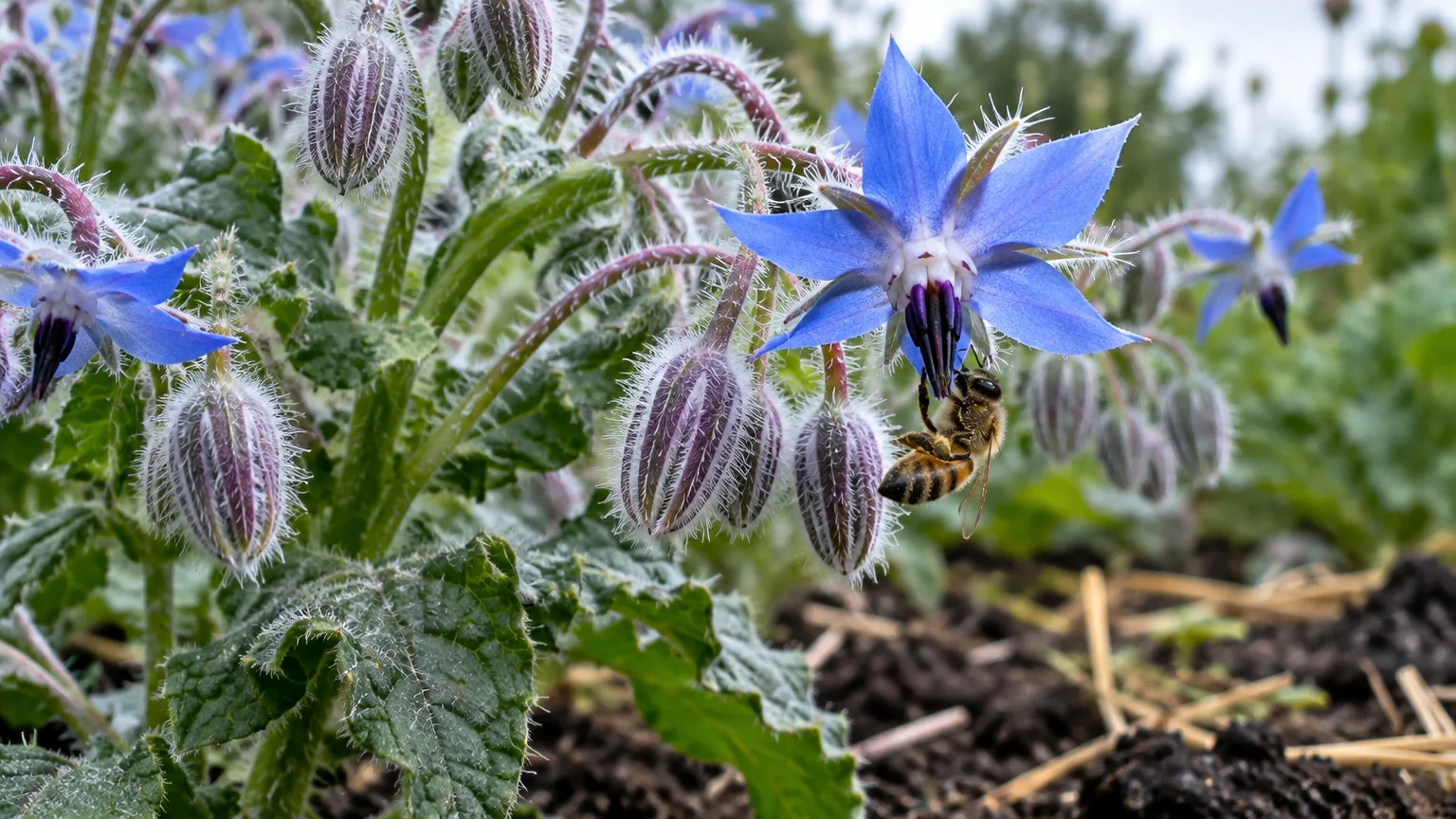
Tip #10: Borage (Borago officinalis)
Borage charms gardeners with starry sky-blue flowers nodding among bristly green leaves from late spring until freezing temperatures. While it behaves as an annual, it self-seeds politely, returning year after year in dedicated pollinator corners.
This remarkable herb refills its nectar wells in as little as two minutes after a bee drinks. Consequently, honeybees visit the blossoms repeatedly all afternoon without exhausting the rich nectar reserves.
Sow seeds directly into garden beds once soil warms in spring, covering them lightly with fine soil. Borage adapts to virtually any soil texture, provided the site receives ample direct sunlight throughout the day.
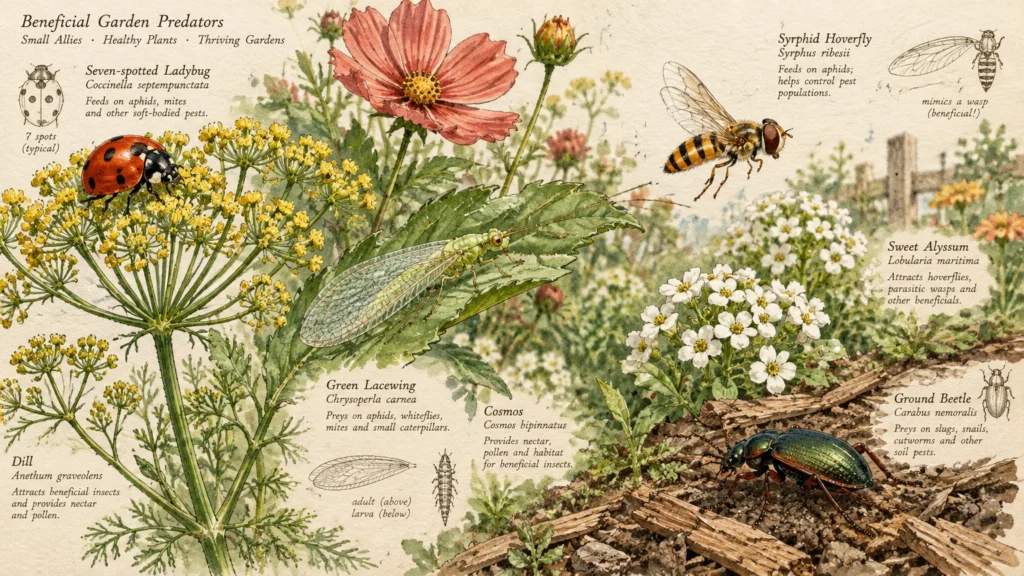
Interplant borage within your raised vegetable beds to boost cucumber and squash pollination rates significantly. The pendulous blooms also shelter soil-dwelling ground beetles that prey on common garden slugs.
Pinch back young seedlings once they reach six inches tall to promote dense, heavily branched growth. Dig spent plants into your compost pile in late autumn to return valuable trace minerals to the earth.
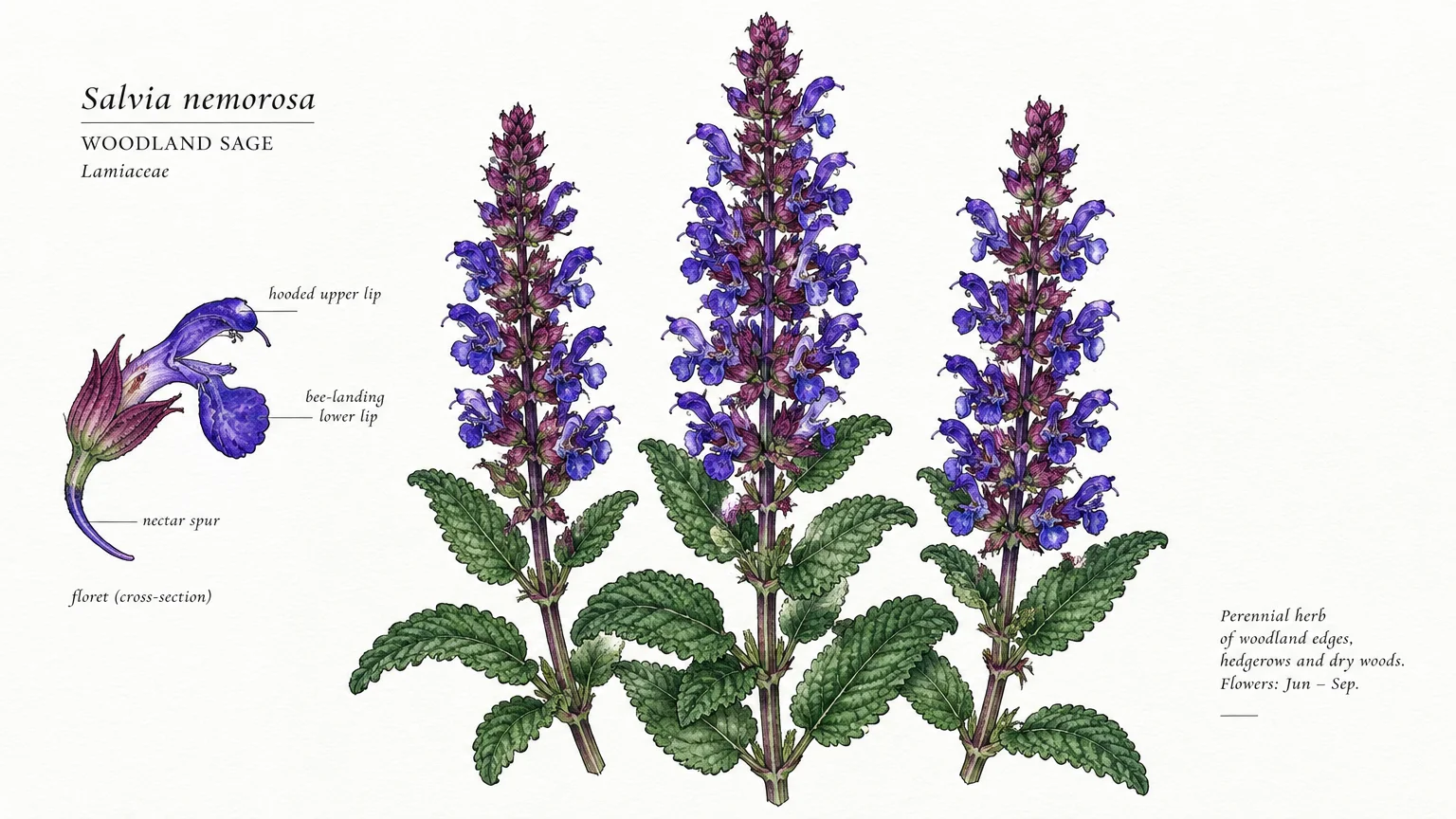
Tip #11: Salvia (Salvia nemorosa)
Woodland salvia displays upright, densely packed spires of deep violet-blue blossoms above neat clumps of aromatic foliage. Cultivars like ‘Caradonna’ and ‘May Night’ kick off the blooming season in late spring with dependable brilliance.
The tubular blossoms feature a specialized lever mechanism that deposits pollen precisely onto a visiting bee’s fuzzy back. Honeybees and mason bees visit dozens of florets per minute as they forage along the spires.
Grow salvia in well-draining garden soil enriched with a small shovelful of organic compost at planting time. Position the plants where they receive at least six hours of unobstructed sunshine each day.
Weave salvia spires between the broad rounded heads of yellow coreopsis and pink peonies for visual drama. The vertical floral spikes guide bees seamlessly between different nectar-producing layers within your landscape design.
Cut the entire plant back to basal foliage immediately after the primary spring blooms begin fading. Within three weeks, fresh stems emerge, delivering a second wave of blooms through late summer.
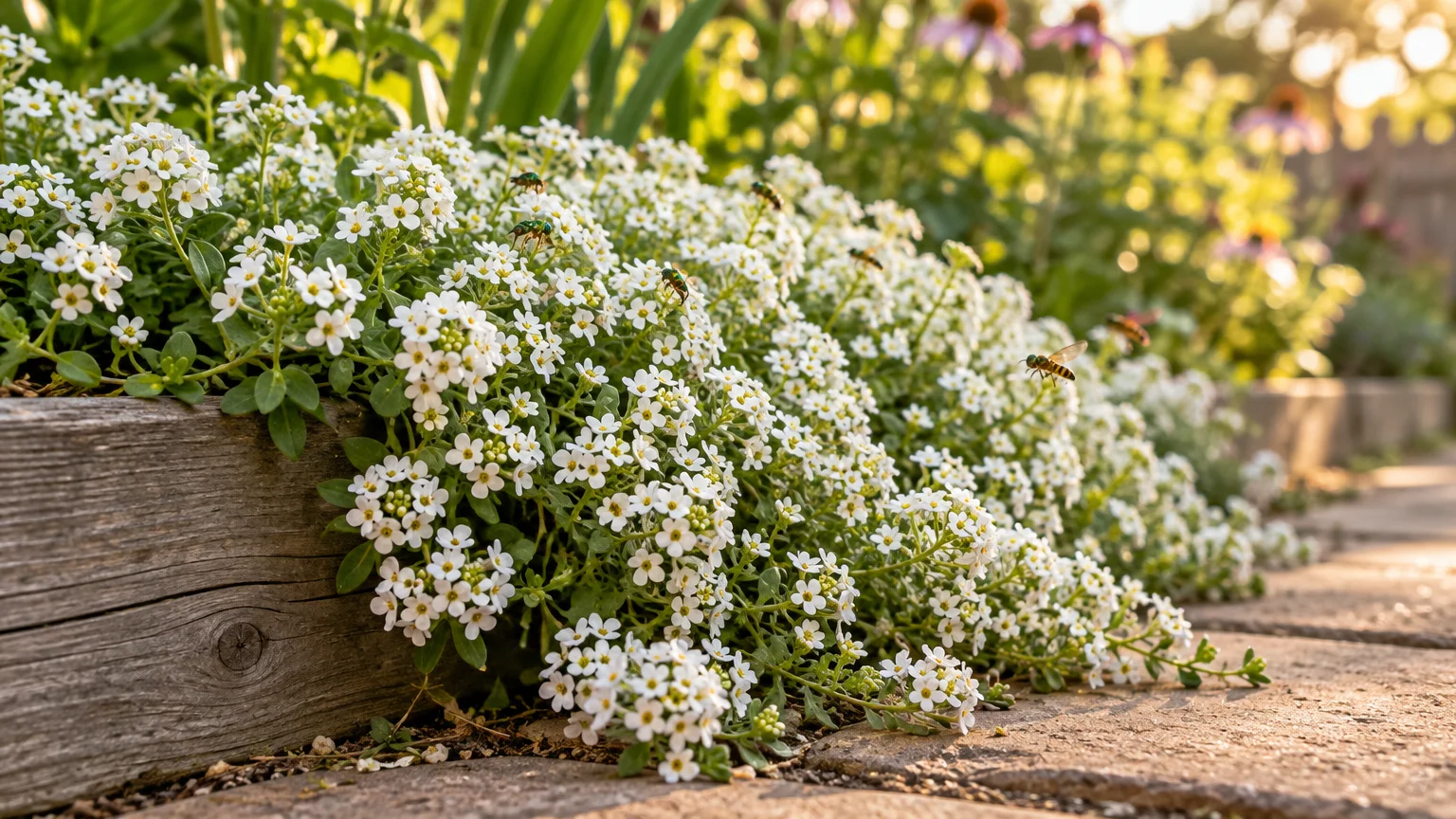
Tip #12: Sweet Alyssum (Lobularia maritima)
Sweet alyssum carpets garden borders with a frothy sea of honey-scented, tiny white blossoms from early spring. In mild climates, it flowers virtually all year, braving light autumn frosts without losing color or vigor.
Tiny solitary bees and beneficial parasitic wasps adore the shallow, accessible nectar reservoirs on each diminutive petal. Because it blooms when larger perennials rest, it serves as an indispensable bridge for hungry foragers.
Scatter seeds across loosened, moist topsoil in early spring along border edges, rock walls, or hanging containers. Alyssum thrives in both cool full sun and partial shade during warmer summer afternoons.
Use sweet alyssum as a living mulch beneath taller sun-loving perennials to keep underlying soil cool and moist. The dense canopy of miniature blossoms suppresses weed growth while providing non-stop pollinator sustenance.
Give the sprawling mats a light shear with hedge shears when summer heat slows down flower production. This simple trim encourages fresh branching and explosive flowering once cool autumn temperatures arrive.
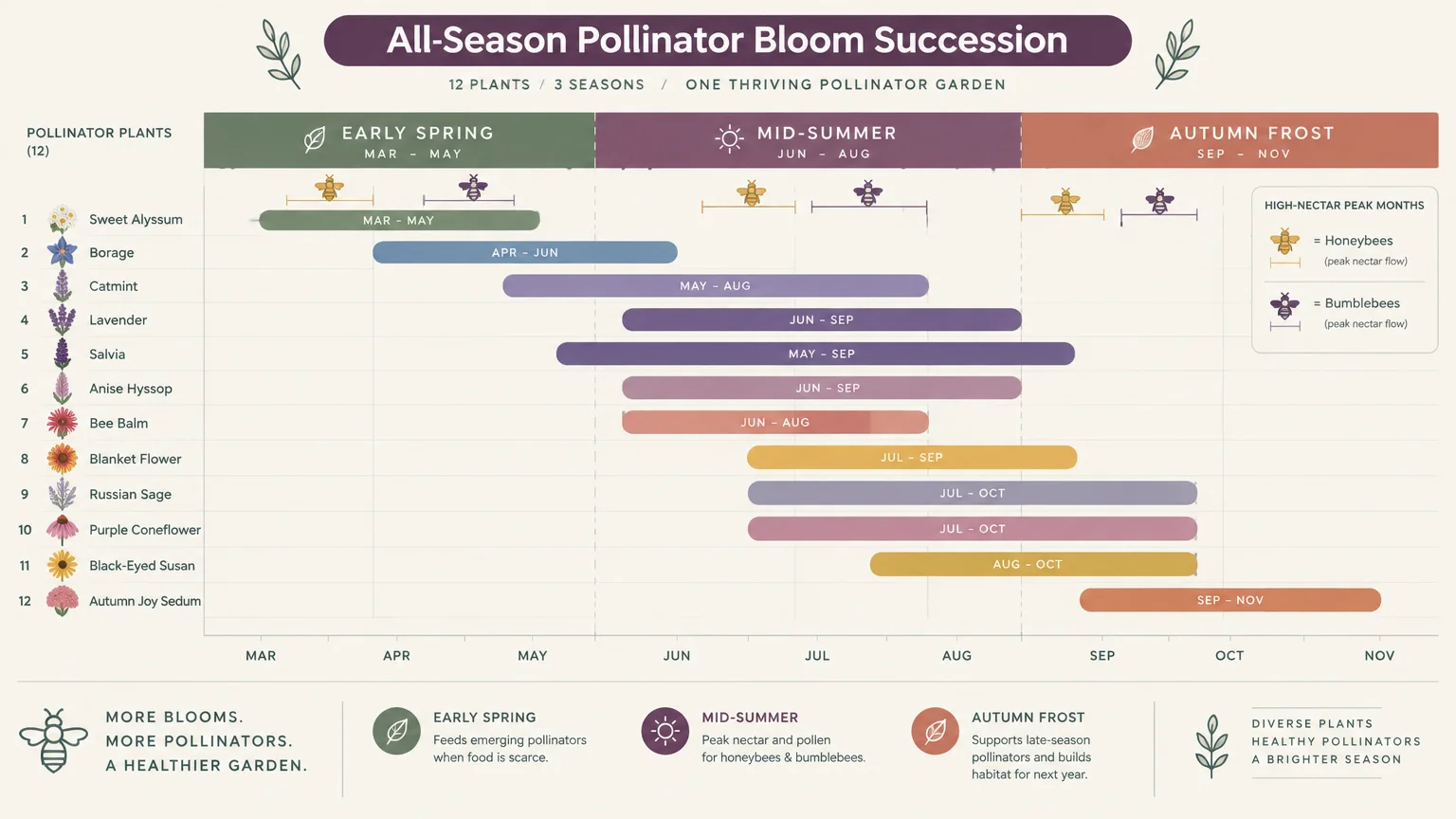
Putting It All Together: Enjoy Your Beautiful Garden
Designing a vibrant pollinator landscape requires planning for overlapping bloom windows across the entire growing season. When you plant long blooming perennials alongside resilient annuals, you supply dependable nourishment for local bees.
Arrange your flowers in generous clusters of three or five plants rather than scattering single stems across beds. Clustered plantings allow bees to forage efficiently without wasting vital flight energy traveling between distant blooms.
Incorporate varying flower shapes and heights so both short-tongued and long-tongued bee species find comfortable foraging perches. A dynamic, multi-layered garden canopy supports a wider diversity of native solitary bees and bumblebees.
Eliminate synthetic pesticides and chemical sprays from your garden to protect delicate foraging insects from harm. Healthy soil, diverse plantings, and predatory beneficial insects will keep garden pests balanced naturally without harmful sprays.
Provide a shallow saucer of water filled with clean pebbles so thirsty bees can land safely without drowning. Your thoughtful garden sanctuary will reward you with bustling wildlife, stronger harvests, and endless natural beauty.
For region-specific advice, consult your local University Extension program (find yours via the USDA directory). For plant databases and inspiration, visit the Missouri Botanical Garden or the Royal Horticultural Society.
Disclaimer: This article provides general gardening advice; always consider your specific climate, soil conditions, and local pests. Follow safety guidelines when using gardening tools and products.
Frequently Asked Questions
Which flower color attracts bees best?
Bees see light in ultraviolet wavelengths, making blue, purple, violet, yellow, and white blossoms especially irresistible to them. Red blossoms often appear dull gray to bees unless the petals reflect ultraviolet landing cues.
Planting bold drifts of violet and bright yellow flowers creates unmistakable targets for foraging scout bees. These high-contrast color combinations maximize pollinator traffic across your beds from early morning onwards.
How can I keep bees visiting from spring to fall?
Select at least three distinct plants for pollinators that bloom during each phase of the growing year. Staggering early spring bulbs, mid-summer perennials, and late-autumn bloomers guarantees uninterrupted nectar and pollen supplies.
Avoid cutting back all spent flower spikes at once so bees always have active nectar sources nearby. Staggering your garden pruning keeps steady waves of secondary blossoms opening throughout late summer.
Do double-petal flowers help pollinating bees?
Double-flowered hybrids often trade their pollen-bearing stamens for extra petals, making nectar reservoirs virtually inaccessible to insects. Choose single-flowered, open varieties to give bees easy access to nutritious pollen and sweet nectar.
Heirloom varieties and native plant selections consistently provide superior nutritional value compared to heavily modified floral cultivars. Sticking to single-petal blooms ensures your garden remains an efficient, nourishing feeding ground.
Can I attract bees if I only have a small patio?
Yes, container gardening allows you to cultivate compact flowers that attract bees on sunny balconies or small terraces. Group pots of lavender, catmint, and sweet alyssum together to create an inviting miniature urban oasis.
Position your planters in sunny, wind-protected corners to help small flying pollinators land safely on blossom clusters. Keep potting soil consistently moist so containers generate abundant nectar throughout hot summer days.