You can easily transform your living space into a cheerful sanctuary with vibrant indoor flowering plants winter displays. Bringing fresh blossoms into your home adds instant warmth while the landscape outdoors remains cold and dormant.
Selecting reliable holiday blooming houseplants guarantees weeks of brilliant color throughout your celebrations. These adaptable varieties flourish in normal household settings, rewarding simple care with breathtaking, festive flower petals.
Explore these ten exceptional christmas plants to brighten your tables and windowsills. You will discover practical watering schedules, lighting tips, and temperature guidelines to keep every bud healthy all season long.
Tip #1: Poinsettia (Euphorbia pulcherrima)
Poinsettias remain the quintessential christmas plants, renowned for their striking, colorful bracts that frame small yellow floral clusters. While classic scarlet cultivars dominate holiday decor, modern varieties boast hues of cream, peach, and marbled pink.
Position your poinsettia in a warm room that receives at least six hours of bright, indirect sunlight daily. Keep the plant away from drafty entryways and heating vents; abrupt temperature shifts cause premature leaf drop.
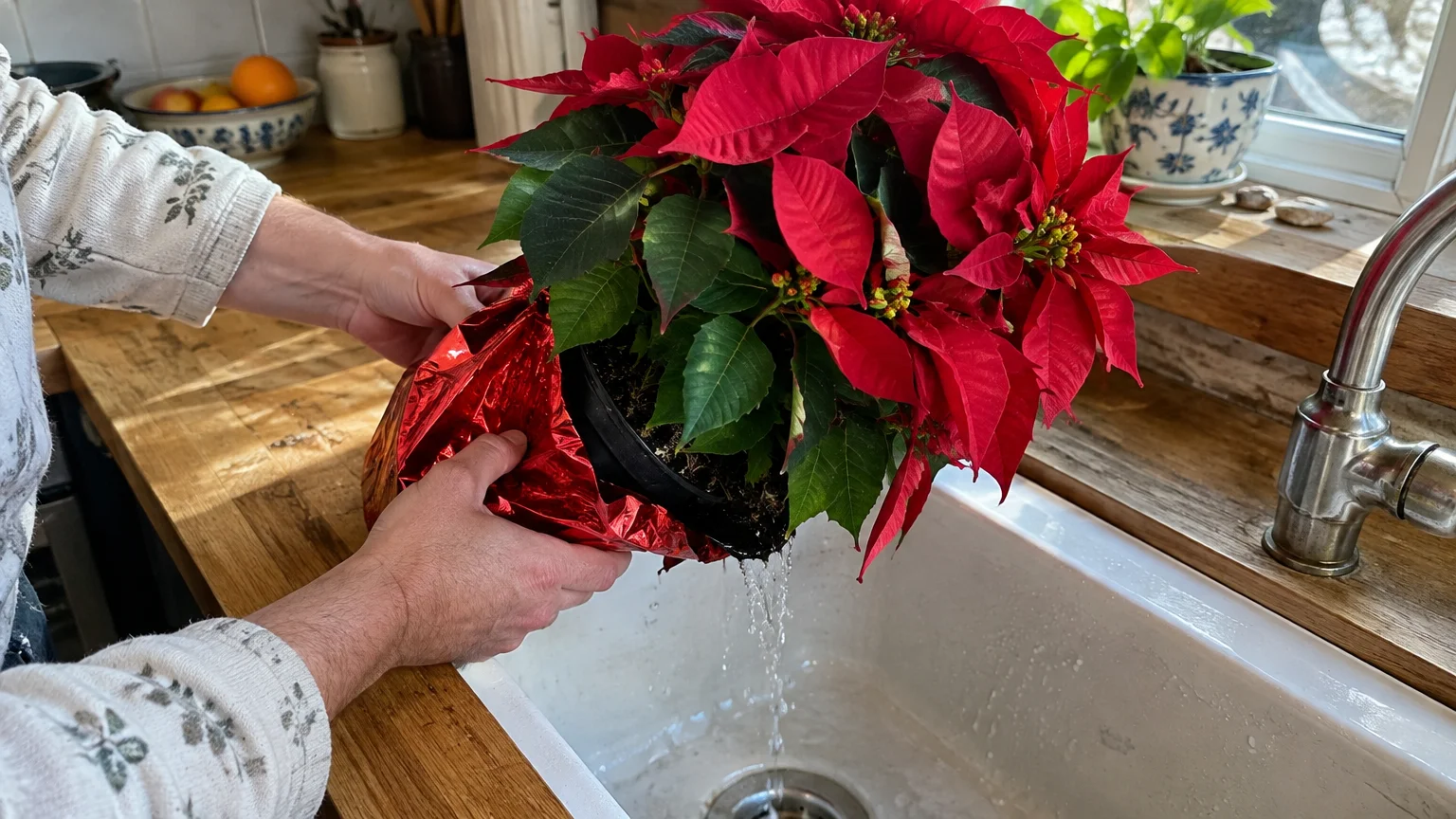
Check soil moisture regularly and water thoroughly only when the top inch of potting soil feels completely dry. Use room-temperature water, letting moisture soak through the root ball before draining.
Always empty excess water from the decorative foil wrapper or saucer beneath the pot. Sitting in standing water suffocates roots, leading to root rot and yellowing lower foliage.
Maintain steady indoor temperatures between 65 and 70 degrees Fahrenheit for optimal poinsettia care. Avoid fertilizing while the plant blooms; wait until spring before pruning stems to encourage lush summer growth.
Tip #2: Christmas Cactus (Schlumbergera bridgesii)
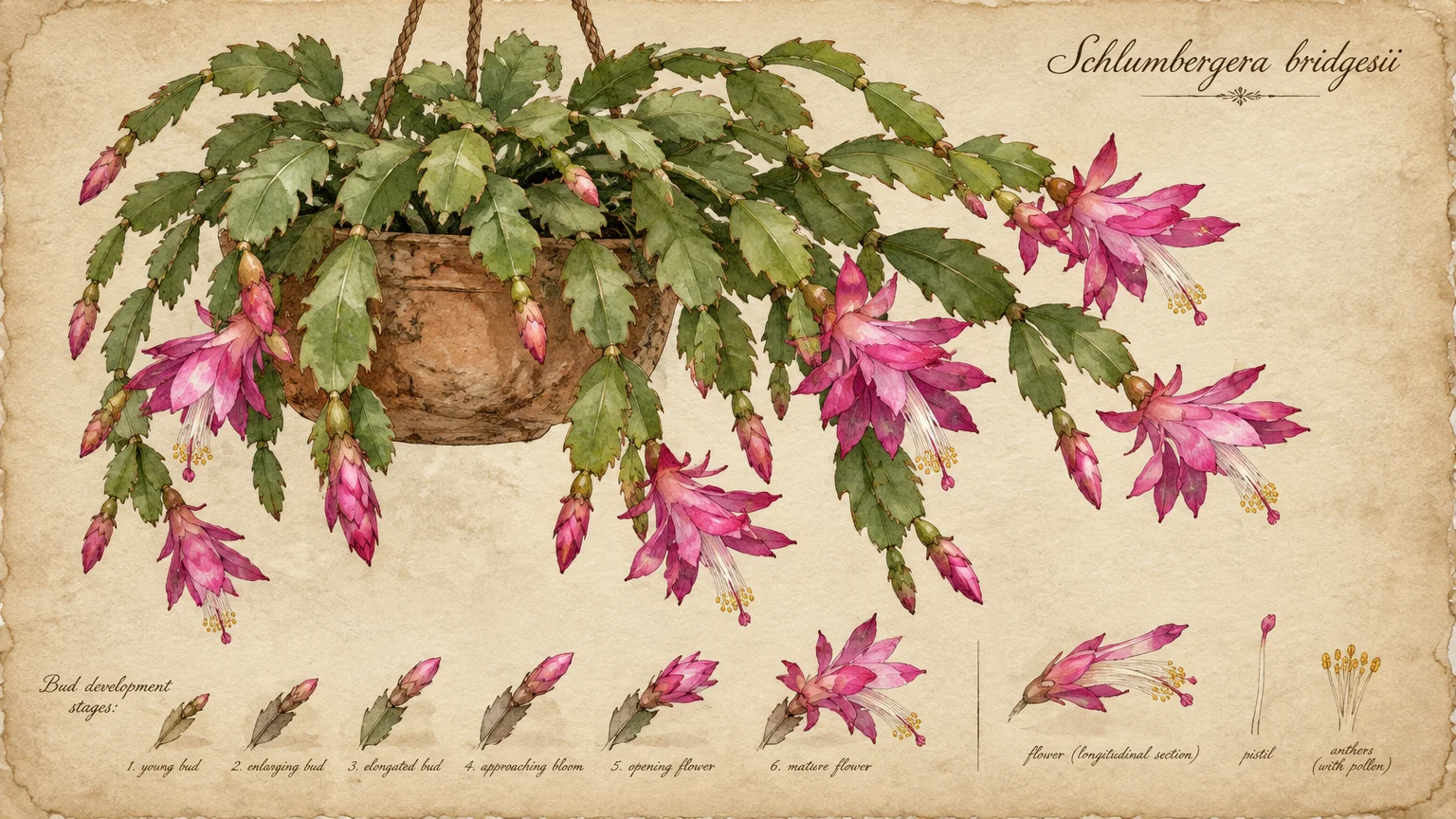
The christmas cactus produces gracefully arching, scalloped stems tipped with satiny, multi-layered flowers during the winter holiday season. These long-lived holiday blooming houseplants display vivid blossoms in shades of fuchsia, salmon, red, and snowy white.
Unlike desert cacti, this tropical epiphyte originates in humid Brazilian coastal forests and prefers bright, filtered light. Avoid placing your cactus in direct sun, which can scorch the fleshy, flattened stem segments.
Water your plant whenever the top third of the potting mix feels dry to the touch. Ensure even moisture during active bud formation, but avoid soggy soil that might damage delicate roots.
Never move the pot or expose it to cold drafts once flower buds begin swelling. Shifting light angles or sudden temperature swings will cause the tender flower buds to drop before opening.
After flowering ceases in late winter, reduce watering slightly and let the cactus rest in a cool room. Prune back stem tips in early spring to encourage dense branching and heavier future blooms.
Tip #3: Amaryllis (Hippeastrum)
Amaryllis bulbs produce spectacular indoor flowering plants winter displays, sending up towering hollow stems crowned with massive trumpet-shaped blooms. A single vigorous bulb often yields multiple flower scapes featuring dramatic petals in scarlet, white, and coral.
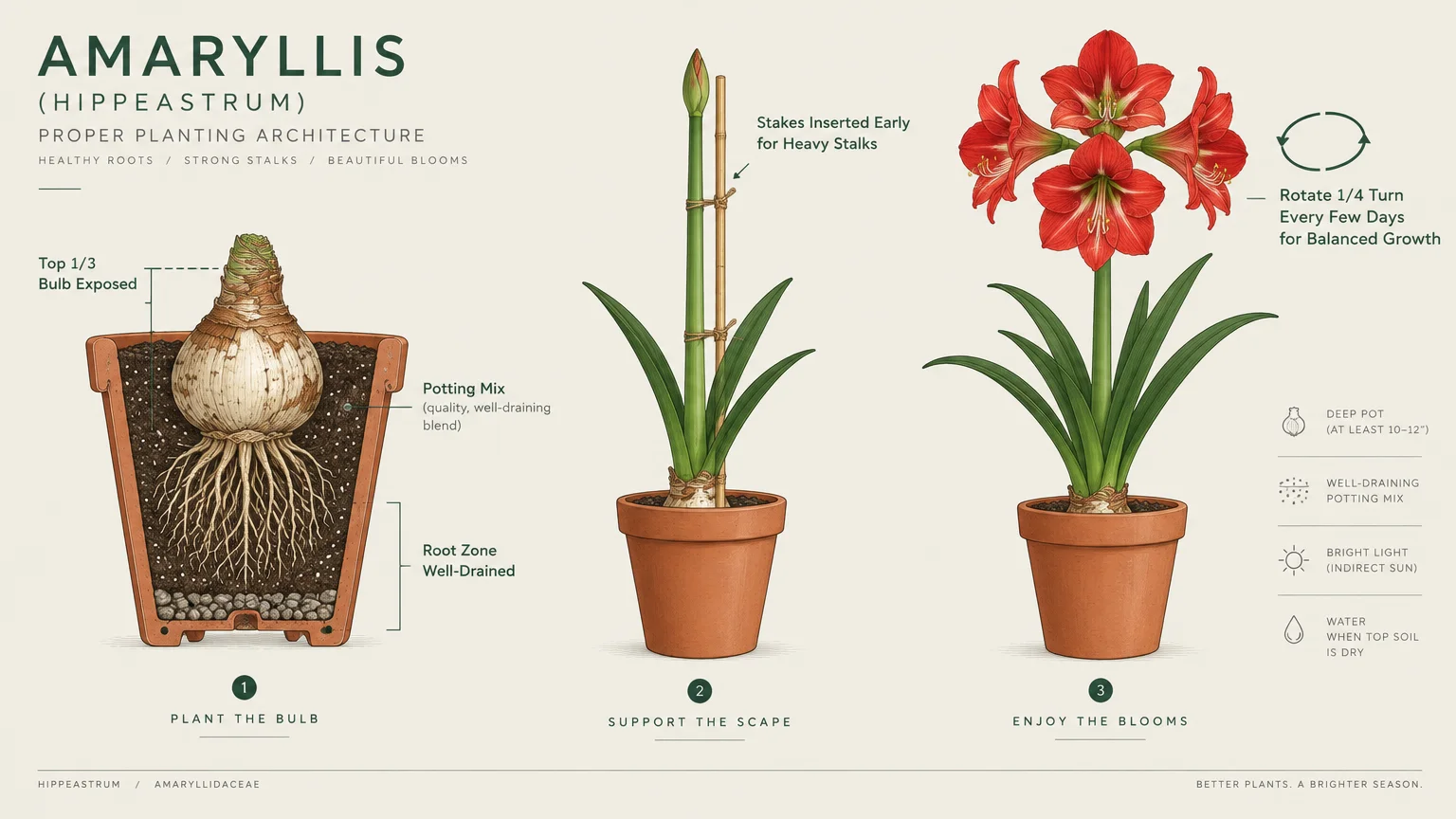
Plant your bulb in a heavy, sturdy container that leaves the top third of the bulb exposed. A snug pot provides necessary stability as the tall floral stalks stretch toward the light.
Water sparingly after initial planting, providing only light moisture until a green shoot visibly emerges from the neck. Once growth begins, water regularly whenever the topsoil dries and place the pot in direct sunlight.
Rotate your pot a quarter turn every few days to keep the fast-growing stalk upright and balanced. Insert a slender bamboo stake into the soil early to support the heavy floral cluster.
Move the container out of direct sun into a cooler spot once the buds open. Cooler ambient temperatures prolong the life of each individual flower, giving you weeks of breathtaking beauty.
Tip #4: Paperwhite Narcissus (Narcissus papyraceus)
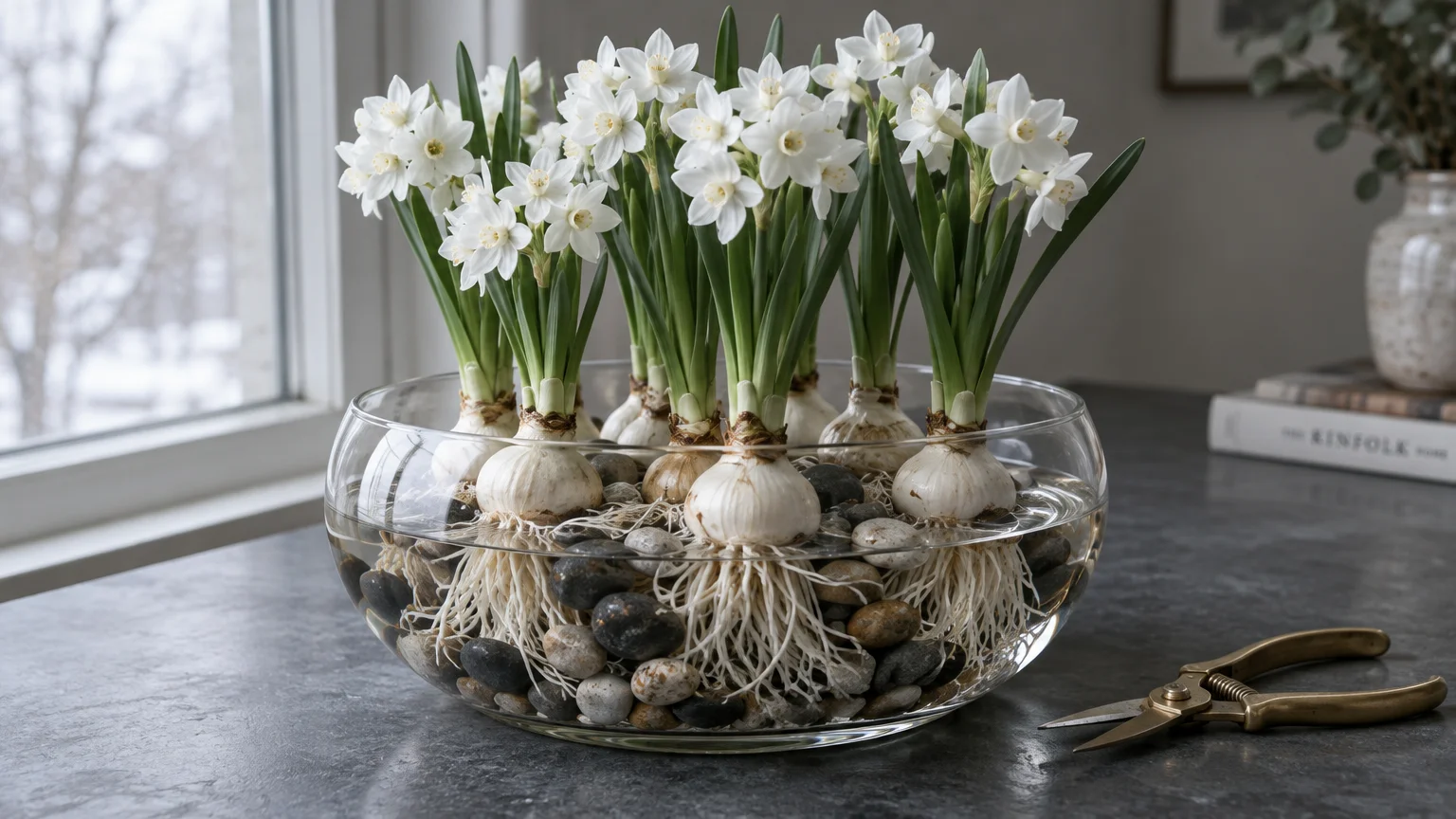
Paperwhites offer rapid gratification, bursting into snowy, starry blossoms just four to six weeks after planting. Their rich, heady fragrance brings unmistakable garden energy into your home during the darkest weeks of winter.
These Mediterranean bulbs require no chilling period to initiate blooms, making them ideal for quick indoor forcing. Pack bulbs tightly into a shallow bowl filled with decorative pebbles, gravel, or smooth river stones.
Add fresh water until the level just touches the base of each bulb without submerging the fleshy scales. The roots will quickly grow downward into the wet stones to anchor the plant.
Position your bowl in cool, bright conditions to prevent the emerging stems from growing weak and leggy. Abundant natural light produces compact, upright foliage capable of supporting the heavy floral heads.
If stems begin stretching excessively, substitute regular water with a diluted alcohol solution once roots form. A four to five percent alcohol mixture stunts stem height naturally without diminishing blossom count or fragrance.
Tip #5: Moth Orchid (Phalaenopsis)
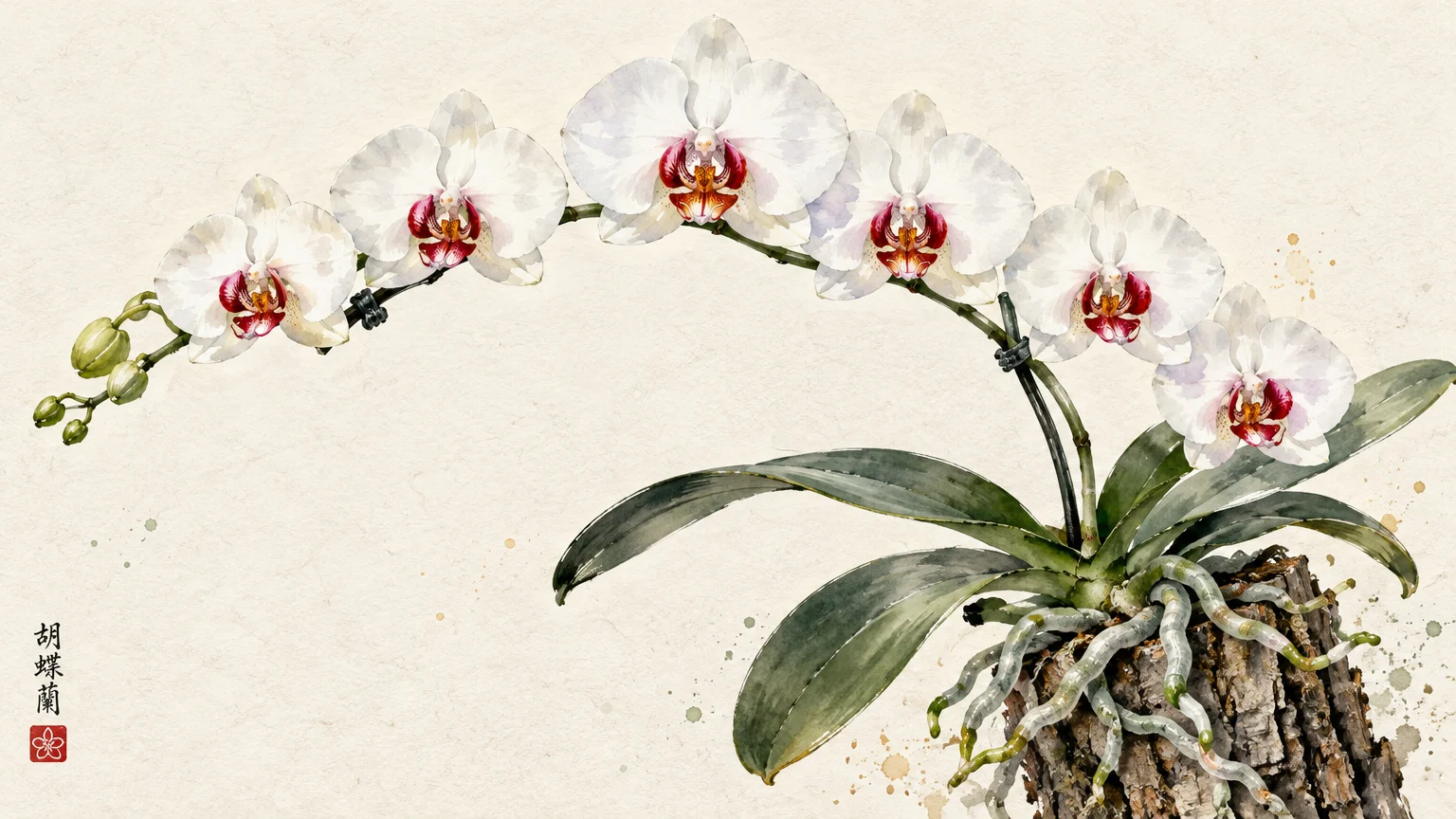
Moth orchids serve as sophisticated, long-lasting christmas plants that often stay in full bloom for two to three months. Graceful, arching spikes hold rows of flat blossoms in dazzling shades of magenta, speckled yellow, and white.
Place your orchid in bright, indirect light near an east-facing window or a screened south-facing sill. Shield the thick foliage from harsh direct sunbeams, which will scorch leaf surfaces and shorten blossom life.
Grow orchids in coarse bark mix rather than standard potting soil to ensure continuous root airflow. Water thoroughly once weekly by running tepid tap water through the bark, letting all excess drain away.
Never allow water to sit inside the center crown of the plant where leaves emerge. Trapped water easily triggers crown rot, a fungal issue that can kill an otherwise healthy orchid.
Exposing the orchid to slightly cooler autumn night temperatures around 60 degrees Fahrenheit initiates flower spike emergence. Keep room temperatures stable once buds swell to prevent premature bud blasting.
Tip #6: Florist Cyclamen (Cyclamen persicum)
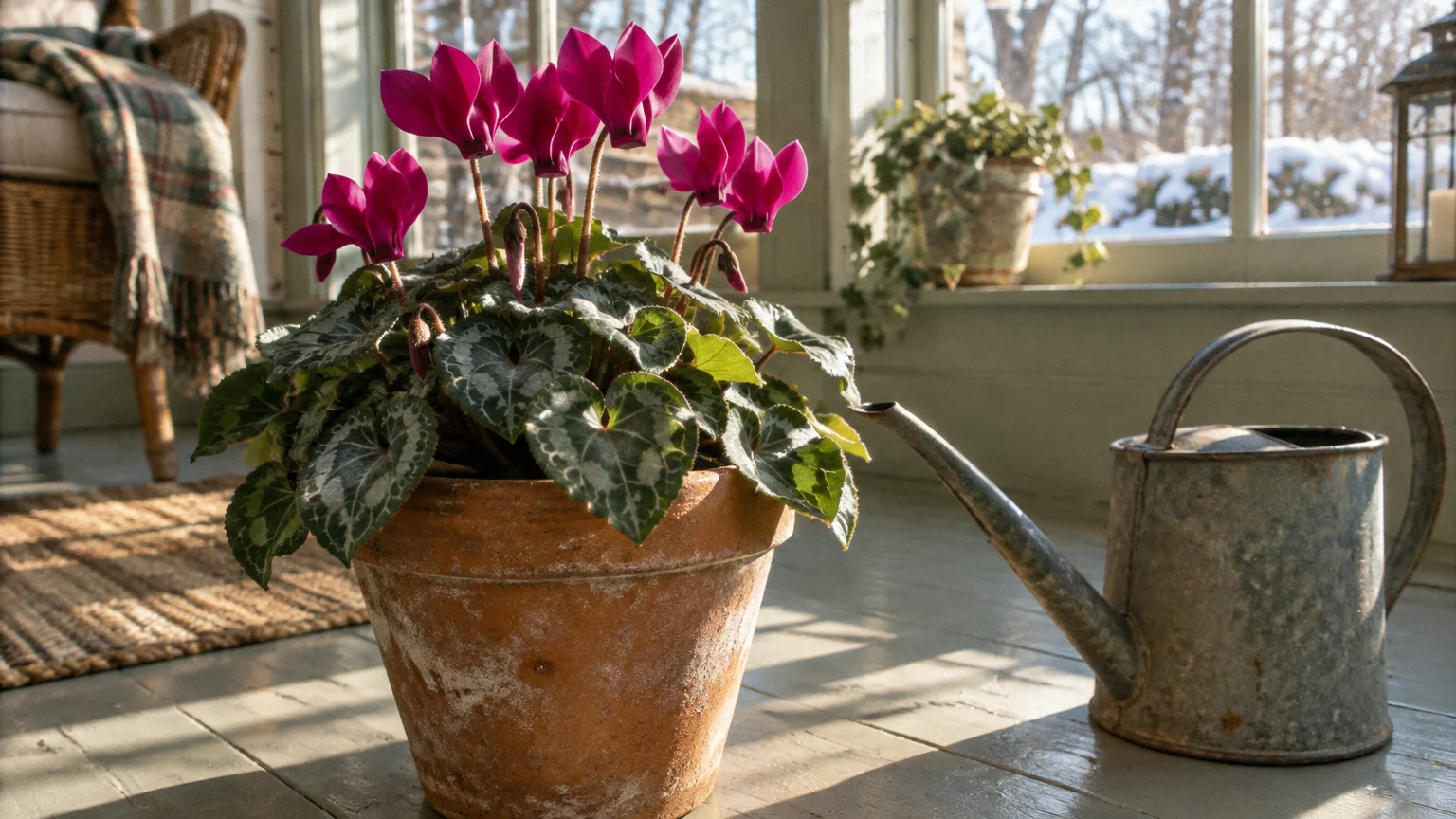
Florist cyclamen enchants winter gardeners with reflexed petals that sweep upward like miniature butterfly wings above decorative foliage. The heart-shaped, dark green leaves feature intricate marbling in silver and pale sage.
This cool-loving plant thrives in temperatures between 50 and 65 degrees Fahrenheit, far cooler than most tropical houseplants require. Position cyclamen in a bright, unheated sunroom or cool windowsill to maximize bloom longevity.
Water your cyclamen from below by setting the pot into a water-filled saucer for fifteen minutes. This method protects the central underground tuber from moisture damage while hydrating the fibrous root system.
Pouring water directly into the center crown promotes gray mold and causes flower stems to turn mushy. Always discard remaining drainage water from the saucer once the soil surface feels lightly moist.
Remove spent blossoms and yellowing leaves by gripping the stem base and giving a swift, gentle twist. This clean removal technique prompts the tuber to produce fresh buds throughout the winter months.
Tip #7: Kalanchoe (Kalanchoe blossfeldiana)
Kalanchoe brings exuberant winter cheer with tight umbrella clusters of vibrant, four-petaled flowers nestled among succulent foliage. You can find varieties blooming in luminous shades of ruby, tangerine, sunshine yellow, and hot pink.
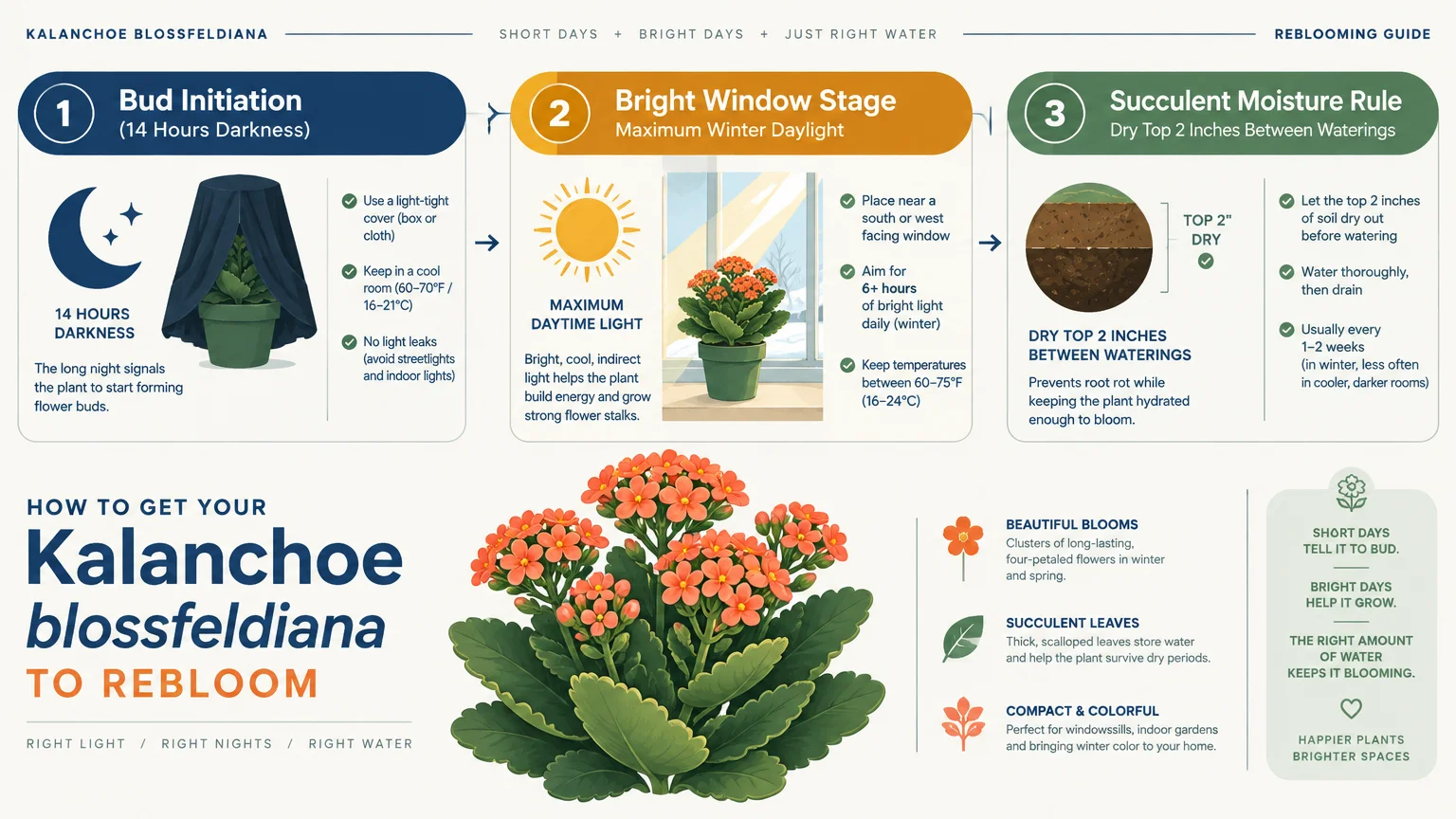
This resilient succulent stores moisture within its fleshy leaves, making it exceptionally tolerant of dry indoor winter air. Set your plant on a sunny south- or west-facing windowsill to provide plenty of direct light.
Water your kalanchoe only when the potting soil dries out almost completely from top to bottom. Soak the root ball thoroughly, but never allow the container to rest in pooled drainage water.
Overwatering quickly causes stem and root rot, so plant kalanchoe in a gritty, fast-draining cactus blend. Good soil aeration keeps succulent roots robust and prevents fungal decay during cooler winter months.
Kalanchoes naturally bloom in response to short winter daylengths, offering reliable color as holiday blooming houseplants. Snip off faded floral umbels to keep the plant tidy and encourage lingering side buds.
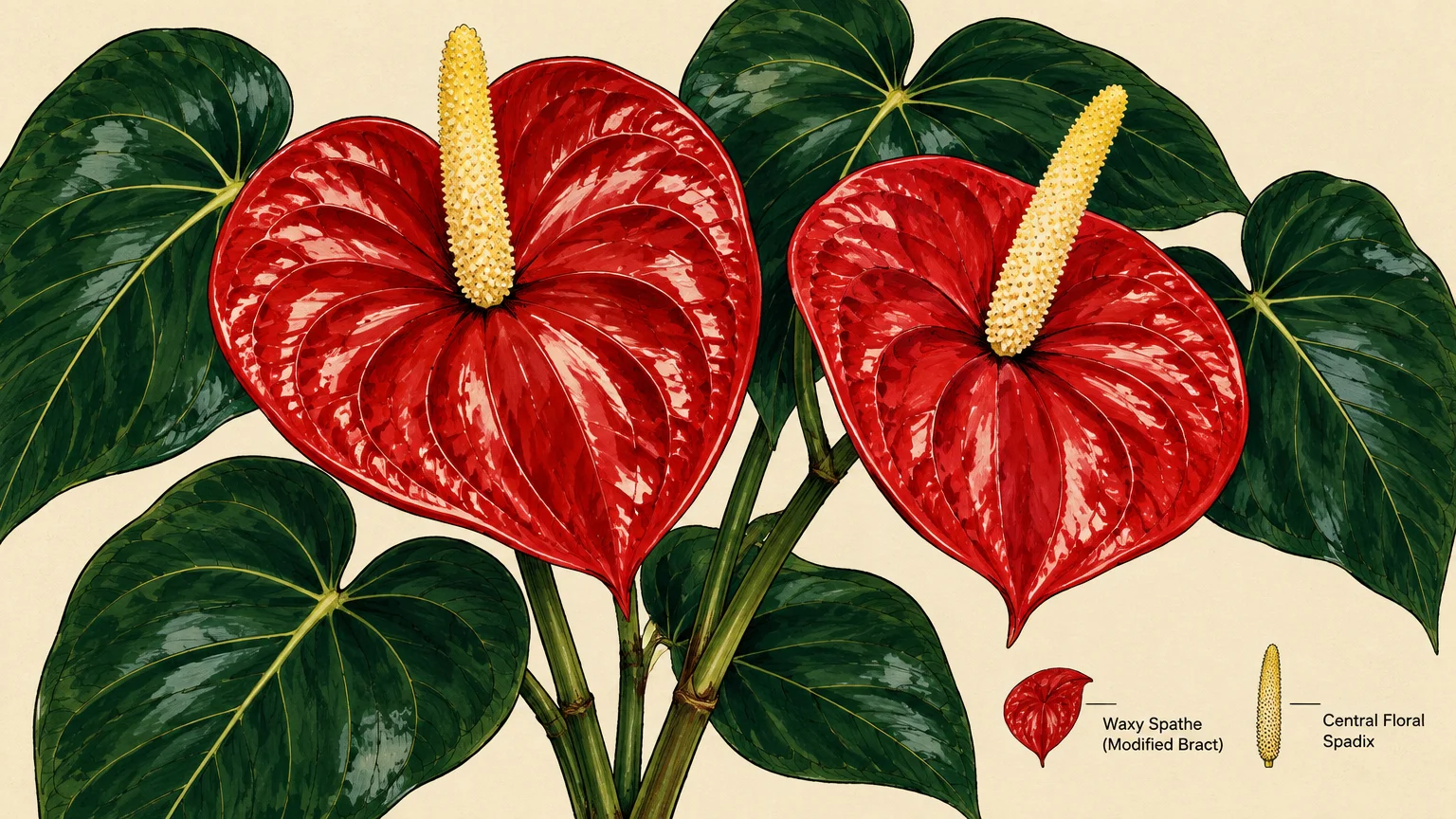
Tip #8: Flamingo Flower (Anthurium andraeanum)
Flamingo flowers introduce a lush, tropical aesthetic to holiday decorating with heart-shaped, waxy spathes and upright yellow floral spadices. The glossy spathes resemble painted porcelain and remain vibrant on the plant for months at a time.
Keep your anthurium in a warm, brightly lit location shielded from direct sunlight. Intense sun scorches the leaves, while insufficient light reduces the plant’s ability to generate new floral spathes.
Maintain moderate household humidity by grouping your anthurium with companion houseplants or placing it near a humidifier. The plant craves ambient moisture, especially when home heating systems dry out the indoor air.
Water thoroughly whenever the top inch of soil feels dry, using room-temperature water to avoid chilling sensitive roots. Use a loose, peat-based potting mix enriched with perlite to ensure rapid drainage.
Wipe dust from the broad foliage every few weeks using a damp, lint-free cloth. Clean leaves absorb ambient light more efficiently, sustaining steady flowering through midwinter and into early spring.
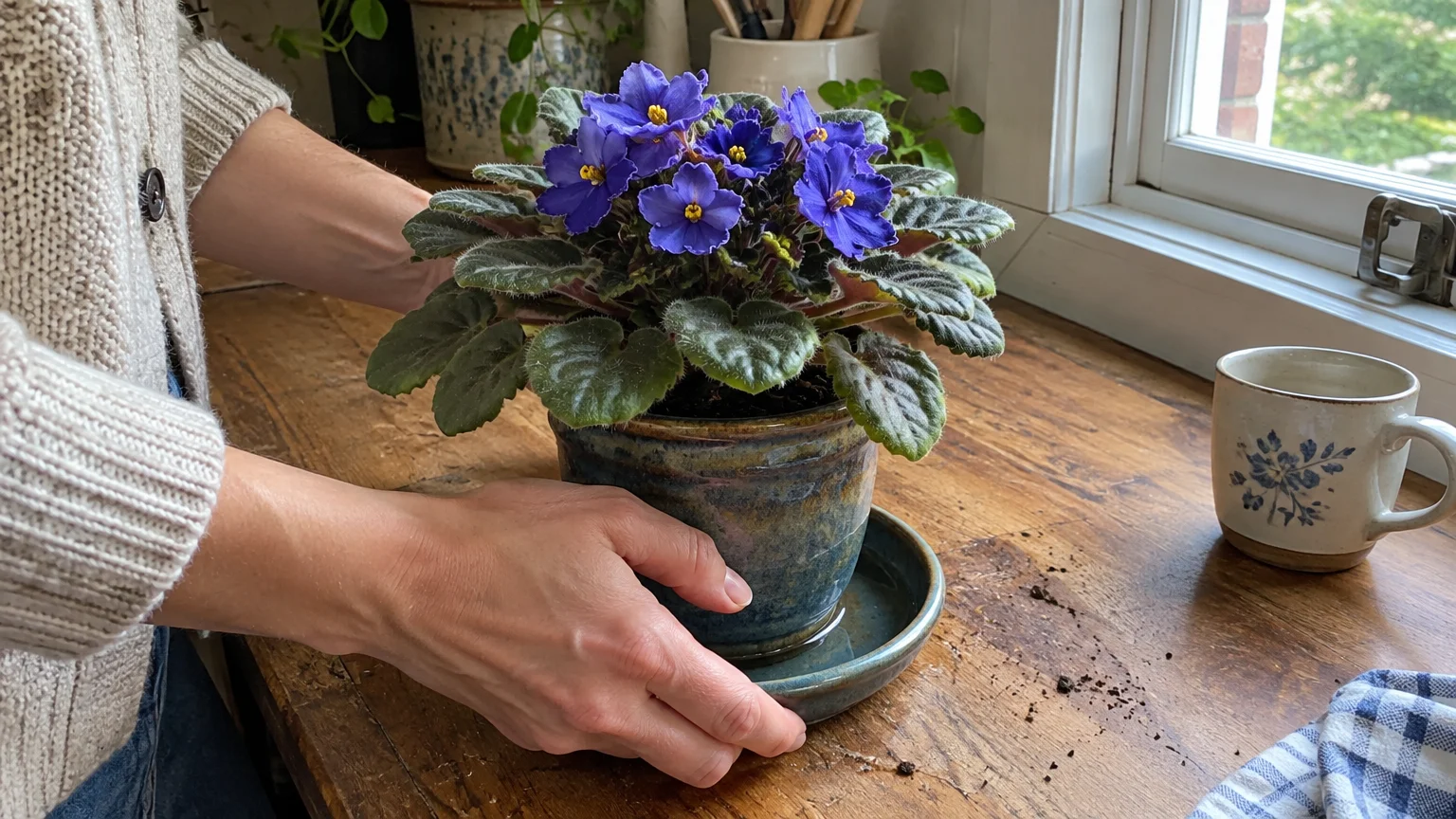
Tip #9: African Violet (Saintpaulia)
African violets deliver dependable, jewel-toned color all winter long, nestled within neat rosettes of fuzzy, dark green leaves. Their velvety blossoms appear in single or double forms, displaying shades of royal purple, violet, and pink.
Position your violet on an east-facing windowsill where it receives gentle morning sun and bright indirect light thereafter. If winter daylight proves scarce, place your plants under basic fluorescent grow lights for twelve hours daily.
Water with room-temperature water applied directly to the saucer beneath the container. Cold water splashed on the leaves causes permanent brown ring spots and damages the velvety foliage texture.
Allow the pot to absorb water from the saucer for twenty minutes before emptying any remaining liquid. Keeping the soil consistently damp but never waterlogged ensures optimal root health and continuous bud production.
Feed with a quarter-strength balanced fertilizer every two weeks while the plant is actively setting buds. These compact indoor flowering plants winter champions will reward your steady care with endless clusters of flowers.
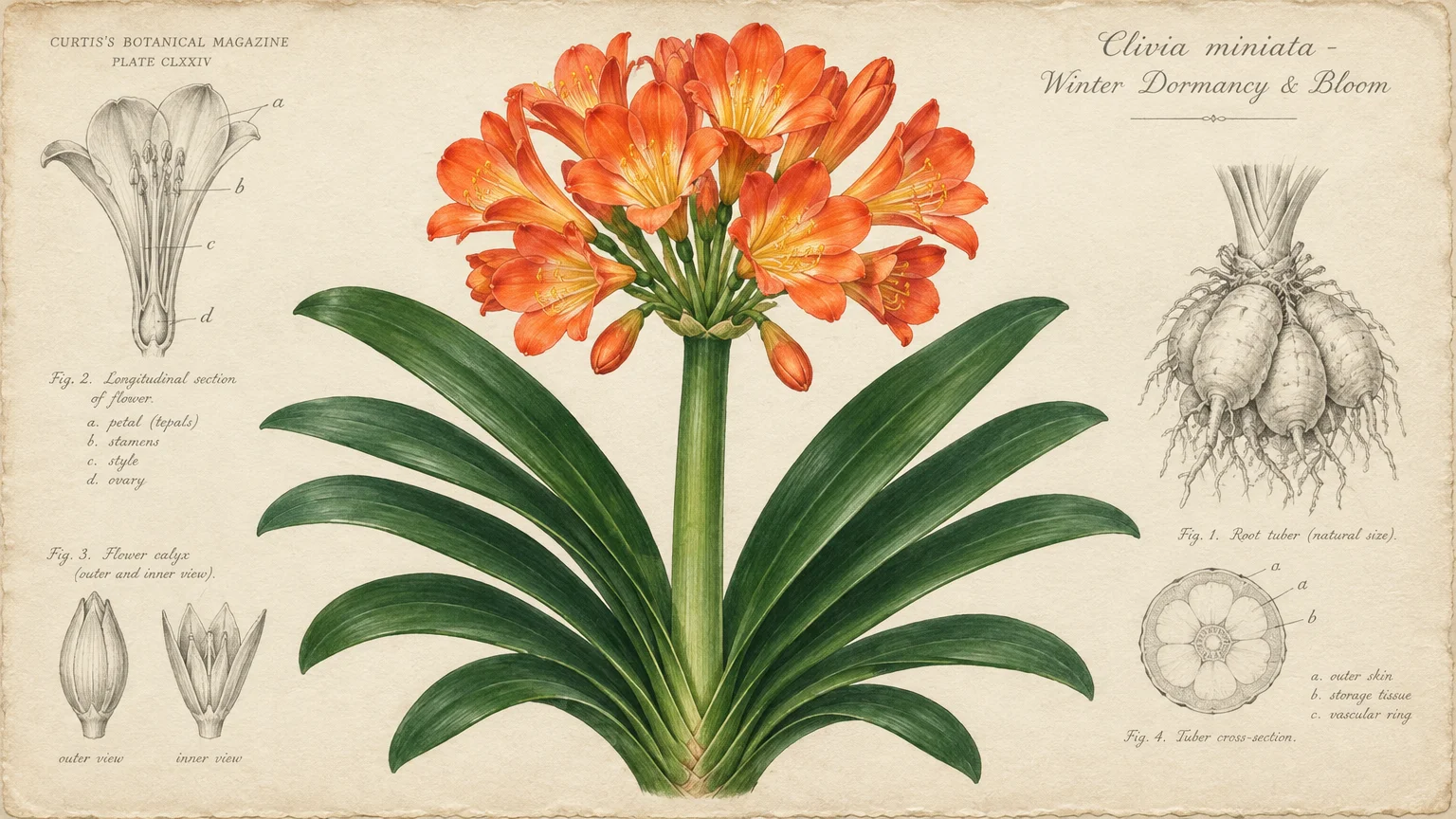
Tip #10: Bush Lily (Clivia miniata)
The bush lily serves as an architectural winter showstopper, producing bold strap-like leaves and magnificent umbels of trumpet blossoms. The vivid orange or warm yellow flowers burst open during late winter, brightening any interior space.
Clivias require an uninterrupted cool period of six to eight weeks in late autumn to set flower buds. Keep the plant in an unheated room around 50 to 55 degrees Fahrenheit and withhold water.
Resume regular watering and relocate the pot to a warmer room once the floral stalk pushes up. Provide bright, filtered sunlight to encourage the flowering stalk to clear the surrounding leaf canopy.
Keep your clivia in a relatively small container, as tight root conditions trigger far heavier flower production. Only repot every three to five years when the thick roots physically push the plant upward.
Cut the bloom stem near the base once all flowers drop to prevent seed development. Halting seed formation preserves valuable plant nutrients for healthy leaf growth and next season’s floral display.
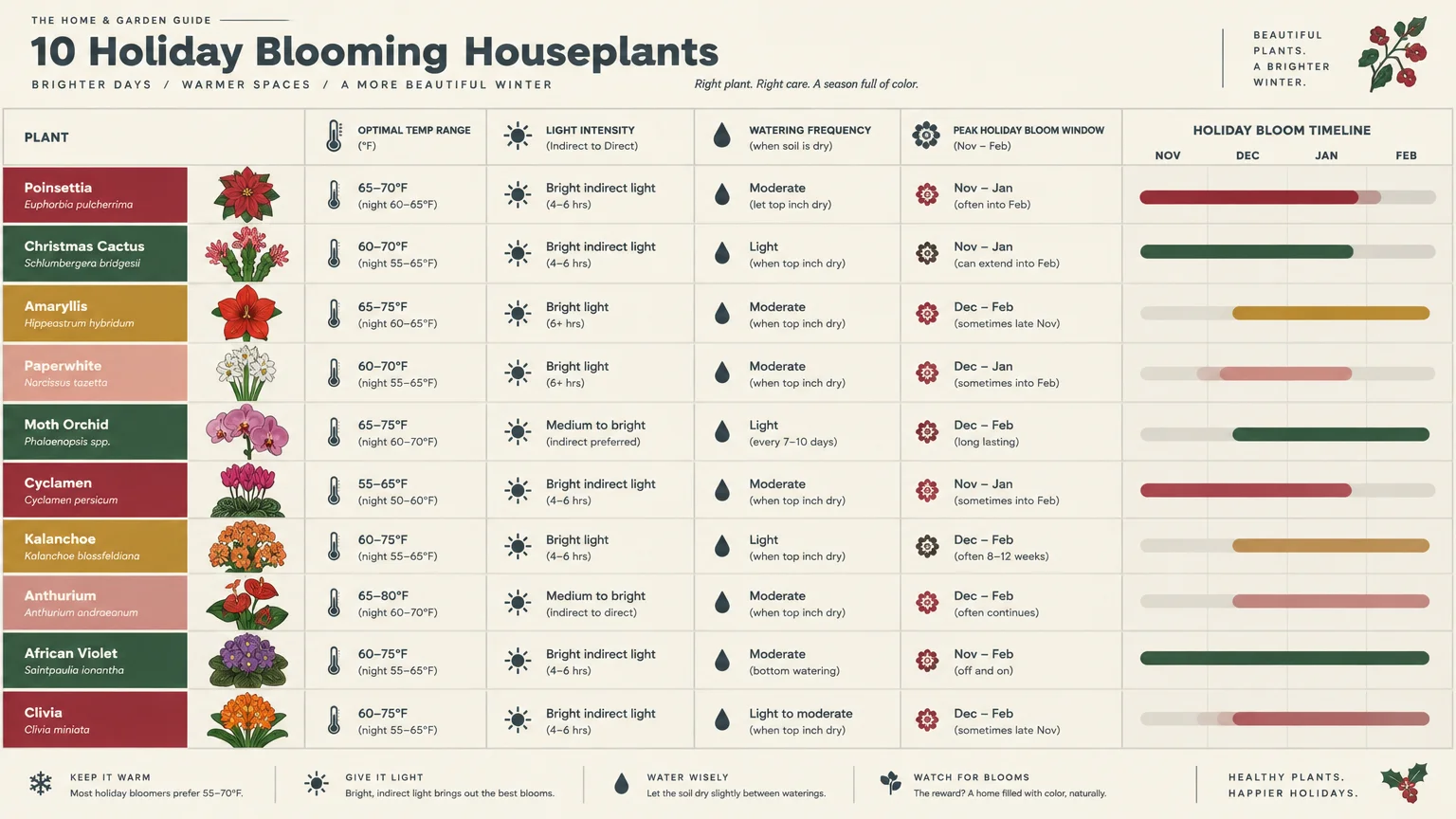
Putting It All Together: Enjoy Your Beautiful Garden
Cultivating winter blossoms brings incomparable warmth, fragrance, and color into your home when gray outdoor weather sets in. Selecting plants with staggered blooming windows ensures continuous floral interest across the entire holiday season.
Success begins with understanding the distinct environmental cues that trigger each variety to open its buds. Balancing moderate room temperatures, appropriate watering habits, and bright filtered light keeps every specimen thriving.
Do not hesitate to mix and match different textures, from velvety African violets to dramatic amaryllis stalks. Grouping plants together also creates supportive microclimates with higher ambient humidity.
Take time to inspect your indoor flowering plants winter arrangements regularly for soil moisture and healthy leaf color. Minor adjustments in pot placement or watering will prevent stress and extend the lifespan of every blossom.
Embrace these reliable floral companions as living holiday centerpieces that elevate your festive decor. With these practical techniques, your indoor garden will flourish gloriously year after year.
Frequently Asked Questions
How can I make my holiday plants bloom for as long as possible?
Keep your flowering plants in cool rooms away from heat sources and drafty windows. Cooler ambient temperatures slow down flower metabolism, allowing individual blooms to stay fresh for weeks longer.
Provide steady, moderate moisture without ever overwatering or letting pots sit in stagnant runoff. Removing spent blossoms promptly also redirects plant energy into remaining unopened flower buds.
Why are my Christmas cactus flower buds dropping off before opening?
Bud drop in a christmas cactus usually results from sudden environmental shocks or drafts. Moving the plant to a new location once buds form causes disorientation and rapid bud shedding.
Letting the potting mix dry out completely or keeping the container near heating vents also triggers premature drop. Maintain consistent soil moisture and keep the pot in one undisturbed location.
Which holiday plants are safe for homes with curious cats and dogs?
Christmas cacti and African violets are non-toxic options that remain completely safe around household pets. They provide vibrant winter color without presenting poisoning hazards if curious animals nibble on them.
In contrast, amaryllis bulbs and cyclamen tubers contain toxic alkaloids that cause severe gastrointestinal distress in animals. Keep these toxic varieties elevated on high shelves well out of reach of your pets.
Can I successfully get my poinsettia to rebloom next holiday season?
You can rebloom a poinsettia by simulating natural seasonal light cycles starting in late September. The plant requires fourteen hours of total, uninterrupted darkness every night for eight to ten weeks.
Cover the plant with a dark cardboard box each evening and return it to sunlight each morning. This strict photoperiod regimen forces the upper bracts to develop their iconic, vibrant holiday coloration.
For region-specific advice, consult your local University Extension program (find yours via the USDA directory). For plant databases and inspiration, visit the Missouri Botanical Garden or the Royal Horticultural Society.
Disclaimer: This article provides general gardening advice. Always consider your specific climate, soil conditions, and local pests. Follow safety guidelines when using gardening tools and products.