Fallen autumn leaves deliver free organic matter that can transform your soil into a nutrient powerhouse. You can skip the tedious bagging routine and convert this seasonal abundance into dark, fertile garden gold.
Raking piles to the curb robs your landscape of trace minerals that tree roots gather from deep underground. Smart gardeners recycle these resources on site to supercharge plant growth and suppress invasive weeds naturally.
Transforming your yard debris saves money on commercial fertilizers while building drought-resistant soil structure. Master these proven techniques to turn every autumn rake-out into a thriving ecosystem for your beds.
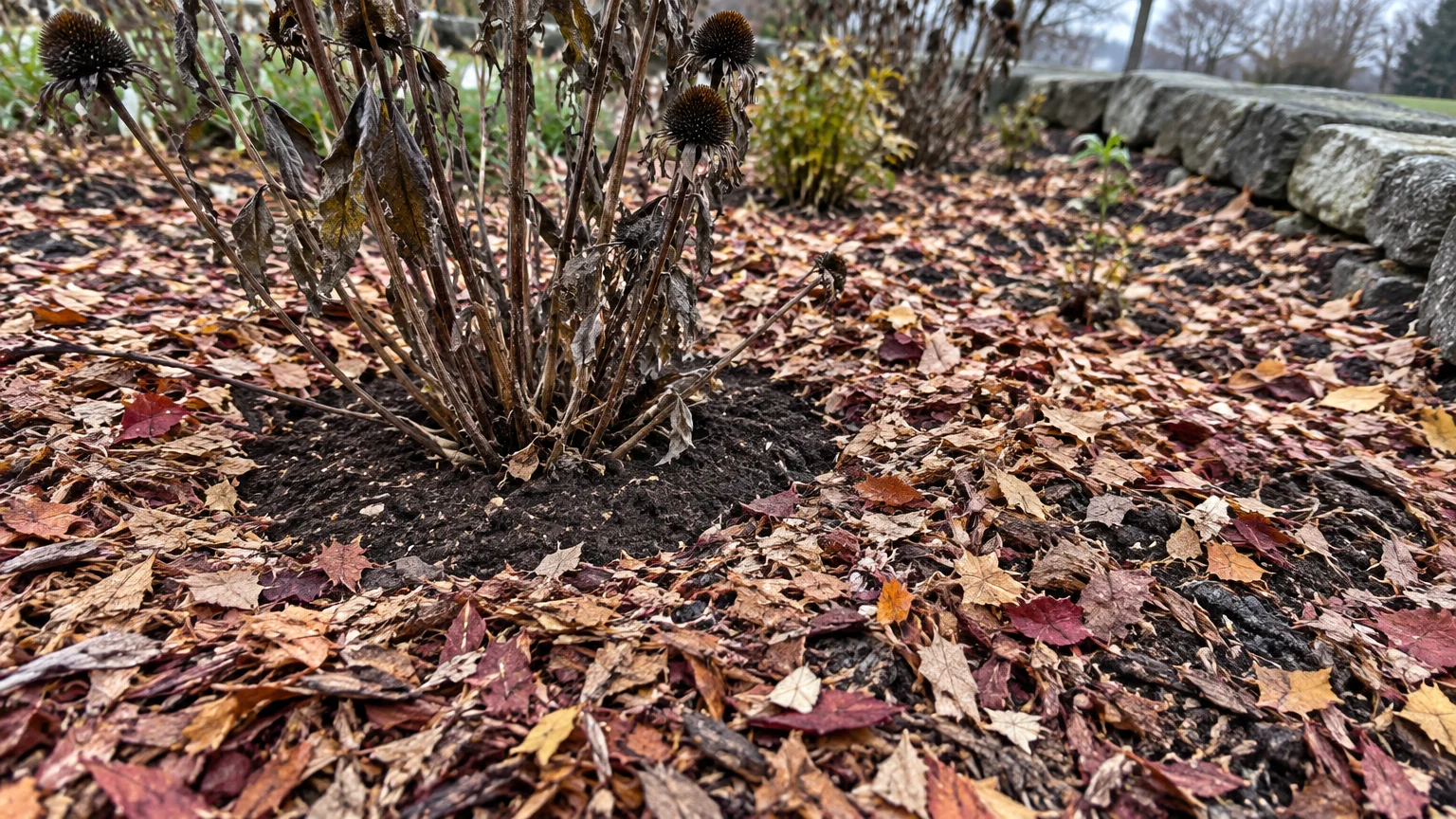
Tip #1: Shred Them into Nutrient-Rich Leaf Mulch
Shredded leaves create an exceptional protective blanket across exposed garden soil. Running your lawn mower over dry piles quickly shreds them into uniform, soil-friendly fragments.
Whole leaves often mat together and form an impenetrable barrier that smothers emerging perennials and prevents water infiltration. Finely chopped leaf mulch allows moisture and oxygen to penetrate freely while blocking weed germination.
Spread a two- to three-inch layer across flower beds and vegetable plots in late autumn. Keep the material an inch away from woody plant stems to prevent pest damage and crown rot.
As this organic cover breaks down, it releases calcium, potassium, and phosphorus back into the topsoil. Soil microbes feed hungrily on the fragments throughout mild winter spells.
You also protect your bare earth from heavy rainfall erosion and harsh freeze-thaw cycles. Your garden beds will emerge in spring with loose, friable soil ready for planting.
Oak and maple provide sturdy cover that lasts several months without washing away during spring downpours. Combine different leaf species to provide a diverse spectrum of trace nutrients for your earthworms.
Shredding dry leaves takes minimal time and eliminates the cost of purchasing bagged wood bark. You establish a resilient, self-sustaining garden bed while clearing your autumn pathways.
Applying this shredded topcoat in late autumn seals warmth into the root zone before hard freezes strike. Your overwintering bulbs and perennial roots stay insulated until spring returns.
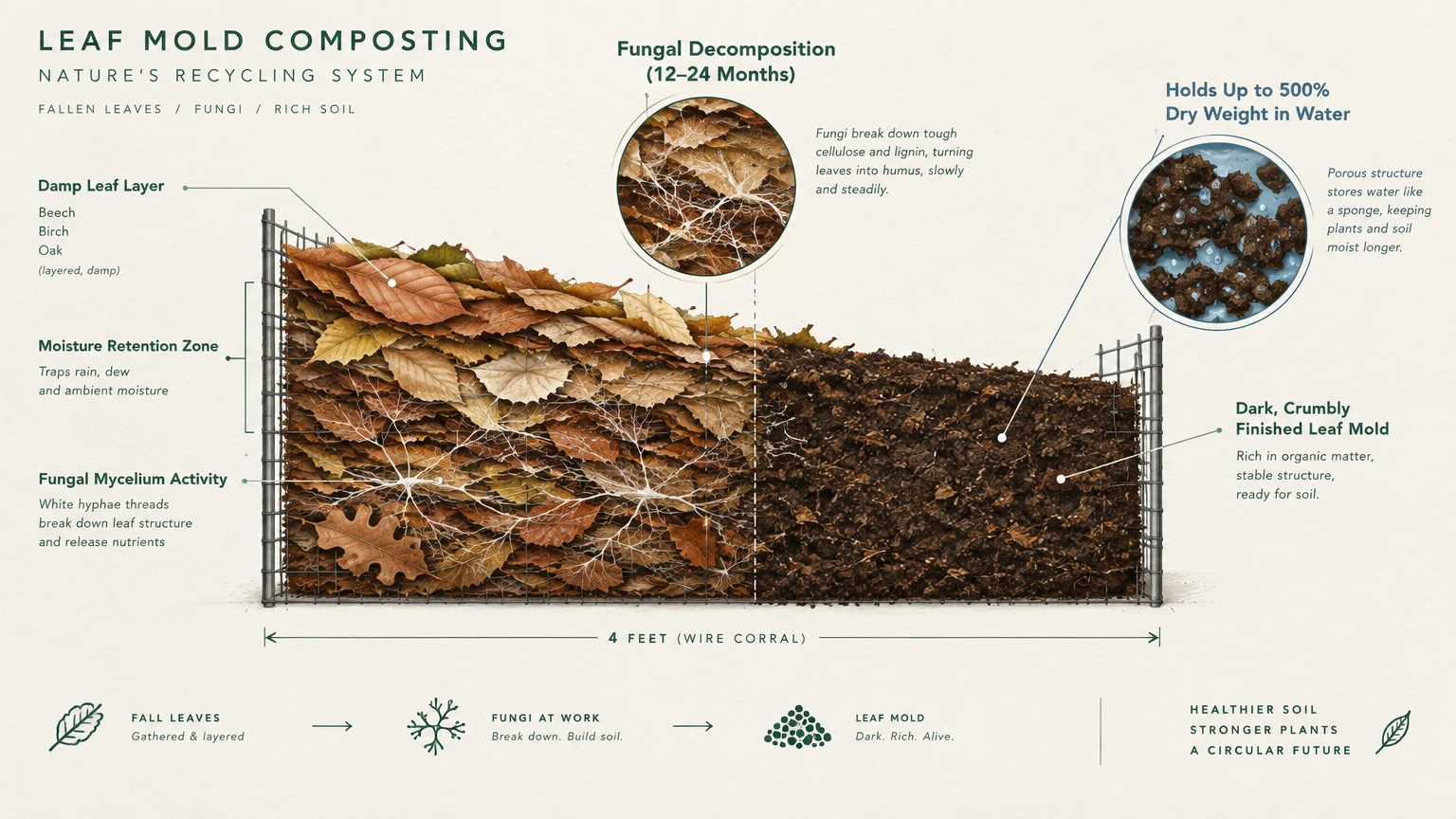
Tip #2: Create Dark, Crumbly Leaf Mold
Learning how to make leaf mold gives you access to one of nature’s finest soil conditioners. Unlike hot compost, leaf mold breaks down slowly through fungal decomposition rather than bacterial heat.
Gather damp leaves into a simple four-foot wire bin or sturdy burlap sacks. Keep the pile consistently moist, as fungal hyphae require steady humidity to soften the tough cellular walls.
Turn the pile every couple of months to introduce fresh oxygen and check moisture levels. Within twelve to twenty-four months, the foliage transforms into a sweet-smelling, dark brown crumbly material.
Finished leaf mold can hold up to five hundred percent of its dry weight in water. Incorporating it into sandy beds dramatically improves drought tolerance during scorching summer heatwaves.
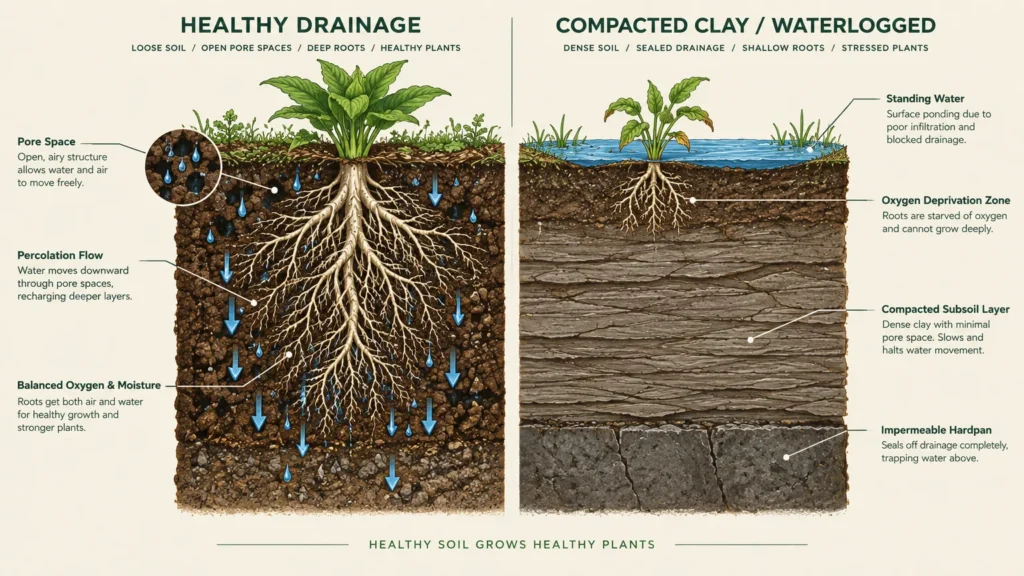
Heavy clay soils also gain improved aeration and porosity when blended with generous scoops of aged leaf mold. It loosens compacted earth, allowing tender roots to stretch deep into your garden beds.
You can sift this finished material through a quarter-inch mesh screen to craft homemade potting mix. Blend two parts leaf mold with one part compost for an unbeatable seedling blend.
Beech, birch, and hornbeam leaves produce wonderful results with high calcium and minimal tannins. Even tougher oak varieties yield superb conditioning when shredded before stacking into your storage corral.
Store cured leaf mold in covered plastic bins to maintain moisture until spring seed starting. Your young transplants will root rapidly in this gentle, pathogen-free organic medium.
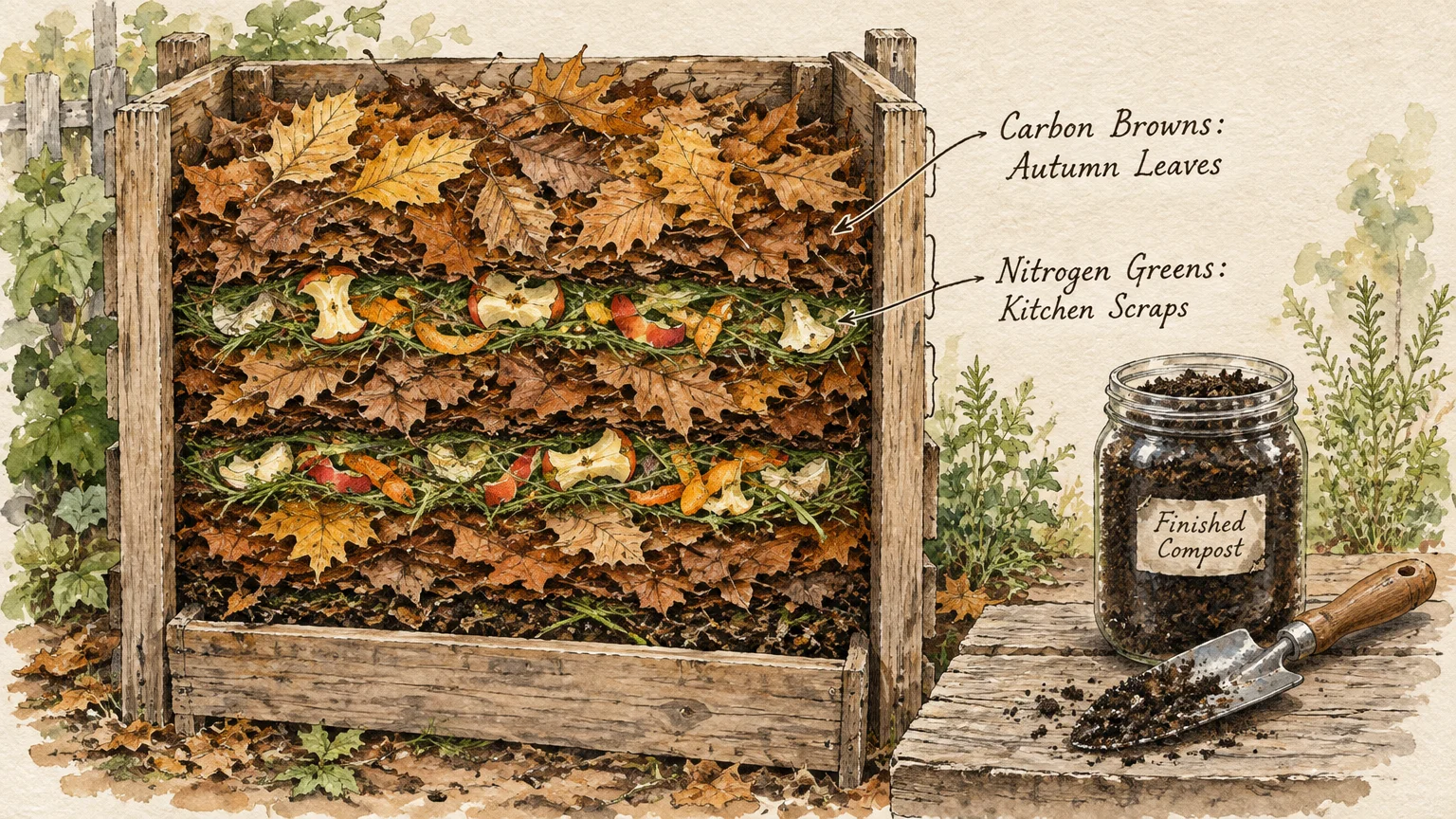
Tip #3: Boost Your Compost Pile’s Carbon Balance
Successful hot composting leaves requires an abundant supply of carbon-rich brown ingredients. Autumn foliage provides the ideal carbon reserve to balance wet, nitrogen-heavy summer kitchen scraps and coffee grounds.
Aim for a volumetric ratio of roughly three parts shredded leaves to one part nitrogen-rich greens. This balanced ratio accelerates decomposition and prevents foul odors from stagnating your active pile.
Store several dry bags of shredded foliage near your compost bin during your fall garden cleanup. Whenever you empty a container of kitchen scraps, top it with a generous layer of leaves.
The leaves trap air pockets inside the compost mass, supplying oxygen directly to aerobic bacteria. This sustained airflow raises core temperatures high enough to neutralize weed seeds and plant pathogens.
Turn the compost pile once every two weeks using a sturdy pitchfork to redistribute heat and moisture. Within three months, you will harvest crumbly, dark compost teeming with beneficial microorganisms.
Never add whole, wet clumps of leaves, which pack tightly into anaerobic, slimy layers. Always shred them first with a string trimmer inside a large garbage can or run them under a mower.
This reliable carbon reservoir keeps your compost working actively throughout freezing winter months. You recycle household kitchen waste efficiently without dealing with soggy, foul-smelling compost bins.
Inoculate new compost heaps by tossing a shovel of garden soil onto the layered leaves. Soil microbes will quickly colonize the leaf fragments and initiate rapid thermophilic breakdown.
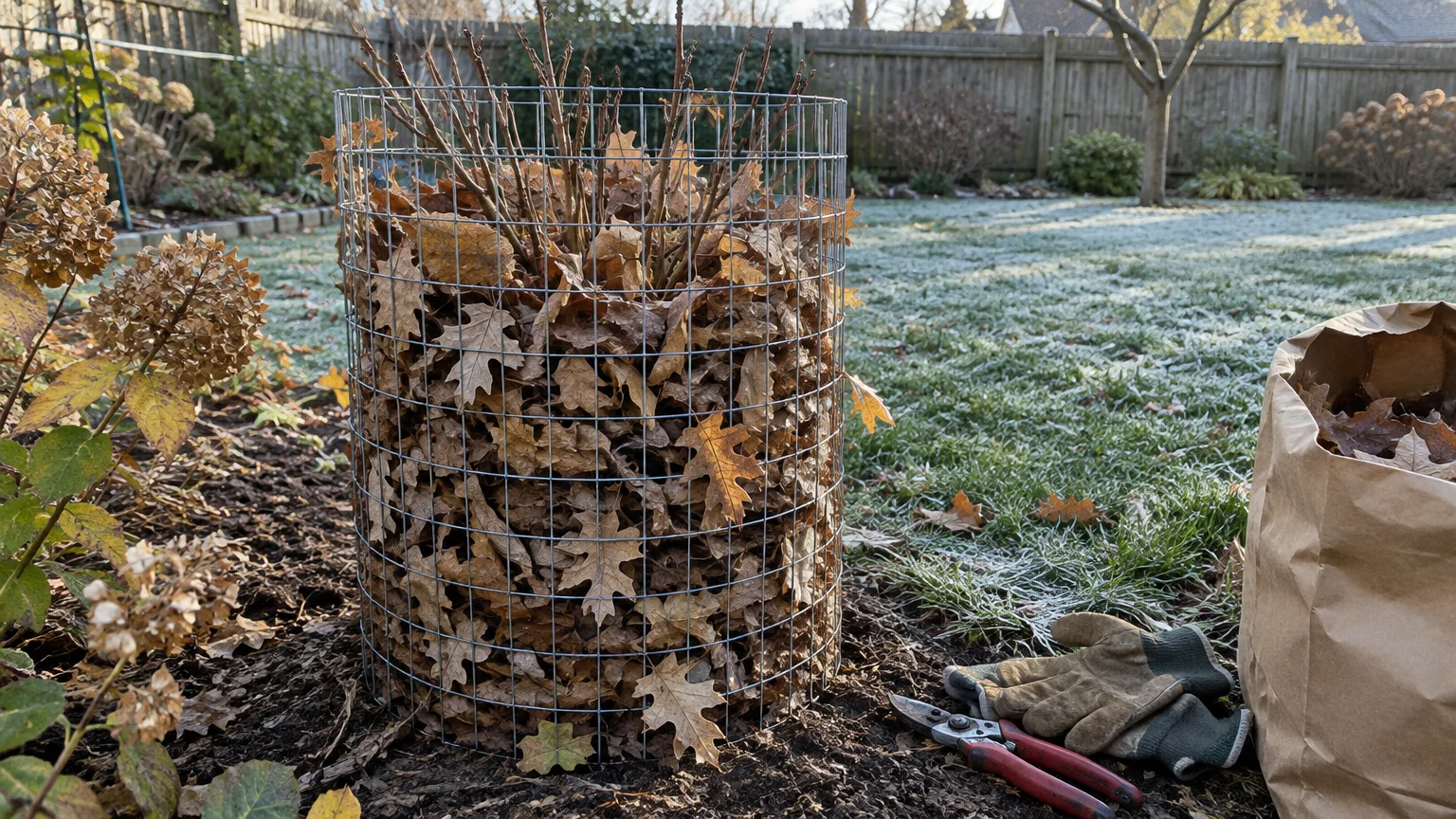
Tip #4: Insulate Tender Perennials and Shrubs for Winter
Extreme temperature fluctuations during winter threaten tender perennials and sensitive ornamental shrubs. A thick blanket of dry leaves buffers soil temperatures and protects delicate root crowns from killing frosts.
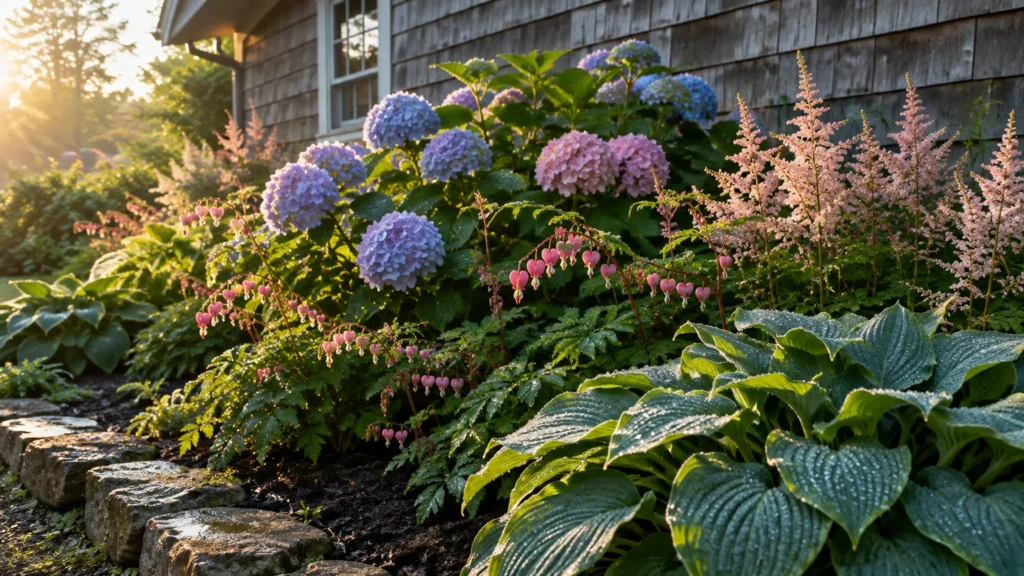
Construct a temporary wire cage around vulnerable plants such as hybrid tea roses or mophead hydrangeas. Fill the interior loosely with whole, dry oak leaves to insulate the canes against biting winter winds.
Oak foliage resists rapid decomposition, providing dependable structural insulation through prolonged snow and ice storms. The loose air pockets trapped between the curved leaves act like natural fiberglass insulation.
Wait until the ground freezes firmly before installing this protective leaf barrier around your plants. Applying mulch too early invites field mice to nest inside the cozy canopy and chew through plant bark.
Pull the leaf insulation away gradually in early spring as new green shoots begin to emerge. Waiting until hard freezes subside ensures you preserve fragile new growth from unexpected late frosts.
Container plantings also benefit enormously from leafy insulation during harsh winter freezes. Group potted specimens together, wrap them in burlap, and pack the spaces between pots with dry foliage.
This straightforward winter barrier saves expensive perennial varieties from winter dieback. Your prized specimens will greet the springtime warmth healthy, hydrated, and ready for vigorous seasonal growth.
Use burlap covers tied over wire cages to keep wild winds from blowing the insulating leaves away. This simple setup prevents desiccating winter gales from stripping vital moisture from evergreen foliage.
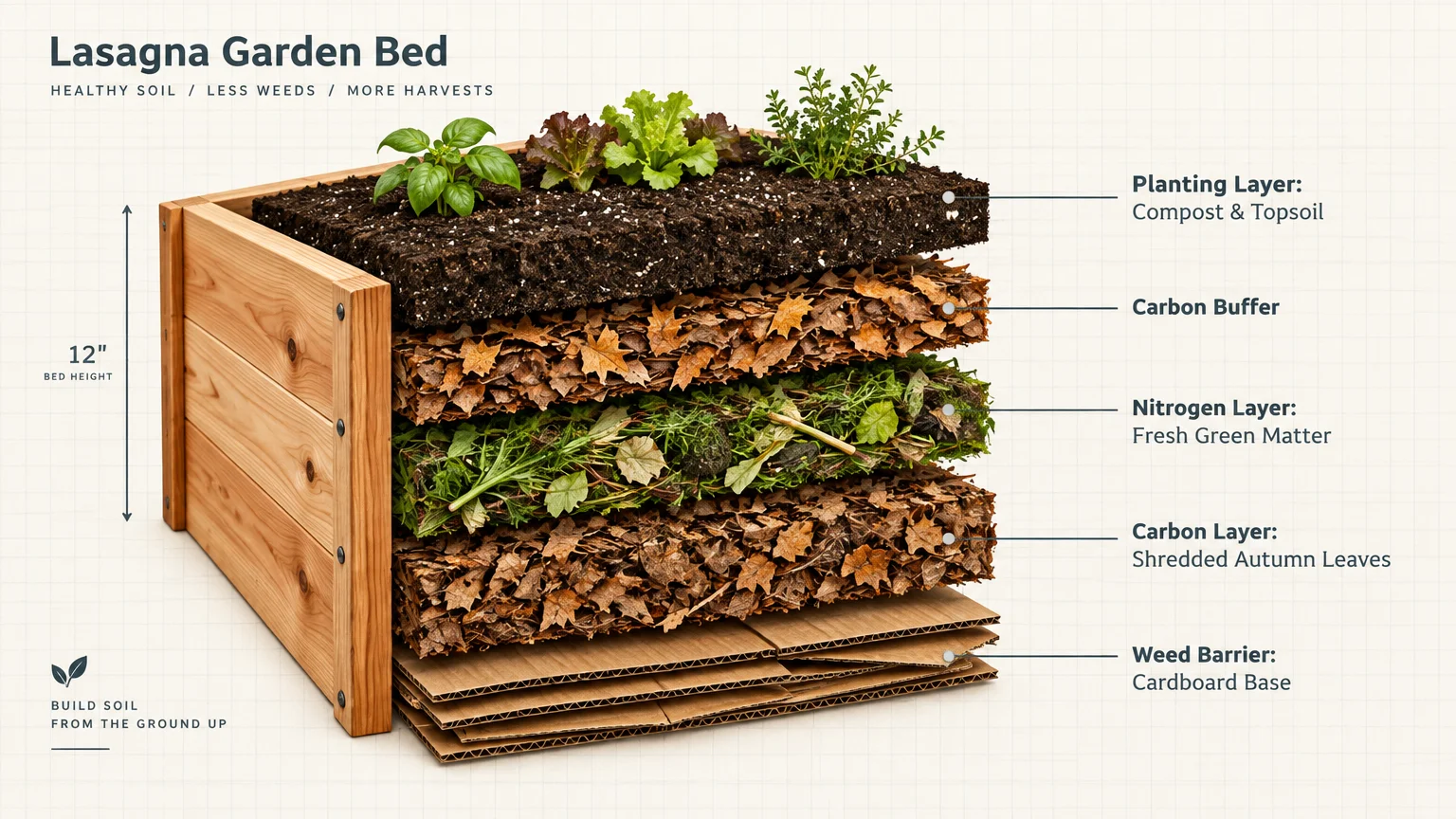
Tip #5: Build Rich Lasagna Garden Beds
Lasagna gardening, or sheet mulching, converts raw organic matter directly into productive garden soil without intensive digging. Fallen foliage serves as the foundational carbon backbone for these fertile, layered planting beds.
Start by laying plain, non-glossy cardboard directly over lawn grass or weedy ground. Wet the cardboard thoroughly to establish an impenetrable, weed-suppressing barrier that breaks down harmlessly over winter.
Spread a four-inch layer of shredded leaves directly over the saturated cardboard base. Follow this carbon layer with two inches of nitrogen-rich manure, green garden trimmings, or kitchen scraps.
Continue alternating brown leaf layers and green nitrogen layers until your mound reaches two feet high. The towering mound will settle to half its original height as microbial digestion accelerates.
Deep-burrowing earthworms will migrate upward to feast on the decomposing leaves and paper. Their movement and nutrient-dense castings create intricate aeration tunnels throughout the new bed structure.
By springtime, the layers transform into rich, fertile loam that requires zero mechanical rototilling. You can plant vegetable seedlings or flowering perennials directly into this spongy, living matrix.
This no-till sheet mulching method preserves natural soil fungal networks and captures runoff moisture. You repurpose wheelbarrows of autumn yard waste while establishing pristine, productive garden space.
Water each layer thoroughly as you construct the mound to kickstart biological activity. Consistent internal moisture ensures the leaf layers break down steadily into soft, crumbly earth.
Tip #6: Protect and Nourish Root Vegetables in Ground
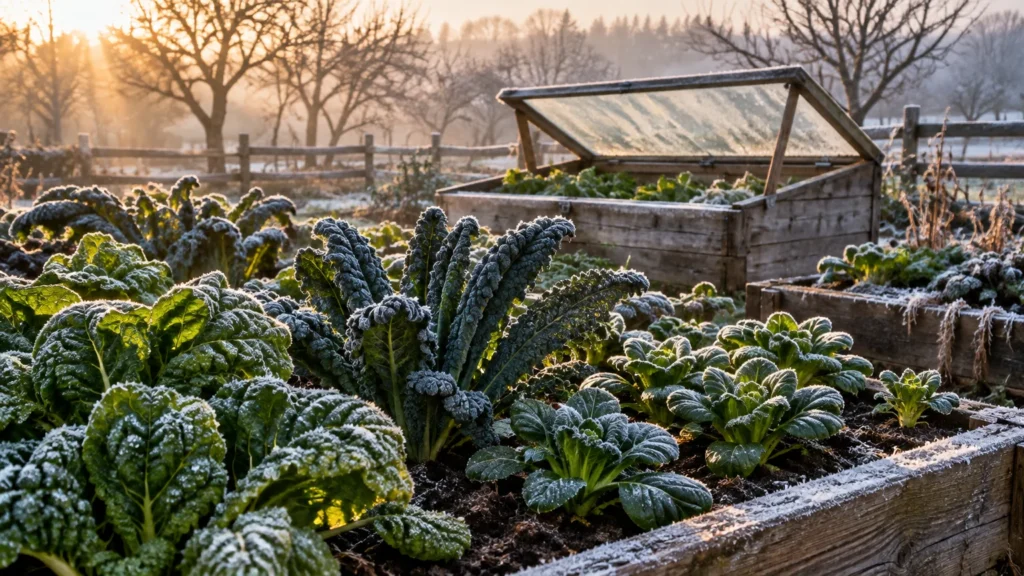
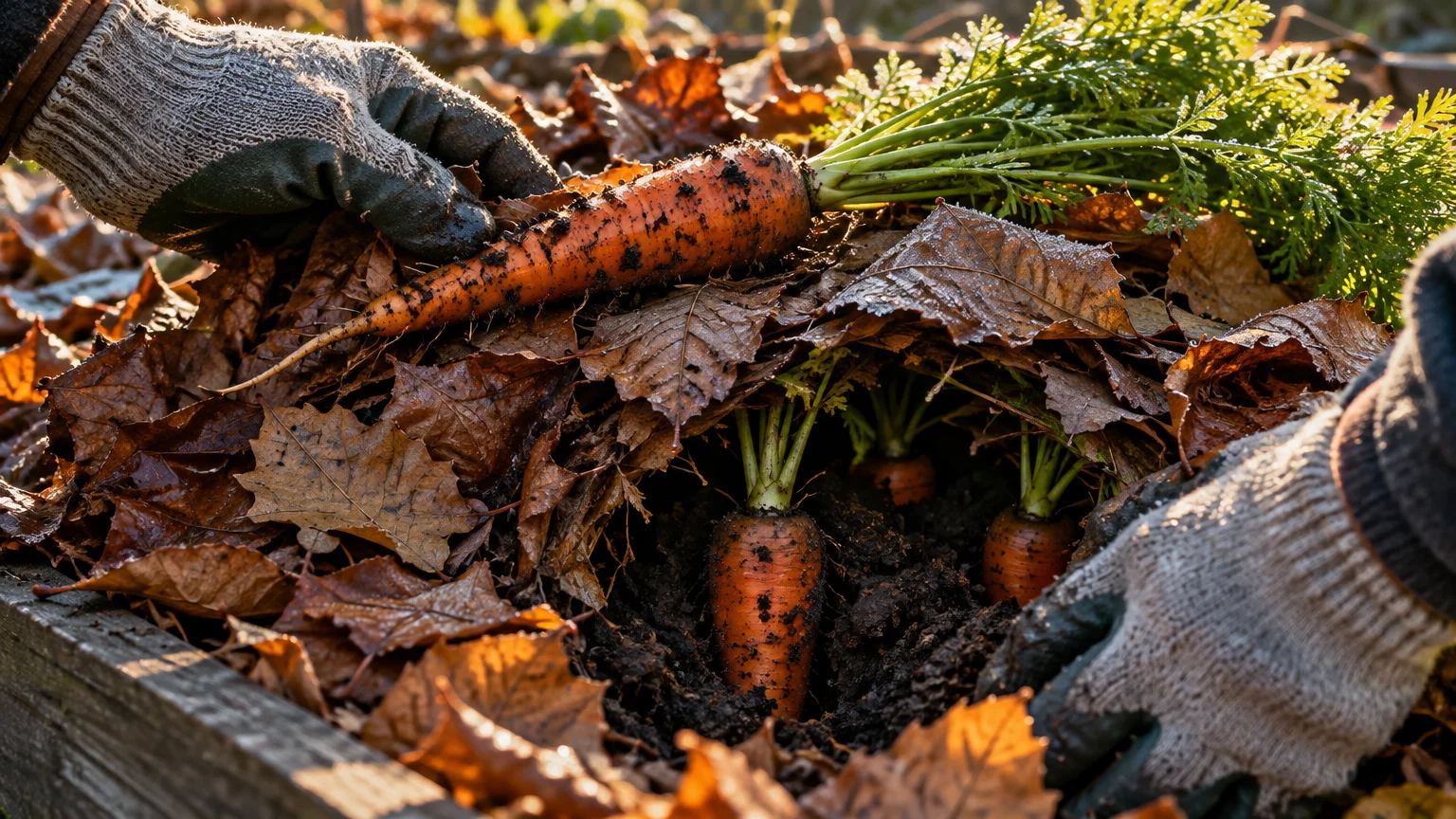
You do not need to harvest all your root crops before freezing winter weather strikes. A heavy layer of whole leaves lets you store carrots, parsnips, and beets right in the garden bed.
Cover your root vegetable rows with ten to twelve inches of loose, dry autumn leaves. Secure the deep mulch with a layer of floating row cover or chicken wire to resist winter gusts.
The thick foliage prevents the top layer of garden soil from freezing solid during deep freezes. Whenever you crave sweet winter vegetables, simply brush aside the leaves and dig into loose earth.
Cold temperatures trigger root crops to convert complex starches into natural sugars as a defense mechanism against frost. Carrots harvested under deep leaf cover taste noticeably sweeter than those gathered during early autumn.
Leeks and hardy brassicas also thrive beneath this insulating blanket through sub-zero winter temperatures. The mulch shields root crowns from desiccation while allowing roots to absorb moisture during midwinter thaws.
Ensure the leaves remain relatively dry on top to prevent ice sheets from sealing the bed surface. High-tannin leaves like oak work exceptionally well because they shed water and resist compacting into dense mats.
This low-cost storage strategy eliminates crowded refrigerator vegetable crispers and extends your harvest season indefinitely. You enjoy fresh, home-grown produce even when snow blankets the surrounding garden landscape.
Mark your vegetable rows with tall wooden garden stakes before applying the thick leaf layer. These markers guide your shovel precisely to buried crop treasures even under deep winter snowdrifts.
Tip #7: Feed Your Lawn with Direct Mower Mulching
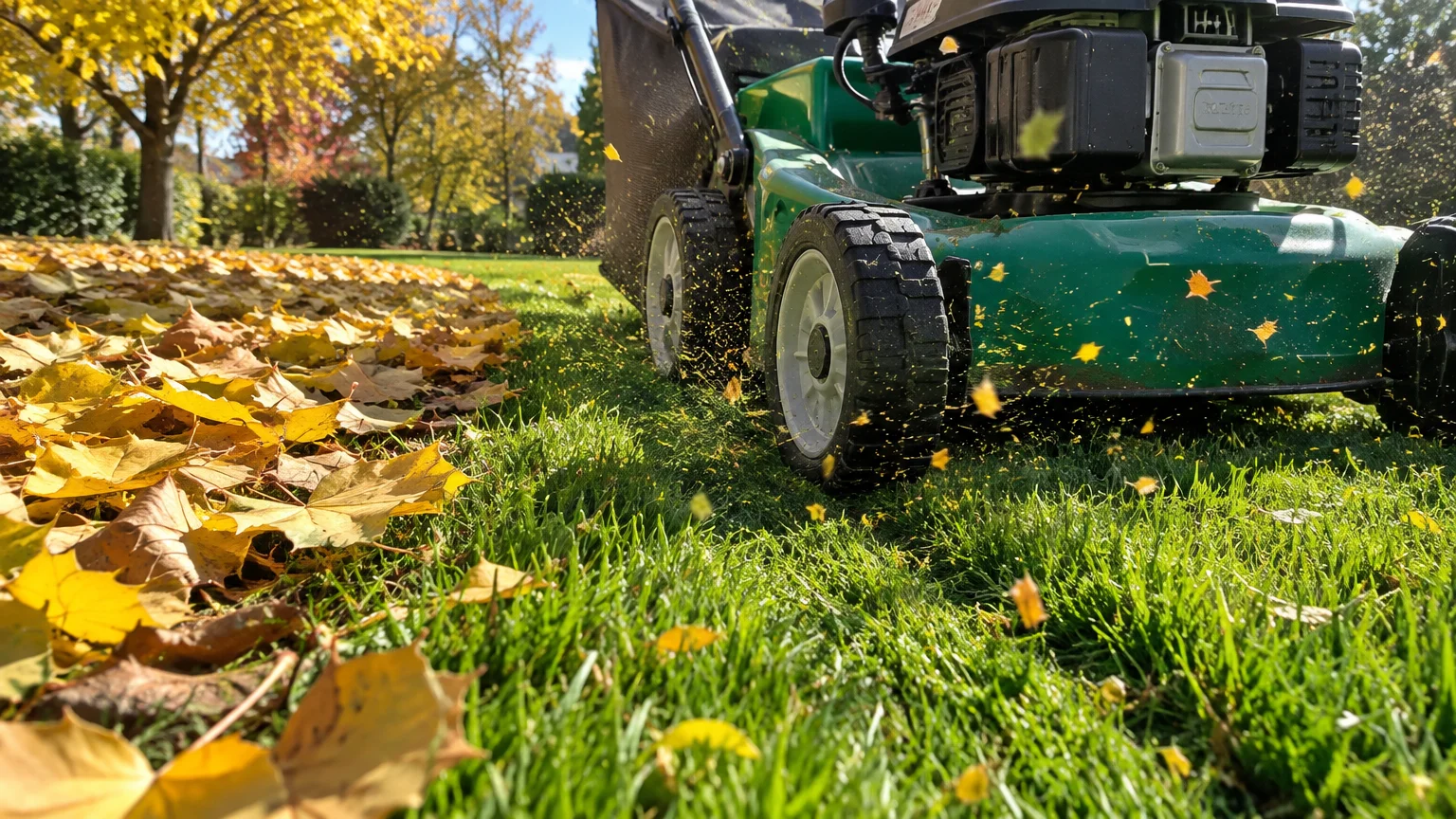
Eliminating leaf raking entirely represents one of the most beneficial uses for fallen leaves on turf. Running a mulching mower over your grass chops leaves into tiny flakes that filter down to soil level.
These microscopic leaf particles decompose within weeks under the activity of active turf microbes and worms. They release nitrogen, carbon, and potassium directly back to the root zone of your grass.
Research from agricultural universities shows that mulching leaves into turf grass significantly reduces dandelions and crabgrass. The decaying leaf matter fills microscopic bare patches where opportunistic weed seeds typically sprout.
Mow your lawn once or twice weekly as leaves fall to prevent heavy, smothering mats from accumulating. You should still see half-inch blades of green grass poking cleanly through the mulched leaf particles.
Mulching eliminates the backbreaking labor of raking, bagging, and hauling heavy yard waste to the curb. It transforms what many consider lawn trash into free, high-grade fertilizer for your turf.
Healthy lawn soil treated with mulched foliage exhibits superior water retention throughout dry summer months. The increased organic matter creates a resilient turf canopy that resists heat stress and compaction.
Keep your mower blades sharp to ensure clean, shredded cuts rather than bruised grass stems. Your lawn will enter winter dormancy fortified with natural nutrients and ready for rapid spring green-up.
Mulch when the leaves are crisp and dry to avoid clogging your mower deck. Dry leaves shatter easily upon blade impact, dispersing evenly across the turf canopy without clumping.
Tip #8: Craft Natural Stepping Stone Pathways
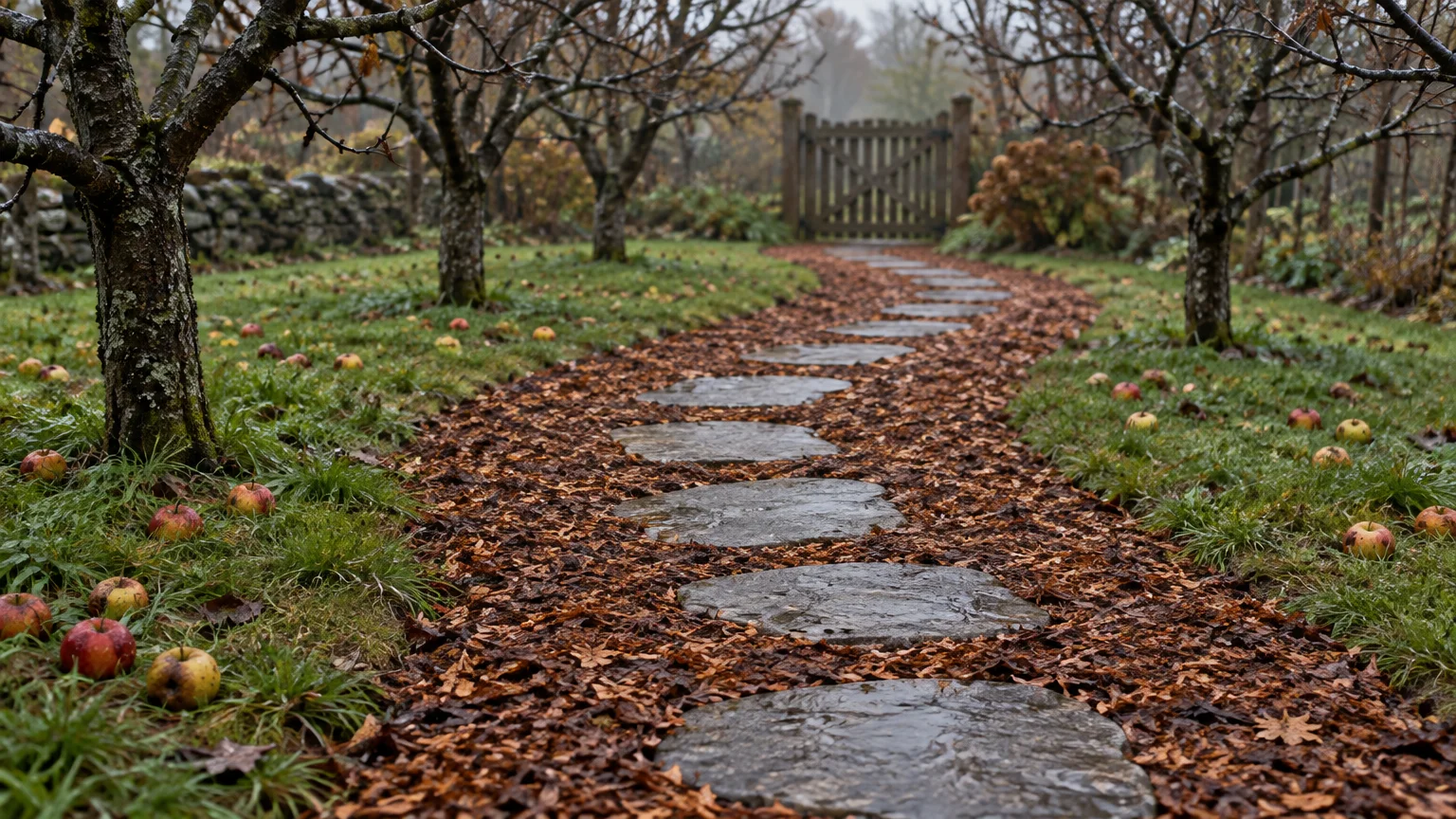
Slippery winter mud can turn garden walkways into frustrating, treacherous tracks for wheelbarrows and boots. You can establish clean, weed-free walking paths between raised beds using a generous layer of whole leaves.
Lay down thick overlapping layers of wet cardboard or burlap sacks along your designated path boundaries. Cover the foundation with four to six inches of whole, fibrous leaves such as oak or beech.
Tamp the foliage down firmly using your garden boots or the flat head of a tamper. The compressed leaves form a spongy, resilient surface that drains water rapidly without turning into sticky mud.
Walking on these leaf-lined pathways continually compresses the fibers, keeping weed growth suppressed throughout the winter. The cushioned surface provides comfortable traction during damp morning garden inspections and compost hauling.
By the following autumn, the underlying leaf path will have broken down into dense, rich humus. You can shovel this decomposed material straight into vegetable beds and replenish the walkway with fresh foliage.
This cyclical pathway strategy eliminates gravel costs while continuously generating rich topsoil on site. It keeps your boots clean and your raised bed access clear throughout rainy seasonal transitions.
Edge your pathways with simple cedar planks, stones, or fallen branches to keep the foliage contained neatly. Your garden gains a rustic, woodland appearance that blends beautifully with the autumn landscape.
Top the pathway with fresh leaves occasionally if heavy foot traffic wears down the organic cushion. This continuous replenishment prevents bare earth from emerging during prolonged periods of heavy winter rainfall.
Tip #9: Create Winter Wildlife Habitats
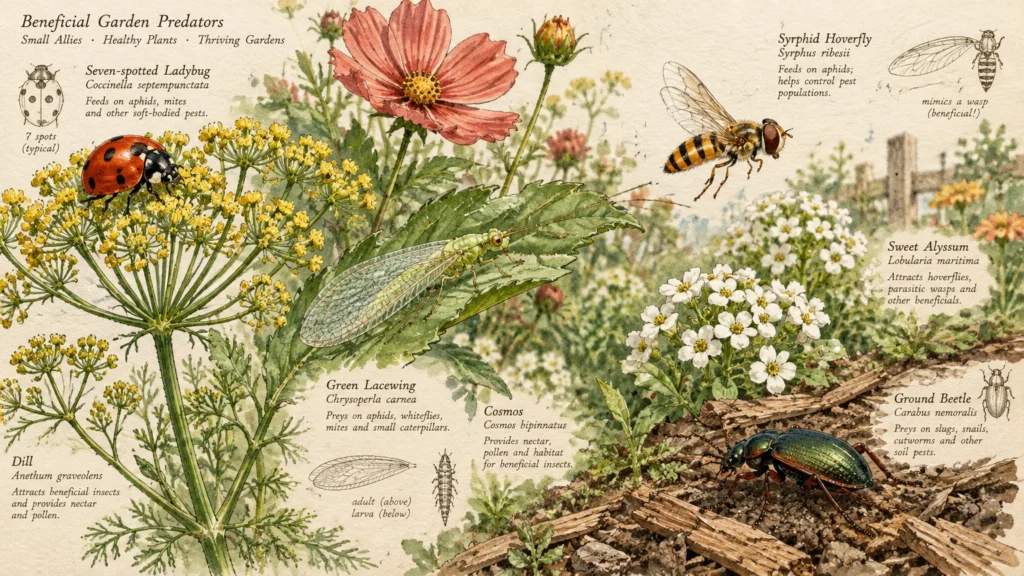
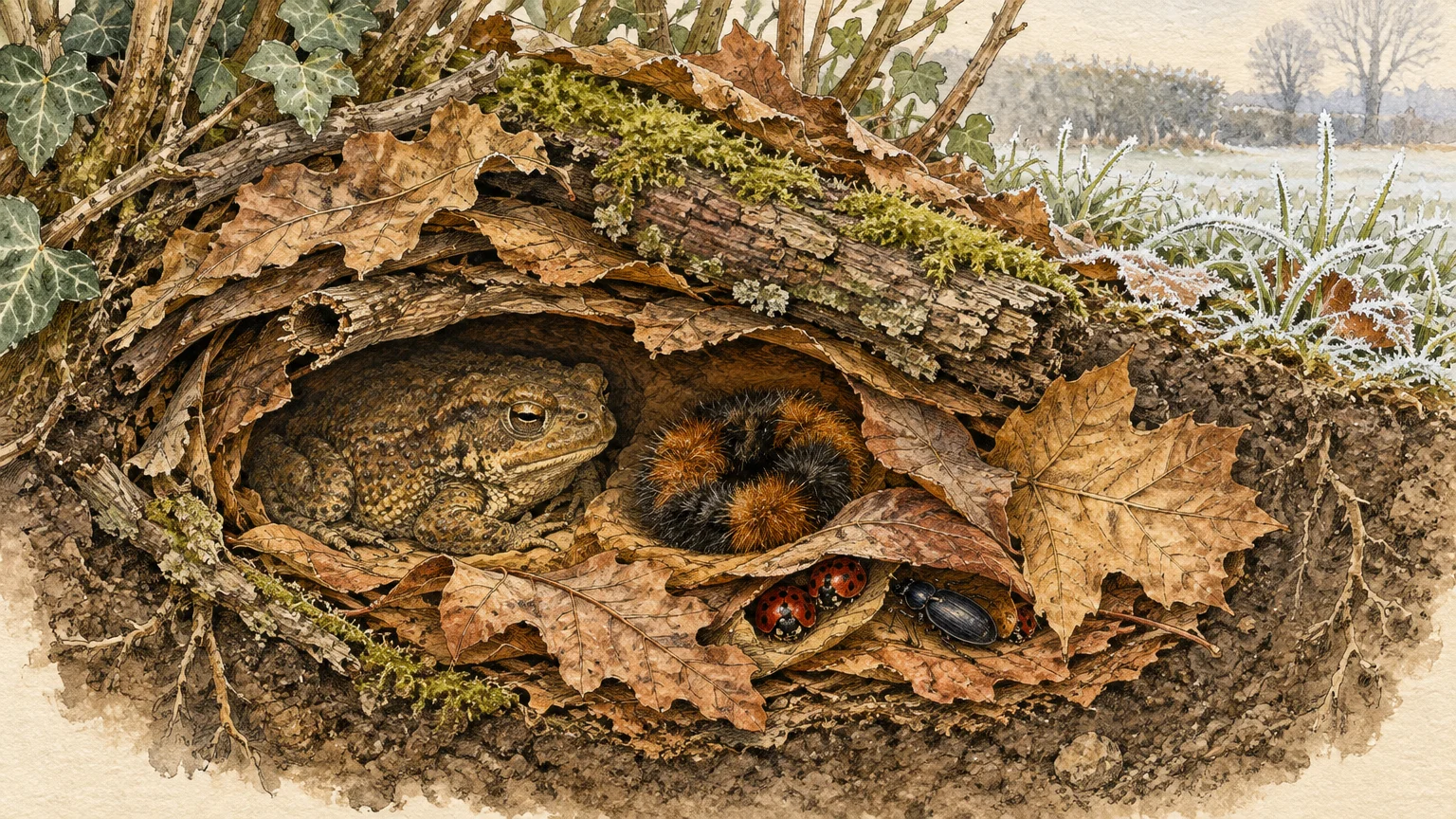
Aggressive fall garden cleanup often destroys critical overwintering habitats for beneficial garden insects and native pollinators. Leaving designated leaf piles in garden corners provides essential shelter for creatures that defend your plants.
Native bumblebee queens burrow beneath leaf litter to survive freezing winter temperatures before building spring nests. Many butterfly species, including the magnificent luna moth, overwinter securely in cocoons disguised as dead leaves.
Predatory ground beetles and ladybugs also spend winter nestled within the dry spaces of undisturbed foliage. In spring, these fierce garden allies emerge ready to devour aphids, slugs, and cutworms.
Rake dry leaves under native shrub borders, hedgerows, and the drip lines of large deciduous trees. Leaving these undisturbed zones creates safe winter microclimates without making your formal front lawn look untidy.
Ground-foraging birds like towhees, song sparrows, and native thrushes will enthusiastically hunt through the leaves for insects. This natural foraging activity entertains your family while keeping pest populations thoroughly in check.
Resist the urge to clear away these wildlife refuge zones until sustained spring temperatures exceed fifty degrees. Premature cleanup destroys vulnerable pollinator pupae before they complete their seasonal development cycles.
Supporting local biodiversity with deliberate leaf sanctuaries turns your garden into a balanced, living ecosystem. You foster natural predator populations that keep your ornamental flowers and vegetables healthy year-round.
Combine leaves with small twigs and hollow stems to build an irresistible shelter for beneficial solitary bees. These diverse organic textures offer micro-shelters that protect tiny garden helpers through heavy snow and ice.
Putting It All Together: Enjoy Your Beautiful Garden
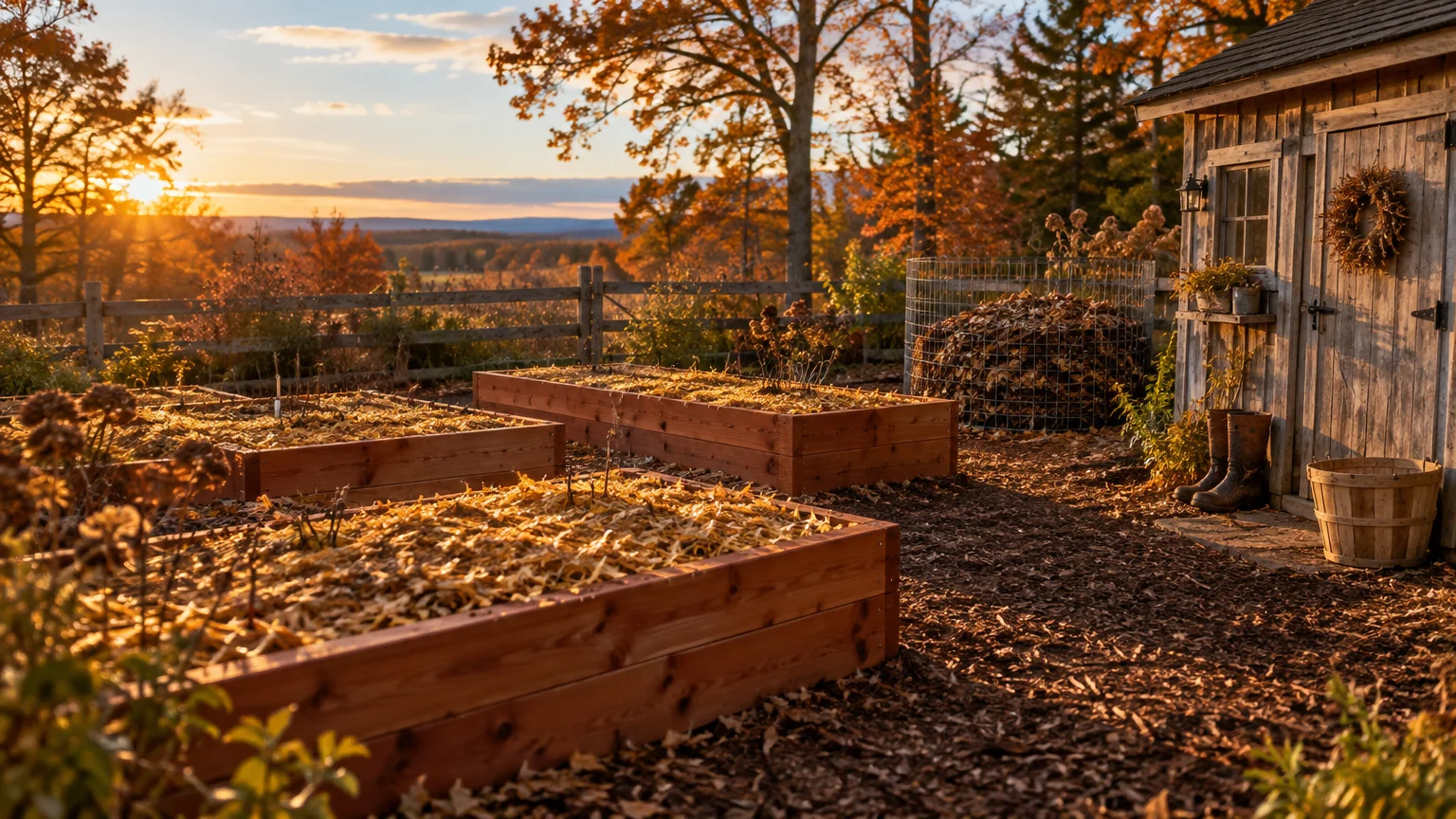
Transforming autumn foliage into free mulch, compost, and wildlife shelters transforms your entire gardening approach. You close the resource loop, returning deep-rooted minerals to your soil while saving labor and money.
Rather than treating autumn cleanups as an exhausting chore, embrace this abundant seasonal harvest of organic riches. Every wheelbarrow of crisp leaves represents healthier soil structure, vibrant perennials, and bountiful future harvests.
Step outside this weekend with your mower, rake, and storage bins ready to harvest this golden resource. Your garden will reward your thoughtful stewardship with lush, resilient growth across every upcoming season.
Healthy soil begins with simple seasonal rhythms that work in harmony with nature. Watch your outdoor sanctuary flourish as you turn autumn’s fallen foliage into living garden vitality.
Frequently Asked Questions
Can I use leaves from black walnut trees in my garden beds?
You should avoid using black walnut foliage directly around sensitive plants like tomatoes, peppers, and eggplants. Walnut leaves contain juglone, a natural allelopathic compound that can inhibit the growth of susceptible garden species.
However, thorough composting thoroughly breaks down juglone molecules through active microbial decomposition over several months. Once fully composted, walnut leaves become completely safe to apply throughout your entire garden landscape.
Do fallen leaves make garden soil too acidic?
Although fresh oak leaves lean slightly acidic, they do not permanently alter your garden soil’s pH levels. As fungal and bacterial decomposers break the material down, the resulting humus stabilizes near a neutral pH.
You can safely apply shredded leaves to vegetable beds and mixed borders without worrying about lowering soil pH. If you grow acid-loving blueberries, combine leaves with pine needles for extra organic matter.
How can I keep dry leaf mulch from blowing away in windy areas?
Shredding dry leaves is the most effective way to prevent them from scattering across your neighborhood. Shredded leaf edges mesh together like puzzle pieces, forming a tight, interlocking blanket over your garden soil.
Water the leaf mulch thoroughly immediately after applying it to your beds to weigh the material down. You can also anchor the mulch by scattering a light dusting of finished compost or woodchips over top.
Should I use diseased leaves in my garden compost?
Avoid using foliage infected with severe fungal blights, rusts, or powdery mildew in passive, cold compost piles. Most home compost systems do not reach sustained high temperatures required to destroy persistent fungal spores.
Dispose of severely diseased leaves in municipal yard waste or bag them for municipal collection. Healthy foliage provides more than enough clean, disease-free organic matter for all your gardening needs.
For region-specific advice, consult your local University Extension program (find yours via the USDA directory). For plant databases and inspiration, visit the Missouri Botanical Garden or the Royal Horticultural Society.
Disclaimer: This article provides general gardening advice based on standard horticultural practices, so always consider your specific climate and soil conditions. Follow safety guidelines when using gardening tools and equipment.