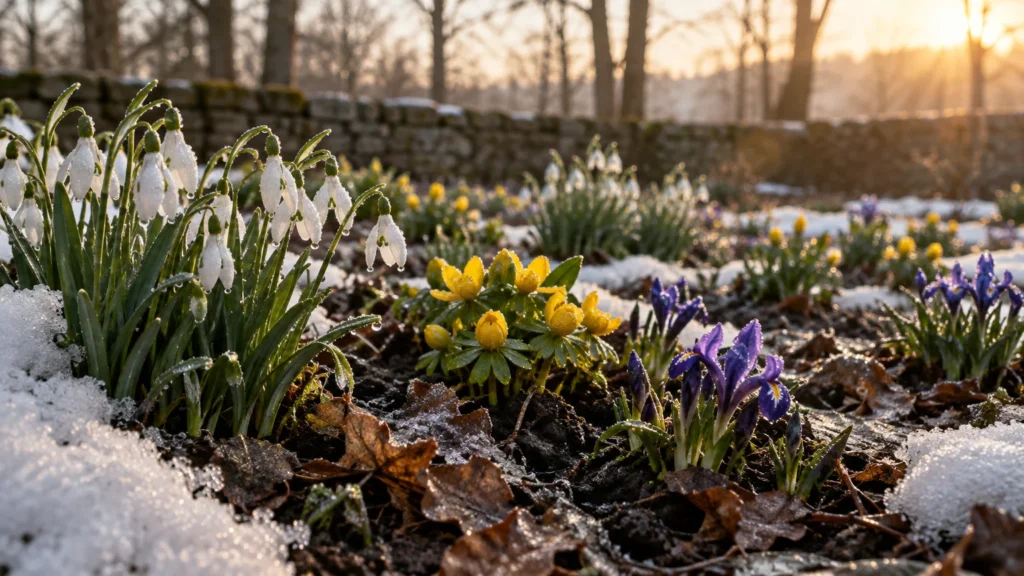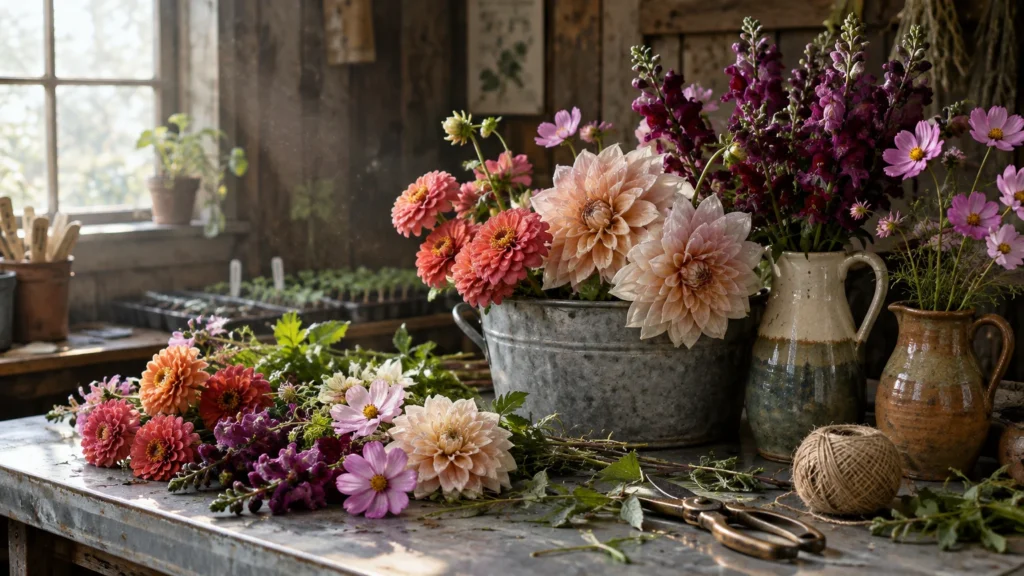
You can transform dim eastern borders into vibrant showcases by selecting blossoms that thrive in gentle early light. These varieties absorb dawn rays without wilting under blistering afternoon heat.
Morning light delivers vital photosynthetic energy while cool afternoon shade preserves delicate petals and soil moisture. This microclimate fosters lush, vibrant foliage and prolific blooms.
Whether you cultivate narrow foundation beds or container patios, selecting the right flowers for morning sun ensures consistent color all season long. Let us explore the ten top performers for your landscape.
Tip #1: Bigleaf Hydrangeas (Hydrangea macrophylla)
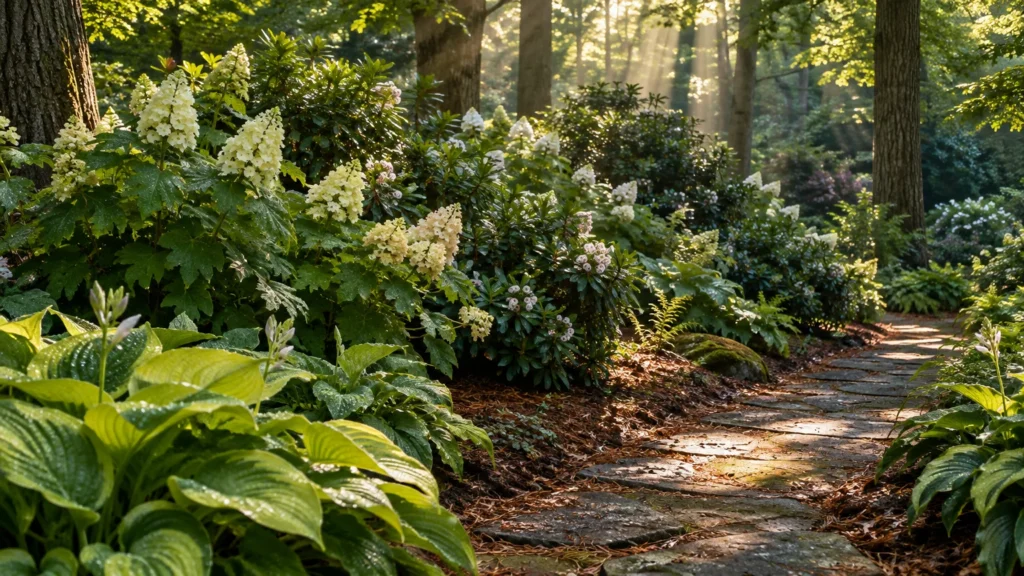
Bigleaf hydrangeas produce massive mophead or lacecap blossoms that define classic summer garden aesthetics. They rank among the most dependable morning sun afternoon shade plants you can grow.
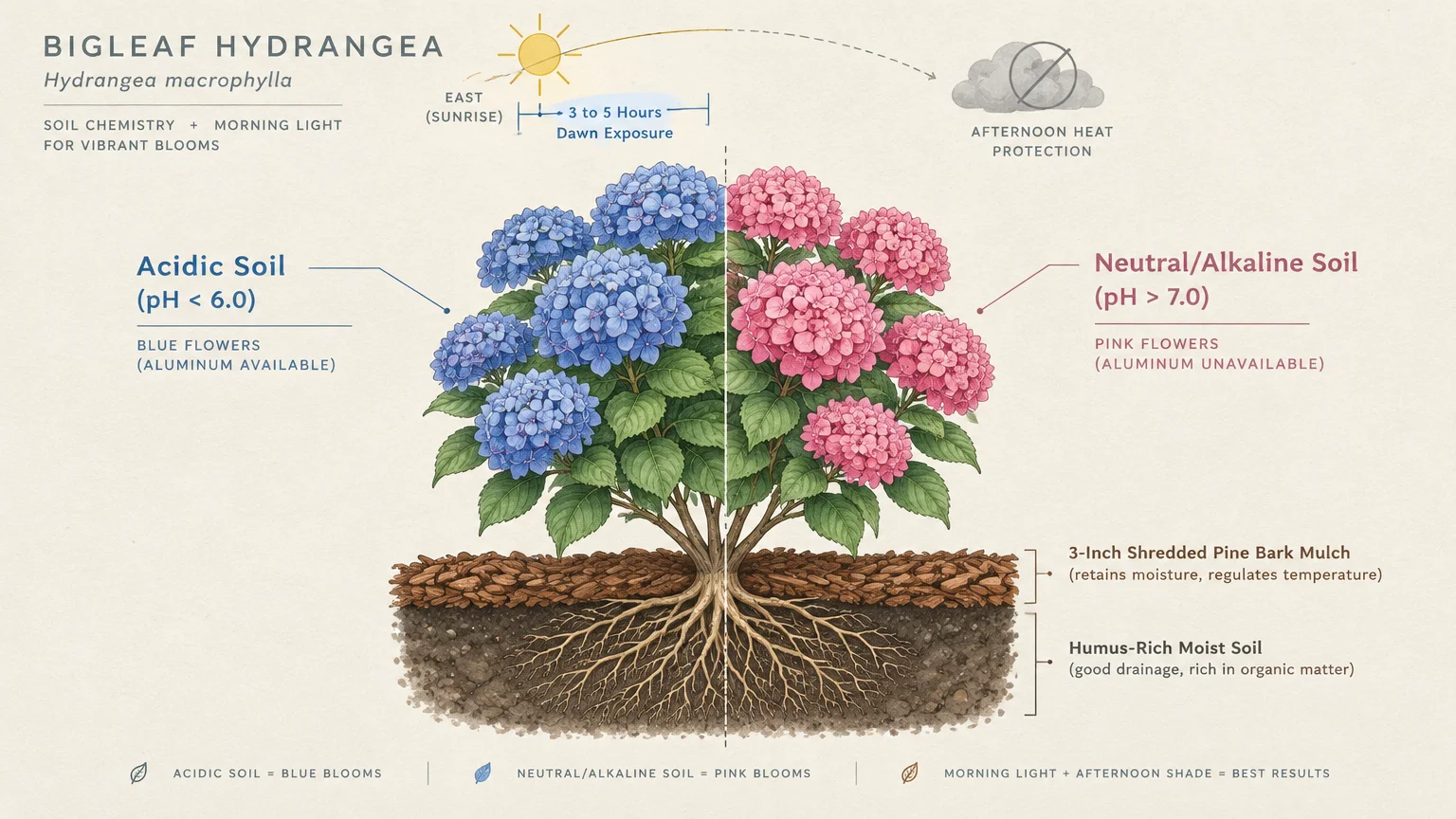
Direct midday sunlight scorches their broad leaves and causes the water-heavy blooms to droop rapidly. Three to five hours of dawn exposure gives them sufficient energy while protecting them from heat stress.
You should plant them in nutrient-dense, humus-rich soil that retains consistent moisture without becoming waterlogged. Applying a three-inch layer of shredded pine bark mulch insulates the shallow root system.
Test your soil chemistry if you wish to influence bloom shades on specific cultivars. Acidic soils with a pH under 6.0 yield rich blue flowers, whereas neutral or alkaline soils produce vibrant pinks.
Provide one to two inches of water weekly at the soil line to avoid wetting the leaves. Morning irrigation minimizes the risk of powdery mildew and leaf spot fungal infections.
Prune carefully in late summer immediately after flowering ceases. Because these woody perennials set next season’s flower buds on old wood, late winter trimming eliminates your spring blooms.
Tip #2: Bleeding Heart (Lamprocapnos spectabilis)
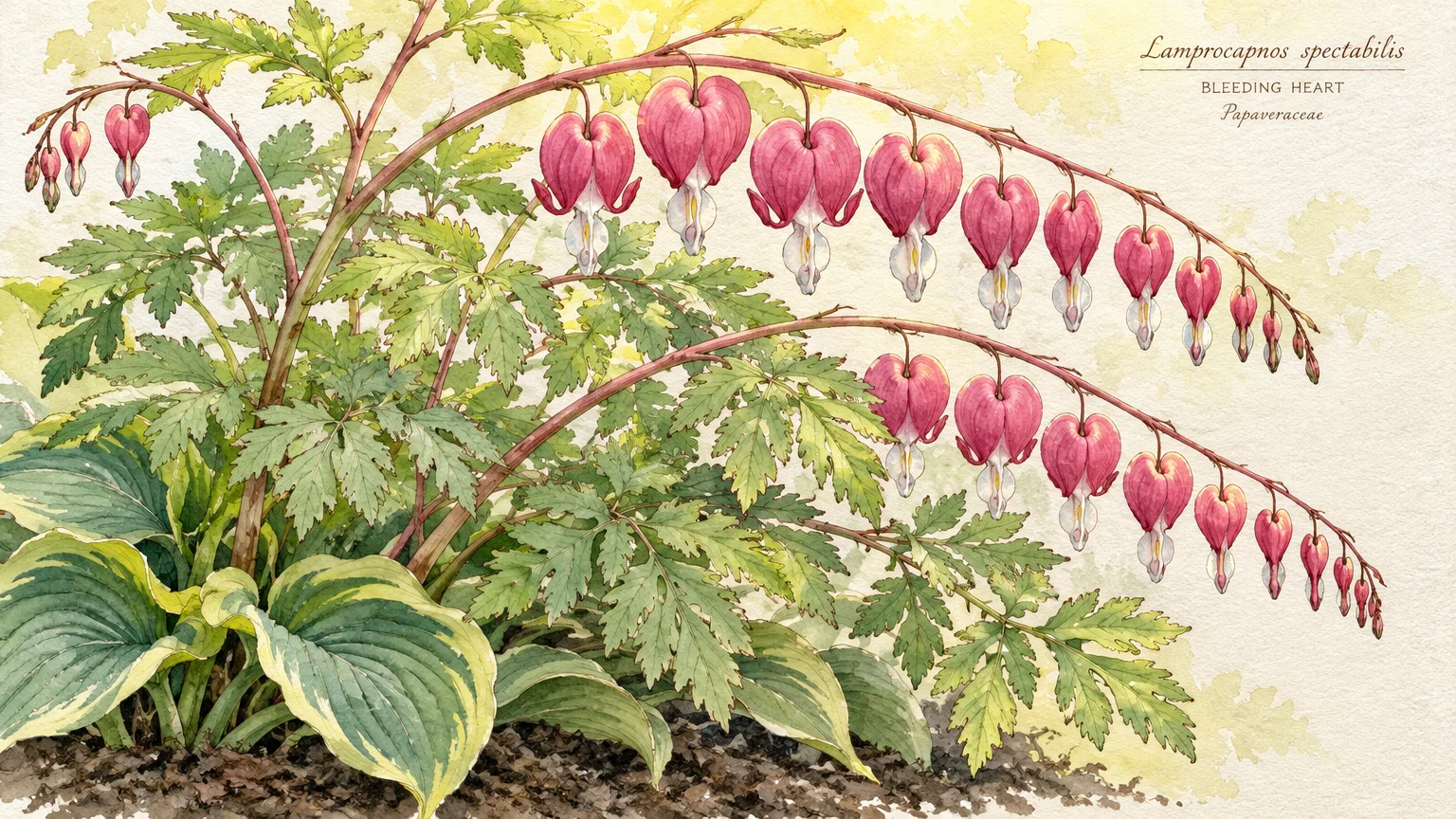
Bleeding hearts offer graceful, arching stems lined with distinctive pendant blossoms in early spring. They stand out as quintessential shade tolerant blooming flowers for tranquil, east-facing garden nooks.
Soft dawn sunshine awakens their foliage without triggering early summer dormancy. Intense afternoon rays will burn the fern-like foliage and prompt the entire perennial to die back prematurely.
Install these woodland gems into fertile, moist soil enriched with aged leaf mold or compost. They prefer a slightly acidic to neutral pH range between 6.0 and 7.0.
Pair bleeding hearts with later-emerging perennials like hostas or ferns. As the bleeding heart retreats in summer heat, neighboring plants fill the open gap seamlessly.
Water your plants consistently during their active spring growth and flowering period. Never allow the root zone to dry out completely while the delicate pink and white blooms persist.
Divide mature clumps every three to four years in early spring before fresh growth emerges. This straightforward maintenance maintains vigorous root health and multiplies your floral display.
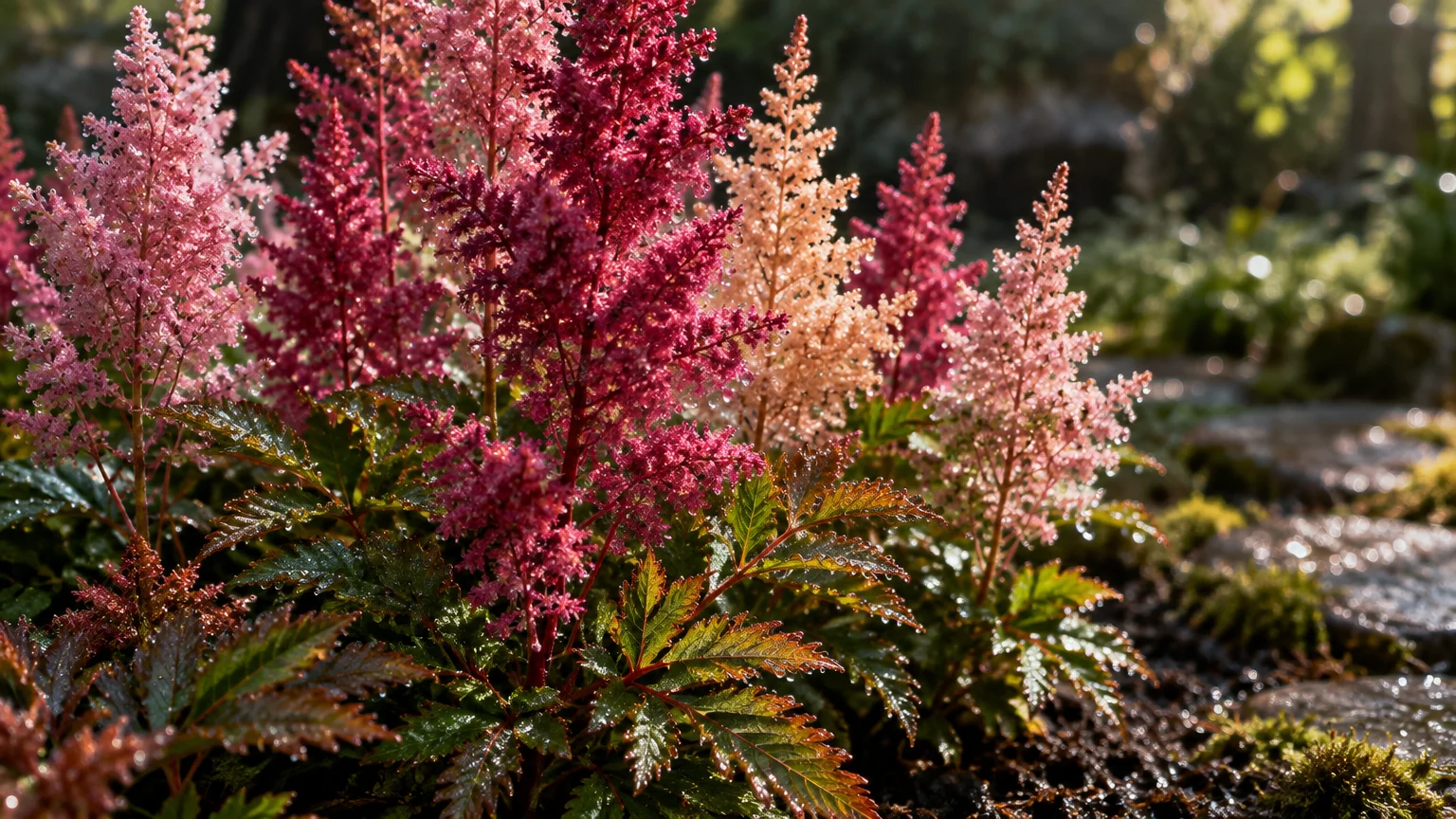
Tip #3: Astilbe (Astilbe chinensis)
Astilbe delivers feather-soft, plume-like spires above ferny, bronze-tinted foliage from late spring into midsummer. These resilient perennials rank among the best flowers for east-facing gardens.
They demand the cool radiance of early morning light to trigger abundant plume development. Afternoon exposure causes their feathery foliage to crisp around the edges and desiccates developing buds.
Plant astilbes in organically rich soil that never dries out completely. They thrive in damp locations near water features, downspouts, or naturally low-lying garden beds.
Supplement your garden bed with generous amounts of composted manure or leaf compost before planting. Astilbes are heavy feeders that reward organic soil amendments with taller, denser flower plumes.
Maintain a steady moisture supply by watering deeply twice weekly during dry summer stretches. A layer of organic compost or leaf mulch helps preserve critical subterranean moisture reserves.
Leave the dried flower plumes intact throughout the autumn and winter months. These architectural seed heads provide visual texture during snowfall and shelter beneficial overwintering insects.
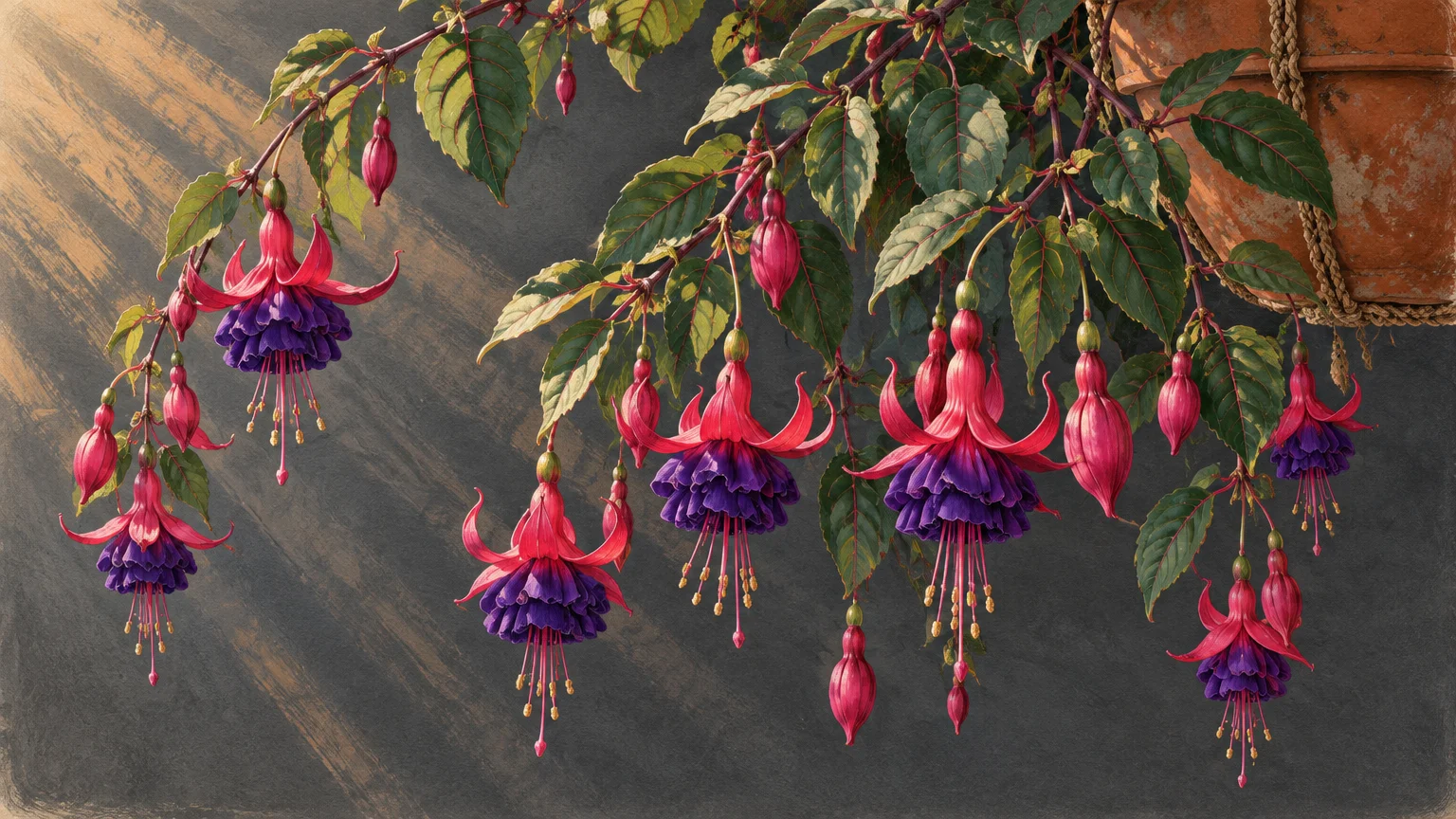
Tip #4: Fuchsia (Fuchsia magellanica)
Fuchsias produce exotic, two-toned pendant flowers that resemble dangling jeweled earrings all summer long. These spectacular partial sun flowers excel in hanging baskets, containers, and sheltered landscape beds.
Delicate fuchsia petals suffer severe heat stress when subjected to harsh, drying afternoon rays. Gentle morning rays supply the light required for continuous budding while cool afternoon shade keeps root zones comfortable.
Pot your fuchsias in a lightweight, peat-based potting mix that provides rapid drainage alongside dependable moisture retention. Ensure every container features clear drainage holes to prevent root rot.
Feed fuchsias every two weeks with a balanced liquid fertilizer diluted to half strength. This continuous nutrient supply supports uninterrupted flower production from late spring until the first autumn frost.
Pinch back young branch tips in late spring to stimulate dense, bushy growth. More branch tips translate directly into a greater volume of dazzling, nectar-rich blossoms.
Monitor for common garden pests such as aphids and whiteflies beneath the leaves. Rinse foliage gently with water or apply insecticidal soap in the early morning if pests appear.
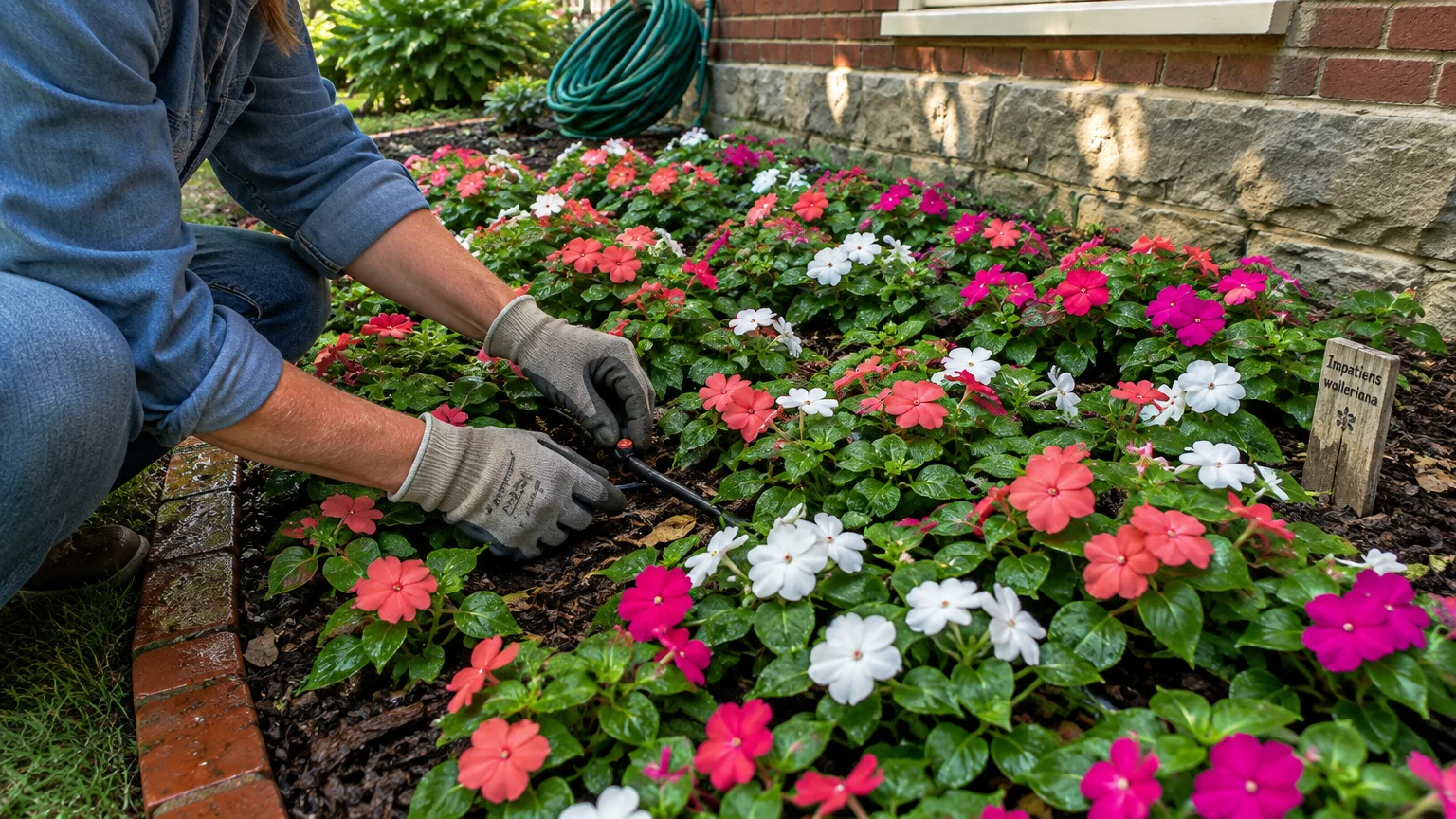
Tip #5: Impatiens (Impatiens walleriana)
Impatiens provide vibrant, continuous color throughout shaded landscapes from May until freezing autumn temperatures arrive. They represent classic morning sun afternoon shade plants that brighten dim garden corners.
While dense shade produces leggy stems and sparse blooming, morning sun promotes compact, heavily branched mounds. However, scorching afternoon sun quickly causes tender impatiens stems to collapse and wither.
Space individual plants eight to ten inches apart in fertile, loose soil amended with organic matter. Proper spacing maximizes airflow, which helps prevent destructive moisture-related fungal diseases.
Keep the surrounding soil evenly moist to the touch, especially during elevated summer heat waves. Container-grown specimens may require daily watering when dawn temperatures climb above eighty degrees Fahrenheit.
Select modern downy-mildew-resistant varieties such as the Beacon or Imara series for dependable results. These sturdy cultivars resist devastating airborne blights while providing uninterrupted floral saturation.
You never need to deadhead these self-cleaning annuals as old blossoms drop away naturally. Simply maintain consistent soil moisture and watch them continuously generate fresh flower buds.
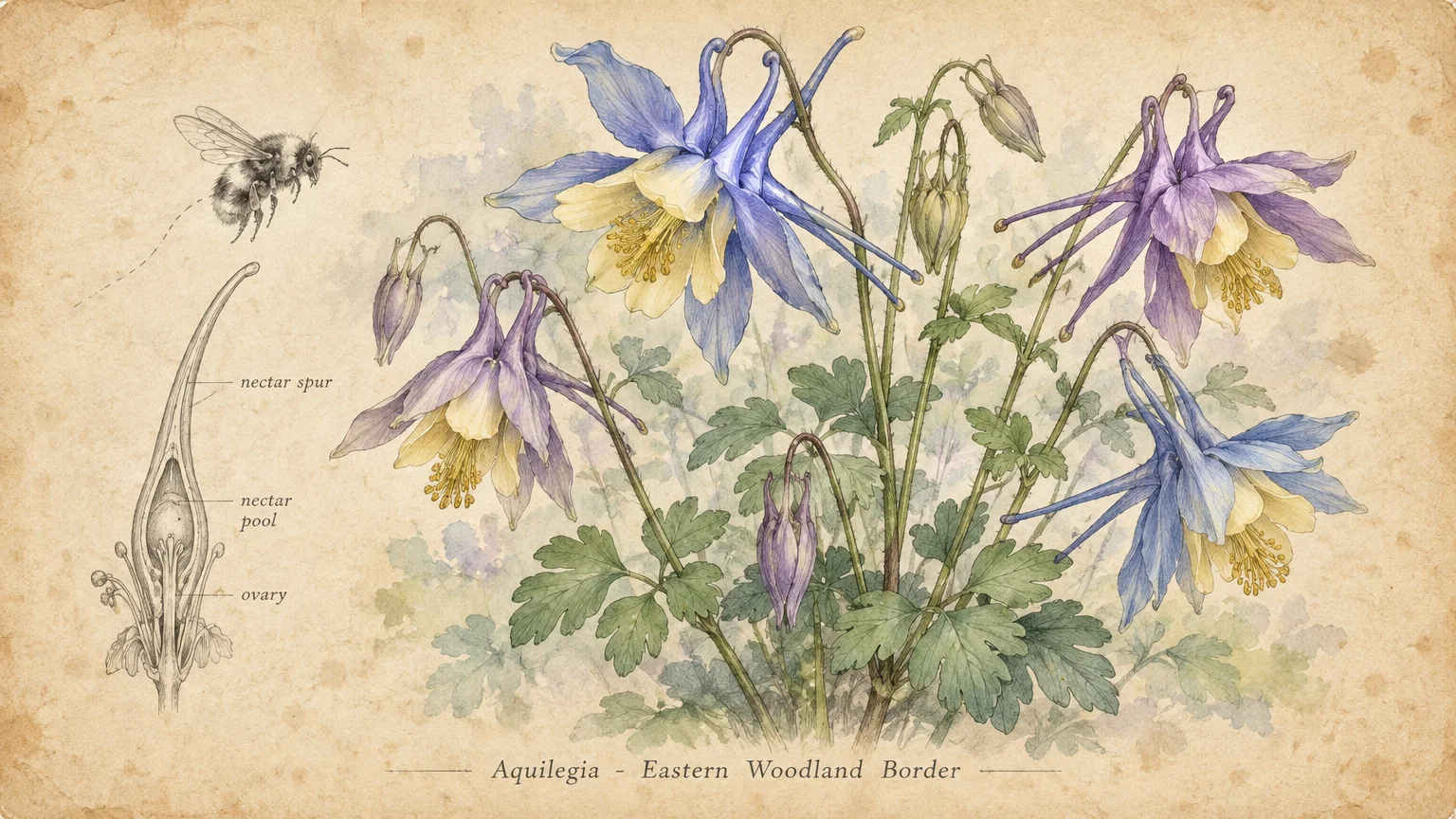
Tip #6: Columbine (Aquilegia)
Columbine produces intricate, spurred blossoms that hover like woodland butterflies above delicate, scalloped blue-green foliage. This hardy perennial is an exceptional choice for east-facing rock gardens and naturalized woodland borders.
Early morning rays illuminate columbine’s vivid bi-colored spurs without fading their delicate pigments. Shaded afternoons protect the plant from high summer temperatures that shorten its flowering season.
Establish columbine in well-drained, sandy loam soil with a neutral to slightly acidic pH balance. Poor drainage during cold winter months can quickly cause crown and root rot.
Cut spent flowering stalks back to basal foliage once the primary spring bloom cycle concludes. This pruning step conserves plant energy and encourages a tidy flush of attractive summer foliage.
Allow several seed pods to ripen on the stems if you want columbines to naturalize throughout your beds. These prolific self-seeders will colonize vacant pockets without becoming aggressively invasive.
Watch for leaf miners, which carve telltale serpentine white trails across the foliage surface. Remove affected leaves promptly by hand to control populations without resorting to chemical sprays.
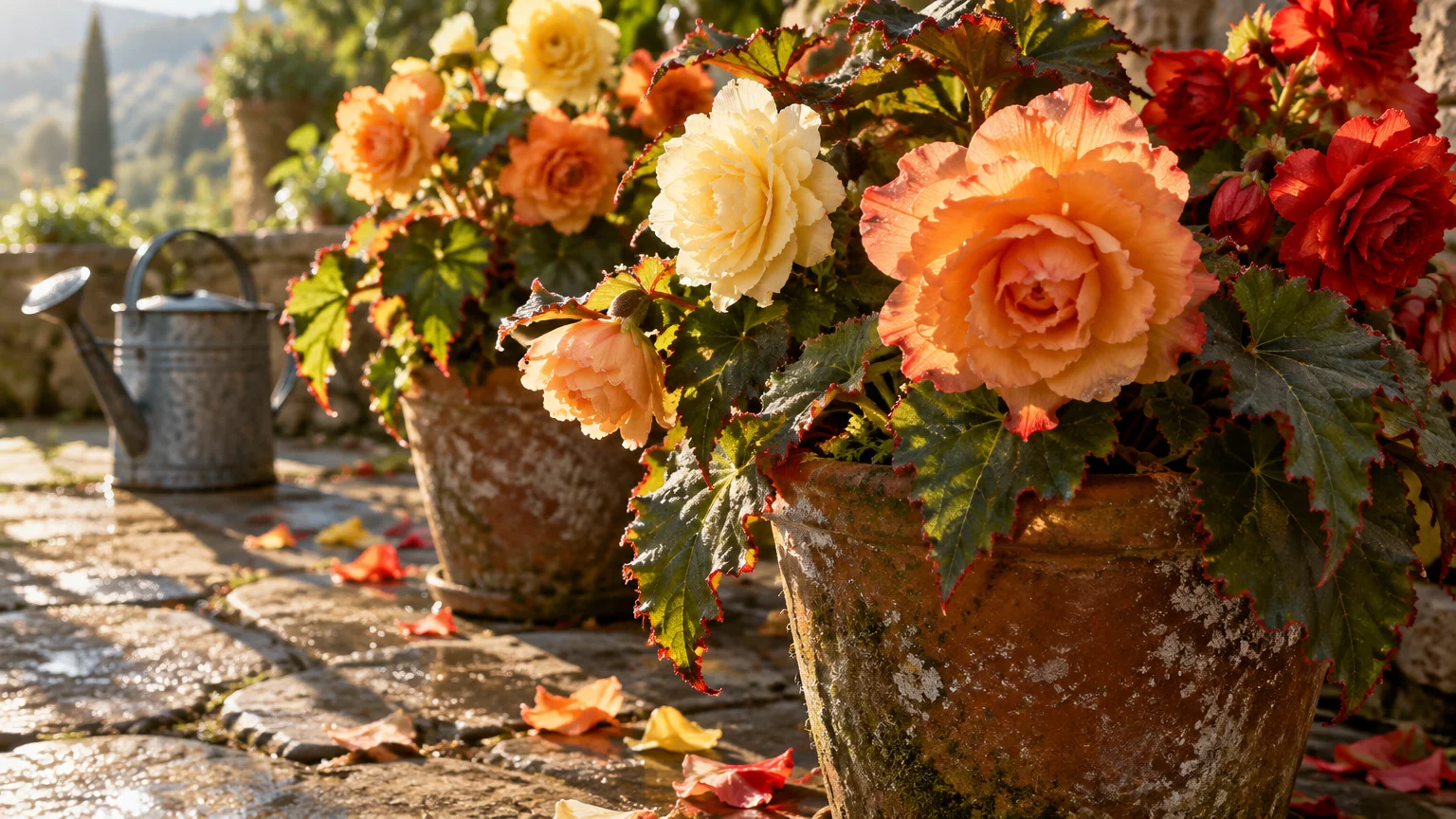
Tip #7: Tuberous Begonias (Begonia tuberhybrida)
Tuberous begonias display sumptuous, rose-like flowers in brilliant shades of scarlet, orange, yellow, and pastel pink. They rank among the most elegant shade tolerant blooming flowers for patios and eastern borders.
Their fleshy stems and succulent foliage scorch easily under harsh midday and afternoon light. Three to four hours of cool morning sunshine provides the photosynthesis they need to yield massive, multi-layered flowers.
Plant tubers hollow-side up in porous, well-draining soil mix enriched with perlite and peat moss. Ensure the top of each tuber sits approximately one-half inch below the soil surface.
Water the soil around the base of the plant rather than spraying directly overhead. Wet blossoms and leaves invite powdery mildew and stem rot, particularly during humid summer weather.
Apply a balanced, water-soluble fertilizer formulated for flowering plants every two weeks throughout active growth. Stop fertilizing in late summer to prepare the tubers for their natural autumn rest period.
Lift tubers from containers or garden beds before the first hard winter freeze strikes. Store the cleaned, dried tubers in breathable peat moss in a cool, dark basement until spring.
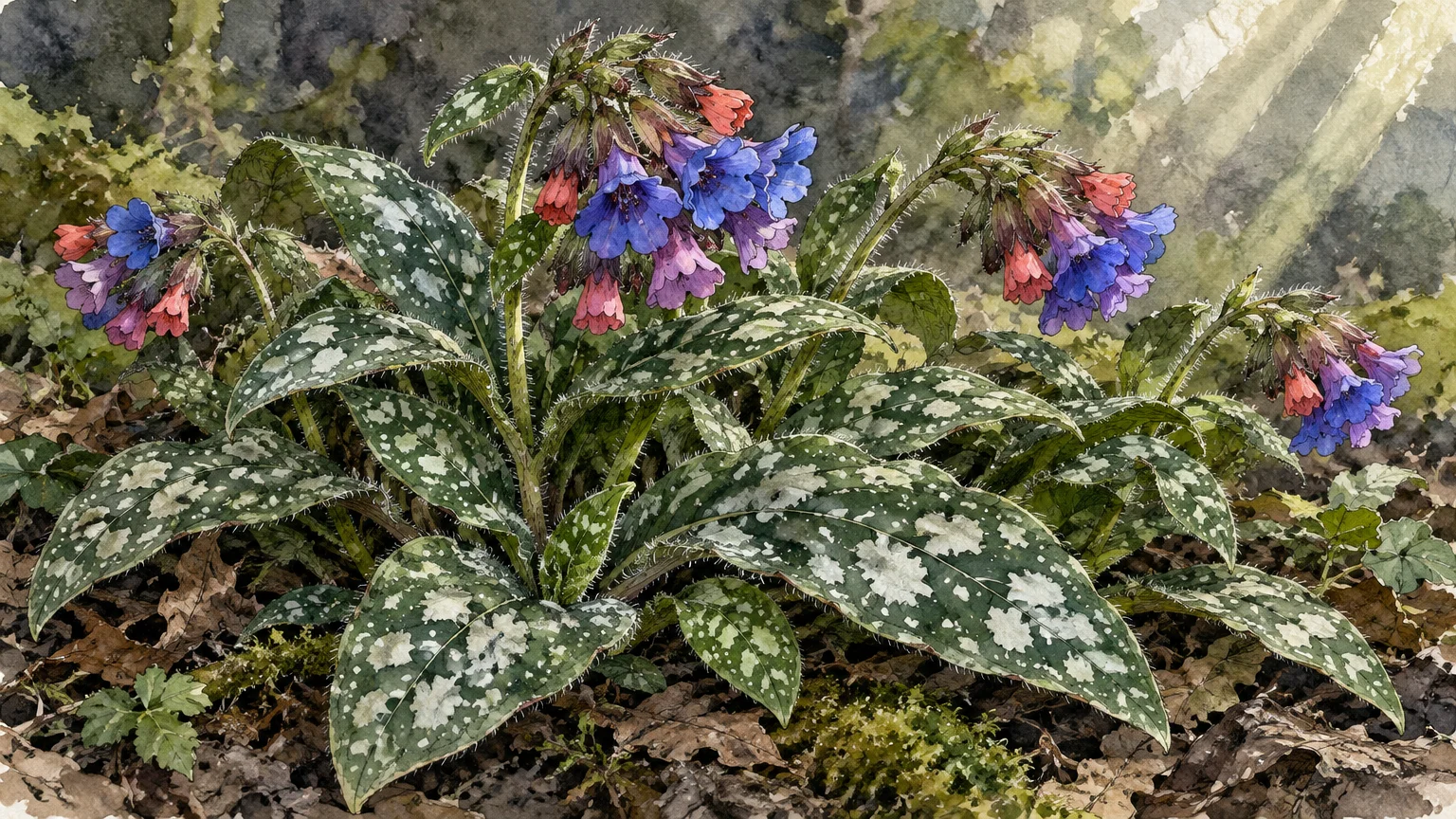
Tip #8: Lungwort (Pulmonaria)
Lungwort showcases charming funnel-shaped blooms that change color from pink to blue alongside silver-speckled, velvety foliage. It is one of the hardiest partial sun flowers for revitalizing early spring landscapes.
Dawn sunlight encourages robust flower formation while cool afternoon shade preserves its distinctive decorative foliage. Unfiltered afternoon sun bleaches the foliage and leaves unattractive, dried brown spots across the leaves.
Grow lungwort in consistently moist, humus-rich soil situated beneath deciduous trees or against eastern walls. This woodland plant tolerates heavy clay soils remarkably well when supplemented with organic compost.
Water thoroughly during dry summer spells to prevent the lush leaves from drooping flat against the earth. A deep moisture reserve keeps the root system vigorous and disease-resistant.
Shear back the old flowering stems and damaged leaves immediately after spring blooming finishes. This rejuvenation trim stimulates a clean flush of striking, highly variegated summer leaves.
Divide overgrown clumps every three to five years during early autumn to maintain plant vitality. Lungwort divides easily and forms an effective, weed-suppressing groundcover over time.
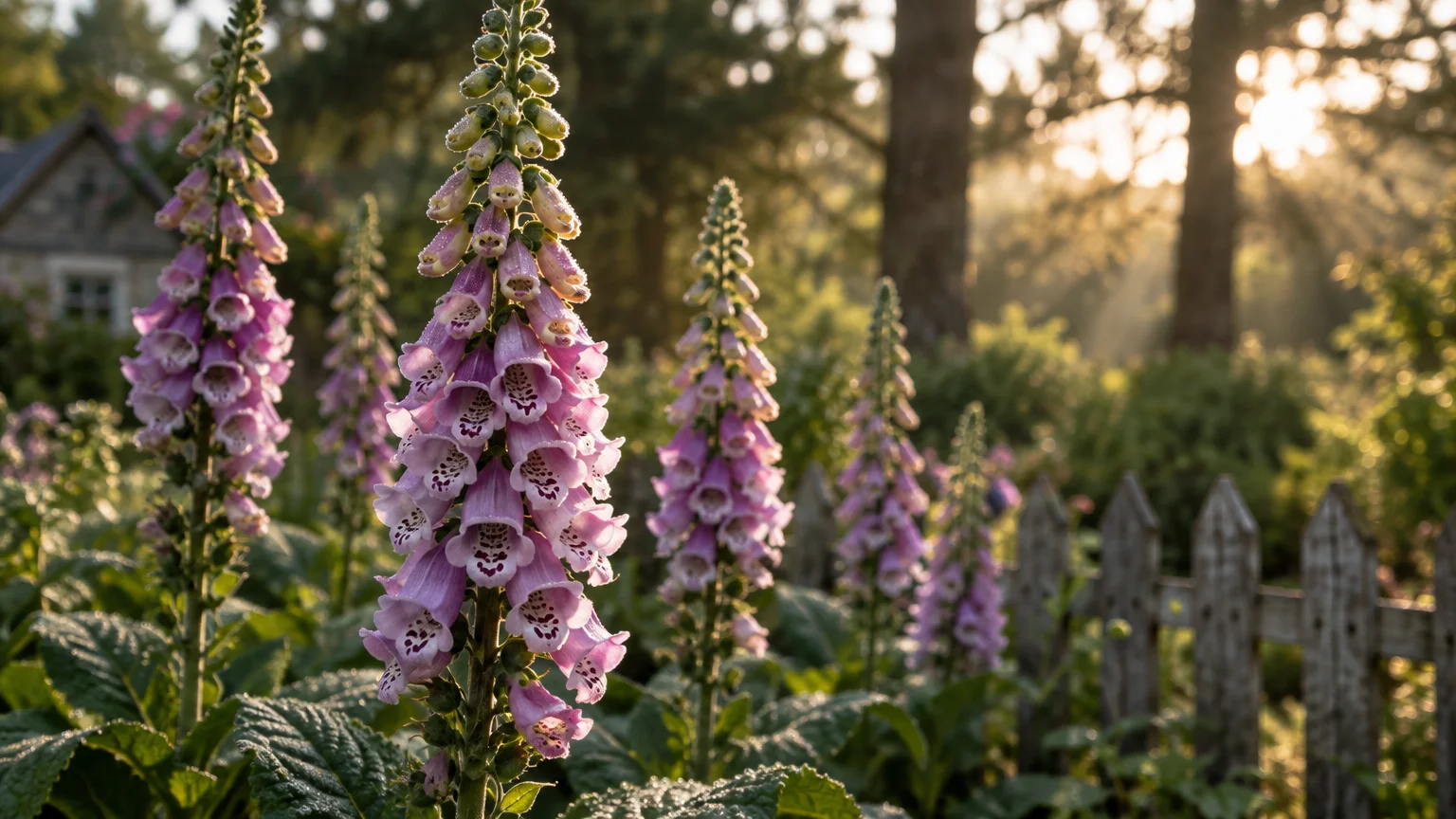
Tip #9: Foxglove (Digitalis purpurea)
Foxglove commands attention with towering spires of tubular, freckled blossoms that add vertical drama to garden borders. It is among the most breathtaking flowers for morning sun in classic cottage gardens.
Soft morning rays illuminate the tall flower stalks while afternoon shade prevents the top bells from wilting. Excessive afternoon heat causes the tall flower spikes to bend and lose their upright stature.
Plant foxgloves in rich, moist, slightly acidic soil amended with plenty of composted organic material. Ensure the site drains surplus water freely to prevent root rot during rainy periods.
Stake tall flower spikes in windy garden areas to protect the heavy blossoms from snapping. Use bamboo stakes and soft garden twine to secure the main stem gently.
Cut back the main central flower spike right after the primary blossoms fade. This timely pruning encourages the plant to produce smaller secondary flower spikes from the lower leaf axils.
Exercise caution when planting foxglove around curious pets and young children because all parts of the plant are toxic. Always wear protective gardening gloves when handling plants or pruning spent stems.
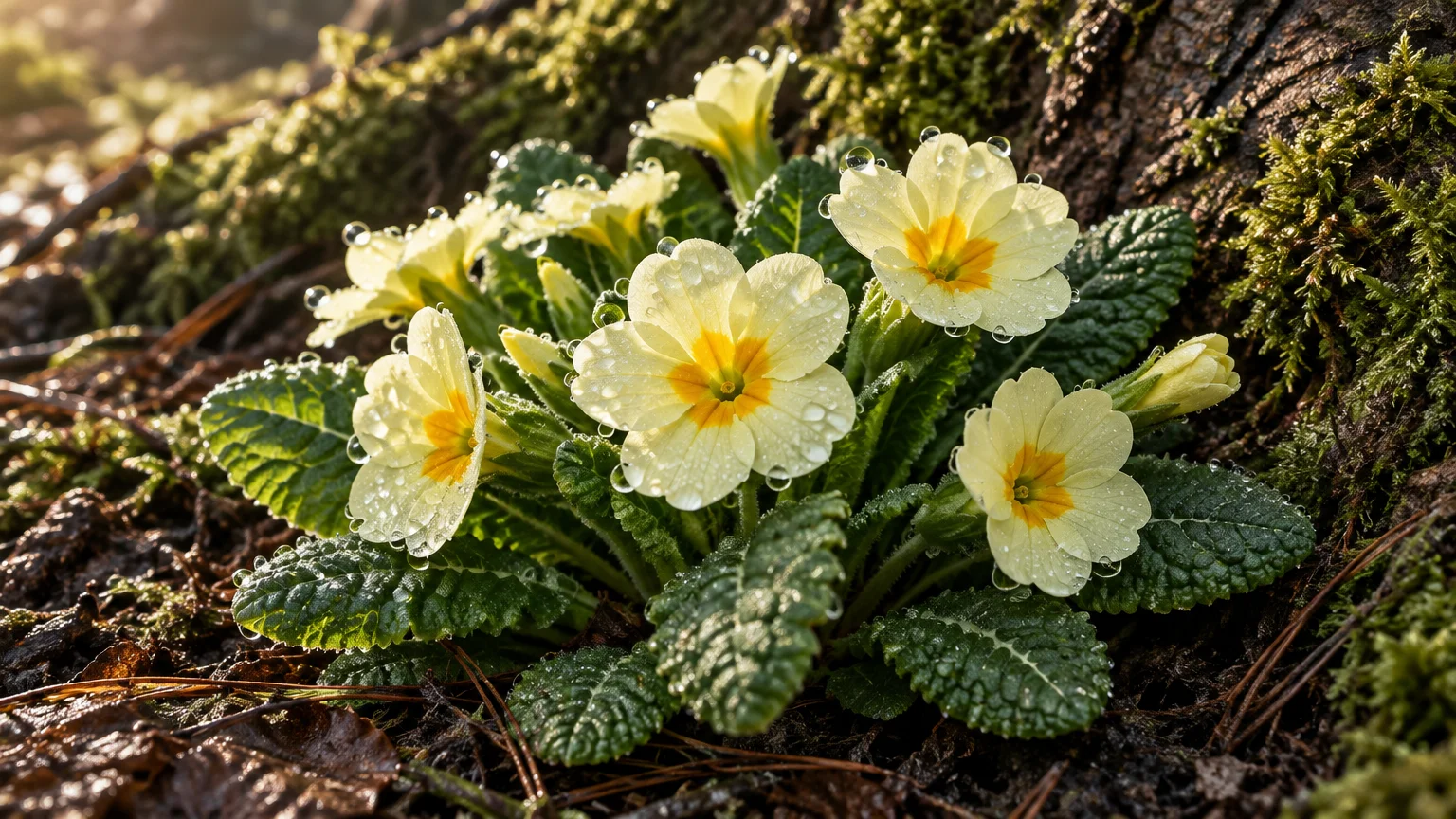
Tip #10: Primrose (Primula vulgaris)
Primroses herald the arrival of spring with bright clusters of jewel-toned blossoms surrounded by crinkled rosettes of leaves. They stand among the best flowers for east-facing gardens seeking early seasonal color.
Cool morning sunshine provides the energy primroses need to push out blooms before woodland tree canopies leaf out. High afternoon temperatures trigger heat stress and can force the plant into premature decline.
Plant your primroses in damp, humus-laden soil that mimics the cool forest floor environment. Incorporating leaf mold, compost, and coarse sand produces an ideal moisture-retentive yet well-aerated medium.
Maintain moist soil conditions throughout the spring and early summer growing seasons. Mulch around the crowns with finely shredded bark to keep the shallow roots cool and well hydrated.
Deadhead fading blossoms regularly by pinching stems off down at the basal rosette. Removing spent flowers directs energy toward root strength and promotes continuous budding over several weeks.
Divide mature primrose crowns every two or three years immediately following their spring bloom cycle. Replanting divisions into refreshed soil keeps your display dense, healthy, and floriferous.
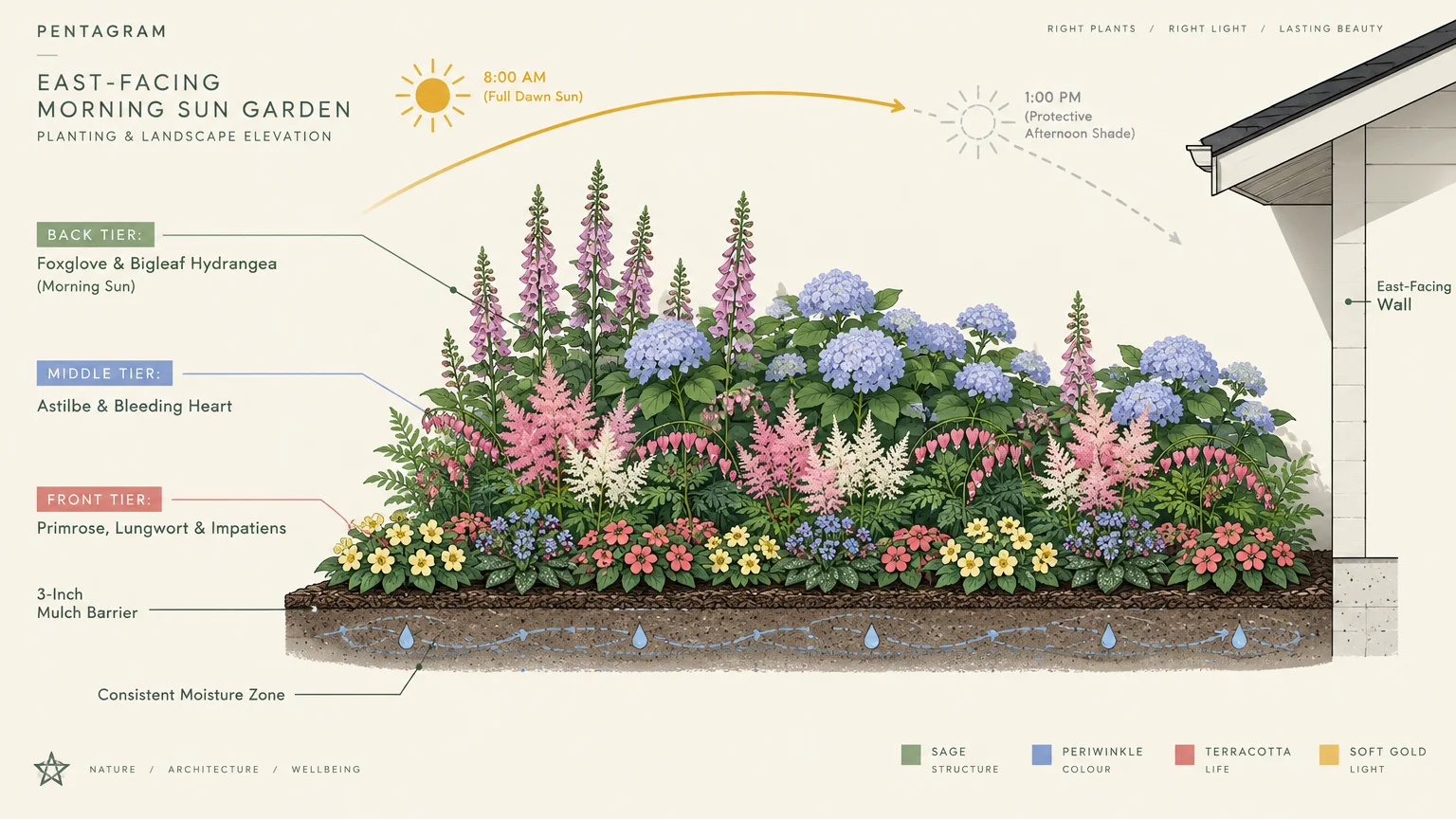
Putting It All Together: Enjoy Your Beautiful Garden
Creating a thriving east-facing flower border is one of the most rewarding pursuits in home gardening. Gentle morning sun provides the exact energy your plants need without inflicting harsh heat stress.
By combining structural shrubs like hydrangeas with woodland perennials like astilbes and bleeding hearts, you build dynamic texture and layered visual interest. Add annual impatiens or begonias to fill borders with constant summer color.
Remember to prioritize organic, moisture-retentive soil and consistent irrigation to support this specialized group of plants. Mulching plays a critical role in preserving subterranean moisture and moderating root temperatures.
Assess the light patterns across your garden beds throughout the day as the seasons transition. Adjust your plant placements thoughtfully to ensure each variety receives optimal morning light and afternoon shade.
For region-specific advice, consult your local University Extension program (find yours via the USDA directory). For plant databases and inspiration, visit the Missouri Botanical Garden or the Royal Horticultural Society.
Disclaimer: This article provides general gardening advice. Always consider your specific climate, soil conditions, and local pests; follow safety guidelines when using gardening tools and products.
Frequently Asked Questions
How many hours of morning sun do partial sun flowers need?
Most flowers suited for morning light need between three and six hours of direct dawn sun to thrive. This duration gives them sufficient light for photosynthesis before midday heat builds up.
Anything less than three hours may result in sparse flowering and leggy growth. Conversely, more than six hours or exposure after midday can scorch leaves and fade delicate blossoms.
Can flowers for morning sun tolerate late afternoon sunlight?
Generally, morning sun plants struggle significantly when exposed to harsh, direct late afternoon rays. Afternoon sun carries intense infrared heat that quickly dries out foliage and bleaches petal colors.
If your garden receives afternoon sun instead of morning light, provide dappled shade using shade cloth, pergolas, or taller sun-tolerant border plantings.
How often should you water morning sun afternoon shade plants?
Most morning sun plants prefer consistently moist, well-draining soil and typically require one to two inches of water per week. Plants in east-facing beds lose less water to evaporation than those in west-facing beds.
Always check the top inch of soil with your finger before watering. If the soil feels dry, irrigate deeply at the base of the plant during the early morning hours.
What are the best soil amendments for east-facing gardens?
Incorporating organic compost, leaf mold, and well-rotted manure significantly improves both moisture retention and soil aeration. These woodland-loving plants thrive in soils packed with rich organic matter.
Apply a two- to three-inch layer of organic mulch around your plants each spring. Mulch retains valuable moisture, suppresses competing weeds, and regulates subterranean root temperatures effectively.