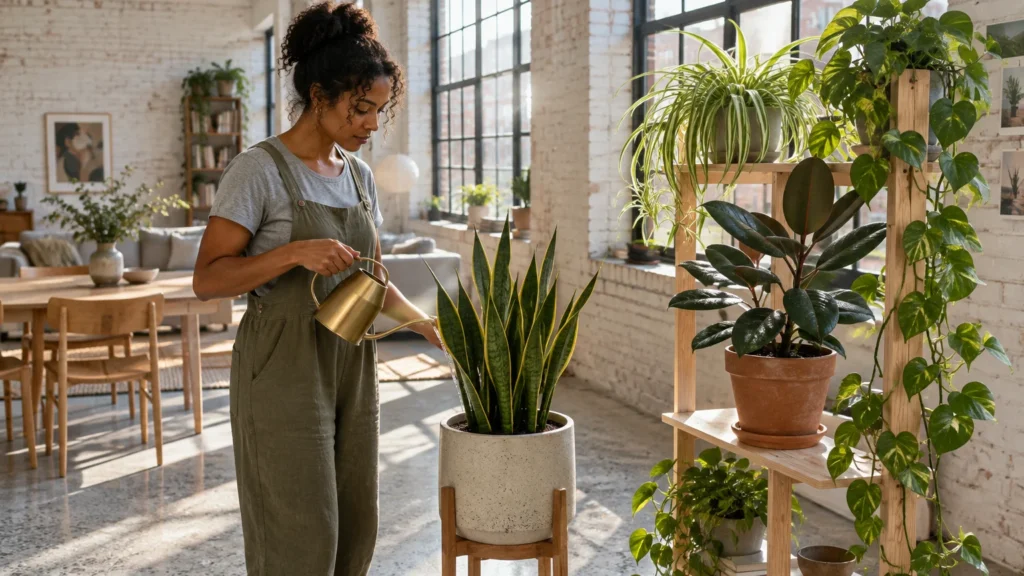
You can transform dim corners of your yard into lush sanctuaries with the right plants. Selecting vigorous, shade tolerant shrubs allows you to create vibrant textures and seasonal color in low-light spaces.
Partial shade—areas receiving between three and six hours of dappled or morning sunlight—offers an ideal microclimate for many resilient garden species. Here, delicate foliage thrives without the risk of midsummer leaf scorch.
Explore these ten dependable shrubs for shady yards to build a multi-layered landscape that flourishes year after year.
Tip #1: Oakleaf Hydrangea (Hydrangea quercifolia)
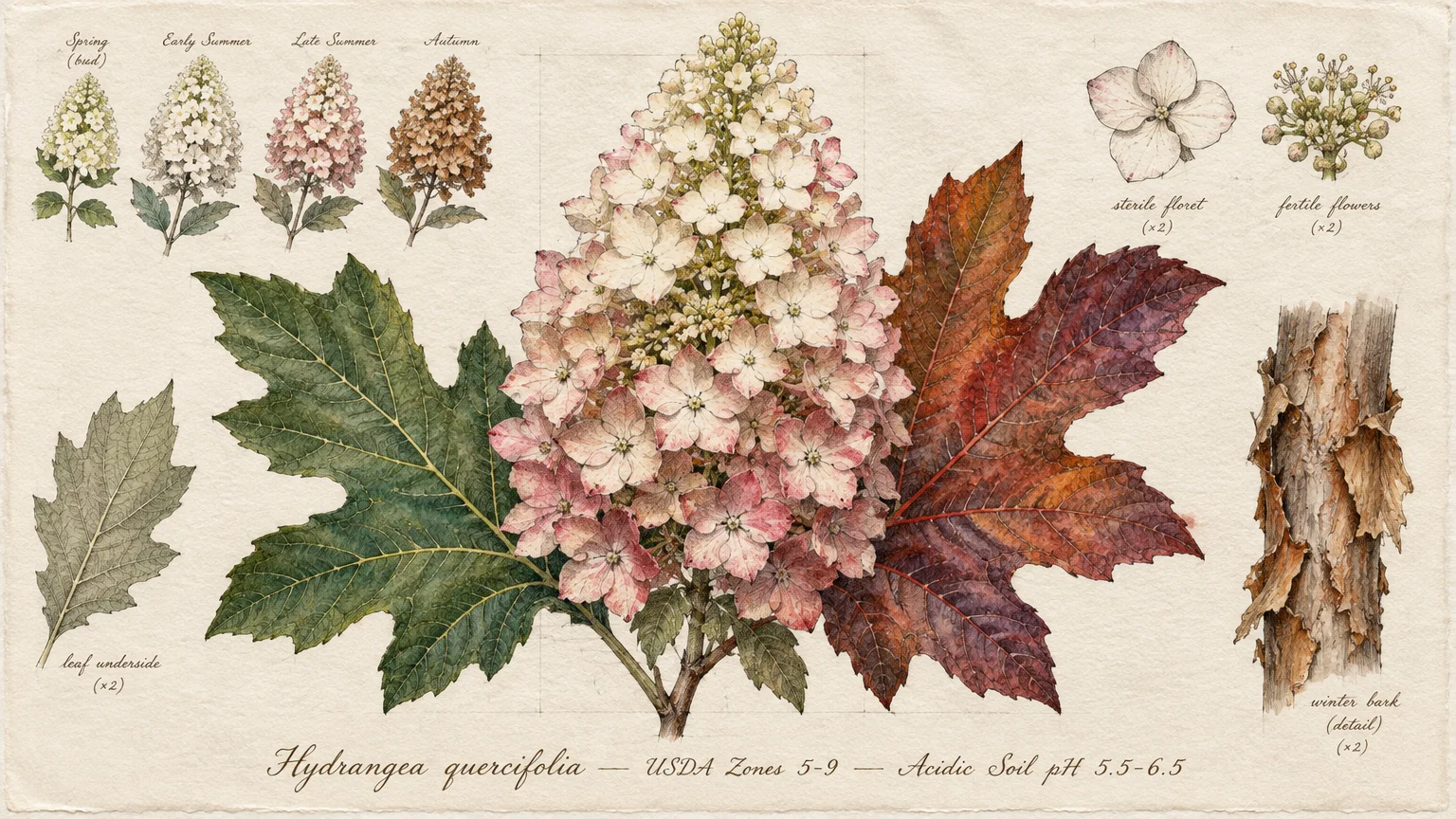
Oakleaf hydrangea delivers four seasons of visual drama to partial shade landscaping across USDA hardiness zones 5 through 9. This deciduous North American native thrives in spots sheltered from blistering afternoon heat.
In early summer, the shrub produces dramatic twelve-inch conical flower heads packed with creamy florets. These large blossoms gradually age to a delicate dusty rose as summer transitions into autumn.
The distinctive, deeply lobed foliage resembles red oak leaves and provides rich texture beneath mature trees. Come autumn, these bold green leaves shift into brilliant shades of crimson, mahogany, and deep purple.
Mature specimens reach six to eight feet in height and width, creating an impressive structural presence. Once the foliage drops in winter, peeling cinnamon-brown bark adds another layer of sculptural garden interest.
Plant your oakleaf hydrangea in fertile, well-draining soil with a slightly acidic pH between 5.5 and 6.5. Top-dress the planting bed with two inches of shredded bark mulch to preserve steady root moisture.
Give your plant gentle morning sun; this light encourages copious blooms while cool afternoon shade shields the broad leaves.
Tip #2: Mountain Laurel (Kalmia latifolia)
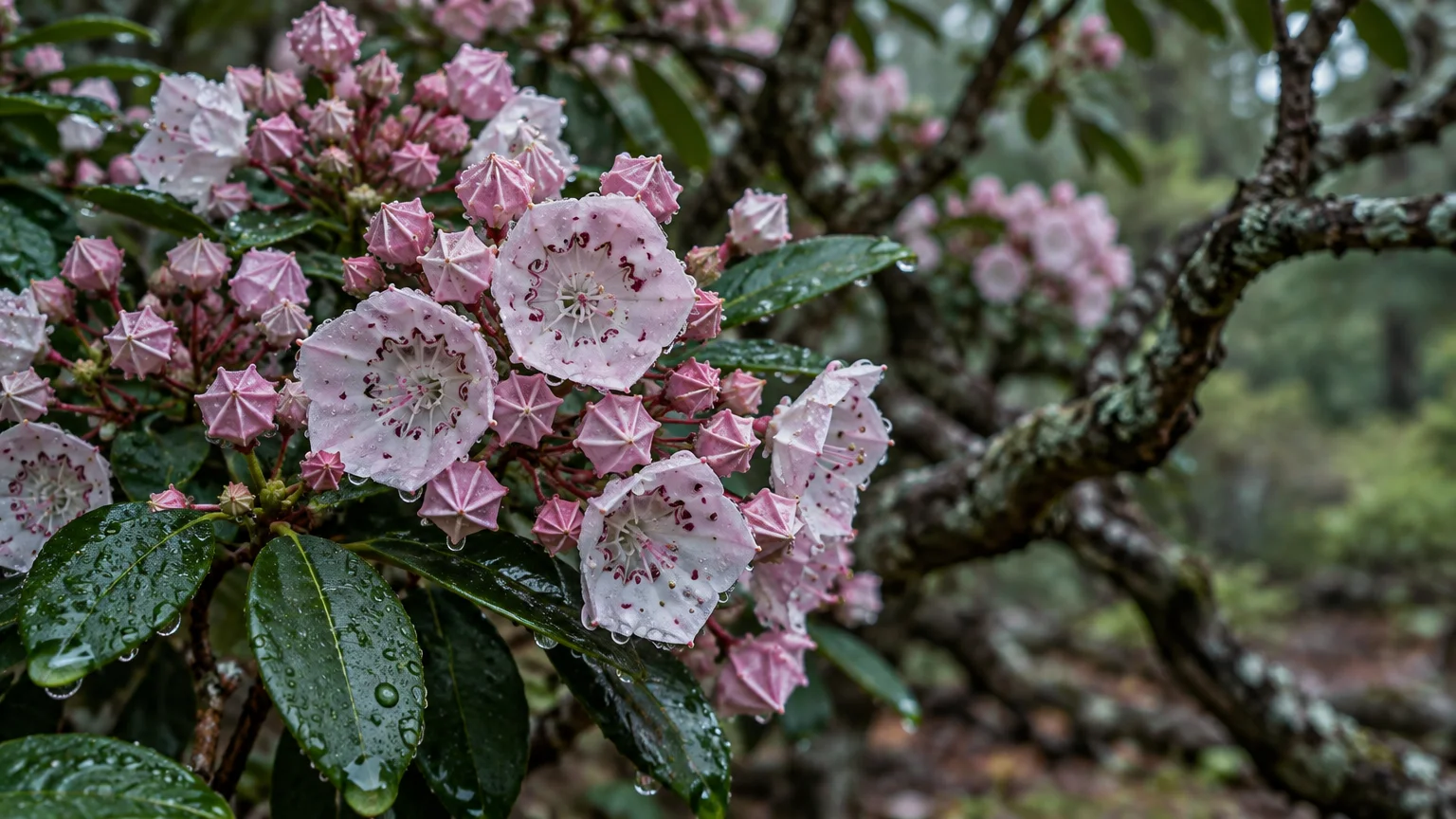
Mountain laurel ranks among the most breathtaking broadleaf evergreen shade garden shrubs. Hardy in USDA zones 4 through 9, this eastern woodland native illuminates shaded woodland borders with ease.
In late spring, intricate hexagonal buds open into clusters of star-shaped, cup-like blossoms. Flower shades range from crisp pure white to rich pink, often patterned with delicate purple rings inside.
The glossy, leathery leaves resemble rhododendron foliage, remaining deep emerald green throughout freezing winter months. This persistent greenery ensures your garden looks vibrant even under a fresh blanket of snow.
These shrubs typically grow seven to twelve feet tall with a pleasingly gnarled, multi-stemmed habit. Their sculptural branching makes them standout specimens for naturalized woodland borders.
Mountain laurel demands cool, moist, acidic soil with a pH between 4.5 and 5.5. Incorporate generous amounts of compost or pine bark humus into heavy soils to guarantee exceptional drainage.
Avoid planting them in low spots where standing water collects; saturated roots invite fatal fungal diseases.
Tip #3: Japanese Pieris (Pieris japonica)
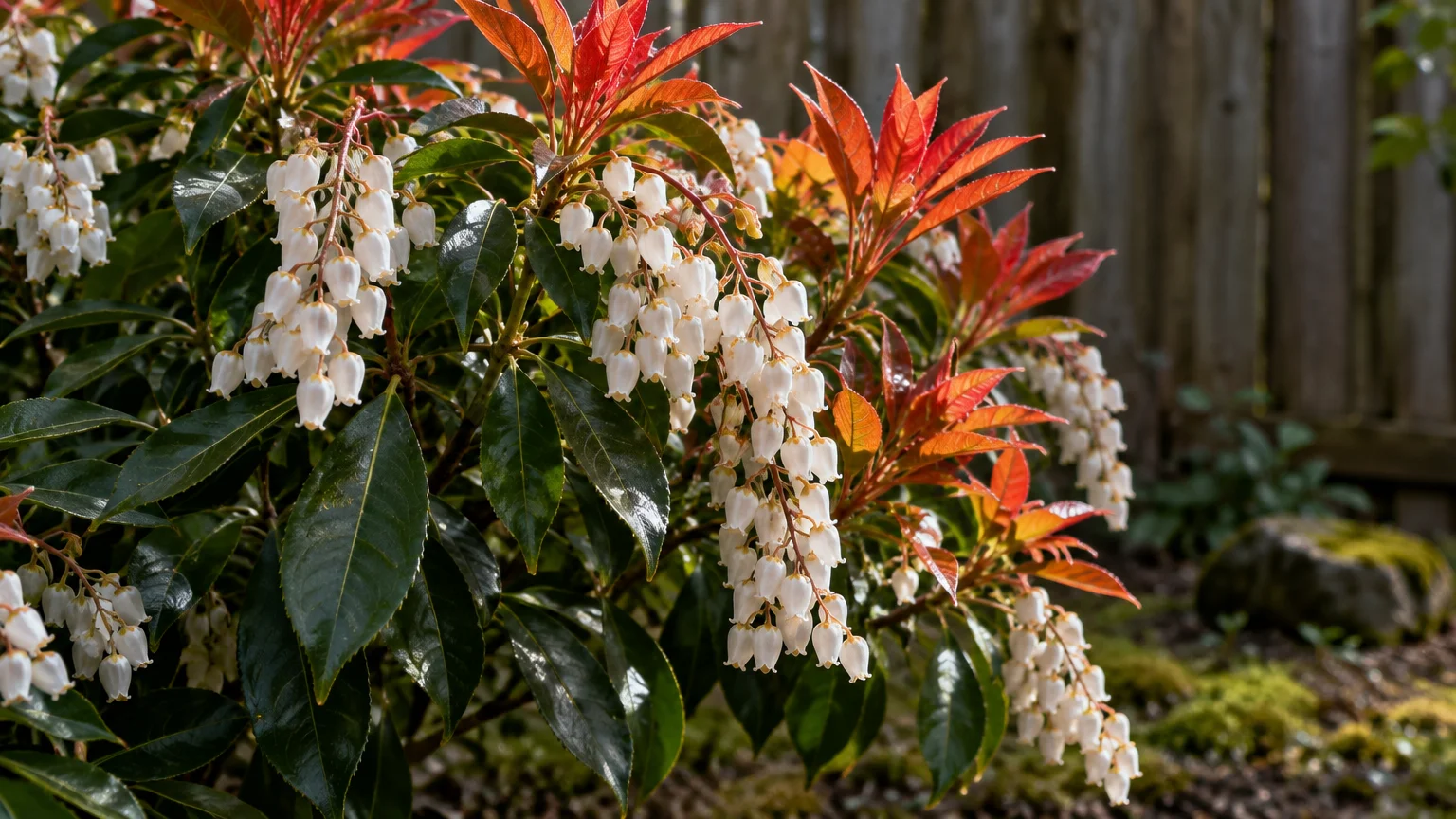
Japanese pieris, commonly known as lily-of-the-valley shrub, introduces timeless elegance to sheltered, partially shaded borders. This slow-growing evergreen thrives reliably throughout USDA hardiness zones 4 through 8.
Drooping clusters of urn-shaped, porcelain-white or blush-pink blossoms drape across the shrub in early spring. These delicate blooms release a light, sweet perfume that beckons emerging early pollinators.
Just as the blossoms fade, a brilliant flush of fiery red and bronzy-orange foliage emerges at branch tips. This bright new growth slowly matures into rich, glossy dark green foliage by midsummer.
Compact cultivars stay around four feet tall, while standard varieties reach eight to ten feet in height. Their neat, rounded silhouettes bring disciplined structure to loose woodland landscapes.
Like many acid-loving plants, pieris requires rich, porous soil with an optimal pH between 5.0 and 6.0. Position the shrub where buildings or evergreen windbreaks shield its delicate flower buds from harsh winter gusts.
Maintain consistent soil moisture during the heat of summer by spreading an organic leaf-mold mulch around the base.
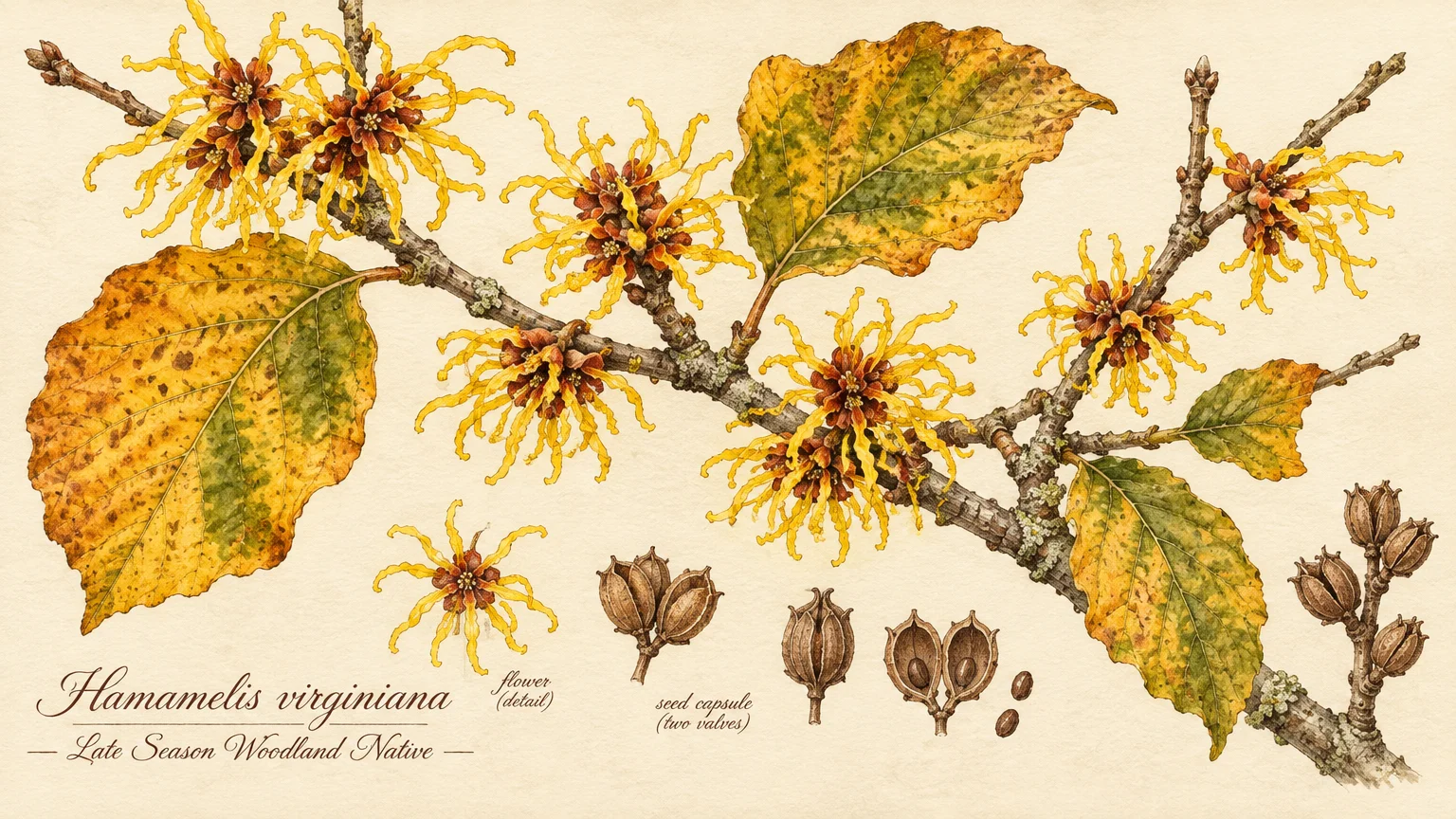
Tip #4: American Witch Hazel (Hamamelis virginiana)
American witch hazel proves that shade tolerant shrubs can deliver vibrant color when the rest of your garden rests. This resilient native species flourishes across USDA hardiness zones 3 through 8.
As autumn leaves tumble to the ground in October and November, fragrant golden-yellow ribbons burst into bloom along bare twigs. These spidery petals withstand frosty nights by curling inward to protect vital floral parts.
Witch hazel typically matures into an expansive, vase-shaped shrub or multi-stemmed small tree ten to fifteen feet tall. Its open canopy casts gentle, filtered shade that welcomes delicate groundcovers beneath its boughs.
Before flowering commences, the scalloped green foliage ignites into a glowing show of bright canary yellow in mid-autumn. This vibrant display brightens dim woodland understories long before winter settles in.
Plant your witch hazel in moist, rich, loamy soil with a neutral to slightly acidic pH. It adapts well to heavier soils and tolerates erosion along shaded slopes.
Water newly planted specimens deeply once each week during their first two growing seasons to anchor their taproots.
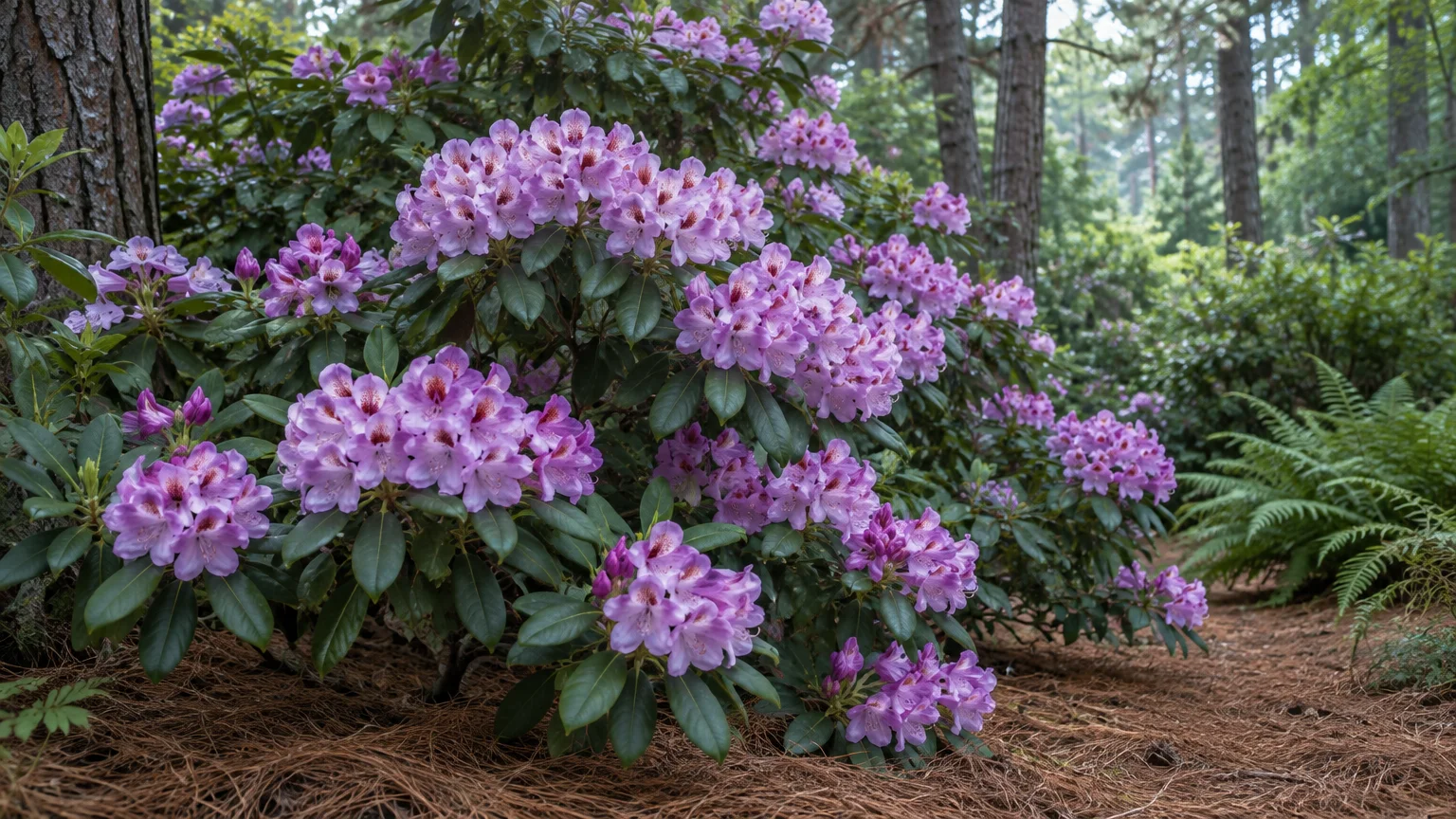
Tip #5: Rhododendron and Azalea (Rhododendron spp.)
Rhododendrons and azaleas serve as foundational anchors for classic partial shade landscaping across USDA zones 4 through 9. These celebrated shrubs offer an unmatched spectrum of floral color every spring.
In mid-spring, massive rounded trusses of bell-shaped blossoms erupt in vibrant tones of purple, crimson, coral, yellow, and snowy white. The nectar-rich petals attract hummingbirds and native bees in abundance.
Evergreen rhododendrons boast thick, paddle-shaped leaves that remain lush through freezing winter weather. Deciduous azaleas counterbalance with soft, luminous green foliage that turns brilliant red and amber during autumn.
Size varies widely across cultivars, spanning compact two-foot dwarfs to expansive ten-foot privacy screens. Select your specific cultivar based on the mature dimensions of your garden bed to minimize corrective pruning.
These shallow-rooted beauties require acidic, humic soil with an optimal pH between 4.5 and 5.5. Never plant them too deeply; set the root crown slightly above the existing soil grade to foster aeration.
Water them at soil level rather than overhead to protect the delicate flower clusters from fungal spotting.
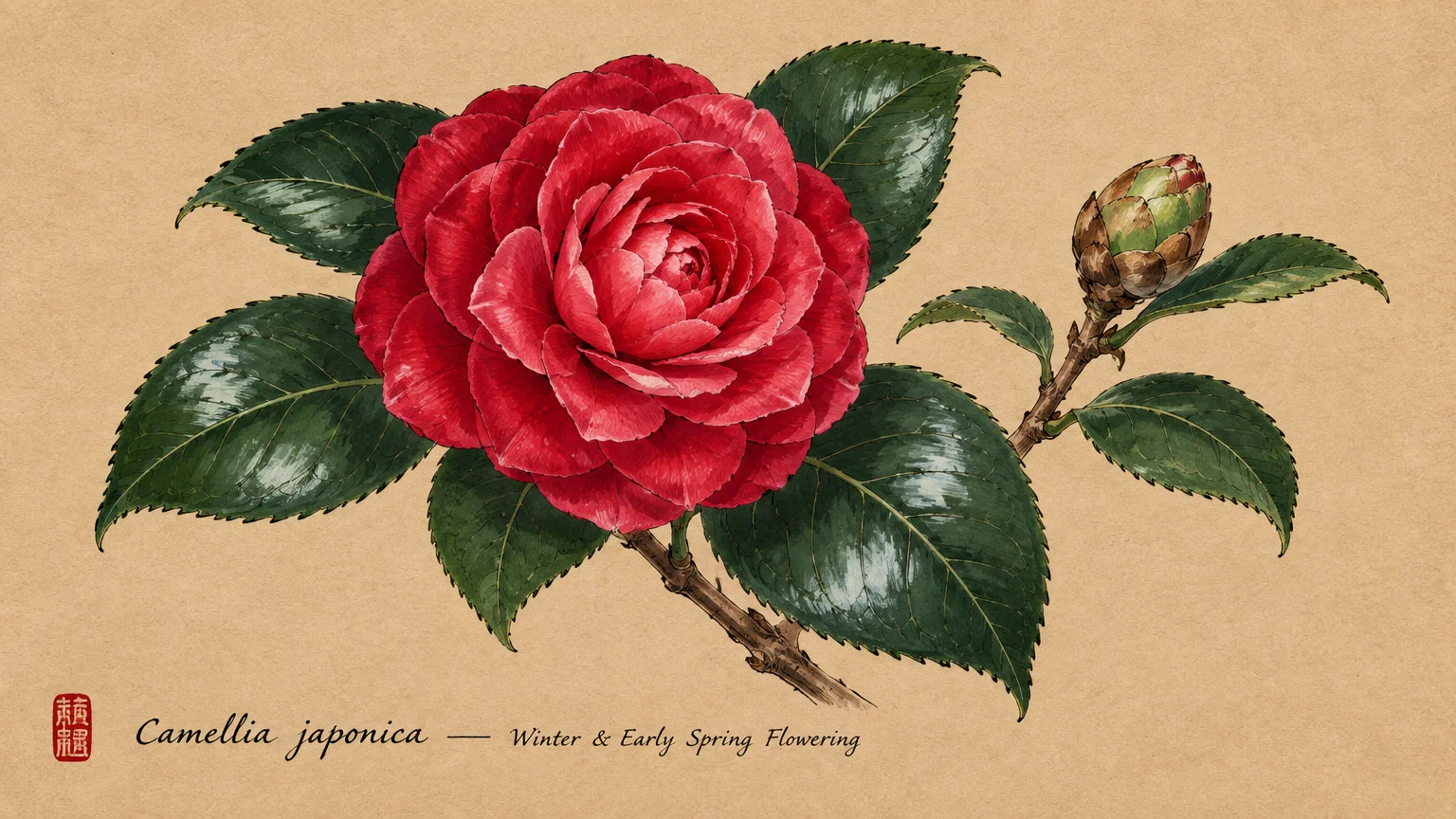
Tip #6: Japanese Camellia (Camellia japonica)
Japanese camellias provide aristocratic elegance and breathtaking blossoms when temperatures plunge across USDA hardiness zones 7 through 9. They thrive in sheltered locations protected from direct afternoon rays.
From late autumn through late winter, camellias unfurl opulent, formal flowers in shades of red, pink, cream, and pure white. Their layered petals resemble exquisite miniature roses emerging against dark, lustrous foliage.
The thick, leathery leaves possess a waxy sheen that resists cold winds and reflects ambient understory light. This dense, evergreen habit makes camellias magnificent choices for shaded property lines and decorative privacy hedges.
Expect these slow-growing woody shrubs to reach eight to twelve feet tall with a dignified, upright pyramidal habit. They establish slowly but reward your patience with decades of reliable winter color.
Grow camellias in organically rich, moist, well-draining soil with an acidic pH between 5.5 and 6.5. Protect their shallow root systems from summer heat by applying a three-inch carpet of composted pine needles.
Avoid planting them on windy eastern exposures where early morning winter sun might thaw frozen flower buds too rapidly.
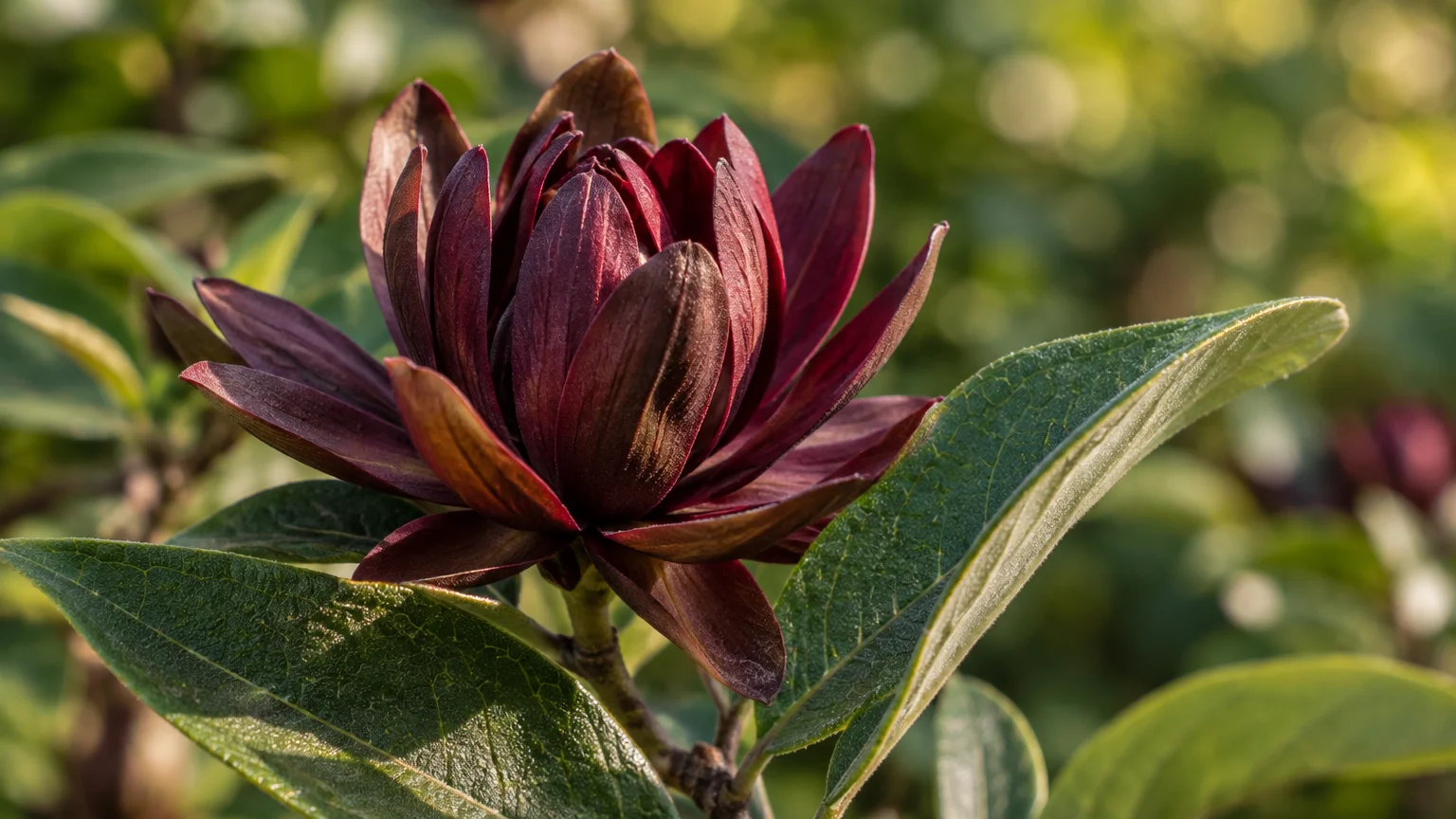
Tip #7: Sweetshrub (Calycanthus floridus)
Sweetshrub, also called Carolina allspice, is a rugged native shrub that fills shady yards with delightful scent. Hardy in USDA zones 4 through 9, it adapts effortlessly to varying moisture levels.
In late spring, unique burgundy blossoms appear, resembling small magnolia blooms or water lilies. The velvety petals release an intoxicating, fruity fragrance reminiscent of ripe strawberries, bananas, and spiced wine.
Even the dark green, oval foliage and woody stems emit a pleasant camphor spice aroma when brushed or bruised. Deer and rabbits dislike these aromatic oils, making sweetshrub naturally resistant to woodland wildlife browsing.
Mature plants expand into dense, rounded mounds reaching six to nine feet in height and spread. As autumn arrives, the broad leaves take on clear, buttery yellow tones that illuminate shady borders.
Plant sweetshrub in average, humus-rich soil; it handles both moist loam and moderately dry conditions once established. It flowers best when it receives gentle morning sunshine followed by restorative afternoon shade.
Prune sweetshrub immediately after the spring bloom cycle concludes if you want to maintain a tighter, more compact silhouette.
Tip #8: Winterberry Holly (Ilex verticillata)
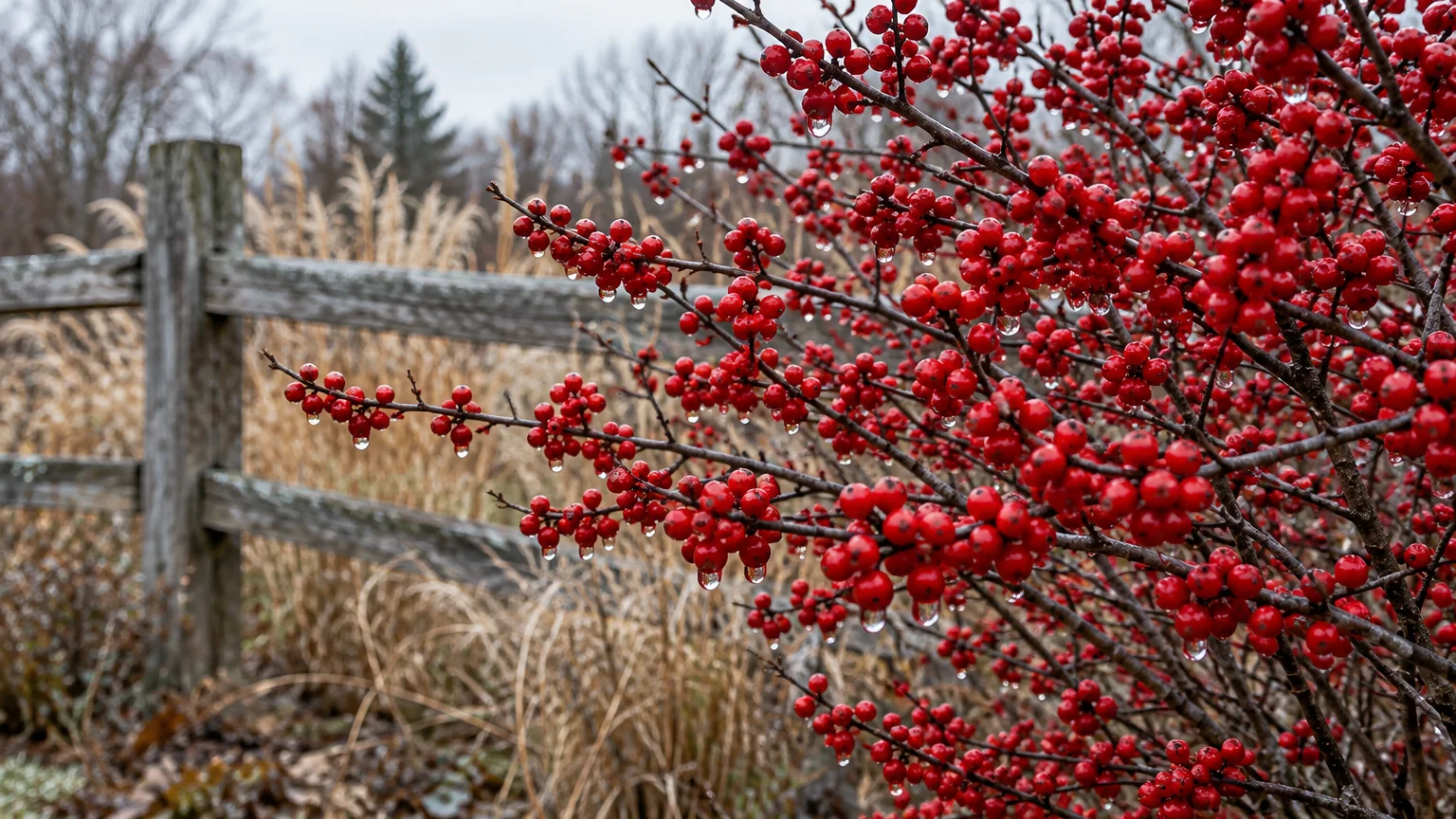
Winterberry holly proves that deciduous shrubs for shady yards can deliver some of the best cold-season drama in gardening. This native holly thrives in USDA zones 3 through 9 across wet or standard borders.
While true hollies are famous for evergreen spines, winterberry sheds its simple green leaves completely each autumn. This dramatic leaf drop exposes thousands of tightly packed, glistening scarlet berries clinging along every branch.
The vibrant berry display persists well into midwinter, providing an indispensable winter food source for bluebirds, cedar waxwings, and robins. These jewel-toned stems also serve as festive holiday decorations for your outdoor containers and mantels.
Winterberries reach six to ten feet tall and spread into attractive, suckering thickets if left unpruned. Because winterberries are dioecious, you must plant at least one male pollinator within forty feet of your berry-producing females.
These adaptable plants flourish in acidic soils with a pH between 4.5 and 6.5. Unlike many shrubs, winterberries eagerly tolerate poorly drained ground and periodic standing water in soggy garden corners.
Site them where they receive three to four hours of morning light to encourage abundant berry production.
Tip #9: Oregon Grape Holly (Mahonia aquifolium)
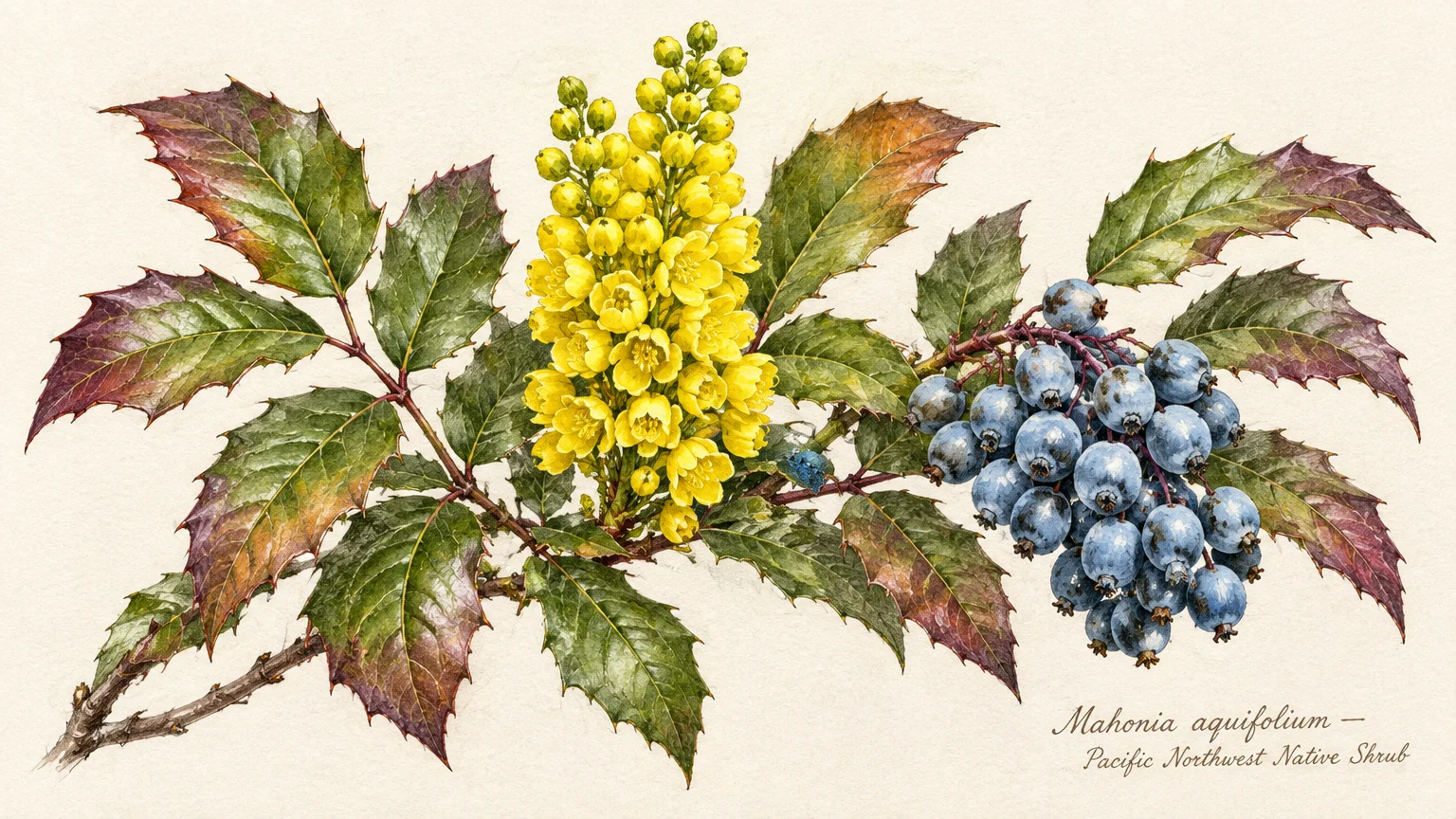
Oregon grape holly brings year-round architectural form and dramatic color changes to partial shade landscaping in USDA zones 5 through 9. This hardy western native thrives in dry understory environments.
In early spring, dense clusters of bright yellow, honey-scented flower spikes emerge at branch tips. These cheery blossoms provide early nectar for emerging bumblebees when few other woodland shrubs are active.
By midsummer, the blossoms develop into clusters of powdery, dusky blue berries that look just like wild wine grapes. Songbirds feast eagerly on these tart fruits through the end of the season.
The pinnately compound leaves resemble English holly foliage, bearing sharp-toothed, glossy green leaflets. Winter cold transforms this evergreen foliage into dazzling shades of burnished bronze, copper, and royal purple.
Plants typically reach three to six feet tall, slowly spreading via underground runners to form an effective defensive barrier. Plant it in well-drained, acidic to neutral soil enriched with aged leaf mulch.
This resilient shrub tolerates dry shade once established, making it perfect for planting beneath mature, greedy shade trees.
Tip #10: Bottlebrush Buckeye (Aesculus parviflora)
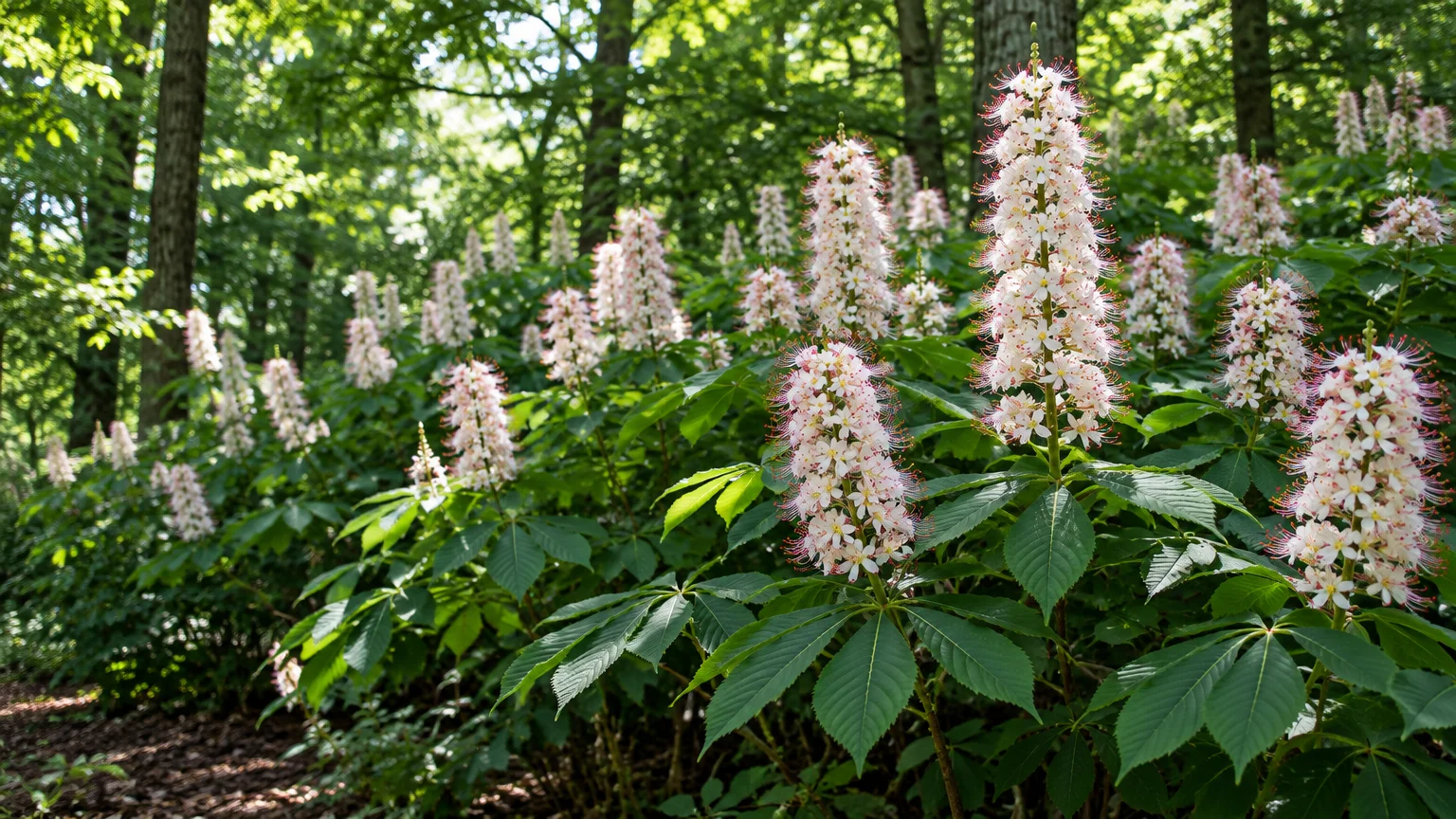
Bottlebrush buckeye ranks among the very best shrubs for shade when you need a majestic, wide-spreading specimen. This deciduous native of southeastern woodlands is hardy in USDA zones 4 through 8.
In midsummer, the shrub sends up erect, twelve-inch cylindrical spikes packed with tiny, feathery white blossoms. Long pink stamens and red anthers protrude outward, giving each flower spike the distinct appearance of a fluffy bottle brush.
The palmate green leaves emerge with a bronze cast before turning dark, rich green through early summer. In October, the foliage changes into an eye-catching, uniform butter-yellow that brightens dark garden perimeters.
This architectural shrub matures into a sweeping, mounded thicket eight to twelve feet tall and fifteen feet wide. Give it ample elbow room so its layered, horizontal branches can spread naturally without pruning.
Plant your bottlebrush buckeye in deep, moist, organically enriched soil that drains well. It tolerates heavy clay soils remarkably well as long as consistent moisture remains available throughout summer droughts.
Enjoy its high resistance to deer browsing, insects, and common leaf blight diseases year after year.
Putting It All Together: Enjoy Your Beautiful Garden
Designing with shade tolerant shrubs allows you to create depth, year-round color, and texture in low-light spaces. When you match each shrub to its preferred soil and light conditions, your shaded landscape will flourish.
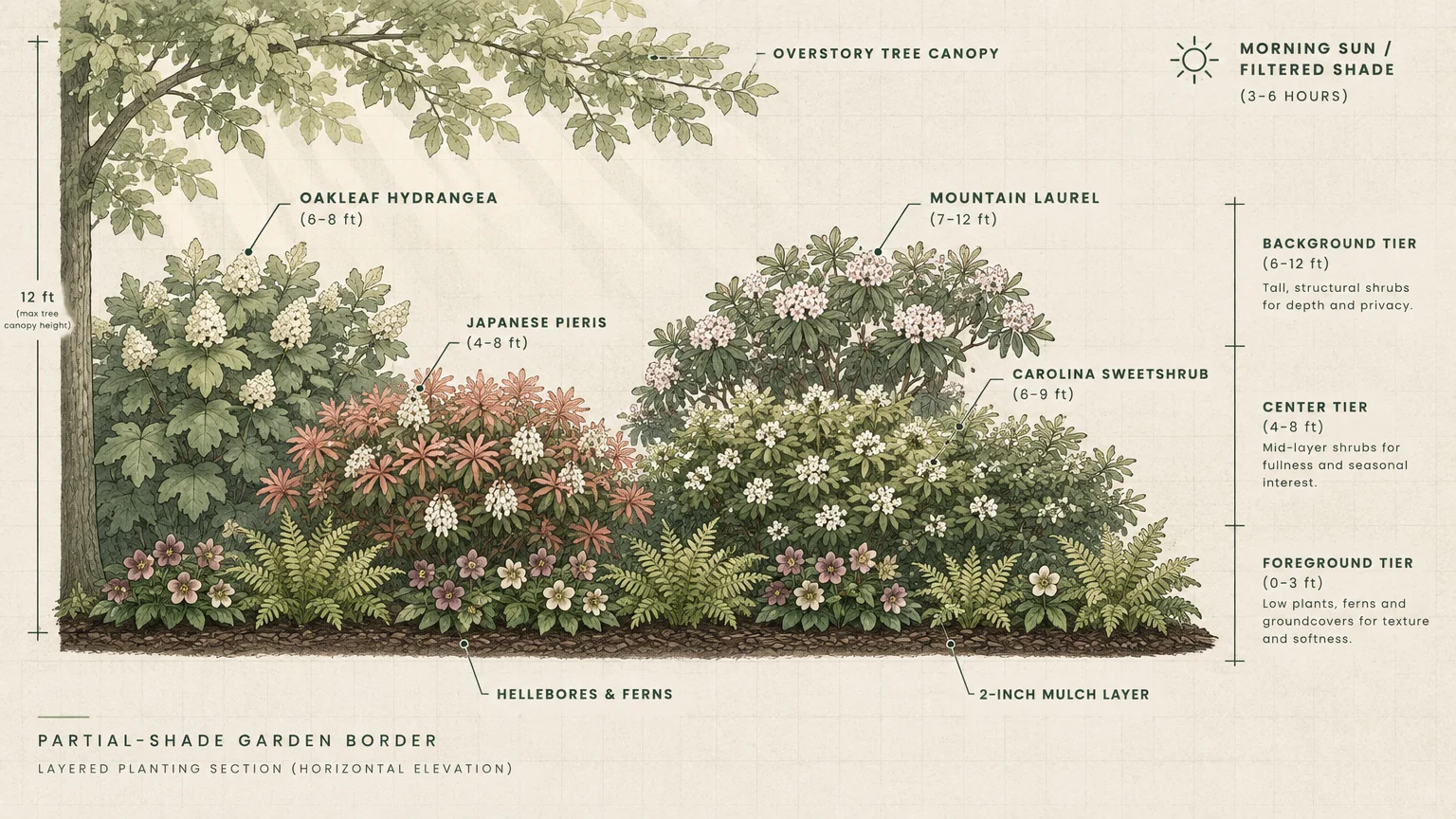
Layer your plantings thoughtfully to maximize structural beauty throughout the seasons. Position taller specimens like bottlebrush buckeye and witch hazel at the back of borders, using compact mahonias and pieris in front.
Combine broad evergreen foliage with deciduous species that produce dramatic autumn color and winter berries. This balanced approach ensures your garden remains dynamic and attractive during every month of the year.
Always prioritize soil preparation by incorporating finished compost and aged wood chips before planting. Generous organic mulching replicates a natural forest floor, conserving moisture and keeping delicate roots cool.
Step outside and evaluate your garden’s sunlight patterns throughout the day to choose the ideal locations for your new plantings. With these ten resilient shrubs, you can turn any dim yard into a breathtaking personal retreat.
Frequently Asked Questions
What counts as partial shade in a garden?
Partial shade means an area receives between three and six hours of direct sunlight each day. Plants thrive best when this exposure occurs during the cooler morning hours or as dappled light filtered through tree canopies.
Intense midday and afternoon sun can scorch delicate shade foliage, so reserve those spots for full-sun varieties.
Can flowering shrubs bloom well in partial shade?
Yes, many flowering shrubs produce spectacular blooms in partial shade because the reduced light prevents flower petals from fading quickly. Species like oakleaf hydrangea, camellia, and Japanese pieris produce buds reliably under filtered woodland light.
If your shrubs fail to bloom, gently thin surrounding overhead branches to increase ambient light levels.
How do I improve soil for shade garden shrubs?
Most understory shrubs thrive in soils rich in organic matter that retain moisture while draining excess water freely. Blend three to four inches of compost, shredded leaf mold, or decomposed bark into your planting bed before installation.
Maintain a continuous two-to-three-inch layer of organic mulch across the soil surface to feed soil microbes and protect roots.
Which shrubs are best for dry partial shade?
Oregon grape holly and sweetshrub perform exceptionally well in dry partial shade once their root systems establish. Witch hazel also handles periodic dry spells effectively once rooted into deep, native soil.
Provide supplemental irrigation throughout the first two growing seasons to help these shrubs build deep, resilient root networks.
For region-specific advice, consult your local University Extension program (find yours via the USDA directory). For plant databases and inspiration, visit the Missouri Botanical Garden or the Royal Horticultural Society.
Disclaimer: This article provides general gardening advice. Always consider your specific climate, soil conditions, and local pests.
Follow safety guidelines when using gardening tools and products.