Bright floral colors transform your living space while frost covers the landscape outside. Cultivating indoor flowering plants brings vibrant life and gentle fragrance into your home during the darkest months of the year.
Many winter blooming houseplants thrive with minimal care once you understand their basic light and moisture requirements. You can easily maintain energetic floral displays throughout December, January, and February with the right varieties.
These cold-season champions offer remarkable resilience and stunning petals when outdoor gardens go dormant. Discover how simple environmental adjustments will coax continuous, dazzling blooms from your favorite indoor pots all season long.
Tip #1: Christmas Cactus
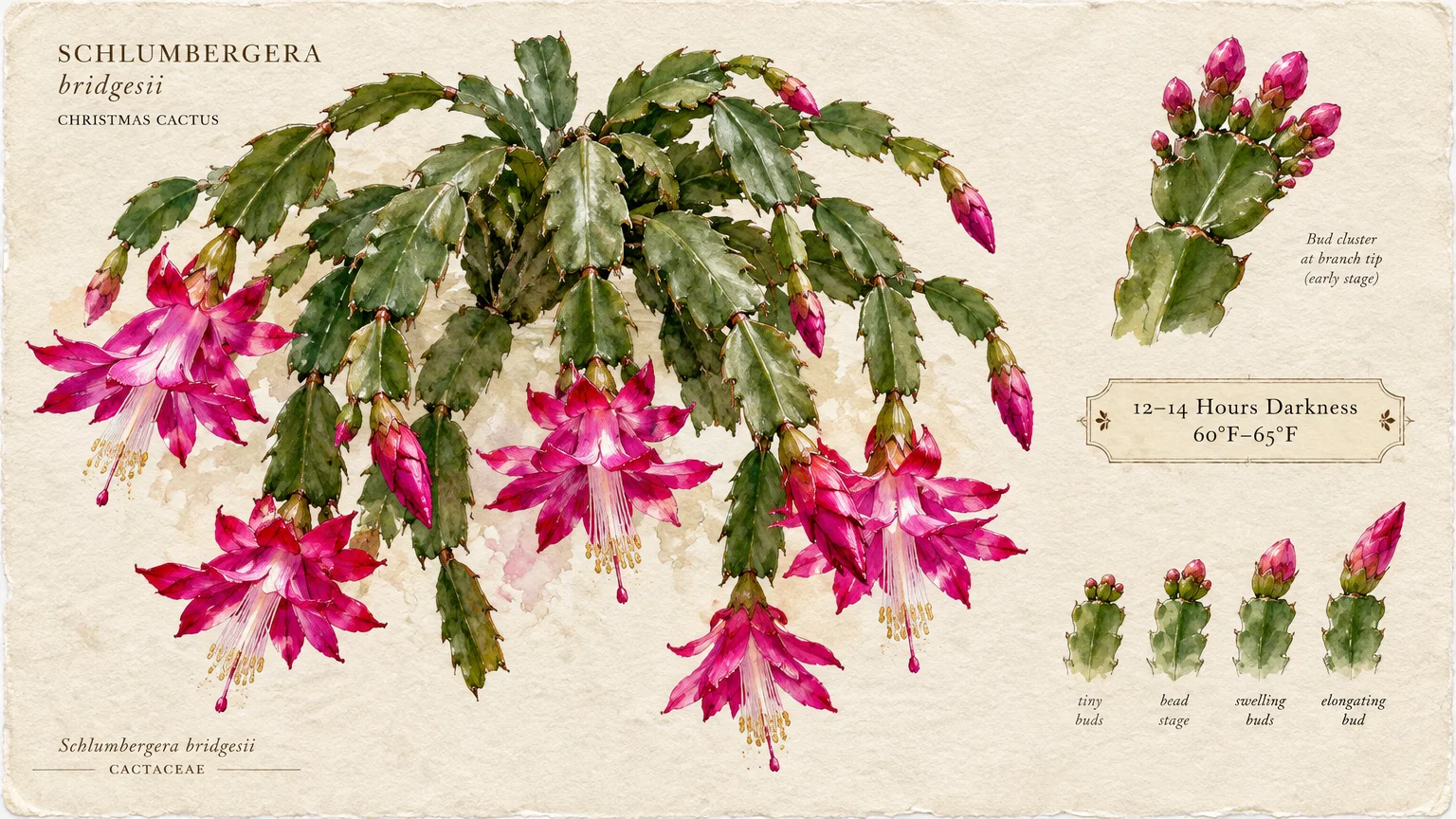
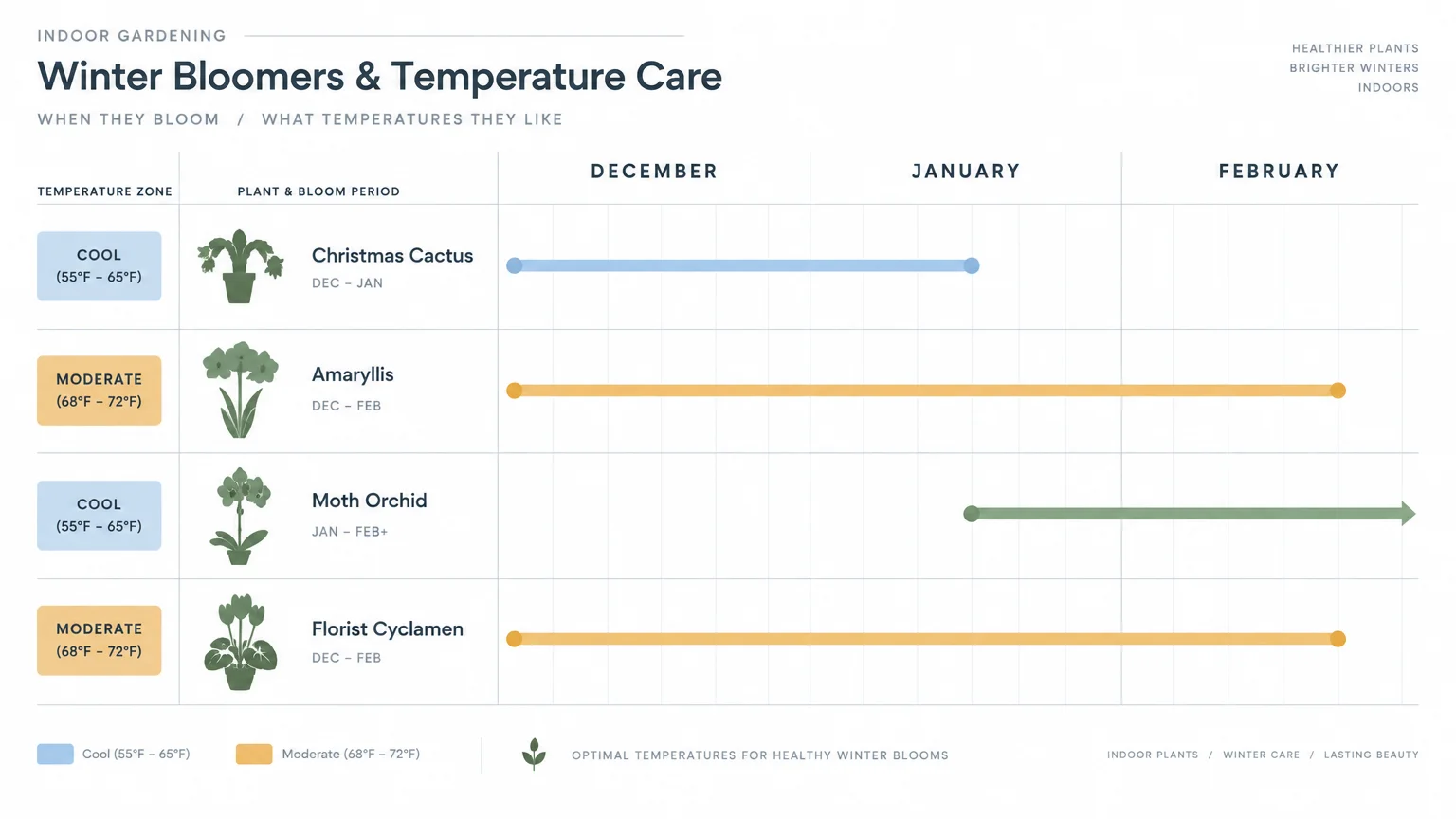
The Christmas cactus produces cascading stems tipped with satiny, tiered flowers in vibrant shades of magenta, salmon, and white. This Brazilian native naturally flowers as daylight hours dwindle in late autumn.
You will love this plant because it lives for decades and often becomes a cherished family heirloom. Unlike desert cacti, it originates in tropical rainforests, meaning it prefers gentle humidity over dry conditions.
To initiate flower buds, provide twelve to fourteen hours of uninterrupted darkness each night starting in October. Keep room temperatures near 60°F to 65°F during this period to ensure bud formation.
Place your cactus in bright, indirect light once buds appear, and maintain evenly moist soil. Avoid moving the pot during blooming; sudden location shifts cause delicate buds to drop prematurely.
Feed your plant monthly during spring and summer with a balanced half-strength houseplant fertilizer. Stop fertilizing in late fall so the plant shifts its energy entirely toward flower production.
Check the soil before watering by pressing your finger one inch deep into the potting medium. Water thoroughly only when that top layer feels dry to the touch.
Tip #2: Amaryllis
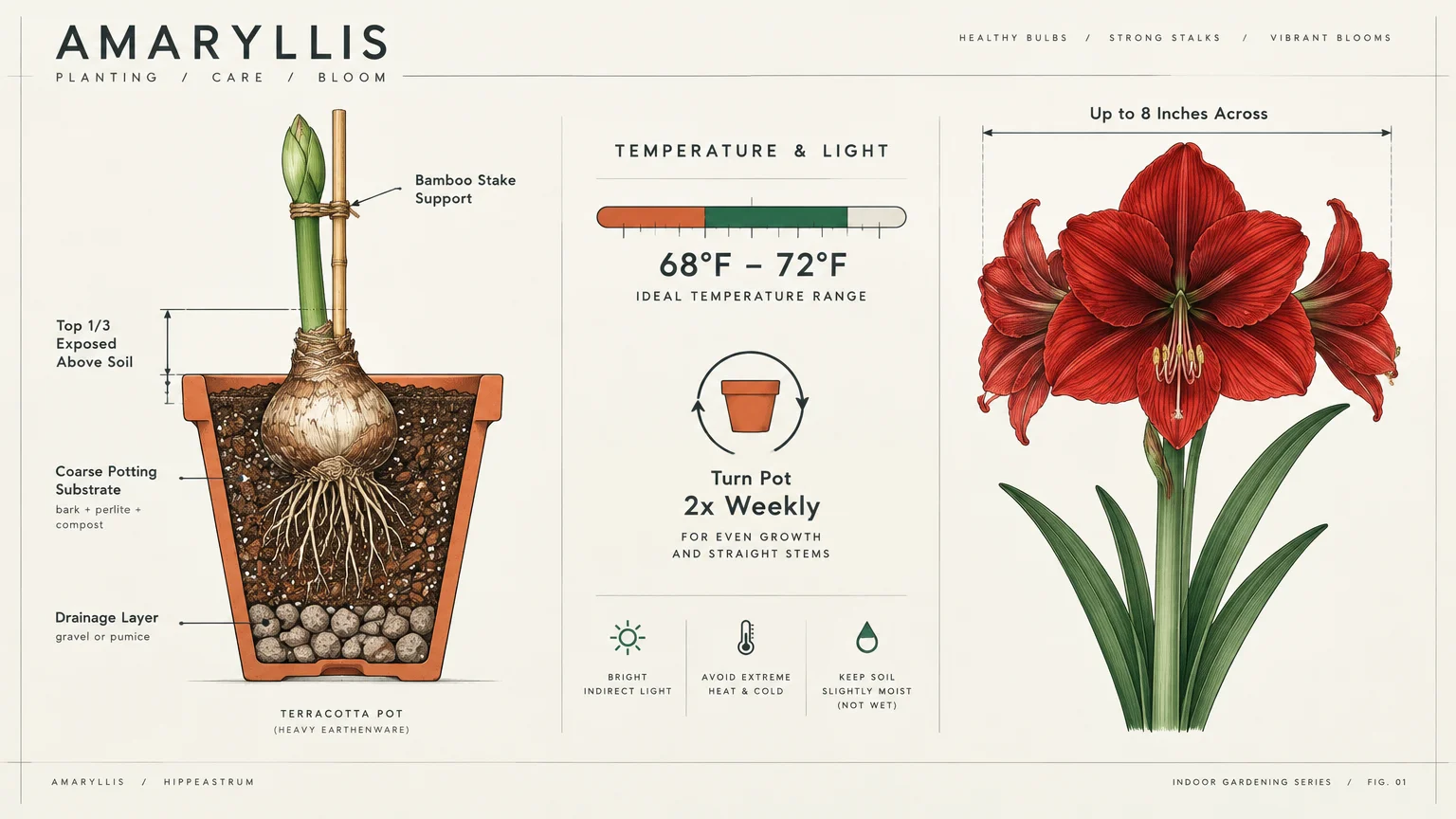
Amaryllis bulbs produce dramatic, trumpet-shaped blossoms measuring up to eight inches across on sturdy, upright stems. Their commanding size and bold hues of crimson, apricot, and white make them spectacular winter houseplants.
These tropical bulbs store immense energy reserves, guaranteeing an explosive floral display just six to eight weeks after planting. They offer an effortless way to create a striking centerpiece during midwinter.
Plant the bulb in a heavy pot, leaving the top third exposed above well-draining potting mix. Water thoroughly once upon planting, then withhold moisture until you see green shoots emerging.
Position the container on a warm windowsill where temperatures hover around 68°F to 72°F. Turn the pot twice a week to keep the growing flower stalks from leaning toward the sun.
Once flowers open, shift the pot to cooler, indirect light to prolong their lifespan. Snip spent flowers near the stem base while leaving the green foliage intact to nourish next year’s bulb.
Stake tall flower spikes early using a bamboo cane to prevent heavy blossoms from toppling the pot. This simple support protects your display throughout its multi-week blooming window.
Tip #3: Moth Orchid
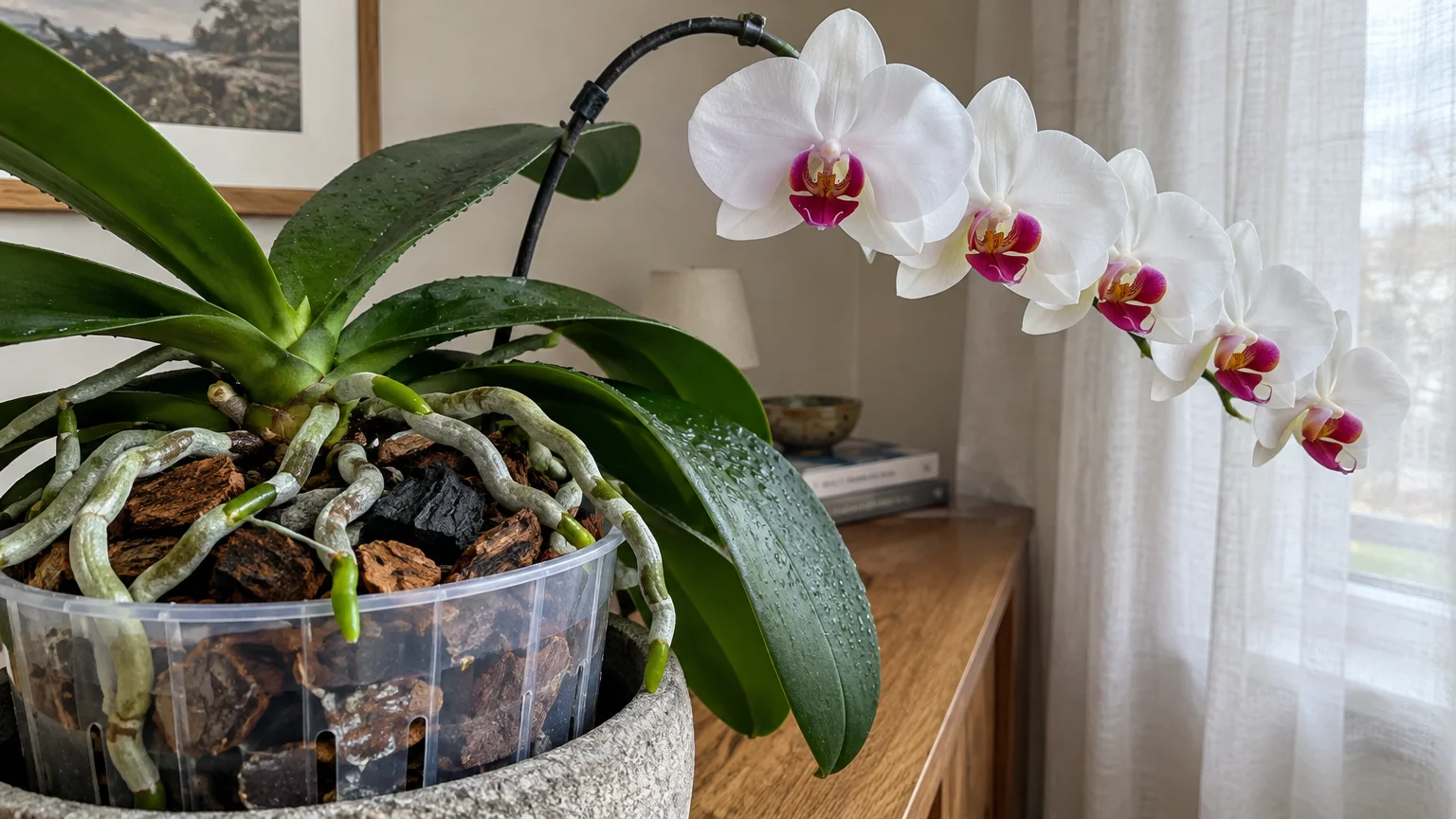
Moth orchids display graceful, arching sprays of blooms that often endure for three months or longer. They stand out as one of the most reliable houseplants that flower in winter.
Their architectural form and exotic beauty elevate any interior space effortlessly. Because they thrive in standard home temperatures, they fit seamlessly into modern living rooms and home offices.
Trigger winter bloom spikes by exposing your orchid to nighttime temperatures around 55°F to 60°F for several autumn weeks. This subtle temperature drop signals the plant to initiate robust flower buds.
Pot your orchid in chunky bark medium rather than dense soil to provide essential airflow for roots. Water only when the potting bark dries completely and the roots turn silvery-gray.
Keep your plant in bright, filtered light near an east-facing window. Never allow standing water to sit in the leaf crown, as trapped moisture quickly encourages crown rot.
Apply a weak orchid fertilizer every two weeks while new flower spikes develop. Flush the pot with clear water monthly to prevent mineral salts from building up in the bark.
Tip #4: Florist’s Cyclamen
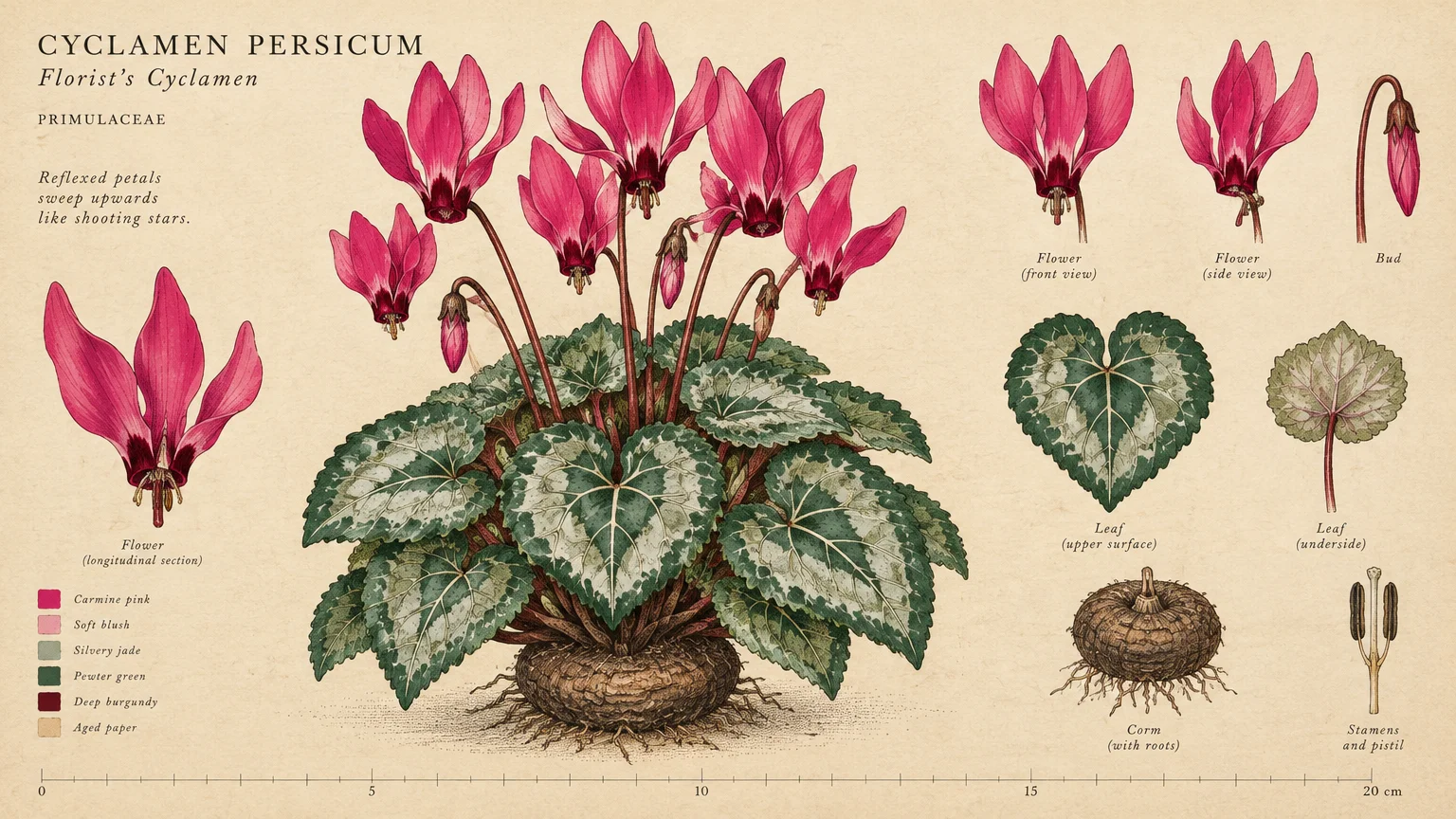
Florist’s cyclamen features shuttlecock-like reflexed petals rising above ornate, heart-shaped foliage marbled with silver patterns. They bloom profusely throughout the coldest winter months, filling rooms with pastel hues and delicate fragrance.
This Mediterranean native naturally flourishes during cool weather when most tropical indoor plants rest. If you keep a cool house in winter, cyclamen will thrive on your windowsills.
Maintain daytime temperatures below 68°F and night temperatures between 50°F and 55°F for sustained blooms. Excessive heat causes the foliage to yellow and triggers premature plant dormancy.
Water cyclamen from the bottom by setting the pot in a saucer of water for twenty minutes. This technique keeps moisture away from the central tuber, preventing rot and fungal decay.
Pluck spent flowers and yellowing leaf stems directly from the base with a gentle, twisting pull. Clean removal encourages fresh buds to swell and open continuously through March.
Shield the plant from direct afternoon sun, which wilts the tender petals. Bright, indirect morning light keeps the foliage compact and the flower color remarkably vivid.
Tip #5: Clivia
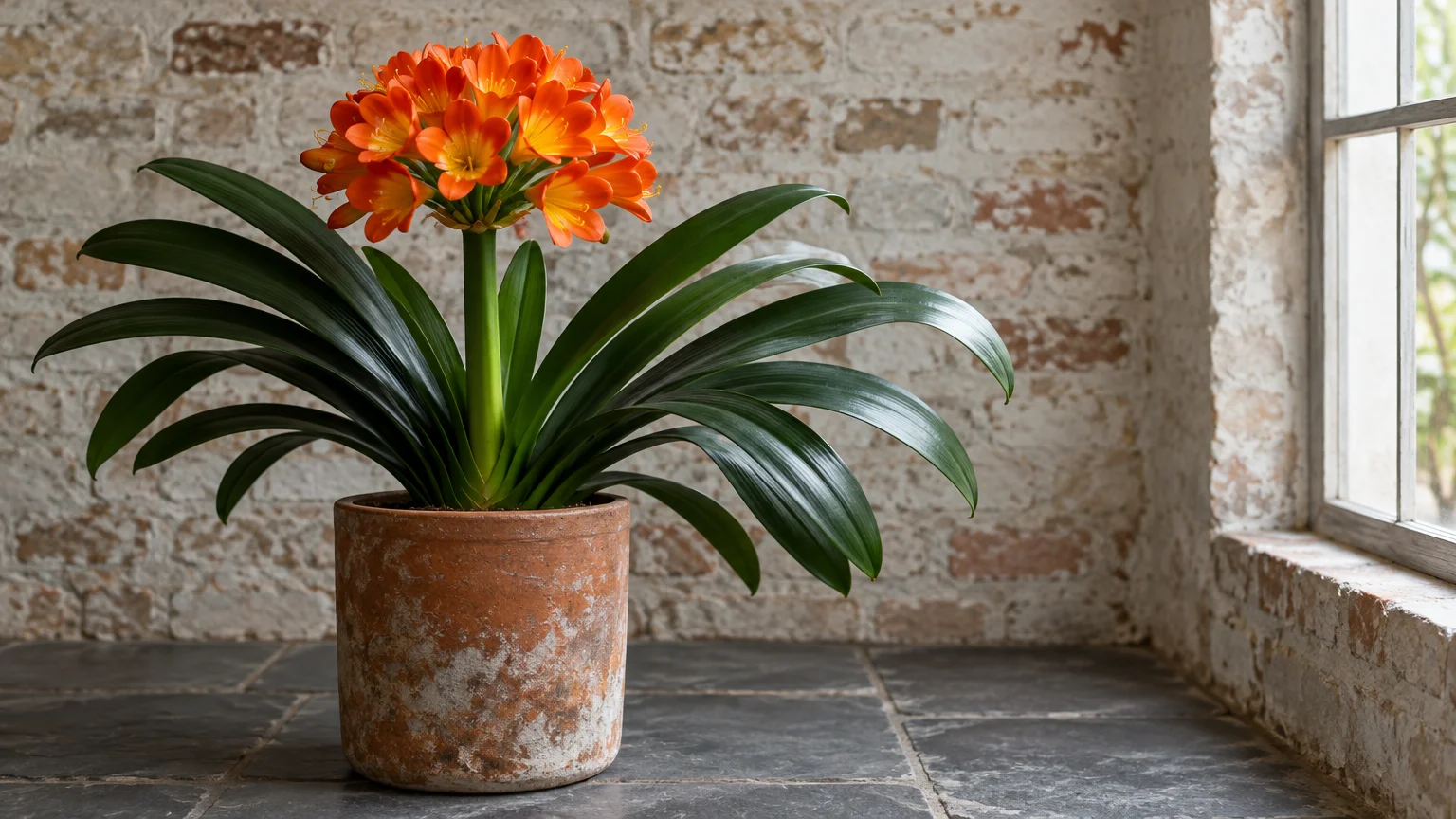
Clivia produces dense clusters of brilliant orange, yellow, or apricot trumpet flowers atop strappy, dark evergreen foliage. It brings architectural presence and rich, warm tones into your winter living space.
Clivia thrives on neglect and tolerates low-light conditions better than almost any other flowering houseplant. Its sturdy, drought-resistant foliage remains handsome and glossy even when the plant is not in bloom.
To set flower buds, clivia requires a chilly resting period of twelve to fourteen weeks in late autumn. Keep the plant near 50°F and withhold water almost completely from October through December.
In January, resume watering and bring the plant into a warmer room with bright, indirect light. Soon, a stout flower stalk will push up between the fan of leathery green leaves.
Clivia blooms best when its thick, fleshy roots are tightly bound in a relatively small container. Repot only every three to four years to avoid disrupting its natural blooming rhythm.
Feed the plant with a balanced liquid fertilizer once active spring growth resumes. Withhold all fertilizer during the autumn rest period to protect resting root tissues.
Tip #6: Flaming Katy
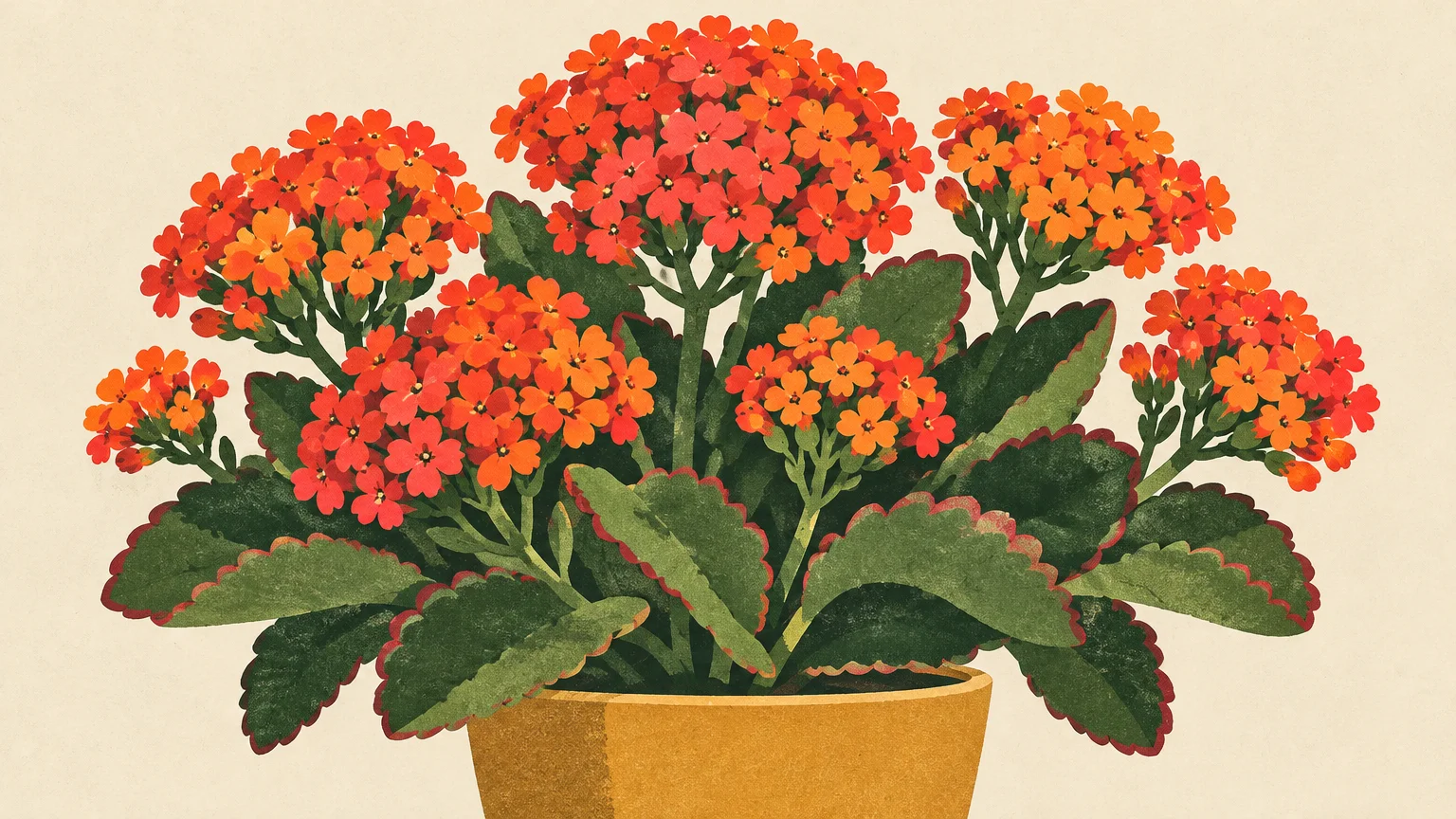
Kalanchoe is a compact succulent packed with tight clusters of tiny, star-shaped flowers in vivid reds, pinks, and yellows. Its thick, scalloped green leaves provide a lush background for long-lasting winter color.
As a succulent, kalanchoe stores ample moisture in its foliage, making it exceptionally forgiving if you forget to water. It makes an ideal flowering choice for busy gardeners and dry indoor environments.
Like the holiday cacti, kalanchoe relies on short photoperiods to form flower buds. It requires fourteen hours of total darkness each day for six weeks during mid-autumn to set flowers.
Position the plant in the sunniest window available once flower buds develop. Use a fast-draining cactus soil blend and let the top two inches dry out between waterings.
Remove fading flower clusters with sharp shears to promote lateral branching and secondary bud growth. Avoid getting water on the succulent leaves to prevent powdery mildew and fungal spotting.
Keep room temperatures between 60°F and 75°F to ensure steady, healthy flower development. Avoid chilly window drafts, as freezing temperatures will quickly damage the fleshy succulent foliage.
Tip #7: African Violet
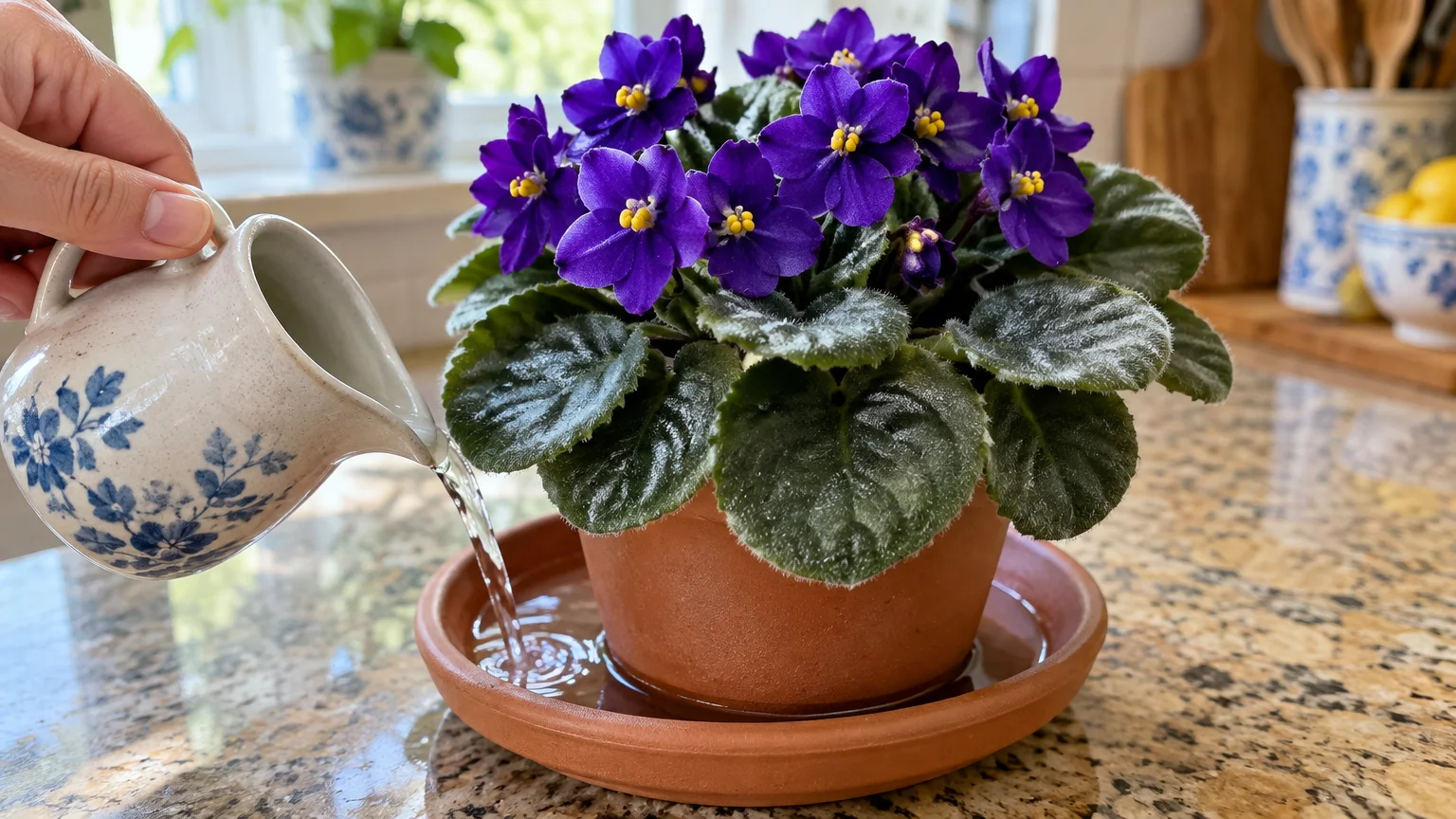
African violets showcase velvety, rosetted foliage crowned by clusters of purple, blue, violet, or bi-colored blossoms. With appropriate care, these compact treasures bloom virtually year-round, including straight through the depth of winter.
Their petite size makes them perfect for small spaces, bedside tables, and crowded plant shelves. They add charming texture and timeless cheer without demanding expansive floor space.
Provide ten to twelve hours of bright, indirect sunlight or supplement with full-spectrum fluorescent lights during short winter days. Keep temperatures steady between 65°F and 75°F for consistent flowering.
Water with room-temperature water from below, or use a specialized self-watering ceramic violet pot. Cold water droplets splashed onto the fuzzy leaves will leave unsightly pale blemishes and spots.
Feed every two weeks with a diluted, high-phosphorus African violet fertilizer while the plant produces buds. Groom the plant regularly by pinching off dead blossoms and dusty outer leaves.
Repot your African violet annually in fresh, peat-based potting soil designed specifically for violets. A snug container encourages root crowding, which directly stimulates bud development.
Tip #8: Peace Lily
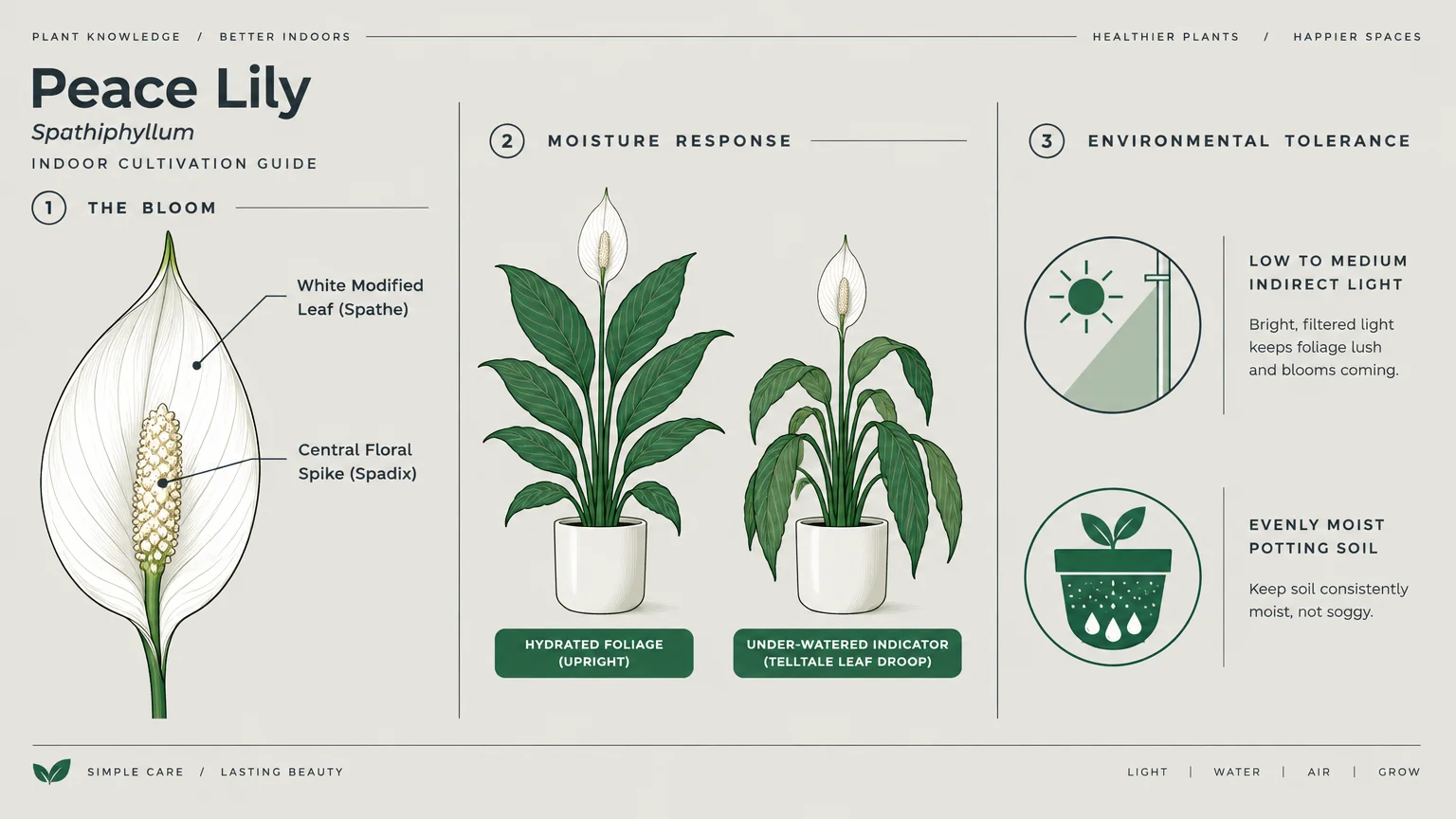
Peace lilies produce elegant, pure white spathes that rise above lush, deep green foliage like miniature flags. While their heaviest flush arrives in spring, healthy specimens frequently produce striking flowers during winter.
Beyond their clean aesthetic, peace lilies act as resilient indoor companions that communicate their water needs clearly. They tolerate lower ambient light levels better than most other indoor flowering plants.
While peace lilies survive in low light, they require medium to bright indirect light to generate blooms. Relocate your plant closer to an east-facing window during winter to stimulate flower production.
Maintain evenly moist potting soil, but never allow the roots to sit submerged in stagnant water. Water promptly whenever the top inch of soil feels dry or leaves begin to droop slightly.
Boost ambient humidity around your peace lily using a room humidifier or pebble tray filled with water. Wiping the broad leaves with a damp cloth keeps them dust-free and maximizes photosynthesis.
Trim fading green spathes back to the soil line using clean, sterilized shears. This routine grooming preserves the plant’s visual appeal and redirects essential energy into fresh growth.
Tip #9: Paperwhite Narcissus
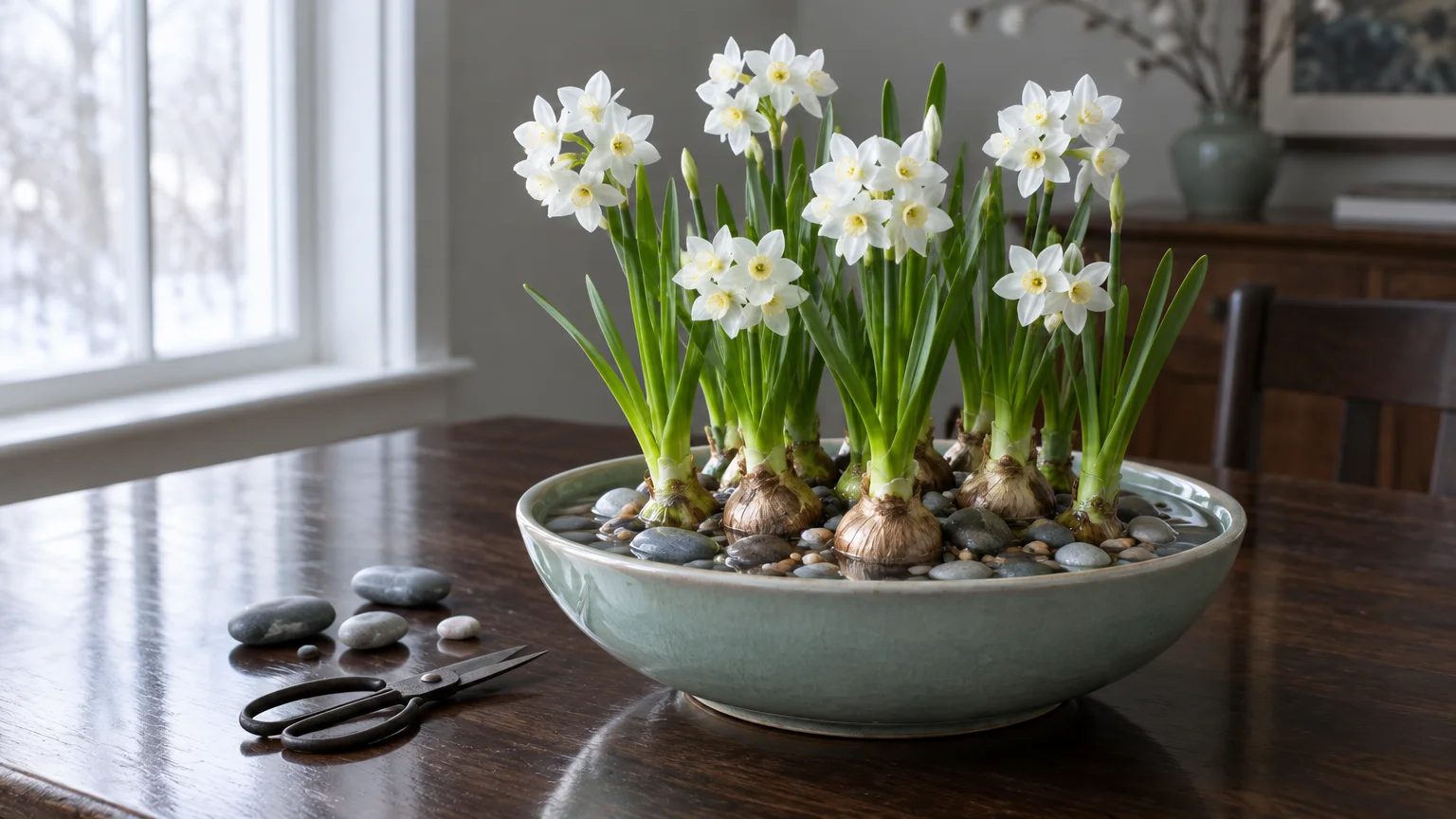
Paperwhites are fragrant daffodils that produce clusters of dainty, snow-white blossoms on slender emerald stems. They bring the exhilarating promise of spring directly onto your winter windowsill within just a few weeks.
Unlike hardy spring bulbs, paperwhites do not require months of cold stratification before forcing. You can plant them directly indoors and watch them shoot upward with astonishing speed.
Plant the bulbs closely together in a shallow dish filled with decorative stones, marbles, or pea gravel. Add water until it barely reaches the bulb bases, keeping the upper bulb dry.
Keep the bowl in cool, indirect light until roots anchor, then move it into your brightest sunny window. Ample direct light prevents the stems from stretching and becoming unmanageably floppy.
You can dwarf the stem height by replacing water with a dilute four to five percent alcohol solution once shoots appear. This horticultural technique keeps the flower stalks compact and self-supporting without staking.
Stagger your bulb plantings every two weeks throughout November and December. This simple succession technique ensures a continuous rotation of fragrant, cheerful blossoms all winter long.
Tip #10: Flamingo Flower
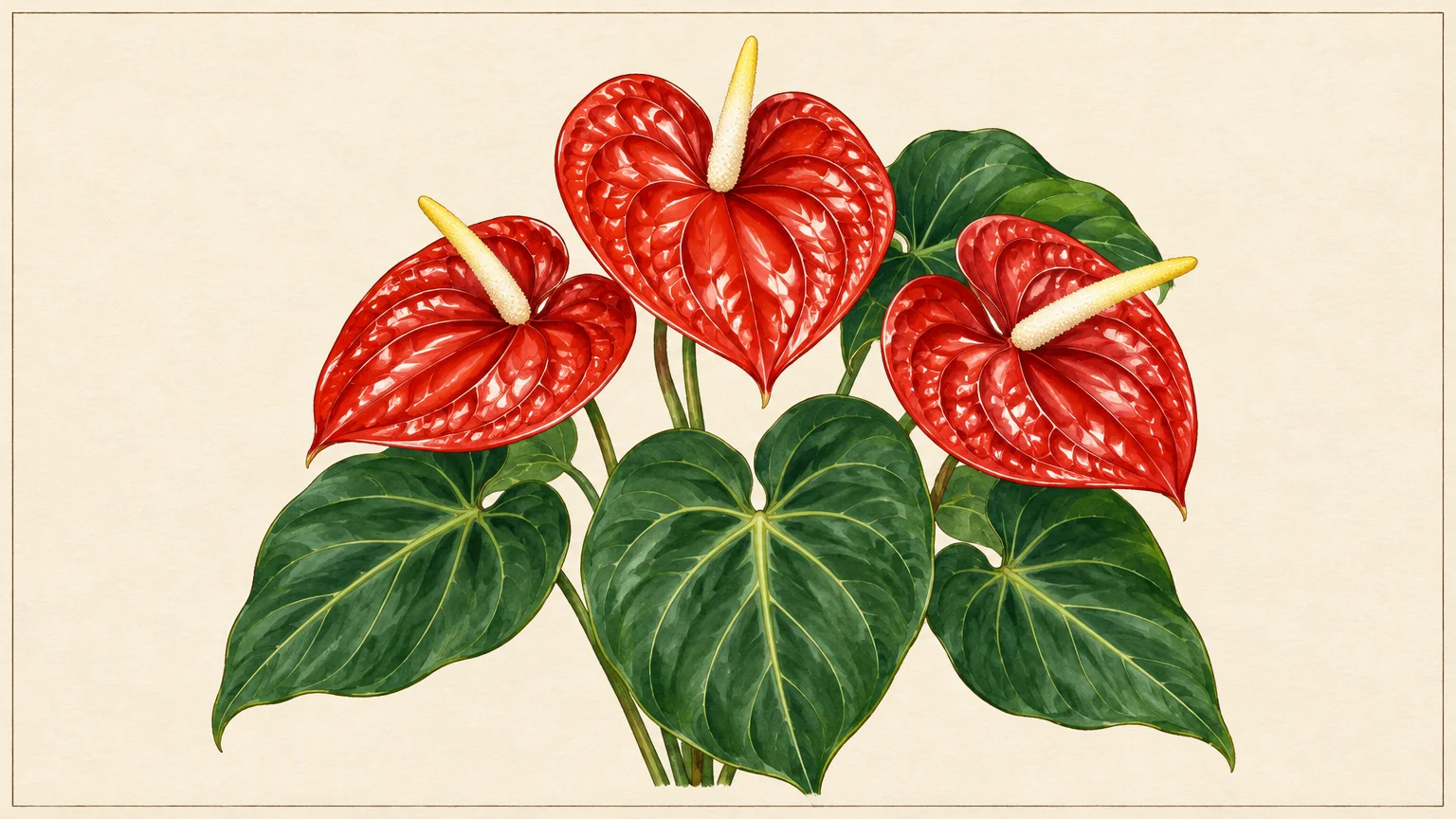
Anthuriums produce glossy, heart-shaped spathes featuring bright yellow or cream spadices rising prominently in the center. Available in red, pink, and burgundy, these waxy blossoms can last for months indoors.
Their sleek, sculptural appearance makes them a sensational focal point in contemporary interior décor. Each spathe remains vibrant for six to eight weeks, delivering incredible longevity through chilly winter weather.
Provide bright, indirect light throughout winter to fuel the creation of new flower buds. Shield the waxy foliage from harsh midday sun, which can scorch the emerald leaves.
Plant anthuriums in a loose, coarse potting mix composed of orchid bark, peat moss, and perlite. Allow the top two inches of medium to dry out before giving the pot a thorough drink.
Maintain indoor humidity above 50 percent to mimic their native South American rainforest habitat. Wipe down the broad, heart-shaped leaves monthly to eliminate indoor dust and discourage spider mites.
Feed with a diluted high-phosphorus houseplant fertilizer once a month during active flowering. Always apply fertilizer to damp soil to protect the sensitive roots from chemical burns.
Tip #11: Winter Jasmine
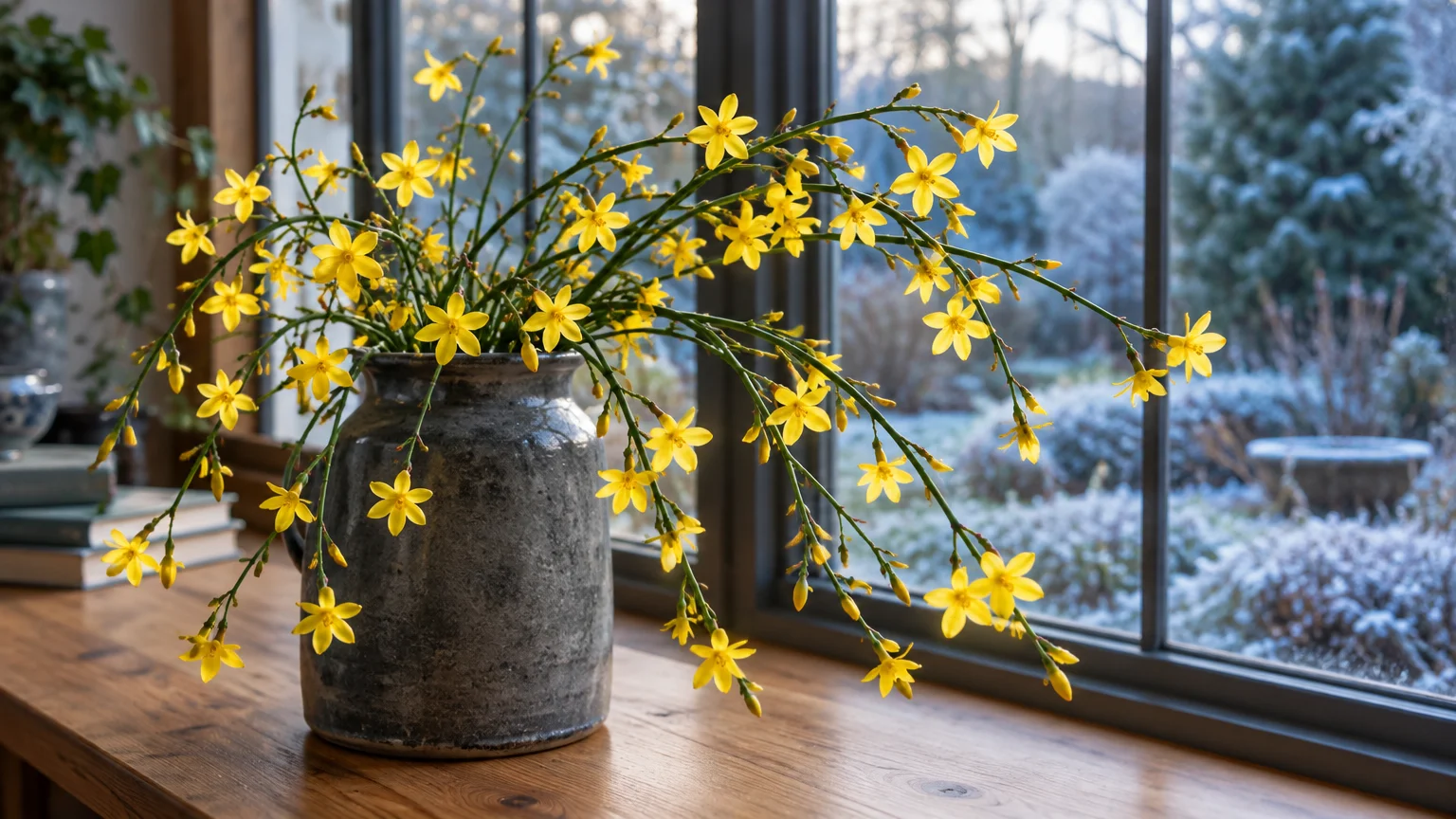
Winter-blooming jasmine forms cascading vines smothered in hundreds of intensely fragrant, starry white blossoms. The sweet, heady perfume can effortlessly fill your entire home on cold January afternoons.
This vigorous climber turns a basic trellis, hoop, or hanging basket into a living tapestry of floral splendor. Its dark pink exterior buds open into luminous white stars, creating a stunning visual contrast.
Jasmine requires cool autumn temperatures between 45°F and 55°F to stimulate bud formation. Keep it near an unheated sunroom or cool window until flower buds become clearly visible.
Once buds swell, move the vine into bright, indirect sunlight and keep the root ball consistently moist. Feed every two weeks with a diluted, balanced liquid fertilizer until the flowers finish blooming.
Prune the long vines back rigorously after the flowering cycle ends in late winter or early spring. This pruning controls plant size and stimulates abundant new growth for next season’s floral display.
Mist the foliage regularly during bud development if your home heating system dries the ambient air. Increased humidity keeps the tight buds supple and prevents them from drying out prematurely.
Putting It All Together: Enjoy Your Beautiful Garden
Bringing flowering plants indoors turns dreary winter months into an engaging, colorful horticultural season. By matching each plant with its ideal light, moisture, and temperature levels, you can enjoy non-stop blooms indoors.
Start with one or two resilient varieties like the Christmas cactus or moth orchid to build your confidence. As your indoor gardening routine develops, incorporate fragrant selections like paperwhites or pink jasmine for a sensory treat.
Observe your plants closely each week, paying attention to moisture levels and seasonal light shifts. Small adjustments in pot placement or humidity can double the lifespan of your delicate winter blossoms.
For region-specific advice, consult your local University Extension program (find yours via the USDA directory). For plant databases and inspiration, visit the Missouri Botanical Garden or the Royal Horticultural Society.
Disclaimer: This article provides general gardening advice. Always consider your specific climate, soil conditions, and local pests. Follow safety guidelines when using gardening tools and products.
Frequently Asked Questions
Why do flower buds fall off winter houseplants before opening?
Bud drop usually occurs due to sudden environmental shifts such as cold drafts, dry furnace air, or relocated containers. Keep your plants away from heating vents and maintain steady indoor temperatures to safeguard emerging buds.
How much should you fertilize flowering houseplants in winter?
Fertilize only the plants actively forming buds or blooming, using a half-strength balanced fertilizer. Never feed dormant plants during winter, as surplus nutrients can burn tender roots.
How do you increase indoor humidity for winter blooms?
Run a cool-mist room humidifier near your indoor flowering plants to raise moisture levels effectively. Alternatively, group plants together on wide gravel trays filled with water to create a humid microclimate.
Do winter-blooming houseplants need direct sunlight?
Most winter bloomers prefer bright, indirect sunlight rather than harsh, direct rays. Sun lovers like amaryllis and paperwhites benefit from southern windows, while cyclamen and orchids prefer gentle east-facing light.