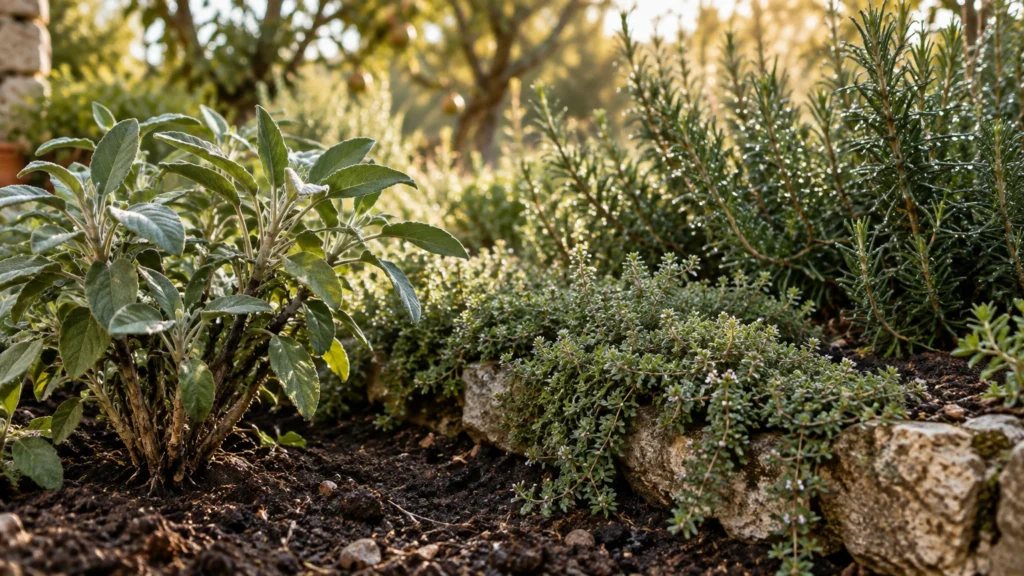
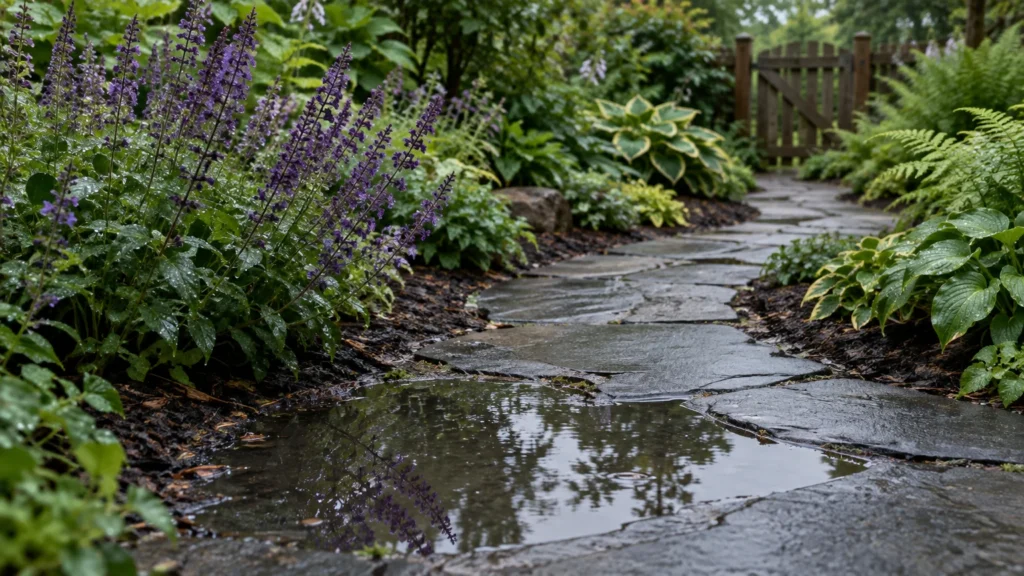
You can cultivate a vibrant indoor jungle even when winter heating saps every drop of moisture from your living space. Selecting resilient houseplants for dry air transforms parched rooms into flourishing green sanctuaries with minimal effort.
Many popular indoor plants quickly develop crispy brown tips and shed leaves when humidity levels drop. The secret lies in choosing tough varieties naturally equipped to store water and protect themselves against arid conditions.
These low-humidity houseplants handle dry domestic environments effortlessly while adding dramatic architectural beauty to your home. You will enjoy lush foliage year-round without constantly running an electric humidifier.
Tip #1: Snake Plant (Dracaena trifasciata)
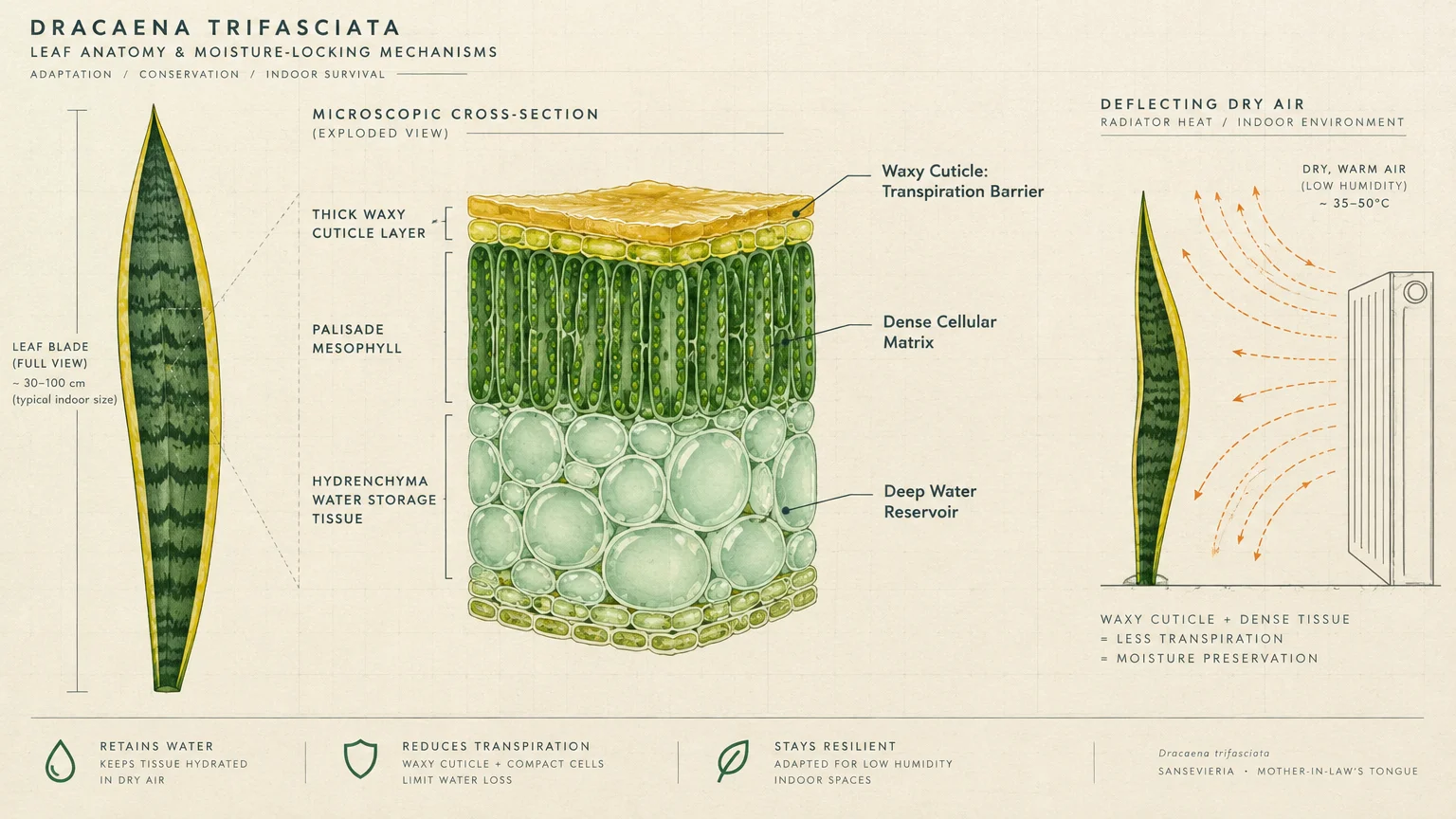
Snake plants stand out as virtually indestructible champions among hardy indoor plants. Their upright, sword-like foliage features a thick, waxy cuticle that locks moisture inside each leaf.
This waxy barrier prevents rapid transpiration, allowing the plant to shrug off arid drafts from radiators and forced-air vents. You will never see crispy edges simply because the ambient humidity drops.
Position your snake plant in anything from dim hallways to bright, sunlit window sills. It adapts seamlessly to variable indoor lighting without skipping a beat.
Allow the potting mix to dry out completely before watering again. During chilly winter months, you might only need to water this architectural beauty once every three to four weeks.
Use a heavy terra cotta pot with drainage holes to keep the plant stable and prevent soil waterlogging. Well-draining cactus soil offers the ideal foundation for healthy root development.
Tip #2: ZZ Plant (Zamioculcas zamiifolia)
The ZZ plant offers glossy, emerald leaves that reflect light beautifully in any living room. Beneath the soil surface, large potato-like rhizomes store copious amounts of water for lean periods.
Because this eastern African native evolved in drought-prone regions, ambient indoor dryness poses zero threat to its health. The shiny leaf coating naturally slows moisture loss even during dry winter months.
Place your ZZ plant in low to medium indirect light for steady, dependable growth. It tolerates deep shade remarkably well, making it a stellar candidate for windowless offices and shaded shelves.
Water thoroughly only when the soil feels bone-dry all the way to the bottom of the container. Overwatering remains the sole hazard; modest neglect actually helps this resilient specimen thrive.
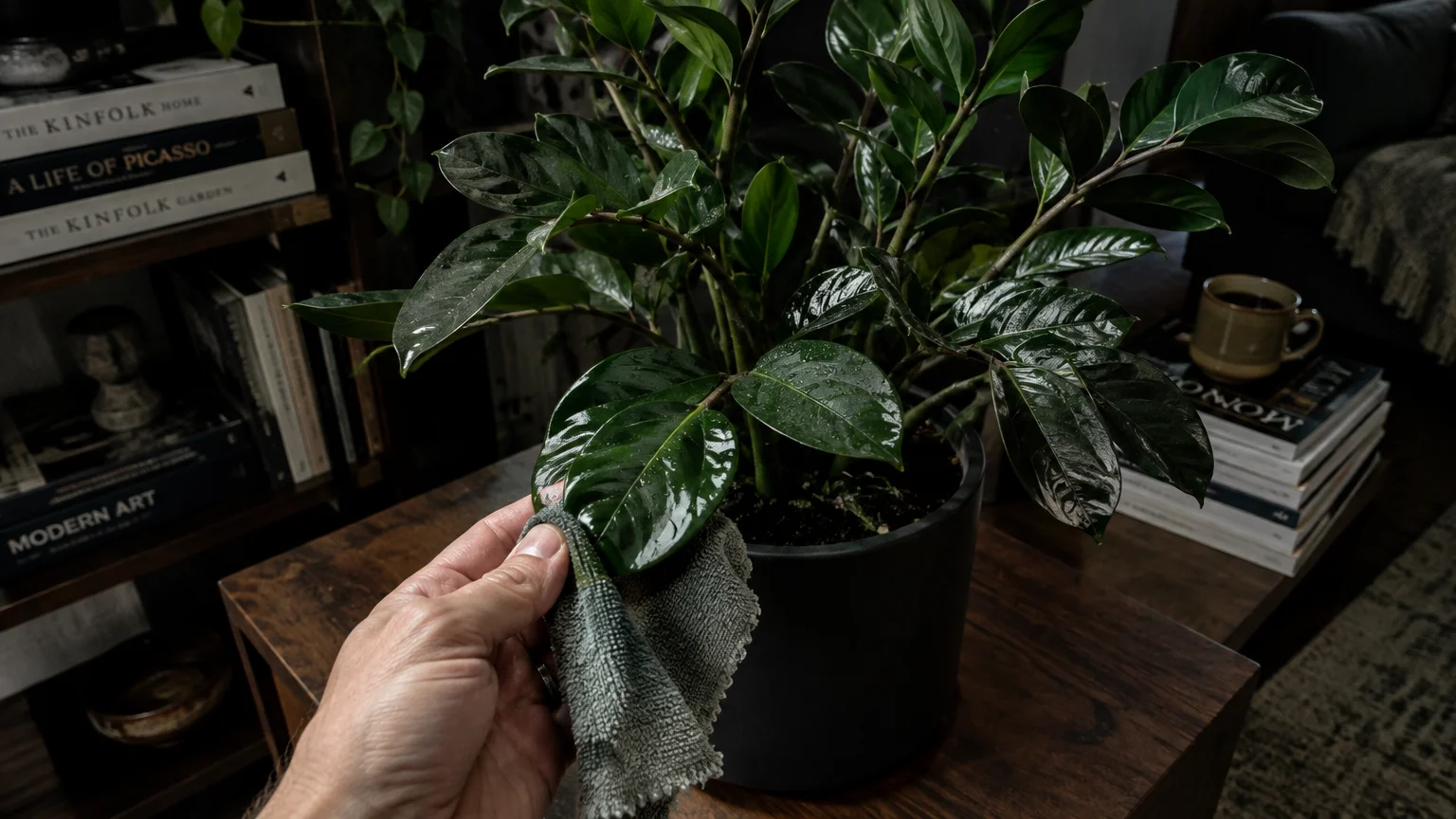
Wipe the glossy leaflets with a damp cloth occasionally to remove settling dust. Clean foliage absorbs ambient light efficiently and keeps your display looking fresh and polished.
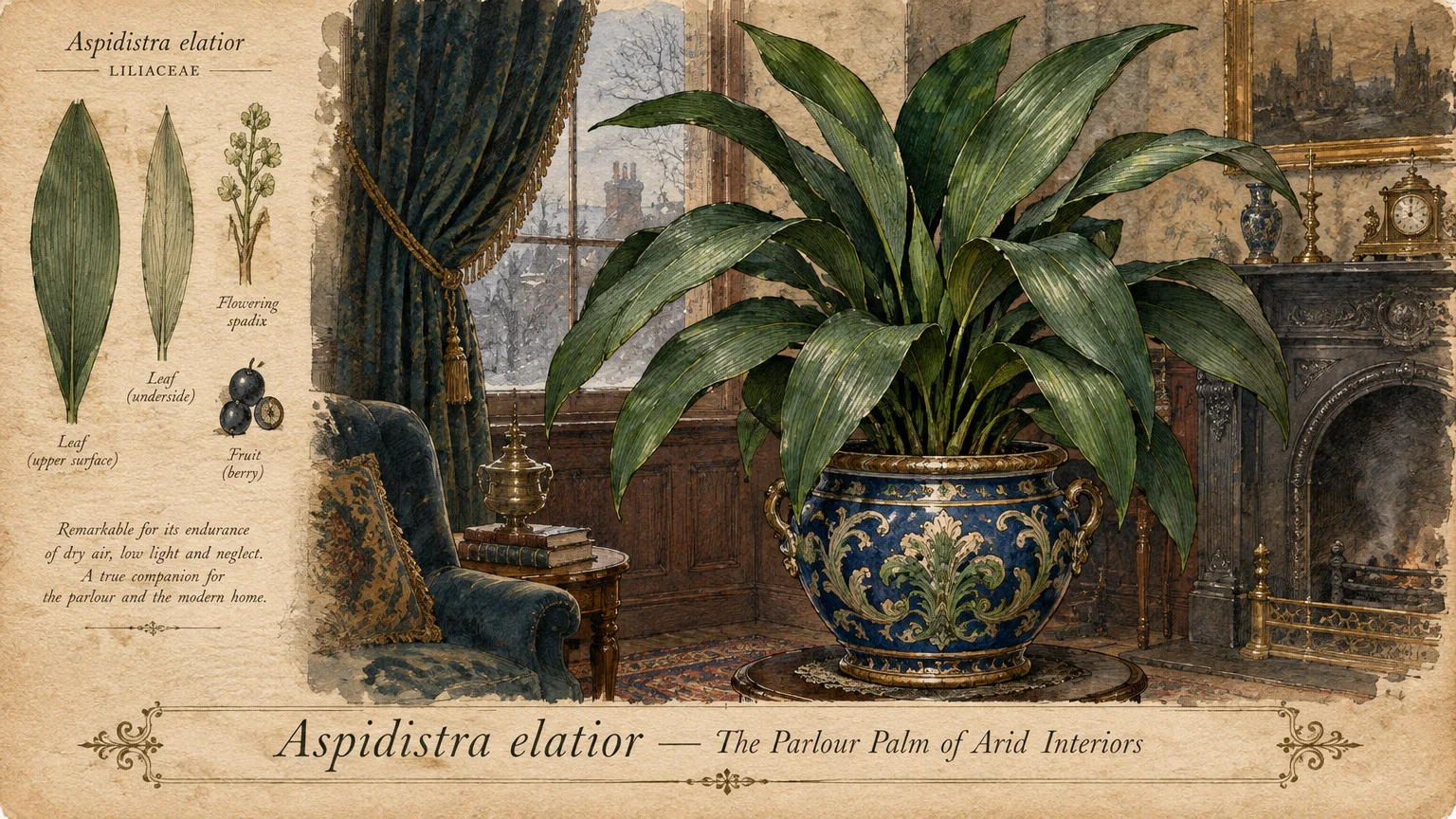
Tip #3: Cast Iron Plant (Aspidistra elatior)
Victorian gardeners popularized the cast iron plant because it survived coal smoke, dim parlors, and bone-dry air. Today, it remains one of the premier easy care houseplants for parched modern interiors.
Its broad, deep-green foliage possesses a tough, leathery texture that shrugs off low relative humidity. Dry air simply cannot penetrate or damage its sturdy cellular matrix.
Set your cast iron plant in moderate to low indirect light, far away from harsh afternoon sun. Intense direct rays will scorch its elegant leaves and bleach their rich forest tones.
Check the soil moisture by pressing your finger two inches into the potting mix. Provide water only after those top inches dry out, ensuring excess liquid drains away freely.
This slow-growing treasure requires minimal fertilizer, so feed it just once or twice during the active spring growing season. Its calm, unfussy nature rewards you with years of graceful greenery.
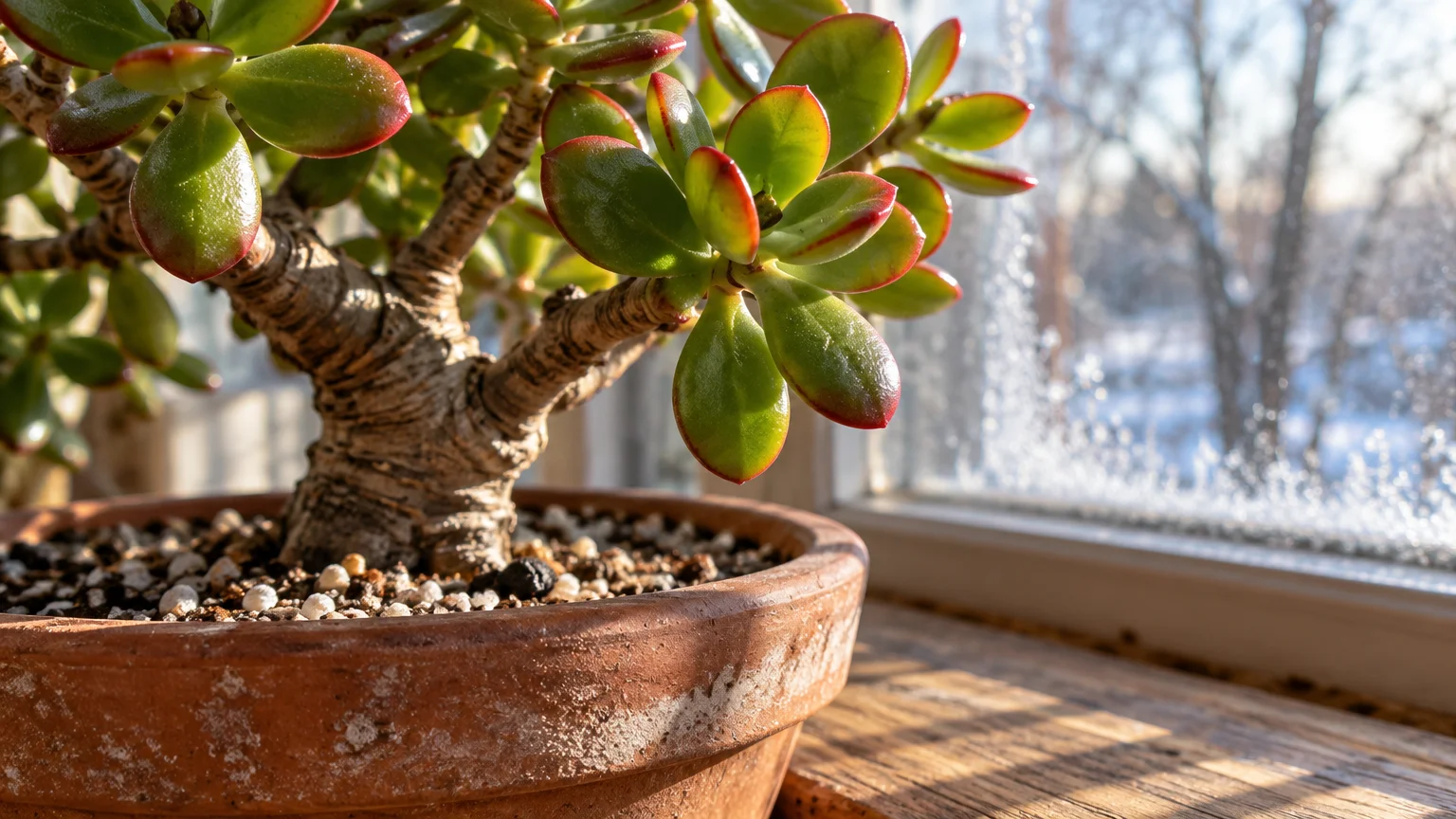
Tip #4: Jade Plant (Crassula ovata)
Jade plants bring sculptural charm and classic elegance to your sunny window sills. Their plump, oval leaves act as living reservoirs, storing ample moisture to withstand arid conditions effortlessly.
Like many desert succulents, jade plants employ Crassulacean Acid Metabolism to conserve hydration. They open their stomata at night to absorb carbon dioxide, dramatically reducing water loss during warm days.
Provide your jade plant with at least four to six hours of bright, direct sunlight daily. Generous light keeps the stems stocky and prompts delightful red blushes along the leaf margins.
Drench the root ball thoroughly when the lower leaves begin to lose firmness, then let the container dry out. Never let the pot sit in standing water, as saturated roots rot quickly.
Repot your plant into porous cactus grit blended with perlite to maintain exceptional aeration around the roots. A sturdy ceramic pot anchors its top-heavy, tree-like branching habit securely.
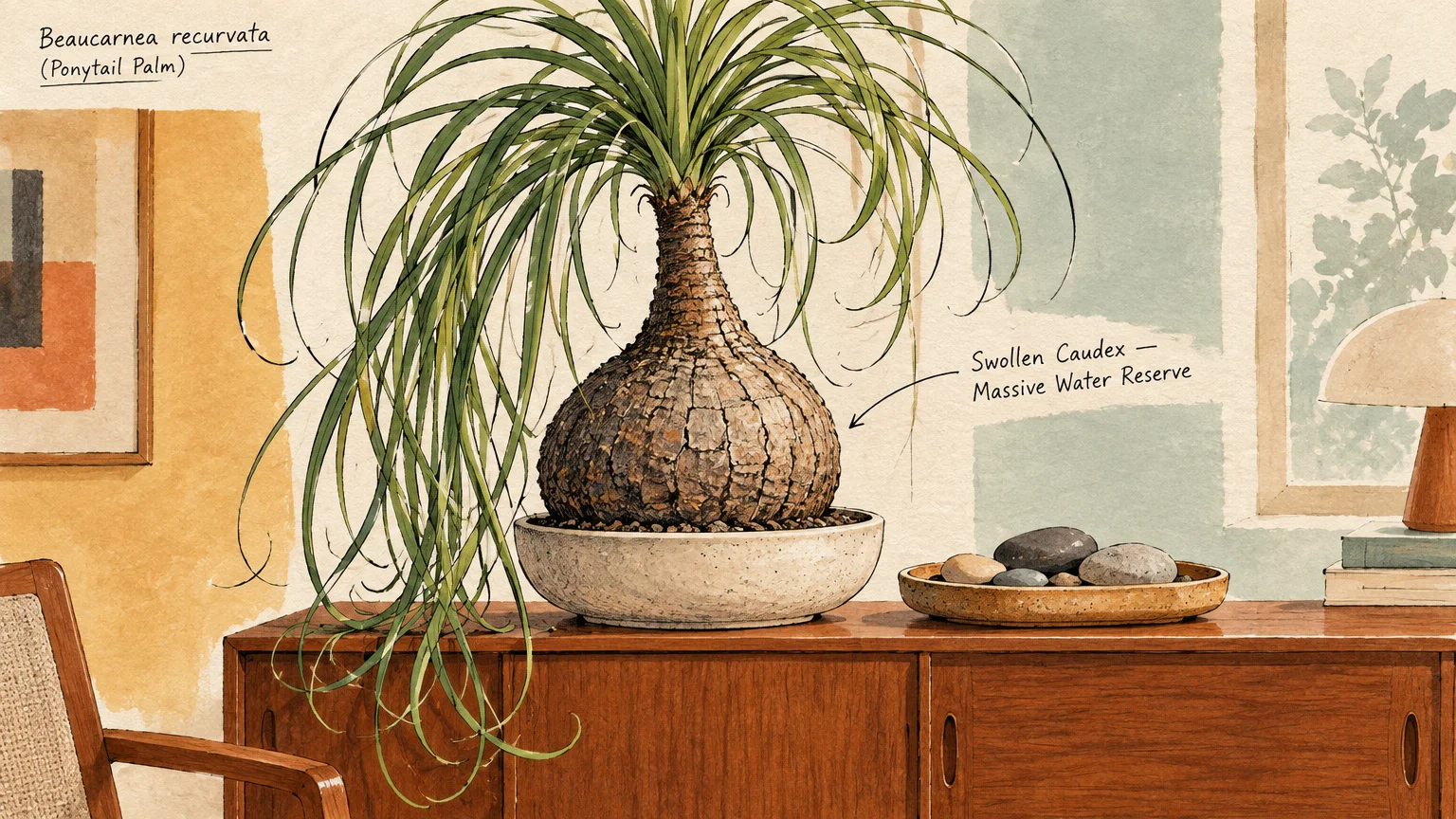
Tip #5: Ponytail Palm (Beaucarnea recurvata)
Despite its common name, the ponytail palm is actually a succulent closely related to desert agaves. A prominent, swollen trunk base—known botanically as a caudex—holds significant water reserves for emergencies.
Long, ribbon-like green foliage cascades gracefully from the crown, resembling a playful fountain. These slender leaves feature a firm outer layer that resists the drying effects of central heating systems.
Locate this dramatic specimen in the brightest room in your home, where it receives plenty of indirect sunlight. It tolerates dry indoor air better than almost any true palm species.
Water your ponytail palm sparingly, allowing the top several inches of gritty soil to dry before rehydrating it. In winter, scale back watering drastically while the plant rests.
Choose a wide, shallow pot that accommodates the bulbous base without holding excess soggy soil. This setup keeps the caudex healthy and highlights its fascinating architectural silhouette.
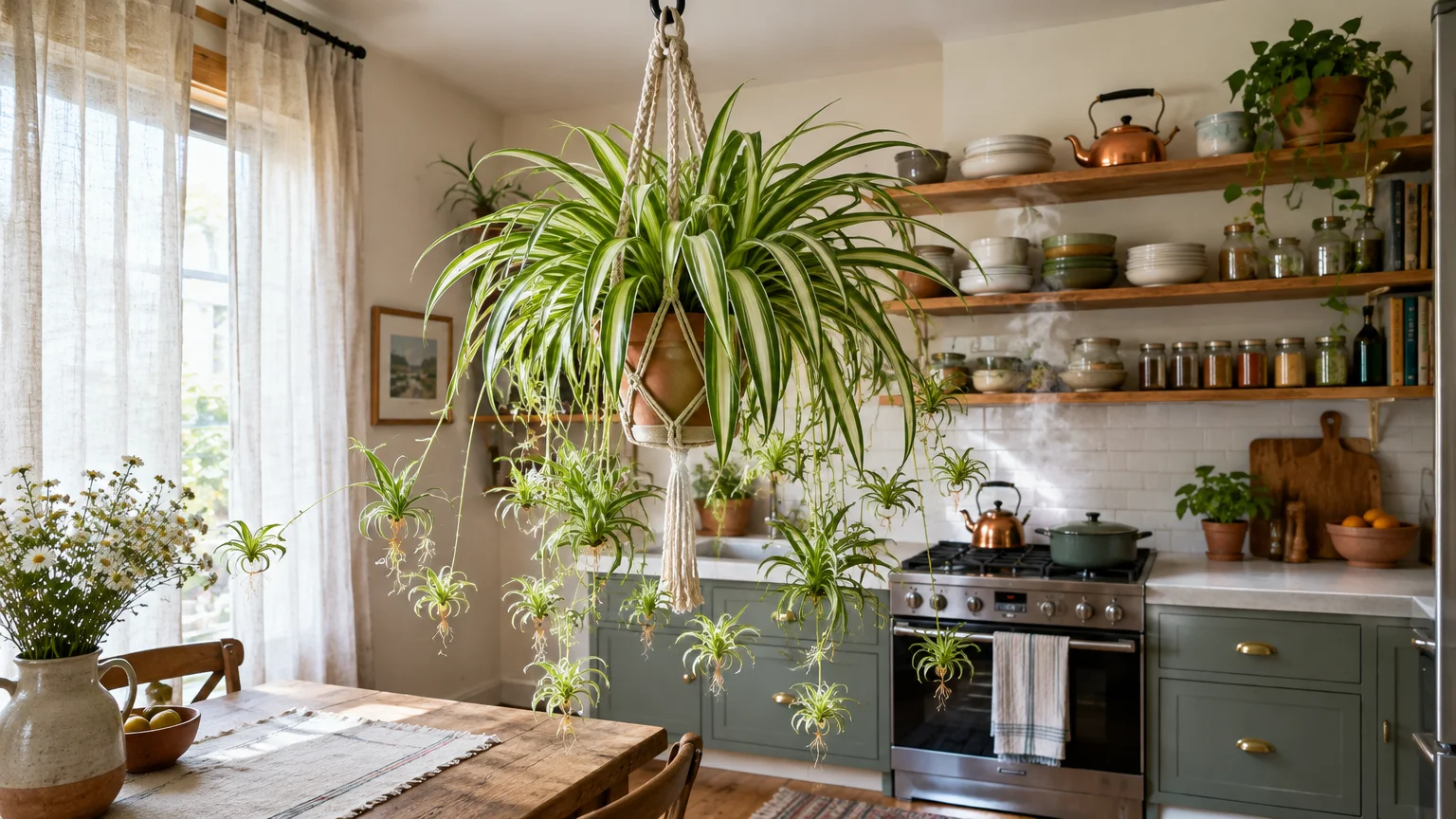
Tip #6: Spider Plant (Chlorophytum comosum)
Spider plants produce arches of cheerful, ribboned leaves that brighten hanging baskets and high bookshelves. Beneath their bright foliage, thick tuberous roots store moisture and vital nutrients against dry spells.
While delicate plants often suffer in low humidity, the spider plant adapts remarkably well as one of the best winter houseplants. You will enjoy vigorous arching growth without fussy misting routines or enclosed terrariums.
Position your plant in bright, indirect light to keep the green and white variegation crisp and pronounced. Direct hot sunlight can burn the tender leaf blades, so sheer curtains provide excellent protection.
Maintain moderate moisture by watering when the top inch of soil feels dry to your touch. Use distilled water or rainwater if you notice brown tips, as spider plants dislike tap water fluoride.
Mature specimens send out long runners carrying tiny star-shaped blossoms and miniature plantlets. You can easily snip these plantlets to propagate new starts for friends and family.
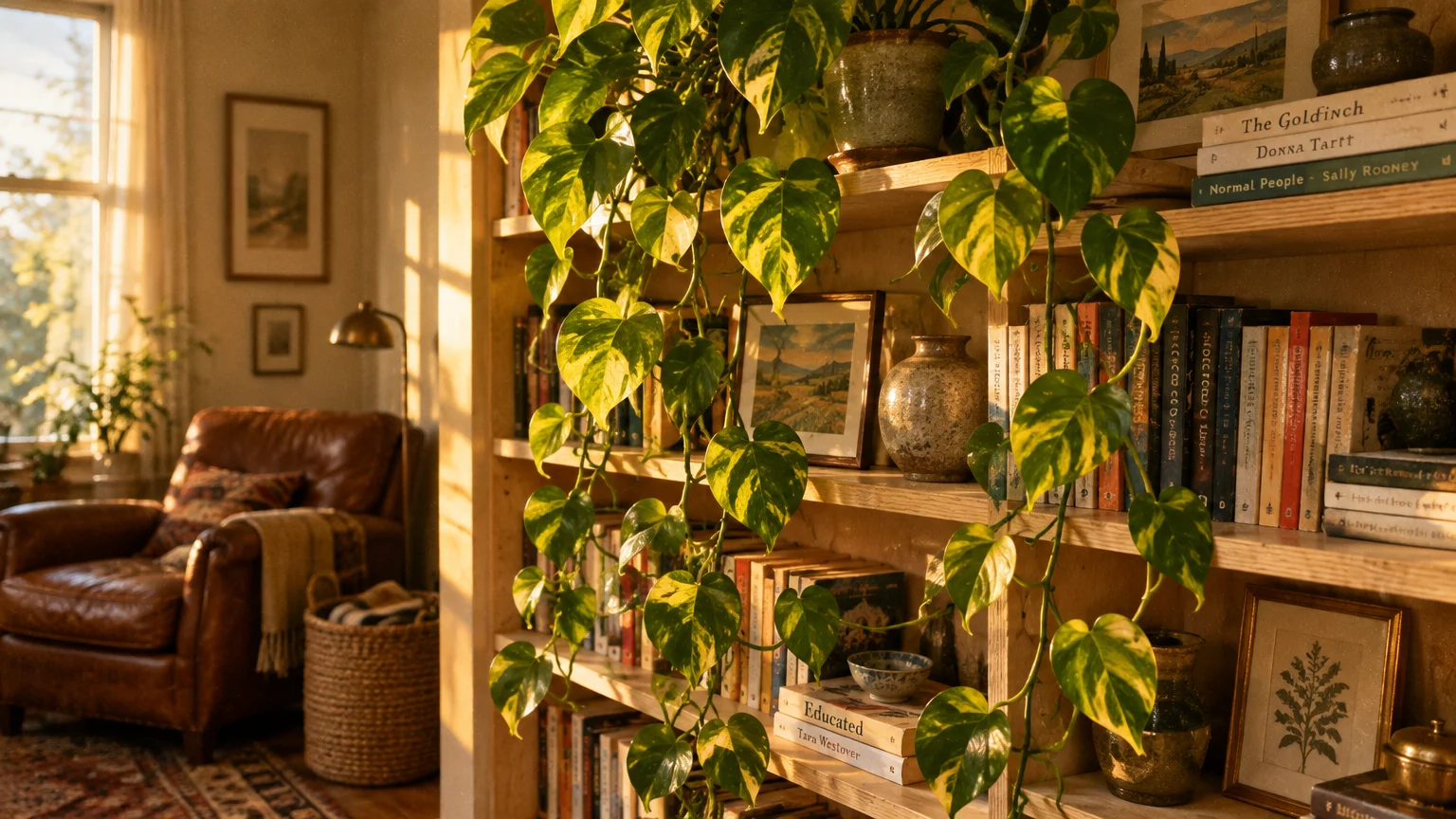
Tip #7: Pothos (Epipremnum aureum)
Pothos remains a beloved classic because it tolerates real-world home conditions that challenge delicate tropicals. Its heart-shaped leaves carry a subtle waxy sheen that prevents excessive water evaporation in low humidity.
This trailing vine thrives across diverse humidity levels, making it one of the most reliable houseplants for dry air. It cascades handsomely from mantels, wall planters, and tall shelving units.
Give your pothos moderate, indirect light to preserve its distinctive golden or creamy leaf splashes. It handles low light gracefully, though the foliage may revert to solid green over time.
Water the plant whenever the soil dries halfway down the pot, observing the foliage for guidance. If the leaves droop slightly, a thorough drink perks the stems back up within hours.
Trim runaway vines occasionally to encourage bushier, denser growth near the crown of the pot. Root those trimmed vine cuttings in water jars to expand your indoor collection effortlessly.
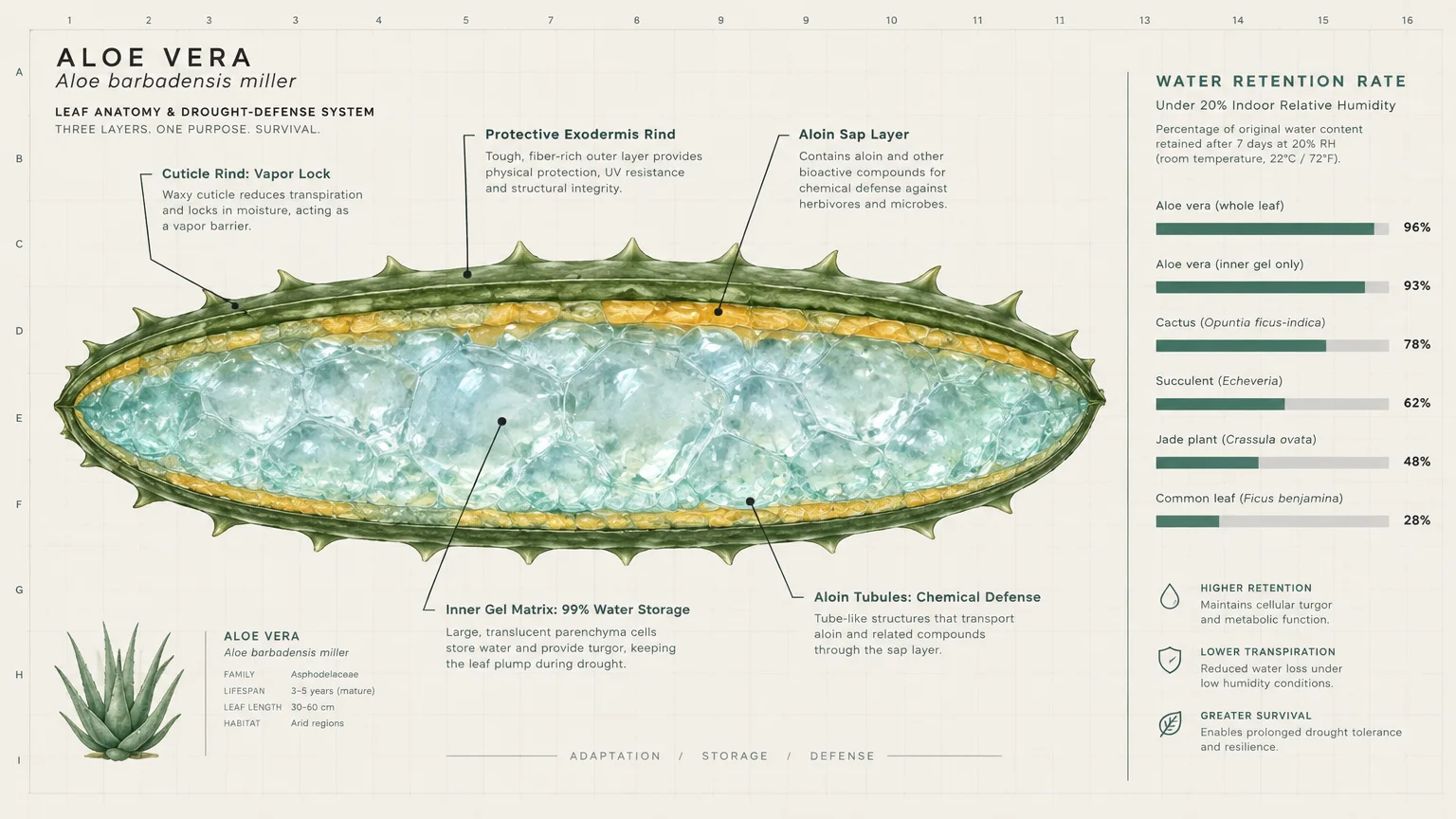
Tip #8: Aloe Vera (Aloe barbadensis miller)
Aloe vera pairs striking sculptural rosettes with practical soothing gel stored inside thick, fleshy leaves. Because it hails from arid subtropical climates, dry domestic air feels completely natural to this succulent.
The plant seals moisture tightly behind a tough, protective skin that prevents dehydration. Central heating systems and radiator drafts will never wither its firm, upright spears.
Place your aloe vera near a south-facing or west-facing window where it enjoys ample direct sunshine. Ample natural light keeps the leaves plump, sturdy, and richly pigmented.
Water deeply but infrequently, allowing the potting substrate to dry out entirely between drinks. During winter dormancy, your aloe might require water only once every four weeks.
Plant your aloe in an unglazed terra cotta container filled with gritty, fast-draining succulent soil. Terra cotta allows moisture to breathe through the pot walls, protecting sensitive roots from fungal rot.
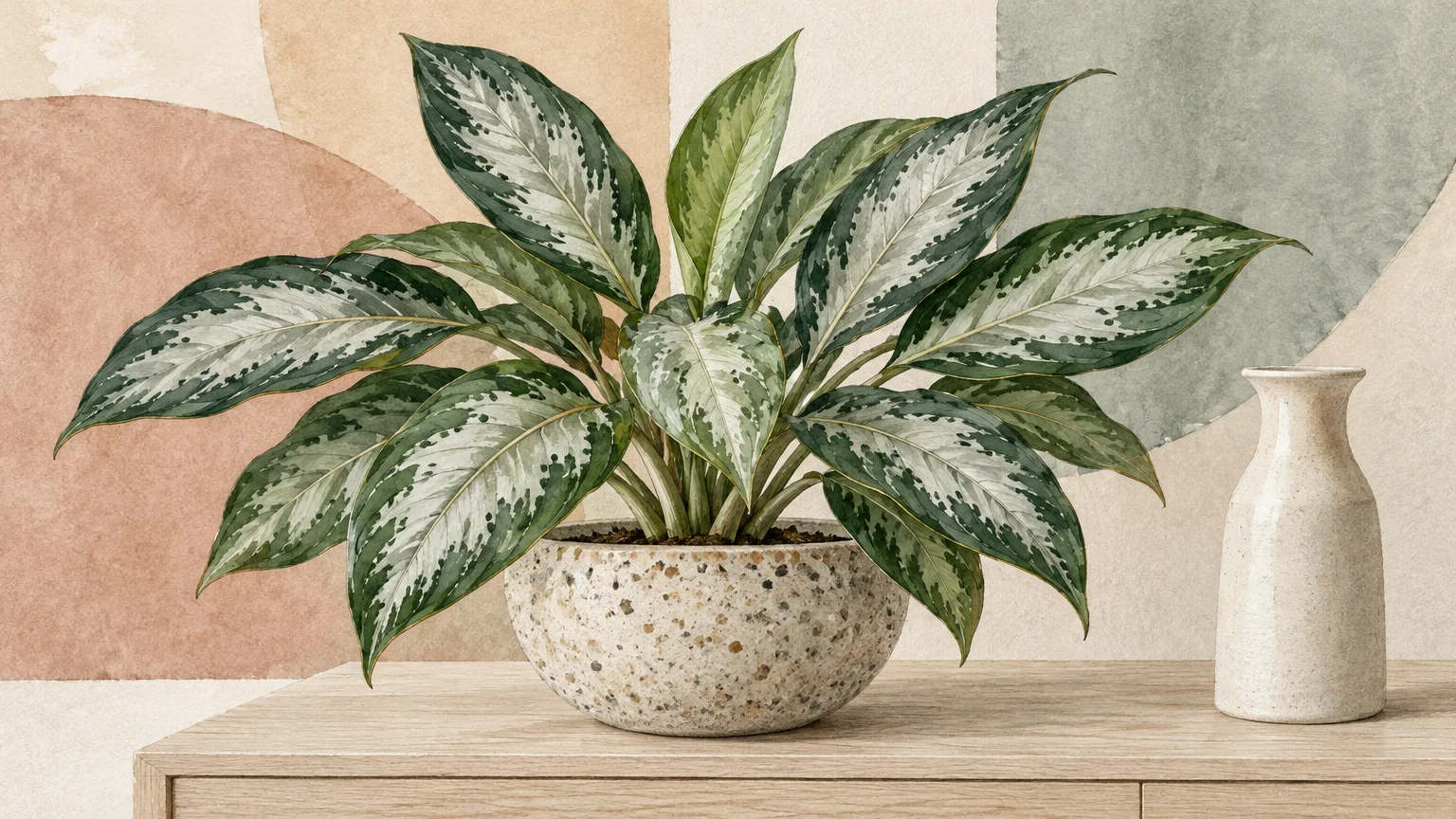
Tip #9: Chinese Evergreen (Aglaonema commutatum)
Chinese evergreens bring dazzling patterns of silver, pink, and cream to low-humidity interior settings. While many broadleaf tropical plants crisp quickly, this hardy foliage plant exhibits exceptional environmental tolerance.
Its robust cellular makeup and durable leaves retain moisture effectively in heated rooms. You get the lush appearance of a rain forest understory plant without demanding specialized climate control.
Position your Aglaonema in low to bright filtered light, avoiding harsh sun that could fade leaf colors. Varieties with darker green leaves endure dimmer rooms, while colorful pink types prefer gentle brightness.
Water when the top half of the potting soil dries out, keeping the substrate lightly moist but never soggy. This adaptable plant tolerates occasional lapses in watering without dropping leaves.
Keep the plant away from freezing drafts near exterior doorways during the coldest winter stretches. Stable indoor room temperatures keep its vibrant foliage lush and attractive throughout the entire season.
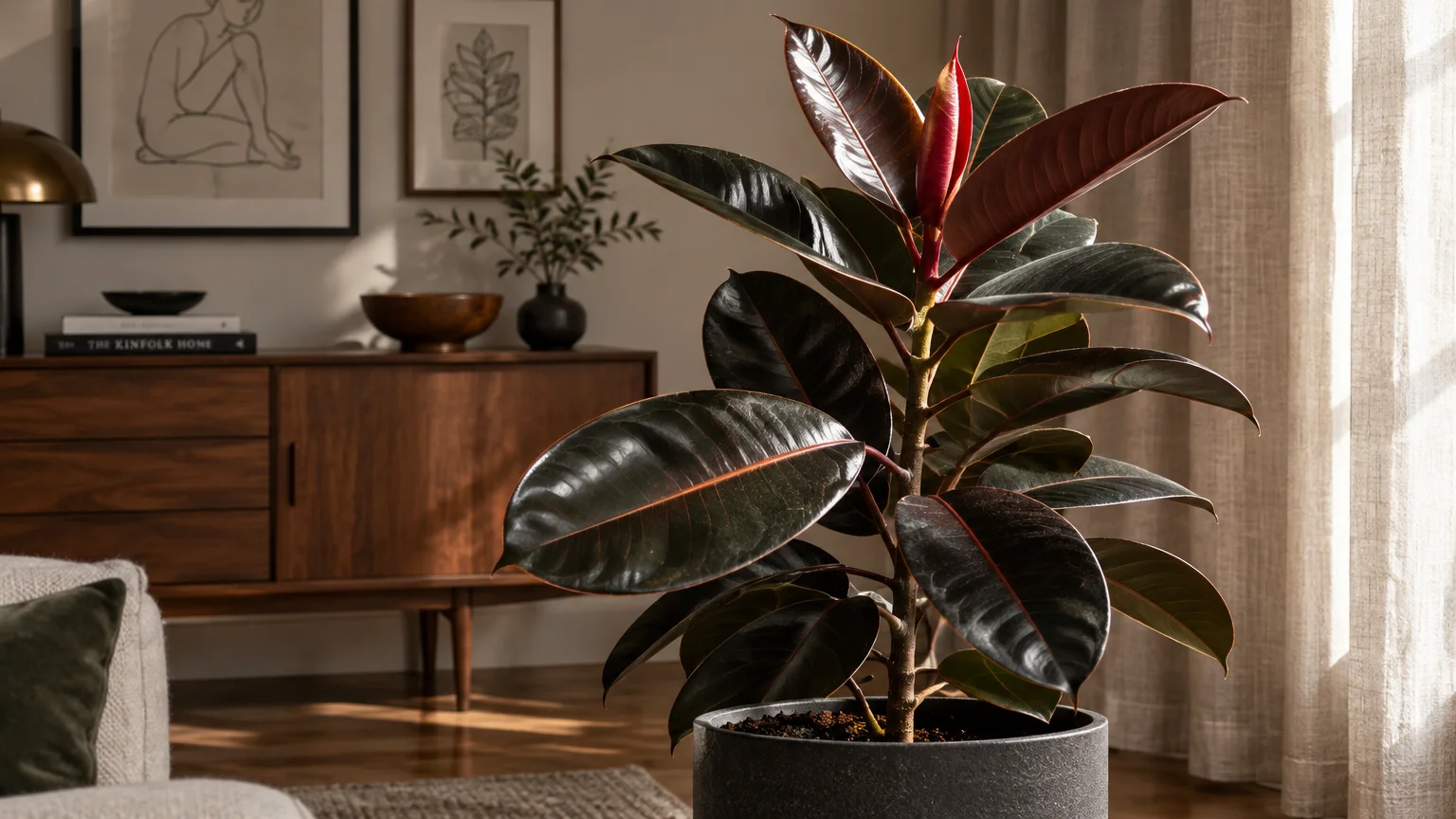
Tip #10: Rubber Tree (Ficus elastica)
The rubber tree makes a bold decorative statement with its oversized, leathery, dark-green leaves. Its thick foliage features a heavy waxy cuticle that holds moisture securely inside the plant tissue.
Unlike its finicky cousin the fiddle-leaf fig, the rubber tree handles dry indoor air without shedding leaves. It stands strong through winter heating cycles, retaining its regal form and deep color.
Set your rubber tree in a spot with plentiful bright, indirect sunlight to support robust stem growth. It can manage a couple of hours of gentle morning sun with great enthusiasm.
Water thoroughly when the top two inches of potting mix feel dry, letting excess water run freely through the base. Discard collected water from the drainage saucer to keep roots aerated.
Dust the large leaves regularly with a damp microfiber cloth to maximize photosynthetic efficiency and shine. This simple care step keeps the tree healthy and looking like an interior designer showpiece.
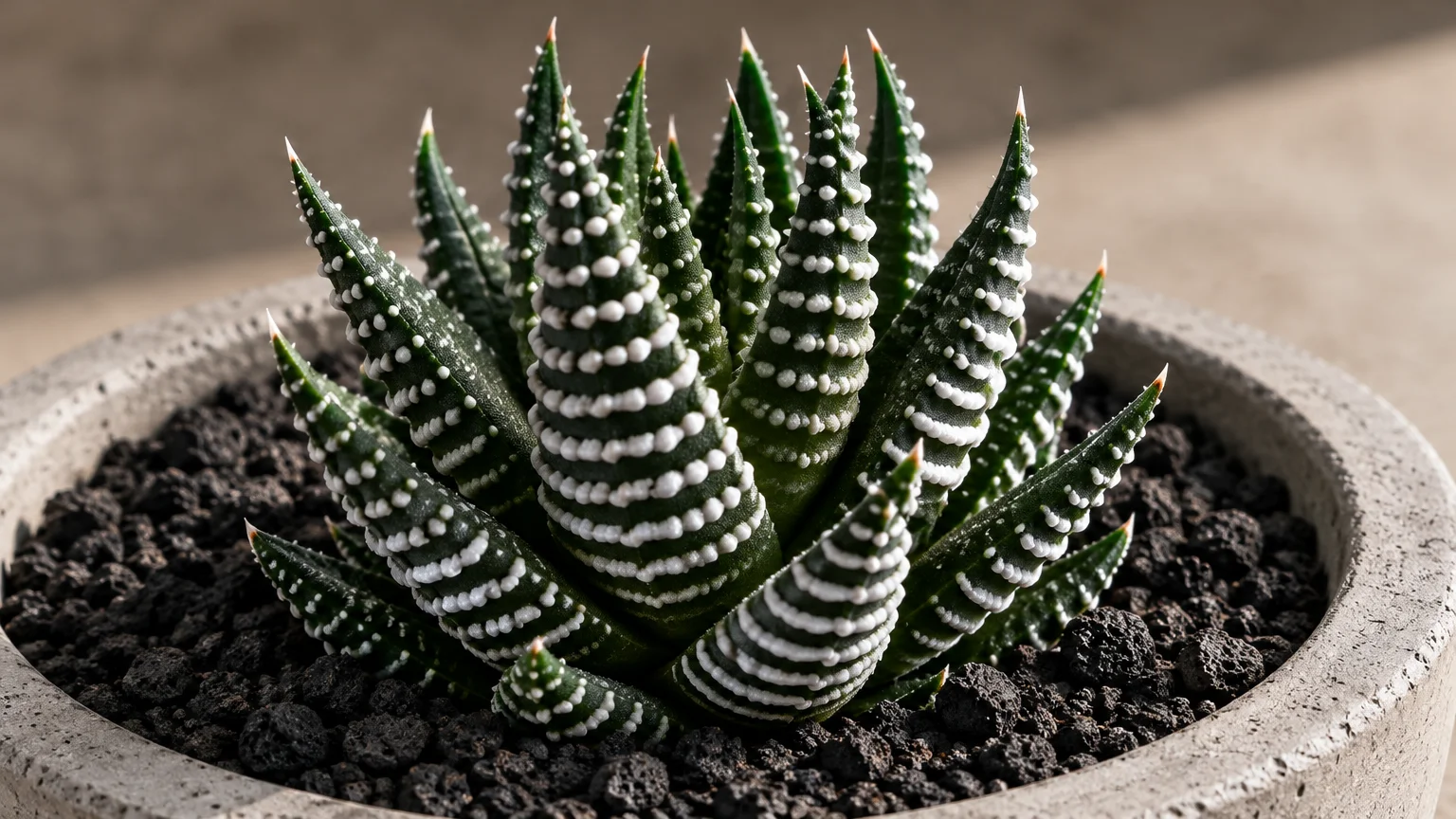
Tip #11: Zebra Haworthia (Haworthiopsis fasciata)
Zebra haworthia packs intense visual appeal into a compact, petite succulent rosette. Its stiff, pointed leaves showcase raised white horizontal bands that resemble striking zebra stripes.
Because it evolved in arid southern African regions, this hardy succulent thrives in ultra-dry indoor atmospheres. It handles dry radiator heat without browning or wilting in the slightest.
Place your haworthia on bright windowsills, desks, or open shelves receiving generous indirect daylight. Unlike some delicate succulents, it tolerates partial shade without stretching out awkwardly.
Apply water directly to the soil only when the entire pot dries out completely. Avoid splashing water into the central rosette, which can cause crown rot in cool winter rooms.
Use a small container with ample drainage holes and a mineral-rich, gritty potting blend. This compact gem stays tidy and manageable, making it perfect for crowded shelves and compact apartments.
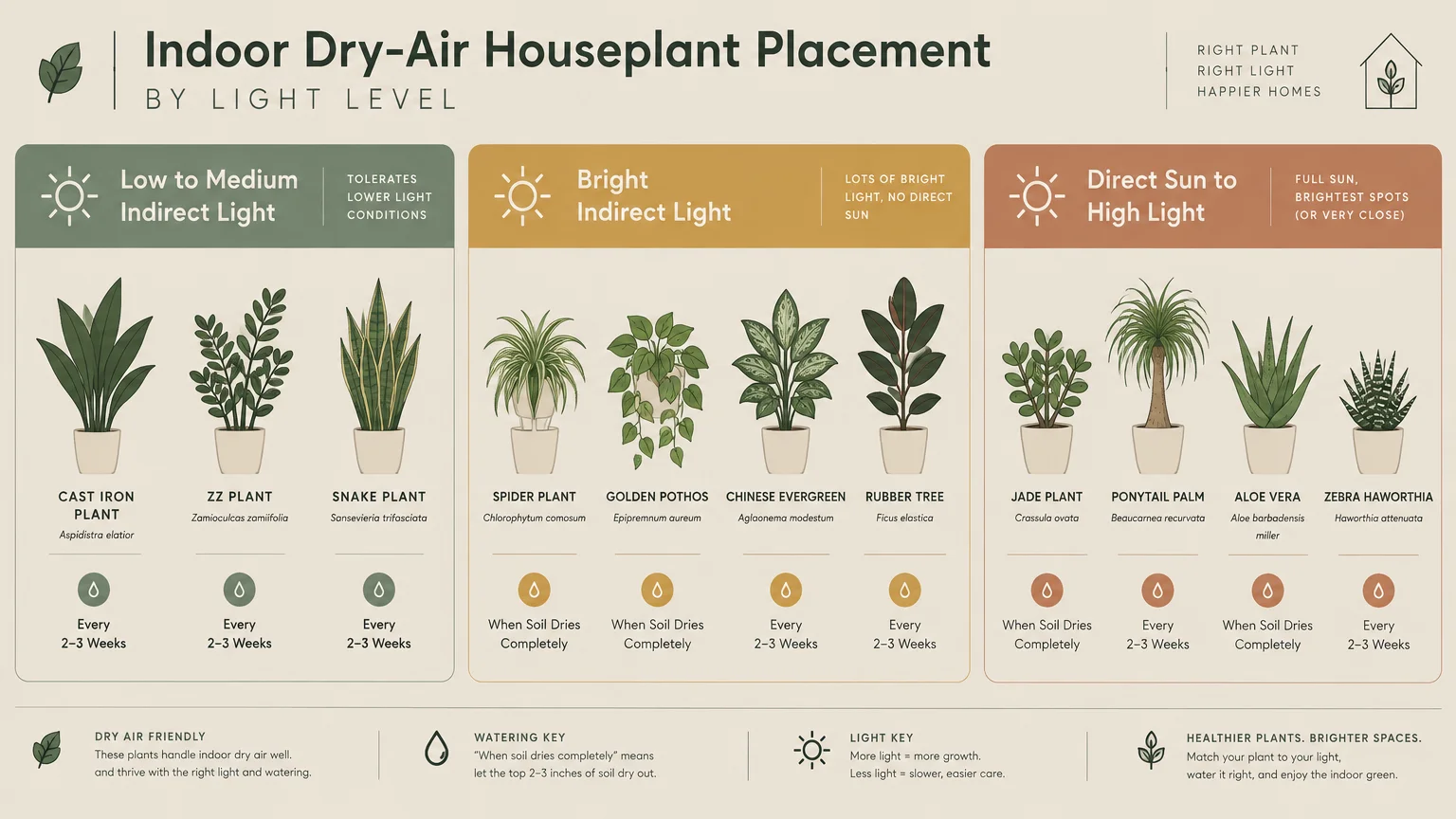
Putting It All Together: Enjoy Your Beautiful Garden
Dry indoor air does not have to prevent you from building a lush, thriving indoor garden. By choosing low-humidity houseplants with natural water-storing adaptations, you set yourself up for lasting gardening success.
Group your hardy indoor plants together on plant stands, tabletops, or sunny window sills. As plants transpire, grouping them creates a microclimate of gentle humidity that benefits the entire display.
Adjust your watering cadence to match indoor conditions rather than following a rigid calendar schedule. Heated winter air dries out surface soil quickly, but deeper root zones often stay moist longer.
Always test the soil with your moisture meter or finger before picking up the watering can. Overwatering during winter causes far more plant casualties than dry domestic air ever will.
Combine distinct textures and leaf shapes—such as upright snake plants alongside trailing pothos—for dynamic visual contrast. Your resilient collection will provide continuous joy and leafy serenity through every season.
Take time to observe how each plant responds to seasonal changes in light and temperature. With these adaptable species brightening your living space, you can relax and savor your flourishing indoor sanctuary.
Frequently Asked Questions
What humidity level do most indoor houseplants prefer?
Most tropical indoor plants thrive best in relative humidity levels between 40 and 60 percent. Modern winter heating often pulls indoor humidity down below 20 percent, making hardy selections essential.
Choosing plants with thick cuticles or succulent stems prevents the foliage damage typical of dry rooms.
How do I know if my houseplant is suffering from dry air?
Plants suffering from low humidity typically display dry, brown leaf tips and brittle, curling margins. You might also notice unopened new leaves getting stuck or falling off prematurely.
Check the foliage regularly to catch these stress signals early and move vulnerable plants away from heat registers.
Does misting houseplants help with dry indoor air?
Misting only raises humidity for a few fleeting minutes and evaporates too quickly to provide lasting benefits. Choosing naturally resilient species or using pebble trays offers far more dependable results for your plants.
Excessive misting can also encourage fungal leaf spot diseases if water sits on the foliage for extended periods.
Why do succulent plants handle dry indoor air so easily?
Succulents store supplemental moisture in their thick foliage, stems, or root systems for dry periods. Their specialized nighttime carbon absorption also minimizes moisture loss during warm, dry days.
These evolutionary traits make them exceptionally durable companions inside modern heated homes.
For region-specific advice, consult your local University Extension program (find yours via the USDA directory). For plant databases and inspiration, visit the Missouri Botanical Garden or the Royal Horticultural Society.
Disclaimer: This article provides general gardening advice; always consider your specific climate, soil conditions, and local pests. Follow safety guidelines when using gardening tools and products.