You can easily transform your indoor living space into a lush sanctuary while freshening your breathing environment. Strategically placed indoor plants introduce vibrant natural beauty and help revitalize stagnant air in your home.
The EPA reports that Americans spend roughly 90% of their time indoors, where airborne pollutants routinely reach concentrations two to five times higher than outdoor levels. Adding greenery offers a gentle, natural way to support your daily wellness.
Discover how specific houseplants bring vibrant foliage into your rooms while fostering a cleaner atmosphere. These twelve proven varieties thrive indoors and reward you with everyday freshness.
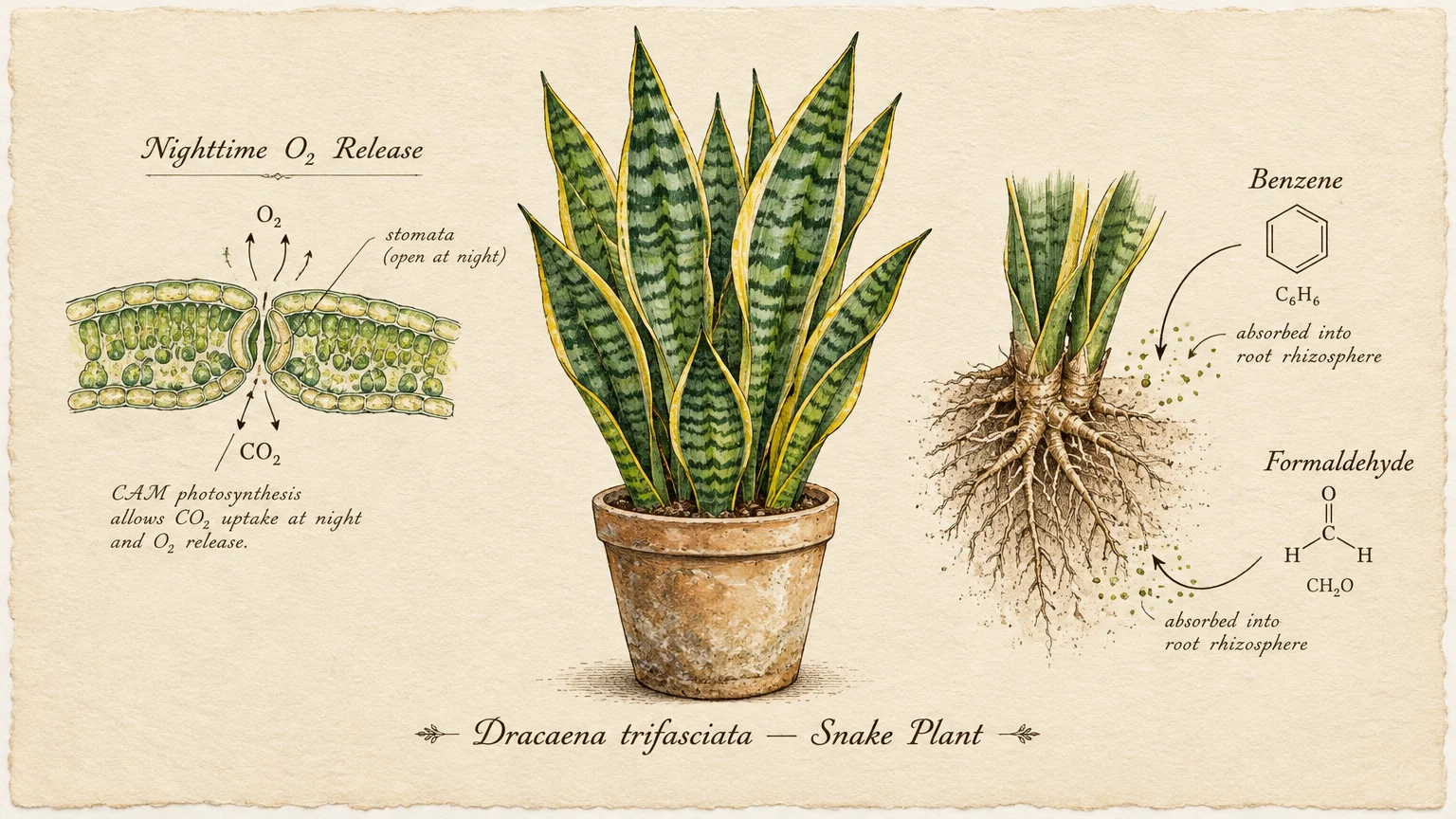
Tip #1: Snake Plant (Dracaena trifasciata)
The snake plant stands out as one of the most resilient air purifying houseplants you can grow. Its striking upright foliage brings architectural elegance and vibrant greenery into any bedroom or home office.
NASA researchers discovered in their 1989 Clean Air Study that this hardy succulent removes airborne toxins like benzene and formaldehyde. Unlike most plants, it absorbs carbon dioxide and releases fresh oxygen during nighttime hours.
Position your snake plant in bright, indirect sunlight, though it also tolerates dim corners with remarkable grace. Water it sparingly only when the potting soil dries out entirely; overwatering remains its primary enemy.
Note that the ASPCA classifies the snake plant as toxic to cats and dogs due to natural saponins. Keep your pots on high plant stands or sturdy dressers to protect curious pets from chewing the leaves.
Tip #2: Spider Plant (Chlorophytum comosum)
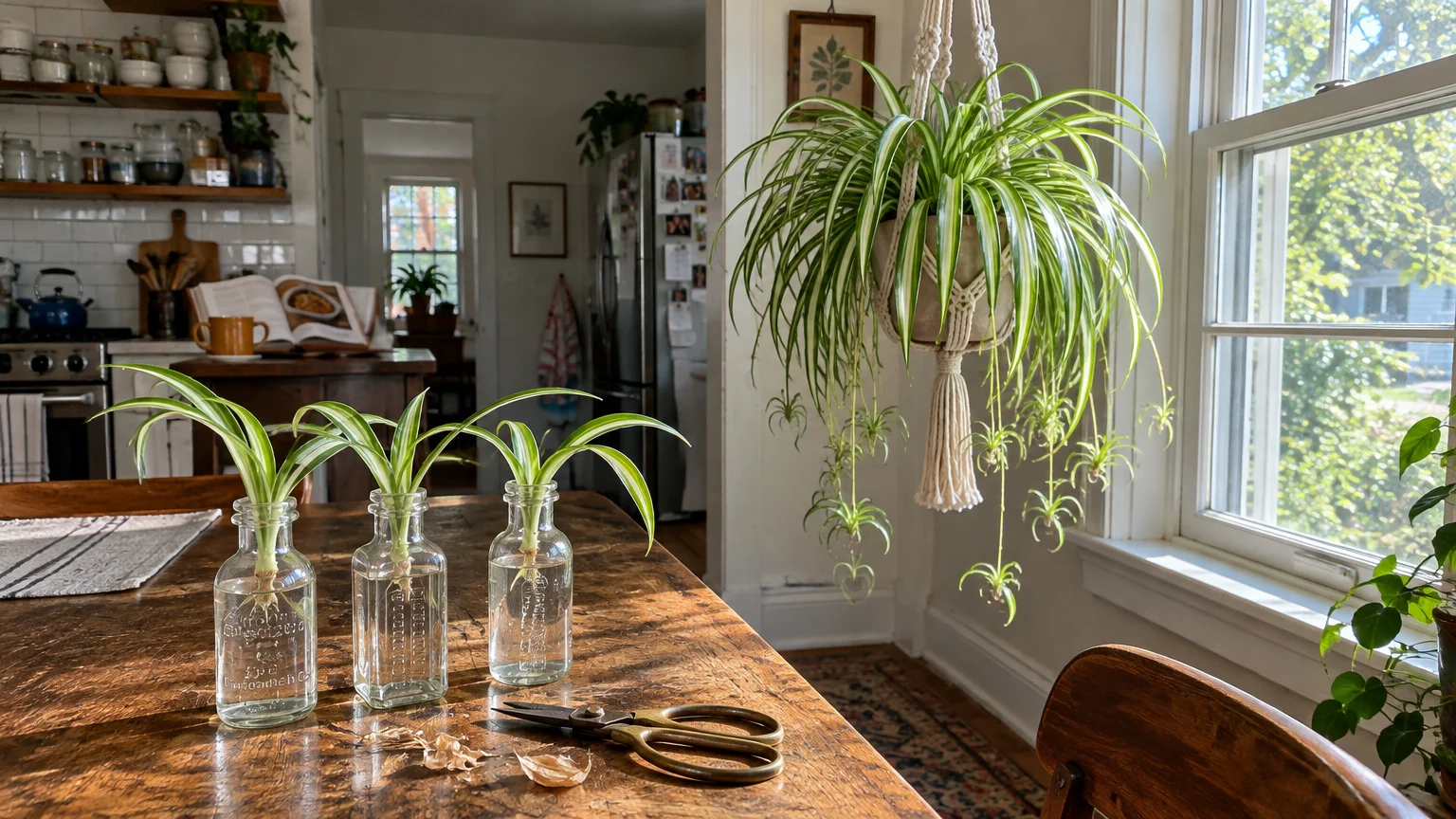
The spider plant offers graceful cascading ribbons of green and cream that brighten hanging baskets. It ranks among the best indoor plants for beginners seeking rapid growth and natural air purification.
Research highlights this resilient species for capturing common household volatile organic compounds, including formaldehyde and xylene. It actively cycles indoor moisture, gently humidifying dry rooms during chilly winter months.
Place your spider plant in moderate or bright indirect light to preserve its distinctive leaf variegation. Keep the soil evenly moist during the active growing season, allowing the top inch to dry between waterings.
Best of all, the ASPCA confirms that spider plants are completely non-toxic to both dogs and cats. You can safely display this charming selection at pet eye-level without any safety worries.
As mature plants produce trailing spiderettes, simply snip and root them in water. You will quickly grow fresh greenery to share with friends or expand across every sunny windowsill.
Tip #3: Peace Lily (Spathiphyllum)
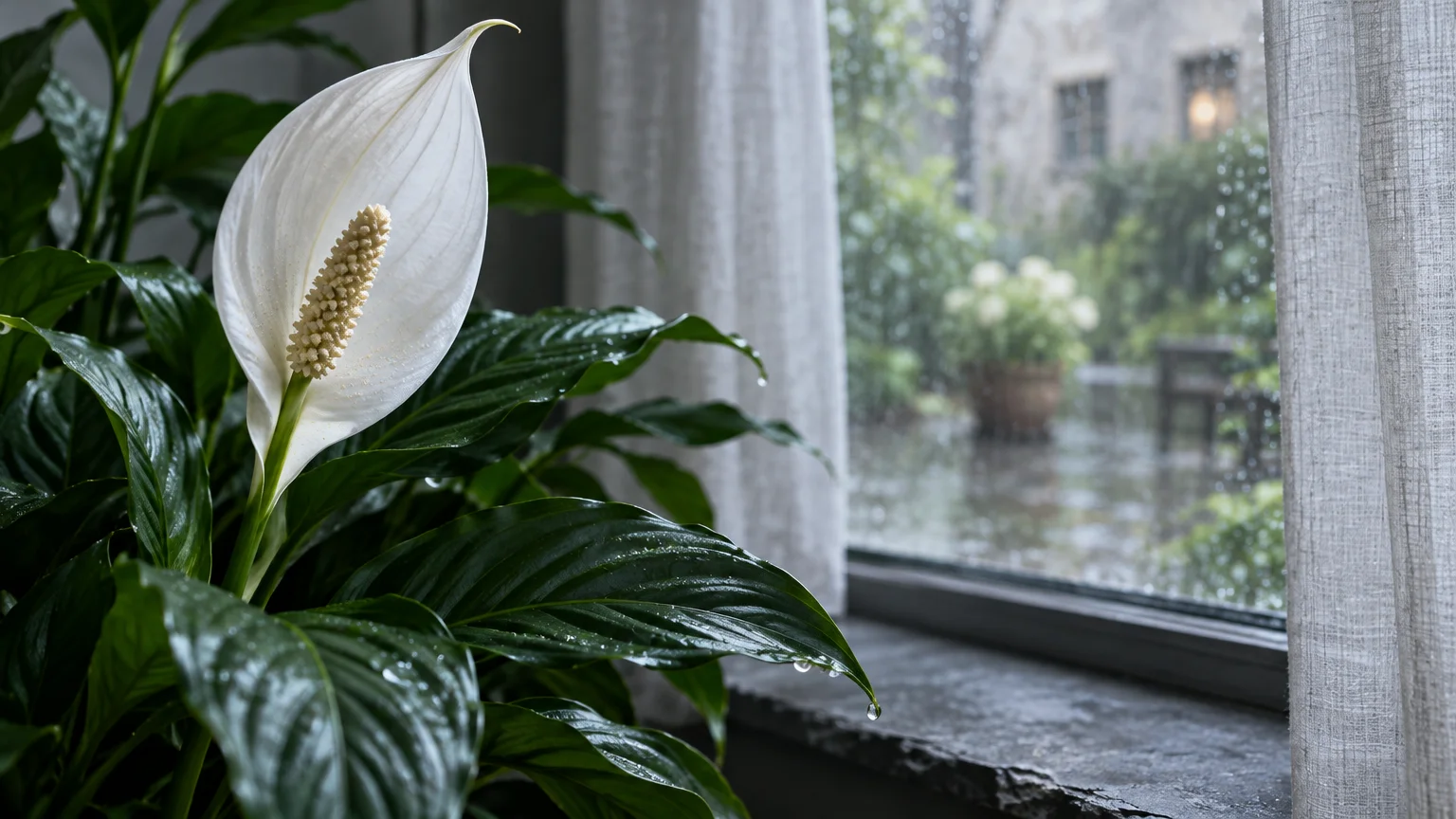
The peace lily combines lush, deep green leaves with dramatic white blooms that elevate your indoor decor. It serves as an expressive centerpiece that actively signals when your room needs extra attention.
During the landmark 1989 NASA study, peace lilies demonstrated extraordinary filtration rates for trichloroethylene, benzene, and formaldehyde. They also transpire moisture steadily, which helps stabilize dry living spaces.
Provide your peace lily with gentle, filtered light away from harsh afternoon sunrays that scorch tender foliage. Water thoroughly whenever the top inch of soil feels dry, watching for slight drooping that signals thirst.
Be aware that peace lilies contain insoluble calcium oxalates, making them toxic to pets according to the ASPCA. Keep these dramatic beauties on elevated tables well away from playful cats and dogs.
Tip #4: English Ivy (Hedera helix)
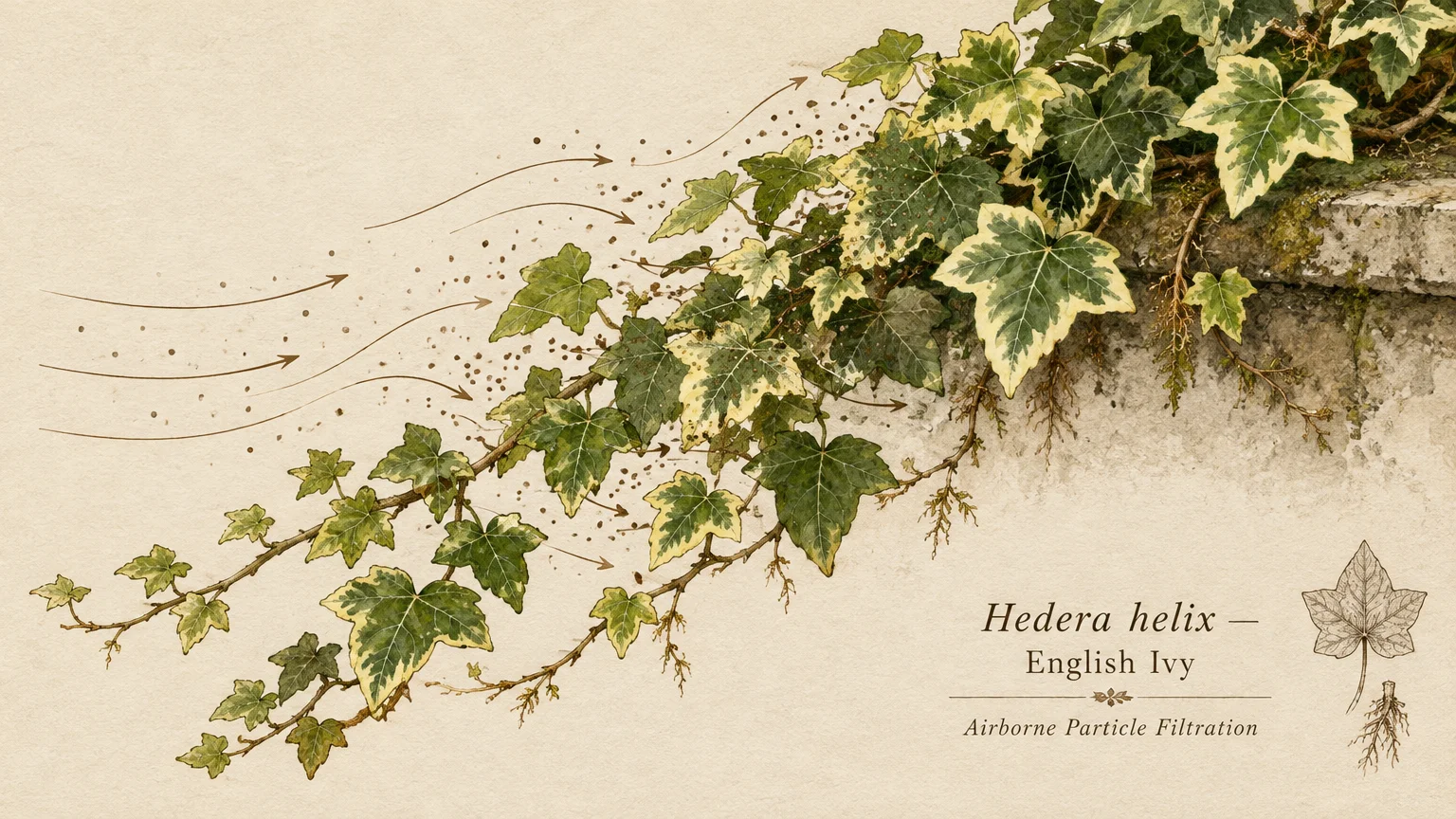
English ivy brings timeless European charm into contemporary living spaces with its lush, cascading tendrils. This vigorous evergreen vine thrives across shelves, mantels, and decorative hanging planters.
Laboratory tests show that English ivy significantly reduces airborne mold spores and volatile organic compounds in enclosed spaces. It effectively captures benzene emissions originating from synthetic building materials and common household solvents.
Give your ivy bright, indirect morning light and maintain cooler room temperatures between 55 and 70 degrees Fahrenheit. Allow the upper soil layer to dry before drenching, ensuring proper pot drainage to safeguard delicate roots.
Remember that the ASPCA lists English ivy as toxic to household pets because of triterpenoid saponins. Train the vigorous vines high along bookcases where inquisitive puppies and playful kittens cannot reach them.
Tip #5: Boston Fern (Nephrolepis exaltata)
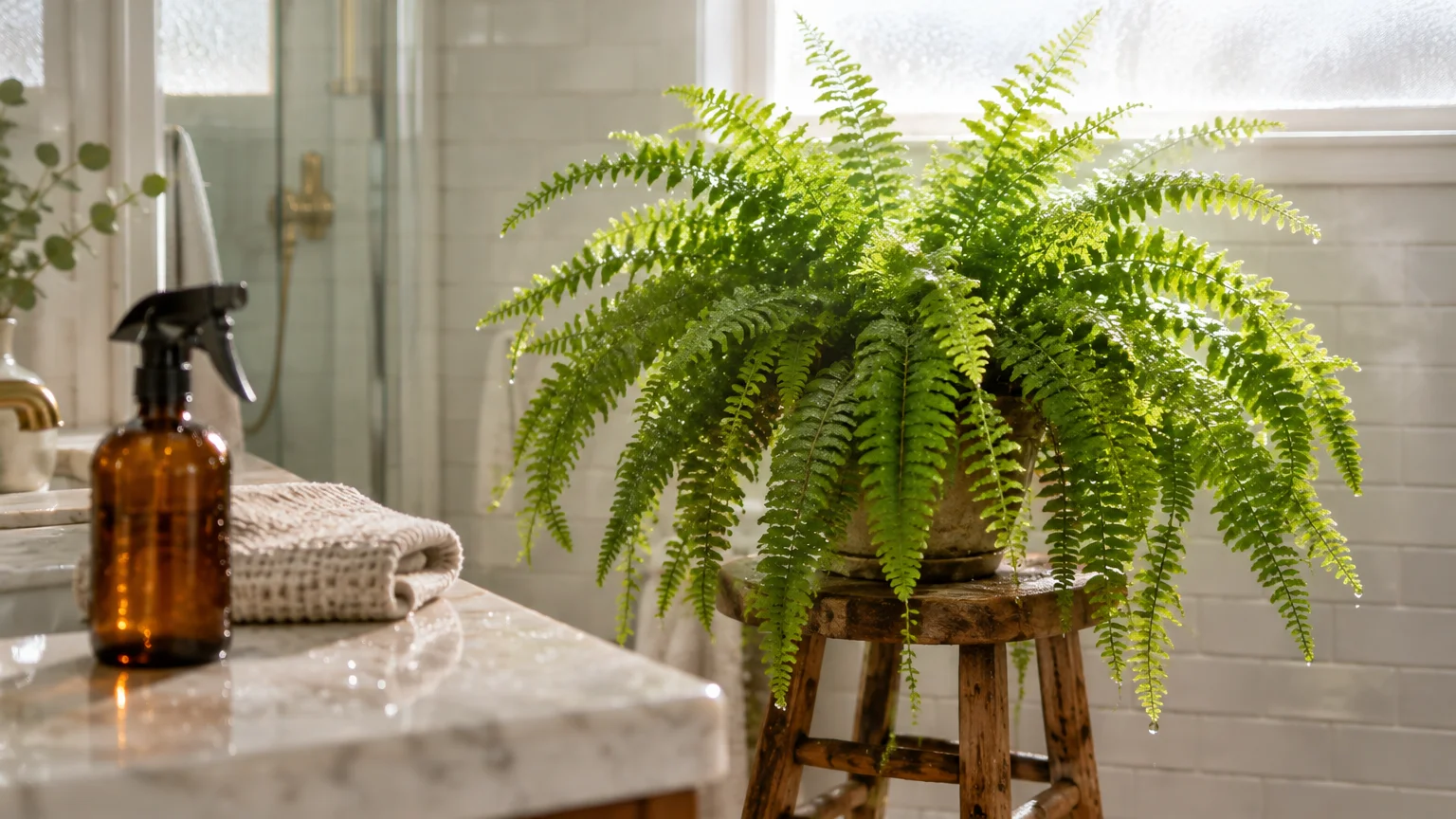
Boston ferns infuse indoor environments with airy, sword-shaped fronds that billow softly from hanging containers. Their delicate texture makes them quintessential indoor air quality plants for living rooms and bathrooms.
These classic ferns excel at stripping airborne formaldehyde and boosting ambient humidity through natural transpiration. They restore refreshing moisture to dry, climate-controlled interiors during heavy heating and cooling cycles.
Position your Boston fern in bright, filtered light and keep its potting compost consistently damp without waterlogging. Mist the fronds regularly or set the pot over a pebble tray filled with water to elevate humidity.
Pet parents will rejoice knowing the ASPCA classifies the Boston fern as completely non-toxic to dogs and cats. You can hang these lush fronds anywhere in your home with complete peace of mind.
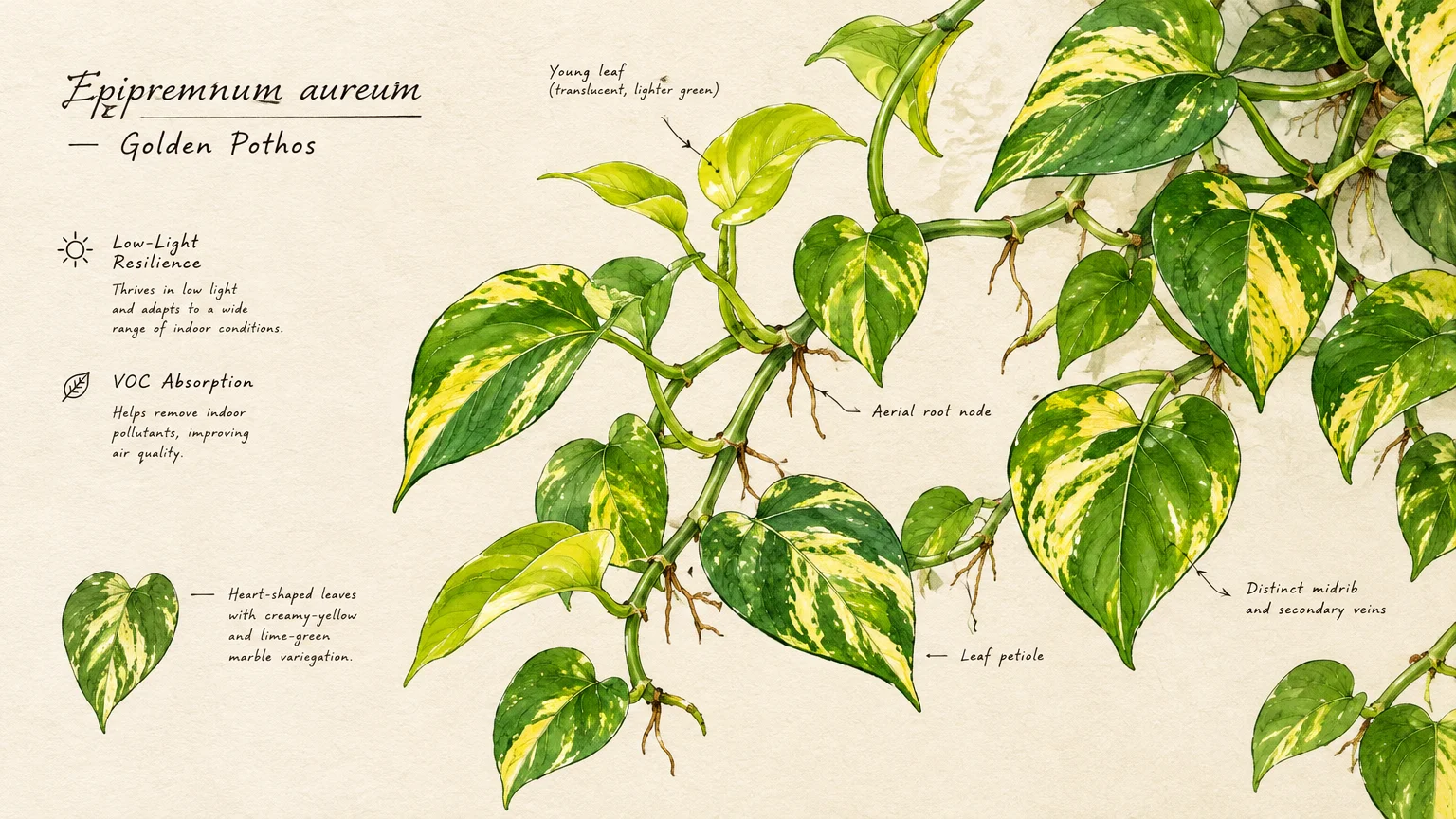
Tip #6: Golden Pothos (Epipremnum aureum)
Golden pothos is widely celebrated as one of the most forgiving, low maintenance houseplants in cultivation today. Its heart-shaped, golden-splashed leaves trail luxuriously across curtain rods and tall bookshelves.
In residential settings, pothos actively absorbs volatile organic compounds such as formaldehyde, xylene, and benzene. Its vigorous growth rate ensures continuous leaf surface area for gas exchange and natural air scrubbing.
Thriving in dim corners and bright spaces alike, pothos adapts smoothly to varied home conditions. Water only when the top two inches of soil feel completely dry to prevent root complications.
Keep in mind that pothos contains insoluble calcium oxalates, which cause oral irritation in dogs and cats per the ASPCA. Hang trailing stems high where four-legged friends cannot nibble on the dangling vines.
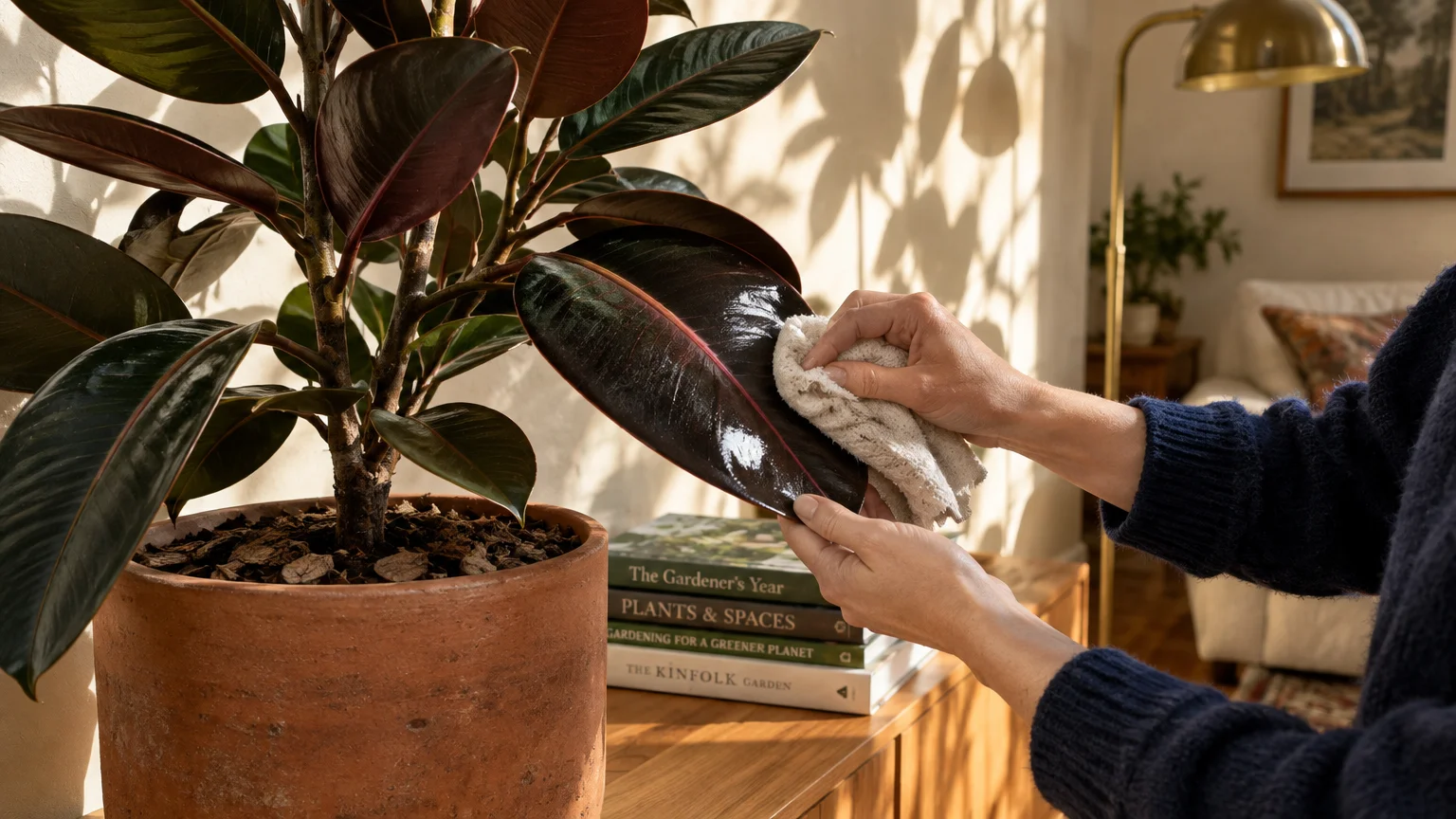
Tip #7: Rubber Tree (Ficus elastica)
The rubber tree commands attention with broad, leathery leaves that showcase deep emerald and burgundy hues. It represents one of the best indoor plants for creating a striking architectural statement in spacious rooms.
Large foliage gives the rubber tree ample surface area to absorb formaldehyde and other indoor chemical emissions. Its expansive leaves also trap airborne dust particles, pulling them out of your daily breathing zone.
Situate your rubber tree in abundant, indirect sunlight and water thoroughly once the topsoil dries out. Wipe the glossy leaves periodically with a soft, damp cloth to remove settled dust and maximize photosynthesis.
Be cautious if you have furry companions, as the milky sap inside rubber tree stems can irritate pet digestive systems. Place this bold specimen on a wide plant stand out of direct pet pathways.
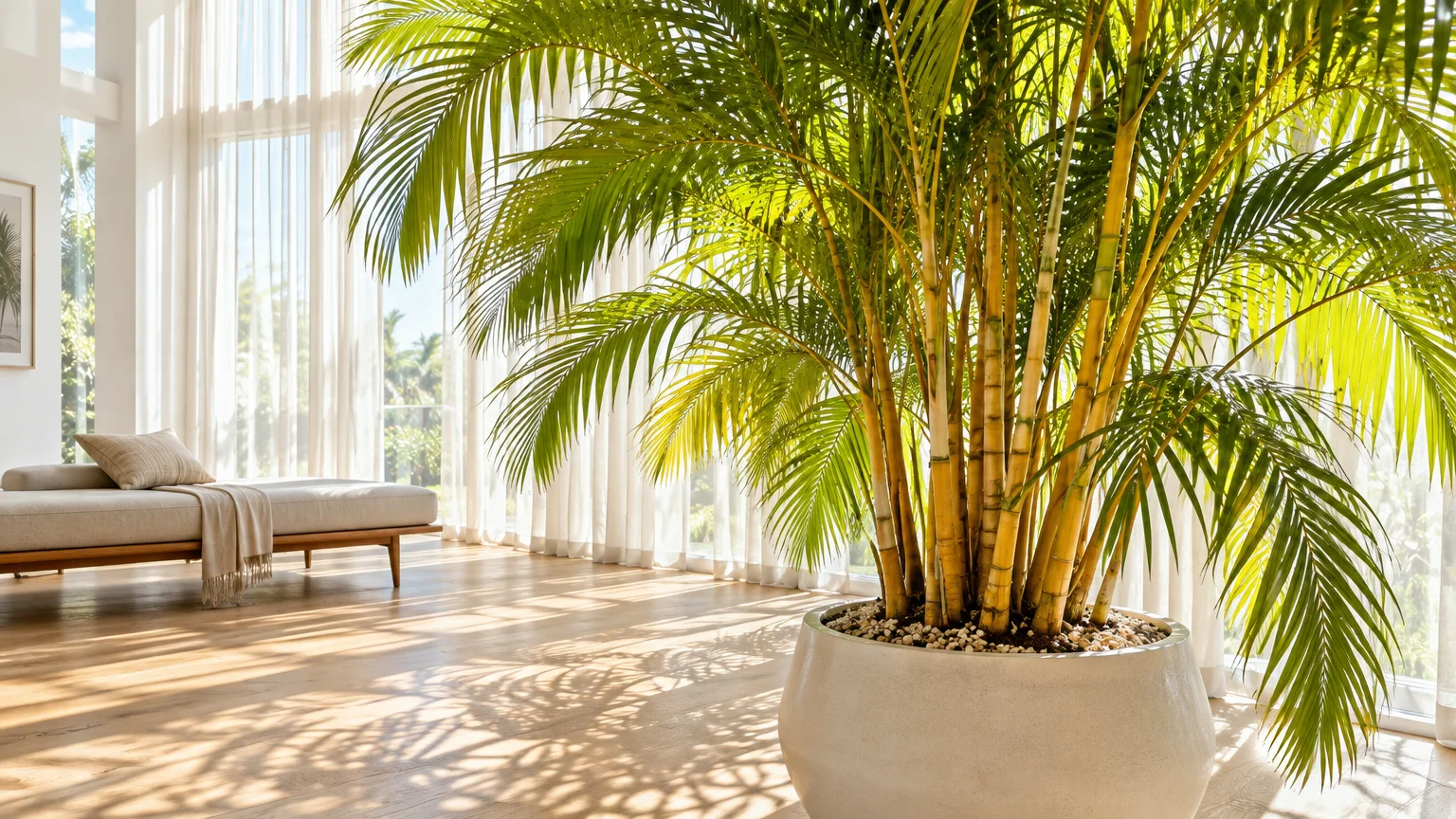
Tip #8: Areca Palm (Dypsis lutescens)
The areca palm introduces a bright, tropical vacation vibe into living areas with its arching, feather-like fronds. This graceful multi-stemmed palm easily softens stark room corners with lush, verdant texture.
It acts as an exceptional living humidifier, releasing substantial water vapor into dry, air-conditioned rooms. Furthermore, studies show it actively scrubs household airborne toxins, notably acetone, xylene, and toluene.
Provide your areca palm with abundant bright, filtered sunlight and protect it from cold window drafts. Water regularly to maintain slightly moist soil, but ensure the drainage holes release all excess water.
Fortunately, the ASPCA categorizes the areca palm as entirely safe and non-toxic for cats and dogs. You can let your companion animals lounge beneath its feathery canopy without any safety reservations.
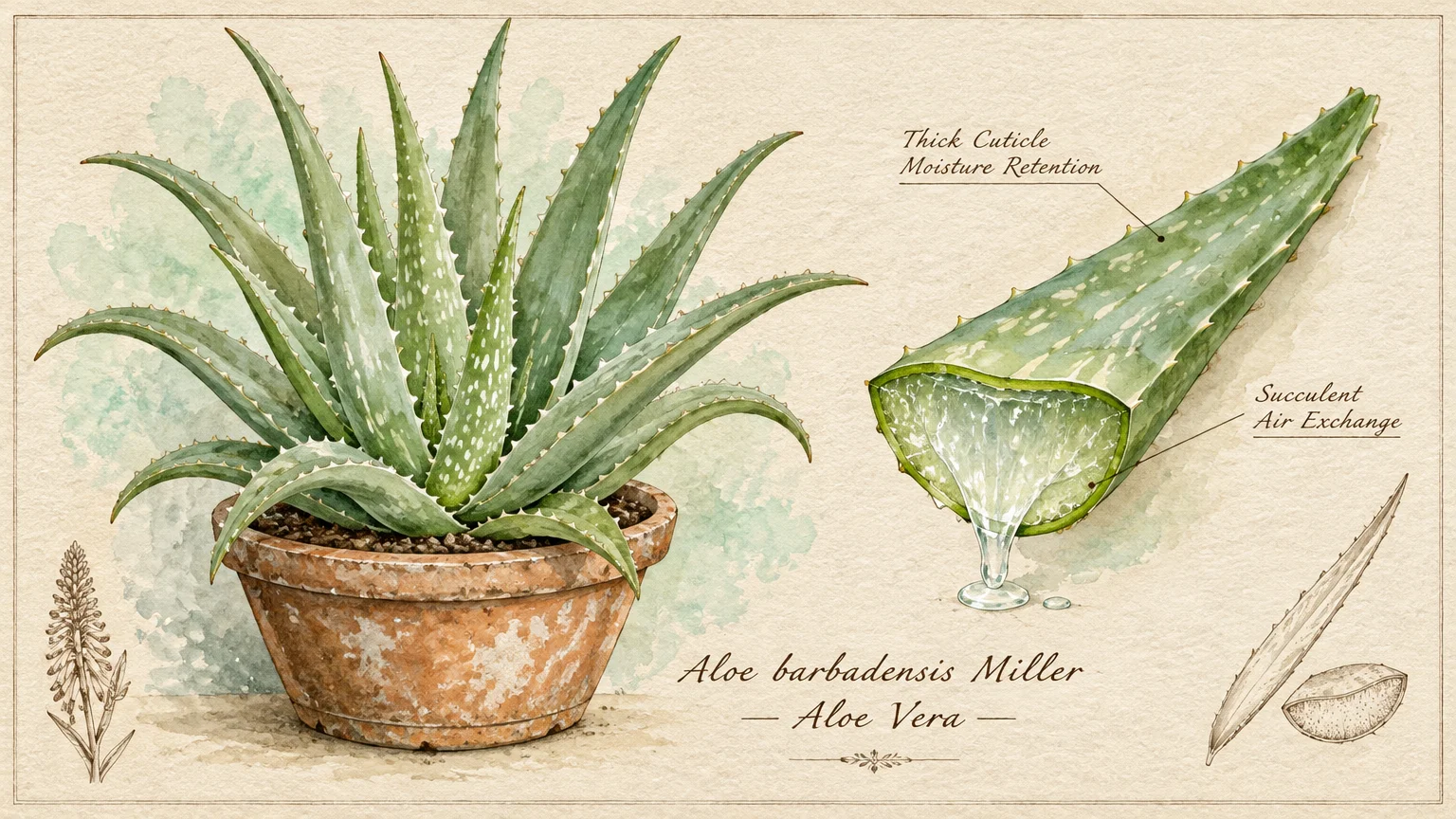
Tip #9: Aloe Vera (Aloe barbadensis Miller)
Aloe vera serves double duty as a functional natural medicine chest and a dependable potted houseplant. Its plump, spiky rosettes add modern desert flair to sunny kitchen windowsills and bright shelves.
Aloe vera efficiently captures airborne benzene and formaldehyde commonly emitted by household cleaners and fresh paint. Additionally, it continues to exchange gases through nighttime respiration, releasing oxygen throughout the evening.
Position your aloe plant on a sunny windowsill that receives at least four to six hours of bright light daily. Water deeply but infrequently, allowing the sandy potting medium to dry out completely between waterings.
While the clear inner gel soothes human skin burns, the outer rind contains compounds toxic to pets per ASPCA warnings. Keep your aloe containers well out of reach of browsing domestic animals.
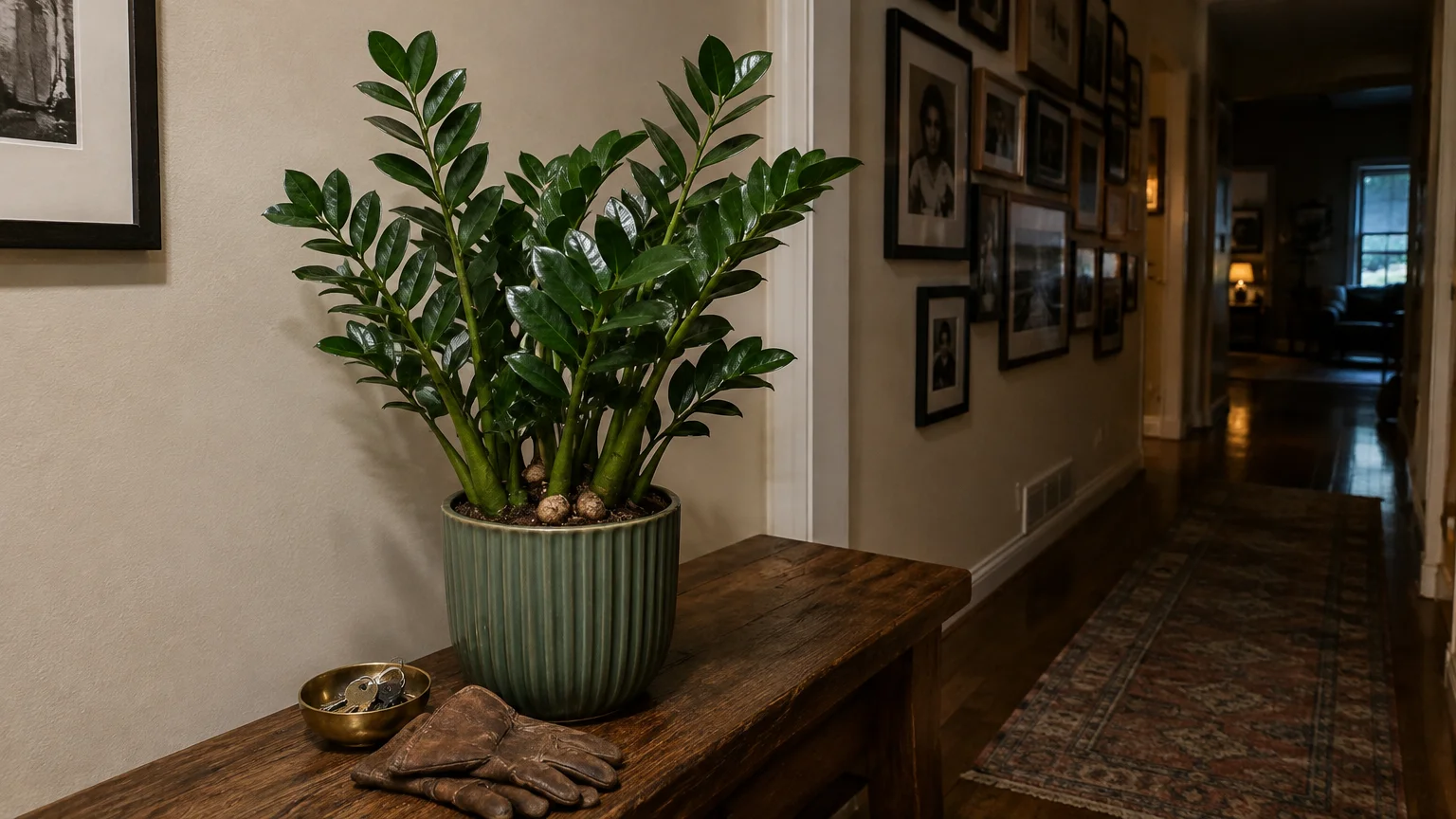
Tip #10: ZZ Plant (Zamioculcas zamiifolia)
The ZZ plant stands virtually indestructible, making it a stellar option among houseplants that clean air for busy homeowners. Its zigzag stems feature ultra-glossy, dark green leaflets that mirror polished jade.
Research confirms that the ZZ plant effectively filters airborne xylene, toluene, and benzene from synthetic indoor materials. Its sturdy foliage endures dry air and fluctuating room temperatures without dropping a single leaf.
Grow this rugged champion in any lighting situation, from dimly lit basements to bright, sun-drenched sunrooms. Water it only once every few weeks; its thick underground rhizomes store ample moisture reserves.
Keep in mind that the ZZ plant contains calcium oxalate crystals, rendering it mildly toxic if chewed by pets. Elevate the container on a desk or plant pedestal to avoid any pet interactions.
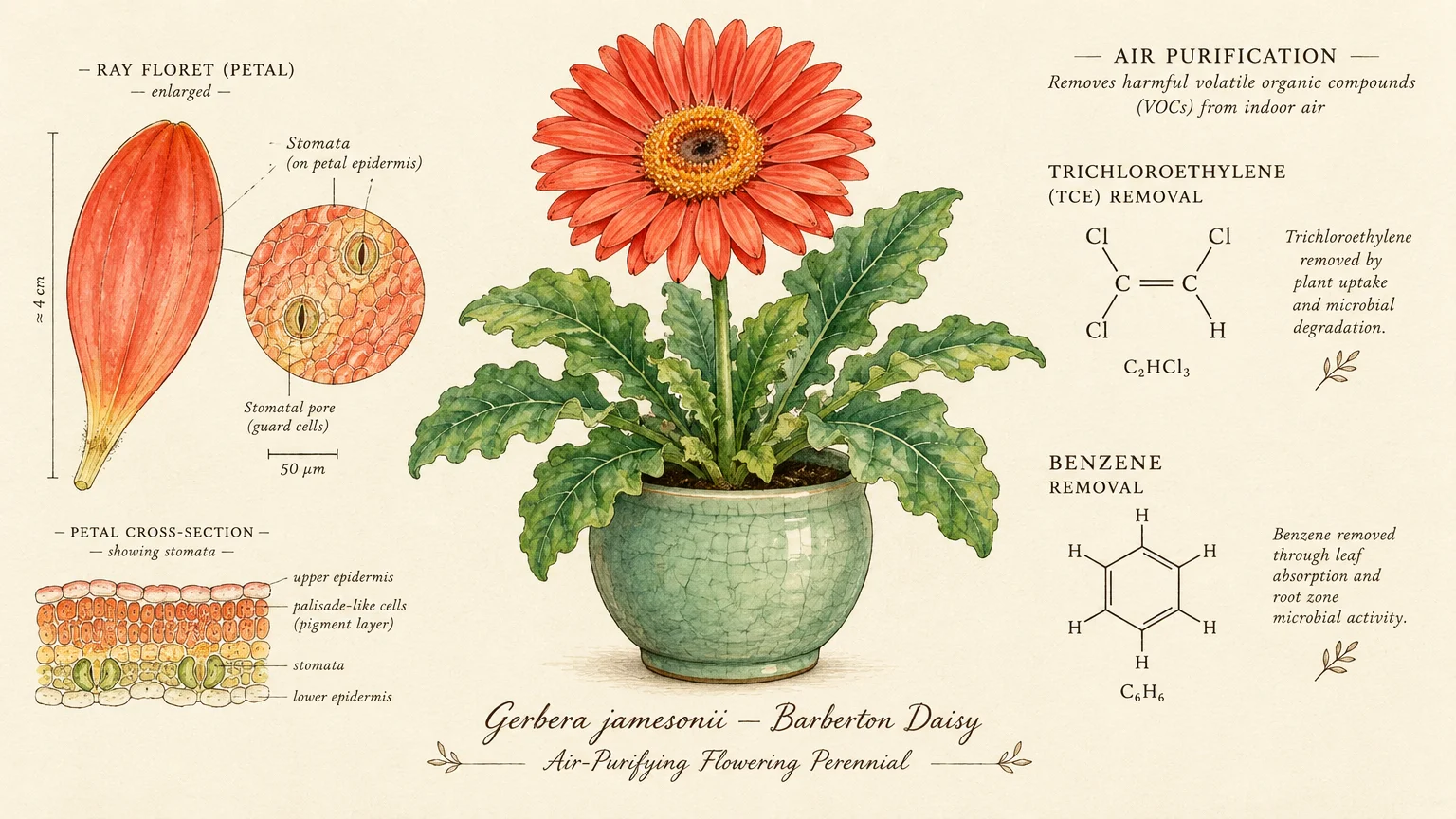
Tip #11: Barberton Daisy (Gerbera jamesonii)
The Barberton daisy injects radiant pops of crimson, orange, and sunny yellow into your home interior. This cheerful flowering plant creates a stunning focal point while actively working to freshen your indoor air.
NASA scientists highlighted this flowering beauty for its capacity to remove trichloroethylene and benzene associated with dry-cleaned fabrics. It also releases steady oxygen streams during the night, making it wonderful for bright bedrooms.
Provide your Barberton daisy with generous amounts of direct morning sun and warm room temperatures. Keep the potting soil moderately damp, watering around the base rather than pouring water directly over the crown.
Pet owners can relax, as the ASPCA registers the Barberton daisy as completely non-toxic to both dogs and cats. Display these colorful blossoms on sunny coffee tables where everyone can enjoy their vivid petals.
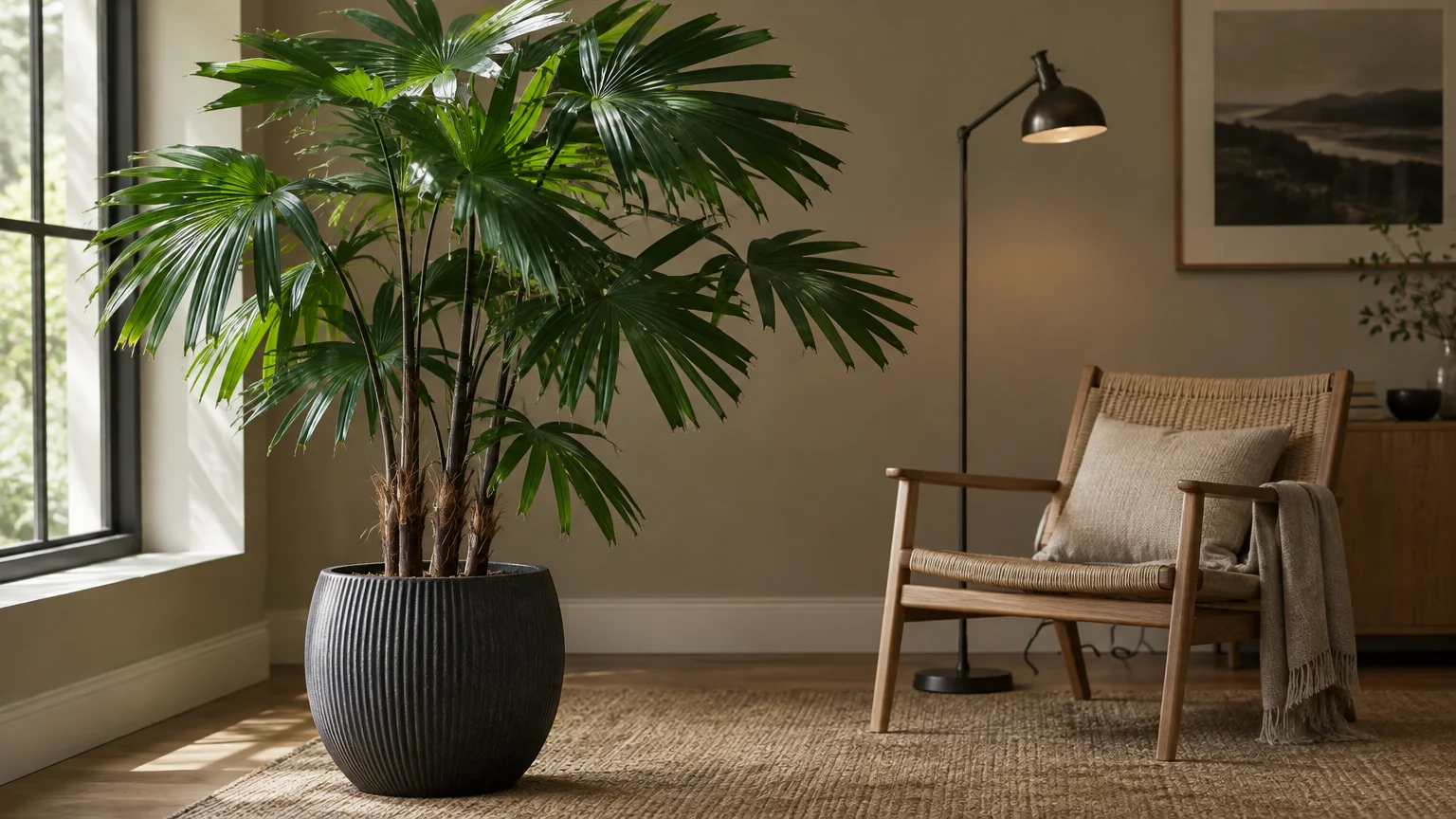
Tip #12: Broadleaf Lady Palm (Rhapis excelsa)
The broadleaf lady palm exhibits fan-shaped foliage with glossy, deeply segmented green fronds. This stately palm brings sophisticated elegance and timeless architectural structure into foyers and formal dining rooms.
Lady palms are particularly celebrated for absorbing airborne ammonia, a chemical frequently present in cleaning agents and litter boxes. They also eliminate ambient formaldehyde and xylene, gently elevating overall indoor comfort.
This slow-growing palm thrives comfortably in low to medium indirect light, shunning harsh direct rays that burn foliage. Water whenever the top inch of soil dries, ensuring that the container drains freely after each soaking.
As a welcome bonus, the ASPCA identifies the broadleaf lady palm as completely non-toxic to pets. You can safely place this grand specimen on the floor in busy family living spaces.
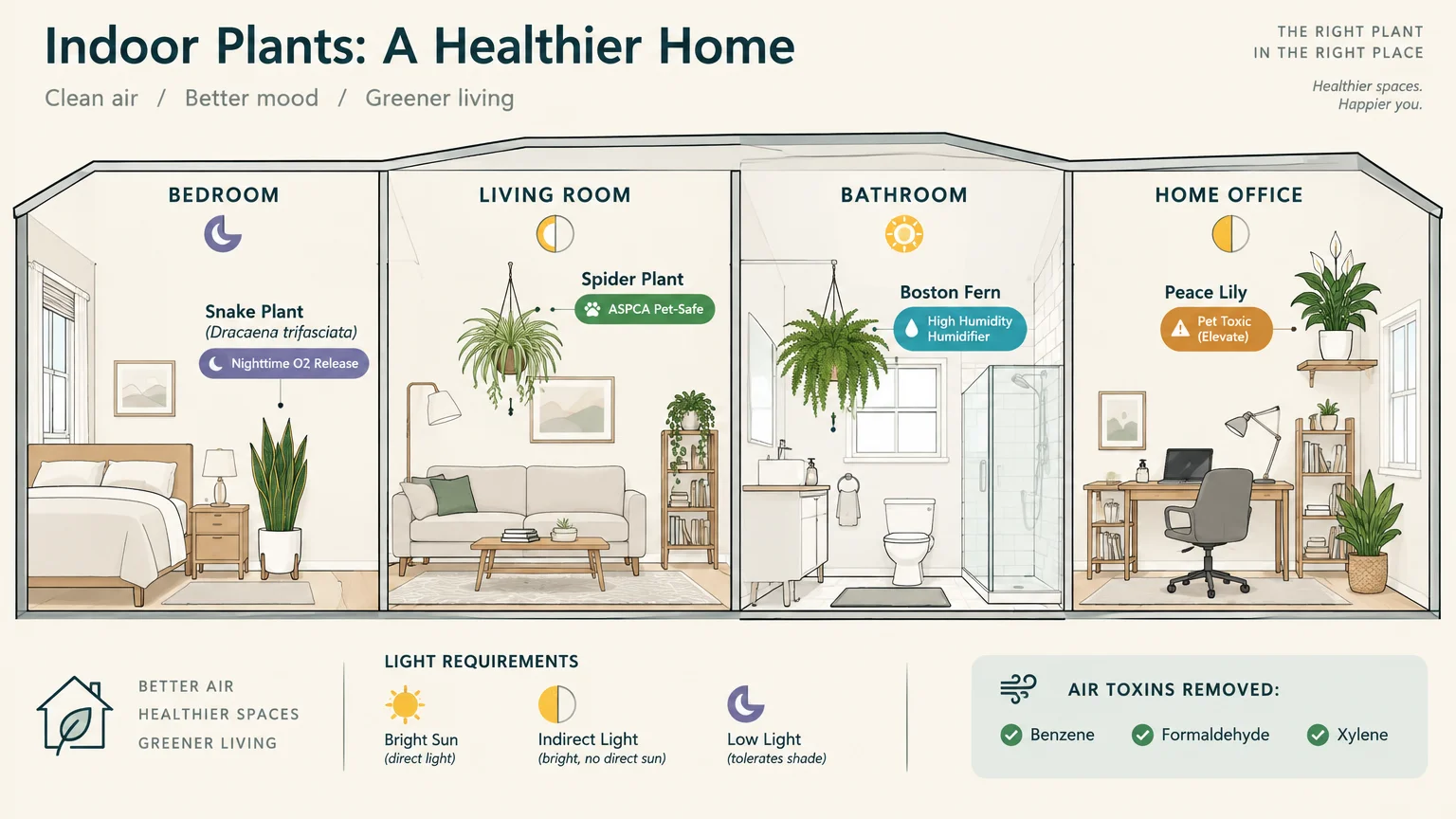
Putting It All Together: Enjoy Your Beautiful Garden
Creating a thriving indoor garden does far more than introduce vibrant greenery to your decor. As you integrate these species into your rooms, understanding real-world science helps you set realistic expectations.
A 2020 Drexel University meta-analysis published in the Journal of Exposure Science and Environmental Epidemiology analyzed thirty years of plant research. Researchers calculated that a typical potted plant delivers a median Clean Air Delivery Rate of approximately 0.023 m³/h.
Standard home ventilation and HVAC systems exchange indoor air much faster than plants absorb chemicals. In fact, matching mechanical air exchange rates would require between 10 and 1,000 plants per square meter of floor space.
Houseplants still play a meaningful role in your domestic wellness routine. They boost ambient humidity, trap settling dust on their broad leaves, and foster a peaceful, restorative atmosphere throughout your living space.
To maximize their natural benefits, group several complementary plants together in your most frequented rooms. Grouping foliage creates a humid microclimate that encourages lush growth while enriching your home sanctuary.
Pair your greenery with opened windows and routine ventilation to enjoy truly pristine indoor air. Combining fresh outdoor breezes with vigorous houseplant foliage delivers the ultimate natural breathing environment.
Frequently Asked Questions
How many houseplants do you need to improve indoor air quality?
While laboratory chambers show dramatic filtration from single pots, residential rooms operate differently due to continuous ventilation. Placing two or three medium plants per 100 square feet helps noticeably boost humidity and localized air freshness.
For maximum enjoyment, concentrate clusters of foliage where you spend the most daytime hours. Bedrooms, home offices, and living rooms serve as ideal locations for your favorite potted companions.
Can houseplants replace mechanical HEPA air purifiers?
Houseplants cannot replace high-efficiency mechanical air purifiers or active outdoor ventilation. Modern HEPA filtration systems cycle hundreds of cubic feet of air every hour, capturing allergens and particulate matter rapidly.
Instead, view your indoor garden as a wonderful natural complement to mechanical filters. Plants excel at stabilizing dry indoor humidity, capturing airborne dust, and lifting everyday spirits.
Which air-purifying houseplants are safest for homes with pets?
If you share your living space with curious cats or dogs, choose pet-safe varieties verified by the ASPCA. Spider plants, Boston ferns, and areca palms provide exceptional air quality benefits without toxic risks.
Always research any new plant before bringing it home to ensure safety for four-legged family members. If you display toxic varieties like pothos or peace lilies, elevate them high out of reach.
How do you keep houseplant leaves functioning at their best?
Wiping your plant foliage with a damp microfiber cloth removes settled dust and household debris. Clean leaf surfaces absorb ambient gases more efficiently and capture sunlight for vigorous ongoing photosynthesis.
Inspect your greenery weekly for common pests and trim away yellowing stems to encourage active growth. Healthy, dust-free foliage ensures your indoor garden continues thriving all year round.
For region-specific advice, consult your local University Extension program (find yours via the USDA directory). For plant databases and inspiration, visit the Missouri Botanical Garden or the Royal Horticultural Society.
Disclaimer: This article provides general gardening advice. Always consider your specific climate, soil conditions, and local pests. Follow safety guidelines when using gardening tools and products.