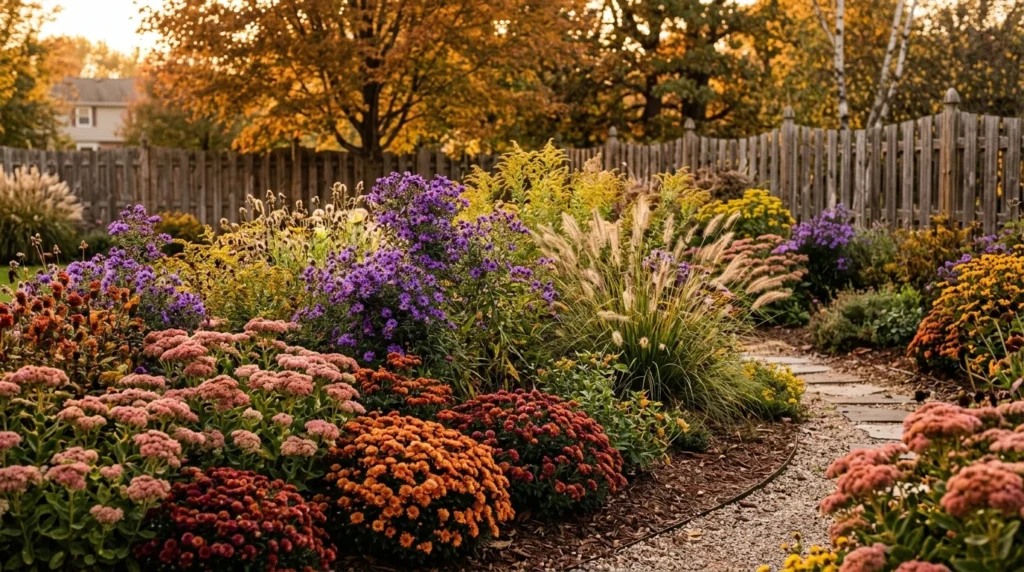
You can cultivate a breathtaking flower garden even if your yard contains dry sand, gravel, or heavy clay. Many resilient flowering plants actually produce more vivid blossoms in lean, unamended dirt than in rich earth.
Choosing hardy flowers for tough soil saves you hours of labor and eliminates expensive amendments. These adaptable varieties establish deep, tenacious root systems that handle mineral shortages and fluctuating moisture with ease.
Learn how to use the best plants for poor garden soil to transform neglected spaces into vibrant sanctuaries. With minimal maintenance, you will enjoy spectacular seasonal color throughout your borders and garden beds.
Tip #1: Nasturtiums for Rapid Summer Color
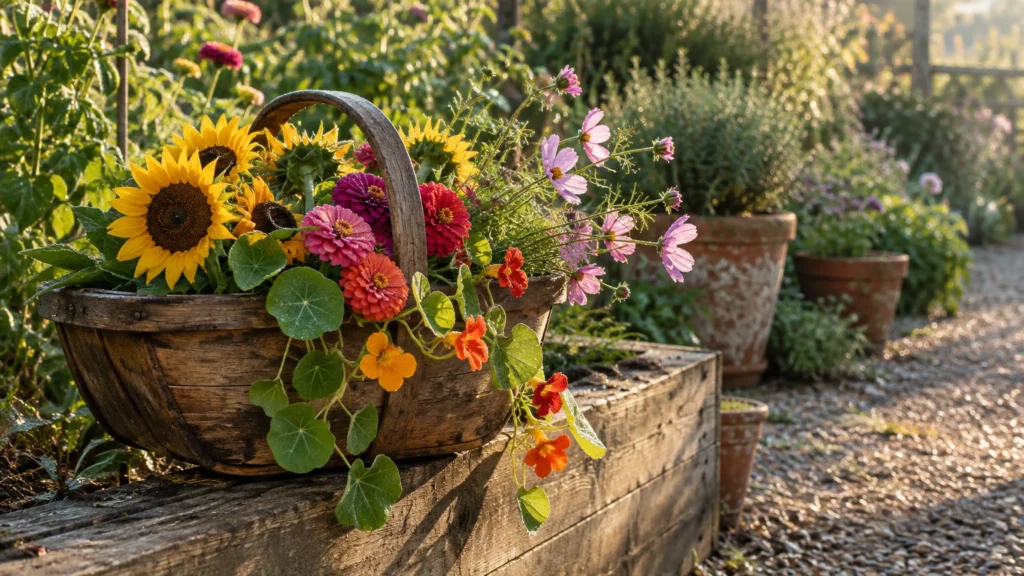
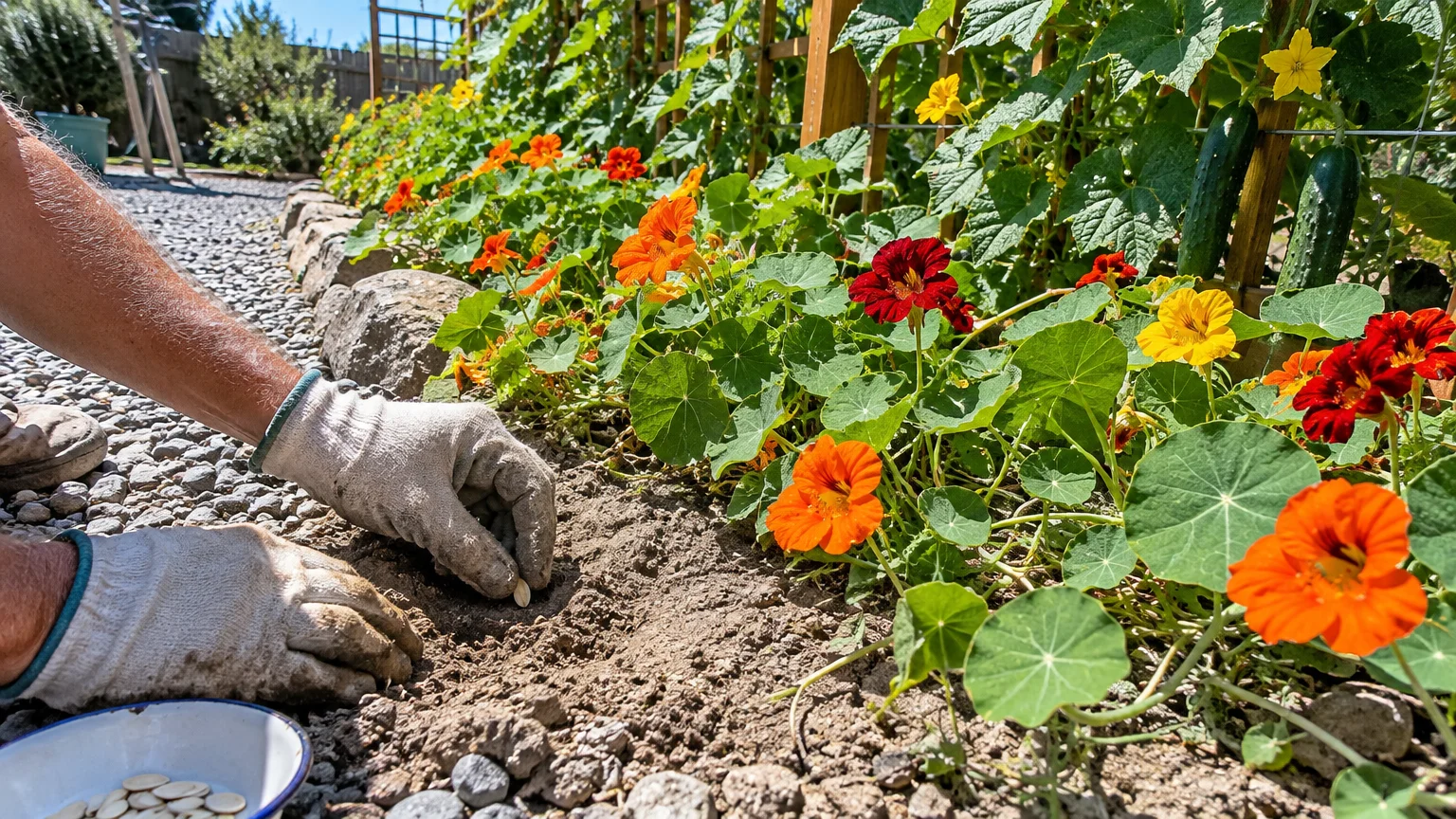
Nasturtiums are cheerful annuals that produce jewel-toned blossoms in bright shades of orange, yellow, and red. Their rounded, shield-shaped leaves create a lush carpet that spreads effortlessly across open ground.
These vigorous growers are quintessential plants for poor soil conditions. When planted in fertile, nutrient-rich dirt, nasturtiums produce massive amounts of lush green foliage while choking back their floral display.
Lean, rocky, or sandy earth naturally limits excessive vegetative growth. This mild environmental stress encourages the plant to channel its energy into developing abundant, edible flowers all season long.
Sow seeds directly into your garden beds after your region passes its final spring frost date. Plant them roughly one-half inch deep in loose, well-draining soil where they receive full sun.
Nasturtiums require minimal watering once seedlings establish themselves. Let the upper two inches of soil dry completely between light waterings to avoid damp, fungal issues.
Never apply synthetic fertilizer to these annuals. Adding extra nitrogen burns their roots and completely halts blossom development.
Allow trailing varieties to tumble over rock walls or spill across dry gravel paths. They will fill unsightly bare ground with vibrant summer blooms until freezing autumn temperatures arrive.
Plant them alongside vegetable crops like cucumbers and tomatoes. Nasturtiums serve as an effective trap crop, drawing aphids away from your edible harvest.
Tip #2: Purple Coneflower for Tough Clay and Drought
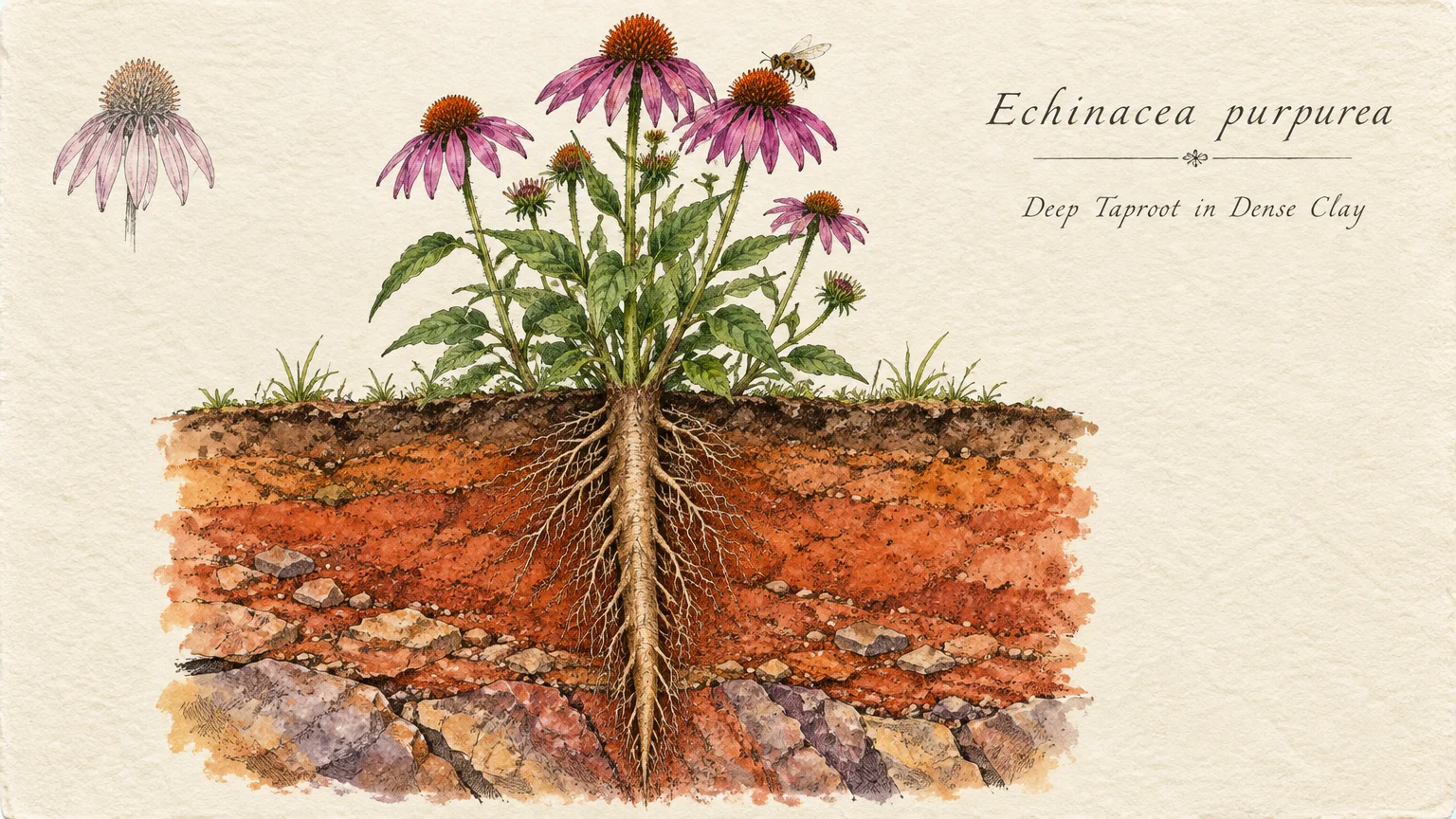
Purple coneflower is a magnificent perennial native to North American prairies and open grasslands. It features prominent, copper-orange central cones surrounded by vibrant, downward-sweeping purple petals.
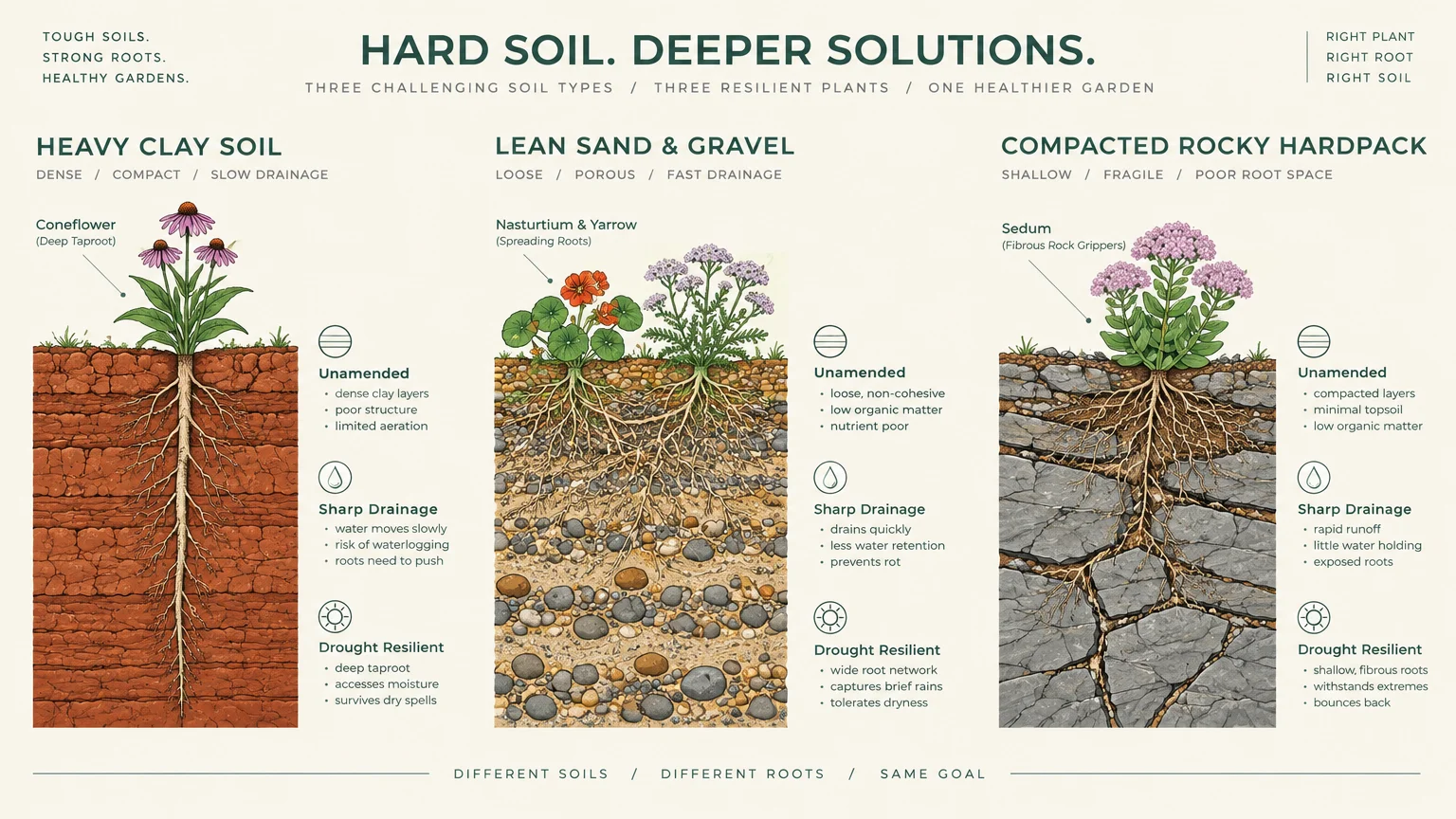
Coneflowers are renowned as hardy flowers for tough soil because they possess deep, fibrous taproots. These sturdy root systems can easily penetrate dense, heavy clay and rocky subsoils.
They thrive across USDA hardiness zones 3 through 9 with astonishing reliability. While other ornamentals struggle in nutrient-deficient ground, coneflowers maintain stout, upright stems up to four feet tall.
Install potted nursery crowns or root divisions in early spring or early autumn. Position each plant roughly eighteen inches apart in an area receiving at least six hours of sun daily.
Water young plants once weekly during their initial month to help roots anchor firmly into the surrounding dirt. Once established, they survive hot summer dry spells solely on seasonal rainfall.
Rich soil causes coneflower stems to grow weak and flop over under summer rains. Keep the ground lean and unamended to preserve their natural structural integrity.
Leave spent seed heads standing throughout late autumn and winter. They feed visiting goldfinches and provide wonderful cold-weather interest across your landscape.
These resilient perennials also attract honeybees, bumblebees, and predatory insects to your yard. They create a flourishing ecosystem in areas where other flowers fail to establish.
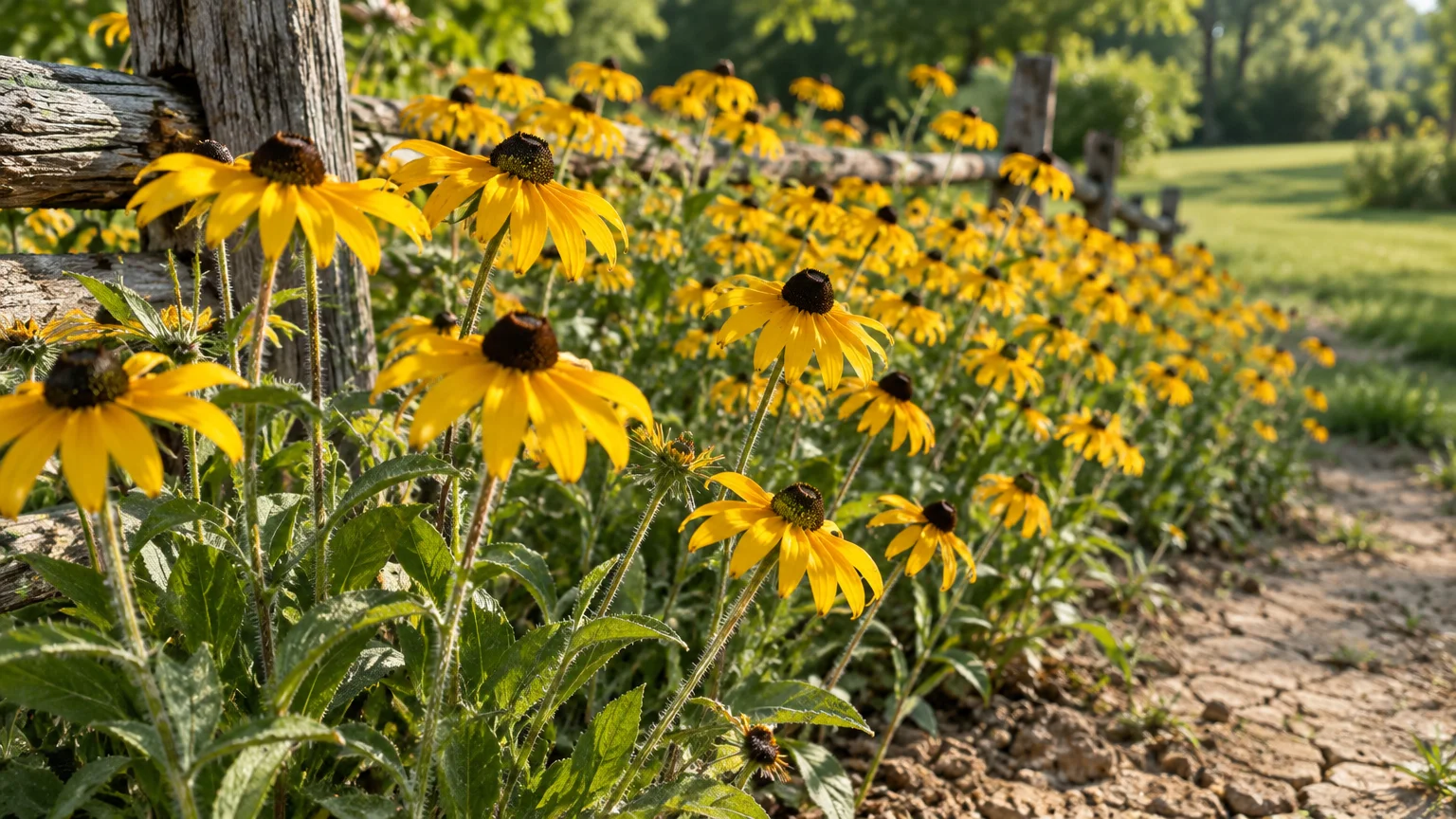
Tip #3: Black-Eyed Susan for Resilient Floral Borders
Black-eyed Susan produces golden-yellow daisy blossoms centered with dark chocolate cones. This rugged perennial forms dense clumps that deliver continuous color from midsummer straight into late autumn.
Rudbeckia ranks among the most dependable flowers that thrive in bad soil. It adapts readily to heavy loam, compacted clay, and dry soils that lack essential organic matter.
Gardeners love this plant because it handles neglect without losing its joyful display. Its coarse, hairy leaves conserve precious moisture and deter browsing deer and rabbits.
Space new plants twelve to eighteen inches apart in full sun or partial shade. Ensure the root flare rests level with the native ground surface when backfilling the hole.
Water moderately during the first growing season while roots spread outward. Established clumps withstand blistering summer heat and prolonged dry spells with zero supplemental care.
Avoid excessive watering and dense wood mulches around plant crowns. Damp, overly fertile conditions encourage powdery mildew and cause crowns to rot.
Divide large clumps every three to four years during early spring. This simple task rejuvenates mature plantings and supplies you with free divisions for other problem spots.
They combine effortlessly with tall ornamental grasses and purple salvias in native meadows. This pairing gives you vibrant color that withstands baking heat without any pampering.
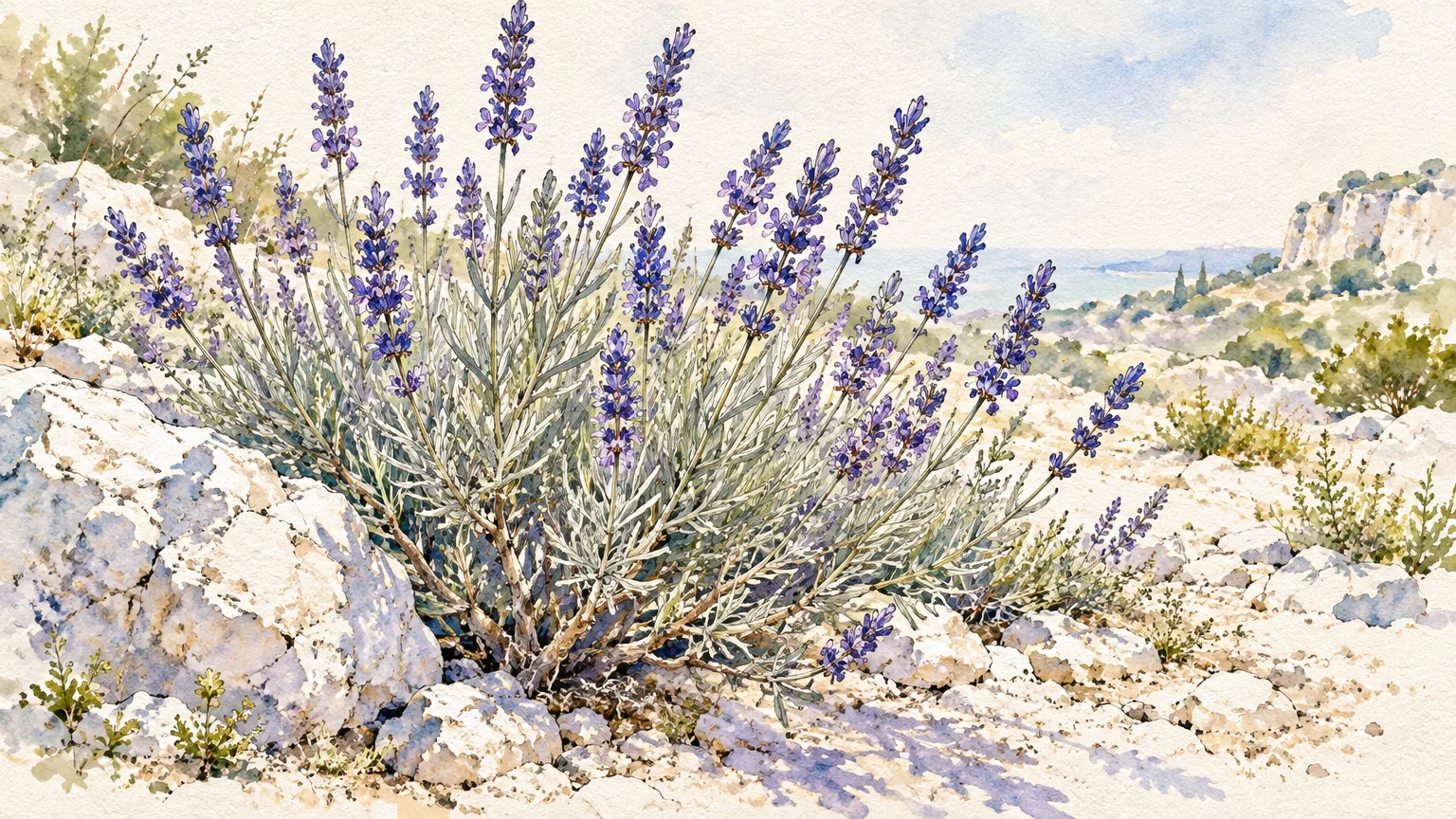
Tip #4: Lavender for Lean, Rocky, and Alkaline Ground
English lavender is a fragrant evergreen subshrub prized for its soothing scent and slender purple blooms. Its silver-gray foliage looks stunning in garden borders throughout every season.
Lavender requires low-fertility conditions to produce its signature aromatic oils. Rich, moist soil weakens the woody stems, dilutes its fragrance, and promotes deadly fungal crown rot.
This Mediterranean native naturally thrives in gritty, sandy, or gravelly substrates with a neutral to alkaline pH. Poor drainage poses the only genuine threat to its survival.
Choose an open planting site that basks in full sunlight for eight hours daily. If your native ground contains sticky clay, mound the planting area to promote rapid drainage.
Water sparingly once the roots anchor, letting the surrounding earth dry out entirely between waterings. Mature lavender tolerates blistering heat, intense wind, and extended droughts without wilting.
Prune the branches back by one-third each spring just as new green growth emerges. This prevents the center of the plant from turning woody and sparse.
Surround the base of your plants with pea gravel rather than organic bark mulch. Light gravel reflects sunlight and prevents excessive moisture from accumulating around lower foliage.
Harvest the fragrant flowering spikes just as the first florets open along the stem. Dry them upside down in a dark room to preserve their soothing floral perfume.
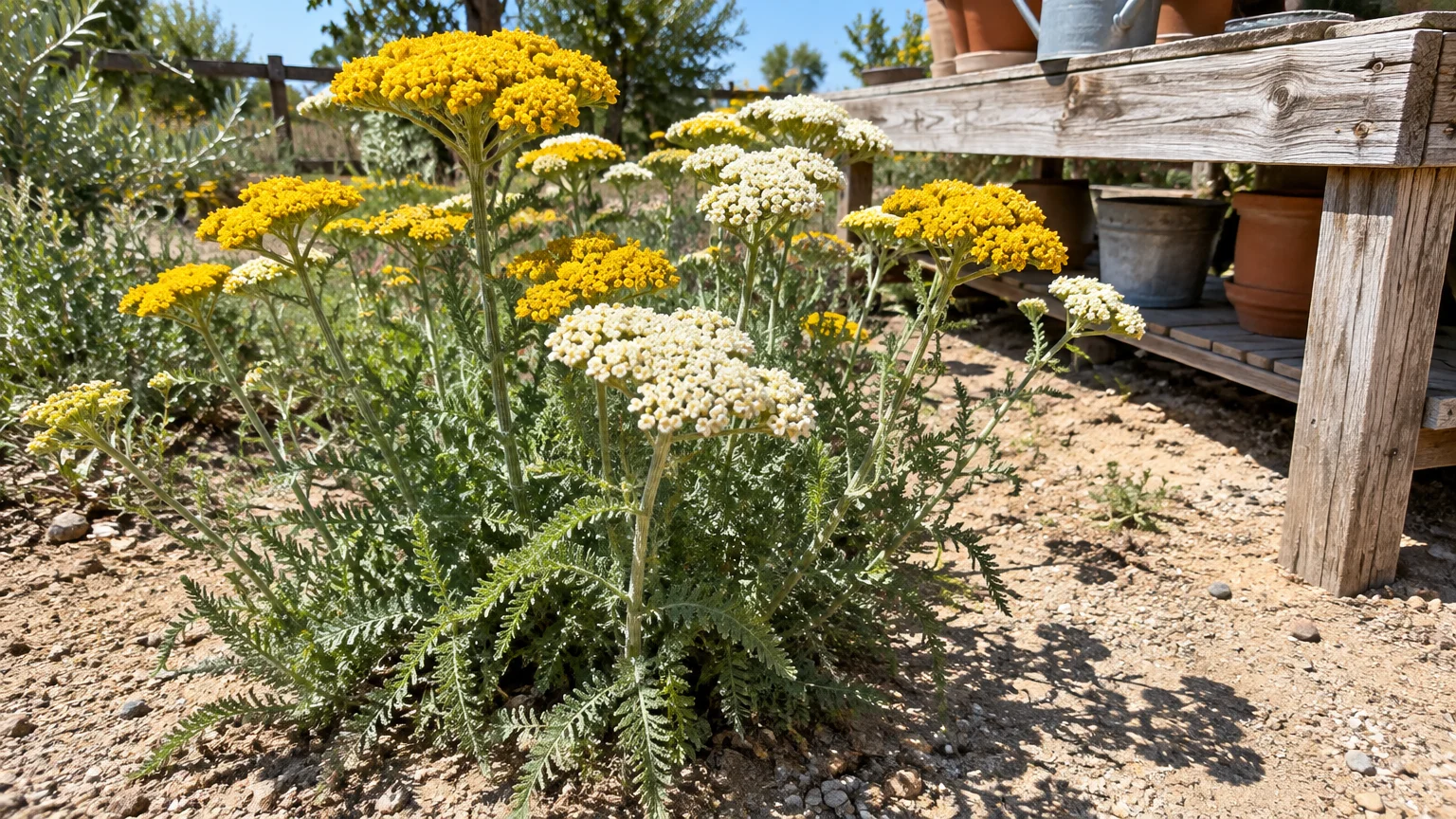
Tip #5: Yarrow for Sun-Drenched and Dry Areas
Yarrow is a hardy perennial celebrated for its delicate, fern-like leaves and broad, flat flower clusters. Available in shades of yellow, red, pink, and white, it enlivens challenging areas instantly.
This species stands out among the best low maintenance flowers difficult soil produces. It handles compacted dirt, rocky banks, and depleted subsoils where traditional garden perennials quickly fail.
Yarrow spreads via vigorous underground rhizomes, making it exceptional for stabilizing eroding hillsides. Its deep root system extracts scarce minerals from the ground with remarkable efficiency.
Plant yarrow in full sun, spacing individual crowns twelve to fifteen inches apart. Avoid amending your planting hole with compost or manure, as rich soil causes weak, floppy growth.
Water newly installed plants every few days until active growth begins. After establishment, yarrow survives intense heat waves and prolonged droughts without any supplemental moisture.
Shear back the flower heads by half after the initial early summer blooming cycle finishes. This quick pruning stimulates a clean secondary flush of blossoms before autumn arrives.
Pair yarrow with ornamental grasses along exposed driveway borders or sunny sidewalk edges. The combination delivers year-round texture and requires virtually zero maintenance from you.
Beneficial insects like hoverflies and lacewings flock to yarrow flower umbels all summer. These predatory insects feast on pest populations, keeping your broader garden healthy and balanced.
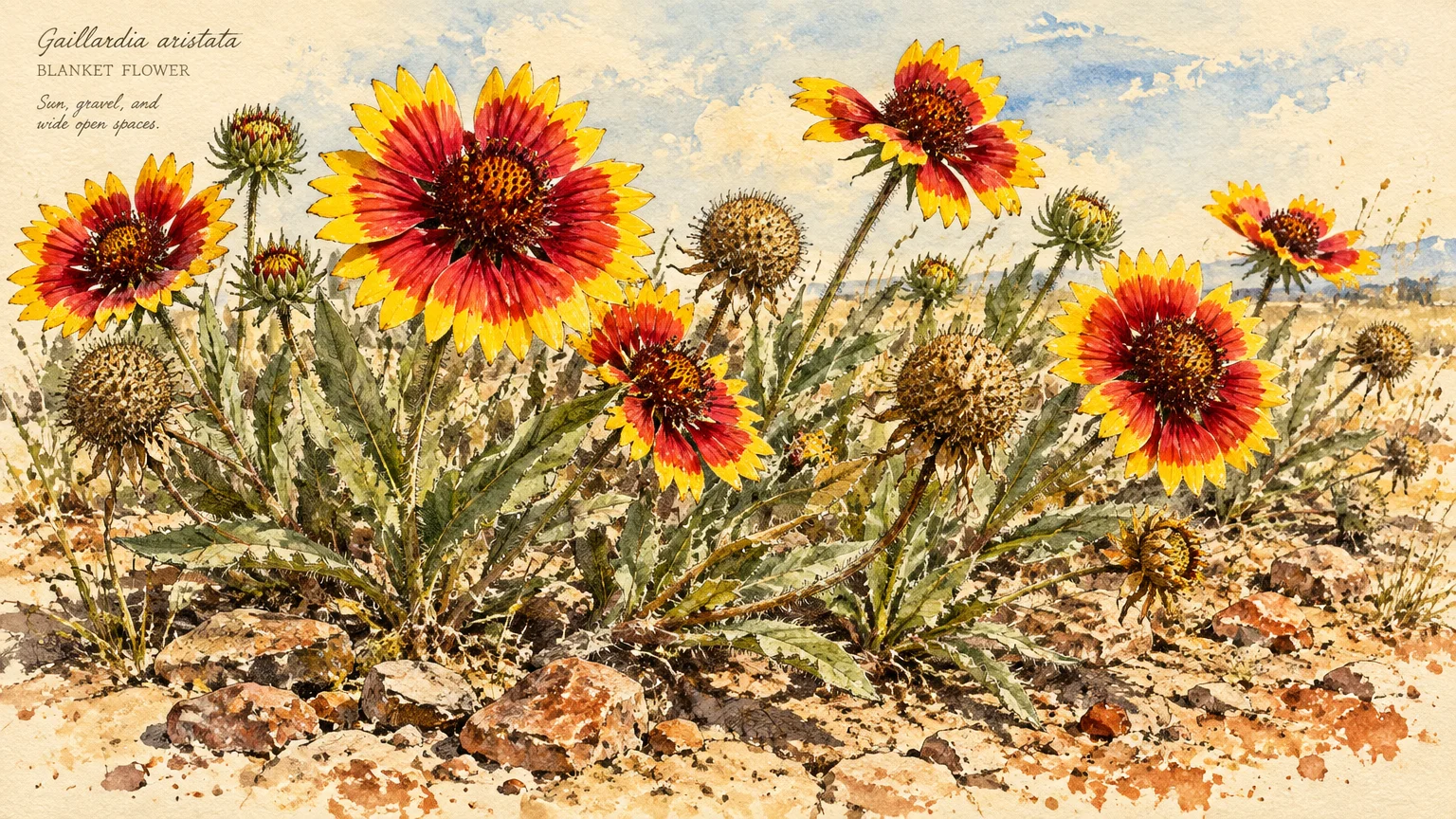
Tip #6: Blanket Flower for Hot and Arid Beds
Blanket flower offers fiery, daisy-like blossoms sporting rings of deep red, orange, and bright yellow. These cheerful native hybrids bloom persistently from early summer until the hard autumn freezes arrive.
Gaillardia is one of the premier plants for poor soil conditions available to modern gardeners. Having evolved in open prairies and coastal dunes, it naturally prefers nutrient-scarce, sandy, or gravelly ground.
Planting blanket flower in nutrient-dense garden soil creates weak plants that decline quickly. Lean dirt keeps the root systems tight, durable, and free from lethal fungal pathogens.
Position blanket flowers in your sunniest garden spots, spacing them roughly twelve inches apart. Ensure that excess water drains away rapidly, especially during wet winter months.
Water sparingly during prolonged dry spells to keep the floral stems producing new buds. Never allow irrigation water to pool around the base of the plant.
Deadhead spent blossoms every couple of weeks to direct energy into fresh buds. This routine maintenance ensures a spectacular floral show across the hottest weeks of summer.
These drought-tolerant perennials attract native bees and butterflies in large numbers. Use them to fill neglected rockeries, curbside hellstrips, and unwatered border edges.
Blanket flowers self-seed gently in bare dirt without ever becoming aggressive or invasive. You will enjoy volunteer seedlings popping up in empty gravel gaps each succeeding spring.
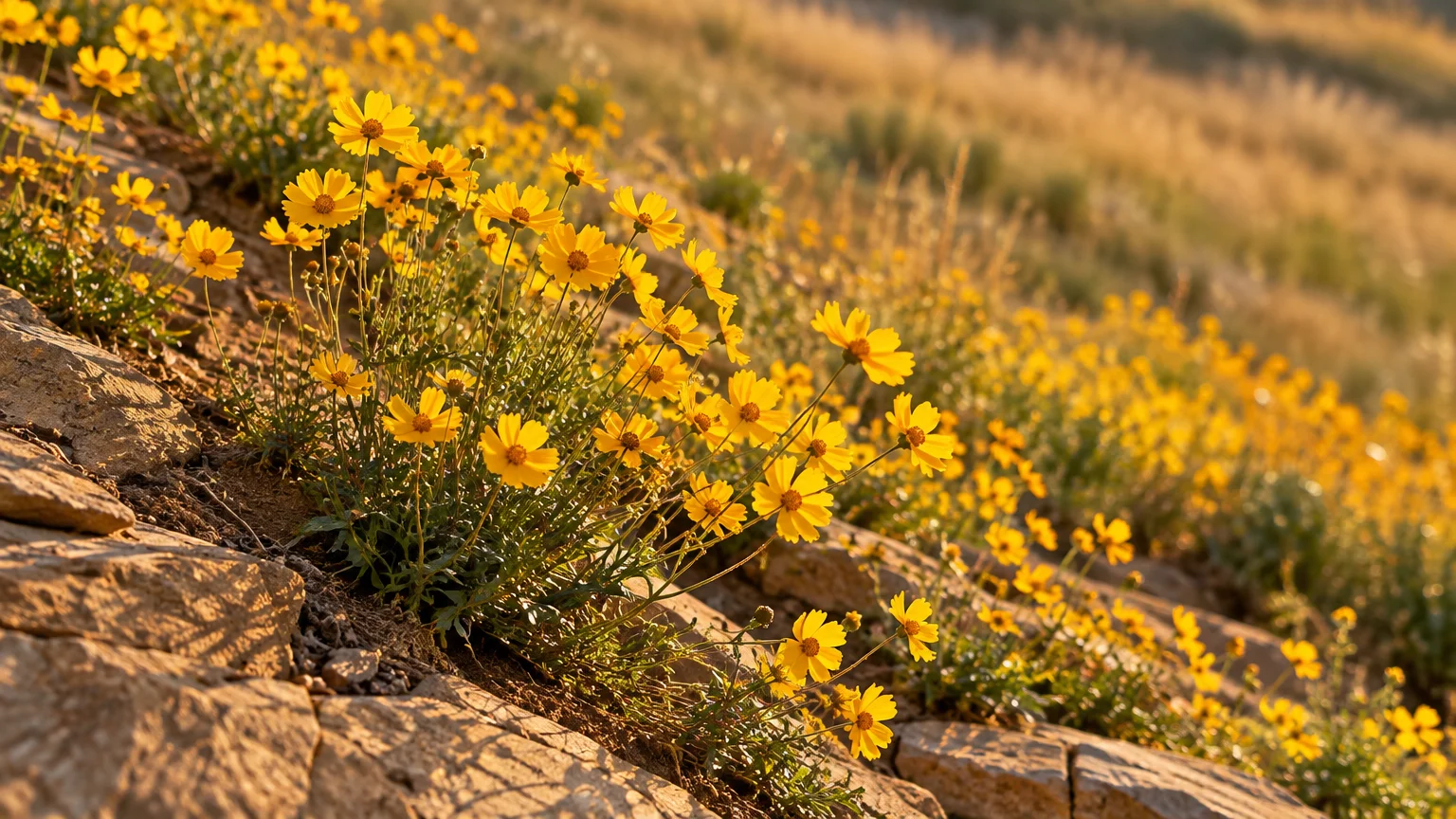
Tip #7: Coreopsis for Thin Dirt and Sunny Slopes
Coreopsis, commonly known as tickseed, produces endless waves of cheery golden blooms above feathery, needle-like foliage. It creates bright mounds of color that persist through the most grueling summer heat.
This North American native perennial excels in thin, rocky soils and dry sandy banks. It requires very few soil nutrients to generate hundreds of bright, starry blossoms.
Heavy fertilizer and damp, organic soils cause the stems to sprawl open and flop. Keeping the soil lean maintains compact, tidy mounds that stand upright on their own.
Set transplants eighteen inches apart in full sun where they receive uninhibited air circulation. Water regularly for the first few weeks until new green shoots emerge from the crown.
Once settled into the earth, tickseed displays extraordinary tolerance against heat and severe drought. It thrives across USDA zones 4 through 9 with virtually no attention.
Shear the entire clump back by one-third when the initial blooming wave slows down in midsummer. This simple haircut produces fresh foliage and triggers a vigorous second wave of autumn flowers.
Threadleaf coreopsis forms an outstanding companion for drought-hardy salvia and purple coneflowers. Together, they create an energetic, colorful display that shrugs off poor soil conditions.
Tickseed stands up remarkably well against strong coastal breezes and urban pollution. It brings dependable cheer to difficult suburban curbsides and open, wind-swept rural acreage.
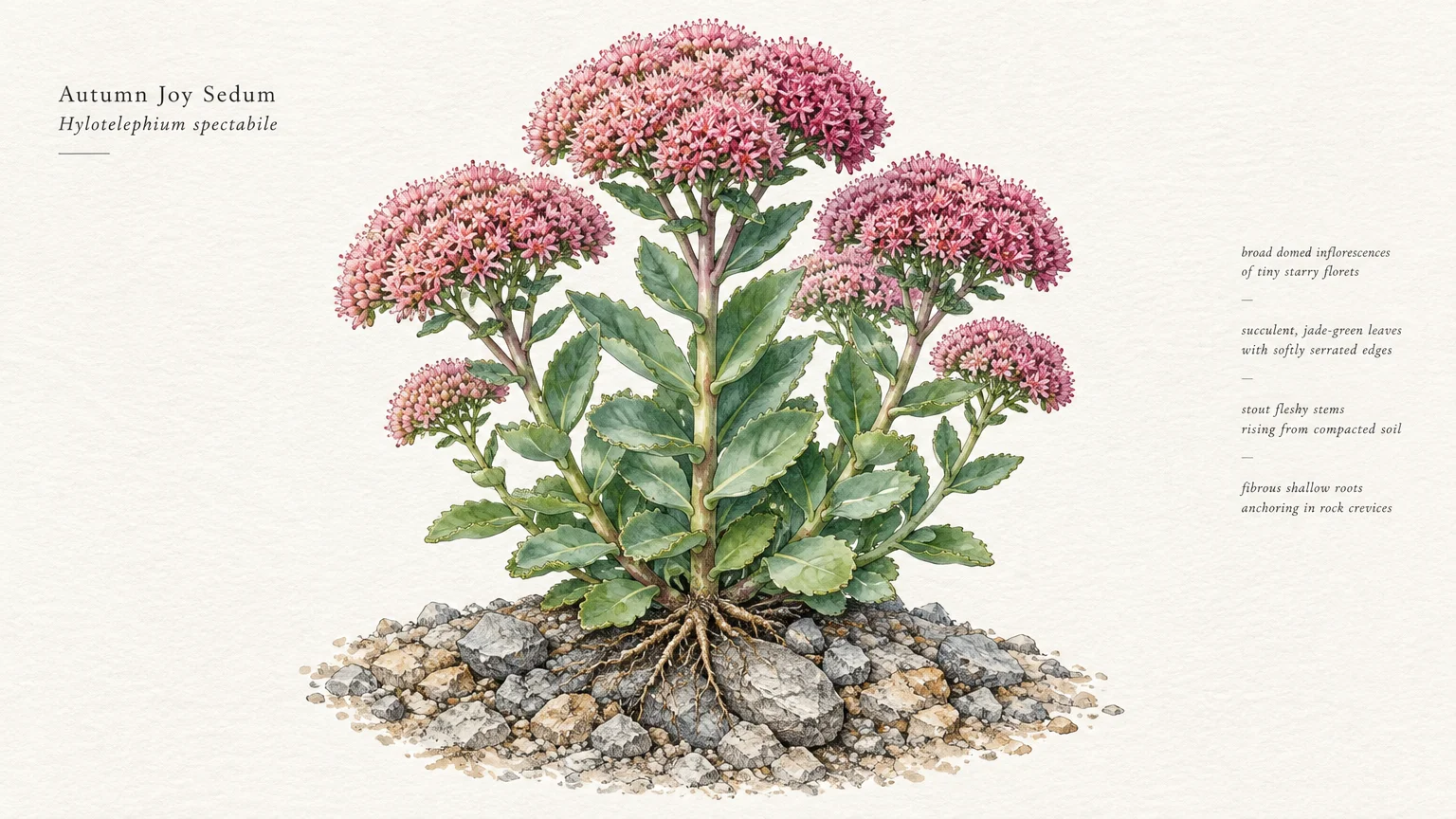
Tip #8: Autumn Joy Sedum for Rocky and Compacted Earth
Autumn Joy sedum is an upright succulent perennial famous for its fleshy, jade-green leaves and cauliflower-like flower heads. It provides dynamic architectural interest from early spring through the depths of winter.
Sedums are renowned as hardy flowers for tough soil because they thrive on pure neglect. They grow vigorously in packed clay, gravel beds, and dry cracks between paving stones.
Their thick, fleshy leaves store moisture efficiently, allowing them to withstand weeks of scorching weather. Excessively fertile ground makes their stems weak, causing the broad flower clusters to split apart.
Plant sedum starts in full sun to maintain tight, sturdy stems and vivid leaf coloration. Space the plants twelve to eighteen inches apart in dry to medium-moisture ground.
Water the plants sparingly during dry spells; mature specimens rarely need supplemental watering. Ensure the planting location drains freely to prevent cold, sodden soil in winter.
Flower heads shift gradually from pale green to rose pink, then deepen to rich rust-red by autumn. These changing tones supply gorgeous late-season interest when other garden flowers fade.
Leave the dried flower heads standing over the cold winter months. They catch falling snow beautifully and protect the dormant crown beneath until spring emerges.
Propagating sedum is remarkably simple for gardeners on a budget. Simply snap off a stem in spring and stick it directly into dry ground to root.
Putting It All Together: Enjoy Your Beautiful Garden
Transforming difficult ground into a thriving flower garden does not require expensive bags of commercial topsoil. By selecting naturally adaptable species, you work with your land instead of constantly fighting it.
Resilient blooms like coneflowers, yarrow, and sedum evolved specifically to conquer harsh, nutrient-depleted terrain. These plants channel energy into deep roots rather than tender foliage, creating hardy specimens that endure.
Avoid the common mistake of heavily fertilizing tough species when planting them in lean beds. Extra nitrogen causes weak stems, invites insect infestations, and halts the production of vibrant flowers.
Focus instead on ensuring adequate drainage, providing plenty of sunlight, and watering deeply only during initial establishment. A light layer of gravel mulch helps regulate soil temperatures while preventing root rot.
Start with two or three of your favorite varieties and observe how easily they adapt to your space. You will soon enjoy a breathtaking, resilient garden filled with continuous color and beneficial pollinators.
Frequently Asked Questions
Why do some flowers bloom better in poor soil than rich soil?
Many flowering plants evolved in lean, rocky environments where rich nutrients were scarce. High nitrogen levels trigger excessive leafy green growth at the expense of blossom development.
Mild nutrient stress signals to the plant that it must reproduce quickly. It responds by producing an abundance of bright flowers to attract pollinators and set seed.
How do I know if my garden soil is too poor for any plants?
Very few garden soils are completely incapable of supporting plant life if drainage and sunlight are adequate. You can verify your soil quality easily with a basic soil test kit.
Extremely contaminated dirt or severely compacted ground that holds standing water may require aeration or raised beds. Otherwise, drought-tolerant native perennials will readily adapt to thin dirt.
Should I fertilize hardy flowers planted in bad soil?
You should generally avoid fertilizing flowers adapted to lean, rocky, or sandy environments. Fertilizer often causes rapid, spindly growth that makes stems collapse under their own weight.
If your soil completely lacks organic activity, top-dress the area lightly with a half-inch of finished compost annually. This provides trace minerals slowly without overwhelming root systems with raw nitrogen.
How can I improve drainage in heavy clay soil without digging it all up?
You can improve drainage naturally by planting deep-rooting perennials like coneflowers and yarrow. Their sturdy taproots penetrate compacted layers, creating natural channels for air and water movement.
Top-dressing the surrounding soil with coarse grit or fine organic compost also helps over time. Earthworms gradually incorporate this material into the clay beneath, opening up the dense structure.
For region-specific advice, consult your local University Extension program (find yours via the USDA directory). For plant databases and inspiration, visit the Missouri Botanical Garden or the Royal Horticultural Society.
Disclaimer: This article provides general gardening advice for diverse climates, soil types, and local conditions. Always follow manufacturer safety guidelines when handling gardening tools and outdoor products.