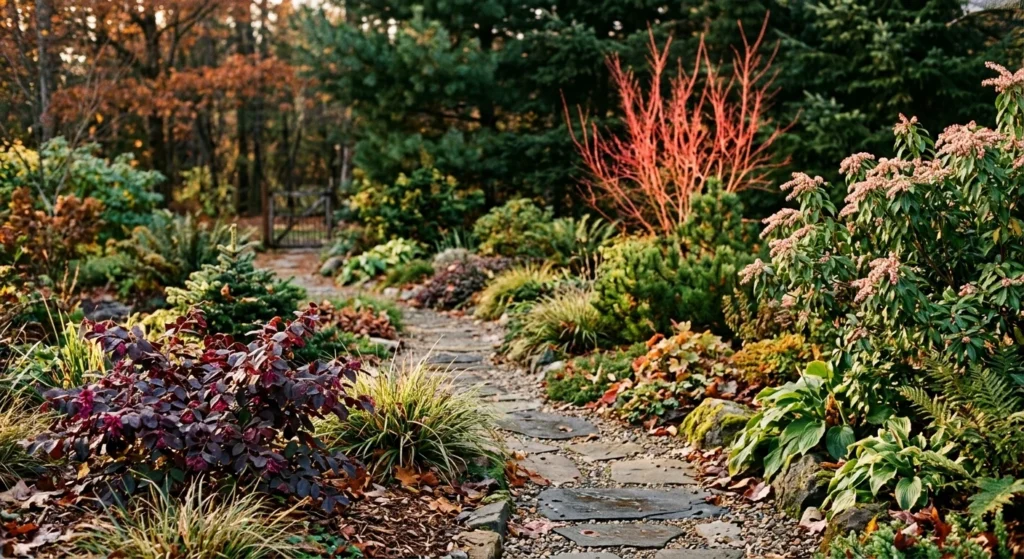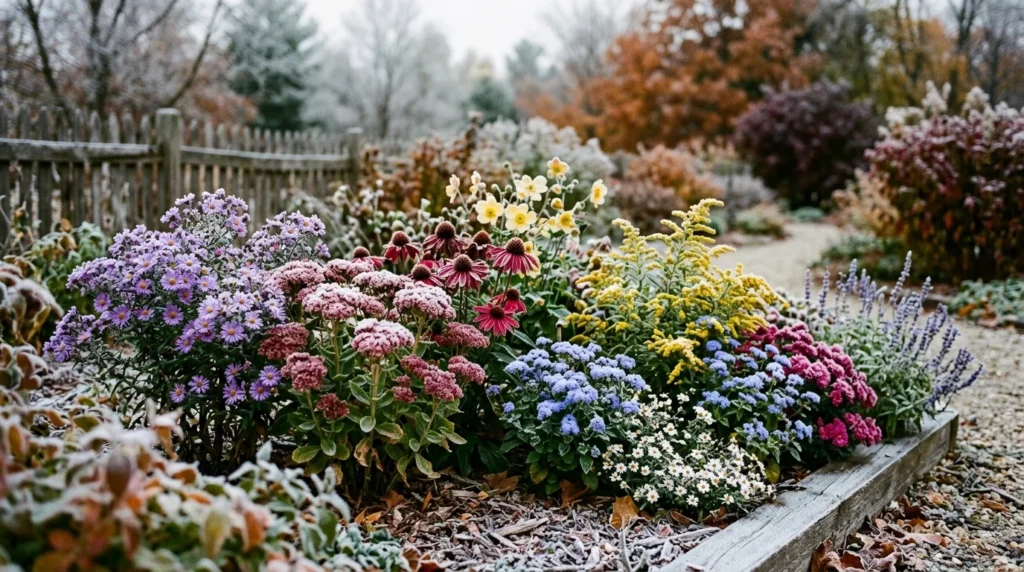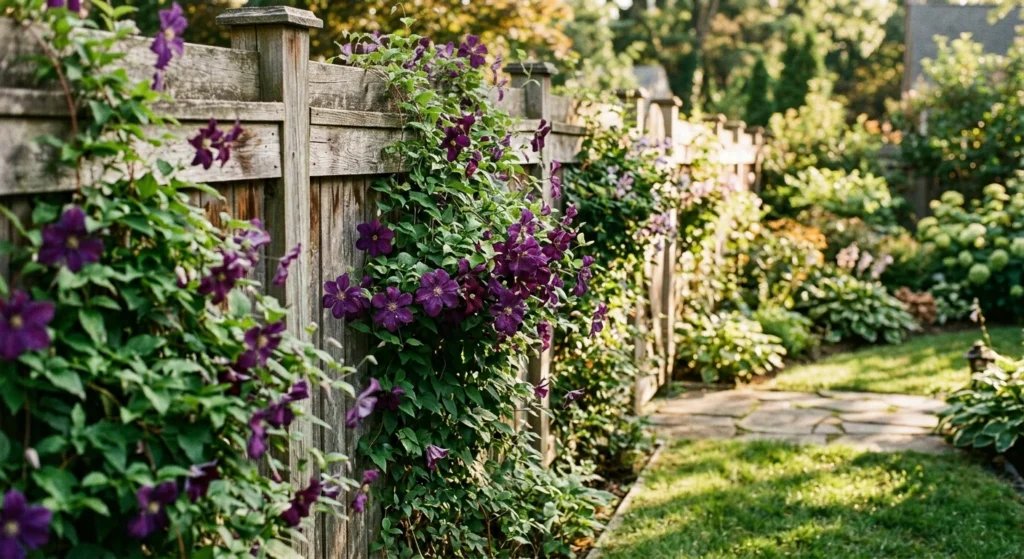
You can keep your landscape vibrant and colorful long after summer perennials fade. Selecting the right fall-blooming flowers transforms your autumn borders into rich tapestries of gold, purple, and crimson.
Late-season blooms do more than please the eye; they provide vital nectar for migrating monarchs and foraging native bees. A well-planned autumn garden bridges the gap between summer heat and winter dormancy effortlessly.
These eight reliable autumn flowering plants deliver dazzling late-season color with minimal maintenance. Discover the best fall flowers to extend your garden’s color season right up until the first hard frost.
Tip #1: Garden Mums (Chrysanthemums) for Bold Autumn Hues
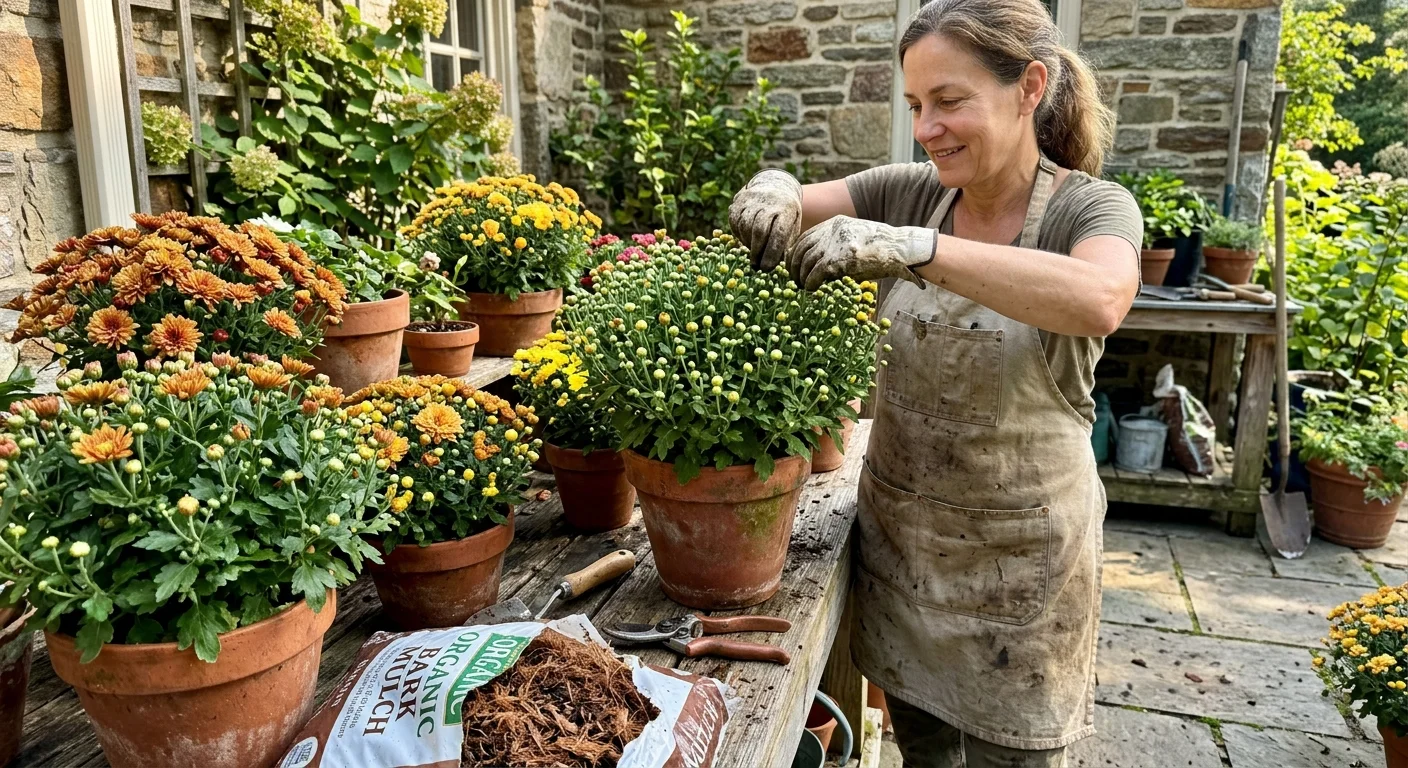
Garden mums serve as the classic cornerstone of autumn flowering plants. Their dense, rounded habits erupt into hundreds of blossoms ranging from burnt orange to deep burgundy.
For reliable perennial performance, plant garden mums in early spring rather than autumn. Spring planting allows their root systems to establish deeply before freezing winter temperatures arrive.
Position them in full sun where they receive at least six hours of direct sunlight daily. Well-draining soil prevents root rot, which often kills plants sitting in wet winter ground.
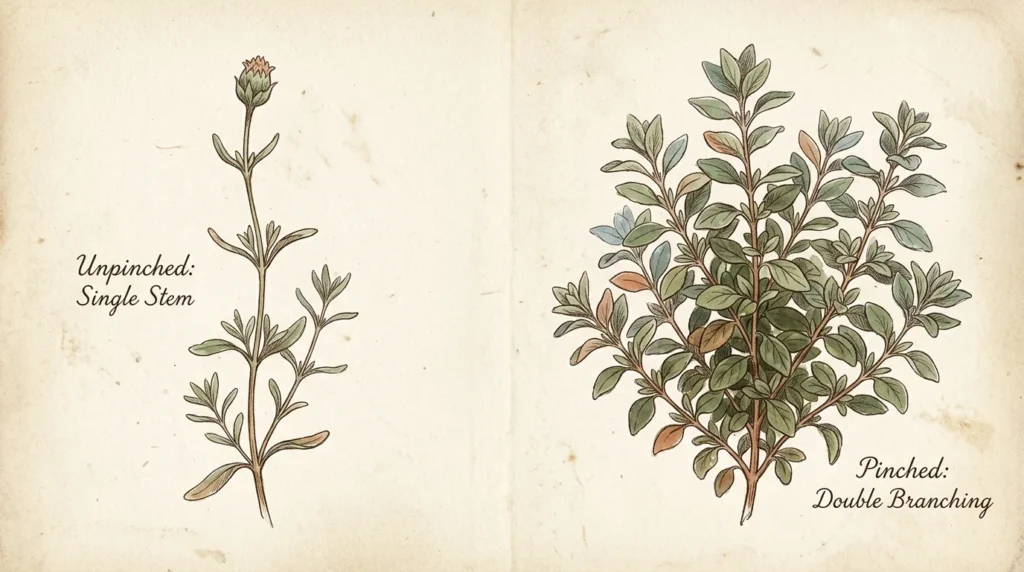
Pinch back growing stems by half an inch every few weeks until early July. This routine pinching encourages compact, bushier growth and creates hundreds of fresh autumn flower buds.
Mulch around the base with shredded bark to insulate shallow roots against temperature fluctuations. Always water at the soil level to keep foliage dry and prevent fungal leaf diseases.
Pair yellow and bronze mums with ornamental grasses or purple fountain grass for striking texture contrast. This simple combination instantly elevates your front porch containers or main garden border.
After frost turns the foliage brown, leave the stems standing through winter. Cut the dead growth back to ground level in early spring when fresh green shoots emerge.
Feed actively growing mums with a balanced organic fertilizer every three weeks through midsummer. Stop fertilizing once flower buds show color to prevent leggy, weak growth.
Tip #2: Asters for Dazzling Blue and Purple Pollinator Buffets
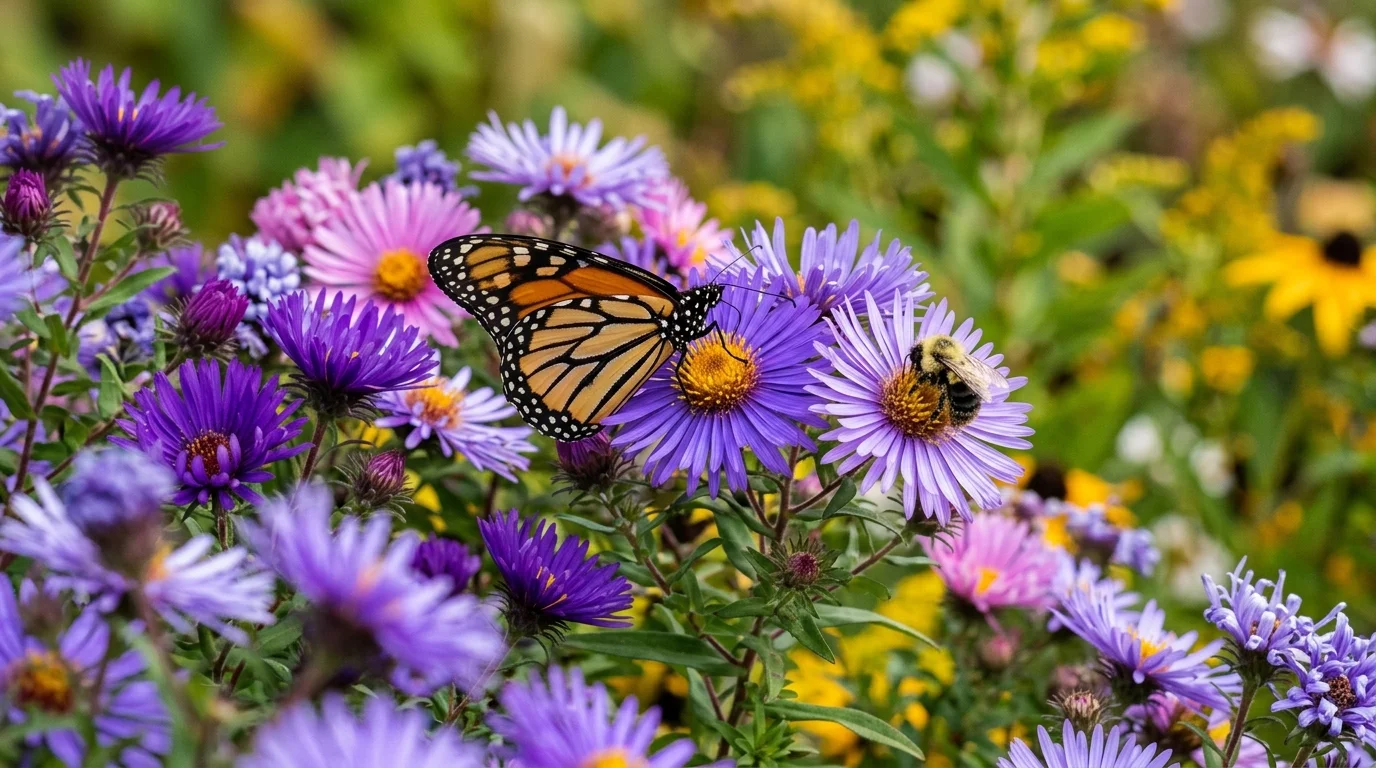
Asters deliver crisp daisy-like blooms that blanket late-season borders in purple, pink, and sky blue. They are indispensable fall-blooming flowers for any gardener seeking vibrant late-season biodiversity.
Native varieties like New England aster and New York aster handle chilly autumn nights effortlessly. They burst into bloom just as summer perennials begin setting seed and declining.
Site your asters in full sun to partial shade with rich, evenly moist soil. Providing good air circulation prevents powdery mildew, a common issue during humid late-summer afternoons.
Prune plants back by one-third in early summer to control height and avoid floppy stems. This step also delays bloom time slightly, synchronizing their display with peak autumn foliage.
Pollinators depend heavily on asters as a high-energy nectar source before winter arrives. You will regularly spot migrating monarchs and bumblebees feeding on the sunny yellow flower centers.
Combine royal purple asters with goldenrod or coreopsis for an electrifying complementary color scheme. The high-contrast pairing energizes garden beds that might otherwise look dull and tired.
Divide established clumps every three to four years in spring to maintain vigor and prevent overcrowding. Replenish the planting hole with compost to fuel robust autumn flowering.
Stake taller aster varieties with unobtrusive bamboo canes before the heavy flower clusters develop. Proper staking prevents autumn rainstorms from flattening your magnificent purple blooms.
Tip #3: Sedum ‘Autumn Joy’ for Architectural Beauty and Drought Resistance
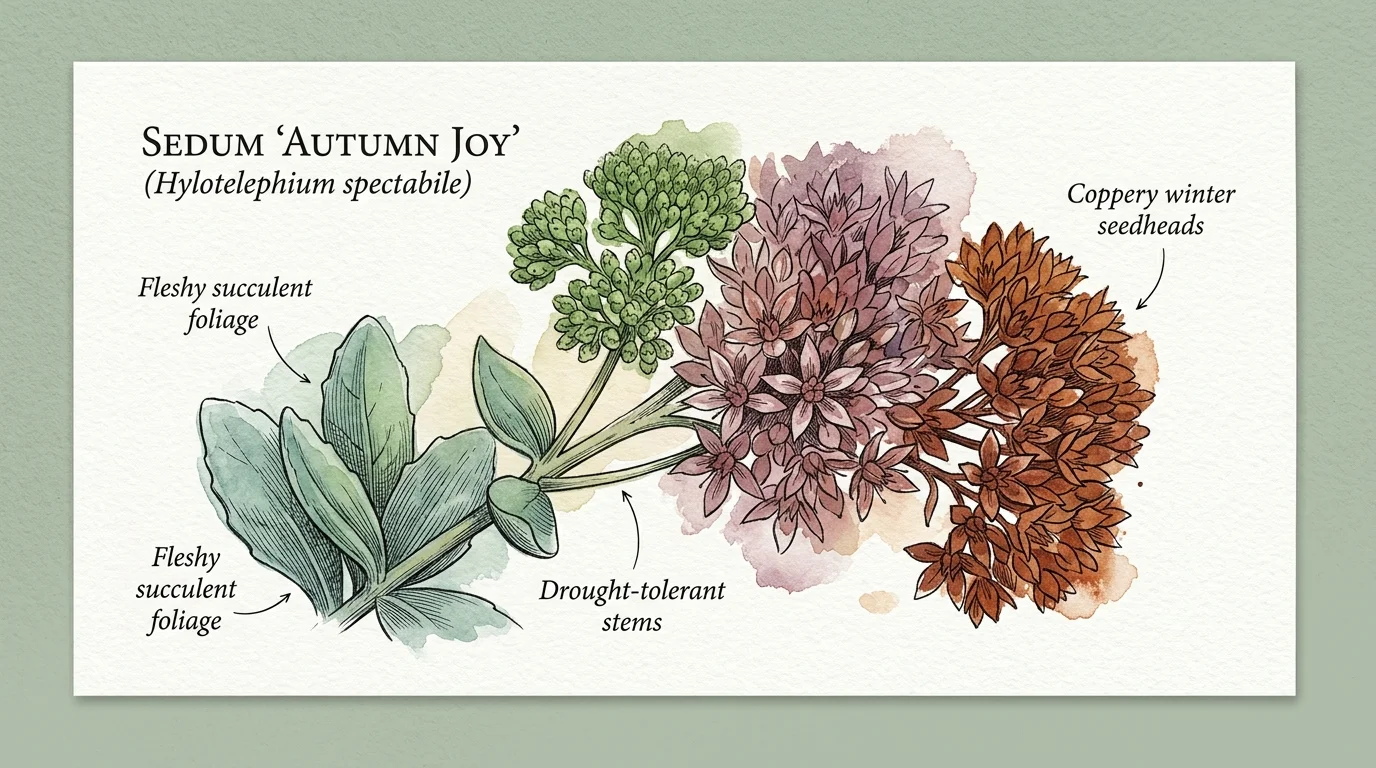
Upright stonecrop sedums provide structural interest from early spring through the depths of winter. Their broccoli-like green flower heads slowly shift to rosy pink before deepening into rich rust-red.
These drought-tolerant perennials thrive in poor, gritty soil where other moisture-loving plants struggle. Overly fertile or wet soil causes the fleshy stems to stretch and flop outward awkwardly.
Plant sedums in full sun to develop thick stems and intense flower coloration. They require minimal supplemental watering once their succulent, moisture-storing foliage takes hold in the garden.
In late autumn, the fading rust-colored flower heads dry into rigid, weather-resistant domes. Leave these flower heads intact through winter to catch falling snow and feed foraging songbirds.
Propagating sedum is remarkably simple; snap off a stem in spring and insert it directly into moist soil. Within a few weeks, new roots establish without any specialized rooting hormone.
Pair upright sedums with fine-textured ornamental grasses like blue fescue or prairie dropseed. The contrast between bold succulent leaves and wispy grass blades creates instant visual drama.
Cut the dead stalks down to the basal foliage rosette in late winter. This clean-up makes room for the fresh, cabbage-like rosettes that appear each spring.
Avoid overhead irrigation on sedums during humid summer spells. Wet foliage combined with high heat can encourage fungal leaf drop near the base of the stems.
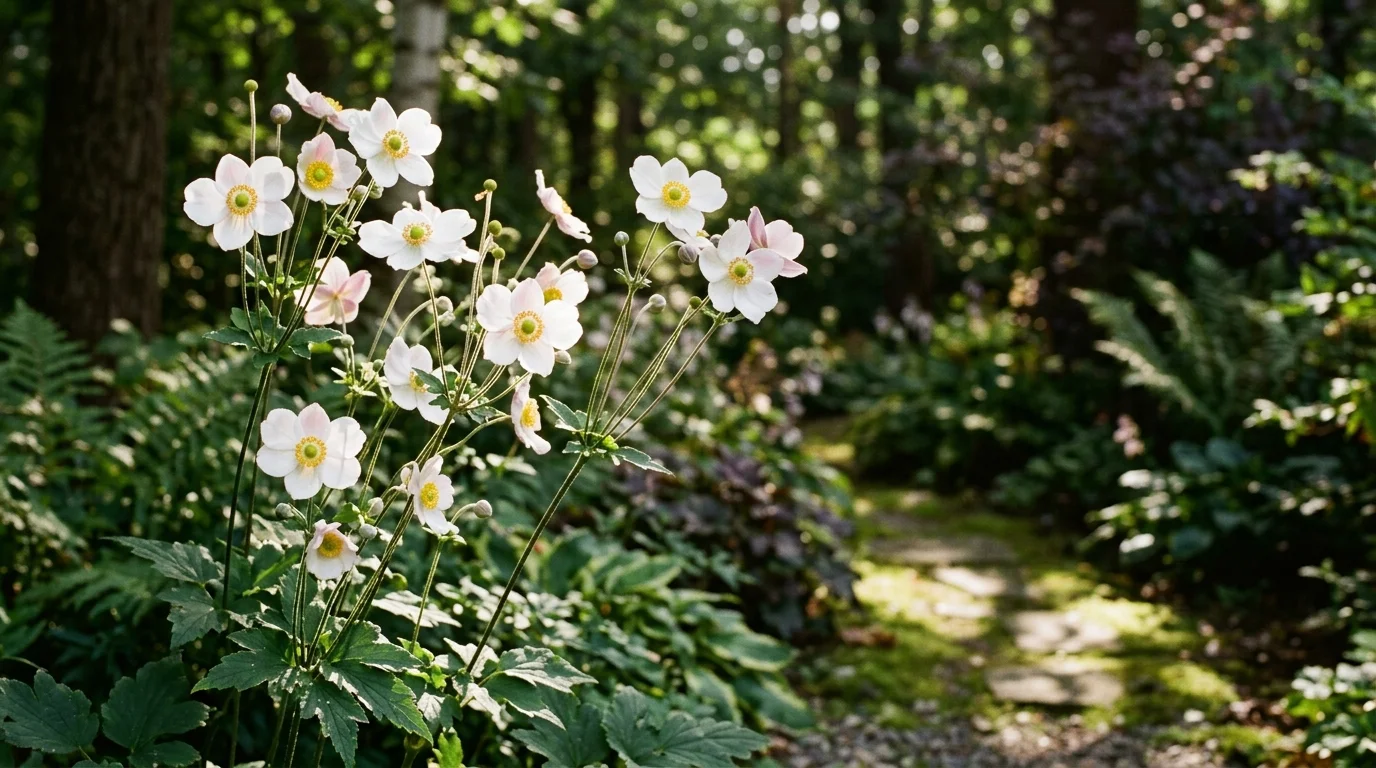
Tip #4: Japanese Anemones for Graceful Late-Season Elegance
Japanese anemones bring airy grace to partially shaded woodland borders and perennial beds. Their delicate single or semi-double petals dance on slender, wiry stems above neat mounds of dark foliage.
Blossoming from late August through October, these windflowers offer shades of pure white, silvery pink, and rose. They illuminate shadowy garden nooks when summer annuals begin to dwindle.
Provide your anemones with moist, humus-rich soil and shelter from drying, gusty autumn winds. Adding several inches of leaf mold or compost retains soil moisture and replicates native woodland conditions.
While they tolerate morning sun, they prefer light afternoon shade in hot southern growing zones. Consistent soil moisture prevents leaf scorch and keeps the late blooms crisp and fresh.
Once established, Japanese anemones spread by underground runners to form dense, weed-suppressing colonies. Give them plenty of room to roam, or plant them within contained border spaces.
Interplant white cultivars like ‘Honorine Jobert’ alongside dark-leaved coral bells or hostas. The luminous white petals stand out strikingly against deep burgundy and chartreuse foliage.
Apply a generous layer of shredded leaves in late autumn to protect tender root crowns. New growth emerges somewhat late in spring, so mark their location carefully.
Mulch the soil thoroughly around young plants to protect roots from intense midsummer heat. Keep the surrounding soil evenly damp until the plants establish deep rhizomes.
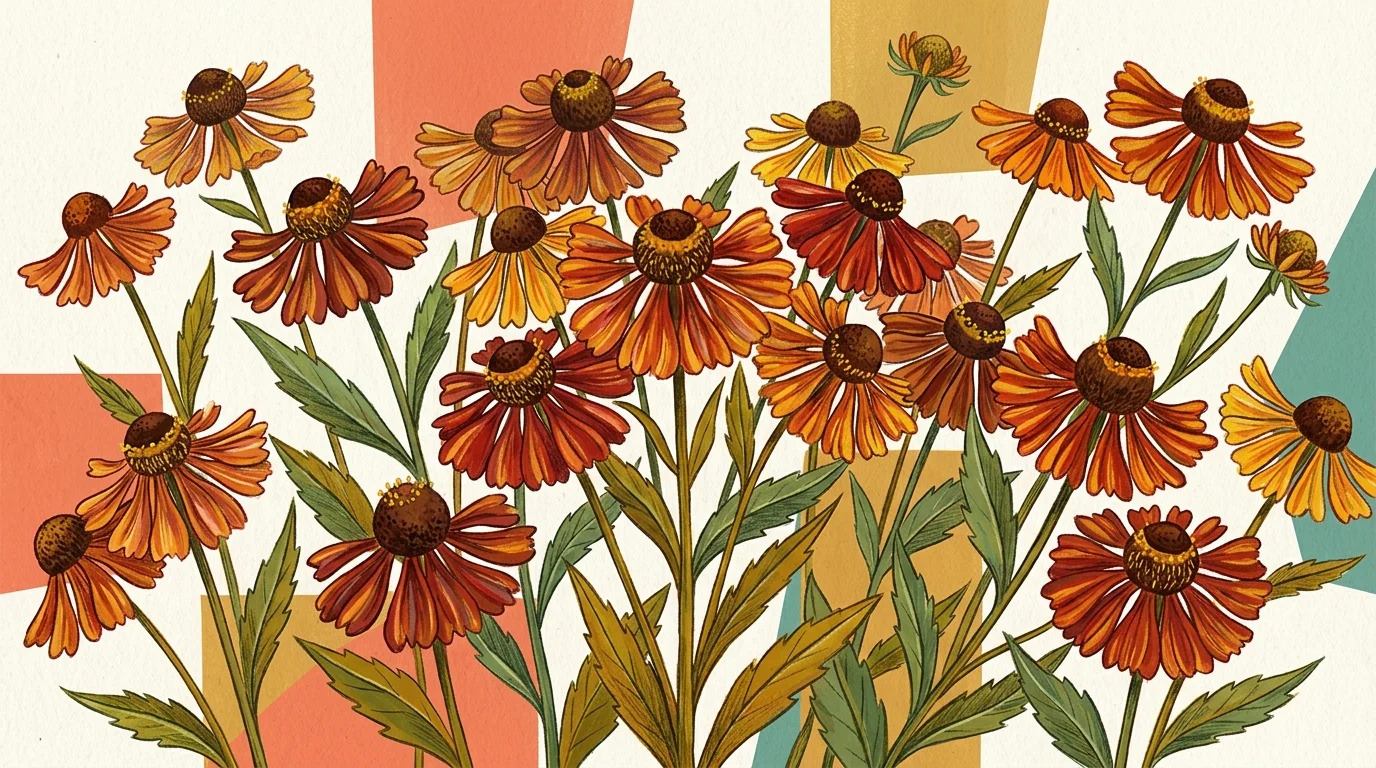
Tip #5: Helenium (Sneezeweed) for Fiery Autumn Tones
Helenium showcases the quintessential colors of the harvest season with copper, gold, and crimson petals. The distinct daisy petals flare downward around prominent, button-like center cones.
This hardy native perennial thrives in moist garden locations where other fall-blooming flowers might rot. It naturally populates meadows and stream banks, making it ideal for rain gardens.
Position sneezeweed in full sun to ensure strong, upright stems that do not require staking. Plants grown in partial shade often lean toward the light and produce fewer blooms.
Deadhead spent blossoms regularly throughout early autumn to encourage continuous branching and new bud formation. This simple task can extend your flowering window by several weeks.
Helenium provides valuable late-season fuel for native bees and predatory beneficial insects. Its pollen and nectar support garden ecosystems as temperatures drop and food sources become scarce.
Combine deep mahogany Helenium cultivars with bright yellow goldenrod and blue-stemmed aster. This rich combination echoes the turning leaves of autumn maples and oaks.
Divide clumps every two to three years in early spring to prevent the center from dying out. Discard the woody middle section and replant vigorous outer divisions.
Water newly planted sneezeweed deeply twice a week during dry summer stretches. Established plants tolerate short dry spells but perform best in consistently moist garden soil.
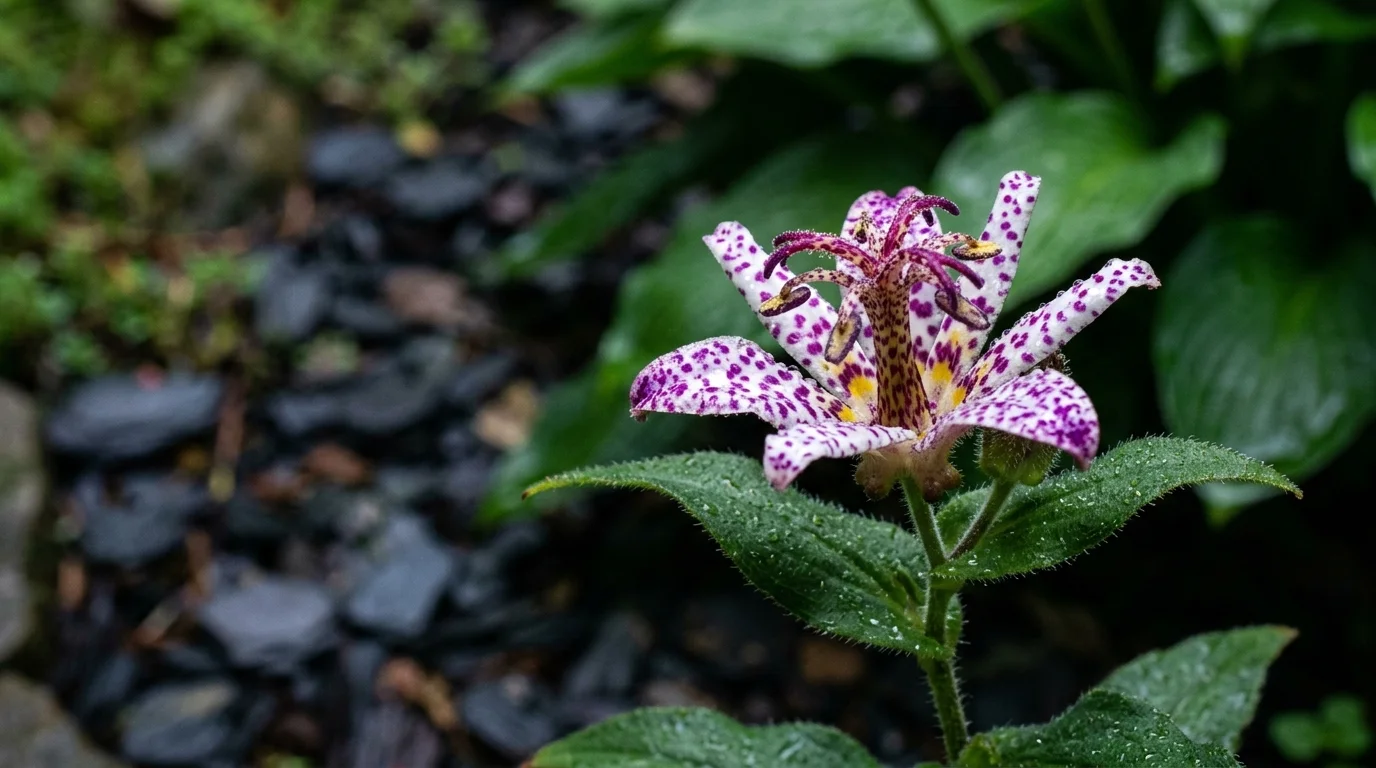
Tip #6: Toad Lily (Tricyrtis) for Intricate Shade Blossoms
Toad lilies offer exotic, orchid-like blossoms that reward close inspection in shaded garden spaces. Their star-shaped white petals feature heavy speckling in shades of royal purple, magenta, and blue.
These unique autumn flowering plants open their exquisite buds in late September and October. They fill a crucial niche by bringing fresh floral color to shade gardens when hostas fade.
Plant toad lilies in rich, acidic soil that stays consistently damp but drains freely. Incorporate generous amounts of organic matter, such as composted pine bark or aged leaves, before planting.
Place them near garden pathways, patios, or raised beds where visitors can appreciate the detailed markings. Tucking them away in back borders obscures their delicate, intricate petal architecture.
Protect the tender emerging foliage from slugs and snails during wet spring weather. Once mature, the arching, ladder-like stems demonstrate impressive resistance to common garden pests and diseases.
Pair Tricyrtis with autumn-blooming ferns and creeping ginger to create a lush, woodland vignette. The contrast between speckled star blossoms and delicate fern fronds adds refined sophistication.
Toad lilies tolerate light frosts without dropping their buds, continuing to open on crisp October afternoons. Mulch the crown lightly in late autumn to ensure strong spring emergence.
Select cultivars like ‘Miyazaki’ or ‘Tojen’ for vigorous growth and abundant fall flowers. These proven varieties form handsome clumps that expand reliably year after year.
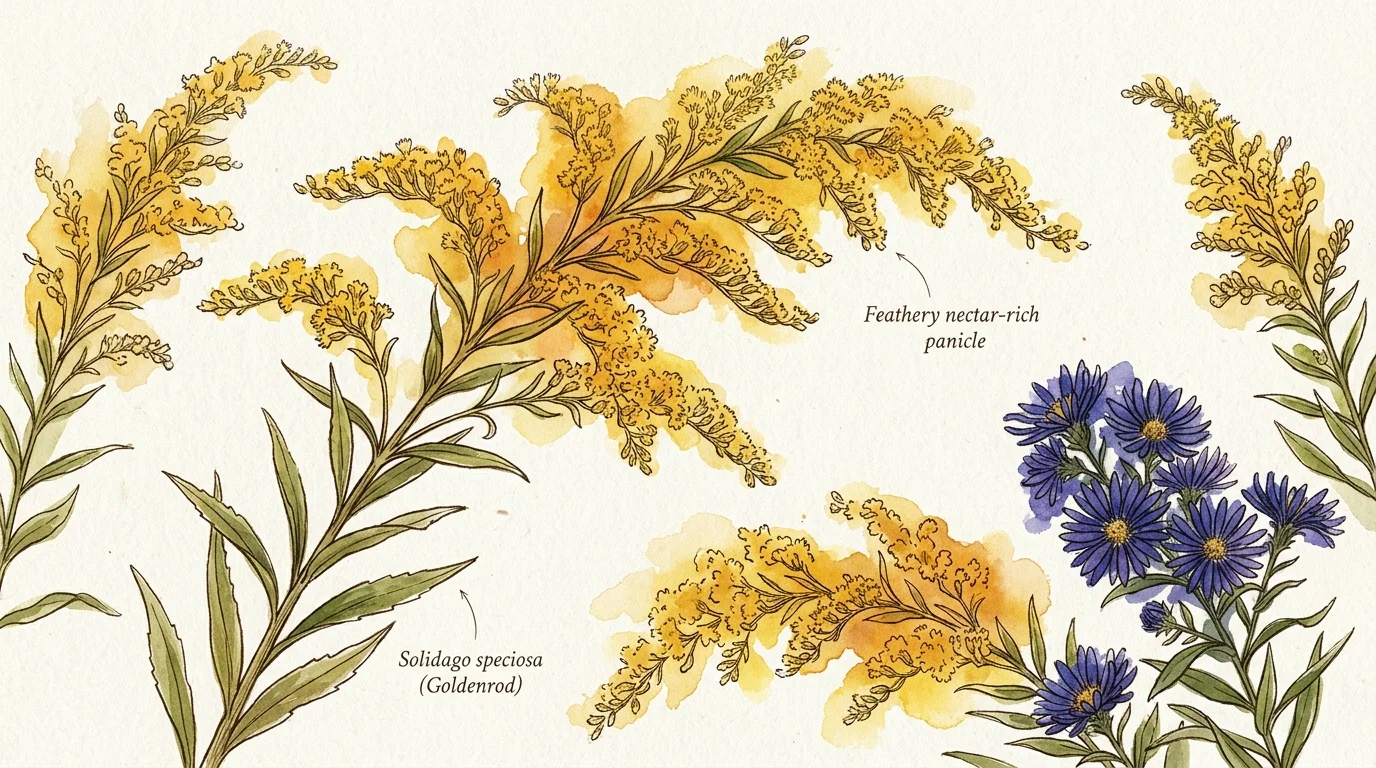
Tip #7: Goldenrod (Solidago) for Brilliant Honeyed Plumes
Goldenrod fills late-season landscapes with vibrant, feathery plumes of intense lemon and honeyed yellow. Modern garden cultivars offer compact, well-behaved growth habits without aggressive garden spreading.
Contrary to popular myth, goldenrod does not cause seasonal fall allergies or hay fever. Its heavy pollen relies on insect transport rather than wind, while inconspicuous ragweed causes the sneezing.
Grow goldenrod in full sun and average to lean garden soil for the sturdiest growth. Excessively rich soil causes plants to grow too tall and flop under heavy flower panicles.
Select well-behaved cultivars like ‘Fireworks’ or ‘Little Lemon’ to avoid aggressive rhizome spread. These refined selections stay in neat, tidy clumps while producing abundant blooming sprays.
Solidago stands out as an ecological powerhouse, supporting hundreds of beneficial insect and caterpillar species. Migrating monarch butterflies frequently rely on goldenrod nectar to fuel their southward journey.
Pair glowing yellow goldenrod sprays with deep violet asters and pink coneflowers. The classic gold-and-purple harmony creates one of the most iconic displays in autumn gardening.
Cut the spent plumes back after winter to prevent unwanted self-seeding in nearby beds. Leaving seed heads standing through mid-winter provides valuable forage for overwintering goldfinches.
Goldenrod resists deer and rabbits thanks to its herbal foliage scent and tough leaf texture. This resilience makes it a dependable choice for rural gardens and open borders.
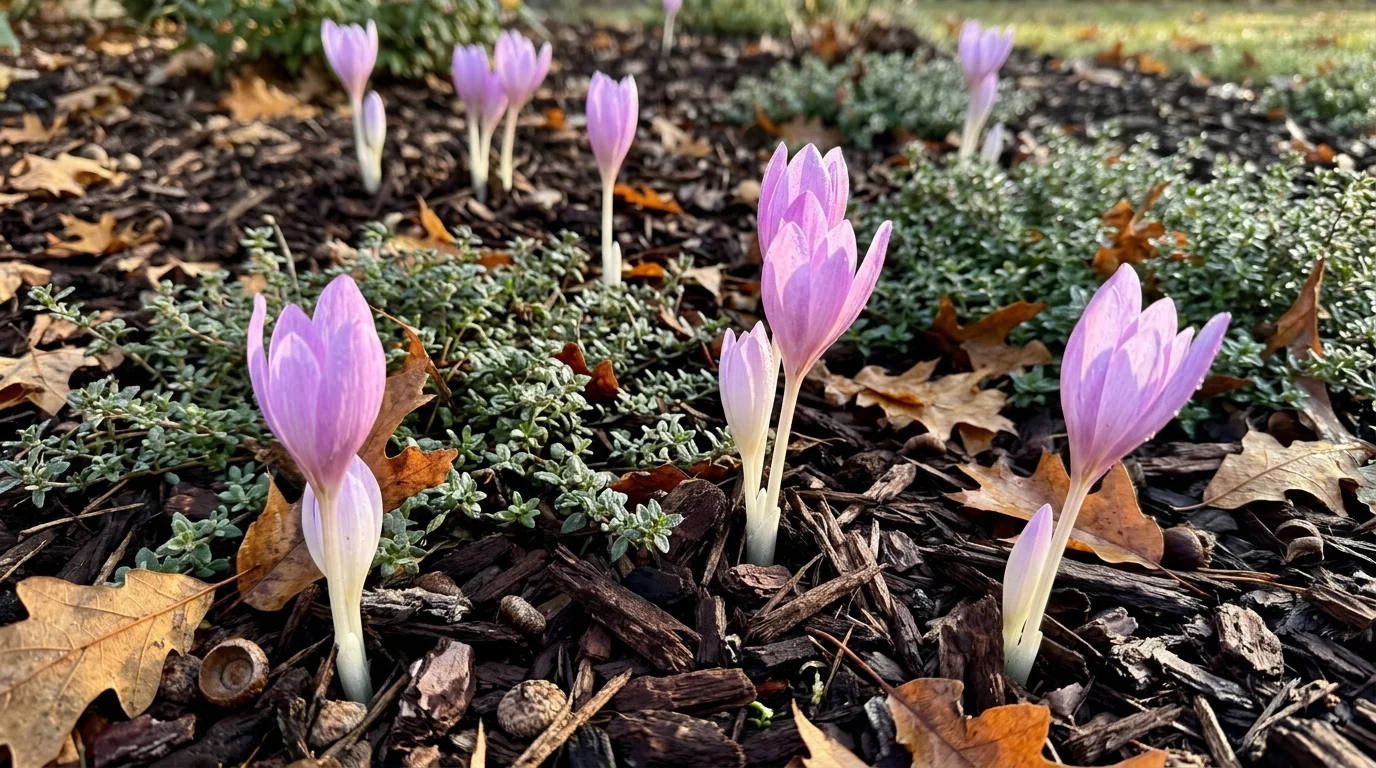
Tip #8: Colchicum (Autumn Crocus) for Surprise Ground-Level Color
Colchicum produces stunning, chalice-shaped goblets of lavender, pink, and white directly from the bare ground. Often called autumn crocus, they bloom without any accompanying foliage in September and October.
In early spring, these bulbs produce large, glossy green leaves that collect energy and die back by midsummer. Weeks later, radiant floral chalices push through the soil completely unannounced.
Plant the large corms in late summer, burying them approximately four to six inches deep in well-drained soil. They flourish in both full sun and partial shade under deciduous tree canopies.
Interplant colchicums within low-growing ground covers such as creeping thyme or periwinkle. The surrounding ground cover cushions the delicate blooms and prevents heavy autumn rain from splashing mud onto petals.
Colchicum contains natural compounds that make the corms and flowers completely resistant to deer, rabbits, and voles. Hungry garden critters bypass these bulbs entirely in favor of other forage.
Naturalize drift plantings across lawns, rock gardens, and beneath ornamental shrubs for high impact. A scattering of twenty corms creates a breathtaking carpet of soft lavender petals.
Allow the springtime foliage to turn completely yellow before removing it from the garden bed. This foliage period allows the bulb to store essential sugars for next autumn’s bloom.
Divide congested clumps in midsummer while the corms remain dormant underground. Replant them immediately at the same depth to ensure continuous blooms in the coming autumn.
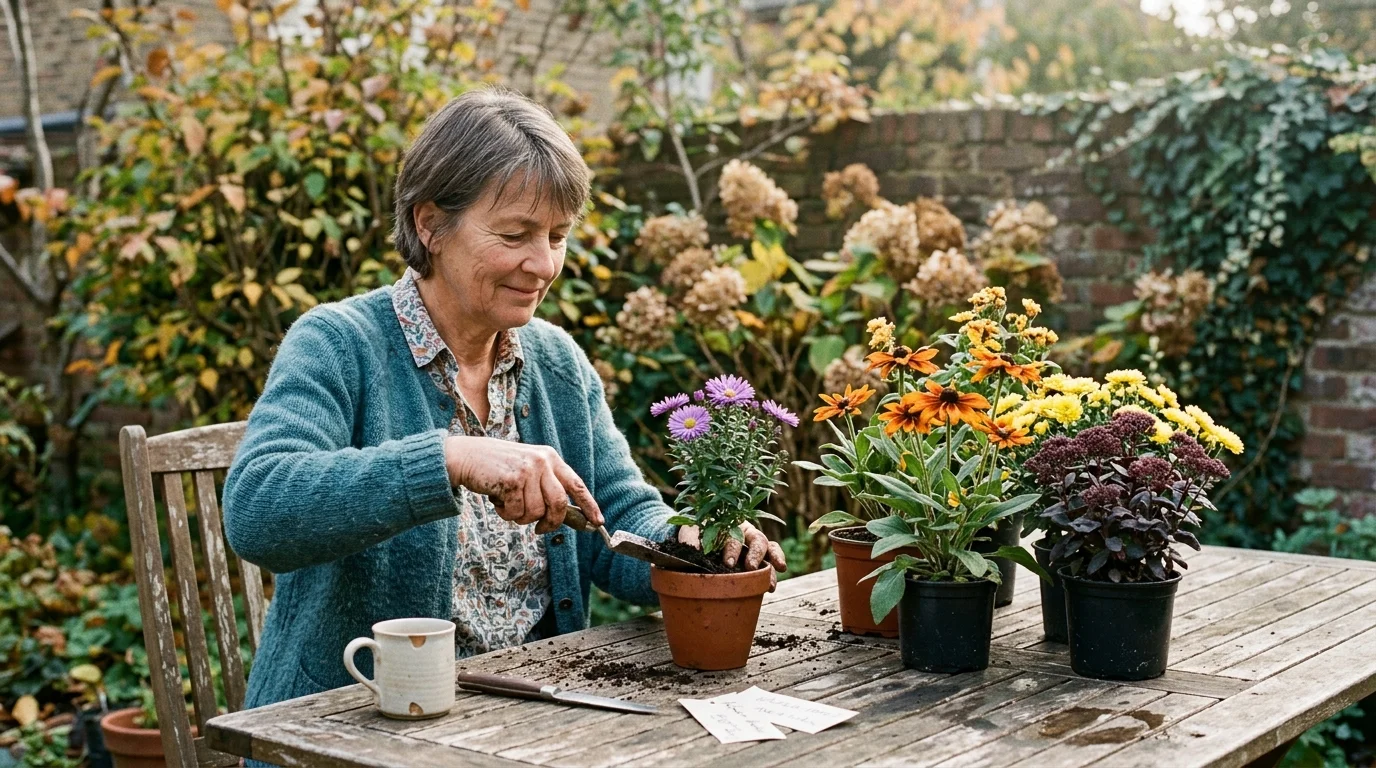
Putting It All Together: Enjoy Your Beautiful Garden
Designing an autumn landscape ensures your outdoor sanctuary remains vibrant long after summer fades. Layering heights, textures, and bloom periods creates continuous visual excitement from September until hard frost.
Blend tall structural plants like Helenium and goldenrod behind medium-height asters and Japanese anemones. Finish your borders with low-growing sedums and surprise carpets of Colchicum at ground level.
Incorporate ornamental grasses to add motion, rustling sound, and soft amber tones to colorful blossoms. Their feathery plumes catch low autumn sunlight, framing vibrant floral hues with golden warmth.
Maintain consistent autumn watering routines during dry spells to help perennial root systems establish. Well-hydrated plants withstand sudden freezes and temperature swings far better than drought-stressed rootballs.
By embracing these eight autumn flowering plants, you create a dynamic haven for local wildlife. Start planting this season to extend your garden’s color and enjoy breathtaking autumn blooms every year.
Frequently Asked Questions
When is the best time to plant fall-blooming perennials?
Early spring is the ideal planting window for long-term perennial success in cold climates. Spring planting gives root systems several months of warm weather to establish before winter freezes.
You can also install container-grown perennials in late summer or early fall. Apply several inches of mulch around the base to insulate young roots from frost heaving.
How do I protect late-season flowers from early sudden frosts?
Monitor local evening forecasts and cover sensitive buds with lightweight floating row covers or breathable sheets. Secure the edges with landscape staples or stones to trap radiating soil heat.
Water your garden thoroughly before an anticipated freeze to protect root crowns. Moist soil retains and radiates significantly more thermal heat overnight than bone-dry ground.
Can I grow fall-blooming flowers successfully in containers?
Yes, compact varieties of garden mums, asters, and upright sedums thrive in patio containers. Choose pots with drainage holes and use high-quality, lightweight potting mix for moisture retention.
Move container plants into a sheltered unheated garage or porch before severe freezing temperatures arrive. Container root balls lack surrounding earth insulation and can freeze without proper winter protection.
Why are my perennial mums not returning the following spring?
Potted florist mums sold in autumn often lack the root hardiness needed for winter survival. Many autumn-purchased mums put their energy into blooming rather than establishing a deep root network.
Buy hardy garden mums in spring and plant them in well-draining garden soil. Avoid heavy autumn pruning, as old stems trap snow and insulate the crown.
For region-specific advice, consult your local University Extension program (find yours via the USDA directory). For plant databases and inspiration, visit the Missouri Botanical Garden or the Royal Horticultural Society.
Disclaimer: This article provides general gardening advice; always consider your specific climate, soil conditions, and local pests. Follow safety guidelines when using gardening tools and products.