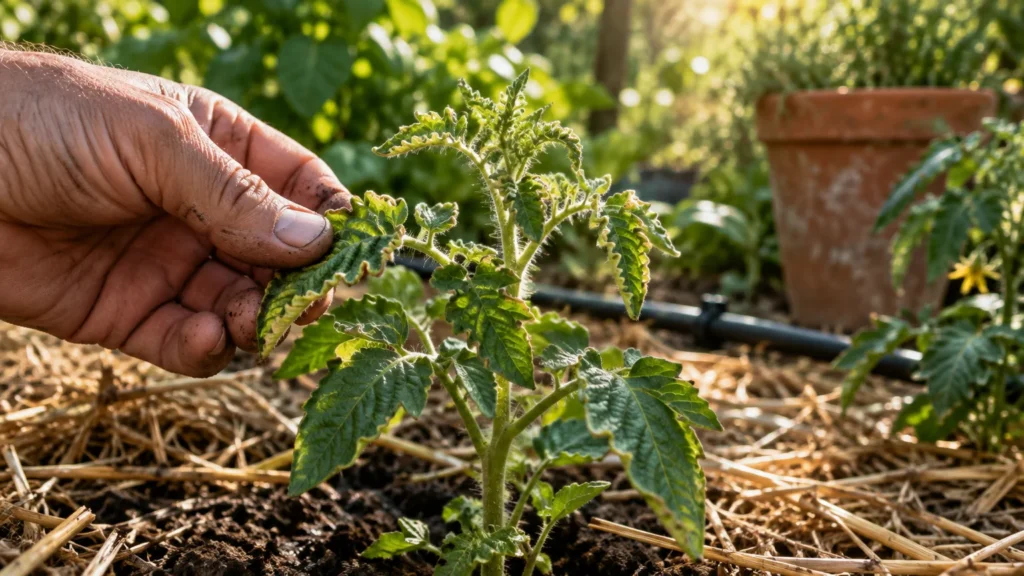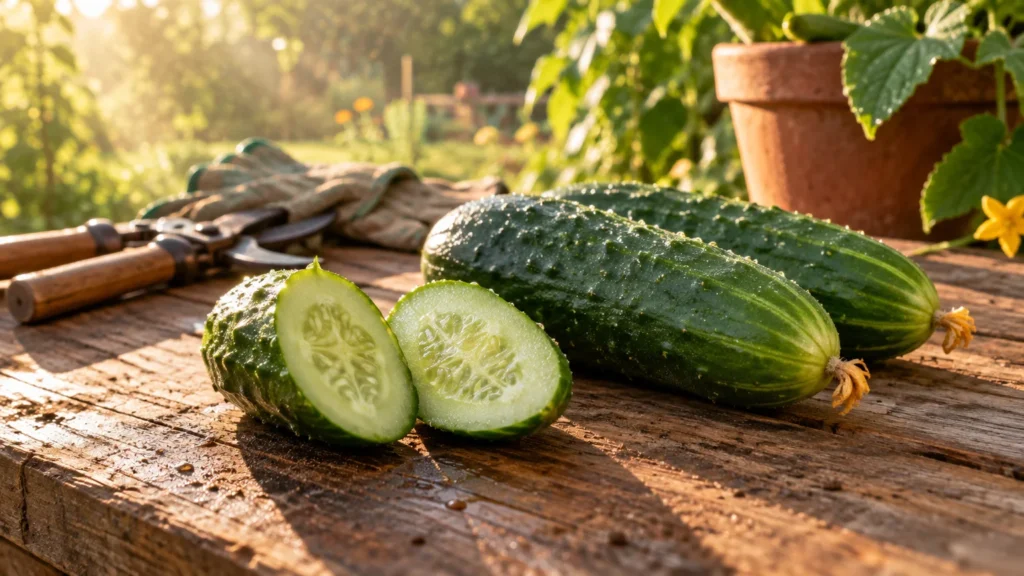
You can harvest pounds of plump, juicy berries every summer even if you only have a sunny balcony, a small patio, or a tiny suburban backyard. Modern plant breeding has yielded compact berry plants that deliver abundant fruit yields without demanding acres of orchard space. By selecting self-fertile, dwarf varieties designed for pots and small beds, you will enjoy fresh, sun-warmed fruit right outside your back door. These easy to grow berry varieties thrive in containers, fit along narrow garden borders, and offer beautiful spring blossoms along with delicious summer harvests. Selecting berry bushes for small gardens lets you cultivate high-yield fruit crops without standard orchard maintenance.
Tip #1: Sunshine Blue Blueberry
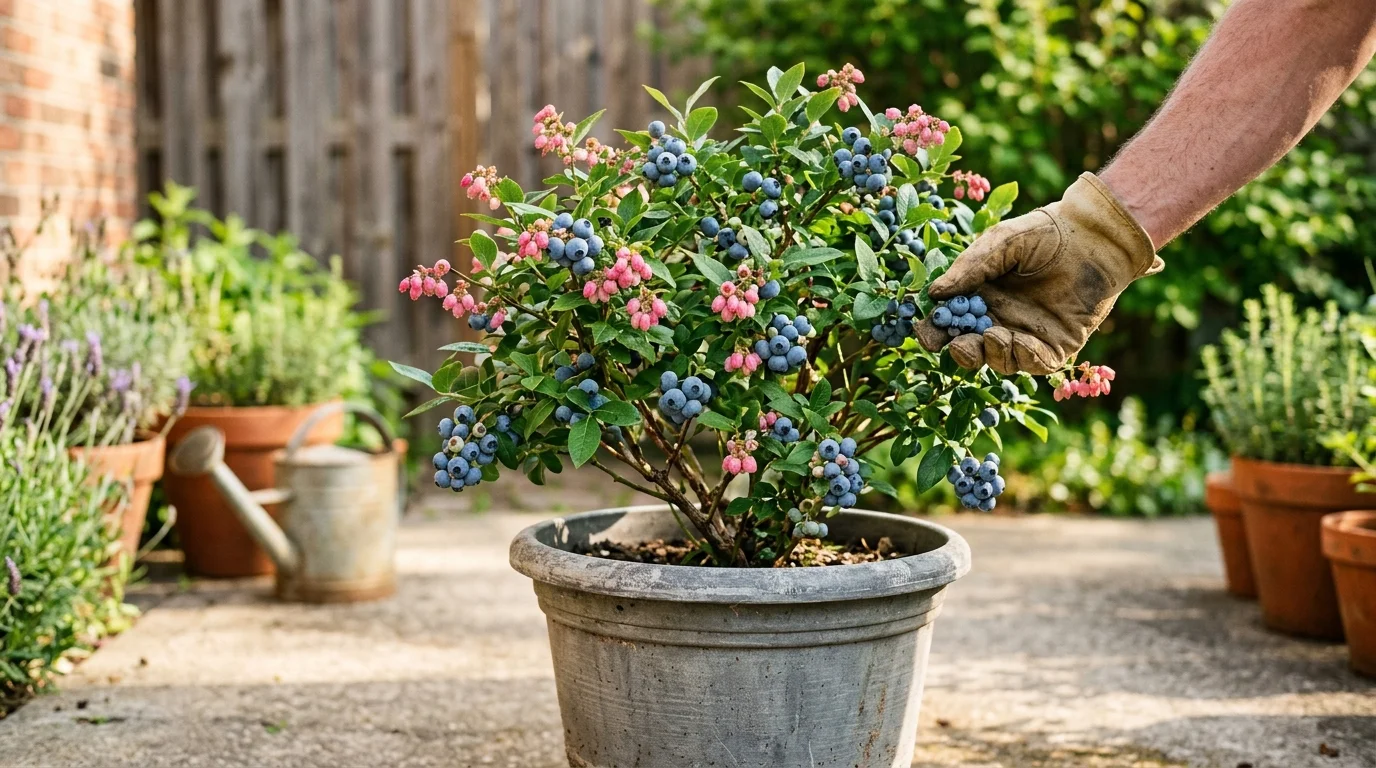
If you love fresh blueberries but lack the sprawling landscape required by traditional highbush cultivars, Sunshine Blue blueberry offers the ideal solution. This southern highbush variety reaches a compact size of just 3 to 4 feet in height and width at maturity. Unlike traditional blueberry shrubs that require vast garden plots and acidic native ground, Sunshine Blue thrives inside a 10- to 15-gallon container filled with acid-rich potting mix.
Sunshine Blue delivers exceptional yields for its manageable size, often producing 5 to 10 pounds of sweet, medium-sized fruit annually on a single bush. It features low chill-hour requirements—needing only 150 chill hours below 45 degrees Fahrenheit—making it suitable for warm southern regions while remaining cold-hardy down to USDA Zone 5. While many blueberry bushes require cross-pollination from a companion plant, Sunshine Blue is self-fertile. Planting a second bush increases your total yield, but a single container plant standing alone on a patio will still produce impressive crops.
Maintain a soil pH between 4.5 and 5.5 by mixing sphagnum peat moss into your soil mix. Water the pot thoroughly whenever the top inch of soil dries out, and feed your plant with an acid-forming, organic berry fertilizer every spring. The plant rewards you year-round with bright pink flowers in spring, deep blue summer fruit, and burgundy foliage during winter.
Tip #2: Raspberry Shortcake Raspberry
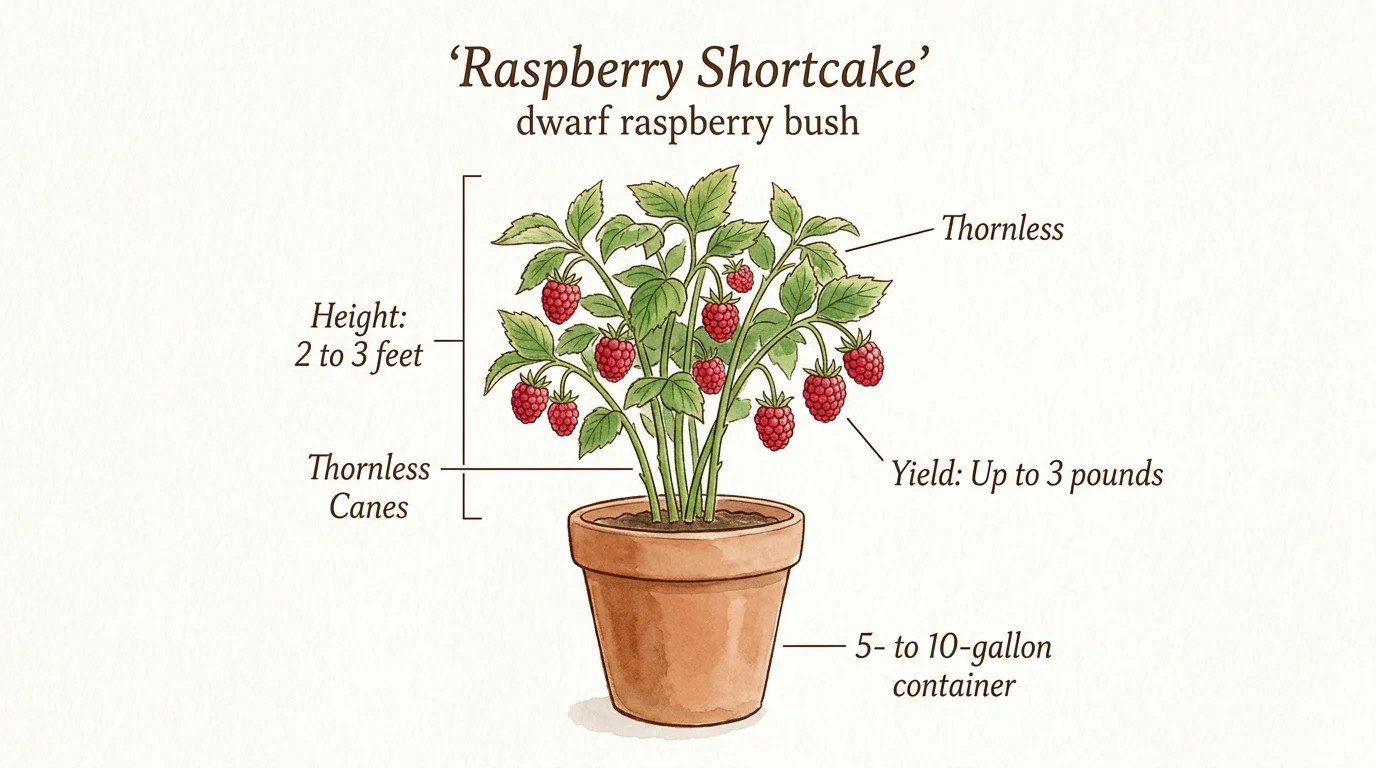
Standard raspberry plants spread rapidly through underground suckers, creating sprawling, thorny thickets that quickly overwhelm small spaces. Raspberry Shortcake raspberry transforms this invasive growth habit into an easy-to-manage, upright bush that fits neatly on a small deck or balcony. Reaching a maximum height of just 2 to 3 feet, this revolutionary dwarf variety requires no trellises, stakes, or support wires.
The standout feature of Raspberry Shortcake lies in its thornless canes. You can harvest sweet, full-sized red berries without wearing protective gloves or dodging sharp prickers. This compact shrub thrives in standard 5- to 10-gallon patio containers or small raised beds set in USDA Zones 4 through 9. It produces a heavy flush of fruit in mid-summer on second-year canes, yielding up to 3 pounds of fresh raspberries per pot.
Provide full sunlight—aim for at least 6 hours of direct sun daily—and plant in well-draining soil with a pH of 6.0 to 6.8. Keep soil consistently moist during flowering and fruit production. After harvesting in summer, prune out the older brown canes that produced fruit, leaving green young canes to bear next summer’s crop.
Tip #3: Baby Cakes Blackberry
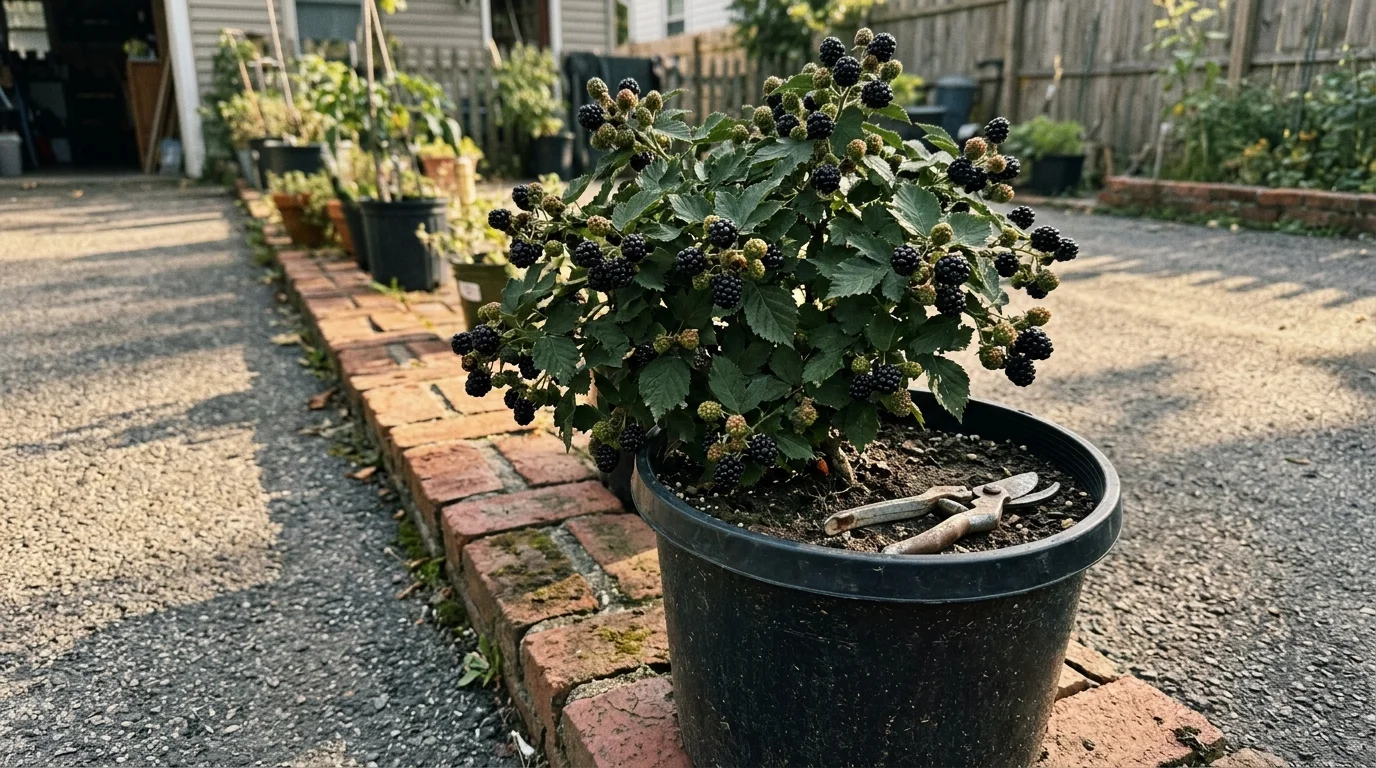
Wild blackberries are notorious for sprawling vines, aggressive runners, and painful thorns. The Baby Cakes blackberry brings all the rich flavor of wild blackberries into a tidy, dwarf shrub that grows only 3 to 4 feet tall. Designed specifically for small-space gardeners, this thornless bush grows in a dense, rounded habit that fits comfortably into a 10-gallon pot or a narrow border along your driveway.
In addition to its space-saving habit, Baby Cakes offers a unique double-cropping trait in warmer climates. In USDA Zones 4 through 8, it produces its primary harvest of large, sweet blackberries in mid-summer on second-year wood. In mild southern regions, it frequently yields a secondary crop on new growth during late autumn. The thornless nature ensures harvesting remains a pleasant, painless activity for gardeners of all ages.
Position your container in full sun and protect it from drying winds. Fill your planter with rich potting mix and keep soil pH between 6.0 and 6.5. Water regularly to keep the root system evenly damp, and apply an organic fruit fertilizer in early spring as new shoots emerge to support heavy flowering.
Tip #4: Seascape Everbearing Strawberry
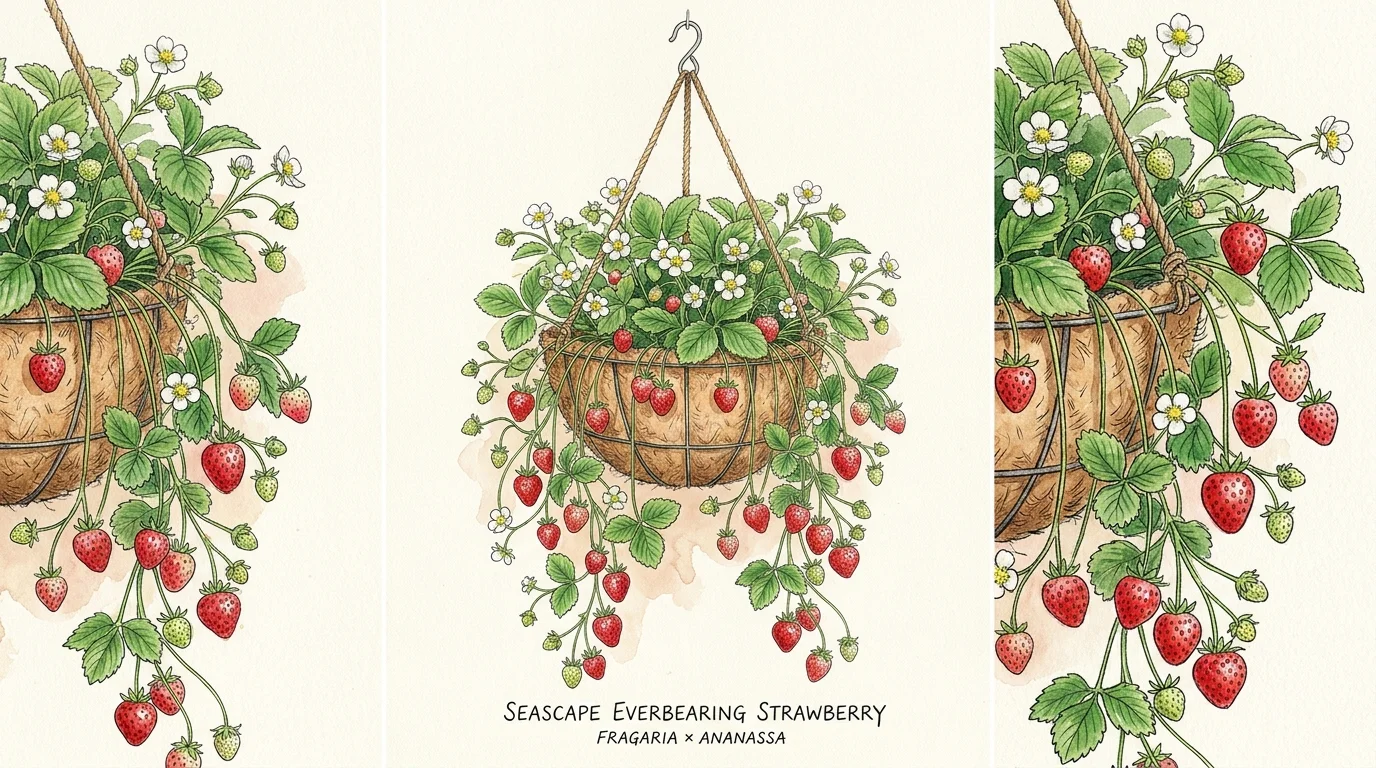
If you want continuous fresh fruit production throughout the growing season without taking up valuable ground space, Seascape everbearing strawberries are among the best berries for home gardens. While traditional June-bearing strawberries yield one heavy crop over two weeks, Seascape is a day-neutral variety that bears fruit consistently from late spring until the first winter frost. Compact plants reach only 12 inches tall and 12 inches wide, making them ideal for hanging baskets, vertical planters, and window boxes.
Seascape plants produce high yields of large, firm, brilliantly red berries known for excellent heat tolerance and sweet flavor. These plants possess high resistance to common fungal pathogens, including verticillium wilt and red stele disease, ensuring healthy growth even in humid summer conditions. Growing them in elevated containers keeps foliage off damp ground, dramatically reducing pest damage from slugs and snails.
Plant Seascape strawberries in rich potting soil maintained at a pH of 5.8 to 6.2, leaving 10 to 12 inches between individual plants. Ensure containers feature functional drainage holes. Water deeply whenever the top inch of soil feels dry, and feed every three weeks with organic liquid kelp fertilizer to sustain fruit production all summer long.
Tip #5: Jelly Bean Blueberry
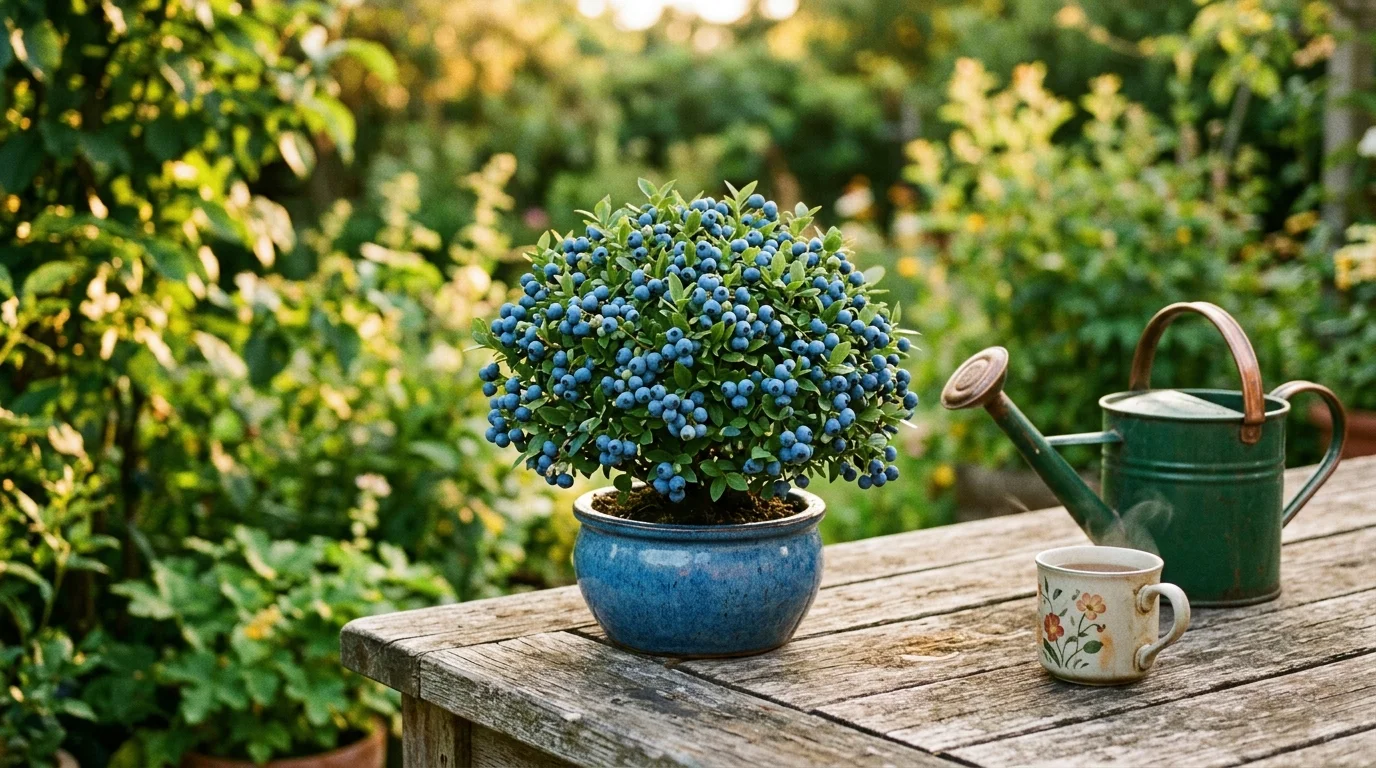
When outdoor space is exceptionally limited, Jelly Bean dwarf blueberry delivers maximum ornamental beauty and fruit output in a tiny footprint. Reaching a height and spread of only 1 to 2 feet, this ultra-compact shrub fits comfortably on a small patio table, windowsill, or tight flowerbed edge. Despite its petite scale, Jelly Bean produces prolific clusters of sweet, medium-sized blueberries in mid-summer, featuring a flavor profile reminiscent of homemade blueberry jelly.
Jelly Bean adds magnificent aesthetic value to your garden across multiple seasons. In spring, bright green leaves emerge with brilliant crimson tips alongside delicate white blossoms. Summer brings heavy clusters of deep blue fruit, and as autumn approaches, the foliage transitions into vibrant shades of deep yellow and fiery red. This multi-season appeal makes Jelly Bean an outstanding choice for edible landscaping in small urban courtyards.
Grow Jelly Bean in a 5- to 7-gallon container packed with acid-rich potting soil, maintaining a pH range between 4.5 and 5.5. Place the pot where it receives 6 to 8 hours of direct sunshine each day. Apply pine needle mulch over the soil surface to preserve root moisture and maintain acidic soil conditions naturally.
Tip #6: Consort Blackcurrant
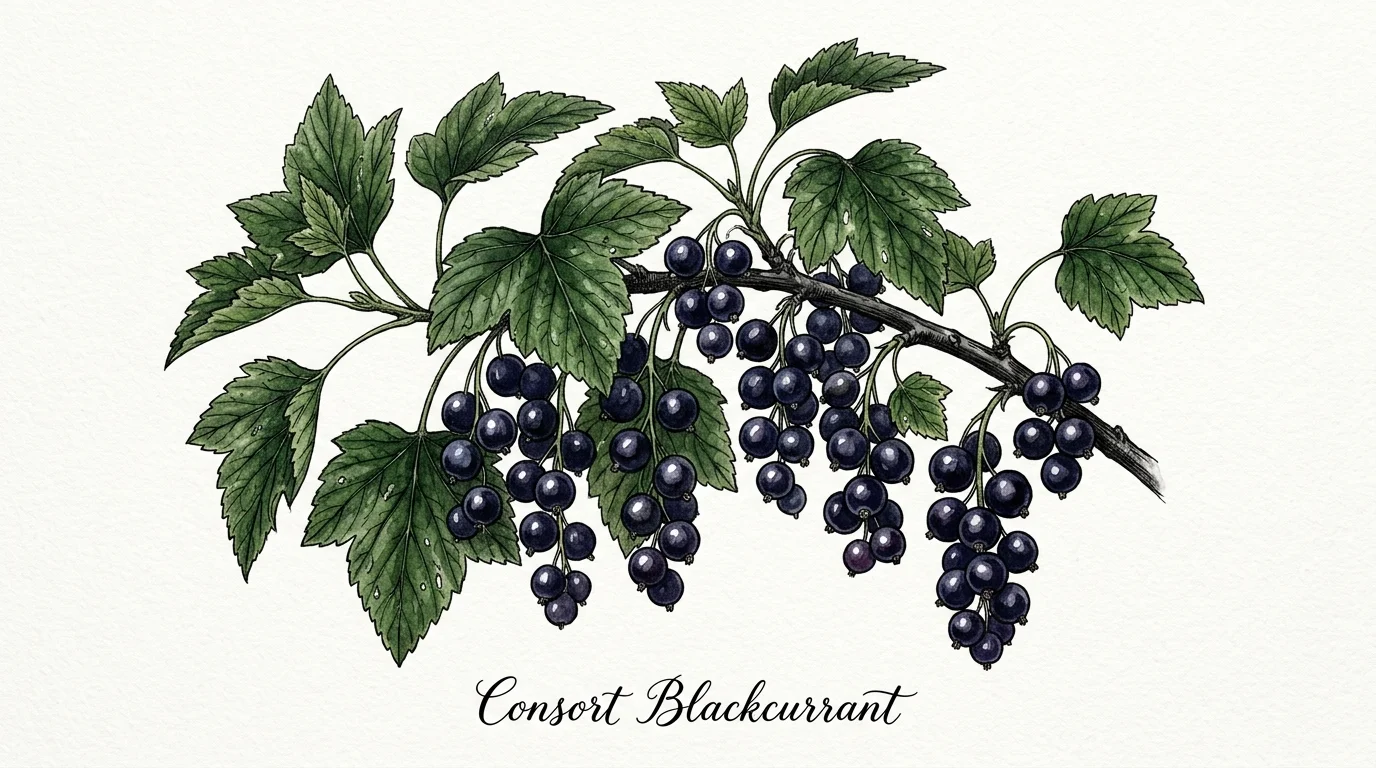
Blackcurrants are legendary in European horticulture for their rich vitamin C content and complex, aromatic flavor, yet traditional bushes require substantial space and specific climate conditions. Consort blackcurrant offers a compact, self-fertile alternative that reaches 3 to 4 feet in height and width. Unlike many fruit bushes that demand scorching, full-day sunlight, Consort thrives in partial shade, making it the perfect selection for urban gardens shaded by adjacent buildings or tall trees.
Consort was bred specifically for immune resistance to white pine blister rust, allowing gardeners to cultivate this classic berry safely. In mid-summer, the bush produces heavy pendulous strings of dark, shiny blackcurrants. While tart for raw snacking straight from the branch, these berries possess an exceptionally rich flavor profile when cooked into jams, dark syrups, tarts, and reduction sauces.
Plant Consort blackcurrant in fertile, moisture-retentive soil with a neutral pH between 6.0 and 7.0. It thrives in 10-gallon containers or directly along shady garden fences in USDA Zones 3 through 7. Water deeply during dry spells, as blackcurrants prefer damp soil, and mulch around the root base with composted bark to keep root systems cool.
Tip #7: Captivator Gooseberry
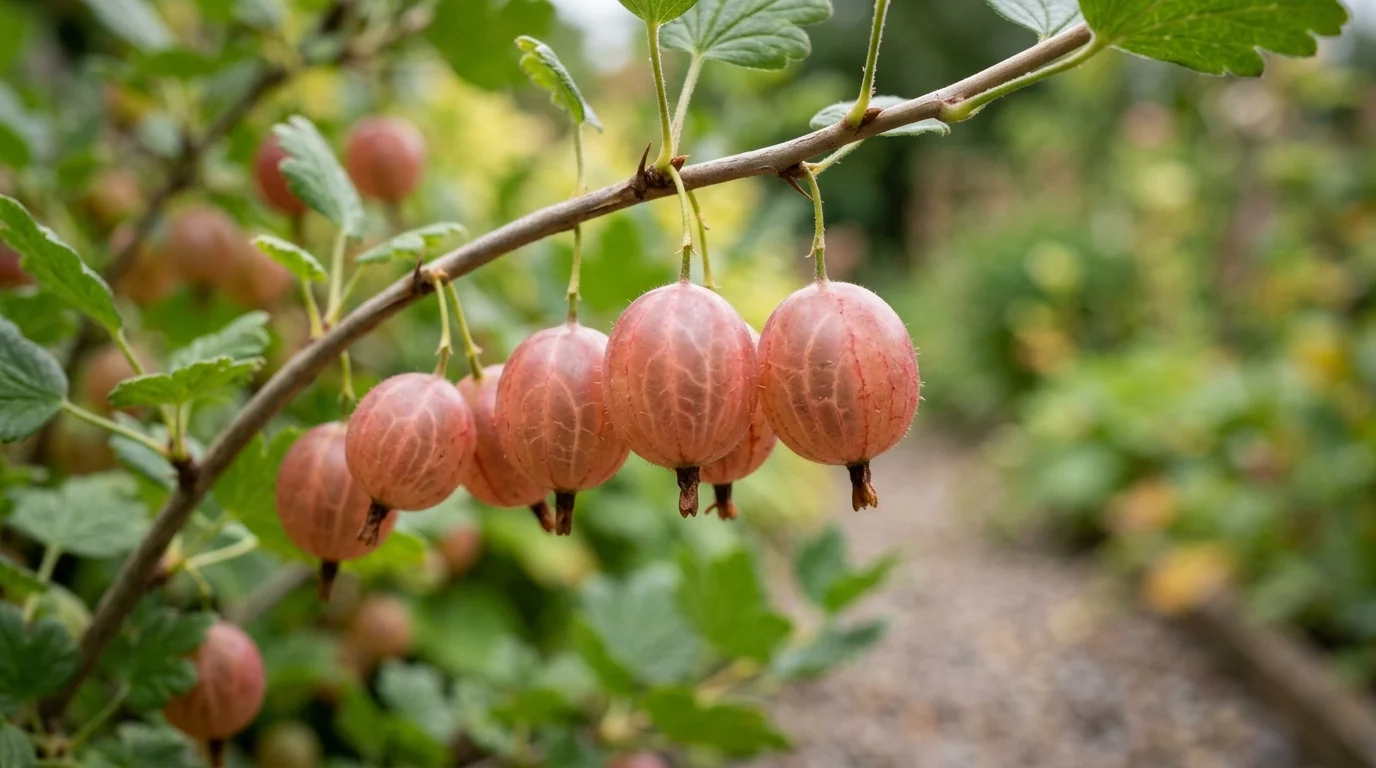
Gooseberries deserve a prominent place in small gardens, but gardeners often avoid them due to needle-sharp spines. Captivator gooseberry solves this problem by offering nearly thornless stems on a compact, upright shrub that grows only 3 feet tall and 3 feet wide. This European-American hybrid is exceptionally cold-hardy down to USDA Zone 3, standing up effortlessly to harsh winter temperatures while producing sweet berries without an orchard.
In mid-summer, Captivator yields heavy crops of teardrop-shaped berries that change from light green to translucent pinkish-red as they fully ripen. When harvested at peak ripeness, Captivator gooseberries offer a sweet, grape-like flavor ideal for fresh eating, pies, jellies, and desserts. The plant is self-fertile, meaning you need only one shrub to enjoy a full crop of gourmet fruit right on your patio.
Cultivate Captivator in a 7- to 10-gallon pot or directly in narrow garden borders. It prefers rich, well-draining soil with a pH of 6.0 to 6.8. In hot climates, position your pot where it receives morning sun and afternoon shade to prevent leaf scorch. Prune away three-year-old stems during late winter dormancy to stimulate vigorous new fruiting branches.
Tip #8: Yezberry Honeyberry
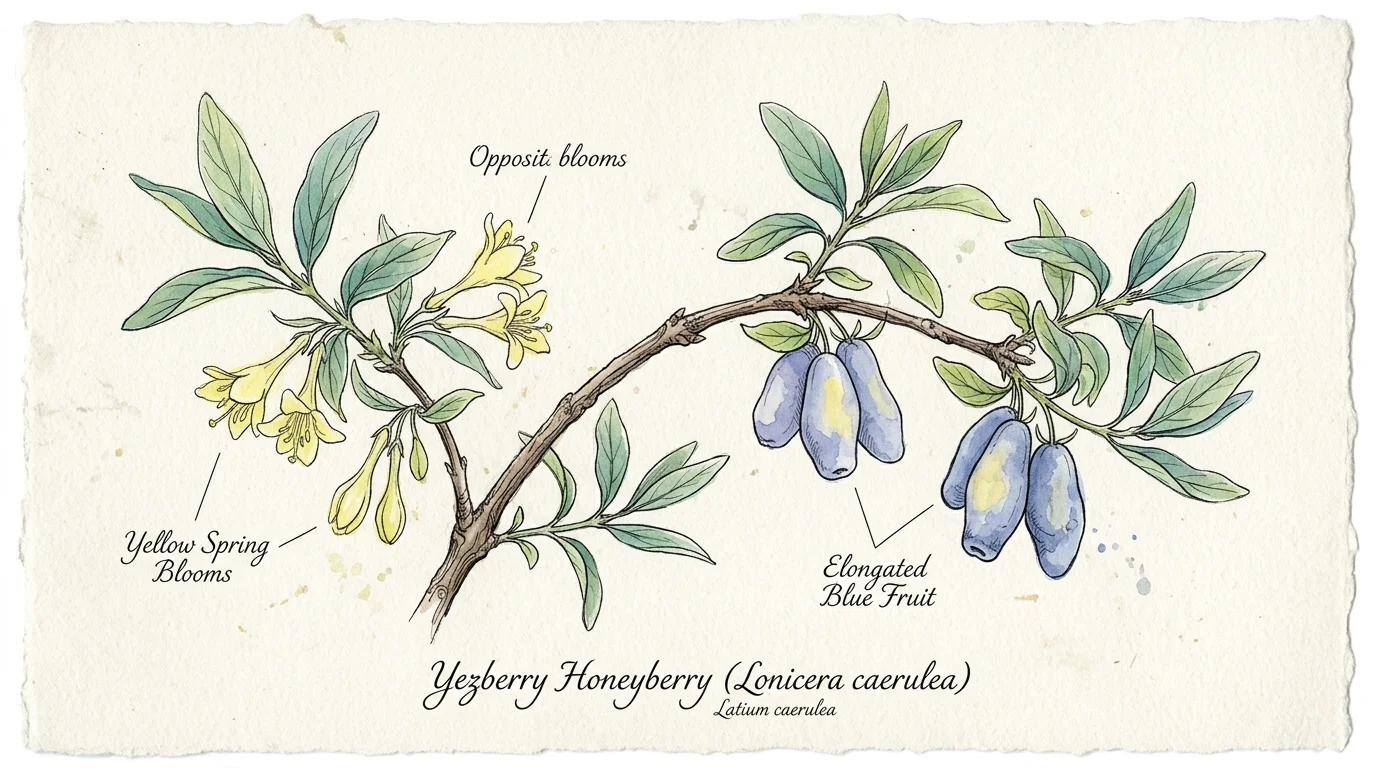
For gardeners looking for early harvests and hardiness, Yezberry honeyberry—also known as blue honeysuckle—represents an extraordinary compact fruit crop. Reaching 3 to 5 feet in height, these hardy shrubs produce sweet, juicy berries shaped like small blue cylinders. The flavor profile combines wild blueberries, raspberries, and blackberries into a single delicious fruit. Remarkably, honeyberries ripen extremely early in the season, often two weeks before the earliest strawberries are ready to harvest.
Yezberry varieties originate from Japanese breeding lines selected for compact growth, sweet flavor, and extreme cold hardiness. Surviving winter temperatures down to USDA Zone 3—tolerating minus 40 degrees Fahrenheit—honeyberries suffer from virtually no insect pests or fungal diseases, making them naturally easy to grow berry varieties. While honeyberry plants tolerate light self-pollination, planting two distinct Japanese varieties side by side in containers dramatically increases your overall berry yields.
Plant Yezberry honeyberries in 10-gallon planters filled with standard potting soil balanced at a pH between 5.5 and 7.0. Position bushes in full sun to light shade and maintain consistent soil moisture throughout the spring fruiting cycle. Honeyberries require minimal pruning during early years, making them ideal for small yards and city decks.
Putting It All Together: Enjoy Your Beautiful Garden
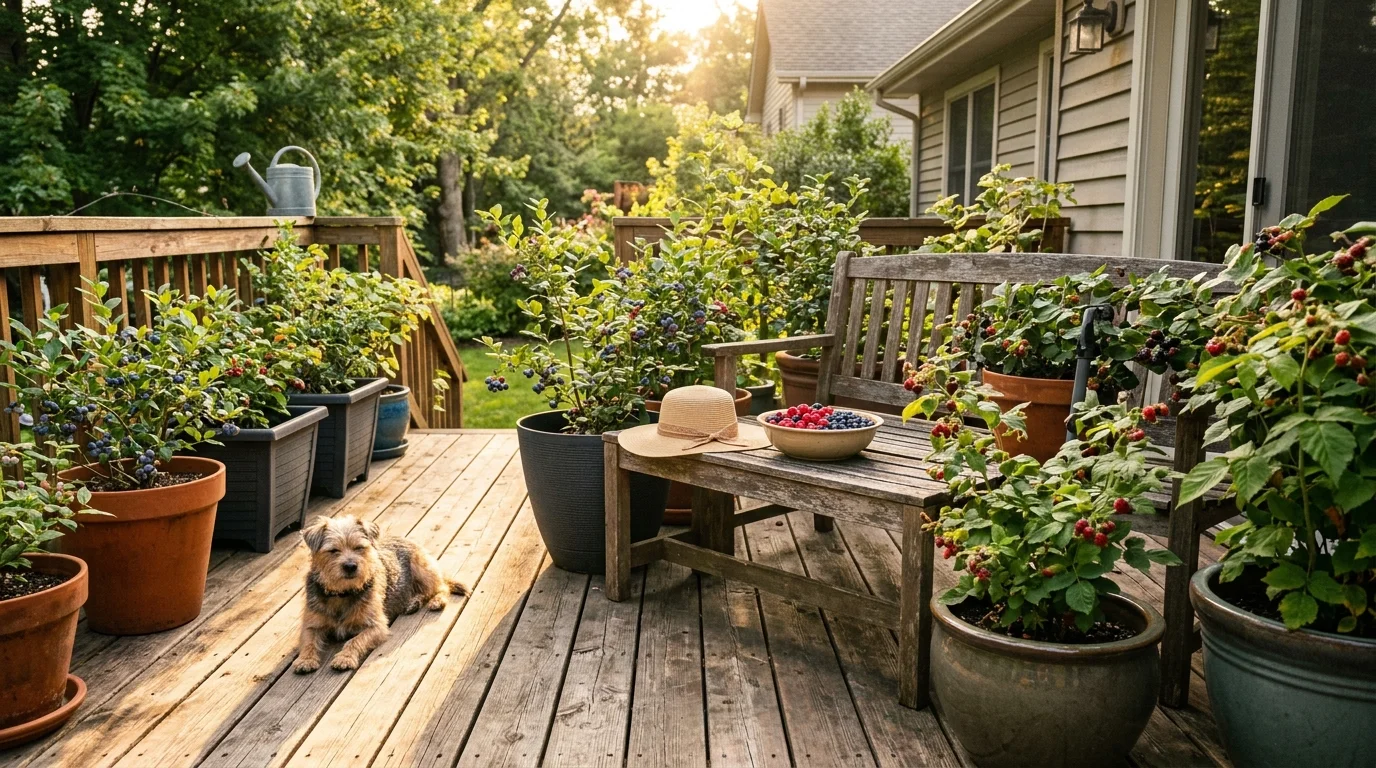
Growing fresh, organic fruit no longer requires sprawling rural farmland or rows of towering fruit trees. By selecting specialized compact berry plants tailored for small-space cultivation, you can transform a tiny balcony, concrete patio, or modest garden bed into an abundant, high-yielding edible sanctuary. Combining dwarf varieties of blueberries, raspberries, blackberries, strawberries, currants, gooseberries, and honeyberries allows you to harvest homegrown berries continuously from late spring through late autumn.
Success with container-grown berry crops depends on establishing strong foundational care. Always select durable containers with reliable drainage holes, and use high-quality potting mixes optimized for each specific plant’s pH requirements. Grouping your berry pots together creates a favorable microclimate that increases ambient humidity and attracts beneficial pollinators to your garden space. Keep your plants well-watered during summer heat spells, feed them with balanced organic fertilizers during blooming stages, and protect root systems in winter by insulating pots in cold northern climates.
Starting your small-scale fruit garden yields rapid rewards. Within the very first season, you will enjoy vibrant spring blossoms, lush foliage, and delicious, sun-ripened berries harvested steps away from your kitchen table. Pick your favorite varieties from this list, set up your container garden today, and experience the immense joy of harvesting fresh fruit right outside your back door.
Frequently Asked Questions
Can I keep compact berry plants outdoors during winter?
Yes, compact berry bushes are cold-hardy perennials that require a winter dormant period to produce fruit the following year. However, plant roots grown inside containers are more vulnerable to freezing temperatures than roots protected underground. If you live in USDA Zone 5 or colder, protect your potted berry plants during extreme winter cold by wrapping containers in burlap, moving them into an unheated garage, or grouping pots against a warm building wall.
Do dwarf berry bushes produce fruit as fast as full-sized varieties?
Yes, many compact berry plants begin producing fruit faster than traditional varieties. Most container-ready dwarf berries—such as Raspberry Shortcake and Baby Cakes—yield fruit during their first or second year after planting. Because breeders select these varieties specifically for container performance, plants channel their energy quickly into fruit production rather than building extensive wood branches.
How often should I water berry plants growing in pots?
Container-grown berry plants dry out faster than plants set in open garden soil. During warm spring weather, water your pots two to three times per week. When summer temperatures climb above 85 degrees Fahrenheit, check your containers daily and water thoroughly whenever the top inch of soil feels dry. Mulching the top of your pots with wood chips or straw helps retain soil moisture.
Do I need special fertilizer for potted berry bushes?
Because regular watering leaches soil nutrients out through container drainage holes, potted berries benefit from steady feeding during the active growing season. Use an organic slow-release granular fertilizer in early spring. For acid-loving plants like blueberries, choose a fertilizer formulated specifically for acid-loving shrubs. Supplement with organic liquid seaweed or fish emulsion every few weeks while fruit is developing.
For region-specific advice, consult your local University Extension program (find yours via the USDA directory). For plant databases and inspiration, visit the Missouri Botanical Garden or the Royal Horticultural Society.
Disclaimer: This article provides general gardening advice. Always consider your specific climate, soil conditions, and local pests. Follow safety guidelines when using gardening tools and products.