Starting your garden from seed gives you access to thousands of unique plant varieties while saving you significant money every spring. Many popular vegetables and flowers require long growing seasons and develop slowly during their initial weeks of growth. If you sow these slow-growing seeds directly into outdoor soil after the last frost, you will wait until late autumn before harvesting a single crop. By mastering your indoor seed starting timeline, you take full control over your growing calendar, protect fragile seedlings from late spring frosts, and build strong root systems that guarantee lush, productive plants all summer long.
Tip #1: Tomatoes
Tomatoes remain the undisputed favorite in home gardens, but their long growth cycle requires early indoor preparation. You should start tomato seeds indoors 6 to 8 weeks before your local average last spring frost date. Starting seeds too early creates leggy, root-bound plants that struggle upon transplanting, while starting them too late delays your summer harvest by crucial weeks. When searching for the best seeds to start early indoors, slicer, cherry, and heirloom tomato varieties top the list.
Maintain a constant soil temperature between 70°F and 85°F to achieve fast, uniform germination within 5 to 8 days. Standard seed-starting mix offers the light, airy texture delicate initial roots need to expand without resistance. Place your seedling trays directly beneath bright, full-spectrum LED or T5 fluorescent grow lights for 14 to 16 hours each day. Keeping light fixtures just 2 to 3 inches above the tops of seedlings prevents stems from stretching thin.
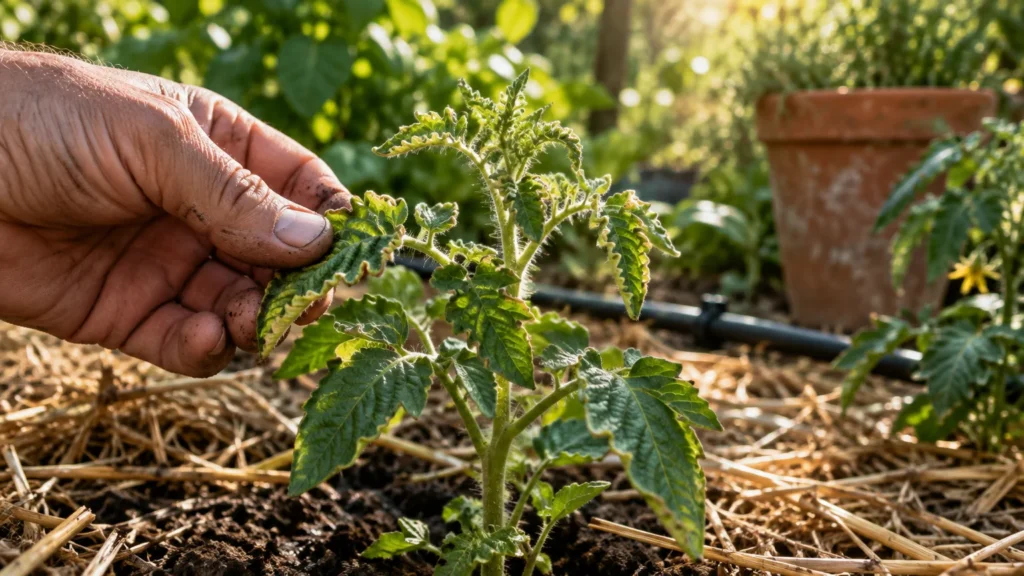
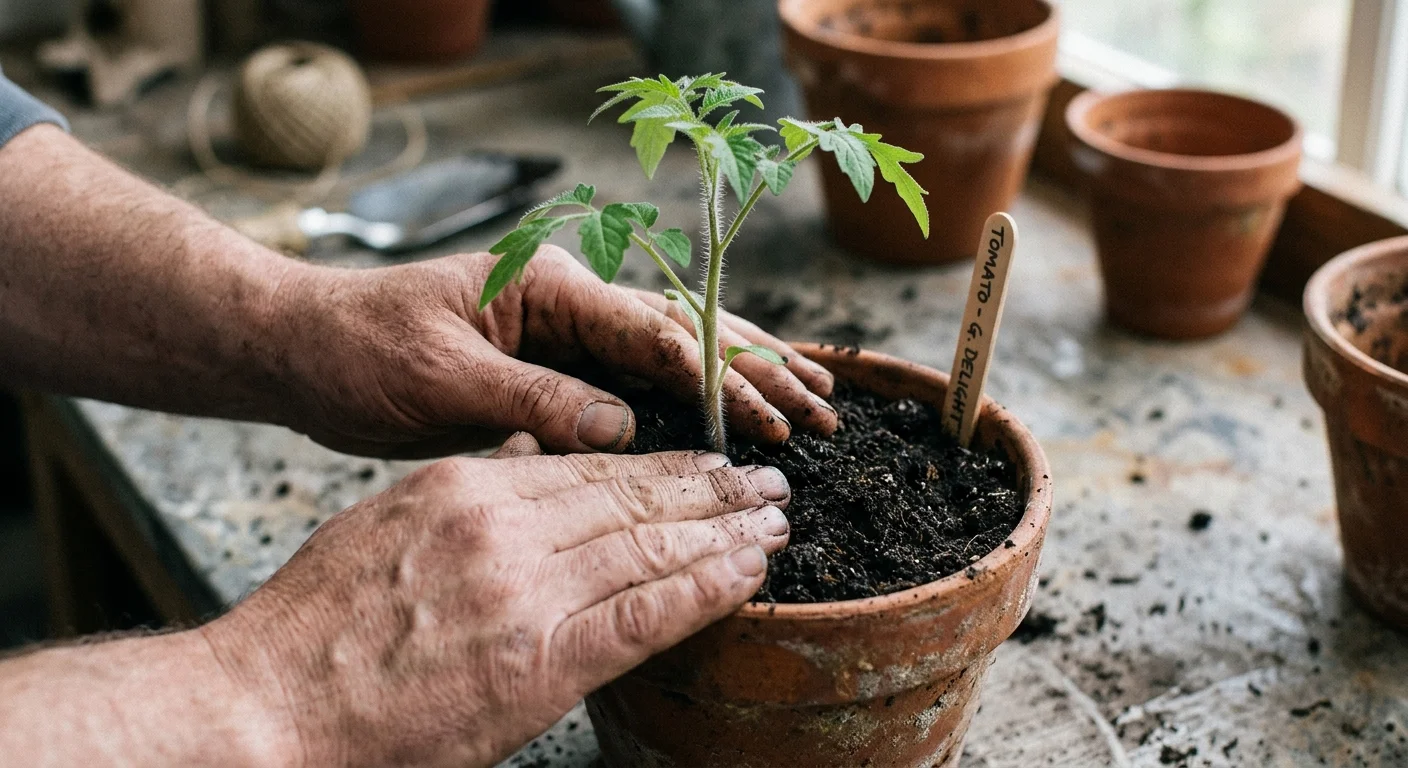
When your tomato seedlings develop their first set of true leaves, pot them up into larger 4-inch containers. Bury the lower stems deep into the soil mix, leaving only the top leaves exposed. Tomato stems possess adventitious roots, which sprout along any buried portion of the stem—this simple technique creates an extensive root system capable of absorbing water and nutrients efficiently once moved outdoors.
Tip #2: Sweet and Hot Peppers
Peppers demand an extra head start compared to tomatoes because they germinate slowly and develop at a measured pace during early spring. Start pepper seeds indoors 8 to 12 weeks before your average last frost date. Hot pepper varieties—including Habanero, Ghost Pepper, and Scotch Bonnet—take exceptionally long to mature and benefit from maximum indoor growing time; starting seeds to start indoors before transplanting ensures strong fruit production later in the season.
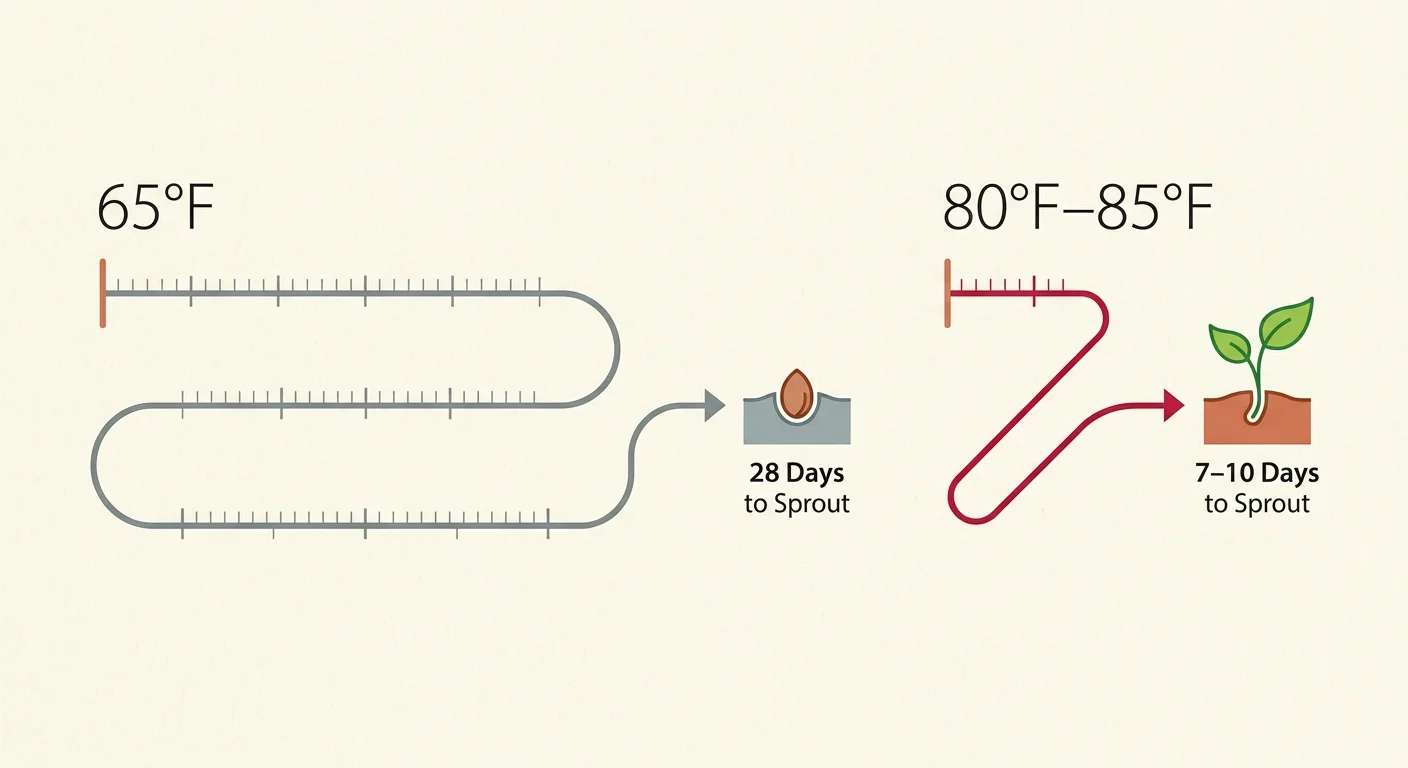
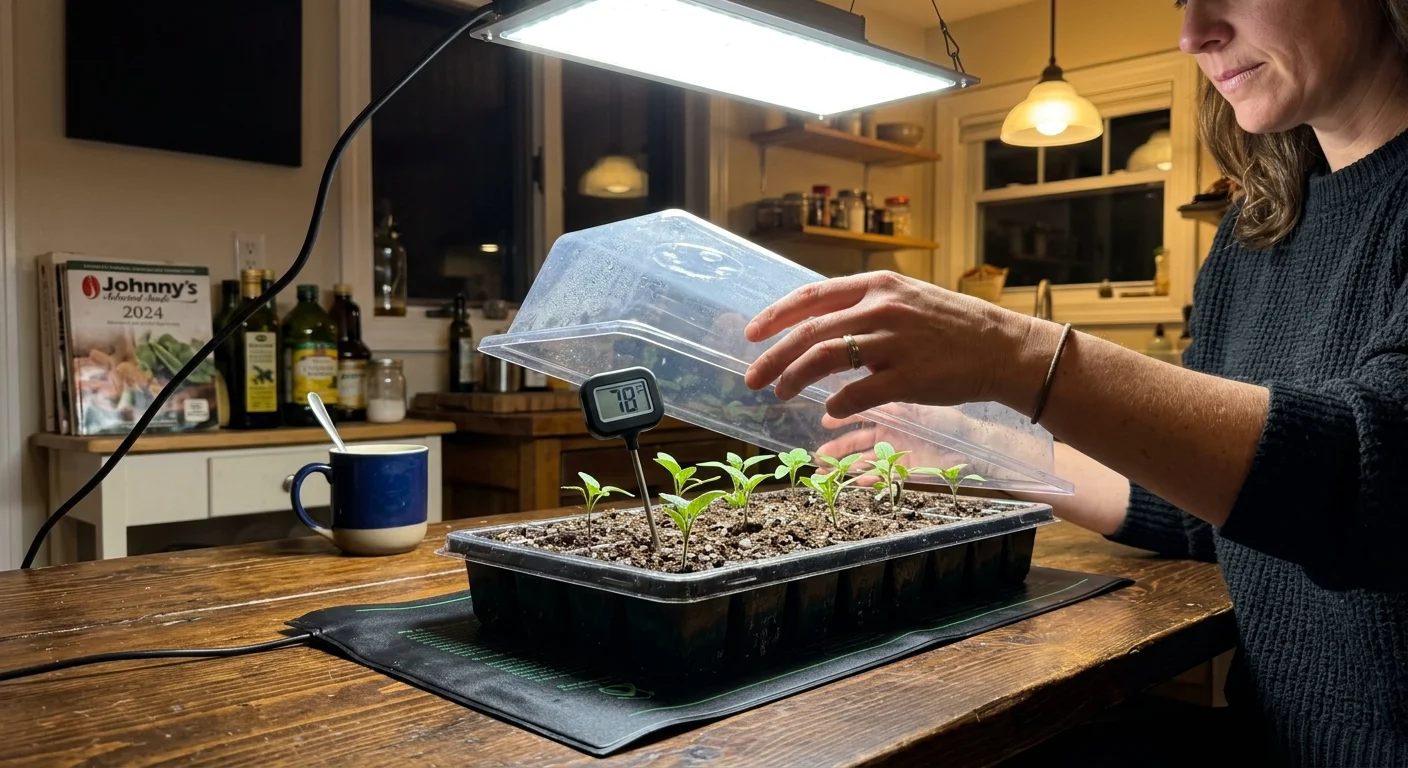
Heat plays a decisive role in pepper germination success. Soil sitting at 65°F forces pepper seeds to take up to 28 days to sprout, increasing the risk of seed rot in cool medium. Raising soil temperature to 80°F–85°F using a waterproof heating mat cuts germination time down to 7–10 days. Keep soil moist using a gentle bottom-watering method so you do not disturb fragile, emerging seedlings.
Once sprouts surface, provide bright grow lights and gentle air movement using a small oscillating fan set to low speed. Air circulation creates physical stress that signals the plant to produce thick, strong stems. As pepper plants grow, apply a half-strength liquid kelp or fish emulsion fertilizer every two weeks. This steady nutrient delivery encourages stout foliage and strong stem walls before outdoor transplanting.
Tip #3: Eggplants
Eggplants thrive in heat and sulk at the slightest chill, making them prime candidates for early indoor starting. Start eggplant seeds 8 to 10 weeks before your final spring frost. Because eggplants suffer severe growth stunting if exposed to ambient air temperatures below 50°F, keep them indoors until early summer soil temperatures register at least 65°F.
Sow seeds one-quarter inch deep into warm, pre-moistened seed-starting medium. Eggplants require consistent soil temperatures of 75°F to 85°F to sprout within 7 to 14 days. Cold soil often causes seed failure before germination occurs. Once seedlings emerge, place them under grow lights on a strict 16-hour daily cycle. Eggplant foliage absorbs intense light eagerly, producing sturdy purple-green stems and broad, healthy leaves.
Pay careful attention to root health during indoor cultivation. Eggplants dislike root disturbance, so grow them in biodegradable paper pots, soil blocks, or deep plug cells that allow seamless transplanting. Maintain consistent moisture without waterlogging the roots to avoid fungal issues like damping-off. Continuous warmth, high light intensity, and balanced moisture ensure your eggplants enter the garden robust and ready to bloom.
Tip #4: Celery and Celeriac
Celery and its root-crop counterpart, celeriac, are notoriously slow starters that require up to 120 days from sowing to reach harvest maturity. To secure crisp stalks or tender roots before autumn cold sets in, start celery seeds indoors 10 to 12 weeks before your average last frost date. Following a dedicated seed starting guide for gardeners ensures you give these delicate crops the early attention they need.
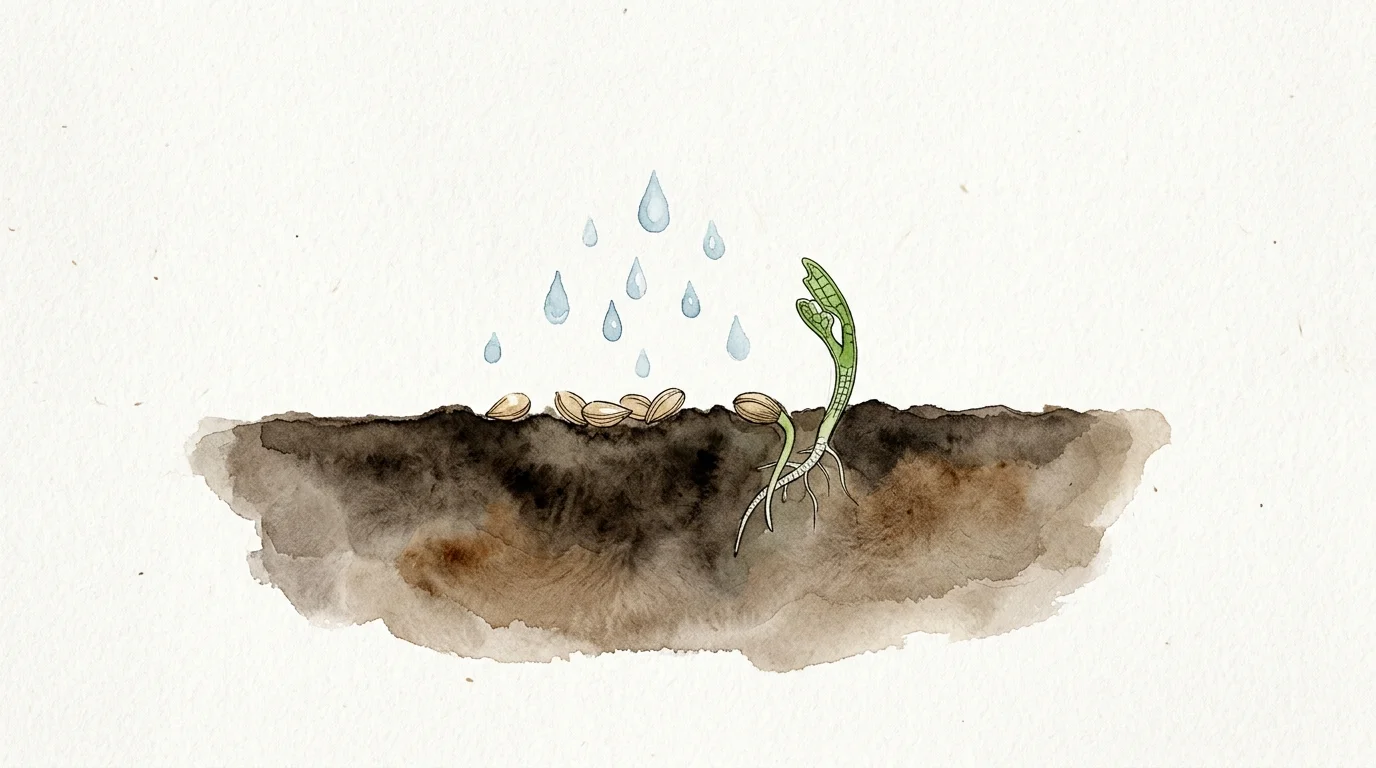
Celery seeds are tiny and require direct light to break dormancy. Gently press seeds onto the surface of damp potting soil without covering them. Water trays from below or use a fine spray mister to keep the soil surface continuously moist without dislodging seeds. Germination requires patience, taking 14 to 21 days at ambient temperatures around 65°F to 70°F.
Once seeds germinate, keep growing areas cool and bright. Celery prefers ambient temperatures near 60°F to 65°F post-germination, as warmer conditions lead to weak, spindly growth. Thin seedlings so each plant retains two inches of individual space for air movement. Applying a diluted nitrogen-rich liquid fertilizer every ten days keeps celery stalks vibrant, thick, and resilient for early spring garden planting.
Tip #5: Lavender
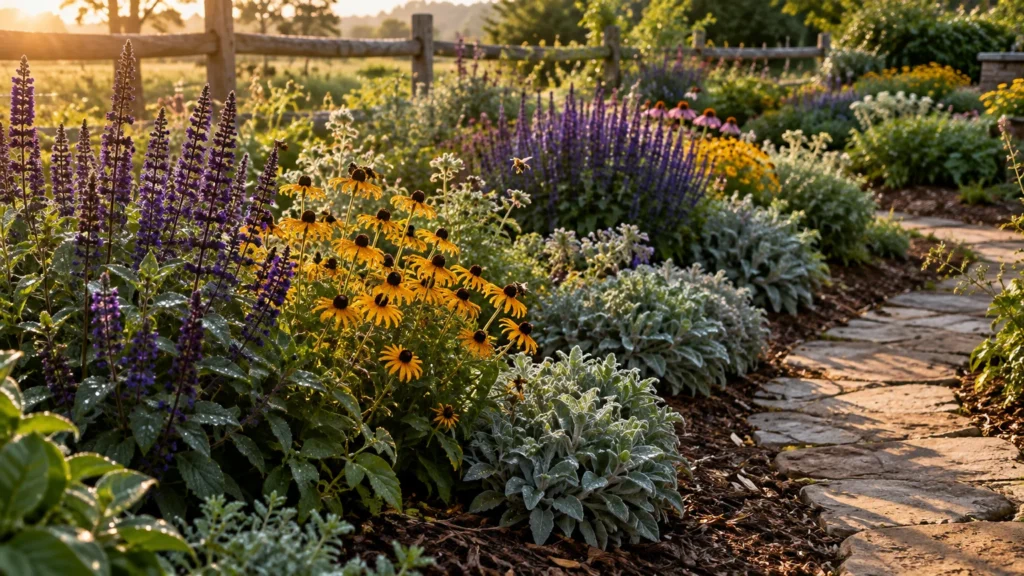
Lavender adds fragrant beauty, pollinator attraction, and silver-green foliage to garden borders, but growing this perennial from seed requires patience. Lavender seeds feature dense outer hulls and variable germination rates, making direct outdoor sowing unreliable. Starting seeds indoors 10 to 12 weeks before your last spring frost yields sturdy, bushy transplants ready for outdoor establishment.
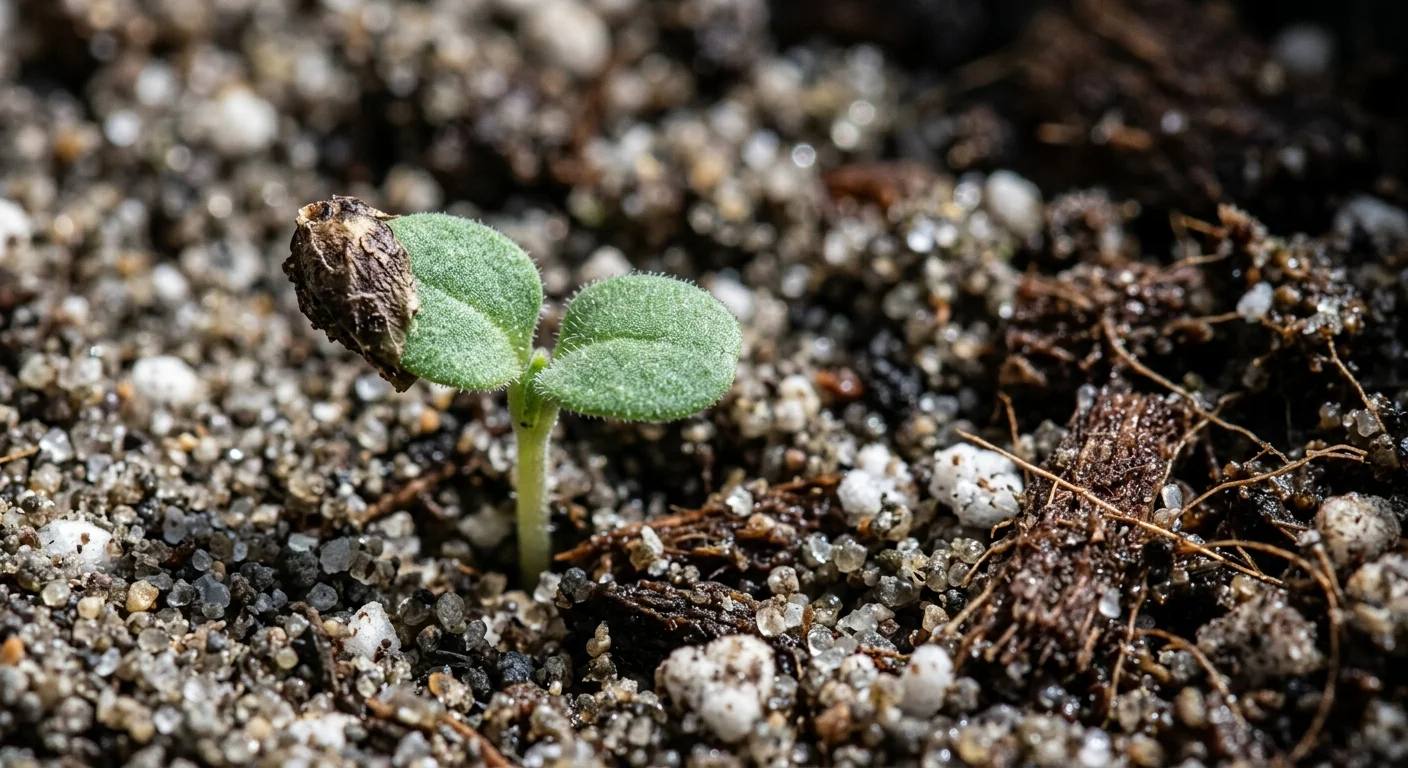
Achieve higher germination rates by subjecting lavender seeds to cold stratification. Mix seeds with damp sand or place them inside moist paper towels within a sealed bag, then refrigerate them for 2 to 3 weeks. This chilling process simulates winter conditions and breaks seed dormancy. After stratification, scatter seeds thinly over a well-draining mix containing perlite or coarse sand, pressing them lightly into the surface.
Provide steady heat around 70°F and bright light. Lavender seeds sprout slowly over 14 to 28 days. Once seedlings develop true leaves, water sparingly from the bottom and allow the top layer of potting mix to dry between waterings. Lavender roots rot easily in damp soil, so sharp drainage is essential. Pinch back top shoots when seedlings reach three inches tall to encourage dense branching.
Tip #6: Onions and Leeks
Onions and leeks require an extended juvenile growth phase before they begin swelling their bulbs or thickening their lower stalks. Starting alliums from seed 10 to 12 weeks before your last spring frost gives you complete freedom to select specialized long-day, short-day, or day-neutral varieties rarely stocked at local nurseries.
Sow onion and leek seeds thickly in flat nursery trays filled with nutrient-rich compost mix. Space seeds one-quarter inch deep and maintain soil temperatures around 65°F to 70°F. Green thread-like shoots break the surface within 7 to 12 days. As these thin green blades grow taller, they often become floppy under interior grow lights.
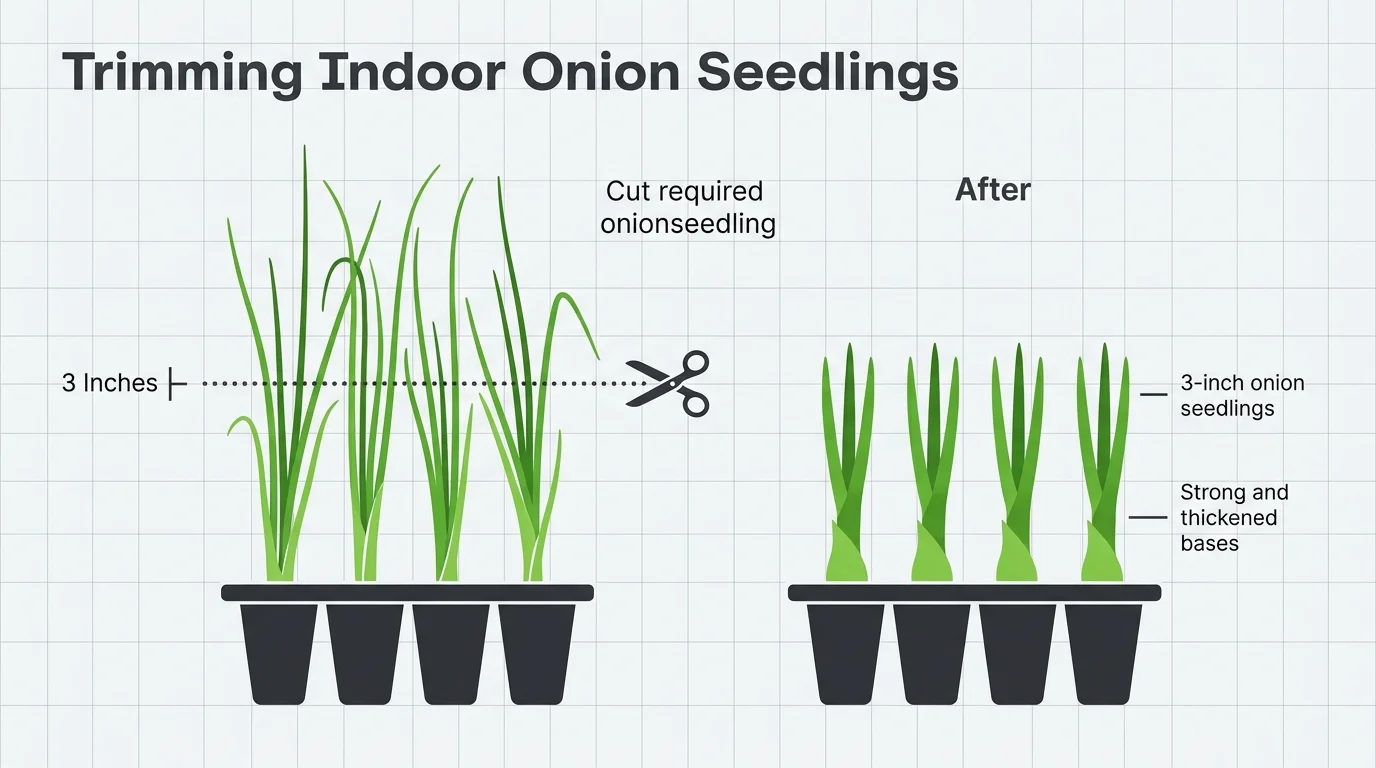
Manage allium seedlings by giving them regular trims with clean shears. Whenever green shoots reach five inches in height, trim them back to roughly three inches. Trimming forces the plant to direct its energy into building stout stems and dense root systems rather than weak top growth. Because alliums tolerate light frost easily, you can transplant these sturdy shoots into garden beds up to four weeks before your last spring frost date.
Tip #7: Pansies and Violas
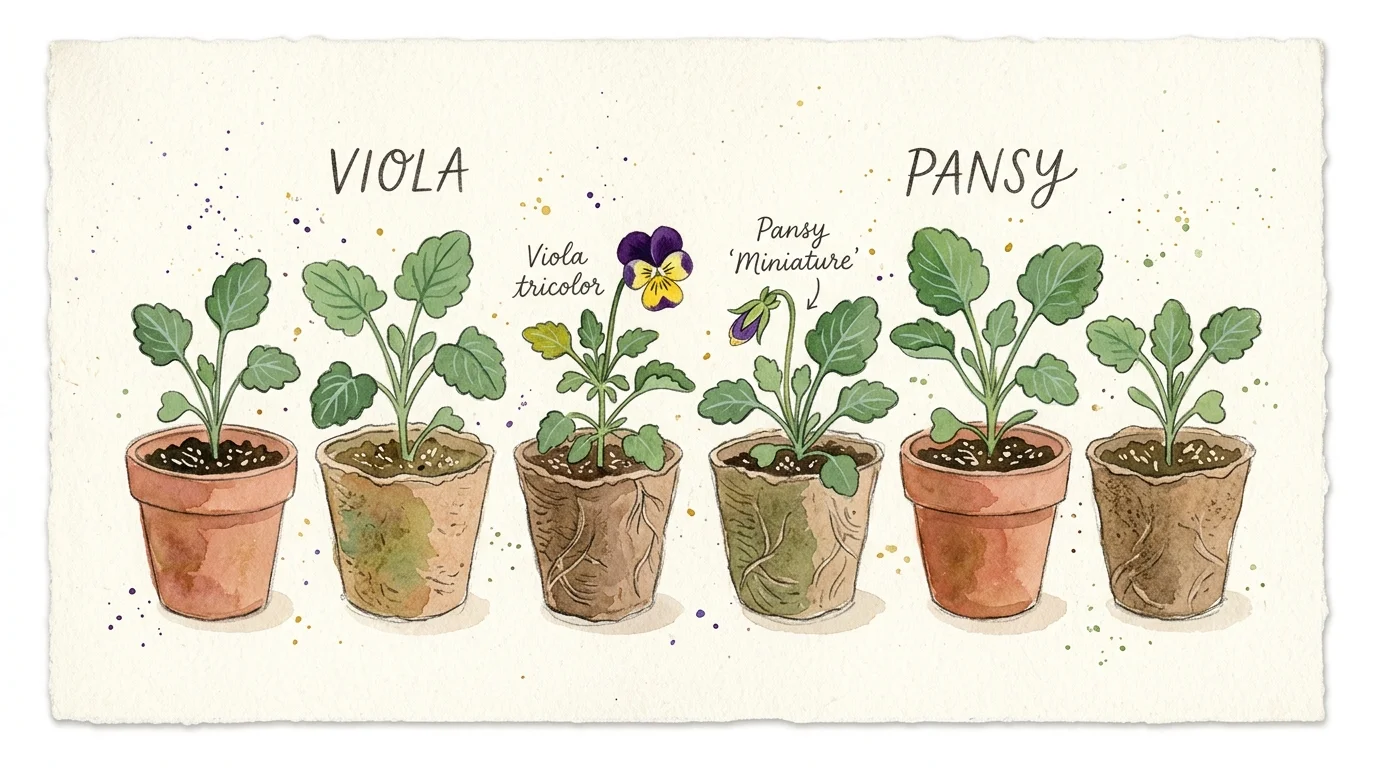
Pansies and violas bring bright early-season color to flower beds and containers while most landscape plants remain dormant. Because these cool-season flowers handle spring freezes with ease, you want blooming-sized plants ready early in the season. Understanding when to start seeds indoors allows you to sow pansy and viola seeds 10 to 12 weeks before your average last spring frost date.
Unlike most flowering annuals, pansy and viola seeds germinate best in complete darkness. Cover seeds one-eighth inch deep with moist soil, shade the tray using dark plastic or cardboard, and maintain cool temperatures between 60°F and 65°F. Check seed trays daily, removing the dark covering immediately when green shoots break through the soil, usually within 10 to 14 days.
Place sprouted seedlings beneath bright lights in a cool room, as ambient heat above 70°F causes weak, leggy stems. Maintain balanced soil moisture and feed seedlings every two weeks with a mild liquid flower fertilizer. Early indoor starts build stocky, multi-stemmed plants loaded with flower buds, ready to provide vibrant spring color weeks ahead of warm-weather annuals.
Putting It All Together: Enjoy Your Beautiful Garden
Mastering early indoor seed starting expands your plant choices, lowers gardening costs, and ensures robust harvests throughout the growing season. By providing extra lead time for tomatoes, peppers, eggplants, celery, lavender, alliums, and pansies, you give slow-maturing varieties the exact foundation they require to excel outdoors. Pay close attention to unique germination temperature preferences, supply generous light, and maintain consistent soil moisture for early growth success.
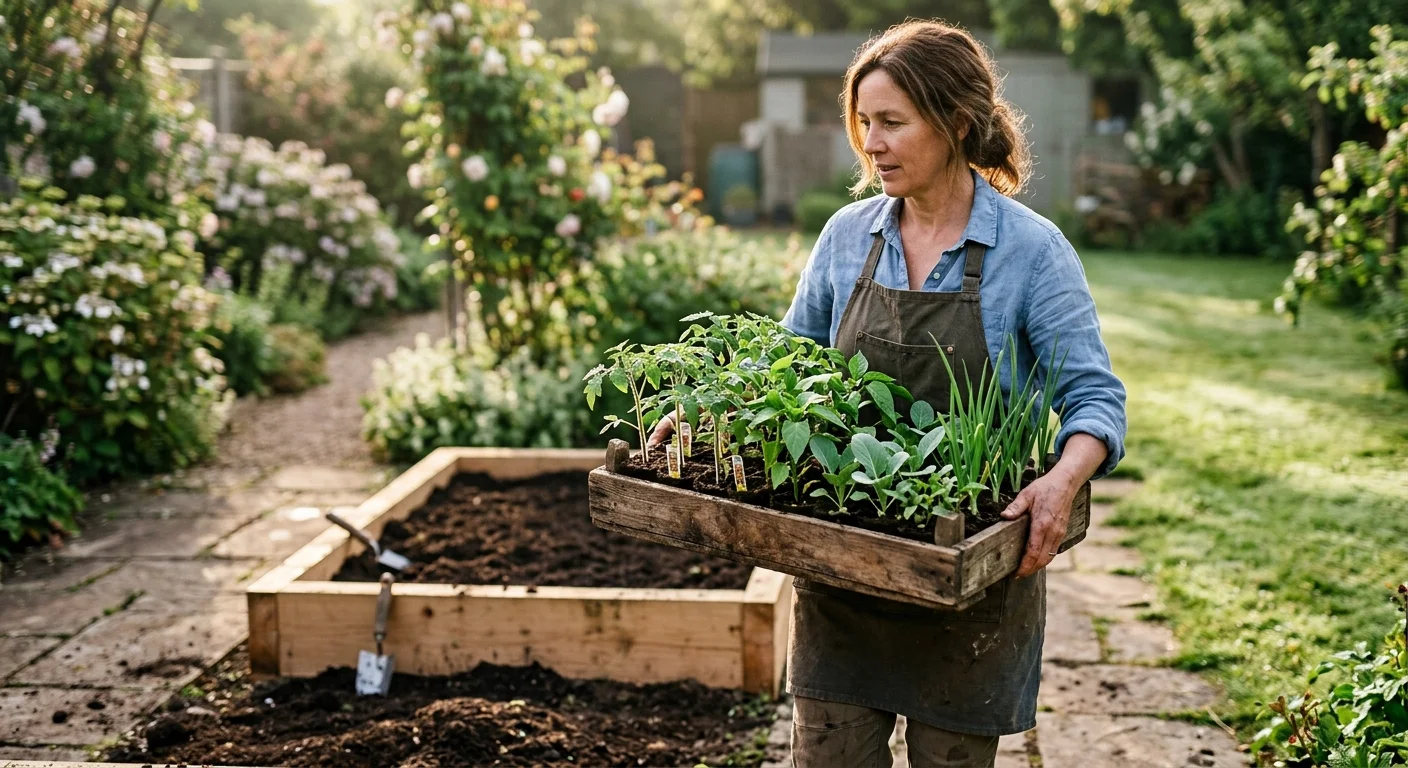
Before planting young seedlings outdoors, spend 7 to 10 days hardening them off. Move plants outdoors into partial shade for a few hours daily, gradually increasing their exposure to direct sun, wind, and cool night air over a week. This vital transition period thickens leaf tissues, strengthens stems, and eliminates transplant shock. With proper timing and thoughtful care, your early indoor starts will reward you with a heavy-yielding garden that produces continuously all season long.
For region-specific advice, consult your local University Extension program (find yours via the USDA directory). For plant databases and inspiration, visit the Missouri Botanical Garden or the Royal Horticultural Society.
Frequently Asked Questions
When should I start seeds indoors before transplanting?
Your exact seed-starting schedule depends on your local average last spring frost date and plant species. Slow-growing vegetables and perennials require 6 to 12 weeks of indoor growth before outdoor transplanting. Check your seed packet guidelines, calculate backward from your expected spring frost date, and sow seeds accordingly.
What lighting setup works best for seeds to start indoors before transplanting?
Full-spectrum LED or T5 fluorescent grow lights supply the high light intensity seedlings need to develop compact, sturdy stems. Standard sunny windows rarely deliver sufficient natural sunlight during late winter, leading to stretched, leggy plants. Keep grow lights positioned 2 to 3 inches above plant tops for 14 to 16 hours daily.
How do I prevent damping-off disease in young seedlings?
Prevent damping-off by planting in fresh, sterile seed-starting mix using clean containers. Avoid overwatering by bottom-watering trays, allowing the top soil surface to remain slightly dry. Run a small oscillating fan on low near your seedling trays to improve air circulation and reduce fungal disease risks.
How do I know when seedlings are ready for outdoor transplanting?
Seedlings are ready for transplanting when they form at least two to three sets of true leaves, establish strong roots filling their containers, and undergo a full 7 to 10-day hardening off process. Ensure outdoor soil temperatures meet the growth requirements for each specific plant before transplanting.
Disclaimer: This article provides general gardening advice. Always consider your specific climate, soil conditions, and local pests. Follow safety guidelines when using gardening tools and products.