You can harvest crisp vegetables weeks before spring arrives and long after autumn chills settle in. Mastering simple season extension techniques gives you reliable control over your harvest timeline.
Protective barriers and thoughtful soil preparation buffer delicate roots against unpredictable freezes. These practical methods transform unpredictable shoulder seasons into your most productive growing periods.
Whether you want to grow vegetables longer or beat late frosts, these actionable solutions will keep your beds thriving. Here is how you can expand your growing calendar with total confidence.
Tip #1: Install Floating Row Covers for Instant Frost Defense
Floating row covers offer lightweight, woven fabric that drapes over garden beds to trap radiant soil heat. They provide immediate gardening frost protection during sudden seasonal cold snaps.
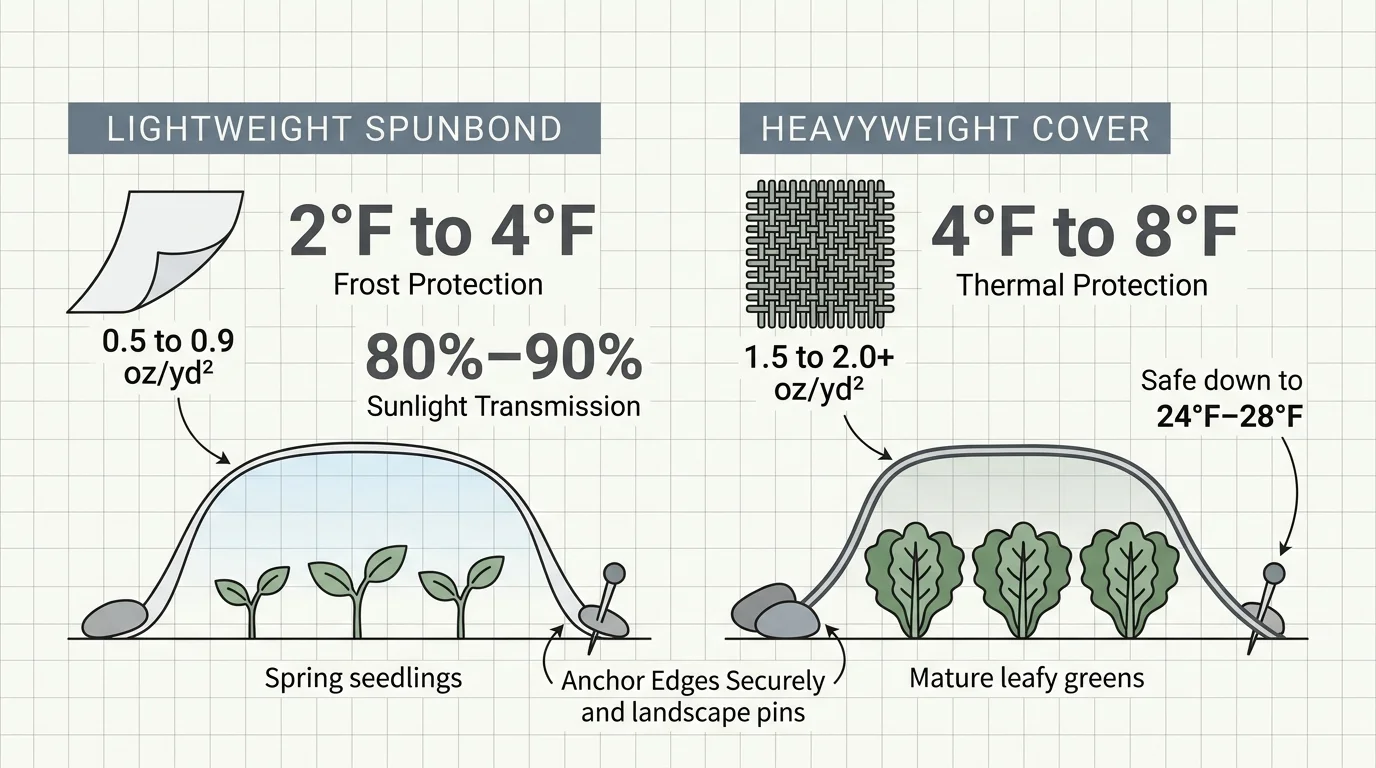
Lightweight spunbond fabric (0.5 to 0.9 oz/yd²) delivers 2°F to 4°F of frost protection. It transmits 80% to 90% of sunlight, making it ideal for young spring seedlings.
Medium to heavyweight covers (1.5 to 2.0+ oz/yd²) guard plants against freezing temperatures down to 24°F–28°F. They deliver between 4°F and 8°F of thermal protection, keeping leafy greens safe.
Drape the fabric loosely over your rows or support it with flexible wire hoops. Anchor every edge securely with smooth stones, soil bags, or landscape pins to block freezing drafts.
Remove heavy covers during warm sunny afternoons so your plants receive optimal airflow and pollination. Reapply the fabric before dusk to capture trapped warmth throughout the night.
Tip #2: Build Low Tunnels to Protect Cool-Season Rows
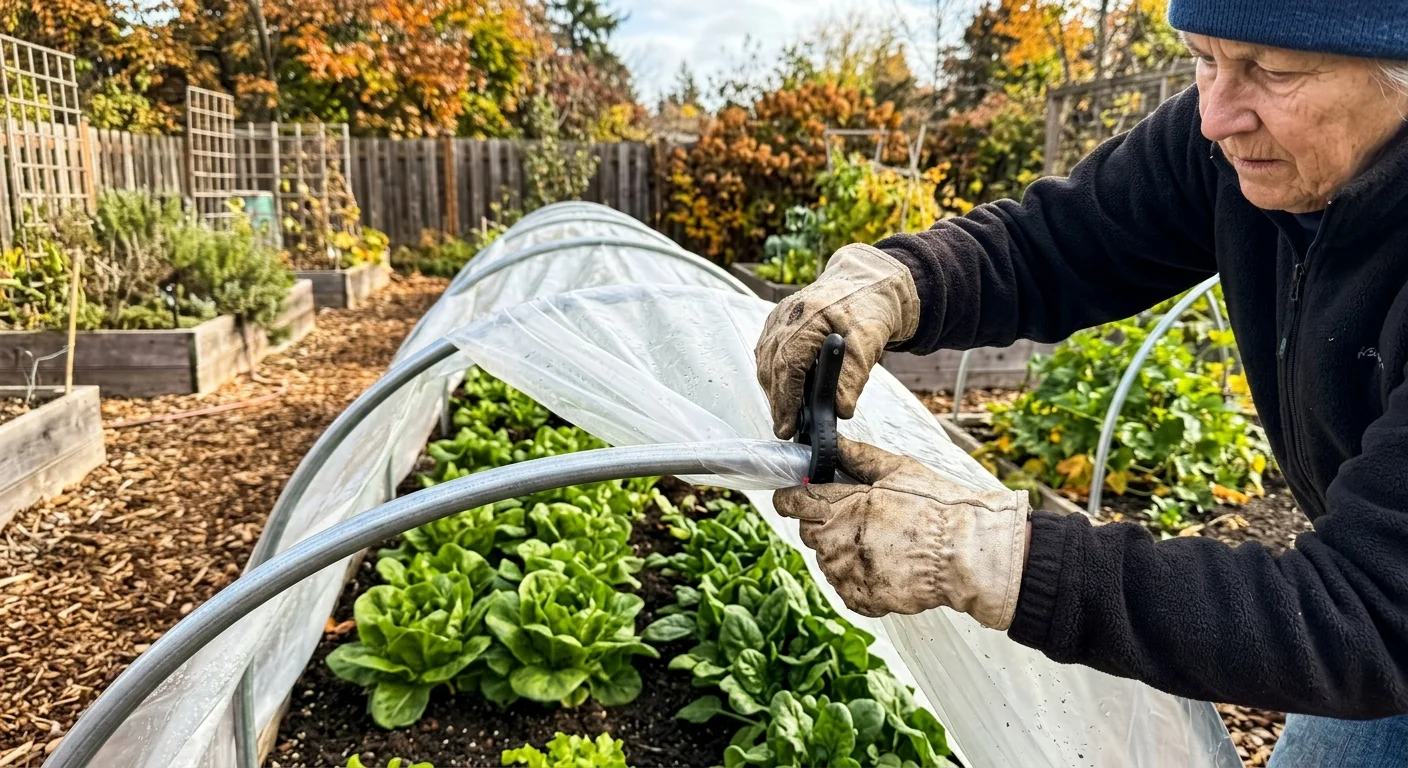
Low tunnels create miniature hoop houses directly over your raised beds or in-ground rows. You construct them by bending electrical conduit or sturdy PVC pipes across your planting space.
Cover these hoops with clear 4-mil or 6-mil greenhouse-grade polyethylene film. The interior stays 5°F to 10°F warmer than the outside air, effectively extending your harvest window by 2 to 4 weeks.
Ventilation is vital for plant health once the morning sun hits the plastic. Internal temperatures can spike 20°F to 30°F above outside ambient levels under direct sunlight.
Vent the tunnel manually whenever outside temperatures reach 45°F to 50°F. Simply lift or roll up the plastic along the sides to prevent tender crops from bolting.
Clip the plastic securely to your hoops with snap clamps to withstand gusty seasonal winds. This sturdy shelter lets you grow vegetables longer into the depths of winter.
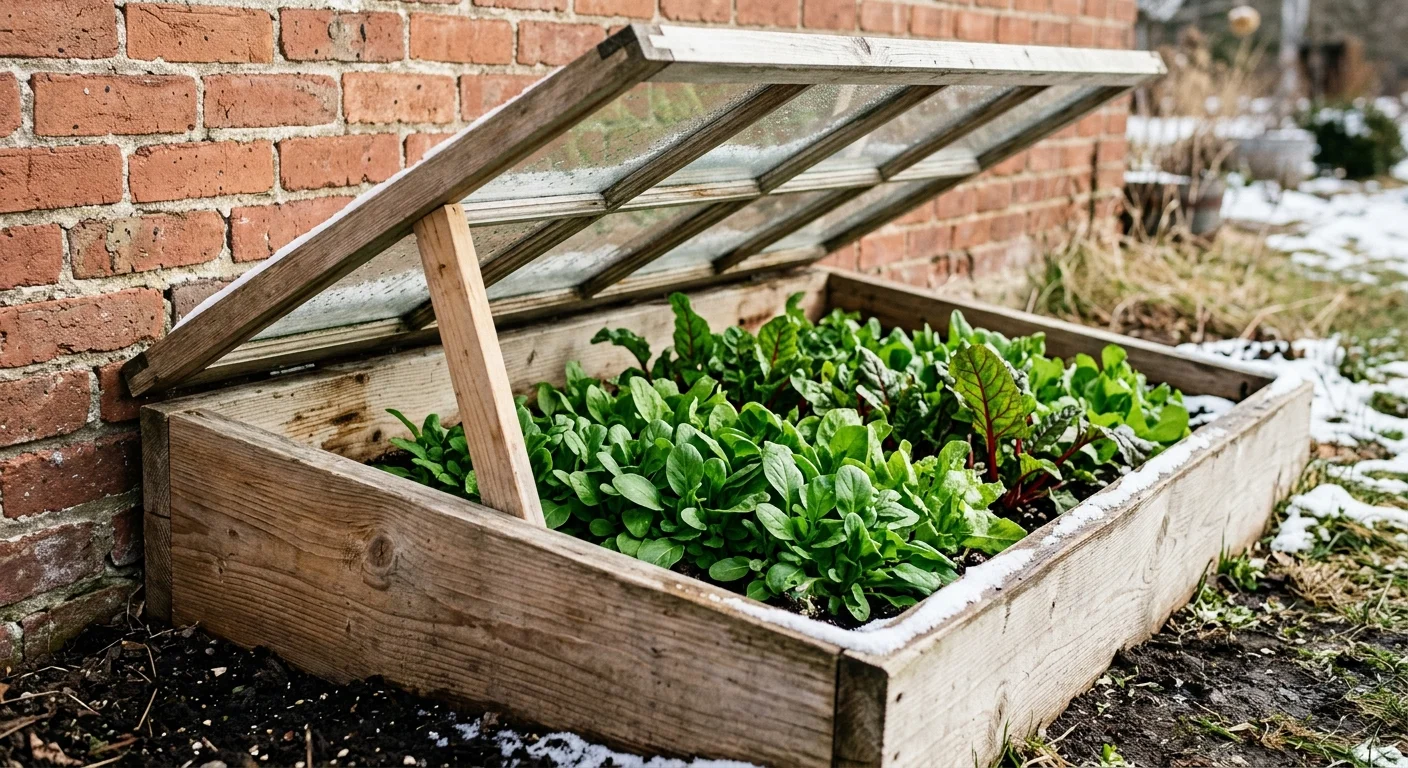
Tip #3: Utilize Cold Frames for Microclimate Control
A cold frame is a bottomless box placed directly over garden soil, featuring a transparent glass or polycarbonate lid. It acts as an unheated micro-greenhouse that captures natural sunlight.
Build the frame walls using thick untreated lumber, poured concrete, or stacked straw bales for added insulation. Angle the transparent lid toward the south to maximize daily solar absorption.
Cold frames maintain internal temperatures 5°F to 10°F higher than ambient conditions. This steady warmth shields compact greens and rooting vegetables from harsh ice, sleet, and desiccating winds.
Overheating remains a major threat on bright winter days. Install an automatic, heat-activated solar vent arm that props the sash open when internal temperatures rise past 50°F.
Prop the lid manually on mild afternoons to vent stagnant air and lower humidity. Close the lid tightly before sunset to hold onto precious geothermal warmth.
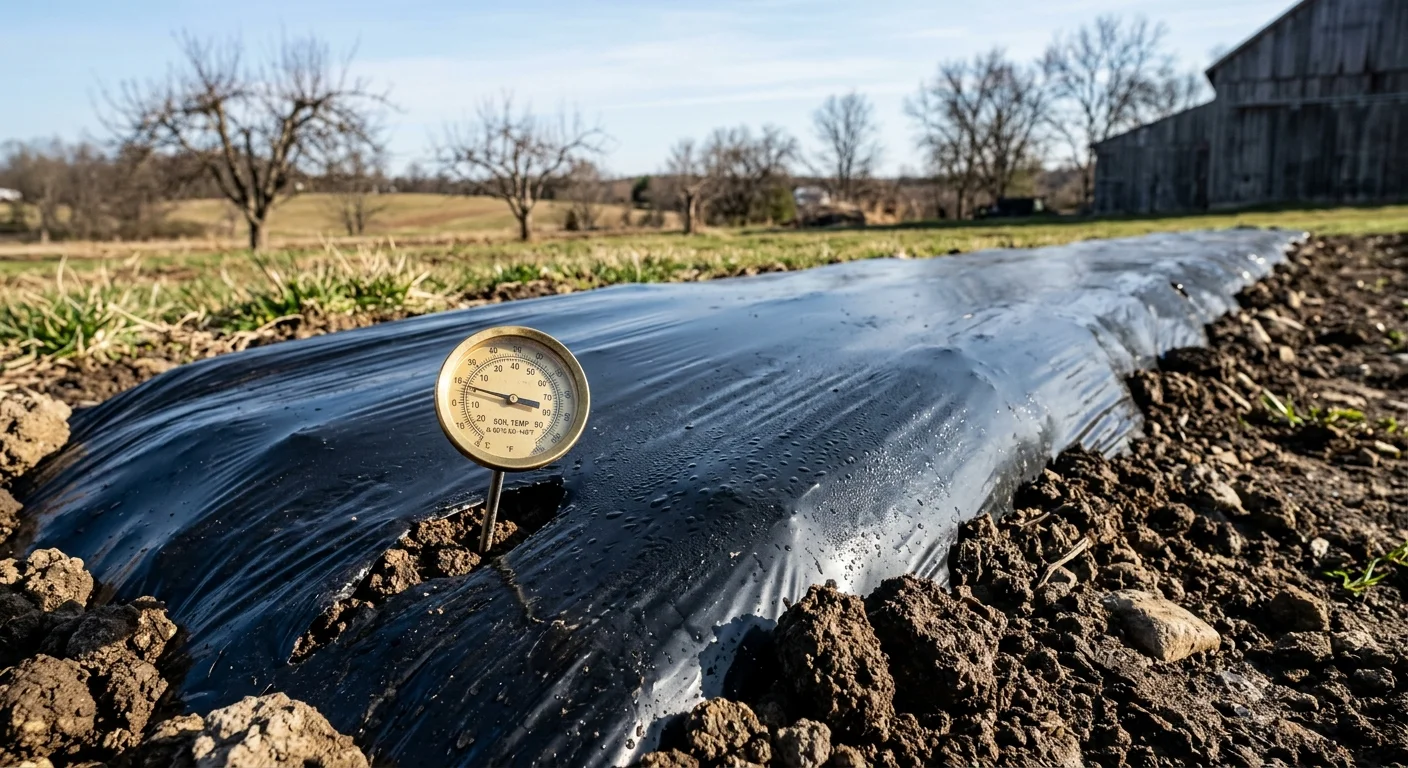
Tip #4: Warm Soil Early with Plastic Mulch
Cold soil slows down seed germination and stunts early root establishment. Spreading plastic mulch across your garden beds primes the soil for spring planting weeks ahead of schedule.
Lay plastic sheeting over damp soil two to three weeks before your planned planting date. Anchor the edges firmly with dirt so breezes cannot lift the film.
Black plastic mulch raises topsoil temperatures at a two-inch depth by 3°F to 5°F. Clear plastic creates a dramatic greenhouse effect, raising soil temperatures by 8°F to 10°F.
Once the soil reaches your target temperature, cut circular holes directly through the plastic to set your transplants. The plastic suppresses competing weeds while locking in moisture.
This early heating technique works wonders for heat-loving crops like tomatoes, peppers, and melons. You will enjoy rapid early growth and an earlier summer harvest.
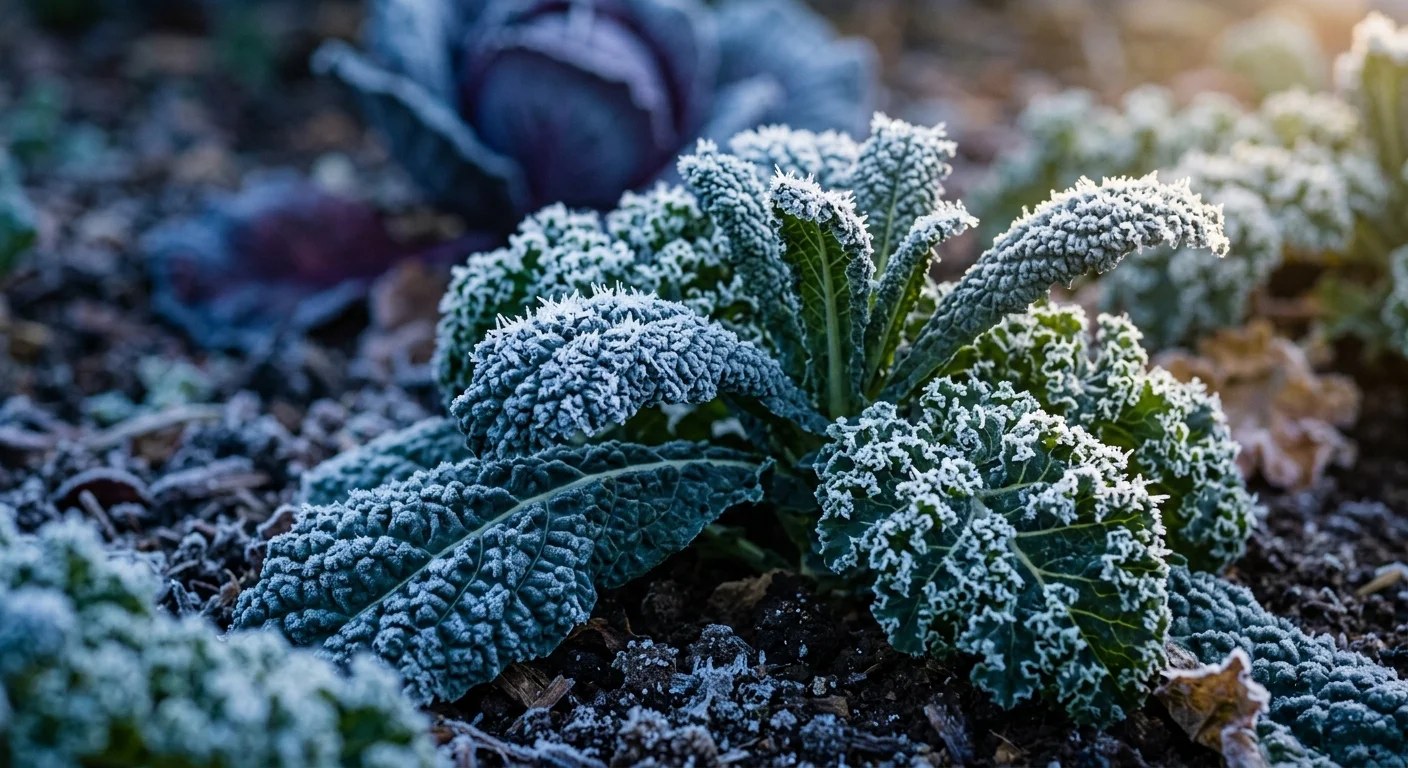
Tip #5: Plant Cold-Hardy Greens That Sweeten in Freezes
Choosing cold-hardy vegetable varieties is one of the easiest extend growing season tips. Specific leafy greens thrive through frigid temperatures without requiring supplemental artificial heat.
Crops like spinach, kale, mache, and miner’s lettuce possess an incredible biological survival mechanism. As outdoor temperatures plunge, these plants concentrate natural sugars within their cellular fluid.
This increased sugar concentration acts as natural plant antifreeze. Mature leaves can survive freezes down to 10°F to 15°F (-9°C to -12°C) beneath basic row covers.
Frost actually improves their flavor, rendering kale and spinach noticeably sweeter and crisper. Sow these greens in late summer so they establish sturdy crowns before winter hits.
Harvest outer leaves on mild afternoons when foliage thaws out completely. The plants will continue pushing out tender new growth during warm winter respites.
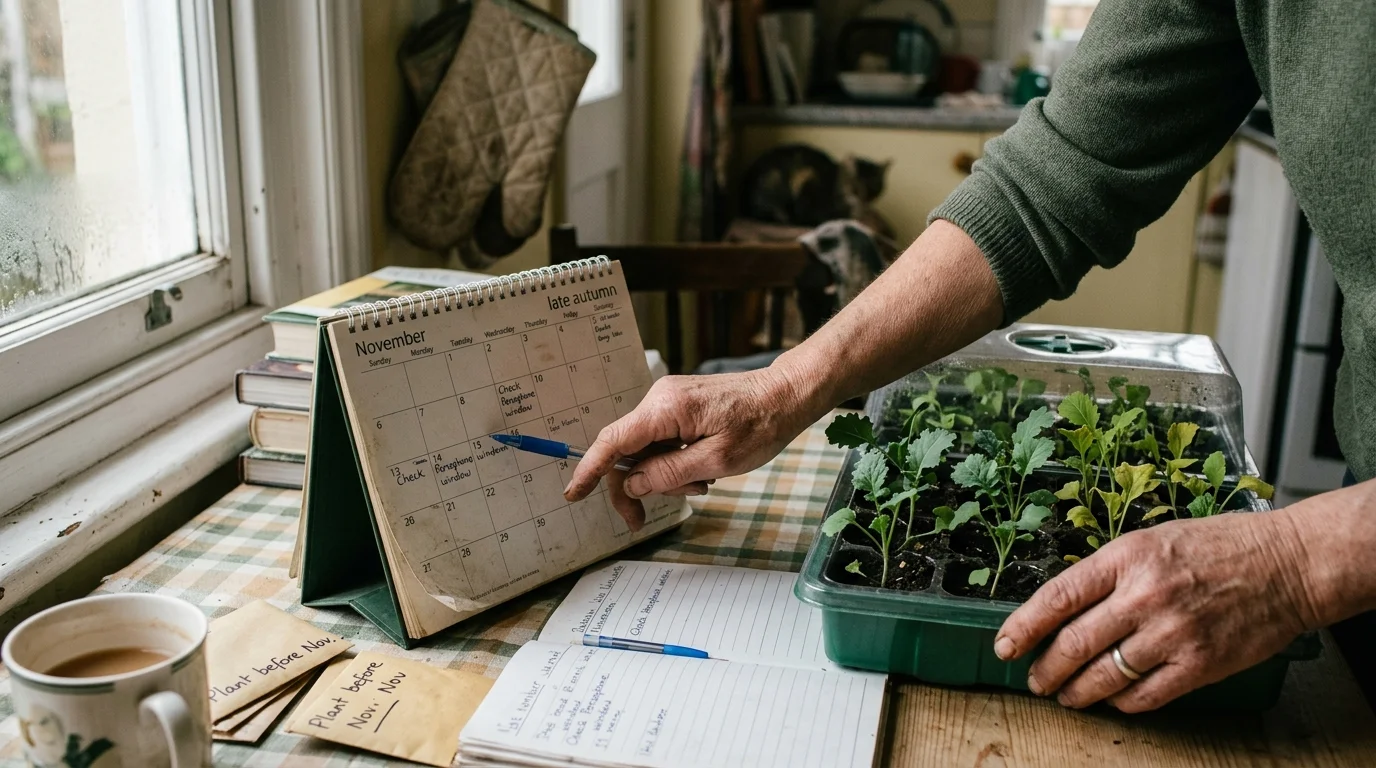
Tip #6: Time Plantings Around the Persephone Period
Successful late-season gardening depends entirely on understanding natural day length changes. Renowned winter farmer Eliot Coleman popularized the concept known as the Persephone Period.
When daily sunlight drops below ten hours, vegetative plant growth virtually halts regardless of temperature. In most temperate North American latitudes, this occurs between early November and early February.
Season extension techniques cannot force rapid plant development during this low-light dormant window. You must sow autumn seeds early enough so crops reach 80% to 90% maturity before ten-hour days arrive.
Once plants attain full size, your cold frames and tunnels function as living refrigerators. They preserve your mature vegetables in pristine condition for continuous winter harvesting.
Check your local latitude to calculate your exact Persephone threshold date. Schedule your late-summer seed sowings backward from that calendar milestone for reliable success.
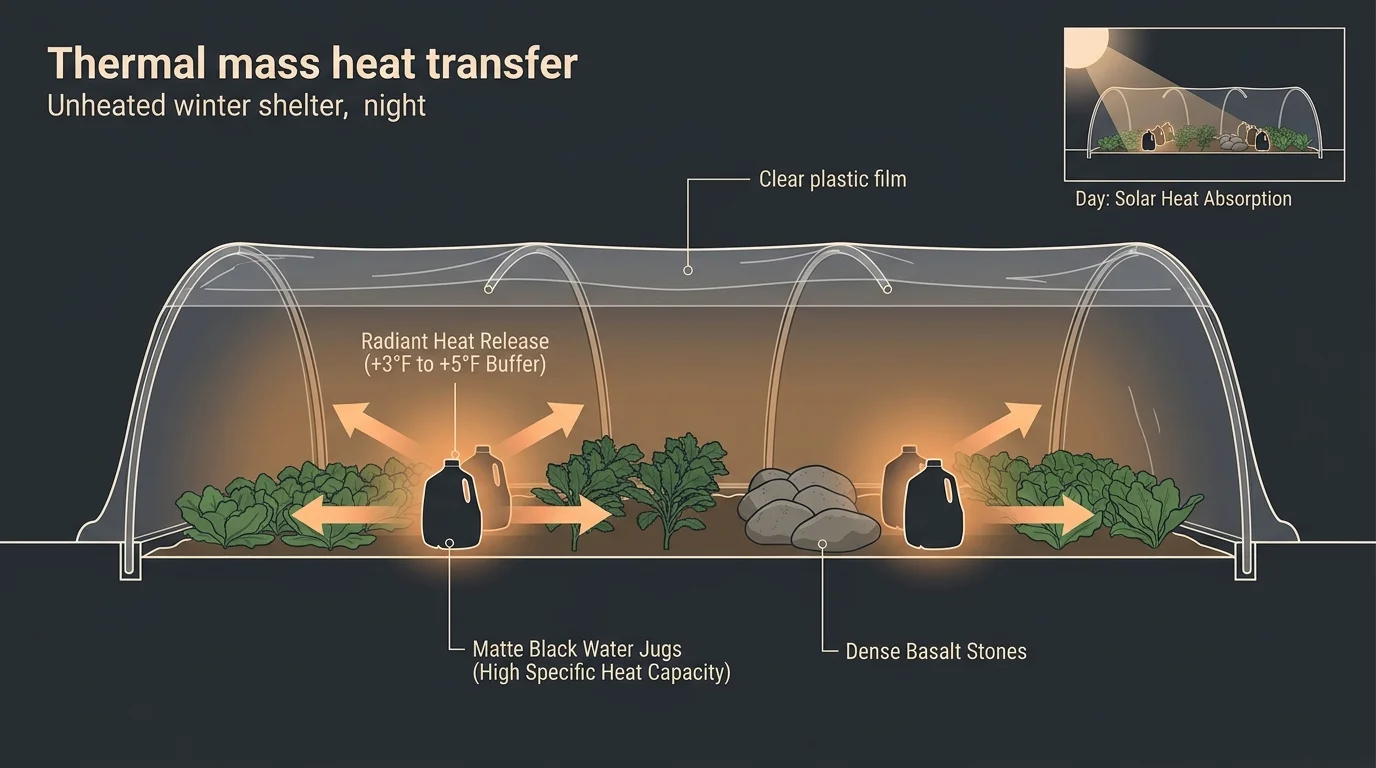
Tip #7: Harness Thermal Mass with Water Jugs and Stones
Thermal mass provides a natural, electricity-free way to stabilize fluctuating garden microclimates. Materials with high thermal mass absorb radiant heat during daytime hours and release it slowly overnight.
Water has an exceptionally high heat capacity, making it the perfect thermal sponge. Fill recycled gallon jugs with water, paint them black, and tuck them between garden rows.
These black containers soak up solar warmth during clear afternoons inside your cold frames and tunnels. As evening temperatures crash, the jugs radiate stored warmth directly around your plants.
Dense concrete pavers or dark river stones placed along bed borders provide similar thermal regulation. They buffer the root zone from abrupt, damaging temperature swings.
This simple physical addition can lift localized temperatures by 2°F to 4°F on frosty nights. It offers an easy, sustainable safeguard for your tender vegetables.
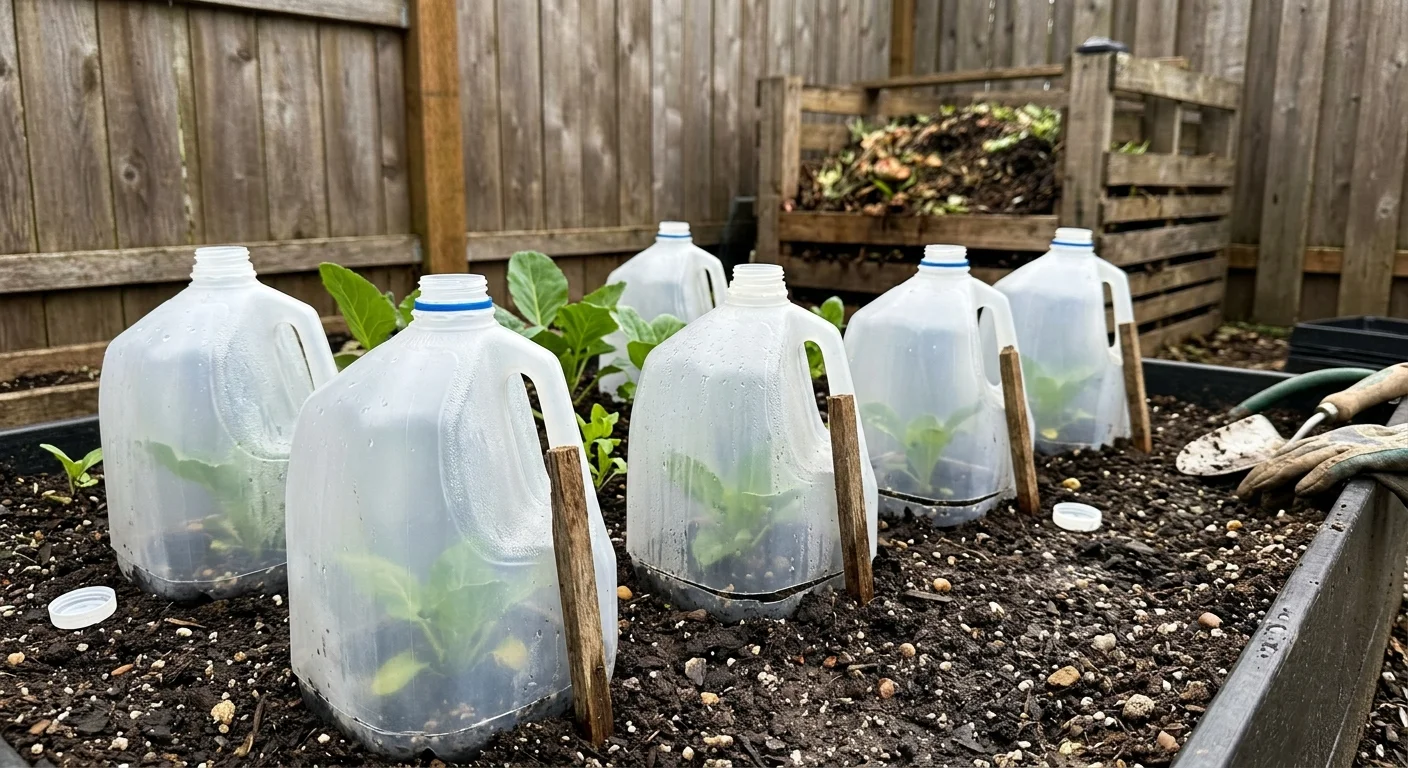
Tip #8: Use Individual Cloches and Recycled Bottles
When you only need to protect a few prized specimens, individual cloches offer fast protection. A cloche is a bell-shaped transparent cover placed directly over a single growing plant.
You can purchase traditional glass bell cloches or craft effective substitutes from recycled gallon milk jugs. Simply rinse the plastic jugs and slice away the bottom base with shears.
Press the cut plastic rim one inch into the soil around your seedling to anchor it against winds. The enclosed microclimate traps solar warmth and blocks chilling breezes.
Remove the screw-on bottle cap on warm afternoons to permit proper air circulation and release heat. Reattach the cap before evening falls to lock in ground warmth.
These compact shelters safeguard tender spring transplants against surprise light frosts (28°F to 32°F). They give early-season tomatoes and squash seedlings a healthy, protected head start.
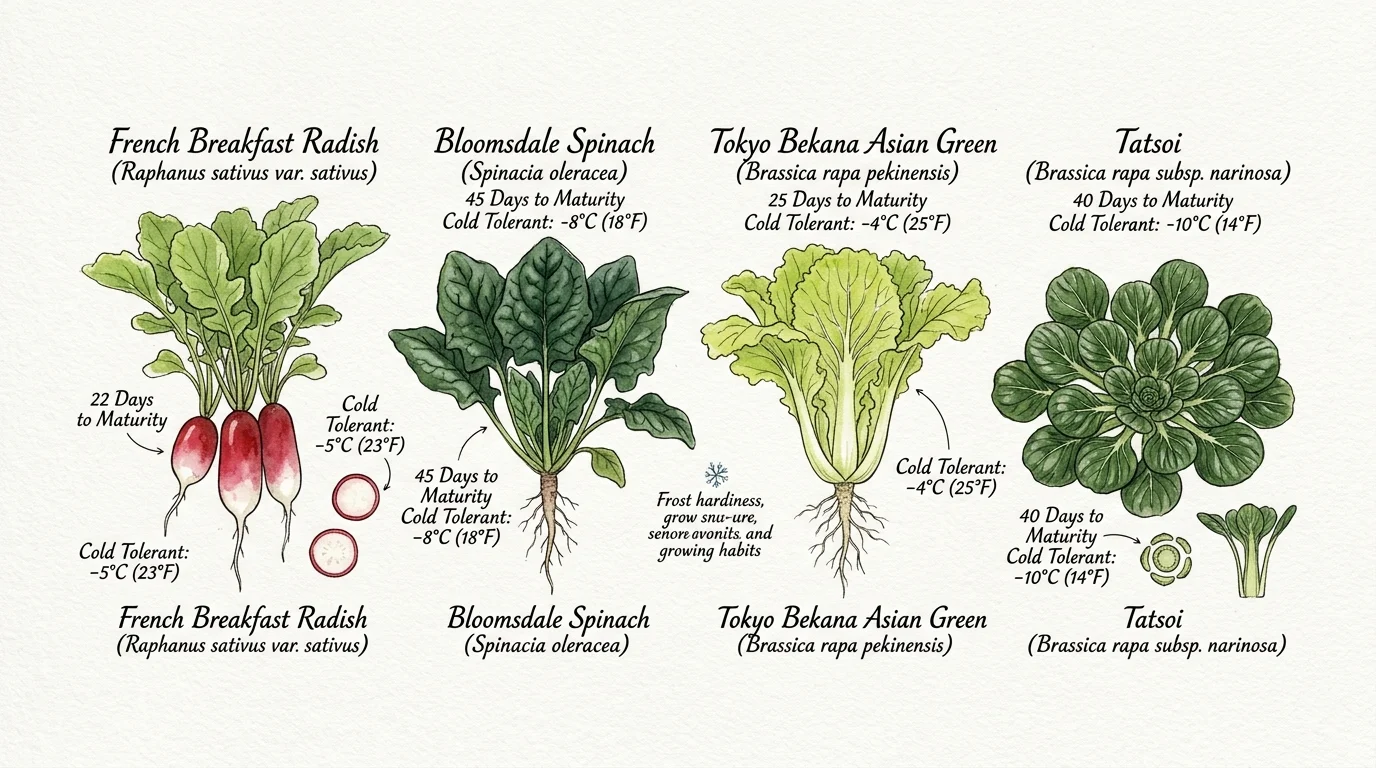
Tip #9: Select Fast-Maturing and Cold-Tolerant Cultivars
Choosing the right genetics gives you a powerful advantage when extending your growing season. Carefully examine seed catalog descriptions for specific maturity days and cold tolerance ratings.
Pick fast-maturing root vegetables like 30-day radishes and 50-day baby beets for late-season sowings. These rapid producers mature quickly before freezing winter weather shuts down plant growth.
Look for brassica cultivars specifically bred to withstand sub-freezing temperatures without damage. Varieties like Winterbor kale and Savoy cabbage shrug off heavy frosts that destroy other vegetables.
For early spring, select varieties known for cold-soil emergence. Standard varieties often rot in cold earth, but cold-tolerant strains germinate reliably in 40°F soil.
Matching specific crop genetics to your seasonal weather profile ensures consistent, bountiful harvests. You will eliminate wasted time and avoid crop loss.
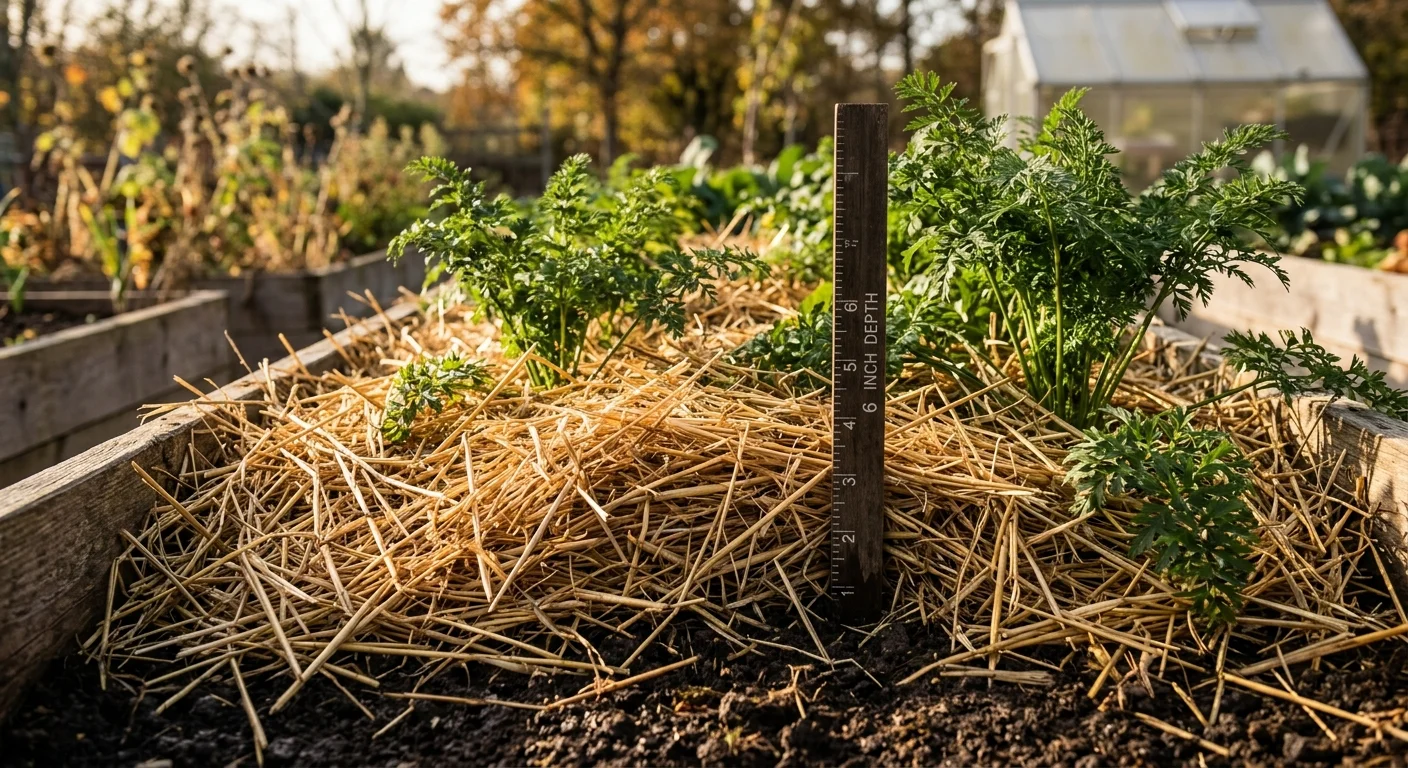
Tip #10: Apply Heavy Organic Mulch to Insulate Soil
Soil insulation is a fundamental cornerstone of reliable fall gardening tips. A generous layer of organic mulch protects subterranean roots from freezing ground temperatures.
Spread a four- to six-inch blanket of clean straw, shredded leaves, or wood shavings over your beds. This protective blanket acts like an insulating winter down comforter for the earth.
Heavy mulch prevents the soil from freezing solid during hard freezes (28°F and below). This allows you to dig sweet carrots, leeks, and parsnips well into January.
Mulch also moderates the freeze-thaw cycles that can heave shallow root systems out of the soil. It preserves soil moisture during dry, cold winter months.
In early spring, rake the mulch back toward pathways to let direct sun hit bare soil. Reapply the mulch once the soil warms up to conserve summer moisture.
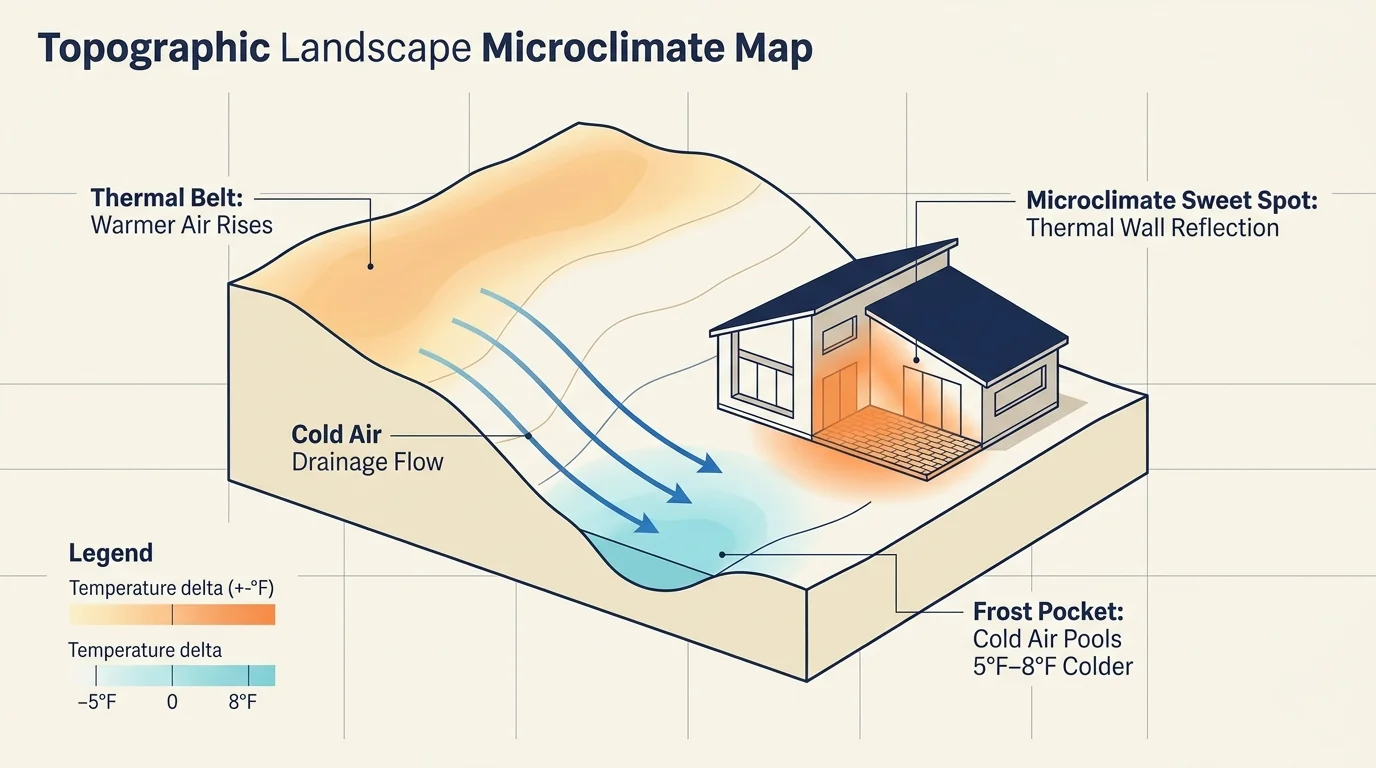
Tip #11: Monitor Updated Frost Dates and Microclimates
Accurate weather tracking helps you deploy protective covers before cold snaps cause irreversible damage. In November 2023, the USDA released an updated Plant Hardiness Zone Map.
This update shifted approximately half the United States into a half-zone warmer based on 30-year averages. This shift reflects an average winter temperature increase of roughly 2.5°F nationwide.
Verify your updated local zone rather than relying on outdated planting charts. Pay close attention to historical first and last frost dates for your specific geographic location.
Identify distinct microclimates within your own property as well. South-facing masonry walls absorb heat and stay warm, while low-lying garden hollows gather cold, dense air.
Plant frost-sensitive crops against warm structures and reserve low frost pockets for cold-tolerant greens. This strategic placement maximizes natural protection across your landscape.
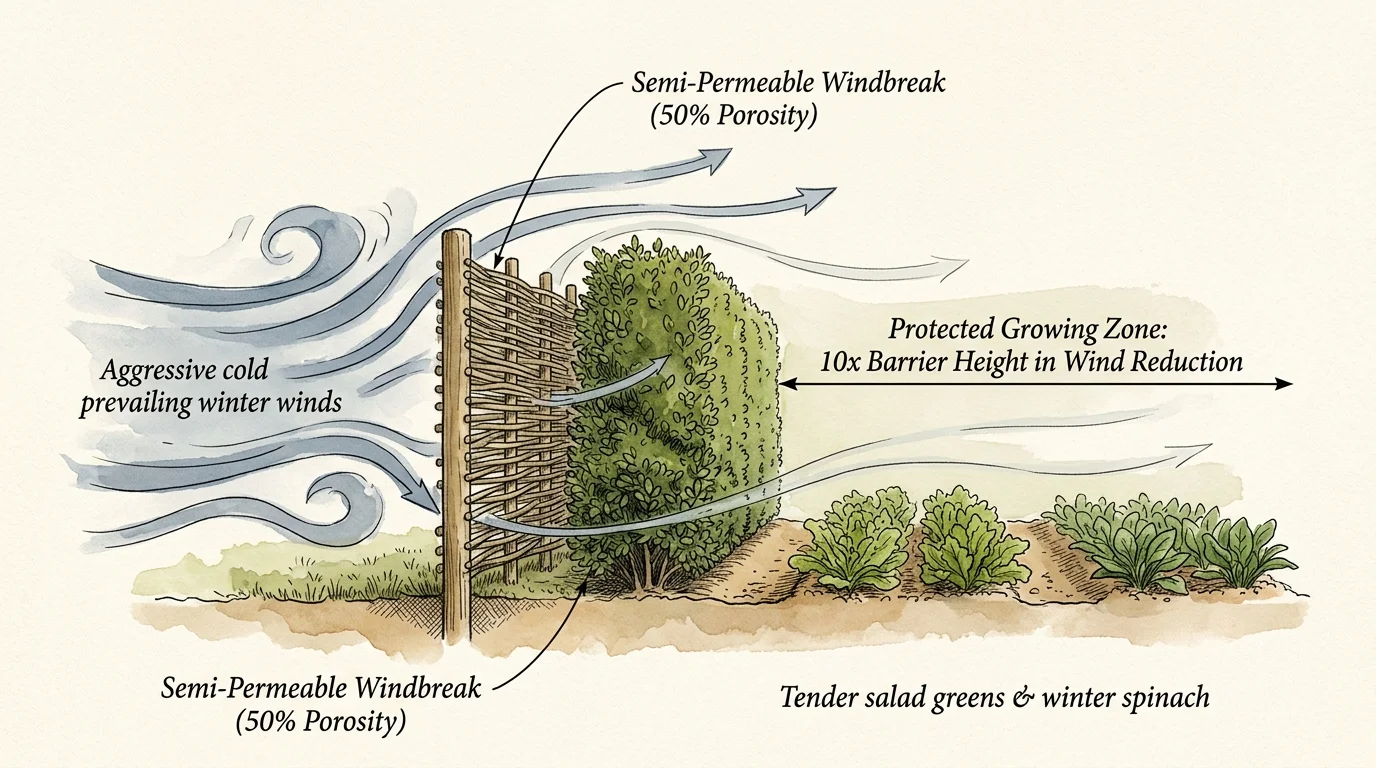
Tip #12: Provide Windbreaks to Prevent Desiccation
Biting seasonal winds can cause severe damage to late-season vegetables and protective garden structures. Frigid gusts pull moisture out of leaves faster than cold roots can absorb water.
This wind-driven dehydration, known as cellular desiccation, frequently damages leafy greens during winter. Strong winds can also strip row covers from garden beds and shatter plastic tunnels.
Erect semi-permeable windbreaks along the north and northwest edges of your vegetable plots. Woven burlap screens, slatted wooden snow fencing, or straw bale barriers work exceptionally well.
Semi-permeable barriers slow down wind speed without creating turbulent air eddies on the leeward side. Solid walls, by contrast, create destructive air downdrafts right onto garden beds.
Positioning windbreaks creates a calm, buffered growing zone that stays several degrees warmer. Your row covers will stay intact and your crops will flourish undisturbed.
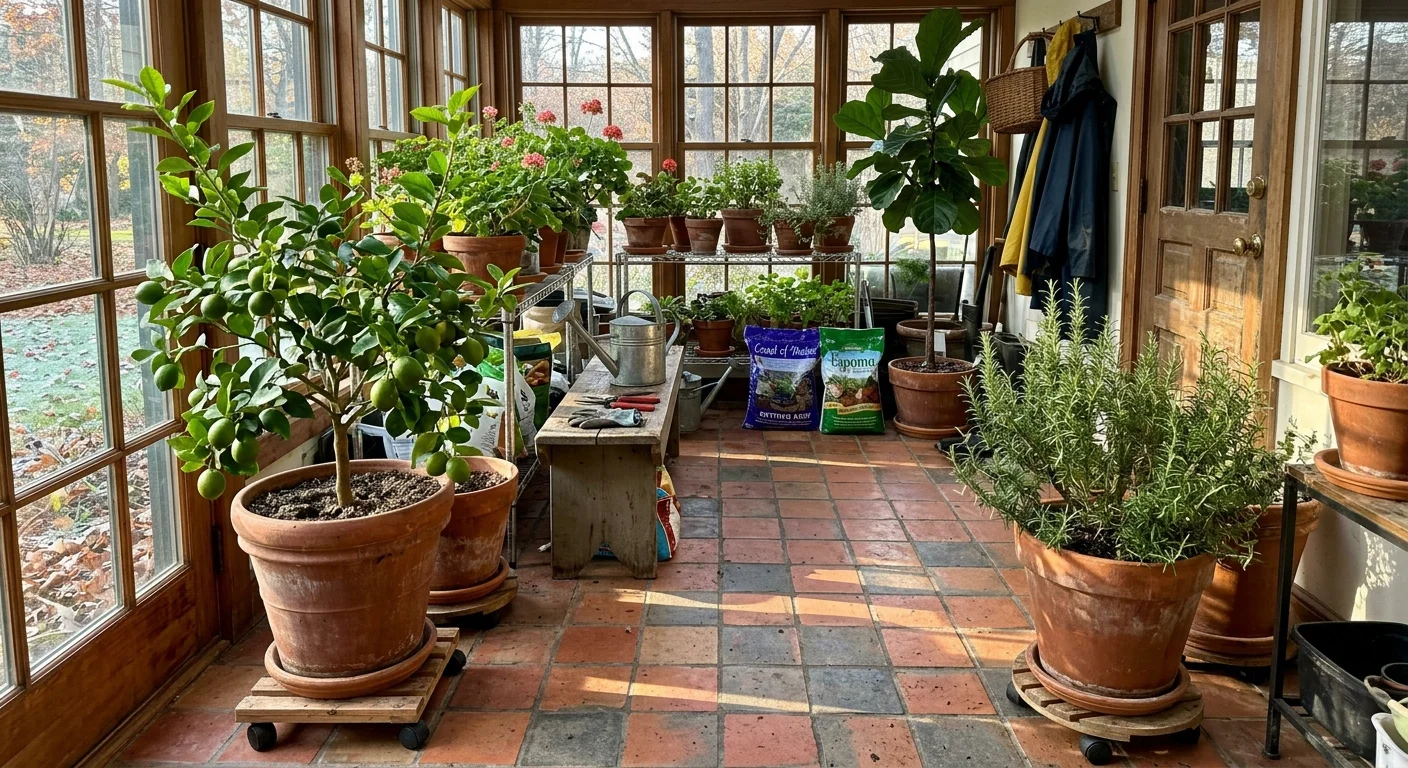
Tip #13: Transition Container Plants Indoors and Under Cover
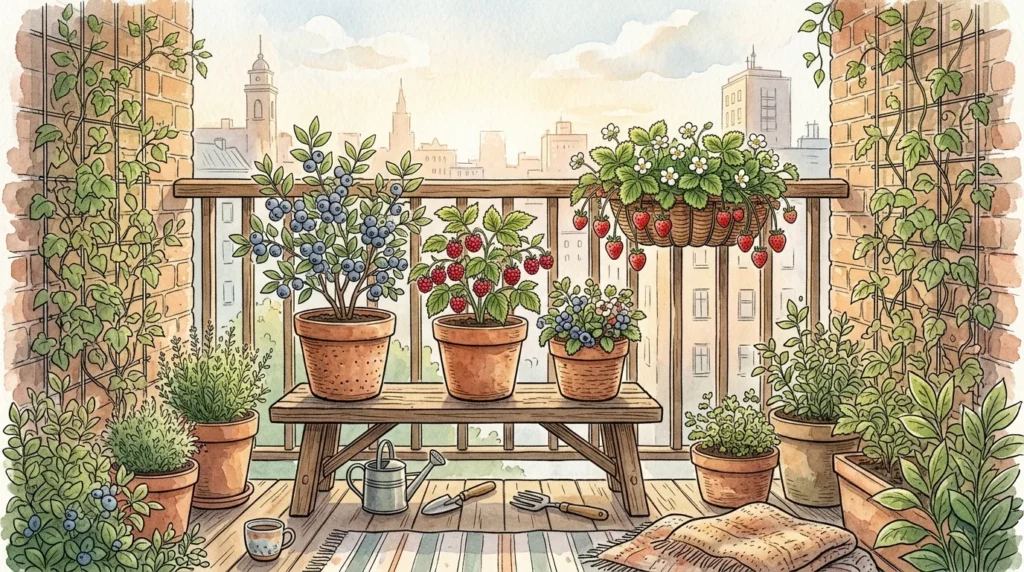
Potted vegetables and culinary herbs require extra protection when temperatures plunge. Soil in aboveground containers lacks the geothermal buffering provided by in-ground garden beds.
Container root systems can freeze solid at 28°F, causing fatal tissue shock to sensitive plants. Moving your pots to sheltered locations extends their productivity by several months.
Cluster containers together against a south-facing exterior wall or move them under a covered porch. Grouping pots together conserves humidity and shields fragile root balls from frigid winds.
When hard freezes threaten, bring potted herbs, peppers, and dwarf greens indoors. Place them on a sunny windowsill or under a basic LED grow light.
Transitioning potted plants indoors provides fresh kitchen pickings throughout the colder months. You can rotate them back outdoors once warm spring weather returns.
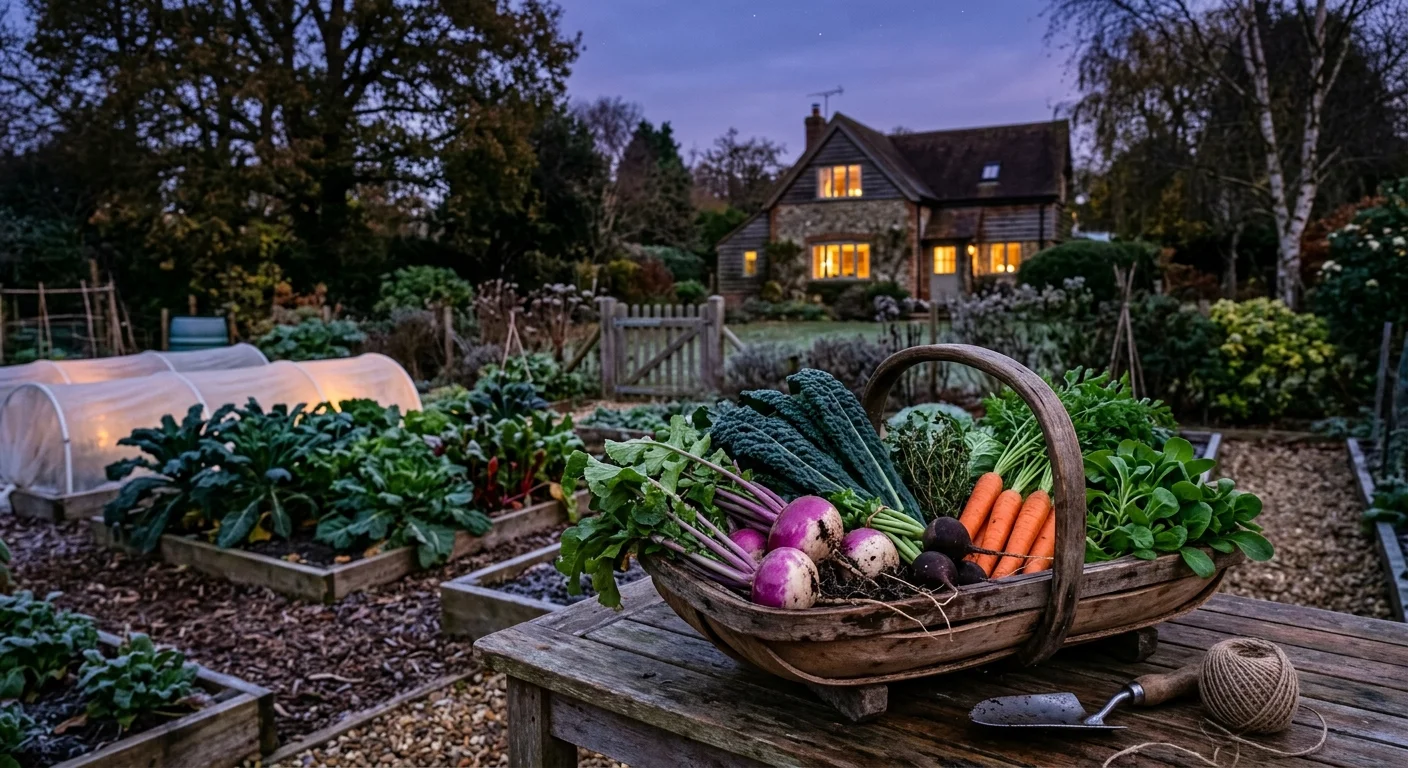
Putting It All Together: Enjoy Your Beautiful Garden
Extending your garden’s growing season does not require expensive equipment or complex commercial greenhouses. Thoughtful planning, sturdy fabrics, and smart microclimate management let you harvest delicious food year-round.
Start small by adding floating row covers or building a simple cold frame over your favorite greens. As your confidence grows, experiment with early plastic mulches and staggered seasonal plantings.
Every extra week of fresh harvesting deepens your connection to the garden and enriches your table. Step outside, monitor your local weather patterns, and enjoy growing your garden longer than ever before.
Frequently Asked Questions
What is the difference between a light frost and a hard freeze?
A light frost occurs between 28°F and 32°F (-2°C to 0°C). It kills tender crops like tomatoes and basil while cold-tolerant crops remain unharmed.
A hard freeze drops to 28°F (-2.2°C) or lower for several consecutive hours. It destroys semi-hardy vegetables and severely damages unprotected cold-hardy plants.
Can plants continue growing during the Persephone Period?
Vegetative plant growth stops when daylight drops below ten hours daily between November and February. Crops enter dormancy regardless of how warm your season extenders remain.
To succeed, ensure your crops reach mature size before the ten-hour daylight threshold arrives. Your protective covers will preserve the mature crops for continuous winter harvests.
When should I vent my cold frames and low tunnels?
Vent your structures whenever outside ambient temperatures reach 45°F to 50°F on sunny days. Solar radiation can rapidly heat enclosed spaces 20°F to 30°F higher than outside air.
Excess heat stresses cool-season crops and causes premature bolting. Always close vents by mid-afternoon to trap residual warmth before nighttime temperatures plunge.
How much frost protection does spunbond row cover provide?
Lightweight row covers (0.5 to 0.9 oz/yd²) provide 2°F to 4°F of frost protection with high light transmission. They work wonderfully for young spring seedlings.
Heavyweight fabrics (1.5 to 2.0+ oz/yd²) deliver 4°F to 8°F of thermal protection. They protect winter vegetables down to 24°F–28°F under freezing conditions.
For region-specific advice, consult your local University Extension program (find yours via the USDA directory). For plant databases and inspiration, visit the Missouri Botanical Garden or the Royal Horticultural Society.
Disclaimer: This article provides general gardening advice; always consider your specific climate, soil conditions, and local pests. Follow safety guidelines when using gardening tools and products.