You can cultivate a vibrant, color-rich landscape every day of the year with strategic monthly planting. Choosing plants tailored to specific seasons guarantees continuous blossoms, pollinator visits, and fresh floral scents across all four seasons.
This seasonal flowers guide pairs traditional birth month flowers with reliable garden performers to simplify your planting schedule. Selecting the best flowers by month allows you to maintain continuous visual interest and floral fragrance.
Whether you manage garden beds or patio containers, establishing flowers for every month brings delightful structure to your landscape. Use this practical monthly flower calendar to keep your outdoor living space thriving from January through December.
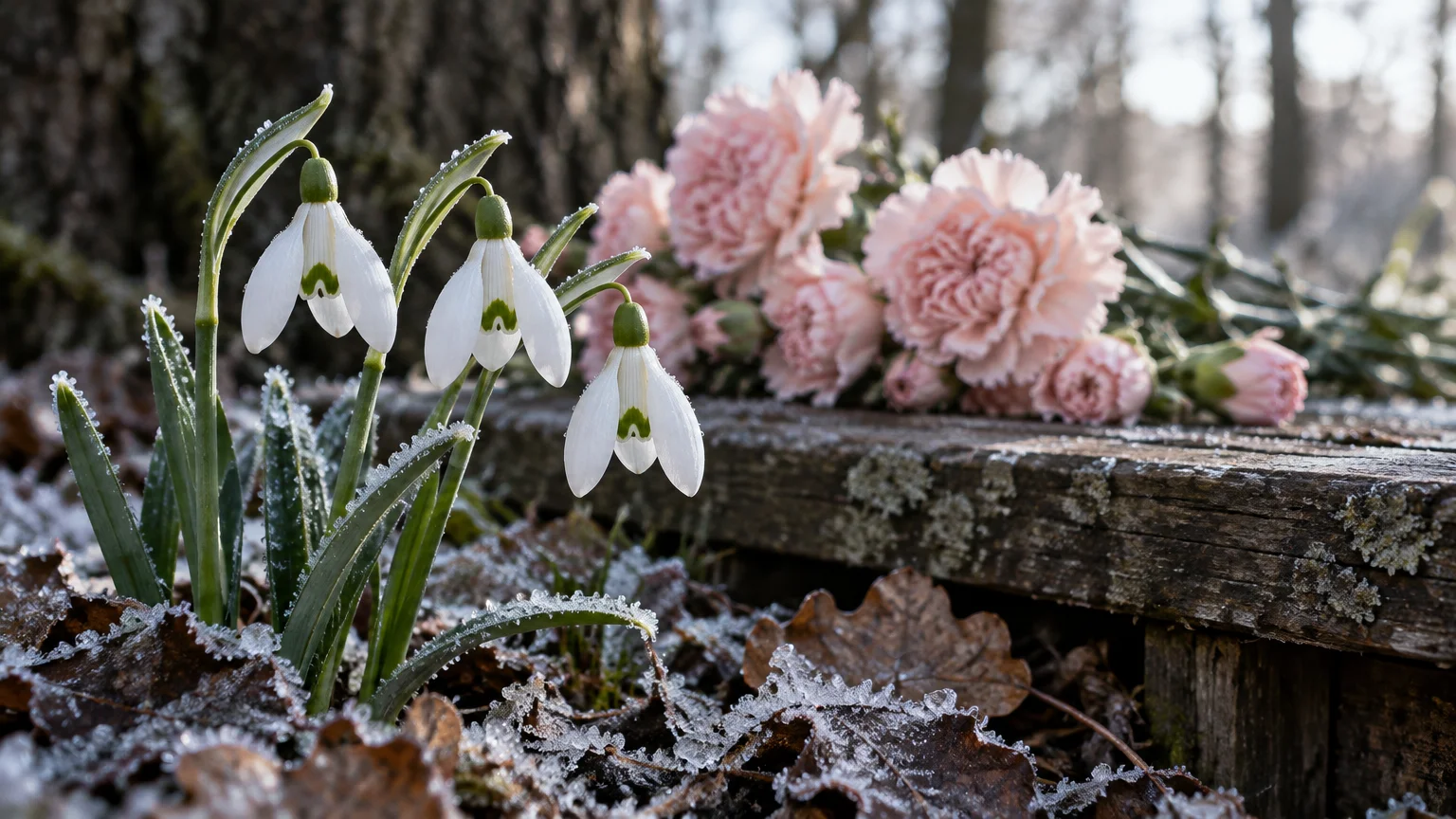
Tip #1: January – Carnation and Snowdrop
January gardens often face freezing conditions, yet cold-hardy snowdrops and greenhouse-grown carnations provide welcome color. Snowdrops emerge through frosty turf, while carnations offer reliable cut blooms with ruffled petals and clove scents.
Snowdrops synthesize natural antifreeze compounds within their foliage, which protects tender plant cells from ice damage. Carnations thrive in cool indoor temperatures, making them ideal birth month flowers for bright winter rooms.
Plant snowdrop bulbs in early autumn at a depth of three inches in free-draining woodland soil. Position them underneath deciduous trees where they capture abundant sunlight before spring foliage casts dense shade.
Display potted indoor carnations in south-facing windows with at least four hours of daily sunlight. Water only when the top inch of potting soil feels dry to prevent fungal root rot.
Harvest cut carnations when outer petals begin unfolding, slicing stems at a sharp angle beneath leaf nodes. Mix snowdrops with winter aconites in outdoor borders for a crisp late-winter white and gold contrast.
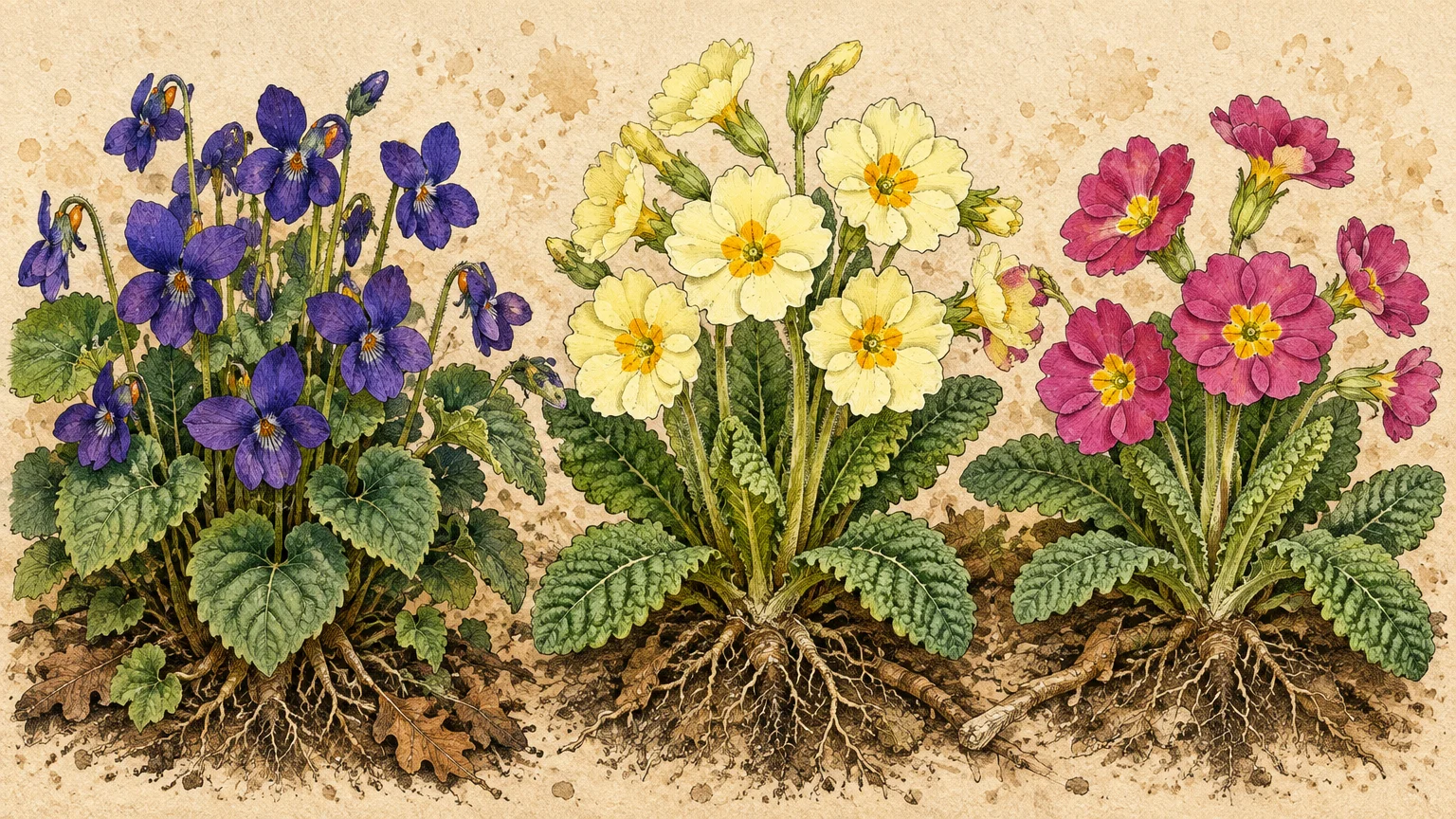
Tip #2: February – Violet and Primrose
February signals the earliest turn toward spring with sweet violets and vibrant primroses emerging from winter dormancy. These low-growing perennials brighten borders and containers with saturated purple, yellow, and deep rose shades.
Violets tolerate harsh freezes and dense shade, making them tough groundcovers for barren winter beds. Primroses provide an early food source for solitary bees waking on mild, late-winter afternoons.
Plant sweet violets along stone walkways or garden edges where you can easily enjoy their delicate fragrance. Work an inch of organic compost into the topsoil to retain moisture and encourage vigorous root spread.
Protect outdoor primroses from drying winds by applying a loose mulch layer around their crowns. Keep container-grown primroses in partial shade and water regularly to maintain evenly moist potting soil.
Pair purple violets with golden crocus bulbs in shallow window boxes for cheerful late-winter color. Deadhead spent primrose blossoms frequently to channel growth energy into fresh bud production.
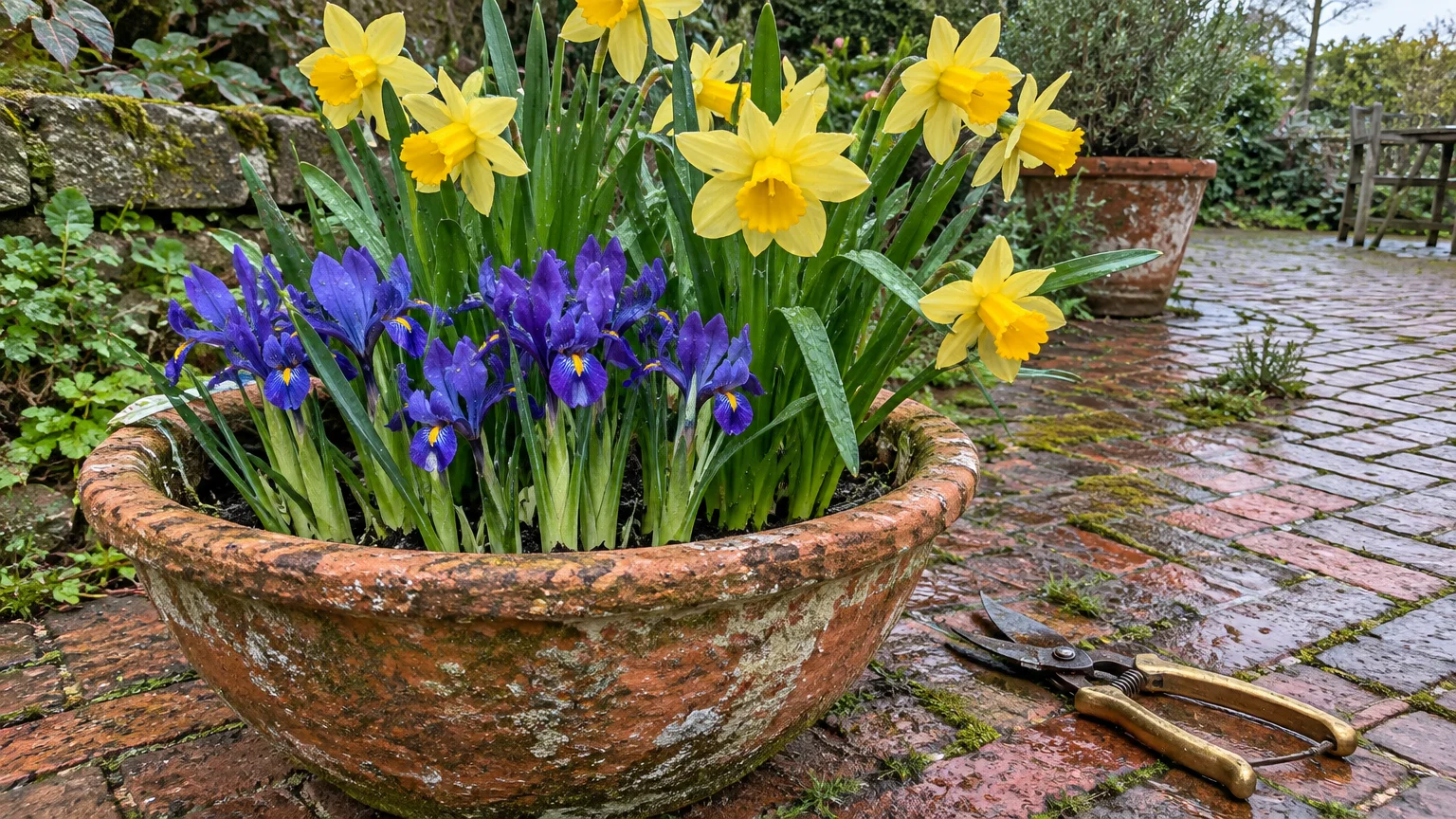
Tip #3: March – Daffodil and Iris
March brings sweeping drifts of cheerful yellow daffodils and dwarf reticulated irises to welcome true spring warmth. These energetic bloomers push through late frosts to revitalize sleeping landscape beds.
Daffodils contain bitter lycorine alkaloids that naturally repel hungry deer, squirrels, and rabbits. Dwarf irises produce intricate nectar guides that steer hungry early pollinators directly into their blossom throats.
Cut fading daffodil flower stalks back to the base once petals drop to conserve plant energy. Allow the green strap foliage to stand for six weeks so bulbs absorb energy for next year.
Plant miniature iris bulbs in gritty, fast-draining rock gardens or shallow terracotta bowls. Position your irises in full sunlight where warming soil stimulates prompt, uniform bud development.
Combine bright yellow trumpet daffodils with blue grape hyacinths for an energetic, pollinator-friendly spring tapestry. Ensure container bulbs drain freely to protect delicate root systems from standing moisture.
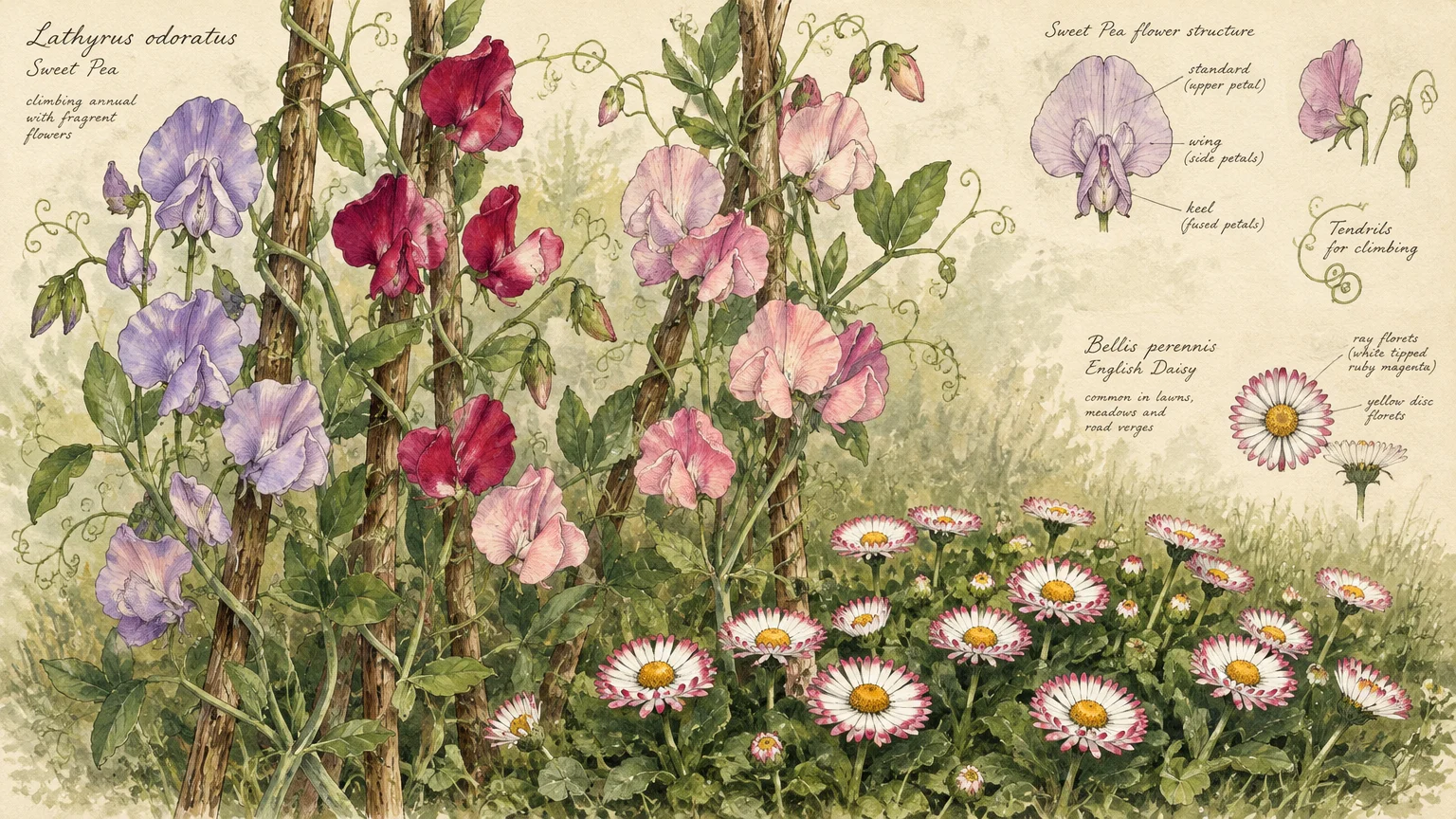
Tip #4: April – Sweet Pea and Daisy
April bursts with the timeless charm of English daisies and climbing, perfume-laden sweet pea vines. These romantic cottage garden favorites flourish in the cool, moist weather typical of mid-spring.
Sweet peas feature symbiotic root nodules that absorb atmospheric nitrogen, enriching your garden soil for future plantings. Daisies produce hundreds of composite flower heads that withstand drenching April rains without lodging.
Install sturdy bamboo trellises before transplanting your sweet pea seedlings into deeply worked, fertile loam. Pick fresh blossoms every other morning to prevent seed formation and stimulate weeks of continuous flowering.
Divide congested daisy clumps every three years to preserve flower size and plant vigor. Water newly divided plants thoroughly and apply light organic fertilizer to encourage rapid root establishment.
Interplant daisies with spring pansies in patio pots to create dense carpets of contrasting pastel color. Keep sweet pea vine bases shaded with mulch to preserve cool, evenly moist soil.
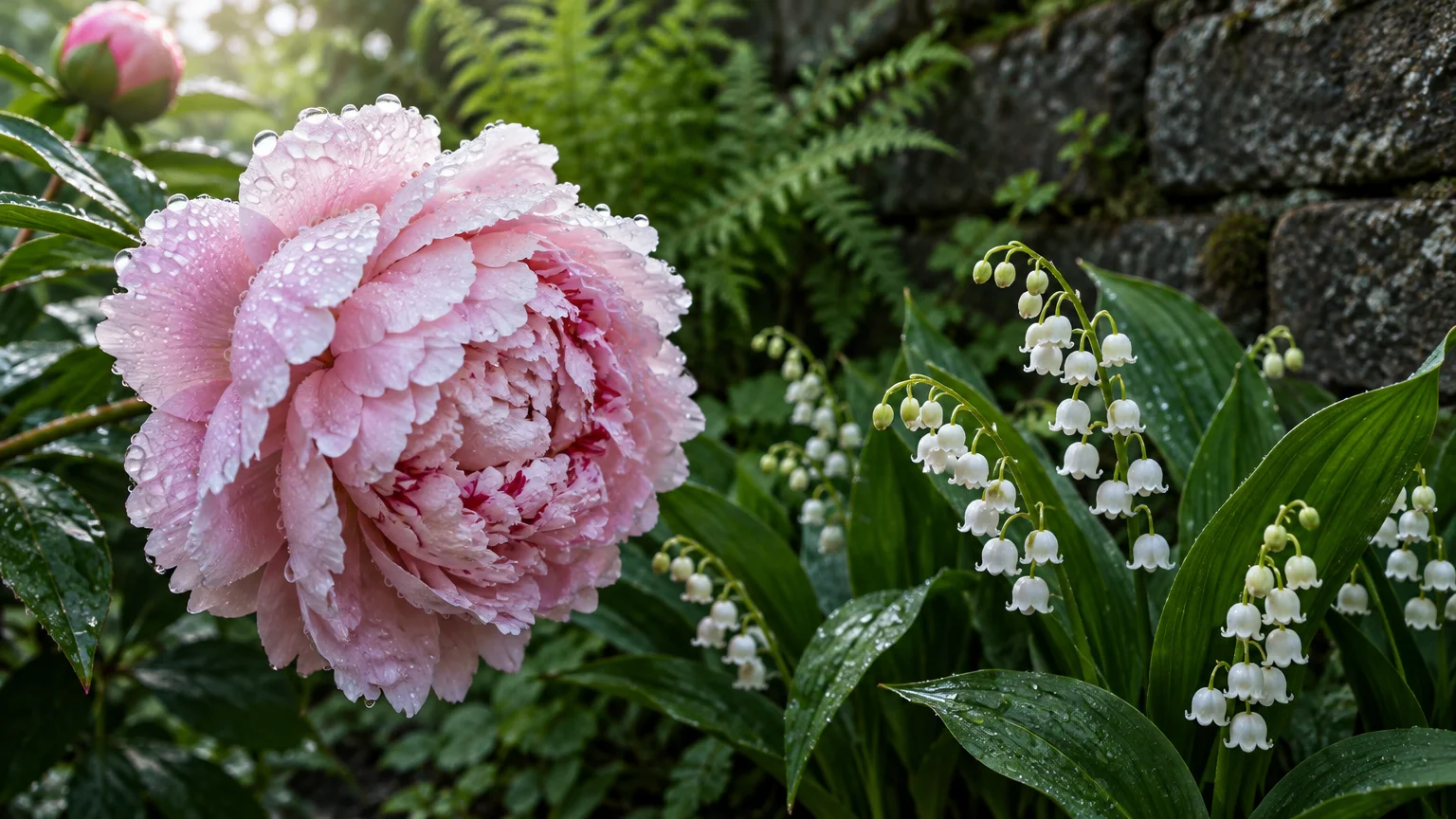
Tip #5: May – Peony and Lily of the Valley
May ushers in garden luxury with massive peony blossoms and fragrant, nodding bells of lily of the valley. These perennial favorites provide lush textures and powerful fragrance just before summer arrives.
Herbaceous peonies live for generations without needing root division or frequent transplanting. Lily of the valley spreads through dense rhizome networks, creating an attractive groundcover that smothers persistent spring weeds.
Install peony support rings early in spring before tender red shoots grow taller than six inches. Ensure you plant peony root eyes no deeper than two inches below the soil line.
Contain lily of the valley within raised beds or edged pathways to control its spreading runners. Plant rhizomes in moist, humus-rich soil under partial shade where leaves remain lush all summer.
Cut peony buds at the soft marshmallow stage for indoor vases that open flawlessly without petal dropping. Surround your peony beds with lavender or salvia to mask bare soil after blooms fade.
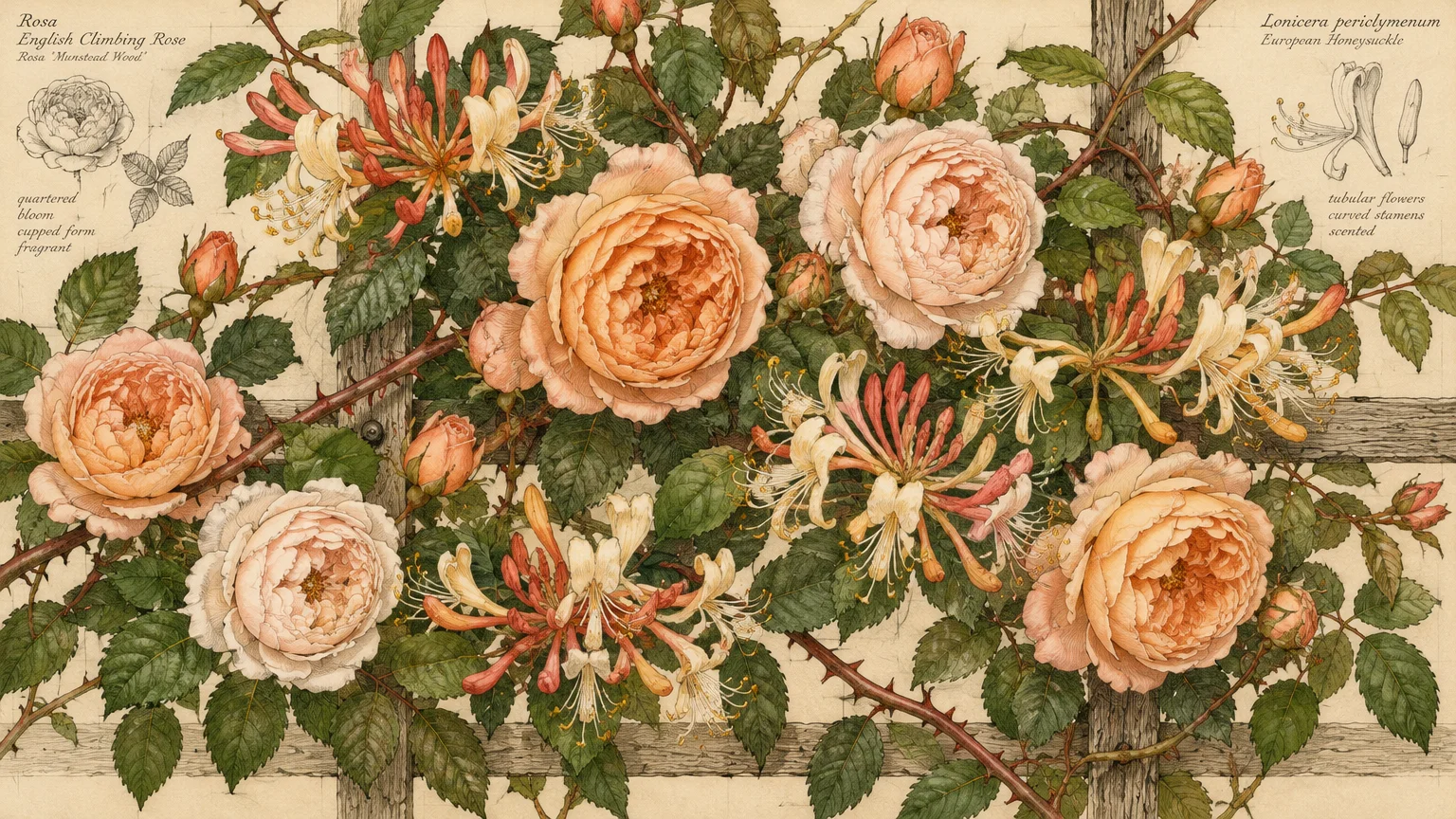
Tip #6: June – Rose and Honeysuckle
June delivers the grand spectacle of early summer with blooming shrub roses and sweet climbing honeysuckle. These pollinator magnets saturate garden borders with intense fragrance, rich nectar, and vivid color.
Modern shrub roses offer robust resistance against fungal leaf spot and produce flowers repeatedly until frost. Honeysuckle blossoms release heavy scent at dusk, drawing beneficial hawk moths and hummingbirds to your yard.
Water your roses at soil level during early morning hours to keep the foliage completely dry. Feed bushes with an organic rose fertilizer after their first bloom cycle to fuel summer buds.
Tie young honeysuckle shoots to sturdy trellises or arbors using soft twine to guide upward growth. Prune mature vines after main flowering finishes to eliminate tangled stems and encourage fresh lateral shoots.
Underplant climbing roses with low-growing catmint to deter common garden pests while enhancing classic pink or red blooms. Apply fresh wood mulch around rose roots to regulate summer soil temperatures.
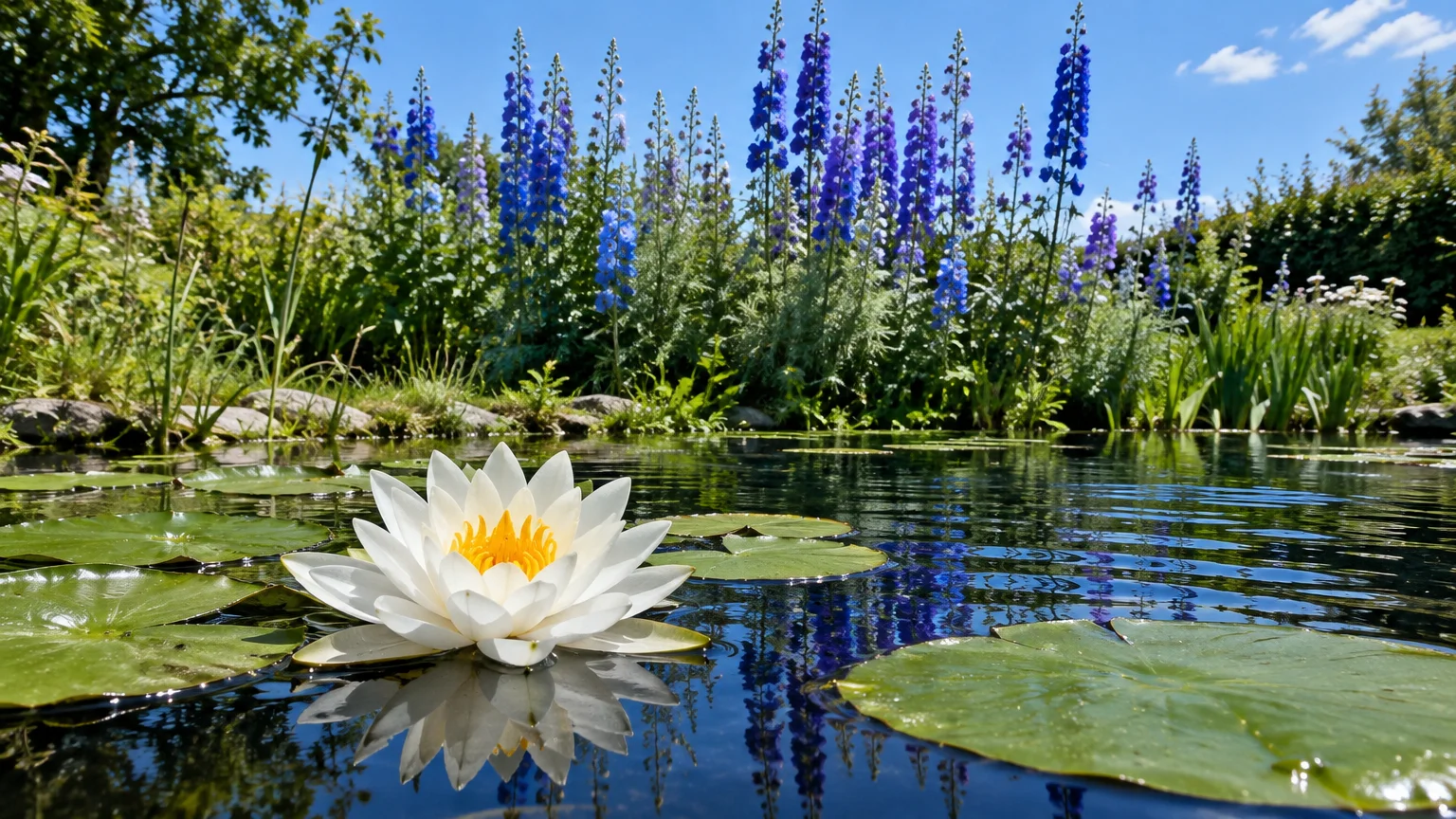
Tip #7: July – Larkspur and Water Lily
July embraces high summer with regal larkspur spikes and tranquil, floating water lilies on garden ponds. These contrasting beauties provide striking architectural height on land and cooling serenity across water features.
Larkspur features dense columns of spurred petals that attract migrating butterflies and bumblebees during intense heat. Water lily pads shade aquatic habitats, lowering water temperatures and suppressing nuisance algae growth naturally.
Support tall larkspur cultivars with discreet stakes to prevent summer thunderstorms from snapping heavy bloom spikes. Cut finished central spikes down to lateral branches to trigger a second flush of blossoms.
Place container-grown water lilies in pond locations that receive at least six hours of direct sunlight. Press slow-release aquatic plant tablets into the root clay every month to sustain large, healthy pads.
Arrange harvested larkspur stems with white garden phlox for dramatic, tall cut-flower dining table centerpieces. Position aquatic water lilies away from churning waterfalls so their floating foliage rests on quiet water.
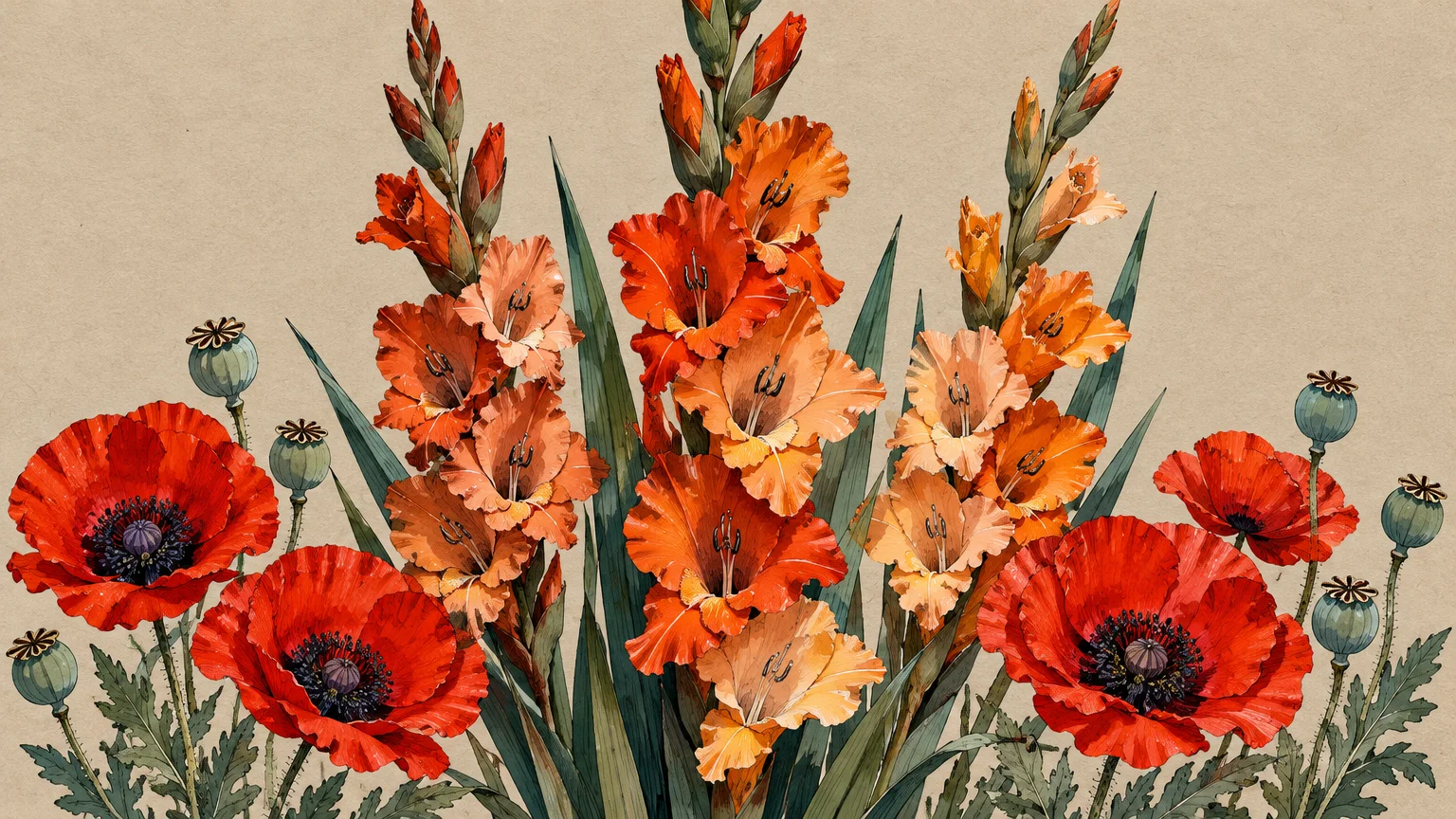
Tip #8: August – Gladiolus and Poppy
August delivers heat-defying drama with tall gladiolus spikes and brilliantly colored, papery poppy blossoms. These energetic summer bloomers flourish under intense sunshine when many other garden plants begin to fade.
Gladioli grow from compact corms into magnificent floral swords that make outstanding, long-lasting cut flower arrangements. Poppies thrive in dry, poor soils where their deep taproots harvest moisture deep underground.
Plant gladiolus corms in successive two-week batches throughout late spring for a continuous harvest all August. Water corms deeply once weekly during drought periods to keep emerging bloom stalks straight and turgid.
Scatter poppy seeds directly over bare garden soil in sunny borders and rake them in very lightly. Remove fading poppy seed pods promptly to stimulate fresh blooms, or let them dry for autumn decoration.
Stake gladiolus stalks as soon as flower spikes appear to keep them from leaning toward afternoon sunlight. Group vibrant red poppies with ornamental grasses for striking movement and texture in windy beds.
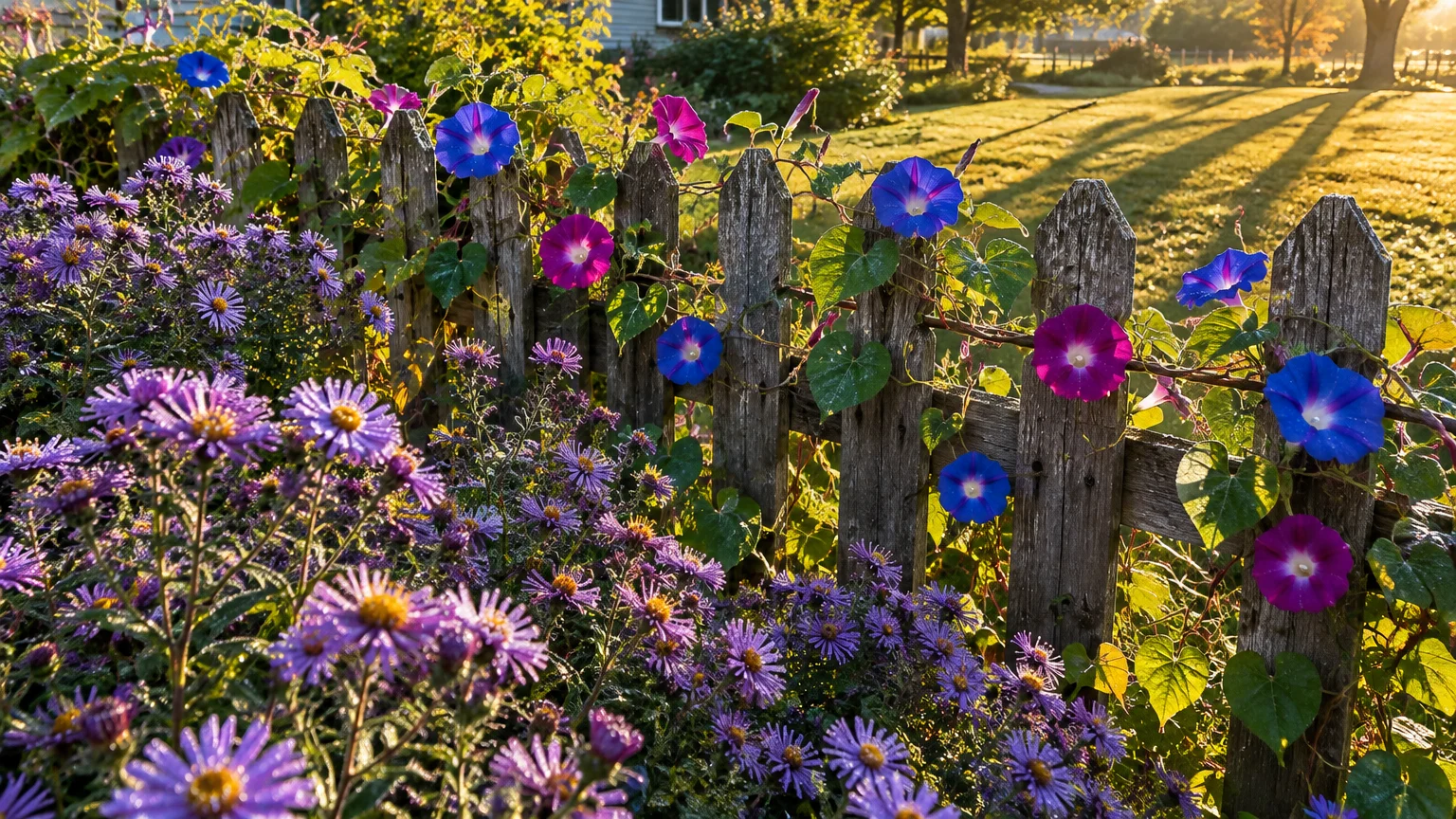
Tip #9: September – Aster and Morning Glory
September heralds early autumn with starry aster blossoms and sprawling, jewel-toned morning glory vines. These late-season powerhouses maintain brilliant floral interest as summer temperatures begin to moderate.
Asters supply critical, high-energy nectar for migrating monarch butterflies and solitary bees preparing for winter. Morning glories unfurl dozens of fresh funnel-shaped flowers each dawn, flourishing even in poor, unfertilized garden soil.
Prune aster branches back by half in early summer to promote bushy growth and prevent floppy stems. Space your asters properly to promote excellent air circulation and prevent powdery mildew on lower leaves.
Soak morning glory seeds overnight in warm water before sowing them alongside sunny fences or trellises. Avoid high-nitrogen fertilizers; excess nitrogen causes lush leafy vines with very few colorful flowers.
Mix blue asters with goldenrod and bronze sedums for a classic, pollinator-rich autumn border composition. Pick morning glory flowers in early morning for ephemeral floral arrangements in small water bowls.
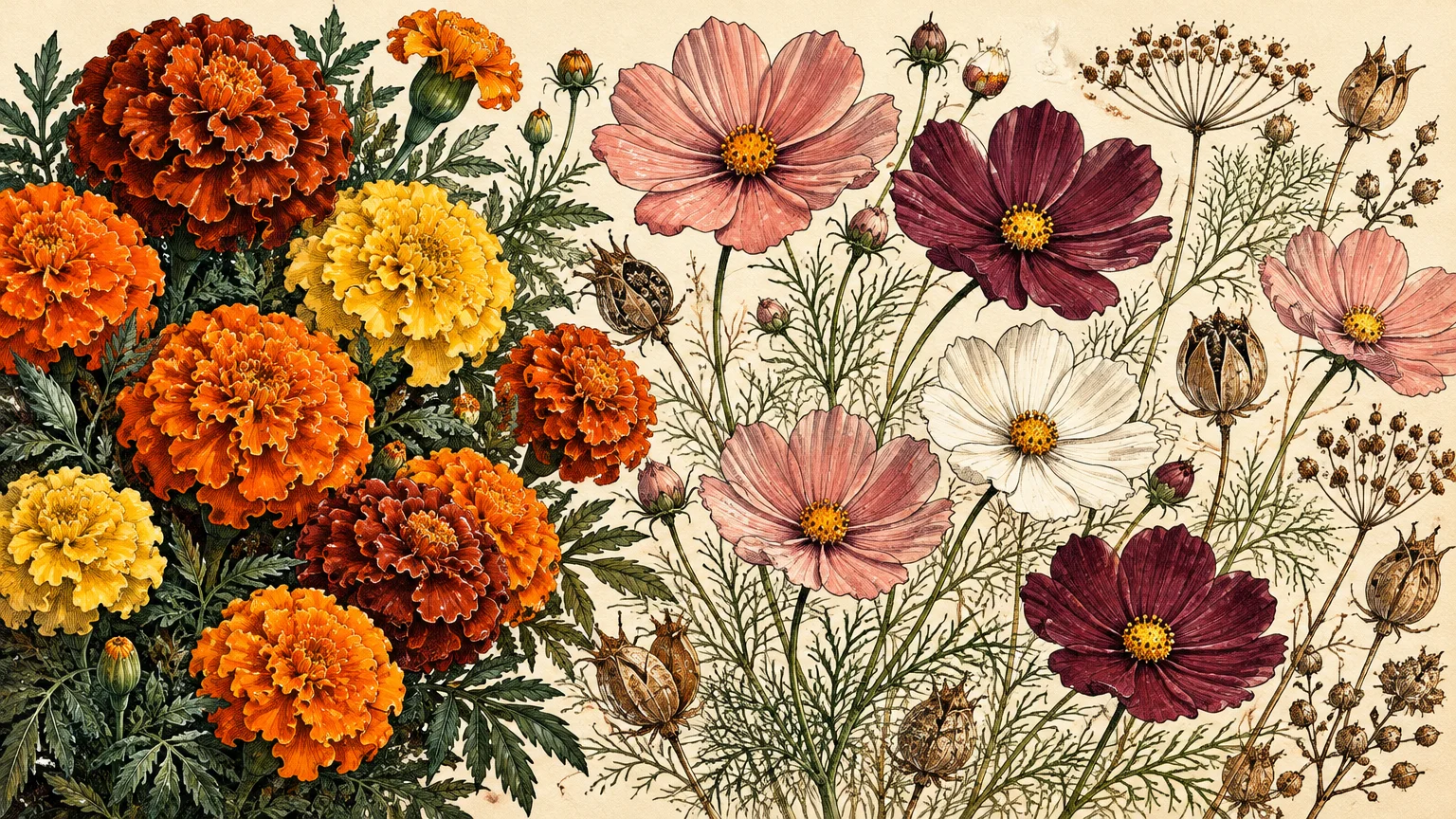
Tip #10: October – Marigold and Cosmos
October illuminates autumn borders with radiant golden marigolds and graceful, airy cosmos blossoms. These resilient annuals withstand brisk nighttime chills, providing cheerful color against falling leaves until hard frosts arrive.
Marigold roots produce natural biochemical compounds that deter destructive root-knot nematodes in garden soil. Cosmos blossoms present open flower heads that offer easily accessible pollen to late-season beneficial insects.
Deadhead spent marigold heads weekly to redirect plant energy into abundant new flower buds throughout October. Grow marigolds in warm, well-draining garden soil enriched with a small amount of balanced compost.
Plant cosmos in full sun and lean soil to prevent stems from growing weak and floppy. Cut fresh cosmos stems just as petals begin unfurling for stunning, long-lasting indoor autumn vases.
Mass orange marigolds around ornamental kales and cabbages for rich, contrasting autumn container arrangements. Gather dry cosmos seeds at season end to store in cool paper envelopes for next spring.
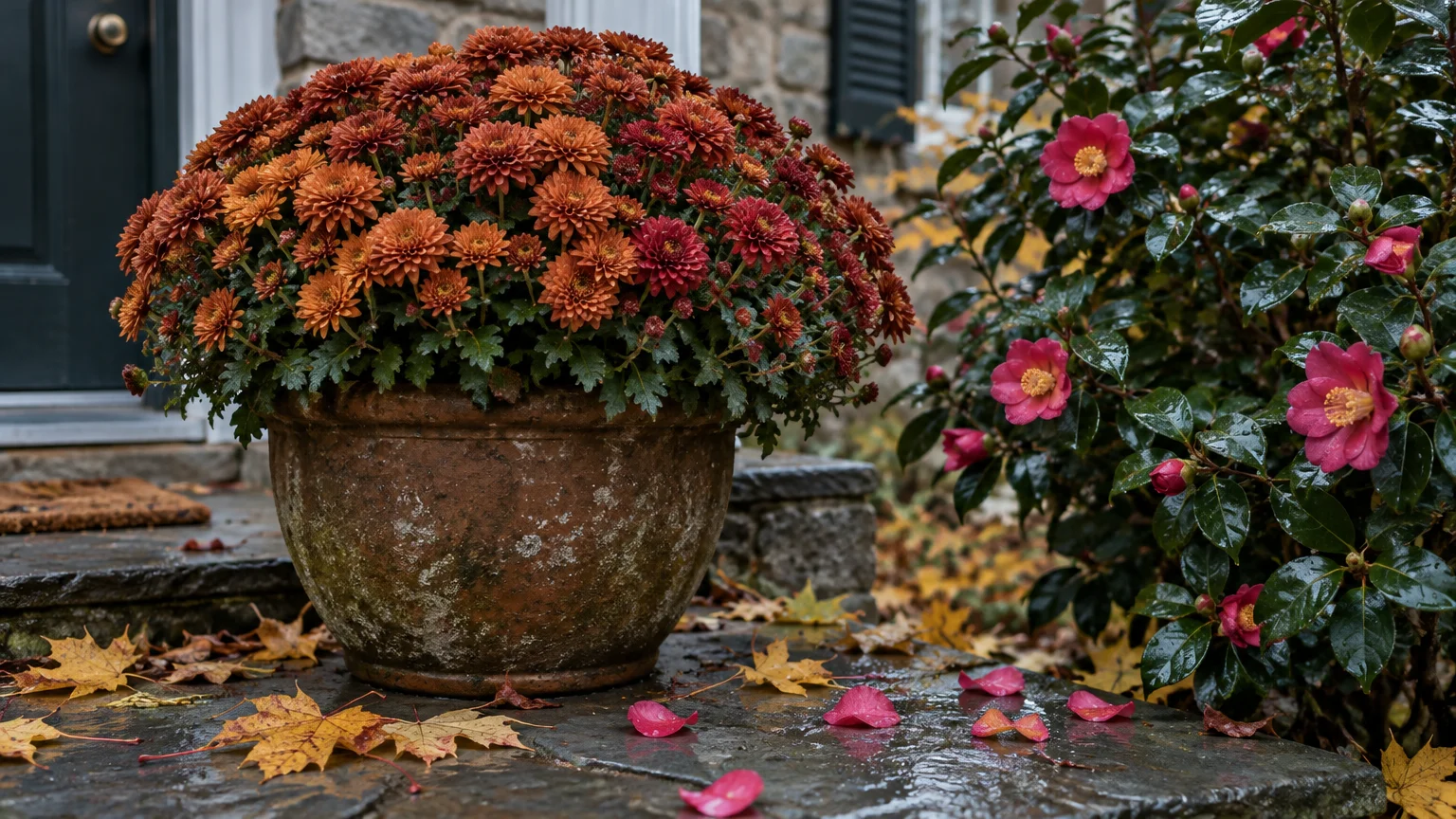
Tip #11: November – Chrysanthemum and Camellia
November relies on frost-tolerant garden chrysanthemums and elegant autumn-blooming camellias to defeat shortening daylight hours. Their rich jewel tones and glossy evergreen foliage bring refined warmth to chilly late-autumn landscapes.
Hardy garden mums survive freezing nights when their roots become well established during early autumn. Autumn-flowering camellias produce waxy, symmetrical blooms in partial shade, bridging the gap between autumn and winter.
Protect garden mum roots by applying three inches of shredded bark mulch around each plant crown. Keep mum stems intact through winter because old growth shields the root crown from damaging frost heaves.
Plant camellias in sheltered beds featuring acidic soil rich in aged leaf mold or peat moss. Water them regularly during dry autumn spells to support bud swell and prevent premature flower drop.
Arrange cut mum blossoms with evergreen pine boughs to build cheerful, long-lasting outdoor holiday urns. Place camellias near north-facing walls to protect delicate flower petals from morning winter sun damage.
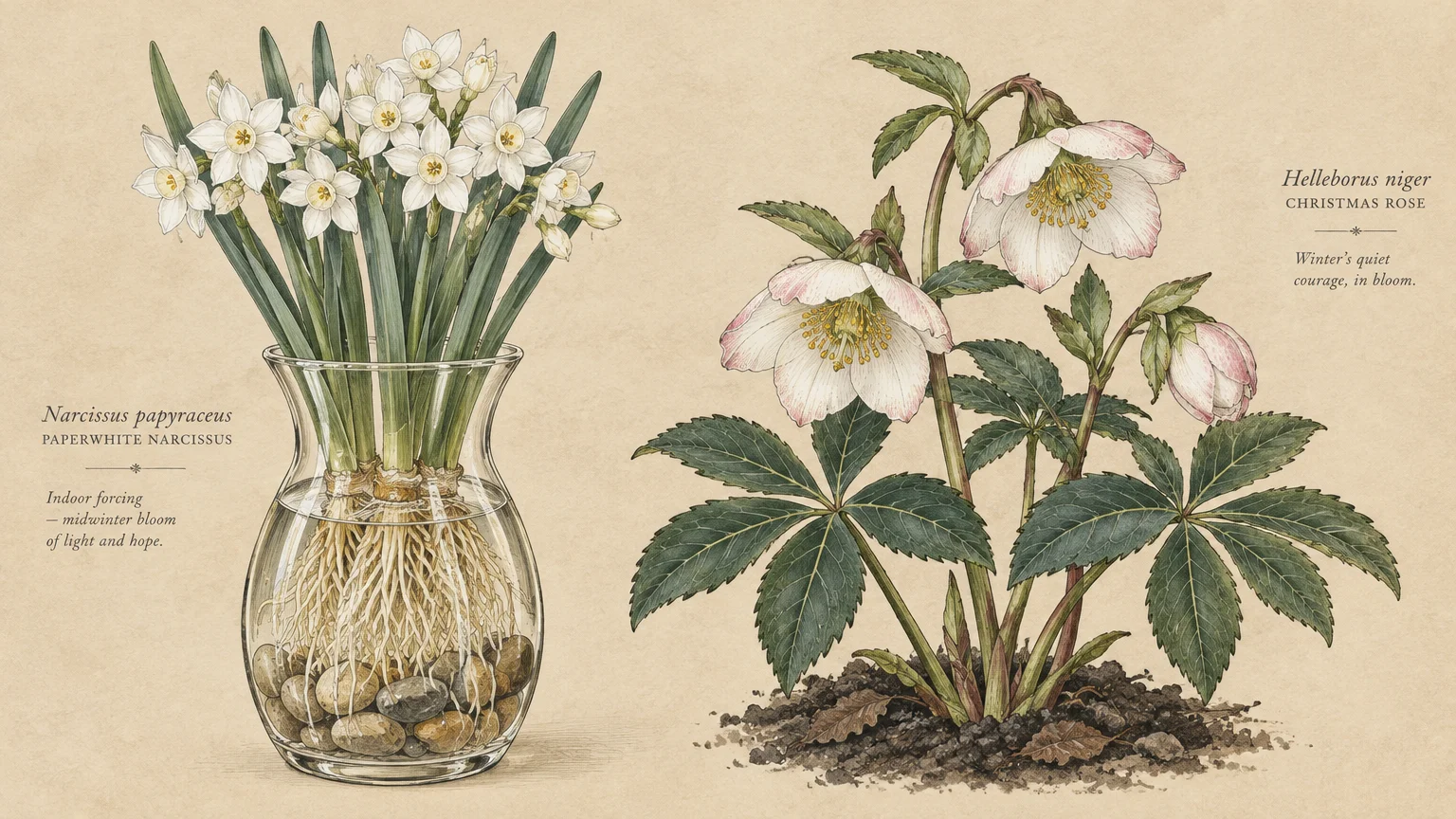
Tip #12: December – Narcissus and Hellebore
December completes the yearly cycle with fragrant indoor paperwhite narcissus and cold-defying outdoor Christmas hellebores. These remarkable flowers prove that beauty thrives even during the shortest, coldest days of the calendar year.
Paperwhite narcissus bulbs bloom without mandatory cold chilling, producing clusters of starry, perfumed white flowers indoors. Hellebores withstand sub-freezing outdoor weather by lowering leaf turgor pressure to protect delicate flower buds.
Force paperwhites indoors by placing bulbs on gravel beds in shallow dishes filled with fresh water. Position dishes in bright, indirect light to keep flower stems sturdy, compact, and upright.
Trim tattered older foliage away from your hellebores in early December to highlight the emerging flowers. Top-dress the surrounding root zone with organic leaf compost to feed plants throughout winter rains.
Add a few drops of rubbing alcohol to paperwhite forcing water to keep stem height attractively dwarf. Float freshly clipped hellebore blossoms in decorative glass bowls for delicate winter holiday table accents.
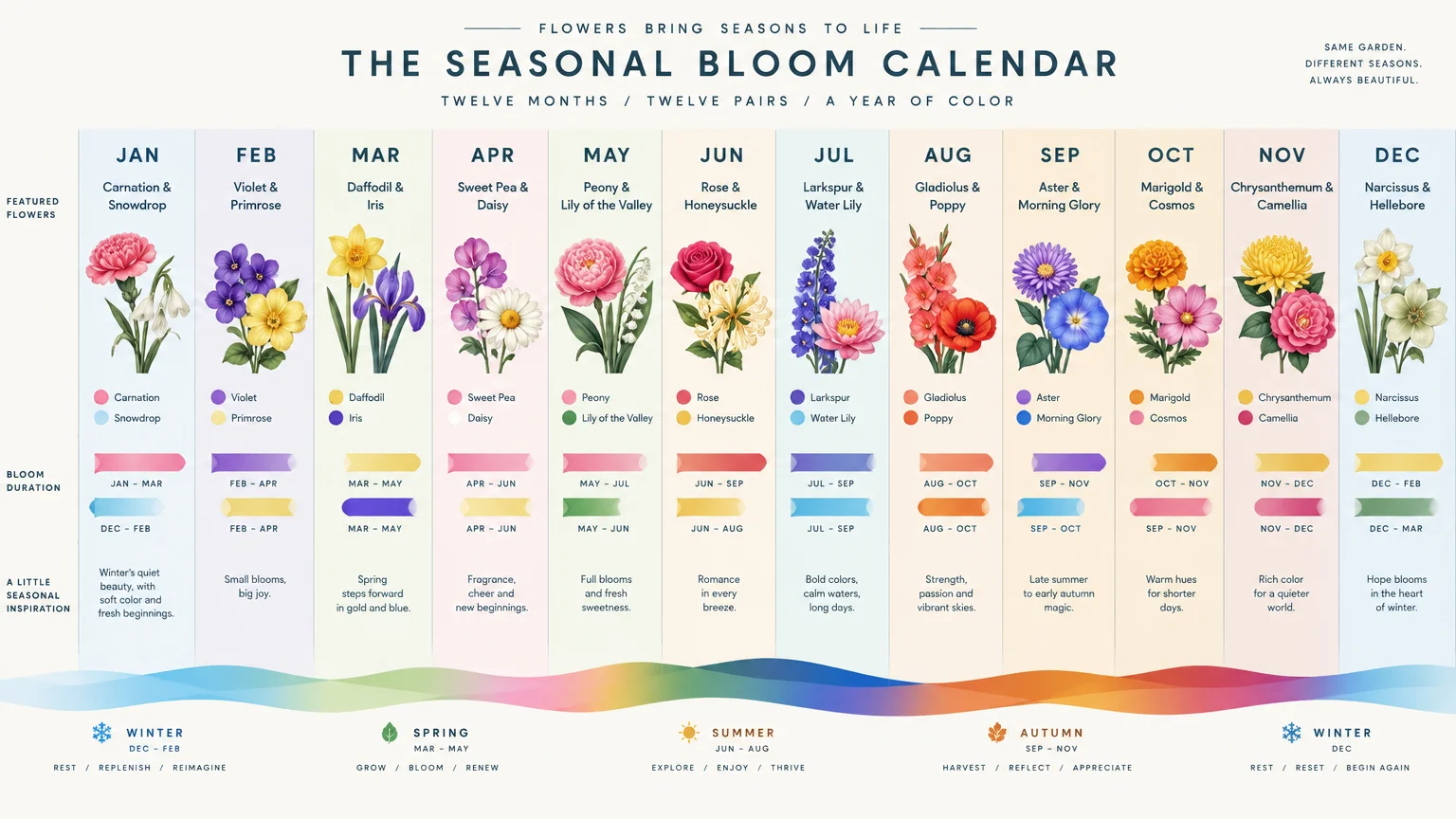
Putting It All Together: Enjoy Your Beautiful Garden
Cultivating a landscape that blooms across every month brings continuous rhythm, fragrance, and wildlife to your outdoor space. Careful selection guarantees that as one seasonal flower fades, another emerges to claim the spotlight.
Evaluate your garden monthly to discover open planting niches, microclimates, and changing light patterns. Use these seasonal insights to install suitable flowering varieties that enhance your long-term landscape design.
Begin gradually by planting two or three new seasonal species each quarter to expand your blooming calendar. Your garden borders and patio containers will soon transform into an ever-evolving showcase of natural beauty.
Observe how seasonal blossoms support native bees, butterflies, and hummingbirds through shifting weather patterns. Consistent soil care, thoughtful hydration, and timely pruning guarantee continuous horticultural rewards throughout every month of the year.
For region-specific advice, consult your local University Extension program (find yours via the USDA directory). For plant databases and inspiration, visit the Missouri Botanical Garden or the Royal Horticultural Society.
Disclaimer: This article provides general gardening advice; always consider your specific climate, soil conditions, and local pests. Follow safety guidelines when using gardening tools and products.
Frequently Asked Questions
How do birth month flowers relate to monthly garden planning?
Birth month flowers provide cultural symbolism and historic heritage, but many varieties also make superb landscape plants. Using them in your beds celebrates family milestones while establishing an orderly, predictable blooming sequence.
Can you cultivate all twelve monthly flowers in a single garden?
Your regional hardiness zone dictates which specific flowers survive outdoor freezes or intense summer heatwaves. Gardeners in challenging climates successfully grow tender monthly species in containers or indoor window sills.
What is the most effective way to guarantee continuous year-round color?
Layer hardy bulbs, annual bedding plants, and established perennials together in the same planting beds. Positioning early spring bulbs beneath late-emerging summer perennials ensures that no bare patches linger between bloom cycles.
How do you preserve soil fertility across twelve months of active blooming?
Spread a two-inch layer of finished organic compost across your planting beds every spring and autumn. This habit feeds beneficial soil organisms, regulates soil moisture, and restores nutrients consumed by prolific flowering plants.