Bringing plants indoors for winter protects your lush greenery from freezing temperatures, but outdoor pots often harbor hidden invaders. You can safeguard your living room jungle by learning how to debug plants before bringing inside.
Patios and garden beds expose container plants to countless wild hitchhikers during warm summer months. When temperatures drop below 50°F, you must act swiftly before destructive houseplant pests spread across your indoor collection.
Spotting these seven common culprits early ensures your tropical favorites thrive indoors without spreading infestations to your windowsill displays. A systematic inspection will keep your indoor sanctuary vibrant and entirely pest-free all winter long.
Tip #1: Fungus Gnats in the Potting Soil
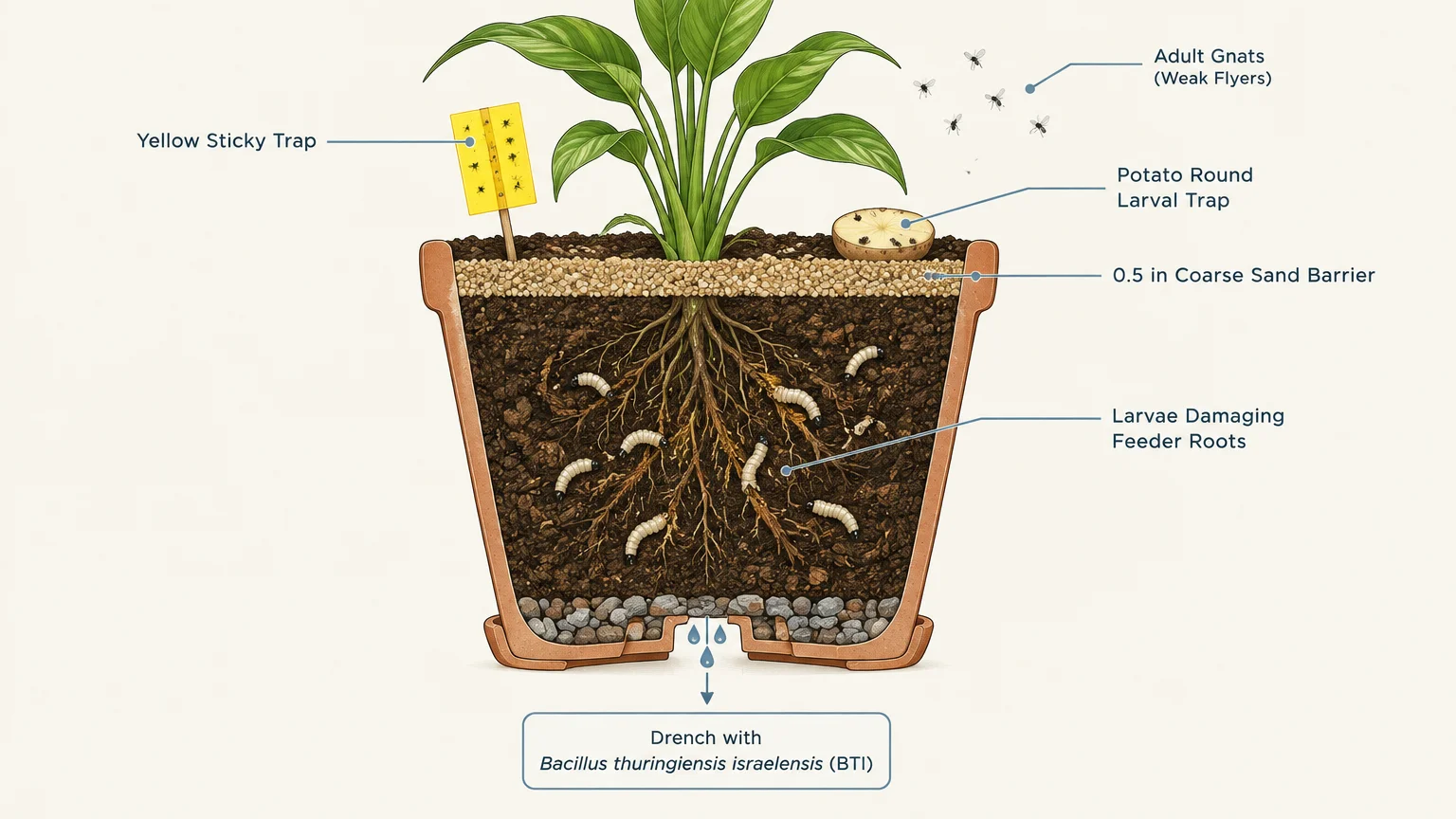
Fungus gnats rank among the most frequent stowaways when you transition container gardens indoors. These tiny, delicate black flies flutter weakly around your pots and quickly become an annoying nuisance in your living areas.
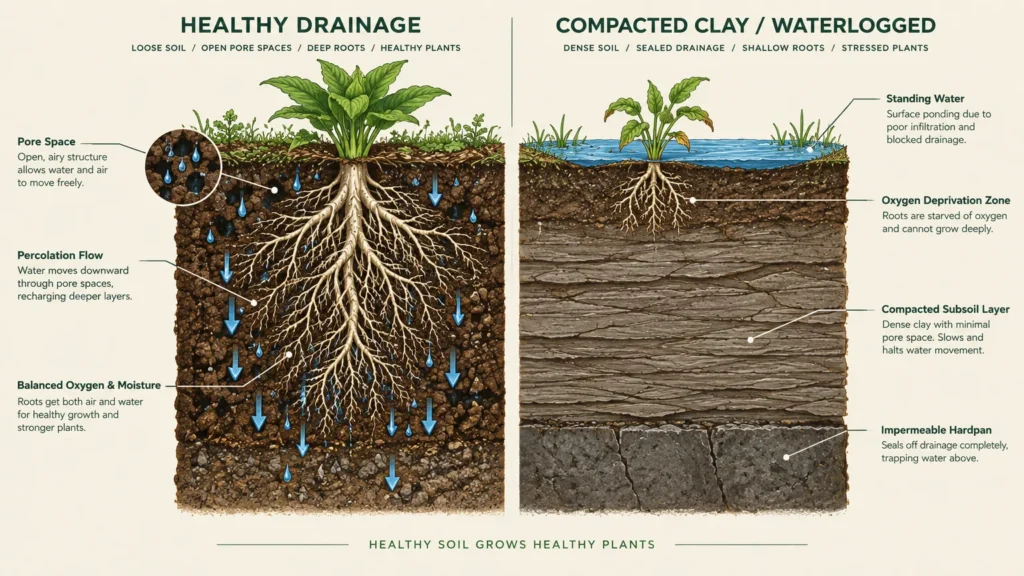
While adult gnats cause zero structural harm to foliage, their subterranean larvae voraciously feed on tender feeder roots and decaying organic matter. Damaged roots struggle to absorb moisture and nutrients, which leaves your prized plants vulnerable to fungal root rot.
Summer rains keep outdoor potting soil consistently moist, creating ideal breeding grounds for adult flies to lay hundreds of eggs. Once you bring those pots into warm indoor air, those dormant eggs hatch in rapid succession.
You can pinpoint an emerging infestation by lightly tapping the pot rim and watching for fluttering adults. Inspect the top two inches of soil closely; wriggling white larvae with shiny black heads indicate active colonization.
Stop fungus gnats immediately by letting the top few inches of potting mix dry out completely between waterings. Larvae require steady moisture to survive, so drier conditions disrupt their reproductive cycle naturally.
For active infestations, drench the potting medium with water infused with Bacillus thuringiensis israelensis. This beneficial soil bacterium targets and destroys gnat larvae without harming delicate root systems or beneficial soil microbes.
Place bright yellow sticky cards at the soil line to trap egg-laying adults before they reproduce. Slicing raw potato rounds and laying them on the soil surface also draws feeding larvae out for easy disposal.
A half-inch topdressing of coarse horticultural sand creates an impenetrable physical barrier that prevents adults from burrowing into the damp mix below. This straightforward strategy breaks the life cycle and protects your plant collection effortlessly.
Tip #2: Spider Mites Spun Across Foliage
Spider mites on houseplants represent a pervasive threat that hitchhikes indoors on tropical foliage every autumn. These microscopic arachnids thrive unnoticed beneath leaves until explosive populations cause widespread cosmetic and physiological damage.
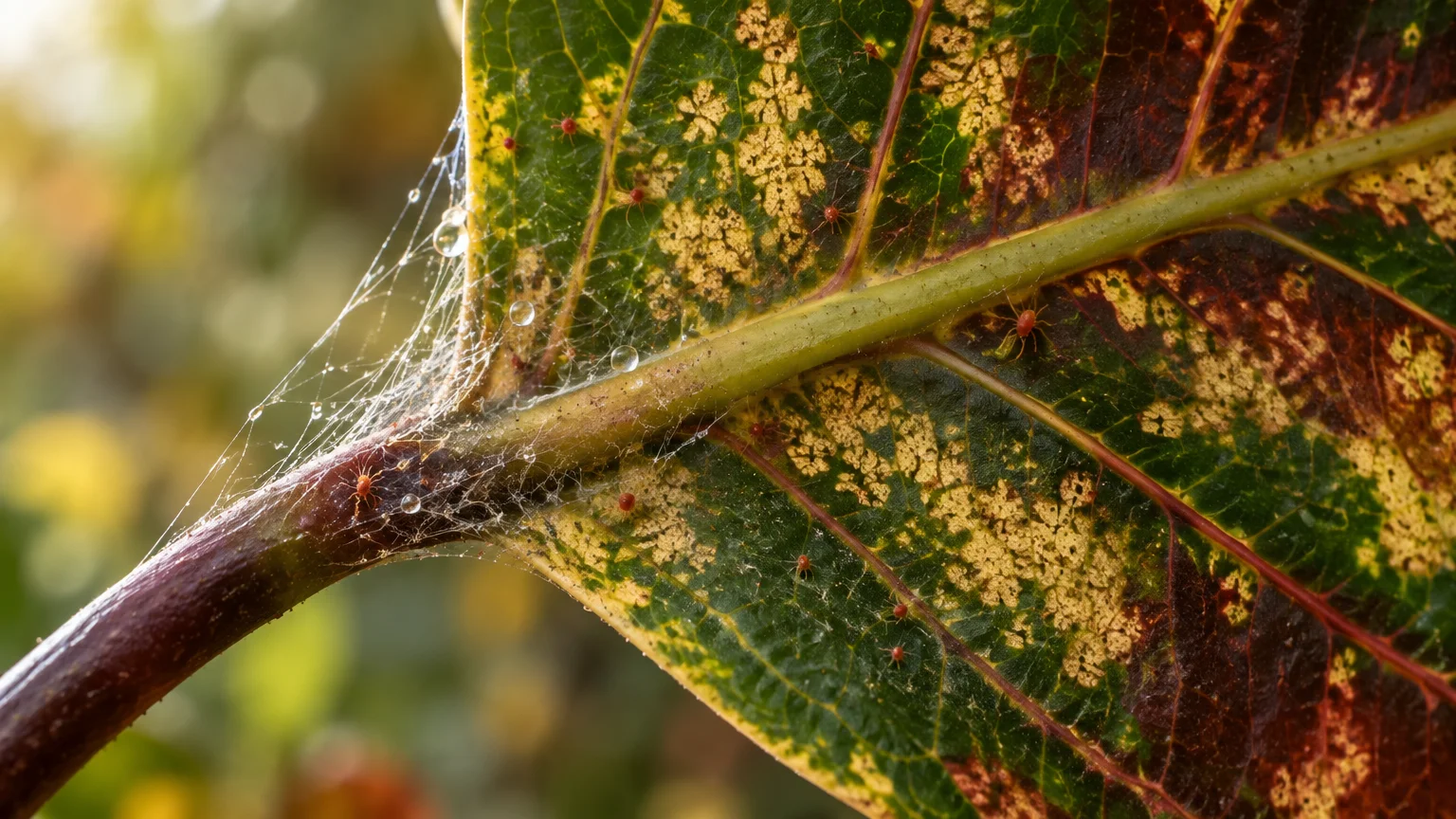
Mites use piercing-sucking mouthparts to puncture individual plant cells and siphon away vital fluids. As chlorophyll drains away, leaves develop a telltale bronze stippling that eventually turns foliage yellow, brittle, and lifeless.
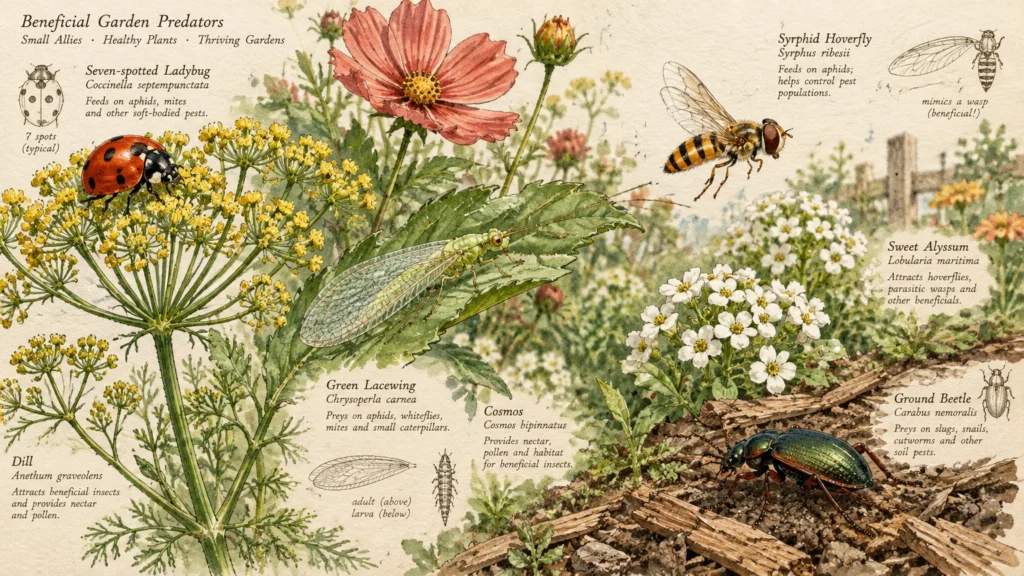
Warm outdoor patios provide ample food, but natural predators like ladybugs keep mite numbers balanced outside. Once inside your heated home, dry air and an absence of predators allow mite populations to double every few days.
Detect these tiny pests by inspecting leaf undersides and looking for fine, silken webbing spanning leaf joints. You can also shake an affected branch over a white sheet of paper to spot moving speckles.
Blast foliage with a stiff stream of tepid water before bringing pots through your doorway. This mechanical rinse dislodges dense colonies and washes away fine webbing without requiring synthetic chemicals.
Thoroughly coat both sides of all leaves with insecticidal soap or cold-pressed neem oil; complete coverage remains essential because these treatments kill through direct contact. Reapply every five to seven days to eliminate newly hatched mites.
Elevate ambient humidity around your indoor collection using humidifiers or pebble trays filled with water. Spider mites despise damp environments, so higher moisture levels discourage their feeding and slow their reproduction dramatically.
Isolate infested plants immediately in a bright bathroom where natural humidity helps suppress mite vitality. Quick quarantine prevents these wind-borne pests from drifting toward your other houseplant favorites.
Tip #3: Aphids Clustered on Tender Shoots
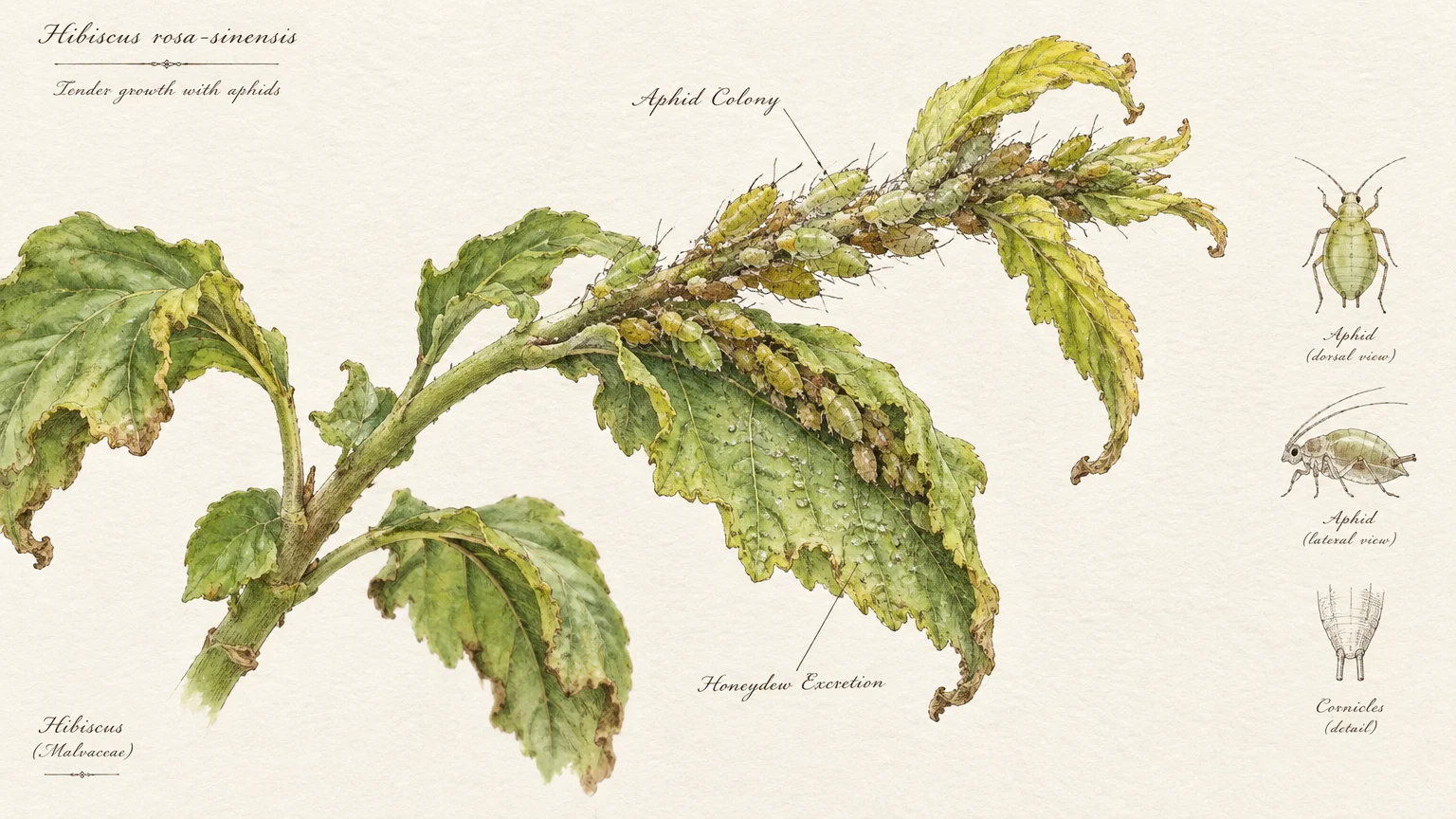
Aphids love the succulent new growth that patio plants produce under abundant summer sunshine. When you move those plants indoors, these soft-bodied insects quickly colonize tender stems, flower buds, and leaf undersides.
These pear-shaped pests pierce plant vascular tissues and suck out sugary phloem sap. Heavy feeding distorts developing foliage, stunts growth, and causes premature bud drop across flowering cultivars like hibiscus and fuchsia.
Aphids reproduce through parthenogenesis, meaning females give birth to live clones without mating. A single stray female on an outdoor plant can spawn an enormous indoor colony in just two weeks.
Look for sticky honeydew droplets coating upper leaf surfaces and nearby floorboards beneath your containers. This sugary residue often hosts dark sooty mold fungi, which blocks sunlight and hampers natural photosynthesis.
Check your plant tips closely for green, black, yellow, or pink clusters gathered around soft nodes. Discarded white molted skins dusting the foliage often provide your first visible clue of an infestation.
Prune away heavily infested growth tips with clean bypass pruners before bringing plants indoors. You will remove hundreds of feeding insects in one swift cut while encouraging bushier, healthier branching.
Wash remaining plant stems with a solution of mild liquid castile soap and lukewarm water. The fatty acids in the soap dissolve the insects’ protective waxy coats, causing rapid dehydration and death.
Monitor your quarantined plants weekly for any surviving aphids that attempt to rebuild colonies. Regular vigilance during the first month indoors prevents surprise outbreaks from spreading to nearby houseplants.
Tip #4: Mealybugs Tucked in Leaf Crevices
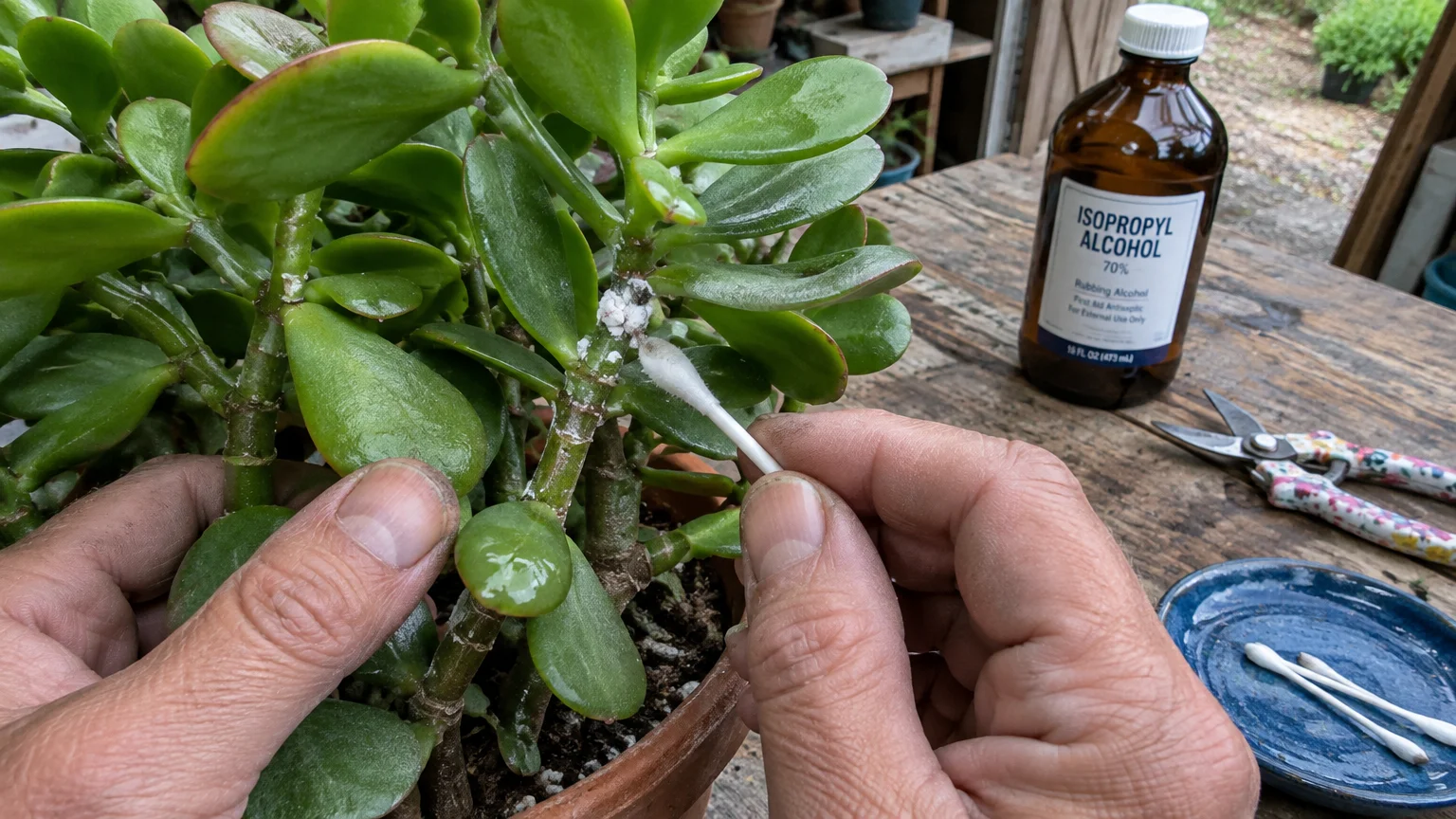
Mealybugs resemble small specks of white fluff or cotton tucked deep into stem joints and leaf axils. Their protective waxy secretions shield them from casual outdoor inspection, making them masterful indoor stowaways.
These unarmored scale relatives insert piercing stylets into plant tissue to extract essential fluids. Sustained feeding robs your greenery of vigor, triggering yellow leaves, wilting, and unexpected defoliation.
Mealybugs seek out sheltered microclimates on patio plants, such as beneath decorative pot rims and within folded crown foliage. Once inside your warm home, females deposit hundreds of eggs within cottony protective sacs.
Scrutinize branch crotches, leaf petioles, and the drainage holes of plastic nursery pots for telltale white fuzz. Juveniles, known as crawlers, look like tiny pink or yellow specks before developing their characteristic white wax.
Eradicate individual mealybugs instantly by dabbing them with a cotton swab dipped in seventy-percent isopropyl alcohol. The alcohol dissolves their waxy shield and kills the insect on contact without scorching durable foliage.
For widespread infestations, spray your plants thoroughly with a mixture of neem oil and insecticidal soap. Ensure the spray penetrates deep into tight crevices where young crawlers congregate out of sight.
Inspect root systems of declining plants because subterranean root mealybugs can colonize potting soil secretly. Drenching the root zone with approved systemic treatments eliminates hidden soil dwellers before they destroy root vitality.
Keep newly relocated specimens isolated for three full weeks to monitor for emerging crawlers. Diligent scouting protects your existing houseplant collection from devastating, hard-to-treat mealybug outbreaks.
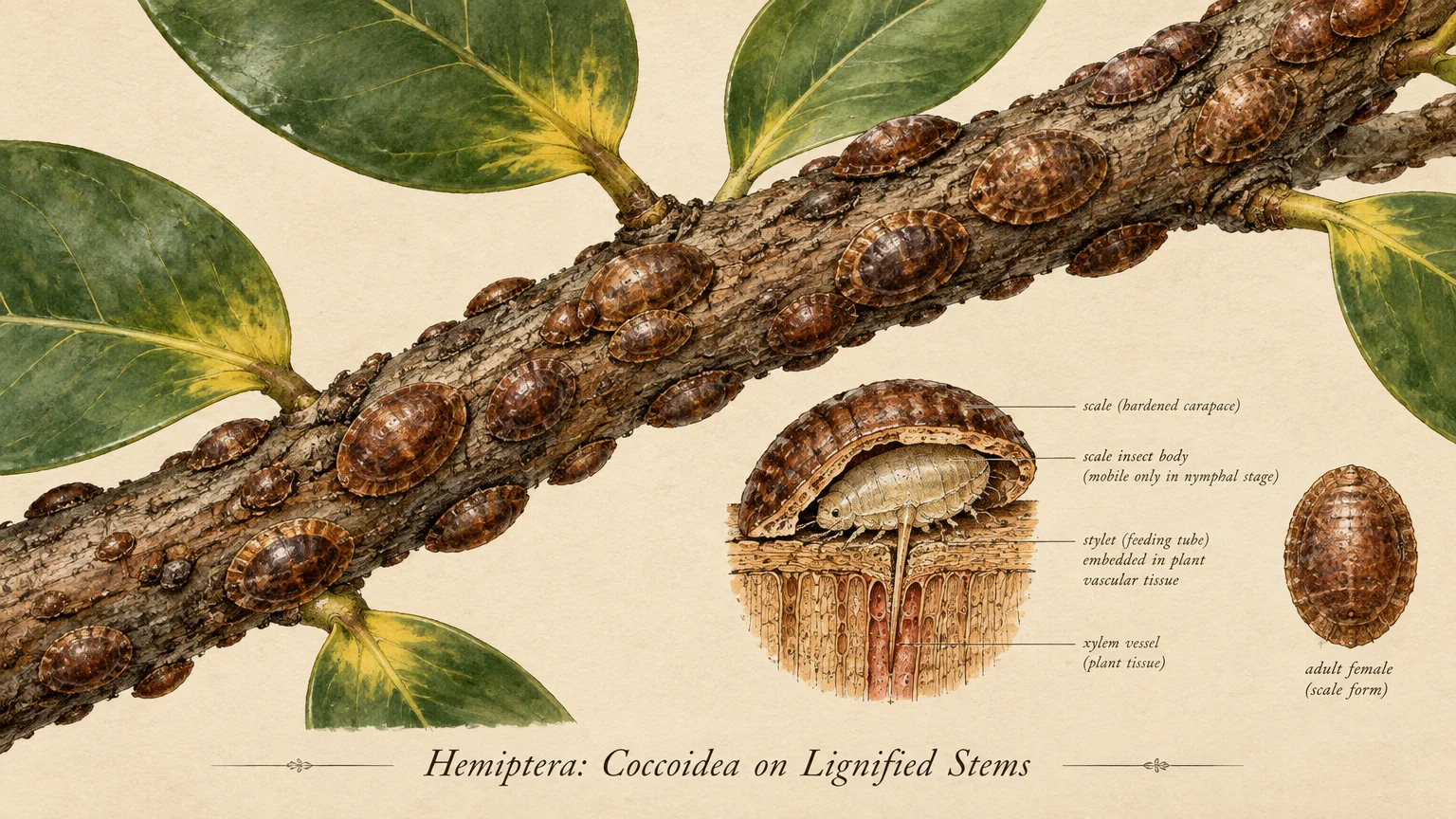
Tip #5: Scale Insects Clinging to Woody Stems
Scale insects camouflage themselves so effectively that many gardeners mistake them for natural bark bumps or plant blemishes. These resilient pests adhere firmly to woody stems, citrus branches, and tough foliage.
Scale insects divide into two main categories: armored scale and soft scale. Soft scale species excrete copius honeydew like aphids, whereas armored scale species construct rigid, waxy shells that defy ordinary contact sprays.
Tiny scale crawlers move actively outdoors during spring and summer before settling permanently in one spot. Once fixed, they build their impervious protective armor and siphon sap continuously from vascular plant bundles.
Inspect the undersides of leaves along main structural veins and examine older woody stems closely. If you see raised brown, tan, or gray oval discs that resist gentle brushing, you have found scale.
Gently scrape away visible adult scales using your thumbnail, a soft toothbrush, or a damp microfiber cloth. Removing the adults prevents mature females from releasing thousands of mobile crawlers onto neighboring indoor plants.
Dab stubborn individual scales with isopropyl alcohol to dissolve the edges of their protective shields. Follow up by applying a lightweight horticultural dormant oil spray to suffocate any remaining crawlers.
Horticultural oils work exceptionally well because they coat the insect’s breathing pores and smother them completely. Spray thoroughly during cool evening hours to avoid leaf burn on sensitive indoor varieties.
Quarantine scale-prone plants such as ficus, bay laurel, and citrus away from your main living room greenery. Checking stems every two weeks ensures no missed crawlers establish a second generation indoors.
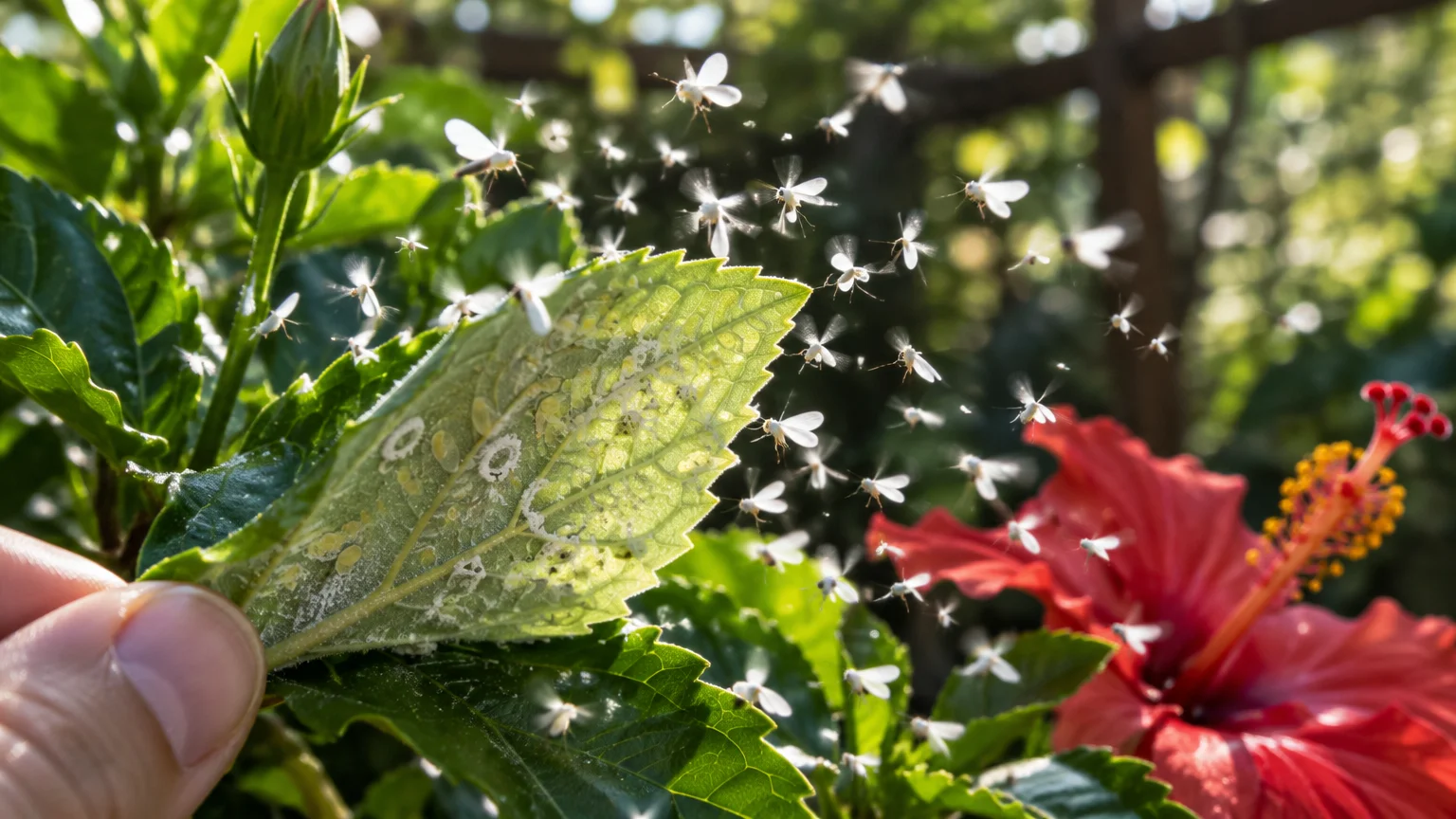
Tip #6: Whiteflies Concealed Under Leaf Surfaces
Whiteflies are tiny, moth-like sap-sucking insects that flutter into a fluttering white cloud when you disturb plant foliage. They thrive outdoors on flowering annuals, herbs, and tropical specimens like hibiscus and poinsettia.
Both adult whiteflies and their scale-like nymphs feed aggressively on leaf undersides, draining vital moisture and nutrients. Severely infested plants exhibit silvered or yellowing leaves, slowed growth, and widespread leaf drop.
Summer conditions allow whiteflies to complete their entire life cycle from egg to adult in barely three weeks. Bringing them indoors removes outdoor rainstorms and wind, giving them a calm sanctuary to multiply unchecked.
Test for whiteflies before moving your pots by shaking the main branches gently in the outdoor breeze. If a flurry of miniature white insects takes flight, your plant requires thorough debugging before entering the house.
Use a handheld vacuum cleaner on low suction to gently capture fluttering adults directly off the leaves. This clever mechanical technique instantly removes hundreds of breeding adults before you apply liquid insecticidal treatments.
Spray leaf undersides thoroughly with insecticidal soap or botanical pyrethrin sprays to eliminate stationary nymphs and eggs. Because whitefly eggs resist many basic treatments, repeat your spray applications every five days for three weeks.
Hang yellow sticky cards just above the plant canopy to trap newly emerging adults. Whiteflies gravitate strongly toward the vibrant yellow color and become securely trapped before laying new clutches of eggs.
Maintain good air circulation indoors with a gentle oscillating fan set near your quarantined containers. Breezy indoor conditions hinder whitefly flight and make landing on fresh foliage significantly more difficult for them.
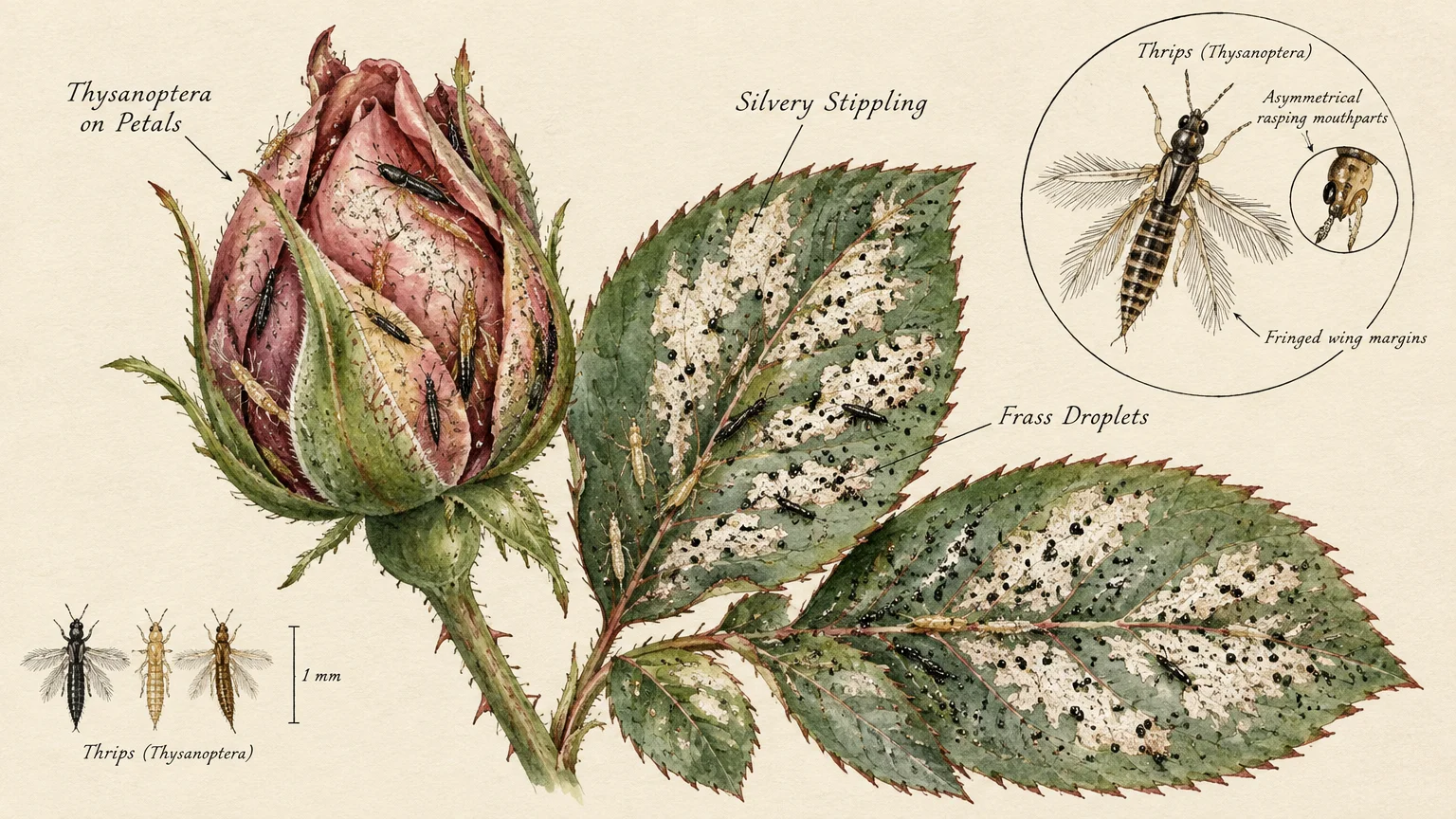
Tip #7: Thrips Feeding on Foliage and Buds
Thrips are slender, minute insects equipped with fringed wings and rasping mouthparts that scrape open plant tissue. They target flower petals and tender foliage, leaving behind silvery patches speckled with tiny black dots of frass.
As thrips feed, they rupture cell walls and consume the oozing sap, causing leaves to curl, crinkle, and turn brown. Even worse, thrips transmit dangerous plant viruses that can permanently stunt or kill sensitive houseplant varieties.
Outdoors, thrips hide within flower buds and feed on pollen throughout the bright summer months. Bringing outdoor flowers indoors invites these cryptic feeders straight into your warm, protected interior spaces.
Detect thrips by blowing gently into open blooms or tapping flowers over a sheet of plain white paper. Watch for tiny, dark needle-like insects that dart rapidly across the surface when exposed to light.
Strip all open flowers and swollen buds from your plants before bringing them through your home doors. Thrips congregate heavily inside floral structures, so deadheading drastically reduces their numbers before treatment begins.
Spray foliage thoroughly with an organic spinosad spray or insecticidal soap, making sure to wet every leaf crevice. Spinosad works through ingestion and contact, making it exceptionally effective against active thrips populations.
Install bright blue or yellow sticky cards near affected plants to intercept flying adults. Research proves thrips respond especially well to blue traps, making them an excellent monitoring and containment tool.
Female thrips insert eggs directly into plant tissue, which protects their brood from simple contact sprays. Repeat your targeted treatments every four to six days to catch newly emerging nymphs before they mature.
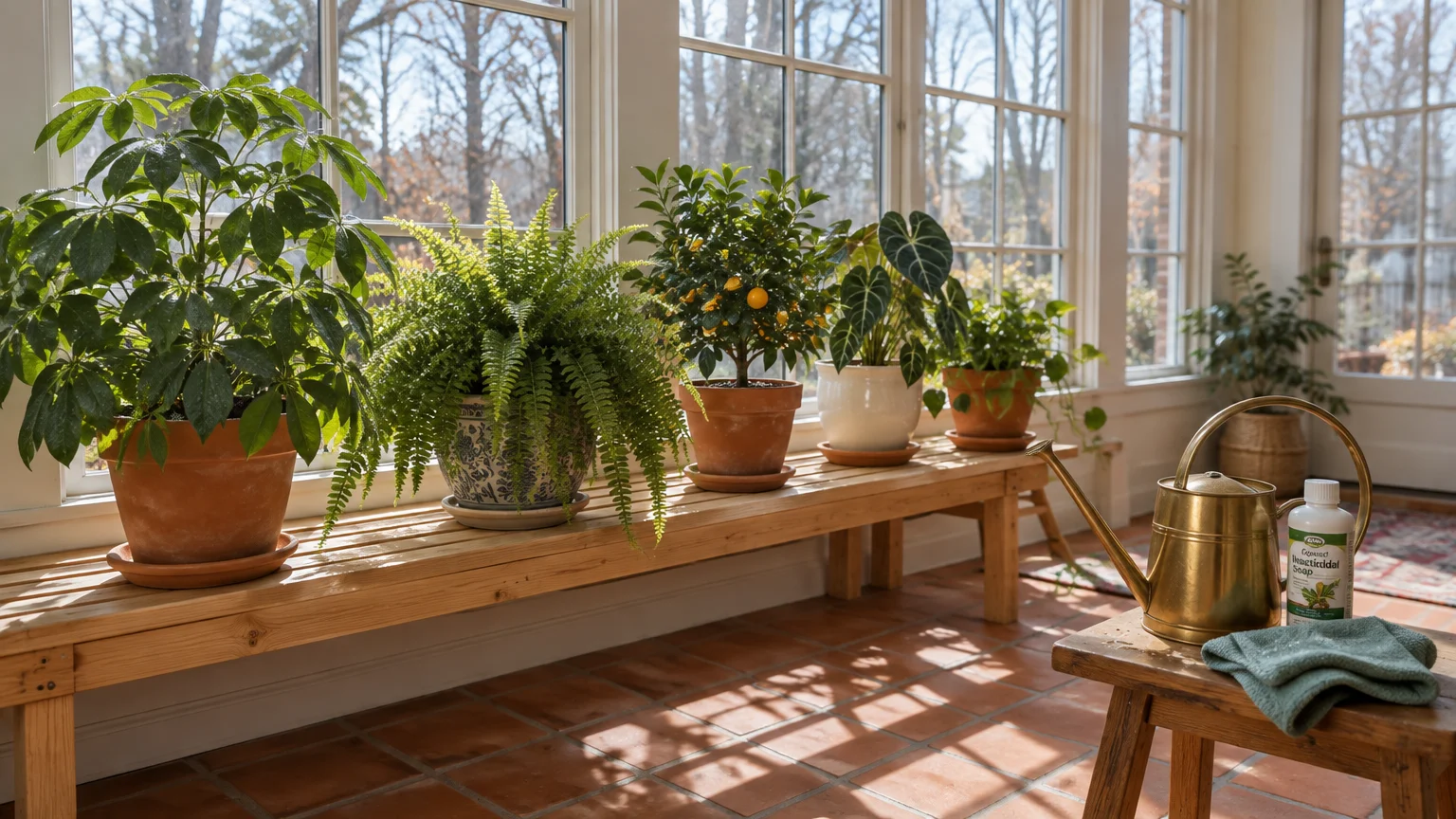
Putting It All Together: Enjoy Your Beautiful Garden
Transitioning your container garden indoors does not have to result in an unwelcome indoor pest outbreak. A proactive debugging routine preserves your plants’ summer vigor while maintaining a clean, comfortable living environment.
Always begin your transition before nighttime temperatures dip below 50°F in early autumn. Sudden cold snaps shock tropical foliage, making plants much more susceptible to opportunistic insect attacks indoors.
Wash every container thoroughly, scrub the pot rims, and rinse foliage under gentle hose water outdoors. Giving plants a thorough cleaning outside removes the majority of hitchhikers before they cross your threshold.
Designate a dedicated quarantine area inside your home for at least two to three weeks. This temporary isolation zone gives you time to spot and treat emerging pests before they reach other rooms.
Consistent scouting and early intervention keep your indoor garden flourishing through the darkest winter months. With these seven pest-busting strategies in hand, you can savor vibrant greenery all year long.
For region-specific advice, consult your local University Extension program (find yours via the USDA directory). For plant databases and inspiration, visit the Missouri Botanical Garden or the Royal Horticultural Society.
Disclaimer: This article provides general gardening advice. Always consider your specific climate, soil conditions, and local pests. Follow safety guidelines when using gardening tools and products.
Frequently Asked Questions
How do I debug plants before bringing them inside for the winter?
Start by spraying down the entire plant with a brisk stream of water to dislodge surface insects. Clean the outer pot surfaces and drench the soil with insecticidal soap or neem oil.
Prune away dead or crowded foliage where pests prefer to hide. Keep the plant in an isolated holding area indoors for two weeks to confirm it remains pest-free.
Can I use dish soap to treat houseplant pests?
You should avoid standard household dish soaps because synthetic detergents can strip natural waxy coatings and severely scorch plant leaves. Commercial insecticidal soaps contain refined potassium fatty acids designed specifically for plant safety.
If commercial insecticidal soap is unavailable, use pure liquid castile soap diluted in warm water as a safer home alternative. Always test any homemade mixture on a single leaf first to verify tolerance.
How long should I isolate outdoor plants after bringing them indoors?
Isolate your outdoor plants for fourteen to twenty-one days in a separate, well-lit room away from other houseplants. This window matches the developmental life cycle of most common houseplant pests.
Inspect leaf undersides and soil surfaces every few days using a magnifying glass. If no new insects appear by the end of three weeks, you can safely integrate them into your main collection.
When is the best time to bring outdoor houseplants inside for the season?
Move your tropical houseplants indoors when nighttime temperatures reliably dip toward 50°F to 55°F. Waiting until frost arrives can permanently damage cold-sensitive roots and foliage.
Bringing them in during late summer also minimizes temperature shock between indoor and outdoor environments. This smoother transition helps your greenery retain leaves and stay resilient all season.