
Not every insect chewing on vegetation spells disaster for your backyard oasis. In fact, cultivating an army of beneficial garden insects protects your prized flowers and vegetables better than synthetic sprays.
Welcoming good bugs for your garden establishes a balanced ecosystem where natural predators keep destructive pests firmly in check. You save hours of frustration while safeguarding delicate blossoms and tender homegrown produce.
Embracing these hard-working garden friendly bugs transforms pest management into effortless biological control. Here are eight powerful insects that help plants thrive naturally across your flowerbeds and raised beds.
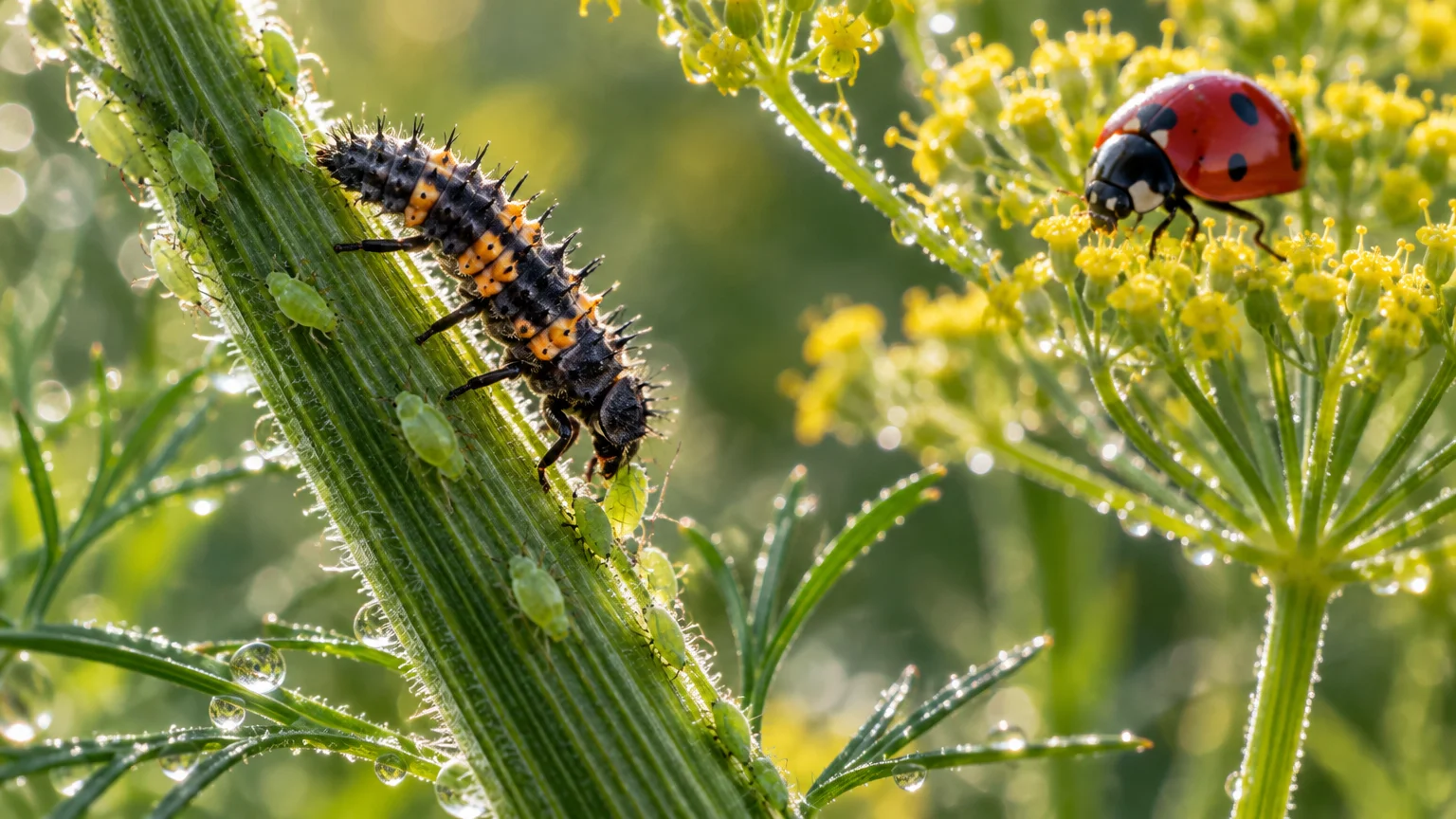
Tip #1: Ladybugs (Ladybird Beetles)
Ladybugs are the classic champion among beneficial garden insects. Their bright red wing covers and cheerful black spots bring immediate charm to any landscape.
Beneath their gentle appearance lies a voracious predator. Both adult ladybugs and their spiny, dark larvae feed aggressively on destructive soft-bodied garden pests.
An individual ladybug larva can consume up to 400 aphids during its two-week development phase. Once mature, a single adult eats up to 5,000 aphids throughout its lifespan.
These good bugs for your garden also devour scale insects, mealybugs, thrips, and spider mite colonies. They actively hunt along stems and beneath tender foliage where pests congregate.
You can easily distinguish ladybug larvae by their distinct alligator-like shape and orange-dappled black bodies. Avoid disturbing these hungry juveniles when inspecting your leaves.
To attract ladybugs naturally, plant umbrella-shaped flowers such as dill, fennel, cilantro, and sweet alyssum. These aromatic blossoms provide vital nectar and pollen when prey populations run low.
Provide a shallow saucer filled with clean water and small pebbles. The stones offer a safe landing perch where ladybugs can drink without the risk of drowning.
Skip broad-spectrum sprays entirely to keep ladybug generations flourishing year after year. A stable population ensures fast natural pest control insects remain stationed right on your property.
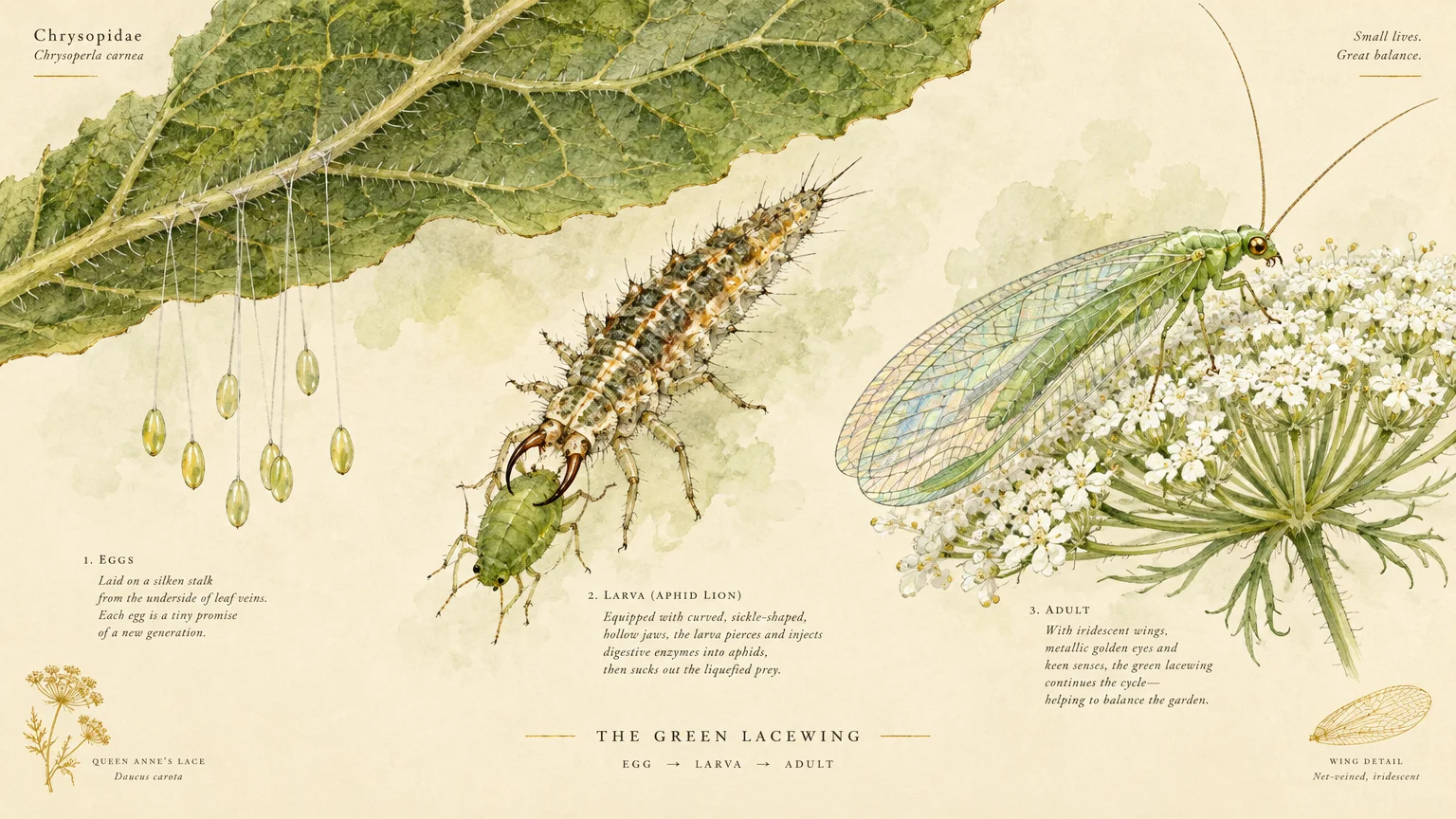
Tip #2: Green Lacewings
Green lacewings represent some of the most industrious natural pest control insects you can welcome. Adults feature gossamer, pale-green wings and striking golden eyes that shimmer in sunlight.
While adult lacewings feed primarily on pollen, nectar, and honeydew, their offspring are relentless carnivores. Entomologists often refer to lacewing larvae as fierce aphid lions.
An aphid lion possesses sickle-shaped, hollow jaws designed to pierce prey and extract internal fluids. A single larva can consume more than 200 aphids or other soft pests weekly.
Beyond aphids, these beneficial garden insects actively hunt spider mites, thrips, whiteflies, and leafhopper nymphs. They even target small caterpillars and the eggs of destructive moths.
Female lacewings lay tiny oval eggs suspended on slender, thread-like stalks underneath leaves. This ingenious evolutionary adaptation prevents newly hatched siblings from devouring one another.
You can invite lacewings to your yard by planting coreopsis, cosmos, angelica, and Queen Anne’s lace. These composite flowers produce accessible nectar that fuels adult reproduction.
Maintaining diverse companion plantings ensures a steady succession of blooms from early spring through autumn. Continuous blooms keep adult lacewings laying eggs directly beside vulnerable crops.
Minimize soil tilling around perennial borders to protect overwintering cocoons nestled in leaf litter. Leaving fallen autumn leaves under shrubs creates sheltered winter refuges for emerging adults.
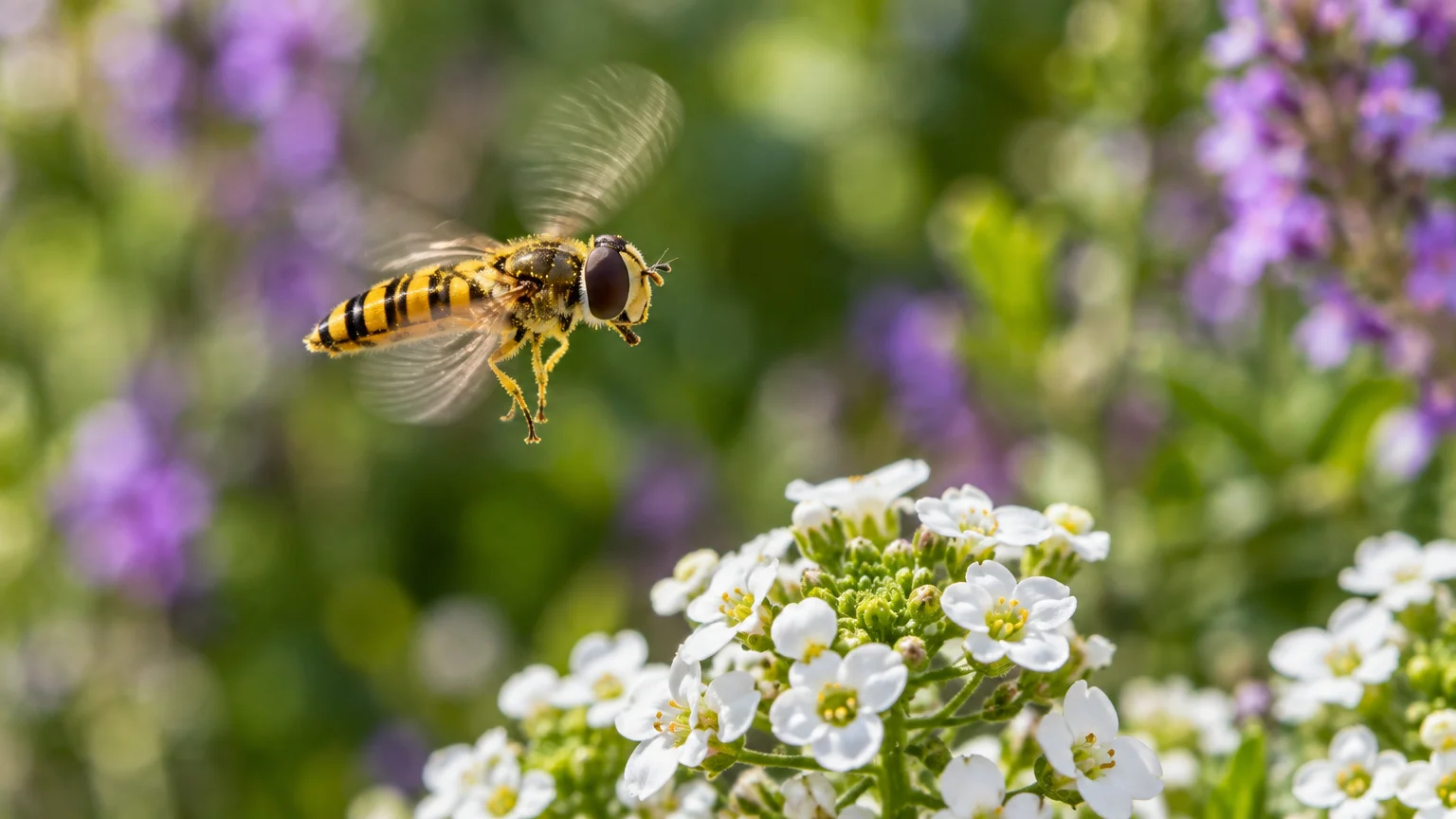
Tip #3: Hoverflies (Syrphid Flies)
Hoverflies are the ultimate double-duty allies for your homegrown flowerbeds and vegetable patches. These master flyers hover motionless in midair before darting swiftly from blossom to blossom.
Often called syrphid flies or flower flies, they sport bright yellow and black abdominal stripes. This clever disguise mimics stinging wasps, effectively scaring away predatory birds.
Despite their wasp-like look, hoverflies cannot sting or bite humans at all. They are completely harmless to gardeners, children, and household pets.
Adult hoverflies rank among the most productive insect pollinators in temperate garden climates. They visit thousands of open blooms daily, transferring pollen across strawberries, fruit trees, and herbs.
Meanwhile, female hoverflies deposit small, white eggs directly inside crowded aphid colonies. The resulting green, legless maggots immediately begin scouring stems for pest meals.
A single hoverfly maggot can consume up to 30 aphids every day during active growth. Over its larval lifespan, one larva eliminates several hundred sap-sucking pests effortlessly.
Draw these insects that help plants by growing sweet alyssum, parsley, dill, buckwheat, and aster. Shallow, open flowers provide easy access to the nectar that adult hoverflies require.
Stagger your flowering herbs so fresh blossoms remain open throughout the entire growing season. This ongoing floral buffet encourages hoverflies to produce multiple overlapping generations each summer.
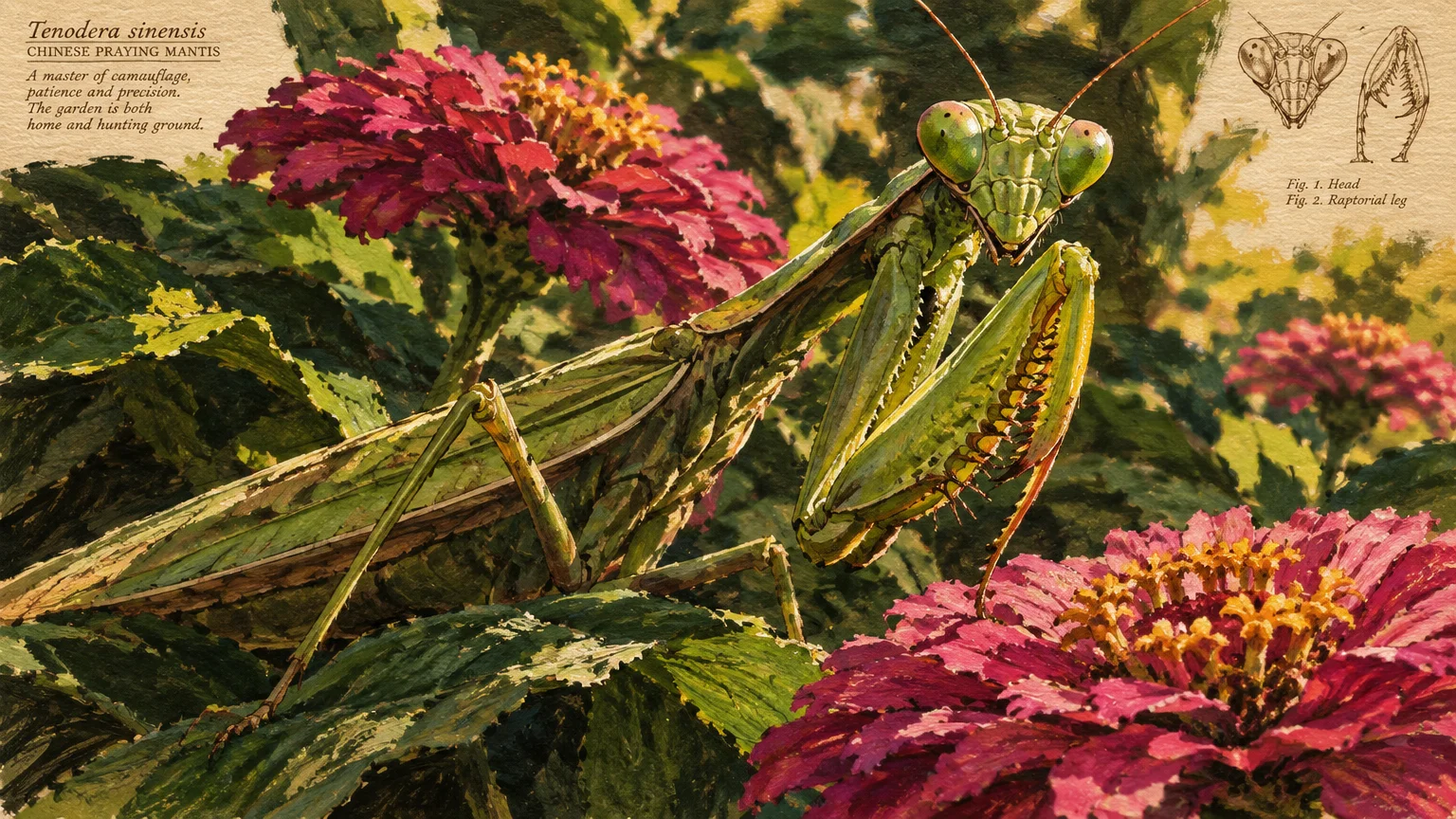
Tip #4: Praying Mantises
Praying mantises are remarkable, charismatic ambush predators that capture the imagination of every gardener. Their elongated bodies and triangular heads rotate 180 degrees to scan for targets.
Mantises hold their spiked front legs folded close together in a calm, prayer-like posture. When prey wanders near, those lightning-fast raptorial legs snap outward in milliseconds.
These good bugs for your garden readily tackle larger garden pests that other beneficials cannot handle. They capture grasshoppers, crickets, beetles, destructive caterpillars, and bothersome flies with unmatched precision.
Because mantises rely on stealth, they thrive among tall ornamental grasses, shrubbery, and dense perennial foliage. Their green and brown coloring provides ideal camouflage against leafy stems.
In late autumn, female mantises deposit foamy, straw-colored egg cases known as oothecae on sturdy twigs. The hardened casing protects hundreds of tiny nymphs through freezing winter temperatures.
Learn to recognize these papery oothecae during autumn pruning and leave them attached to branches. In spring, hundreds of miniature mantis nymphs will emerge ready to patrol your garden beds.
Cultivate dense flowering borders featuring Russian sage, coneflowers, and butterfly bushes to give them cover. Diverse plantings offer varied hunting perches where mantises can intercept wandering pests.
Keep in mind that mantises are indiscriminate hunters that occasionally snatch a honeybee or butterfly. However, their voracious appetite for invasive grasshoppers and beetles far outweighs minor collateral losses.
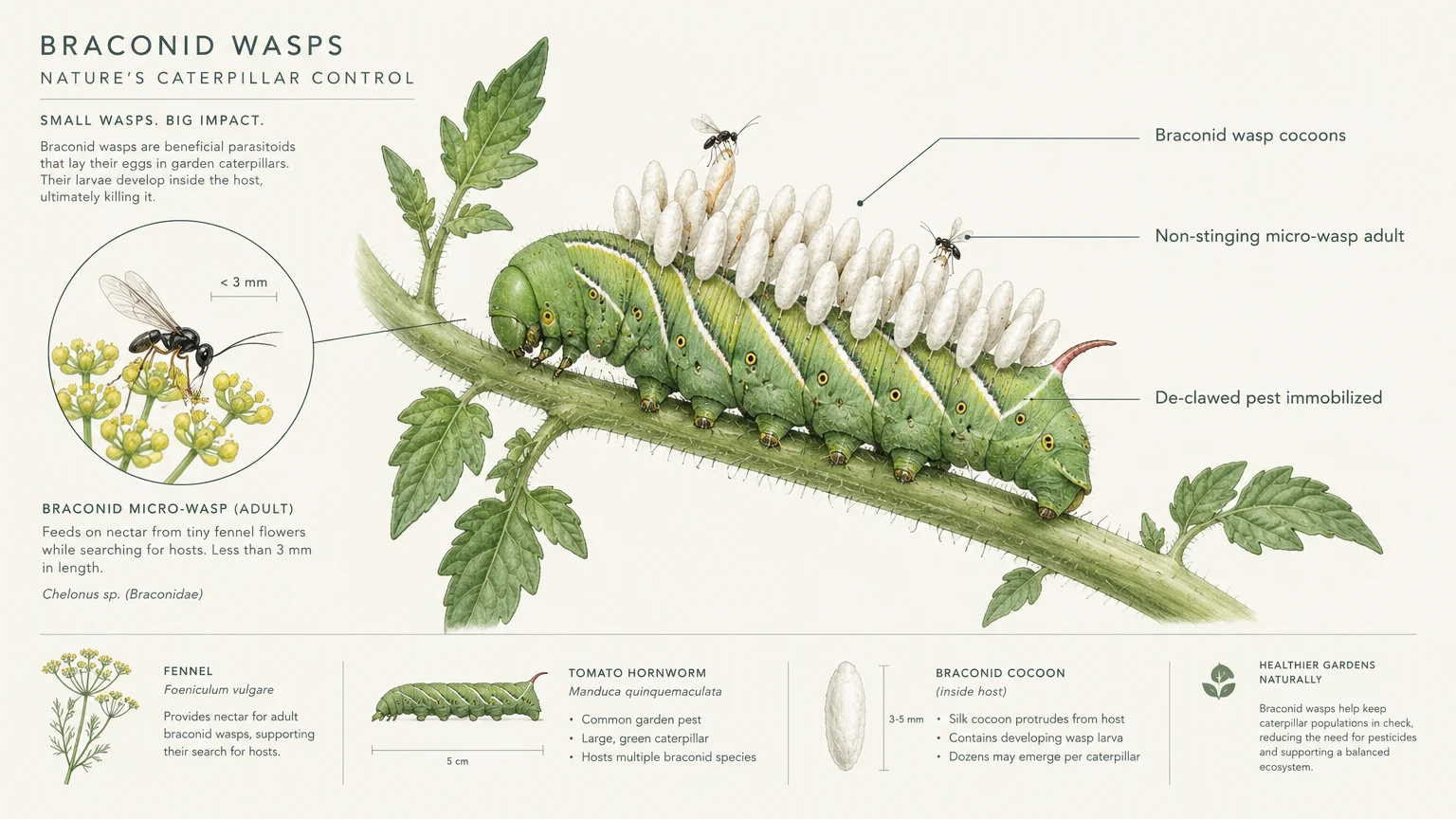
Tip #5: Braconid and Parasitic Wasps
Parasitic wasps might sound intimidating, but they represent some of the gentlest insects that help plants. Unlike yellowjackets or hornets, these solitary micro-wasps lack aggressive stinging behaviors toward humans.
Most parasitic wasp species measure only a few millimeters in length, resembling tiny flying specks. Despite their diminutive stature, their impact on garden pests is monumental.
Braconid wasps specialize in attacking destructive garden hornworms, cabbageworms, and tent caterpillars. A female wasp uses her ovipositor to deposit dozens of microscopic eggs beneath the caterpillar’s skin.
As the larvae feed internally, they slowly weaken the pest and halt its feeding damage entirely. Eventually, the wasp larvae emerge through the skin to spin small white cocoons on the caterpillar’s exterior.
If you discover a tomato hornworm covered in tiny white rice-like cylinders, leave it in place. That caterpillar is doomed, and dozens of new parasitic wasps will soon hatch to patrol your beds.
Other parasitoid wasp species target aphids, laying eggs inside them to create swollen, golden aphid mummies. Each hollow shell eventually produces another winged defender for your landscape.
Attract these natural pest control insects with nectar-rich, small-flowered plants like thyme, catmint, lemon balm, and yarrow. Tiny wasps require shallow floral cups because their mouthparts cannot reach deep blooms.
Avoid spraying chemical insecticides across your vegetables, which instantly wipes out these delicate airborne protectors. Protecting micro-wasps ensures natural biological balance reigns over your harvest.
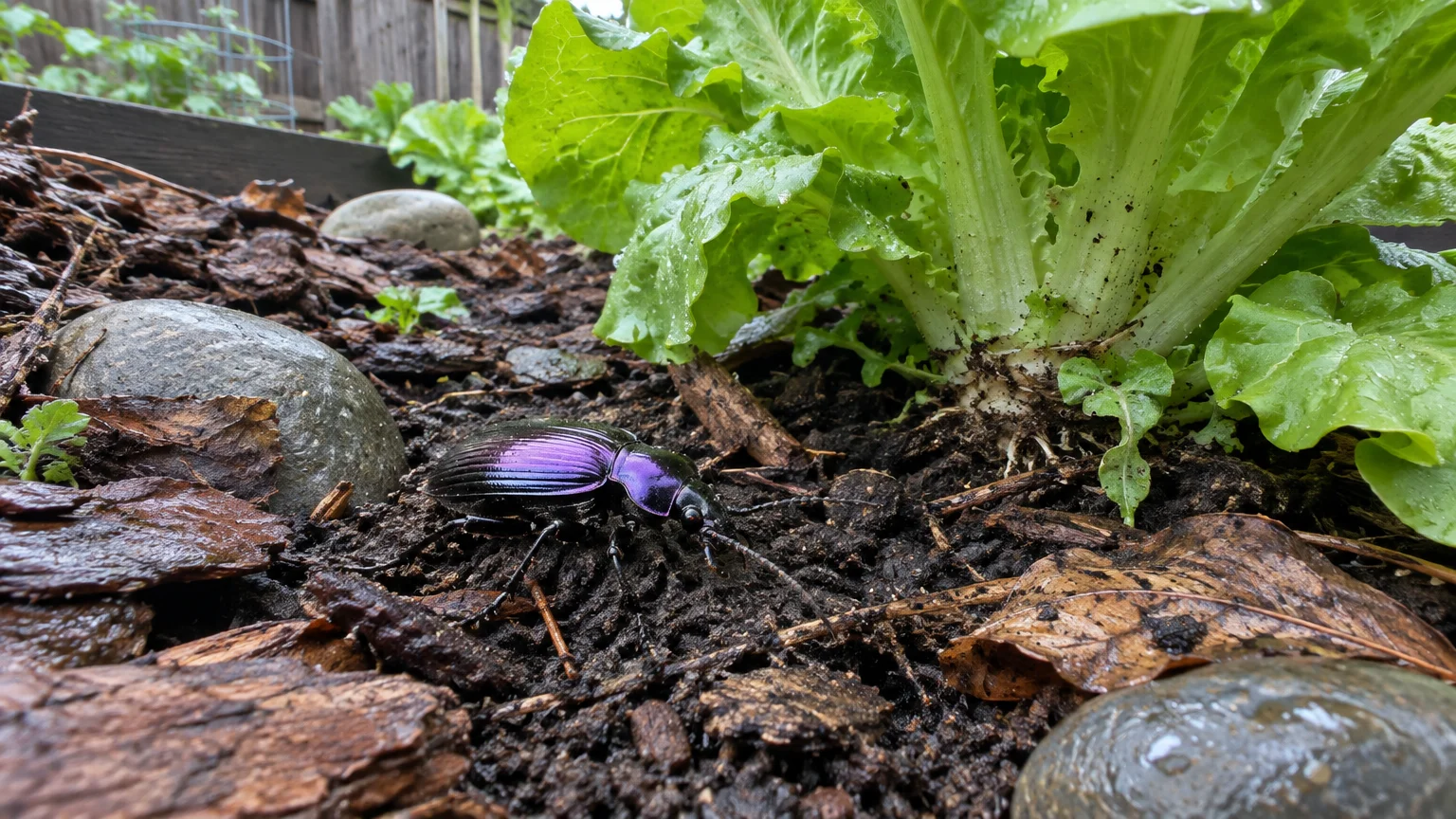
Tip #6: Ground Beetles
Ground beetles belong to the family Carabidae and act as the vigilant night watchmen of your soil. These shiny, dark-colored beetles scurry across the earth under cover of darkness.
With long legs and powerful chewing mandibles, ground beetles pursue pests that hide during daylight hours. They rarely take flight, preferring to sprint across the soil surface after prey.
Both adult ground beetles and their subterranean larvae feed aggressively on garden nuisances. They hunt slugs, snails, cutworms, wireworms, root maggots, and Colorado potato beetle grubs.
A single ground beetle can devour its entire body weight in destructive garden pests each day. Their subterranean tunneling also aerates upper soil layers, improving water infiltration around plant roots.
During the day, these beneficial garden insects rest beneath flat stones, fallen logs, and thick organic mulch. Providing undisturbed shelter encourages them to take up permanent residence near your crops.
Spread an organic layer of wood chips, straw, or shredded leaves over your exposed vegetable beds. This protective blanket provides the moist, dark microclimate that ground beetles require for daytime refuge.
Create small beetle banks by planting perennial clump-forming grasses such as fescue or switchgrass along bed edges. These grassy islands remain undisturbed during planting, offering safe overwintering habitat.
Reduce frequent tilling, which destroys the delicate soil tunnels where ground beetles rear their offspring. Gentle, no-till gardening preserves ground beetle colonies for reliable natural pest suppression.
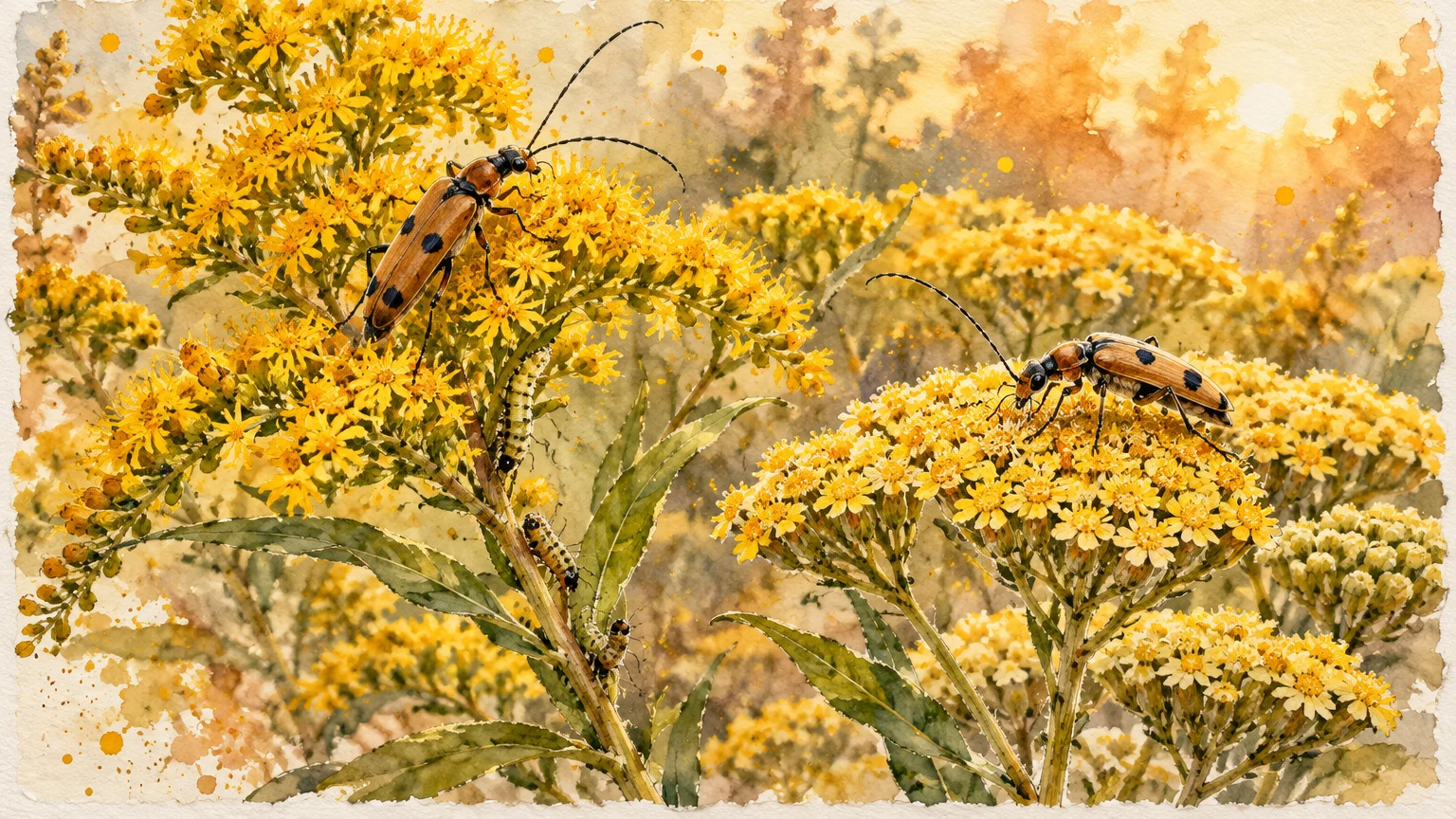
Tip #7: Soldier Beetles
Soldier beetles, commonly known as leatherwings, bring vibrant beauty and pest management to summer flower borders. Their name stems from their soft, elongated wing covers resembling historic military uniforms.
You will frequently spot these gentle, tan-and-black beetles congregating atop blooming perennials in midsummer. They crawl across flower heads, drinking sweet nectar while picking off nearby nuisance insects.
Adult soldier beetles feast eagerly on aphids, spider mites, mealybugs, thrips, and beetle eggs. At the same time, their movements between flower blossoms make them effective secondary pollinators.
The underground larval stage of soldier beetles is equally valuable for maintaining healthy garden beds. Velvety, dark larvae prowl through mulch and loose soil, hunting cucumber beetle eggs and snail eggs.
They also consume dormant grasshopper eggs and destructive cutworms lurking just below the garden surface. This dual-phase hunting habit protects both the foliage above and root systems beneath.
You can invite soldier beetles into your yard by cultivating goldenrod, black-eyed Susans, milkweed, and zinnia. They favor composite, flat-topped blooms that offer generous landing zones and exposed pollen.
Leave perennial flower stems standing through late autumn instead of clearing beds down to bare dirt. Stalks and leaf debris shield soldier beetle larvae from harsh frosts until spring arrives.
Avoid harsh chemical treatments on your flowering perennials to keep these garden friendly bugs active and safe. Their gentle presence brings effortless, long-term biological protection to your beds.
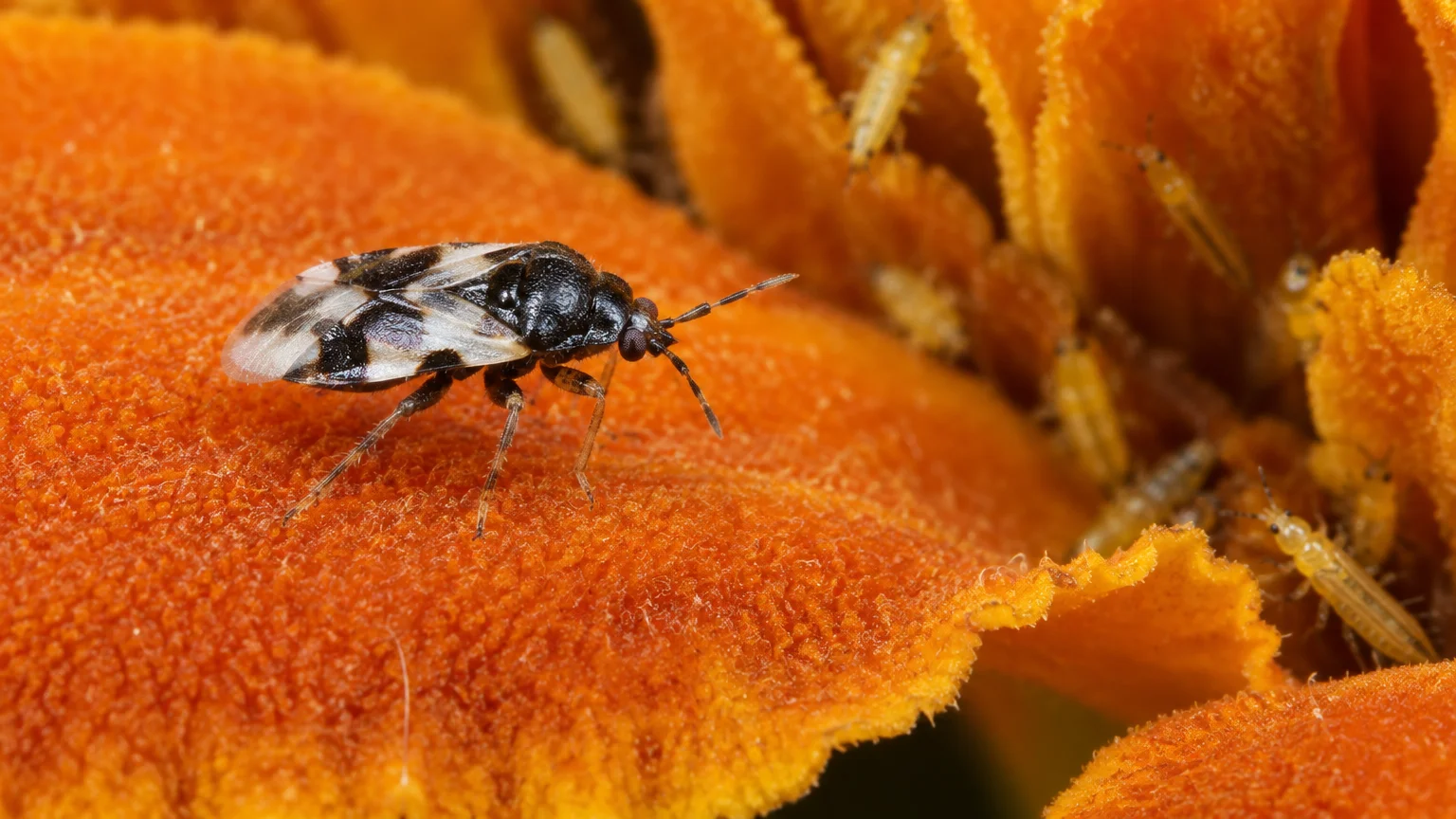
Tip #8: Minute Pirate Bugs
Minute pirate bugs, or Orius species, prove that powerful pest control often arrives in microscopic packages. Measuring barely one-sixteenth of an inch, these tiny true bugs pack an astonishing punch.
They display distinctive oval bodies marked with an intricate, geometric black-and-white pattern on their wings. Despite their miniature size, they move quickly and track down garden prey with ruthless efficiency.
Both pirate bug nymphs and adults hunt aggressively, feeding on nearly every garden pest they encounter. They plunge their sharp needle-like beaks into targets and consume up to thirty spider mites daily.
Minute pirate bugs are among the few predators that actively hunt troublesome thrips inside tightly folded buds. They also devour whiteflies, aphid colonies, spider mites, and the eggs of destructive corn earworms.
When pest populations dwindle, minute pirate bugs sustain themselves by feeding on plant sap and pollen. This flexible diet enables them to survive periods of low prey without leaving your garden.
Attract these insects that help plants by tucking marigolds, sweet alyssum, alfalfa, and cosmos around vulnerable crops. Continuous pollen sources provide the supplemental nutrition adult pirate bugs need to reproduce rapidly.
Interplant these companion flowers directly beside susceptible crops like tomatoes, peppers, strawberries, and tender greens. Proximity allows these tiny hunters to cross over quickly at the first sign of infestation.
Protect these miniature predators by strictly avoiding broad-spectrum synthetic and organic insecticides. Because pirate bugs are so small, even mild chemical dusts can decimate their resident numbers.

Putting It All Together: Enjoy Your Beautiful Garden
Transforming your landscape into a thriving sanctuary for beneficial insects takes patience, thoughtful planting, and restraint. When you cultivate habitat rather than reaching for sprays, nature establishes a resilient biological equilibrium.
Incorporating varied flower shapes ensures that good bugs for your garden find accessible nectar across all seasons. Umbel flowers, daisy-like composites, and tiny herbal blossoms feed predators at every developmental stage.
Layer your landscape with tall canopy trees, flowering shrubs, perennials, and rich organic ground covers. Diverse vertical strata provide essential nesting sites, nighttime roosts, and overwintering shelters for beneficial species.
Always maintain a pesticide-free mindset when nurturing natural pest control insects in your outdoor space. Even organic pesticides like pyrethrins or neem oil can unintentionally harm beneficial predators along with pests.
Remember that a small presence of pest bugs is necessary to sustain your insect allies. If predators have nothing to eat, they will simply fly away in search of richer hunting grounds.
Provide a permanent, shallow water source with resting stones so thirsty insects can drink safely. Clean hydration sustains predator activity during hot summer afternoons when moisture becomes scarce.
With these eight garden friendly bugs defending your plants, you will enjoy healthier blooms and tastier harvests. Step back, observe the fascinating miniature wildlife, and celebrate your vibrant, flourishing garden ecosystem.
For region-specific advice, consult your local University Extension program (find yours via the USDA directory). For plant databases and inspiration, visit the Missouri Botanical Garden or the Royal Horticultural Society.
Disclaimer: This article provides general gardening advice. Always consider your specific climate, soil conditions, and local pests. Follow safety guidelines when using gardening tools and products.
Frequently Asked Questions
How do I tell the difference between pest bugs and beneficial insects?
Beneficial insects generally move much faster than slow, sluggish plant-eating pests like aphids or scale. Predators need speed and agile reflexes to pursue and capture their prey across foliage.
Consult regional insect field guides and extension resources before treating unfamiliar bugs in your garden beds. Learning the larval forms of predators prevents accidentally eliminating immature allies like lacewings or ladybugs.
Should I purchase and release beneficial insects by mail order?
Attracting wild native predators through diverse companion planting is usually more effective than purchasing commercial insects. Mail-order insects like ladybugs often disperse away from your property within hours of release.
If you do buy beneficials, release them at dusk onto damp plants after misting foliage lightly. Providing water and releasing them in darkness encourages purchased insects to settle into your beds.
Will beneficial garden insects sting or bite my family and pets?
The vast majority of beneficial predators and parasitoids pose zero threat to humans or household pets. Micro-wasps lack defensive stinging mechanisms, while hoverflies and lacewings cannot bite people at all.
Even larger predators like praying mantises and ground beetles only bite defensively if handled roughly. Respecting their space allows you and your family to observe these fascinating helpers safely.
How long does it take for good bugs to control an active pest outbreak?
Natural biological control requires patience, typically taking one to two weeks for predator populations to expand. As pest numbers increase, adult predators detect the feeding signals and lay eggs nearby.
Once predatory larvae hatch, they reduce pest colonies rapidly without harming plants or soil biology. Tolerating minor cosmetic foliage damage early on rewards you with enduring, chemical-free pest control.