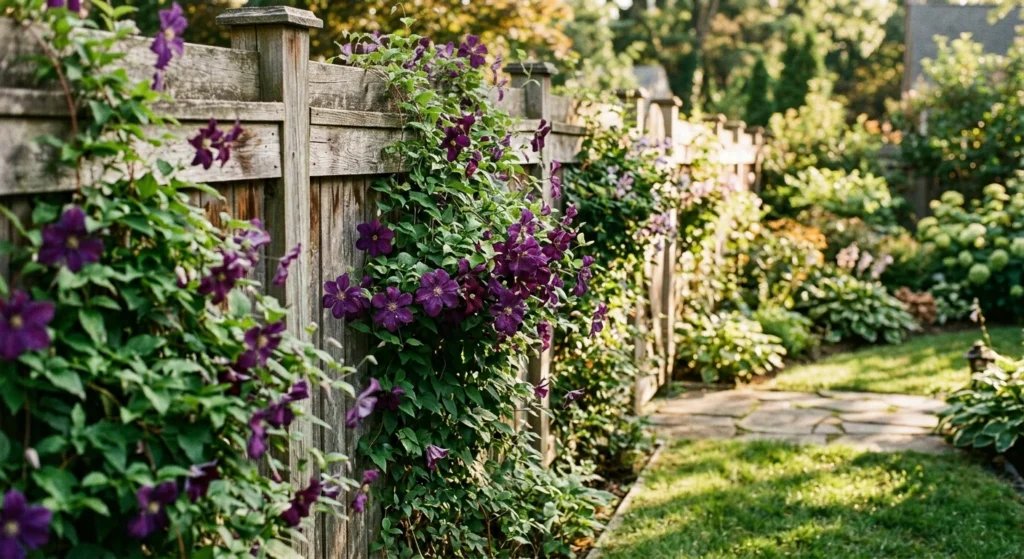
You can design a breathtaking, vibrant landscape without spending hours dragging heavy hoses across your lawn. Selecting resilient, drought-tolerant flowers allows you to enjoy dense foliage and vivid blooms even during summer dry spells.
Smart plant choices protect your outdoor living space from water restrictions while cutting maintenance time in half. These standout low-water garden plants deliver rich color, robust texture, and undeniable beauty throughout the hottest months.
Explore our top ten picks to transform your sunny borders into lush, water-wise sanctuaries.
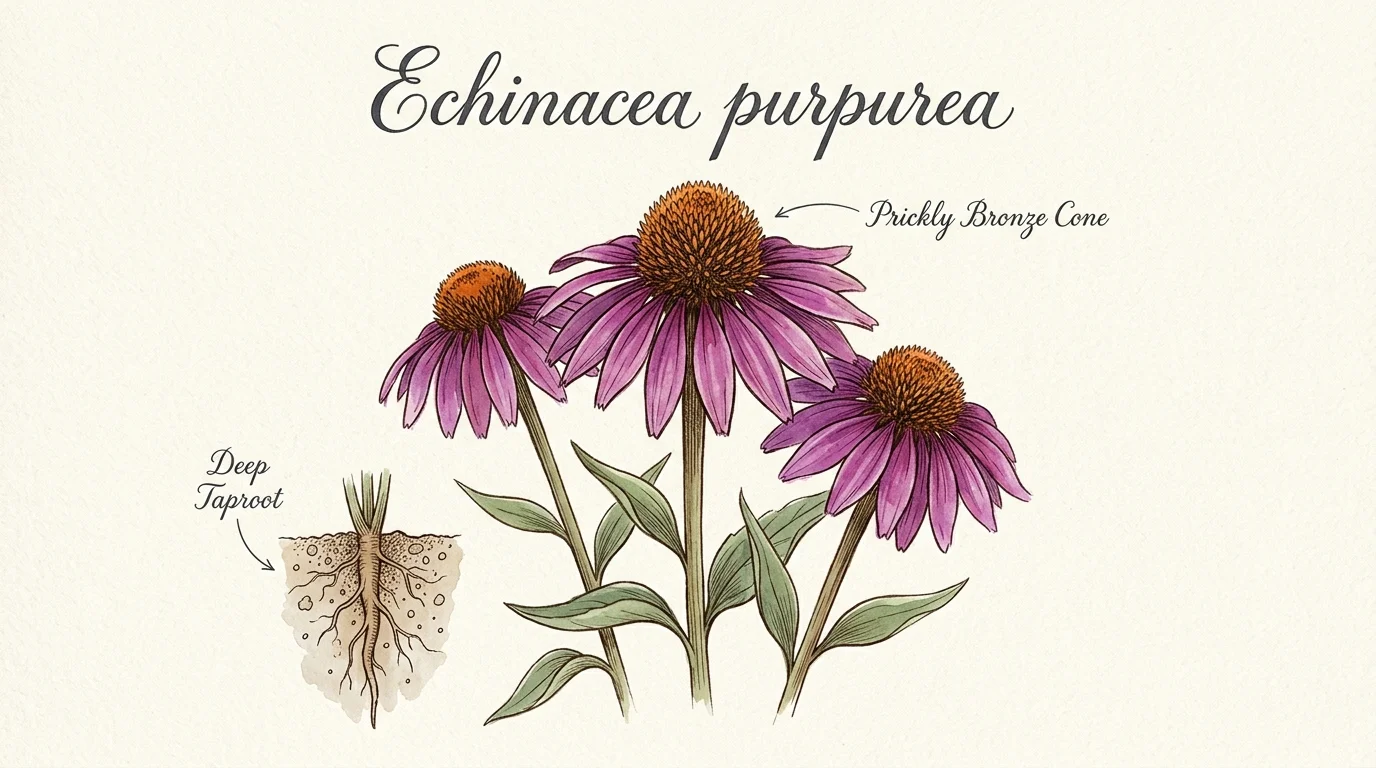
Tip #1: Purple Coneflower (Echinacea purpurea)
Purple coneflowers bring bold color and architectural elegance to parched garden beds. Their sturdy stems hold daisy-like purple petals around prickly, bronze central cones from early summer through autumn.
This native perennial thrives in USDA Hardiness Zones 3 through 9 in full sunlight. Once established, deep taproots allow coneflowers to seek underground moisture during prolonged dry stretches.
Plant your coneflowers in well-draining soil with neutral to slightly acidic pH. Water them weekly during their first growing season to establish strong foundational roots.
After root establishment, reduce supplemental watering significantly. These tough perennials easily survive harsh summer heat and brief drought events without wilting.
Leave the mature seed heads intact during late autumn. Hungry goldfinches feast on the seeds; meanwhile, the dark cones provide striking winter garden structure.
Pair coneflowers with ornamental grasses to create a balanced, naturalistic prairie aesthetic. Deadhead spent flowers during midsummer to encourage continuous waves of colorful blooms.
Incorporate coneflowers along the sunny borders of your property for effortless season-long vibrancy.
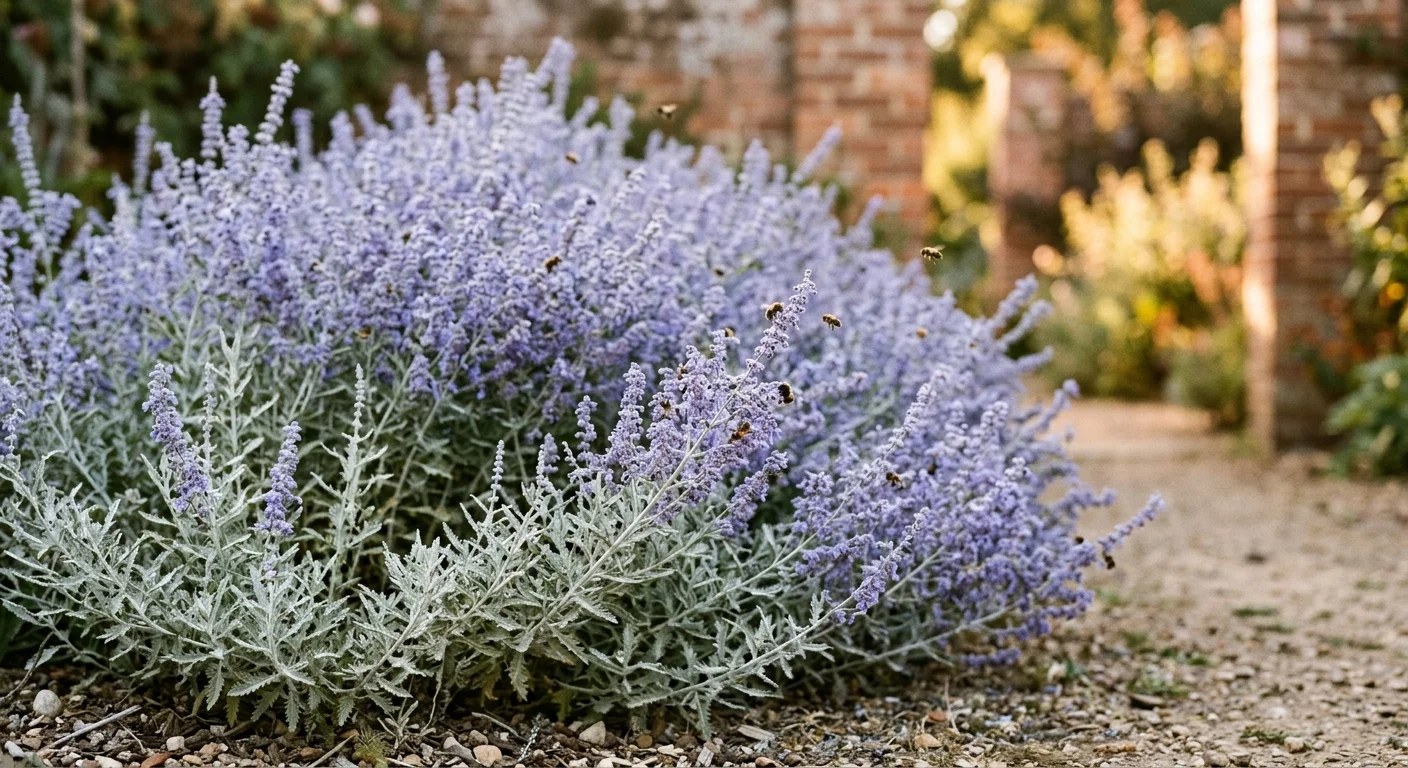
Tip #2: Russian Sage (Salvia yangii)
Russian sage creates a cloud-like mist of cool lavender-blue blooms against silvery-gray foliage. This airy perennial gives your garden a lush, full appearance while demanding almost zero supplemental water.
Perfectbly suited for USDA Zones 4 through 9, Russian sage craves full sun and gritty soil. Intense summer heat actually enhances its rich aromatic fragrance and promotes sturdier growth.
Plant crowns at soil level in spots with exceptional drainage. Overly fertile or damp soil causes the stems to flop and weakens root health.
Water sparingly once your plants settle into their new garden home. This rugged plant tolerates pure baking heat and high alkaline soils with ease.
Prune the woody stems back to six inches above the ground in early spring. This annual cutback encourages vigorous, dense new growth loaded with summer blossoms.
Use Russian sage as a soft backdrop for vibrant warm-toned flowers. The cool foliage softens bright yellow and orange neighbors while drawing essential pollinating bees.
Group three or more specimens together to craft a dramatic swath of misty color.
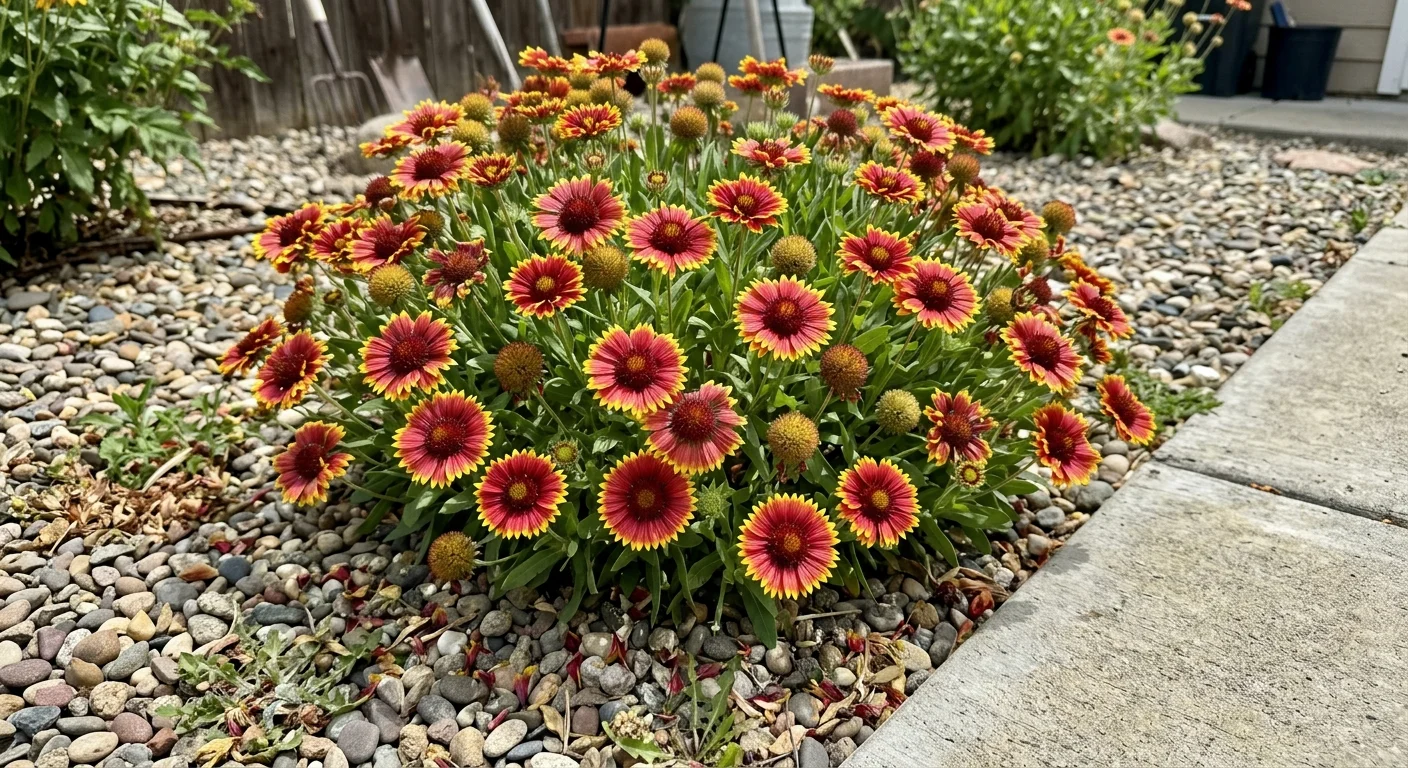
Tip #3: Blanket Flower (Gaillardia aristata)
Blanket flowers ignite hot garden borders with fiery concentric rings of red, orange, and yellow. These cheerful, daisy-like drought-resistant flowering plants produce non-stop blooms from late spring until the first winter freeze.
Gaillardia thrives in USDA Zones 3 through 10, performing best under bright, direct sunlight. Their compact growth habit creates dense mounds of foliage that effectively cover bare dirt.
Provide sandy, loose soil that drains excess moisture rapidly. Heavy clay retains too much moisture and shortens the overall lifespan of blanket flowers.
Water moderately during early spring growth, then taper off as temperatures rise. Blanket flowers readily shrug off intense heat, dry soil, and coastal salt spray.
Shear the plant back by one-third in midsummer if blooming slows down. This light trim stimulates fresh foliage growth and prompts an explosive autumn floral display.
Blanket flowers work exceptionally well along south-facing walkways and rock gardens. Their high nectar content attracts native butterflies and friendly honeybees all season long.
Add these joyful blossoms to containers for instant water-saving patio color.
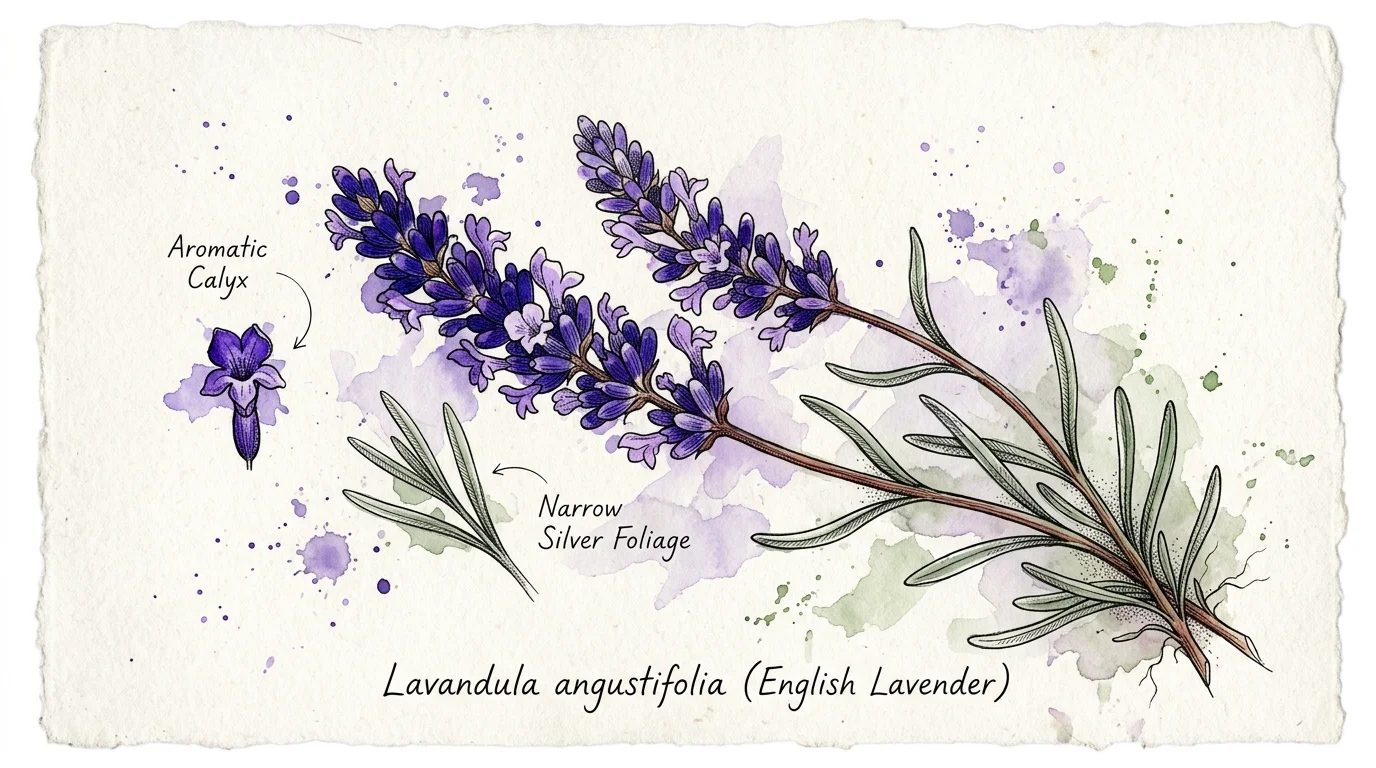
Tip #4: English Lavender (Lavandula angustifolia)
English lavender infuses garden beds with iconic Mediterranean charm, soothing fragrance, and lush purple spikes. Its dense, silver-green evergreen foliage remains visually appealing throughout every season of the year.
Thriving in USDA Zones 5 through 9, lavender requires at least six hours of blazing daily sun. This classic plant thrives in dry, gravelly soils where other garden perennials struggle to survive.
Ensure your planting location offers rapid drainage to protect fragile roots from rot. Amend dense garden soils with coarse grit or crushed gravel before planting.
Water deeply every two weeks during the first summer, allowing soil to dry completely between sessions. Mature lavender rarely requires irrigation except during historic droughts.
Prune lavender lightly right after the initial summer flush finishes blooming. Trim back spent flower stems and one inch of green foliage, avoiding old woody stems.
Plant lavender along stone pathways where brushing past releases its sweet aromatic oils. It also functions as a fragrant, drought-hardy border along sunny vegetable plots.
Harvest the fragrant spikes in early morning to dry for homemade herbal sachets.
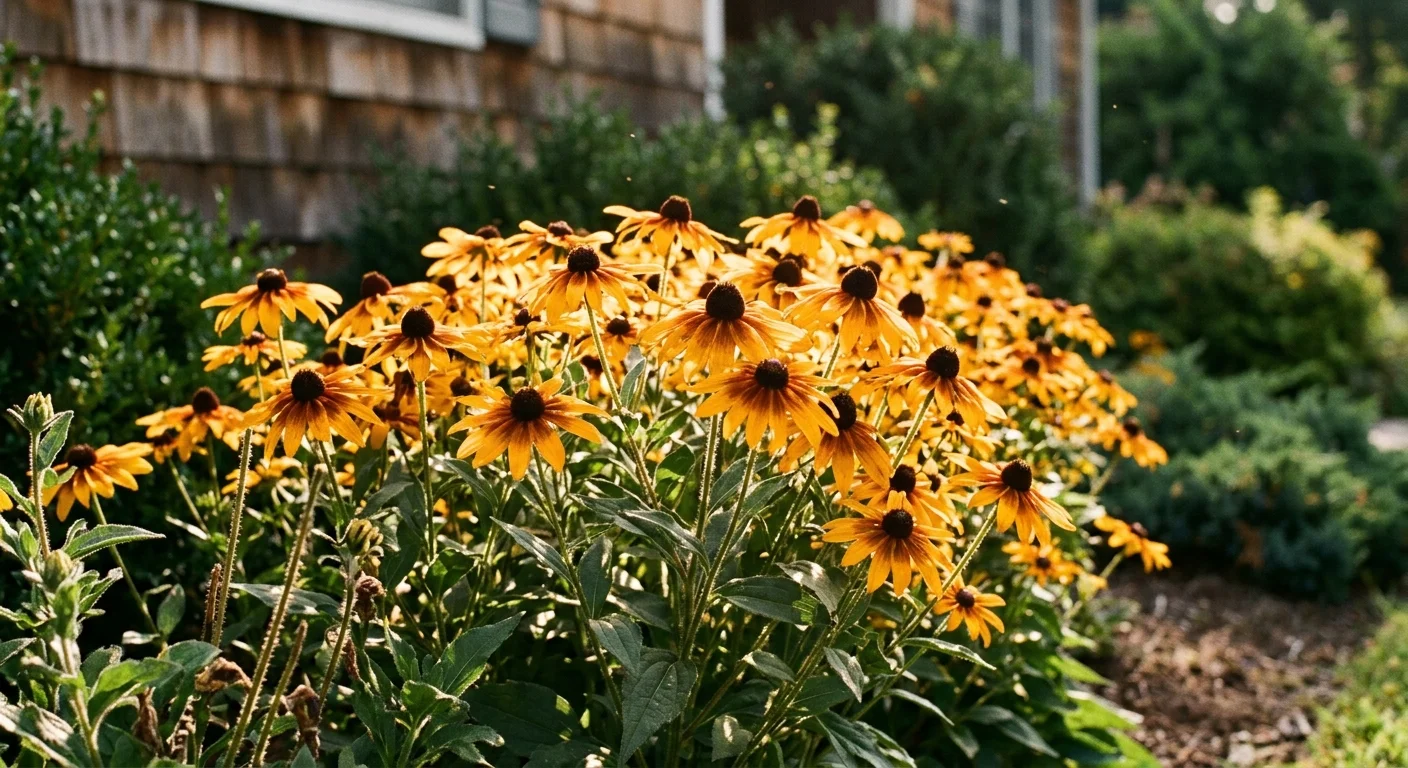
Tip #5: Black-Eyed Susan (Rudbeckia fulgida)
Black-eyed Susans provide deep golden-yellow petals surrounding chocolate-brown central disks. These reliable xeriscaping flowers create dense, lush golden drifts that brighten sun-drenched garden spaces.
Hardy in USDA Zones 3 through 9, Rudbeckia tolerates varied soil conditions, from loam to clay. It handles harsh summer humidity and arid dry periods with remarkable vigor.
Space plants eighteen inches apart to ensure proper airflow between mature clumps. Good air circulation prevents powdery mildew on lower leaves during warm summer nights.
Water newly planted crowns thoroughly until fresh basal leaves begin expanding. Once established, these rugged perennials flourish on natural rainfall alone in most temperate regions.
Divide crowded root clumps every three to four years in early spring. Division rejuvenates older plants and provides free starts to expand your garden borders.
Combine black-eyed Susans with purple salvia or dark foliage shrubs for stunning visual contrast. Their long-lasting blooms also make outstanding additions to fresh floral arrangements.
Leave late-season blooms standing through autumn to feed migrating goldfinches and sparrows.
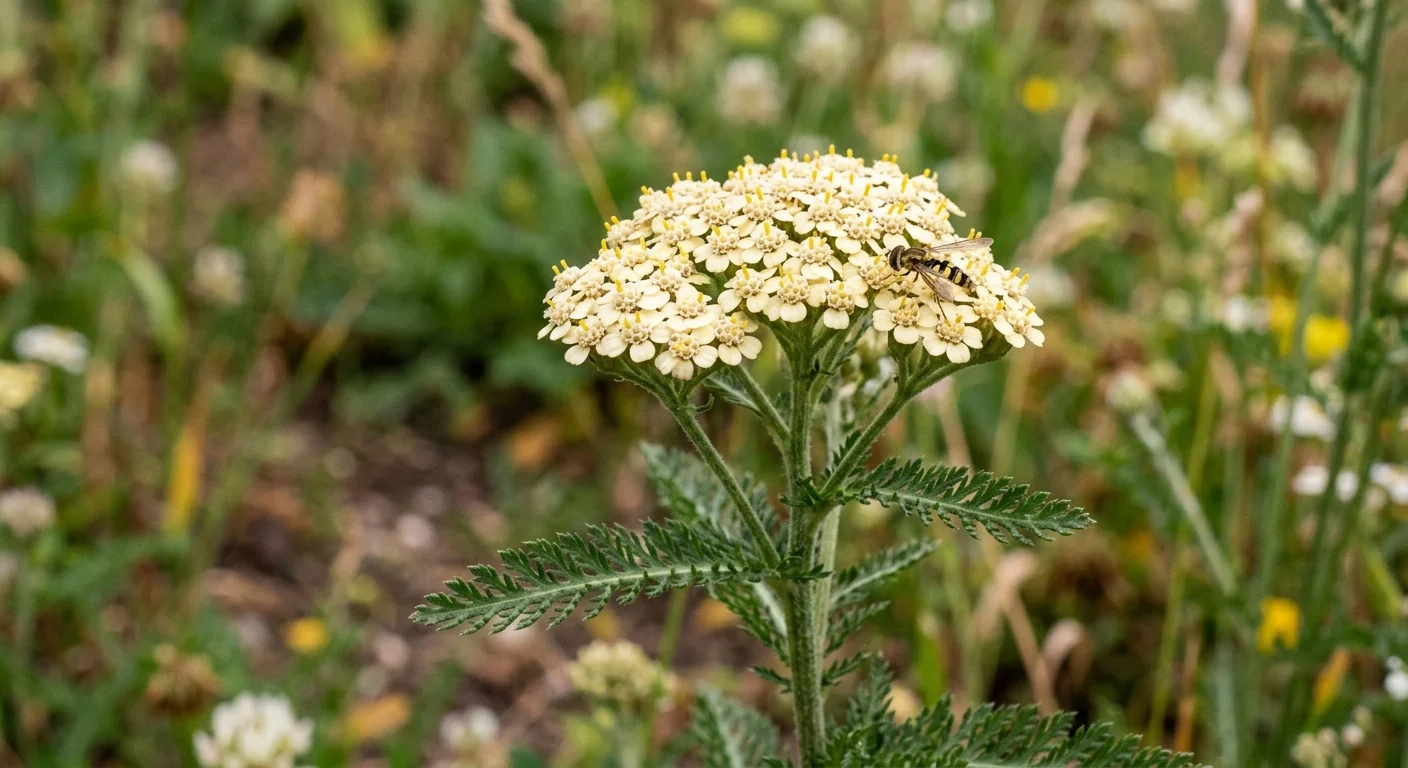
Tip #6: Common Yarrow (Achillea millefolium)
Yarrow produces dense, flat-topped flower clusters hovering over feathery, fern-like foliage. This tough perennial delivers a lush texture while handling extreme heat and sandy soils effortlessly.
Thriving across USDA Zones 3 through 9, yarrow blooms continuously in shades of yellow, red, terracotta, and white. Its wide floral landing pads offer exceptional resources for predatory beneficial insects.
Plant yarrow in full sun within lean, unamended soil. Rich soil causes the stems to grow weak and leggy, reducing flower production.
Give yarrow minimal supplemental water once its fibrous root system takes hold. It easily survives weeks without rain while maintaining healthy green foliage.
Cut stems down to the basal foliage mound after the first heavy bloom cycle. This prompt deadheading triggers a second wave of late-summer blooms and keeps plants tidy.
Use yarrow to stabilize sunny slopes or fill difficult spaces between large boulders. Its spreading root system acts as natural erosion control on exposed banks.
Mix multiple color varieties together to establish a vibrant, low-maintenance meadow garden.
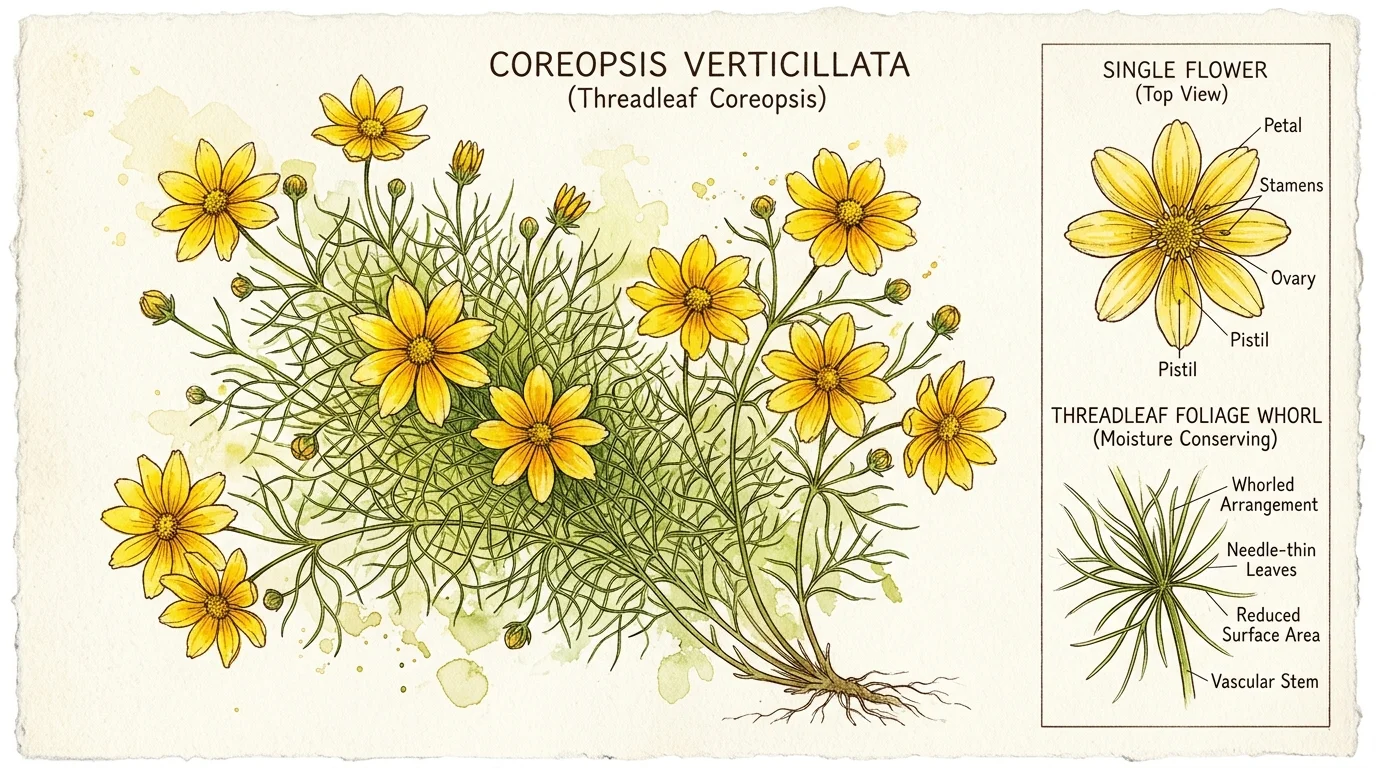
Tip #7: Threadleaf Coreopsis (Coreopsis verticillata)
Threadleaf coreopsis features airy, needle-like foliage covered in hundreds of bright, starry yellow flowers. The delicate leaves create a billowy, lush appearance without consuming substantial water reserves.
Hardy in USDA Zones 4 through 9, coreopsis loves hot sun and porous soil. Cultivars like Moonbeam and Zagreb offer prolonged color across the entire summer season.
Plant your coreopsis in full sun and well-draining garden soil. Heavy, waterlogged soils will rot the fine root systems during cold winter dormancy.
Provide light moisture during root establishment, then reduce watering drastically. Coreopsis handles extended dry spells without dropping buds or wilting under midday sun.
Shear the plant by half using garden shears after the first massive wave of flowers fades. This swift maintenance task tidies the plant and promotes fresh flowering through autumn.
Mass threadleaf coreopsis along border edges to soften harsh paved walkways. The bright yellow blossoms illuminate dark foliage shrubs planted directly behind them.
Enjoy effortless color year after year as this resilient perennial forms tidy spreading colonies.
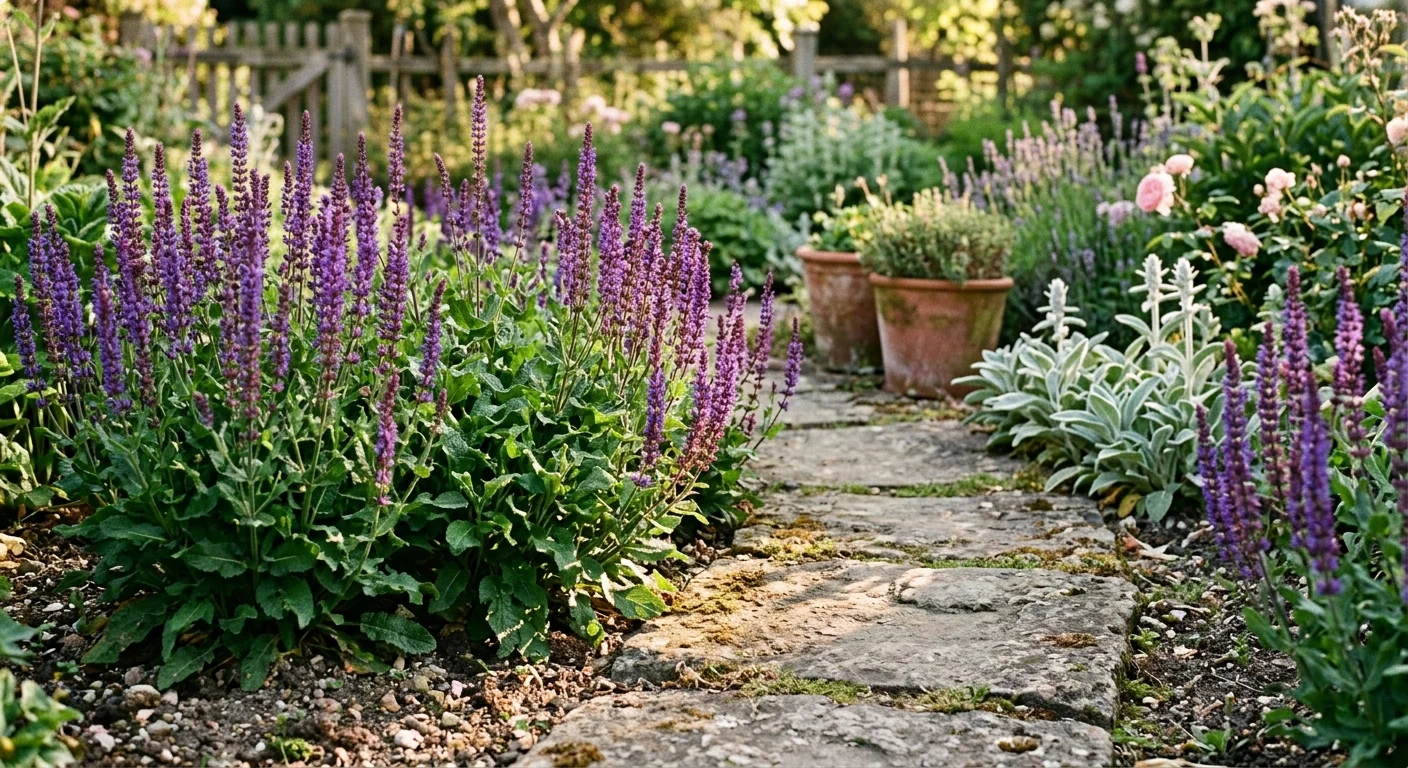
Tip #8: Meadow Sage (Salvia nemorosa)
Meadow sage delivers upright, rich violet and deep indigo flower spikes atop compact, leafy mounds. This standout choice ranks high among the best flowers for dry climates due to its unyielding stamina.
Thriving in USDA Zones 4 through 8, meadow sage demands full sun and porous garden soil. Its aromatic green leaves naturally repel hungry deer, rabbits, and destructive garden pests.
Set plants into loosened soil enriched with a small handful of compost. Water weekly for the first month to encourage roots to anchor deeply.
After root establishment, meadow sage requires very little water to maintain vibrant color. It shrugs off urban pollution, baking sidewalk heat, and extended droughts with ease.
Cut flower spikes back to basal foliage right after the primary June bloom finishes. This hard shearing stimulates a fresh flush of foliage and dense late-summer flower spikes.
Interplant meadow sage with bright yellow coreopsis or orange daylilies for dynamic color contrast. Honeybees, bumblebees, and hummingbirds visit the nectar-rich flower tubes all summer long.
Line your entryway with meadow sage for a crisp, tailored look that defies summer heat.
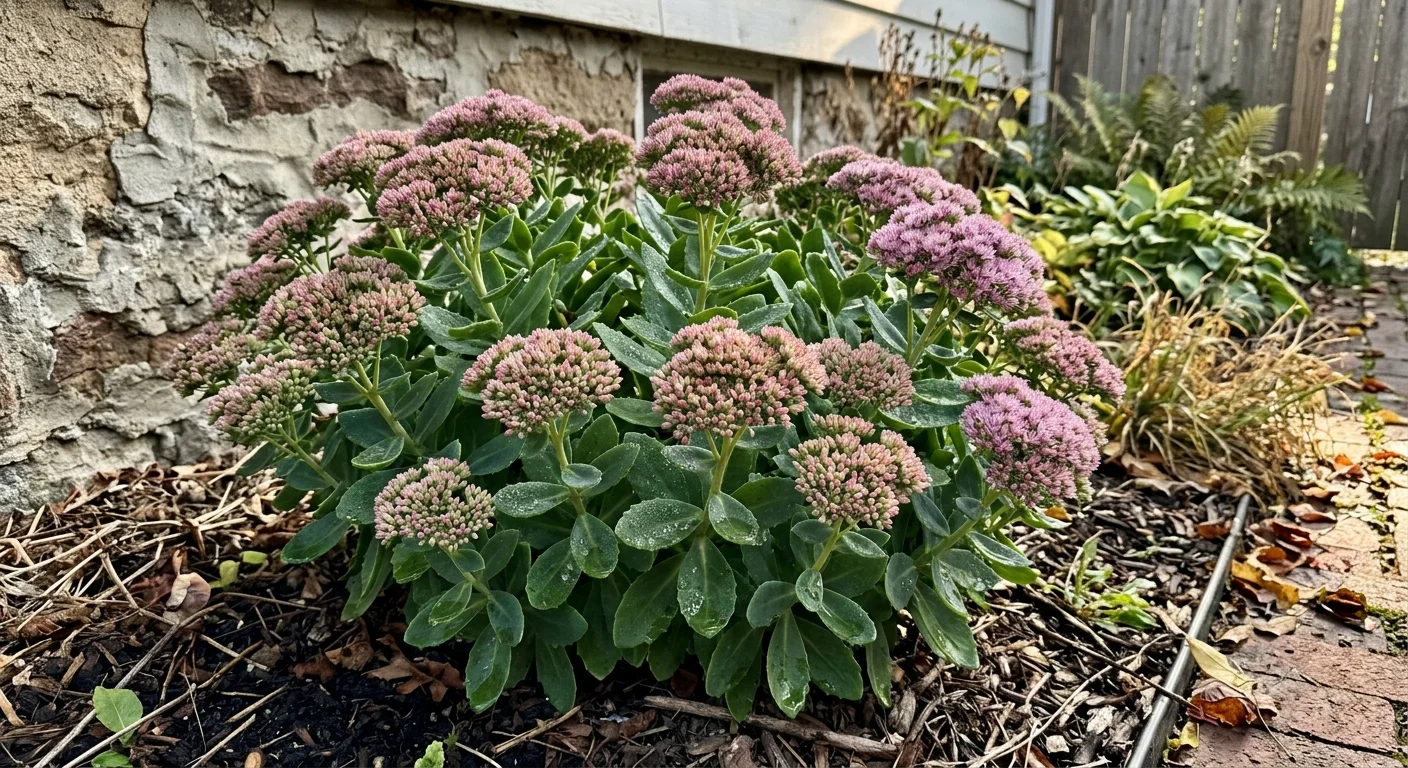
Tip #9: Autumn Joy Stonecrop (Hylotelephium spectabile)
Autumn Joy stonecrop combines fleshy, succulent jade-green foliage with massive broccoli-like flower heads. The dense, plump leaves store moisture efficiently, giving your garden a lush, hydrated look in hot weather.
Suited for USDA Zones 3 through 9, this hardy sedum thrives under full sun and low humidity. Flower buds emerge pale green in summer, turn dusty pink in August, and deepen to rich russet-red by autumn.
Plant stonecrop in gravelly, sandy, or standard garden soil with sharp drainage. Over-fertilizing leads to floppy, weak stems that collapse under the weight of heavy flower clusters.
Water sparingly after planting, allowing the soil to dry out thoroughly between soakings. The thick succulent leaves store sufficient water to endure severe summer droughts.
Leave the sturdy, dried flower heads standing throughout winter. They catch falling snow beautifully and provide vital winter interest and seeds for foraging songbirds.
Group sedums together in front of ornamental grasses or along stone retaining walls. Their distinct leaf texture provides immediate visual weight in water-wise garden designs.
Propagate new plants easily by simply snapping off stems and inserting them into moist garden soil.
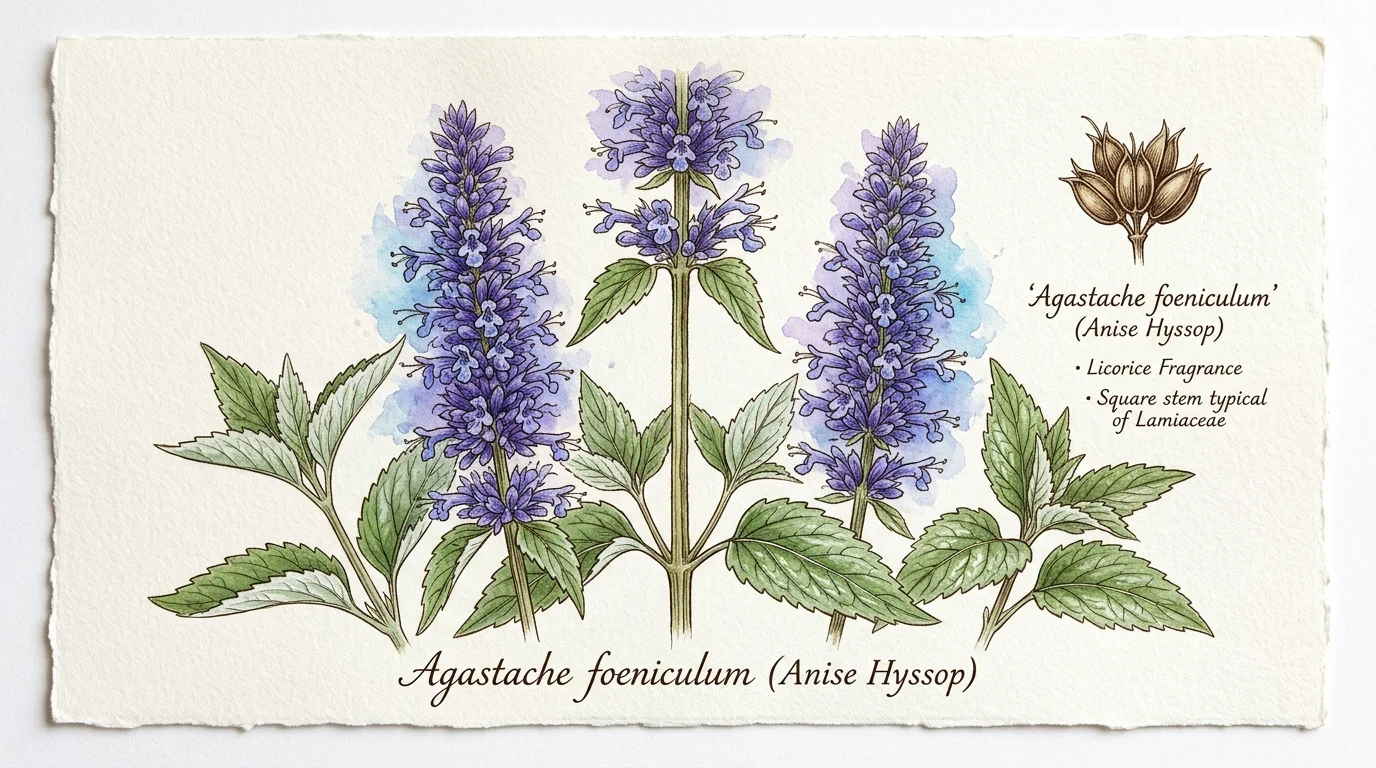
Tip #10: Anise Hyssop (Agastache foeniculum)
Anise hyssop produces dense, bottle-brush flower spikes in striking shades of blue, purple, and coral. Its lush, mint-scented green leaves provide a full backdrop for continuous midsummer to autumn blooms.
Thriving across USDA Zones 5 through 10, Agastache excels in hot, sunny locations with dry soil. The liquorice-scented foliage effectively deters deer and foraging rabbits while drawing hummingbirds.
Plant anise hyssop in loose, gravel-amended soil that allows water to drain away freely. Wet winter soil is the most common reason for plant decline in colder zones.
Water moderately during establishment, then allow the plant to rely primarily on natural rainfall. Anise hyssop tolerates hot southern summers and dry prairie winds without hesitation.
Deadhead spent spikes during high summer to prolong the colorful display into late autumn. In early spring, cut old dead stems down to ground level before new shoots emerge.
Position anise hyssop near seating areas or patio borders to enjoy its fragrant leaves. It pairs harmoniously with coneflowers and ornamental grasses in water-wise perennial borders.
Crush a leaf between your fingers while strolling through your garden to enjoy its sweet herbal aroma.
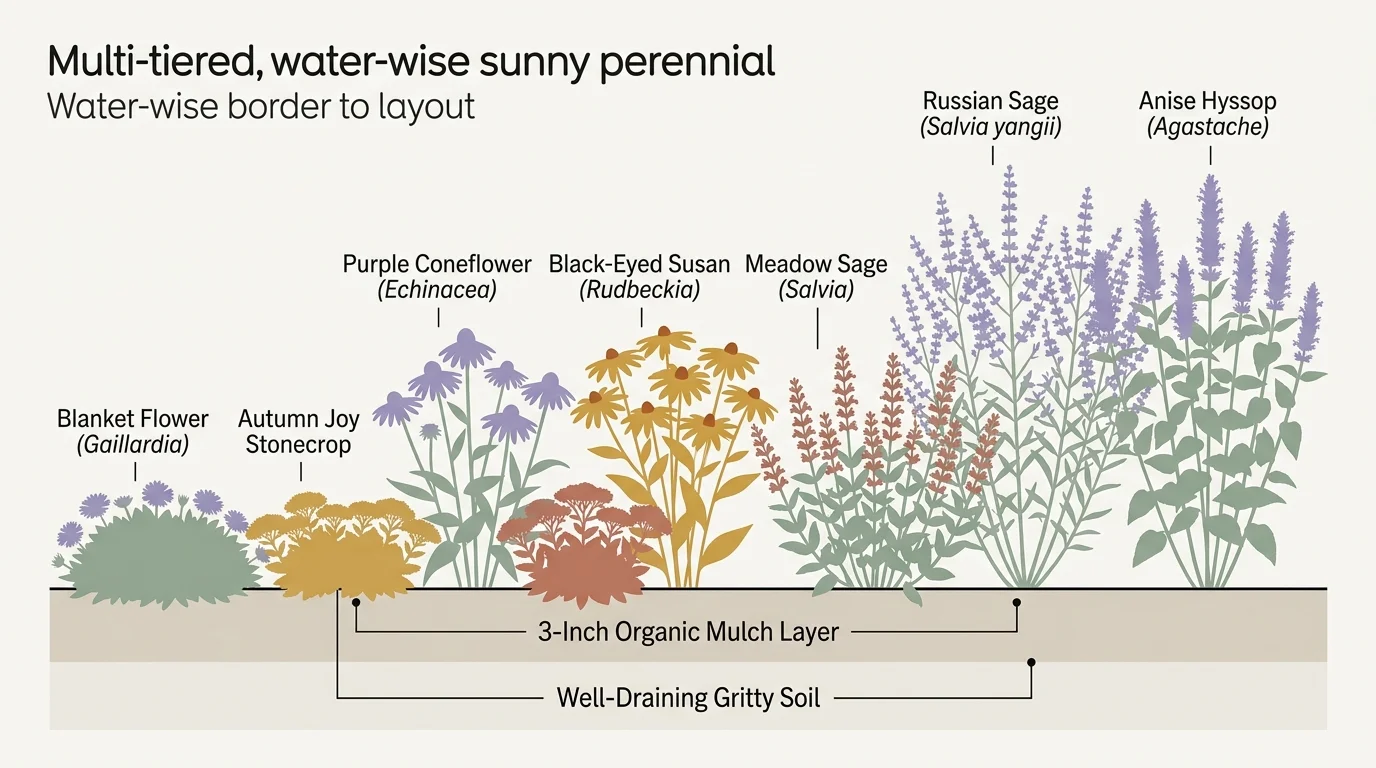
Putting It All Together: Enjoy Your Beautiful Garden
Designing a low-water landscape does not mean sacrificing lush beauty or vibrant color. By combining these resilient perennials, you create a garden that thrives on minimal resources.
Group plants with similar sunlight and soil moisture needs together in your landscape beds. This grouping technique, known as hydrozoning, optimizes water efficiency and keeps maintenance tasks simple.
Apply a two-inch layer of organic bark or gravel mulch over your planting beds. Mulch cools sensitive roots, suppresses competing weeds, and prevents soil moisture evaporation.
Establishing your plants properly during their first growing season is the secret to long-term success. Give them attentive care early on, and they will reward you with years of drought-hardy blooms.
Water deeply but infrequently to encourage roots to travel far beneath the soil surface. Shallow sprinkling creates weak roots that suffer whenever surface moisture evaporates during hot afternoons.
Embrace water-wise gardening to save precious time, lower utility bills, and support local pollinators. Step outside and enjoy the enduring beauty of your resilient, flourishing outdoor haven.
For region-specific advice, consult your local University Extension program (find yours via the USDA directory). For plant databases and inspiration, visit the Missouri Botanical Garden or the Royal Horticultural Society.
Frequently Asked Questions
How do I care for drought-tolerant flowers during their first growing season?
New drought-tolerant flowers need regular watering during their first four to six weeks in the ground. Deep weekly soakings encourage roots to grow deep into surrounding soil instead of staying near the surface.
Gradually reduce watering frequency once plants produce vigorous new top growth and strong stems.
Can drought-tolerant plants survive in heavy clay soil?
Most drought-tolerant species require sharp drainage to prevent root rot during wet periods. You can improve heavy clay by creating raised planting mounds and incorporating coarse gravel or organic compost.
Building raised garden beds also ensures excess winter rain drains away from sensitive perennial crowns.
What is the best time of year to plant low-water flowers?
Early autumn and early spring offer ideal planting conditions with cool temperatures and natural rainfall. Planting during these windows allows root systems to establish before intense summer heat arrives.
Autumn planting is especially effective because warm soil promotes root growth while cooler air reduces moisture stress.
Do drought-resistant flowering plants need regular fertilizer?
Most water-wise perennials prefer lean, low-nutrient soils and require little to no supplemental feeding. Excessive fertilizer causes rapid, weak stem growth that collapses easily and attracts unwanted pests.
A single light layer of organic compost applied each spring provides all the slow-release nutrients they need.
Disclaimer: This article provides general gardening advice. Always consider your specific climate, soil conditions, and local pests. Follow safety guidelines when using gardening tools and products.