You can build a lush indoor jungle even if you routinely forget to water your foliage. Resilient greenery bounces back from missed care routines, dry indoor air, and dim living room corners.
Selecting hard to kill plants gives you immediate gardening success without the anxiety of daily maintenance. These tough specimens store moisture, tolerate neglect, and clean your air with minimal fuss.
Discover the most forgiving houseplants available today and transform your living space into a vibrant sanctuary. Your rewarding journey toward effortless indoor greenery starts right here.

Tip #1: Snake Plant (Dracaena trifasciata)
The snake plant stands as an unrivaled champion among easy plants for beginners. Its architectural, upright leaves display striking patterns of green, silver, and gold.
Why Snake Plants Tolerate Severe Neglect
This hardy succulent uses Crassulacean Acid Metabolism to exchange gases exclusively at night; this smart adaptation conserves immense amounts of internal moisture. You can leave home for a month without worrying about its survival.
Thick, fibrous leaves hold substantial water reservoirs that sustain the plant through long dry spells. Dense underground rhizomes also store energy to fuel new leaf spikes.
Light Requirements and Watering Schedules
Place your snake plant in virtually any setting ranging from windowless interior offices to bright southern windows. Bright indirect light promotes faster growth, but low light conditions cause no harm.
Drench the soil thoroughly only when it feels bone-dry from top to bottom. During chilly winter months, water only once every four to six weeks.
Excess moisture remains the only real enemy of this durable species. Always discard runoff water sitting in the saucer to protect root tissue from rotting.
Soil Mix and Simple Propagation
Plant your snake plant in a porous cactus or succulent potting mix containing coarse perlite. A heavy terracotta container provides stability and pulls excess moisture away from roots.
You can easily propagate mature specimens by slicing leaf segments and inserting them into moist sand. Alternatively, divide root rhizomes with a clean blade during spring repotting.
Wipe the tall sword-like leaves with a moist cloth once a month to remove dust. Clean foliage breathes freely and resists common indoor pests like spider mites.
Snake plants endure temperature fluctuations from 55 to 85 degrees Fahrenheit effortlessly. Keep them away from freezing winter windowpanes to prevent cellular damage.

Tip #2: ZZ Plant (Zamioculcas zamiifolia)
Few low-maintenance plants match the sheer durability and polish of the magnificent ZZ plant. Its glossy, deep-green foliage looks freshly waxed even under artificial fluorescent illumination.
The Secret Behind Bulbous Rhizomes
Beneath the soil surface, the ZZ plant develops large potato-like rhizomes that hoard gallons of moisture. These underground structures allow the plant to withstand months of complete drought.
Fleshy leaf stems also store water efficiently, maintaining their rigid posture through extended neglect. You never have to worry if you travel frequently for work.
Managing Light and Water Needs
The ZZ plant tolerates deeply shaded corners where most other decorative houseplants quickly perish. It performs equally well in gentle morning sun or moderate ambient daylight.
Underwatering will rarely harm this botanical treasure, while overwatering quickly damages roots. Water thoroughly every three weeks in summer and every six weeks during winter.
Allow the entire pot to dry out completely before you reach for the watering can. When in doubt, delay your watering schedule by another full week.
Soil Drainage and Repotting Basics
Choose a loose potting medium enriched with pumice or bark chips to ensure swift drainage. Dense garden soil suffocates rhizomes and encourages destructive fungal decay.
Repot your ZZ plant only when its expanding root structures distort or crack the plastic nursery container. This slow grower thrives when roots remain snug inside their pot.
The ZZ plant shows outstanding resistance against common pests like aphids and mealybugs. Its waxy leaf cuticles create a tough natural barrier against feeding insects.
Never apply leaf-shine chemicals to your ZZ plant foliage. Natural wiping with lukewarm water keeps the glossy leaflets sparkling without clogging stomata pores.

Tip #3: Pothos (Epipremnum aureum)
Pothos earned its nickname, devil’s ivy, because keeping it alive requires almost no deliberate effort. Its trailing vines and heart-shaped leaves bring lush greenery to bookshelves and hanging baskets.
A Cascading Vine That Communicates Clearly
This leafy climber ranks high among beginner gardening plants because it visibly signals its primary needs. When foliage wilts slightly, it simply asks for a refreshing drink of water.
A quick drenching restores droopy leaves to crisp, vibrant turgidity within a few hours. This rapid bounce-back makes pothos one of the most forgiving houseplants available.
Light Adaptability and Simple Watering
Pothos thrives across a wide spectrum of light, from dim cubicles to bright, filtered windowsills. Golden and variegated varieties display richer color patterns under medium to bright indirect sunlight.
Water your pothos whenever the top two inches of potting soil dry out completely. If you forget for an extra week, the plant will wait patiently without permanent damage.
Avoid soggy conditions by ensuring your container features ample drainage holes. Discard pooling runoff immediately after every thorough watering session.
Effortless Water Propagation
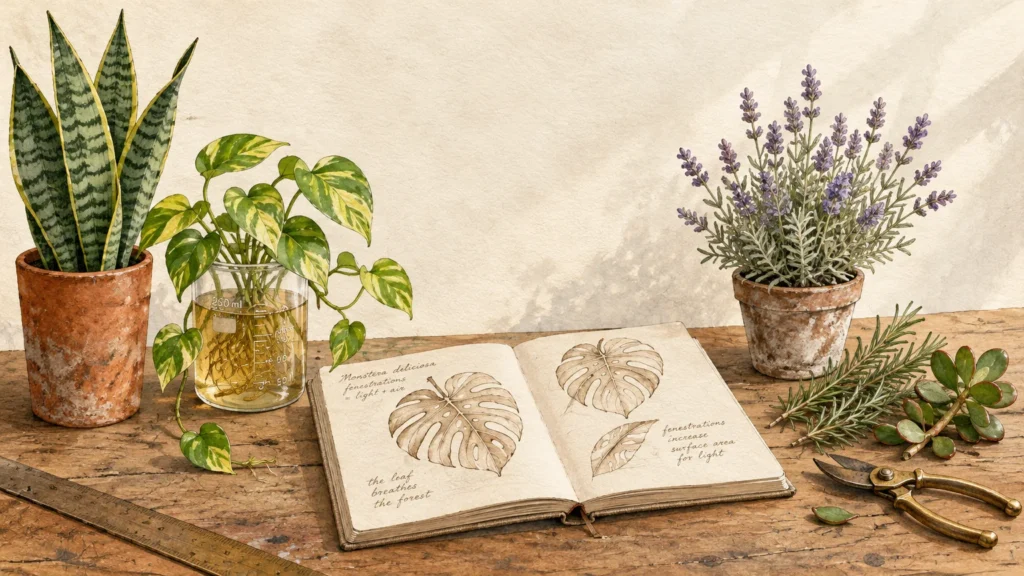
You can effortlessly multiply your pothos collection by snipping stem cuttings right below a brown root node. Place the cut vines into a jar filled with fresh tap water.
White roots emerge rapidly within two weeks on a sunny windowsill. Transfer your rooted cuttings into standard potting soil or display them permanently in water.
Pothos vines can climb upward on moss poles or cascade freely down tall shelves. Trim excessively long runners to maintain full, bushy growth near the crown.
Feed actively growing pothos plants once a month during spring with a balanced liquid fertilizer. Dilute the solution to half strength to prevent salt accumulation in potting soil.

Tip #4: Spider Plant (Chlorophytum comosum)
The spider plant remains a beloved household staple thanks to its graceful arching foliage and unmatched adaptability. It produces cheerful cascading shoots tipped with miniature plantlets throughout the summer.
Resilient Roots That Store Water
Spider plants produce thick, fleshy tubers beneath the soil that store substantial moisture reserves. These swollen root structures keep the plant hydrated during unexpected dry spells.
Pale foliage quickly signals mild dehydration before any leaf tissue suffers irreversible browning. A prompt watering immediately restores lush color and vigorous leaf posture.
Balancing Humidity and Sun Exposure
Position your spider plant in moderate to bright indirect sunlight for vigorous foliage development. Direct hot sun scorches leaf tips, while dense shade slows down growth.
Maintain standard room temperatures and average indoor humidity levels without special humidifiers. Spider plants thrive in dry living rooms and steamy bathroom environments alike.
Water thoroughly when the top half of the potting soil feels completely dry. Use filtered water or rainwater if you notice brown tips caused by tap water fluoride.
Propagating Spiderettes with Ease
Spider plants produce tiny offshoots called spiderettes along long, wiry stems. You can snip these babies away once they develop small nubs of aerial roots.
Set the tiny base into moist potting soil to root new individual plants within weeks. Share these vigorous baby plants with friends and family to spread gardening joy.
Spider plants handle minor root-bound conditions with total grace. Repot them into a slightly larger container only when thick roots push soil out of the pot rim.
Cat owners will appreciate that spider plants pose no toxicity risks to feline companions. In fact, many indoor cats find the grassy foliage mildly attractive.

Tip #5: Cast Iron Plant (Aspidistra elatior)
Victorian gardeners named this rugged perennial the cast iron plant for its nearly indestructible nature. It survives neglect, dim hallways, drafty entryways, and fluctuating household temperatures with regal poise.
A Victorian Classic Built for Survival
Dark, leathery leaves resist dust, low ambient humidity, and sporadic pest infestations without showing wear. The plant grows steadily without demanding constant fussing or specialized plant food.
Its broad evergreen leaves add dramatic architectural flair to any dull corner. You can rely on this tough specimen when sensitive tropical plants fail.
Thriving in Low Light and Drafts
Unlike sun-loving species, cast iron plants flourish in deep shade and indirect north-facing light. Direct, harsh sunlight quickly burns its deep emerald foliage with unsightly bleached spots.
This resilient specimen withstands sudden cold drafts near exterior doors during freezing winter storms. It adapts effortlessly to dry heating vents that wither delicate ferns.
Care Routine and Soil Preferences
Provide a rich, well-draining potting mix containing peat moss and coarse perlite. Ensure your planter includes adequate drainage holes so roots never sit in stagnant water.
Water only when the potting soil dries out several inches below the surface. Slow growth means you need to fertilize lightly only once or twice every spring.
Wipe the wide leaves occasionally with a damp cloth to remove household dust particles. Clean leaves absorb ambient room light much more efficiently for long-term health.
Cast iron plants grow slowly and rarely need frequent repotting. Refresh the top two inches of potting mix every spring rather than disturbing root systems.
This sturdy foliage plant tolerates prolonged temperature drops down to 45 degrees Fahrenheit. It makes a dependable patio specimen during cool autumn months.

Tip #6: Jade Plant (Crassula ovata)
The jade plant offers a captivating miniature tree silhouette with thick, woody stems and plump, jade-green leaves. It ranks among the top hard to kill plants for sunny windowsills.
Fleshy Leaves That Store Vital Moisture
As a true succulent, the jade plant hoards precious water within its glossy, oval foliage. This built-in water storage system protects the plant from weeks of complete drought.
If leaves appear slightly wrinkled or soft, provide a thorough, deep soaking. Firm, plump foliage returns within twenty-four hours after the roots absorb fresh water.
Direct Sunlight and Drought Resistance
Place your jade plant in a south-facing or west-facing window that receives four or more hours of direct sun. Ample sunlight often coaxes cheerful red tints onto leaf margins.
Allow the entire pot of soil to dry out completely before adding moisture. During cool winter dormancy, reduce watering to once per month to avoid stem rot.
Pruning and Stem Cuttings
Prune wayward branches during spring to encourage a sturdy trunk and dense, bushy foliage. Jade plants respond enthusiastically to heavy pruning by pushing out fresh branching points.
Let pruned stem clippings callous over for three days before inserting them into sandy succulent compost. Fresh roots form swiftly, giving you dozens of charming miniature trees.
Heavy glazed ceramic containers or terracotta pots keep top-heavy jade plants upright. Porous clay also wicks surplus moisture away from delicate succulent feeder roots.
Jade plants can live for decades and pass down as treasured family heirlooms. With age, their trunks thicken into picturesque boles resembling ancient bonsai trees.

Tip #7: Peace Lily (Spathiphyllum wallisii)
The peace lily provides glossy, arching leaves and stunning white floral spathes that brighten shaded interior rooms. It communicates its hydration requirements more vividly than almost any other indoor plant.
The Dramatic Plant That Bounces Back
When a peace lily needs water, it droops dramatically over the edge of its container. Beginners often panic, yet this theatrical reaction rarely signals actual plant demise.
Drench the root ball thoroughly with water, and the stems stand upright again within hours. This remarkable resilience makes the peace lily an ideal companion for forgetful caretakers.
Reading Foliage Signals and Watering
Keep the potting soil lightly moist but never waterlogged or swampy. Water when the top inch of soil feels dry or when leaves first lose their stiffness.
Brown leaf tips often reflect sensitive reactions to tap water chemicals like chlorine or fluoride. Switch to filtered water or collected rainwater to maintain pristine green foliage.
Filtered Light and Feeding Needs
Peace lilies thrive in low to medium indirect light conditions away from hot afternoon windows. Bright, indirect light triggers recurrent blooming cycles with elegant white spathes.
Feed with a balanced houseplant fertilizer diluted to half-strength every six weeks during spring and summer. Withhold chemical fertilizers completely throughout the dark winter resting period.
Peace lilies act as excellent natural humidifiers by releasing clean moisture back into indoor rooms. Their broad leaves capture fine airborne particles, freshening your interior living space.
Wipe fading flower stalks down to the plant base using sterile pruning shears. Deadheading spent blooms channels vital energy toward vigorous green leaf development.

Putting It All Together: Enjoy Your Beautiful Garden
Growing resilient greenery builds genuine horticultural confidence and transforms your living environment. Starting with forgiving plants eliminates beginner frustration and ensures continuous indoor gardening success.
Match each plant to your home’s natural light and temperature patterns before finalizing placement. Focus on watering restraint, because overzealous hydration kills far more plants than simple neglect.
Observe your plants weekly to notice early subtle signals before major stress develops. Gardening rewards patience, curiosity, and the willingness to learn through direct observation.
Embrace the learning process and celebrate every new leaf, shoot, or blossom. Your thriving green collection will reward your modest efforts with enduring vitality and beauty.
For region-specific advice, consult your local University Extension program (find yours via the USDA directory). For plant databases and inspiration, visit the Missouri Botanical Garden or the Royal Horticultural Society.
Frequently Asked Questions
How often should I water low-maintenance indoor plants?
Most resilient houseplants prefer drying out between waterings rather than sitting in continuously damp soil. Check soil moisture depth with your finger before applying water.
As a dependable rule of thumb, watering every two to three weeks satisfies most drought-tolerant varieties. Reduce this frequency during cold winter months when plant growth naturally slows.
Can hard to kill plants survive in rooms without windows?
Cast iron plants, ZZ plants, and snake plants survive remarkably well under standard office fluorescent lights. Artificial illumination provides sufficient light spectrum energy to support basic photosynthesis.
If a room lacks all light sources, rotate your plants every few weeks into a sunlit area. This simple rotation schedule keeps windowless greenery healthy and vibrant over time.
What is the most common mistake beginner gardeners make?
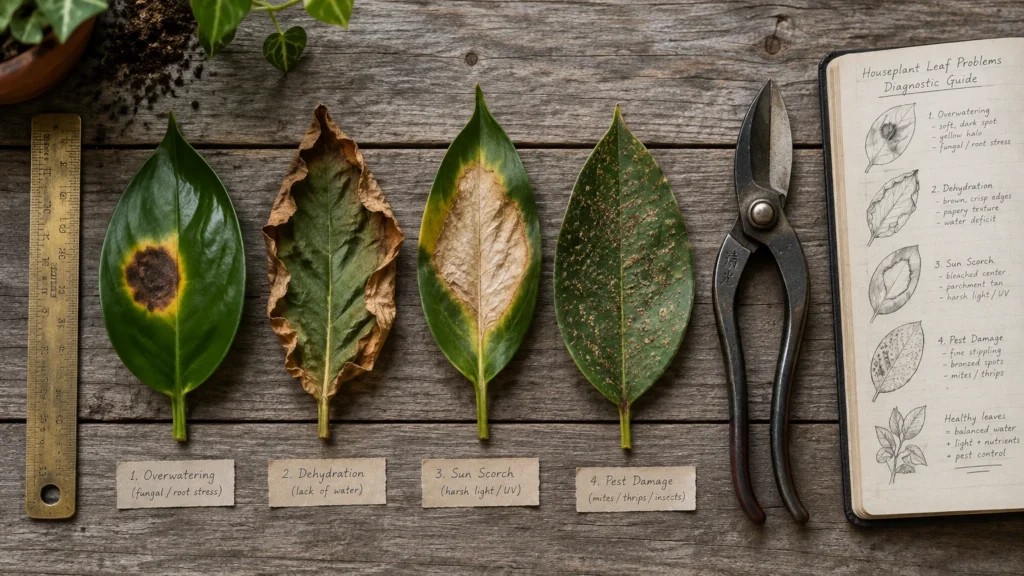
Overwatering ranks as the single most lethal mistake committed by enthusiastic beginner gardeners. Saturated potting soil smothers roots, cutting off vital oxygen supplies and triggering lethal root rot.
Always plant your greenery in pots with drainage holes and use gritty, well-draining soil mixes. When uncertain about moisture levels, waiting an extra few days prevents root damage.
Do forgiving houseplants require regular fertilizer?
Durable indoor plants need very modest amounts of fertilizer to stay healthy and attractive. Feeding them once or twice during active spring growth provides plenty of essential nutrients.
Dilute standard liquid houseplant fertilizer to half strength to avoid burning sensitive root systems. Never fertilize dry soil or apply plant food during cold winter dormancy.
Disclaimer: This article provides general gardening advice; always consider your specific climate, soil conditions, and local pests. Follow safety guidelines when using gardening tools and products.