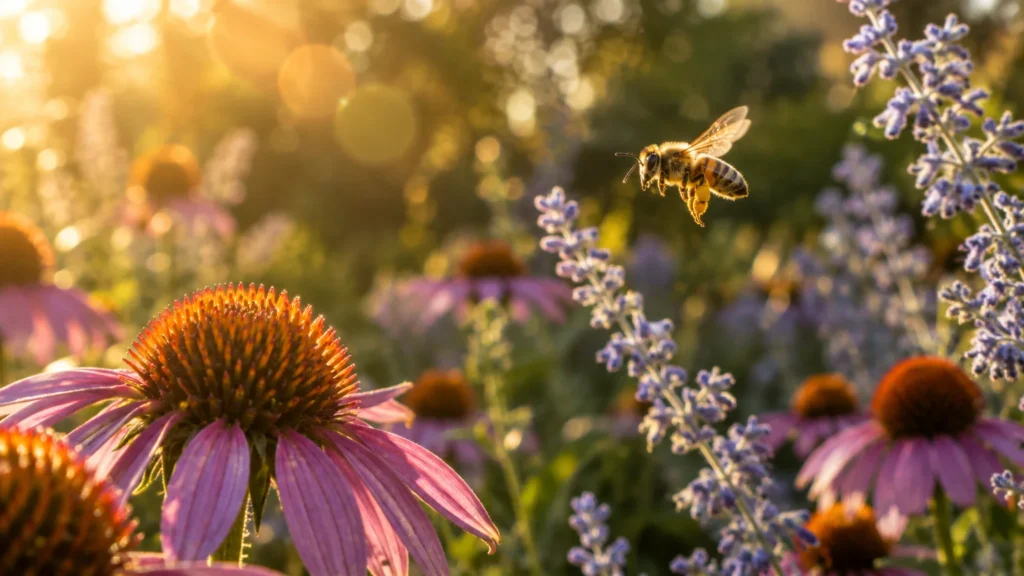
You can transform your dormant beds into a vibrant tapestry of color before the frost fully clears. Planting hardy early spring perennials brings your landscape to life weeks ahead of traditional seasonal blooms.
These resilient early bloomers awaken while chilly winds still linger, providing vital nectar for emerging native pollinators. Their dependable return signals the end of winter and fills your borders with cheerful energy.
Selecting the right spring garden plants ensures a seamless transition of color from late winter into lush summer growth. Discover twelve proven varieties that will revitalize your outdoor living space this season.
Tip #1: Hellebores (Lenten Rose)
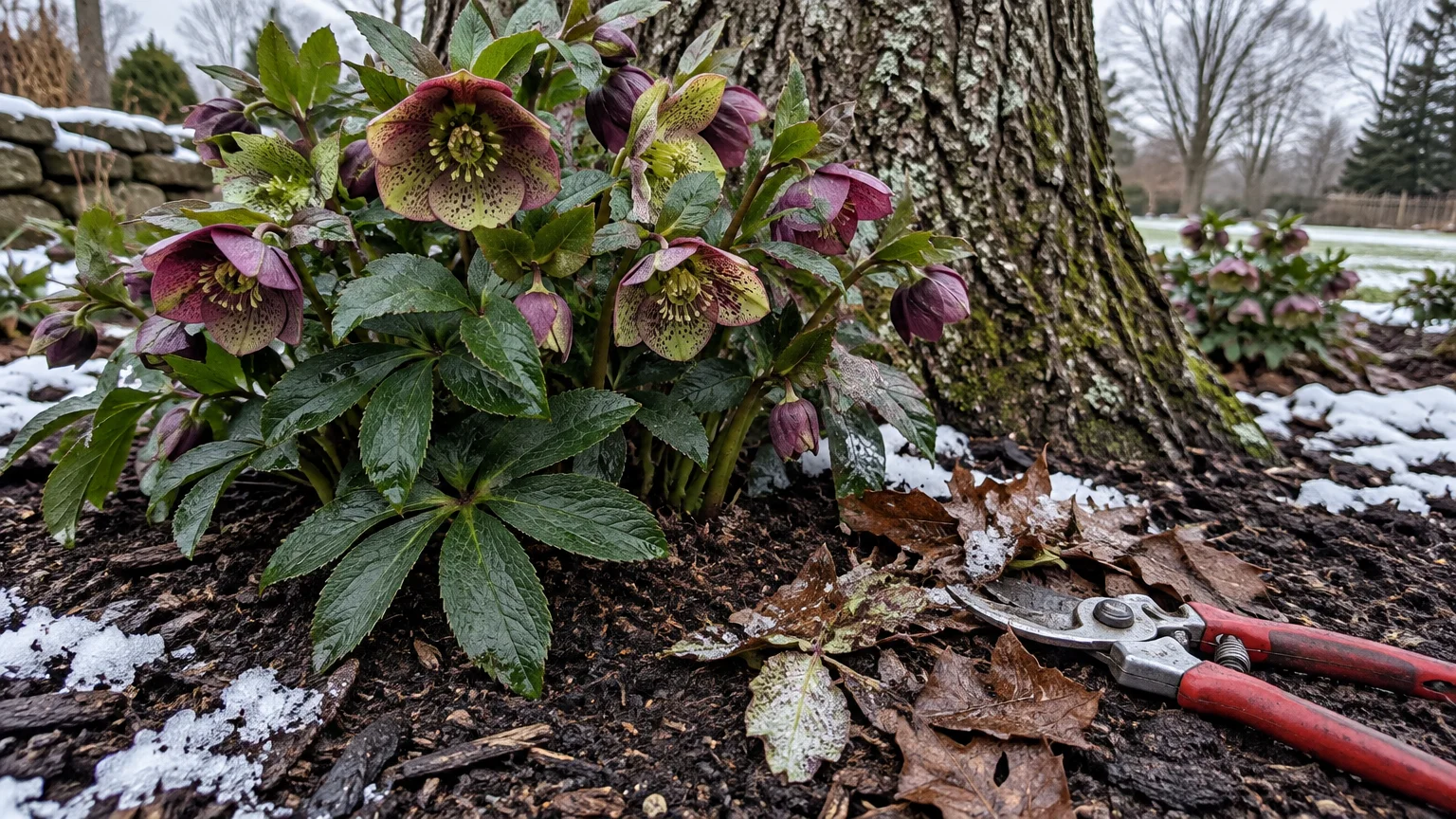
Hellebores often push through late snowdrifts to deliver cup-shaped blossoms in late winter and early spring. These sturdy plants display nodding flowers in shades ranging from creamy white and dusky plum to speckled chartreuse.
You should plant them beneath deciduous shade trees where they receive winter sun and filtered summer light. They thrive best in rich, well-draining soil enriched with aged compost.
Clip away the tattered, winter-damaged foliage in late winter before the flower buds emerge. This simple pruning technique showcases the pristine blooms and prevents common fungal leaf spots from spreading.
Because hellebores produce leathery, bitter leaves, deer and rabbits consistently leave them untouched. Pair them with early bulbs to establish a low-maintenance, woodland display that endures for decades.
Tip #2: Creeping Phlox (Phlox subulata)
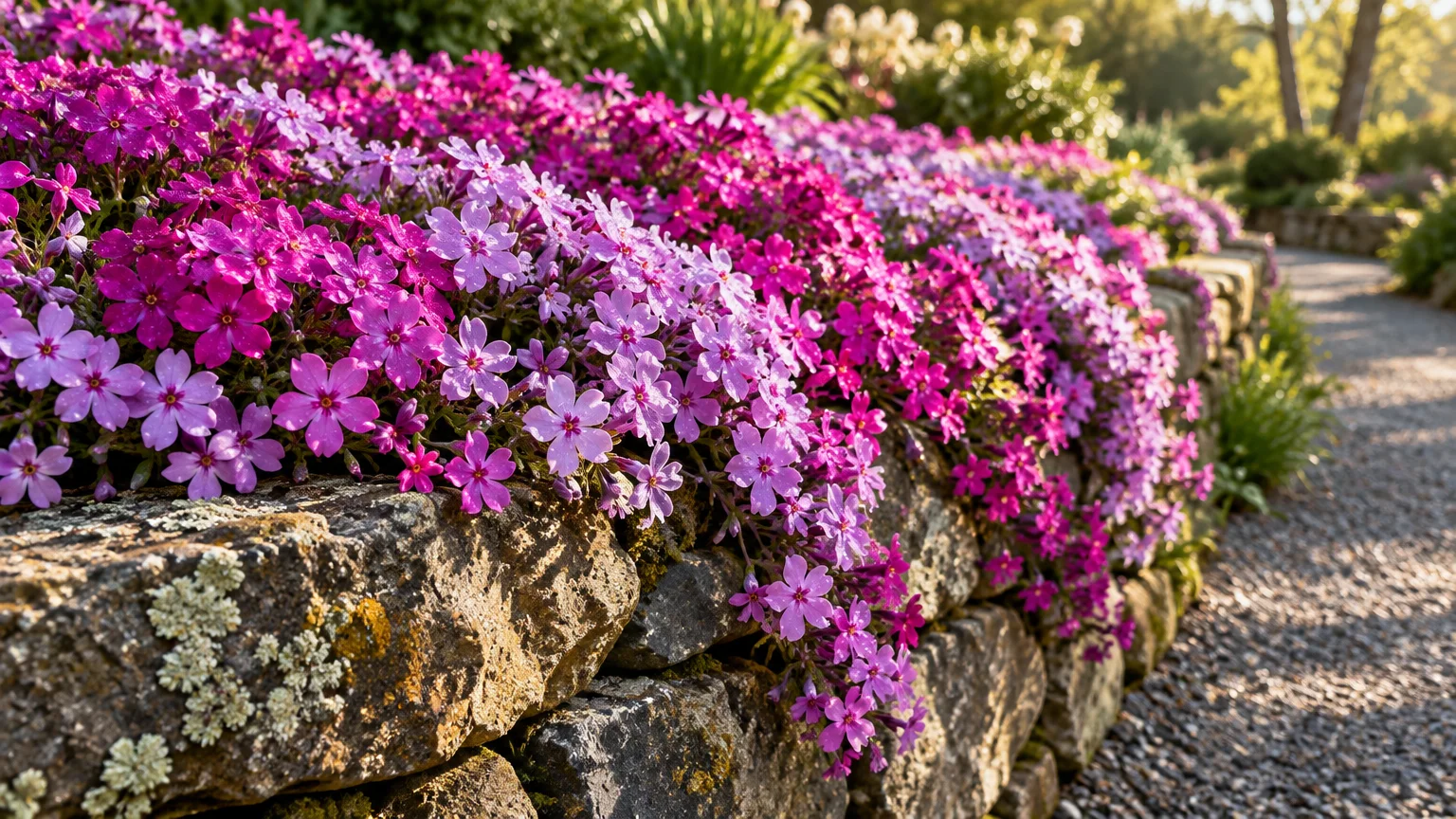
Creeping phlox forms a dense, evergreen carpet that bursts into a blanket of radiant color by mid-spring. Its fragrant, star-shaped blossoms blanket rockeries, slopes, and borders in vivid pinks, purples, and snowy whites.
Give this vigorous groundcover full sun and sharply draining soil to ensure abundant blooms. Poor or rocky soils suit this hardy perennial perfectly; excessive moisture, however, leads to root rot.
Shear the entire plant back by roughly one-third immediately after the flowering period concludes. Light trimming promotes dense foliage growth, discourages leggy stems, and occasionally prompts a light rebloom later in summer.
Position creeping phlox along stone retaining walls where the cascading stems can spill gracefully over the edges. It acts as an outstanding living mulch that suppresses early weeds while stabilizing sloping garden soil.
Tip #3: Bleeding Heart (Lamprocapnos spectabilis)
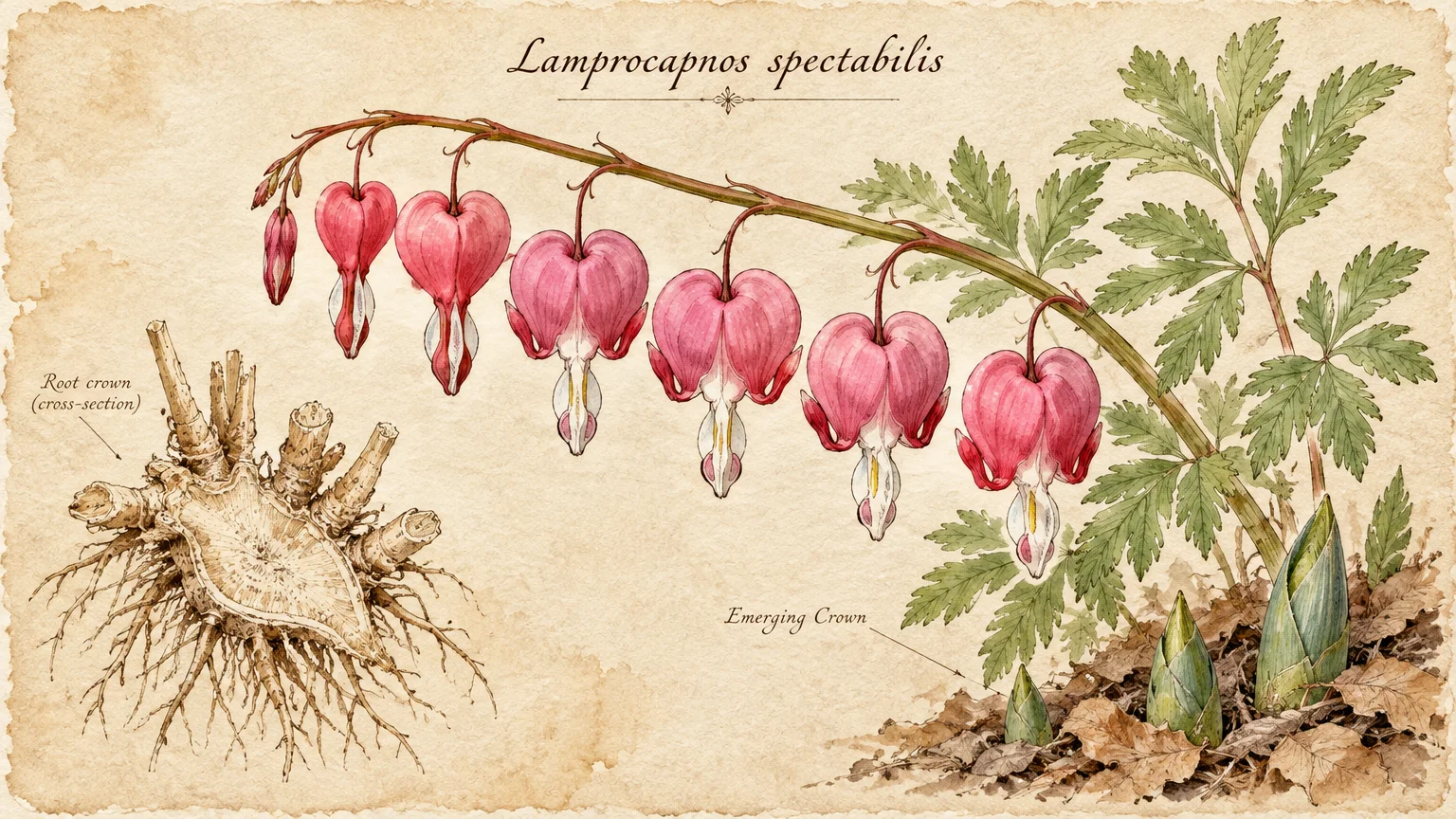
Bleeding heart offers graceful, arching stems strung with delicate, heart-shaped blossoms that dangle above soft foliage. This classic cottage garden favorite provides exceptional architectural charm during the early months of the growing season.
Plant these spring blooming perennials in partial to full shade where the soil remains consistently moist and fertile. Working organic matter into the planting hole gives the fleshy root system the nutrition it requires.
As summer heat intensifies, expect the foliage to turn yellow and gradually die back into summer dormancy. Mark the planting location carefully so you avoid accidentally digging into the dormant root crowns later.
Interplant bleeding heart with late-emerging perennials like hostas, astilbes, and ferns. As the bleeding heart retreats, companion foliage unfurls smoothly to conceal the emerging gaps in your shade border.
Tip #4: Lungwort (Pulmonaria)
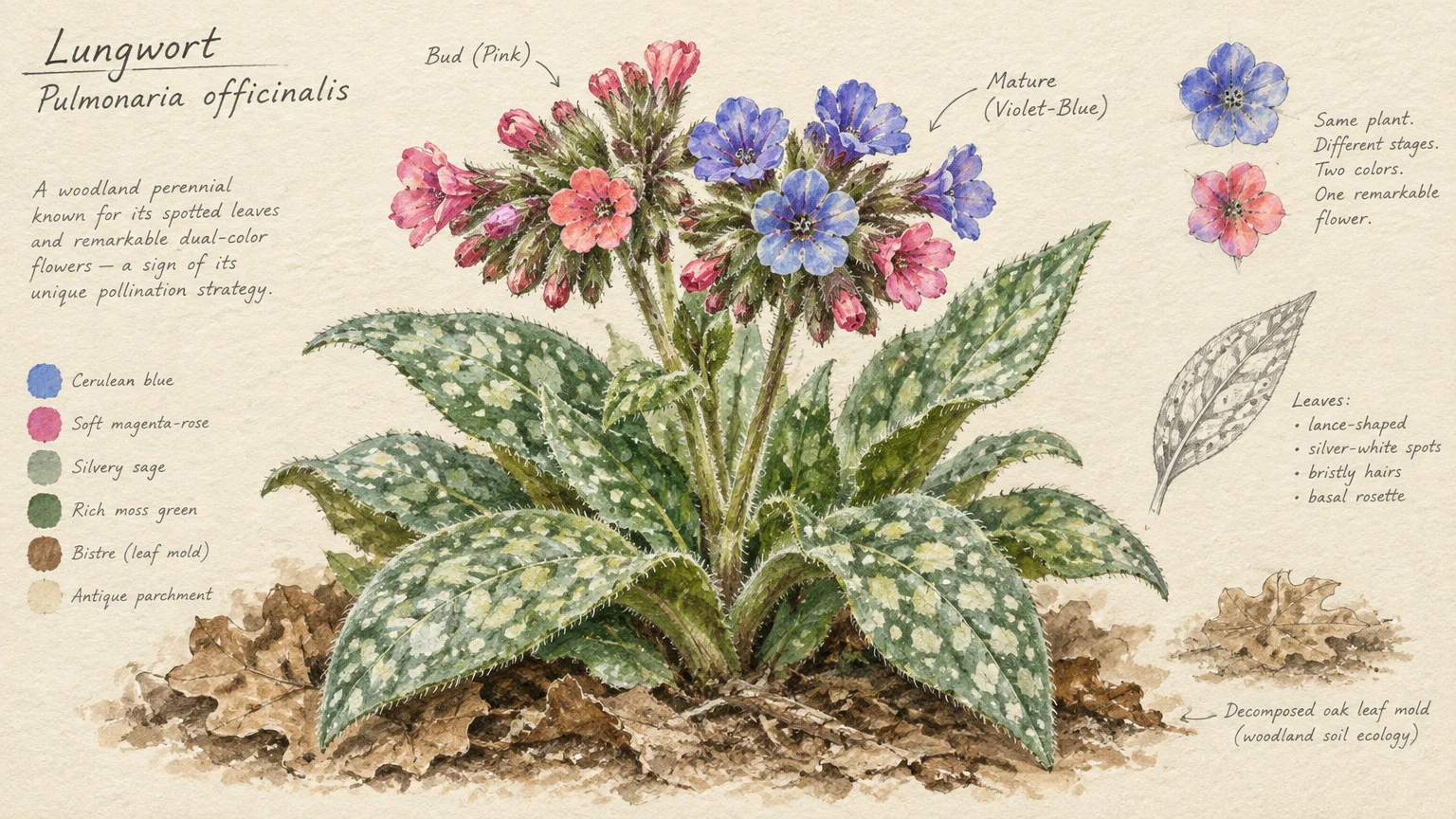
Lungwort welcomes early spring with clusters of funnel-shaped blossoms that open pink and mature into vibrant violet-blue. Its distinctive, silver-spotted leaves remain ornamental and fresh long after the flowers fade.
These reliable early bloomers excel in cool, shaded microclimates where damp soil protects them from drought. Enrich your garden bed with shredded leaf mold to mimic their native deciduous forest habitat.
Remove faded flower stalks down to the base to encourage vigorous growth of new, brightly patterned summer foliage. If powdery mildew appears during humid spells, shear the foliage to prompt an unblemished second flush.
Hungry deer and browsing rodents bypass the coarse, bristly hairs covering lungwort foliage. Use this rugged constitution to your advantage by edging woodland paths that border wild, untamed meadows.
Tip #5: Siberian Bugloss (Brunnera macrophylla)
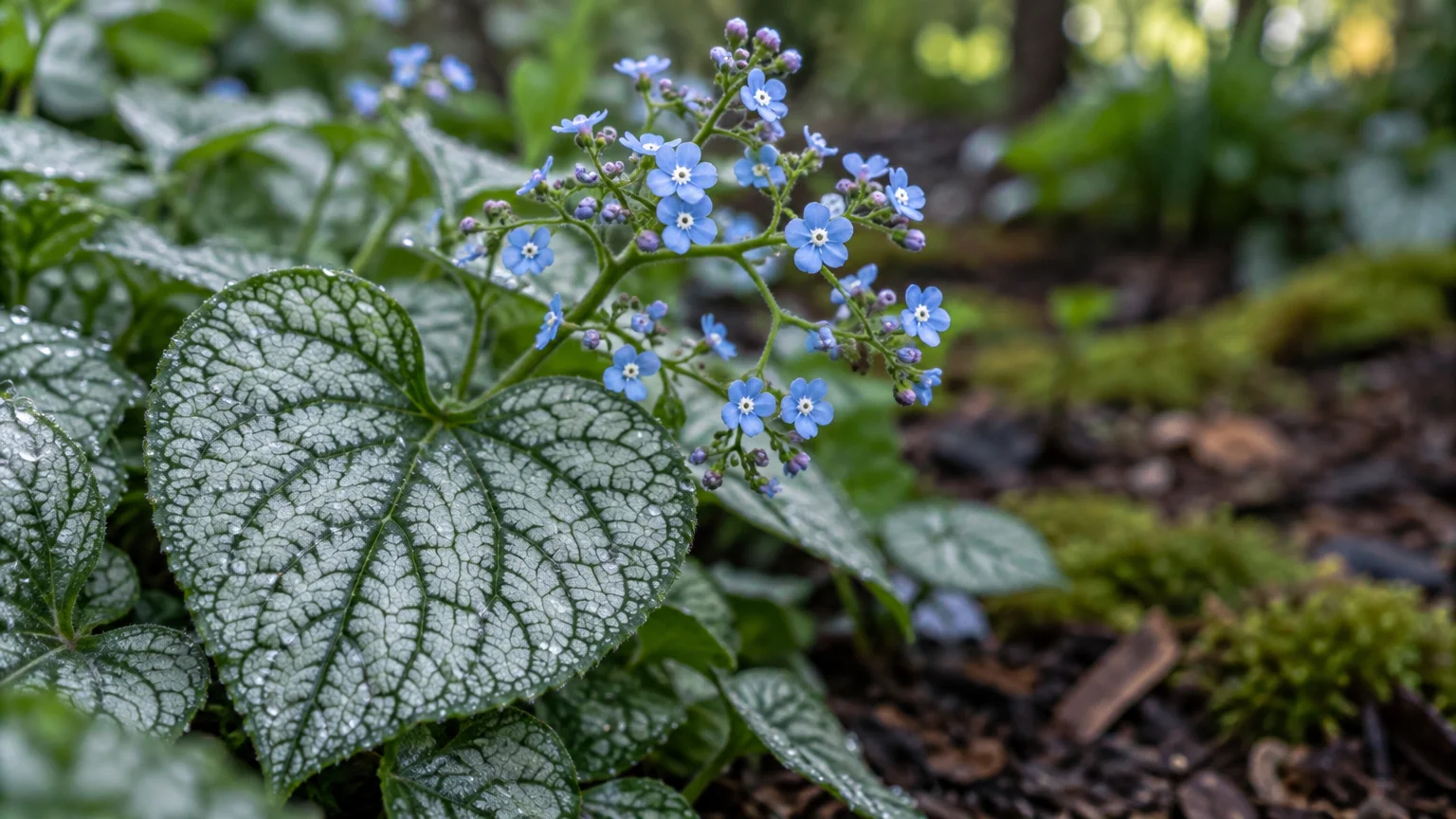
Siberian bugloss brightens dark garden corners with airy clouds of tiny, sky-blue blooms that mirror delicate forget-me-nots. As the flowering stems finish, broad, heart-shaped leaves expand into magnificent mounds of garden texture.
Select a location protected from scorching afternoon sun, which quickly scorches the tender variegated or silver foliage. These spring garden plants prefer humus-rich, evenly moist soil that drains excess water freely.
Keep the soil consistently moist throughout the first growing season while the fibrous roots establish their footing. Once settled, established clumps show surprising resilience during brief periods of seasonal dryness.
Cultivars like ‘Jack Frost’ feature silver-veined leaves that reflect ambient light into shady garden beds. Combine them with dark-leaved heucheras and woodland ferns to create dramatic color contrasts all season long.
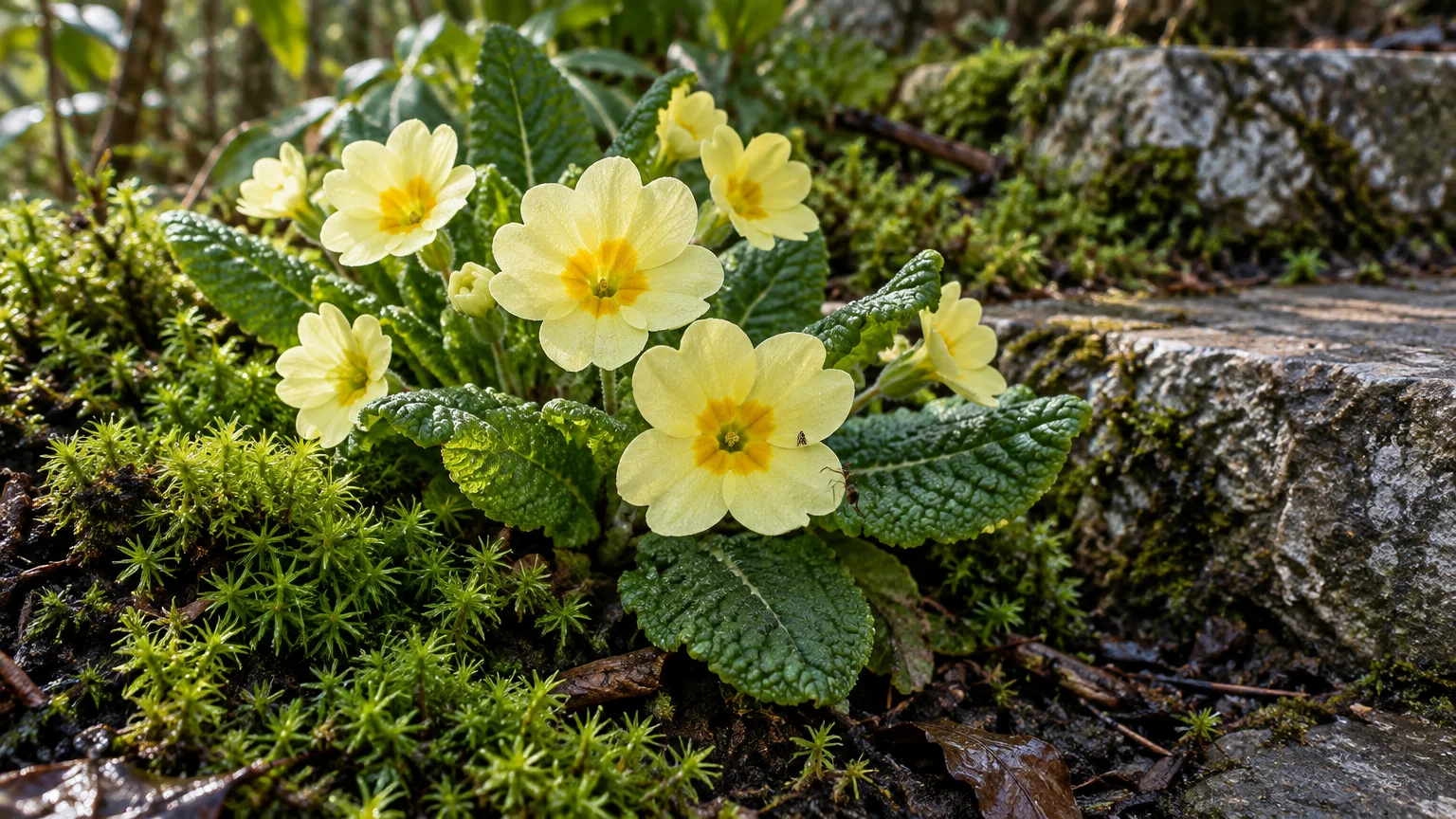
Tip #6: Primrose (Primula vulgaris)
Primroses are among the earliest perennial treasures to announce the change of seasons with vibrant, saturated colors. Their rosette-forming foliage produces bright blossoms featuring cheerful yellow eyes that draw the attention of early bumblebees.
Situate your primroses in damp, fertile soil under the canopy of deciduous trees or beside water features. They perform poorly in arid, baking conditions, preferring instead the cool temperatures of misty spring mornings.
Deadhead spent flowers regularly to prolong the bloom display and direct valuable energy back into root development. Mulch lightly around the base with pine bark or shredded leaves to conserve essential soil moisture.
Divide congested primrose crowns every three years directly after flowering to maintain vigor and prevent center dieback. Replant the divided offsets across your shade garden to expand your spring collection at zero cost.
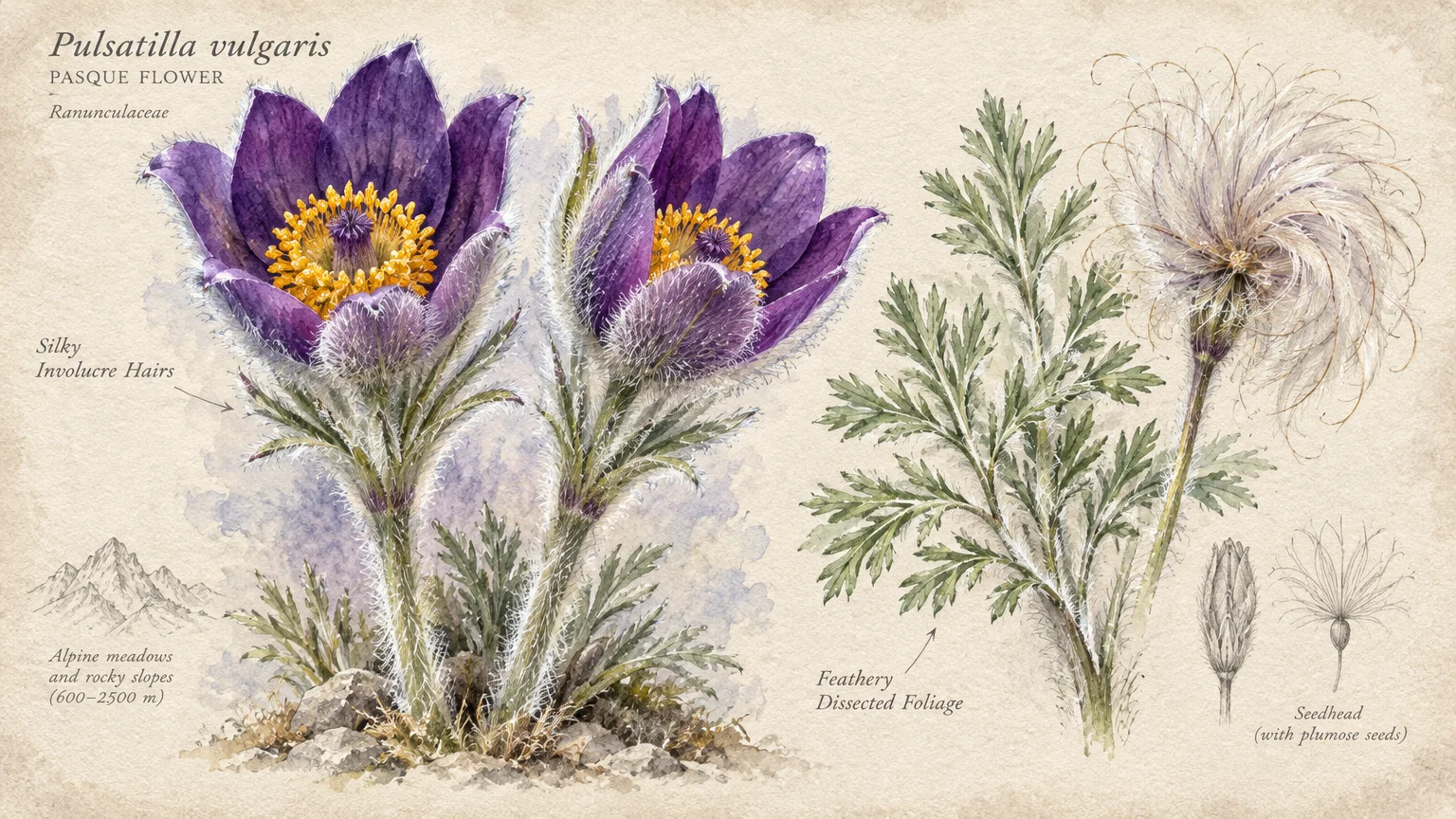
Tip #7: Pasque Flower (Pulsatilla vulgaris)
Pasque flower delivers striking, bell-shaped purple blossoms swathed in soft, silvery hairs that protect early buds against frost. Following the bloom, the flowers transform into whimsical, feathery seed heads that catch the breeze for weeks.
This alpine native requires full sunlight and sharply drained soil; gravelly or sandy conditions suit it best. It struggles and quickly rots in dense, heavy clay that retains winter standing moisture.
Pasque flower develops a long, deep taproot that helps it withstand summer heat and periods of drought. Because of this root structure, choose its permanent garden position carefully and avoid transplanting mature specimens.
Incorporate this unique perennial into rock gardens, trough planters, or sunny border edges alongside dwarf conifers. The fuzzy texture and sculptural seed heads provide exceptional tactile interest for curious garden visitors.
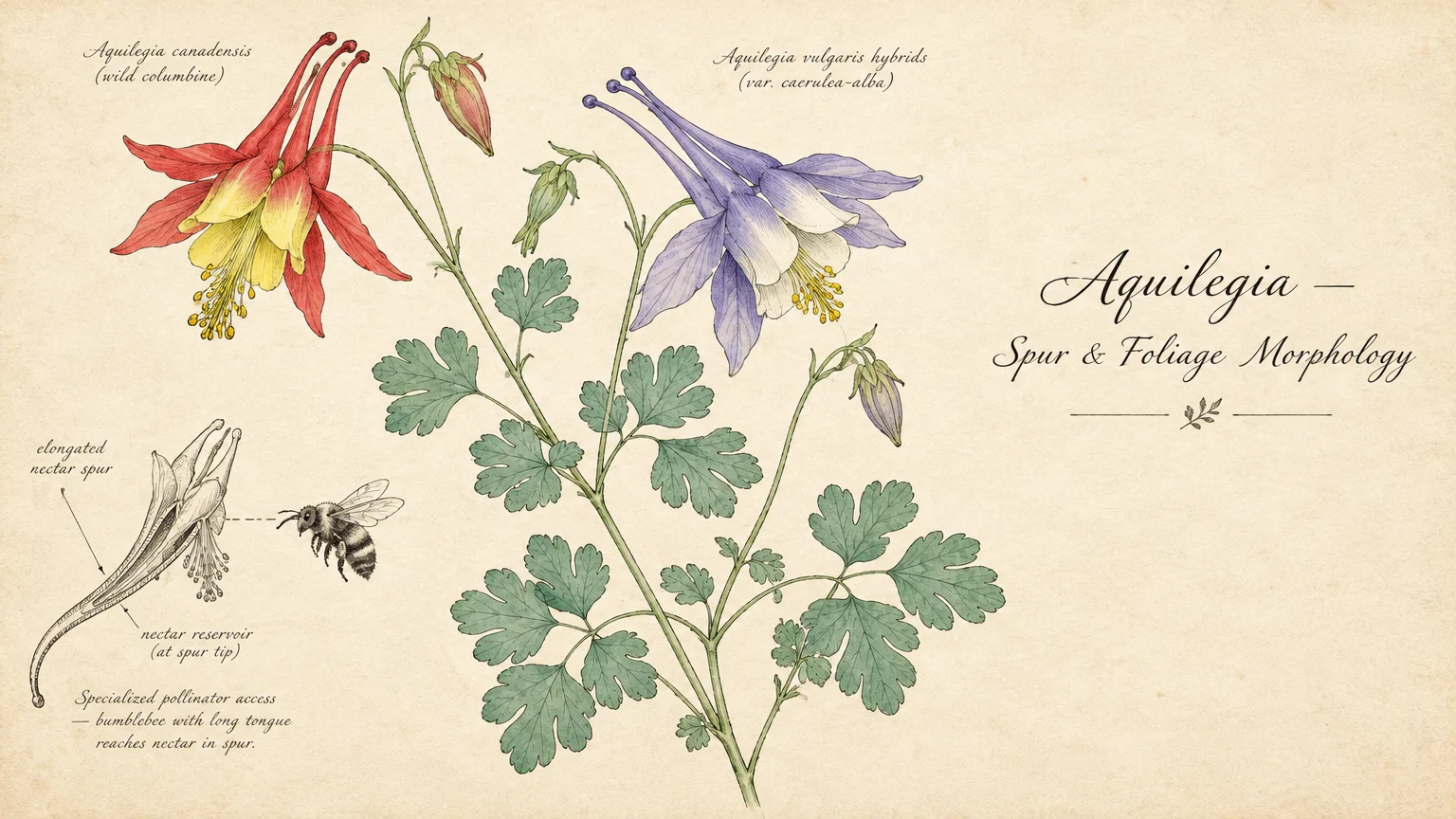
Tip #8: Columbine (Aquilegia)
Columbine displays uniquely spurred blossoms that dangle gracefully above attractive, lobed foliage reminiscent of maidenhair ferns. You can find them in stunning bicolor combinations of yellow, crimson, violet, and soft rose.
These versatile perennials flourish in spots ranging from full sun to dappled afternoon shade. Ensure the soil remains loose and permeable, as heavy saturation during winter rest will cause root distress.
Inspect your plants for leaf miners, which carve faint, winding trails across the tender foliage in late spring. Simply pick off affected leaves or cut the plant back hard to stimulate clean, healthy new foliage.
Allow several flower stems to mature and drop seed naturally throughout your informal garden borders. Columbines self-sow freely, establishing spontaneous, charming colonies that pop up between paving stones and surrounding plants.
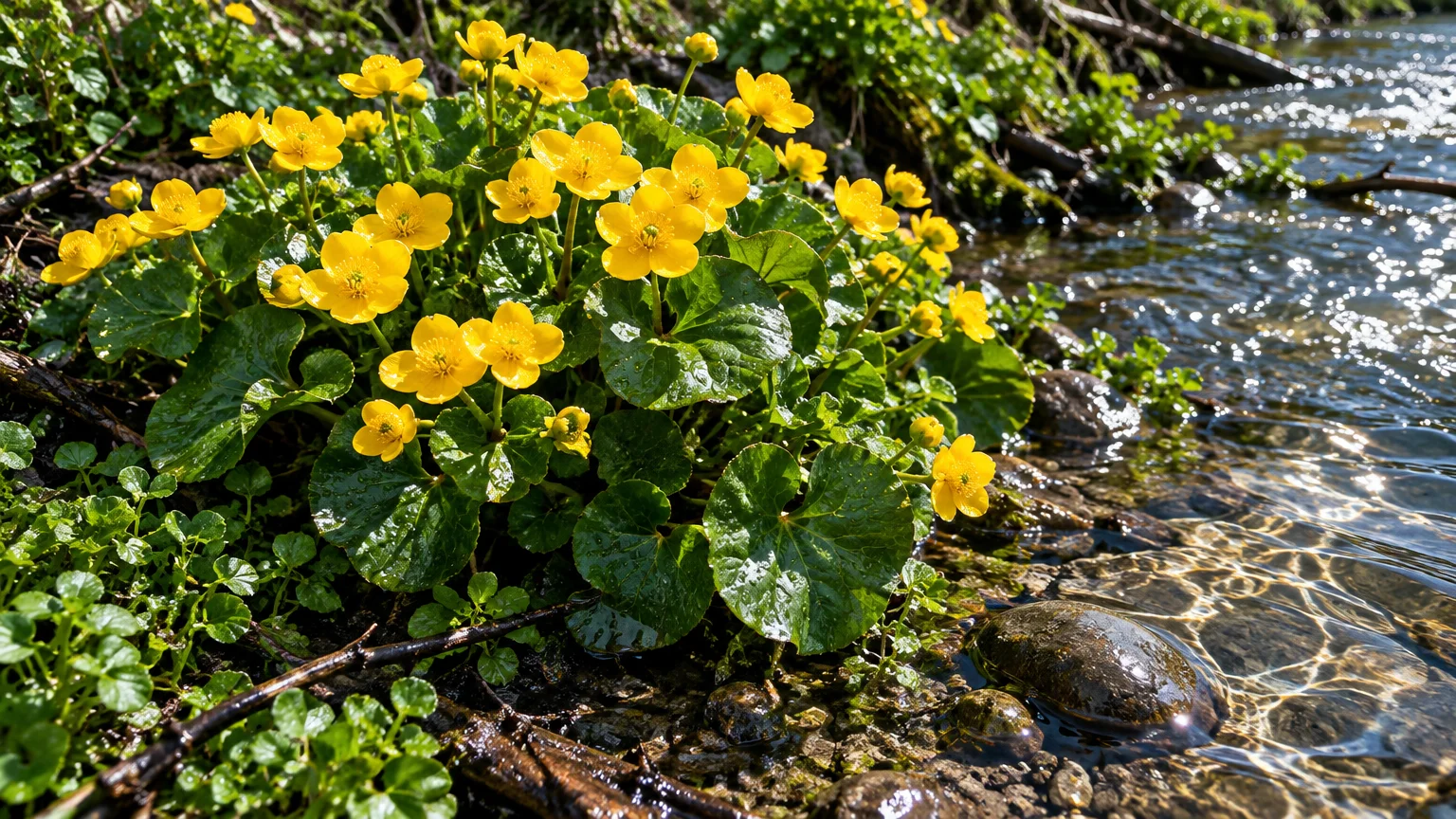
Tip #9: Marsh Marigold (Caltha palustris)
Marsh marigold enlivens the garden with glossy, buttercup-like yellow flowers that shimmer above rounded, succulent foliage. As one of the first flowers of spring in wet soils, it signals life returning to damp landscapes.
This native moisture-lover belongs along the margins of ponds, damp rain gardens, or constantly saturated low spots. Unlike most early spring perennials, it happily tolerates standing water around its crown during the early growing season.
Provide marsh marigold with full sun to partial shade to promote the densest clusters of golden blossoms. In warmer climates, afternoon shade prevents foliage burn when water levels drop during summer heatwaves.
The foliage naturally fades and enters dormancy if the soil dries out in midsummer. Pair it with water-loving iris varieties and sedges that fill the visual space when the marigold retreats.
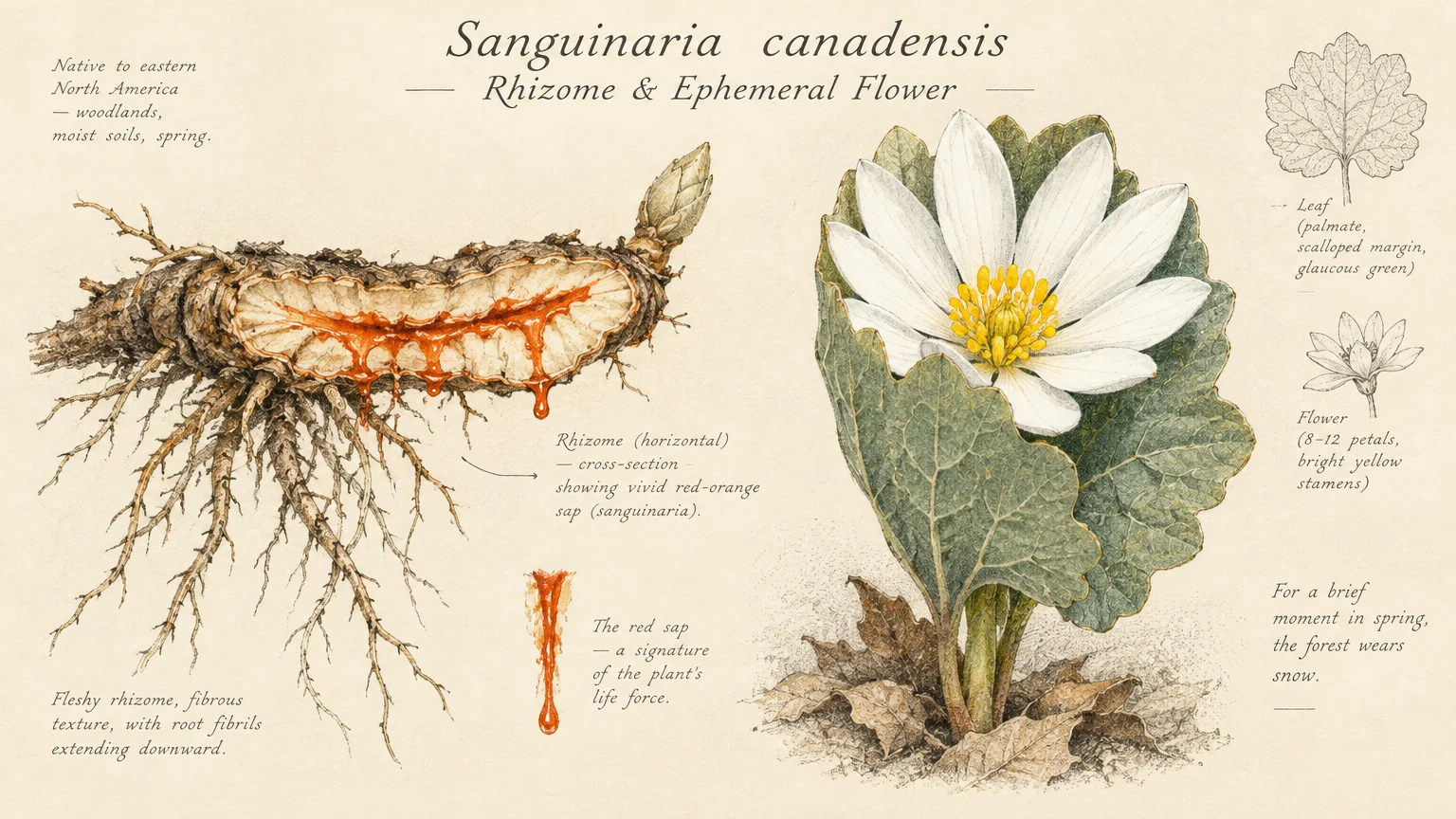
Tip #10: Bloodroot (Sanguinaria canadensis)
Bloodroot produces pristine, snow-white petals wrapped around a bright golden center, emerging before forest canopies leaf out. A single, scalloped leaf delicately unfurls around each flower stem, protecting the blossom from harsh weather.
Plant bloodroot in rich woodland soil heavily amended with leaf compost and kept evenly moist. It thrives in deciduous shade, taking advantage of bright early spring sunlight before tall trees cast dense summer shadows.
Native ants distribute the seeds naturally by collecting nutrient-rich appendages attached to each seed pod. This fascinating ecological relationship helps bloodroot slowly naturalize into stunning, self-sustaining ground colonies over time.
Wear gloves when handling the fleshy rhizomes, which exude a reddish-orange sap when cut or bruised. Place these spring garden plants where natural leaf litter can accumulate and nurture them through winter.
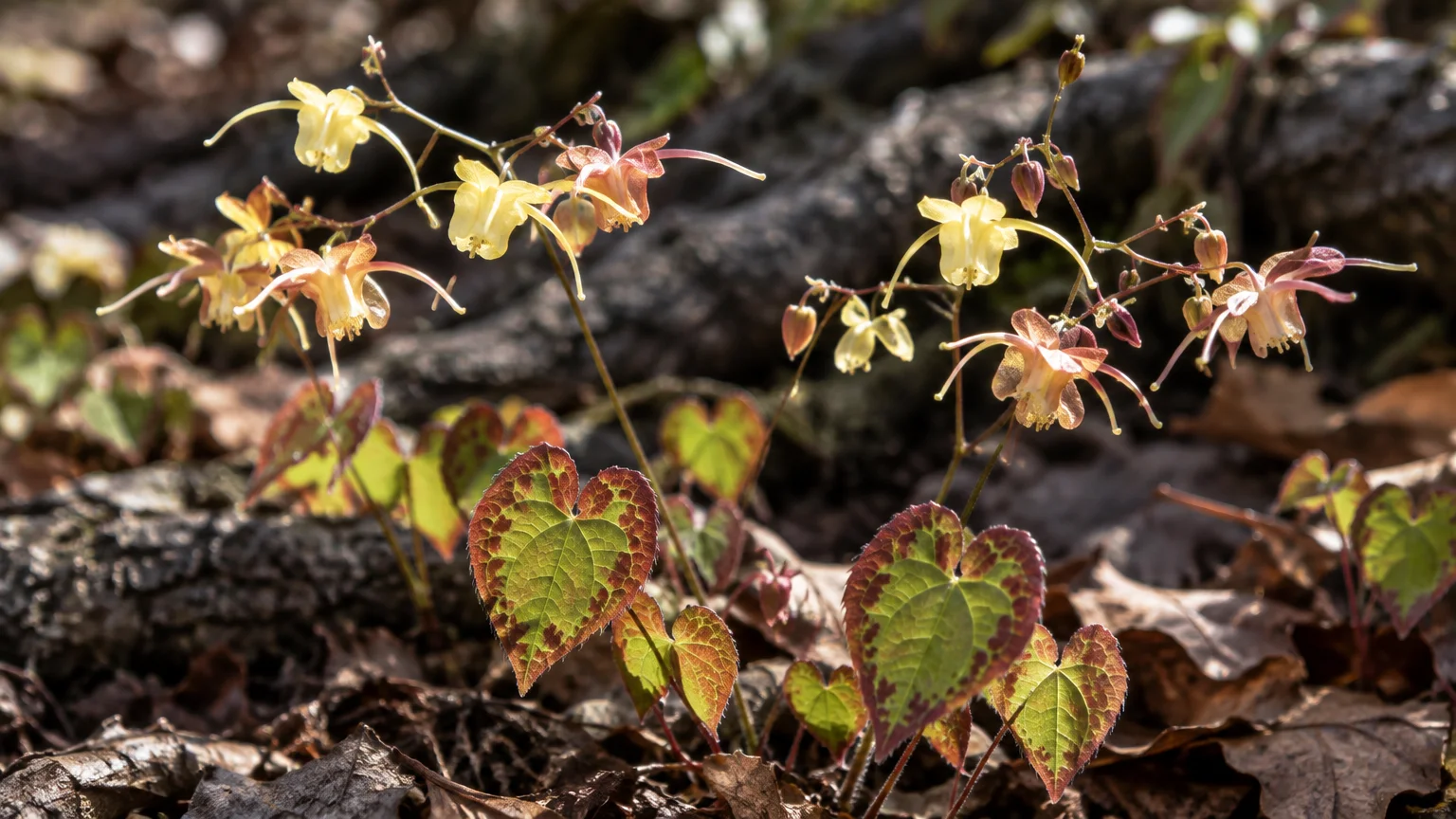
Tip #11: Barrenwort (Epimedium)
Barrenwort produces charming, winged blossoms that hover above wire-thin stems, earning it the beloved nickname fairy wings. Following the bloom, the heart-shaped foliage develops striking bronze edges that offer exceptional visual depth throughout summer.
This remarkably tough perennial solves the difficult challenge of dry shade beneath thirsty, shallow-rooted trees. While it prefers moist soil initially, mature barrenwort tolerates extended drought conditions better than almost any other shade lover.
Cut back the older, semi-evergreen foliage in late winter before the delicate flower stalks begin rising from the crown. This quick chore prevents fresh blossoms from hiding under weathered foliage and highlights their airy elegance.
Barrenwort spreads via creeping rhizomes at a polite, manageable pace without overtaking companion shade plants. Use it as a refined, weed-smothering groundcover under mature maples, oaks, and large woodland shrubs.
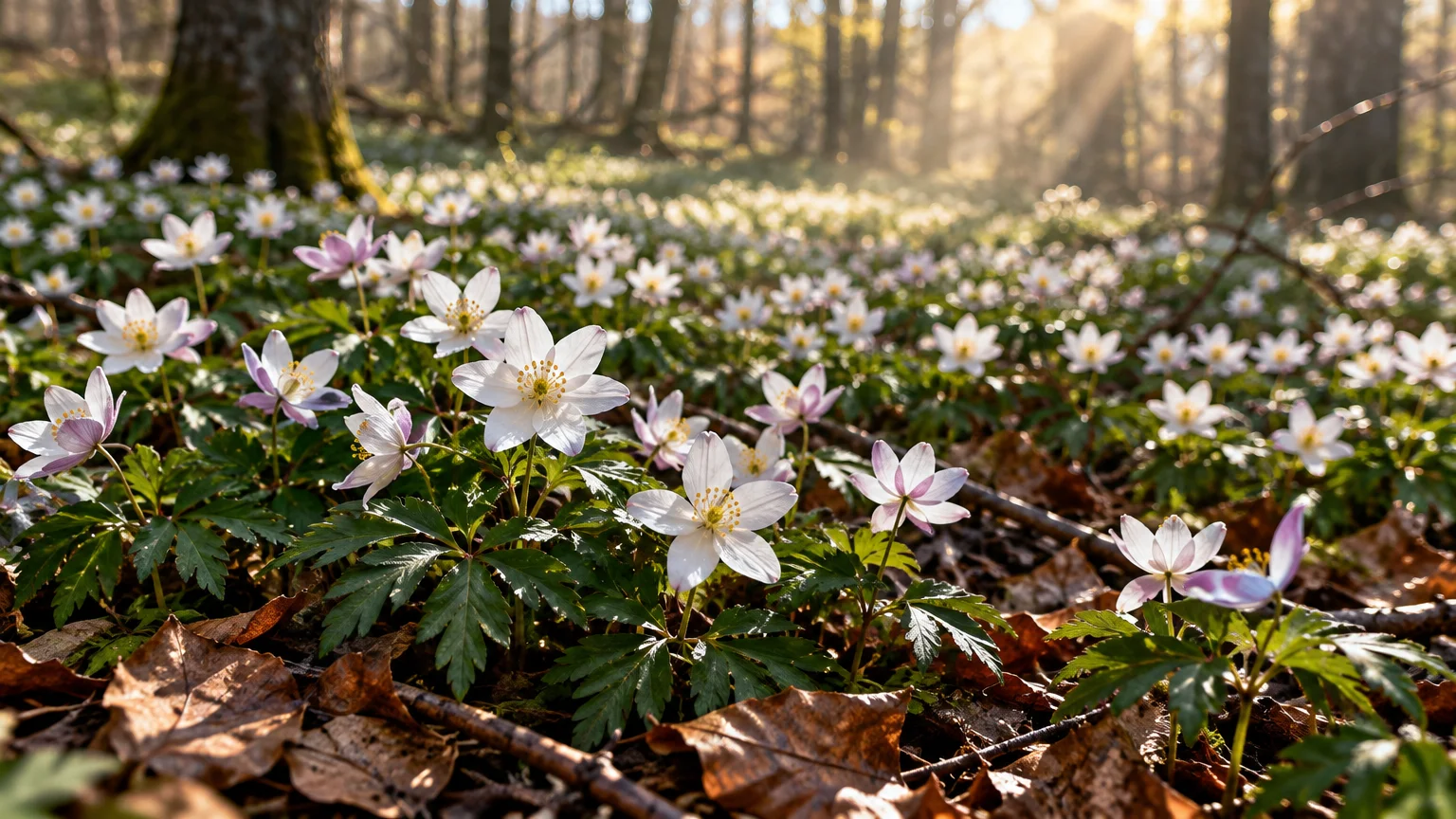
Tip #12: Wood Anemone (Anemone nemorosa)
Wood anemone blankets the woodland floor with starry white blooms that often carry a delicate blush of pale lilac. These low-growing perennials expand into dense mats that carpet bare ground before deciduous trees cast deep shade.
Plant the slender rhizomes horizontally in damp, humus-rich soil beneath deciduous canopies. They demand good drainage during winter while appreciating continuous moisture throughout their active spring growing period.
Like many woodland ephemerals, wood anemone foliage naturally dies back to the ground as summer temperatures climb. Simply leave the resting rhizomes undisturbed in the soil to recharge for the next spring cycle.
Combine wood anemones with late-spring perennials like hostas, ferns, and wild geraniums. These companion plants expand into the open garden space just as the anemone retreats into quiet summer dormancy.
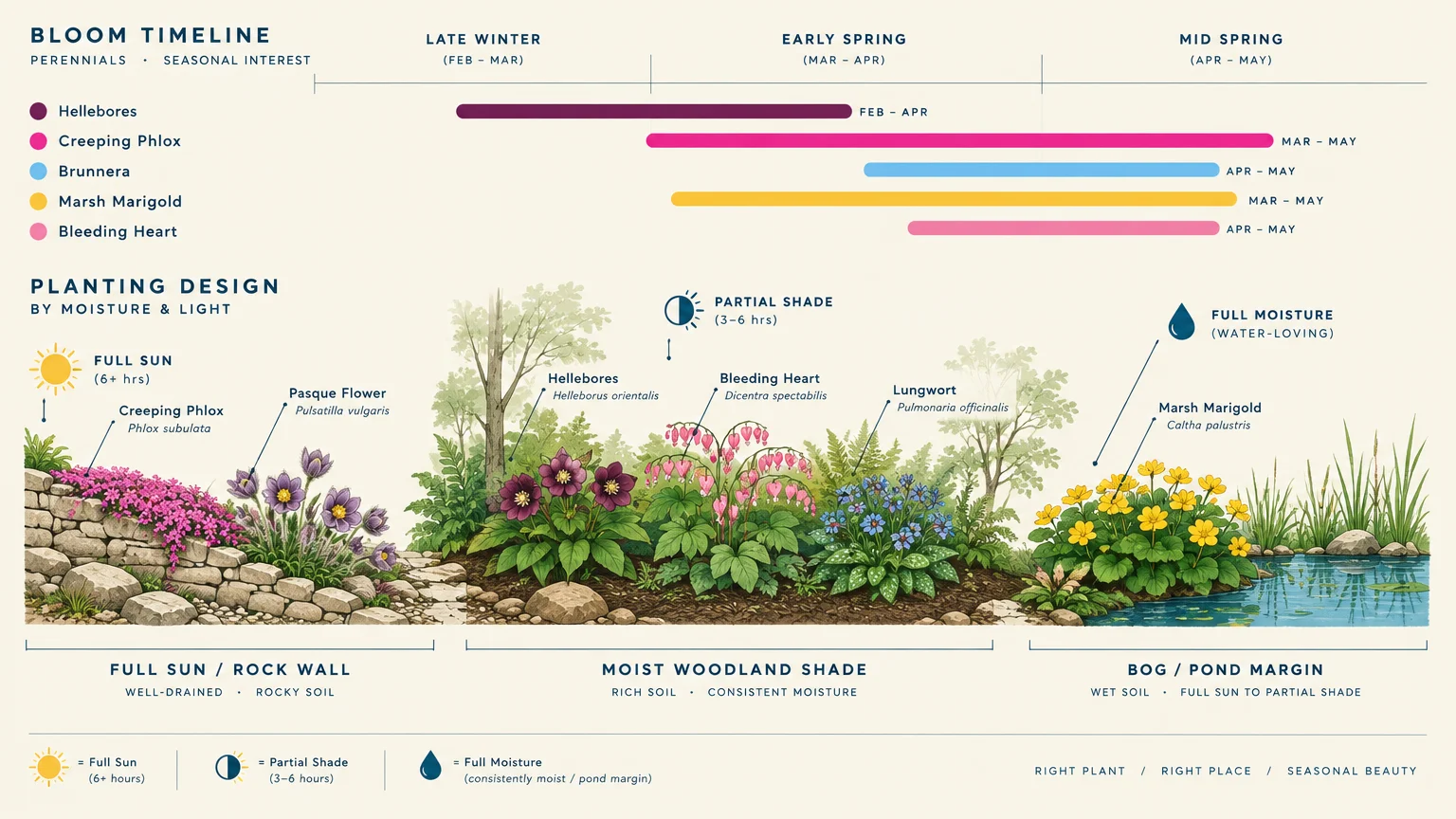
Putting It All Together: Enjoy Your Beautiful Garden
Designing a dynamic early spring border requires intentional layering of bloom times, plant heights, and complementary foliage textures. By combining robust groundcovers with taller woodland perennials, you create a captivating tapestry that awakens your outdoor space.
Prepare your planting beds thoroughly by incorporating generous amounts of organic compost into native soil. Healthy soil biology supports robust root systems that withstand shifting spring temperatures and erratic seasonal freezes.
Pay close attention to sunlight patterns across your yard during early spring when bare branches let direct light reach the ground. Plants that crave spring sun can flourish beneath deciduous canopies before dense summer foliage emerges overhead.
Group your early bloomers in drifts of three, five, or seven plants rather than scattering them individually. Mass plantings amplify visual impact and create efficient foraging stations for emerging native pollinators searching for nectar.
Keep soil moisture levels consistent, especially as emerging buds swell and flower stems begin elongating rapidly. A two-inch layer of organic mulch conserves precious soil moisture and protects shallow roots from late-season temperature swings.
For region-specific advice, consult your local University Extension program (find yours via the USDA directory). For plant databases and inspiration, visit the Missouri Botanical Garden or the Royal Horticultural Society.
Disclaimer: This article provides general gardening advice; always consider your specific climate, soil conditions, and local pests. Follow safety guidelines when using gardening tools and products.
Frequently Asked Questions
When is the best time to plant early spring perennials?
You should plant them in early autumn while the soil remains warm enough to encourage active root establishment. Fall planting gives root systems several months to settle before plants start flowering during early spring.
Alternatively, plant them in early spring as soon as your garden soil becomes workable. Keep new spring plantings well-watered throughout their first summer to prevent heat stress and dehydration.
How do early blooming perennials survive unexpected late spring frosts?
Many early bloomers produce specialized cell solutes that act as natural antifreeze, preventing fatal ice crystal formation within plant tissues. Their cellular structure accommodates freezing and thawing cycles without suffering permanent structural damage.
If severe, unseasonable freezes threaten tender open blossoms, cover your plants overnight with breathable frost cloth or inverted nursery pots. Remove these protective coverings early the next morning as sunlight warms the garden bed.
Do early spring perennials require heavy fertilizing?
Most early blooming varieties thrive with modest fertility and suffer if you apply high-nitrogen synthetic fertilizers. Excess nitrogen stimulates weak, succulent foliage growth at the expense of floral development and cold hardiness.
Apply a thin top-dressing of well-rotted compost or balanced organic plant food around crowns in late winter. This gentle feeding provides sustained nutrition throughout the active growing and flowering cycle.
How can I keep my early spring garden looking full once flowers fade?
Pair ephemeral early bloomers with robust companion perennials that expand their foliage as summer progresses. Hostas, daylilies, and ornamental grasses seamlessly fill empty pockets left behind by dormant spring ephemerals.
You can also choose varieties like barrenwort, lungwort, and creeping phlox that maintain attractive, semi-evergreen foliage all summer long. This thoughtful combination maintains continuous texture and architectural structure across your borders.