You can harvest crisp, homegrown produce well past the first hard frost of autumn. Spun-bond fabric shields tender seedlings from cold winds while trapping residual ground warmth.
Row cover planting lets you establish nutrient-dense crops right when summer gardens fade away. This simple technique extends your growing season and keeps common autumn pests away from young sprouts.
By practicing intentional fall sowing, you will enjoy fresh salads throughout chilly November afternoons. Here are ten fantastic cool season vegetables that thrive under protective garden fabric.
Tip #1: Spinach
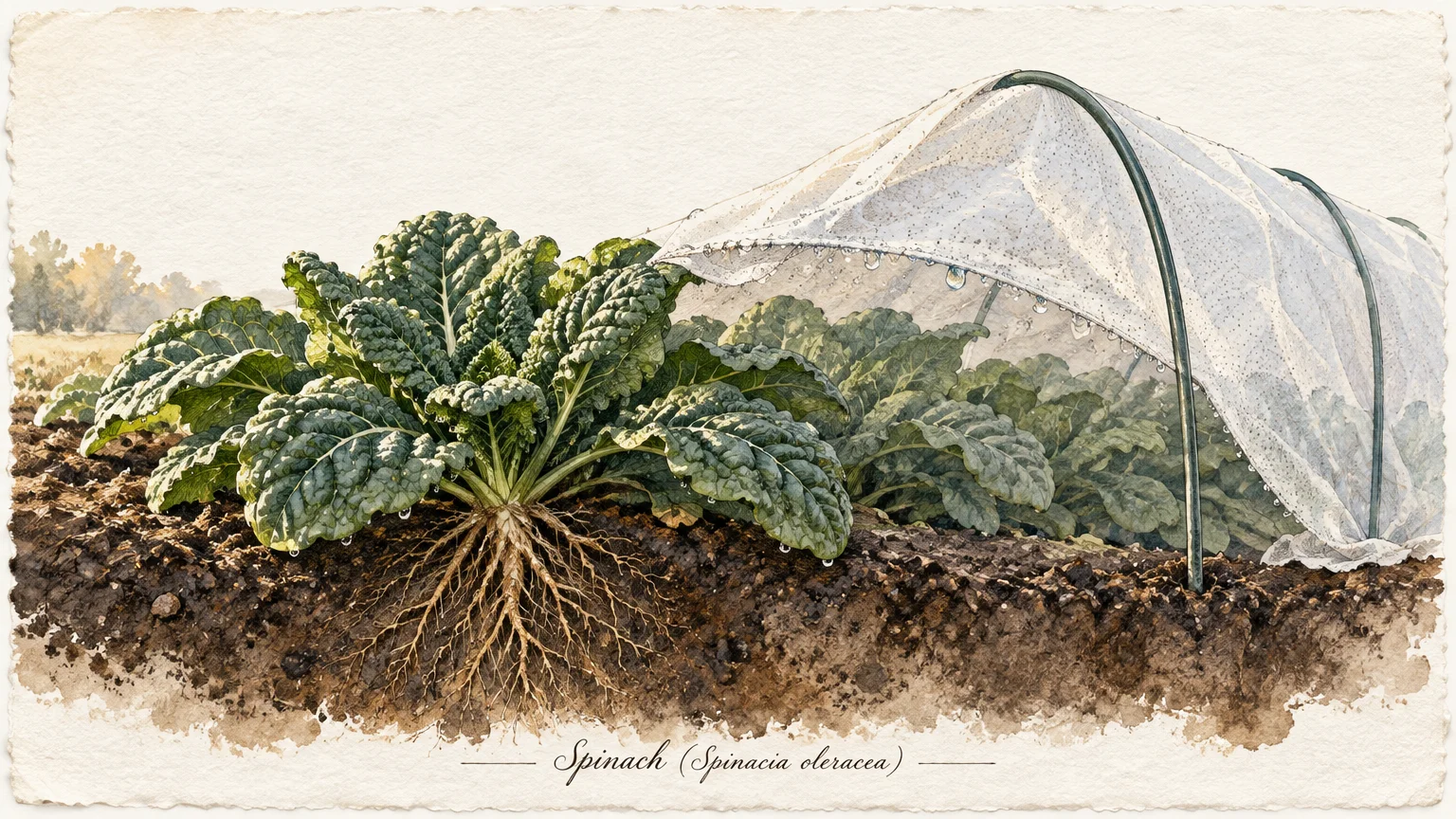
Spinach is the undisputed champion of fall vegetables row covers. This hardy leafy green actively thrives as temperatures plummet toward freezing.
Cool weather triggers spinach to convert stored starches into natural sugars. This chemical shift acts as a built-in antifreeze and yields remarkably sweet, crisp leaves.
Sow seeds directly into moist garden soil about six weeks before your expected first freeze. Aim for a planting depth of one-half inch, spacing rows eight inches apart.
Drape a lightweight or medium-weight fabric over wire hoops as soon as seedlings emerge. The protective canopy blocks drying autumn gusts and prevents hungry rabbits from nibbling tender crowns.
Harvest outer leaves continuously to encourage vigorous new growth from the central rosette. Kept under fabric, established spinach plants often overwinter successfully for an early spring harvest.
Keep soil consistently moist beneath the cover during early autumn dry spells. When cold nights arrive, your spinach bed will remain lush, vibrant, and productive.
Tip #2: Kale
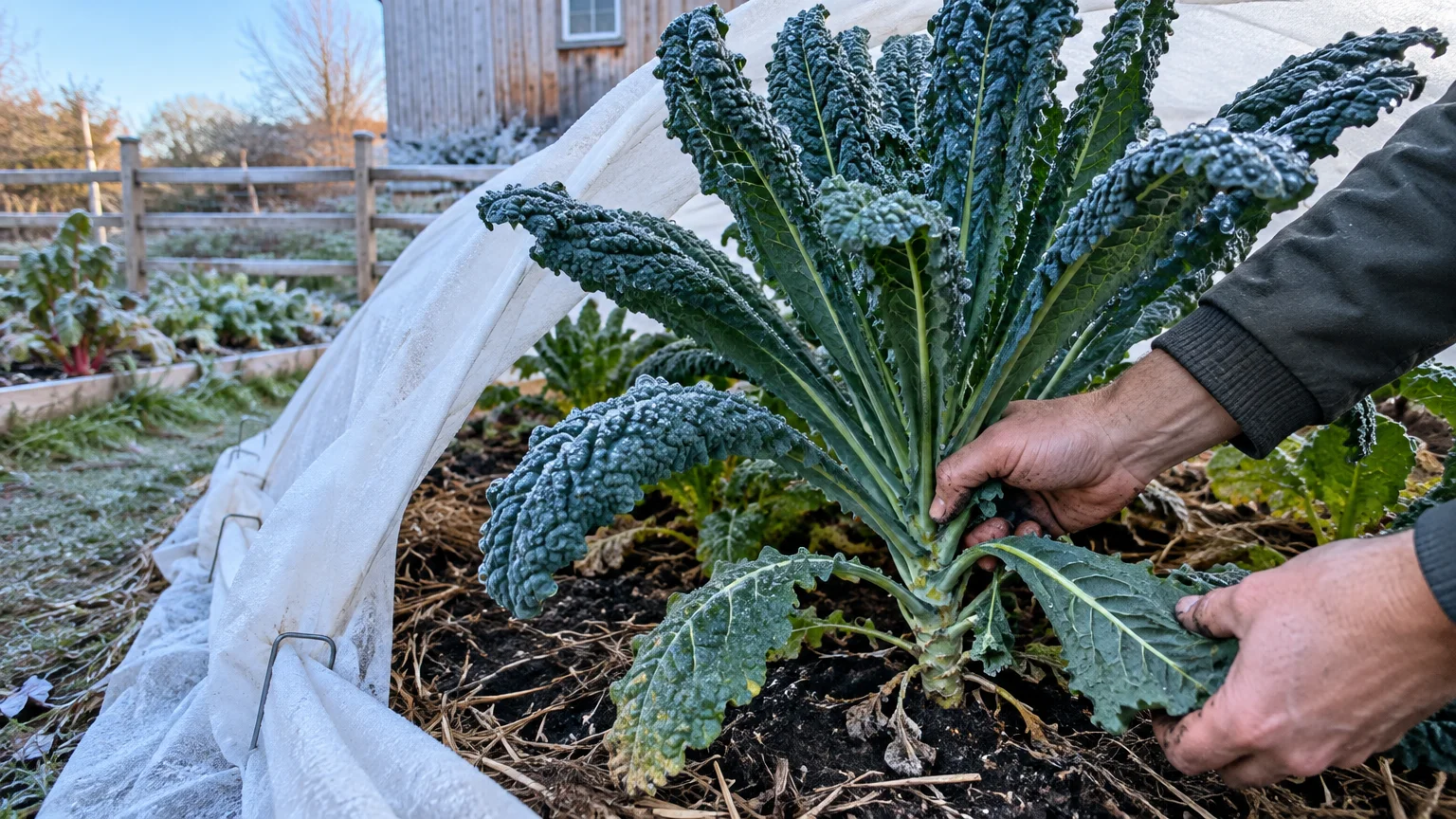
Kale stands out as a cold-tolerant powerhouse in any backyard autumn plot. Varieties like Lacinato, Redbor, and Winterbor perform exceptionally well during brisk fall sowing cycles.
Light frosts transform kale from slightly bitter foliage into rich, sweet greens. Row covers moderate temperature extremes, allowing the plants to produce lush leaves without suffering frost burn.
Directly sow seeds one-quarter inch deep in nutrient-rich soil amended with aged compost. Thin emerging seedlings to twelve inches apart so individual plants have ample room to develop.
Anchor your fabric edges securely with soil staples or smooth stones. This barrier prevents cabbage loopers and harlequin bugs from devastating your developing crop before winter sets in.
Water deeply at the soil line once every week if autumn rainfall remains scarce. The fabric canopy slows evaporation, keeping the root zone consistently moist and stress-free.
Harvest mature lower leaves first, allowing the central stalk to keep producing fresh foliage. Your covered kale will yield nutrient-packed greens long after your summer tomatoes have vanished.
Tip #3: Radishes
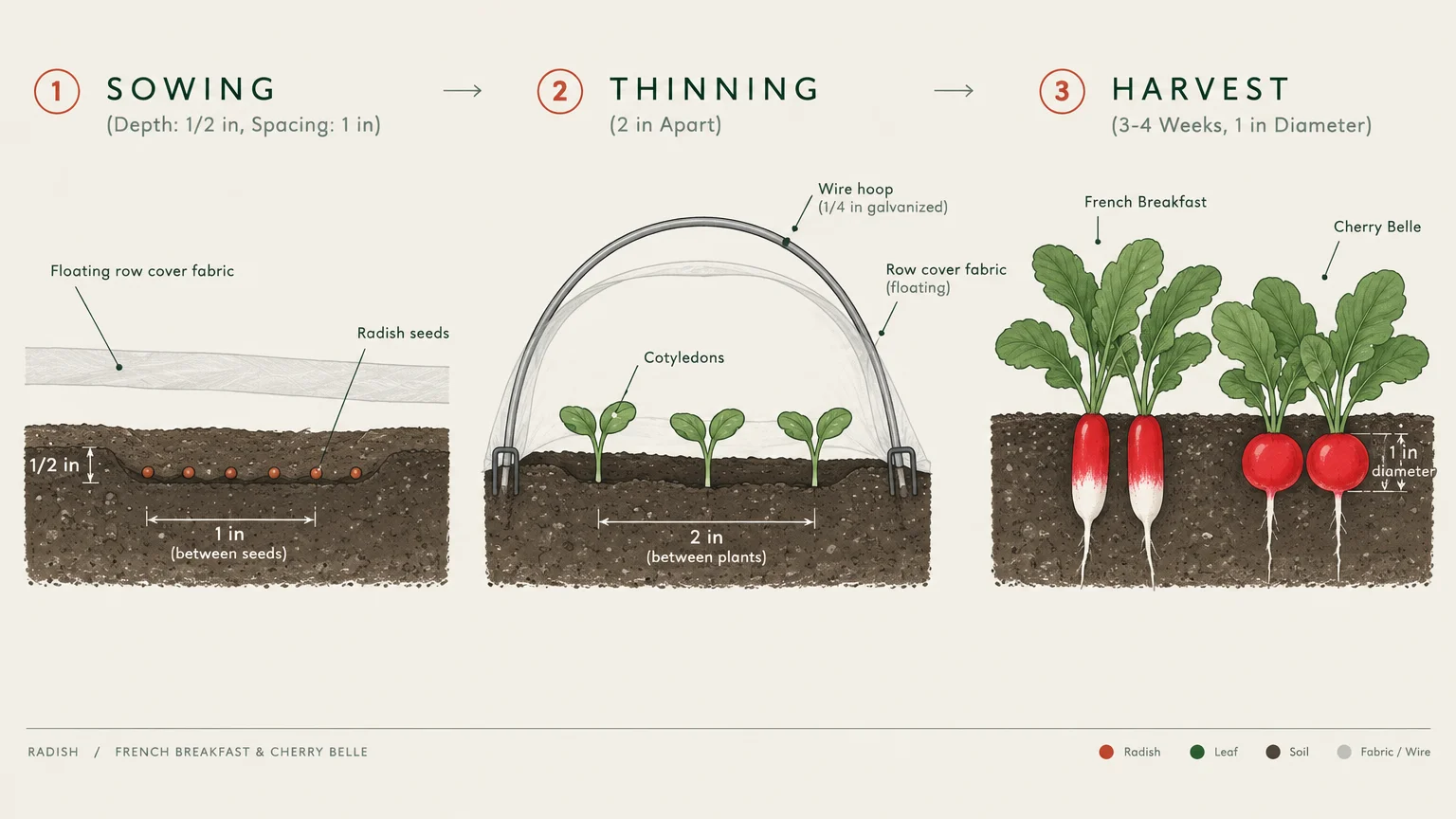
Radishes offer the fastest return on investment in the autumn garden. Crisp varieties like Cherry Belle and French Breakfast mature in as little as three to four weeks.
Sowing cool season vegetables under row covers prevents late-season flea beetles from riddling leaves with holes. The fabric also maintains uniform humidity, which prevents roots from splitting or turning woody.
Sow seeds one-half inch deep, spacing them approximately one inch apart in shallow drills. Thin young sprouts to two inches apart as soon as their first true leaves appear.
Ensure consistent soil moisture throughout their rapid growth cycle; dry spells cause sharp, unpalatable heat. Row cover planting shields the soil surface from baking during unexpected late-season sunny spells.
Pull roots promptly once they reach plump maturity at roughly one inch in diameter. Stagger your sowings every ten days to guarantee a continuous supply of crisp, peppery roots.
These vibrant gems brighten up cool-weather salads and roast beautifully alongside fall root medleys. Their compact habit makes them ideal for tucking between slower-growing crops.
Tip #4: Carrots
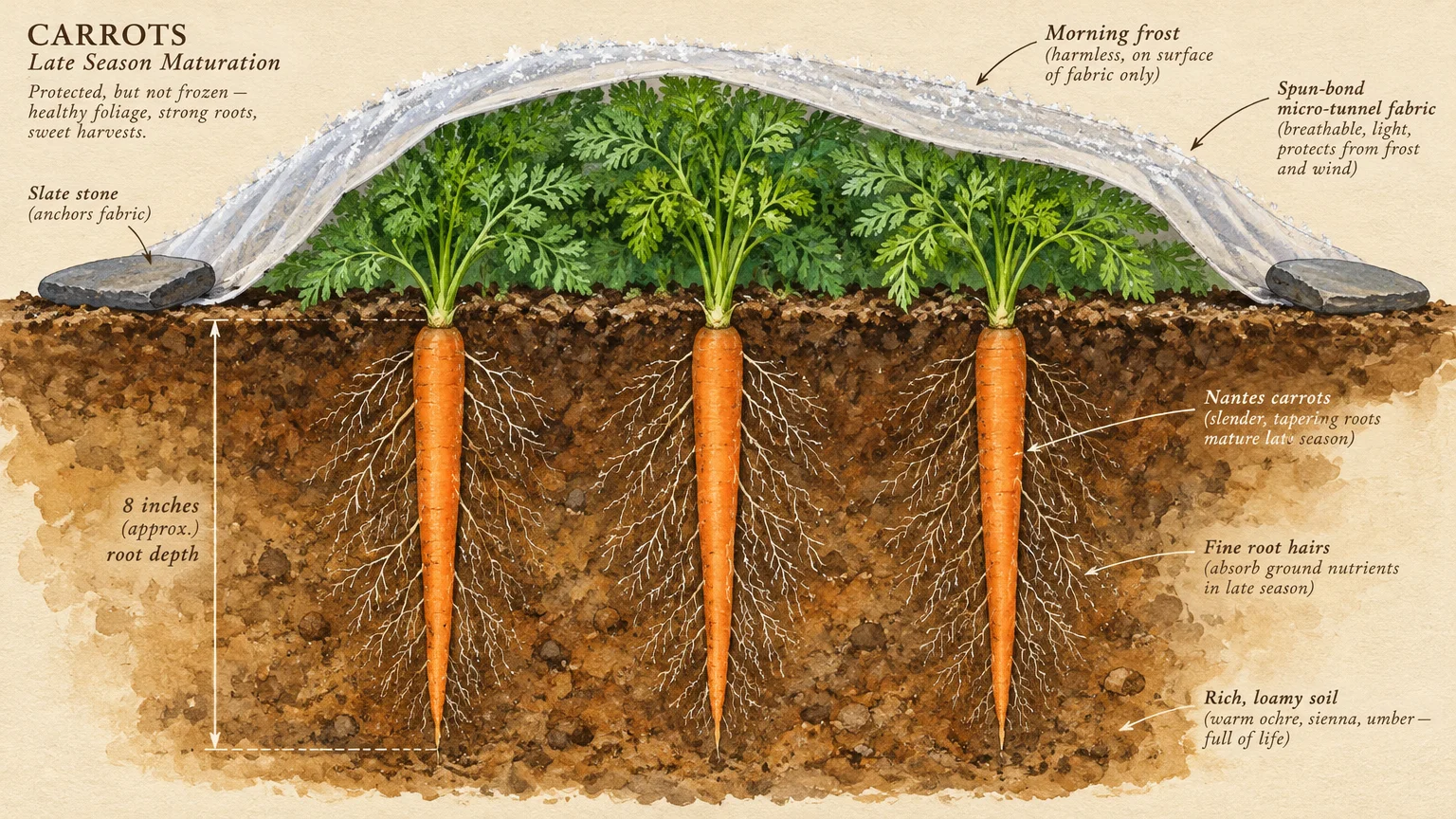
Fall-grown carrots develop an intense, candy-like sweetness that summer harvests simply cannot match. Varieties such as Napoli, Bolero, and Mokum excel under protective fabric canopies.
Cool soil encourages these taproots to store sugars rather than water. A row cover insulates the bed, preventing the soil surface from freezing solid during sudden cold snaps.
Scatter carrot seeds shallowly over finely tilled, rock-free soil and press them down firmly. Because carrot seeds require steady moisture to germinate, drape row cover over the bed immediately.
Water directly through the porous fabric using a gentle spray nozzle to prevent washing seeds away. The covering acts as a moisture blanket, drastically increasing your germination rates.
Thin seedlings diligently to two inches apart once they stand two inches tall. Crowded roots will twist around each other, producing stunted, misshapen taproots.
Leave mature carrots directly in the ground beneath heavy row covers throughout early winter. You can dig up sweet, crisp roots whenever dinner calls for fresh produce.
Tip #5: Arugula
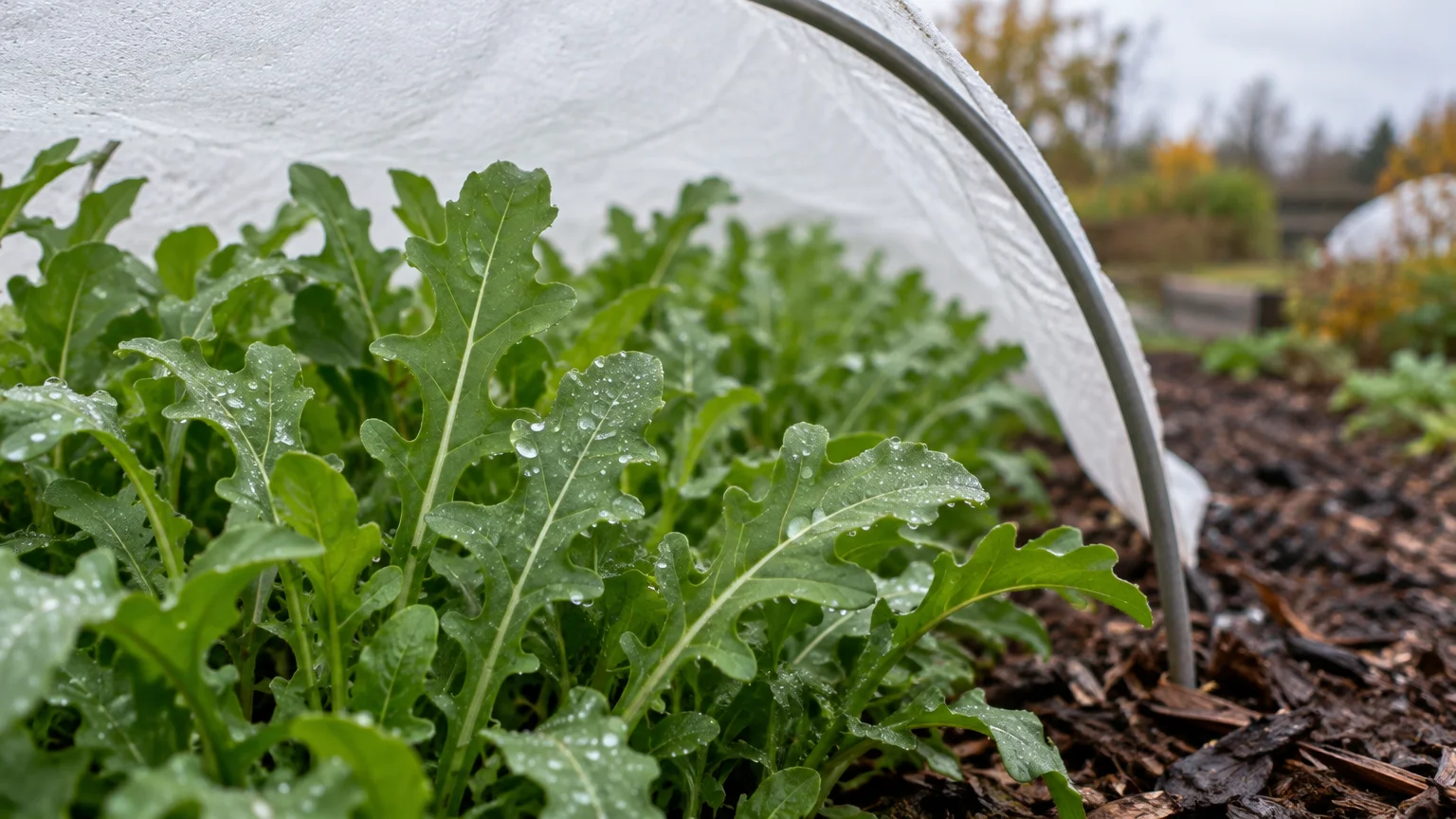
Arugula thrives in the brisk temperatures of autumn, shedding the harsh bitterness common during hot summer months. Its tender leaves develop a delicate, nutty, and peppery flavor profile.
Warm summer sun triggers rapid bolting, but fall sowing produces lush, compact rosettes. Floating covers shield this delicate green from early frosts and persistent flea beetles.
Sow arugula seeds one-quarter inch deep in loose, well-draining garden soil. Space your planting rows six inches apart to allow good air circulation beneath the protective fabric.
Use lightweight row covers during early autumn to prevent heat buildup on sunny afternoons. As frosty nights arrive, switch to medium-weight fabric to give your crop extra thermal protection.
Snip leaves when they measure three to four inches long for the best culinary texture. The plants will quickly regenerate, providing multiple harvests from a single seeding.
Toss these freshly harvested leaves with olive oil, shaved parmesan, and roasted autumn squash. You will savor gourmet restaurant flavors gathered directly from your own backyard.
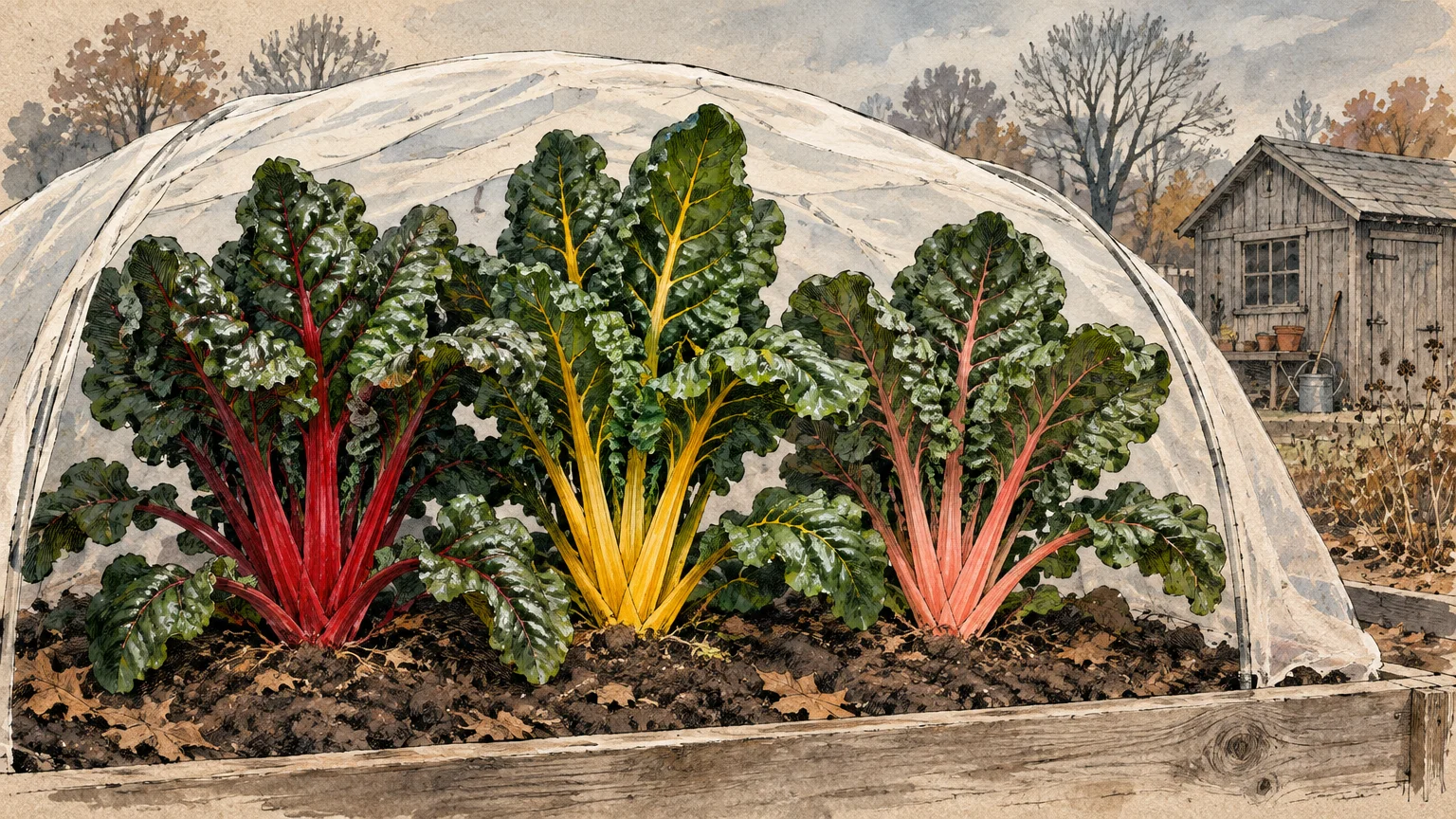
Tip #6: Swiss Chard
Swiss chard brings stunning color and exceptional resilience to late-season garden beds. Cultivars like Bright Lights and Fordhook Giant offer vibrant stems and tender, earthy foliage.
While chard can tolerate moderate cold, biting autumn winds often shred its broad leaves. Installing row cover planting setups creates a calm microclimate that preserves foliage quality.
Plant seeds one-half inch deep, spacing them four inches apart in fertile, compost-rich soil. Each seed cluster often produces several seedlings, so thin them to one sturdy plant every eight inches.
Erect hoop supports over the bed so the fabric does not crush the upright stems. Keep the fabric taut to prevent it from flapping against the leaves during seasonal storms.
Harvest outer stems by cutting them at the soil line with sharp pruning shears. This technique allows inner leaves to continue growing and filling out your harvest basket.
Sauté the colorful stems and tender leaves with garlic for a comforting cool-weather side dish. Chard will reliably feed your family well into the freezing months.
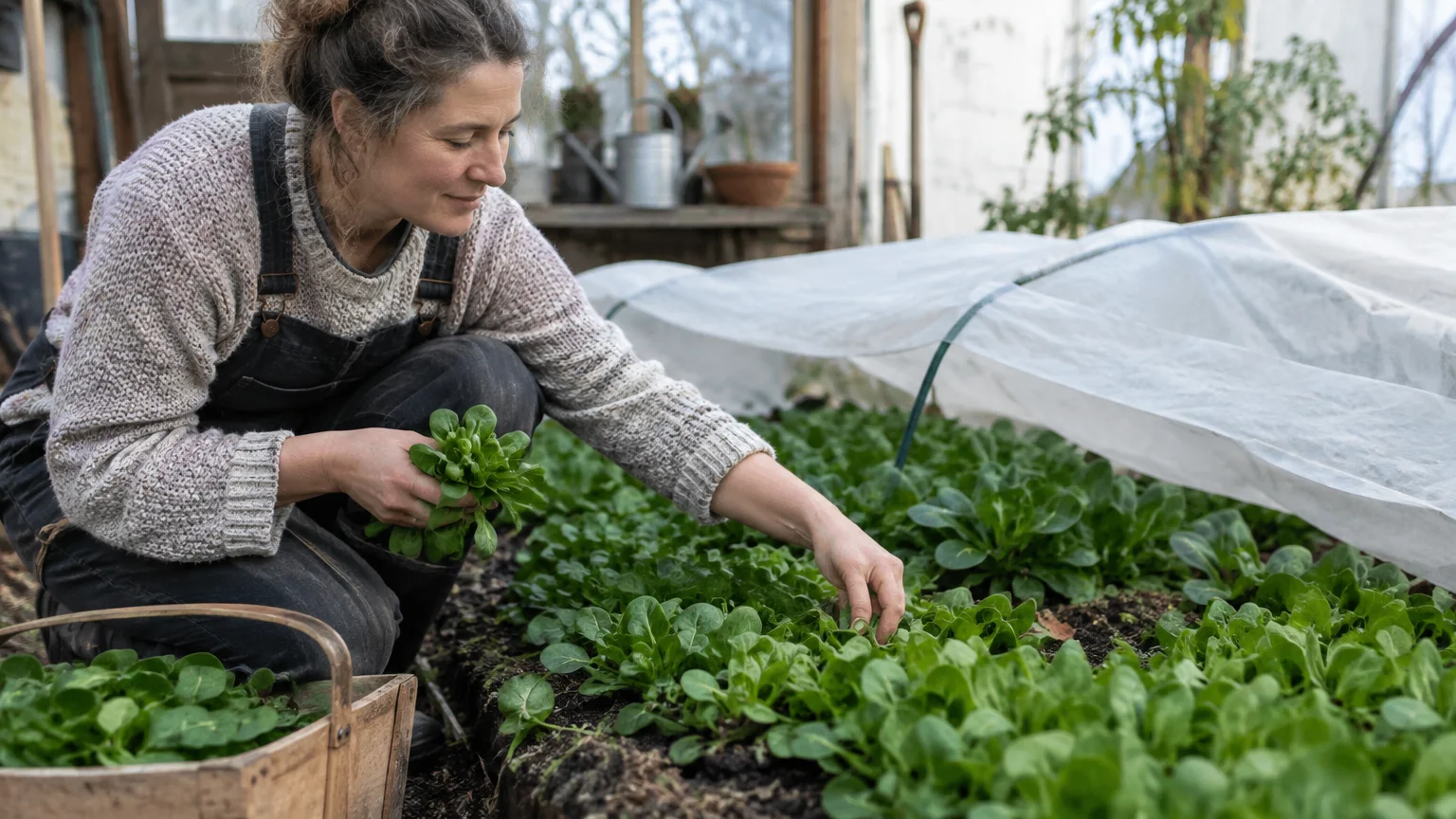
Tip #7: Mache (Corn Salad)
Mache, also known as corn salad, is one of the most cold-hardy salad greens available. It forms small, spoon-shaped rosettes that carry a velvety texture and delicate, hazelnut-like flavor.
This remarkable green actually prefers near-freezing temperatures over warm weather. Under season extension gardening covers, mache easily survives harsh winter conditions without skipping a beat.
Scatter seeds across smooth soil surfaces and cover them with just one-eighth inch of fine compost. Keep the bed evenly moist, as seeds can take up to two weeks to germinate.
Cover the bed with medium-weight fabric right after sowing to trap warmth and moisture. The fabric protects the diminutive rosettes from splashing mud during heavy autumn rainstorms.
Harvest whole rosettes by slicing through the root just below soil level with a sharp knife. Rinse the gathered leaves carefully in cold water to prepare an exquisite winter salad.
Because mache grows slowly, weed the bed thoroughly before draping your row covers. You will be rewarded with tender gourmet greens when other gardens lie dormant.
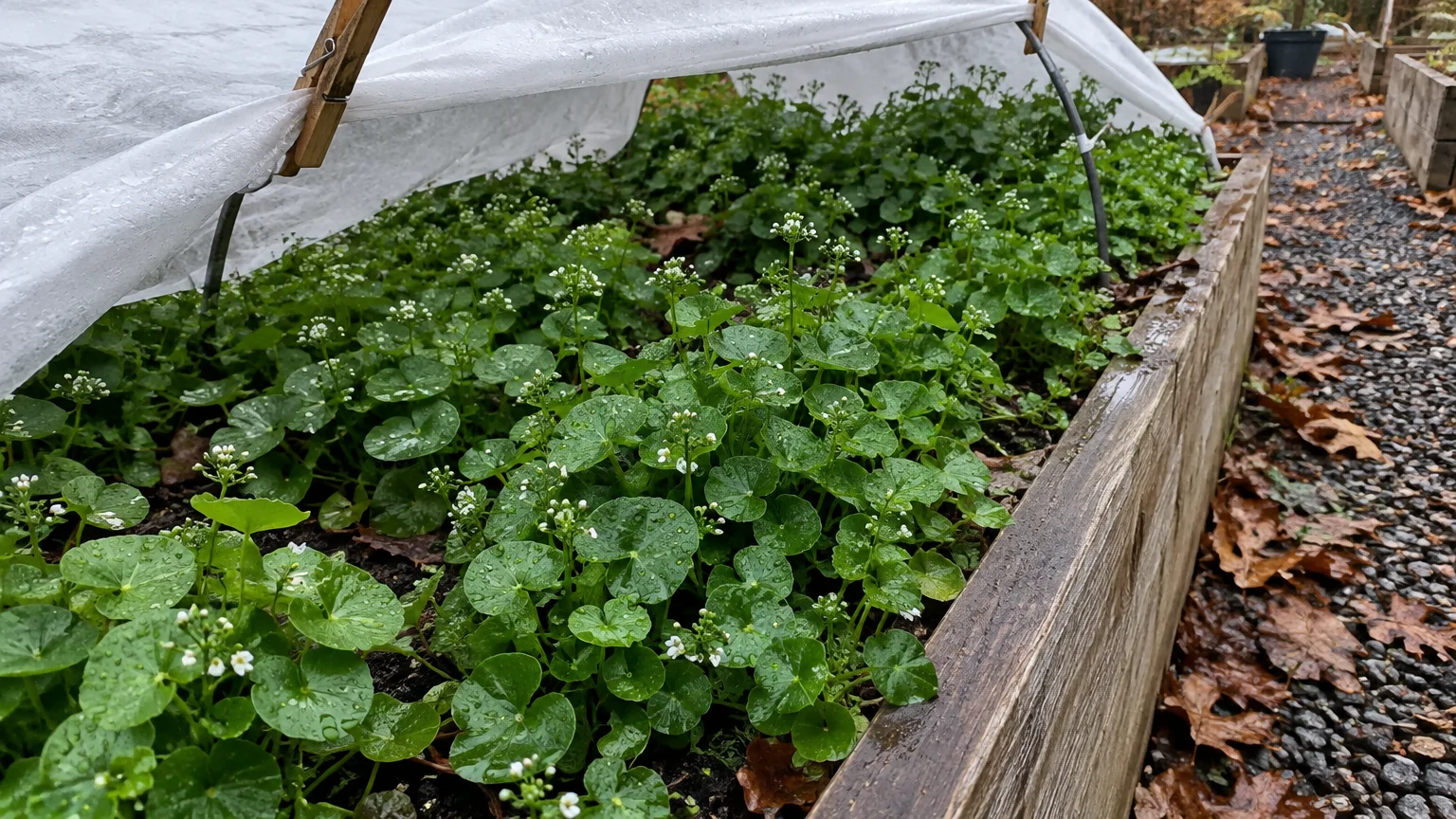
Tip #8: Claytonia (Miner’s Lettuce)
Claytonia, commonly called miner’s lettuce, is an exceptional winter salad green native to North America. Its mild, succulent leaves stay remarkably tender and juicy even in freezing weather.
Gold rush miners relied on claytonia to prevent scurvy during bitter cold winters. Today, it remains a premier choice for cool season vegetables grown under protective fabrics.
Sow seeds directly into cool garden soil, pressing them gently onto the surface. Seeds require light to germinate, so cover them with only a dusting of soil or vermiculite.
Drape row covers over the planting area to buffer seedlings against harsh drying winds. Spun-bond material transmits ample sunlight while raising ambient temperatures just enough to sustain steady growth.
Trim young leaves with kitchen shears about an inch above the crown. The plants will rapidly regrow new foliage, giving you three or four distinct harvests throughout late fall.
This low-maintenance crop resists most common pests and diseases naturally. Claytonia adds crisp texture and refreshing flavor to your seasonal dinner table.
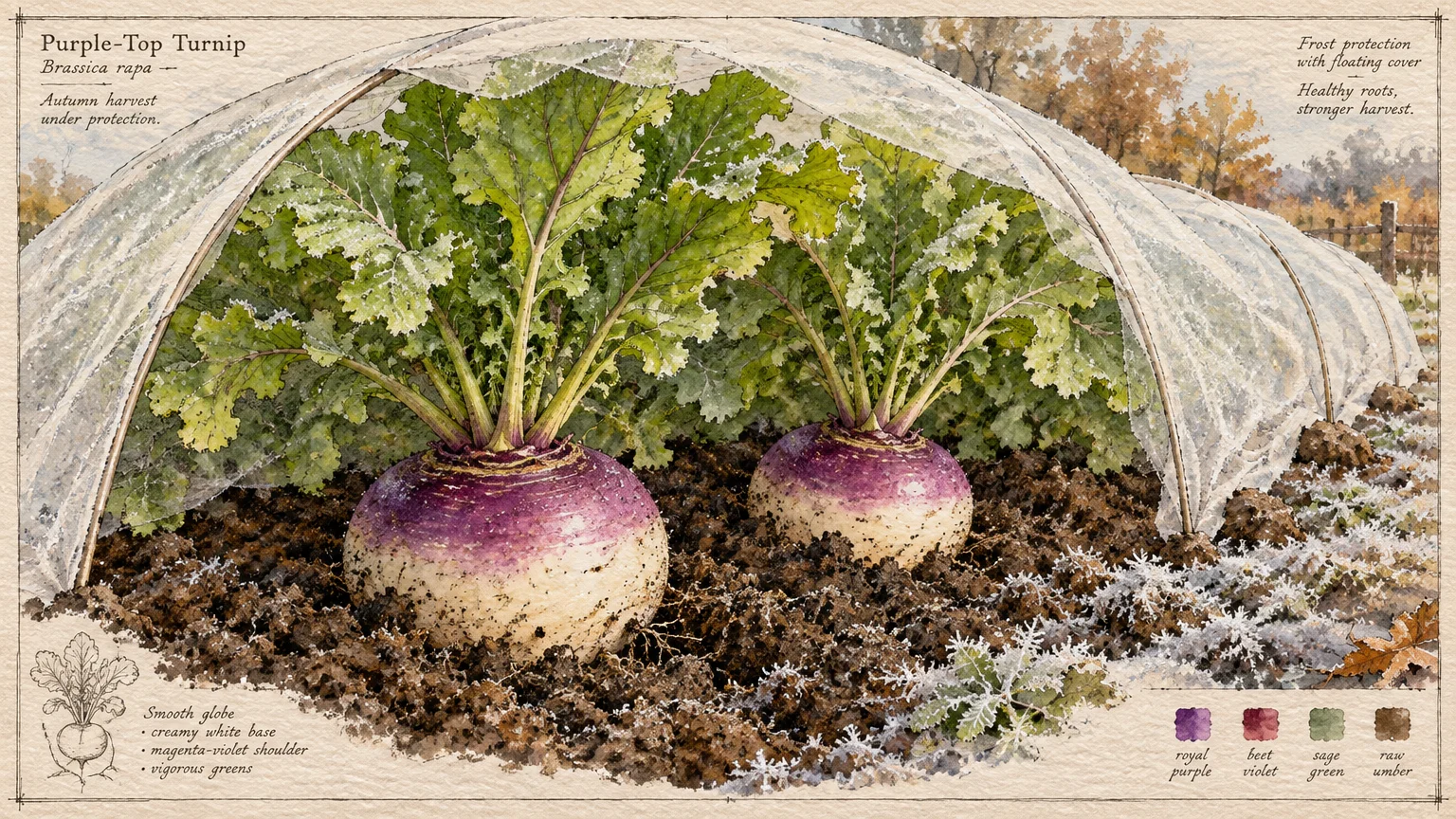
Tip #9: Turnips
Turnips provide a generous two-for-one yield of nutrient-rich greens and succulent roots. Mild varieties like Hakurei and Purple Top White Globe excel in autumn conditions.
When grown in cool weather, turnips develop a sweet, crisp texture instead of becoming woody. Protective covers shield the crop from cabbage root maggots and biting autumn frost.
Sow seeds one-half inch deep, placing rows twelve inches apart in deeply worked soil. Thin developing seedlings to four inches apart to give the bulbs plenty of room to expand.
Secure row covers immediately after planting to establish an impenetrable pest barrier. Uncovered autumn brassicas frequently suffer heavy damage from egg-laying insects seeking late-season shelter.
Water regularly to keep the developing roots juicy and prevent bitter flavors from forming. A consistent watering routine beneath the fabric guarantees rapid, uninterrupted growth.
Harvest greens selectively while bulbs swell beneath the surface of the soil. Pull the roots when they reach golf-ball size for optimal tenderness and sweetness.
Tip #10: Tatsoi
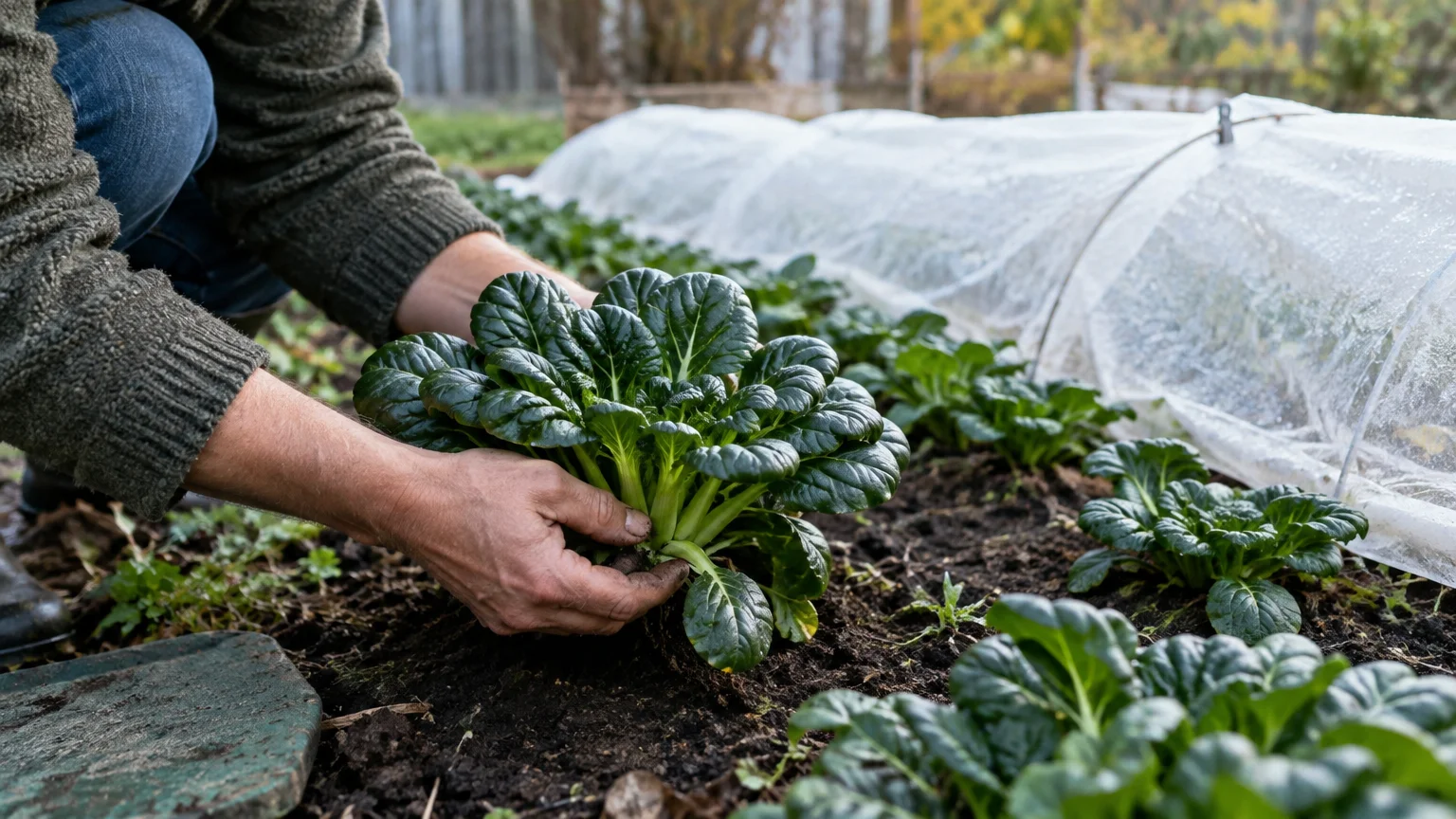
Tatsoi is a remarkable Asian mustard green that forms beautiful, dark green rosettes. Its glossy, spoon-shaped leaves offer a mild, slightly peppery flavor that enlivens autumn stir-fries and fresh salads.
This hardy green naturally hugs the soil surface as temperatures drop, capturing radiant ground heat. Adding fall vegetables row covers allows tatsoi to withstand temperatures dipping well below freezing.
Directly sow seeds one-quarter inch deep in moisture-retentive, fertile garden beds. Thin seedlings to eight inches apart so their circular rosettes can spread outwards without competition.
Support your row covers with low wire hoops to prevent damp fabric from resting on foliage. Keeping fabric elevated maintains airflow and prevents fungal issues during damp autumn weeks.
Harvest outer leaves individually or slice the entire rosette off at the soil base. Tatsoi responds eagerly to cut-and-come-again harvesting when grown under steady fabric protection.
Its striking appearance and extreme cold resistance make tatsoi a must-have for autumn growers. You will love how easily this dependable green sails through early winter chills.
Putting It All Together: Enjoy Your Beautiful Garden
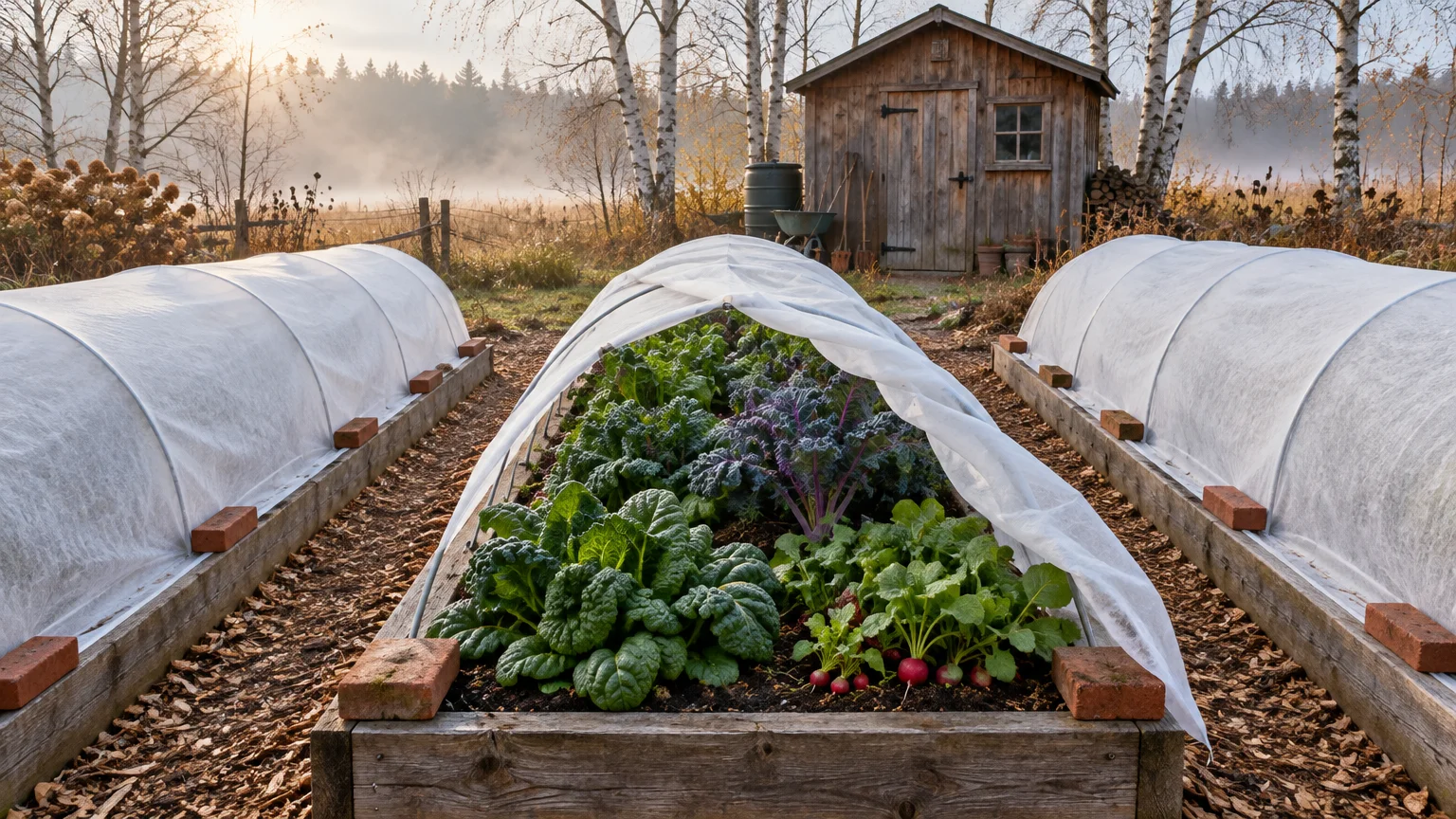
Row covers transform autumn gardening from an uphill struggle into an easy, productive triumph. By shielding cool-weather crops from frigid gusts and frost, you extend your productive season dramatically.
Choose the proper fabric weight for your local climate conditions and seasonal goals. Lightweight spun-bond covers excel at insect exclusion, whereas medium to heavyweight fabrics offer superior freeze protection.
Always anchor the edges of your garden fabric firmly against unexpected autumn gales. Smooth rocks, sandbags, or metal landscape staples will keep your covers securely in place.
Monitor soil moisture closely beneath your covers throughout dry autumn spells. While fabric slows evaporation, you must provide supplemental water if rainfall levels remain low.
Vent your covers on unusually warm, bright days to prevent heat buildup and excessive humidity. Proper airflow prevents fungal diseases from establishing hold among your tender salad greens.
Embrace the unique joys of late-season gardening as your beds produce crisp, vibrant harvests. Fresh salads and roasted root vegetables await you throughout the crisp autumn months.
Frequently Asked Questions
What weight of row cover works best for fall vegetables?
Medium-weight fabric offers the best balance of thermal insulation and light transmission for autumn crops. It provides several degrees of frost protection while allowing rain and sunlight to penetrate.
Use lightweight fabrics if you only need insect exclusion during early autumn. Upgrade to heavyweight row covers when deep freezes threaten your overwintering greens.
Do I need support hoops under my row covers?
Support hoops are not strictly required for lightweight floating covers resting on low-profile crops. Flat-growing plants like radishes, mache, and young spinach tolerate floating fabric quite well.
However, taller crops like kale and Swiss chard benefit greatly from wire or plastic hoops. Hoops keep wet, frozen fabric from pressing directly against delicate foliage during cold nights.
How do I water cool season vegetables under fabric?
Most spun-bond polypropylene and polyester row covers are completely porous to water. You can apply water directly over the fabric using overhead sprinklers or gentle hose nozzles.
Alternatively, install drip irrigation or soaker hoses beneath the covers before planting your seeds. Drip lines deliver moisture directly to plant roots without disturbing your secured fabric edges.
Can row covers protect plants during a hard freeze?
Row covers create a warmer microclimate by capturing ground heat and blocking freezing winds. A single layer of medium-weight fabric typically protects crops against temperatures dipping into the upper twenties.
For hard freezes below twenty-five degrees, layer two covers together or add plastic sheeting over hoops. Remember to remove non-breathable plastic during sunny daytime hours to prevent dangerous overheating.
For region-specific advice, consult your local University Extension program (find yours via the USDA directory). For plant databases and inspiration, visit the Missouri Botanical Garden or the Royal Horticultural Society.
Disclaimer: This article provides general gardening advice. Always consider your specific climate, soil conditions, and local pests.
Follow safety guidelines when using gardening tools and products.