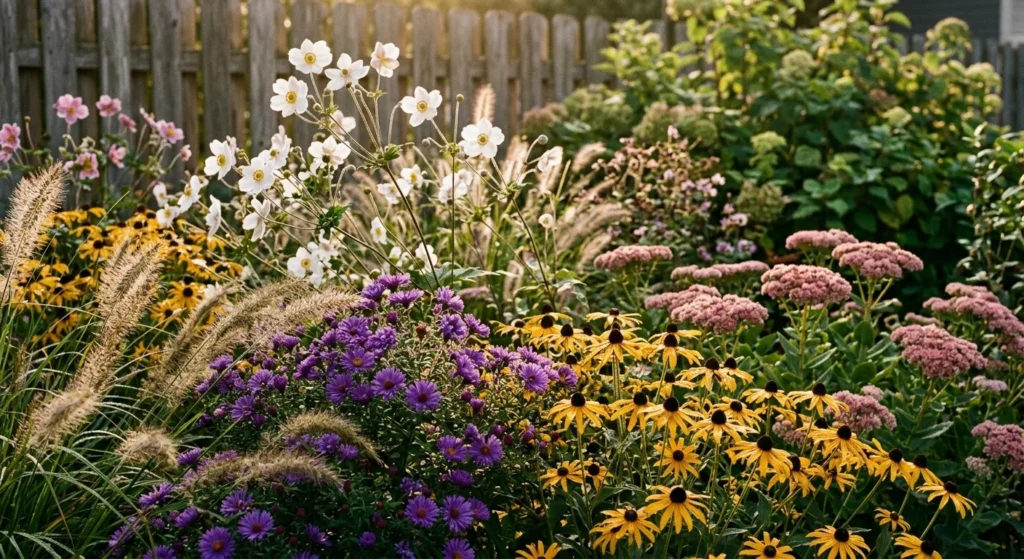
Winter days strip your living space of vibrant outdoor greenery, but dim indoor corners do not need to stay barren. You can cultivate a thriving indoor oasis even when natural daylight dwindles to a brief glimmer.
Selected low light houseplants adapt remarkably well to lower light intensities without losing their lush foliage or rich color. You only need the right specimens and minimal routine adjustments to sustain their health.
These reliable varieties endure shortened daylight hours, chilly window drafts, and dry indoor heating systems with exceptional resilience. Bring these proven performers into your home this season to revitalize your winter decor.
Tip #1: Cast-Iron Plant
The cast-iron plant earned its rugged name by surviving neglect that would fell most other greenery. Its broad, arching leaves bring deep forest greens into the darkest corners of your home.
This enduring foliage plant tolerates light levels as meager as 50 foot-candles. It thrives effortlessly in north-facing bedrooms and dimly lit hallways where other plants perish.
You should water your cast-iron plant sparingly throughout the winter months. Allow the top two to three inches of potting soil to dry out completely before replenishing moisture.
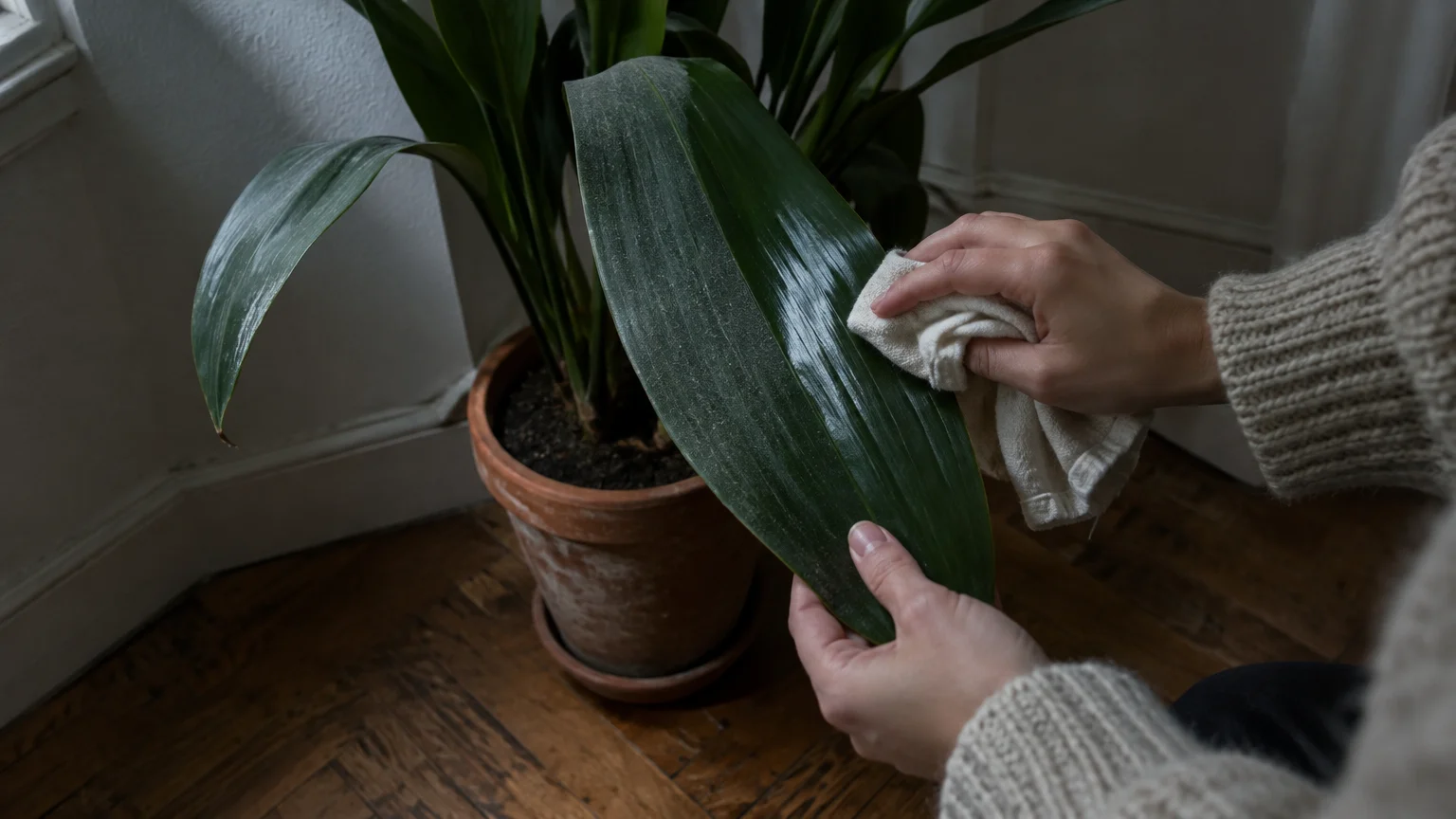
Dust the leathery leaves monthly with a damp cloth to maximize their light absorption. Dust layers block precious ambient winter light and diminish the plant’s natural photosynthetic efficiency.
Keep the container away from intense heating vents to prevent leaf tips from crisping. Standard room temperatures between 60°F and 75°F support steady, resilient health all season long.
Tip #2: ZZ Plant
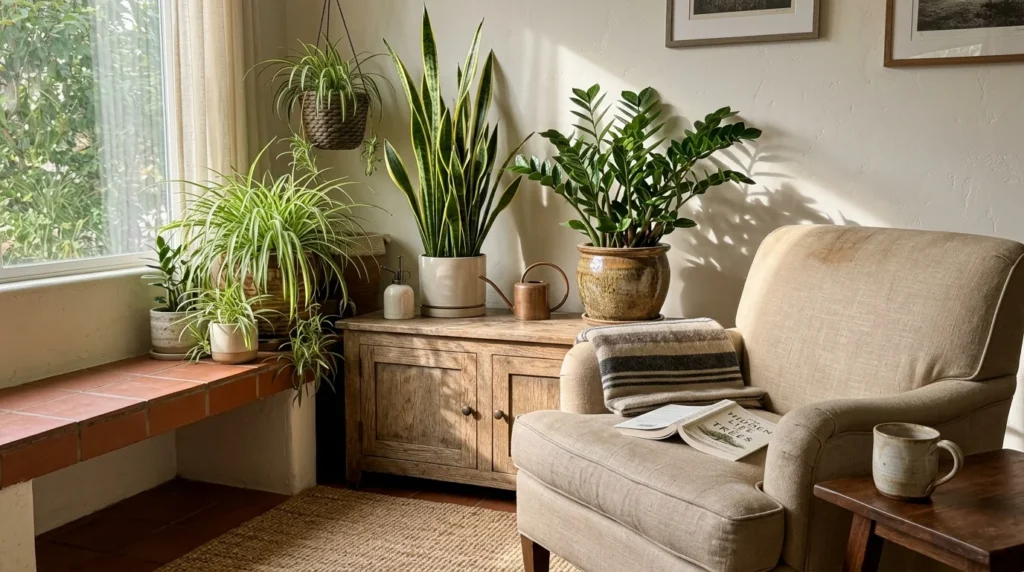
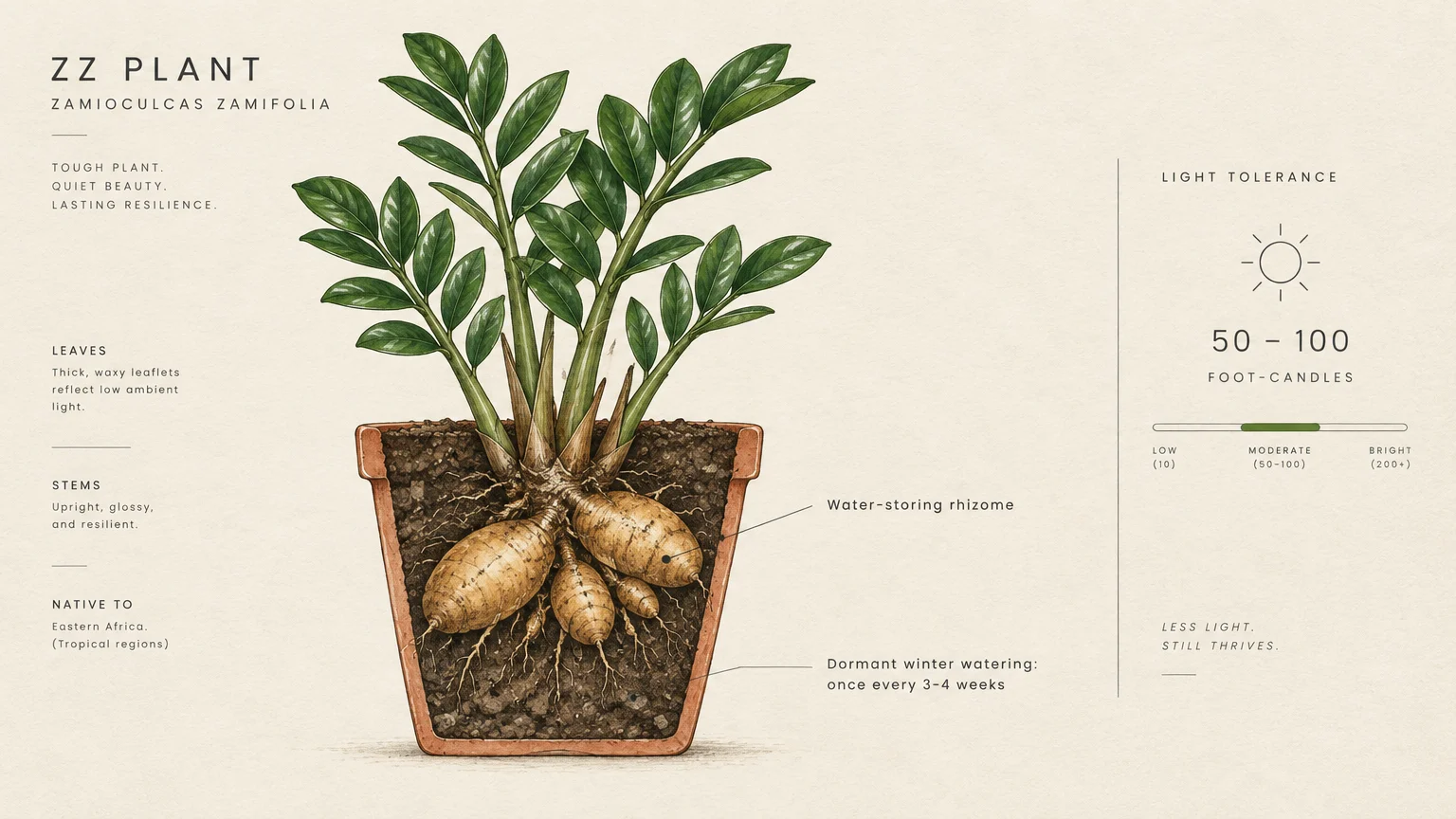
The ZZ plant features glossy, upright stems lined with smooth, waxy leaflets that reflect ambient room light. Its sculptural form adds a clean, modern aesthetic to low-light winter living spaces.
Thick underground rhizomes store vital water reserves, making this plant exceptionally drought-tolerant. It effortlessly handles the diminished daylight and bone-dry indoor air typical of winter months.
Place your ZZ plant in shaded rooms or interior corners far away from exterior windows. It survives comfortably in light levels between 50 and 100 foot-candles.
Overwatering represents the only serious threat to this bulletproof houseplant. Water it thoroughly only once every three to four weeks during the dormant winter period.
Always verify that the pot drains freely to protect the sensitive rhizomes from rotting. If you travel frequently during winter, this forgiving plant waits patiently for your return.
Tip #3: Snake Plant
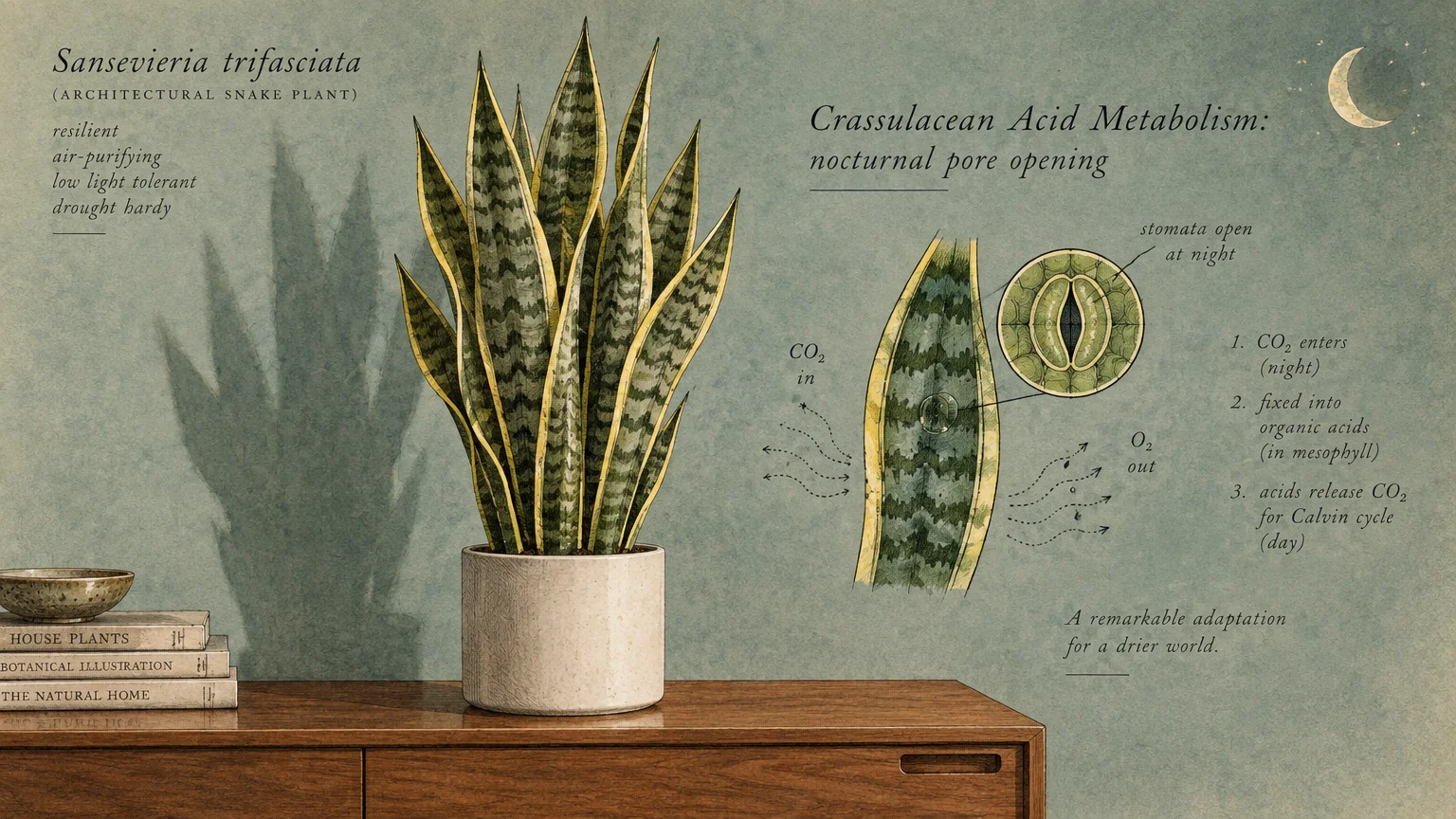
Snake plants display architectural, sword-like leaves that produce striking vertical lines in dim living rooms. Varied cultivars offer unique foliage patterns, ranging from deep emerald marbling to bright golden borders.
These resilient succulents manage photosynthesis efficiently through Crassulacean Acid Metabolism; they open their pores primarily at night. This adaptation helps them conserve precious moisture while surviving sluggish winter growth phases.
Position your snake plant anywhere from a shaded hallway niche to a dim basement office. It endures deep shade without stretching or losing its bold, upright structural silhouette.
Winter houseplant care requires you to slash watering intervals dramatically. Allow the entire root ball to dry completely between waterings, applying moisture roughly once a month.
Pour water around the base of the soil rather than into the central rosette. Trapped water inside leaf rosettes encourages fungal rot during cool, gloomy winter periods.
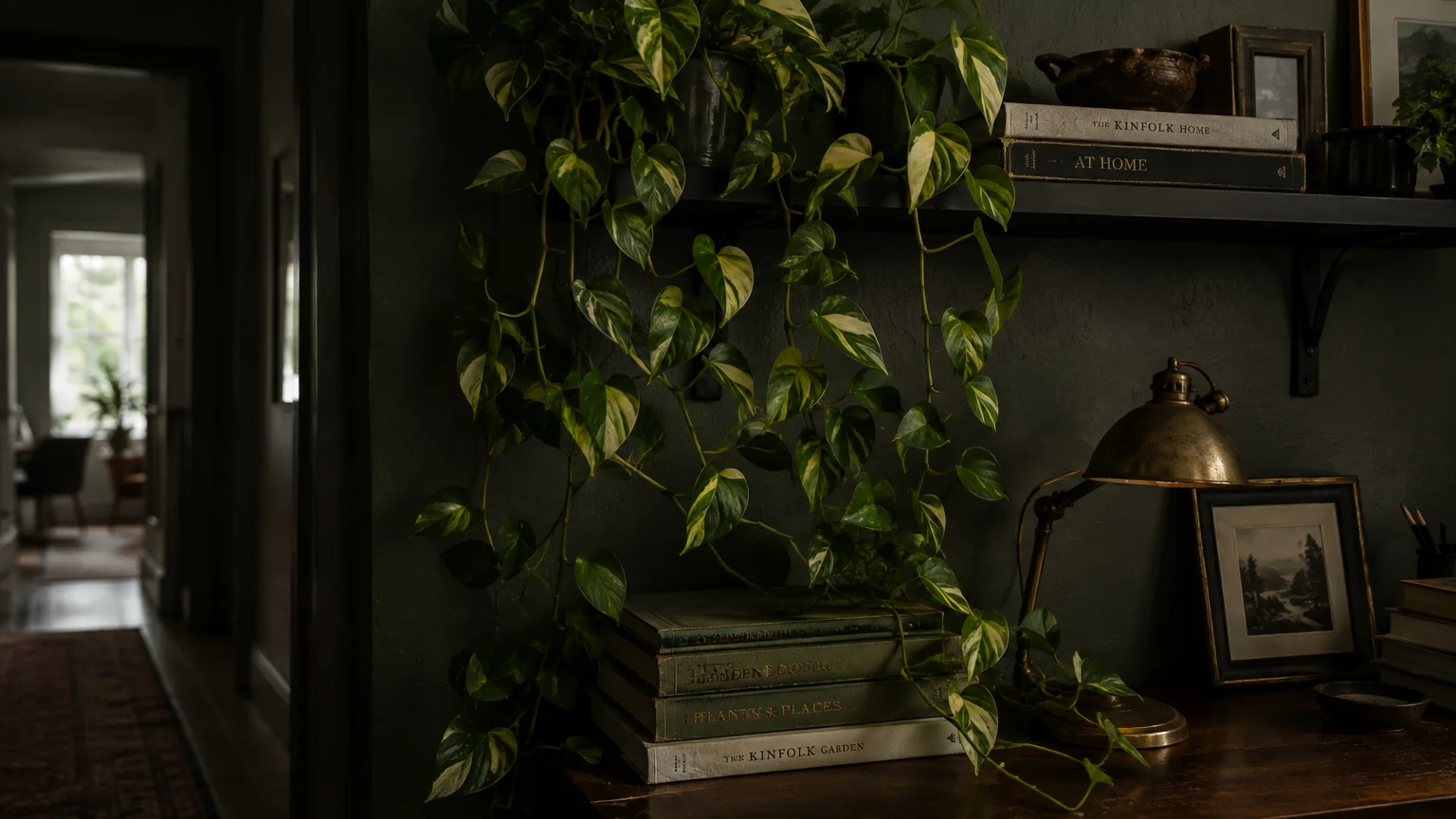
Tip #4: Golden Pothos
Golden pothos produces cascading trails of heart-shaped foliage splashed with creamy yellow or chartreuse streaks. It ranks among the best plants for dark rooms because it adapts swiftly to poor illumination.
While variegated foliage turns slightly greener in dim rooms, the trailing vines remain remarkably robust. You can train the stems across bookshelves or let them drape gracefully from hanging baskets.
Set your golden pothos in north-facing windows or several feet back from curtained east-facing glass. It operates reliably under simple fluorescent office fixtures or weak indirect daylight.
Check the soil with your index finger before pouring water into the pot. Water only when the top half of the potting mix feels dry and crumbly.
Trim excessively leggy stems back to a leaf node in late winter to encourage bushy spring growth. You can root those trimmed cuttings in water jars to expand your indoor collection.
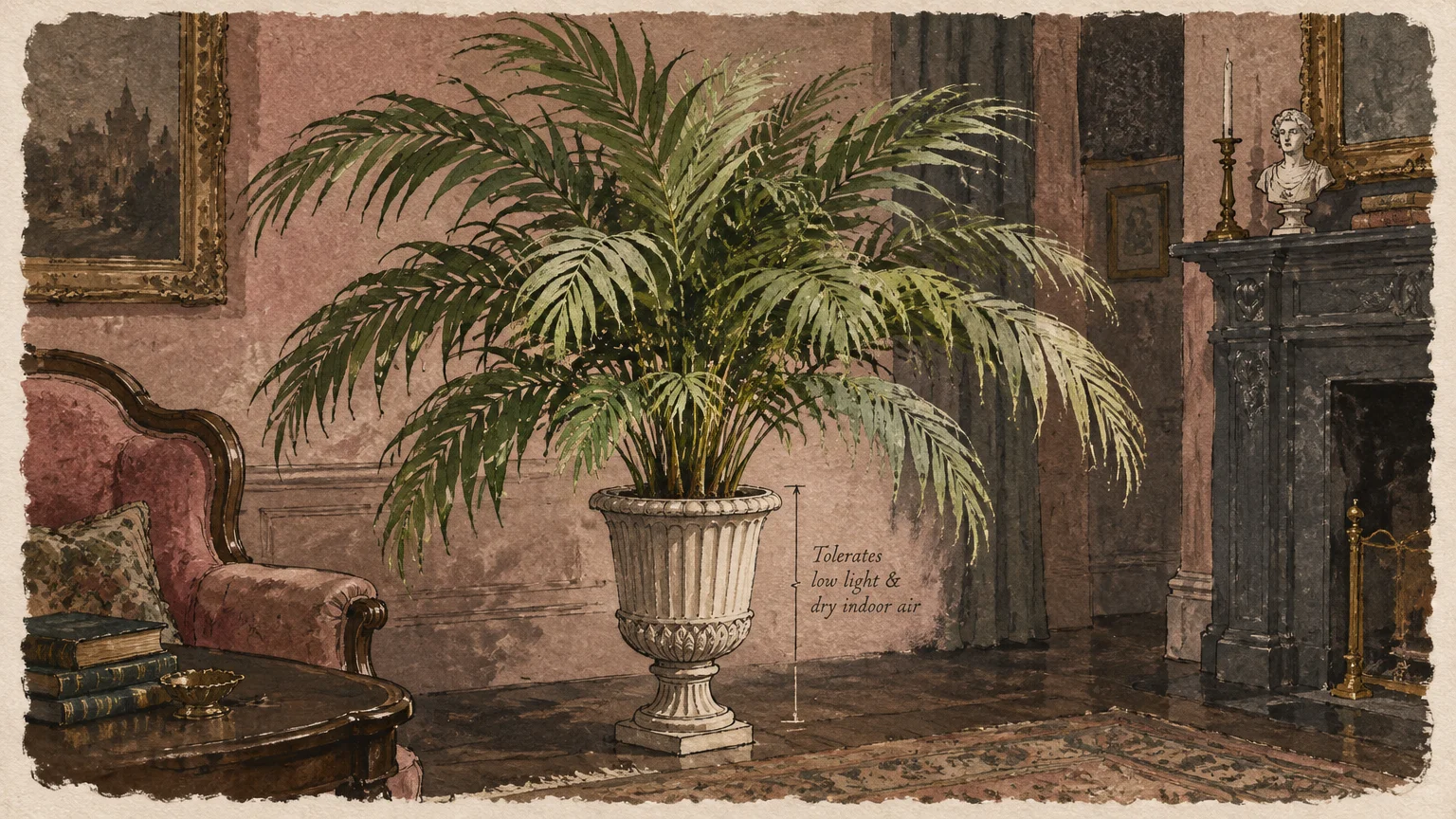
Tip #5: Parlor Palm
The parlor palm brings delicate, feathery Victorian charm directly to your gloomy winter spaces. Its compact cluster of arched fronds softens harsh interior angles while thriving in dim light.
Native to dense rainforest understories, this graceful palm naturally thrives where canopy shade blocks bright sunlight. It tolerates light exposures down to 50 foot-candles without dropping its delicate green fronds.
Position your parlor palm in a north-facing sitting room away from drafty doorways. Direct winter sun can easily scorch its thin, tender leaflets, causing permanent brown blemishes.
Maintain lightly moist potting soil throughout the season without creating waterlogged conditions. Water when the top inch of soil feels dry, ensuring excess drainage empties from the saucer.
Mist the fronds occasionally or place a pebble tray beneath the pot. Supplemental humidity prevents spider mites from attacking the foliage in arid, heated winter rooms.
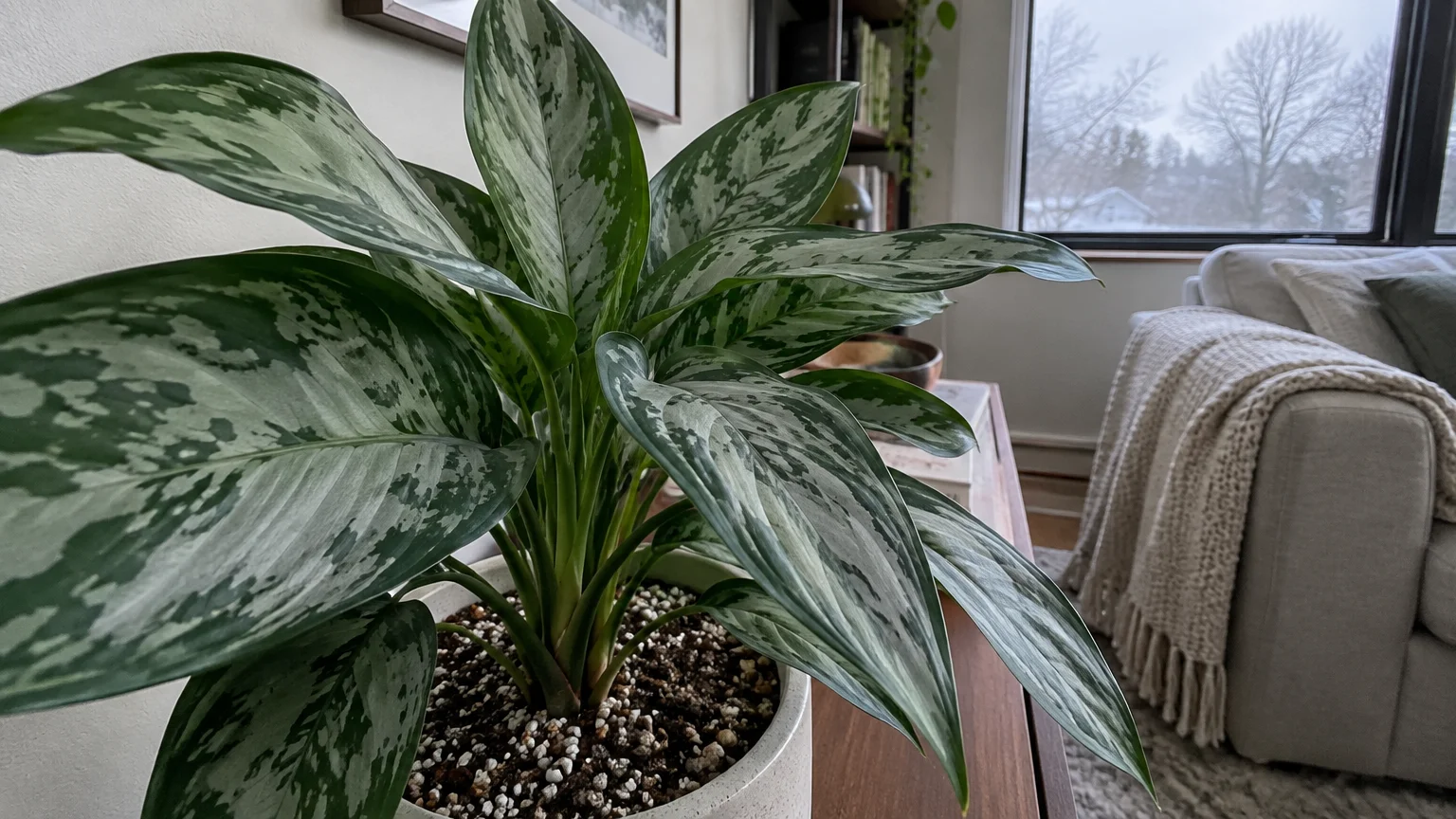
Tip #6: Chinese Evergreen
Chinese evergreens display lush, broad foliage with captivating patterns of silver, pewter, and dark forest green. They rank among the most dependable houseplants that thrive in low light during cold months.
Dark green cultivars tolerate low winter lighting better than brightly colored pink varieties. The rich chlorophyll density in darker leaves captures sparse light particles with incredible efficiency.
Locate your Chinese evergreen on an interior credenza or inside a dimly lit bathroom. It effortlessly tolerates low ambient illumination while handling short bouts of lower indoor humidity.
Moisten the soil thoroughly only when the upper two inches dry out completely. Cold, wet soil quickly damages delicate feeder roots, so err on the side of underwatering.
Keep the surrounding room temperature steady above 60°F throughout chilly winter spells. Cold drafts from opening exterior doors cause leaf yellowing and structural drooping.
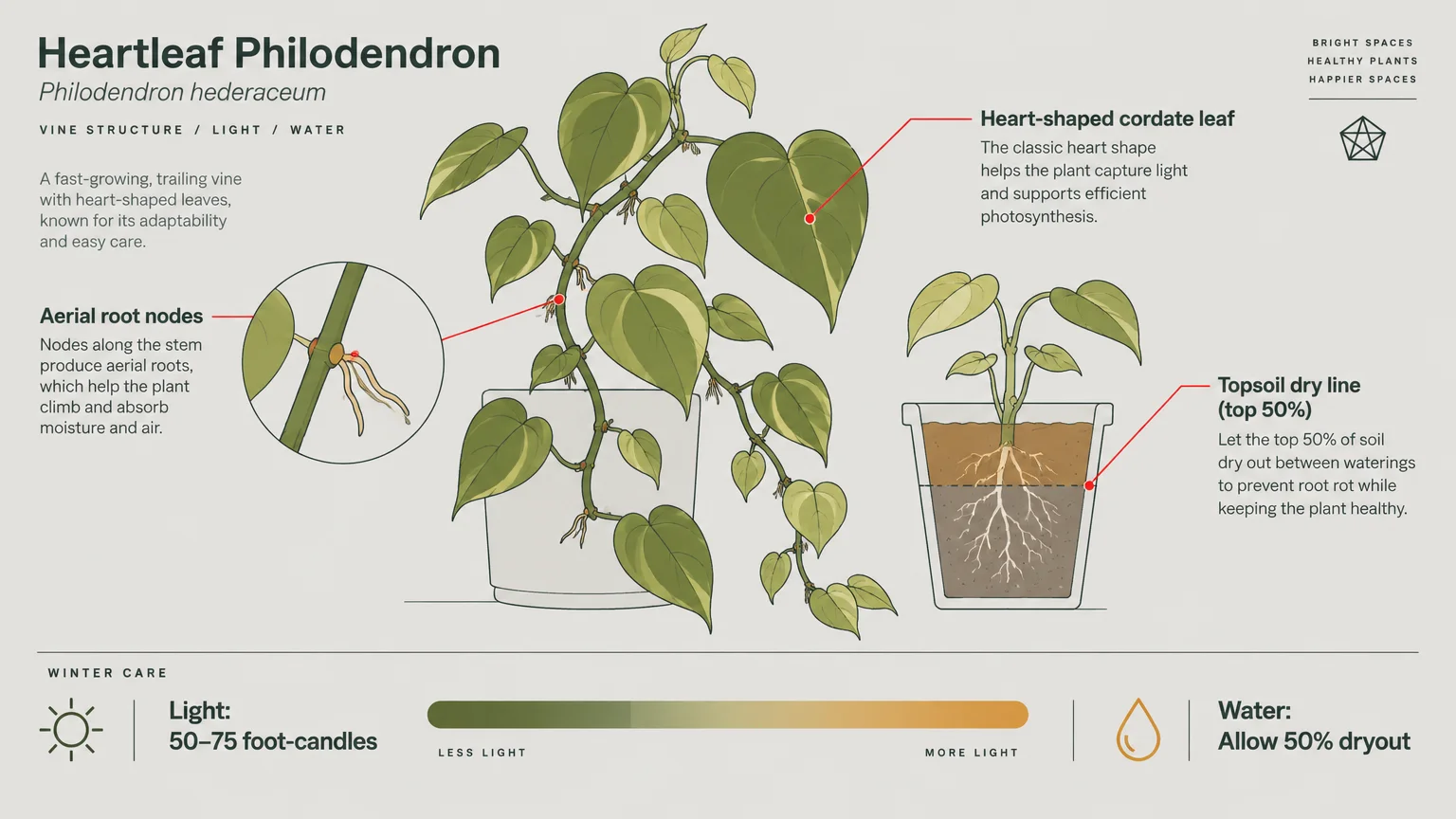
Tip #7: Heartleaf Philodendron
Heartleaf philodendron enchants indoor gardeners with vibrant, heart-shaped leaves that drape gracefully over container edges. This classic vine tolerates deep shade while bringing lush botanical beauty into forgotten interior corners.
Its stems grow vigorously even during shortened winter days, maintaining vibrant green coloration without stretching awkwardly. You can train its supple vines along wall trellises or let them tumble down bookshelves.
Position this resilient climber several feet away from any daylight source or beneath artificial desk lamps. It manages photosynthetic processes at illumination levels as low as 75 foot-candles.
Apply water only when the top half of the potting medium feels dry to the touch. Drooping, curled leaves signal mild dehydration, while yellowing leaves often point toward excessive winter watering.
Wipe foliage clean every few weeks to keep pores free of household dust. Clean leaves breathe smoothly and harness every available photon during dim December and January afternoons.
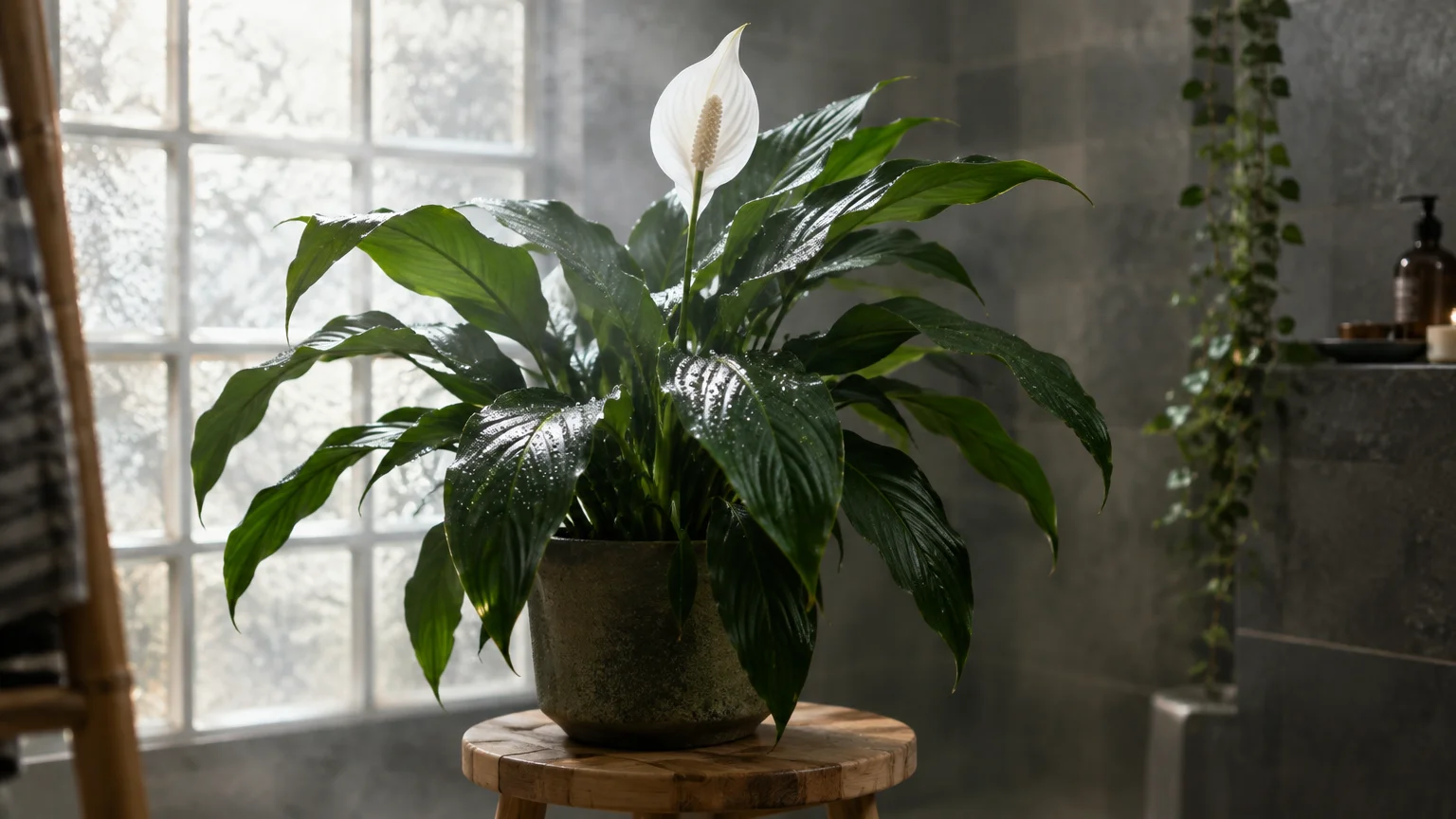
Tip #8: Peace Lily
The peace lily combines deep emerald foliage with elegant white spathes that emerge periodically even in winter. Its broad leaves actively cleanse indoor living spaces while thriving in shadowed room perimeters.
Because it originates on tropical forest floors, low winter light mimics its natural native environment. While heavy shade reduces flower production, the lush foliage maintains its rich, polished appearance effortlessly.
Place your peace lily near north-facing windows or nestled inside interior bedrooms. Keep it shielded from harsh southern exposures that scald delicate foliage and fade blooming bracts.
The plant communicates its water needs clearly by drooping visibly when the root zone dries out. Provide a deep drink when the soil surface feels dry, and the leaves will rebound promptly.
Flush the container with filtered water or rainwater whenever possible during winter routine care. Peace lilies sensitive to mineral deposits may develop brown tips from chlorinated tap water.
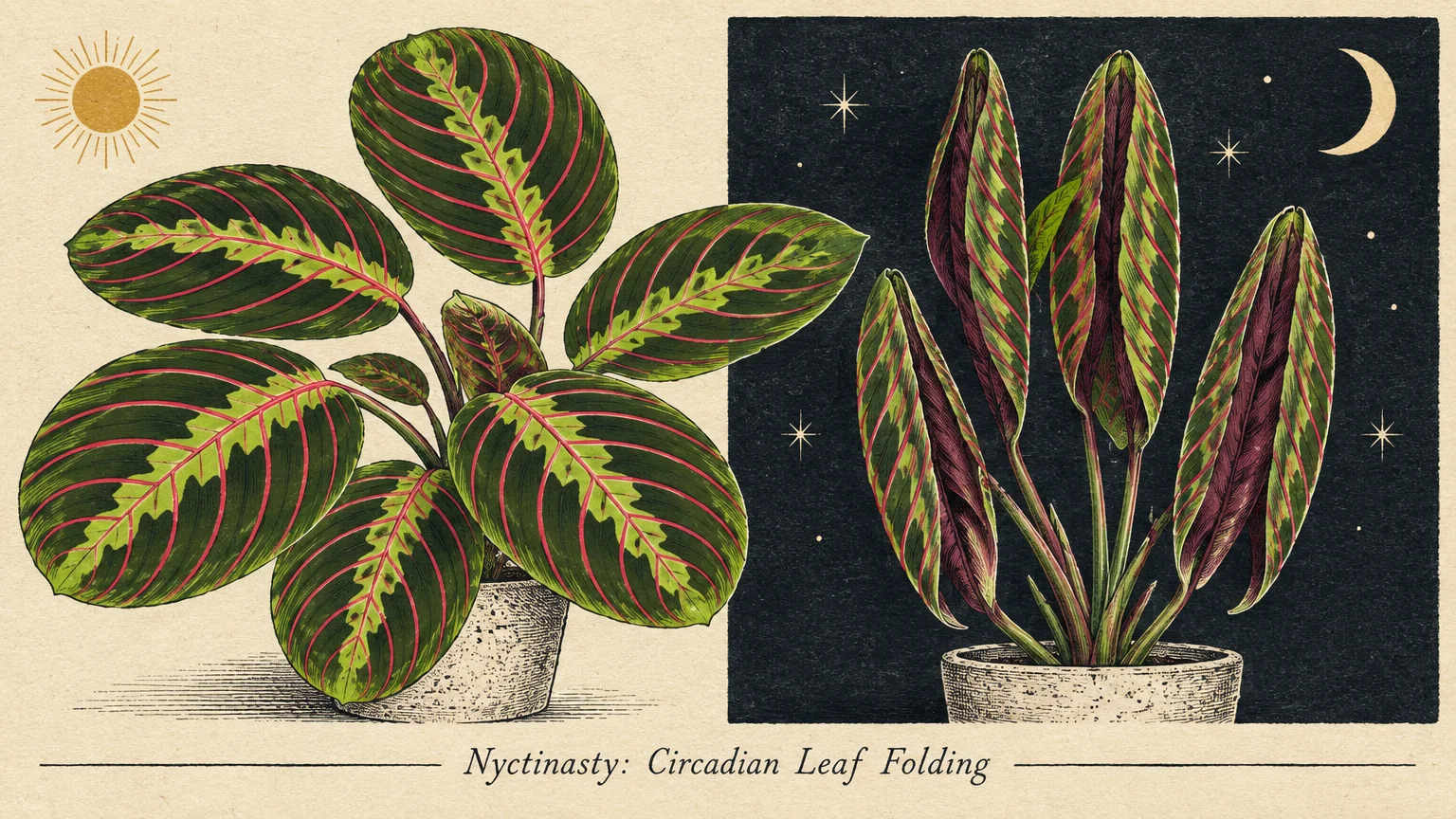
Tip #9: Prayer Plant
The prayer plant captures attention with intricate leaf patterns boasting pink veins and silvery blotches. Each evening, its leaves fold upward toward the ceiling like hands folded in prayer.
This unique circadian movement allows the plant to adjust its surface exposure to ambient light. It thrives in dim winter quarters where bright direct rays never reach.
Set your prayer plant on a low shelf in a room with gentle, indirect light. Low light preserves the vivid colors on the foliage, whereas bright winter sun bleaches the intricate patterns.
Keep the soil consistently damp but never soggy during the shorter days of winter. Water with room-temperature water when the top half-inch of soil loses its moisture.
Maintain high ambient humidity around the container by grouping it with companion houseplants. Dry winter air quickly crisps delicate leaf margins, so grouping plants creates a protective microclimate.
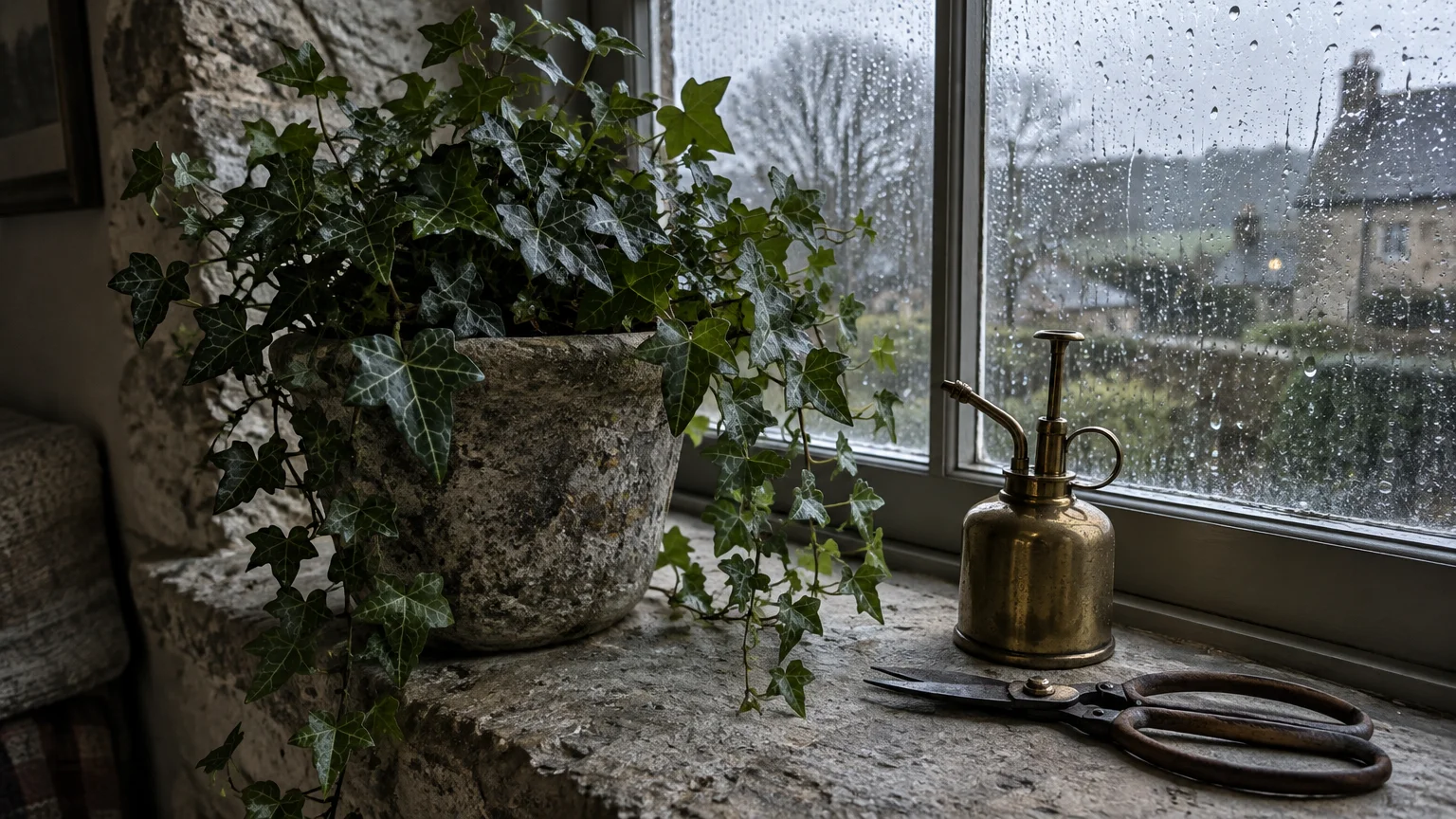
Tip #10: English Ivy
English ivy brings timeless elegance and cascading vigor to cold, dimly lit winter rooms. Its lobed leaves create lush cascades from high mantels, hanging containers, and plant stands.
This cold-hardy evergreen actually prefers the cooler temperatures common in winter homes near drafty glass. It continues growing steadily in low ambient light while other tropical plants enter complete dormancy.
Hang your ivy near north-facing windows or place it along shaded hallway shelves. It requires only modest light levels to produce healthy stems and crisp, detailed foliage.
Allow the top inch of potting soil to dry between moderate water applications. Excess water in cold soil encourages root decline, so ensure rapid container drainage.
Rinse the foliage periodically under a cool shower to prevent common pests like spider mites. Regular rinses remove winter dust and deliver beneficial humidity to the leafy stems.
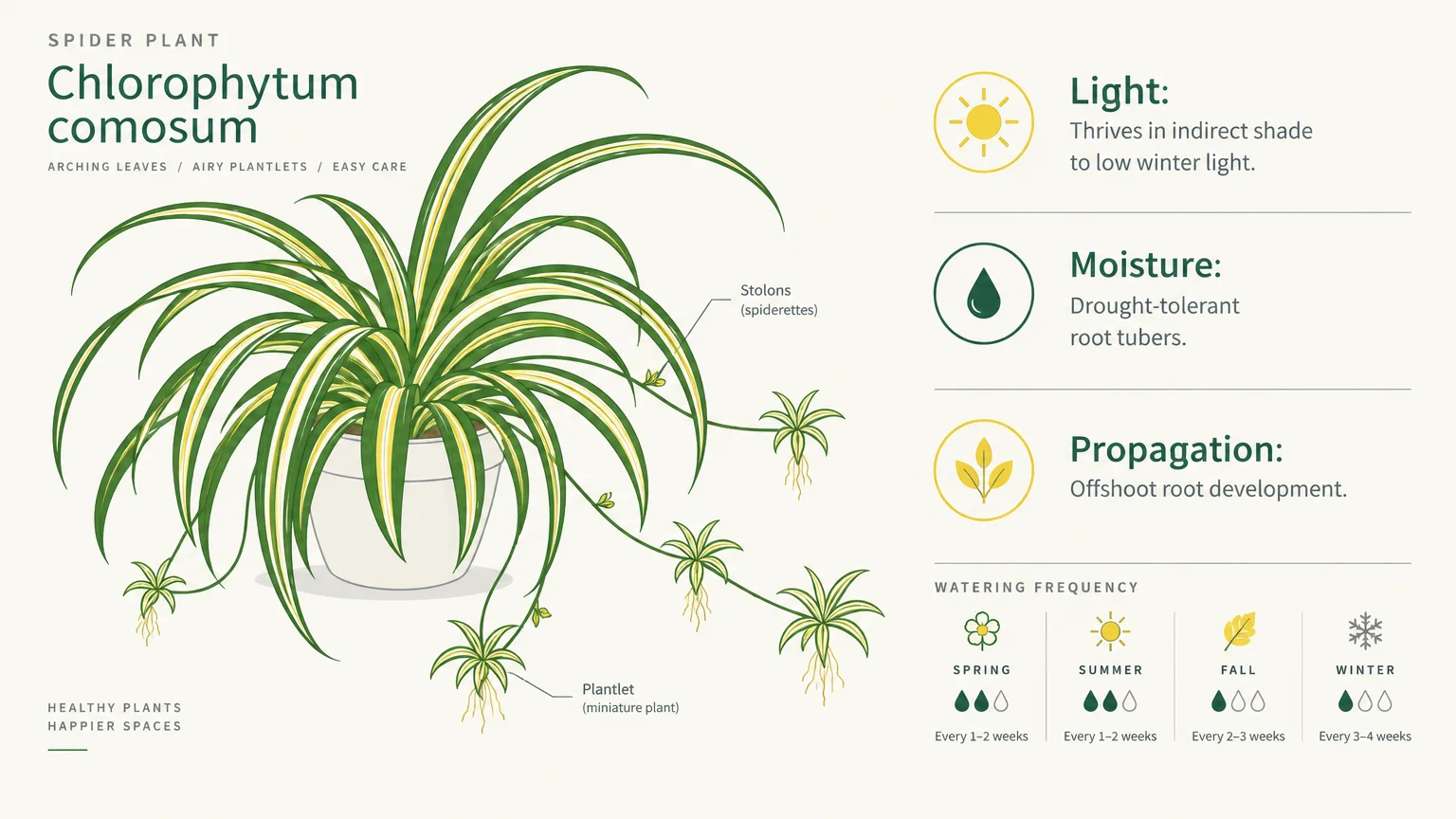
Tip #11: Spider Plant
Spider plants feature arching green and white ribbon leaves that brighten dull, gloomy corners. They adapt readily to dim winter light while producing charming miniature plantlets on arching runner stems.
Their thick, tuberous root systems store substantial water reserves, making them extremely forgiving of irregular care. They survive shortened daylight periods and arid indoor heat without dropping their arching foliage.
Position your spider plant in indirect northern light or several feet inside an east-facing room. Direct winter sunlight can fade leaf coloration and scorch the delicate variegated striping.
Water thoroughly only when the soil feels completely dry two inches below the surface. Overwatering in low winter light quickly softens the fleshy tubers and triggers leaf discoloration.
Snip off brown leaf tips with clean shears to preserve the plant’s tidy appearance. Use non-fluoridated water to prevent mineral accumulation from browning the leaf margins.
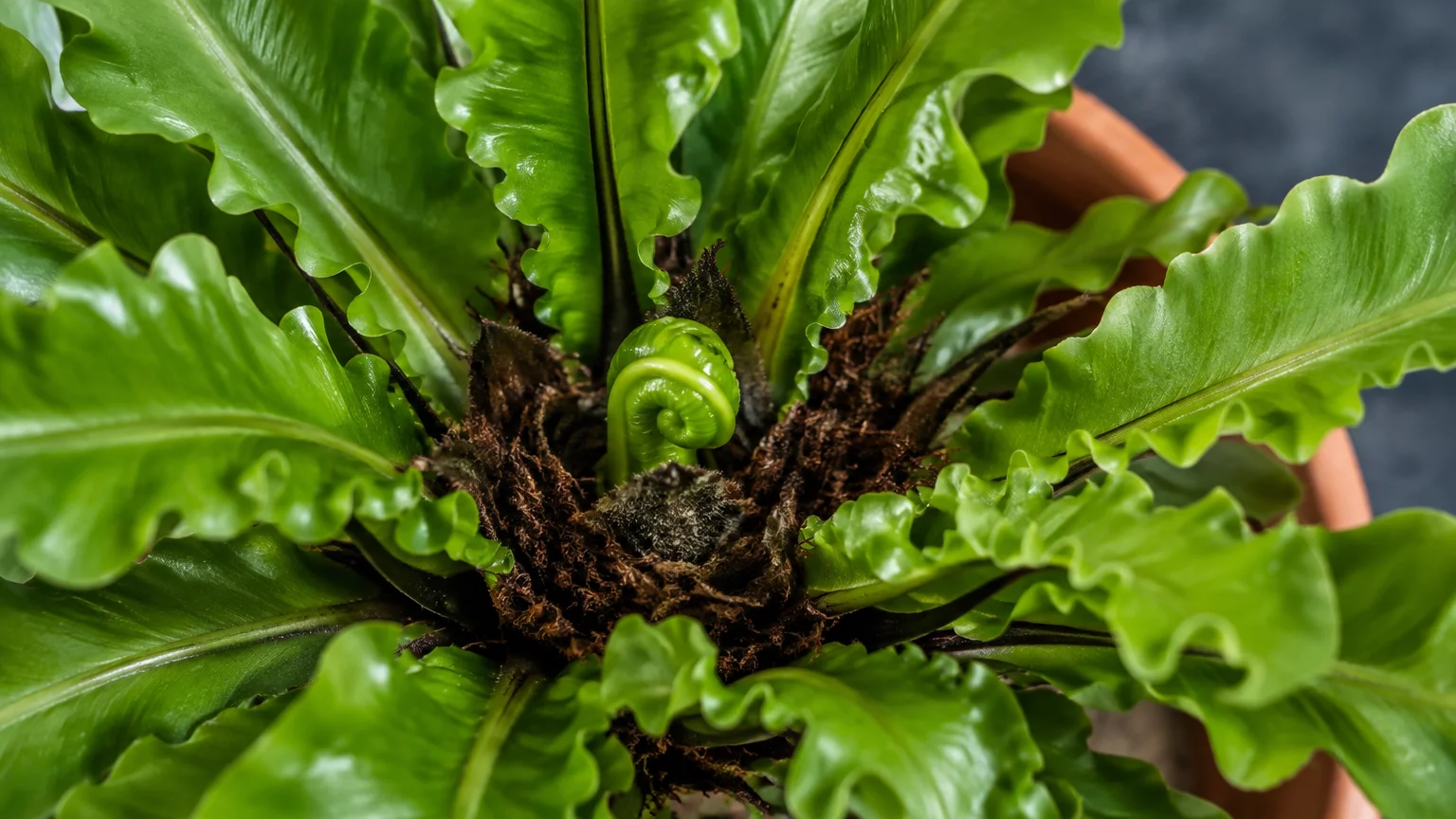
Tip #12: Bird’s Nest Fern
The bird’s nest fern forms a dramatic rosette of wavy, apple-green fronds with undulating margins. Its bright color and architectural growth form provide an energetic focal point in low-light rooms.
Unlike delicate lacy ferns, its thick, leathery fronds retain moisture exceptionally well in indoor environments. It thrives natively as an epiphyte on shaded forest tree trunks beneath heavy tropical canopies.
Place this bold fern on a bathroom vanity or inside a dimly lit interior room. Moderate to low light levels protect its bright fronds from burning and yellowing.
Water the soil around the perimeter of the container rather than directly into the central crown. Moisture trapped in the central nest encourages fungal decay and stunts new emerging fronds.
Elevate local humidity by setting the pot on a shallow tray filled with pebbles and water. Adequate winter humidity preserves the ruffled leaf edges and encourages robust root vitality.
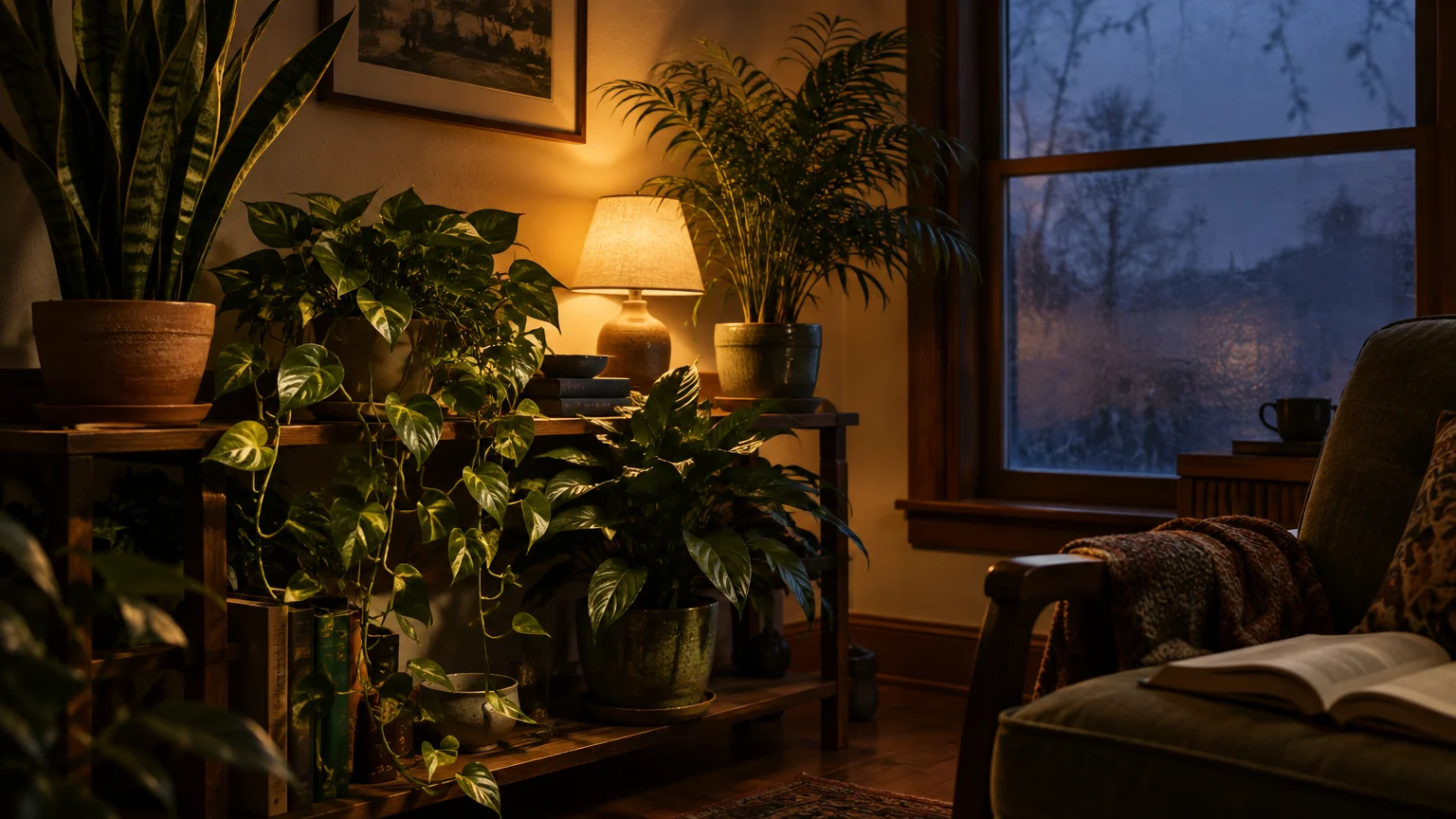
Putting It All Together: Enjoy Your Beautiful Garden
Winter presents unique challenges for indoor plants, but understanding seasonal light shifts ensures consistent gardening success. You do not need towering south-facing windows to maintain a lush, restorative indoor green sanctuary.
Low-light houseplants survive gloomy months by slowing their metabolic engines and conserving stored energy. You must align your care routines with this slower pace by scaling back watering and pausing fertilizer applications.
Inspect your plants weekly for dry potting soil, cold drafts, and accumulated leaf dust. Wiping down foliage guarantees that every leaf absorbs maximum ambient light from shortened winter days.
Grouping diverse plants together creates a humid microclimate that counteracts dry indoor forced-air heating systems. This technique protects sensitive foliage margins while creating a striking, multi-layered visual display.
Embrace the calm beauty of winter indoor gardening with these twelve dependable foliage companions. Their enduring green leaves will carry your home through the darkest months with graceful vitality.
Frequently Asked Questions
How often should you water low light houseplants during the winter?
Most low-light houseplants need watering only every two to four weeks during the winter season. Dim light and cooler temperatures dramatically decrease soil evaporation and plant transpiration rates.
Always insert your finger two inches into the potting mix before adding water. If the soil feels cool and damp, wait another week before rechecking moisture levels.
Should you fertilize indoor plants for winter?
You should halt all fertilizer applications from late autumn through the end of winter. Houseplants slow their growth drastically in low light and cannot utilize supplemental nutrients efficiently.
Applying fertilizer to dormant winter roots causes toxic mineral salt accumulation and chemical root burn. Resume gentle feeding in early spring when natural daylight increases and fresh growth emerges.
How do you know if a plant is receiving too little light?
Plants starving for light display elongated, spindly stems as they reach desperately toward the nearest window. They may also shed older lower leaves and produce tiny, pale new growth.
If your plant shows these signs, move it closer to an indirect light source. You can also supplement natural daylight with an energy-efficient full-spectrum LED grow bulb.
What is the ideal indoor temperature for winter houseplant care?
Most low-light houseplants thrive when indoor daytime temperatures hover between 65°F and 75°F. Nighttime temperatures can drop slightly but should ideally stay above 60°F for tropical varieties.
Protect your collection from sudden temperature swings caused by heating vents, radiators, and drafty exterior doors. Stable thermal conditions prevent sudden shock, root chills, and premature leaf drop.
For region-specific advice, consult your local University Extension program (find yours via the USDA directory). For plant databases and inspiration, visit the Missouri Botanical Garden or the Royal Horticultural Society.
Disclaimer: This article provides general gardening advice; always consider your specific climate, soil conditions, and local pests. Follow safety guidelines when using gardening tools and products.