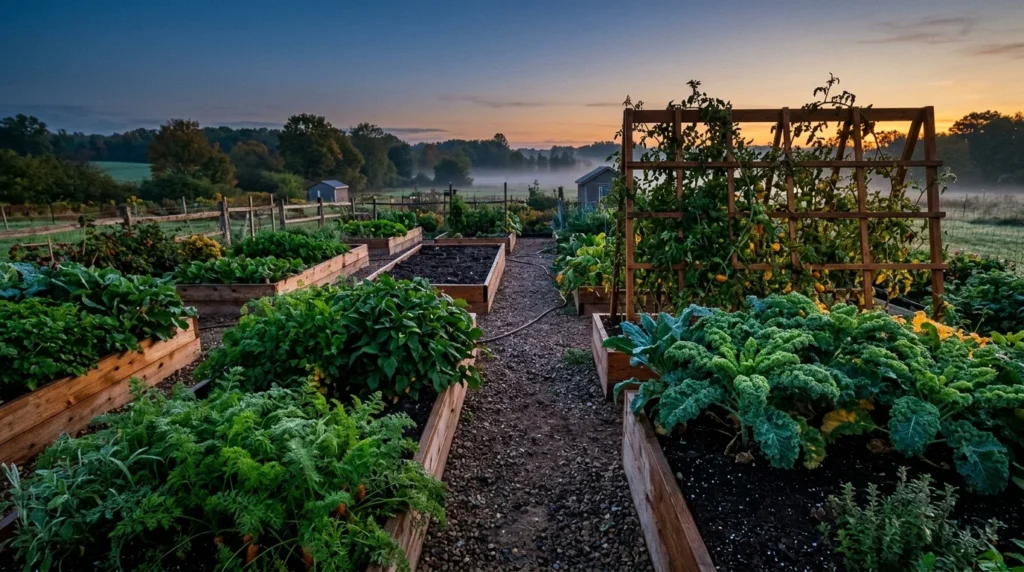
You can harvest crisp, vibrant vegetables straight from your backyard even as temperatures drop and frost blankets the lawn. Cold weather concentrates natural sugars in resilient crops, turning winter harvests into some of the sweetest produce of the year.
Embracing cold weather vegetable gardening keeps your soil active and reduces weeds while extending your homegrown food supply. A few simple techniques allow you to cultivate an abundance of nourishing food throughout the colder months.
This fall vegetable planting guide highlights the top winter vegetables to plant right now to maintain a flourishing, productive kitchen garden. Grab your trowel and discover what to plant in late fall for continuous cold-season harvests.
Tip #1: Garlic (Hardneck and Softneck Varieties)
Garlic represents the ultimate cold-hardy staple for your late-season garden beds. Planting individual cloves in late autumn allows strong root systems to develop before hard ground freezes occur.
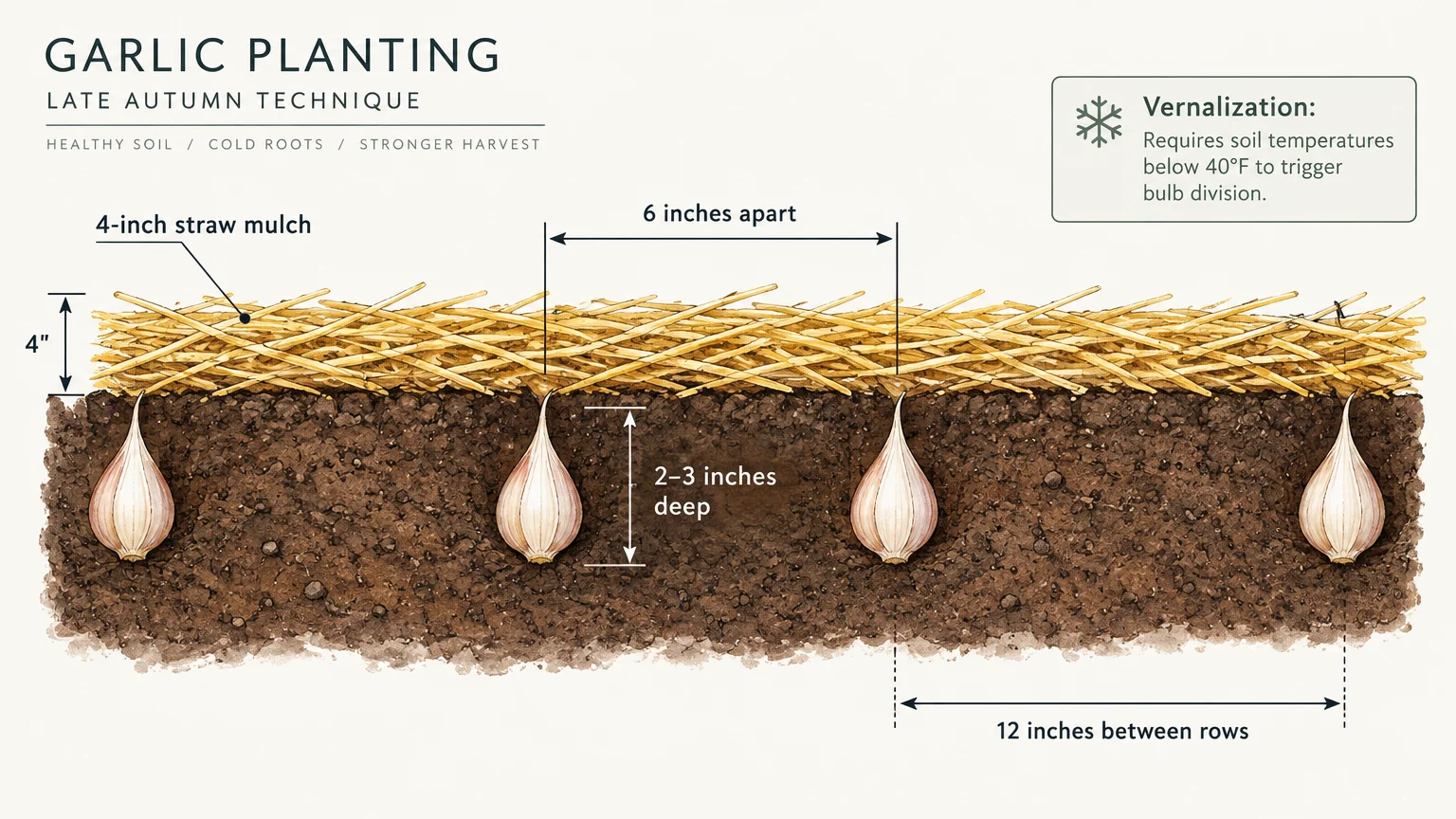
Freezing soil triggers a necessary biological process known as vernalization. Chilling temperatures below 40 degrees Fahrenheit signal the clove to divide into a cluster of large, distinct bulbs.
Separate your garlic bulbs into individual cloves right before planting, keeping their papery skins intact. Always select the largest cloves because bigger cloves consistently produce heavier, more productive summer harvests.
Plant each clove pointed-end upward, two to three inches deep in loose, well-draining garden soil. Space your cloves six inches apart in rows separated by twelve inches.
Spread a four-inch blanket of straw or shredded deciduous leaves over the freshly planted bed. This organic mulch shields the soil against sudden temperature swings and prevents frost heave from dislodging roots.
In early spring, sturdy green shoots will pierce through the mulch and grow rapidly. You can harvest mature, cured garlic heads in early summer when the lower leaves turn golden brown.
Avoid overwatering your garlic during soggy winter spells to prevent fungal bulb decay. Raised garden beds provide outstanding drainage that keeps subterranean cloves firm and healthy.
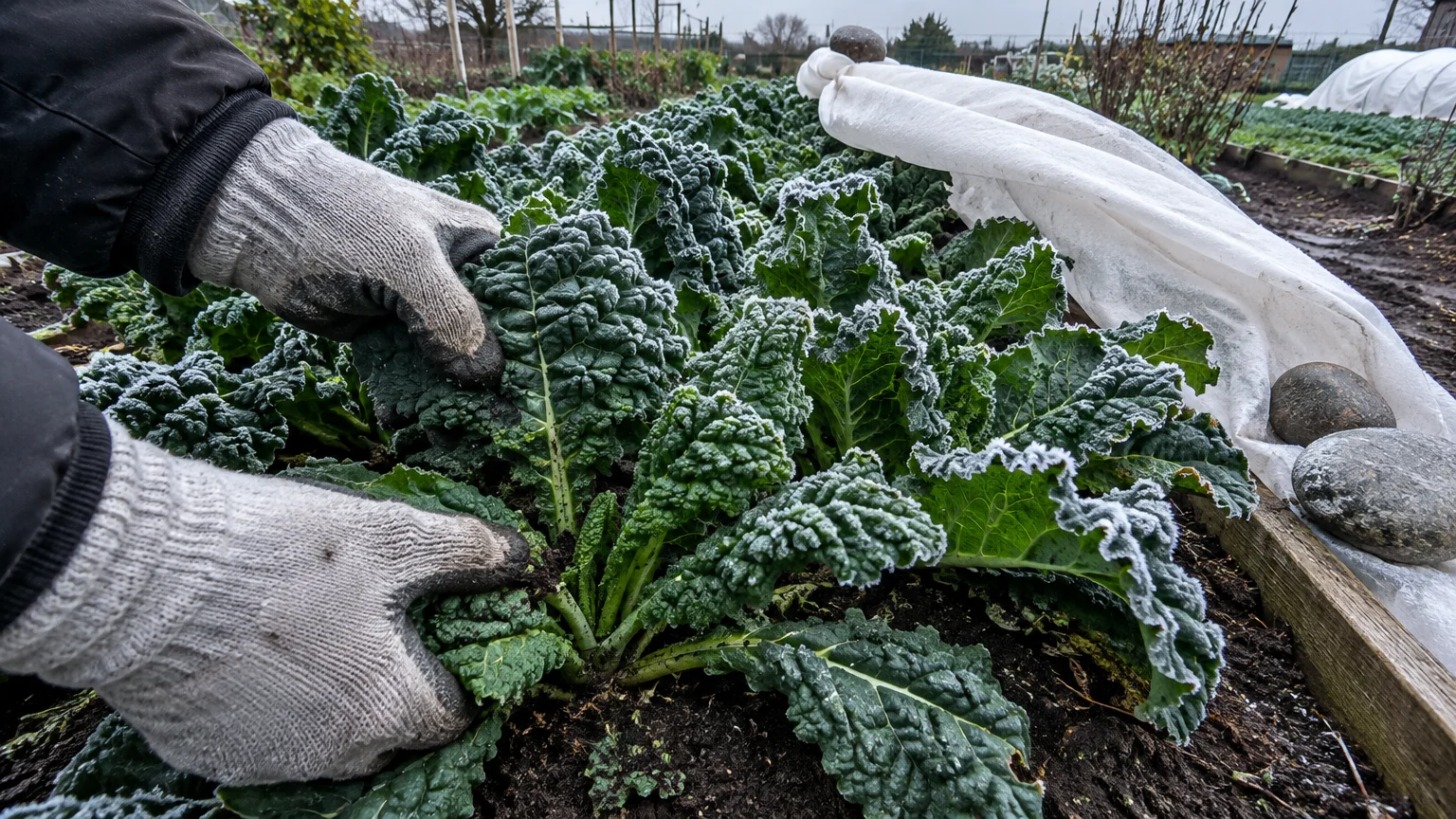
Tip #2: Winter Spinach (Savoy and Semi-Savoy)
Spinach is a premier green for cold weather vegetable gardening in home raised beds and containers. Hardy cultivars like ‘Bloomsdale Long Standing’ and ‘Tyee’ easily withstand heavy frosts without losing their crisp texture.
Freezing temperatures stimulate the spinach plant to convert stored carbohydrates into simple plant sugars. This natural defense mechanism prevents cellular freezing and makes late-season spinach significantly sweeter than spring-grown leaves.
Direct-sow your spinach seeds one-half inch deep, spacing them roughly two inches apart in fertile soil. Maintain consistent soil dampness to accelerate germination, which generally occurs within seven to twelve days.
Thin emerging seedlings to four inches apart once they display two pairs of true leaves. You can toss these tender thinnings directly into autumn salads for an immediate fresh harvest.
Harvest spinach using the cut-and-come-again technique by plucking only the largest outer leaves. The protected center crown will continuously generate tender new foliage during warmer afternoon thaws.
Drape a layer of lightweight horticultural fabric over the plants when temperatures drop below 20 degrees Fahrenheit. This simple cover traps ambient soil heat and prevents dry winter winds from dehydrating foliage.
For gardeners planning what to plant in late fall, fast-growing savoy spinach delivers unmatched cold resistance and reliable nutrition.
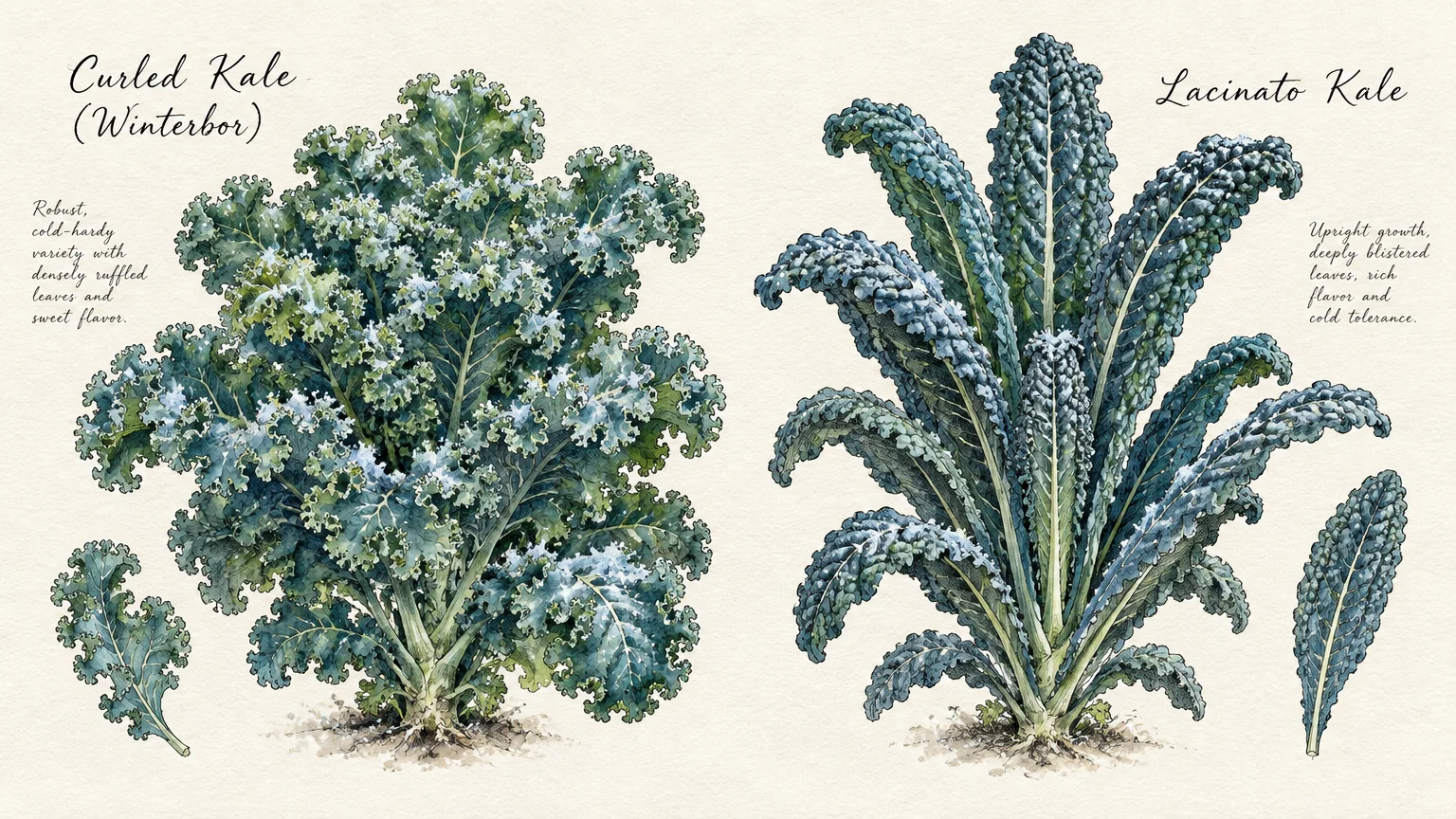
Tip #3: Cold-Hardy Kale (Lacinato and Curled)
Kale ranks among the most durable winter garden vegetables you can cultivate through freezing weather. Robust varieties like ‘Winterbor’ and ‘Dwarf Green Curled’ endure temperatures dipping into the low teens without hesitation.
Freezing weather enhances kale by breaking down bitter compounds and boosting natural sweetness. A dusting of morning snow softens the fibrous leaves, turning them tender and wonderfully flavorful for soups.
Transplant sturdy kale seedlings twelve to eighteen inches apart in compost-enriched soil. Firm the soil securely around each main stem to anchor plants firmly against strong winter windstorms.
Apply three inches of wood chips or compost around the base to insulate surface roots. This protective layer also retains soil moisture and minimizes splashing that can soil lower foliage.
Pick the lowest leaves first, stripping them downward from the main stem with a quick snap. Always leave the topmost cluster of leaves intact so the central stalk continues upward growth.
When heavy snow threatens, construct a low hoop tunnel with clear greenhouse film over your rows. This barrier protects foliage from snapping under heavy snow loads while keeping fresh greens accessible.
Even if the foliage freezes solid overnight, it thaws completely undamaged in cold water inside your kitchen.
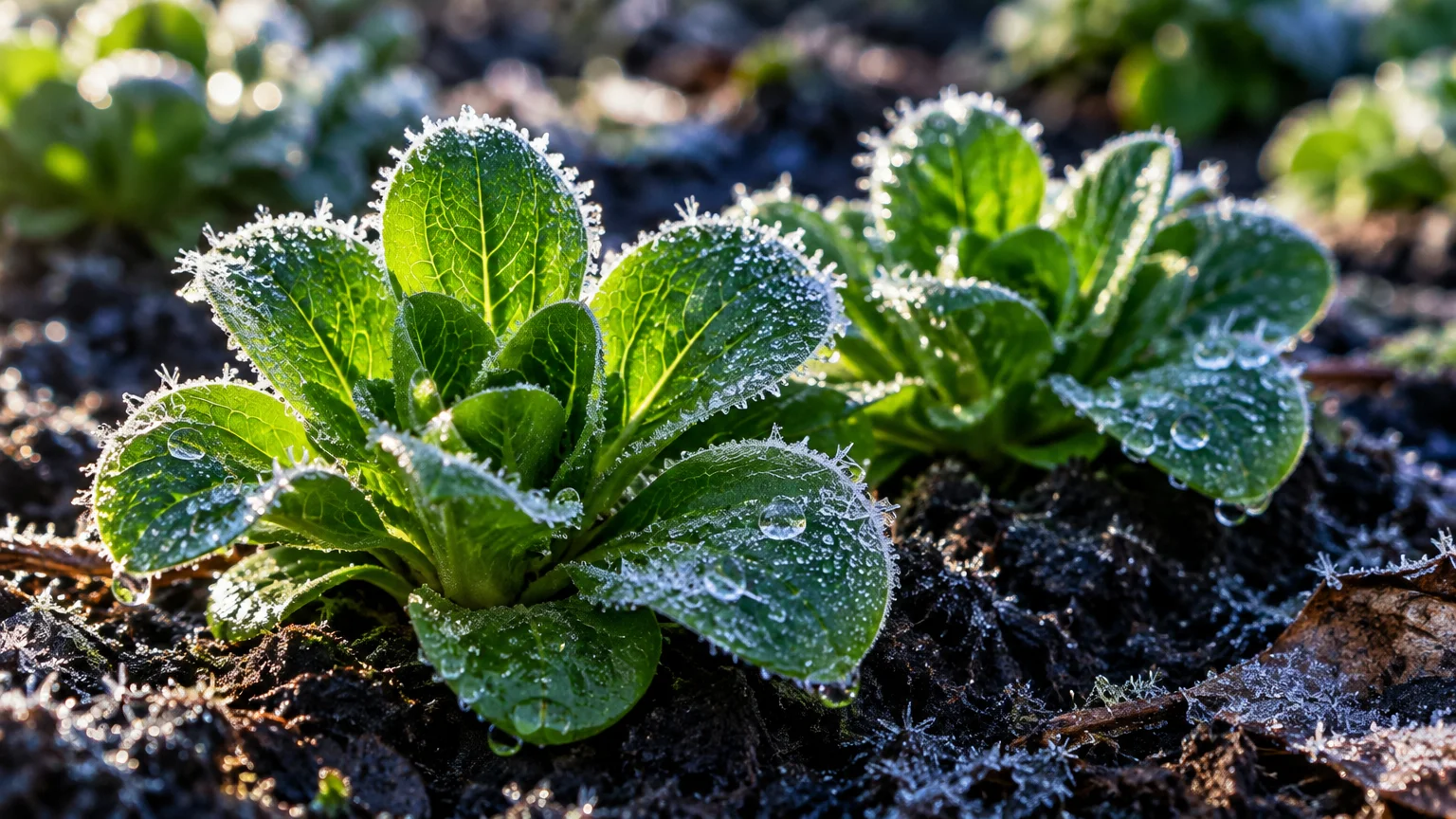
Tip #4: Mâche (Corn Salad)
Mâche, often called lamb’s lettuce or corn salad, is a prized European winter salad delicacy. This charming, small-scale green features spoon-shaped leaves with an exceptionally smooth, nutty, and velvety texture.
While heat causes mâche to suffer, freezing winter temperatures bring out its greatest vitality. Mâche can endure sub-zero freezes completely unprotected, thawing out in bright sunlight with vibrant color intact.
Broadcast seeds evenly over finely raked soil, keeping spacing around one inch apart. Mâche seeds need darkness to sprout, so rake a quarter-inch layer of fine soil over them.
Keep the soil consistently moist until the tiny rosettes appear within ten to fourteen days. Thin the crowded rosettes to three inches apart to promote broad, well-formed leaf clusters.
Harvest whole rosettes by slicing the main taproot right at the soil line with garden scissors. Wash the collected rosettes thoroughly in cold water to dislodge any splashed garden soil.
Mâche requires almost zero supplemental fertilizer because it thrives on minimal nutrients during dim winter days. Its effortless growth makes it an essential choice for your fall vegetable planting guide.
Plant successive rows every two weeks to guarantee continuous harvests of gourmet greens all season long.
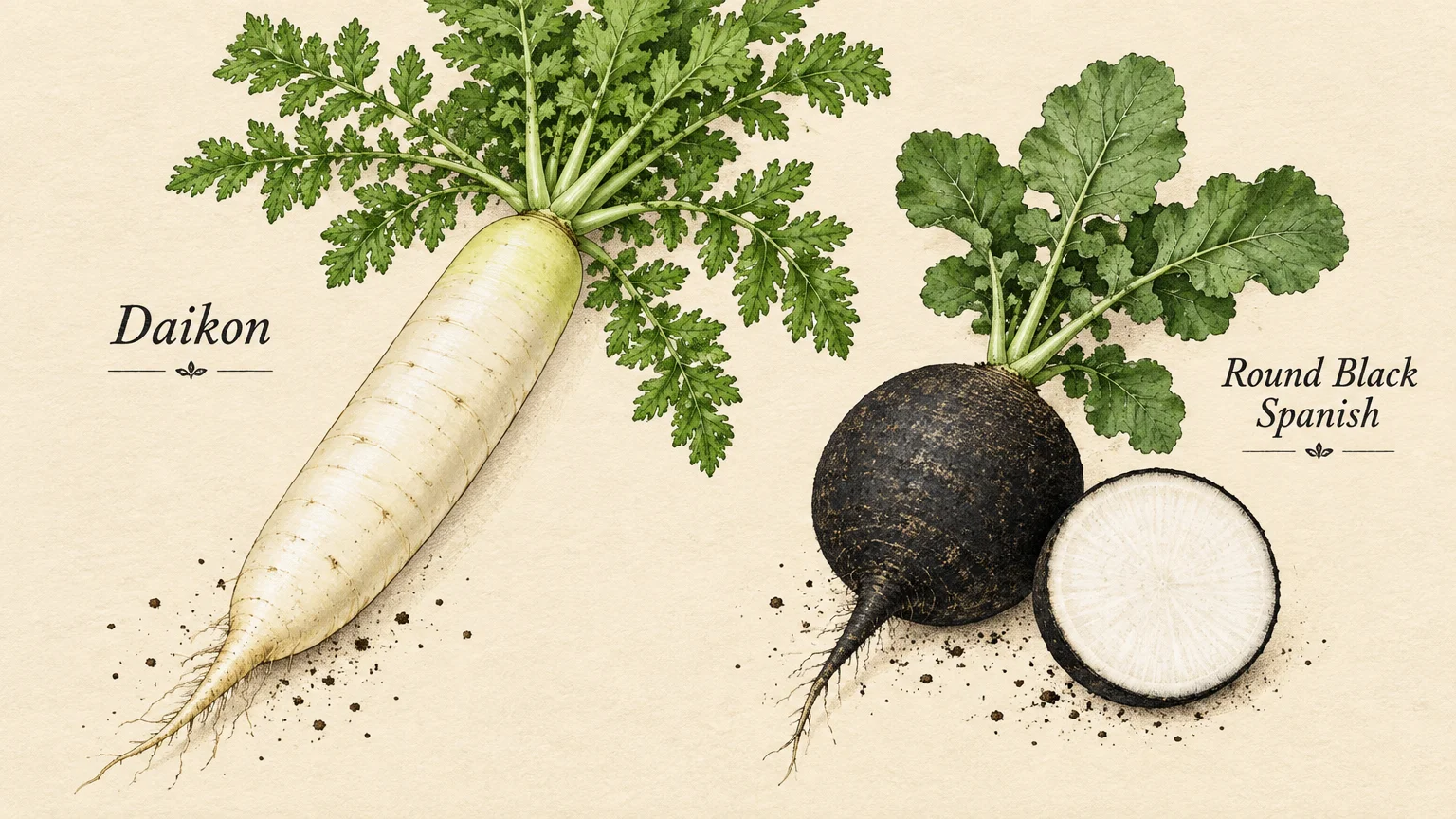
Tip #5: Winter Radishes (Daikon and Black Spanish)
Winter radishes differ dramatically from fast spring radishes by developing massive, dense, and nutrient-packed roots. Heirloom choices like ‘Black Spanish Round’ and long Asian ‘Daikon’ thrive as exceptional winter vegetables to plant.
Chilly ground temperatures keep these substantial roots remarkably crisp without developing the pithiness common in summer. Their pungent sharpness mellows naturally in cold weather, becoming wonderfully savory when roasted or pickled.
Sow radish seeds one-half inch deep in loose garden soil that you have cleared of stones. Space the seeds four to six inches apart to give each expanding root adequate expansion room.
Deep taproots loosen compacted subsoil layers, acting as biological aerators for your entire garden bed. As roots delve downward, they draw up vital minerals into the topsoil for subsequent spring crops.
In moderate zones, leave your winter radishes directly in the ground until you plan to cook them. Insulate the root crowns beneath six inches of straw mulch to prevent hard soil freezing.
In regions with deep ground freezes, pull mature roots before soil freezes and store them in damp sand. They retain optimal firmness and moisture in a cold basement or garage for months.
Consistent soil moisture prevents the roots from cracking and ensures a tender, appealing internal texture.
Tip #6: Scallions and Bunching Onions
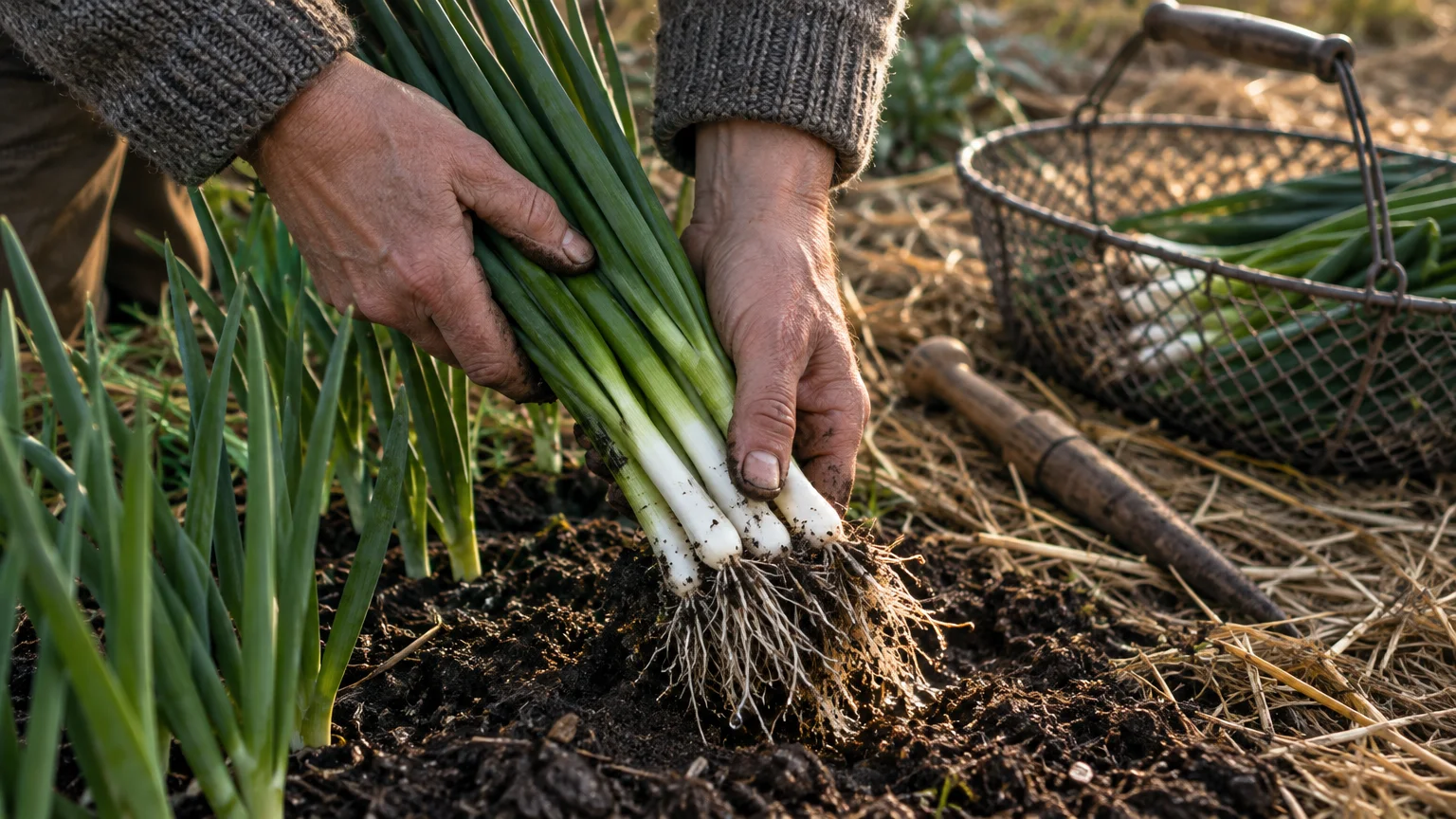
Scallions and perennial bunching onions provide continuous onion flavor when conventional garden alliums remain dormant. Cultivars such as ‘Evergreen Hardy White’ survive brutal winter freezes without foliage browning or root injury.
These resilient bunching onions focus energy on generating thick, juicy white shanks rather than bulb formation. Their upright green stems withstand frost, supplying crisp additions for warm winter chilis and stir-fries.
Sow seeds one-quarter inch deep, or transplant nursery scallions in clumps of three to four plants. Ensure the soil contains generous compost to encourage rapid root establishment before winter arrives.
Mound soil up around the lower stems several times as your scallions mature. This blanching step blocks out sunlight, producing long, tender, and sweet white stems with subtle flavor.
Harvest scallions by pulling the whole plant or by cutting green tops two inches above the base. Plants clipped above the soil level will quickly regrow fresh shoots during the early spring thaw.
Interplanting bunching onions alongside cold-hardy greens deters lingering fall insect pests through their pungent scent. This natural companion planting strategy maximizes space while protecting delicate leafy vegetables nearby.
A lightweight fabric row cover prevents drying winter winds from bruising the tender green stalk tips.
Tip #7: Claytonia (Miner’s Lettuce)
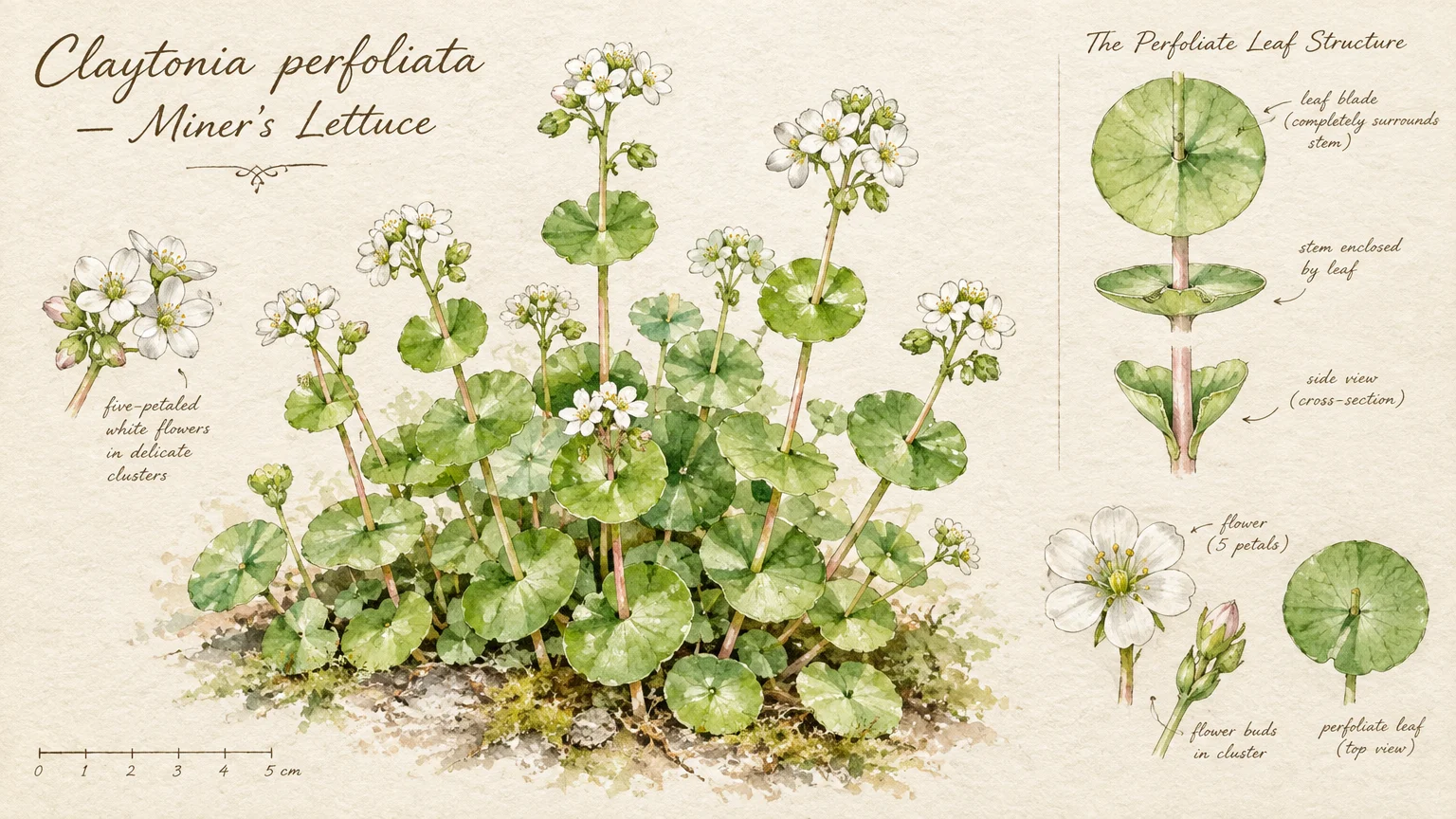
Claytonia is an incredibly hardy North American native salad green prized for its succulent, emerald leaves. Historically, California miners ate this wild green to stave off illness during harsh, snow-swept mountain winters.
Claytonia seeds actually refuse to sprout in warm temperatures, making autumn cooling an absolute germination requirement. The plant flourishes precisely when days grow short and temperatures slide toward freezing.
Scatter the tiny seeds across damp topsoil, tamping them down lightly without covering them deeply. Mixing the tiny seeds with horticultural sand helps you distribute them evenly across wide growing rows.
The plants form low, compact carpets of round leaves that shade the soil and suppress weeds. Their shallow, fibrous root networks anchor topsoil against erosion caused by heavy winter rains and thaws.
Harvest claytonia leaves using sharp garden scissors by trimming an inch above the ground level. The plants rapidly regenerate new leaves, allowing you to harvest three to four flushes all winter.
Claytonia provides a refreshing, juicy crunch that pairs exceptionally well with winter citrus vinaigrettes. You can also lightly wilt the tender rosettes in olive oil like baby spinach.
Claytonia thrives even in low-light shaded corners where other fall vegetables struggle to survive.
Tip #8: Tatsoi (Spoon Mustard)
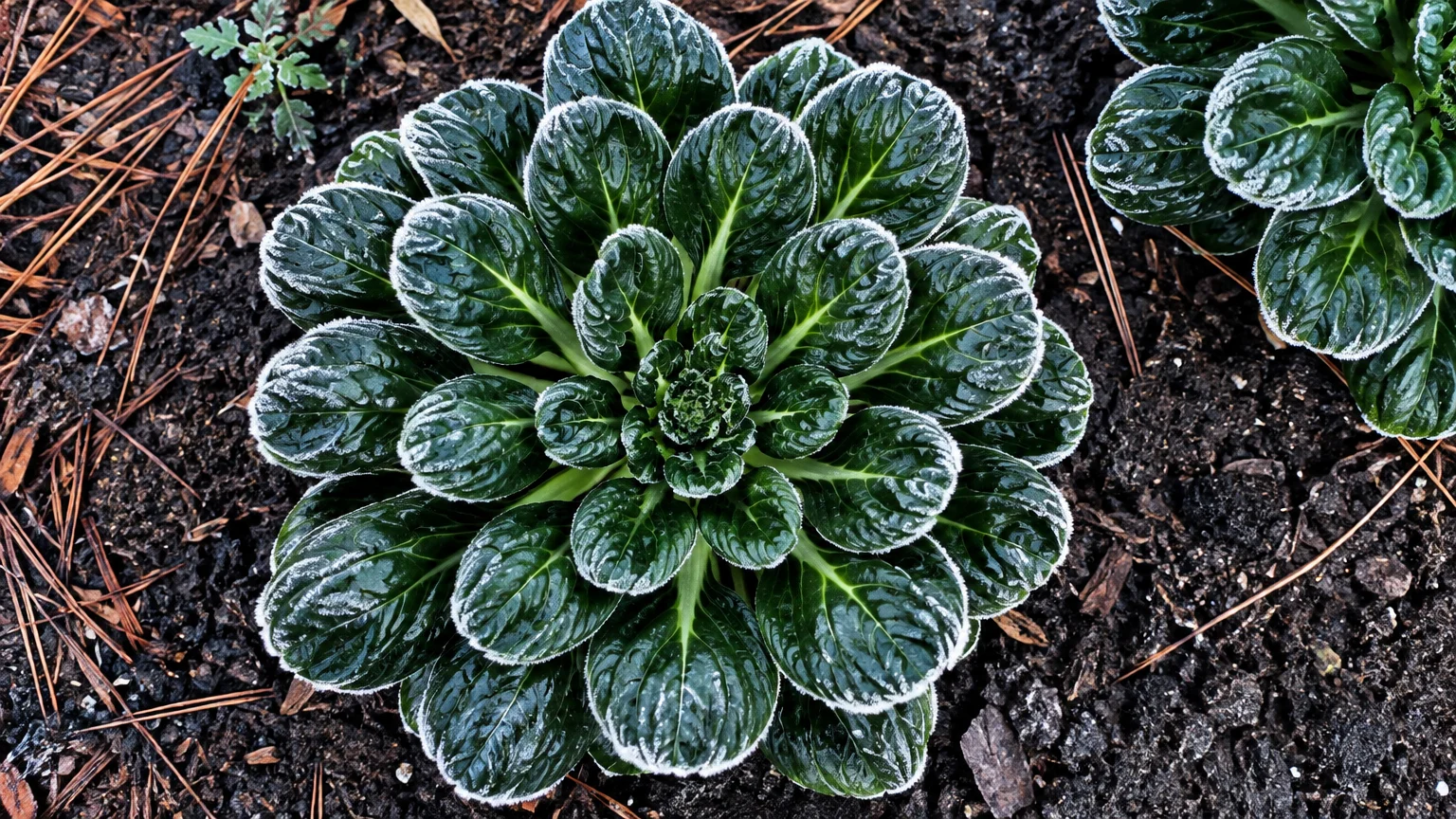
Tatsoi forms an extraordinary, dark green rosette of spoon-shaped leaves that hugs the ground like a mandala. This cold-tolerant Asian brassica routinely handles temperatures plummeting down to 15 degrees Fahrenheit without foliage collapse.
Cold temperatures stimulate tatsoi to accumulate natural sugars, creating a rich, buttery flavor with mild pepperiness. Its prostrate growth habit shelters the plant from biting winds, keeping foliage intact through ice storms.
Direct-sow seeds one-quarter inch deep, thinning young seedlings to eight inches apart as they expand. Providing adequate space allows the dark leaves to flatten into their signature wide, concentric rosette pattern.
Keep the soil moderately moist by watering around the root perimeter rather than soaking the center rosette. Proper watering technique prevents fungal mold during damp, gloomy winter weeks when evaporation slows significantly.
Snip individual outer leaves as needed for cooking, or sever the entire plant at ground level. Tatsoi retains crispness even after freezing, making it an outstanding addition to hot winter skillets.
Maturing in just forty-five days, tatsoi is one of the most rewarding winter vegetables to plant late. Sow fresh seeds in succession every two weeks for an uninterrupted supply of succulent brassica greens.
Drape a floating row cover over the rosettes to shield the glossy leaves from intense winter sun.
Tip #9: Winter Arugula (Wild Roquette)
Winter arugula delivers a vibrant peppery kick that enlivens fresh meals when outdoor gardens appear dormant. While hot summer sunshine makes arugula bitter and tough, cold winter temperatures produce tender, delightfully spicy leaves.
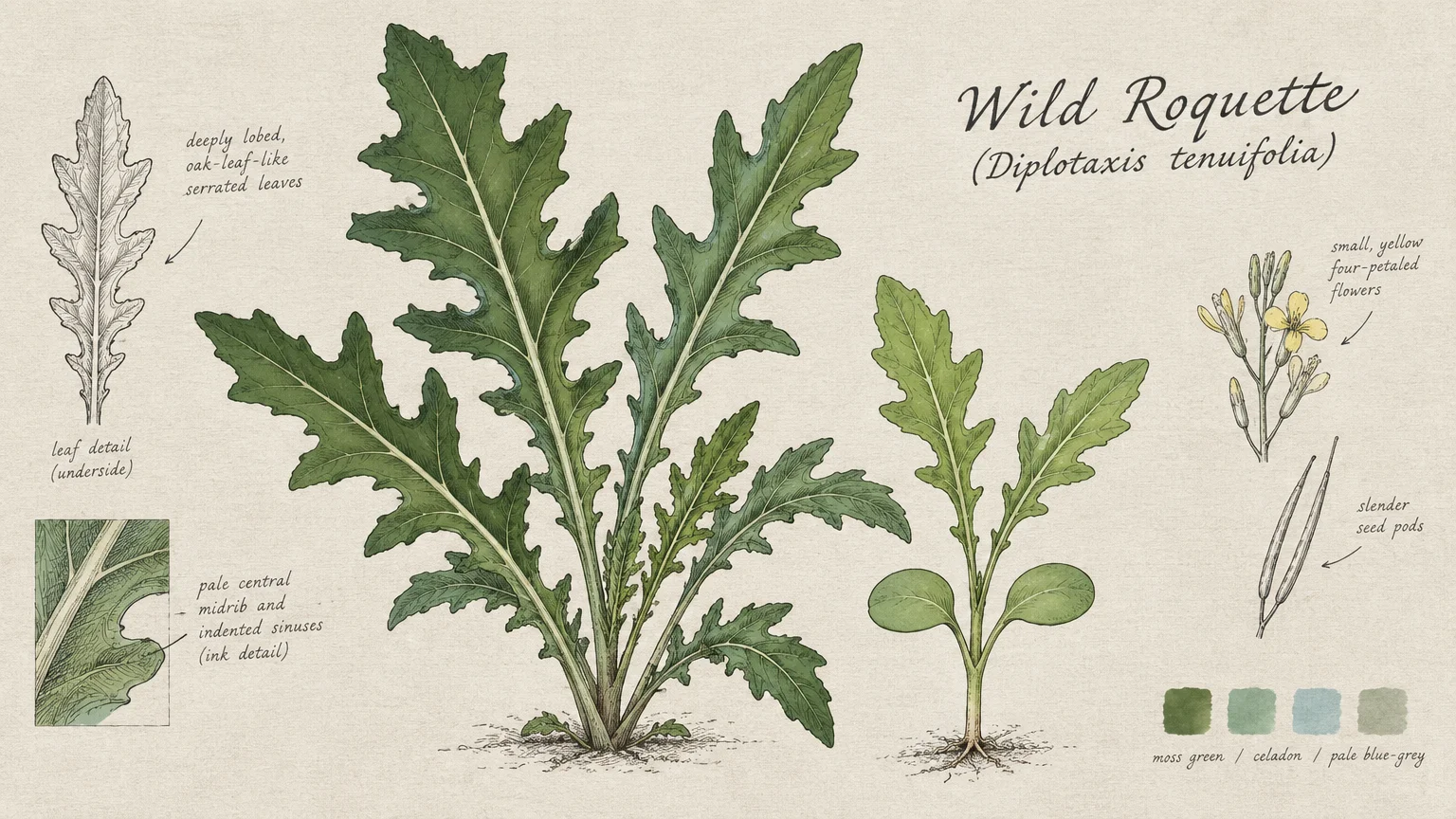
Wild roquette types boast significantly stronger cold tolerance than ordinary cultivated salad rocket varieties. Their deeply notched, slender leaves withstand severe overnight freezes and bounce back cleanly during afternoon thaws.
Sow seeds shallowly, dusting an eighth-inch of compost or vermiculite over the planted bed. The seeds germinate rapidly in cool autumn earth, producing tiny green cotyledons in as little as four days.
Thin seedlings to four inches apart to encourage airflow and prevent damp fungal issues beneath protective covers. Arugula grows with vigor, yielding tender baby leaves within three to four weeks from sowing.
Snip leaves with kitchen shears when they reach four to five inches in height. Leaving the central growing crown untouched allows the plant to produce multiple successive harvests through the winter months.
Place an unheated cold frame or poly-tunnel over the planting bed to harvest greens through heavy snow. You will enjoy crisp, peppery salads in mid-winter while dreaming up your next spring garden plan.
Combine fresh winter arugula with sweet spinach and nutty mâche for an extraordinary homegrown salad bowl.
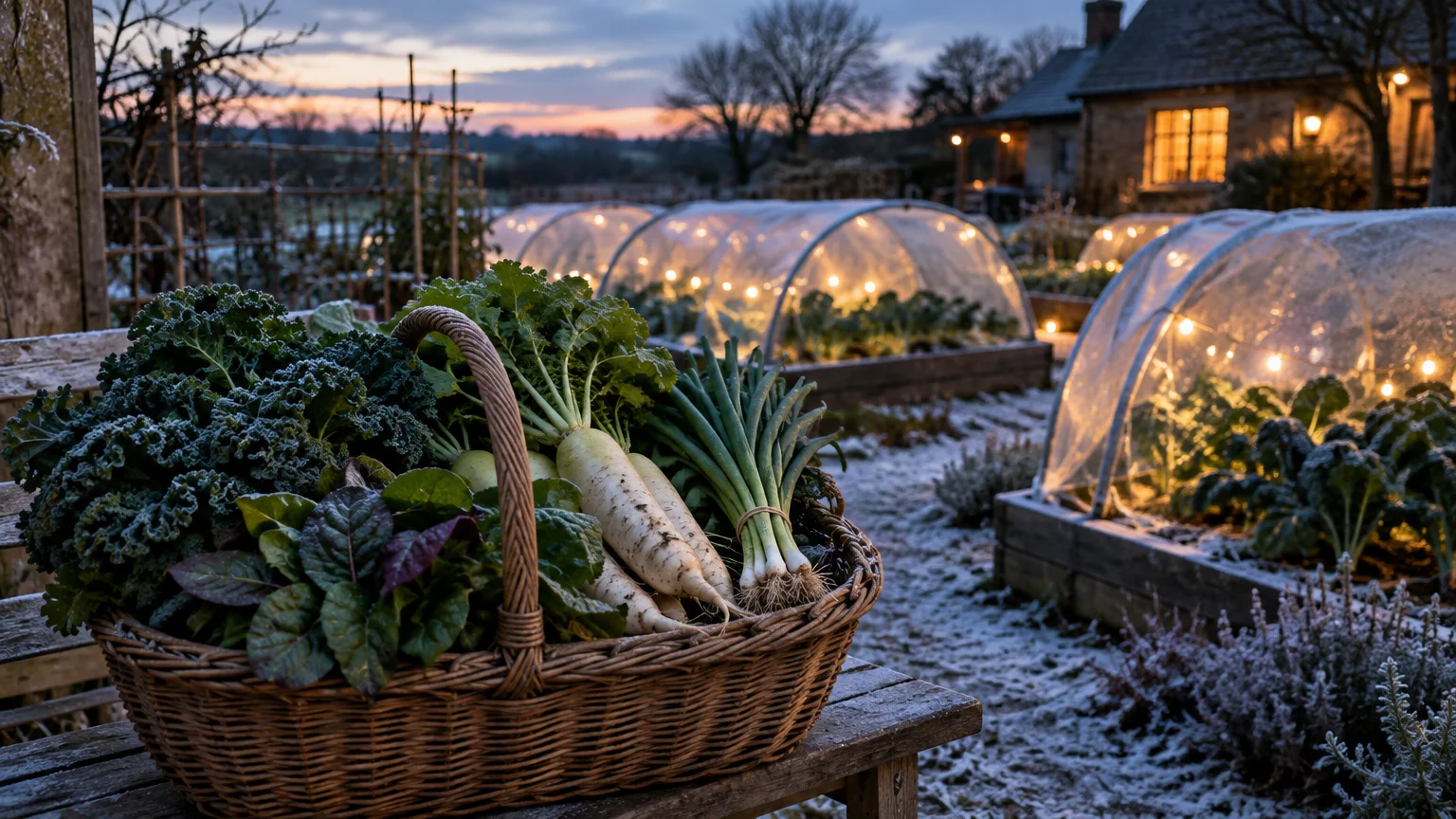
Putting It All Together: Enjoy Your Beautiful Garden
Cultivating winter garden vegetables transforms cold-season gardening from an off-season dormant period into a thrilling, year-round endeavor. With protective row covers and resilient crops, your garden remains a bountiful source of homegrown nutrients.
Cold temperatures eliminate annoying insect pests, reduce daily watering chores, and sweeten your crops through natural sugar concentration. You will enjoy vibrant, flavorful harvests while other gardeners wait impatiently for spring.
Prepare your garden beds today by incorporating finished compost and spreading thick protective mulch. Pick the varieties that suit your kitchen and plant your seeds before the ground freezes solid.
Take pride in harvesting crisp, frosty greens from your own backyard to create wholesome winter meals. Cold weather vegetable gardening proves that every season offers wonderful rewards for the thoughtful gardener.
For region-specific advice, consult your local University Extension program (find yours via the USDA directory). For plant databases and inspiration, visit the Missouri Botanical Garden or the Royal Horticultural Society.
Disclaimer: This article provides general gardening advice. Always consider your specific climate, soil conditions, and local pests. Follow safety guidelines when using gardening tools and products.
Frequently Asked Questions
What is the latest month you can plant winter vegetables?
In most temperate zones, you can plant hardy crops through late October or November before the ground freezes. Garlic and quick-maturing greens like mâche thrive even when planted right before the first hard freeze.
In warmer southern regions, you can sow winter vegetables continuously through December and January. Raised beds and cold frames extend your planting season further into the depths of winter.
Do winter vegetables need direct sunlight to produce crops?
Winter crops need about four to six hours of sunlight daily to sustain healthy growth. Because winter days are shorter and the sun sits lower, place beds in your sunniest location.
Hardy leafy greens like claytonia and spinach tolerate low light better than subterranean root vegetables. Even partial winter sunlight keeps robust greens crisp and harvestable through freezing weather.
How do you protect winter crops from severe freezing?
Floating row covers made of spunbond fabric offer four to eight degrees of vital frost protection. Clear plastic hoop tunnels and deep straw mulch insulate plants against prolonged sub-zero cold snaps.
Vent your plastic tunnels on sunny afternoons to vent excess humidity and warm air. Excess heat can trigger premature flowering, while trapped moisture encourages destructive mold development.
How often should you water vegetables in the winter garden?
Vegetables need significantly less water during winter because cool weather slows soil evaporation dramatically. Check soil dampness weekly and water only when the top two inches feel dry.
Water during sunny mornings so foliage dries completely before evening temperatures drop below freezing. Saturated frozen soil can suffocate fragile roots and promote fungal decay.