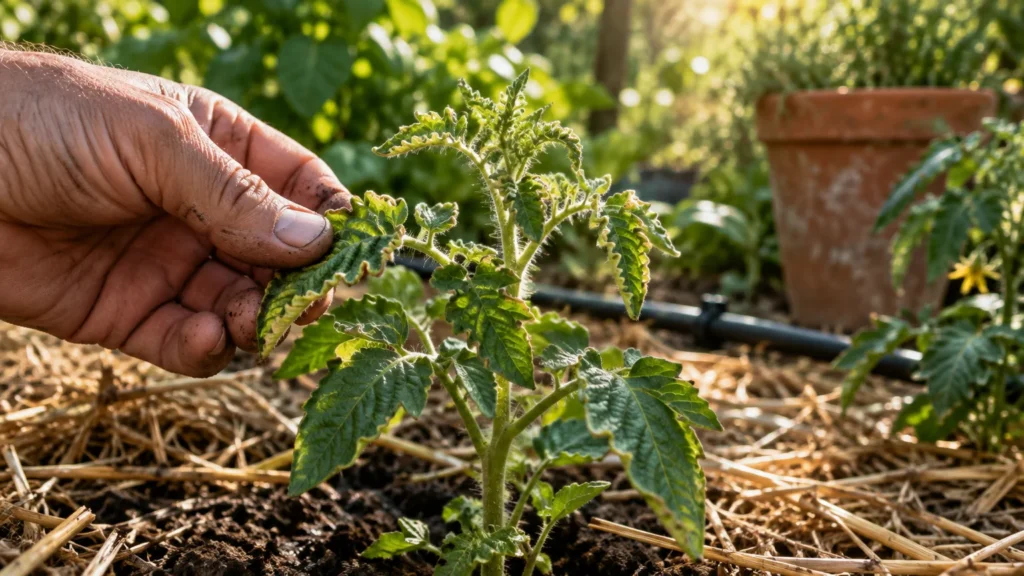
Sustained day warmth charges your vegetables with photosynthetic energy, but cooler nighttime temperatures lock in those vital sugars. Understanding this diurnal temperature rhythm unlocks remarkably sweeter flavors, firmer textures, and heavier yields across your home garden.
When night temperatures dip, plants slow their respiration rates and store valuable carbohydrates instead of burning them away. This dynamic creates the perfect balance for several high-value backyard crops.
Discover the science behind daily temperature shifts and explore the best cold tolerant vegetable crops to plant this season. You will easily transform how you plan your spring and autumn planting calendars.

Tip #1: Crisp Sweet Carrots
Carrots (Daucus carota) stand out as quintessential vegetables that prefer cooler nights. While carrot foliage requires bright, moderate daytime sunshine between 65°F and 75°F (18°C to 24°C) to synthesize carbohydrates, the developing taproots achieve peak sweetness only when nighttime temperatures plunge into the 40°F to 50°F (4°C to 10°C) range. This dramatic difference between daytime warmth and evening chill triggers a powerful biochemical response underground.
During warm daylight hours, carrot leaves produce glucose at a rapid pace. If nights remain equally warm, the plant consumes those fresh sugars through cellular respiration to fuel rapid vegetative growth. Crisp night temperatures, however, arrest this nighttime metabolic burn. In response to the cool soil, the carrot converts its accumulated glucose into stable sucrose and stores it within the taproot. This sucrose serves as a natural antifreeze agent that protects delicate plant cells from thermal stress, gifting you with exceptionally sweet, crunchy roots.
To capitalize on this process, time your carrot sowings approximately ten to twelve weeks before your first expected autumn frost date. Maintain consistent moisture during germination; once seedlings reach three inches in height, thin them to a spacing of two to three inches apart. Mulch your carrot rows with a two-inch layer of clean straw or shredded leaves once evening temperatures begin to drop. This simple technique keeps daytime soil evenly temperate while allowing nighttime air to initiate rich sugar conversion. Harvest your carrots in late autumn or early winter after several brisk nights have settled over your garden beds.
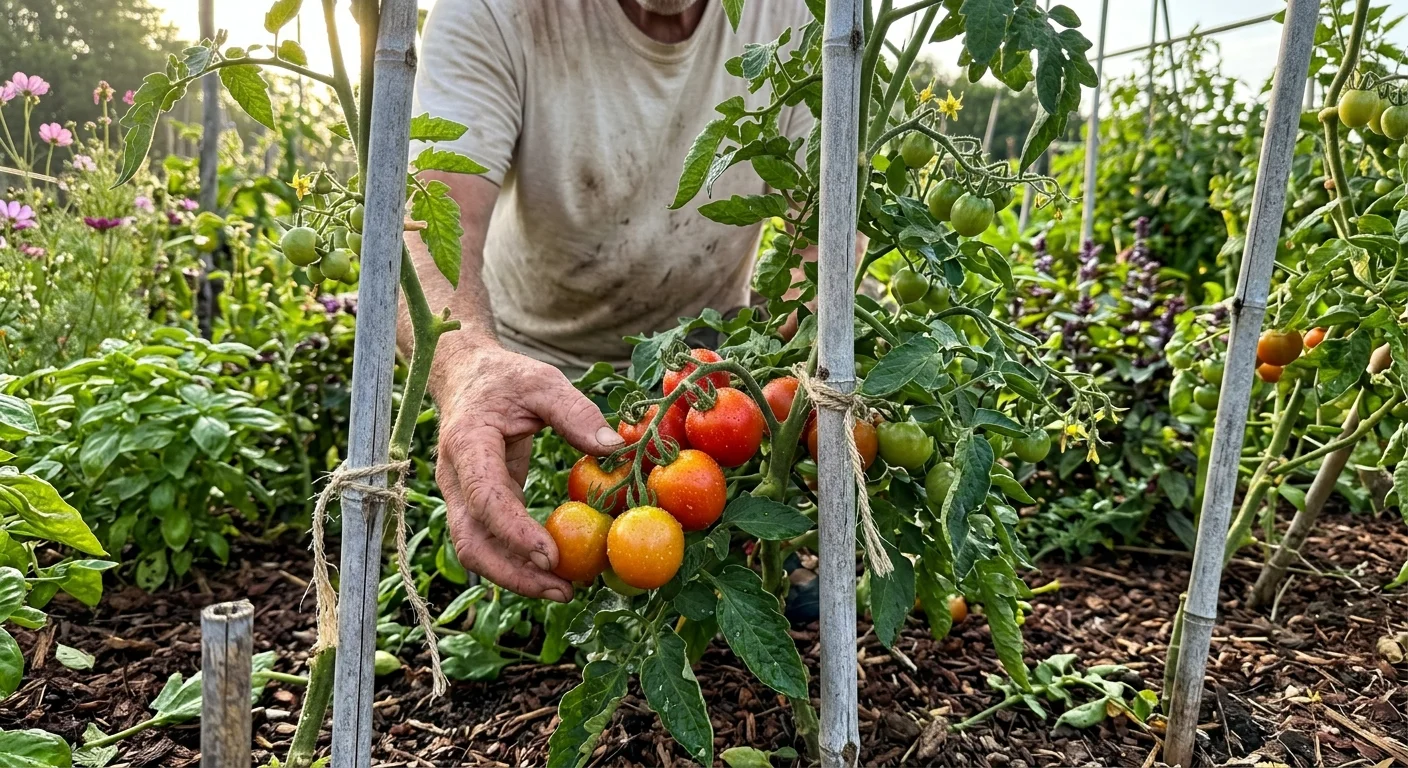
Tip #2: Sweet and Flavorful Tomatoes
Gardeners frequently classify tomatoes (Solanum lycopersicum) as heat-loving summer vegetables, yet standard vine varieties benefit immensely from cooler night temperatures. Tomatoes perform their best photosynthesis when daytime temperatures hover between 75°F and 85°F (24°C to 29°C), but they demand nighttime temperatures that settle between 55°F and 65°F (13°C to 18°C) to set abundant fruit and develop complex flavor profiles.
When nighttime temperatures stay above 75°F (24°C), tomato plants experience severe physiological stress. Excessive night heat accelerates respiration, burning through the starches that the vine manufactured during the afternoon. High nighttime temperatures also damage pollen viability, causing flowers to drop before pollination can occur. Cooler nights give the vine an opportunity to recover, redirecting energy reserves toward fruit swelling while preserving an ideal balance of citric acid, malic acid, and fructose within the ripening fruit walls.
Position your tomato plants in locations that receive early morning sunlight and strong air circulation. In regions with scorching summer afternoons, install a thirty percent shade cloth over your tomato trellises during peak heat hours to prevent daytime thermal buildup, enabling the plants to cool down rapidly as dusk arrives. Avoid applying high-nitrogen fertilizers during mid-summer, as excessive nitrogen combined with warm nights encourages leafy runaway growth at the expense of blossom set. Consistent deep watering at the root zone in the morning keeps the root mass hydrated without creating humid evening conditions that invite fungal foliage diseases.
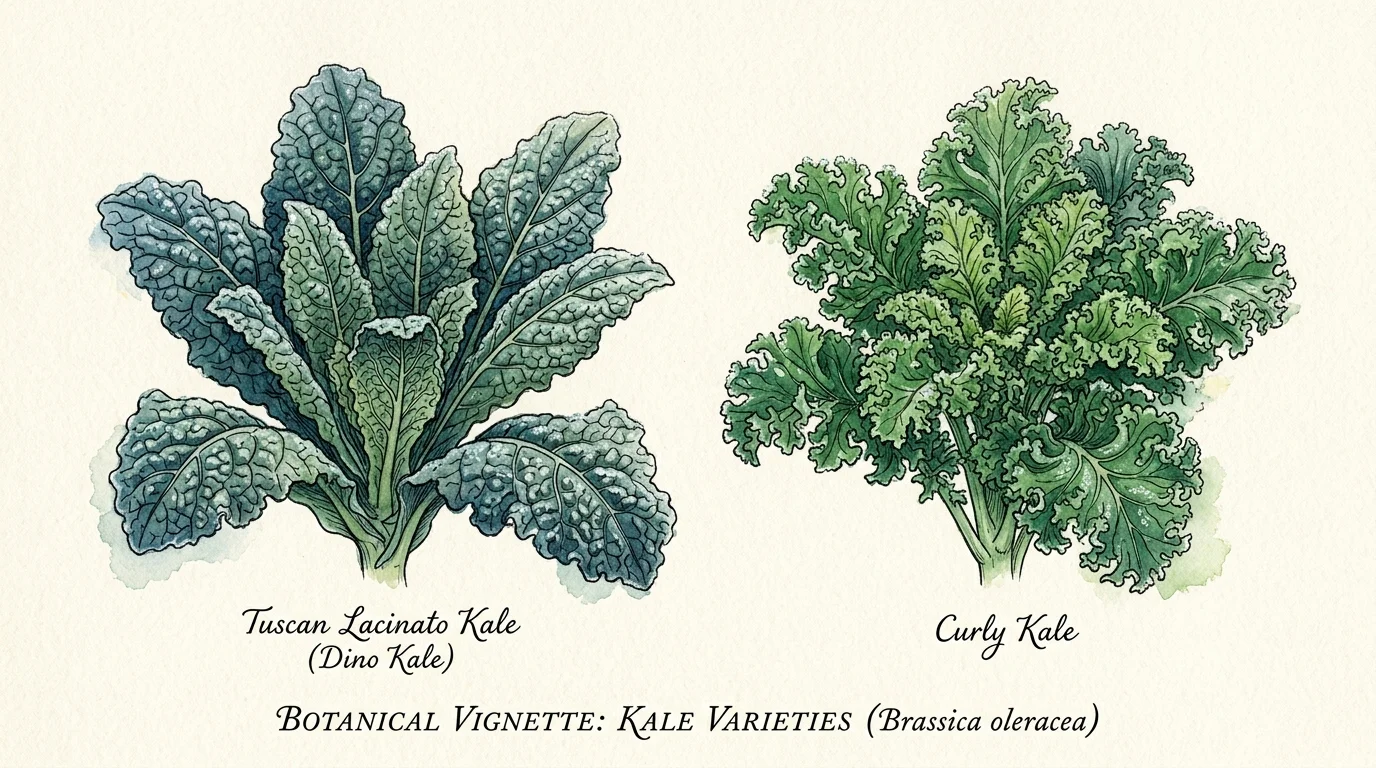
Tip #3: Tuscan and Curly Kale
Kale (Brassica oleracea var. acephala) represents one of the premier crops that thrive in cool nights. While kale plants easily tolerate warm daytime sunlight that fuels leafy canopy production, they rely on cool night temperatures between 35°F and 48°F (2°C to 9°C) to eliminate bitterness and develop a delightfully tender, nutty flavor profile.
The bitter flavor often associated with summer-harvested kale stems from high concentrations of sulfur-based compounds known as glucosinolates. When daytime sun combines with chilly night air, kale plants alter their metabolic pathway. They break down complex structural starches into free-floating simple sugars—mainly glucose and fructose—to lower the freezing point of the water inside their leaf cells. This natural survival mechanism masks glucosinolates, significantly softens the fibrous cell walls, and increases the production of beneficial antioxidant anthocyanins in red and purple varieties.
Start your kale seeds indoors in midsummer and transplant them outdoors six to eight weeks before your region’s first anticipated autumn freeze. Space the plants twelve to eighteen inches apart in rich, well-draining soil fortified with aged organic compost. As autumn nights grow cooler, begin harvesting the lowest, most mature outer leaves first. Always harvest your kale early in the morning following a cold evening; the sugar concentration inside the foliage reaches its daily maximum right before the morning sun resumes daytime starch synthesis.
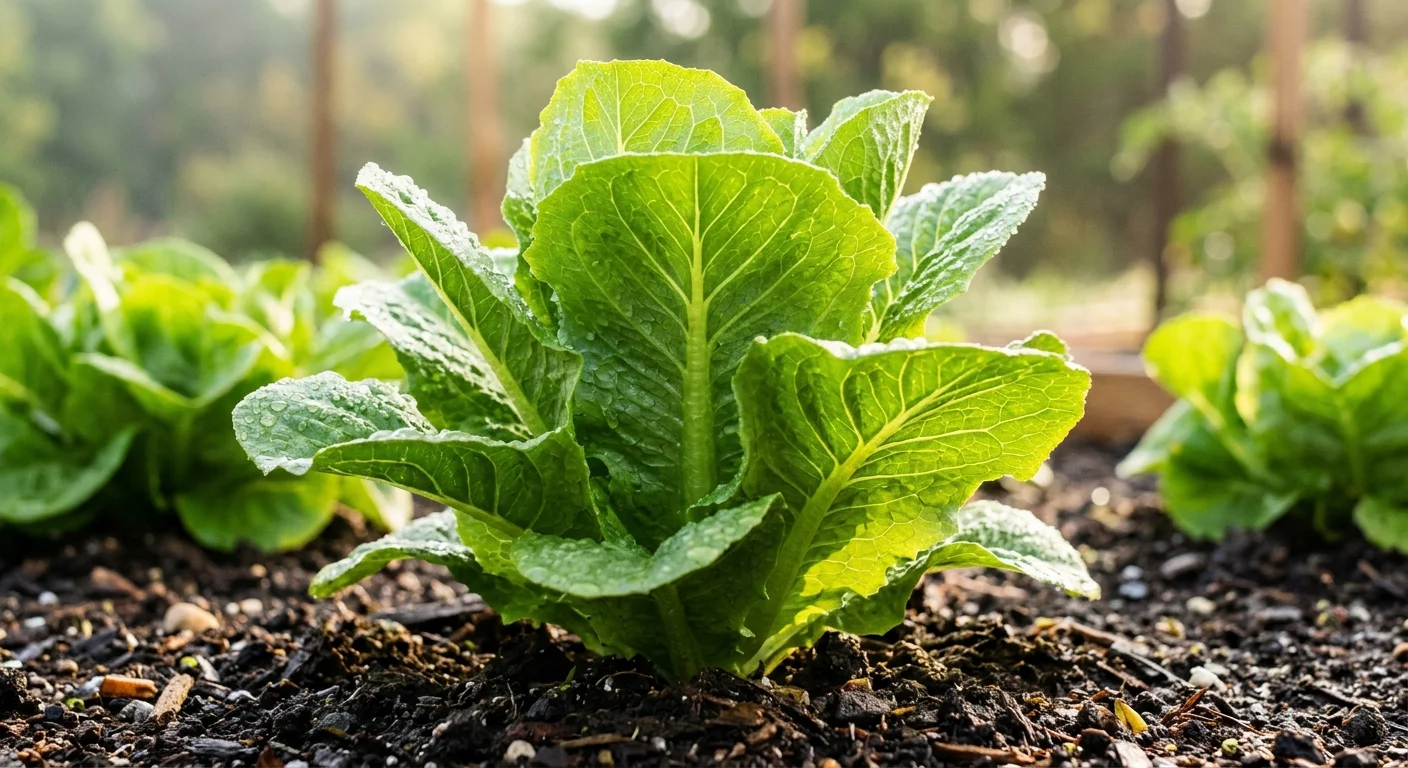
Tip #4: Crisp Romaine and Head Lettuce
Lettuce (Lactuca sativa) is among the best crops for temperature drops, offering its sweetest leaves when days are mild and nights are crisp. Lettuce tolerates daytime temperatures between 60°F and 70°F (15°C to 21°C), but it requires night temperatures between 45°F and 55°F (7°C to 13°C) to maintain compact growth and avoid early bolting.
When nights remain warm, lettuce plants produce elevated levels of gibberellic acid—a growth hormone that triggers flower stalk elongation, known as bolting. As a lettuce plant prepares to bolt, it channels its energy away from leafy development and fills its vascular system with lactucarium, a milky, intensely bitter fluid. Cooler nights suppress this hormonal signal; the plant continues tight, dense vegetative leaf production with high cellular moisture content, delivering crisp, refreshing leaves rather than tough, bitter stems.
Integrate practical cool night gardening tips into your lettuce beds by utilizing succession planting every two weeks from late summer into mid-autumn. If daytime temperatures spike unseasonably high, apply a gentle overhead sprinkling of water in the late afternoon. As this moisture evaporates in the fading sunlight, it naturally drops the microclimate temperature around the lettuce heads by several degrees just as evening sets in. Interplant lettuce heads beneath the protective canopy of taller autumn crops, such as trellised peas, to provide afternoon dappled shade while exposing the greens to cool night skies.
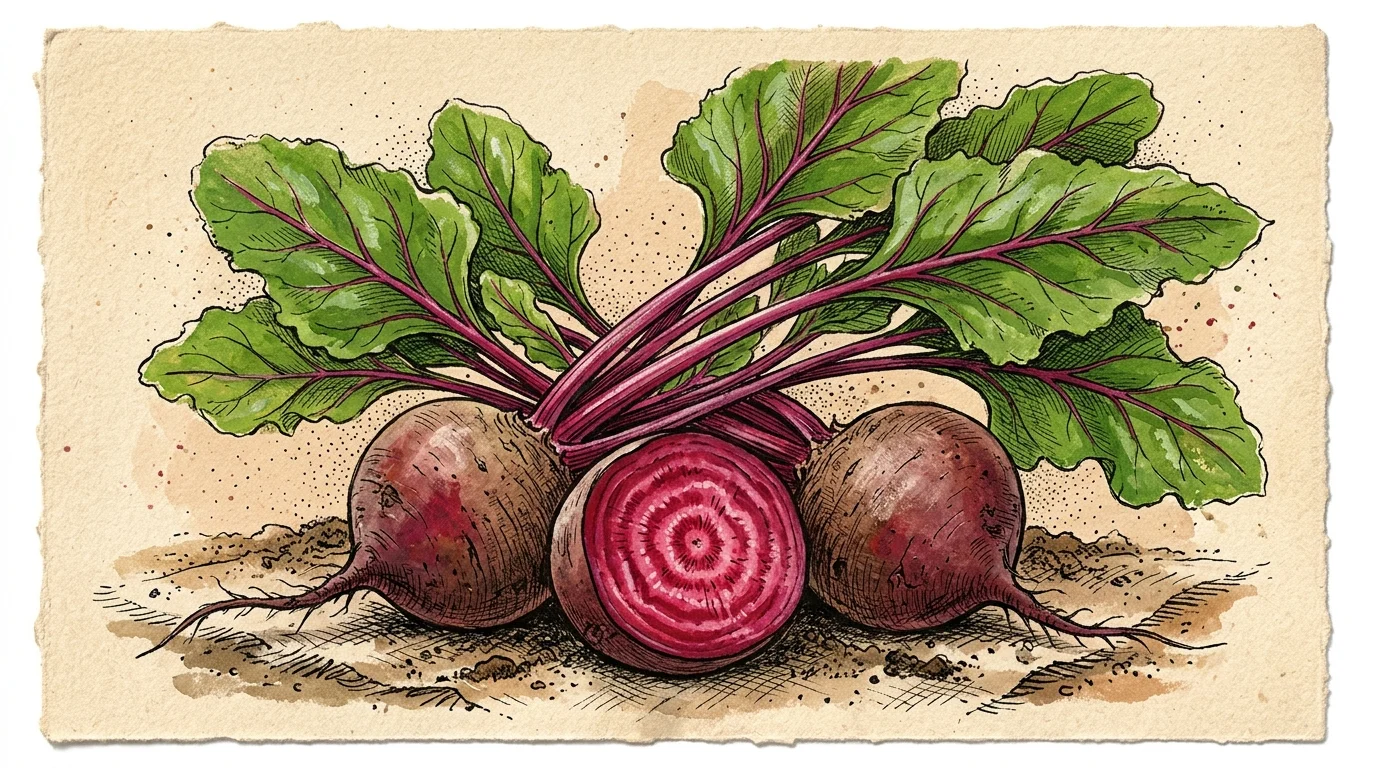
Tip #5: Sweet Table Beets
Table beets (Beta vulgaris) produce exceptional yields when sunny, moderate daytime hours alternate with brisk evening air. While beet greens capture generous amounts of solar radiation during 65°F to 72°F (18°C to 22°C) days, the swollen root hypocotyl depends on nighttime temperatures dropping between 45°F and 52°F (7°C to 11°C) to maximize its sucrose accumulation and smooth, earthy sweetness.
Photosynthesis in beet foliage creates massive amounts of sucrose each afternoon. If nights stay warm, the plant’s metabolic engine burns that sugar immediately to generate more leafy tops. Conversely, cooler night air acts as a biological switch, directing the transport of concentrated sucrose downward through the petiole straight into the storage root. Furthermore, cool evening temperatures stimulate the synthesis of betalain pigments, enhancing the deep ruby, crimson, or golden hues that characterize top-quality table beets.
Sow beet seeds directly into loose, stone-free soil with a pH between 6.2 and 7.0. Because each beet seed cluster contains multiple embryos, thin the emergent seedlings promptly to three or four inches apart to eliminate root competition. Provide adequate soil potassium—through additions of wood ash or organic greensand—which aids the internal enzymatic transport of sugars from leaves to roots during cool evening hours. Harvest your beets when they reach two to three inches in diameter after several weeks of cool night exposure for prime tenderness and peak sugar density.
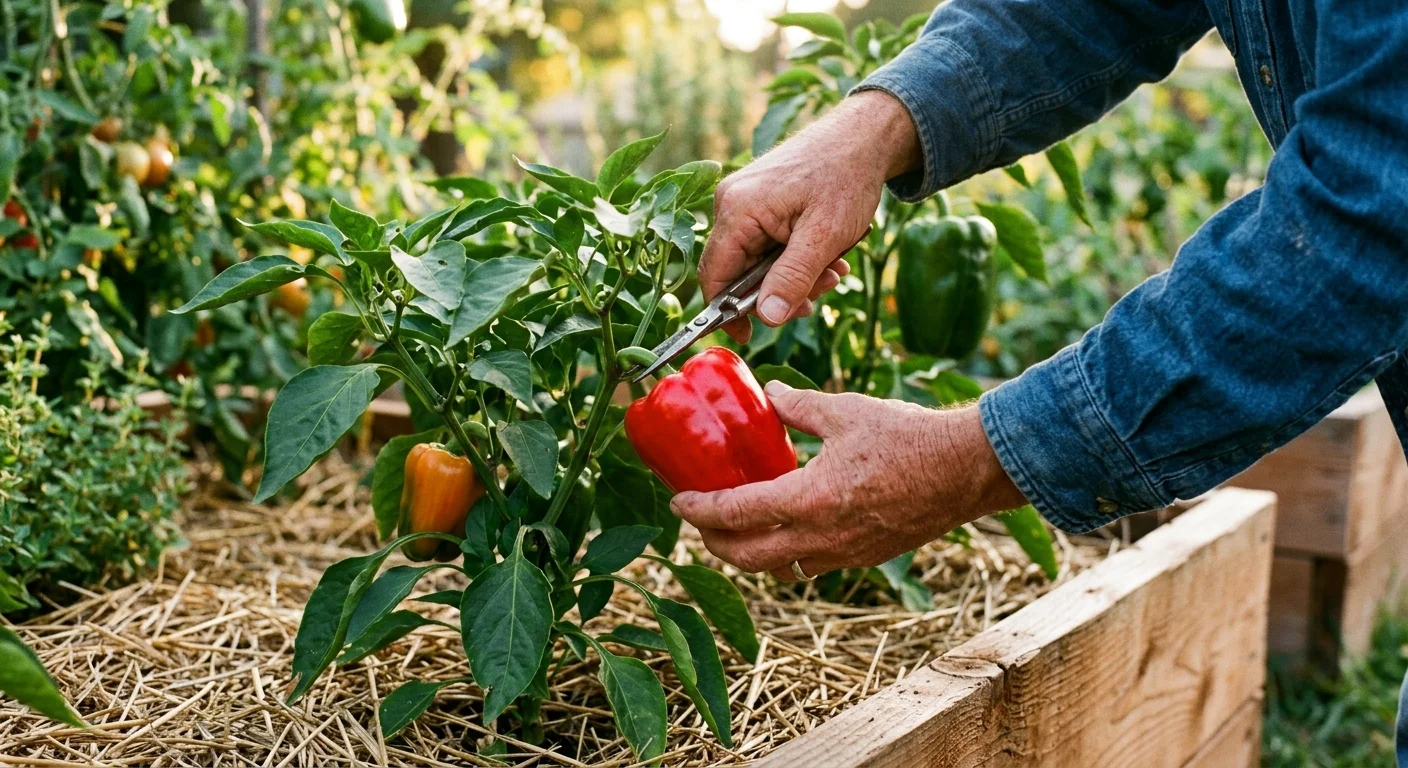
Tip #6: Thick-Walled Sweet Bell Peppers
Sweet bell peppers (Capsicum annuum) benefit dramatically from a distinct day-to-night temperature shift. Bell peppers thrive under daytime warmth of 78°F to 85°F (25°C to 29°C), which encourages active flowering and fruit expansion; however, they require night temperatures to drop to 60°F to 65°F (15°C to 18°C) to develop thick, juicy pericarp walls and high sweetness.
When night temperatures stay above 70°F (21°C), bell pepper blossoms often drop prematurely due to respiratory exhaustion. Even when fruit successfully sets during sustained warm nights, the resulting peppers tend to have thin, papery walls and subdued flavor. A noticeable diurnal drop of fifteen to twenty degrees slows cellular breakdown overnight, allowing the plant to concentrate its daytime carbohydrates into thick fruit walls and rich carotenes, turning mature green peppers into brilliant red, orange, or yellow culinary treasures.
Establish sweet peppers in fertile, moisture-retentive soil in full sun. Add a three-inch layer of organic mulch around the base of your pepper plants once the soil has warmed in late spring; this layer stabilizes root zone temperatures while the foliage responds to the diurnal air fluctuations. Prune off the earliest crown flowers if your plants are small, directing early vegetative energy toward sturdy stems that can support heavy, thick-walled peppers as autumn’s cooler nights arrive.
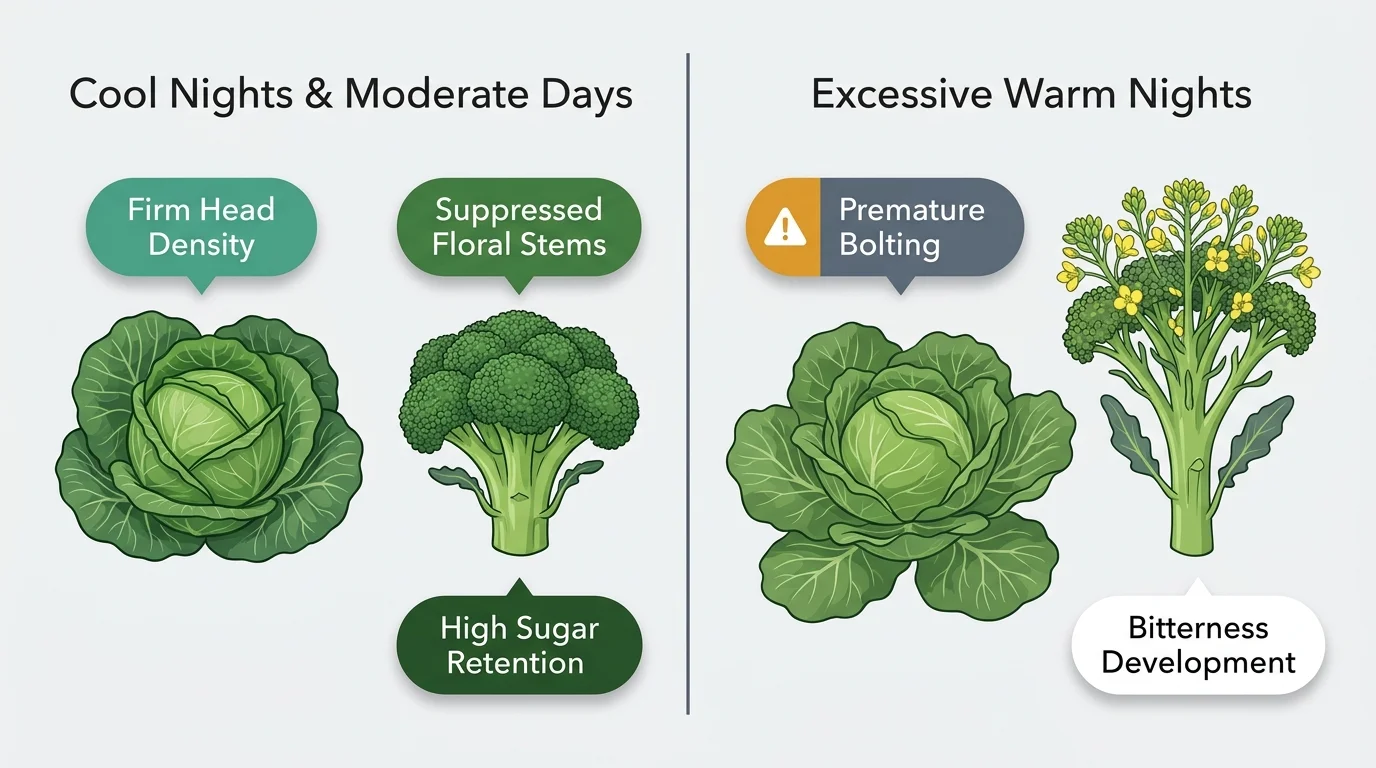
Tip #7: Head-Forming Cabbage and Broccoli
Brassica head crops such as broccoli and cabbage (Brassica oleracea) display a pronounced requirement for cool nighttime temperatures. While these heavy-feeding crops need daytime sun between 60°F and 70°F (15°C to 21°C) to generate large frame leaves, they require night temperatures between 40°F and 50°F (4°C to 10°C) to form dense, compact edible heads rather than loose, flowering stems.
When nights stay warm, broccoli crowns rapidly loosen, leading to yellow flower buds opening before the head reaches harvestable size. Warm nights similarly cause cabbage to form loose, puffy, fibrous heads with unappealing texture. When the nighttime air chills, cell division remains tight and measured. The plant packs its florets or leaves into dense, solid structures while sweetening the stems with stored sugars. In addition, cool night temperatures suppress the activity of common insect pests like cabbage loopers and aphids, allowing the plants to mature clean and unblemished.
Time your brassica transplants so head formation occurs during the shortening, cooling days of late summer and early autumn. Apply a balanced organic fertilizer rich in phosphorus and potassium when heads begin to form, avoiding excessive late-season nitrogen. Keep soil evenly moist with regular drip irrigation, and harvest broccoli crowns promptly in the early morning while the beads are tight and cold to preserve maximum post-harvest shelf life.
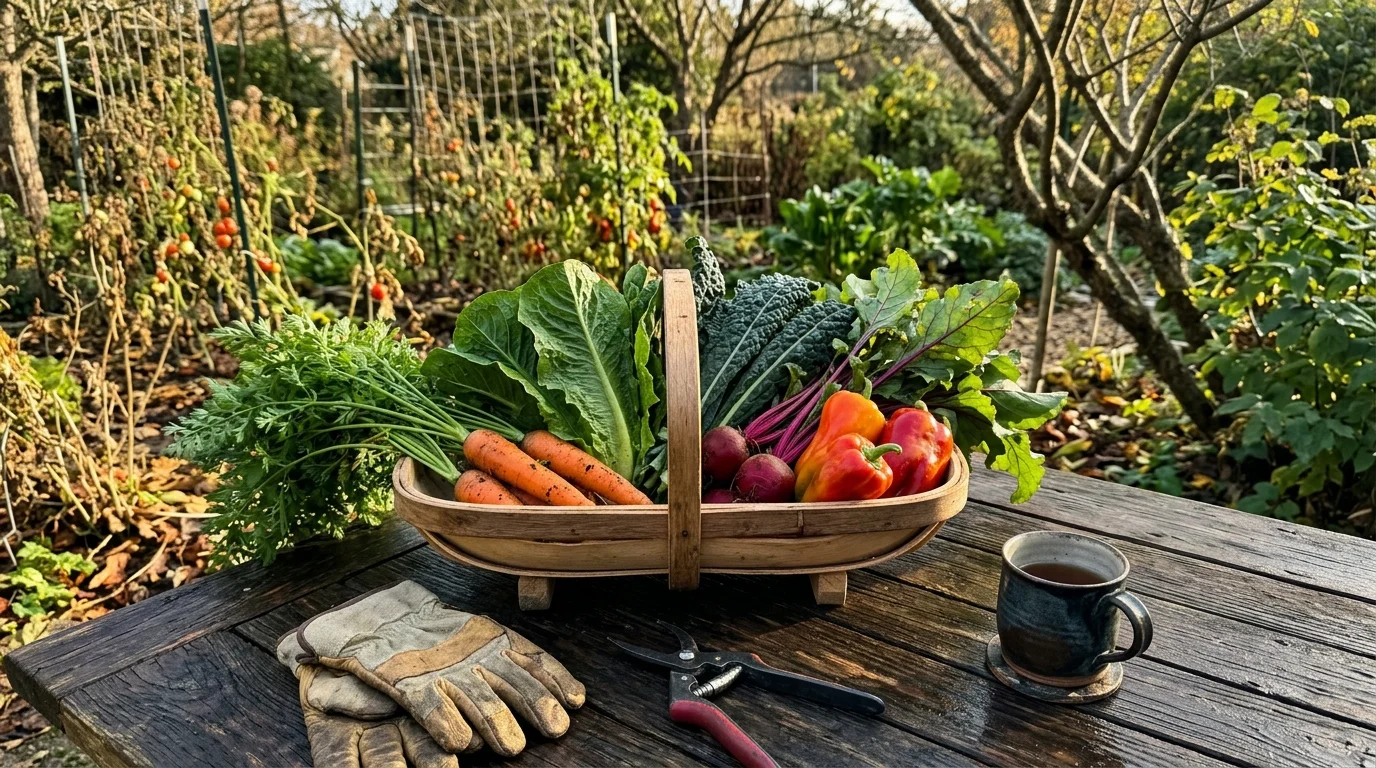
Putting It All Together: Enjoy Your Beautiful Garden
Gardening in harmony with natural diurnal temperature swings transforms your vegetable patch into a productive, high-flavor sanctuary. By matching your planting schedules to the seasonal rhythm of warm, sunny afternoons and brisk, cool evenings, you allow your crops to utilize solar energy during the day while safeguarding those precious sugars overnight.
Take advantage of seasonal transitions in both spring and autumn to grow cold tolerant vegetable crops alongside day-warmth lovers. Utilize tools like breathable row covers, organic mulches, and late-afternoon irrigation to manage microclimates and extend your harvesting window well into the frosty months. When you honor the biological need for nighttime rest in your crops, your garden rewards you with unmatched flavor, crispness, and vitality.
For region-specific advice, consult your local University Extension program (find yours via the USDA directory). For plant databases and inspiration, visit the Missouri Botanical Garden or the Royal Horticultural Society.
Disclaimer: This article provides general gardening advice. Always consider your specific climate, soil conditions, and local pests. Follow safety guidelines when using gardening tools and products.
Frequently Asked Questions
Why do cool nights make vegetables taste sweeter?
During the day, plants use sunlight to produce sugars through photosynthesis. At night, plants burn these sugars for energy via cellular respiration. Cool nighttime temperatures significantly slow down respiration rates, allowing the plant to store its surplus sugars rather than burning them. In cold-hardy crops like carrots and kale, plants also convert starches into simple sugars as an organic antifreeze to protect their cell walls from freezing.
What is the ideal day-to-night temperature difference for most crops?
Most vegetable crops thrive with a diurnal temperature difference of fifteen to twenty-five degrees Fahrenheit (eight to fourteen degrees Celsius). This spread allows the plant to maximize daytime energy production under warm sunlight while resting and conserving resources under cooler night skies.
How can gardeners create cooler night conditions during hot seasons?
You can create a cooler evening microclimate by watering the soil surface around your beds in the late afternoon, which lowers ambient temperatures through evaporative cooling. Applying light-colored organic mulches, utilizing shade cloth to reduce afternoon heat absorption, and situating sensitive crops where evening breezes can circulate freely also help reduce nighttime thermal stress.
Can warm-season crops like peppers and tomatoes tolerate cold night temperatures below 50°F?
While tomatoes and peppers benefit from night temperatures in the 55°F to 65°F (13°C to 18°C) range, temperatures consistently below 50°F (10°C) can stunt growth, cause blossom drop, and slow fruit ripening. When autumn nights drop below 50°F, use floating row covers or cloches to protect these warm-season crops from excessive chill while harvesting the remaining mature fruits.