You do not have to settle for bare garden beds when summer ends. With the right autumn flowering plants, you can easily extend garden color into fall until hard frosts arrive.
Cooler autumn weather intensifies floral pigments, producing deeper jewel tones than summer heat ever allows. Late blossoms also provide critical nectar for pollinators preparing for winter chill.
Transform your landscape into a resilient sanctuary with these proven best late fall flowers. Here are twelve reliable choices that will keep your borders lively deep into November.
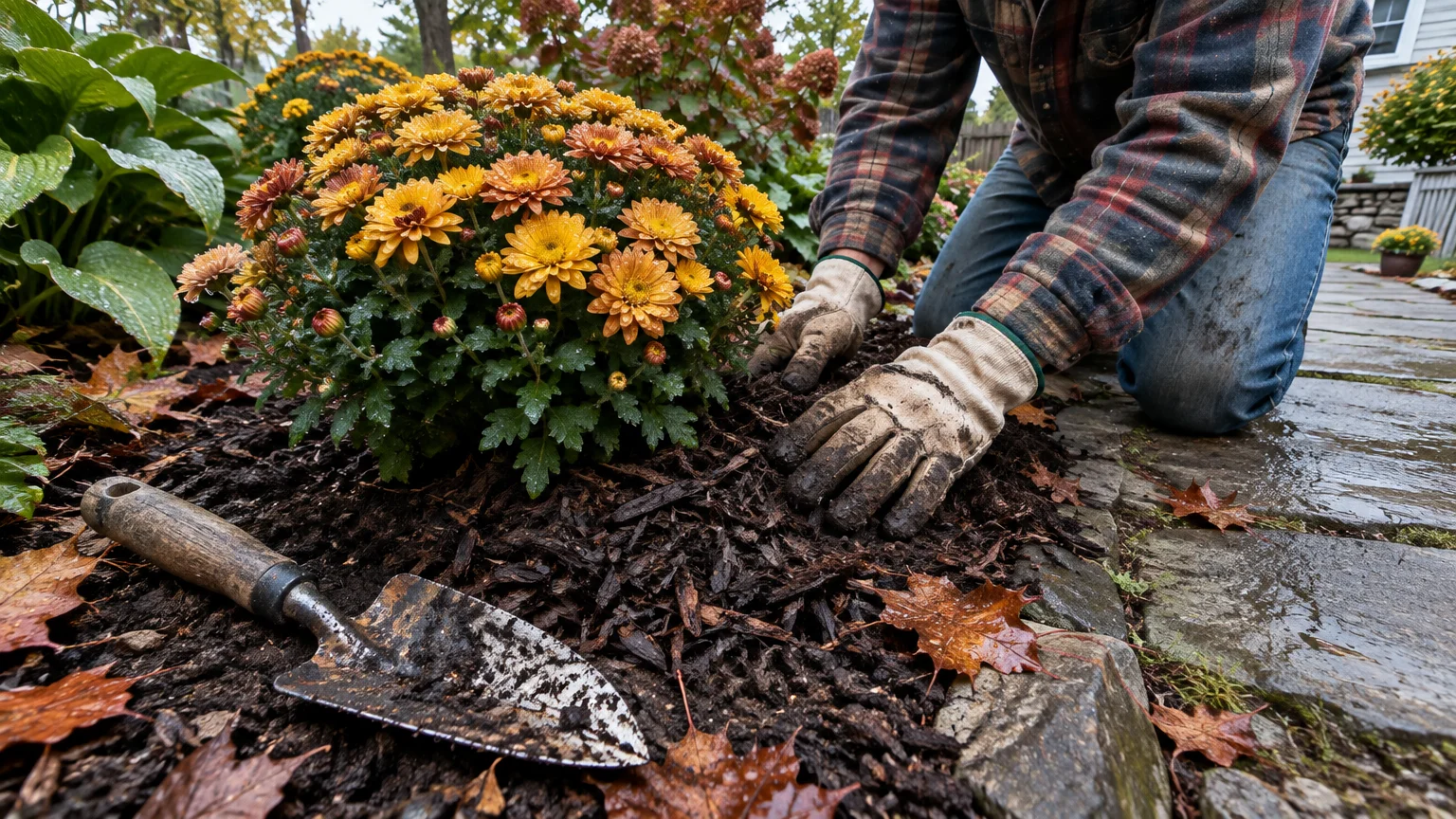
Tip #1: Garden Mums (Chrysanthemum grandiflorum)
Garden mums reign supreme among fall blooming flowers across North American landscapes. These dense perennials produce hundreds of tight, daisy-like blossoms in bronze, burgundy, gold, and ivory.
Their flowering window peaks between September and November, shrugging off light frosts down to 28 degrees Fahrenheit. They instantly revitalize tired porch planters and garden borders after summer annuals decline.
For true perennial performance, install hardy garden mums during spring so roots establish before winter. If you buy containerized plants in autumn, transplant them into fertile, well-draining soil immediately.
Water your plants at the soil level rather than overhead to prevent foliar fungal diseases like powdery mildew. Consistent soil moisture keeps flower buds plump and prevents premature petal drop during sunny autumn afternoons.
Insulate the plant crowns with three inches of shredded bark mulch before the first hard freeze arrives. This protective blanket shields shallow root systems from damaging freeze-thaw cycles throughout midwinter.
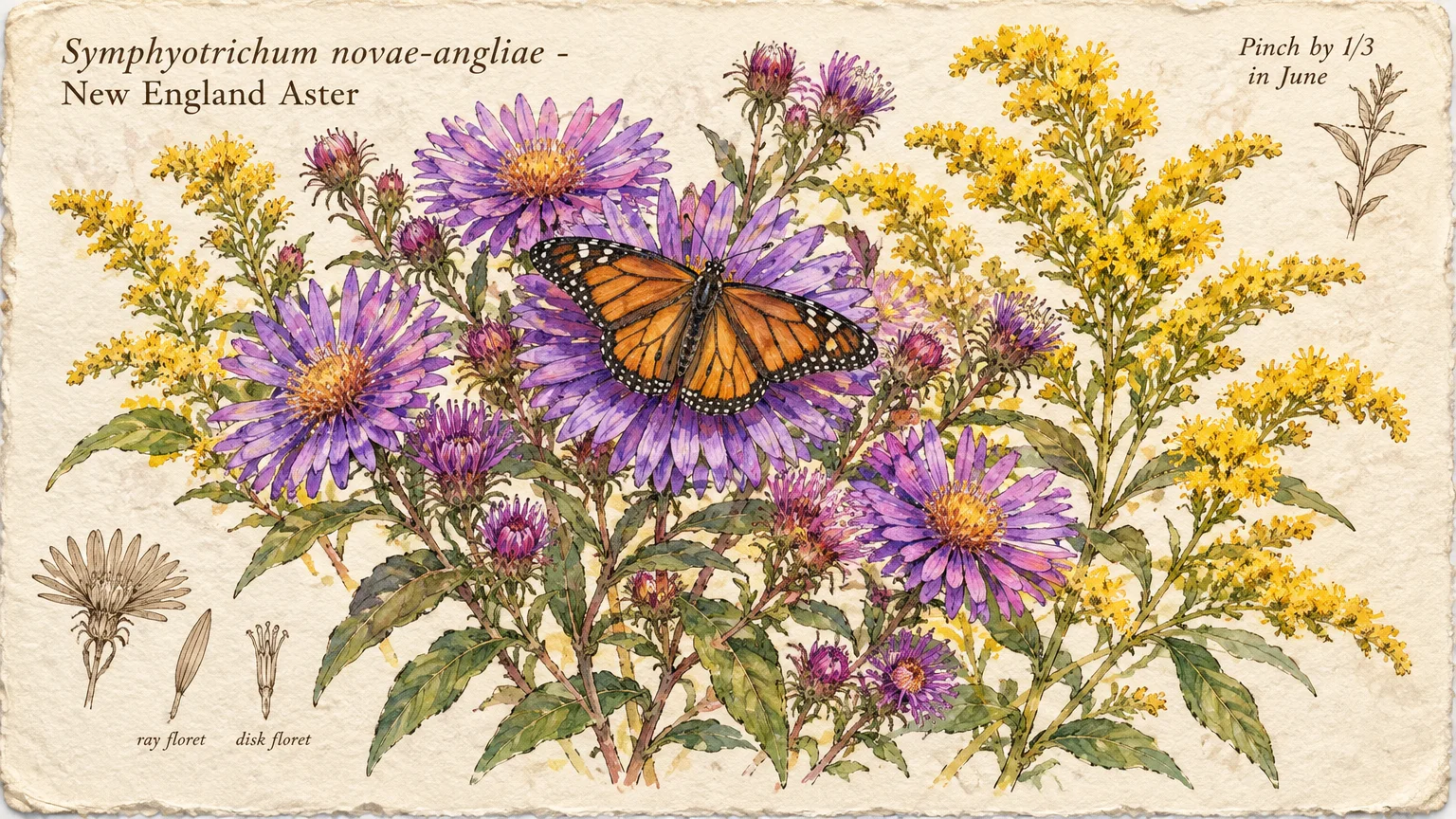
Tip #2: New England Asters (Symphyotrichum novae-angliae)
New England asters deliver a dazzling display of rich purple, magenta, and lavender daisy blossoms. These vigorous native perennials begin opening in late August and continue blooming well past initial autumn frosts.
They rank among the best late fall flowers for supporting local biodiversity. Asters supply abundant late-season nectar for migrating monarch butterflies and resident bees preparing for winter hibernation.
Plant your asters in full sun where they receive at least six hours of direct light daily. Provide moist, humus-rich soil, and maintain good air circulation around the lower stems to deter powdery mildew.
Pinch back growing stem tips by one-third in early June to promote dense, stocky branching. This simple pruning step eliminates the need for staking tall stems when autumn rainstorms arrive.
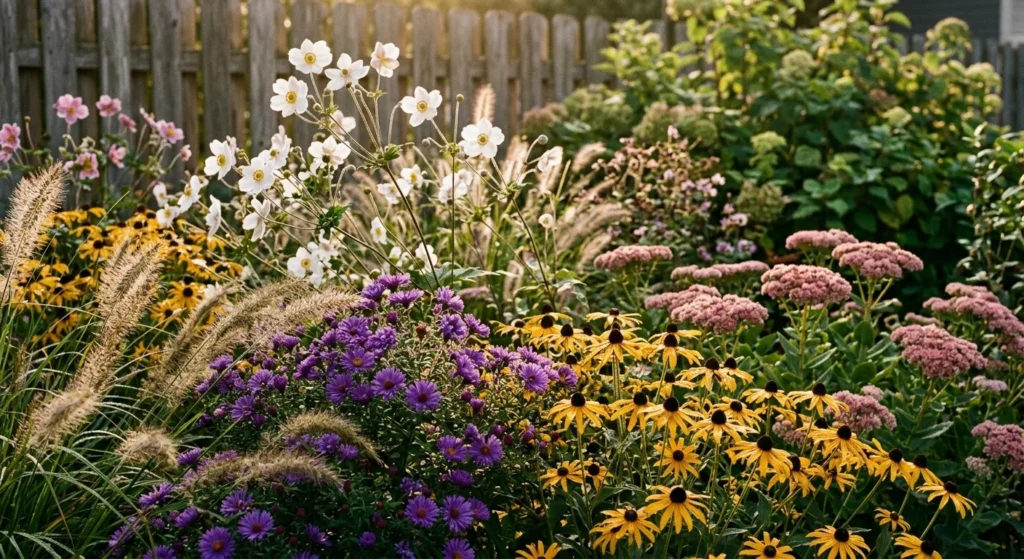
Pair asters alongside yellow goldenrods and native grasses for a classic autumnal meadow appearance. The striking contrast between golden plumes and royal violet petals creates unmatched visual energy in borders.
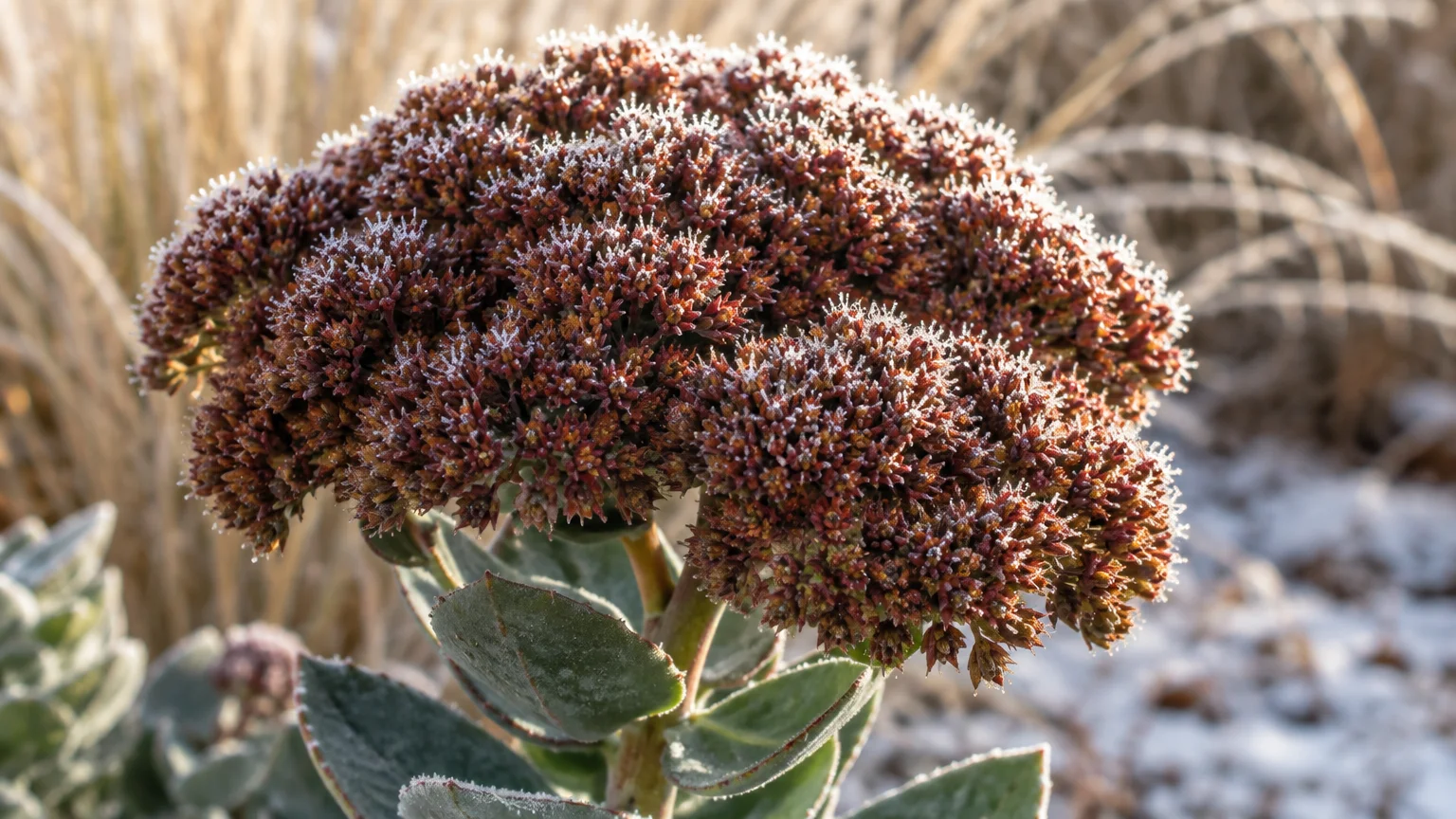
Tip #3: Autumn Joy Stonecrop (Hylotelephium spectabile)
Autumn Joy stonecrop provides sculptural blue-green succulent foliage throughout summer before producing massive dome-shaped flower heads. These blossoms open dusty pink in late summer and deepen to rusty mahogany as autumn advances.
This rugged perennial effortlessly withstands freezing autumn temperatures without dropping petals or foliage. Even after heavy frosts kill tender growth, dried flower heads maintain strong architectural interest through winter snow.
Situate stonecrop in full sun and lean, sharply draining soil for optimal stem strength. Rich soil or excessive water causes stems to grow floppy, ruining the plant’s neat, upright silhouette.
Water newly installed plants once a week during their first growing season to establish healthy roots. Once established, stonecrop easily handles prolonged autumn droughts without supplemental irrigation.
Leave the dried flower stalks standing through the coldest months to catch falling snow and shelter beneficial insects. Prune the spent stems back to ground level in early spring as new green rosettes appear.
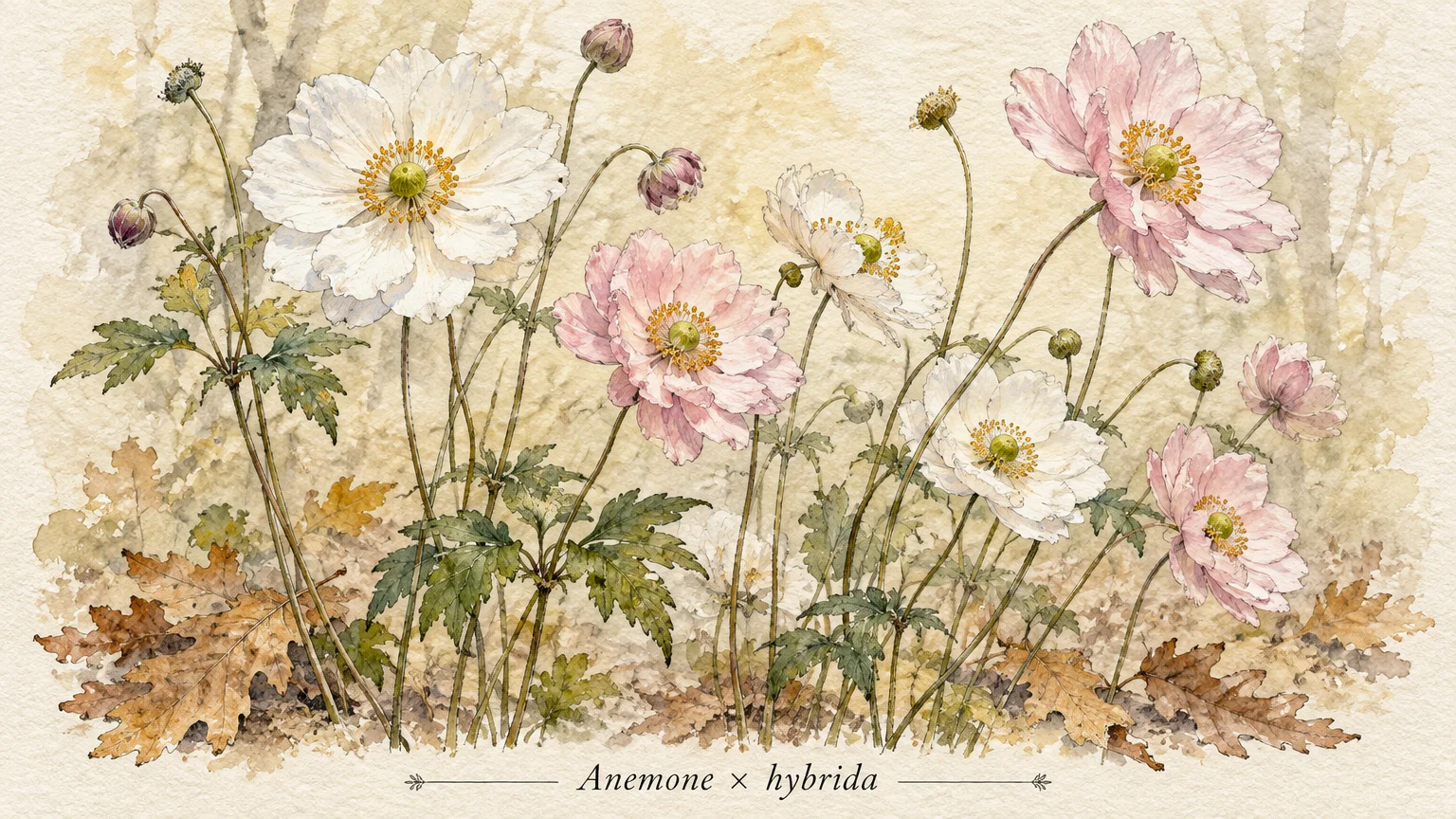
Tip #4: Japanese Anemones (Anemone × hybrida)
Japanese anemones add graceful motion to autumn borders with saucer-shaped blooms bobbing on tall, wiry stems. Their satin petals encircle bright chartreuse centers, offering clean shades of pure white, blush, and rose-pink.
These elegant autumn flowering plants brighten partially shaded corners from late August straight through November freezes. While most autumn blossoms feature heavy harvest tones, anemones deliver an airy, delicate aesthetic.
Plant your anemones in fertile, humus-rich soil that stays consistently moist throughout the growing season. Choose a sheltered planting site protected from harsh, gusty winds that might snap their tall floral stems.
Spread a two-inch layer of organic compost around the root zone each spring to preserve soil moisture. Anemones dislike drying out, so irrigate them during dry spells to maintain crisp, healthy foliage.
Give these plants ample room in your landscape because their underground runners spread vigorously over time. They will gradually form expansive, weed-suppressing colonies beneath deciduous trees and large shrubs.
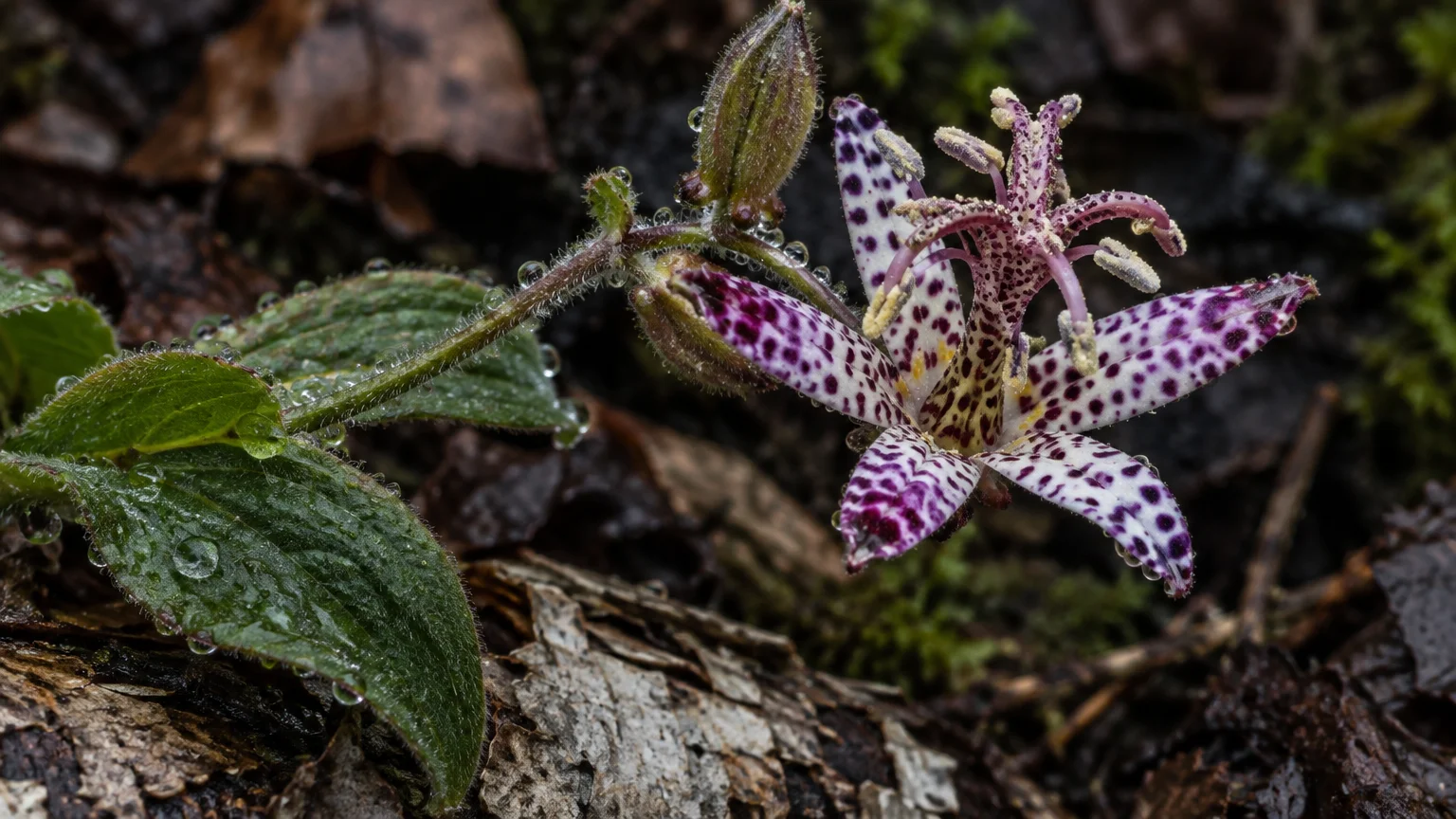
Tip #5: Toad Lilies (Tricyrtis hirta)
Toad lilies resemble exquisite tropical orchids, yet they are hardy perennials suited for chilly temperate climates. Their star-shaped blossoms feature creamy white petals covered in intricate speckles of royal purple and lavender.
They wait until late September or October to open, filling a critical bloom gap when other shade plants fade. Their cool-toned blossoms tolerate light frosts and resist deer browsing with dependable consistency.
Plant toad lilies in partial to full shade where soil stays evenly moist and rich in decaying organic matter. Shield their soft foliage from intense midday sunlight, which quickly scorches leaf margins.
Position them near shaded walkways, patio borders, or raised garden beds where you can admire their intricate petal details. Their delicate markings reward close inspection from visiting guests.
Top-dress the planting bed with leaf mold or shredded leaves each fall to mimic natural forest conditions. This protective layer insulates rhizomes against harsh winter chills and enriches the soil as it decomposes.
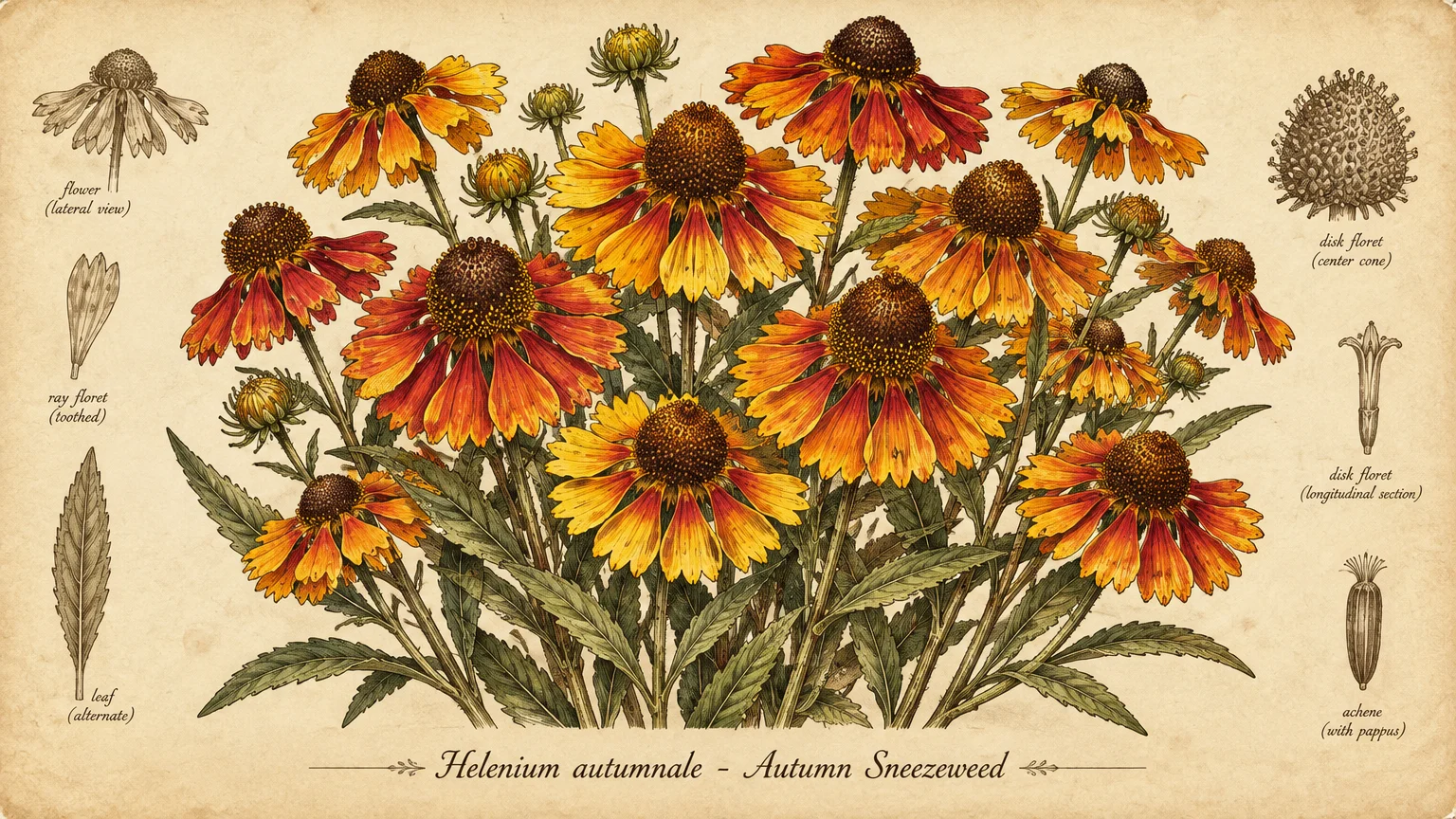
Tip #6: Autumn Sneezeweed (Helenium autumnale)
Autumn sneezeweed produces abundant daisy-like blooms featuring prominent, spherical center cones and wedge-shaped petals. Flowers glow in fiery shades of burnt orange, gold, russet, and rich mahogany throughout late season beds.
Despite its misleading historic common name, sneezeweed does not trigger seasonal hay fever in humans. Its heavy, insect-borne pollen stays put while blossoms endure falling temperatures and chilly autumn breezes without fading.
Give sneezeweed a prime location in full sun with moist to wet soil conditions. It excels in low-lying garden spots, rain gardens, and heavy clay soils where other perennials struggle with poor aeration.
Deadhead spent blossoms every week during September and October to encourage continuous formation of new flowering buds. Regular deadheading extends garden color into fall for several additional weeks.
Divide dense root clumps every three years during early spring to maintain vigorous plant health. Replanting fresh divisions prevents the centers of older clumps from dying out and losing flowering vigor.
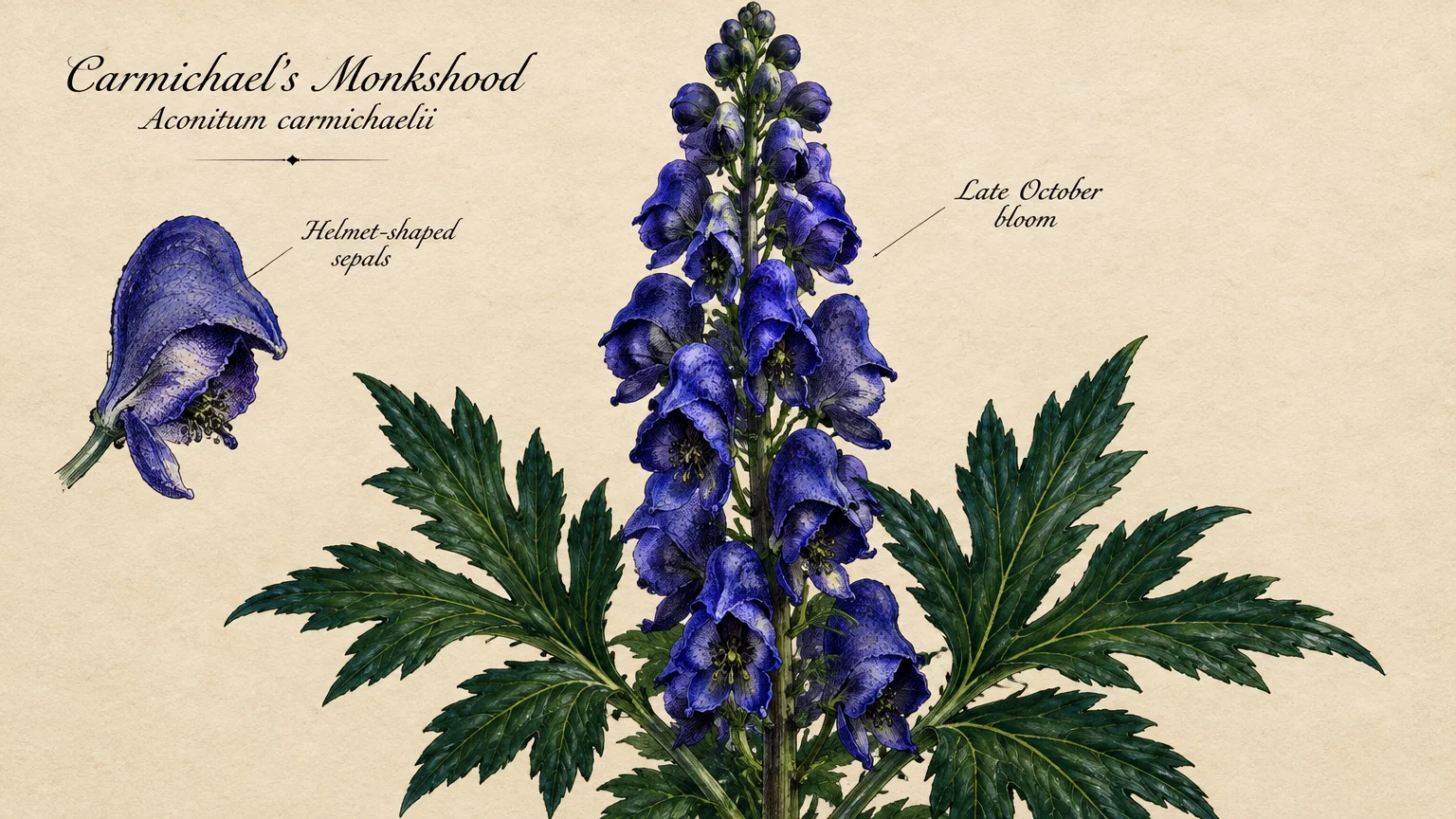
Tip #7: Carmichael’s Monkshood (Aconitum carmichaelii)
Carmichael’s monkshood showcases stately vertical spires loaded with deep azure and violet hooded flowers. It provides the majestic architectural presence of early summer delphiniums, but blooms reliably from September into November.
This hardy perennial embraces cool autumn weather and shrugs off sub-freezing night temperatures without losing blossom color. Its intense blue hues create striking focal points against the warm golds and oranges of falling autumn foliage.
Plant monkshood in partial shade or full sun where soils remain cool, moist, and organically fertile. Incorporate well-rotted leaf compost into the planting hole to provide long-lasting nutrition and moisture retention.
Wear protective gloves whenever you prune, transplant, or handle monkshood, as all plant tissues contain potent alkaloids. Locate this stunning perennial well away from areas frequented by pets or small children.
Stake tall flower stems early in late summer if you plant them in windy or partially shaded spots. Providing discreet support prevents heavy autumn rain showers from toppling the dramatic floral spikes.
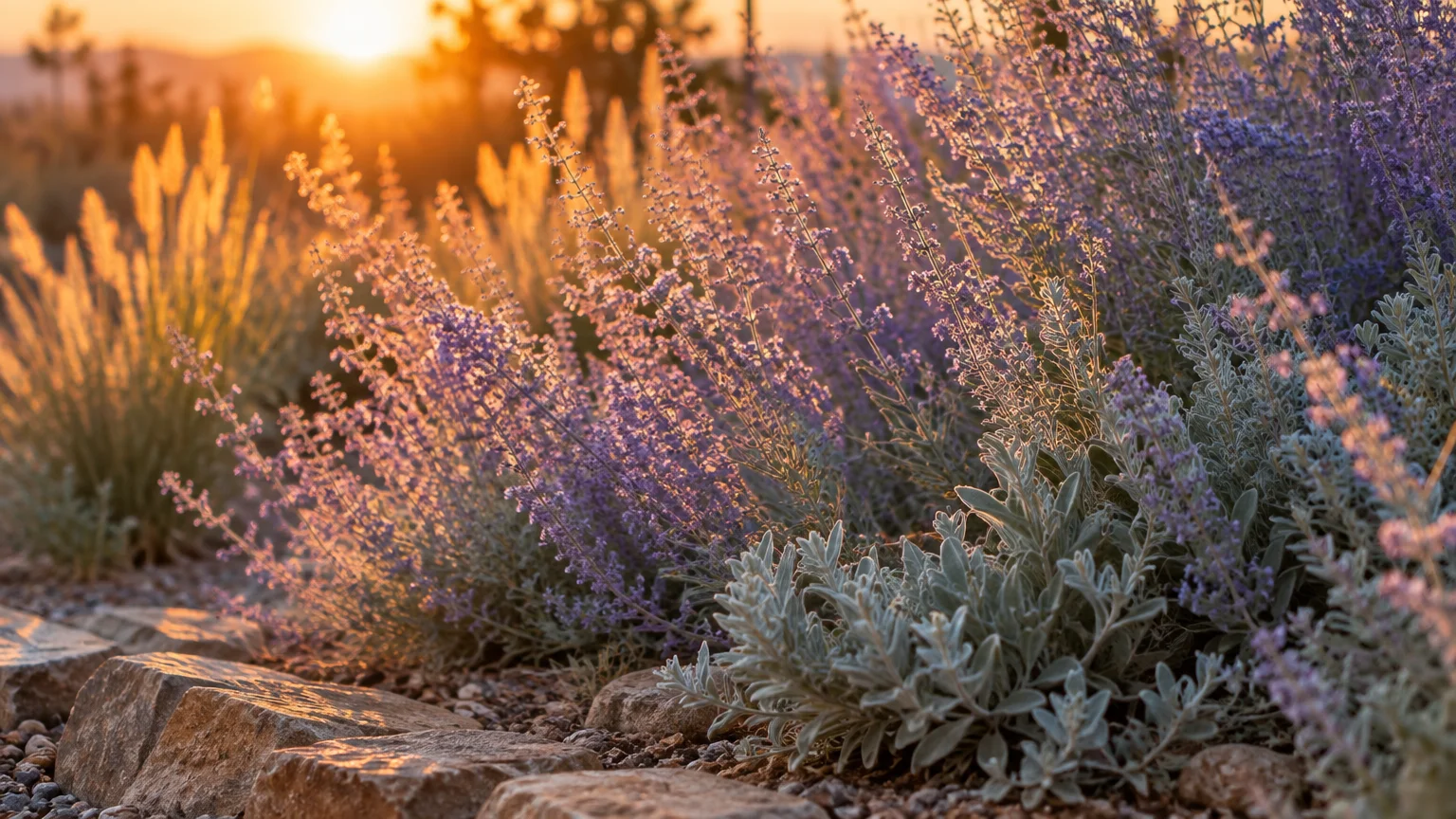
Tip #8: Russian Sage (Salvia yangii)
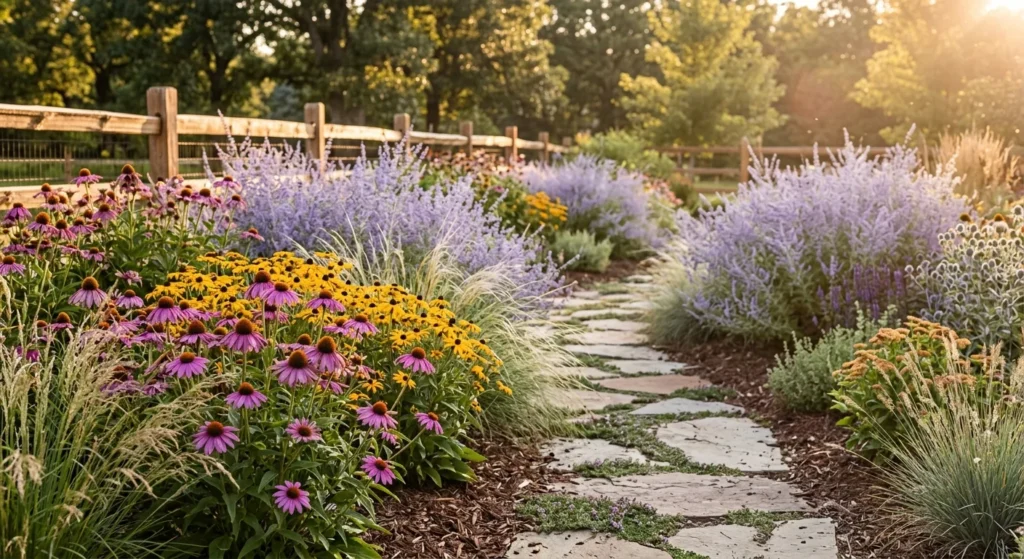
Russian sage creates an airy cloud of lavender-blue blossoms atop finely textured, aromatic, silvery-gray foliage. This resilient sub-shrub begins blooming in midsummer and continues producing flowers undeterred by November frosts.
The aromatic oils in its foliage make Russian sage naturally unpalatable to deer, rabbits, and garden pests. Meanwhile, the nectar-filled purple spires attract honeybees and native bumblebees on mild autumn afternoons.
Choose an open site in full sun with lean, sharply draining soil for the best growth habit. Avoid planting in damp, heavy clay, which can rot the root crown during freezing winter months.
Resist the urge to apply synthetic fertilizers, because excess soil nitrogen causes weak, sprawling stems that flop over. Russian sage performs best in rocky or poor soils that restrict overly rapid, soft growth.
Leave the silvery stems intact through winter to enjoy their ghost-like silhouette against gray winter skies. Cut the woody stems back to six inches above the soil in early spring to stimulate vigorous new growth.
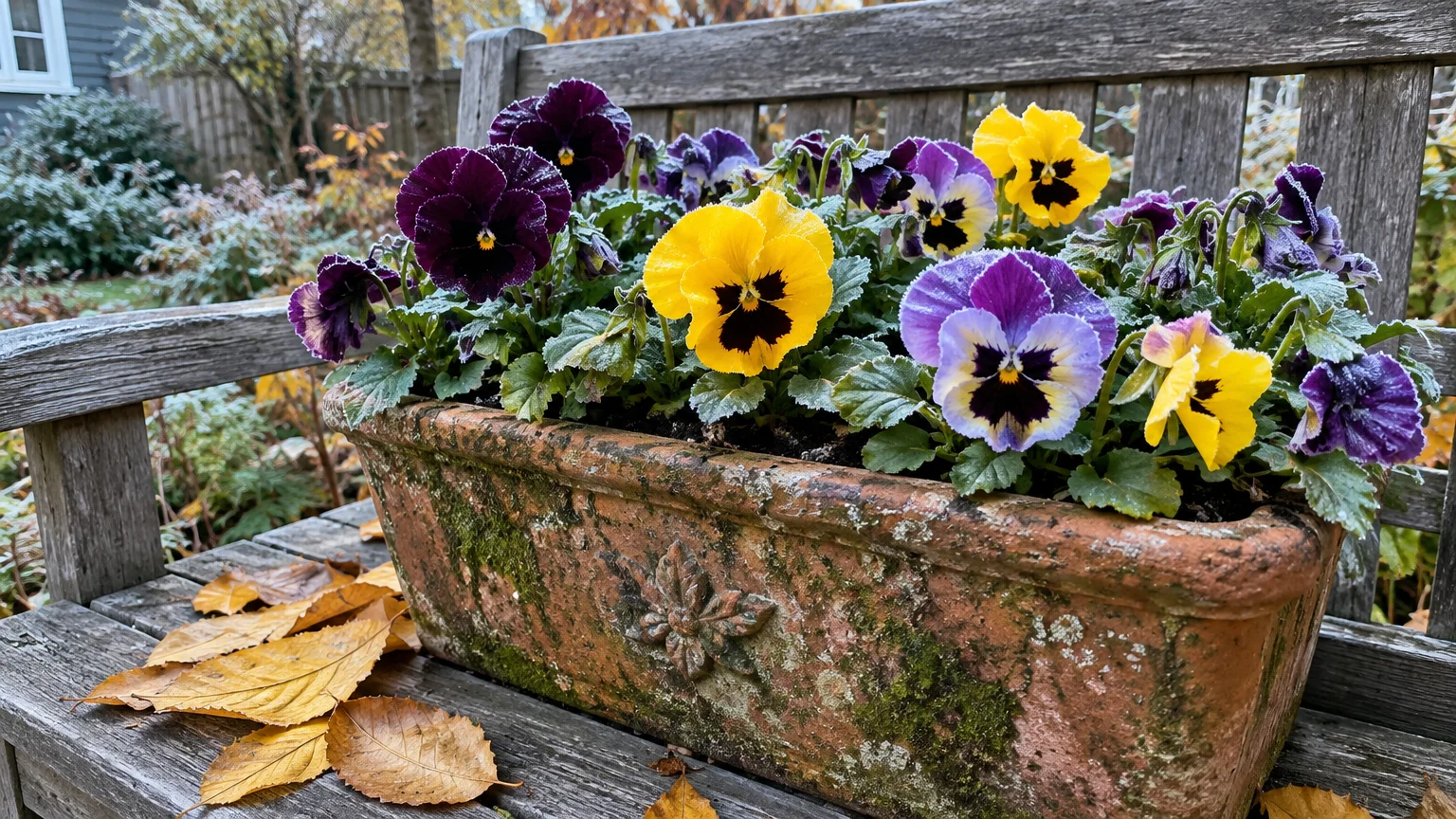
Tip #9: Winter-Flowering Pansies (Viola tricolor var. hortensis)
Winter-flowering pansies and violas bring cheery, saturated colors to late-season containers and garden bed borders. Their cheerful faces appear in brilliant shades of yellow, purple, copper, and velvet blue well into late November.
These cold-tolerant annuals contain natural sugars that function like biological antifreeze within their plant cells. Even when freezing temperatures wilt the blossoms overnight, they rebound enthusiastically once daytime sunshine thaws the foliage.
Plant your pansies in rich, well-draining potting soil in porch containers, window boxes, or garden edges. Ensure containers receive full sun to absorb every bit of seasonal solar warmth as days shorten.
Remove faded flowers at the stem base once a week to prevent the plants from expending energy on seed pods. Regular deadheading prompts continuous flower bud formation throughout cool autumn weather.
Keep the potting soil slightly moist, checking containers weekly during dry autumn cold snaps. Apply a water-soluble balanced fertilizer every three weeks to sustain vigorous blossoming until frozen ground halts root uptake.
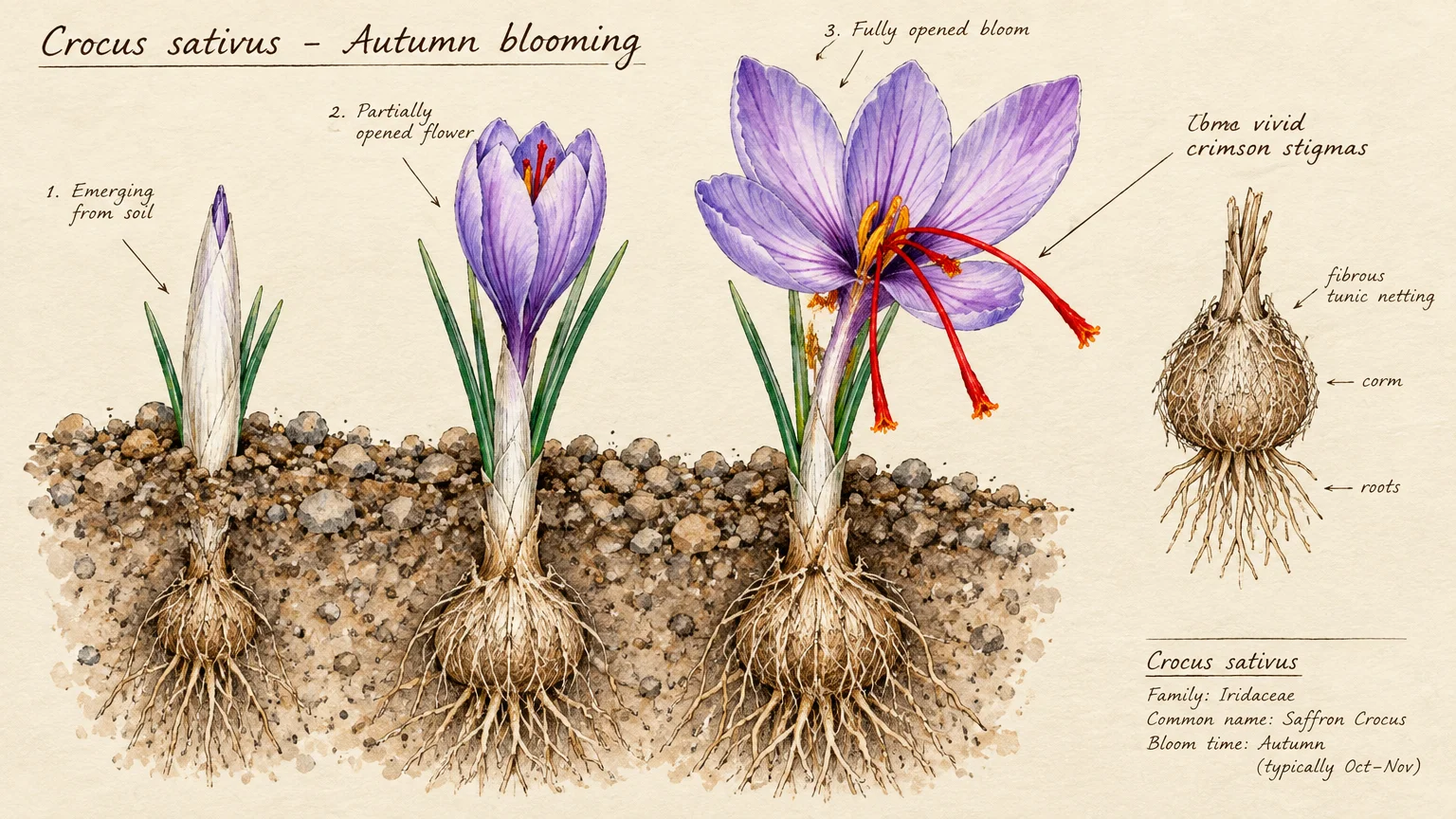
Tip #10: Saffron Crocus (Crocus sativus)
Saffron crocus reverses normal spring bulb cycles by erupting into bloom during cool October and November weeks. Graceful lilac-purple chalices rise from bare soil, highlighting three long, scarlet stigmas that produce edible saffron spice.
They stand out among the best late fall flowers because they bloom after surrounding perennials have died back. Their brilliant purple petals provide unexpected pops of color along garden paths and beneath bare trees.
Plant the corms in late summer, burying them three to four inches deep in well-draining, gritty soil. Choose a sunny location that remains relatively warm and dry during the dormant summer period.
Harvest the vivid red stigmas with fine tweezers on sunny autumn mornings right after blossoms open. Dry the harvested spice threads on paper towels before storing them in airtight jars for kitchen use.
Let the grassy green foliage remain intact throughout winter and early spring without mowing or shearing it. This post-bloom foliage absorbs sunlight to recharge the underground corms for the next autumn bloom display.
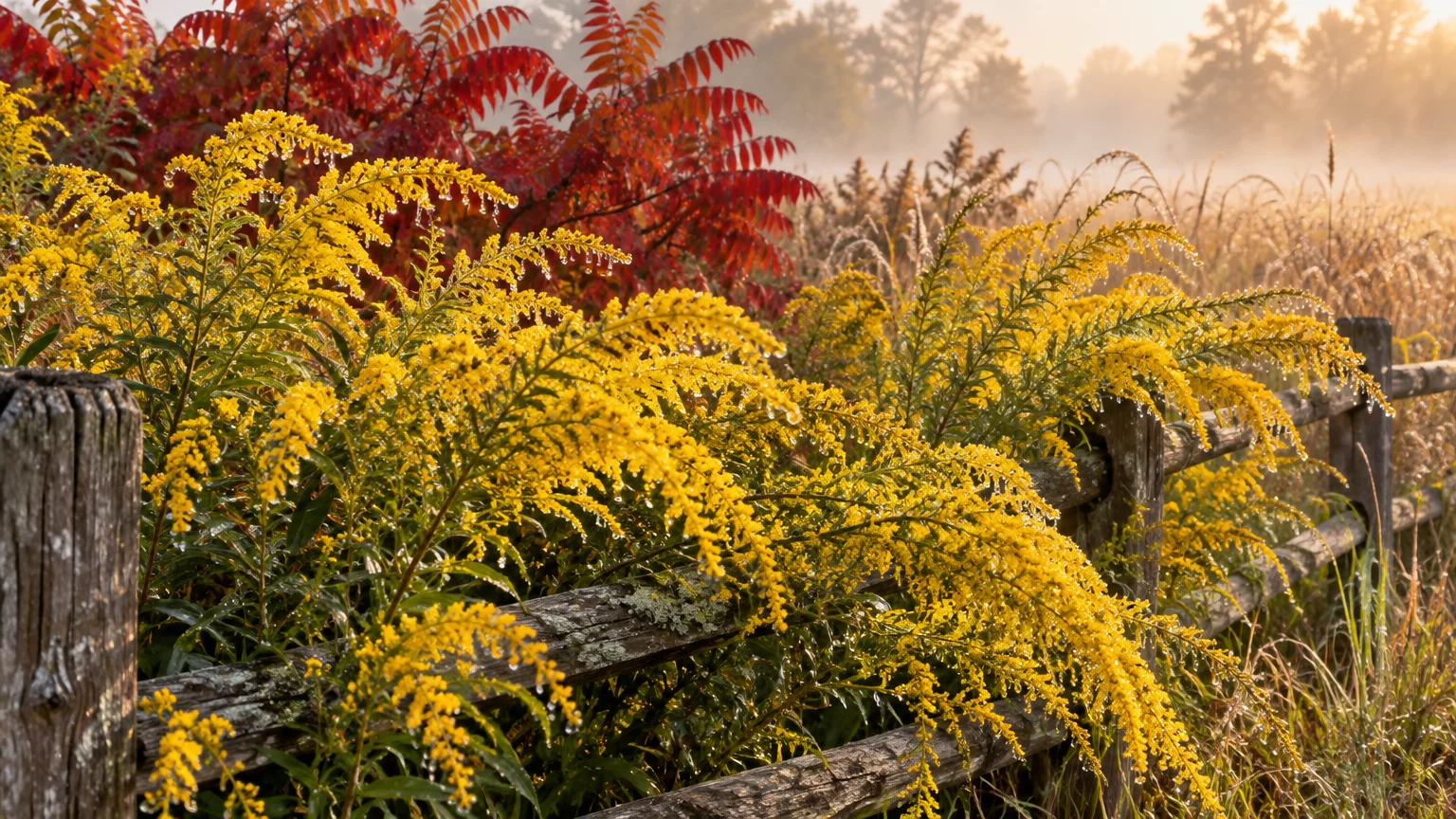
Tip #11: Fireworks Goldenrod (Solidago rugosa ‘Fireworks’)
Fireworks goldenrod produces cascading, arching branches smothered in tiny, radiant yellow blossoms that evoke exploding sparklers. Unlike wild roadside goldenrods that spread aggressively through rhizomes, this refined cultivar stays in tidy, well-behaved clumps.
Goldenrod acts as a critical late-season refueling station for migrating monarch butterflies and beneficial native pollinators. Its sunny golden sprays bloom steadily from September through November, defying freezing temperatures and autumn drizzle.
Install your goldenrod in full sun to light shade in ordinary, well-draining garden soil. The plant adapts effortlessly to heavy clay and handles dry autumn spells once its roots establish deep in the ground.
Combine goldenrod with purple New England asters and blue mistflower for maximum color contrast. The warm yellow sprays against rich violet create one of nature’s most stunning late-season visual partnerships.
Allow dried flower heads to stand untouched all winter rather than cutting stems back in autumn. Wild birds, such as goldfinches and chickadees, feed eagerly on the nutritious seed heads during freezing weather.
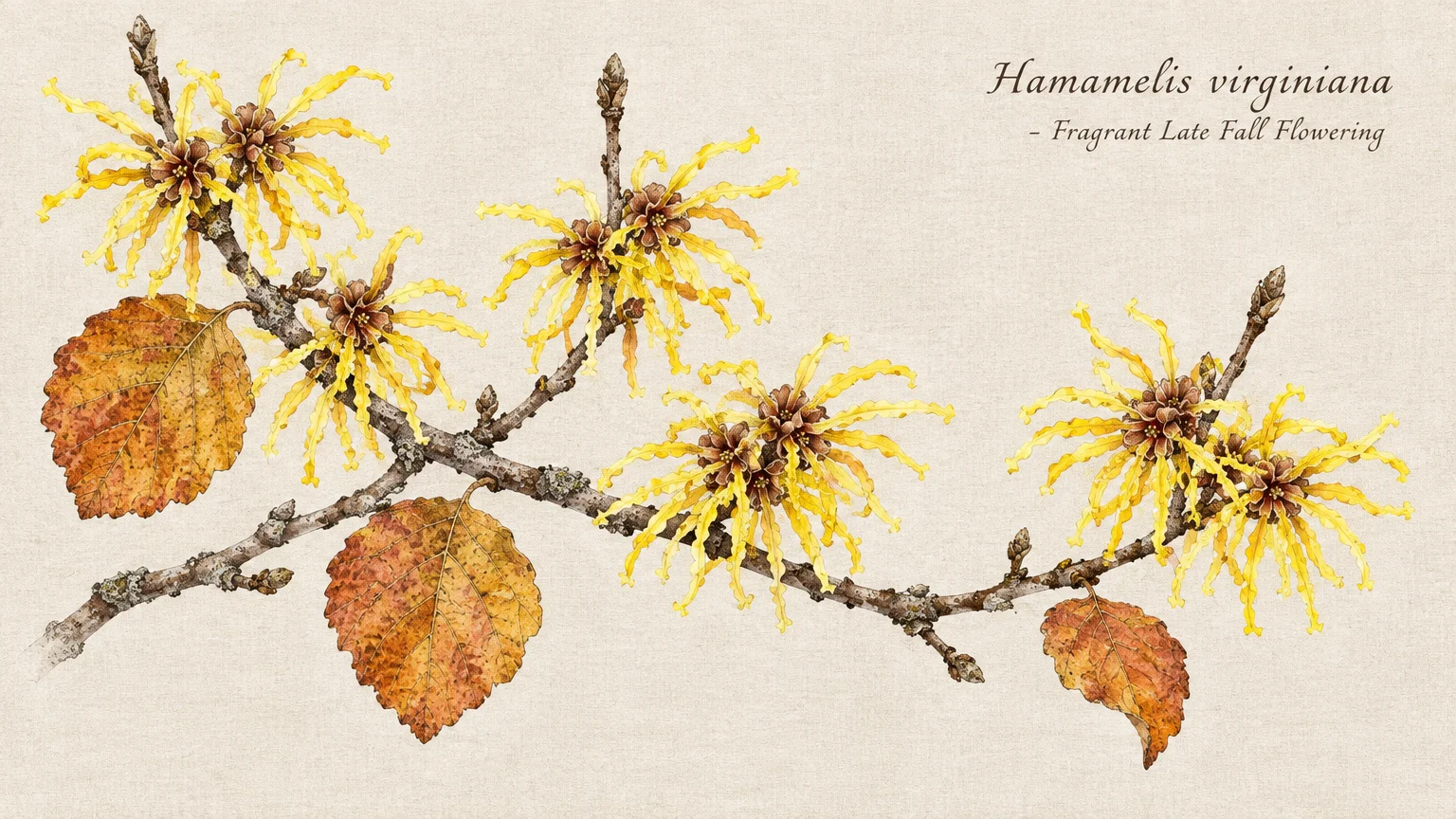
Tip #12: American Witch Hazel (Hamamelis virginiana)
American witch hazel is a unique native woody shrub that saves its flowering show for the tail end of autumn. Delicate, ribbon-like yellow petals burst open along bare branches from late October through December.
Its blossoms emit a clean, spicy fragrance that carries on crisp autumn air when most other landscape shrubs stand bare. The strap-like petals curl tightly during freezing nights and unfurl again as daytime temperatures warm.
Plant witch hazel in moist, rich, acidic soil in full sun or partial woodland shade. Growing it in full sun produces dense flower clusters, while partial shade creates an open, sculptural branching structure.
Apply a three-inch layer of organic bark mulch over the root zone to retain vital soil moisture. Witch hazel features shallow roots that benefit immensely from consistent soil dampness during autumn dry spells.
Maintain the natural shape of the shrub with minimal pruning; simply remove dead or crossing branches in late winter. This architectural native provides an invaluable backdrop that closes out your gardening season with style.
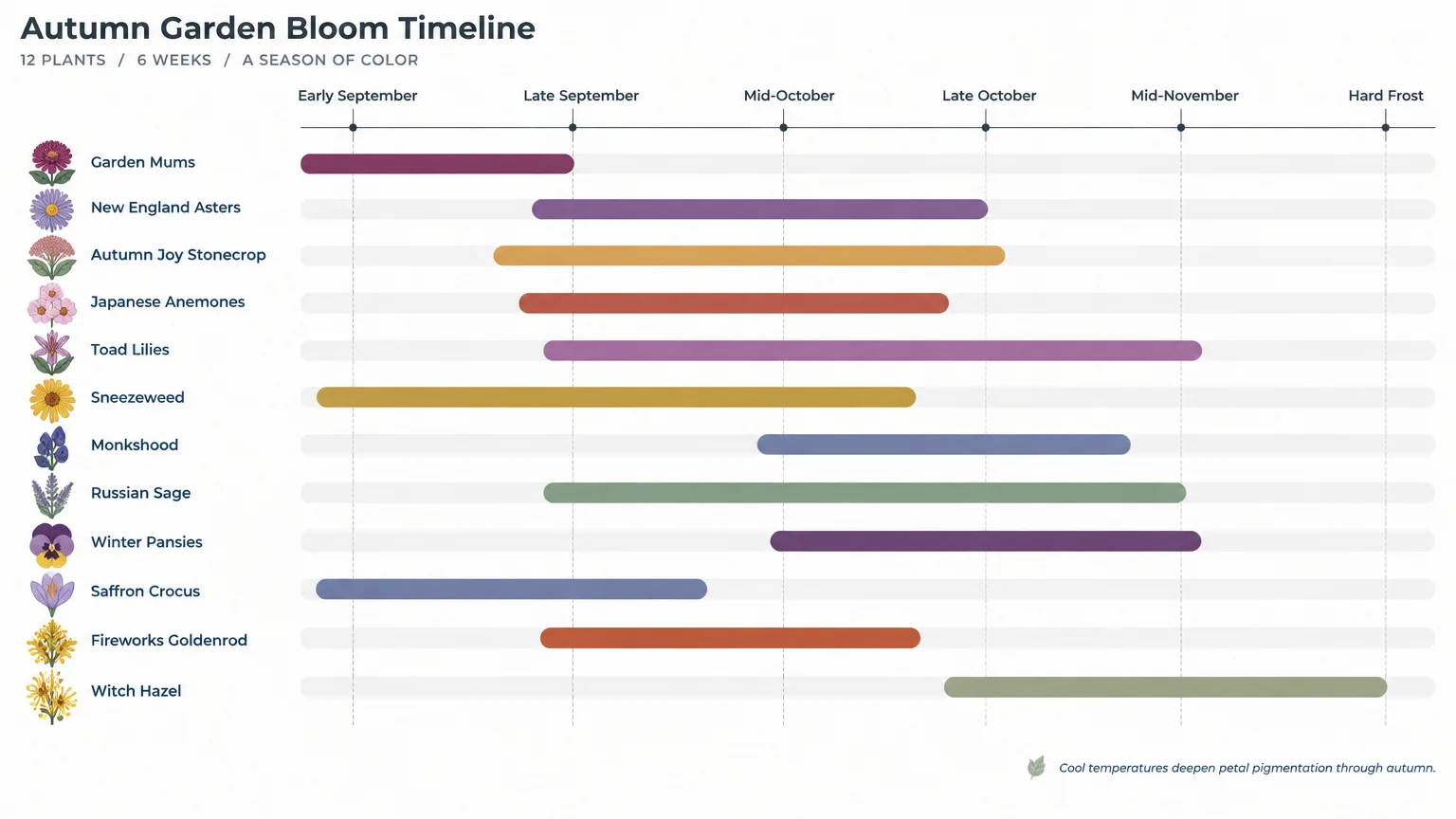
Putting It All Together: Enjoy Your Beautiful Garden
Designing an autumn landscape requires layering plants with staggered bloom periods, varying heights, and contrasting textures. Combining upright grasses with mounding stonecrop and arching goldenrod creates dynamic visual rhythm in every bed.
Always hydrate your perennials thoroughly before the ground freezes solid in late autumn. Well-hydrated roots resist winter desiccation far better than drought-stressed root systems when harsh winds arrive.
By planting flowers that bloom late in the season, you transform dull autumn beds into vibrant sanctuaries of color and life. Start incorporating these resilient beauties now to enjoy breathtaking garden color well into late fall.
For region-specific advice, consult your local University Extension program (find yours via the USDA directory). For plant databases and inspiration, visit the Missouri Botanical Garden or the Royal Horticultural Society.
Disclaimer: This article provides general gardening advice; always consider your specific climate, soil conditions, and local pests. Follow safety guidelines when using gardening tools and products.
Frequently Asked Questions
When is the best time to plant late-blooming perennials?
The ideal window for planting late-blooming perennials is early spring or early autumn. Spring planting gives root systems an entire summer to establish before energy shifts toward autumn flower production.
If you install plants in autumn, get them in the ground at least six weeks before the first hard freeze. Mulch generously around the crowns to prevent winter soil heaving from damaging young roots.
How do autumn flowers survive light frosts and freezing nights?
Late-flowering perennials produce higher concentrations of dissolved sugars and soluble proteins in their cellular sap. These natural compounds act like biological antifreeze, lowering the freezing point of delicate plant tissues.
While soft summer petals collapse at 32 degrees Fahrenheit, cold-hardy blossoms remain intact through brief drops to 26 degrees. Daytime sunshine warms the stems, allowing the blossoms to perk back up immediately.
Should you cut back fall-blooming perennials before winter arrives?
In most cases, leaving perennial stems standing through winter benefits your garden ecosystem significantly. Dried seed heads provide essential winter sustenance for foraging songbirds, while hollow stems shelter dormant beneficial insects.
Wait until early spring to prune dead growth down to the ground just as green shoots emerge. Only cut back diseased foliage, such as mildew-infected stems, in the autumn to prevent fungal spore carryover.
Which late fall flowers provide the most nectar for pollinators?
Native New England asters and Fireworks goldenrod deliver the highest nectar and pollen yields for foraging insects. They flower when most other nectar sources have vanished, helping migrating butterflies and bumblebee queens survive.
Japanese anemones and Autumn Joy stonecrop also serve as excellent secondary feeding stations during warm autumn afternoons. Planting a mix of these varieties ensures steady foraging opportunities across the entire season.