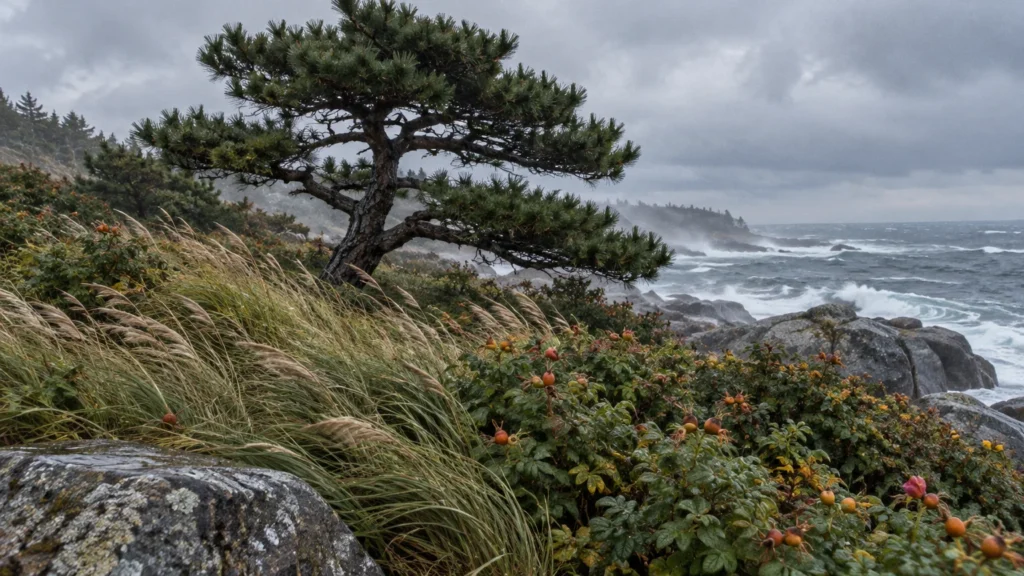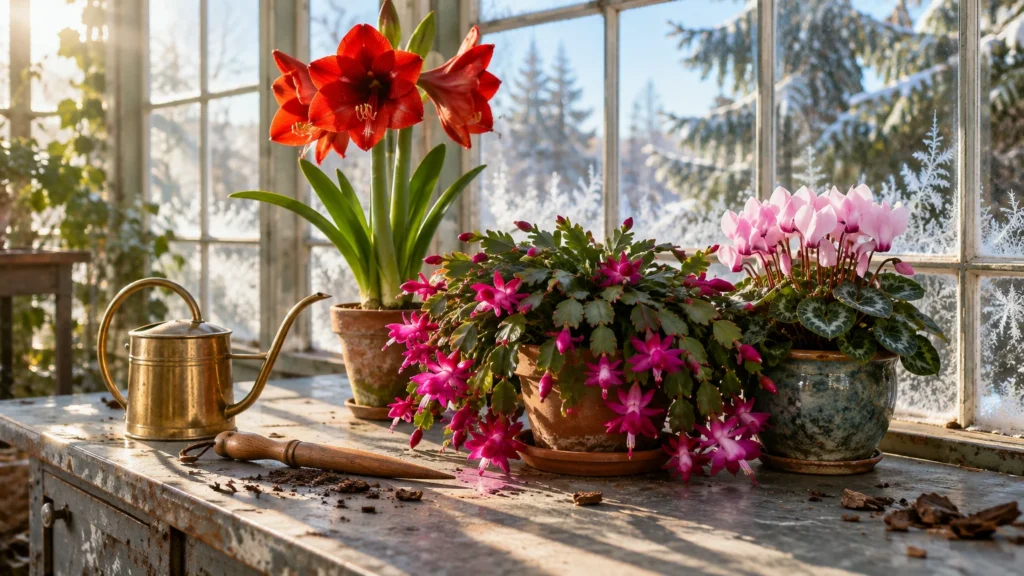
You can build a lush, exotic paradise right in your backyard even if you face freezing winters. Discover stunning cold hardy tropical plants that thrive when temperatures drop and bring dramatic foliage to northern zones.
Selecting the right varieties lets you capture vibrant resort vibes without relying on temporary summer annuals. Robust root systems and naturally insulated stems protect these resilient specimens from heavy snow and bitter frost.
With smart plant choices and simple care routines, you can cultivate a thriving tropical look garden in any chilly region. Transform your cold-climate landscape into a breathtaking jungle retreat that returns stronger every single spring.
Tip #1: Plant the Cold-Hardy Basjoo Banana
The Japanese fiber banana, or Musa basjoo, stands as the crowning jewel among cold hardy tropical plants. Its monumental paddle leaves unfurl rapidly during summer, instantly transporting your patio to the tropics.
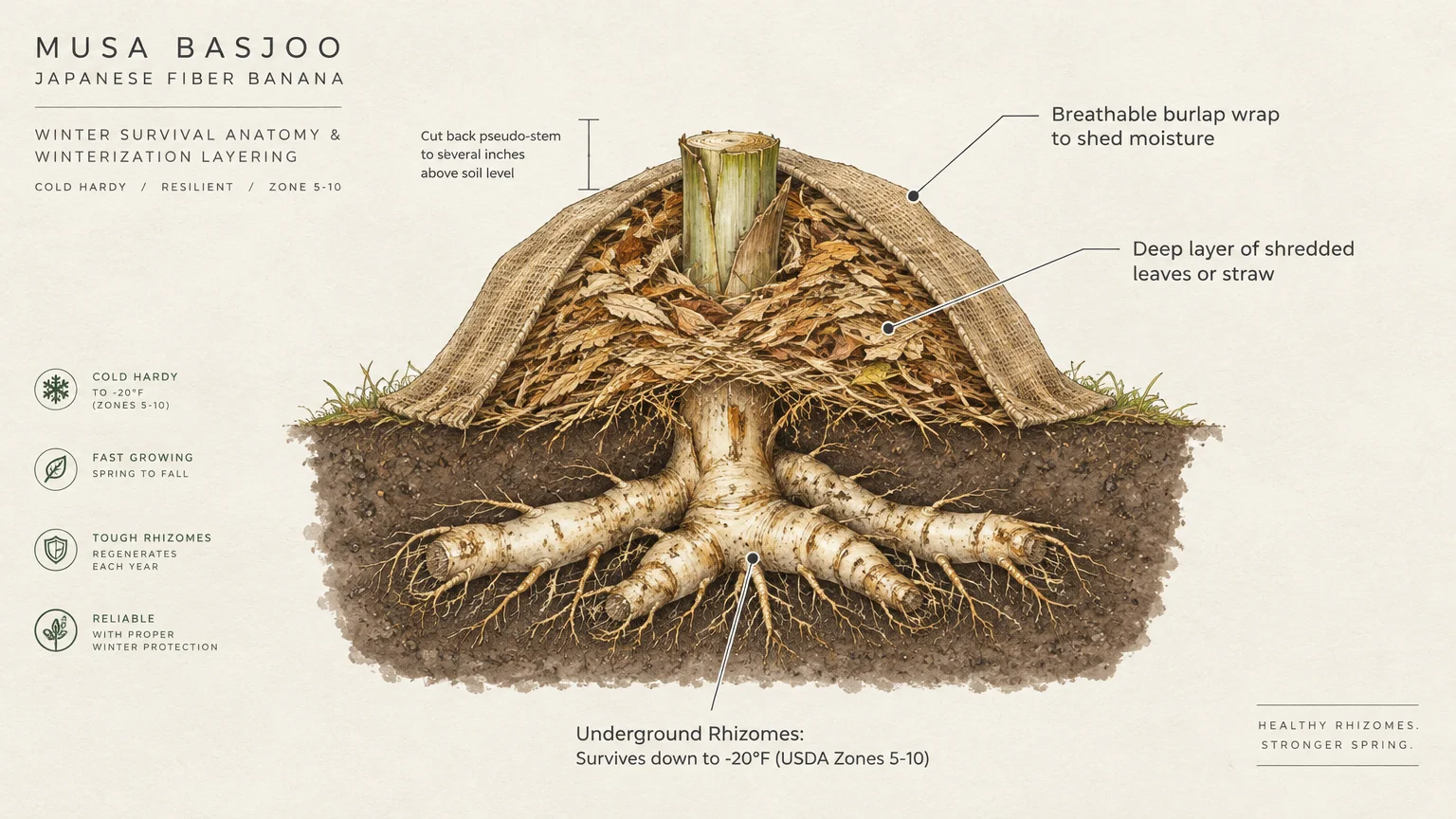
While winter freezes will knock down the lush green canopy, the underground rhizomes survive temperatures down to minus twenty degrees Fahrenheit. This incredible cold tolerance makes it dependable across USDA Zones 5 through 10.
Plant your banana in a sunny, wind-sheltered spot with rich, fertile soil. Provide copious amounts of water throughout the summer heat to fuel its astonishing growth rate.
After the first autumn frost browns the foliage, chop the main pseudo-stem back to several inches above the ground. Cover the remaining crown with a deep layer of shredded leaves or straw.
Wrap the base with breathable burlap to shed excessive winter moisture; dry crowns prevent underground rot. Come spring, new emerald shoots will burst upward and reach twelve feet by July.
Tip #2: Frame Your Landscape with Windmill Palms
Nothing signals an exotic resort quite like the distinctive silhouette of a real palm tree. The windmill palm, scientifically named Trachycarpus fortunei, remains one of the premier hardy palms for temperate gardens.
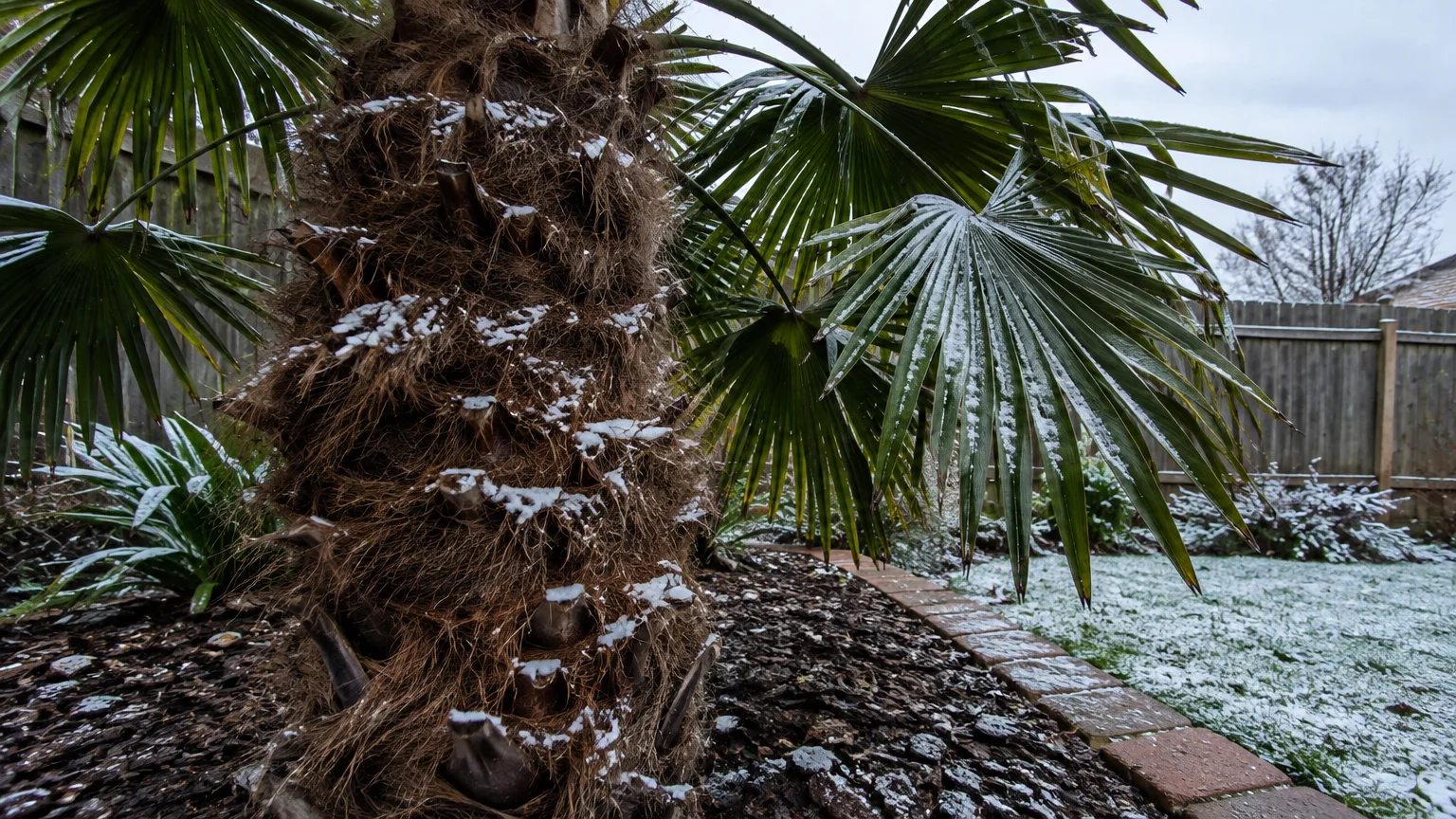
Native to high mountain elevations in Asia, this architectural treasure shrugs off snow and ice with ease. Mature specimens readily tolerate temperatures dipping down toward five degrees Fahrenheit without sustaining severe injury.
The trunk features dense, hairy brown fibers that naturally insulate the sensitive growing core inside. Broad, dark green fan leaves can support light snow blankets without snapping or bruising.
Position your windmill palm where it receives morning sun and reliable shelter from biting winter winds. Ensure the surrounding soil drains quickly; wet, frozen roots present the greatest risk to palm health.
Mulch the root zone heavily before ground freezes set in during late autumn. For juvenile trees in colder zones, wrap the foliage loosely in frost cloth during extreme cold snaps.
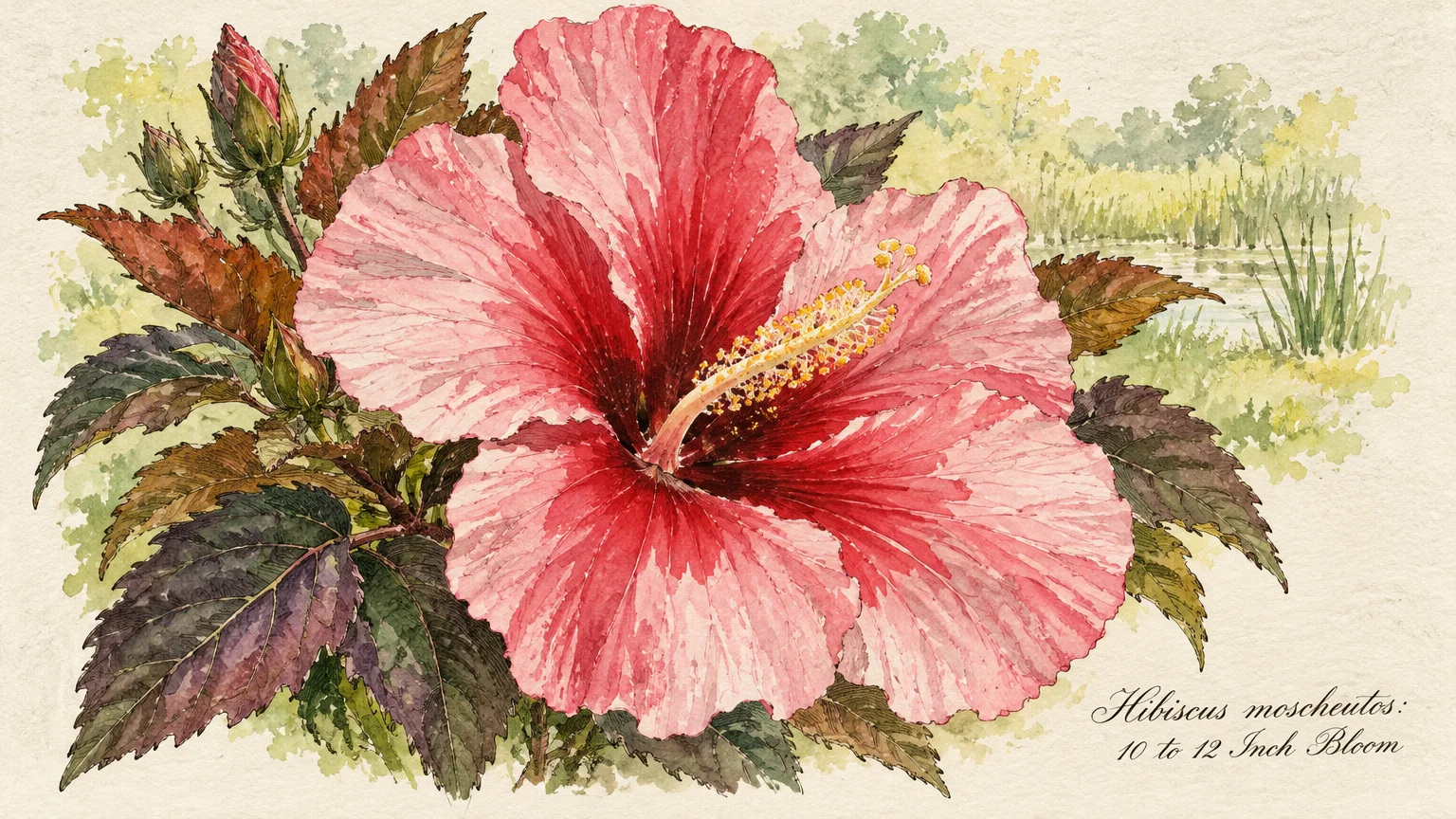
Tip #3: Showcase Dinner-Plate Blooms with Hardy Hibiscus
You can enjoy breathtaking tropical flowers without fussing over fragile greenhouse cultivars. Hardy hibiscus, or Hibiscus moscheutos, produces enormous blossoms that frequently measure ten to twelve inches across.
These vigorous perennials produce sensational displays throughout midsummer and early autumn in shades of crimson, pink, and pure white. Their bold foliage often emerges in rich tones of bronze or deep purple.
Despite their flamboyant tropical appearance, these native wetland perennials withstand bone-chilling cold down to minus thirty degrees Fahrenheit. They flourish reliably from northern USDA Zone 4 all the way to Zone 9.
Plant them in full sun and supply generous moisture; they adore soggy garden soil near ponds or rain gardens. Cut dead stems down to ground level in late autumn once killing frosts arrive.
Be patient when spring warms your garden, as hardy hibiscus emerges later than most perennials. Once soil temperatures climb, the vigorous shoots can grow several inches each week.
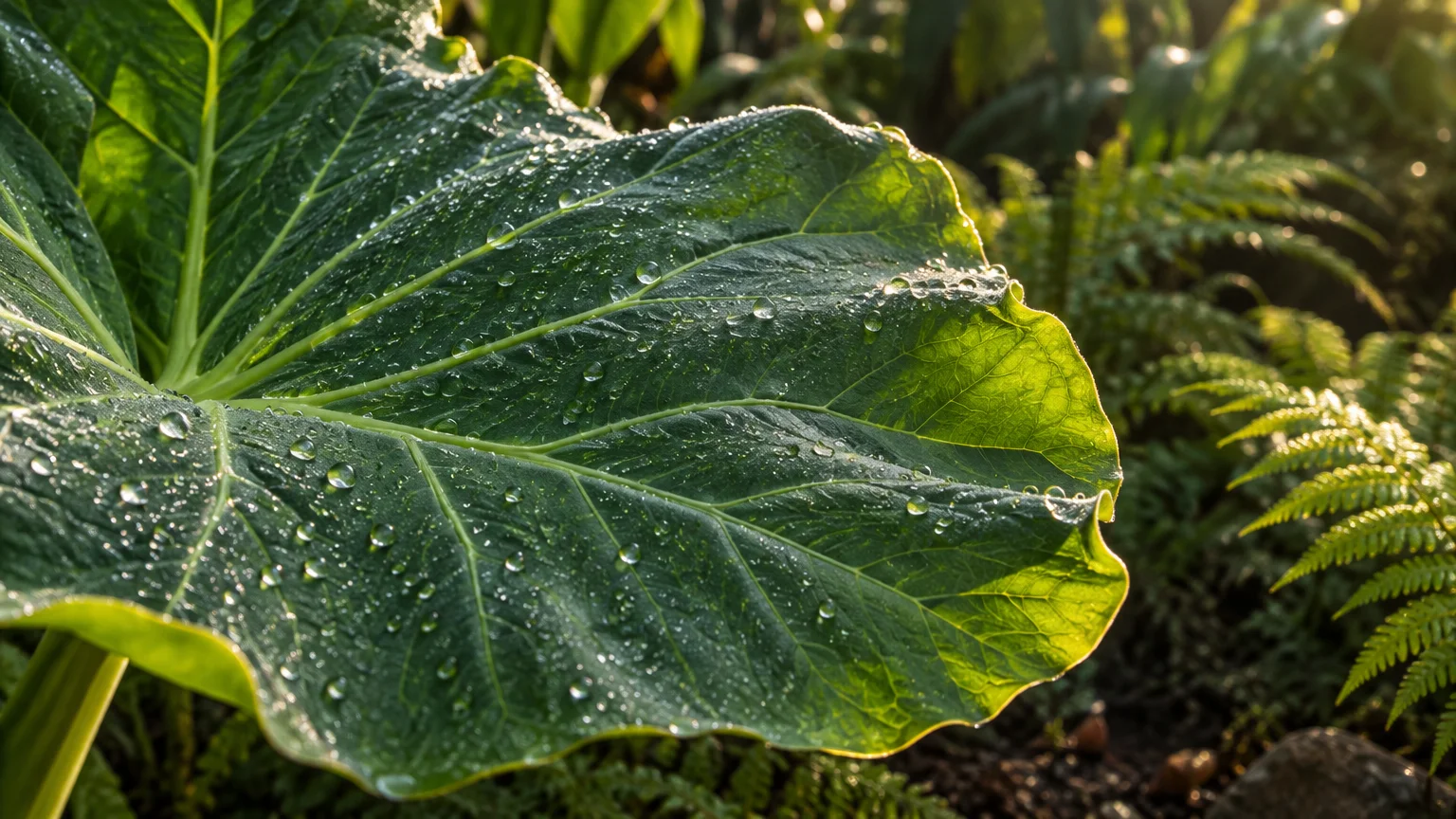
Tip #4: Add Giant Foliage with Cold-Tolerant Elephant Ears
Massive leaves create the lush layering essential for any authentic tropical look garden. Cultivars like Colocasia esculenta ‘Pink China’ provide dramatic, shield-shaped leaves paired with striking neon-pink stems.
Most elephant ears rot in freezing mud, but ‘Pink China’ exhibits remarkable resilience in chilly weather. This specific selection reliably overwinters in USDA Zone 6 when provided with proper site preparation.
Site these leafy powerhouses in rich, organic soil where they receive dappled sunlight or afternoon shade. Incorporate aged compost into the planting hole to fuel their dramatic seasonal spread.
Keep the soil consistently moist throughout hot summer spells to prevent the giant leaves from drooping. Their thick underground tubers spread through runners to form impressive, dense tropical colonies over time.
Apply eight to twelve inches of dry shredded bark or pine straw over the crown after frost hits. This insulating blanket keeps the subsurface tubers warm and dry until spring growth restarts.
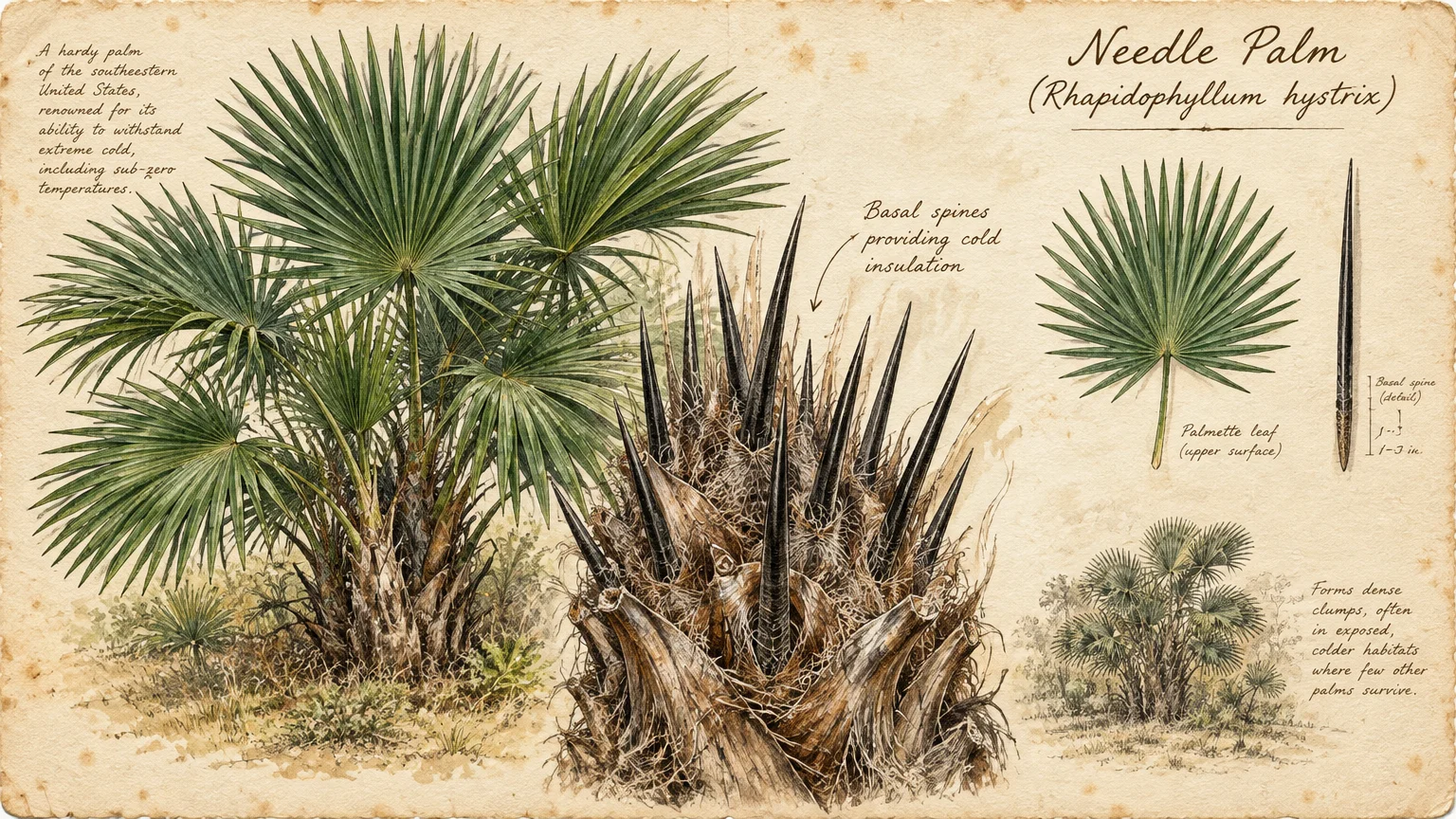
Tip #5: Plant the Indestructible Needle Palm
If you garden in an area with harsh, unpredictable freezes, the needle palm provides unmatched durability. Known botanically as Rhapidophyllum hystrix, this remarkable plant ranks among the most cold tolerant tropical plants available.
Native to southeastern North American floodplains, mature needle palms endure frigid conditions below minus ten degrees Fahrenheit. They comfortably thrive in USDA Zones 5b and warmer without requiring complicated seasonal protection.
This shrubby, clumping palm develops a thick, short base armed with long, protective dark spines. Lustrous fan-shaped fronds emerge deep green and retain their vibrant color throughout freezing winter weather.
Grow needle palms in partial shade or filtered woodland light with moisture-retentive, well-drained soil. They tolerate summer humidity and drought equally well once their root systems establish deeply into the earth.
Space them where foot traffic will not brush against their sharp needles. A light dressing of compost in early spring fuels healthy leaf production through the growing season.
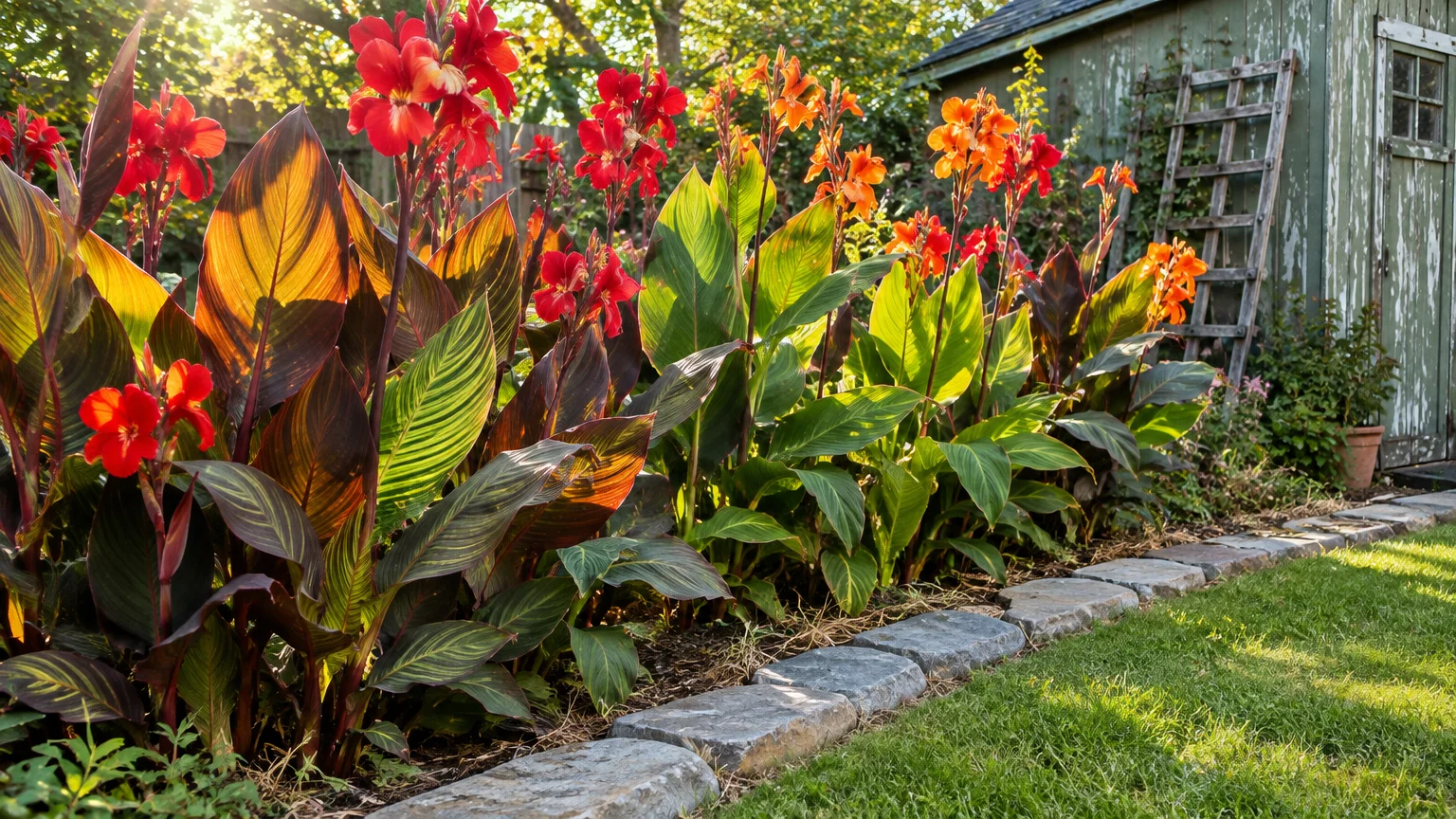
Tip #6: Brighten Borders with Cold-Hardy Canna Lilies
Canna lilies bring dramatic architectural height and fiery blossoms to temperate borders. Their broad, paddle-shaped leaves immediately evoke equatorial rainforests, while their striking flower spikes attract visiting hummingbirds throughout late summer.
Species selections like Canna indica possess exceptional vigor and withstand chilling conditions far better than modern dwarfs. In USDA Zones 7 through 10, their sturdy rhizomes overwinter directly in the garden soil.
Plant your canna rhizomes in full sunlight after the final spring frost has completely passed. Enrich the soil with composted manure; heavy feeding encourages lush leaf blades and continuous blooming.
When the first hard freeze turns the foliage dark brown, slice the stalks down to soil level. Heap a generous mound of mulch over the patch to insulate the subterranean rhizome network.
Gardeners in Zones 6 and colder can simply dig up the plump rhizomes for winter storage. Keep them in crates filled with dry peat moss inside a cool, frost-free basement.
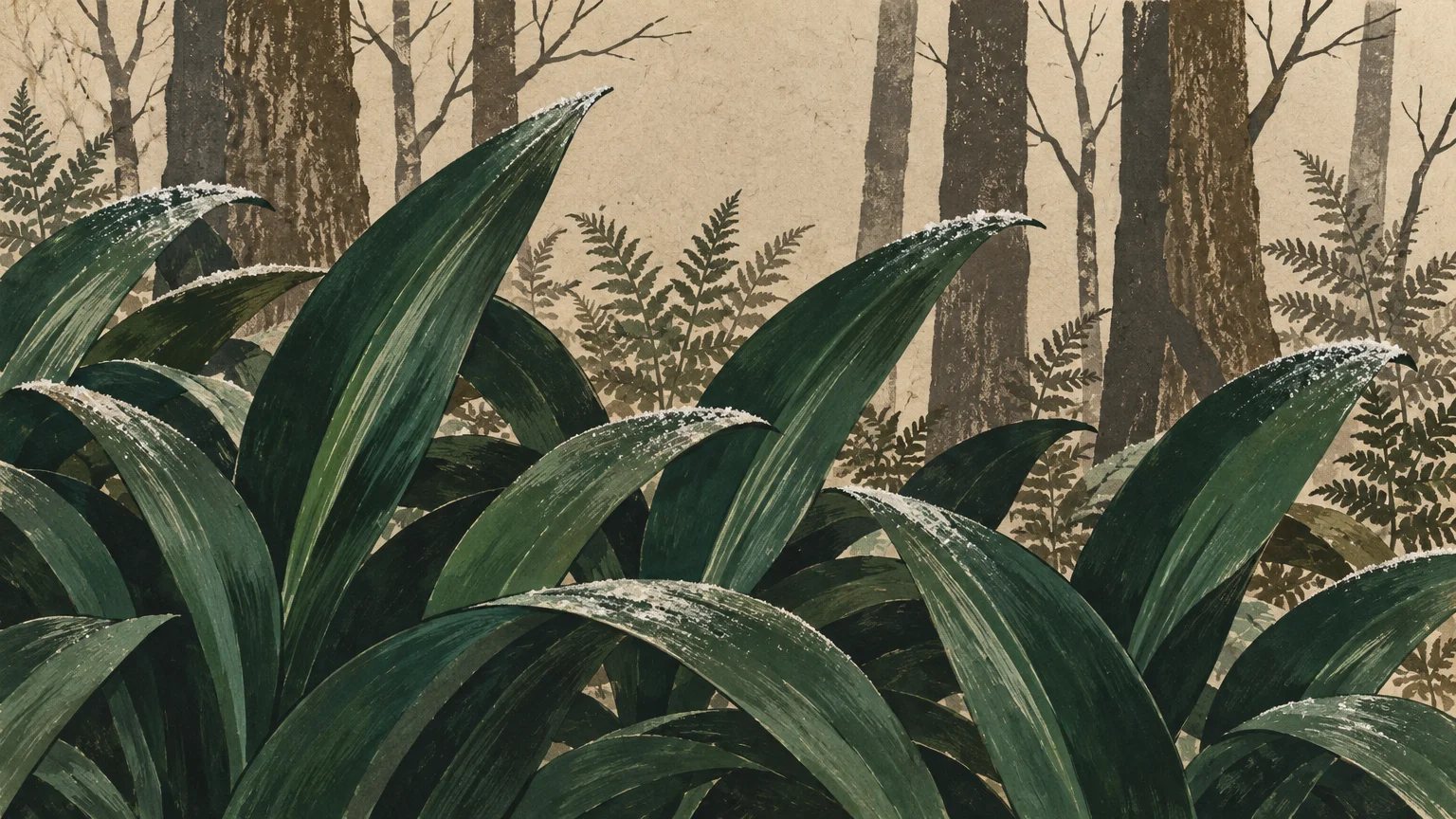
Tip #7: Establish Evergreen Foundations with Cast Iron Plants
True tropical design requires dependable broadleaf evergreens that maintain structural beauty through dreary winter months. Aspidistra elatior, affectionately called the cast iron plant, thrives on neglect and handles adverse weather conditions effortlessly.
Although commonly grown as an indoor houseplant, this rugged perennial withstands freezing outdoor temperatures down to zero degrees Fahrenheit. It remains fully evergreen and pristine throughout USDA Zones 7 through 10.
The plant features stiff, upright, glossy foliage that rises up to thirty inches above the soil line. Its leathery texture prevents moisture loss and wards off common garden pests like slugs and deer.
Position your cast iron plants in deep shade where scorching summer rays cannot scald their foliage. They thrive beneath dense tree canopies where other shade-loving perennials struggle to survive.
Water infrequently; excessive moisture causes far more damage to this tough perennial than winter chills. Refresh the clump every few years by trimming away any tattered older outer leaves in early spring.
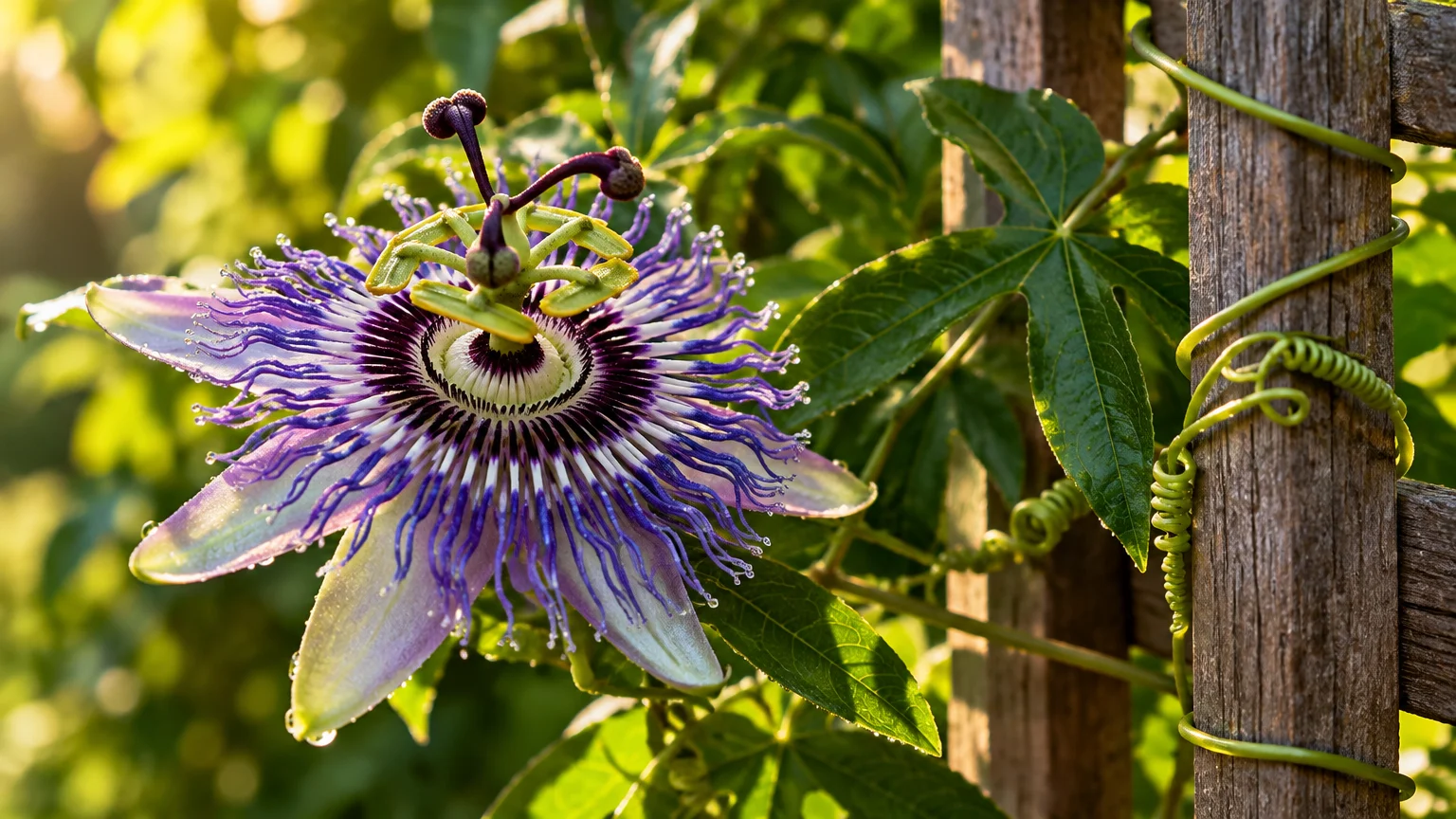
Tip #8: Train Resilient Passionflowers Up Vertical Trellises
Vertical layers complete the immersive feeling of an authentic backyard jungle. The wild purple passionflower, known botanically as Passiflora incarnata, produces intricate, otherworldly blossoms that look impossibly delicate.
Contrary to their fragile appearance, these native climbing vines possess extraordinary cold hardiness. They comfortably survive winters in USDA Zones 5 through 9 by retreating safely underground as dormant rootstocks.
Intricate blossoms feature fringed lavender filaments and prominent central pistils that mimic rare tropical orchids. By late summer, pollinated blooms transform into fragrant, edible green fruits called maypops.
Plant passionflower vines against sunny south-facing walls, fences, or sturdy decorative trellises. Ensure the planting medium offers sharp drainage; standing winter moisture can cause dormant roots to rot.
Cut dead vines back to ground level after hard freezes terminate active top growth. Protect the dormant base with pine needle mulch to encourage explosive vertical growth the following spring.
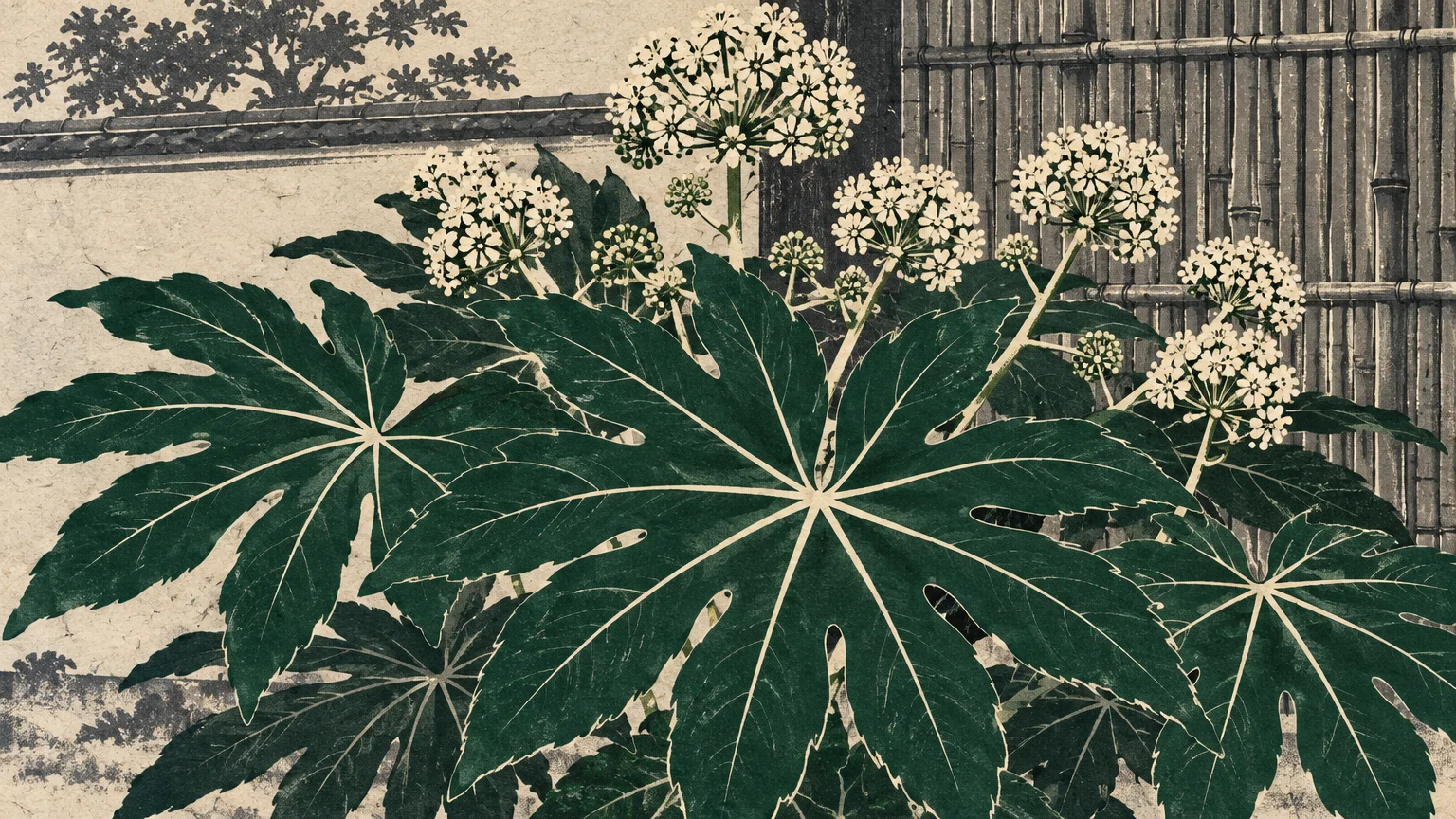
Tip #9: Introduce Bold Architectural Foliage with Japanese Aralia
For colossal evergreen foliage that laughs at frost, consider planting Fatsia japonica. This striking shrub showcases immense, deeply lobed, hand-shaped leaves that can span over sixteen inches in diameter.
Native to coastal Japanese woodlands, this architectural marvel thrives outdoors across USDA Zones 7b through 10. It easily withstands brief temperature dips down to five degrees Fahrenheit without dropping its foliage.
In late autumn, mature plants produce spherical umbels of creamy white flowers that resemble miniature fireworks. These pollinator-friendly blossoms mature into clusters of glossy black berries that songbirds relish during midwinter.
Tuck your Japanese aralia into a sheltered courtyard or beneath tall woodland trees. Shield the large leaves from persistent freezing gales, which can tear the lush foliage and dry out tissue.
Provide moist, acidic soil rich in decomposed leaf mulch to mimic its native forest habitat. Prune leggy stems in early spring to encourage dense, bushy growth near the ground.
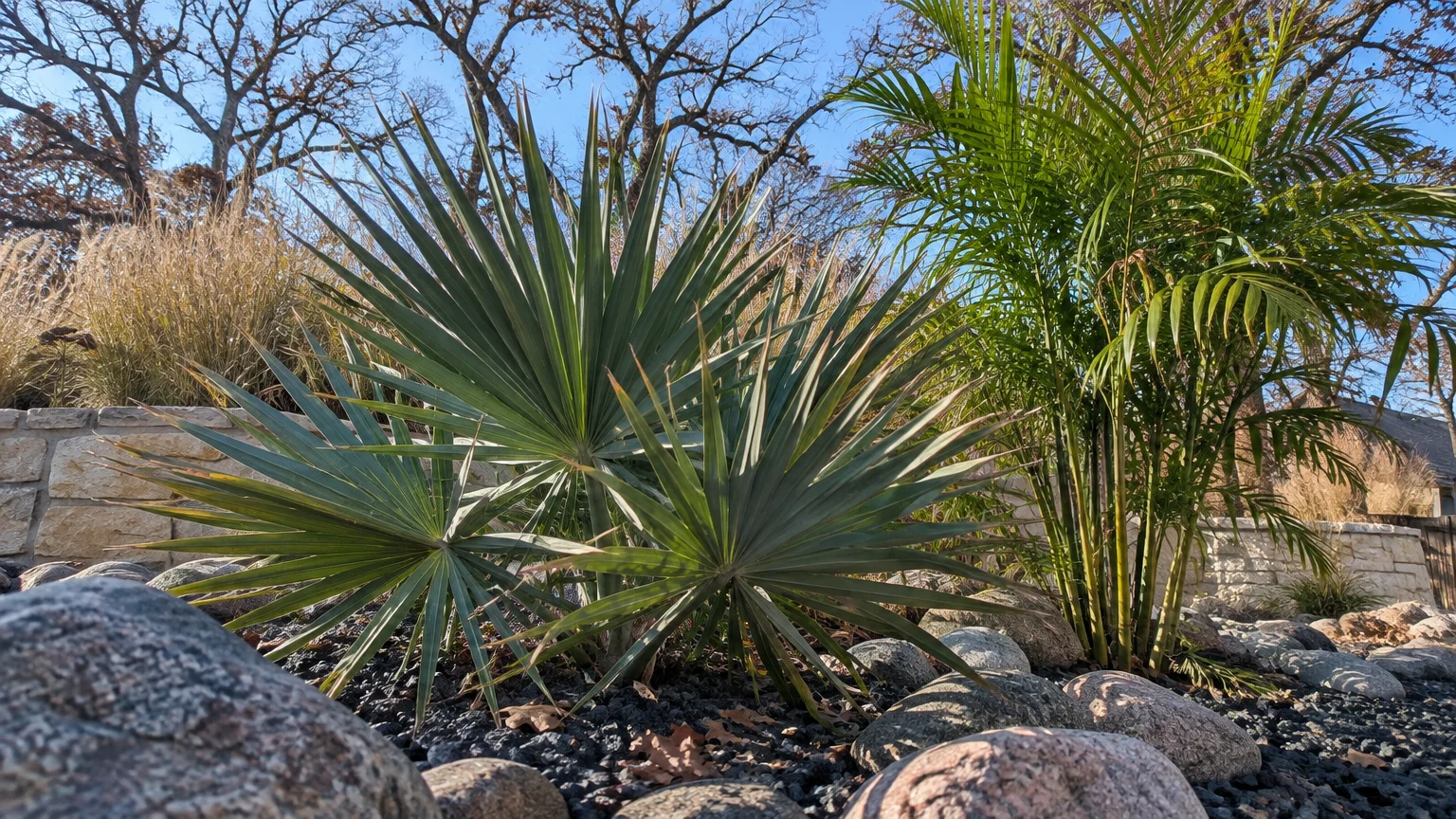
Tip #10: Plant Hardy Bamboo Palms and Sabal Minor
Complete your cold-climate collection by planting dwarf palmetto, scientifically classified as Sabal minor. This indestructible southeastern native thrives in flooded soils and handles subzero conditions down to minus five degrees Fahrenheit.
Because it forms a subterranean trunk, its vital growing tissue stays insulated underground beneath the frost line. Wide, fan-like fronds radiate outward, providing a sturdy, tropical accent along walkways or near ponds.
Pair your dwarf palmetto with bamboo palm varieties like Chamaedorea microspadix in sheltered Zone 8 courtyards. These clumping, bamboo-like palms survive temperatures near fifteen degrees Fahrenheit without losing their delicate understory stems.
Plant both varieties in fertile soil enriched with decomposed leaves and organic matter. Keep moisture consistent throughout the heat of summer to accelerate new shoot emergence and frond expansion.
In regions prone to severe winter ice, tie fronds loosely together using soft garden twine. This simple measure prevents heavy ice accumulation from bending or snapping the outer leaf stems.
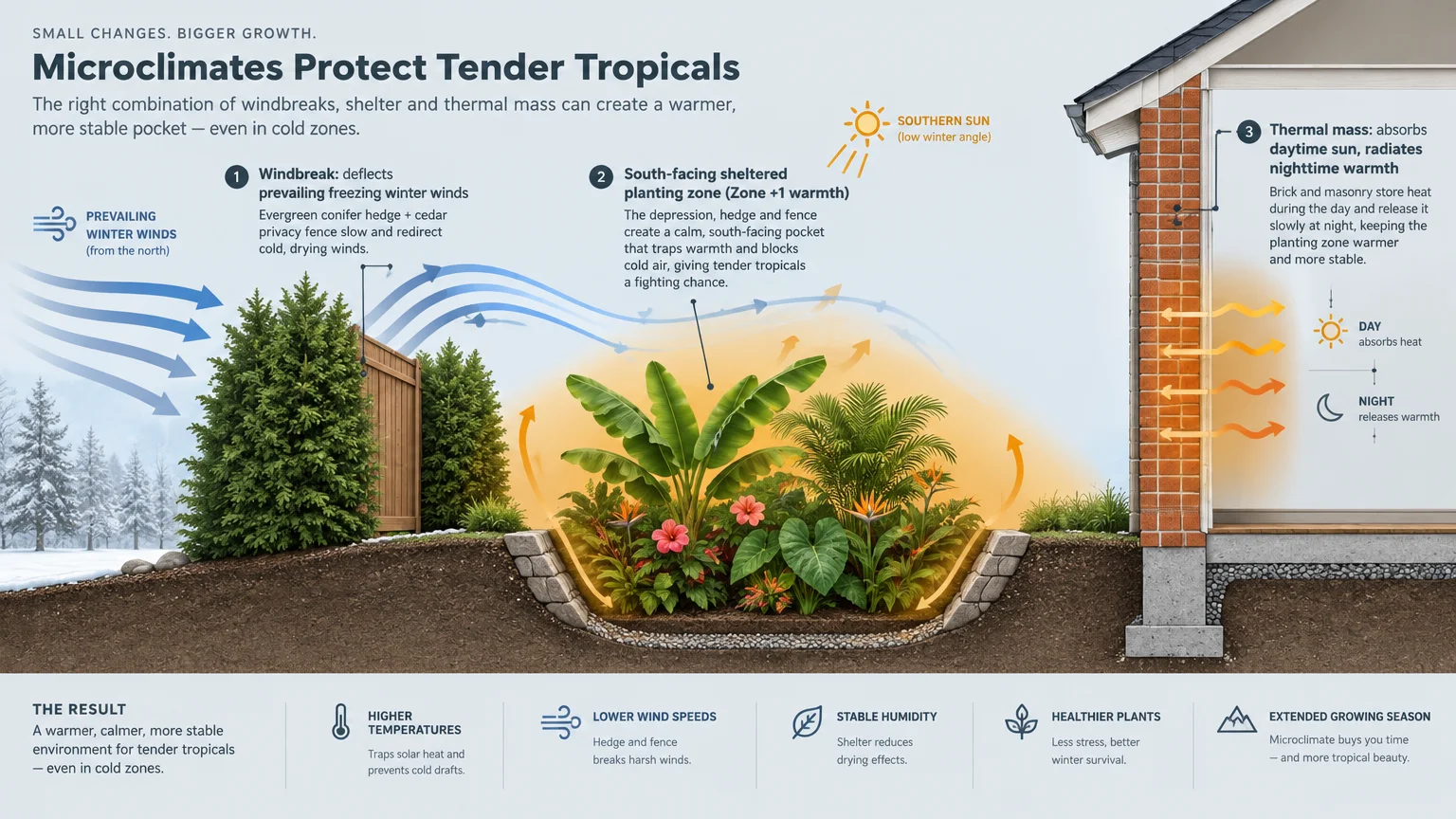
Tip #11: Master Microclimates for Tropical Plants in Cold Climates
Success with tropical plants for cold climates depends heavily on where you place them within your yard. Strategic planting positions can raise ambient winter temperatures by an entire USDA hardiness zone.
Locate borderline hardy specimens near south-facing brick or stone walls that absorb daytime solar warmth. These dense thermal masses radiate stored heat through freezing nights, shielding tender plant crowns.
Avoid placing cold-sensitive plants in low-lying garden hollows where cold, dense air settles on still nights. Instead, plant on gentle slopes or raised berms to promote constant air drainage.
Install windbreaks such as evergreen hedges, privacy fences, or solid outbuildings along the north side. Blocking Arctic gales significantly reduces cellular desiccation, which kills far more plants than temperature alone.
Group your tropical specimens closely together to create a protective canopy microclimate. The interlocking foliage traps humidity during summer and creates a communal barrier against harsh drying winter winds.
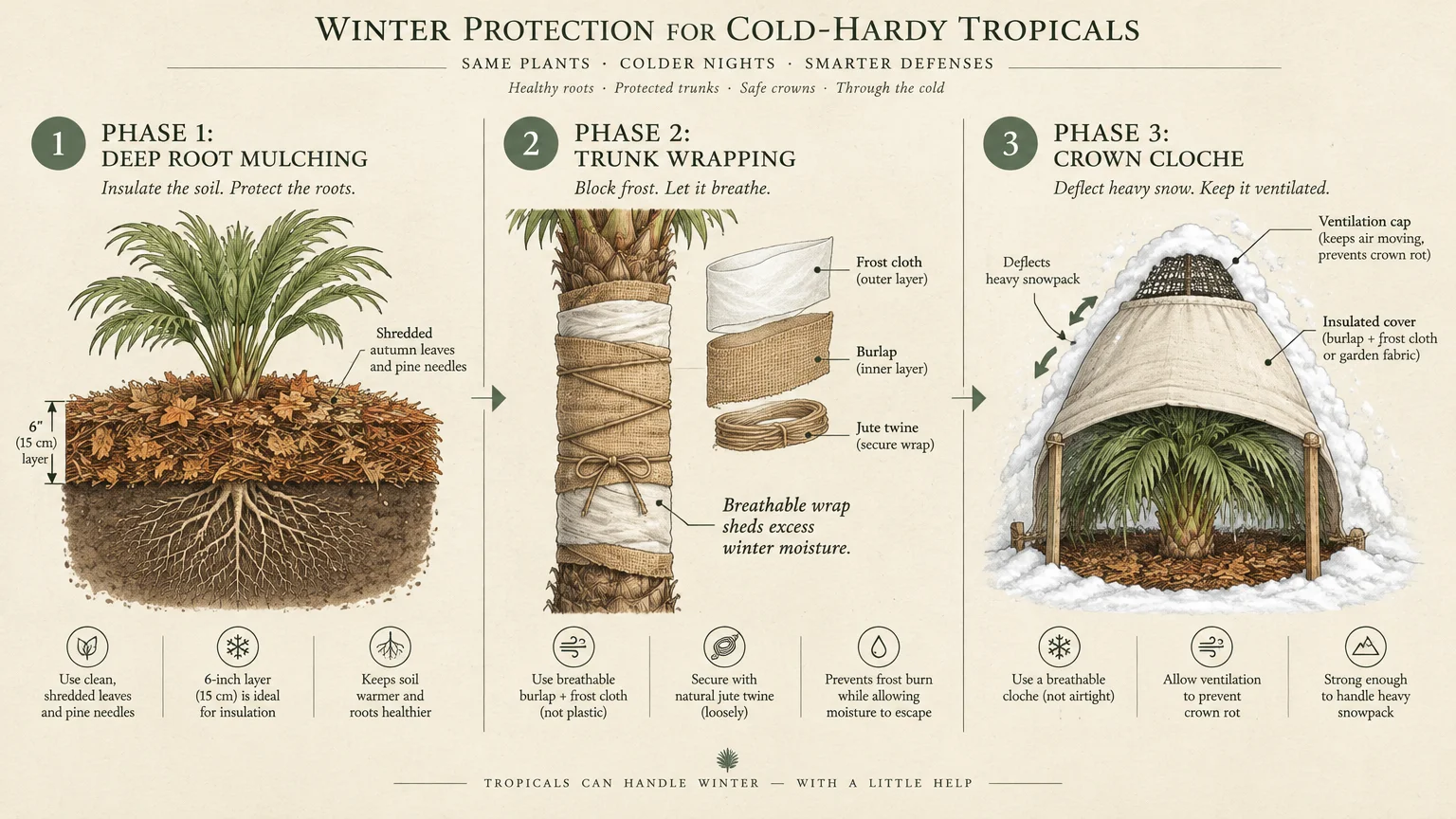
Tip #12: Implement Proven Winter Protection Strategies
Protecting cold hardy tropical plants during extreme weather guarantees vigorous rebound growth every spring. A few straightforward autumn tasks can mean the difference between thriving specimens and winter losses.
Apply thick layers of coarse mulch—such as pine straw, wood chips, or shredded leaves—before ground freezes occur. Keep mulch several inches away from trunks to prevent moisture-related rot and rodent burrowing.
Ensure your garden receives deep hydration during late autumn before the soil freezes solid. Hydrated root cells resist freeze damage far better than dry, dehydrated root systems under subzero stress.
For rare extreme cold waves, erect temporary burlap screens or wrap trunks loosely in frost cloth. Never use clear plastic directly against foliage; trapped condensation freezes and causes severe burn.
Remove protective mulch gradually in early spring as daytime temperatures stabilize and sunlight warms the ground. Clearing excess mulch allows warming rays to penetrate the root zone and awaken dormant eyes.
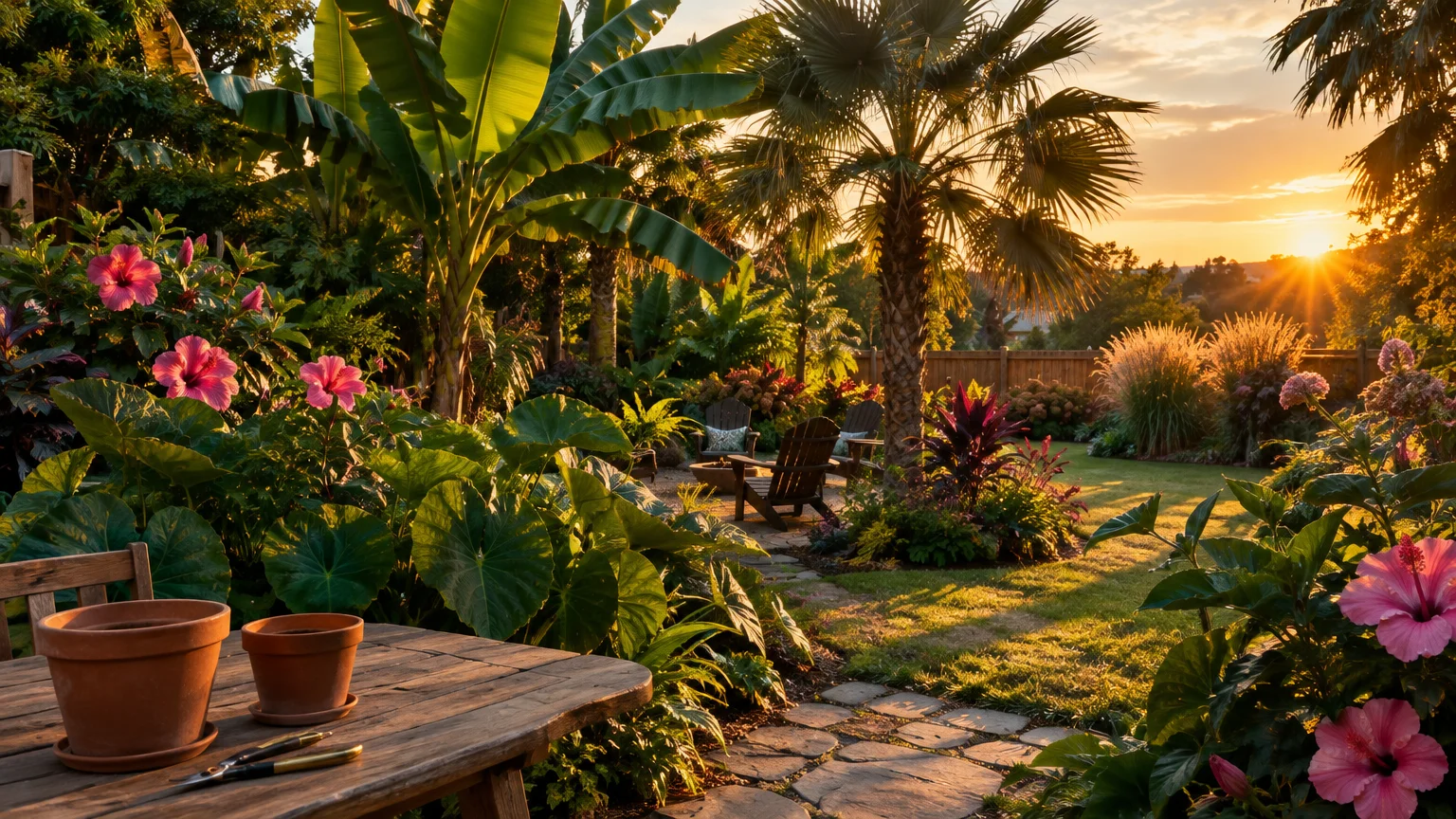
Putting It All Together: Enjoy Your Beautiful Garden
You do not need to live near the equator to immerse yourself in lush, exotic foliage. Selecting resilient species allows you to establish an enchanting sanctuary that stands up to freezing winter chills.
Start by selecting reliable anchors like windmill palms and hardy basjoo bananas to build structural height. Layer in dense understory foliage with cast iron plants, Japanese aralias, and vigorous cold-tolerant elephant ears.
Capitalize on microclimates around your home to give your favorite specimens every possible environmental advantage. Position plantings near protective masonry and provide coarse mulch to insulate delicate roots.
Gardening with bold foliage transforms ordinary yards into therapeutic, tranquil retreats. You will enjoy the drama of sweeping emerald fronds all summer long and marvel at their winter toughness.
Embrace the adventure of cold-climate exotic gardening today. With the right plants in the ground, your landscape will thrive with vigor and beauty through every changing season.
Frequently Asked Questions
Do cold-hardy bananas produce edible fruit in northern gardens?
Musa basjoo produces small, seeded green bananas that are not palatable for human consumption. Gardeners grow this variety strictly for its breathtaking ornamental foliage rather than culinary harvests.
Short northern growing seasons prevent fruit from maturing anyway, even on edible varieties. Focus on enjoying its dramatic canopy and rapid summer growth rate instead.
When should I cut back my hardy tropicals for winter?
Wait until the first hard autumn frost completely kills the top foliage before picking up your pruners. Allowing leaves to naturally decline directs essential starches back into the underground root systems.
Once the stems blacken, cut them back and apply heavy winter mulch immediately. Leaving blackened foliage unpruned through damp winter weather can encourage mold and crown rot.
How do I prevent root rot in cold, wet winter soils?
Provide excellent drainage by amending heavy clay soil with coarse grit, compost, and expanded shale. Raising your planting beds six to eight inches above grade also keeps dormant crowns out of standing water.
Cover crowns with breathable organic mulch rather than impermeable plastic sheeting. Good airflow allows excess winter moisture to evaporate while still keeping soil temperatures moderate.
Can I grow hardy palms in containers through the winter?
Container soil freezes much faster and deeper than open ground during frigid cold snaps. A potted palm root system loses roughly two hardiness zones compared to its in-ground counterparts.
Move containers into an unheated garage, shed, or sheltered porch during freezing conditions. Alternatively, bury the entire nursery pot directly in your garden bed before the first freeze.
For region-specific advice, consult your local University Extension program (find yours via the USDA directory). For plant databases and inspiration, visit the Missouri Botanical Garden or the Royal Horticultural Society.
Disclaimer: This article provides general gardening advice. Always consider your specific climate, soil conditions, and local pests. Follow safety guidelines when using gardening tools and products.