You can cultivate a vibrant, blossom-filled yard even if every houseplant you have ever touched withered away. Selecting the right beginner blooms guarantees colorful outdoor results with minimal effort on your part.
Reliable annuals and perennials adapt quickly to imperfect soil, tolerate missed waterings, and shrug off common backyard pests. These easy flowers to grow establish vigorous roots before you know it.
Successful black thumb gardening begins with durable varieties that practically plant themselves. With six resilient choices, you will turn empty garden beds into thriving floral displays all summer long.
Tip #1: Sunflowers for Bold and Cheerful Color
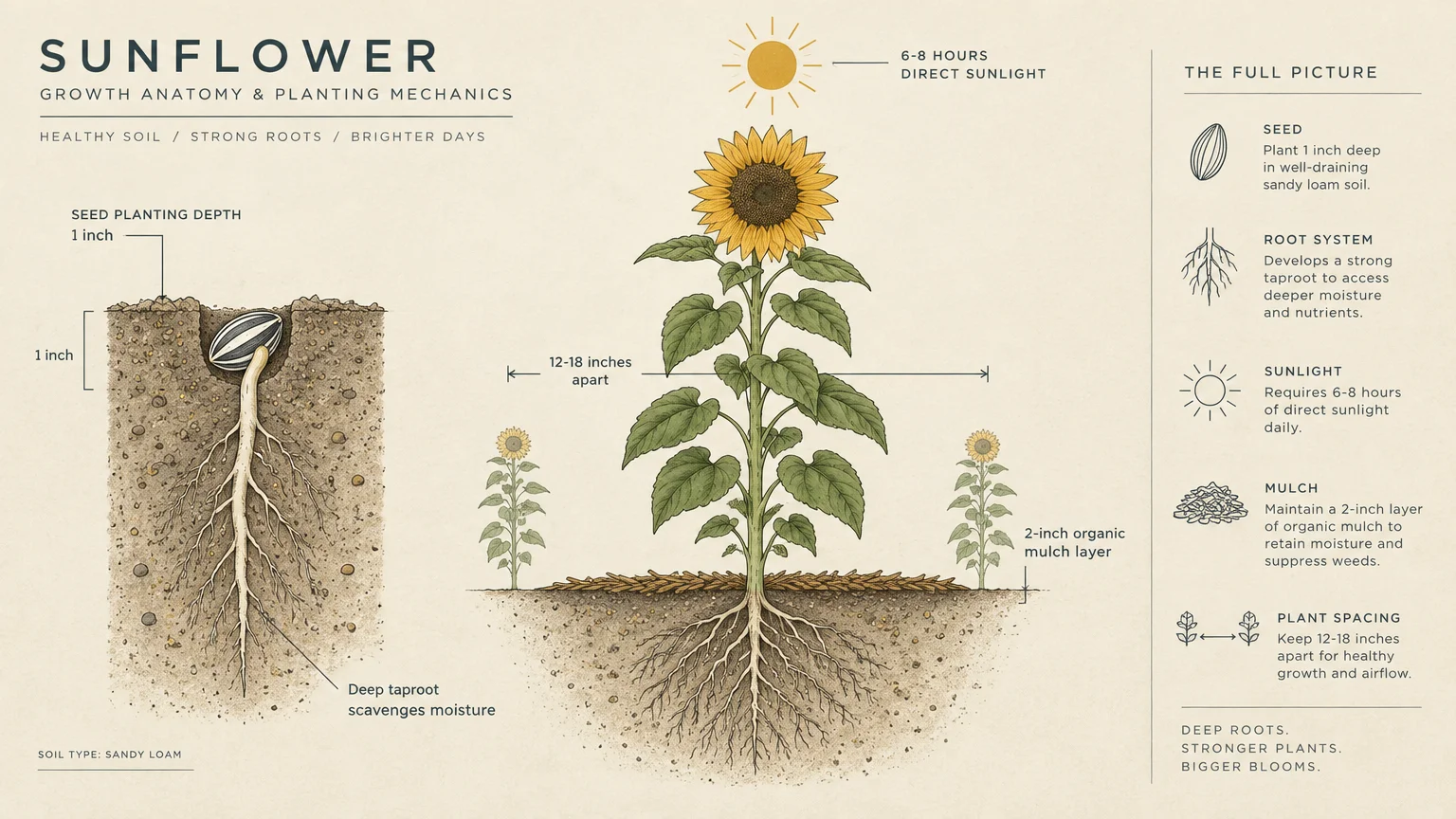
Sunflowers rank among the best flowers for beginners because their large seeds sprout quickly in warm garden soil. You simply press the seeds an inch into the ground and watch them surge upward.
Sunflowers develop deep taproots that anchor them against sudden windstorms and scavenge moisture during dry spells. This robust underground root system makes them exceptionally forgiving when you forget to run the garden hose.
Sunlight and Soil Requirements
Pick a location that receives at least six to eight hours of direct, unfiltered sunlight each day. Sunflowers turn their heads toward the sun and demand bright exposure to develop thick, sturdy stems.
While they prefer well-draining soil, sunflowers tolerate poor, sandy, or heavy clay dirt without complaint. Avoid overfeeding them with rich nitrogen fertilizers, which produce lush green leaves instead of massive blooms.
Step-by-Step Planting Strategy
Sow your sunflower seeds directly outdoors two weeks after your region passes its final spring frost date. Space standard varieties about twelve to eighteen inches apart so each plant has ample room to expand.
Water the planting area thoroughly until seedlings emerge within seven to ten days. Once seedlings reach six inches tall, spread a two-inch layer of organic mulch to conserve moisture and block weeds.
Pro Tips for Maximum Blooms
Choose branching varieties like Autumn Beauty if you want dozens of continuous blooms for indoor bouquets. Giant varieties like Russian Mammoth produce single, dinner-plate-sized seed heads that feed local songbirds in autumn.
Protect young sprouts from hungry birds by placing temporary wire mesh over them. Remove the wire covers as soon as the plants produce their second set of true leaves.
Stake taller sunflower varieties with bamboo canes if your garden experiences intense summer thunderstorms. A simple wooden stake keeps tall, heavy blossoms standing straight during unpredictable summer weather.
Tip #2: Zinnias for Constant Summer Brilliance
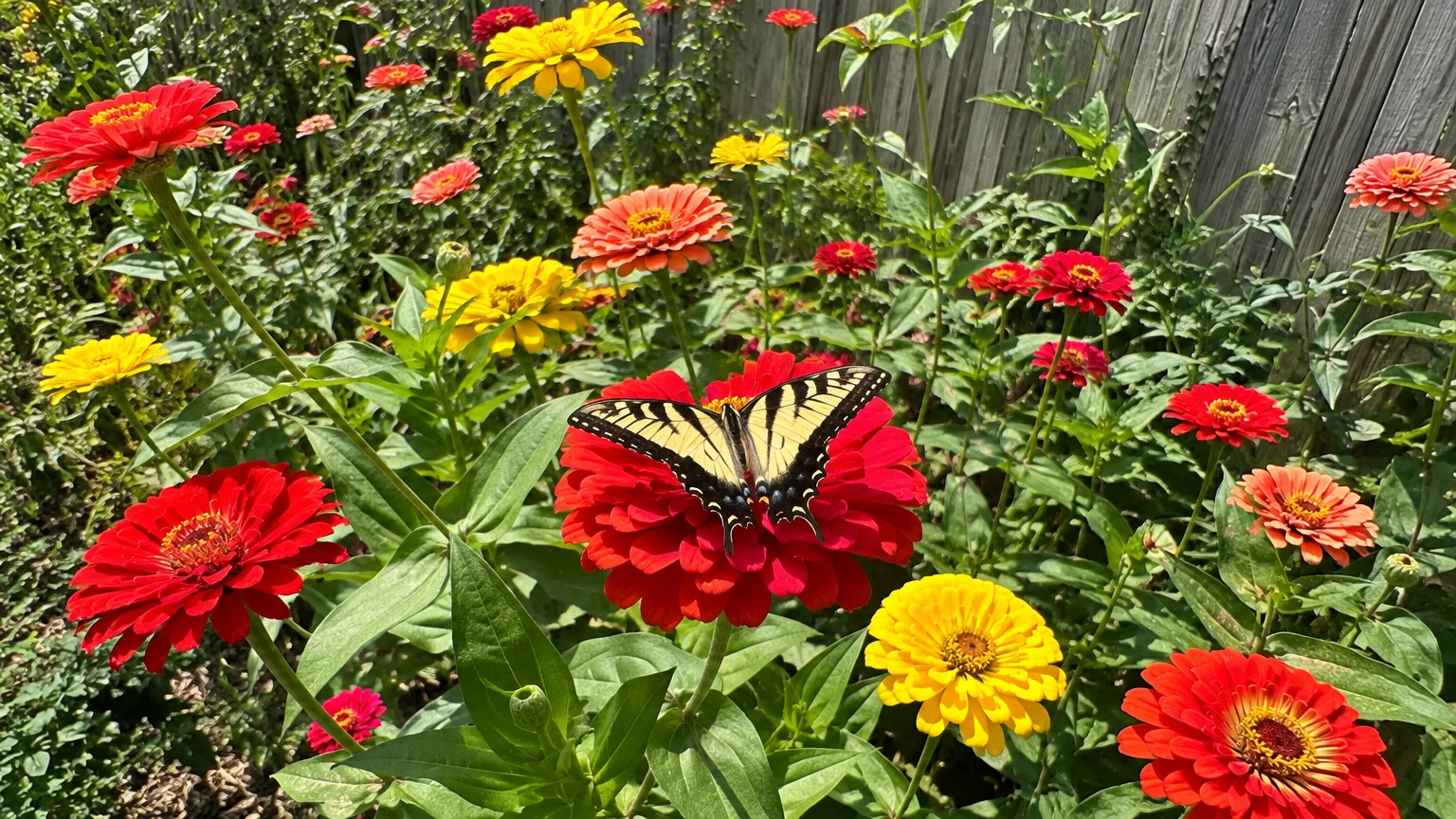
Zinnias provide non-stop garden color from early summer until the first killing frost of autumn. These heat-loving annuals burst from seed in just days and grow rapidly in sunny border beds.
If you want reliable low maintenance flowers that attract pollinators, zinnias deliver unmatched value for your effort. Honeybees, native bumblebees, and swallowtail butterflies flock to their vivid, nectar-rich petals daily.
Ideal Growing Conditions
Plant zinnias in full sun where air circulates freely around their foliage throughout the day. Ample breeze prevents powdery mildew, a common fungal issue that creates white powdery coatings on leaves.
Zinnias thrive in average garden loam with a neutral pH between 6.0 and 7.5. They tolerate midsummer heatwaves effortlessly and continue pumping out fresh flowers when other garden plants wilt.
Simple Planting Instructions
Scatter seeds directly across prepared soil after soil temperatures warm to at least seventy degrees Fahrenheit. Lightly rake one-quarter inch of fine soil over the seeds and moisten the ground gently.
Thin the emerging seedlings to ten inches apart once they produce their first true leaves. Proper spacing guarantees strong lateral branches and shields the dense foliage from stagnant, humid air pockets.
How to Keep Them Blooming
Snip spent blossom heads weekly with sharp pruning shears to trigger an endless cycle of fresh buds. This deadheading process redirects the plant’s natural energy toward new stems rather than early seed production.
Water the base of your zinnias directly using a watering can or soaker hose. Keeping the green leaves completely dry discourages fungal spores and keeps your floral display pristine all season.
Cut fresh zinnia stems early in the morning to create long-lasting tabletop arrangements for your home. Frequent cutting encourages the plants to generate even more flowering stems throughout the summer.
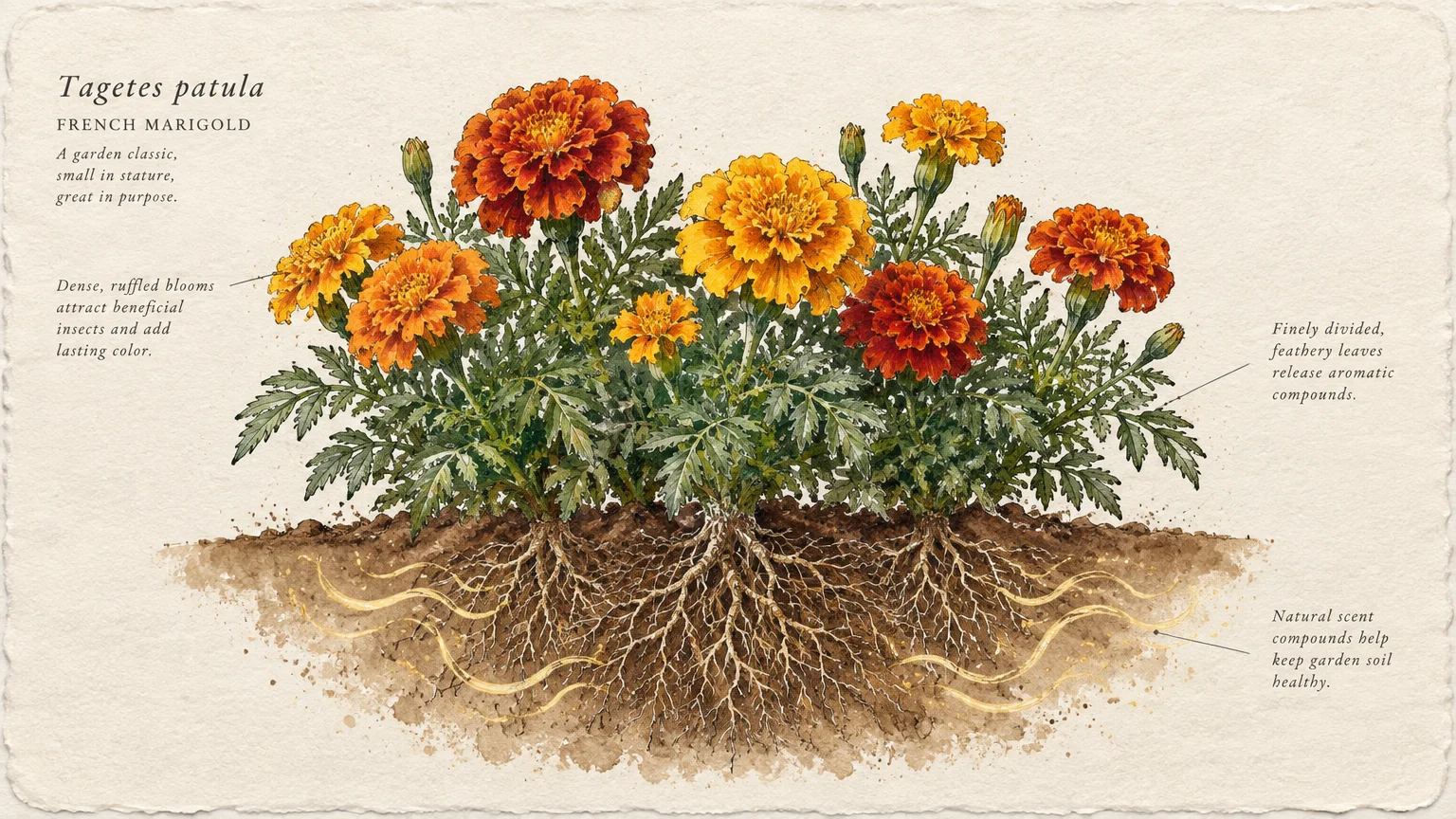
Tip #3: Marigolds for Pest Defense and Rugged Blooms
French and African marigolds represent the ultimate workhorses in low-stress, black thumb gardening. Their pungent, aromatic foliage repels troublesome garden pests while their golden blossoms brighten garden borders and patio containers.
These rugged annuals handle scorching afternoon heat, rocky soil, and irregular watering cycles with remarkable ease. You can plant them anywhere and expect dependable golden, copper, and yellow blossoms.
Sun and Water Needs
Provide your marigolds with full sun exposure for at least six hours every single day. In shadier beds, marigolds develop leggy, stretched stems and produce far fewer vibrant flower buds.
Water newly planted marigolds regularly for their first two weeks in the ground. After roots anchor, let the top inch of soil dry out completely between your watering sessions.
Planting Guidelines
Sow seeds directly into garden beds or plant sturdy nursery starts after spring frost risks pass. Bury seeds roughly one-quarter inch deep, firming the loose soil gently with your palms.
Space smaller French marigolds eight inches apart, while granting larger African varieties twelve to fifteen inches. This spacing gives them room to spread into bushy mounds overflowing with blossoms.
Companion Planting Benefits
Tuck marigolds around your tomato plants and vegetable beds to deter harmful root-knot nematodes. Their natural root secretions act as an organic biological defense against subterranean garden pests.
Pinch off dying flower heads occasionally to maintain an uninterrupted carpet of gold throughout the season. Marigolds drop abundant seeds that often sprout naturally during the following spring season.
Collect dried seed pods in late autumn and store them in paper envelopes over the winter. You will have hundreds of free seeds ready for planting when warm spring weather returns.
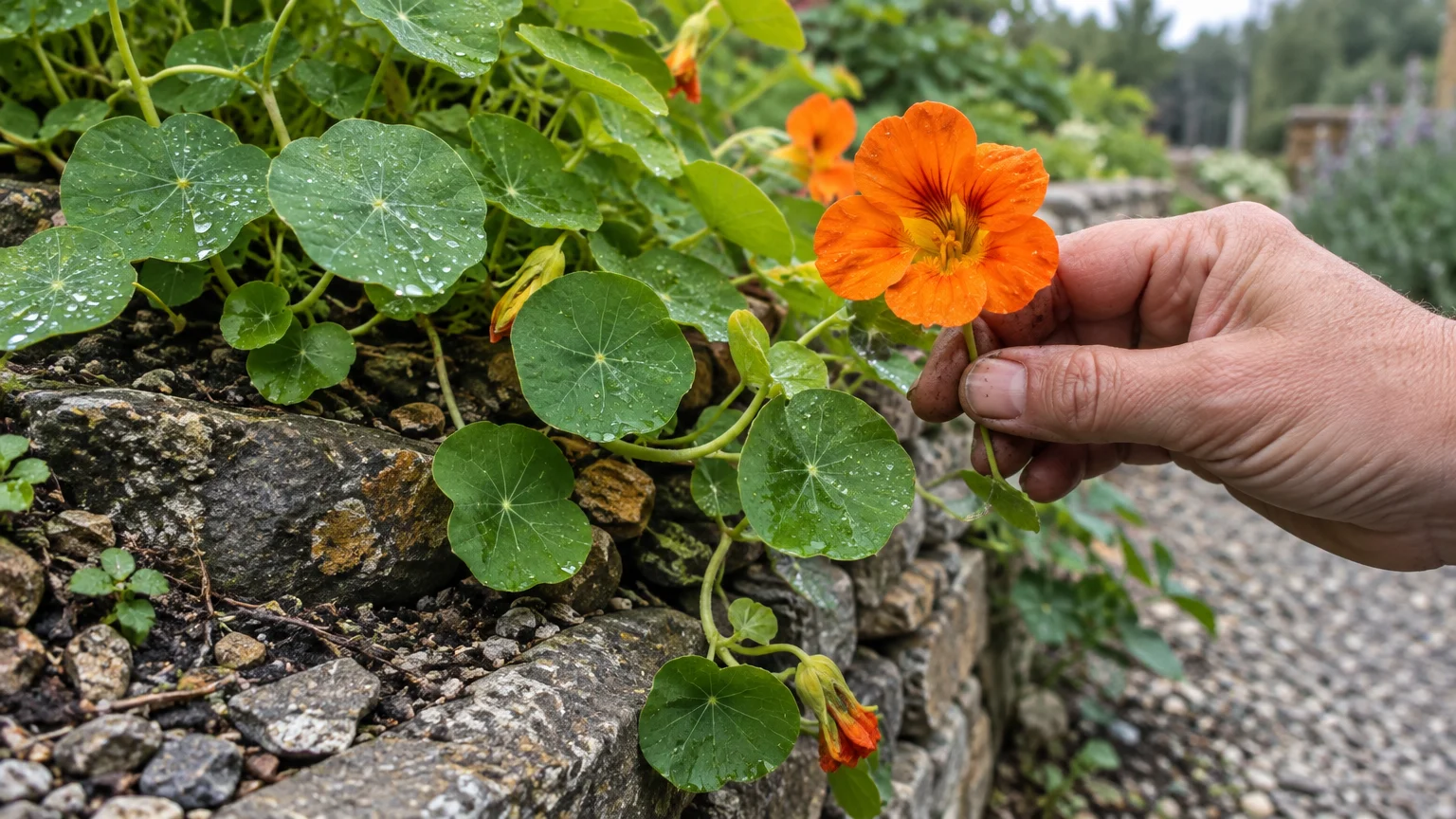
Tip #4: Nasturtiums for Edible Color and Poor Soil
Nasturtiums actively thrive on neglect and actually perform best when planted in poor, nutrient-deficient garden soil. If you fertilize them, they produce excessive green foliage while hiding their spectacular jewel-toned blossoms.
Every single part of the nasturtium plant offers an edible, peppery crunch for summer kitchen salads. You can pick the round lily-pad leaves, bright flowers, and tender green seedpods throughout the season.
Lighting and Soil Parameters
Position nasturtiums in full sunlight for the highest density of brilliant orange, red, and yellow blooms. In scorching southern climates, give them light afternoon shade to prevent their succulent stems from wilting.
Never amend your planting area with rich compost or chemical fertilizers before sowing nasturtium seeds. Lean, rocky, or sandy dirt encourages the plant to channel its energy into continuous flowering.
Sowing and Cultivation Steps
Soak the hard nasturtium seeds in warm water overnight to soften their tough outer protective coats. This pre-soaking step accelerates germination, coaxing vigorous green sprouts from the soil within one week.
Push each seed one-half inch into the ground, spacing individual plantings ten to twelve inches apart. Water the patch lightly, keeping the soil damp until the seedlings form their unique round leaves.
Versatile Garden Roles
Choose trailing varieties to cascade over raised bed edges, retaining walls, and hanging patio baskets. Bush varieties fill empty garden gaps quickly, forming lush weed-smothering ground covers along sunny garden pathways.
Use nasturtiums as a sacrificial trap crop near squash and cabbage plants. Aphids gravitate toward nasturtium stems, leaving your valuable garden vegetables clean and completely undisturbed by pests.
Pick the open blooms right before mealtime to brighten up fresh green salads with vibrant color. Their sweet, peppery flavor profile adds both aesthetic elegance and culinary zest to home cooking.
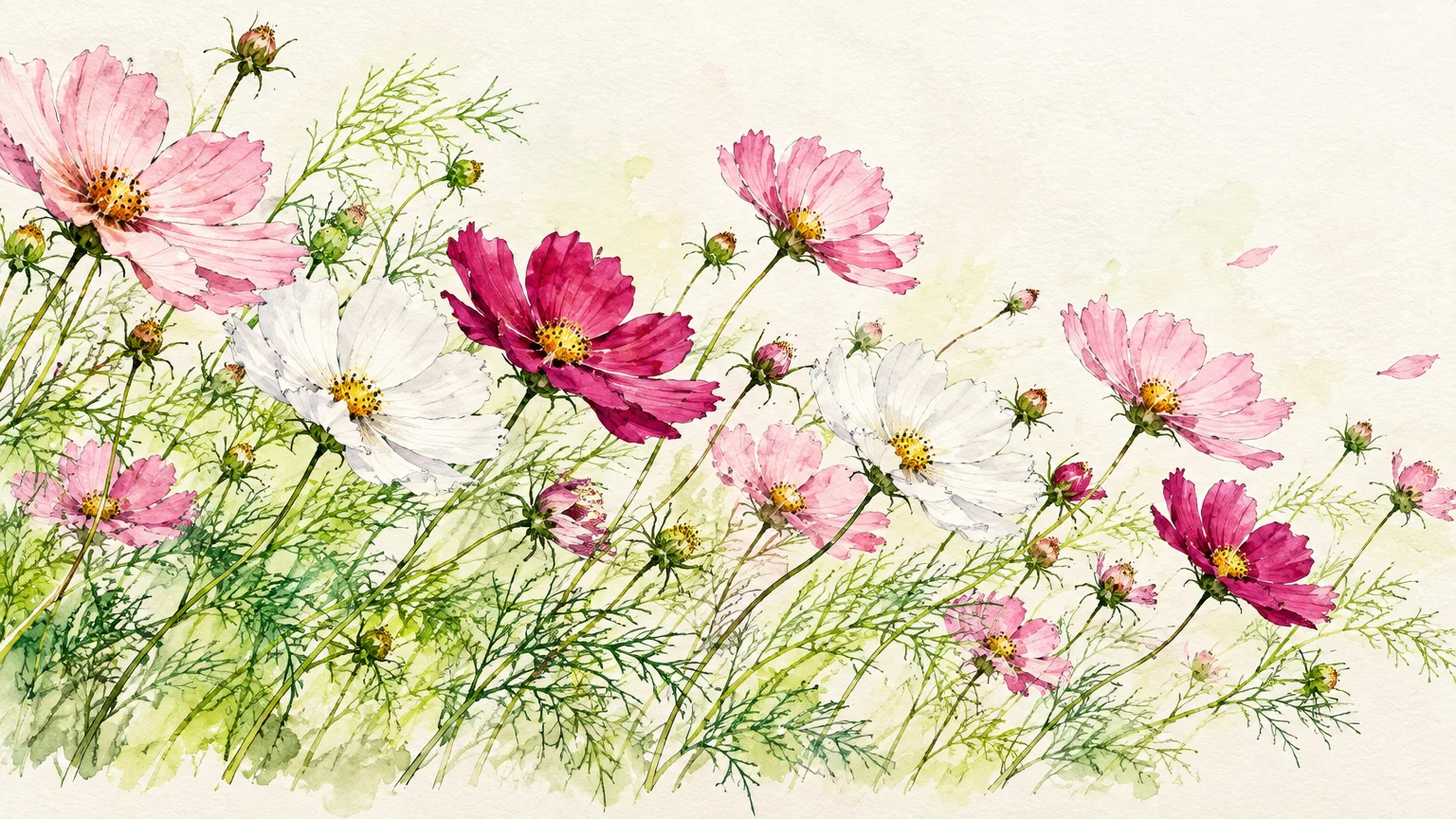
Tip #5: Cosmos for Airy Foliage and Graceful Stems
Cosmos deliver delicate, daisy-like blossoms on feathery, fern-like green stems that sway gracefully in gentle summer breezes. Despite their fragile, dainty appearance, cosmos stand as some of the toughest easy garden flowers available.
They survive drought conditions, handle baking summer heatwaves, and bloom prolifically right through the autumn months. Cosmos self-seed reliably, gifting your yard with free volunteers year after year.
Sun, Soil, and Water Preferences
Locate your cosmos patch in the sunniest area of your yard to maximize floral production. Cosmos plants grown in partial shade will grow tall and floppy, eventually tumbling over without bloom development.
Poor soil produces the best flowering results because rich fertilizers stimulate tall green stalks rather than buds. Water sparingly once established; cosmos genuinely prefer slightly dry soil over damp, soggy conditions.
Planting Techniques
Scatter cosmos seeds outdoors after your last frost date, pressing them lightly into bare earth. Seeds require light for rapid germination, so do not bury them deeply beneath heavy soil layers.
Keep the surface moist with a gentle spray nozzle until seedlings appear within five to seven days. Thin the seedlings to twelve inches apart so air circulates freely around their feathery foliage.
Harvesting and Cutting Tips
Cut long stems just as the flower petals begin unfurling for long-lasting indoor vase arrangements. The more stems you harvest for kitchen tables, the more fresh buds the plant actively generates.
Pinch the growing tips of young six-inch cosmos plants to encourage dense, bushy branching habits. This simple trimming creates stronger main stems that resist strong winds without staking or tying support.
Allow the final autumn flowers to dry completely on the stems at the end of the season. The dried flower centers will drop viable seeds directly onto the soil for next spring.
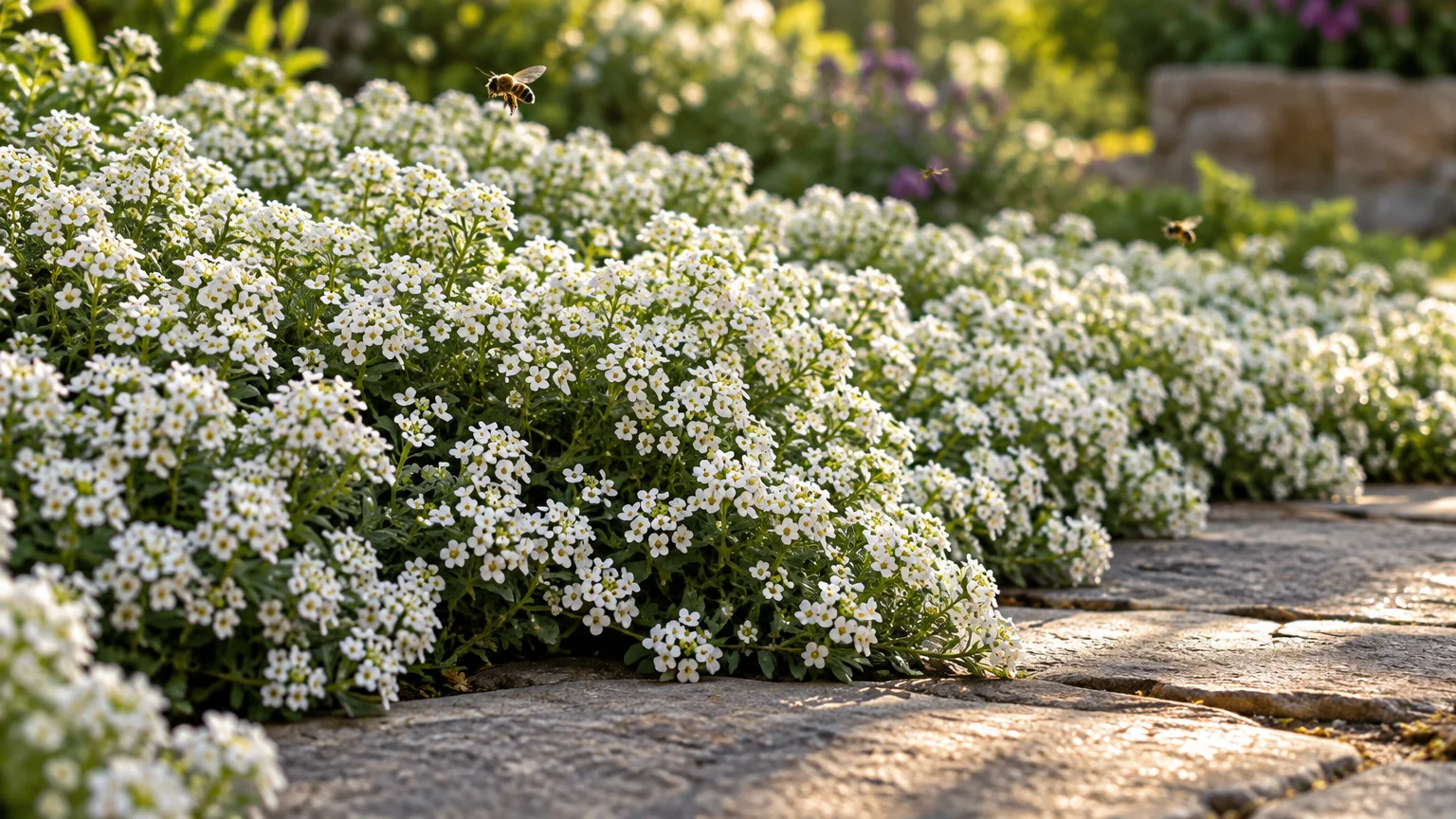
Tip #6: Sweet Alyssum for Fragrant and Living Carpets
Sweet alyssum carpets garden borders, rock walls, and patio containers in tiny, honey-scented floral clusters. This low-growing annual forms a dense, weed-suppressing floral mat that blooms from spring until hard winter freezes.
If you want dependable low maintenance flowers, sweet alyssum handles fluctuating temperatures better than most annuals. It laughs off chilly spring mornings and recovers quickly after blistering midsummer heat spells.
Sun and Moisture Conditions
Grow sweet alyssum in full sunlight to partial shade along walkways, rockeries, and border edges. In hot southern zones, afternoon shade prevents midsummer slowdowns and keeps plants flowering without interruption.
Plant in well-draining garden soil to safeguard the shallow root systems from standing water. Water moderately, providing about an inch of moisture weekly whenever rainfall does not supply enough water.
Direct Sowing Guidelines
Sow seeds directly onto the surface of weed-free soil in early spring before your final frost. Because sweet alyssum seeds require sunlight to germinate, do not bury them under heavy topsoil layers.
Press the fine seeds firmly into the soil surface with your hands to establish good soil contact. Mist the planting patch gently so you do not wash the lightweight seeds away during germination.
Revitalizing Midsummer Growth
Shear the plants back by half using kitchen scissors if blooming slows down during July heat. This quick haircut stimulates fresh vegetative growth and launches an explosion of new fragrant autumn flowers.
Sweet alyssum attracts beneficial hoverflies and predatory mini-wasps that devour destructive aphids and caterpillars naturally. Planting it alongside your vegetable rows builds an organic garden defense team effortlessly.
Combine sweet alyssum with taller upright perennials to hide bare lower stems with frothy white blossoms. Its cascading growth habit softens sharp stone walkway edges and spills gracefully over container rims.
Putting It All Together: Enjoy Your Beautiful Garden
Building a vibrant garden does not require decades of professional experience or expensive automated irrigation systems. You only need resilient plant varieties that adapt to real-world backyard conditions and occasional forgetfulness.
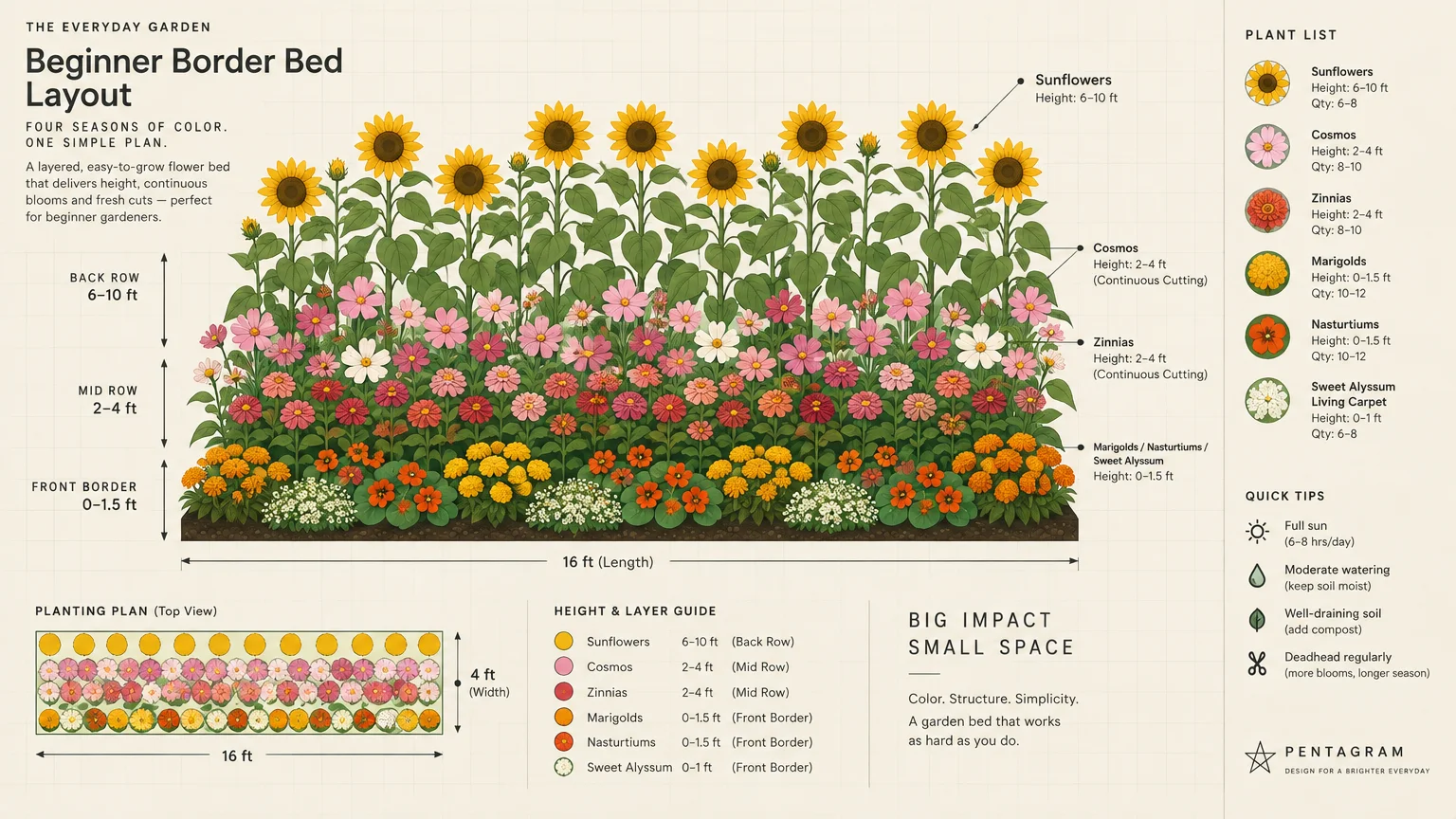
Combine tall branching sunflowers at the back of your border with bushy zinnias and vibrant marigolds. Place spreading nasturtiums, airy cosmos, and fragrant sweet alyssum along foreground edges for layered, dynamic depth.
Start your garden journey small with just two or three packets of easy garden flowers. Sowing seeds directly into sunny ground saves money while teaching you the simple rhythms of seasonal plant growth.
Observe your flowerbeds for five quiet minutes each morning with your favorite warm beverage. You will catch minor watering issues early while admiring visits from fluttering butterflies and buzzing bees.
Ditch the black thumb anxiety and embrace the forgiving resilience of these six superstar blooms. Pick up your seed packets today and start creating the lush, welcoming garden sanctuary you deserve.
Celebrate small daily milestones as your first seedlings emerge and unfurl their vibrant summer petals. Gardening rewards patience, curiosity, and simple consistency far more than rigid perfectionism.
Frequently Asked Questions
Can I grow these easy flowers to grow in containers?
Yes, all six of these beginner flowers grow wonderfully in outdoor containers and hanging baskets. Ensure your pots feature drainage holes and use a lightweight potting mix rather than heavy garden soil.
Dwarf sunflowers, compact French marigolds, trailing nasturtiums, and sweet alyssum perform especially well in patio containers. Check container soil moisture frequently, as potted roots dry out faster than in-ground garden beds.
How often should I water flowers for beginners?
Most resilient flowers require about one inch of water per week from natural rain or manual watering. Check moisture levels by sticking your index finger two inches into the surrounding garden dirt.
If the soil feels dry beneath the surface, give the roots a thorough, deep soaking. Deep, infrequent watering encourages roots to grow downward, creating durable drought resistance during hot summer weeks.
Do I need expensive fertilizers for these low maintenance flowers?
No, these durable varieties actually produce more vibrant flowers when you skip heavy, high-nitrogen fertilizers. Excessive nutrients cause plants like nasturtiums, cosmos, and sunflowers to grow gigantic leaves while producing zero buds.
A single top-dressing of organic compost applied at planting time provides all the slow-release nourishment they require. Save your money and let your garden plants thrive on natural soil minerals and bright sunlight.
What should I do if my seedlings look tall and leggy?
Leggy seedlings indicate that your young plants are stretching desperately toward an inadequate light source. Move container plants into direct sunshine immediately or thin crowded garden beds to eliminate competing shade.
For established seedlings, pinch the top set of leaves to force lateral branching and sturdier stems. Sturdier stems withstand driving wind and hold heavy blooms erect throughout summer storms.
For region-specific advice, consult your local University Extension program (find yours via the USDA directory). For plant databases and inspiration, visit the Missouri Botanical Garden or the Royal Horticultural Society.
Disclaimer: This article provides general gardening advice. Always consider your specific climate, soil conditions, and local pests. Follow safety guidelines when using gardening tools and products.