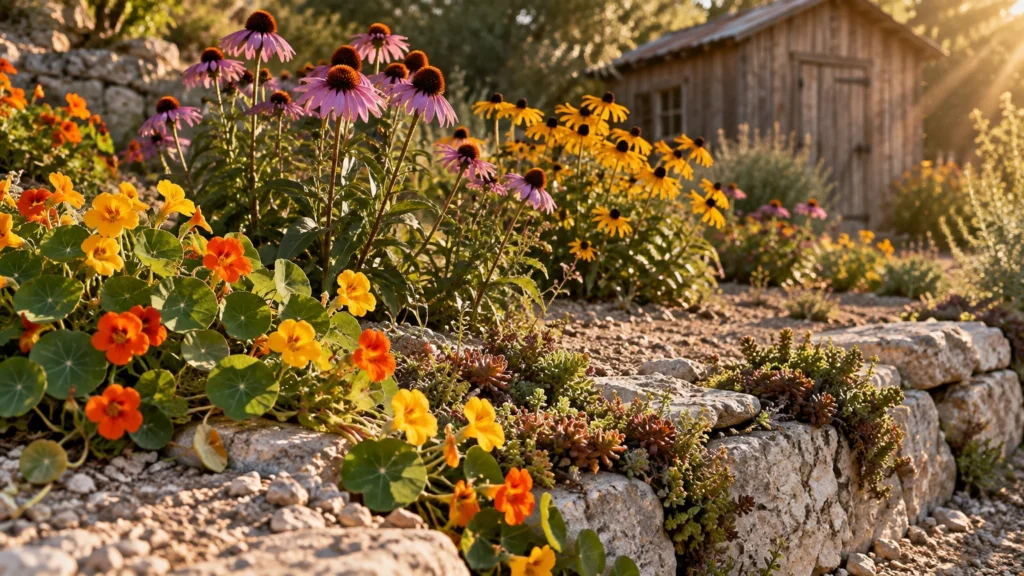
Transforming your outdoor space into a fragrant sanctuary elevates your gardening experience from visually pleasing to truly unforgettable. Selecting the right fragrant plants for the yard ensures that gentle breezes carry intoxicating aromas across your entire property all season long. Strategic placement near patios, open windows, and walkways allows these aromatic varieties to release their natural essential oils as the sun warms their petals. Whether you cultivate sprawling country acreage or a compact suburban lot, choosing vigorous bloomers with exceptional scent projection maximizes your landscape’s sensory impact. With just a few powerhouse cultivars, you can easily create an aromatic haven that welcomes you home every single day.
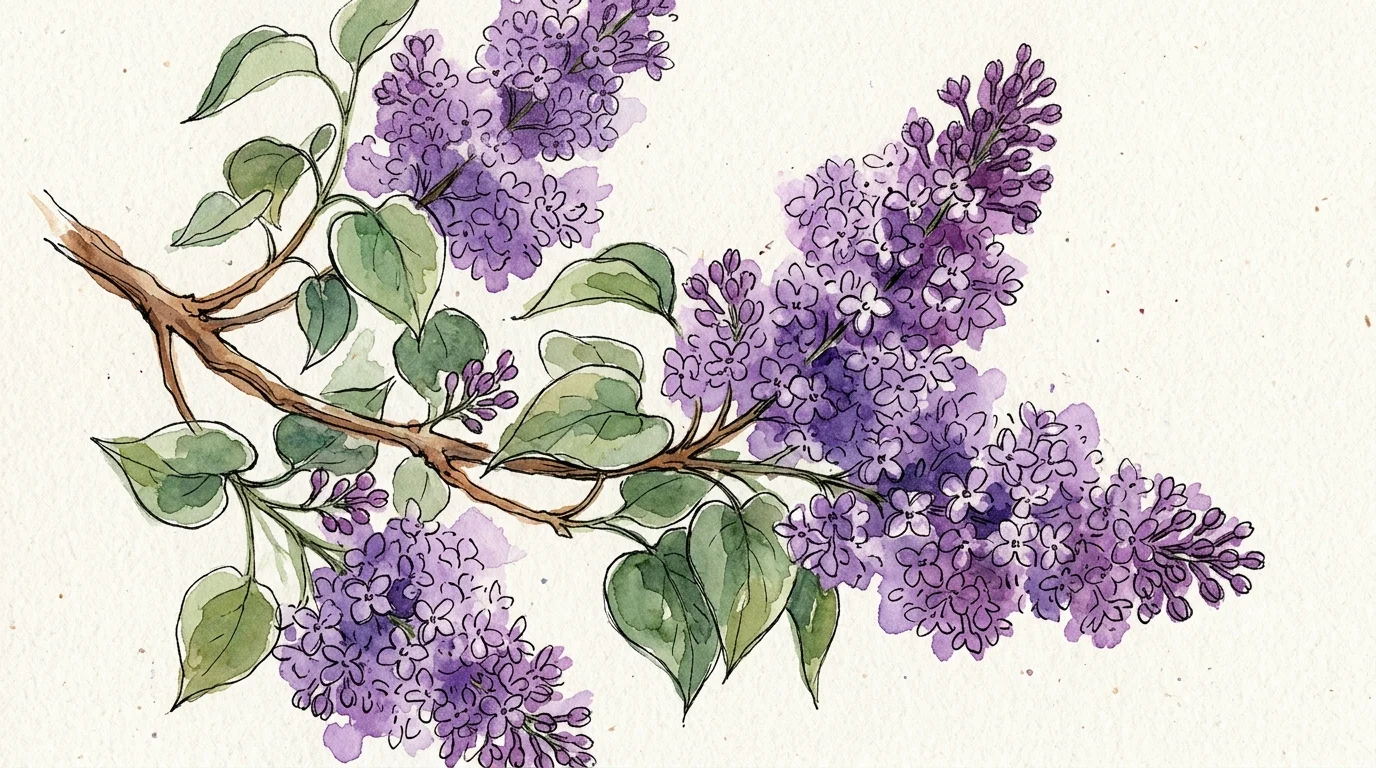
Tip #1: Common Lilac (Syringa vulgaris)
The Nostalgic Scent of Spring
Common lilac stands as an undisputed champion among cold-hardy, highly fragrant shrubs. During its mid-to-late spring blooming window, a single mature lilac bush releases massive clouds of sweet, powdery perfume that travel effortlessly across large outdoor areas. The dense, conical flower panicles contain hundreds of individual florets packed with volatile aromatic compounds. If you live in USDA Hardiness Zones 3 through 7, lilac provides one of the most reliable and intense early-season fragrance displays you can add to your garden border.
Cultivation and Siting for Maximum Aroma
To unlock the most potent fragrance from your lilacs, plant them in a sunny location that receives at least six hours of direct sunlight daily. Lilacs thrive in neutral to slightly alkaline soil with excellent drainage; soggy roots quickly dampen bloom quality and reduce overall plant vigor. Incorporate garden compost into the planting hole to provide slow-release nutrients without overloading the shrub with excess nitrogen. High-nitrogen fertilizers encourage lush green foliage at the expense of flower clusters, which directly reduces the aromatic output of your landscape.
Position your lilac bushes along the western or southern boundary of your property to take full advantage of prevailing spring breezes. Prune the shrubs immediately after their flowering cycle finishes in late spring or early summer. Because lilacs form their flower buds for the subsequent year during the summer months, late pruning removes potential blossoms and diminishes your yard’s fragrant potential for the following season.
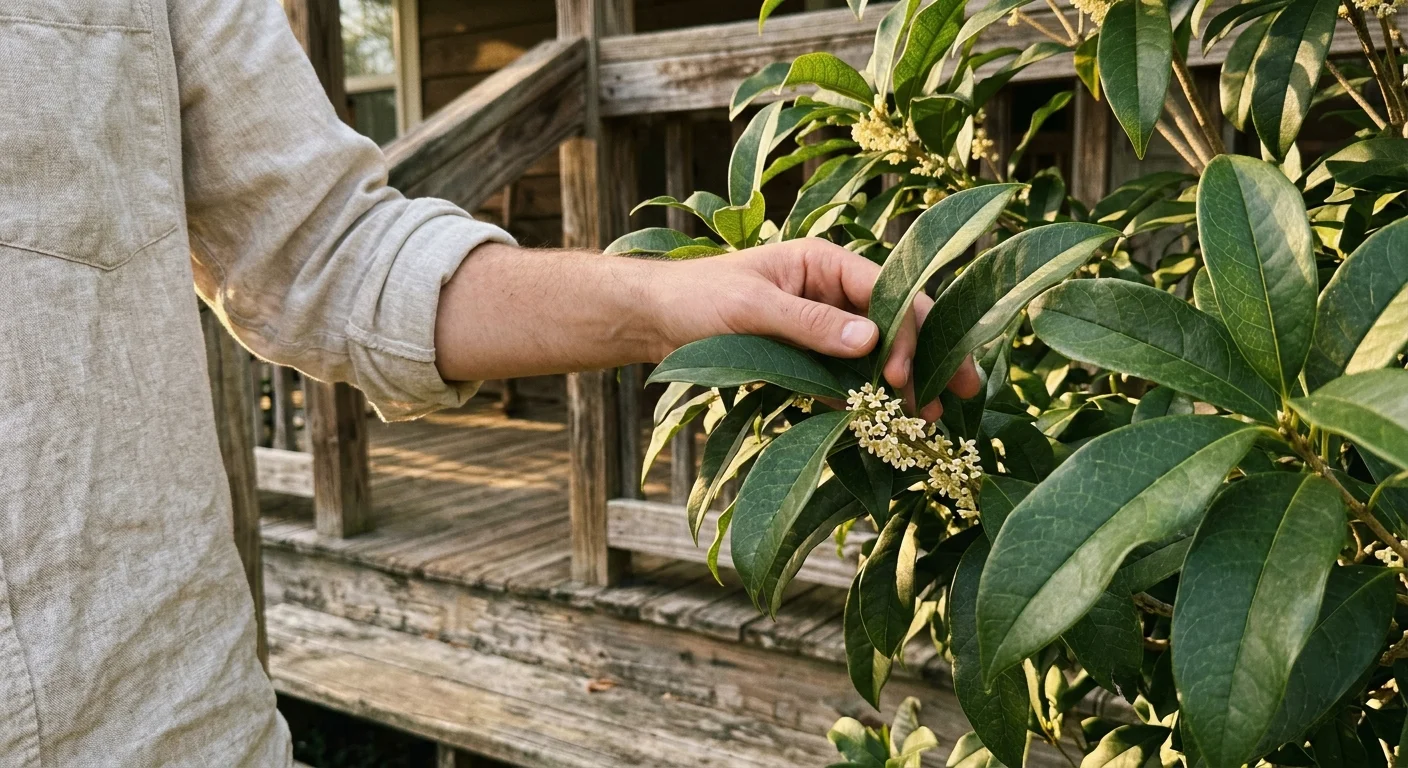
Tip #2: Fragrant Tea Olive (Osmanthus fragrans)
Deceptively Small Blossoms with Enormous Scent Projection
Do not let the diminutive size of tea olive blossoms fool you; this evergreen shrub produces one of the most powerful scent throws in the botanical world. Native to Asia and hardy in USDA Zones 7 through 10, fragrant tea olive perfumes outdoor spaces with an intoxicating aroma reminiscent of ripe apricots, velvety peaches, and fresh orange blossom. While the creamy white or pale orange flowers often hide beneath glossy green foliage, their scent easily drifts several hundred feet across an open lawn on a mild autumn afternoon.
Where and How to Grow Tea Olive
Tea olive performs exceptionally well in full sun to partial shade, making it a versatile addition to both open lawns and dappled woodland borders. It prefers rich, moist, well-draining soil with a slightly acidic to neutral pH level. Once established, this tough evergreen demonstrates remarkable drought tolerance and requires very little supplemental feeding to maintain its lush appearance. Mulch the base of the shrub with a three-inch layer of organic bark to conserve soil moisture and moderate root temperatures throughout the heat of summer.
Because tea olive blooms recurrently from early autumn through spring in mild climates, plant it near high-traffic gathering zones such as outdoor dining areas, covered porches, or master bedroom windows. Its dense, upright habit also makes it an outstanding candidate for evergreen privacy screens that serve double duty as natural air fresheners. Lightly shape the shrub in late winter to maintain your desired size without interrupting its extended bloom cycle.
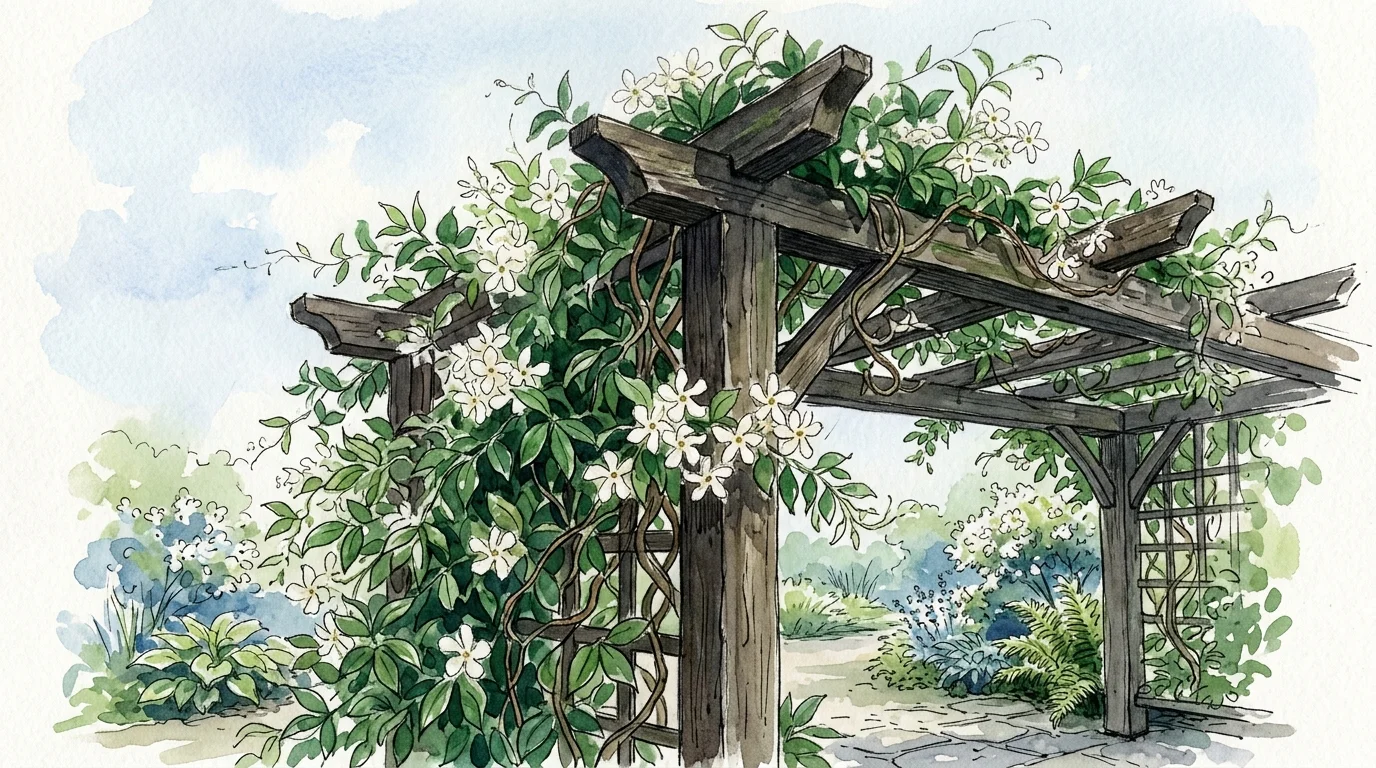
Tip #3: Star Jasmine (Trachelospermum jasminoides)
Vigorous Vines with Intensely Sweet Floral Notes
Star jasmine delivers an avalanche of star-shaped white blossoms that transform ordinary garden structures into living, fragrant tapestries. Also known as Confederate jasmine, this vigorous evergreen vine is celebrated as one of the best smelling garden plants for warm-temperate and subtropical climates in USDA Zones 8 through 11. As temperatures rise in late spring and early summer, star jasmine produces copious amounts of nectar-rich blooms that saturate the surrounding atmosphere with a rich, honeyed vanilla fragrance.
Vertical Placement and Maintenance Guidelines
Train star jasmine over vertical landscape features such as sturdy trellises, arbors, privacy fences, or courtyard walls to elevate the floral scent to nose level. The plant utilizes twisting stems rather than aggressive aerial rootlets, making it gentle on masonry while climbing efficiently up wire supports and wooden lattice panels. It thrives in full sunlight for maximum floral density, though it adapts readily to partial shade in scorching southern climates. Provide regular moisture during the first growing season to establish a deep, resilient root system.
After the primary late-spring flowering wave subsides, trim wayward vines with sharp hand shears to keep growth contained and encourage branching. This light summer pruning stimulates the development of fresh lateral shoots, which often yield a lighter secondary flush of fragrant blooms in late summer. In cooler climates, cultivate star jasmine in large wheeled containers and overwinter them indoors in a sunny sunroom.
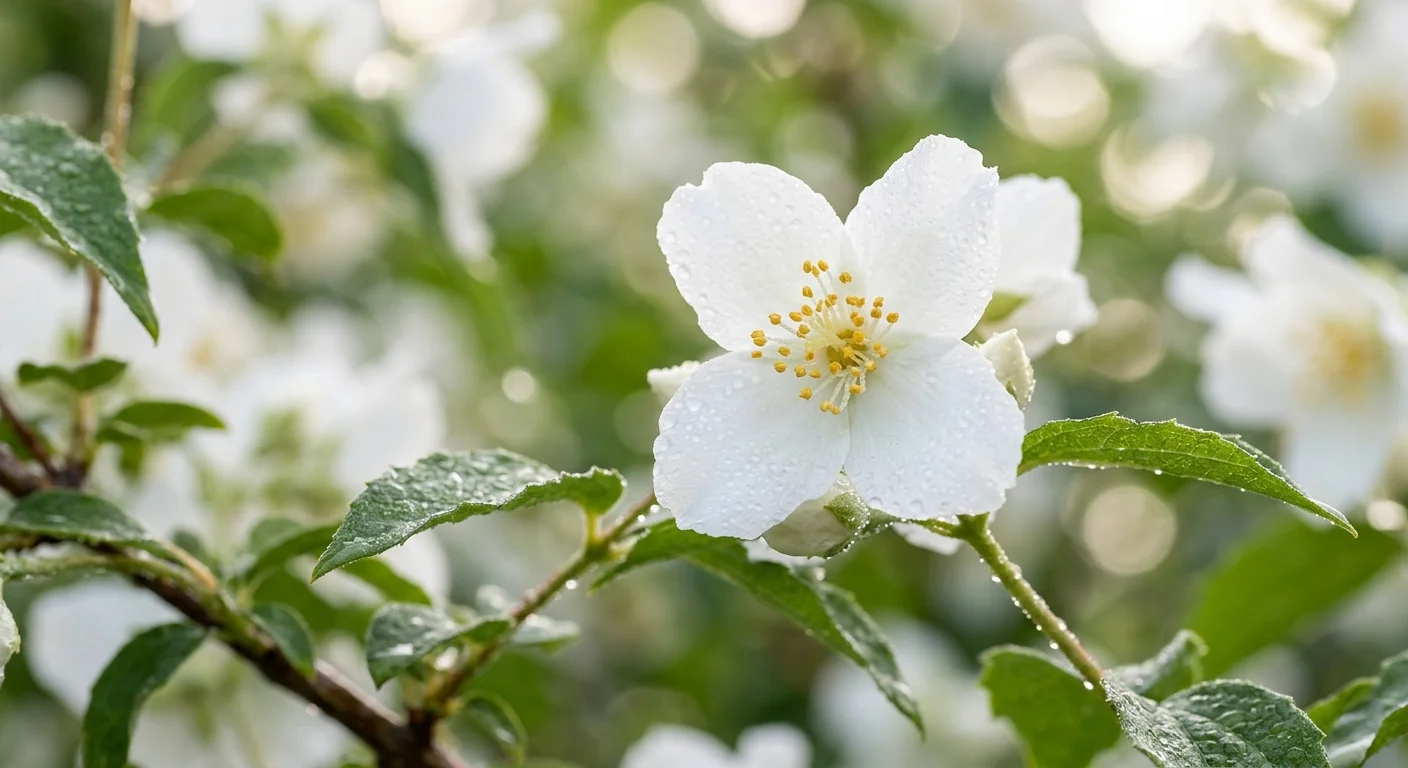
Tip #4: Sweet Mock Orange (Philadelphus coronarius)
Crisp Citrus Aromas for Northern and Temperate Landscapes
Sweet mock orange earns its common name from the striking resemblance its scent bears to true citrus blossoms. Hardy in USDA Zones 4 through 8, this classic deciduous shrub blooms abundantly in late spring, producing pristine four-petaled white flowers that fill the air with a bright, uplifting blend of orange blossom, gardenia, and jasmine notes. Mock orange provides cold-climate gardeners with an extraordinary citrus fragrance that rivals southern ornamentals while surviving harsh winter freezes without skipping a beat.
Maximizing Flower Production and Airflow
Plant mock orange in a location that receives full sun to light afternoon shade. While the shrub survives in partial shade, direct sunlight stimulates the heaviest flowering and concentrates the aromatic essential oils within each petal. It tolerates a wide variety of soil types, including moderately heavy clay, provided the planting site does not hold standing water. Water newly planted shrubs consistently until they develop an extensive root network, after which they withstand typical summer dry spells with ease.
Integrate mock orange into mixed shrub borders, foundation plantings, or informal boundary hedges where gentle cross-breezes can catch and disperse its perfume. To keep older shrubs blooming vigorously year after year, practice renewal pruning immediately following the flowering season. Remove one-third of the oldest, thickest canes down to ground level every year to stimulate vigorous new growth that will carry next year’s fragrant flower buds.
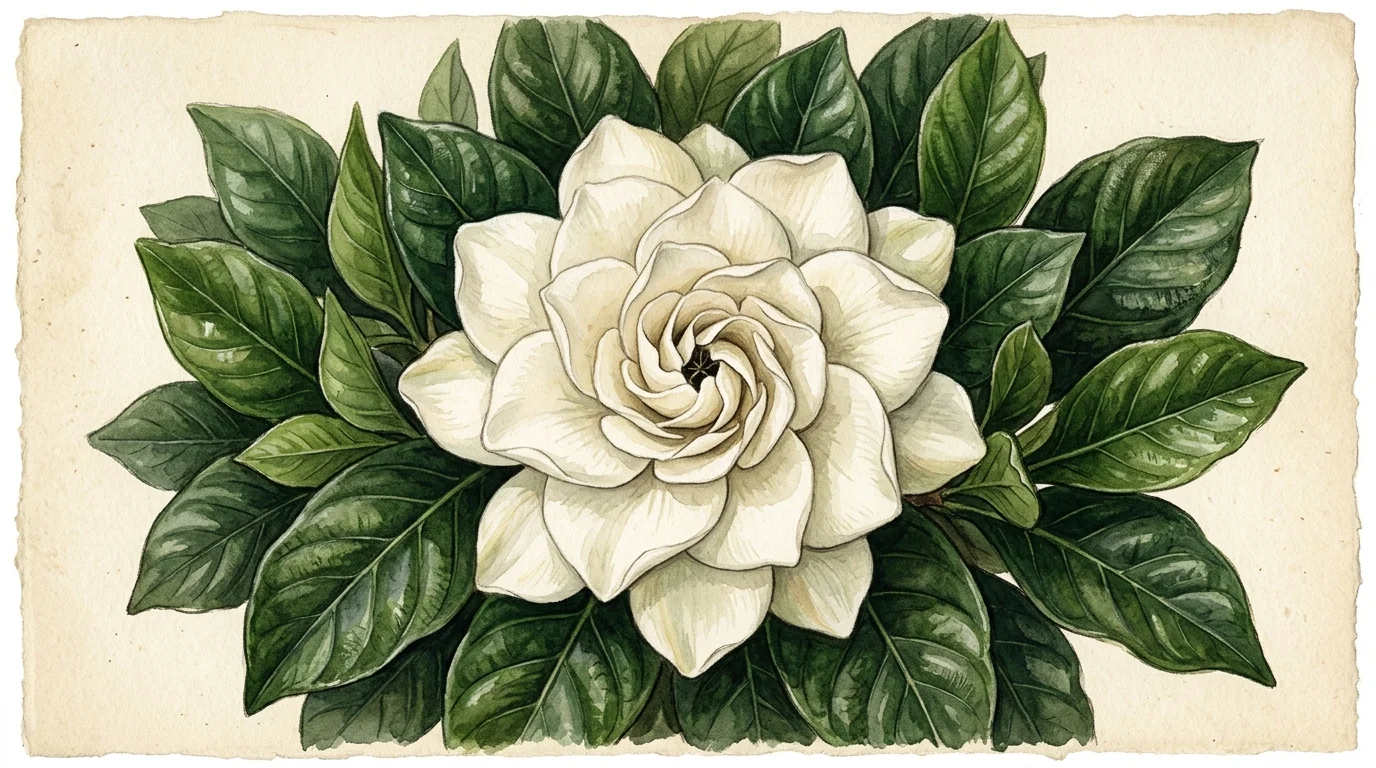
Tip #5: Gardenia (Gardenia jasminoides)
The Gold Standard of Velvety, Sultry Perfume
Gardenias represent the pinnacle of floral luxury, boasting thick, creamy white blossoms and a heady, exotic scent that lingers in still summer air. Thriving in USDA Zones 7 through 11, gardenias are quintessential fragrant flowers for landscaping that captivate gardeners with their unmistakable, velvety perfume. Cold-hardy cultivars such as Frostproof and Chuck Hayes have expanded the geographic range of this garden staple, allowing gardeners in cooler transition zones to enjoy their unmatched fragrance throughout the summer months.
Soil Chemistry and Environmental Requirements
Cultivating top-tier gardenias requires careful attention to soil chemistry and microclimates. These shrubs demand acidic, organically rich soil with a pH ranging strictly between 5.0 and 6.0. If your garden soil leans alkaline, amend it thoroughly with organic peat moss, elemental sulfur, and composted pine bark to prevent iron chlorosis and ensure abundant flower production. Plant gardenias in areas that receive bright morning sun and gentle protection from intense afternoon heat, which can scorch delicate petals and evaporate floral oils prematurely.
Because gardenia fragrance is heavy and rich, plant these compact evergreen shrubs in enclosed or semi-enclosed spaces such as courtyards, patio corners, or alongside entry pathways. The physical boundaries of walls and fences trap the heavy aromatic molecules, creating a concentrated pocket of perfume that greets visitors at your door. Maintain consistent soil moisture and apply an organic pine straw mulch to protect shallow roots from extreme temperature fluctuations.
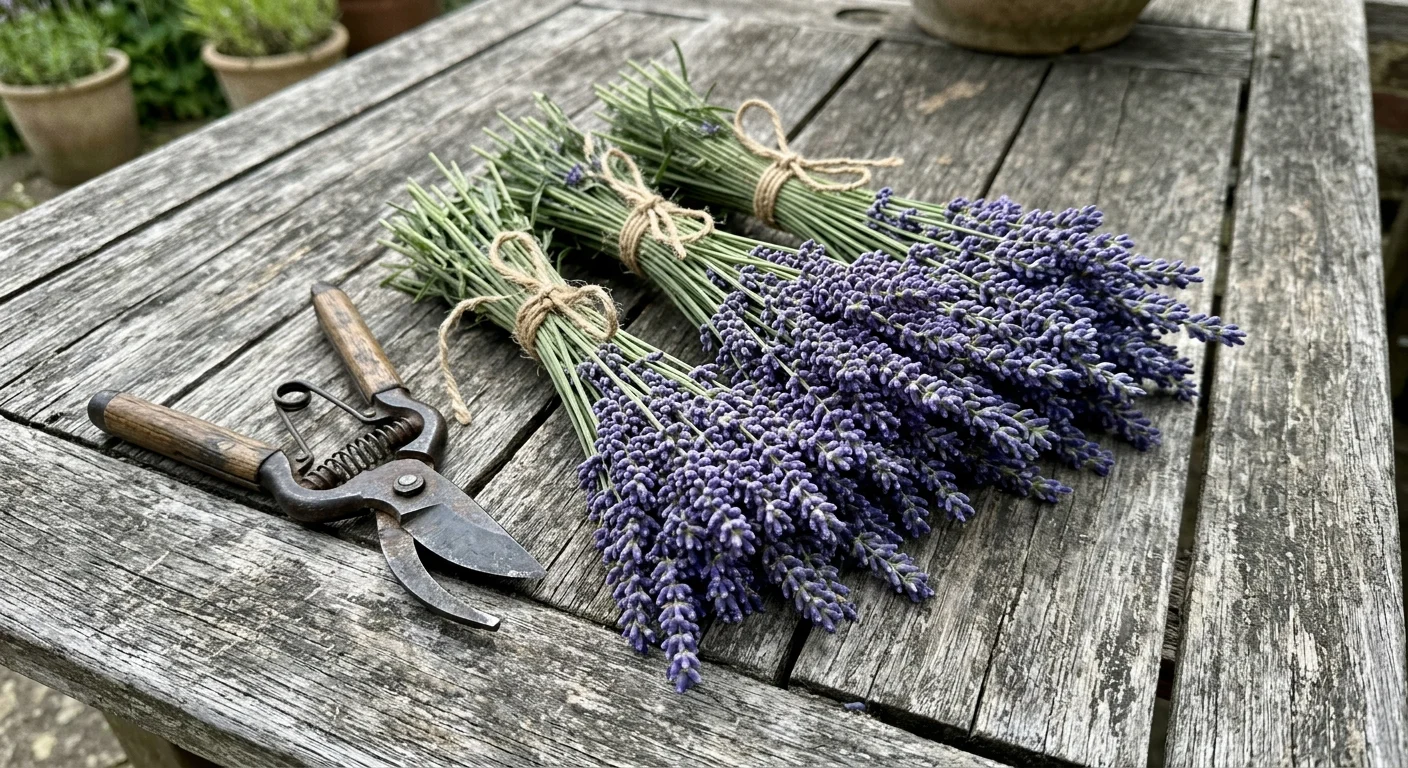
Tip #6: English Lavender (Lavandula angustifolia)
Relaxing Herbal Fragrance from Both Foliage and Blooms
English lavender brings a clean, soothing, and universally beloved herbal fragrance to sunny landscape designs. Hardy in USDA Zones 5 through 9, this Mediterranean subshrub differs from many other aromatic garden plant ideas because both its purple flower spikes and its silver-gray foliage contain high concentrations of aromatic terpenes. As the summer sun warms the plant, or when people brush against the leaves along a pathway, lavender releases steady waves of fresh, calming fragrance that drift across open patios.
Sun, Drainage, and Pruning for Aromatic Longevity
Lavender demands full sun and exceptionally sharp soil drainage to thrive and produce intense aromatic oils. It performs best in lean, sandy, or gravelly soils with a neutral to alkaline pH; rich, overly fertile soils cause leggy growth and dilute the concentration of scent. If your yard features heavy clay soil, plant lavender in raised garden beds or mound the soil by several inches, blending in coarse horticultural grit to ensure water moves away from root crowns rapidly.
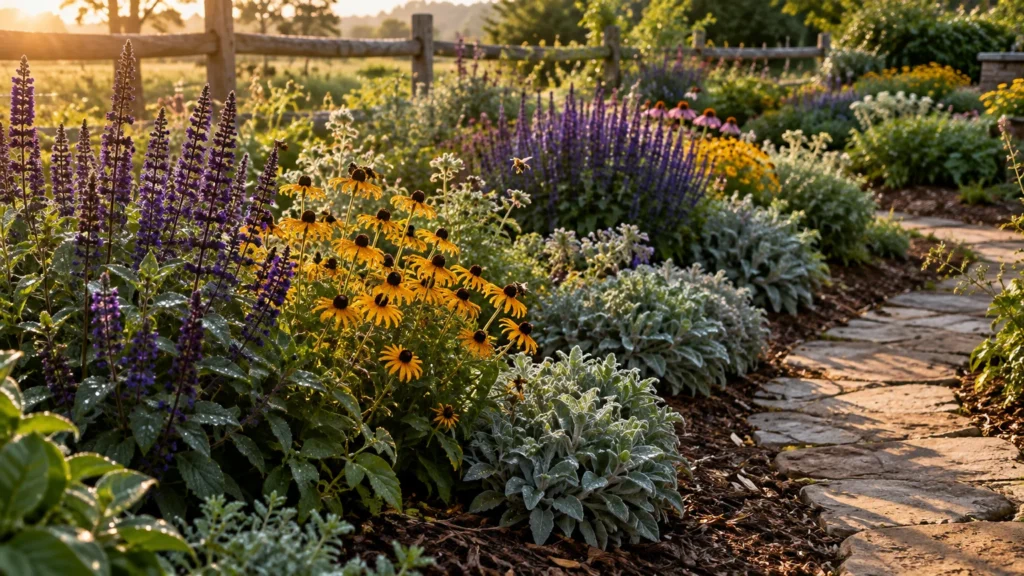
Create fragrant garden borders by lining stone walkways, patio perimeters, or retaining walls with dense plantings of English lavender. Every step alongside the border will agitate the aromatic foliage, releasing continuous bursts of soothing scent into the immediate environment. Shear the plants back by approximately one-third immediately after the summer blooming cycle ends, taking care not to cut into old, woody stems, to maintain a tight, bushy habit and stimulate prolific blooms the following season.
Tip #7: Woodbine Honeysuckle (Lonicera periclymenum)
Nocturnal Honeyed Perfume for Evening Outdoor Living
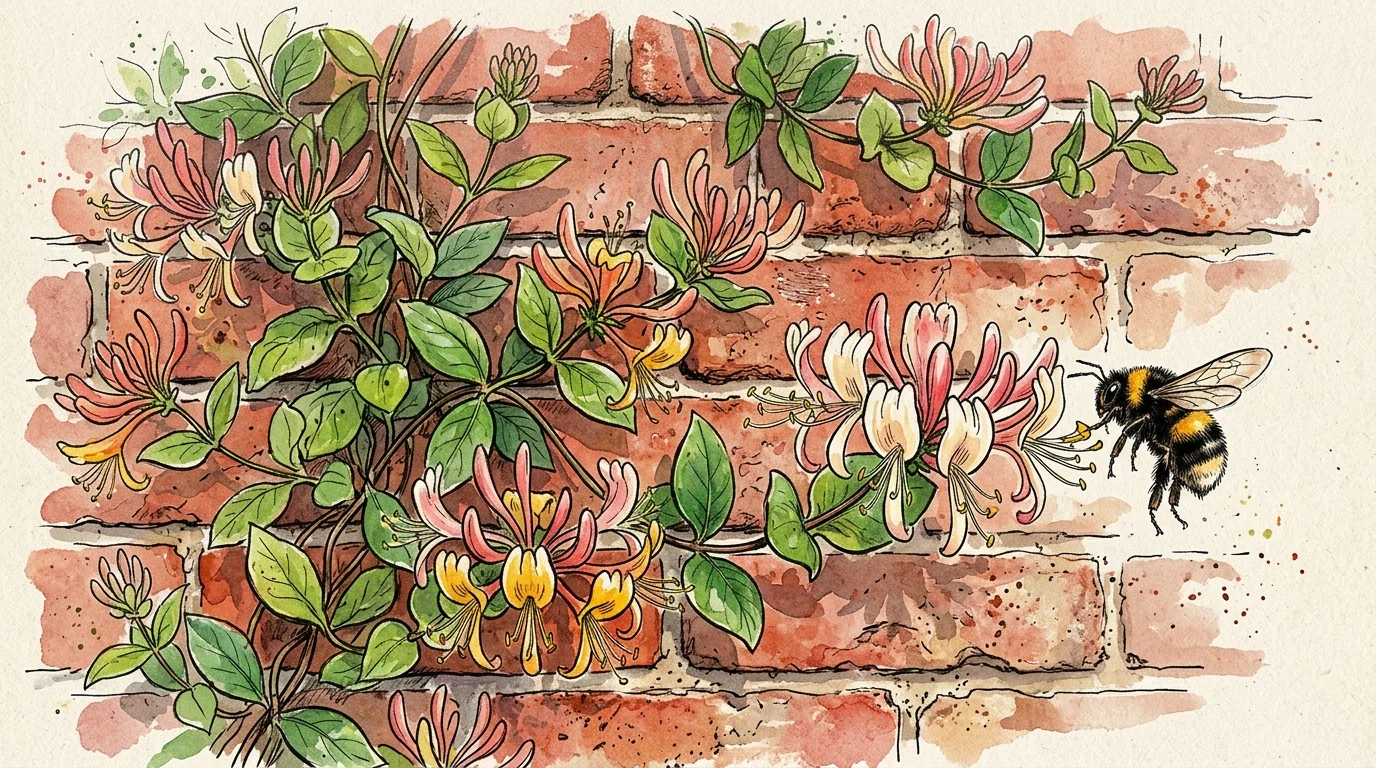
Woodbine honeysuckle transforms evenings in the garden into a sensory delight with its sweet, honey-and-spice floral perfume. Unlike aggressive, invasive Asian honeysuckle varieties, non-invasive European woodbine honeysuckle cultivars such as Serotina and Graham Thomas offer controlled vigor, vibrant bi-colored tubular blooms, and extraordinary fragrance in USDA Zones 4 through 9. This climbing woody vine releases its most powerful fragrance during twilight and dusk, making it the premier choice for homeowners who enjoy relaxing outdoors after dark.
Climbing Support and Twilight Scent Traps
Provide woodbine honeysuckle with a sturdy arbor, pergola post, or wire trellis situated near outdoor seating areas, fire pits, or open bedroom windows. The vine thrives when its roots remain cool and shaded while its upper flowering vines bask in full sunlight. Spread a thick layer of organic wood mulch or plant low-growing perennials around the base of the vine to insulate root systems and maintain even soil moisture throughout hot summer stretches.
The evening scent of woodbine honeysuckle acts as a natural beacon for beneficial nocturnal pollinators, particularly hawk moths and sphinx moths, adding fascinating wildlife viewing to your aromatic garden. Honeysuckle flowers continuously from late spring into early autumn, ensuring a steady release of sweet perfume all season long. Prune lightly in late winter or early spring to thin out tangled growth and promote vigorous flowering stems.
Putting It All Together: Enjoy Your Beautiful Garden
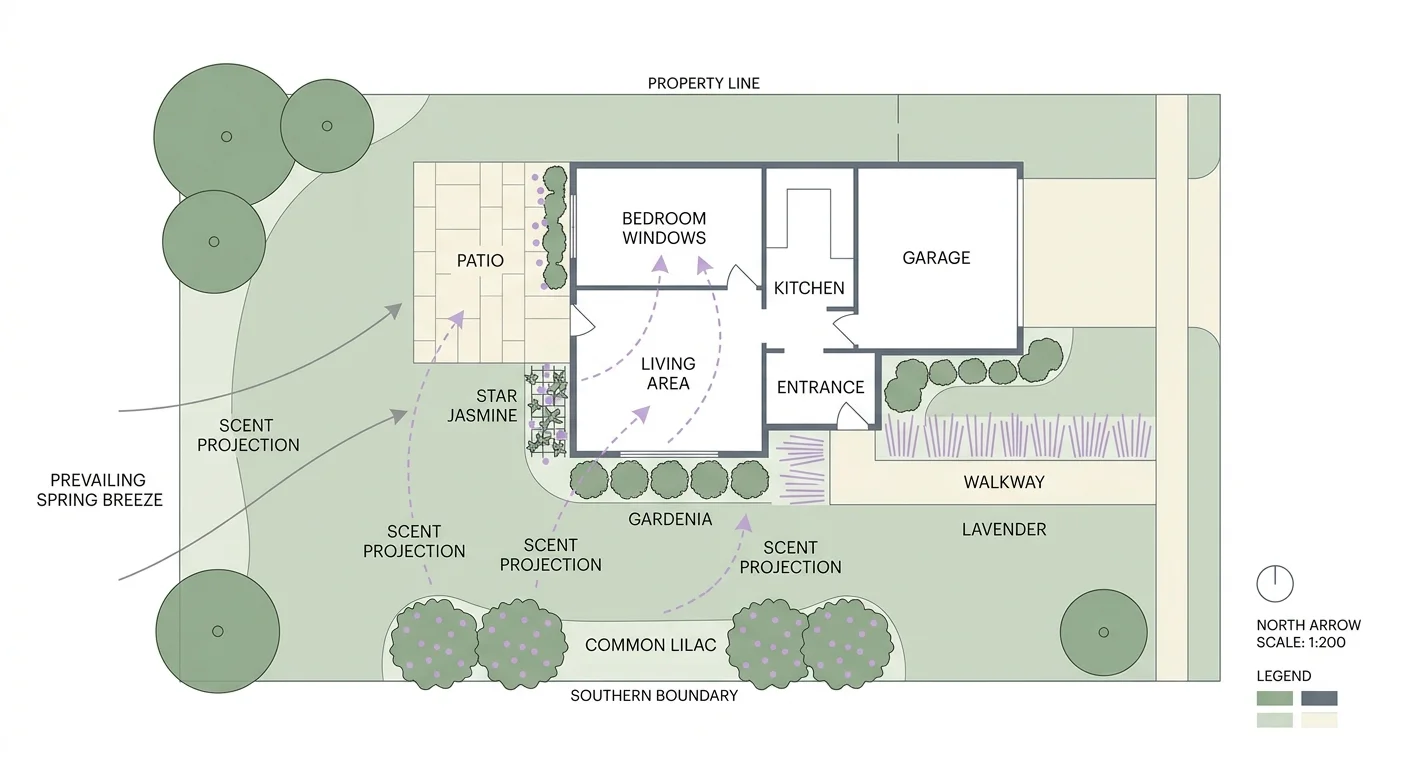
Designing a landscape that delivers continuous, powerful fragrance requires intentional planning and layered planting strategies. By combining early-spring bloomers like common lilacs with mid-summer dynamos like star jasmine and gardenia, and extending the season with late-blooming tea olives, you establish an unbroken continuum of aroma throughout the year. Take time to map the prevailing wind patterns across your property; placing high-throw plants on the windward side of your lawn ensures that natural air currents distribute sweet floral scents across your entire yard rather than blowing them away into neighboring lots.
Furthermore, vary the heights and structural forms of your aromatic selections to create immersive sensory layers. Combine vertical climbers on walls and pergolas with mid-sized flowering shrubs along property lines and low-growing herbal borders bordering walkways. This multi-tiered landscape architecture traps and circulates fragrant essential oils at every level of your outdoor living environment. As you step outside into your yard each morning and evening, the rich tapestry of botanical scents will reward your gardening efforts with an unparalleled sensory oasis.
For region-specific advice, consult your local University Extension program (find yours via the USDA directory). For plant databases and inspiration, visit the Missouri Botanical Garden or the Royal Horticultural Society.
Disclaimer: This article provides general gardening advice. Always consider your specific climate, soil conditions, and local pests. Follow safety guidelines when using gardening tools and products.
Frequently Asked Questions
Which fragrant plant has the farthest scent throw?
Fragrant tea olive (Osmanthus fragrans) and common lilac (Syringa vulgaris) produce some of the farthest-reaching scent throws in the plant kingdom. On a mild day with a light breeze, a single mature specimen of either plant can disperse noticeable floral perfume across an area spanning several hundred feet, easily enveloping an entire suburban backyard.
When is the best time of day to enjoy outdoor garden fragrance?
Fragrance intensity varies depending on the plant species and environmental conditions. Plants with high concentrations of essential oils, like lavender and mock orange, release their strongest scents during warm, sunny afternoons when heat volatilizes the oils. Conversely, plants like woodbine honeysuckle and star jasmine intensify their perfume during late afternoon, twilight, and evening to attract nocturnal pollinators.
How do soil conditions affect the strength of floral perfume?
Soil conditions directly influence a plant’s ability to produce aromatic essential oils. Plants grown in soil with appropriate drainage, correct pH levels, and balanced nutrients produce more concentrated floral oils. However, over-fertilizing with high-nitrogen fertilizers often stimulates excess foliage growth while reducing flower count and diluting the strength of the plant’s natural perfume.
Can I grow fragrant outdoor shrubs in patio containers?
Yes, many fragrant outdoor plants thrive in large containers. Gardenias, star jasmine trained on small trellises, English lavender, and compact cultivars of lilac or tea olive grow exceptionally well in pots. Ensure your containers have ample drainage holes, use high-quality potting mix formulated for the specific plant’s pH requirements, and monitor moisture levels closely during warm summer months.