8 Fall Bulbs You Need to Plant Before Frost

Transform your spring garden into a breathtaking showcase of color by getting your fall bulbs into the ground right now. Autumn planting allows hardy spring bloomers to establish robust root systems during the cool months, guaranteeing explosive blooms the moment winter thaws. Planting your bulbs before the first hard frost gives them the necessary cold dormancy periods—typically 12 to 16 weeks at soil temperatures below 55°F—to set flower buds effectively. Whether you cultivate sprawling flower beds or manage compact patio containers, embedding these resilient beauties today ensures vibrant displays come March. Grab your trowel, inspect your soil, and prepare to elevate your landscape with these crucial fall flower bulbs.
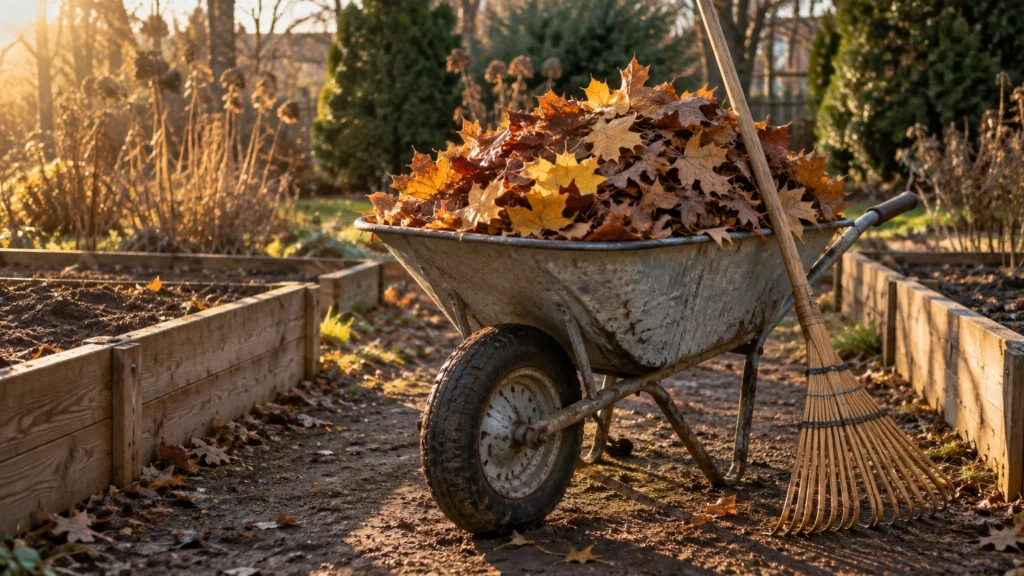
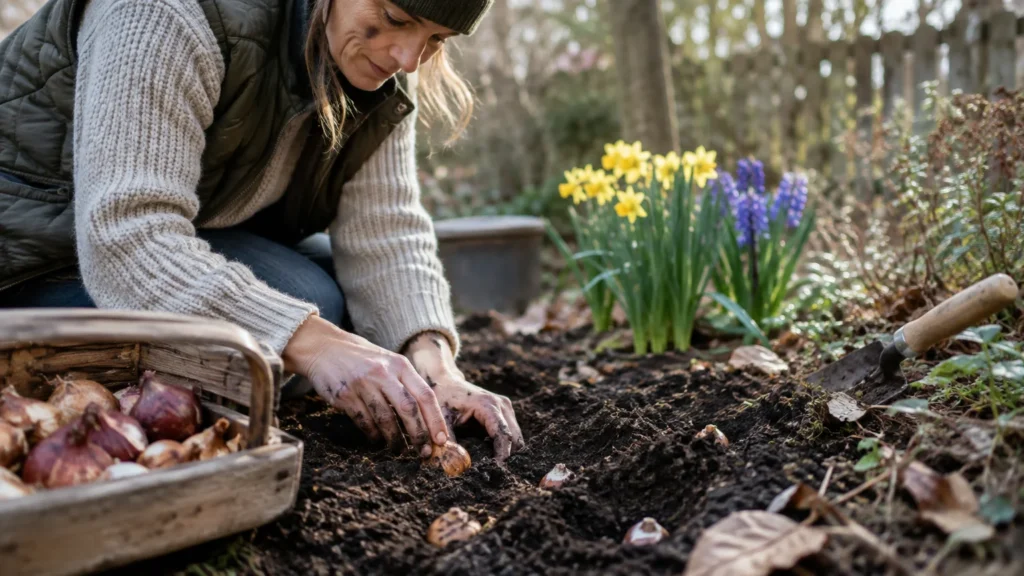
Editorial photograph illustrating: Tip #1: Tulips for Iconic Spring Color
A gardener carefully examines tulip bulbs at her kitchen table, preparing for essential fall planting.

Tip #1: Tulips for Iconic Spring Color

Tulips (Tulipa) represent the quintessential symbol of spring growth, offering an unmatched array of cup-shaped blooms in almost every color imaginable. When selecting fall bulbs to plant, tulips always top the list due to their dramatic visual impact in borders, containers, and formal garden beds. To secure strong stems and vivid petals, bury tulip bulbs six to eight inches deep—or approximately three times the height of the bulb itself—with the pointed tip facing skyward. Space each bulb four to six inches apart to allow adequate room for root expansion and proper airflow.

Timing remains critical when you plant tulips. Wait until autumn soil temperatures drop consistently below 55°F, usually six to eight weeks before your region experiences a hard frost. Planting too early in warm soil encourages fungal diseases like Botrytis and premature top growth that winter cold will burn back. Tulips require full sunlight and exceptionally well-draining soil; standing water causes immediate root rot during cold dormancy periods. If squirrels, chipmunks, or voles frequent your yard, shield your tulip investment by laying a piece of chicken wire flat over the soil surface, or dust the bulbs with bone meal alternative and cayenne pepper powder before backfilling the trench.

A naturalized cluster of bright yellow and white daffodils blooming in fresh bark mulch at the base of an old oak tree.
Vibrant yellow and white daffodils bloom at a tree’s base, providing beautiful deer resistant spring color.

Tip #2: Daffodils for Deer-Resistant Brightness

Daffodils (Narcissus) rank among the best fall planting bulbs for home gardeners seeking reliable, low-maintenance color year after year. These cheery yellow, white, and bi-colored blooms return each spring with impressive vigor and expand into massive, naturalized clusters over time. Unlike tulips, daffodils contain a naturally occurring toxic alkaloid called lycorine, making them completely unpalatable to deer, rabbits, squirrels, and voles. If hungry wildlife routinely wreaks havoc on your landscaping, planting daffodils provides a worry-free solution.

Set your daffodil bulbs six inches deep in a sunny or partially shaded site before the ground turns rock-hard. Space large bulbs six inches apart, ensuring the flat root base rests securely against the bottom of the planting hole. Daffodils thrive in USDA Hardiness Zones 3 through 9 and demand well-draining, organic-rich soil to prevent bulb decay. After planting, apply a two-inch layer of organic bark mulch to retain moisture and stabilize soil temperatures. Early-season varieties like ‘Tête-à-tête’ burst forth as early as March, while late-season cultivars like ‘Pheasant’s Eye’ keep your borders glowing straight into May.

An elegant watercolor and ink illustration of tall, spherical purple allium flowers with visiting bumblebees.
Elegant purple alliums stand tall in a watercolor garden, attracting busy bumblebees to their dramatic blooms.

Tip #3: Alliums for Architectural Drama

Ornamental alliums (Allium) introduce structural flair, height, and spherical geometry to late spring and early summer landscapes. These impressive flowering onions produce round flower heads composed of hundreds of tiny star-shaped florets atop strong, leafless stems. Incorporating alliums into your autumn bulb planting guide creates a seamless visual bridge between early spring bulbs and summer perennials. Popular cultivars like ‘Purple Sensation’ and the massive ‘Globemaster’ draw pollinators by the dozen while keeping destructive garden pests at bay with their faint natural garlic scent.

To plant large allium bulbs successfully, dig a hole six to eight inches deep in a location that receives full sun for at least six hours daily. Smaller allium species, such as Allium karataviense or drumstick alliums, require a shallower depth of three to four inches. Space giant varieties 8 to 12 inches apart to give their dramatic globes space to shine without overcrowding. Ensure your garden soil drains rapidly, as excess moisture during summer dormancy rots the bulbs. Pair alliums alongside hostas or daylilies; these companion plants gracefully conceal the fading foliage of alliums as summer begins.

Close-up snapshot of purple and yellow crocuses emerging from frosty ground with a pollinating bee.
A honeybee gathers early spring nectar from vibrant purple and yellow crocuses blooming through frosty leaves.

Tip #4: Crocuses for Early Spring Nectar

Crocuses (Crocus) offer early visual relief after long, dark winters, frequently pushing their cup-like flowers right through melting snow. Selecting these bulbs to plant before frost ensures that hungry emerging bees find vital nectar early in the season. Available in brilliant shades of purple, yellow, white, and striped variations, crocuses work exceptionally well when naturalized into lawn turf, tucked along stone pathways, or grouped beneath deciduous shrub borders.

Set crocus corms three to four inches deep into rich, well-draining soil with their pointed tips directed upward. Space them two to three inches apart in tight drifts of 10 to 20 corms for the most striking visual effect. Because rodents consider crocus corms a favorite cold-weather snack, consider planting them inside wire mesh cages or dusting the surrounding soil with sharp crushed granite to deter burrowing pests. Choose a site with full morning sun to encourage the blooms to open wide during bright, chilly spring days.

A stylized gouache illustration of colorful hyacinth flowers with swirling lines representing their sweet fragrance.
Vibrant pink, blue, and white hyacinths release their sweet, swirling fragrance in this colorful illustration.

Tip #5: Hyacinths for Unmatched Fragrance

Dutch Hyacinths (Hyacinthus orientalis) pack powerful perfumed fragrance and vibrant color density into compact, dense flower spikes. These autumn fall flower bulbs bloom in early to mid-spring, displaying saturated tones of cobalt blue, deep magenta, soft pink, crisp white, and buttery yellow. Placing hyacinths near entryways, patio borders, or outdoor walkways allows you to enjoy their sweet scent every time you step outside.

Plant hyacinth bulbs four to six inches deep and five to six inches apart in soil that receives full sun to partial shade. Always wear gardening gloves when handling hyacinth bulbs; their outer tunics contain oxalic acid crystals that trigger uncomfortable skin irritation upon direct contact. Hyacinths demand a cold chill period of 12 to 14 weeks at temperatures below 45°F to yield sturdy, full flower spikes. Ensure your planting bed drains efficiently, as heavy, waterlogged clay soils rot the bulb core quickly.

A macro photograph of delicate white snowdrop flowers blooming in damp soil amidst patches of melting snow.
Plant these resilient fall bulbs to enjoy delicate white snowdrops blooming through late winter snow.

Tip #6: Snowdrops for Late-Winter Resilience

Snowdrops (Galanthus nivalis) deliver subtle elegance and extreme hardiness, often blooming in late January or February long before other plants wake up. Their delicate, nodding white bells hang from slender green stems, defying freezing temperatures and heavy snow cover without flinching. If you desire a garden that comes alive at the earliest possible moment, snowdrops are non-negotiable additions to your autumn planting regimen.

Bury snowdrop bulbs two to three inches deep and two to three inches apart in humus-rich, moist soil. Unlike many other fall bulbs that require completely dry summer conditions, snowdrops prefer shaded woodland environments where the soil stays slightly cool during summer dormancy. Position them under deciduous trees or beneath high-canopy shrubs where they absorb full sunlight before tree leaves emerge in spring. Over time, snowdrops spread by self-seeding and offsets, forming shimmering white carpets across your shade garden.

A graphic risograph print of a dense carpet of royal-blue Siberian Squill flowers covering a woodland floor.
A stunning carpet of vibrant blue Siberian squill blossoms blankets the forest floor beneath bare trees.

Tip #7: Siberian Squill for Intense Blue Carpet Effects

Siberian Squill (Scilla siberica) provides brilliant cobalt blue intensity that few other spring plants can match. Producing nodding bell-shaped flowers on six-inch stems, this tough, cold-hardy bulb naturalizes rapidly across lawns, rock gardens, and wooded slopes. In USDA Hardiness Zones 2 through 8, squill multiplies reliably every season without requiring special maintenance or divide-and-replant efforts.

Plant squill bulbs three inches deep and three inches apart in early to mid-fall before frost hardens the upper crust of the earth. Squill adapts remarkably well to full sun or partial shade, thriving in almost any soil type provided it drains adequately. Plant them in large drifts of 25 to 100 bulbs for dramatic, sea-of-blue mass plantings. Because squill foliage dies back quickly in early summer, lawn mowers will not damage the plant if you integrate them directly into your grass turf.

A rustic ceramic pitcher of freshly cut blue and yellow Dutch Irises on a wooden table next to garden shears.
Elegant blue Dutch irises in a rustic pitcher make a stunning late-spring centerpiece.

Tip #8: Dutch Iris for Elegant Late-Spring Cut Flowers

Dutch Iris (Iris x hollandica) brings sophisticated, orchid-like elegance to the garden in late spring. Featuring sleek, upright stems and striking blue, violet, yellow, or white petals with yellow throat highlights, these bulbs serve as outstanding additions to cut-flower gardens. Growing up to 24 inches tall, Dutch Iris fills the seasonal gap between early spring bulbs and full summer perennial displays.

Position Dutch Iris bulbs four inches deep and three to four inches apart in full sunlight. They demand exceptional soil drainage and warm, dry conditions during their summer dormant phase. If your garden features clay soil, amend the planting hole with coarse builder’s sand or pea gravel to prevent moisture buildup around the bulb bases. In colder zones (Zone 5 and below), apply a four-inch blanket of straw or shredded leaves over the soil once freezing temperatures arrive to protect the emerging root systems.

A botanical watercolor illustration showing the planting timeline and bloom succession of spring bulbs from winter to late spring.
An illustrated timeline shows the succession of spring blooms from late winter snowdrops to late spring irises.

Putting It All Together: Enjoy Your Beautiful Garden

Executing a successful spring floral show requires thoughtful preparation during the autumn season. By planting a strategic mix of tulips, daffodils, alliums, crocuses, hyacinths, snowdrops, squill, and Dutch iris, you create a continuous relay of blooms that spans from late winter through early summer. Always observe the golden rules of fall planting: wait for soil temperatures to drop below 55°F, dig holes two to three times as deep as the bulb height, plant with the pointed end facing up, and water thoroughly after initial planting to establish root contact with the surrounding soil.

Adding organic compost or bulb fertilizer rich in phosphorus encourages deep root growth before the ground freezes solid. Once cold weather sets in, protect your beds with a layer of mulch to prevent freeze-thaw cycles from heaving bulbs out of the ground. With a little effort before the first frost, your landscape will reward you with vibrant colors, incredible fragrances, and lively pollinator activity the moment warm weather returns.

For region-specific advice, consult your local University Extension program (find yours via the USDA directory). For plant databases and inspiration, visit the Missouri Botanical Garden or the Royal Horticultural Society.

Frequently Asked Questions

How late in the fall can I plant spring-blooming bulbs?
You can plant bulbs right up until the ground freezes solid. The ideal window occurs six to eight weeks before your area’s average first hard frost, when soil temperatures drop below 55°F. If you purchase bulbs late in the season, get them into the ground as long as you can sink a trowel into the dirt; bulbs left in paper bags indoors over winter will dry out and die.

Which direction should I face the bulb when planting?
Plant bulbs with the pointed tip facing upward and the flat, wider root plate facing downward. If you encounter a round or irregular bulb where top and bottom are difficult to identify, plant the bulb on its side. Geotropism will naturally guide the roots downward toward gravity and the stem upward toward light.

Do I need to water fall bulbs immediately after planting?
Yes, water your bulbs thoroughly immediately after planting them. This initial watering settles the soil around the bulb, eliminates air pockets, and triggers root growth before winter dormancy sets in. If your autumn weather remains dry, provide supplemental water once a week until the ground freezes.

How do I protect fall-planted bulbs from rodents and deer?
Choose animal-resistant varieties like daffodils, alliums, hyacinths, and snowdrops if wildlife is a major concern. For sensitive bulbs like tulips and crocuses, lay chicken wire flat over the soil surface after planting, cover it with mulch, or plant bulbs inside buried wire mesh baskets. Sprinkling sharp gravel into the planting hole also deters burrowing voles and squirrels.

Disclaimer: This article provides general gardening advice. Always consider your specific climate, soil conditions, and local pests. Follow safety guidelines when using gardening tools and products.

SHARE:

Leave a Reply

Your email address will not be published. Required fields are marked *

About the Author

More questions?

Most Popular

Be in the Know: Subscribe for Blooming Updates!