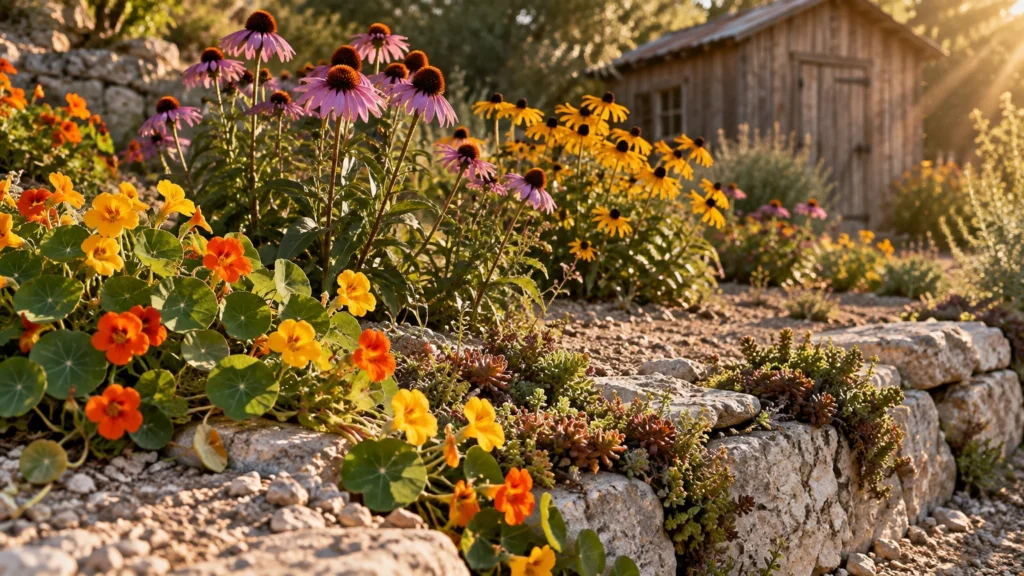
Transforming your yard into a cohesive, breathtaking sanctuary does not require reinventing the wheel or guessing which species will survive the season. Professional landscape designers rely on a trusted palette of proven performers—plants that deliver exceptional structure, multi-season interest, and reliable resilience regardless of soil variability. By incorporating these designer approved garden plants into your own outdoor space, you eliminate costly trial-and-error while elevating your home’s curb appeal dramatically. These top picks combine stunning visual textures, low-maintenance hardiness, and long-lasting beauty to help you craft a professional-quality landscape that thrives year after year.
Tip #1: Boxwood (Buxus) for Timeless Structure
Boxwood stands as the undeniable backbone of classic landscape design. Professional landscape designers rely on these versatile evergreen shrubs to establish formal hedges, anchor entryway containers, and define crisp garden beds that maintain their rich green foliage through harsh winter freezes. Cultivars like ‘Green Mountain’ and ‘Winter Gem’ feature dense growth habits that accept structural shearing or natural, soft pruning with equal grace.
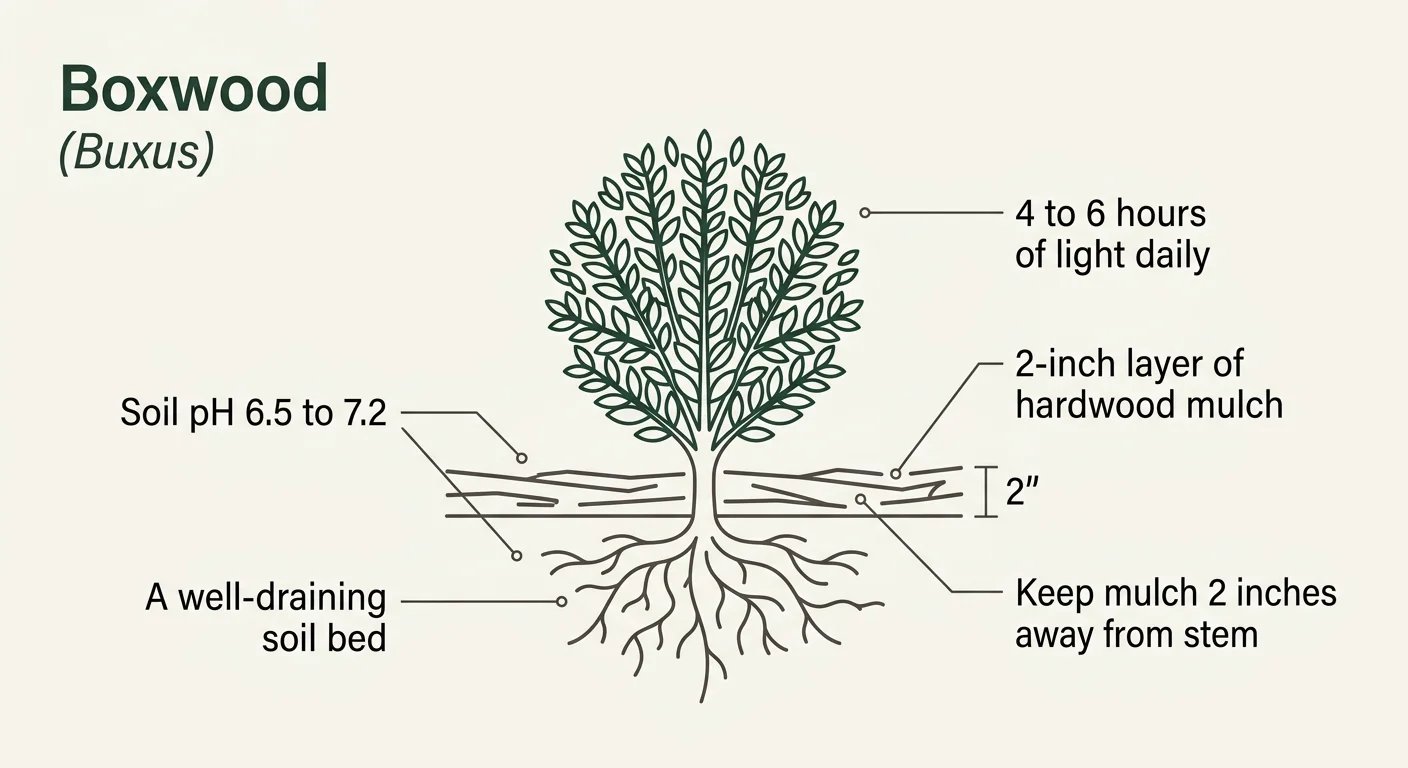
To cultivate thriving boxwood in your yard, plant them in well-draining soil with a pH between 6.5 and 7.2. Position them where they receive full sun to partial shade, ensuring at least four to six hours of indirect or direct sunlight daily. Mulch around the base with a two-inch layer of shredded hardwood mulch to keep the shallow root system cool and moist during hot summer afternoons; keep mulch two inches away from main stems to prevent fungal rot. Prune in late spring after initial new growth finishes, using sharp hand shears rather than high-speed electric trimmers to protect delicate foliage from leaf burn. Whether you construct low edging along stone walkways or frame symmetrical garden borders, boxwood supplies year-round architecture that elevates residential yards instantly.
Tip #2: Panicle Hydrangea (Hydrangea paniculata) for Reliable Summer Blooms
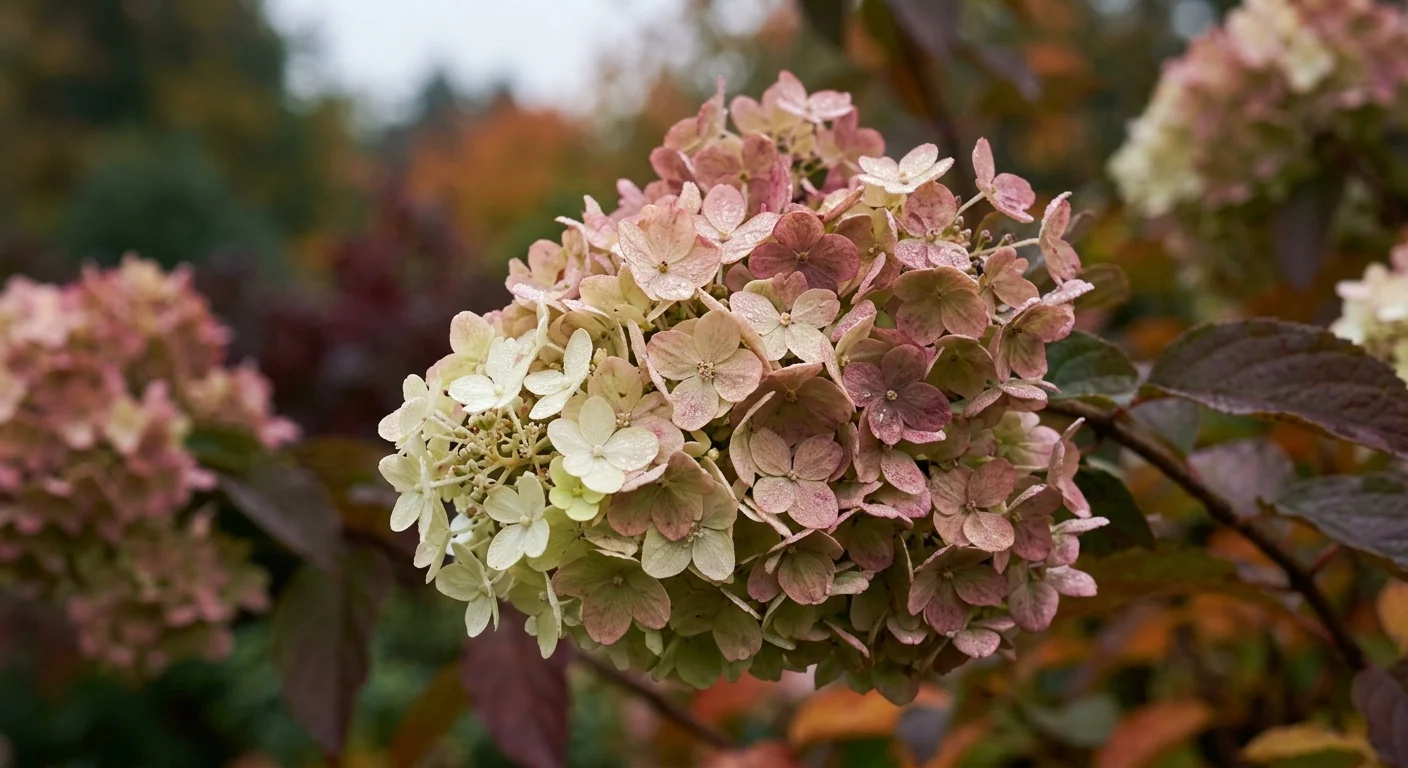
Few flowering shrubs match the sheer visual impact and reliable blooming performance of panicle hydrangeas. Unlike mophead cultivars that frequently lose winter flower buds during late spring frosts in northern zones, panicle hydrangeas bloom reliably on new growth every single season across USDA hardiness zones 3 through 8. Landscapers select standout cultivars like ‘Limelight’, ‘Little Lime’, and ‘Bobo’ to deliver massive, cone-shaped blossom clusters from mid-summer into late autumn.
When integrating panicle hydrangeas into your planting layout, choose a spot receiving full sun to partial afternoon shade. These robust shrubs require at least six hours of direct morning sunlight to form sturdy, upright wood capable of holding giant bloom heads high above the foliage without drooping under heavy rain. Supply moist, organic-rich soil, and water deeply twice per week during initial root establishment. In early spring, prune branches back by one-third of their total height; this severe pruning routine triggers vigorous new stems and produces dramatically larger blooms. As autumn temperatures drop, creamy white flowers shift into exquisite shades of vintage rose and dusty pink, adding deep interest to winter landscapes.
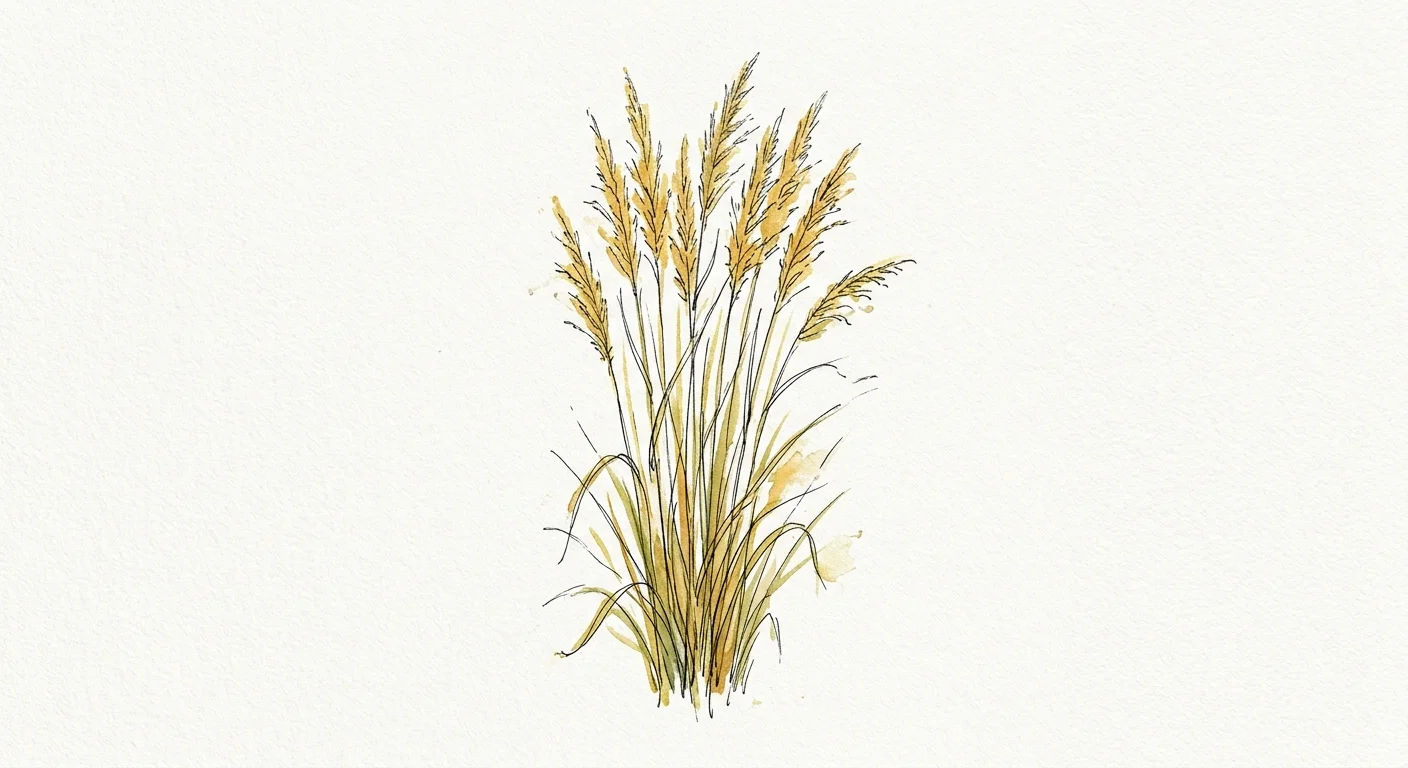
Tip #3: Feather Reed Grass (Calamagrostis x acutiflora) for Vertical Movement
When landscape designers need vertical height, graceful motion, and architectural contrast, ornamental grasses top their list of essentials. ‘Karl Foerster’ feather reed grass is widely celebrated as one of the best plants for landscaping because of its strictly narrow, upright growth habit that never flops or crowds surrounding perennials. Reaching heights of four to five feet while occupying a slim footprint of just two feet wide, this cold-hardy grass functions beautifully as a dynamic living screen, backdrop accent, or repeating border element.
Position feather reed grass in full sun and moist, well-draining soil, though it adapts remarkably well to heavy clay once established in your garden. Plant individual specimens two feet apart to form sweeping, wind-activated visual screens that rustle pleasantly in afternoon breezes. Early in summer, feather reed grass sends up tall feathery pinkish-purple seed plumes that mature into golden wheat-colored spires by late summer. Retain these dried architectural stalks through late autumn and winter to provide geometric interest against snow alongside shelter for wintering songbirds. Cut foliage down to three inches above the ground in early spring before fresh green shoots emerge.
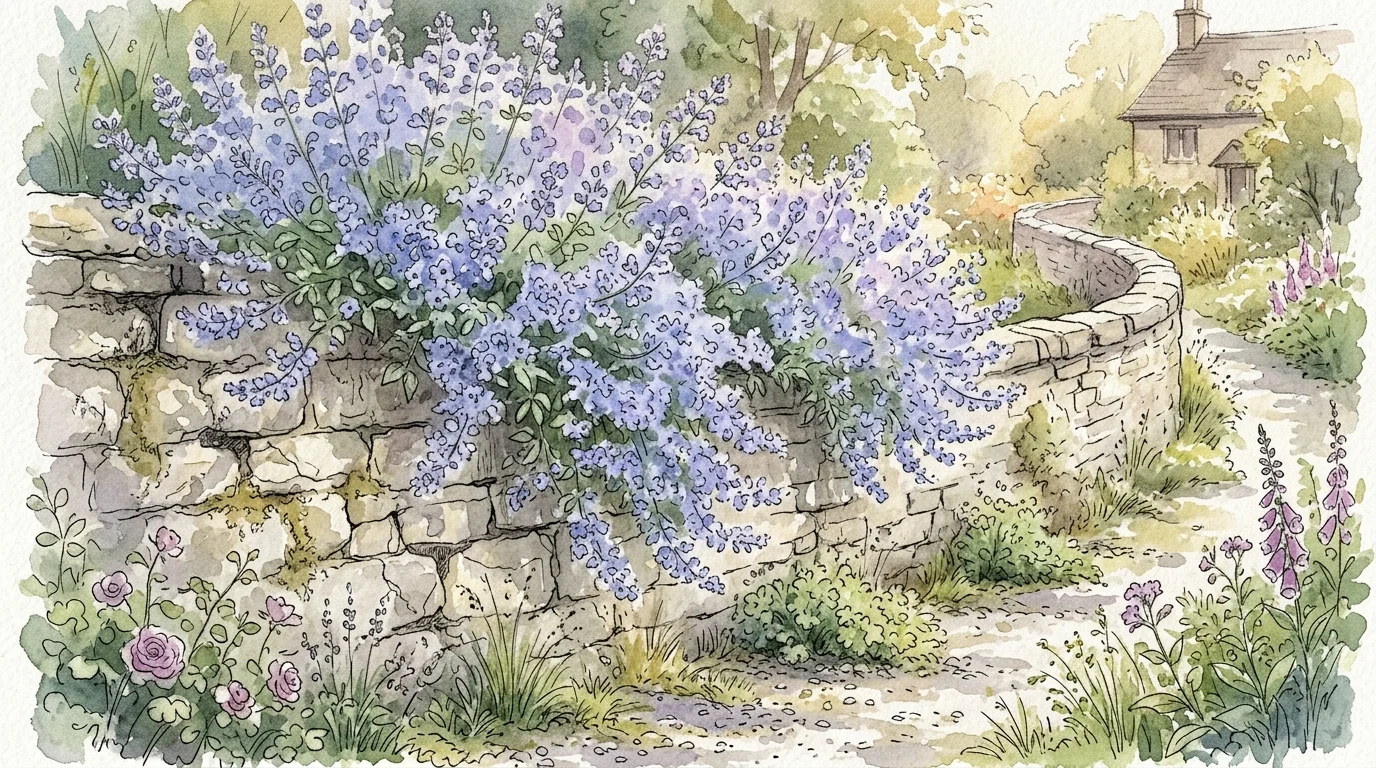
Tip #4: Catmint (Nepeta) for Soft Edging and Long-Lasting Color
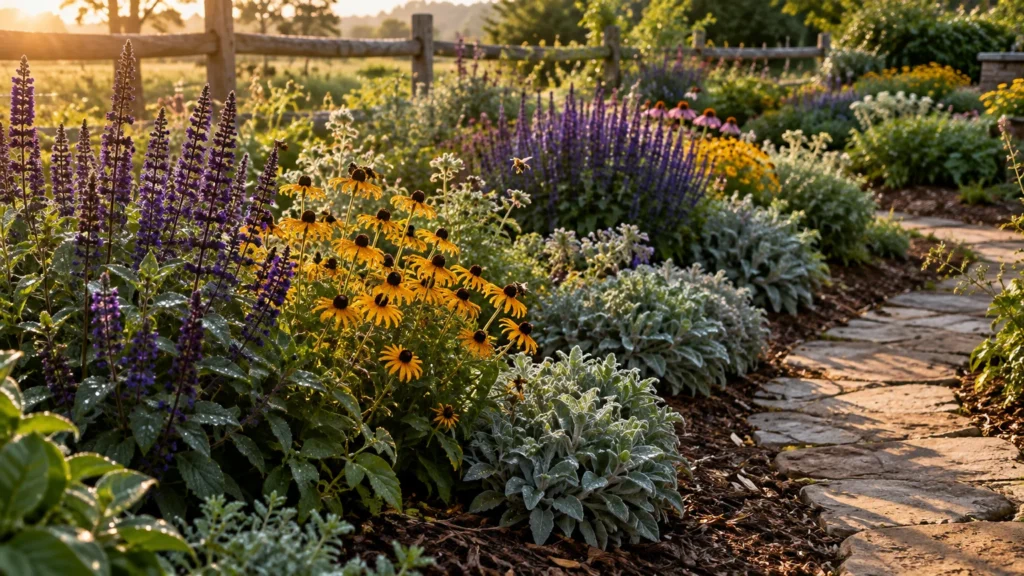
Catmint delivers an unbeatable combination of continuous soft-violet blossoms, fragrant pest-resistant foliage, and exceptional heat tolerance. It ranks high among popular landscaping plants for softening sharp hardscape edges along flagstone walkways, patio borders, and stone retaining walls. Outstanding cultivars such as ‘Walker’s Low’ and ‘Junior Walker’ form broad, billowy mounds of grayish-green leaves that yield lavender-blue flower spikes from late spring until frost, drawing beneficial bees and butterflies while repelling deer and rabbits.
Site catmint in full sun exposure and fast-draining soil. This resilient perennial flourishes in lean or gravelly soils where heavy-feeding plants struggle, making it an ideal candidate for sunny borders, rock gardens, or sloped beds. Once established, catmint displays impressive drought resistance, needing little supplemental water outside extended dry periods. To maximize flower production, shear the entire plant back by half using sharp hedge shears immediately following its initial early summer bloom peak. This simple trimming process triggers a rapid second flush of vibrant flowers that continues blooming reliably until winter frost arrives.
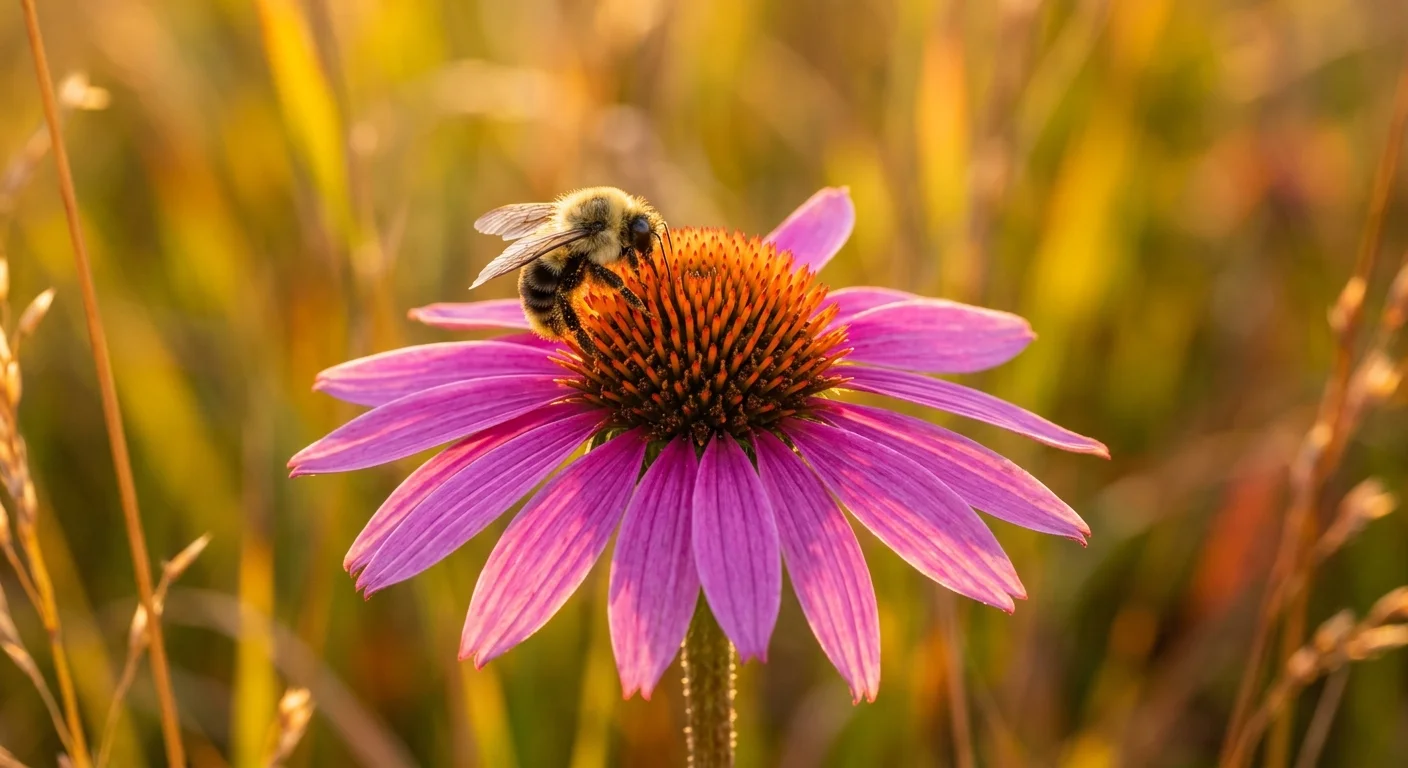
Tip #5: Coneflower (Echinacea) for Pollinator Magnetism and Native Resilience
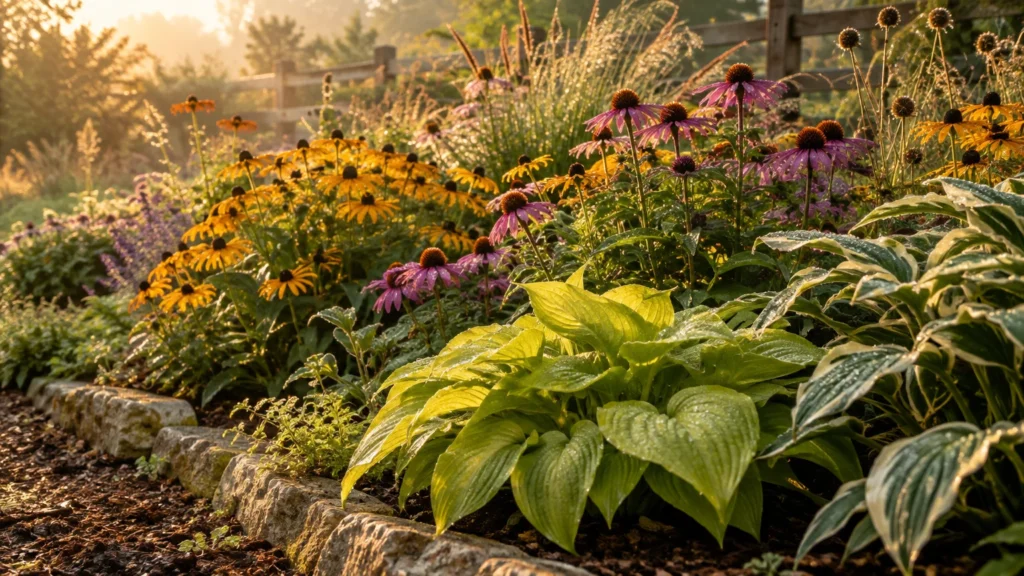
Native perennials bring ecological strength and bold summer color to outdoor spaces, and coneflowers remain landscape designer favorite plants for sunny perennial borders. Featuring sturdy, self-supporting stems, prominent central cones, and outward-spreading ray petals, Echinacea purpurea and modern cultivars—such as ‘Cheyenne Spirit’ and ‘PowWow Wild Berry’—brighten gardens from June through September. Designers group them in naturalistic drifts of five to seven plants to mirror native prairie landscapes.
Plant coneflowers in nutrient-rich, well-draining soil located in full sunlight. They handle high summer heat, intense humidity, and poor soil conditions once their deep taproots establish in your garden bed. Space individual root crowns 18 to 24 inches apart to promote good air circulation, which prevents foliar fungal issues like powdery mildew. Leave mature seed heads intact on the plant during autumn clean-up; local finches and songbirds feast on the seeds through winter, while dried dark cones provide beautiful silhouetted structure against snow.
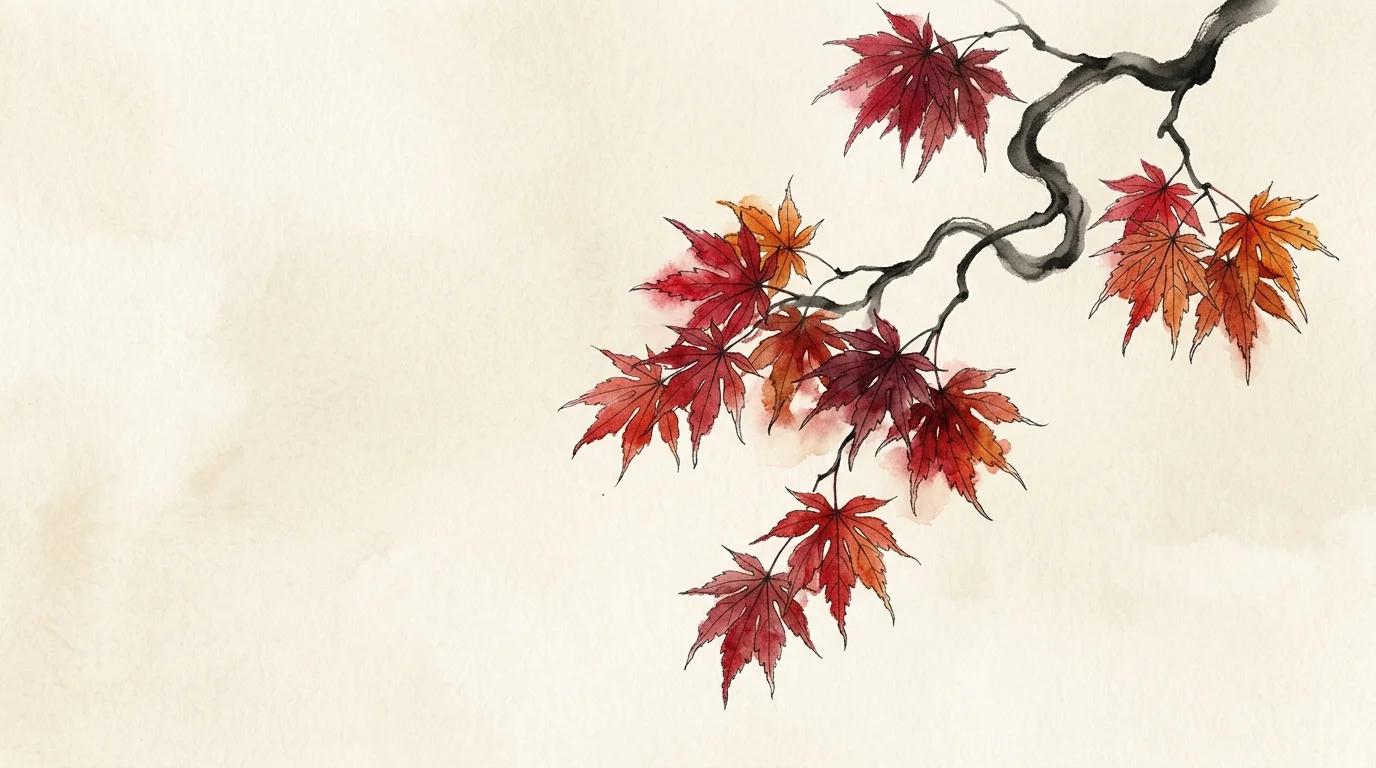
Tip #6: Japanese Maple (Acer palmatum) for Stunning Focal Points
Every successful garden layout requires an arresting focal point, and few ornamental trees command attention like a hand-selected Japanese maple. Landscape designers position these dwarf or semi-dwarf specimen trees near home entryways, adjacent to outdoor seating areas, or along quiet water features. Cultivars like upright ‘Bloodgood’ or weeping cutleaf ‘Tamukeyama’ supply sculptural branching, delicate feathery leaves, and breathtaking autumn foliage changes ranging from intense crimson to fiery orange.
Plant Japanese maples in sheltered garden locations protected from harsh, drying winter winds and scorching late-afternoon sun, which can singe delicate leaf margins. They require rich, organic-rich soil that stays consistently moist yet drains freely, as waterlogged soil rapidly triggers root disease. Apply a three-inch layer of shredded bark mulch across the root zone to hold soil moisture and insulate roots, keeping mulch away from trunk wood. Avoid applying high-nitrogen fertilizers, which create weak, spindly branch growth. Pruning needs remain minimal; simply remove dead, damaged, or crossing branches in late winter to preserve the tree’s natural artistic silhouette.
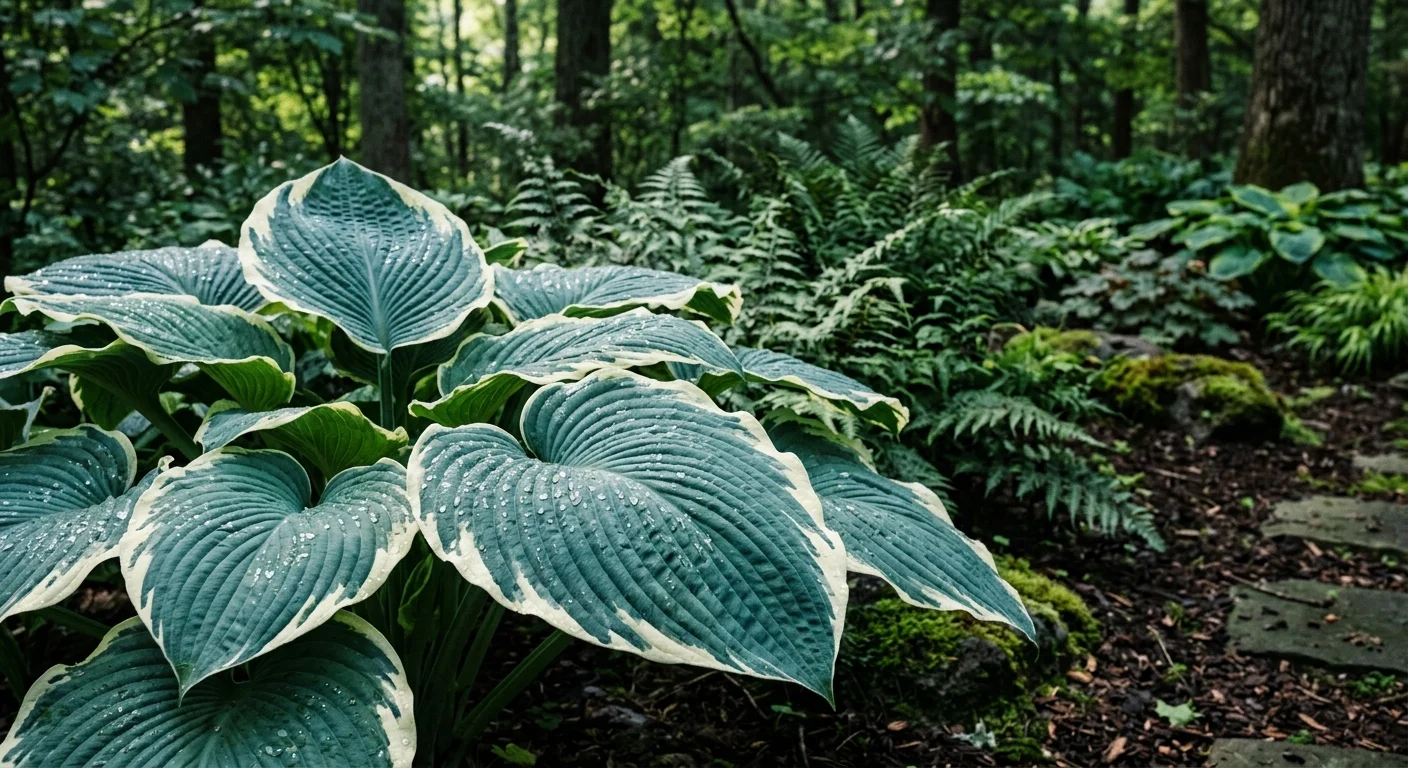
Tip #7: Hosta for Lush Shade Architecture
Shaded garden beds beneath mature shade trees or against northern building exposures often stump homeowners, but landscape designers transform shaded areas into lush plant sanctuaries using hostas. Revered for their diverse leaf shapes, rich colors, bold textures, and hardiness, hostas range from compact six-inch groundcovers to giant blue-green cultivars spanning over four feet wide. Popular choices like ‘June’, ‘Sum and Substance’, and ‘Patriot’ create rich contrast with variegated cream, gold, and steel-blue foliage.
Site hostas in partial to full shade where soil contains abundant organic matter like leaf mold or compost. While yellow and variegated leaf varieties tolerate gentle morning sun, blue-foliaged hostas require full shade to preserve the protective powdery wax coating that provides their distinct hue. Water deeply during dry spells, directing water directly at root crowns to keep leaves dry and discourage slug damage. Space plants according to mature dimensions, allowing them room to form seamless groundcovers over time without crowding neighboring shade lovers like maidenhair ferns and coral bells.
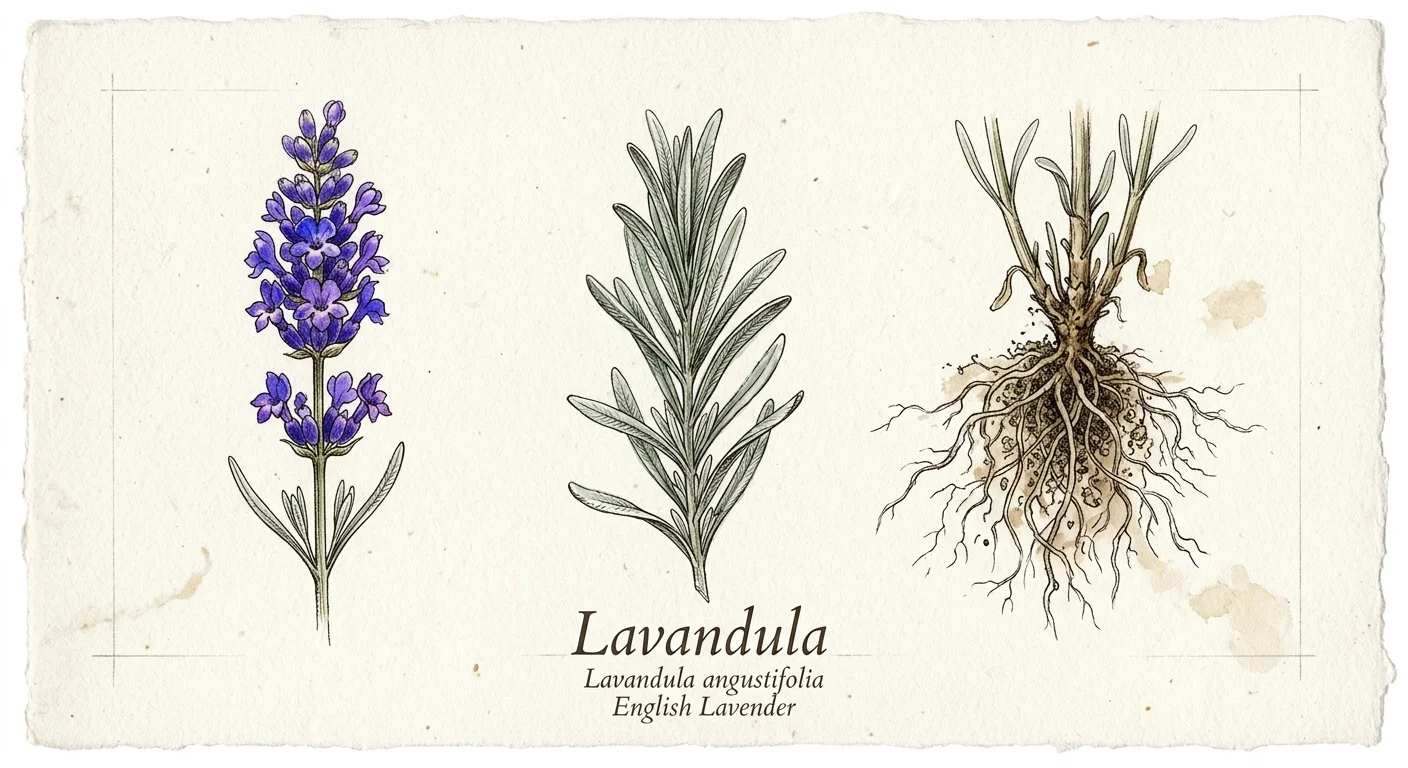
Tip #8: Lavender (Lavandula) for Sensory Elegance and Edging
To craft sensory-rich gardens that engage sight, smell, and touch, plants used by professional landscapers frequently include English lavender (Lavandula angustifolia). Proven varieties such as ‘Munstead’ and ‘Hidecote’ produce aromatic silver-gray foliage topped by fragrant violet blooms throughout summer. Designers position lavender along stone pathways, flagstone patio borders, and garden gates where visitors brush against leaves, releasing relaxing essential oils into the air.
Lavender requires full sunlight exposure—at least six to eight hours daily—and perfectly draining soil. Dense clay soil that retains winter moisture will quickly rot lavender roots, so amend garden beds with coarse sand, pea gravel, or plant lavender in elevated raised beds. Avoid rich composts or chemical fertilizers, as lean soil generates sturdier stems with higher essential oil concentrations. Prune plants lightly in early spring to shape woodiness, and cut spent floral stems back after blooming finishes, avoiding cuts into old bare wood.
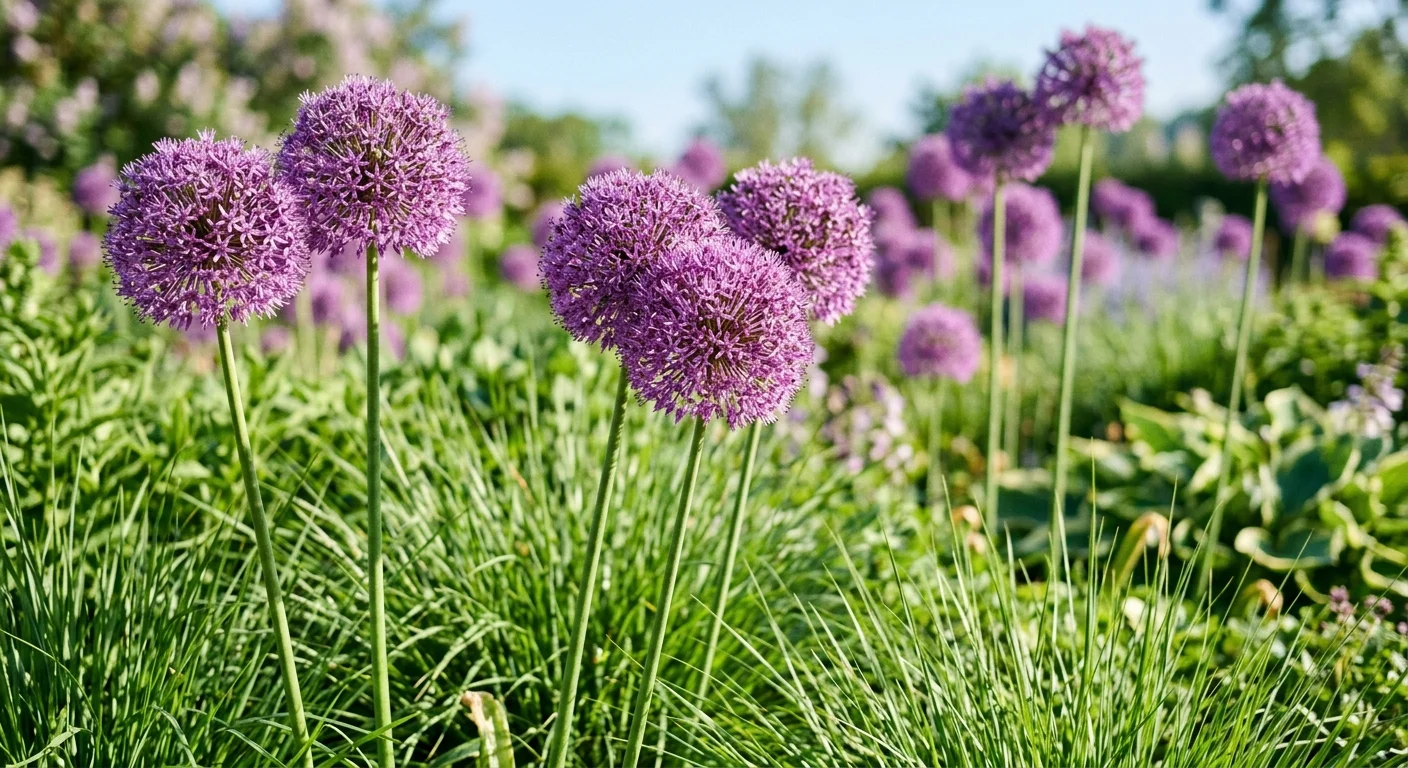
Tip #9: Allium for Architectural Spring Drama
Adding geometric structure and surprising vertical elements to late spring borders becomes effortless when incorporating ornamental onions, known as Allium. Selections like ‘Purple Sensation’ and ‘Globemaster’ produce perfect spherical flower globes atop tall, leafless stems, creating a floating visual effect over lower perennial foliage. Designers interplant allium bulbs amidst hostas, catmint, or daylilies, which naturally mask fading allium foliage as summer progresses.
Plant allium bulbs in early autumn, setting them four to six inches deep in well-draining, sunny garden beds. These hardy bulbs need minimal care, blooming reliably every May and June while remaining entirely immune to deer, rabbits, and squirrels due to their natural onion scent. Group bulbs in clusters of seven to fifteen for high visual impact rather than scattering isolated single bulbs. After purple blooms fade, leave dried architectural seed heads in place to add dramatic visual interest well into mid-summer.
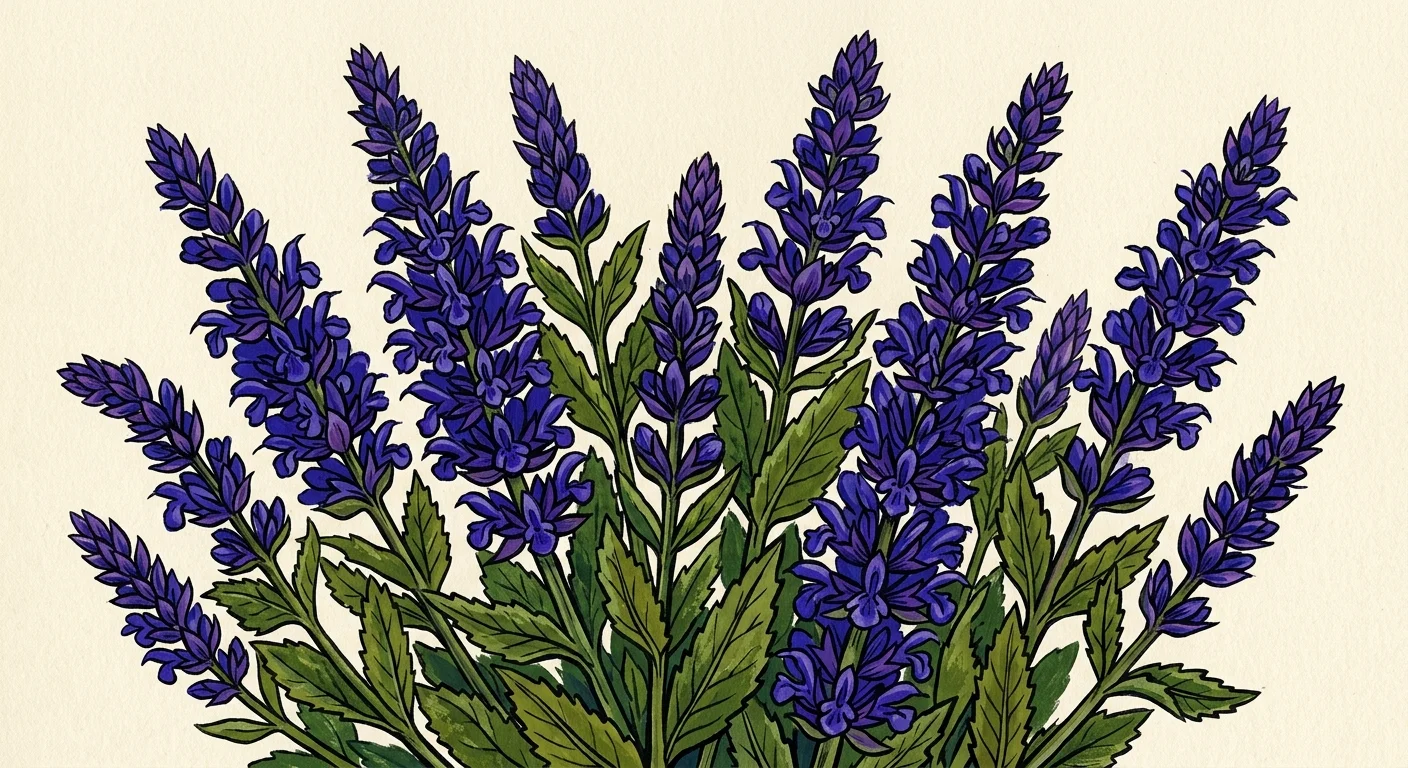
Tip #10: Salvia for High-Impact Summer Color
For non-stop, electric color that resists intense heat and summer dry spells, professional designers rely on perennial salvia. Cultivars like ‘May Night’ and ‘Caradonna’ present dense spikes of rich purple and deep blue flowers held on dark, contrasting stems. Salvia seamlessly bridges the bloom gap between late spring bulbs and late summer perennials, bringing structure and rich focal color to garden beds from late spring into early autumn.
Plant salvia in full sun locations with well-draining soil. These resilient perennials excel in warm, bright garden spots and require minimal supplemental watering once established in your yard. Shear spent flower spikes back to lower foliage immediately after the initial bloom cycle finishes; this quick deadheading routine triggers a continuous second bloom flush throughout summer. Salvia’s aromatic foliage repels deer and rabbits while providing abundant nectar for hummingbirds, butterflies, and bees.
Putting It All Together: Enjoy Your Beautiful Garden
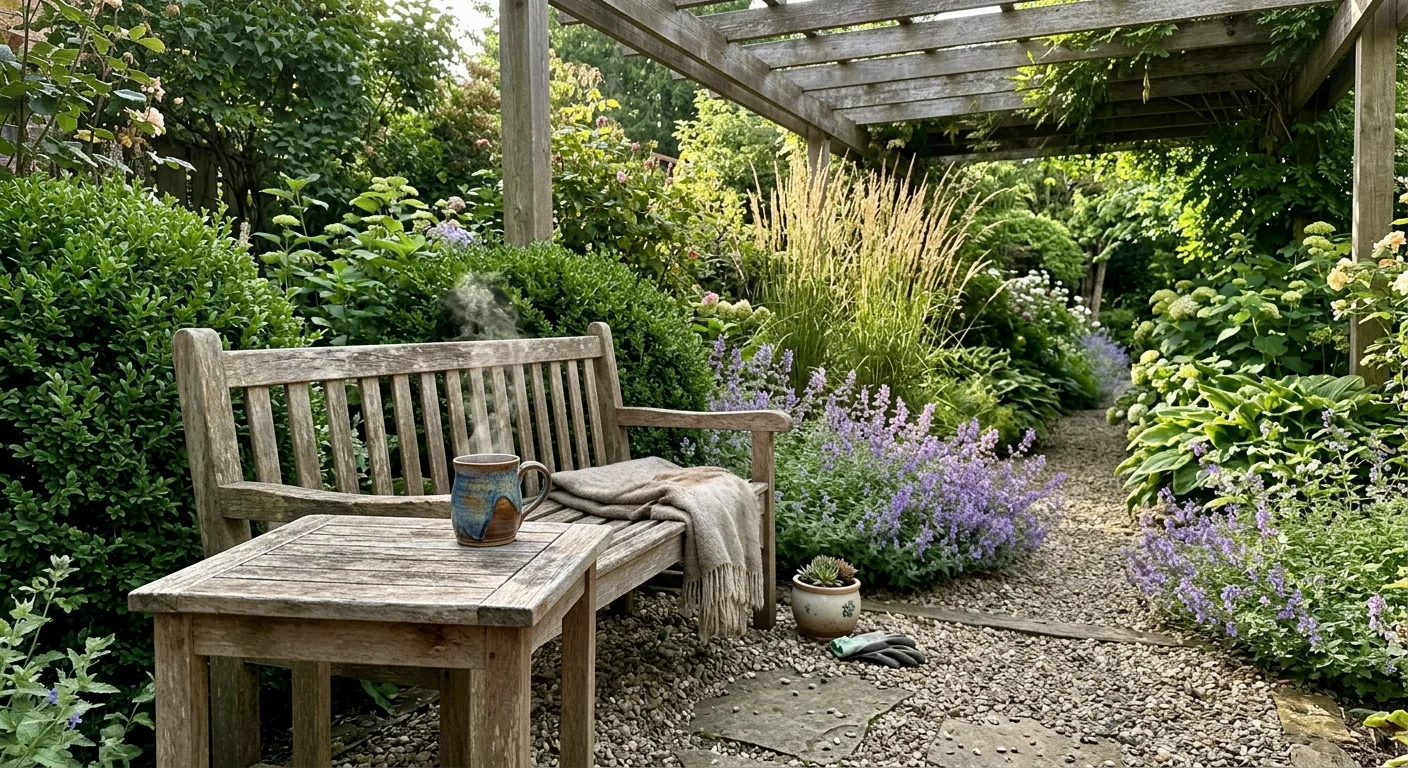
Designing an outdoor space that looks structured, vibrant, and cohesive across all four seasons does not require complex plant selections. By grounding your garden layout in these ten landscape designer favorite plants, you construct a foundation for long-term gardening success. Notice how these plants harmonize—combining structural boxwoods and feather reed grass with the soft, cascading textures of catmint, hostas, and blooming hydrangeas generates balanced visual depth and flow.
Take time to assess your garden’s specific lighting, moisture, and soil conditions before planting. Start by picking two or three anchor species from this list, grouping them in repeated drifts across your beds to build harmony and rhythm. With thoughtful layout choices and these durable, designer-approved garden plants, you will cultivate a breathtaking, low-maintenance outdoor sanctuary that yields beauty season after season.
Frequently Asked Questions
How do landscape designers select plants for residential gardens?
Landscape designers evaluate several fundamental elements before selecting plants: light availability, soil composition, natural drainage, USDA hardiness zones, and mature plant dimensions. They prioritize hardiness, multi-season interest (including spring flowers, summer foliage, autumn foliage changes, and winter silhouette), and low maintenance requirements to ensure garden beds look attractive year-round with minimal labor.
How can I make my home garden look professionally designed on a budget?
Focus on plant repetition, massing, and strong structural lines. Instead of purchasing single specimens of many different plant varieties, invest in groups of three, five, or seven of the same species. Repeating these plant groupings across garden beds builds visual harmony, while combining massed groundcovers with clean, defined edging gives your landscape a tailored, professional appearance.
Which landscaping plants require the least ongoing maintenance?
Catmint, feather reed grass, coneflower, and salvia require very little maintenance once established in your garden. These resilient perennials resist common insect pests, endure summer drought, and require only a quick annual cutback in early spring or late autumn to maintain high performance year after year.
When is the best time of year to plant these landscape designer favorites?
Early autumn and early spring are the ideal planting seasons for most perennials, shrubs, and ornamental trees. Cooler air temperatures paired with warm soil allow root systems to establish without suffering from severe summer heat stress, giving plants a healthy start before active growth begins.
For region-specific advice, consult your local University Extension program (find yours via the USDA directory). For plant databases and inspiration, visit the Missouri Botanical Garden or the Royal Horticultural Society.
Disclaimer: This article provides general gardening advice. Always consider your specific climate, soil conditions, and local pests. Follow safety guidelines when using gardening tools and products.