You can cultivate an autumn spectacle right in your backyard that easily matches the world-famous foliage of Vermont or New Hampshire. Planting the right colorful fall trees to plant transforms your landscape into a tapestry of glowing golds, radiant ambers, and fiery crimsons every year. While classic sugar maples thrive in cold northern regions, many breathtaking alternatives produce vibrant pigment across a wide range of climates and soil types. Understanding local growing conditions and matching tree species to your yard guarantees spectacular results. Discover eight extraordinary trees that deliver dependable, showstopping autumn beauty for every landscape.
Tip #1: Black Gum (Nyssa sylvatica)
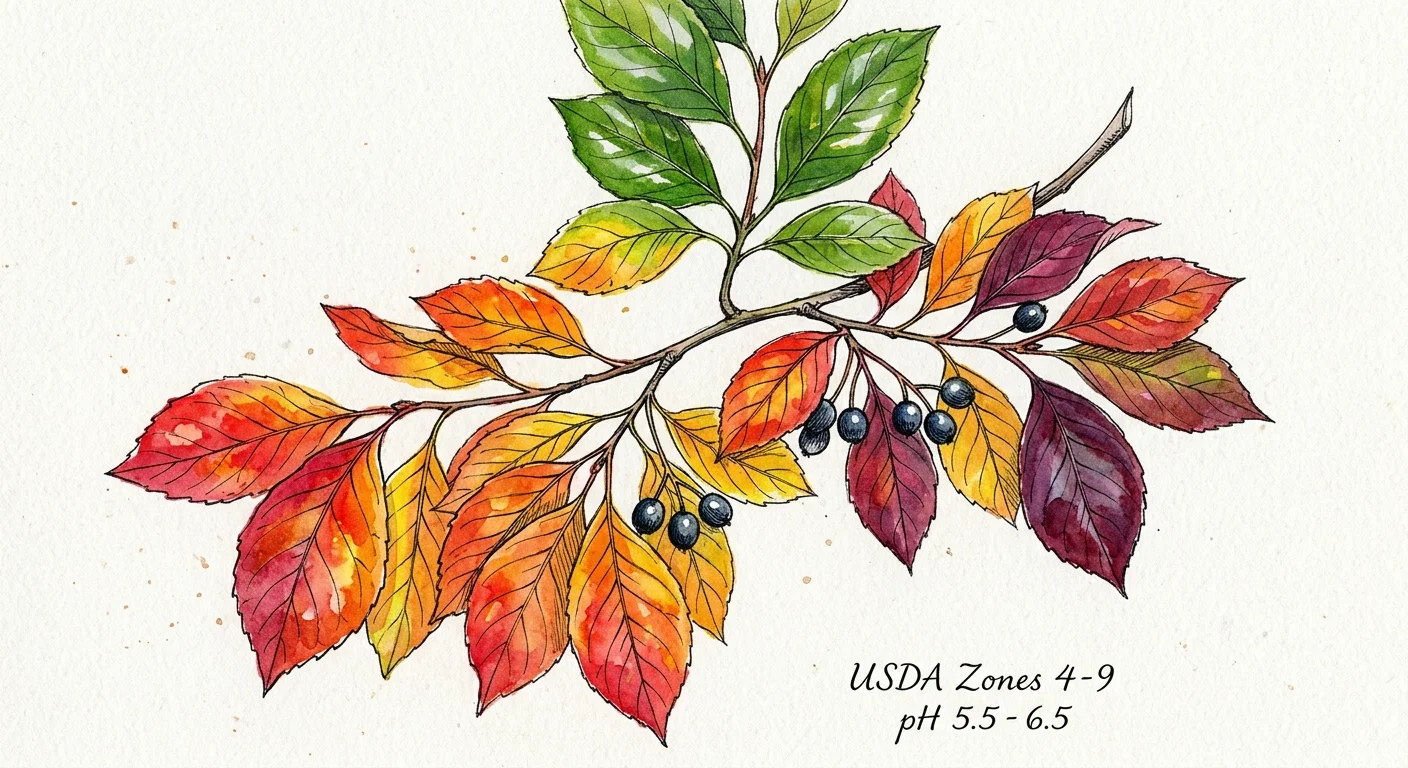
Black gum, commonly known as tupelo or black tupelo, stands among the finest fall foliage trees for landscaping. Native to eastern North America, this exceptional shade tree delivers an electrifying autumn show that begins earlier than most deciduous species. As September wanes, the glossy summer foliage transforms into an unforgettable canvas of scarlet, fiery orange, bright yellow, and rich burgundy. Often, multiple vibrant shades appear simultaneously on the same branch, creating a multidimensional glow that rivals any northern forest.
Beyond its dazzling appearance, black gum solves difficult landscape challenges. It handles soggy, poorly drained ground with ease, naturally flourishing in low-lying bottomlands and along pond edges. Once you establish its deep taproot, it demonstrates remarkable drought tolerance in standard garden soils. According to the updated 2023 USDA Plant Hardiness Zone Map, black gum thrives across Zones 4 through 9, adapting to freezing northern winters and hot southern summers alike.
To achieve the most intense coloration, plant black gum in full sun to light shade with slightly acidic soil (pH 5.5 to 6.5). Select its permanent position carefully, as mature specimens resent being transplanted. Exceptional cultivars like Wildfire offer brilliant red spring growth before turning deep crimson in fall. For tight urban spaces, the pyramidal cultivar Afterburner provides symmetrical branching and reliable scarlet foliage.
Tip #2: Sourwood (Oxydendrum arboreum)
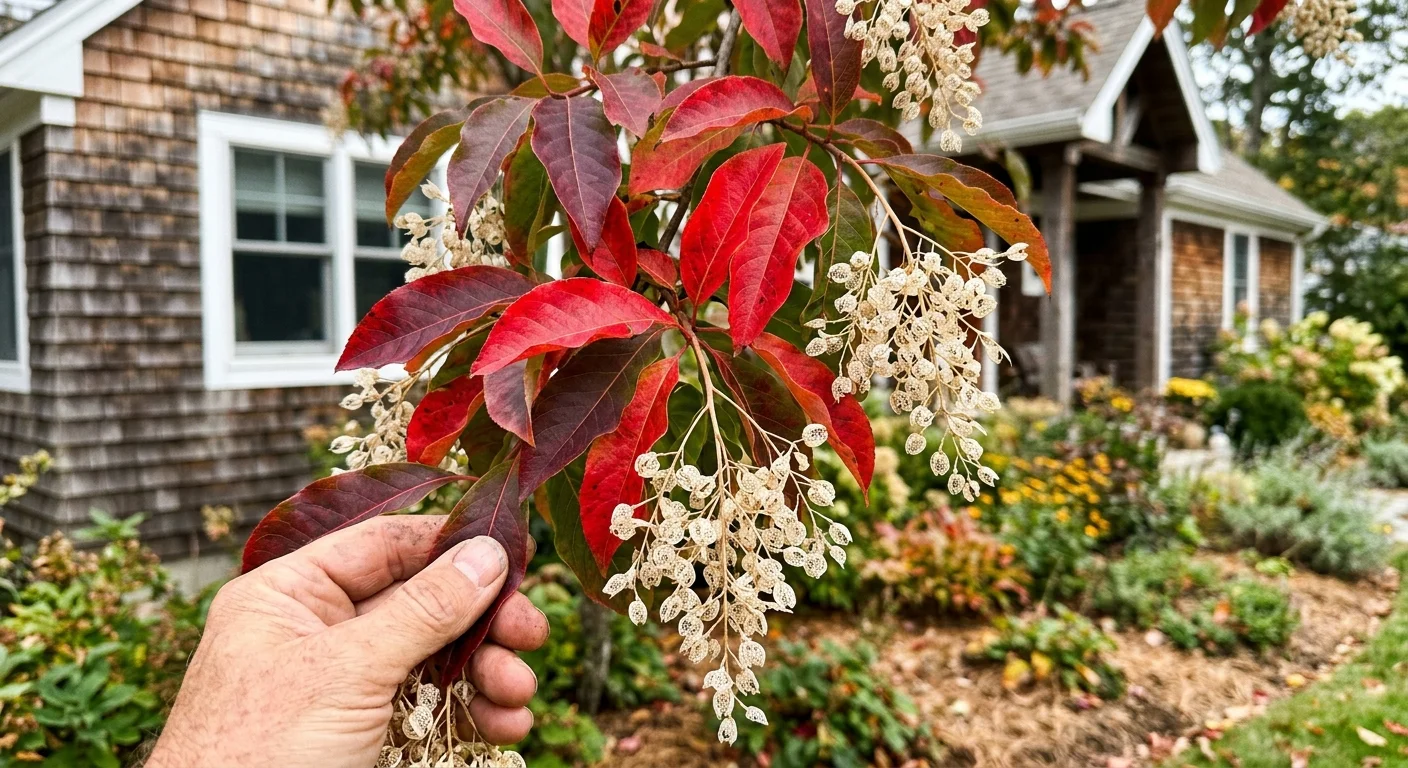
Sourwood brings true multi-season artistry to residential gardens. In midsummer, when most flowering trees have finished their displays, sourwood produces cascading panicles of fragrant, white, bell-shaped blossoms resembling lily-of-the-valley. As autumn arrives, this compact tree produces some of the most intense, saturated scarlet and rich plum foliage in the plant kingdom. The dried, cream-colored seed capsules linger on the branches throughout autumn, creating a striking contrast against the fiery red leaves.
Sourwood grows at a moderate pace, reaching a mature height of 20 to 35 feet with a slender spread of 10 to 15 feet. This modest footprint makes it an ideal specimen for smaller yards, woodland edges, and mixed borders. Hardy in USDA Zones 5 through 9, sourwood requires specific soil chemistry to flourish. It demands well-drained, acidic soil rich in organic matter (pH 5.5 to 6.5). If rhododendrons and azaleas thrive in your neighborhood, sourwood will make an outstanding companion.
Position sourwood where it receives at least six hours of direct sunlight daily; abundant sun triggers the highest synthesis of red anthocyanin pigments in the leaves. In hot southern regions, provide light afternoon shade to prevent leaf scorch. Apply a three-inch layer of pine needle or bark mulch over the root zone to conserve moisture, and water deeply during dry summer spells to support flower buds and autumn displays.
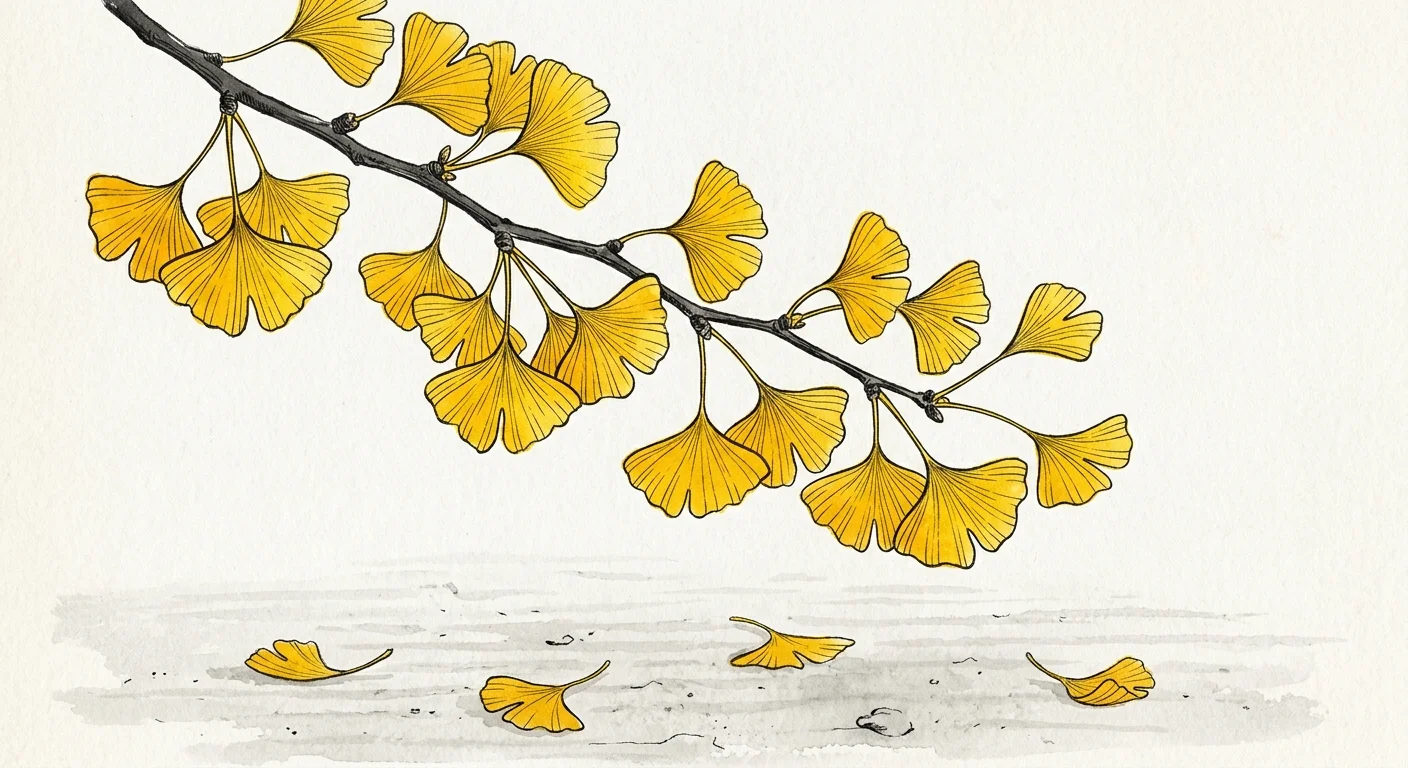
Tip #3: Ginkgo (Ginkgo biloba)
If you crave the luminous, warm golden hues characteristic of northern autumns, the ginkgo tree delivers unmatched brilliance. Often called the maidenhair tree, this ancient species has survived virtually unchanged for over 200 million years. In late autumn, its distinctive fan-shaped leaves turn a uniform, electric saffron-yellow that catches the low autumn light like pure gold. Ginkgo trees often drop their leaves nearly all at once after a hard frost, laying down a stunning golden carpet beneath their canopy.
Ginkgo stands as one of the toughest, most resilient trees you can plant in a home landscape. It thrives in USDA Zones 3 through 9, shrugging off urban air pollution, compacted soil, road salt, wind, and severe drought. Pests and diseases rarely bother this prehistoric survivor. Reaching mature dimensions of 40 to 70 feet tall with a spread of 25 to 40 feet, a mature ginkgo functions as a magnificent, long-lived shade tree that will grace your property for decades.
When buying a ginkgo, always purchase a certified male cultivar from a reputable nursery. Female trees produce fleshy fruit that emits an unpleasant odor upon falling, whereas male cultivars produce zero fruit. Top-rated male selections include Autumn Gold, which develops an expansive canopy, and Princeton Sentry, an upright variety ideal for narrow property lines. Plant ginkgo in full sun in moist, well-draining soil, though it tolerates clay, sand, and alkaline profiles effortlessly.
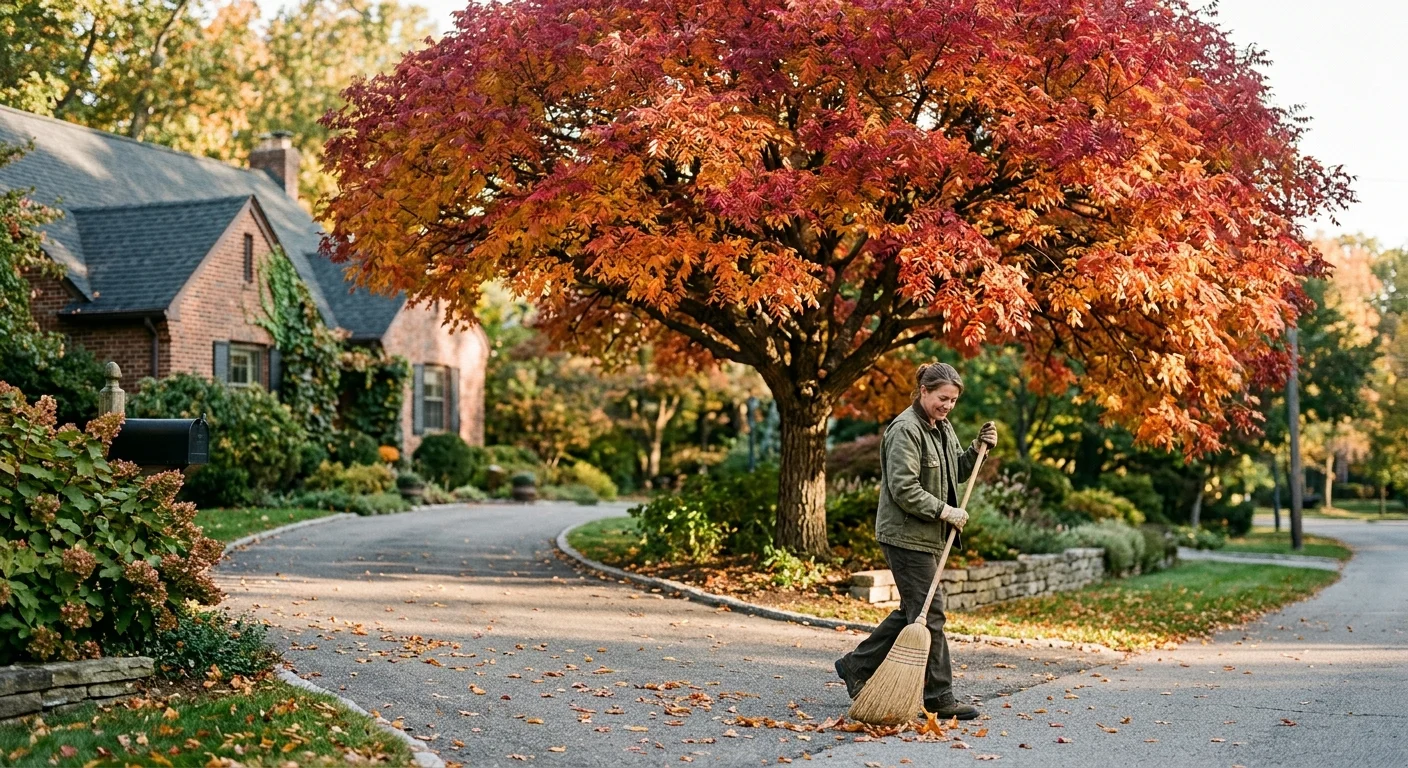
Tip #4: Chinese Pistache (Pistacia chinensis)
Gardeners living in warmer southern and western climates often struggle to grow traditional northern maples due to summer heat and alkaline soil. Chinese pistache provides the ultimate solution, serving as one of the premier trees that rival New England fall colors in arid or mild-winter regions. In October and November, its fine-textured leaves erupt in a spectacular symphony of bright orange, crimson, and golden yellow, earning its reputation as the maple of the South.
Chinese pistache matures to a comfortable shade tree size of 25 to 35 feet tall and wide, forming a dense, rounded umbrella canopy. It is fully hardy in USDA Zones 6 through 9, demonstrating outstanding resistance to heat, intense sun, and extended drought. Unlike many finicky northern species, it tolerates heavy clay, rocky ground, and high-pH alkaline soils effortlessly. Its deep root system rarely heaves pavement, making it an excellent choice for front lawns and patios.
To cultivate a vigorous Chinese pistache, select a planting site in full sun with well-drained soil. Young trees often look slightly irregular in their first few years, but you can easily guide them into a balanced shape. Prune young specimens in late winter to establish a strong central leader and remove crossing branches. To guarantee uniform scarlet foliage and zero seed drop, plant the popular male clone Keith Davey.
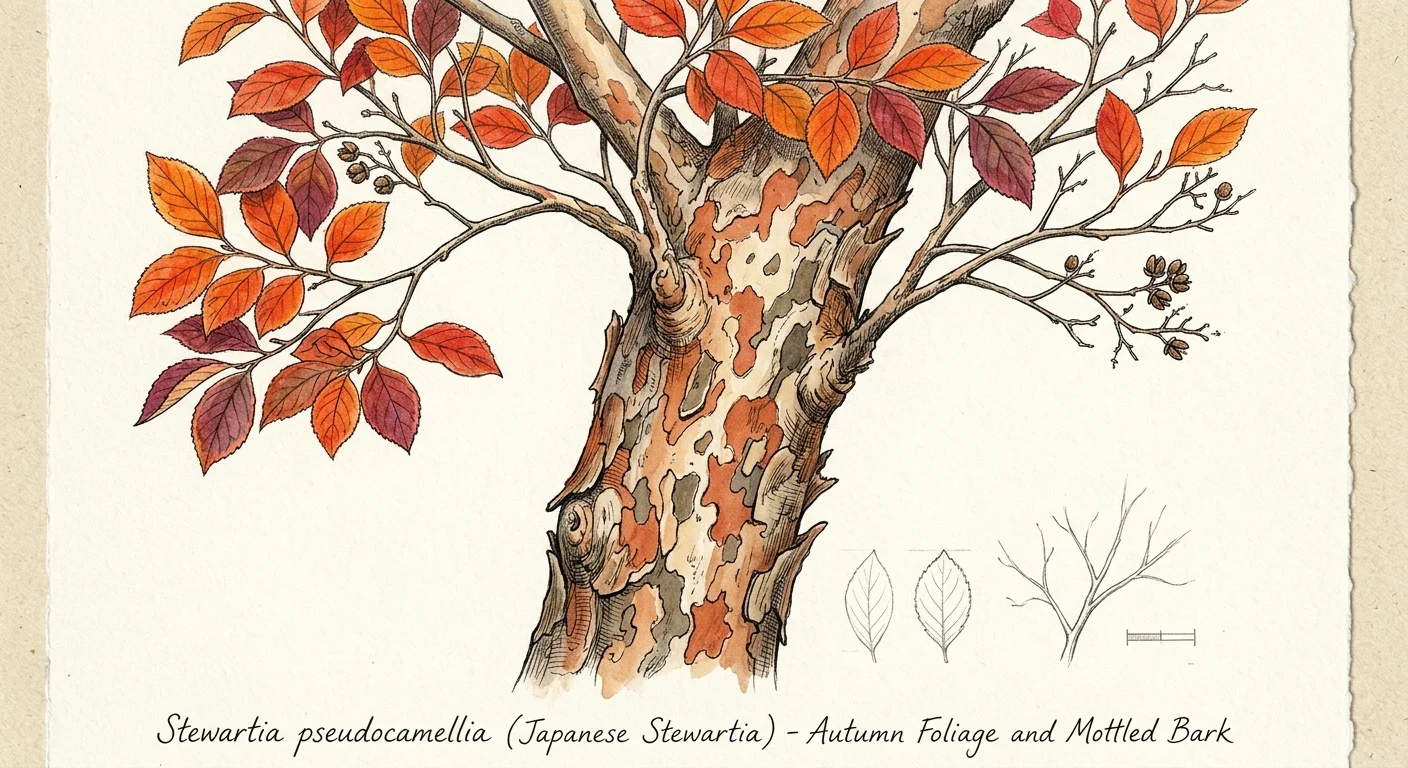
Tip #5: Japanese Stewartia (Stewartia pseudocamellia)
Japanese stewartia represents the pinnacle of multi-season elegance, delivering exquisite focal points across all four seasons. In June and July, it opens lovely cup-shaped, pure white blossoms centered with glowing yellow stamens that look just like single camellias. When autumn arrives, the foliage transforms into an opulent tapestry of bronze-purple, fiery red, and rich amber. Even after the leaves drop, the tree captures attention throughout winter with its magnificent, exfoliating bark that peels to reveal shades of cinnamon, salmon, cream, and olive.
Growing slowly to a manageable height of 20 to 40 feet with a 15 to 25 foot spread, Japanese stewartia fits naturally into residential yards, woodland borders, and sheltered patio corners. It thrives across USDA Zones 5 through 8, preferring cool root zones and protection from drying winds. Because it maintains a compact profile, you can plant it close to outdoor living areas where you can appreciate its delicate flowers, bark, and autumn tones up close.
For optimal health and color development, plant Japanese stewartia in moist, well-drained, organically rich soil with an acidic to neutral pH. It performs best in locations with morning sunshine and dappled afternoon shade; intense afternoon heat can scorch its delicate foliage in warmer zones. Spread a layer of composted leaf mold or pine bark around the base to retain moisture and insulate roots, watering consistently during its first two growing seasons.
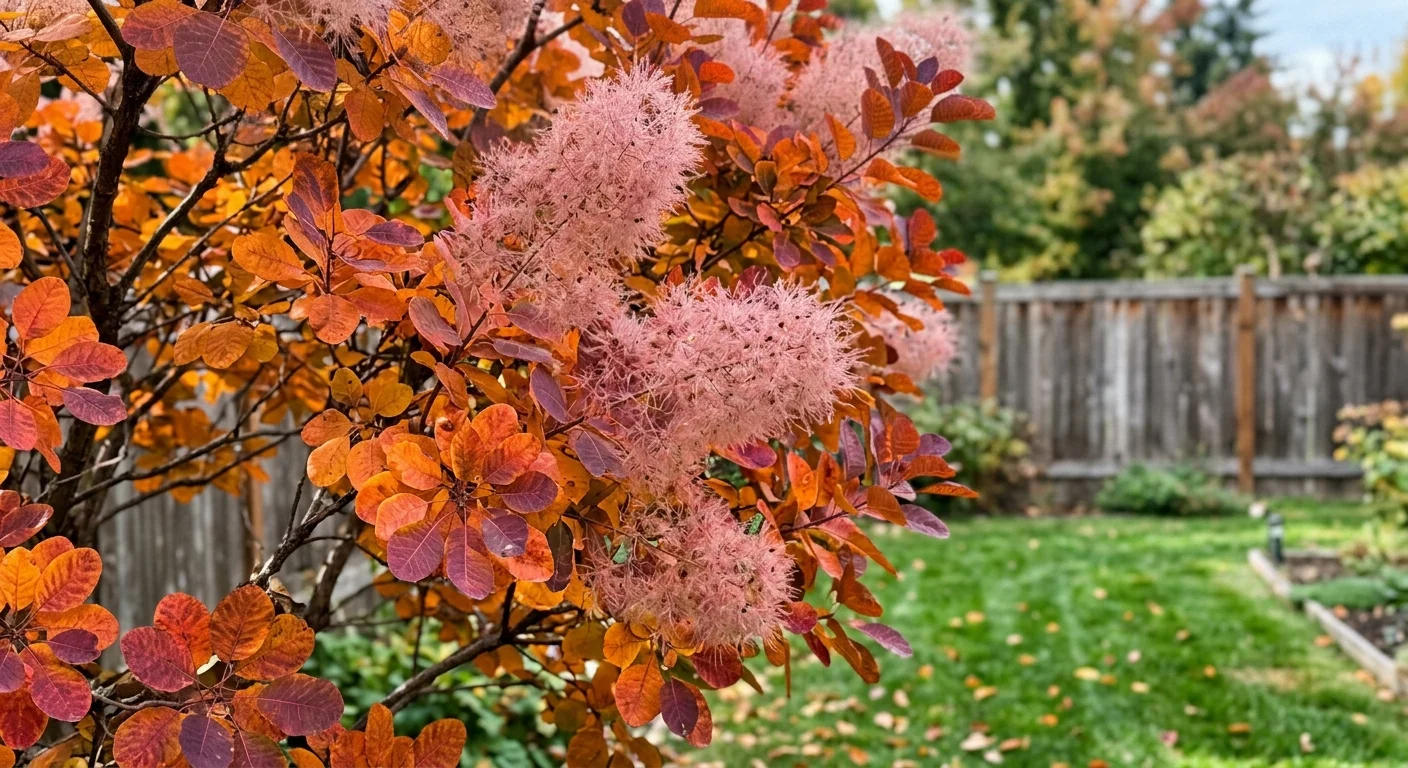
Tip #6: American Smoketree (Cotinus obovatus)
While many gardeners know the European smokebush shrub, the native American smoketree remains one of North America’s best-kept horticultural treasures. This small, drought-hardy tree is native to rocky limestone bluffs across the southern and central United States. In early summer, it covers itself in billowy, pinkish-purple flower plumes that resemble clouds of smoke floating above the branches. Come autumn, American smoketree produces a breathtaking display of luminous yellow, fiery orange, scarlet, and rich magenta purple that easily outshines European varieties.
Reaching a mature height of 20 to 30 feet with a spread of 15 to 25 feet, American smoketree works beautifully as an accent specimen, screen, or native garden centerpiece. It is cold-hardy and heat-tolerant, thriving across USDA Zones 4 through 8. Unlike many trees that demand rich garden loam, this tough native actively prefers poor, rocky, thin, or alkaline soils. It resists major pests, diseases, and browsing deer, making it a low-maintenance superstar for sustainable landscapes.
Always plant American smoketree in full sun to trigger its most vivid autumn pigmentation and dense flower production. Ensure the planting site drains quickly, as this species dislikes heavy, waterlogged soil. Avoid adding rich compost, synthetic fertilizers, or heavy nitrogen to the planting hole; excessive nutrients encourage weak branch growth at the expense of root resilience and fall color. Minimal pruning is required beyond shaping lower branches in late winter.
Tip #7: American Sweetgum (Liquidambar styraciflua)
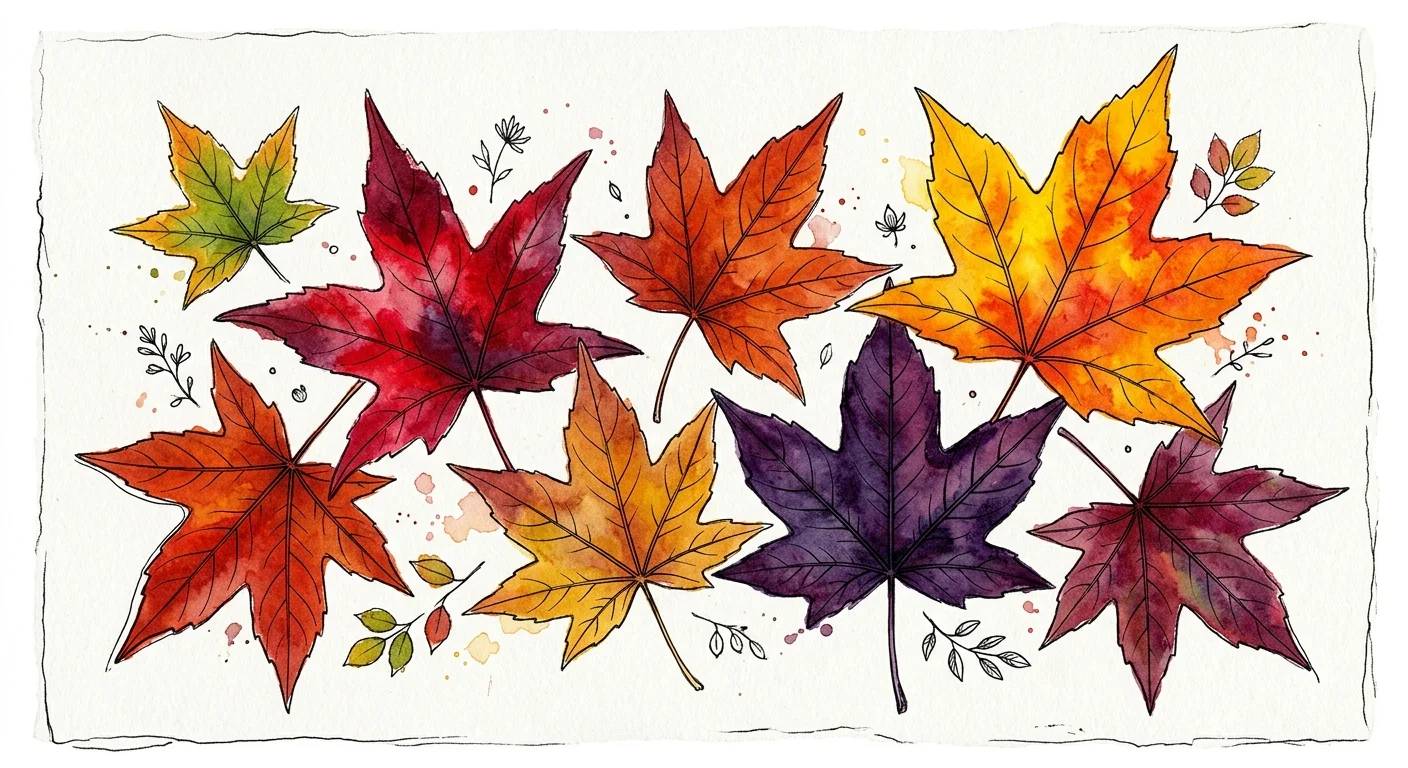
For homeowners looking to fill a large property with a majestic canopy of color, American sweetgum is one of the best trees for autumn color available. Native to lowlands and uplands across the eastern United States, this fast-growing shade tree features distinctive, five-pointed star-shaped leaves. In autumn, sweetgum produces one of the longest-lasting and most diverse color displays of any North American tree. A single branch can simultaneously hold glossy leaves of lemon yellow, vibrant orange, bright ruby red, and deep plum purple.
Sweetgum matures into a grand tree reaching 60 to 80 feet tall with a spread of 40 to 50 feet, making it perfect for spacious yards, park-like settings, and windbreaks. It thrives in USDA Zones 5 through 9, tolerating a wide range of soil textures from wet silts to heavy clay. Unlike invasive exotic trees such as the Callery pear—which is now banned in states like Ohio, Pennsylvania, and South Carolina due to its weak structure and ecological damage—native sweetgum offers immense structural strength and valuable wildlife support.
Plant sweetgum in full sun in deep, moist, acidic-to-neutral soil. While the traditional species produces hard, spiky seed pods, innovative cultivated varieties eliminate this concern. Look for the cultivar Rotundiloba, a completely fruitless selection that bears rounded leaf lobes and identical brilliant multi-hued autumn color without the seed capsules. If you have limited lateral space, the columnar cultivar Slender Silhouette grows up to 50 feet tall while staying just 4 to 6 feet wide.
Tip #8: Japanese Maple (Acer palmatum)
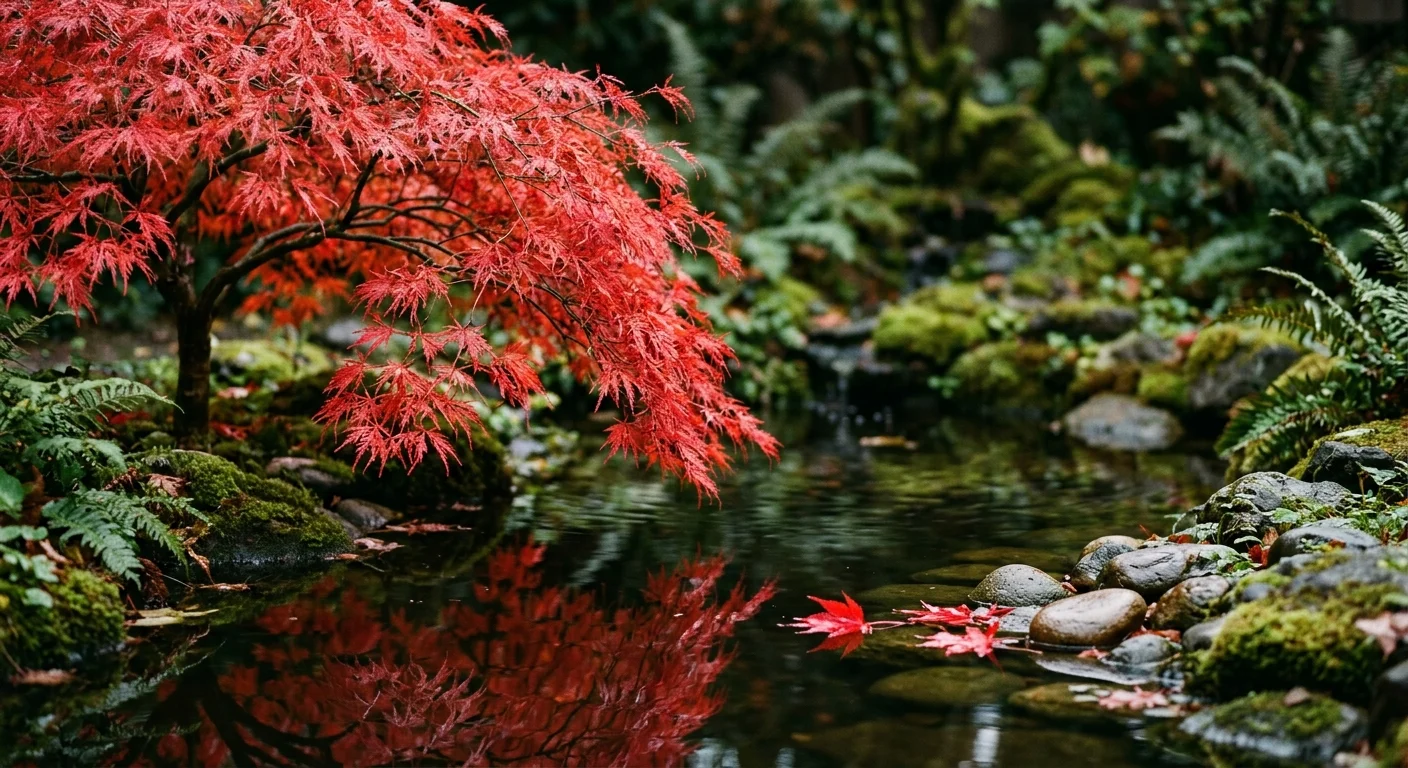
No discussion of breathtaking autumn color is complete without the Japanese maple. This exquisite small tree brings world-class beauty to small suburban yards, courtyards, and patio containers. Japanese maples offer an enormous variety of leaf shapes, from broad palmate lobes to finely dissected, lace-like foliage. When crisp autumn air arrives, these trees light up in intense shades of glowing crimson, fiery scarlet, rich amber, and golden apricot that create an intimate, New England-style canopy right outside your window.
Japanese maples typically reach mature heights between 10 and 25 feet, depending on whether you choose an upright tree form or a weeping cultivar. Hardy in USDA Zones 5 through 9 according to the latest climate guidelines, they thrive in microclimates that provide dappled shade and shelter from harsh, drying winds. Their non-invasive, shallow root systems make them safe to plant near foundations, walkways, and garden ponds without fear of structural damage.
To achieve the healthiest growth and deepest fall pigments, plant your Japanese maple in moist, organically rich, well-draining soil with a slightly acidic pH. While some varieties tolerate full sun in northern zones, most appreciate protection from intense afternoon sun in hot climates. Cultivar selection allows you to tailor color to your exact design goals. Bloodgood provides dependable purple-red leaves that turn bright crimson in fall; Osakazuki delivers intense, glowing scarlet foliage; and Sango-kaku (coral-bark maple) pairs canary-yellow leaves with coral-red winter twigs.

Putting It All Together: Enjoy Your Beautiful Garden
Creating a breathtaking autumn landscape does not require living in northern New England. By selecting resilient, pigment-rich species suited to your specific climate, soil, and garden size, you can establish an enchanting seasonal display that gets better every year. From the fire-engine reds of black gum and sourwood to the glowing golds of ginkgo and the multidimensional tapestry of sweetgum, these colorful fall trees to plant will elevate your outdoor living space.
To ensure your trees produce their brightest fall pigments, give them proper care throughout the growing season. Autumn leaf coloration depends heavily on warm, sunny days paired with cool, crisp, non-freezing nights. Healthy, well-hydrated trees produce significantly higher concentrations of anthocyanins and carotenoids than stressed trees. Maintain a consistent watering schedule during late summer dry spells, apply organic mulch around root zones to protect against temperature swings, and avoid high-nitrogen fertilizers in late summer that could disrupt natural winter dormancy preparation.
Take time this season to evaluate your landscape, note where you need vertical accents, shade, or texture, and choose trees that will thrive for decades. Planting in early autumn or early spring allows root systems to establish comfortably before seasonal temperature extremes arrive. With a thoughtful plan and the right trees, your backyard will soon become the premier autumn destination in your neighborhood.
Frequently Asked Questions
What environmental factors trigger the brightest fall color in trees?
The most intense autumn colors occur when late summer and early autumn bring sunny, warm days followed by cool, crisp nights that remain above freezing. Bright sunshine stimulates leaves to produce sugars, while cool nights trap those sugars in the leaf cells. This high sugar concentration triggers the rapid synthesis of anthocyanin pigments, which create radiant reds, purples, and crimsons. Adequate soil moisture throughout the summer also keeps leaves healthy and firmly attached to branches, prolonging the vibrant display.
When is the best time of year to plant fall foliage trees?
Early autumn is widely considered the ideal planting window for most deciduous trees. In autumn, the soil remains warm from summer heat, encouraging rapid root development, while cooler air temperatures reduce moisture stress on the canopy. Trees planted in autumn establish strong root systems before entering winter dormancy and burst into vigorous growth the following spring. Early spring is the second-best window, provided you plant before summer heat sets in and maintain a consistent watering routine.
Why are Callery pear and Norway maple discouraged or banned for fall landscaping?
While Callery pear (including the ‘Bradford’ cultivar) and Norway maple were historically planted for autumn color, both species have proven severely invasive in North American ecosystems. They escape cultivation, colonize native woodlands, and crowd out indigenous wildlife habitats. Callery pear also possesses weak branch architecture that splits dangerously in moderate wind and ice storms. Several states have enacted legal bans on the sale and distribution of Callery pear, including Ohio (banned 2023), Pennsylvania (banned 2024), South Carolina (banned 2024), and Michigan (effective 2028). Choosing native trees like black gum, sweetgum, or American smoketree provides superior beauty without ecological harm.
How should I use the updated USDA Hardiness Zone Map when selecting trees?
The USDA released an updated Plant Hardiness Zone Map based on revised 30-year climate averages, which shifted approximately half of the contiguous United States into a half-zone warmer. When selecting trees with best fall color, use the updated map to verify your current zone. Ensure the species you select can tolerate not only your minimum winter temperatures but also your summer heat and humidity levels. Consulting local extension offices provides valuable insights into how these temperature shifts affect specific tree species in your immediate microclimate.
For region-specific advice, consult your local University Extension program (find yours via the USDA directory). For plant databases and inspiration, visit the Missouri Botanical Garden or the Royal Horticultural Society.
Disclaimer: This article provides general gardening advice. Always consider your specific climate, soil conditions, and local pests. Follow safety guidelines when using gardening tools and products.