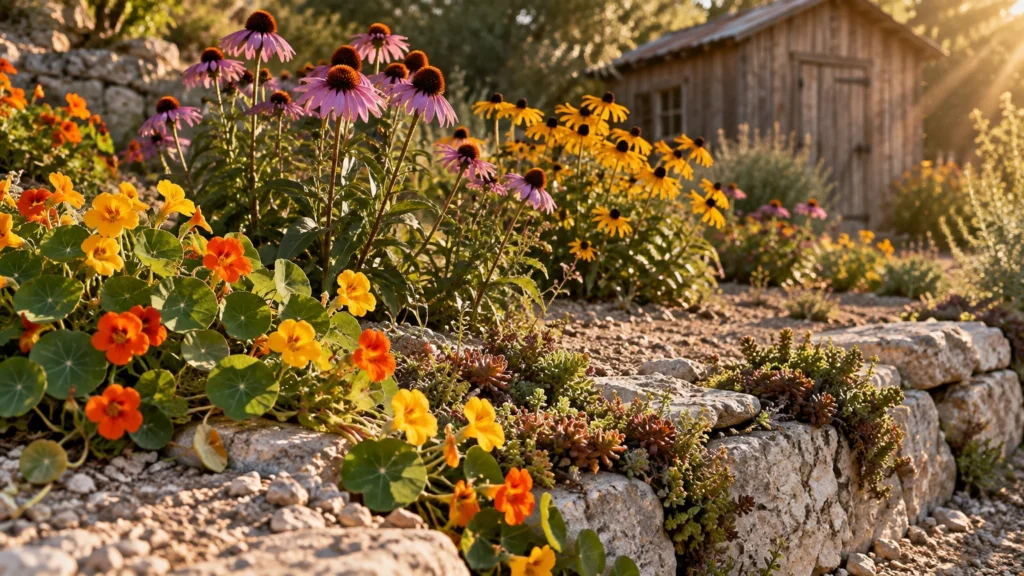
Transforming your outdoor space into a lush, productive paradise is easier than you think when you blend visual beauty with delicious harvests. By incorporating dual purpose garden plants into your flower beds, borders, and walkways, you maximize your yard’s potential without sacrificing curb appeal. Landscaping with edible plants allows you to enjoy vibrant blooms, striking foliage, and fresh, homegrown ingredients right outside your doorstep. Rather than confining vegetables to hidden backyard rows, edible plants for landscaping create rich texture, bold color, and structure that rival traditional ornamental shrubs. Discover nine outstanding edible ornamental plants that bring exceptional aesthetic value and rewarding flavor to your home landscape.
Tip #1: Highbush Blueberries
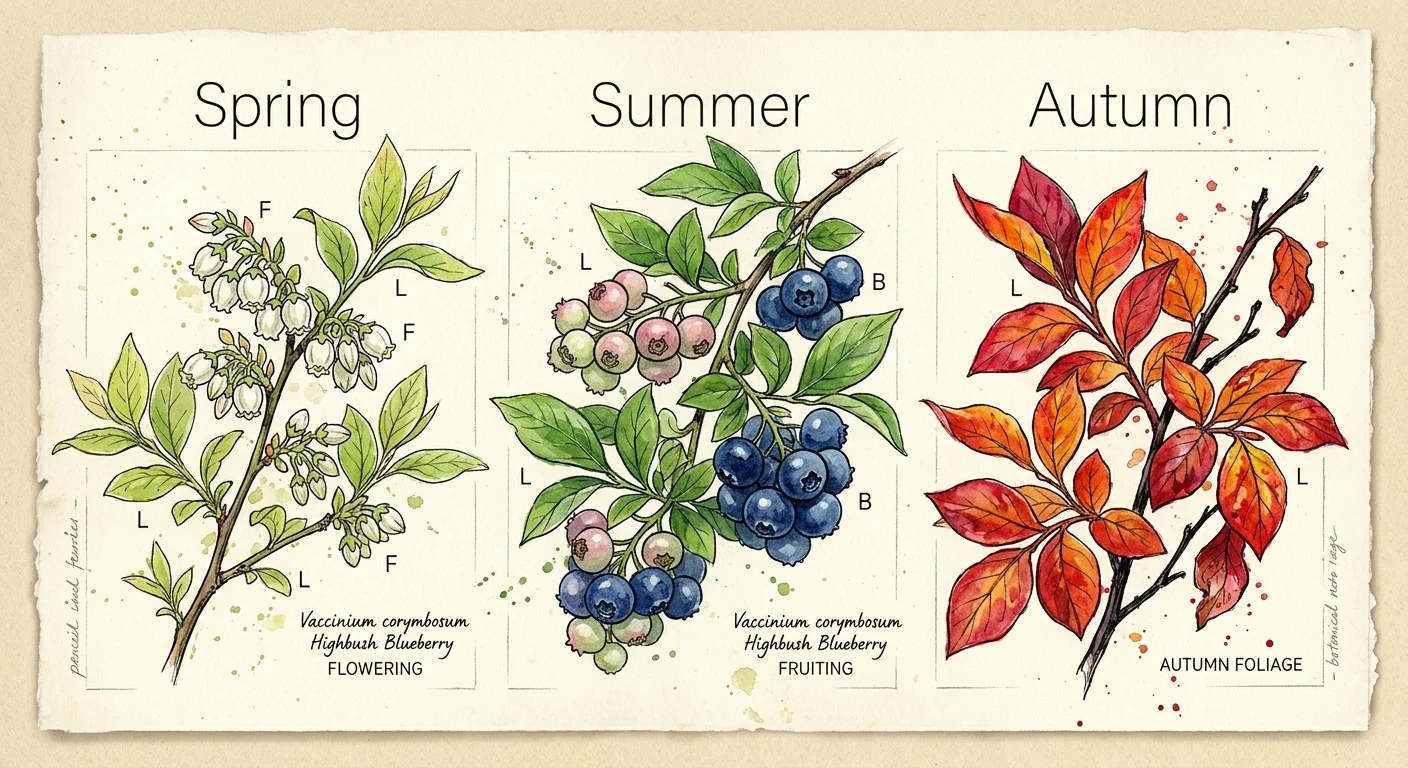
Highbush blueberries (Vaccinium corymbosum) are among the most rewarding dual purpose garden plants you can incorporate into your landscape design. In early spring, these versatile shrubs produce delicate clusters of white or soft pink bell-shaped flowers that attract valuable native pollinators. Throughout the summer season, rich green foliage provides a beautiful backdrop for ripening berries that transition from pale green to dusty pink, culminating in deep, midnight-blue fruit. When autumn arrives, blueberry foliage transforms into brilliant shades of fiery orange, scarlet, and deep crimson, easily rivaling classic ornamental burning bushes.
To maximize both fruit production and landscape appeal, plant highbush blueberries in a location that receives full sun, defined as receiving at least six hours of direct sunlight each day. Blueberries require acidic soil with a pH between 4.5 and 5.5; test your soil before planting and incorporate peat moss, composted pine bark, or elemental sulfur if necessary. Space bushes four to five feet apart to create a dense informal hedge, or plant individual specimens as bold focal points in sunny borders. Keep the soil consistently moist and well-drained, applying a three-inch layer of pine needle mulch to retain moisture and keep soil acidity balanced.
Tip #2: Rainbow Chard
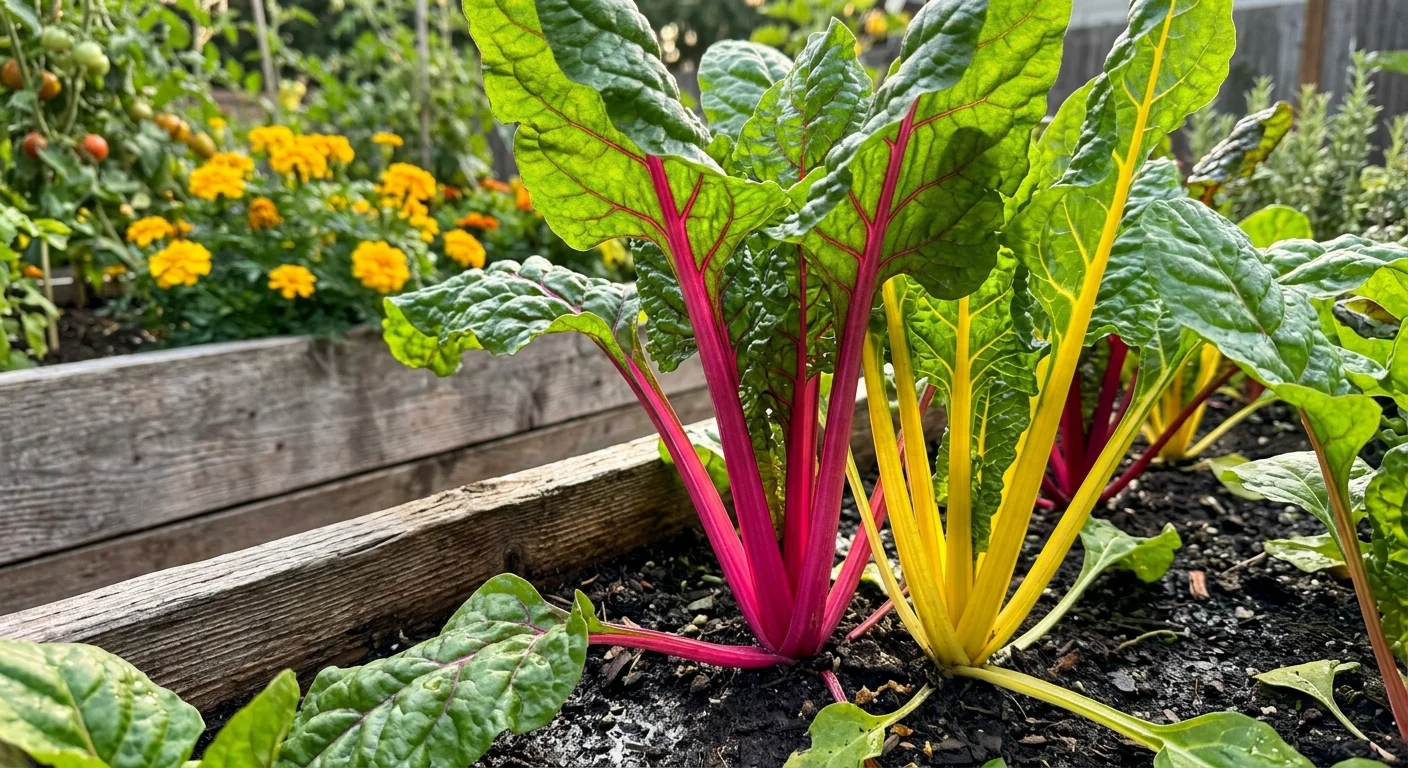
If you desire instant color and dramatic leaf texture in your flower beds, rainbow chard (Beta vulgaris) stands out as one of the best edible ornamental plants available. This striking cool-season leafy green features luminous stems in vivid shades of canary yellow, bright magenta, deep crimson, and coral orange. Its broad, puckered leaves range from emerald green to rich dark burgundy, offering extraordinary visual contrast when planted alongside flowering annuals and low-growing perennials.
Rainbow chard excels when used as a colorful border edging along garden walkways, front-of-bed accent, or dramatic container centerpiece. Plant seeds or nursery transplants ten to twelve inches apart in rich, well-draining soil enhanced with organic compost. Chard thrives in full sun but tolerates partial shade; afternoon shade can prolong leaf quality during hot summer months. Harvest outer leaves regularly using the cut-and-come-again method; this practice stimulates continuous growth of tender leaves from the crown while keeping your garden display neat and attractive from spring through late autumn.
Tip #3: Rosemary
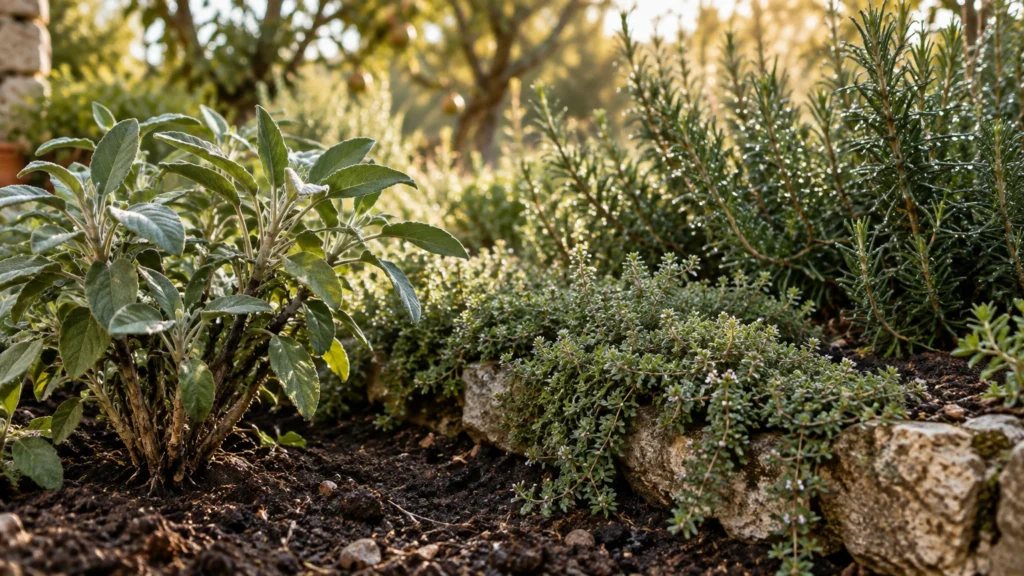
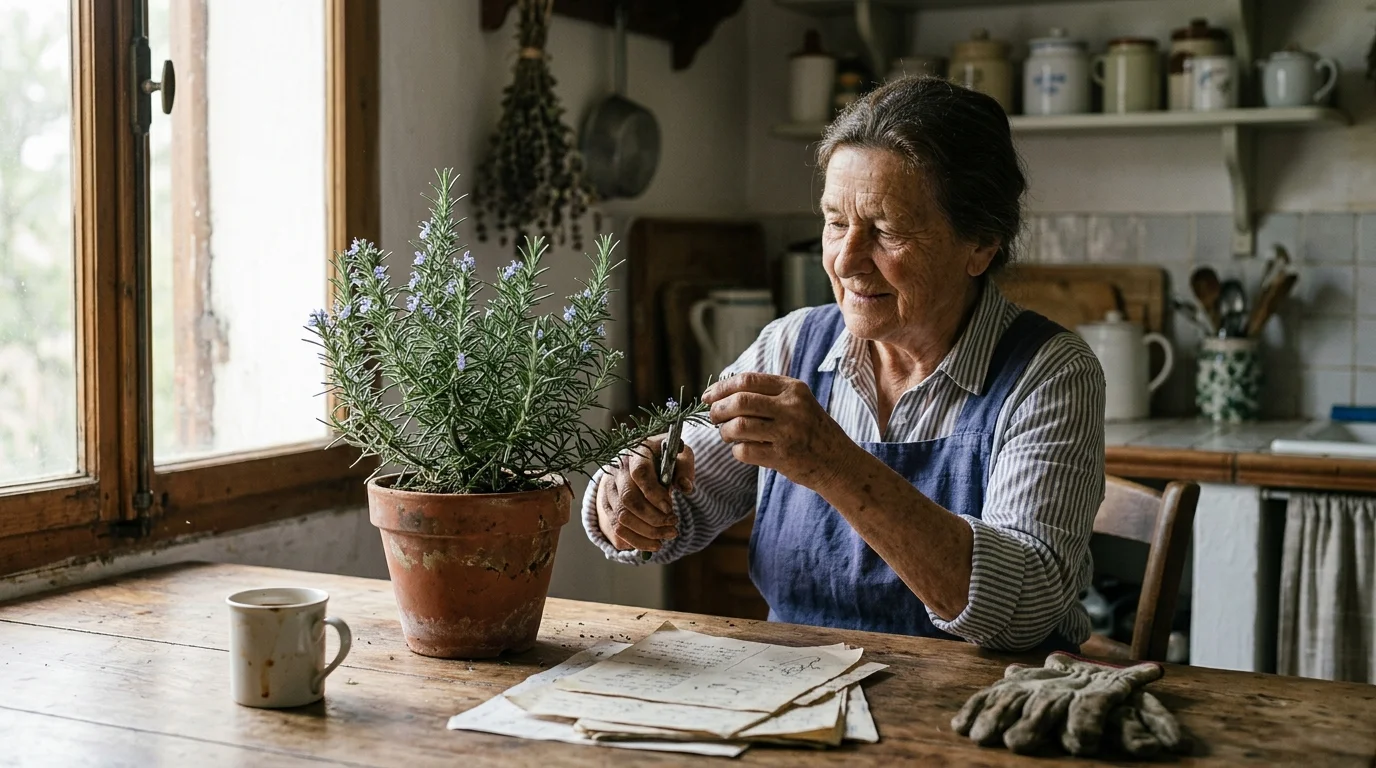
Rosemary (Salvia rosmarinus) brings Mediterranean elegance, fine evergreen texture, and soothing fragrance to sunny garden spaces. As an evergreen shrub, rosemary holds its needle-like foliage throughout the winter, offering structural permanence when herbaceous perennials die back. In late winter and early spring, the branches become adorned with tiny blossoms in shades of pale blue, deep violet, and delicate white, attracting early pollinators when few other flowers are in bloom.
When implementing edible landscaping ideas, selecting the proper site for rosemary is essential for long-term plant health. Rosemary requires full sun exposure and gritty, sharply draining soil with a neutral to slightly alkaline pH between 6.0 and 7.0. Heavy clay soils or overwatering will quickly cause root rot; allow the top two inches of soil to dry out thoroughly between waterings. Choose upright cultivars like ‘Tuscan Blue’ for formal architectural accents and low hedging, or select trailing varieties such as ‘Prostratus’ to drape gracefully over stone retaining walls and rock garden ledges.
Tip #4: Globe Artichokes
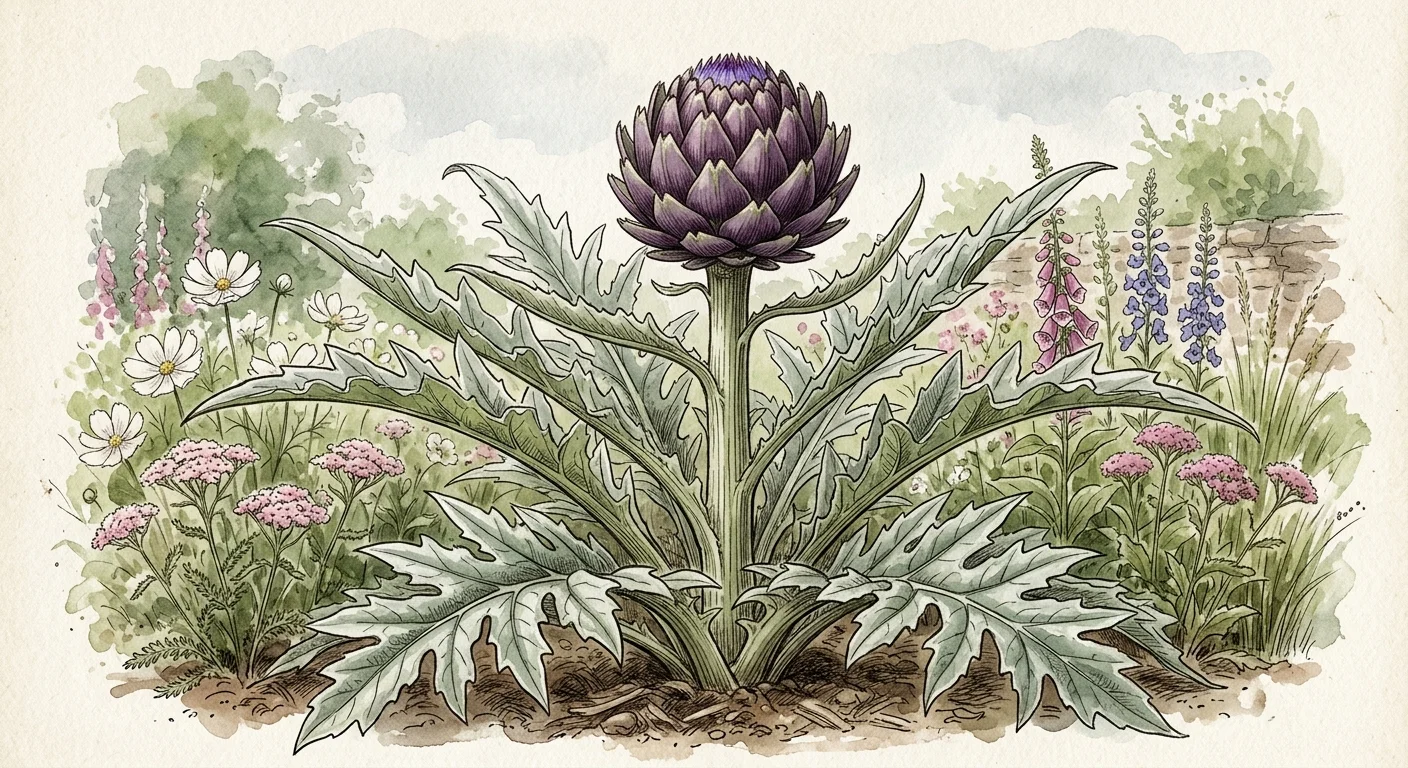
Few plants create a more dramatic statement in a garden bed than the globe artichoke (Cynara cardunculus). A majestic relative of the thistle family, this architectural plant produces sweeping, deeply lobed silver-green leaves that arch gracefully outward up to four feet wide. In early summer, sturdy central stalks rise above the metallic foliage, bearing large, tight flower buds that are prized as gourmet garden delicacies when harvested early.
If you leave the flower buds unharvested, they burst open into striking, electric-violet thistle blossoms reaching up to six inches across, creating an unforgettable focal point in your perennial borders. Globe artichokes are reliably hardy in USDA zones 7 through 11, though cool-climate gardeners often grow them as dramatic annual foliage plants. Plant artichokes in deep, fertile soil enriched with plenty of organic matter, placing them in full sun and spacing individual plants three to four feet apart so their spreading foliage has room to shine.
Tip #5: Lacinato Kale
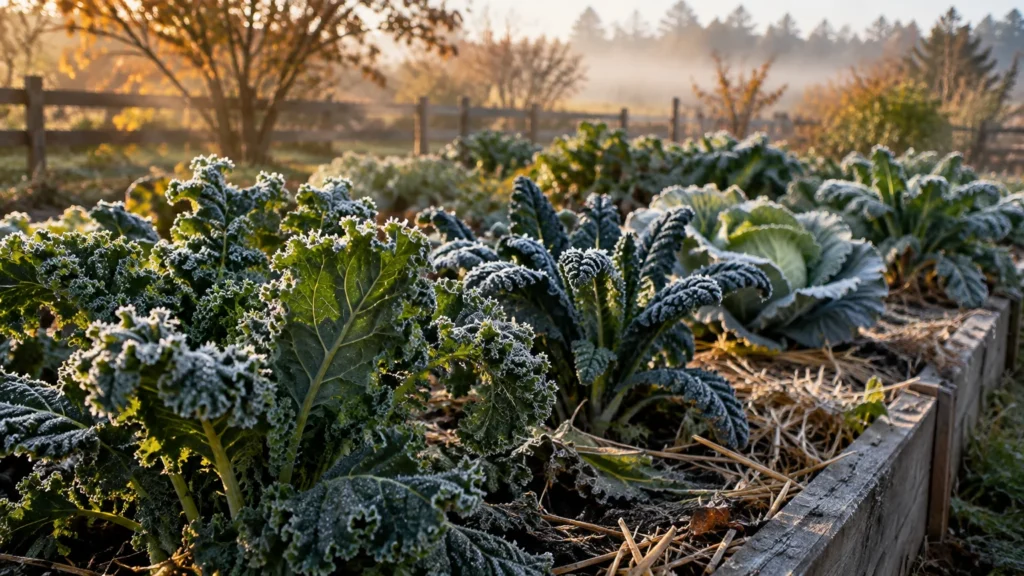
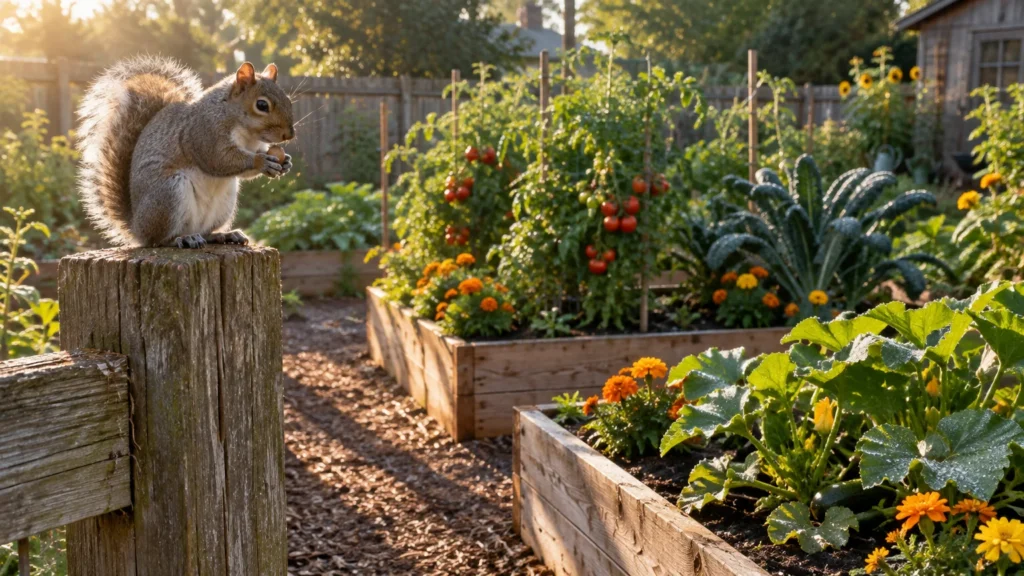
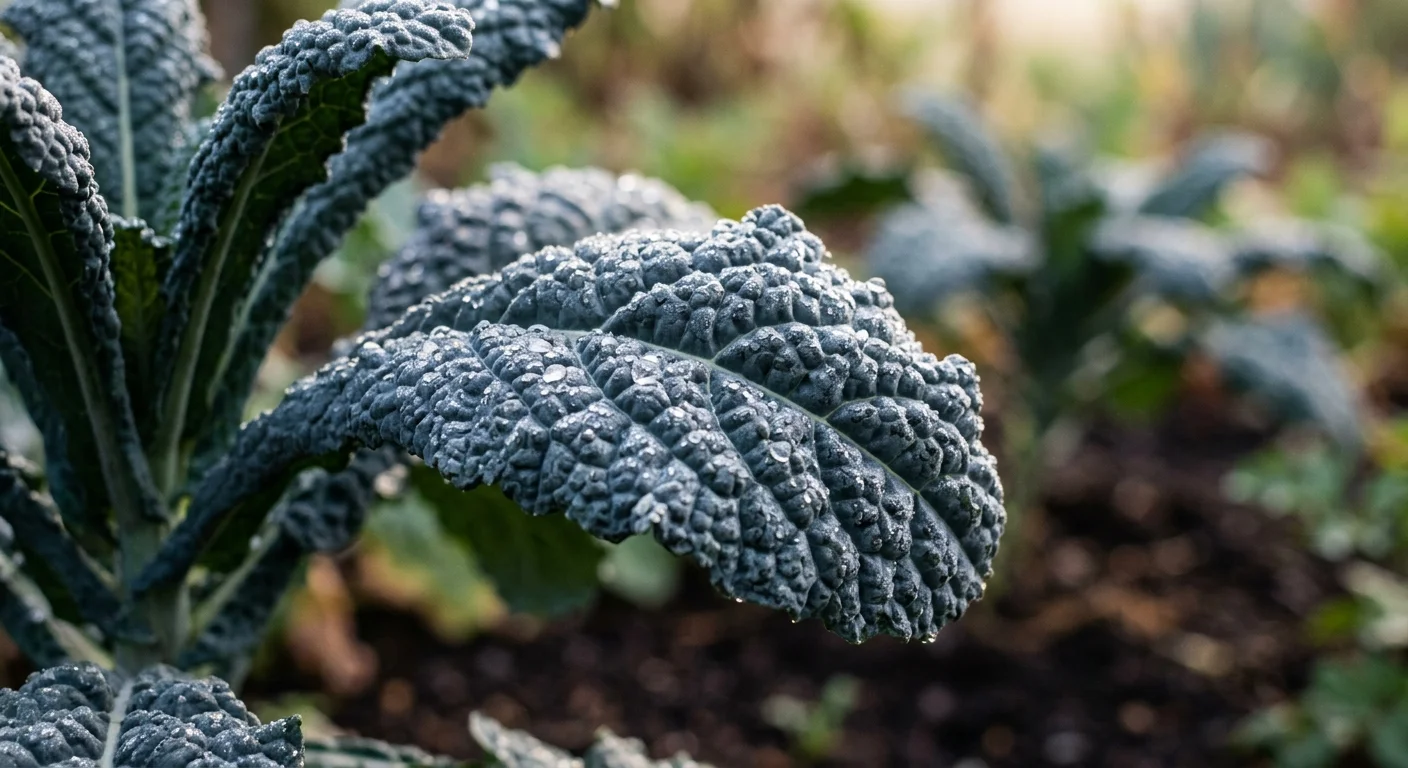
Also known as Tuscan kale or Dinosaur kale, Lacinato kale (Brassica oleracea) provides structural elegance with its narrow, dark blue-green puckered foliage. Unlike low-mounding vegetable varieties, Lacinato kale grows in an upright habit reaching two to three feet tall. Its deeply textured leaves curve gently downward, introducing deep cool tones and bold architectural geometry to garden spaces filled with soft flowers and fine grasses.
Incorporating Lacinato kale into your landscape brings continuous visual appeal throughout cool autumn and winter months. Space seedlings eighteen inches apart in nutrient-rich, moist soil that receives full sun to partial shade. As you harvest the lower leaves for hearty autumn dishes, the plant develops an increasingly upright central stalk topped with a rosette of foliage, resembling a small palm tree. This unique silhouette combines beautifully with cool-weather ornamentals like pansies, violas, and snapdragons.
Tip #6: Alpine Strawberries
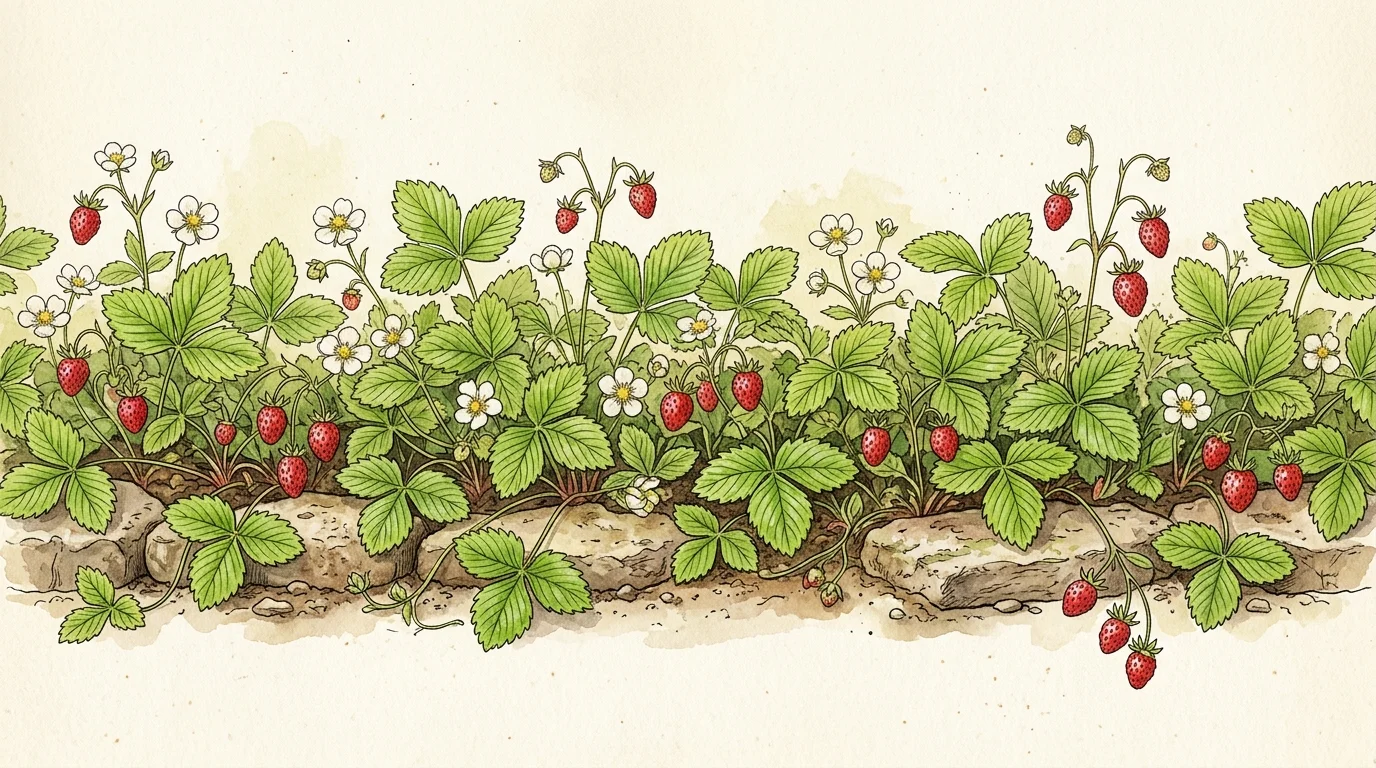
Alpine strawberries (Fragaria vesca) are compact, non-running ground covers that fit flawlessly into formal and informal landscape designs. Unlike traditional garden strawberries that send out long runners, alpine varieties grow in tidy, mounding clumps six to ten inches tall. From spring until the first winter freeze, these charming plants continuously produce delicate white flowers alongside tiny, intensely aromatic red or yellow berries.
Use alpine strawberries as an edible edging along garden borders, tucked into rock garden crevices, or as low ground cover beneath taller ornamental shrubs. They thrive in full sun to partial shade, preferring moist, organic soil enriched with leaf mold or compost. Because alpine strawberries bear fruit continuously throughout the season, you can enjoy picking fresh berries every day while maintaining a lush green border that suppresses weeds along garden pathways.
Tip #7: Fig Trees
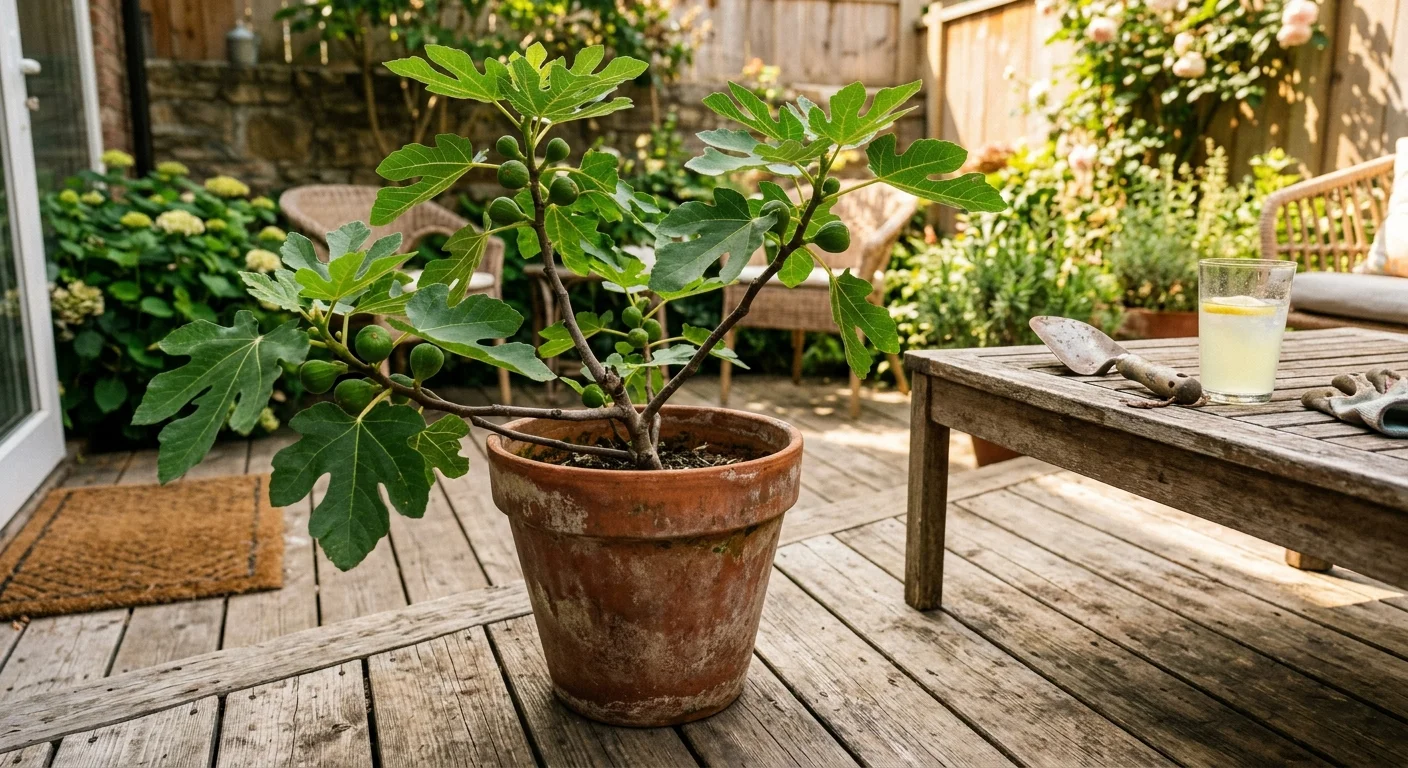
Fig trees (Ficus carica) bring lush Mediterranean character and grand leaf texture to sunny garden borders and patio spaces. Featuring massive, lobed leaves that measure up to ten inches across, fig trees provide an exotic, tropical feel in temperate landscapes. In winter, after the bold leaves fall, smooth pale gray bark and structural branching remain visible, creating interest against stone walls and garden fences.
Plant fig trees in a warm, sheltered location receiving full sun, such as against a south-facing building wall where radiant heat accumulates. Figs thrive in well-draining soil with a pH between 6.0 and 6.5; limit high-nitrogen fertilizers, which encourage excessive foliage at the expense of sweet fruit production. Dwarf cultivars like ‘Little Miss Figgy’ reach a compact height of four to six feet, making them ideal for small garden beds or large decorative patio containers.
Tip #8: Sweet Potatoes
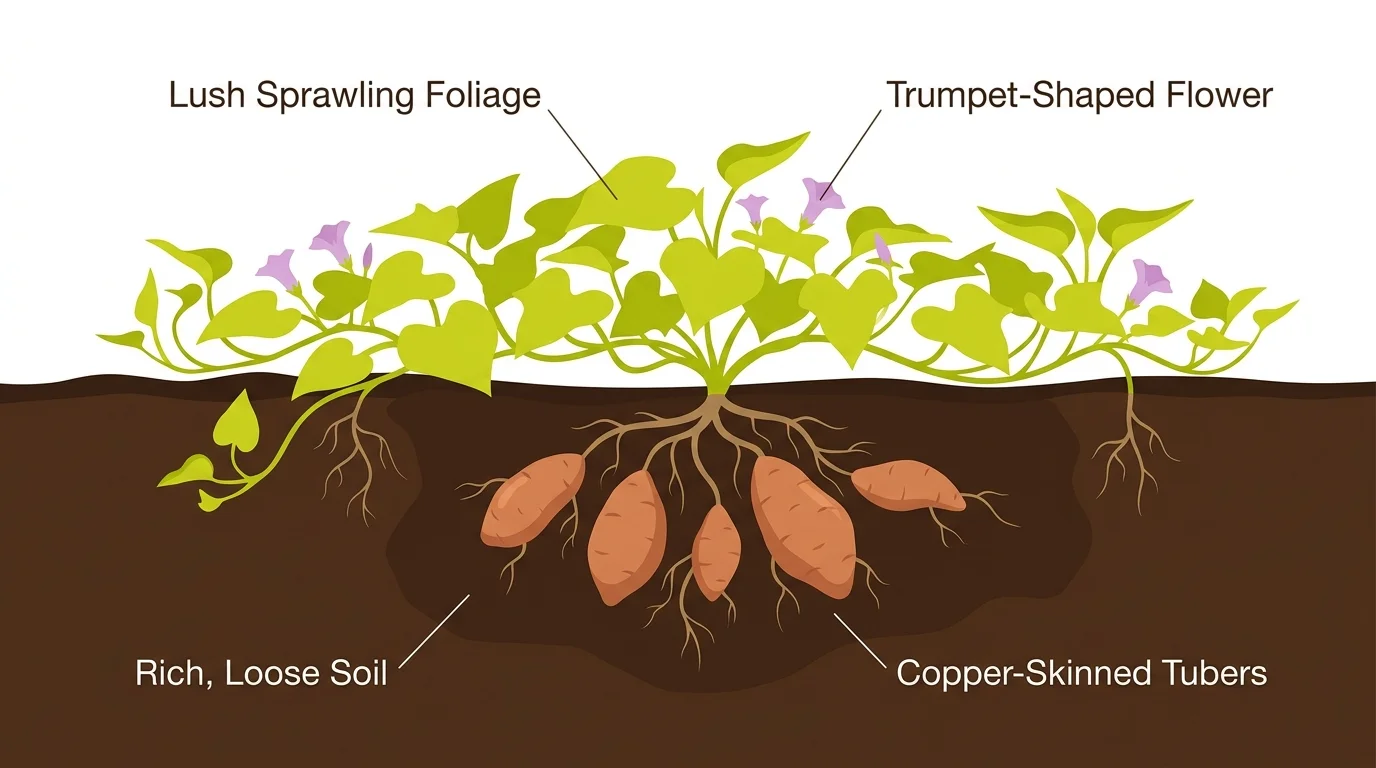
Sweet potatoes (Ipomoea batatas) excel in ornamental landscapes due to their sprawling, vine-like habit and striking foliage. While ornamental sweet potato vines are grown strictly for their leaves, classic edible sweet potato varieties offer vibrant green or dark copper-purple foliage that serves as an effective, weed-suppressing ground cover or container spiller during warm summer months.
Plant sweet potato slips in late spring once soil temperatures reach 65 degrees Fahrenheit. They thrive in full sun and loose, well-drained soil, quickly spreading to cover open ground, spill over retaining walls, or fill empty gaps in mixed flower borders. In autumn, right before the first frost, carefully dig up the root systems to harvest sweet potato tubers that developed beneath your garden during the summer.
Tip #9: English Lavender
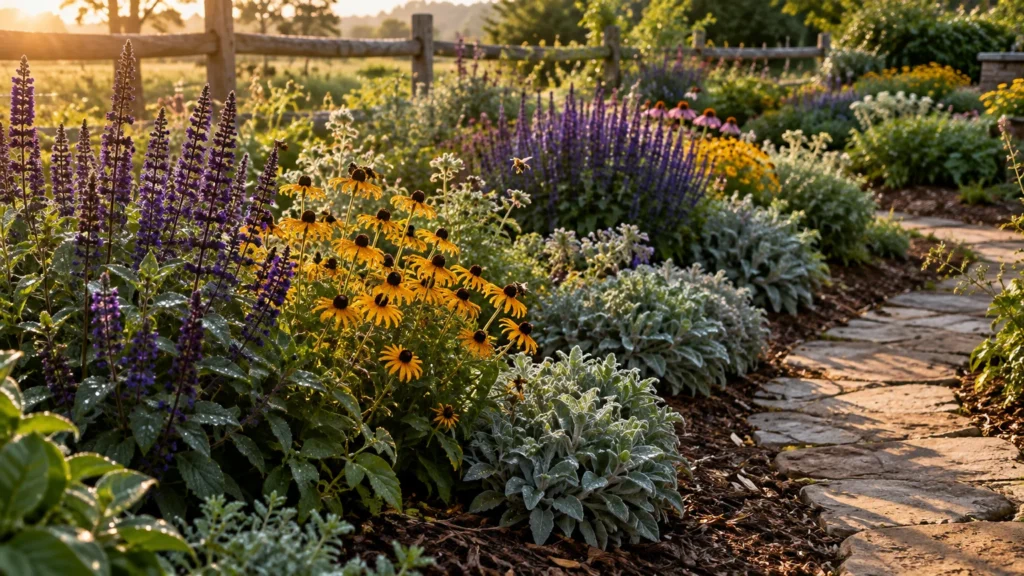
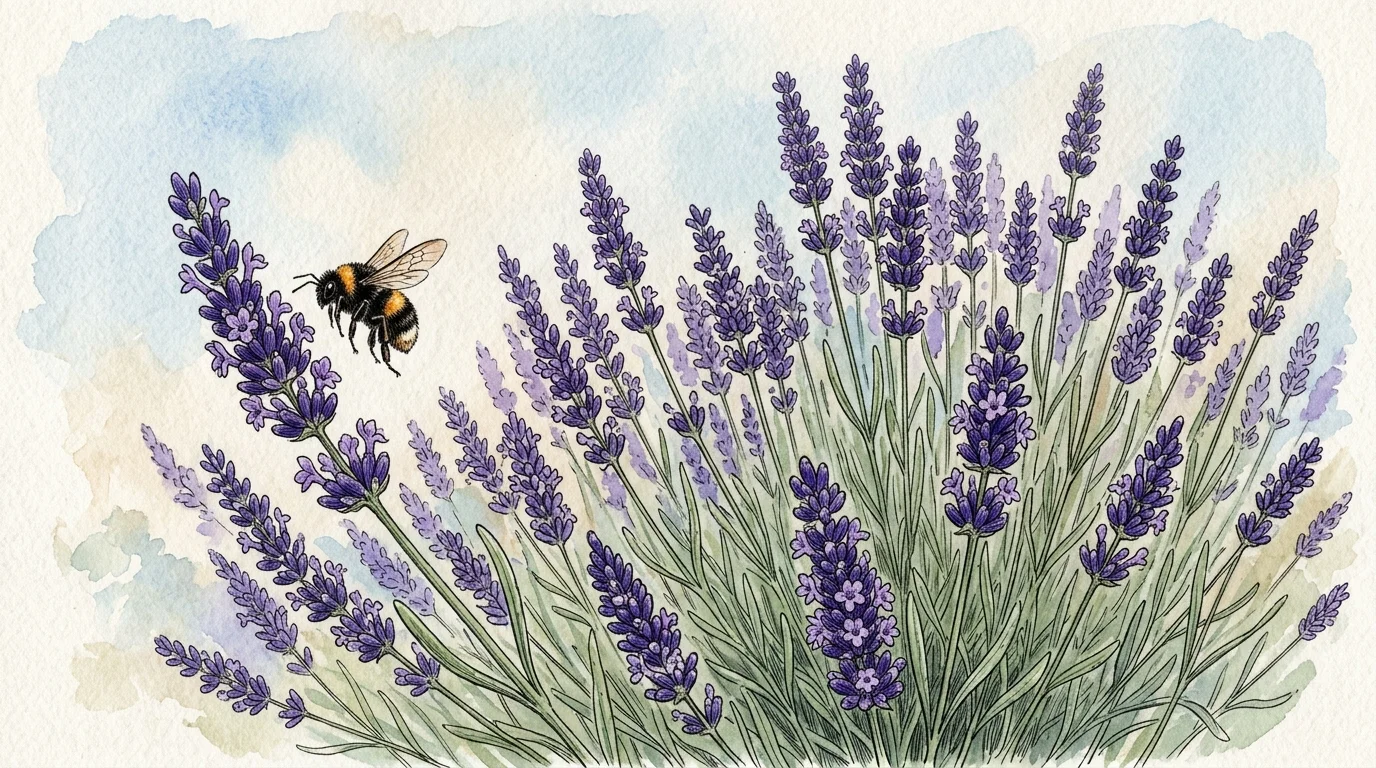
English lavender (Lavandula angustifolia) effortlessly bridges the gap between culinary herbs and classic landscape design. Featuring fine, silvery-gray foliage and tall spikes of fragrant purple flowers, this woody perennial creates low formal hedges, border accents, and rock garden features. Culinary enthusiasts use lavender blossoms to flavor sweet pastries, infused syrups, and savory herb blends.
Lavender requires full sun and lean, sharply drained soil with a neutral to slightly alkaline pH between 6.5 and 7.5. Plant bushes eighteen to twenty-four inches apart in raised beds or gravel-amended soils to prevent root rot. Avoid heavy wood mulches around the base; instead, use pea gravel to reflect heat and keep plant crowns dry. Prune light growth right after spring blooming to maintain compact, mounding shapes and keep plants from becoming overly leggy.
Putting It All Together: Enjoy Your Beautiful Garden
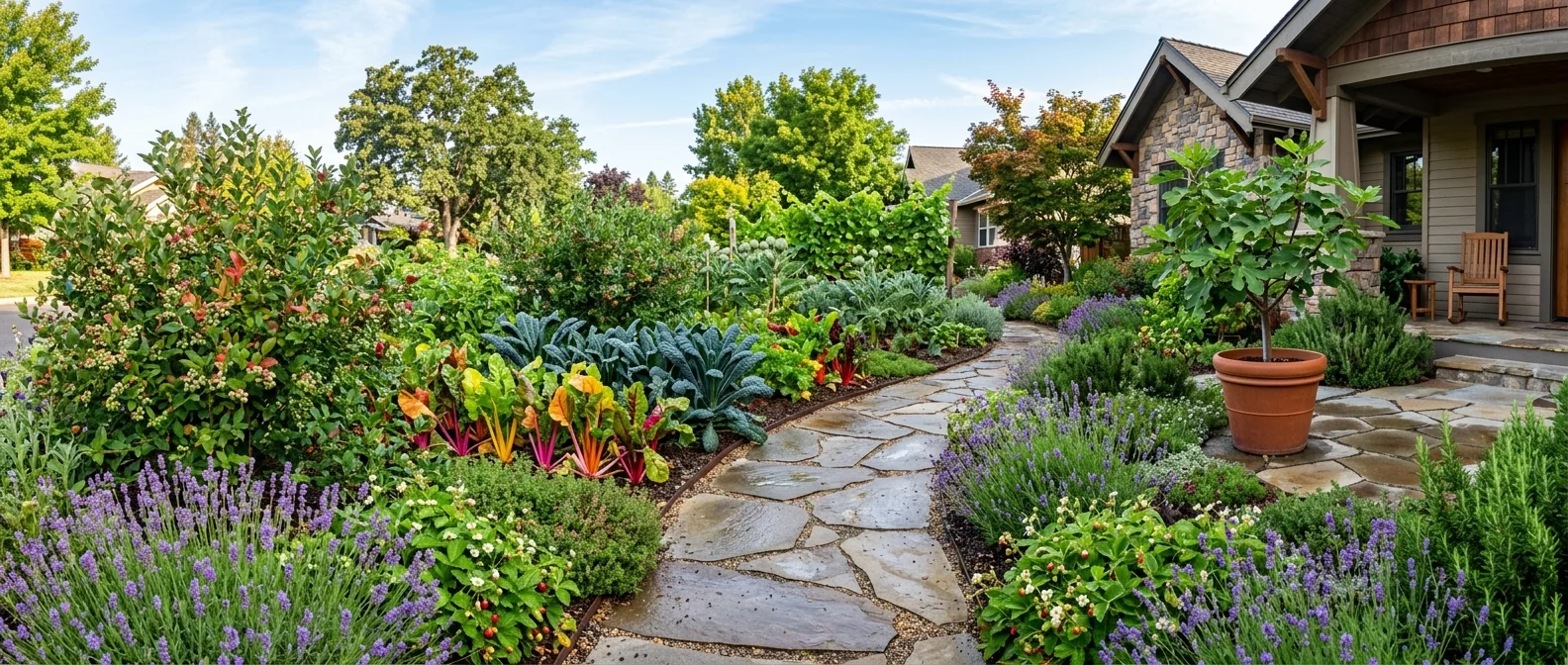
Combining beauty and utility through edible landscaping transforms how you design and interact with your outdoor space. By thoughtfully integrating dual purpose garden plants—such as structural blueberry bushes, colorful rainbow chard, and aromatic lavender—you create a dynamic landscape that appeals to all senses. Mixing varying plant heights, foliage textures, and harvesting periods ensures your garden remains captivating, practical, and highly productive through every season.
Begin your transformation by replacing a few conventional ornamental shrubs with productive alternatives that match your local light and soil conditions. Pay close attention to water requirements, sun exposure, and soil drainage, adjusting your garden management practices as your plants mature. Over time, expanding your selection of edible ornamental plants will provide a continuous harvest of fresh ingredients right outside your door while maintaining exceptional curb appeal.
Frequently Asked Questions
Do edible plants attract more garden pests than standard flowers?
Edible plants can attract garden pests, but interplanting them within mixed ornamental beds actually reduces overall pest damage. Traditional monoculture vegetable gardens allow pest populations to spread rapidly across single crops. In contrast, mixing edibles among flowering ornamentals disrupts pest movements and attracts beneficial predatory insects, such as ladybugs and hoverflies, which naturally keep pest populations in check.
Can I combine synthetic fertilizers with edible landscaping?
While synthetic fertilizers promote rapid plant growth, organic options like compost, fish emulsion, and well-aged manure are better suited for edible landscaping. Organic soil amendments improve soil structure, support beneficial soil microbes, and ensure that your harvested fruits and vegetables remain healthy, flavorful, and free from synthetic chemical residues.
How do I harvest edible landscaping plants without ruining their appearance?
Harvest selectively using the cut-and-come-again method for leafy greens by removing outer leaves while preserving the central growing tip. For fruiting shrubs like blueberries and strawberries, pick mature fruit gently without damaging nearby leaves. Regular, light pruning during harvest maintains clean plant form and stimulates healthy foliage growth.
Which edible ornamental plants grow best in partial shade?
Leafy greens and small fruiting plants adapt well to partial shade. Rainbow chard, alpine strawberries, Lacinato kale, and culinary herbs such as mint and parsley perform reliably with three to four hours of direct sun daily, making them ideal choices for shadier garden locations.
For region-specific advice, consult your local University Extension program (find yours via the USDA directory). For plant databases and inspiration, visit the Missouri Botanical Garden or the Royal Horticultural Society.
Disclaimer: This article provides general gardening advice. Always consider your specific climate, soil conditions, and local pests. Follow safety guidelines when using gardening tools and products.