A dedicated flower garden for cutting supplies your home with fresh blooms from late spring through the first autumn frost. You can bypass supermarket price tags and design custom arrangements straight from your backyard soil.
Selecting prolific varieties ensures continuous harvests without depleting your landscape beds. These resilient plants regenerate rapidly when you cut mature stems, rewarding your efforts with abundant color.
Focus on dependable species that offer strong stems, rich pigments, and extended vase longevity. Master these seven proven selections to cultivate the ultimate backyard floral bounty.
Tip #1: Zinnias for Relentless Summer Color
Why Zinnias Excel in Bouquets
Zinnias rank among the best cutting garden flowers for beginners and seasoned growers alike. They thrive in sweltering midsummer heat and produce dynamic disk flowers on sturdy, upright stems.
The more stems you harvest, the more side shoots the plant generates. A single healthy zinnia plant can yield dozens of long-stemmed flowers over a three-month window.
Cultivation and Planting Tips
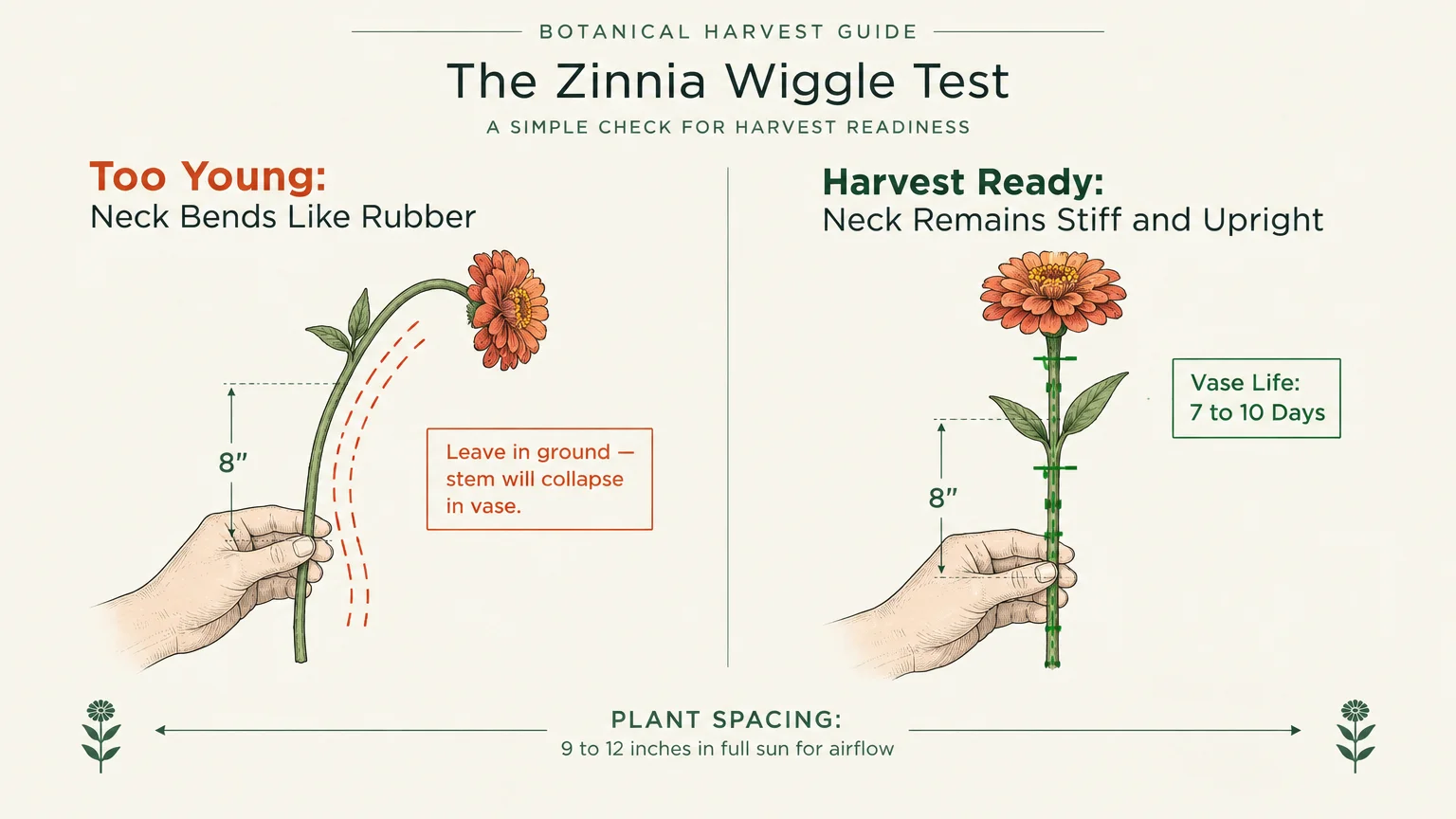
Sow seeds directly into warm soil after your last frost date, or start them indoors three weeks prior. Space seedlings nine to twelve inches apart in full sun to foster strong air circulation.
Good airflow prevents powdery mildew, which frequently attacks dense zinnia foliage during humid summer nights. Water the base of the plant with drip irrigation rather than overhead sprinklers.
Harvesting and Vase Care
Perform the wiggle test before cutting your zinnia stems. Grasp the stem eight inches below the bloom and shake it gently.
If the stem bends like rubber, the bloom is too young to hold water. Harvest only when the neck remains stiff and upright.
Cut stems early in the morning and submerge them immediately in fresh water. High-performing cultivars like ‘Benary’s Giant’ and ‘Oklahoma’ routinely provide a vase life of seven to ten days.
Strip all foliage that would otherwise sit submerged beneath the water level in your vase. Decomposing leaves breed bacteria quickly, which clogs stems and causes premature wilting.
Tip #2: Dahlias for Dramatic Focal Blooms
The Ultimate Garden Showstopper
Dahlias deliver the luxurious focal flowers for bouquets that elevated floral arrangements demand. Their intricate petal geometry and wide spectrum of hues make them the undisputed royalty of late summer gardens.
From diminutive two-inch pompons to dinnerplate blooms measuring ten inches across, dahlias provide endless artistic possibilities. Their substantial stems anchor heavy floral centerpieces with effortless grace.
Soil Preparation and Tuber Care
Plant firm dahlia tubers after the danger of frost passes and soil temperatures reach sixty degrees Fahrenheit. Select a planting site that receives at least six to eight hours of direct sunlight.
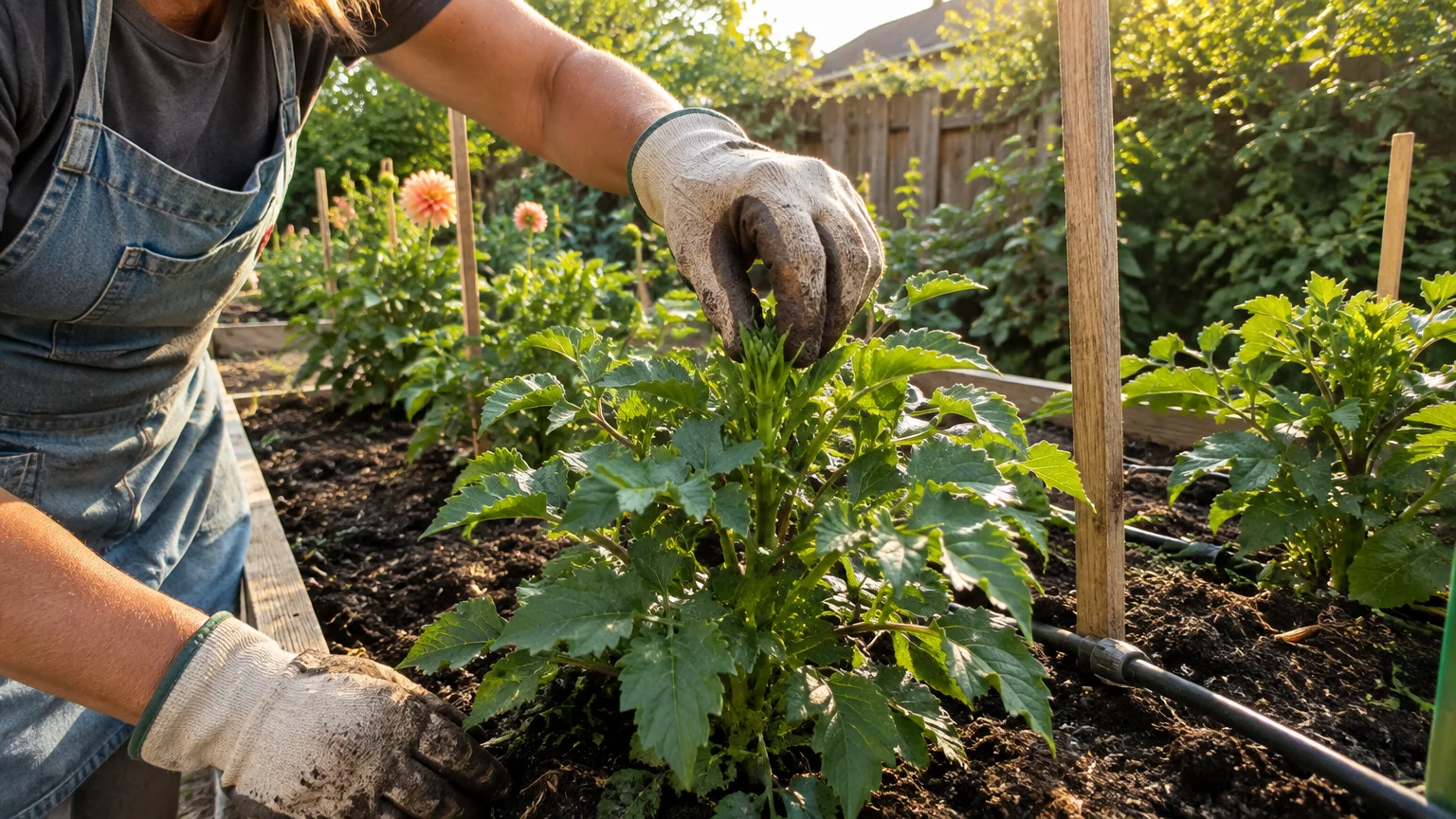
Pinch out the central growing tip when your plant reaches twelve inches in height. This essential cut stimulates secondary branching and produces significantly more usable flower stems throughout the season.
Harvesting and Post-Harvest Longevity
Dahlias do not open significantly once you sever them from the root system. Always cut blooms when they are three-quarters to fully open for optimal visual impact.
Inspect the back of the flower head before harvesting. Discard stems where the rear petals feel soft, papery, or discolored.
Place fresh-cut stems directly into warm water mixed with commercial floral preservative. Dahlias possess hollow stems that drink water aggressively, lasting four to six days in clean vases.
Grow versatile varieties like ‘Café au Lait’ for soft bridal tones or ‘Cornel’ for intense crimson spheres. Sturdy staking protects these heavy producers from sudden summer storms.
Tip #3: Cosmos for Airy Textural Movement
Delicate Blooms and Feathery Foliage
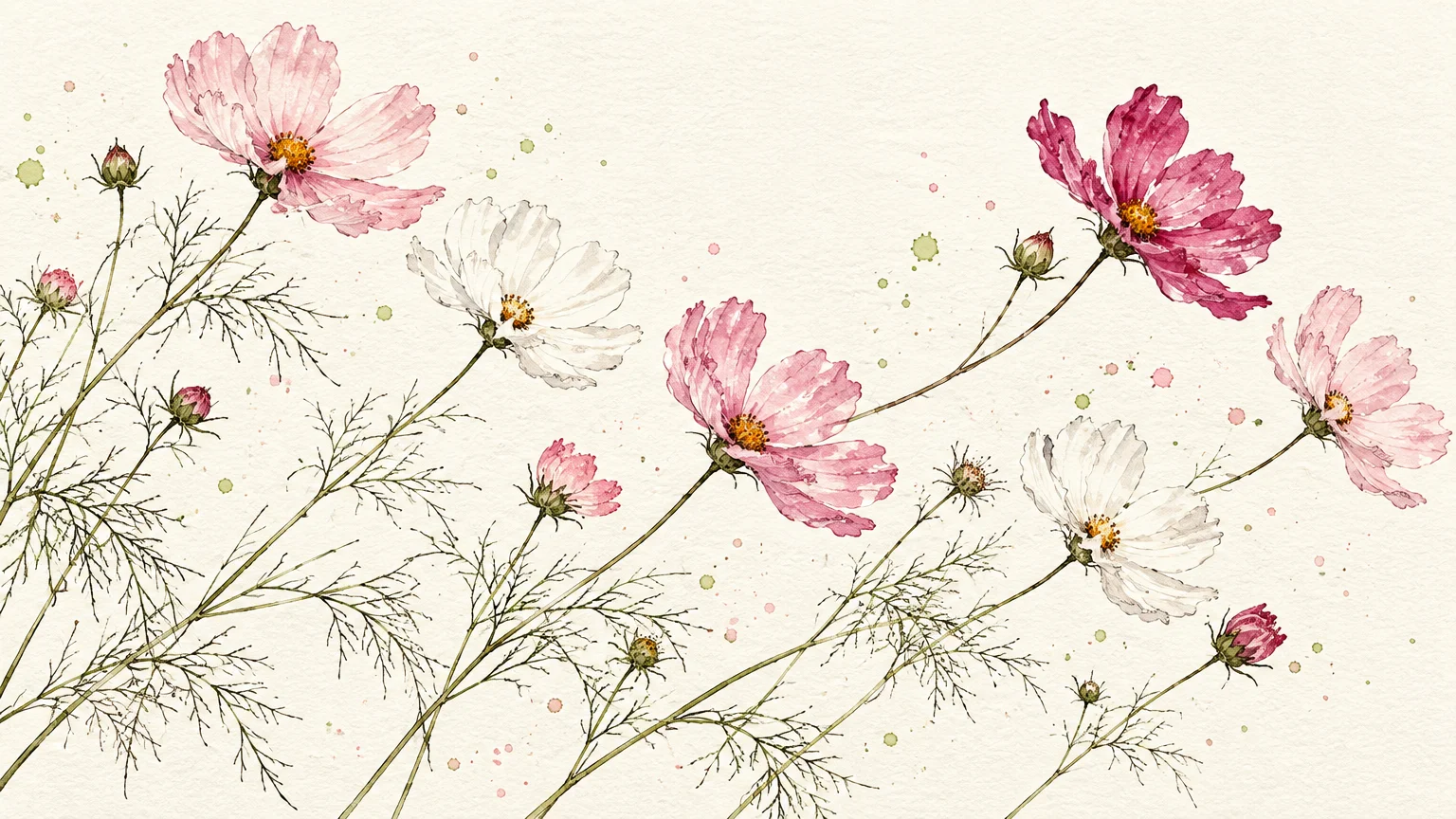
Cosmos bring effortless charm and floating movement to mixed summer vases. Their feathery foliage acts as a natural greenery filler, while daisy-like petals dance above neighboring stems.
These resilient annuals belong on every list of easy cutting garden flowers because they flourish even in mediocre soil. Excess nitrogen actually suppresses their flowering and forces excessive leafy growth.
Growing and Maintenance Strategies
Scatter seeds directly across prepared garden beds once the soil warms in late spring. Thin emerging seedlings to a spacing of twelve inches so each plant expands into a robust bush.
Pinch young seedlings back to three sets of leaves when they reach twelve inches tall. This simple technique prevents tall stems from toppling and triggers a cascade of lateral bud development.
Harvest Techniques for Maximum Vase Life
Cosmos petals drop quickly if you wait until the bloom fully opens to harvest. Harvest stems during the cracked bud stage, right as petal color first emerges from the green calyx.
Harvesting at this precise moment allows the flower to unfurl cleanly inside your home. It also prevents pollinating bees from fertilizing the bloom, which significantly extends your vase display.
Condition stems in cool water for several hours before weaving them into arrangements. Cultivars such as ‘Versailles Tetra’ and ‘Double Click’ deliver reliable stems and vase longevity up to seven days.
Tip #4: Snapdragons for Regal Vertical Spikes
Architectural Form in Floral Design
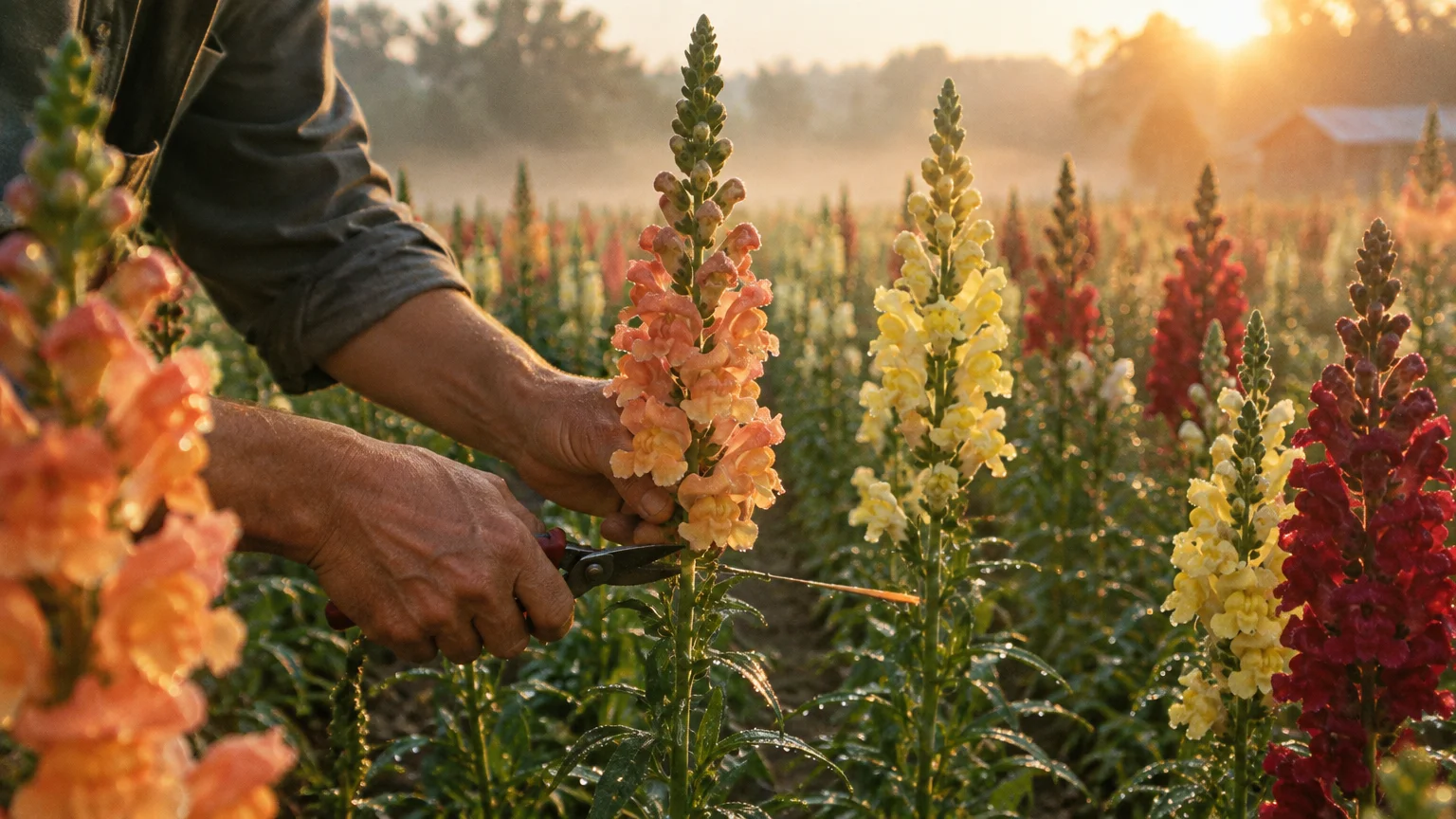
Every dynamic floral arrangement requires vertical line material to draw the eye upward. Snapdragons provide that essential linear architecture with dense, colorful spikes of tubular florets.
When planning cut flower garden ideas, snapdragons offer a bridge across the seasons. They handle cool spring weather easily and often bloom well past your first light autumn frost.
Seeding and Cool-Weather Hardiness
Start tiny snapdragon seeds indoors eight to ten weeks before your local average last frost date. Press seeds lightly onto moist soil without covering them, as they require light to germinate.
Transplant hardened seedlings into garden soil while outdoor temperatures remain brisk and chilly. Cool early spring weather promotes deep root establishment and stout, heavy-duty stems.
Harvesting and Handling Quirks
Harvest snapdragon spikes when the lowest two to three florets on the stem open. The remaining upper buds will continue to bloom progressively up the central spike inside your vase.
Keep harvested snapdragon stems completely vertical while conditioning and transporting them. Snapdragons exhibit geotropism, meaning their growing tips rapidly curl upward toward the sky if laid flat on a table.
Select vigorous cut-flower cultivars like the ‘Rocket’ or ‘Chantilly’ series for thirty-inch cutting stems. Storing stems in cool water with floral food yields an impressive vase life of seven to ten days.
Tip #5: Branching Sunflowers for Cheerful Impact
The Golden Anchor of Late Summer
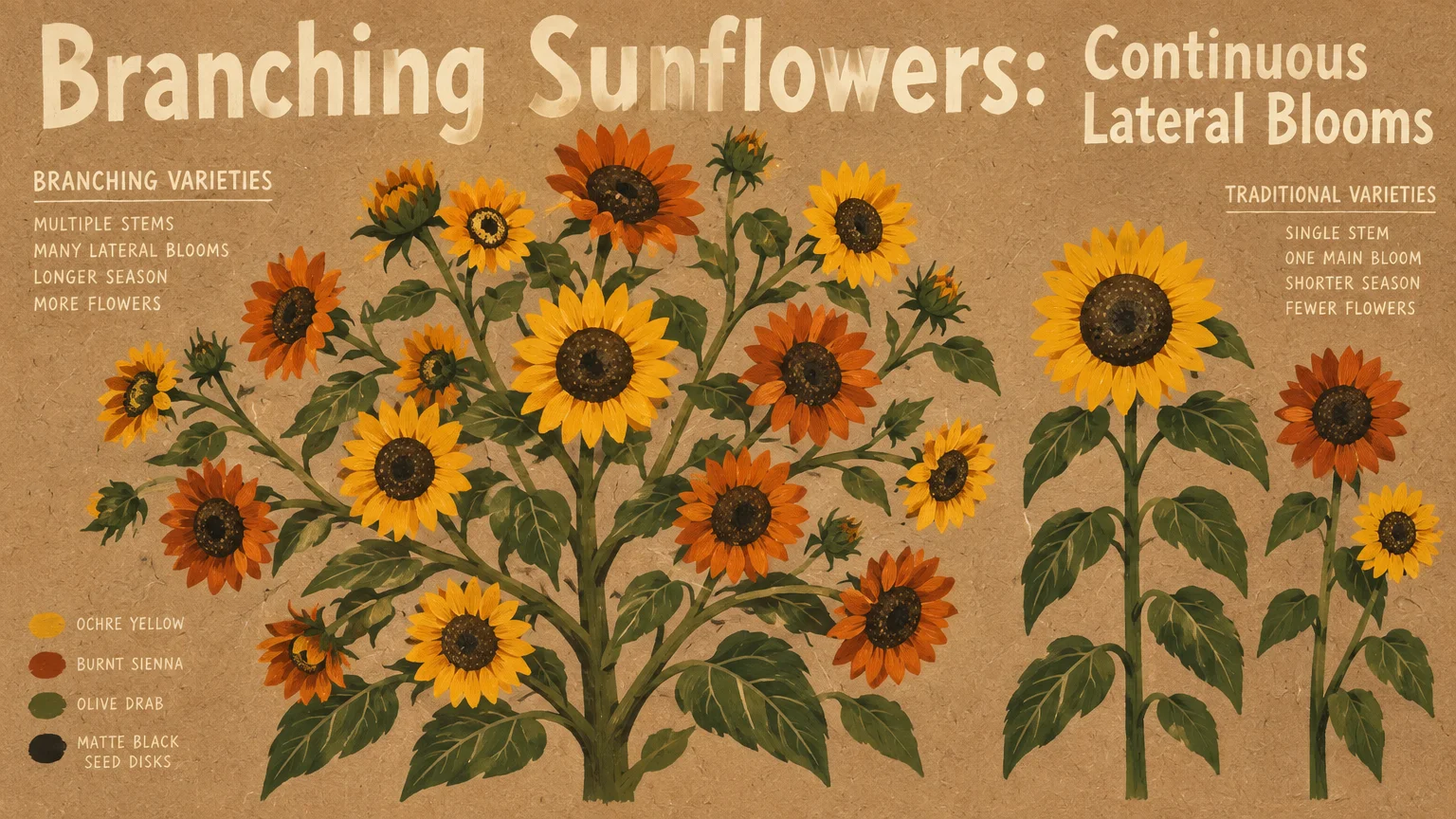
A flower garden for cutting feels incomplete without the warm, commanding presence of sunflowers. Branching varieties outshine single-stem giants by producing multiple arms of manageable, bouquet-ready blooms across several weeks.
Modern breeding has developed pollenless selections that keep tablecloths spotless and prevent yellow dusting on companion blooms. Their dark central disks contrast vividly against bright petals to capture immediate attention.
Direct Sowing and Spacing Control
Sow sunflower seeds directly into fertile garden beds after all frost danger passes. Space seeds twelve to eighteen inches apart to encourage generous branching along the central stem.
If you prefer smaller flower heads for mixed tabletop vases, tighten your planting spacing to six inches. Close spacing naturally restricts head size, producing dainty three-inch blooms ideal for delicate mason jar arrangements.
Harvesting for Pollen-Free Longevity
Cut your sunflower stems early in the morning when the first ray petals begin lifting from the central disk. The bloom will open smoothly in the vase while maintaining pristine petal integrity.
Avoid waiting until the head expands completely flat in the field. Older blooms attract hungry insects and shed petals much sooner once brought indoors.
Use sharp bypass pruners to slice thick stems at a steep forty-five-degree angle. Submerge stems in deep, clean water to support a vase life of seven to twelve days.
Top cultivars like ‘Autumn Beauty’, ‘Soraya’, and branching ‘ProCut’ variations supply dozens of harvestable stems per plant. Strip lower leaves to keep water clear and odor-free.
Tip #6: Sweet Peas for Fragrance and Nostalgia
Unmatched Perfume and Ruffled Petals
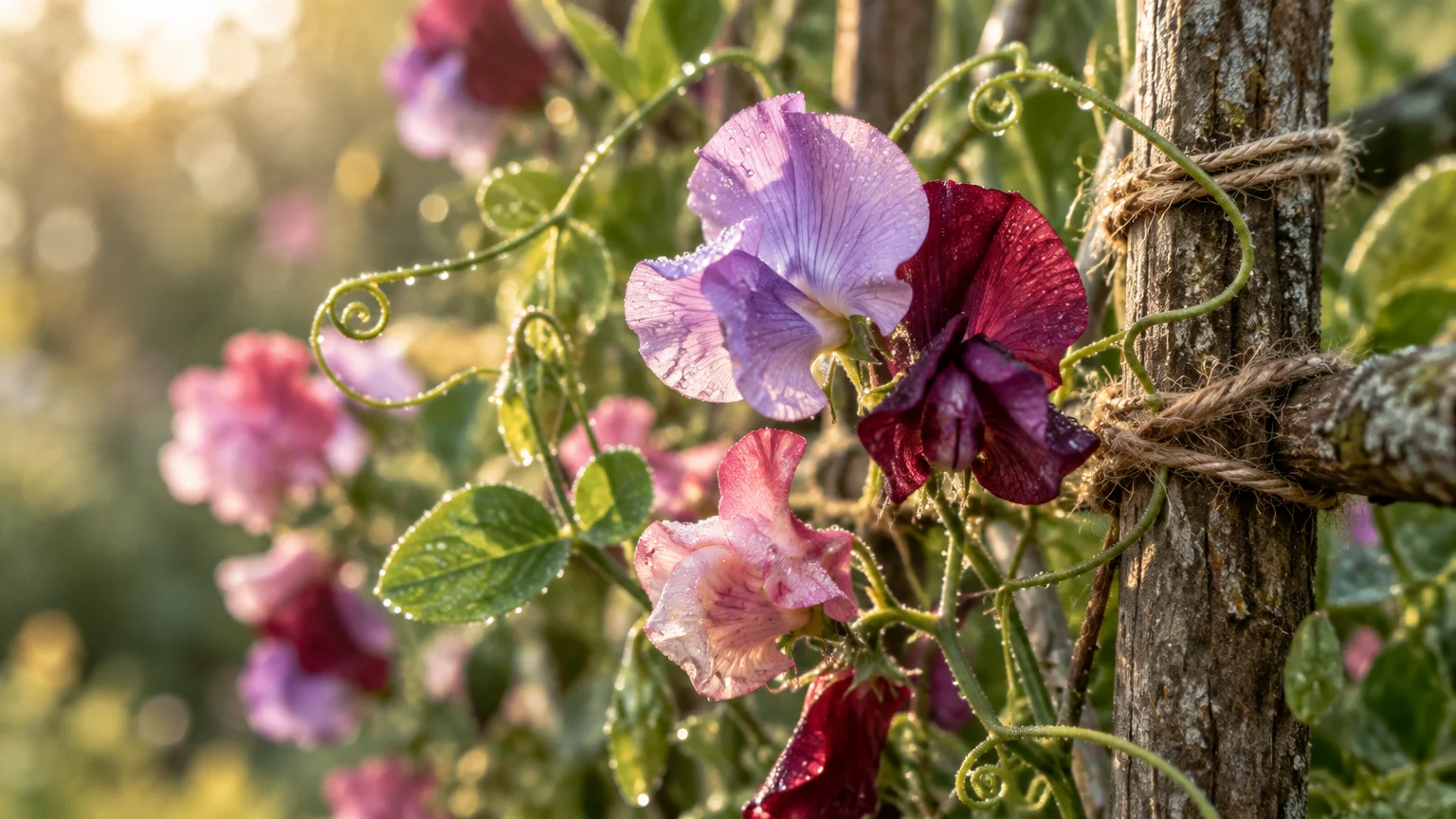
Sweet peas bring an intoxicating, honeyed fragrance that synthetic room sprays can never replicate. Their delicate, winged petals flutter in shades ranging from crisp whites and soft lavenders to brooding purples.
They easily rank among the best cutting garden flowers for cool-season harvests and romantic handheld arrangements. Adding just three or four sweet pea stems transforms a plain arrangement into an aromatic masterpiece.
Cool Roots and Sturdy Trellising
Sweet peas despise hot summer weather and must establish their roots while the ground remains chilly. Sow them indoors in deep pots during late winter, then transplant them out six weeks before the last frost.
Provide a sturdy trellis or netting system at least six feet tall for vertical climbing. Mulch the base of your plants deeply with straw or compost to keep delicate root systems cool.
Daily Picking Keeps Blooms Coming
Harvest sweet pea stems when at least two blooms on the lower stem open, leaving the top bud closed. Snip stems right at their attachment point along the main vine to maximize usable stem length.
Pick your sweet pea vines every two days to prevent seed pod formation. Once the vine sets seed, it signals the plant to cease flowering and shut down production entirely.
Sweet peas provide a vase life of four to six days in cool household environments. Replenish their water daily because these thirsty vines absorb water rapidly from smaller vessels.
Tip #7: Lisianthus for Regal, Long-Lasting Elegance
The Ultimate Rose Alternative
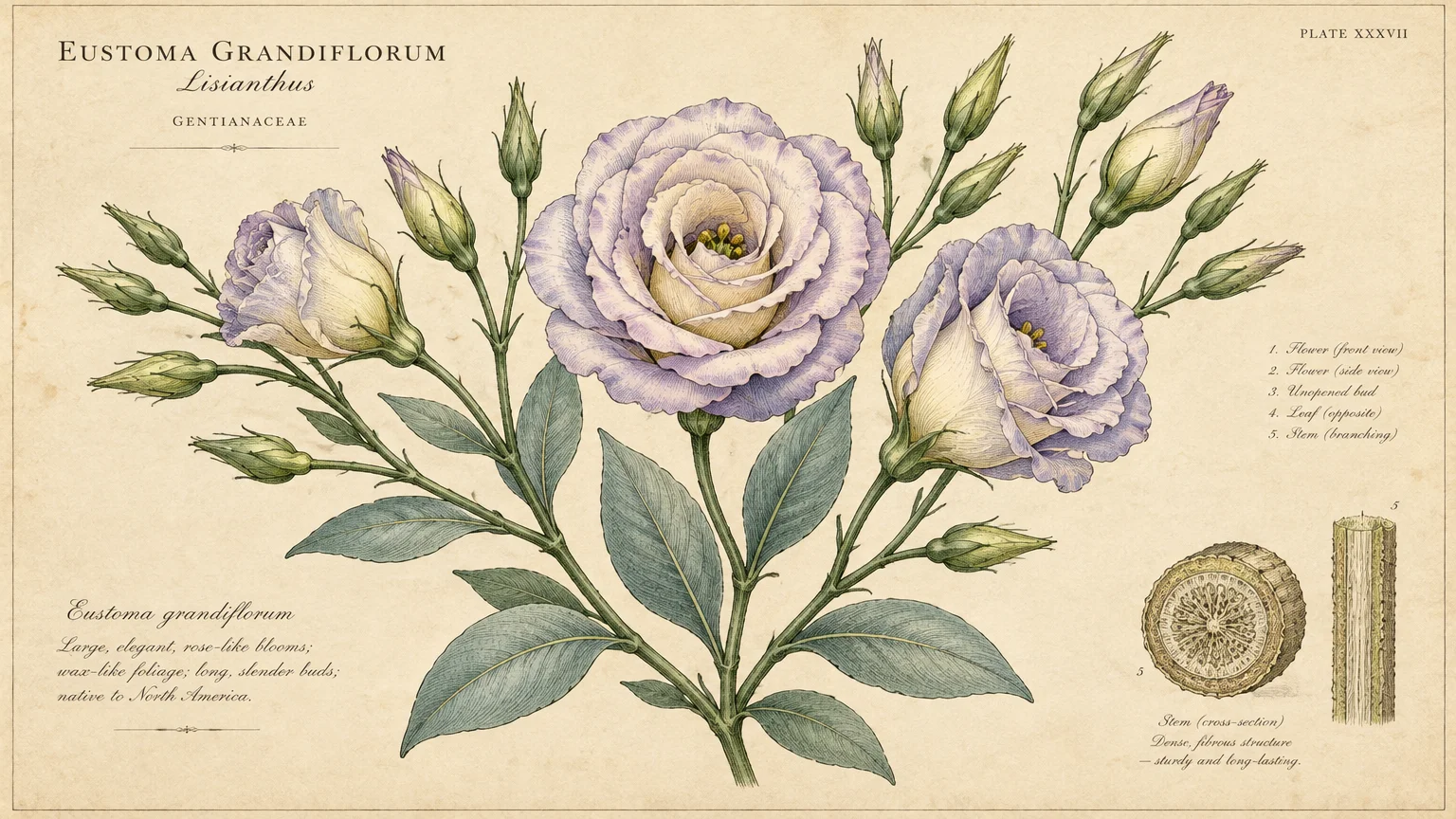
Lisianthus creates breathtaking flowers for bouquets that rival the timeless elegance of classic greenhouse roses. Their spiraled buds open into velvety, multi-petaled blossoms supported by smooth, blue-green foliage.
Unlike finicky garden roses, lisianthus stems feature multiple blooms per branch and carry zero painful thorns. They bring refined luxury and sophisticated pastel shades to your DIY floral designs.
Patience Through the Seedling Stage
Lisianthus requires significant patience during the early stages because tiny seedlings grow remarkably slowly. Most home gardeners purchase healthy plugs or start pelleted seeds indoors fourteen to sixteen weeks before the final frost.
Plant lisianthus into rich, well-draining soil with a neutral pH between 6.5 and 7.0. Provide horizontal flower netting early in the season to prevent top-heavy stems from lodging under summer rain.
Exceptional Vase Life and Conditioning
Cut lisianthus when the first one or two blossoms on a stem display full color. Secondary buds on the branch will slowly unfurl over subsequent weeks in clean vase water.
Lisianthus boasts the longest vase life of any home cutting garden flower, frequently enduring two to three weeks indoors. Keep the water crystal clear and trim stem ends weekly to ensure consistent moisture uptake.
Outstanding cultivars include the double-flowered ‘Echo’ series and the heavily ruffled ‘Voyage’ group. Their remarkable durability makes them an indispensable gem in the cutting patch.
Putting It All Together: Enjoy Your Beautiful Garden
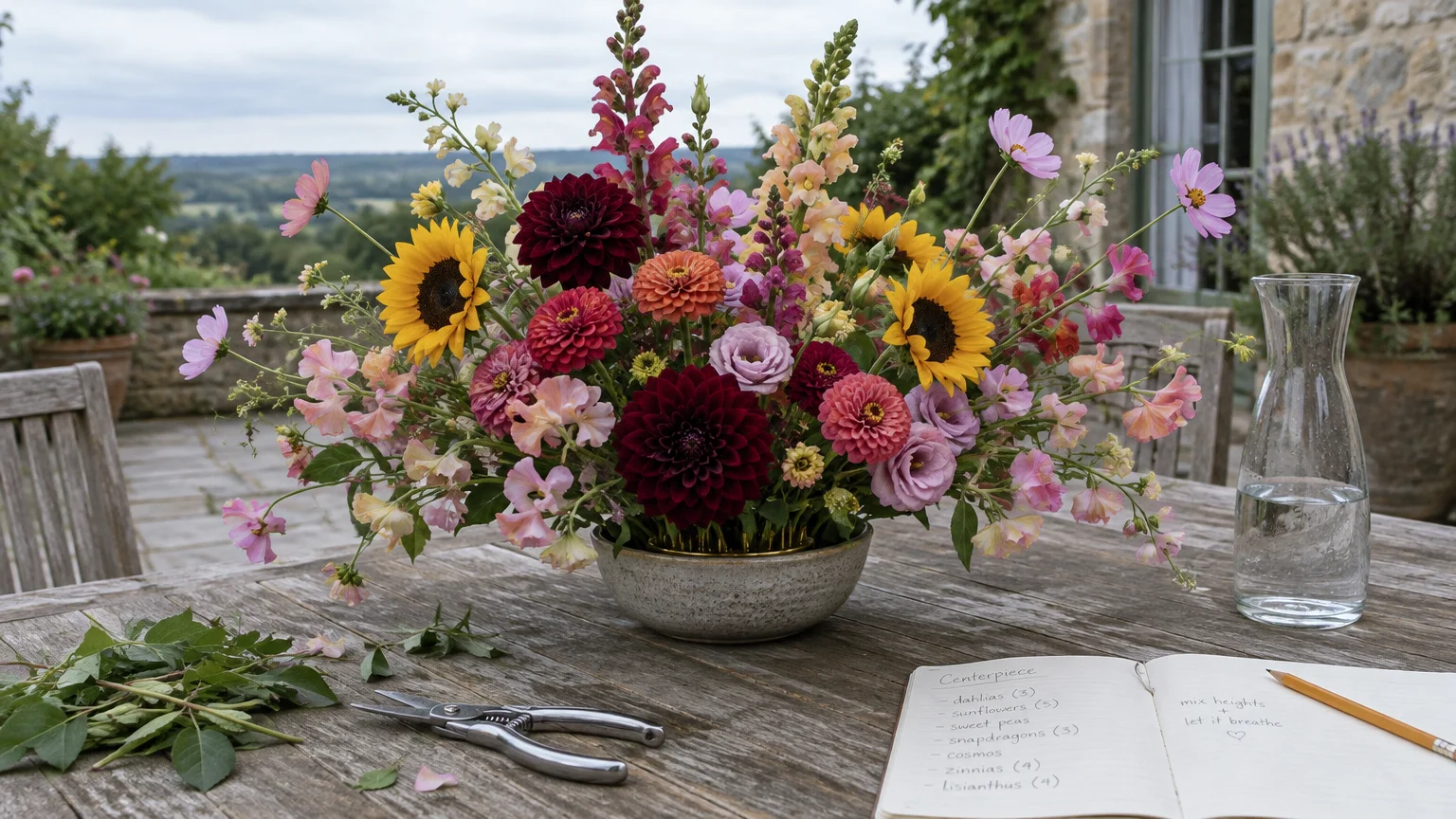
Designing a productive cutting garden turns your yard into a personal florist shop. By combining vertical spires, lush focal blossoms, and airy textural fillers, you can craft balanced floral arrangements throughout the season.
Prepare your planting beds with generous additions of organic compost to nourish your high-producing cut flowers. Healthy soil full of active microbial life builds durable stems that resist disease and drought pressure.
Equip yourself with sharp, clean floral snips before harvesting stems in the cool morning air. Dull blades crush delicate vascular tissue in the stem, preventing flowers from taking up essential water.
Always drop freshly cut stems into a clean bucket filled with lukewarm water and floral preservative. Let your harvested stems condition in a cool, dark room for two hours before designing your arrangements.
Regular cutting acts as a continuous rejuvenation treatment for almost every annual cut flower variety. As you harvest blooms for friends and family, your garden responds by producing even more vibrant stems.
Celebrate the unfolding beauty of each passing week as your backyard patch shifts from cool spring pastels to vibrant autumn golds. Your garden will reward your dedication with endless artistic delight.
For region-specific advice, consult your local University Extension program (find yours via the USDA directory). For plant databases and inspiration, visit the Missouri Botanical Garden or the Royal Horticultural Society.
Frequently Asked Questions
How often should you cut flowers to keep plants producing?
You should harvest stems every two to three days during peak growing seasons. Frequent harvesting prevents flowers from developing seeds, which signals the plant to divert energy into continuous flower bud production.
What is the best time of day to harvest stems for bouquets?
Harvest your stems in the early morning while temperatures remain cool and plant cells stay fully hydrated. Late evening represents the next best alternative once the midday heat recedes from the garden.
How do you make fresh-cut garden flowers last longer in a vase?
Wash your vase thoroughly with warm soapy water and a splash of bleach to eliminate bacteria. Recut stems at a forty-five-degree angle every two days, change water frequently, and use commercial flower preservative.
Do cutting gardens need full sun and special soil?
Most cutting flowers require at least six to eight hours of direct sunlight each day to develop rigid, upright stems. They thrive in loose, well-draining soil enriched with two inches of aged organic compost.
Disclaimer: This article provides general gardening advice. Always consider your specific climate, soil conditions, and local pests. Follow safety guidelines when using gardening tools and products.