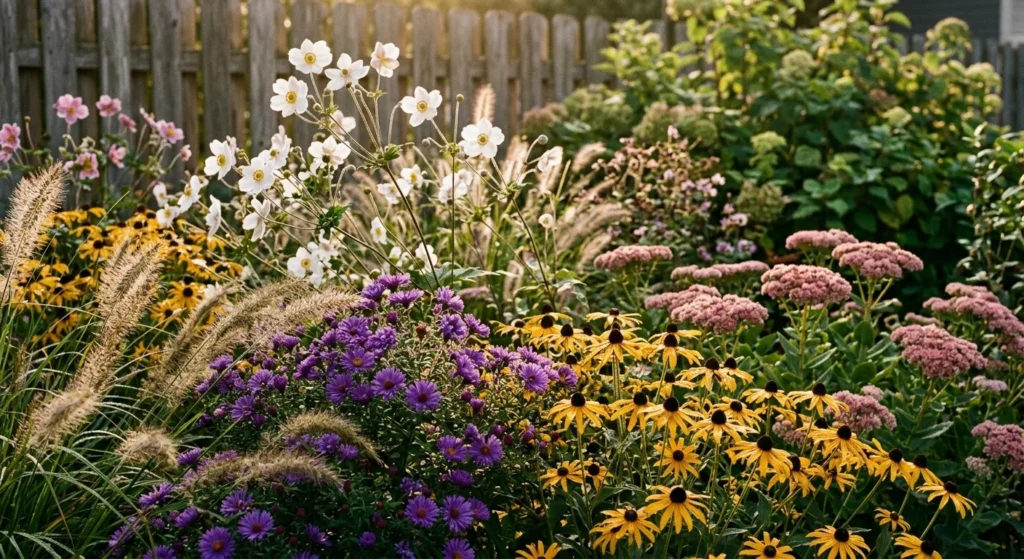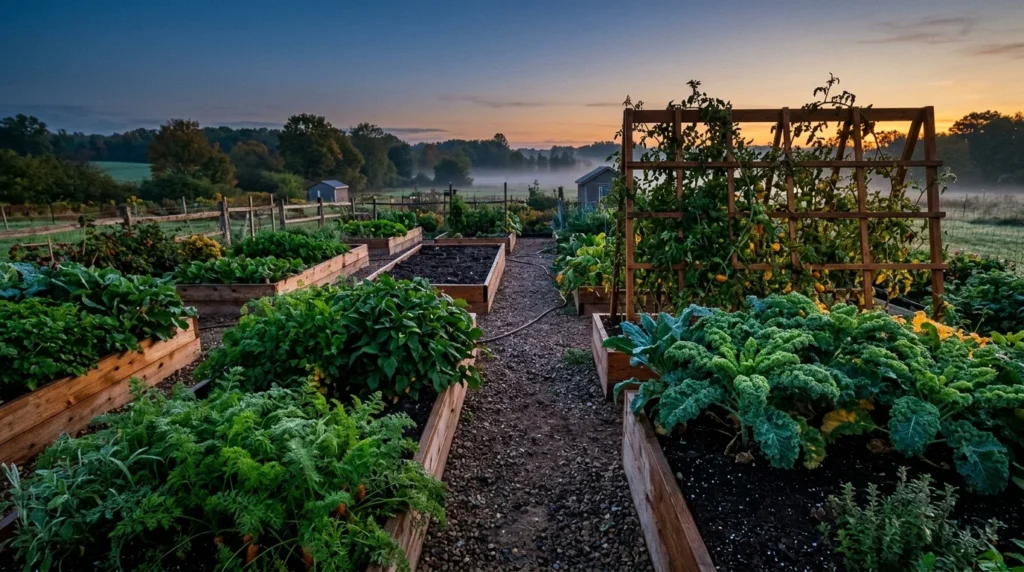
Planting resilient flowers in October guarantees an explosion of vibrant color across your landscape next spring. As autumn temperatures cool, the soil stays warm enough to foster vigorous root development before winter dormancy arrives.
This comprehensive October gardening guide shows you exactly which species to sow right now for reliable performance. You will discover the best fall-planted flowers that easily endure winter chills and return with dazzling vigor.
Grab your trowel and take advantage of refreshing autumn afternoons. A small effort today transforms your garden into a sensational sanctuary of early seasonal blooms.
Tip #1: Tulips (Tulipa)
Tulips represent the iconic jewel of early spring, boasting bold cupped petals in nearly every shade imaginable. They bring dramatic height and elegance to perennial borders after a long, monochromatic winter.
These classic autumn flower bulbs require sustained winter chilling to break dormancy and trigger spring flowering. Planting them during October allows the root system to anchor firmly before the ground freezes solid.
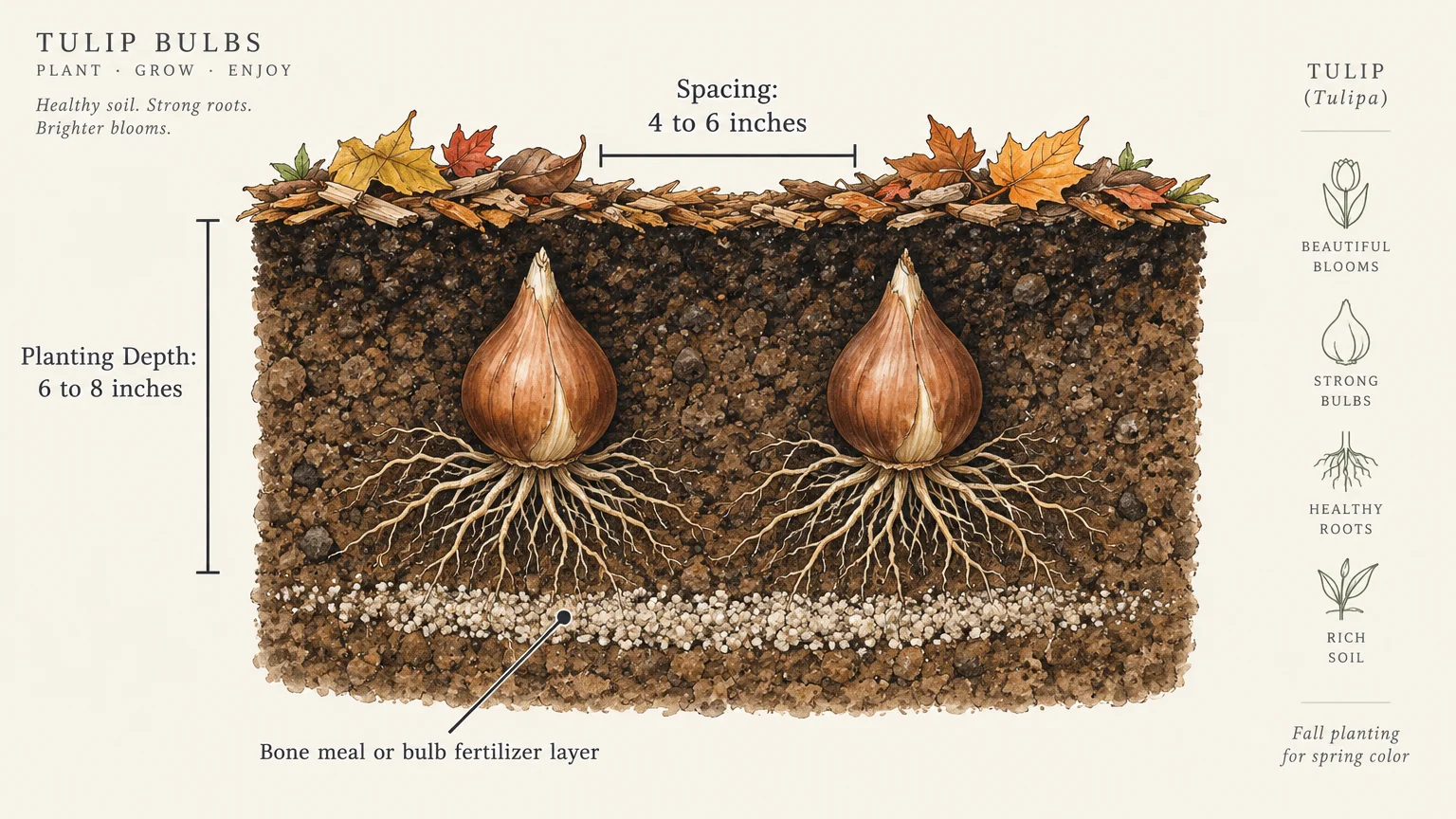
Select large, firm bulbs that show no signs of mold or soft decay. Bury each bulb roughly six to eight inches deep with the pointed tip facing upward.
Space the bulbs four to six inches apart in groups of ten or more for visual impact. Clustered plantings create rich drifts of color rather than sparse, scattered stems.
Choose a planting site that receives full sun and features loose, well-draining soil. Standing water quickly rots tulip bulbs during damp winter months.
Add a handful of bone meal or bulb fertilizer into the planting trench to nourish root development. Water the soil thoroughly once to settle the earth around the bulbs.
Tip #2: Daffodils (Narcissus)
Daffodils brighten chilly spring borders with sunny yellow, cream, and apricot trumpets. Their cheerful blossoms announce the arrival of warmer weather with unwavering reliability.
October offers optimal soil temperatures between 40°F and 50°F for planting narcissus varieties. These hardy perennials establish robust roots through late autumn without pushing premature green top growth.
Hungry deer, rodents, and rabbits naturally avoid daffodils because the plant tissues contain bitter lycorine alkaloids. This natural defense makes them one of the best fall-planted flowers for rural gardens.
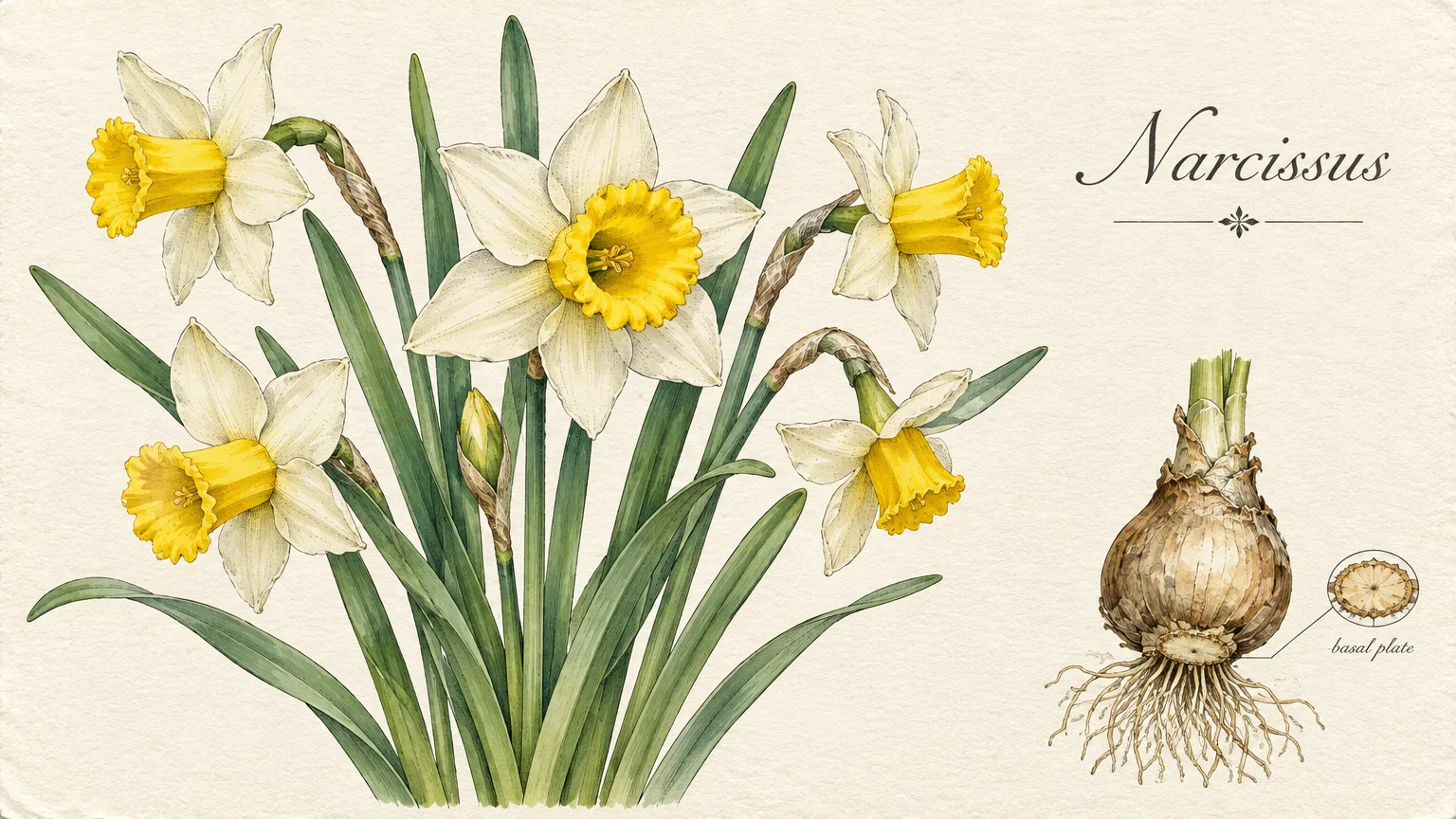
Dig holes approximately six inches deep in fertile, well-drained garden soil. Position the flat basal plate at the bottom and cover the bulb with clean compost.
Space your daffodil bulbs five inches apart to give developing clumps room to expand. Over several seasons, these dependable perennials naturalize into sprawling, self-sustaining colonies.
Apply a light layer of shredded bark mulch over the bed after planting. Mulch insulates the root zone and prevents frost heaving caused by winter freeze-thaw cycles.
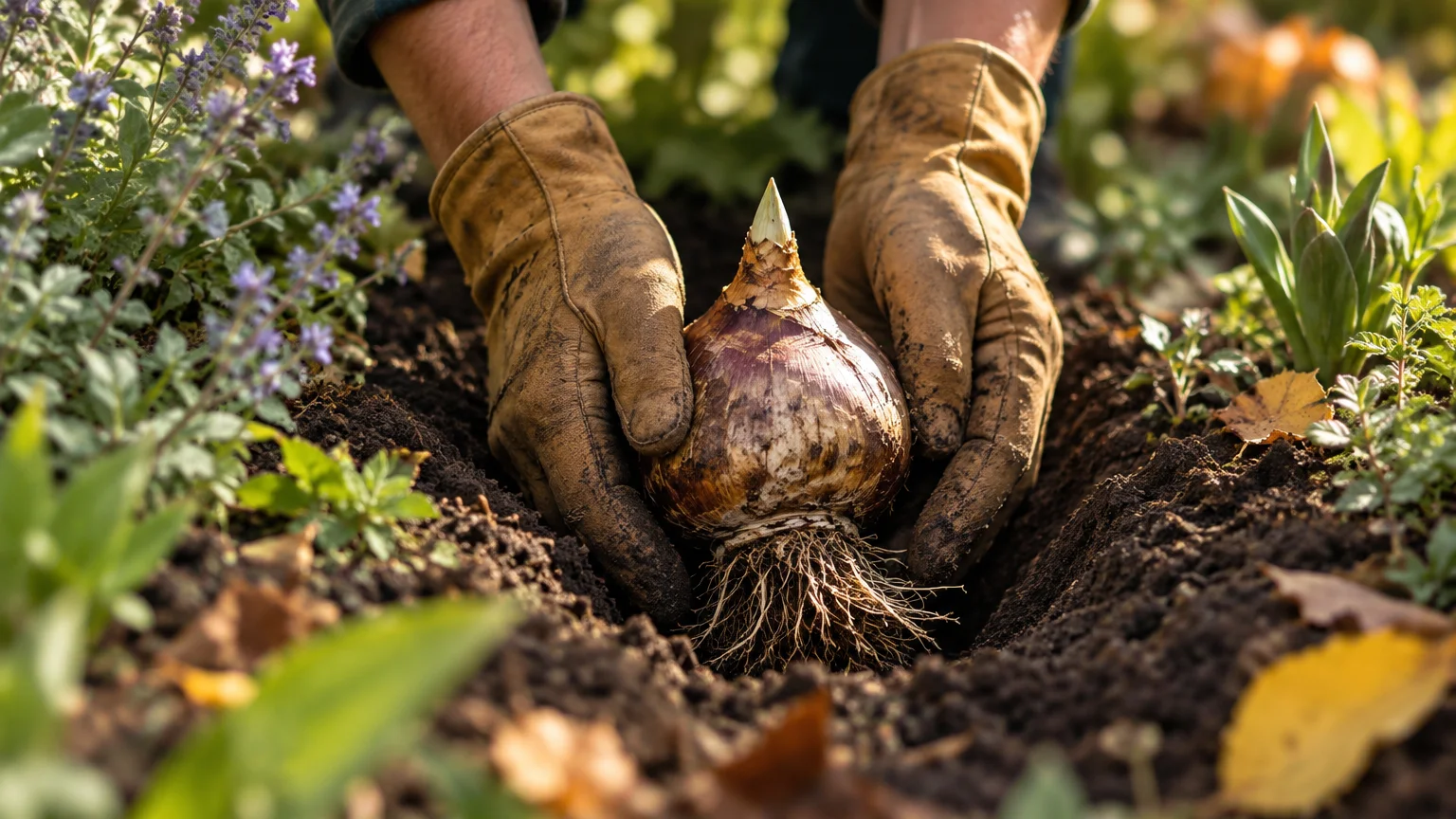
Tip #3: Alliums (Allium)
Giant alliums bring dramatic architectural structure to your borders with their spherical purple pom-poms. These striking globes float atop sturdy, leafless stems and create unforgettable vertical interest.
You should plant alliums in October to satisfy their essential cold vernalization requirements. Cold ground conditions stimulate the internal development needed to support hefty, globe-shaped flower heads.
Place large allium bulbs about eight inches deep in loose, gritty soil that drains rapidly. Small varieties, such as drumstick alliums, only require a planting depth of four inches.
Ensure your planting location receives at least six hours of direct sunlight each day. Shady locations cause the heavy stems to lean or flop as they seek out light.
Tuck allium bulbs behind emerging perennials like hostas or catmint. The neighboring foliage conveniently conceals allium leaves, which naturally wither just as the brilliant blooms open.
Water the newly buried bulbs generously once to eliminate subterranean air pockets. Avoid supplemental irrigation through the winter; natural autumn precipitation provides ample moisture for root establishment.
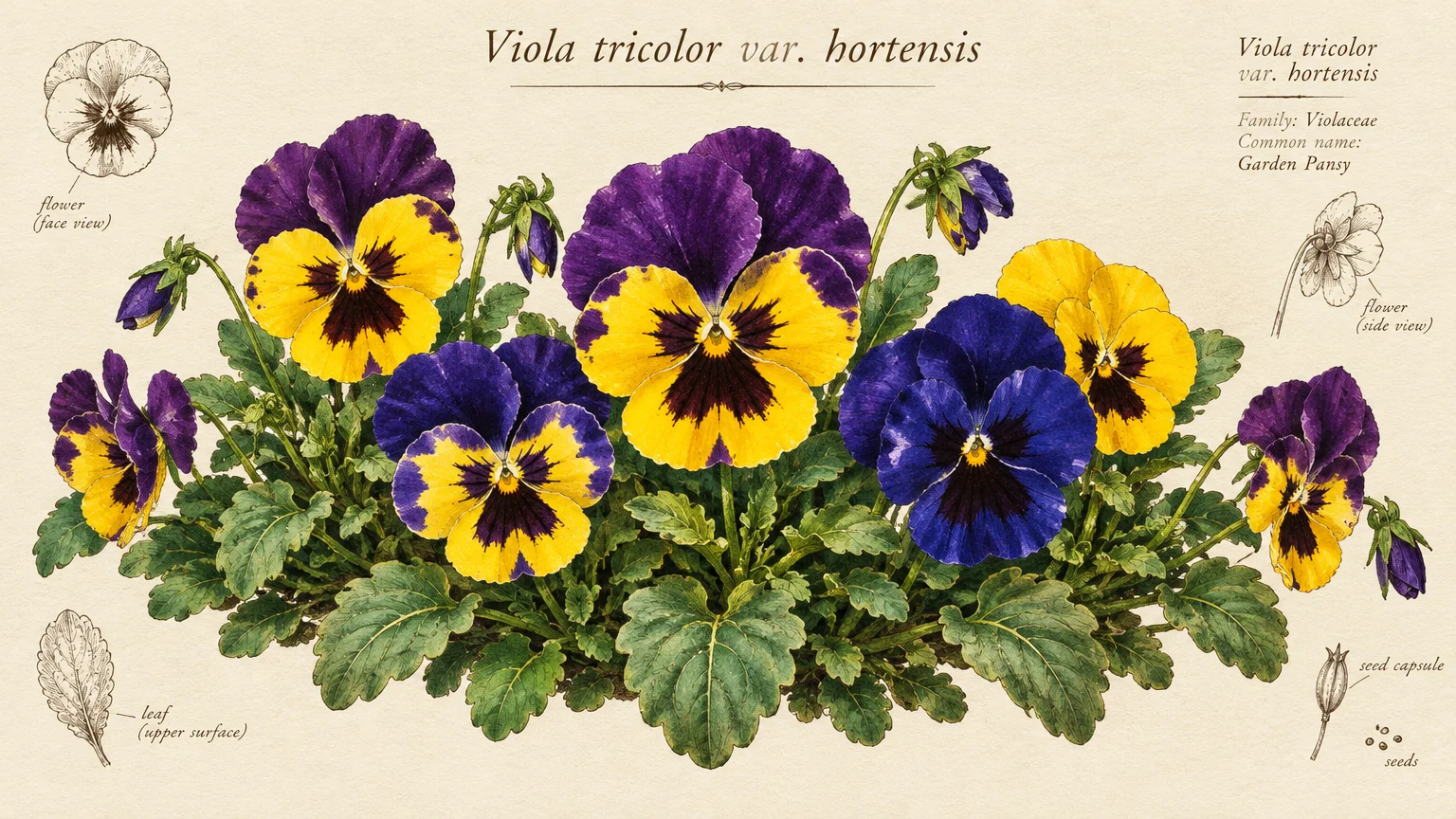
Tip #4: Garden Pansies (Viola tricolor var. hortensis)
Garden pansies deliver vibrant, velvety faces in jewel tones that brighten drab autumn patio planters and landscape beds. They excel as cool-weather workhorses that withstand frosty temperatures with ease.
Planting nursery-grown pansies in October allows their fibrous roots to anchor into temperate autumn soil. Well-rooted pansies endure freezing conditions and resume vigorous flowering during the first warm days of March.
Space individual plants six to eight inches apart in moist, humus-rich soil amended with compost. Set the root crown level with the surrounding soil surface to avoid stem rot.
Pick a site with full sunlight or partial shade to keep your blooms perky. Autumn sun provides necessary warmth, encouraging continuous bud formation until sustained hard freezes arrive.
Deadhead spent blossoms promptly by pinching stems back to the plant base. Regular deadheading directs vital botanical energy into continuous bud production rather than premature seed development.
Spread a thin blanket of straw or pine needles around plants before severe winter freezes arrive. This light protective cover prevents winter desiccation without suffocating the foliage.
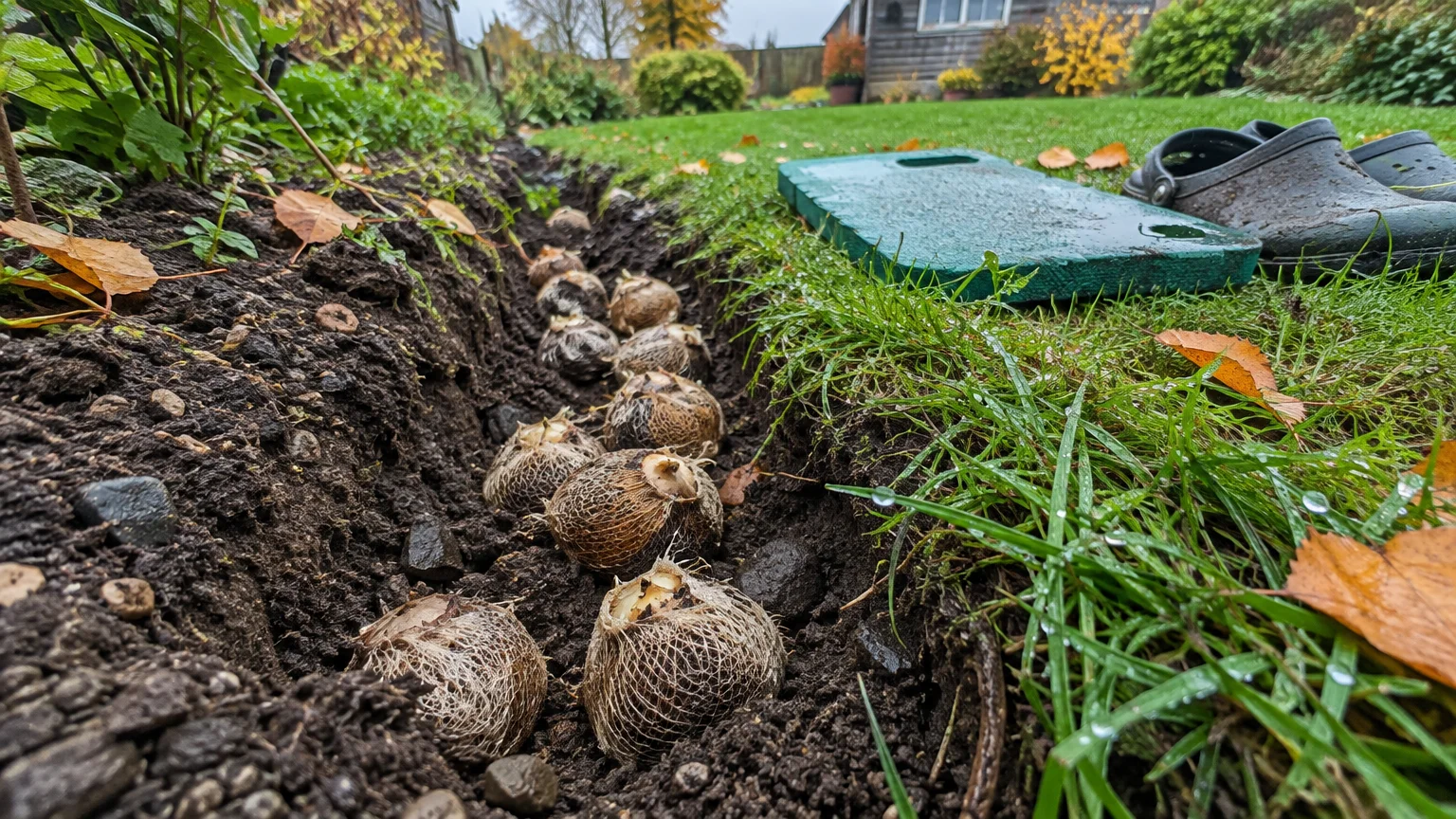
Tip #5: Crocus (Crocus vernus)
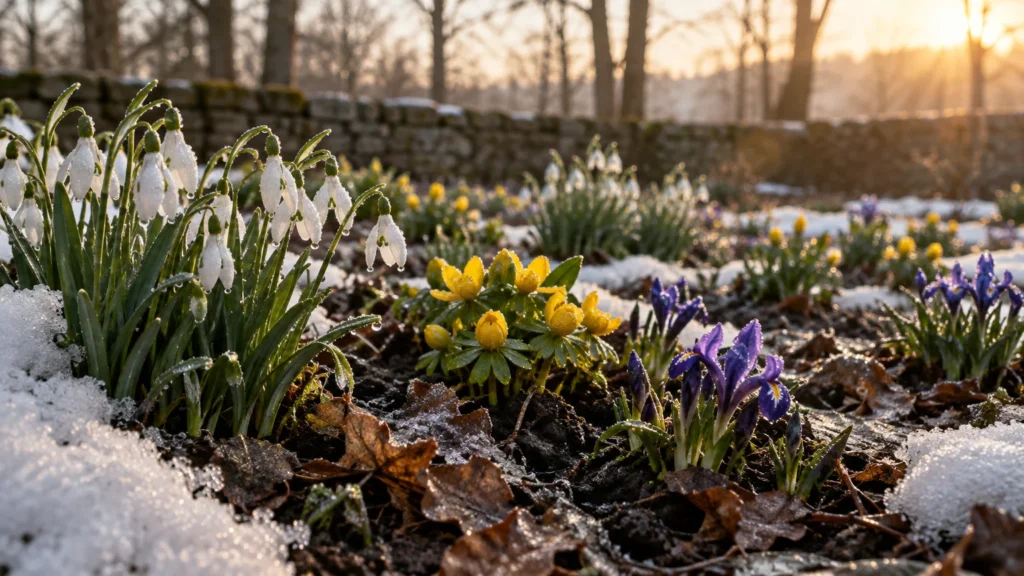
Crocus corms produce charming cup-shaped flowers that frequently push straight through lingering late-winter snowdrifts. They provide an essential early nectar buffet for foraging queen bumblebees emerging from hibernation.
October is the premier month to install these petite autumn flower bulbs across your lawn or borders. Cold autumn ground encourages rapid rooting while keeping aboveground shoots dormant beneath the soil line.
Plant crocus corms three to four inches deep with their pointed tops directed toward the sky. Arrange them in dense drifts of twenty to fifty corms for natural charm.
For a naturalized lawn effect, slice into turf with a spade and peel back small flaps of grass. Nestle several corms underneath, fold the turf back into place, and tamp down gently.
Select a site with gritty, sandy loam that sheds excess moisture effortlessly. Excessively wet soil rots dormant corms before spring growth initiates.
Dust your planting area with crushed oyster shells or gravel if digging rodents frequent your property. This gritty barrier discourages squirrels and chipmunks from unearthing your autumn investment.
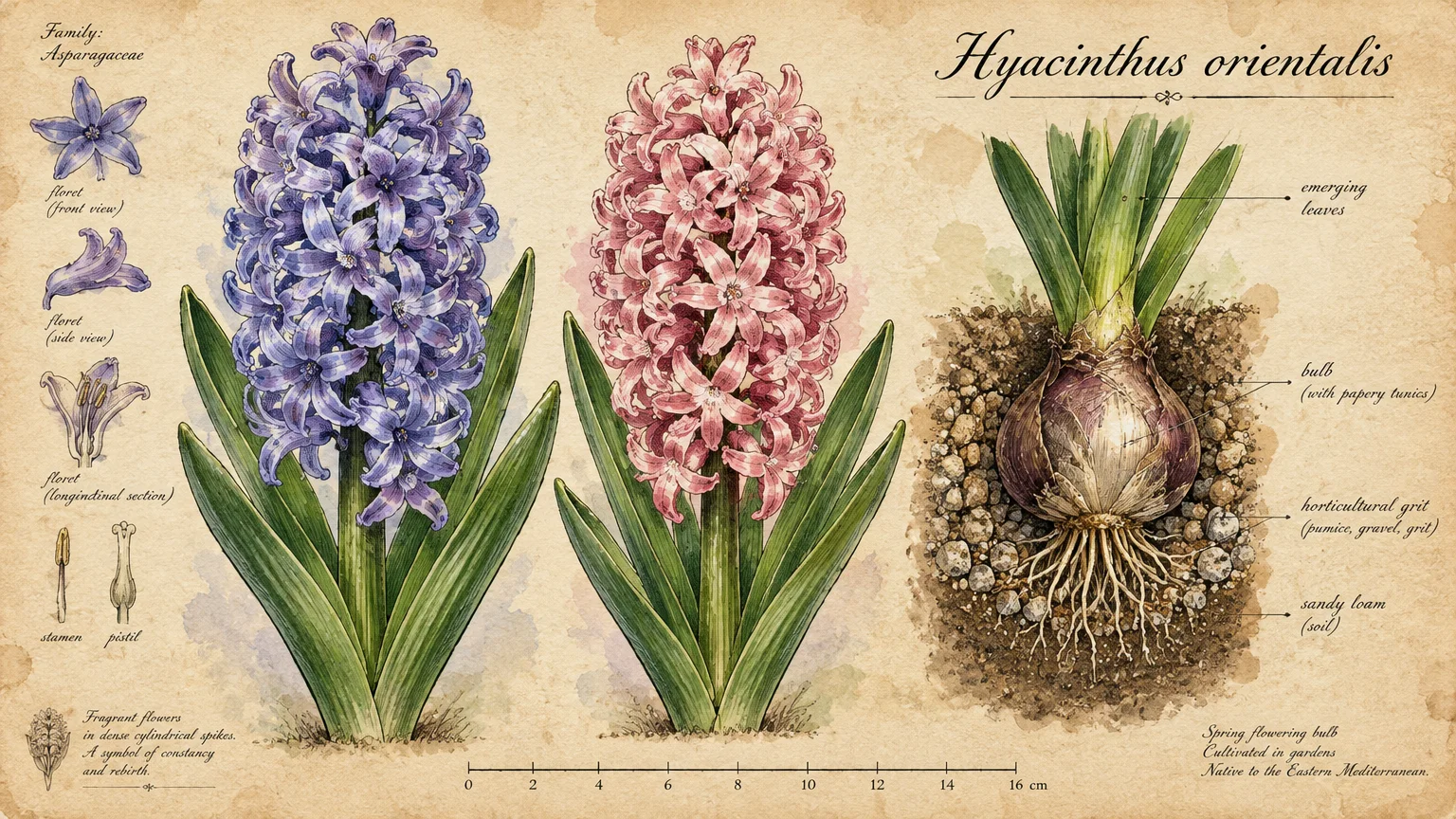
Tip #6: Hyacinths (Hyacinthus orientalis)
Hyacinths saturate the early spring garden with intense, sweet perfume and dense spikes of starry florets. Their rich blue, pink, white, and magenta hues offer dramatic sensory appeal near walkways and doorways.
Getting hyacinth bulbs into the ground during October gives them the prolonged cold exposure they require. Without sufficient winter chilling, flower stems remain stunted and open prematurely near the soil surface.
Dig planting holes roughly six inches deep in moderately fertile, well-draining garden beds. Set the broad, flat end down and ensure adjacent bulbs sit four to six inches apart.
Wear protective gardening gloves when handling hyacinth bulbs to protect your skin. The bulb scales contain calcium oxalate crystals that often cause mild, temporary skin irritation.
Hyacinths flourish best in positions bathed in full autumn and spring sunshine. Deciduous tree canopies make great planting sites, as the bulbs finish flowering before tree leaves cast dense shade.
Moisten the planting bed thoroughly after backfilling with soil to jumpstart root elongation. Once established, these rugged bulbs require zero intervention until their spectacular spring performance begins.
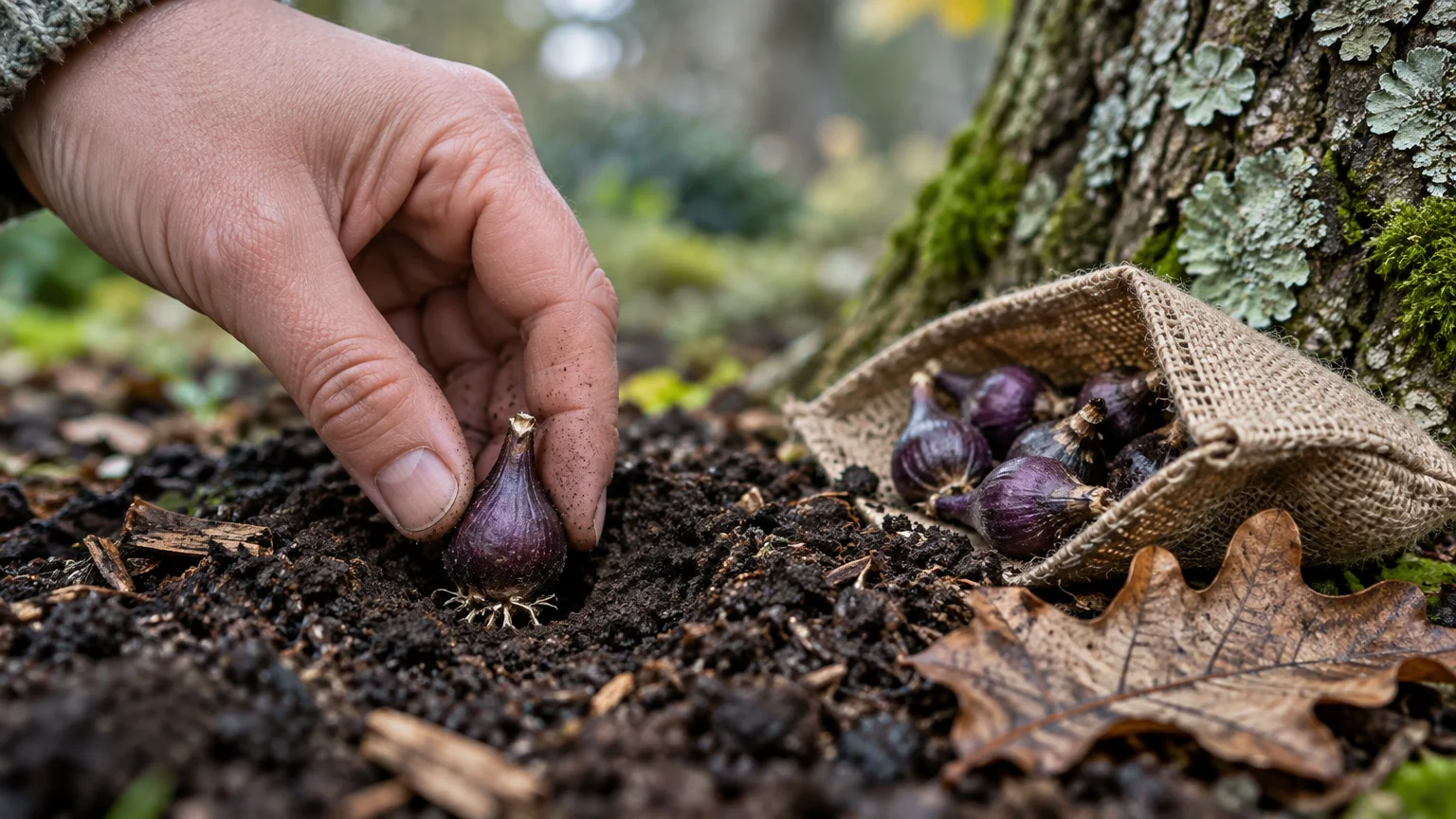
Tip #7: Siberian Squill (Scilla siberica)
Siberian squill transforms garden beds into mesmerizing carpets of intense, electric blue blossoms. These diminutive, nodding bells create an extraordinary visual impact when massed by the hundreds beneath deciduous trees.
Autumn planting in October lets these cold-hardy bulbs settle into native soil before ground frost locks the landscape. They thrive in rugged climates and easily tolerate sub-zero winter temperatures.
Plant the small bulbs three inches deep and roughly three inches apart in loose garden soil. Because the bulbs are tiny, you can dig wide trenches to plant dozens simultaneously.
Situate Siberian squill in dappled woodland borders, rock gardens, or along woodland paths. They multiply enthusiastically by self-seeding and bulb offsets, forming breathtaking blue ribbons over time.
Provide rich, humusy soil that stays moderately moist during spring growth but dries out somewhat during summer dormancy. Siberian squill naturally adapts to varied woodland soils without demanding rich fertilizers.
Let the foliage die back naturally after flowering concludes in mid-spring. Allowing the leaves to yellow ensures the bulb stores plenty of energy for next year’s blue spectacle.
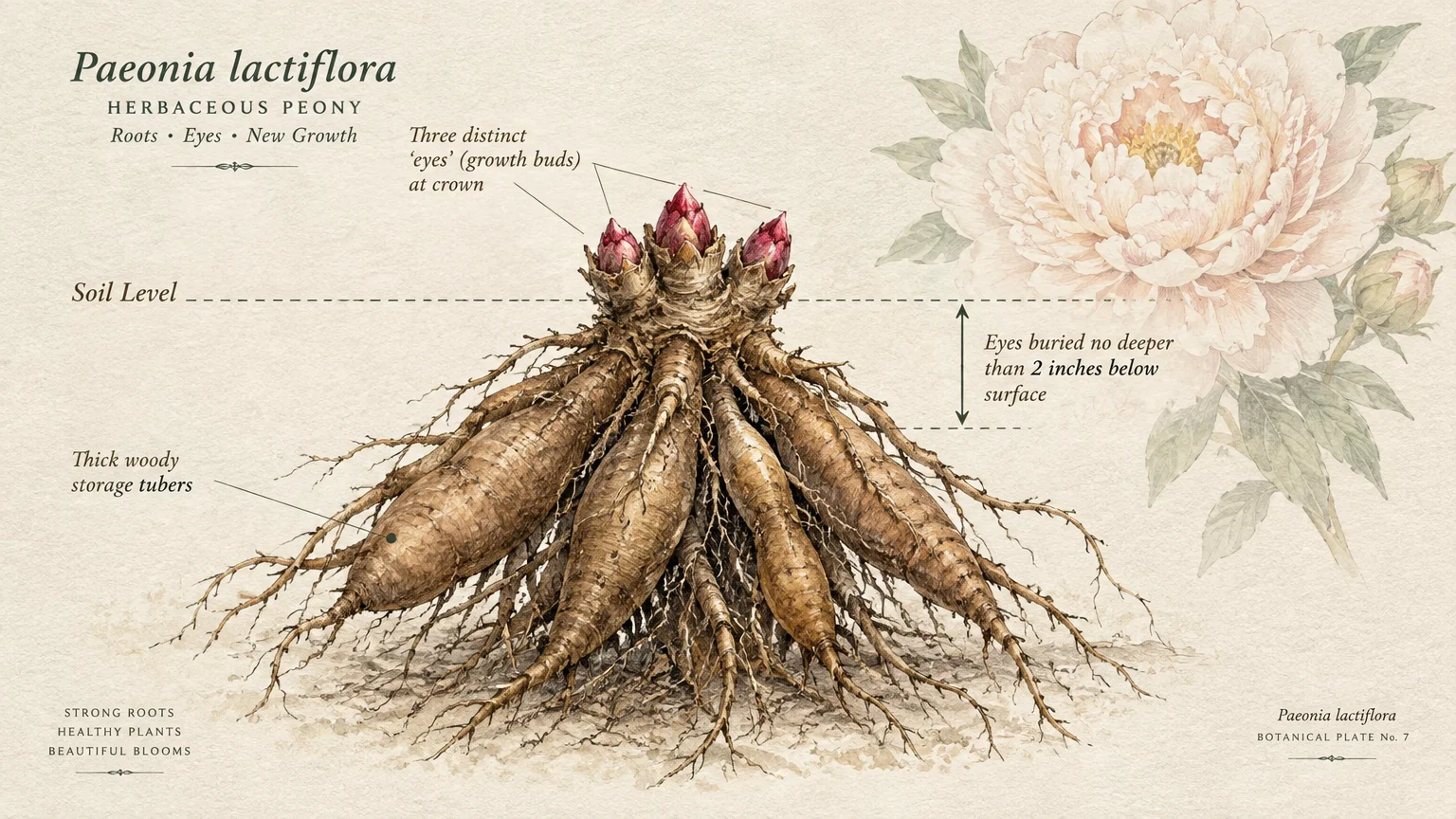
Tip #8: Herbaceous Peonies (Paeonia lactiflora)
Herbaceous peonies produce opulent, fragrant blooms that anchor classic cottage garden borders for generations. A single mature peony clump can thrive and bloom reliably in the same spot for fifty years.
October is the optimal month for dividing and planting bare-root peonies across temperate regions. Planting during autumn allows root systems to establish before spring without the stress of hot summer weather.
Pay strict attention to planting depth when setting bare-root peonies into the earth. Position the reddish growth buds—known as eyes—no more than two inches beneath the soil surface.
Planting peony eyes too deeply prevents the plant from setting flower buds in future seasons. Shallow planting ensures the buds receive the cold stimulation needed to produce magnificent blossoms.
Amend the planting area with generous amounts of aged compost and balanced organic fertilizer. Choose an open location that receives at least six to eight hours of direct daily sunlight.
Water deeply after planting to settle the soil around the fleshy storage roots. Keep the soil evenly moist until the ground freezes for the winter season.
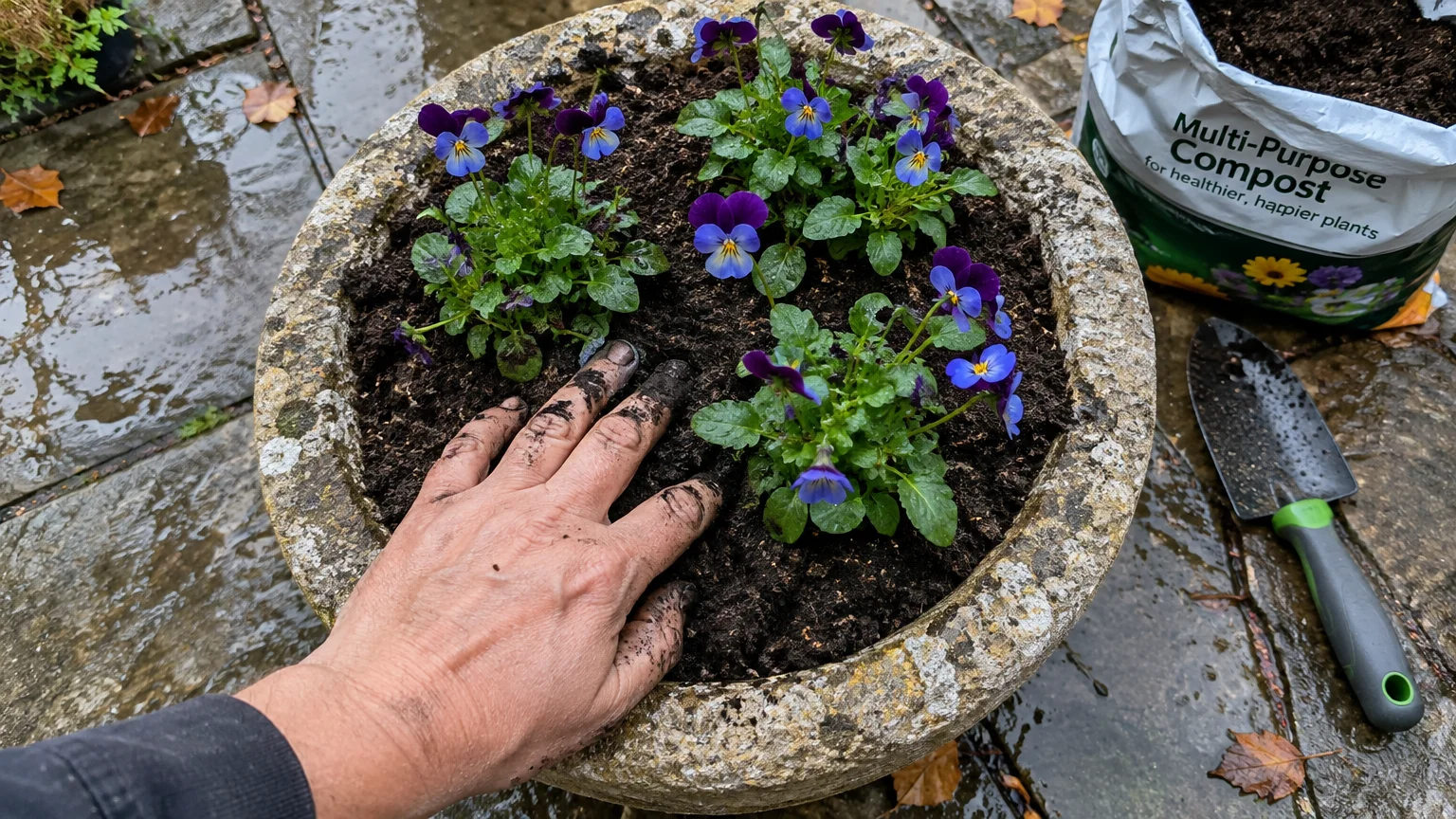
Tip #9: Violas (Viola cornuta)
Violas display petite, smiling flower faces that showcase incredible frost tolerance throughout late autumn and early spring. Their compact growth habit makes them stellar additions to containers, borders, and window boxes.
Planting violas in October helps them establish root systems before winter freezes soil solid. They bounce back eagerly from light snowfall, often blooming right through mild winter spells.
Space violas four to six inches apart in moist, fertile soil rich in decomposed organic matter. Water them thoroughly after planting to eliminate air pockets around their fine, delicate roots.
Position your violas where they receive morning sun and gentle afternoon light. While they tolerate partial shade, bright light maximizes the sheer volume of blossoms produced.
Pinch back leggy growth occasionally to encourage branching and denser flower formation. Applying a diluted organic liquid fertilizer in autumn strengthens plants for harsh winter conditions ahead.
Add an airy mulch of evergreen boughs over planting beds in regions with severe sub-zero winters. This protective bough shelter shades plants from dehydrating winter winds and winter sun scald.
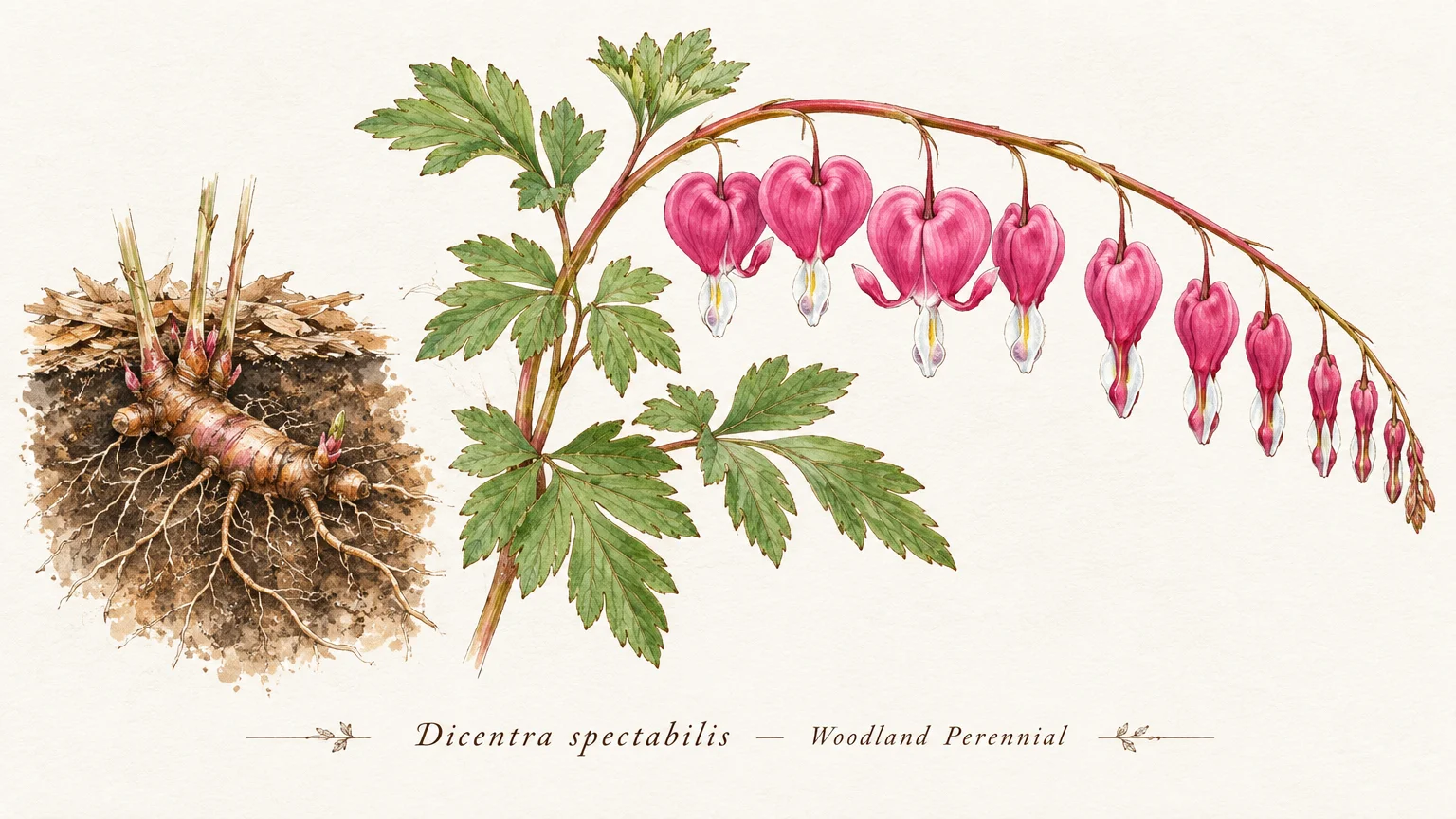
Tip #10: Bleeding Heart (Dicentra spectabilis)
Bleeding heart delights shade gardeners with delicate, heart-shaped pink and white blossoms that dangle gracefully from arching stems. It brings romantic, old-world charm to shady landscape borders in early spring.
Planting dormant bare-root bleeding hearts in October gives them a jumpstart on spring growth. The cool soil encourages fine root hairs to sprout without demanding leaf transpiration.
Dig a broad hole and set the crown roughly one to two inches beneath the soil level. Spread the fleshy, brittle roots out gently across the bottom of the hole.
Choose a sheltered garden spot characterized by partial to full shade and moist, rich soil. Bleeding hearts wilt rapidly in hot afternoon sun and thrive when shielded beneath deciduous canopies.
Mix well-rotted leaf mold or compost into the planting hole to improve soil structure and moisture retention. These woodland perennials flourish in organic soils that mimic the natural forest floor.
Top the planted area with shredded leaves to insulate developing roots through freezing temperatures. In spring, your bleeding heart will emerge early with lush, fern-like foliage and pendulous flowers.
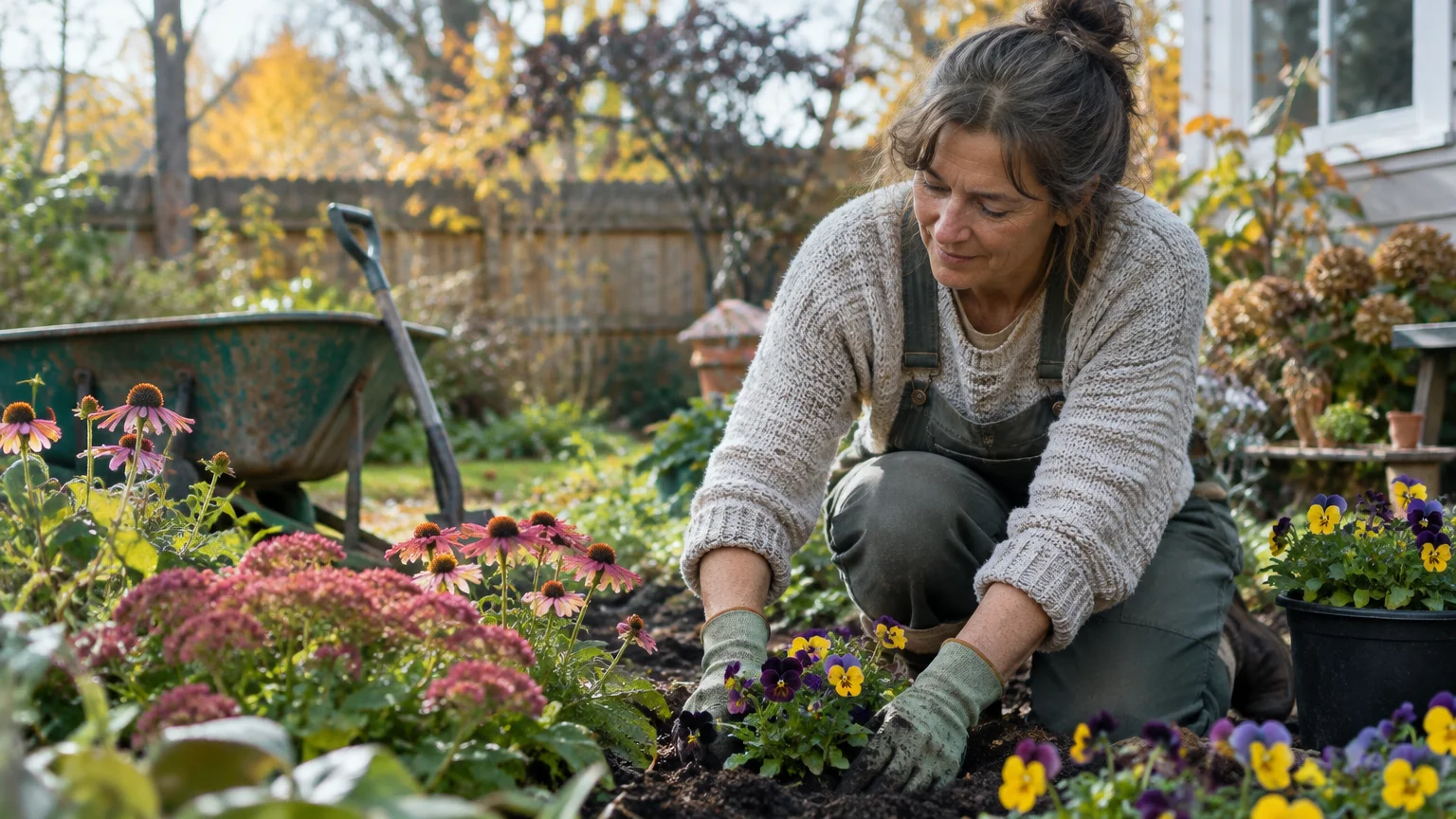
Putting It All Together: Enjoy Your Beautiful Garden
Autumn is a season of profound anticipation rather than garden closure. By tucking flowers to plant in fall into the soil now, you build the foundation for a triumphant spring landscape.
Pay attention to basic fall gardening tips like assessing soil moisture, monitoring local frost dates, and planting at correct depths. These mindful steps protect delicate root systems and dormant bulbs from harsh weather.
Layering different species creates continuous waves of bloom from late winter through late spring. Imagine early snowdrops and crocuses yielding gracefully to radiant daffodils, vibrant tulips, and towering alliums.
Keep a simple garden journal documenting where you bury autumn flower bulbs this October. Noting your planting locations prevents accidental digging when you cultivate planting beds in early spring.
Step outside this weekend, inhale the crisp air, and embrace the therapeutic ritual of autumn planting. Your future self will thank you when your garden awakens with unforgettable brilliance.
For region-specific advice, consult your local University Extension program (find yours via the USDA directory). For plant databases and inspiration, visit the Missouri Botanical Garden or the Royal Horticultural Society.
Disclaimer: This article provides general gardening advice; always consider your specific climate, soil conditions, and local pests. Follow safety guidelines when using gardening tools and products.
Frequently Asked Questions
Can I still plant bulbs if the ground is frozen?
You can plant bulbs as long as the soil remains workable and you can dig to the required depth. If a crust of surface frost forms, break through it to reach the soft earth beneath.
Avoid planting in frozen ground if you cannot dig deep enough to insulate bulbs against severe cold. In that scenario, pot bulbs in containers and shelter them in an unheated garage.
Which end of a flower bulb should face upward?
Always plant bulbs with the pointed growth tip facing upward and the broader basal root plate facing downward. This orientation allows emerging stems to reach sunlight without wasting stored energy.
If you cannot discern which end is pointed, simply plant the bulb on its side. Geotropism naturally guides developing shoots upward toward light and roots downward into the earth.
Do I need to fertilize flowers planted in October?
Adding a slow-release bulb fertilizer or bone meal during planting supplies essential phosphorus for strong root establishment. Mix fertilizer thoroughly into bottom soil so roots access nutrients without burning.
Avoid high-nitrogen fertilizers in late autumn because nitrogen stimulates tender foliage that dies in hard freezes. Focus strictly on phosphorus and potassium to strengthen roots and cold hardiness.
How do I protect newly planted October flowers from rodents?
Line planting trenches with fine wire hardware cloth or chicken wire to physically exclude tunneling rodents. You can also place sharp crushed gravel into the backfill soil around bulbs.
Alternatively, focus on naturally rodent-resistant flowers like daffodils, alliums, and Siberian squill. Rodents despise their bitter taste and naturally leave the bulbs completely untouched.