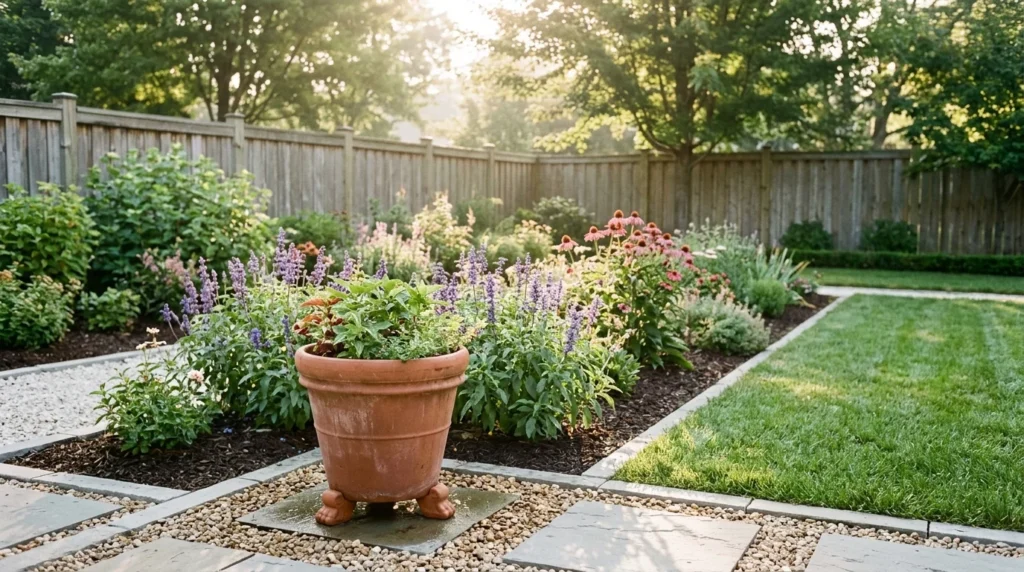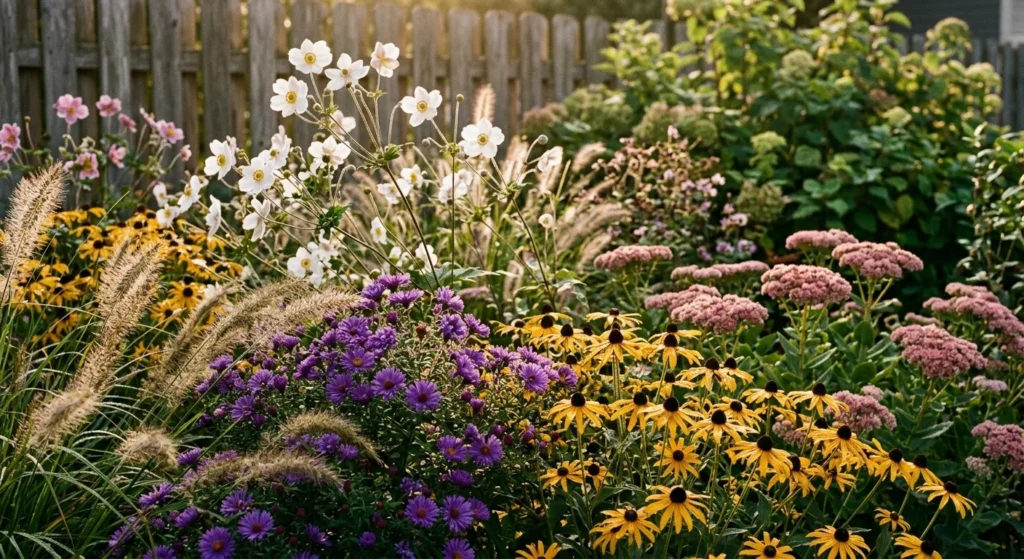
You can design a breathtaking, vibrant garden while keeping your four-legged family members completely safe from emergency room visits. Recognizing plants toxic to pets empowers you to cultivate beauty without endangering your beloved companions.
According to recent ASPCA Animal Poison Control Center data, plant ingestions account for roughly 8.1 percent of all toxic exposure calls each year. Many common backyard staples harbor hidden chemical compounds capable of causing rapid organ failure or fatal heart arrhythmias.
This pet-safe plant guide highlights the fifteen most hazardous botanical varieties every dog and cat owner must know. Inspect your yard today to safeguard your furry friends and enjoy lasting peace of mind.
Tip #1: Sago Palm (Cycas revoluta)
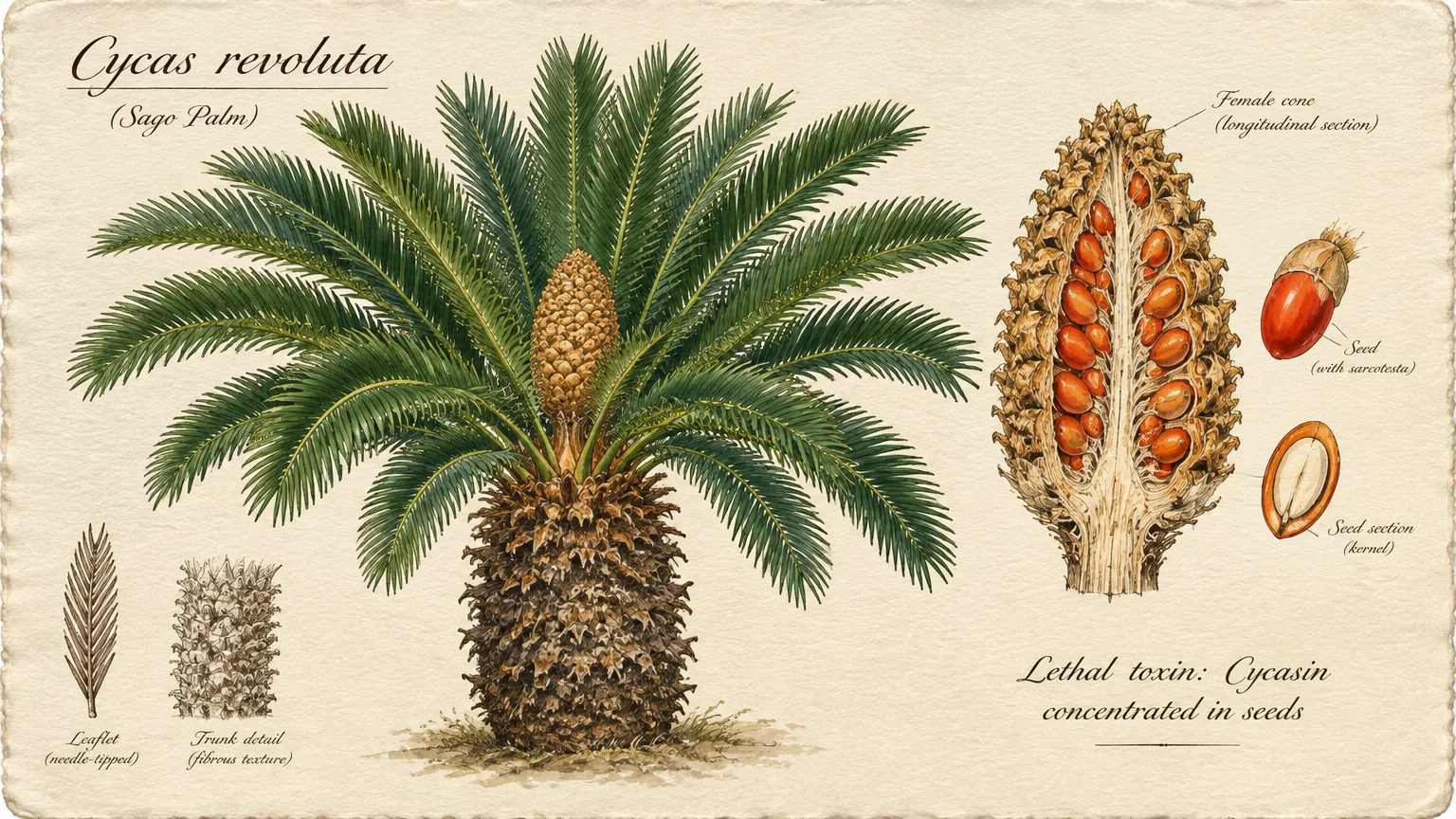
Sago palms bring tropical drama to landscapes, yet they represent one of the most lethal poisonous plants for pets. Every part of this ornamental cycad contains cycasin, with the highest concentration residing in the seeds.
Ingesting just one or two seeds delivers a lethal dose of cycasin to a dog. Clinical studies show canine mortality rates between 32% and 50%, climbing to 75% in untreated or delayed cases.
Cycasin triggers acute hepatic failure accompanied by persistent vomiting, black tarry stools, and uncontrollable bleeding within hours. You must rush your pet to an emergency veterinary clinic immediately after exposure.
Dig out sago palms entirely and replace them with pet-friendly palms like the Areca palm or Parlor palm. These lush alternatives deliver identical tropical beauty without threatening your pet’s life.
Tip #2: True Lilies (Lilium and Hemerocallis Species)
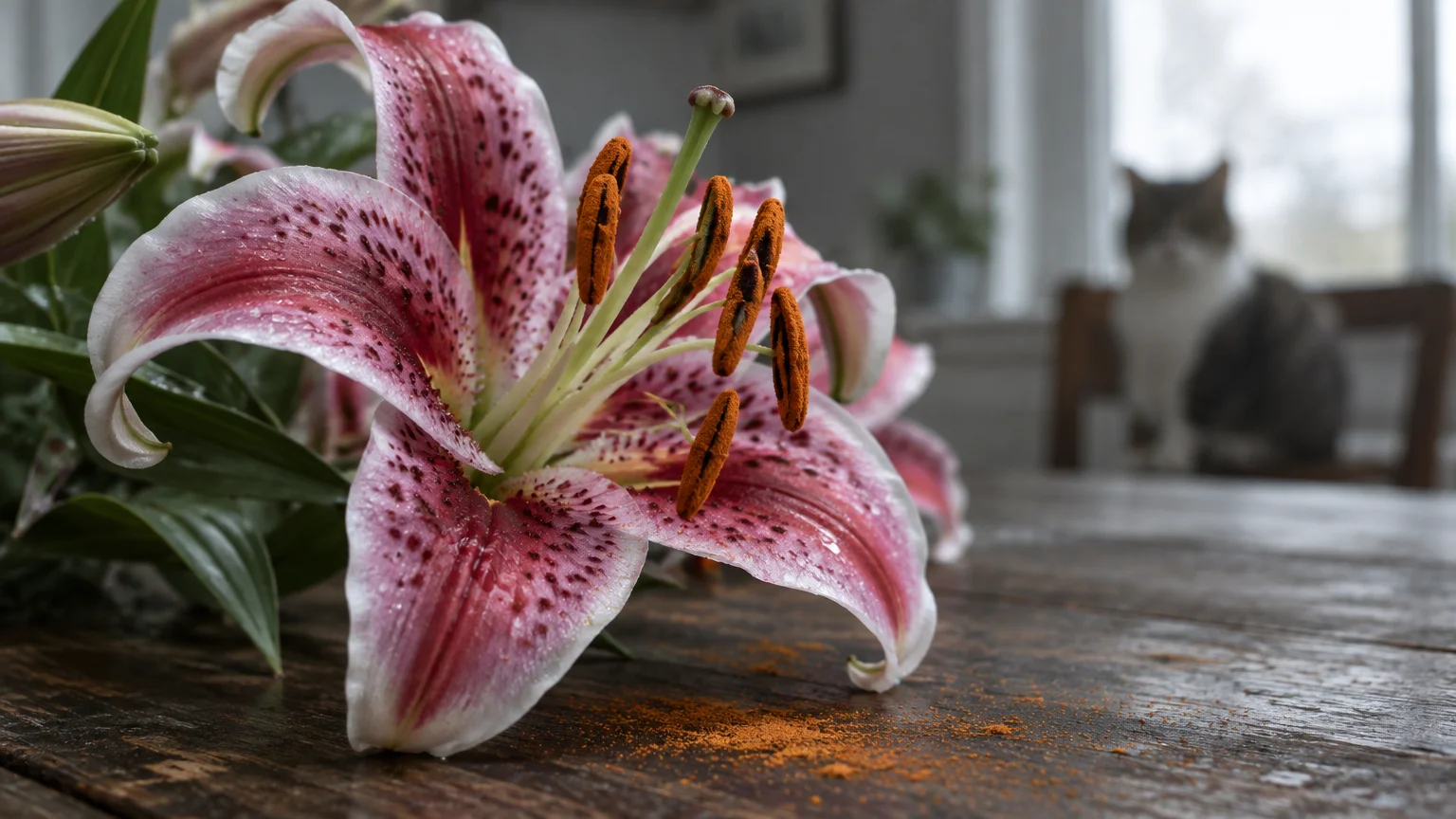
Easter lilies, Stargazer lilies, and daylilies add striking color to floral beds, but they pose catastrophic risks to felines. These common household plants dangerous to dogs and cats are extraordinarily nephrotoxic to cats.
Ingesting as little as one to two leaves or flower petals triggers acute kidney failure in cats. Even licking microscopic pollen grains off fur or lapping water from a cut-flower vase can prove lethal.
You must seek aggressive intravenous fluid decontamination within 18 hours of exposure. If treatment is not initiated within that narrow window, the resulting renal damage is typically irreversible and fatal.
Remove all true lilies from your property if you share your home with curious cats. Plant pet-safe alternatives like African violets, orchids, or vibrant Peruvian lilies to brighten your spaces safely.
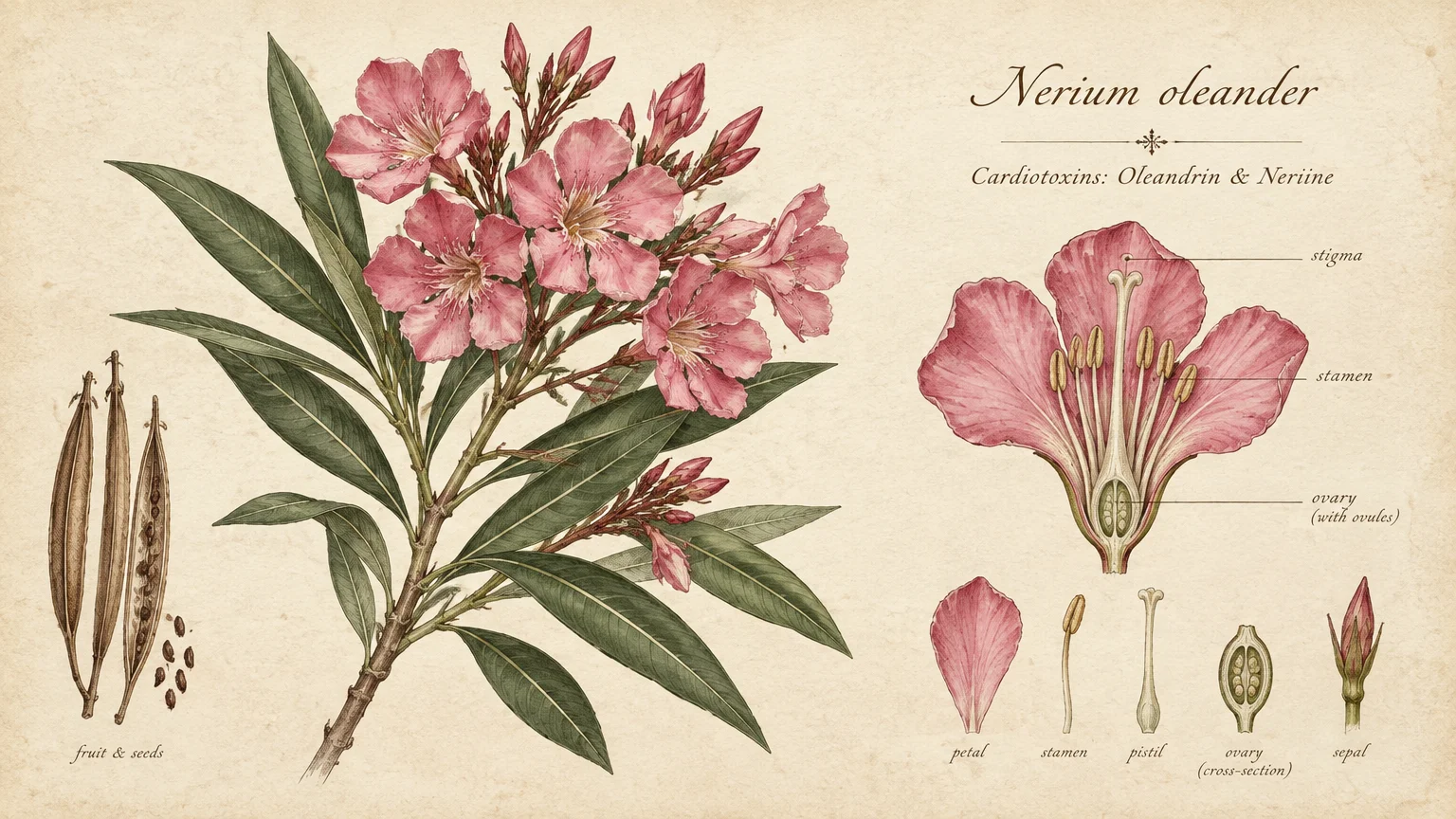
Tip #3: Oleander (Nerium oleander)
Oleander thrives in warm climates, producing clusters of gorgeous pink, white, and red blooms along suburban fence lines. However, this evergreen shrub remains one of the most dangerous plants toxic to pets.
Every part of the plant contains the potent cardiotoxins oleandrin and neriine. Ingestion of green leaf matter equal to as little as 0.005% of an animal’s body weight can induce fatal cardiac arrhythmias.
Pets chewing on dry branches or drinking runoff water from oleander foliage quickly suffer severe bradycardia, hypothermia, and sudden collapse. Symptoms escalate rapidly, requiring immediate emergency intervention with antiarrhythmic drugs.
Prune out oleander completely to protect both family companions and roaming neighborhood animals. Replace this shrub with hardy crape myrtles or hibiscus for vibrant, nontoxic summer color.
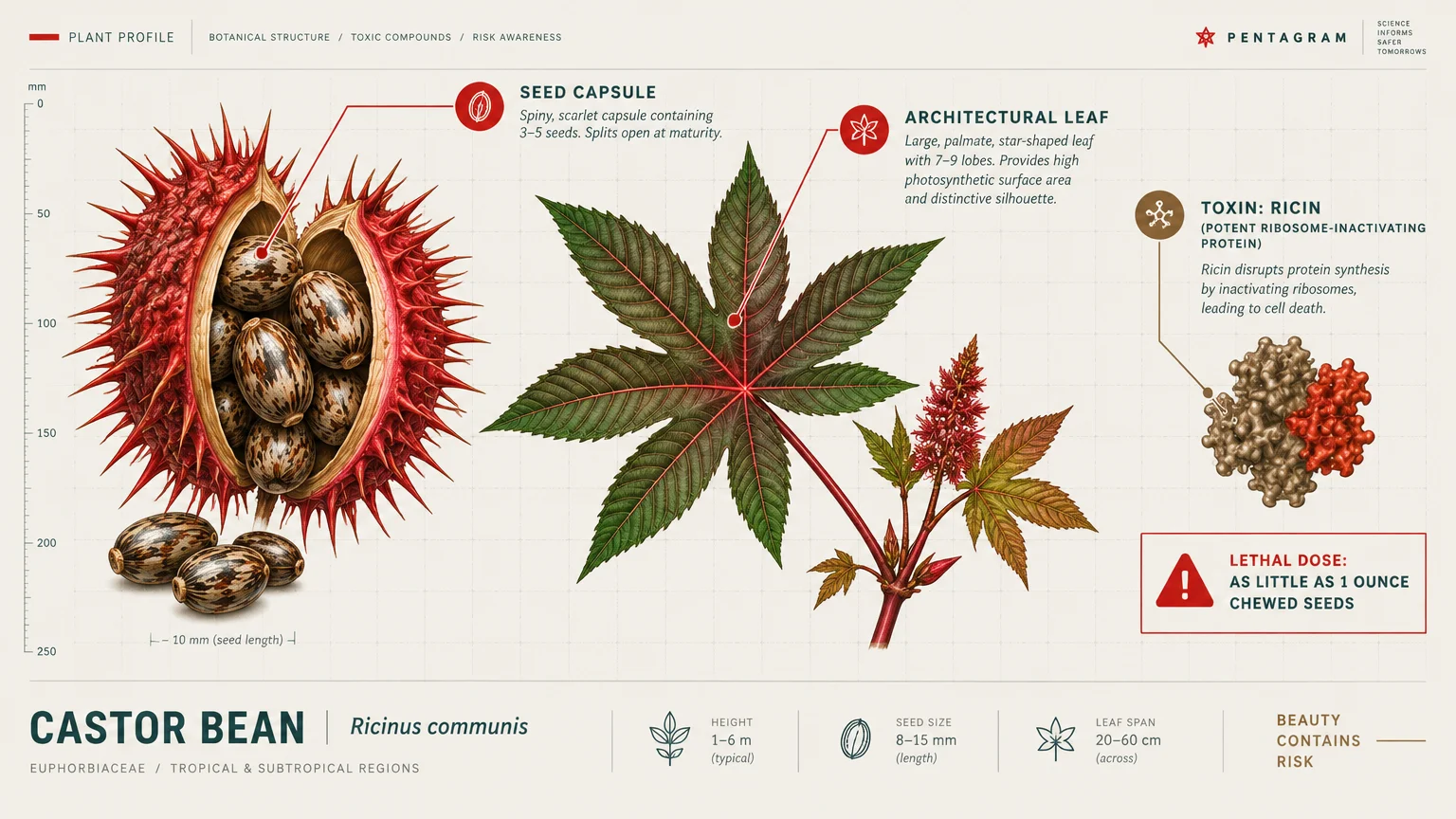
Tip #4: Castor Bean (Ricinus communis)
Gardeners love the castor bean plant for its massive architectural foliage and exotic seed pods. Despite its dramatic aesthetic appeal, this plant produces ricin, an extraordinarily potent ribosome-inactivating protein.
Ingestion of as little as one ounce of chewed seeds can be lethal to a medium dog. Ricin halts cellular protein synthesis, causing severe hemorrhagic gastroenteritis and multiorgan failure throughout the body.
Clinical signs typically feature a delayed onset of 12 to 48 hours following consumption. Affected animals suffer severe abdominal agony, bloody diarrhea, weakness, tremors, and sudden vascular collapse.
Eliminate castor bean specimens from your landscape before they produce dangerous spiky seed capsules. Plant bold canna lilies instead to achieve the same exotic, tropical foliage effect without dangerous toxins.
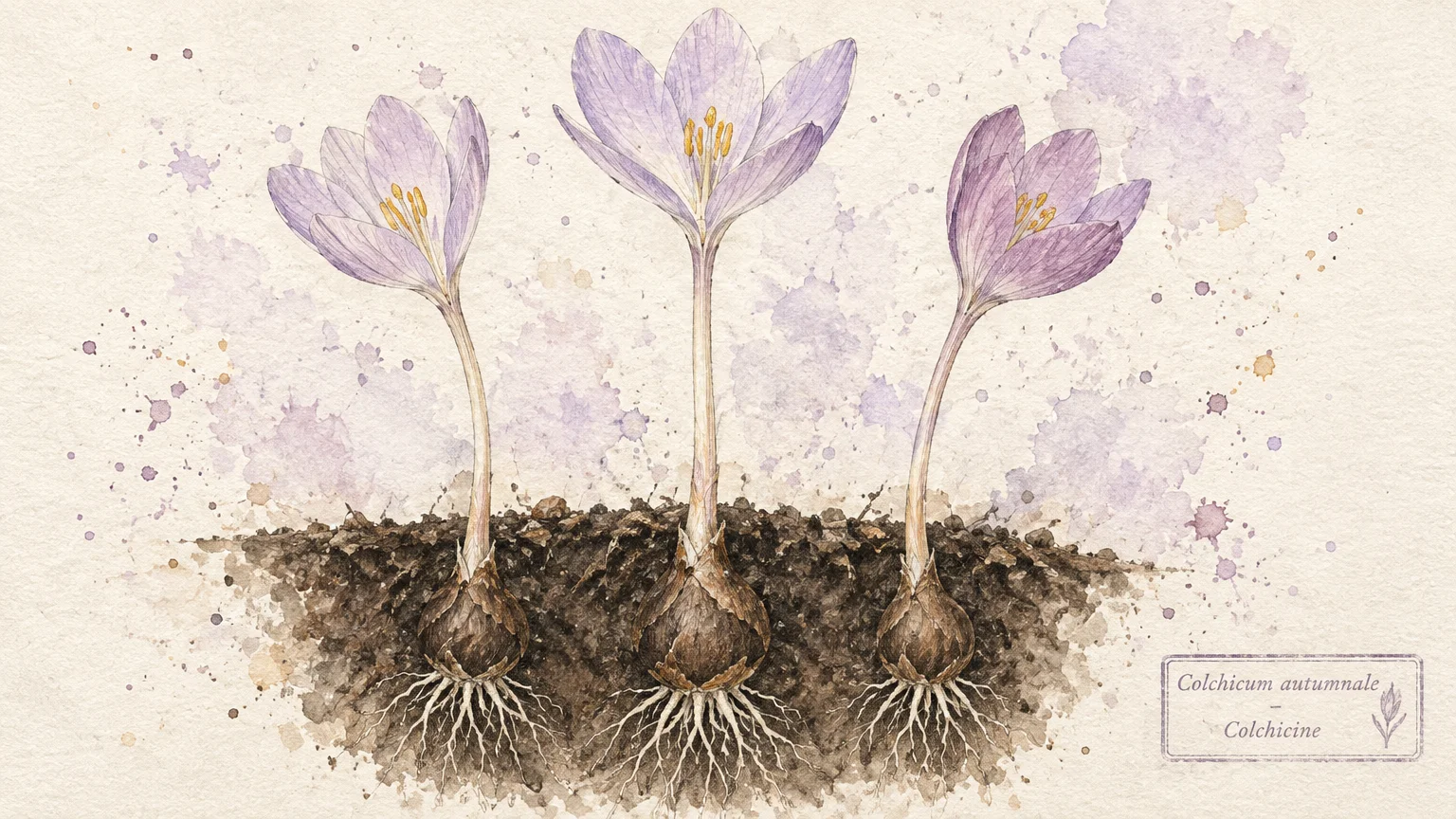
Tip #5: Autumn Crocus (Colchicum autumnale)
The autumn crocus produces delicate mauve blooms that emerge through falling leaves late in the gardening season. Unlike benign spring crocuses, this autumn-blooming perennial contains colchicine, a toxic alkaloid that stops cell division.
All plant components are dangerous, but the subterranean corms harbor the highest concentration of toxic alkaloids. Even minimal bites from digging pets can induce catastrophic, multisystemic organ poisoning.
Toxic signs are frequently delayed by 12 to 48 hours after ingestion. Patients subsequently suffer from bloody vomiting, profuse diarrhea, respiratory failure, and systemic organ collapse.
Avoid planting autumn crocus bulbs anywhere your pets explore, play, or dig. Brighten your autumn landscape instead with pet-safe late bloomers like native asters or vibrant goldenrod.
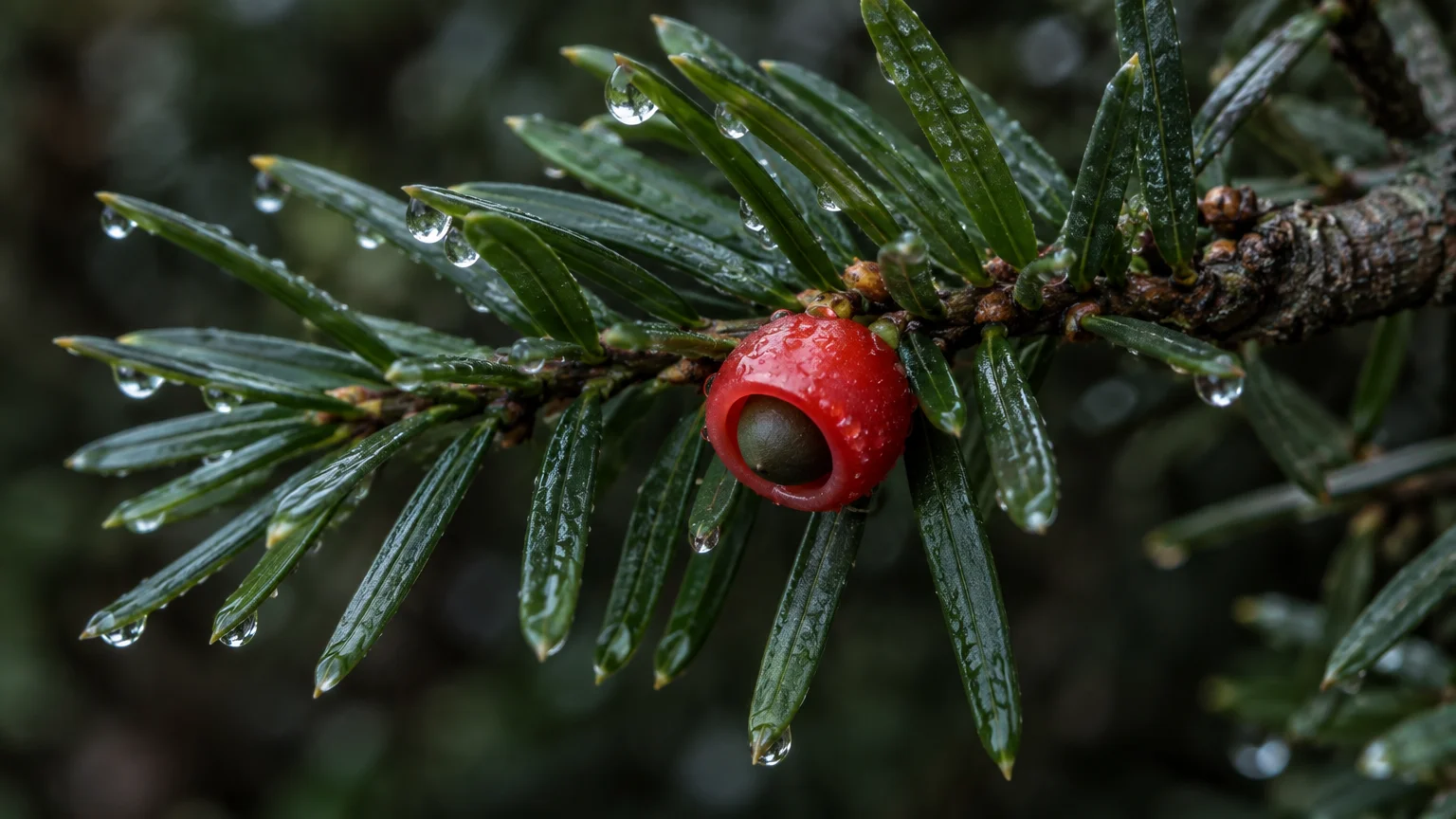
Tip #6: Yew (Taxus Species)
Yew shrubs feature dense evergreen needles and bright red ornamental berries, making them ubiquitous foundation plantings. Unfortunately, they rank among the deadliest plants that harm pets in residential yards.
All parts of the shrub—except the red fleshy aril—contain cardiotoxic taxine alkaloids. A single handful of needles or a few chewed seeds can cause acute bradycardia within one to three hours.
The alkaloids rapidly disrupt myocardial calcium channels, triggering sudden respiratory paralysis and cardiac arrest. Many pets show no outward signs of illness before collapsing unexpectedly in the yard.
Replace yew hedges with pet-safe conifers like Western hemlock or nontoxic broadleaf shrubs like inkberry holly. These safe options give your property year-round architectural greenery without putting pets in jeopardy.
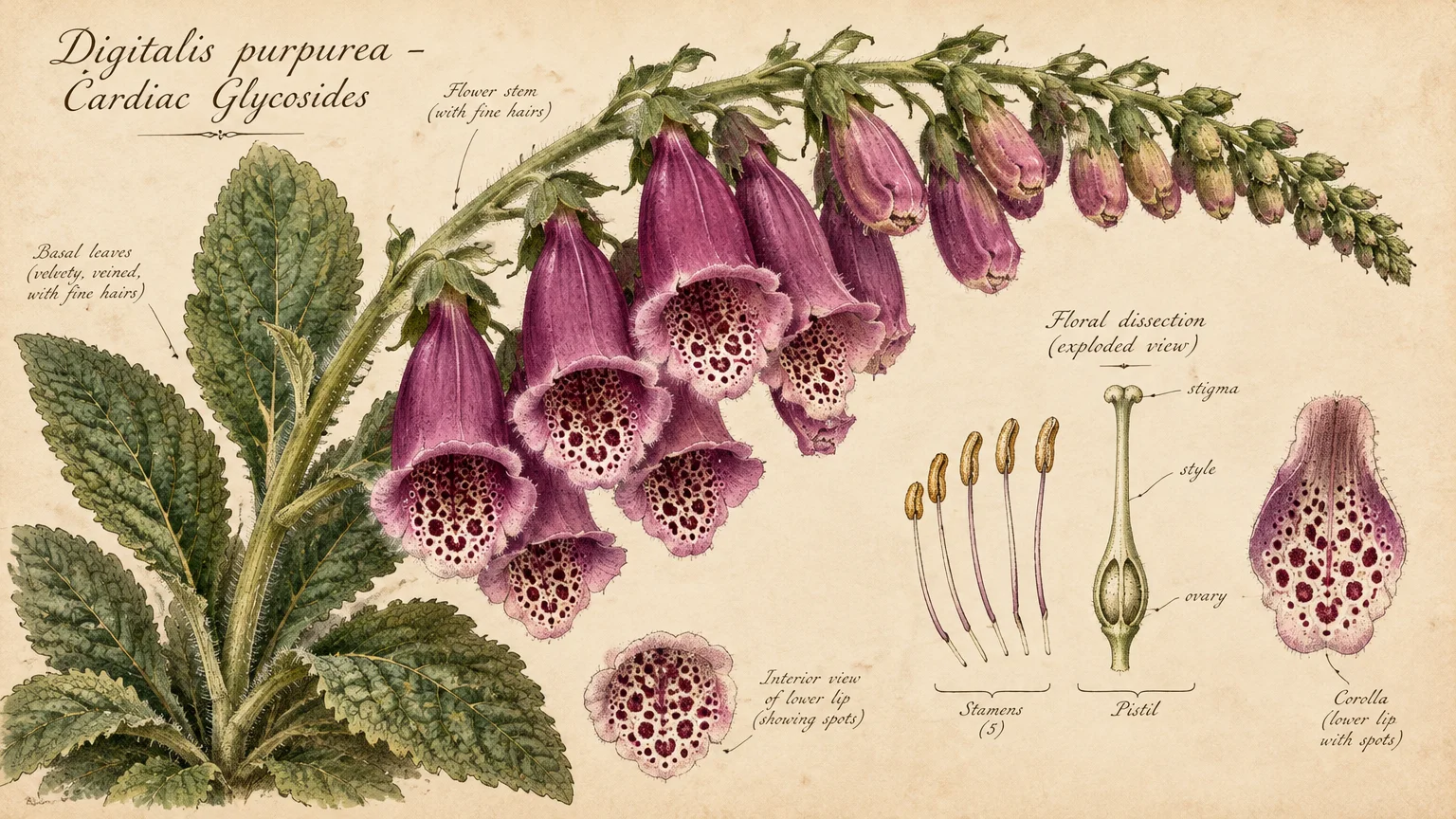
Tip #7: Foxglove (Digitalis purpurea)
Foxglove produces majestic spires of bell-shaped, spotted blossoms that provide height in traditional cottage garden borders. Beneath this breathtaking exterior lies digitalis, a potent cardiac glycoside that interferes with heart function.
Every portion of foxglove is toxic, including its leaves, roots, seeds, and surrounding floral water. Even lapping water from an outdoor saucer beneath potted foxglove can poison a small puppy.
Ingesting this plant causes profuse drooling, contracted pupils, severe gastrointestinal pain, and life-threatening ventricular arrhythmias. Emergency clinics must administer specialized antidotes and supportive cardiac medications to reverse toxicity.
Swap out foxgloves for tall hollyhocks or colorful snapdragons along your garden fences. These traditional cottage favorites deliver impressive vertical color while maintaining a completely safe play environment.
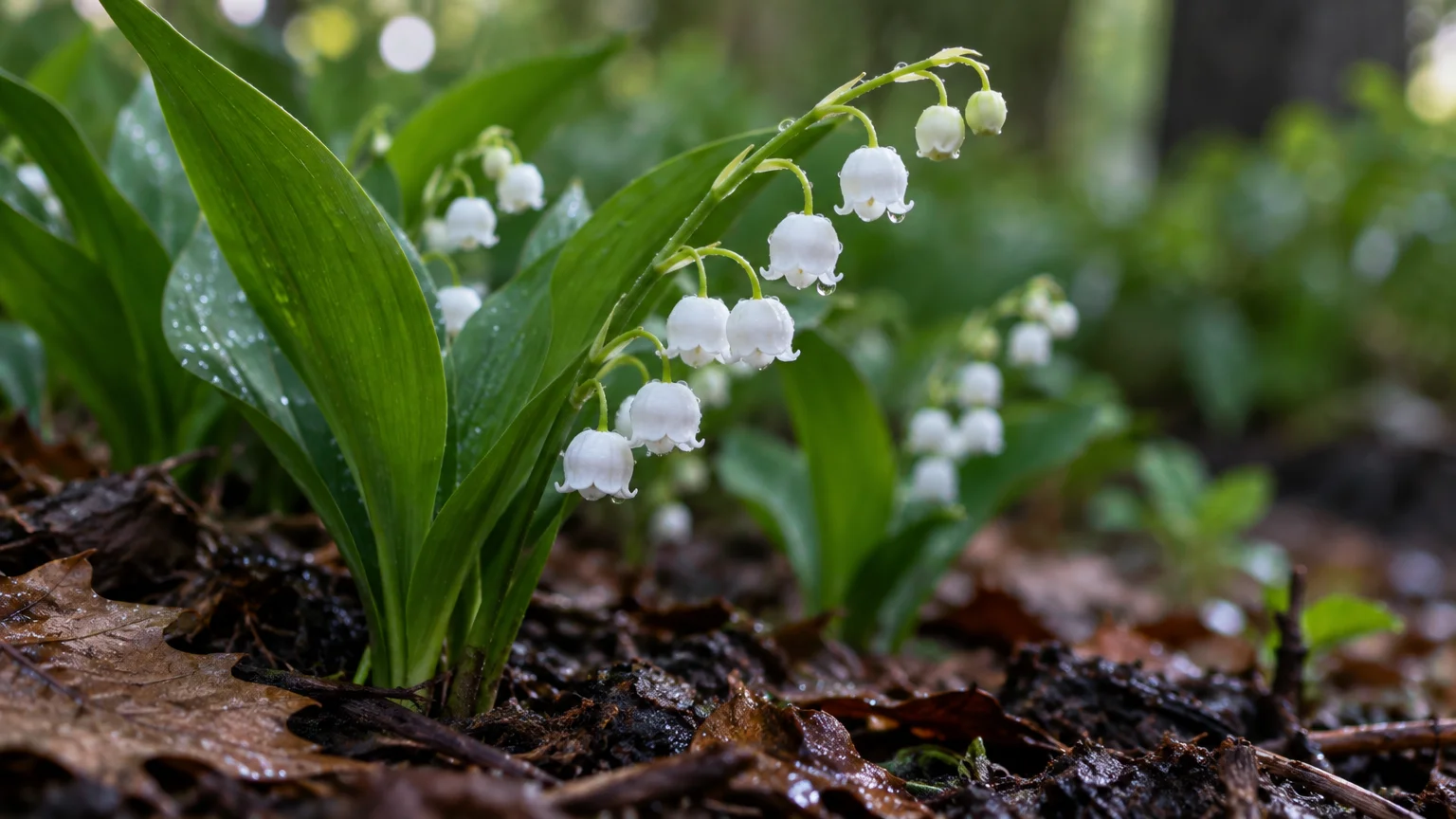
Tip #8: Lily of the Valley (Convallaria majalis)
Lily of the valley forms fragrant, dense groundcover blankets punctuated by delicate white nodding bells. Despite its sweet appearance, this woodland perennial contains over thirty-eight cardiac glycosides, including convallatoxin.
Convallatoxin acts directly on the heart muscle, dangerously elevating blood pressure and causing severe cardiac arrhythmias. Pets browsing these plants develop persistent vomiting, dangerous confusion, and fatal seizures.
Bright red berries developing in late summer pose an irresistible hazard to curious young pets. Keep your animals far away from woodland beds where these persistent perennials spread across shaded corners.
Dig up invasive patches and replant shaded beds with fragrant sweet woodruff or native wild ginger. These shade-loving perennials provide lush ground coverage without threatening the health of your pets.
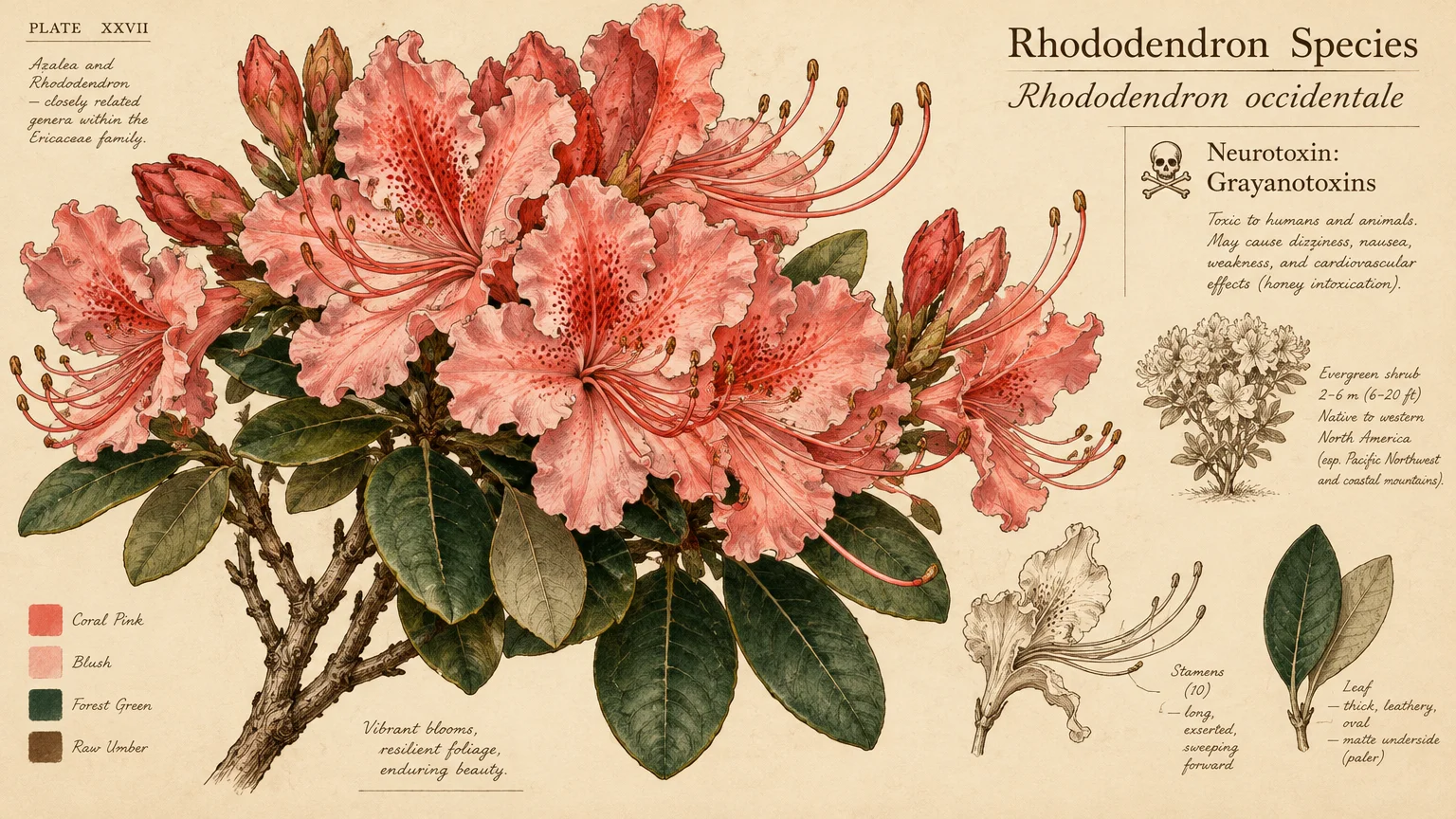
Tip #9: Azaleas and Rhododendrons (Rhododendron Species)
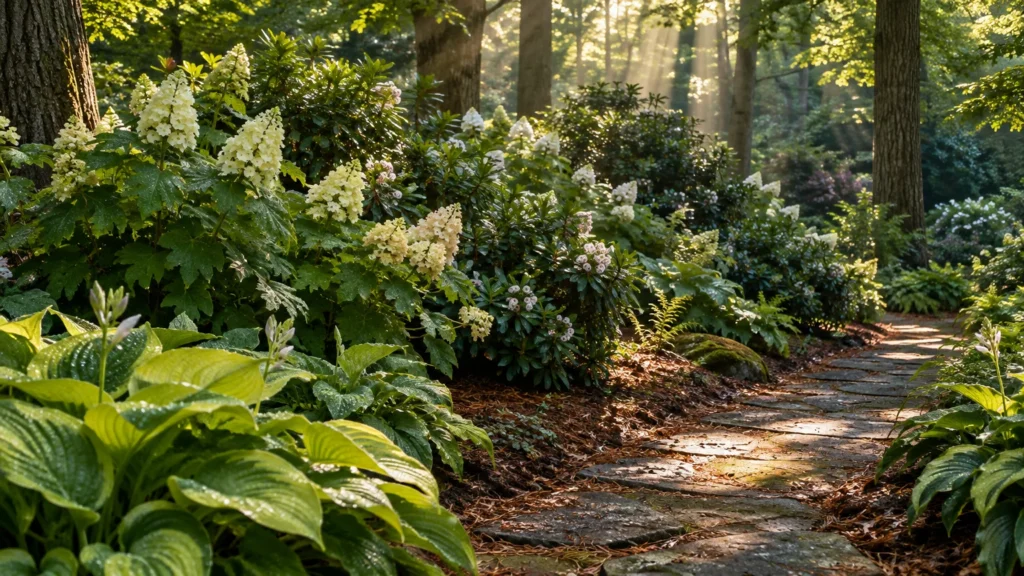
Azaleas and rhododendrons dominate spring gardens with expansive clouds of pink, purple, and crimson blooms. However, every member of the Rhododendron genus contains grayanotoxins, which disrupt cellular sodium channels.
Consuming as little as 0.2% of an animal’s body weight in leaves can provoke clinical poisoning. For a toy dog or cat, just two or three small leaves can initiate life-threatening distress.
Ingestion induces violent vomiting, low blood pressure, severe muscular weakness, and complete cardiovascular collapse. Without prompt veterinary hospitalization with intravenous fluids, pets can fall into a fatal coma.
Fence off established rhododendrons or replace them with gorgeous, acid-loving camellias. Camellias produce spectacular blossoms during cool seasons while remaining completely nontoxic to dogs and cats.
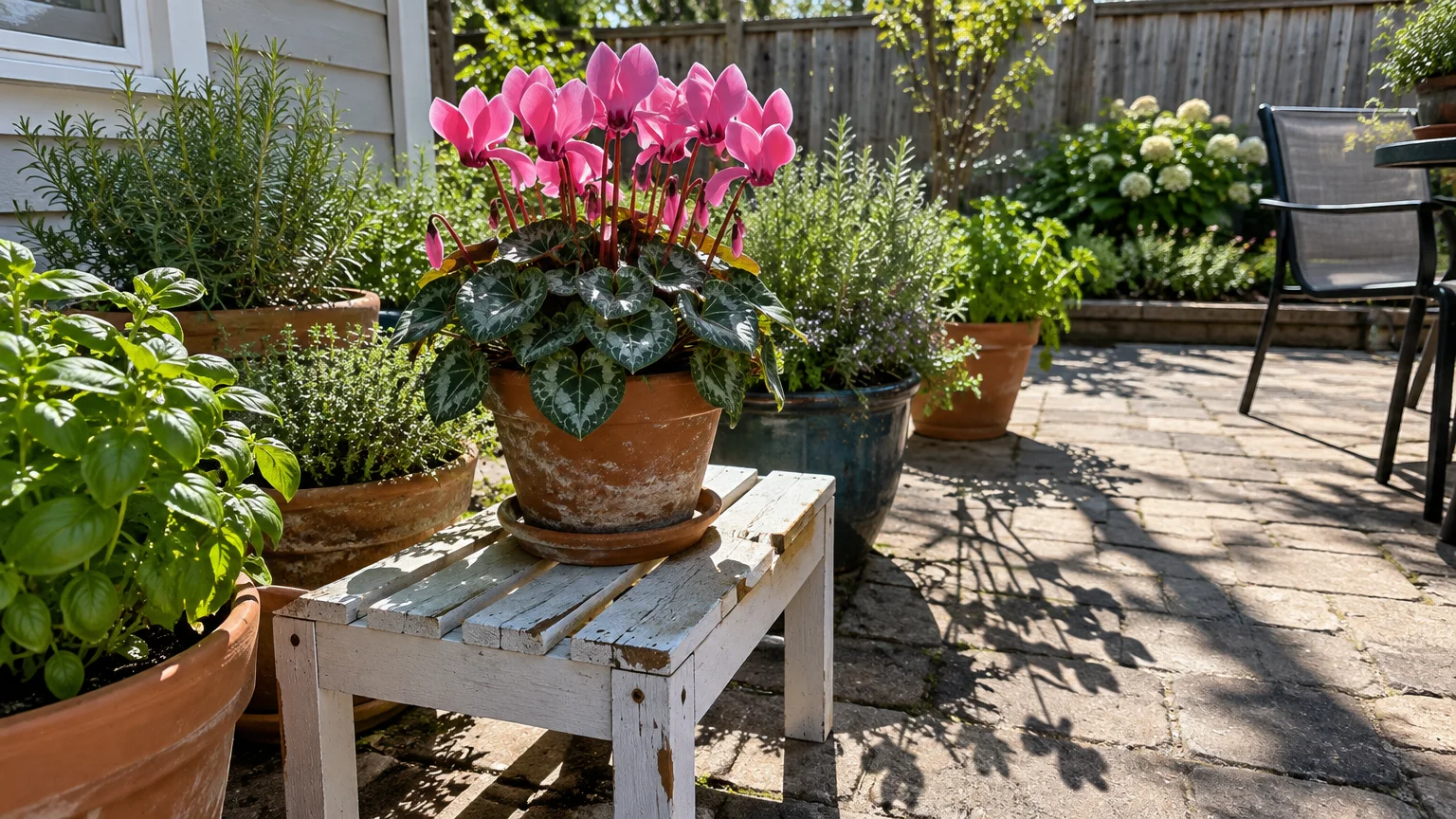
Tip #10: Cyclamen (Cyclamen Species)
Cyclamen serves as a popular winter-blooming houseplant and shady garden perennial with marbled leaves and upright petals. Behind this charming exterior lurks cyclamin, a toxic triterpenoid saponin capable of causing severe damage.
The entire plant contains cyclamin, but the tuberous root system contains the most concentrated dosage. Dogs that dig into garden beds or tip over indoor pots face the greatest danger.
Ingesting cyclamen tubers causes intense salivation, severe diarrhea, cardiac arrhythmias, and fatal seizures. Emergency teams must perform gastric lavage and administer cardiac medication to stabilize poisoned animals.
Keep potted cyclamen completely out of reach on high plant stands or floating shelves. Choose pet-safe African violets to decorate indoor rooms with cheerful, harmless flowers throughout the darker winter months.
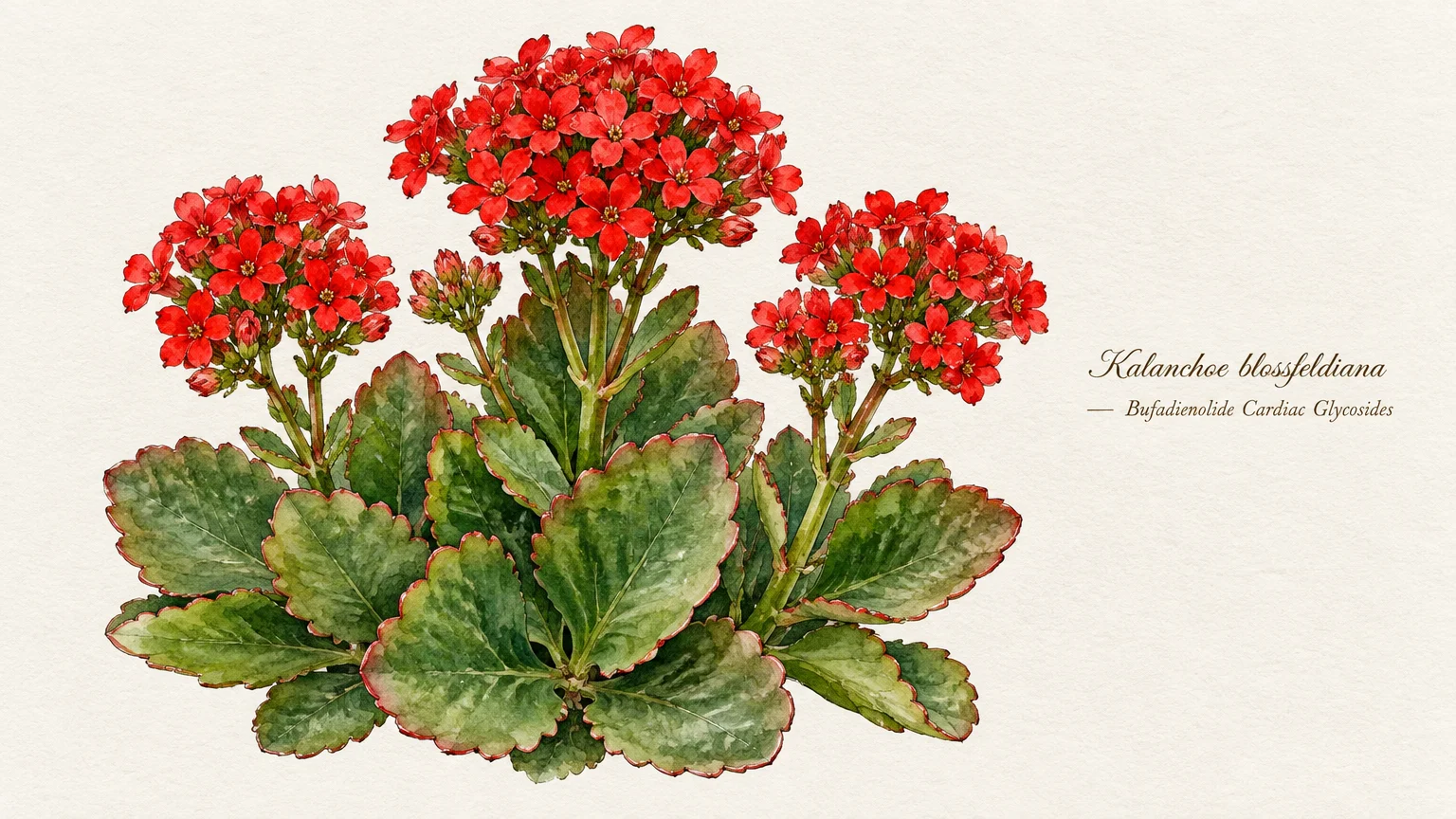
Tip #11: Kalanchoe (Kalanchoe Species)
Kalanchoe is a beloved succulent that features thick, fleshy leaves and dense clusters of long-blooming flowers. Many plant owners do not know that kalanchoe produces bufadienolides, which are dangerous cardiac glycosides.
Bufadienolides interfere with cardiac cell function, precipitating irregular heartbeats and severe gastrointestinal distress. While small nibbles cause drooling, heavier ingestion can cause fatal arrhythmias and complete collapse.
Inquisitive cats often chew on the succulent leaves, while dogs may ingest flower heads knocked onto floors. Fast decontamination with activated charcoal protects your pet by trapping toxic compounds in the gut.
Replace kalanchoe with pet-safe succulents like Haworthia zebra plants or colorful Christmas cacti. These resilient succulents bring fascinating textures and seasonal blooms to your living spaces with zero toxicity.
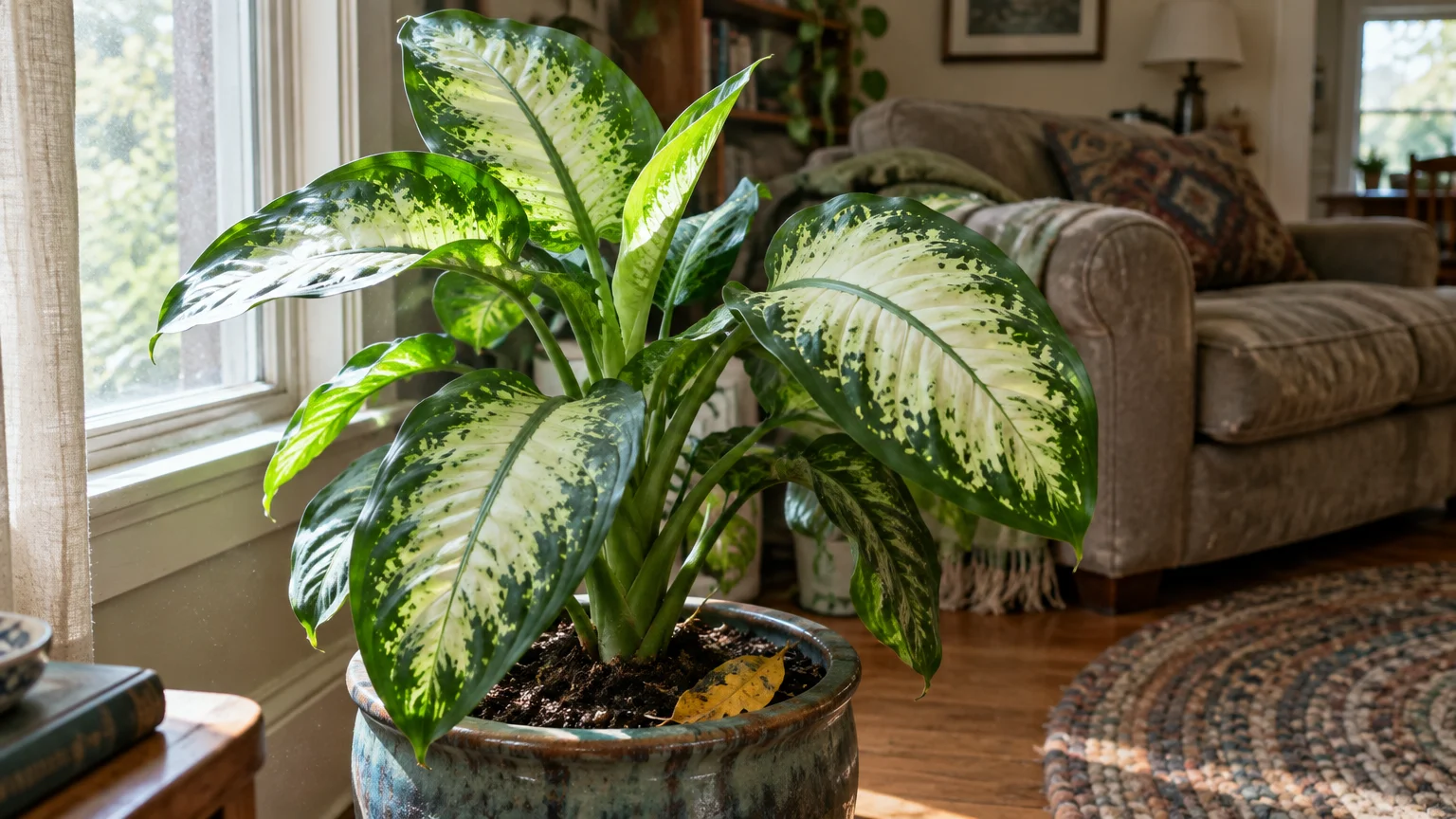
Tip #12: Dieffenbachia (Dumb Cane)
Dieffenbachia features broad, variegated foliage that brings a lush tropical ambiance to indoor spaces and covered patios. However, its stems and leaves contain microscopic, needle-like insoluble calcium oxalate crystals called raphides.
When an animal bites the plant, specialized cells shoot sharp crystals directly into sensitive oral tissues. This causes immediate, excruciating pain alongside severe swelling of the lips, tongue, and throat.
Extreme oral swelling can physically close your pet’s airway, causing acute asphyxiation and respiratory arrest. Animals also suffer from excessive drooling, pawing at the face, and painful inability to swallow.
Remove dieffenbachia from any household where curious dogs or cats explore interior greenery. Brighten your rooms instead with stunning, pet-safe prayer plants or resilient cast-iron plants.
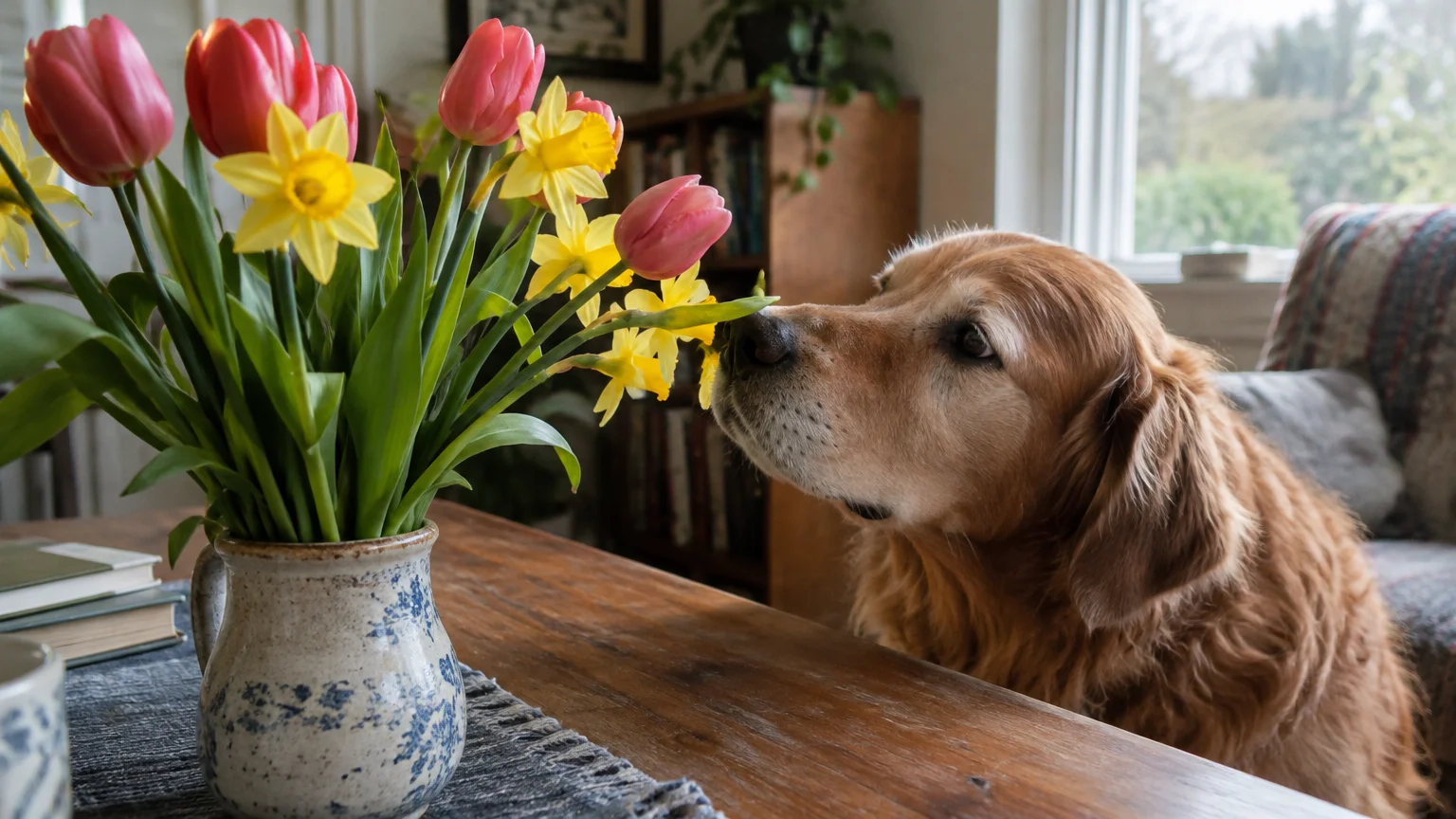
Tip #13: Tulips and Daffodils (Tulipa and Narcissus Species)
Tulips and daffodils announce the arrival of spring with bright golden cups and elegant colorful petals. Unfortunately, both of these popular bulb species contain toxic alkaloids that cause severe poisoning in pets.
Tulipalin in tulips and lycorine in daffodils concentrate heavily within the fleshy underground bulb. Dogs that excavate freshly planted autumn flower beds face severe risks of acute toxicity.
Chewing bulbs triggers intense oral burning, severe vomiting, cardiac arrhythmias, and acute drops in blood pressure. Ingesting large quantities of daffodil bulbs can also provoke tremors and respiratory distress.
Protect buried bulb beds with secure chicken wire or cultivate spring bulbs in tall, inaccessible planters. You can also plant cheerful, pet-safe pansies directly into your garden beds for colorful spring cheer.
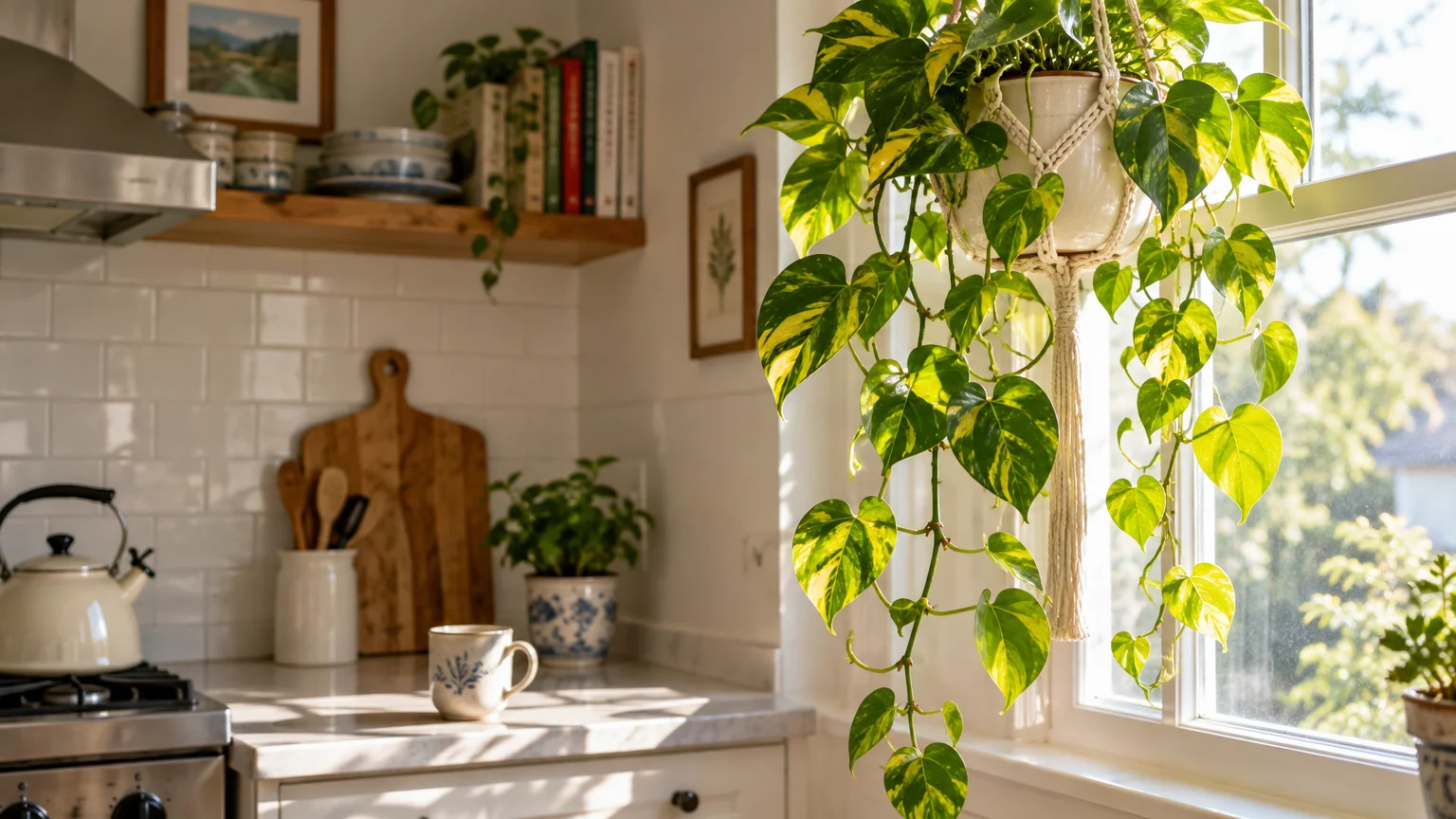
Tip #14: Philodendron and Pothos (Epipremnum aureum)
Philodendrons and pothos vines trail gracefully from high bookshelves, mantlepieces, and hanging planters across the country. Like dumb cane, these common household plants dangerous to dogs and cats contain insoluble calcium oxalates.
Biting these trailing vines drives microscopic needle crystals deep into sensitive mouth linings and tongues. The sudden trauma induces frantic head shaking, pawing at the muzzle, and uncontrollable salivation.
Severe exposures cause extensive pharyngeal swelling that can obstruct breathing and lead to fatal suffocation. Additionally, persistent vomiting and inability to drink water can rapidly dehydrate small kittens and toy breeds.
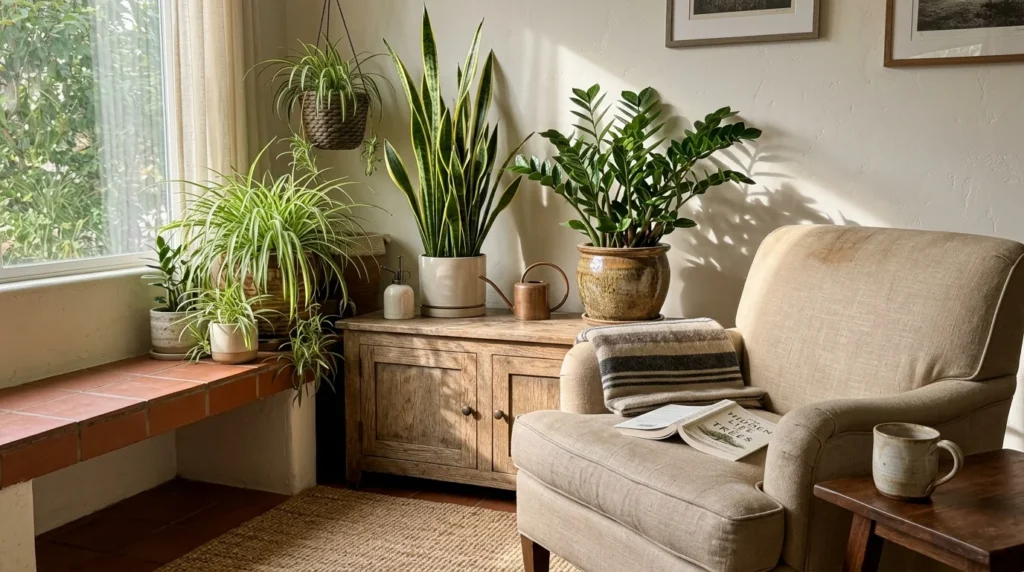
Trim trailing vines well out of animal reach or switch to pet-safe spider plants. Spider plants provide cascading green leaves and excellent indoor air purification without endangering your four-legged companions.
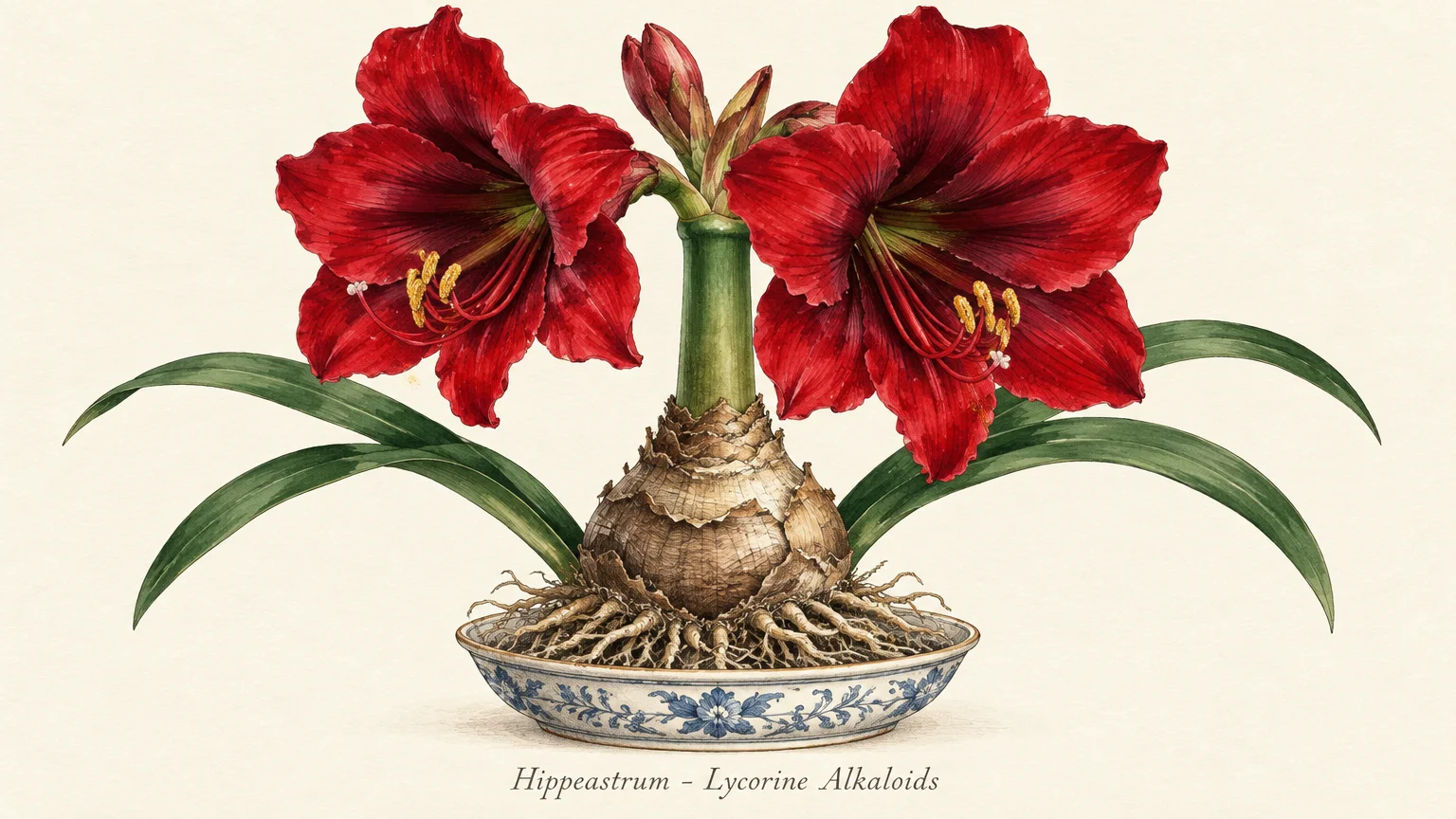
Tip #15: Amaryllis (Hippeastrum Species)
Amaryllis bulbs produce enormous, trumpet-shaped flowers that brighten homes throughout the winter holiday season. However, this popular holiday bulb contains lycorine and other toxic phenanthridine alkaloids throughout its tissues.
The highest concentration of lycorine resides inside the bulb itself, creating an acute danger for pets. Playful puppies frequently mistake unplanted or loose amaryllis bulbs for enticing indoor chew toys.
Clinical signs include pronounced lethargy, severe abdominal cramping, profuse diarrhea, tremors, and sudden low blood pressure. Severe toxicity can cause cardiovascular collapse, requiring immediate hospitalization and supportive veterinary care.
Place holiday bulbs inside heavy glass cloches or display them safely on elevated fireplace mantels. Consider substituting amaryllis with festive, pet-safe moth orchids for breathtaking and harmless winter blossoms.
Putting It All Together: Enjoy Your Beautiful Garden
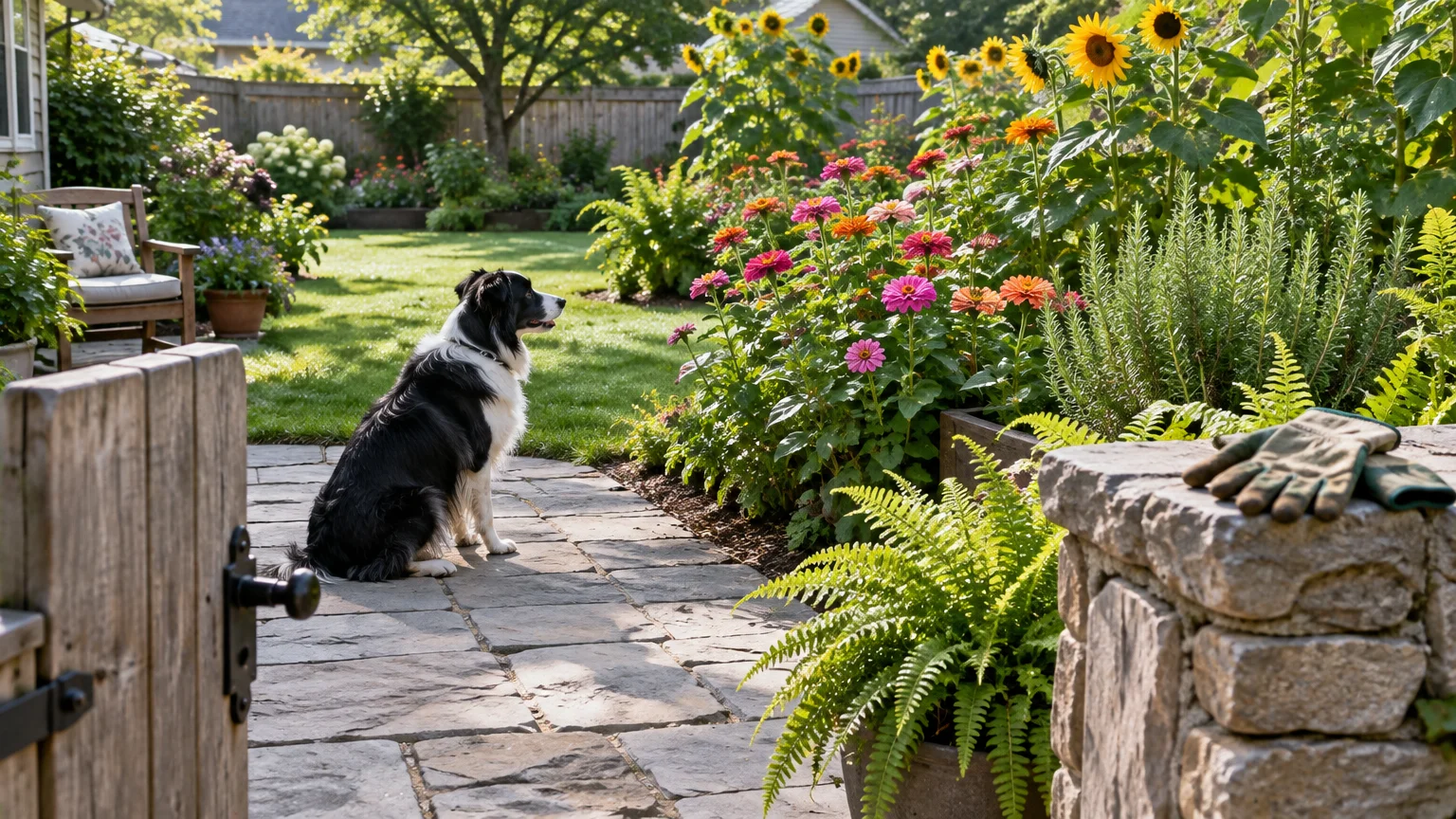
Creating a pet-friendly oasis does not require sacrificing color, architectural elegance, or lush foliage. By identifying hazardous plants and replacing them with nontoxic alternatives, you can protect your pets effortlessly.
Always inspect bouquet arrangements, garden center purchases, and outdoor beds before allowing pets to roam freely. Simple proactive landscaping choices prevent devastating emergencies and expensive veterinary hospital stays.
If your pet consumes any suspicious foliage or bulb, take immediate action to ensure their safety. Call the Pet Poison Helpline at 855-764-7661 ($89 consultation fee) or the ASPCA APCC at 888-426-4435 ($95 consultation fee).
Bring a physical plant sample or a sharp photograph to the clinic to facilitate rapid identification. Swift medical decontamination within the first few hours saves lives and ensures full physical recovery.
With thoughtful botanical selection, your landscape will flourish as a peaceful sanctuary for both plants and animals. Enjoy watching your companions play safely among your thriving greenery throughout every season.
Frequently Asked Questions
What should you do first if your pet eats a poisonous plant?
Immediately clear any remaining plant material from your pet’s mouth and rinse their gums with fresh water. Never induce vomiting at home unless a licensed veterinary toxicologist explicitly tells you to do so.
Contact your veterinarian, the ASPCA APCC (888-426-4435), or the Pet Poison Helpline (855-764-7661) immediately for expert triage. Prompt professional treatment prevents toxins from entering the bloodstream and causing irreversible damage.
Are all lily varieties lethal to cats and dogs?
True lilies from the Lilium and Hemerocallis genera cause fatal kidney failure in cats, though dogs experience only stomach upset. Conversely, peace lilies and calla lilies contain insoluble oxalates that irritate both cats and dogs.
To eliminate lethal risks, keep all true lilies out of gardens and homes shared with cats. Choose nontoxic alternatives like Boston ferns, cast-iron plants, or Phalaenopsis orchids for safe, elegant indoor greenery.
Can landscape mulch or garden soil fertilizers harm pets?
Yes, specific organic mulches present severe toxicity risks to dogs that habitually chew on garden wood. Cocoa bean shell mulch contains theobromine, which is the exact same cardiotoxic compound found in chocolate.
Furthermore, many commercial fertilizers contain organophosphates or bone meal that attracts dogs into eating chemical blends. Always choose pet-safe cedar mulch and certified organic pet-friendly plant foods for your yard.
How can you train dogs to stop chewing garden plants?
Provide your dog with stimulating chew toys and daily interactive exercise to curb exploratory chewing habits outdoors. You can also build raised garden planter boxes or place decorative wire fencing around prized specimens.
Spray safe taste deterrents like diluted bitter apple onto vulnerable lower leaves to discourage nibbling behavior naturally. Consistent positive reinforcement redirects your dog toward designated play zones and keeps your landscape intact.
For region-specific advice, consult your local University Extension program (find yours via the USDA directory). For plant databases and inspiration, visit the Missouri Botanical Garden or the Royal Horticultural Society.
Disclaimer: This article provides general gardening advice regarding climate, soil conditions, and local pests. Always follow safety guidelines when using gardening tools, chemical products, and botanical remedies.