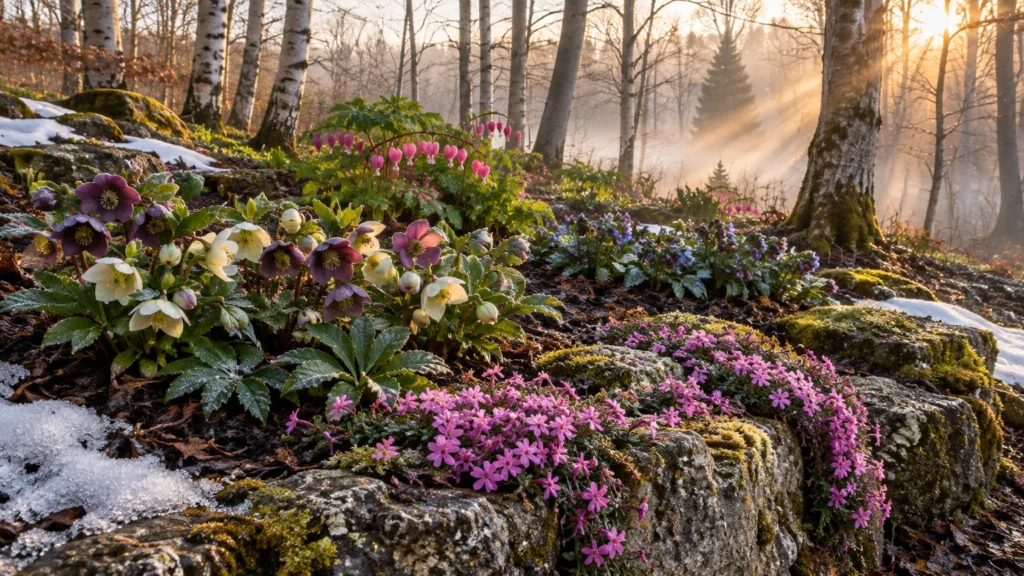
Deep purple tones instantly anchor a landscape, drawing the eye and making surrounding foliage pop with unexpected energy. Planting dramatic purple flowers gives your outdoor space a refined, designer-level contrast that lasts throughout the growing season.
Whether you want towering architectural spires or rich carpets of color, purple perennials transform ordinary yards into dynamic retreats. These bold selections will elevate your curb appeal and bring reliable structure to your beds.
Explore these standout purple flowering plants to discover fresh garden color ideas and create striking visual depth in your sunny borders.
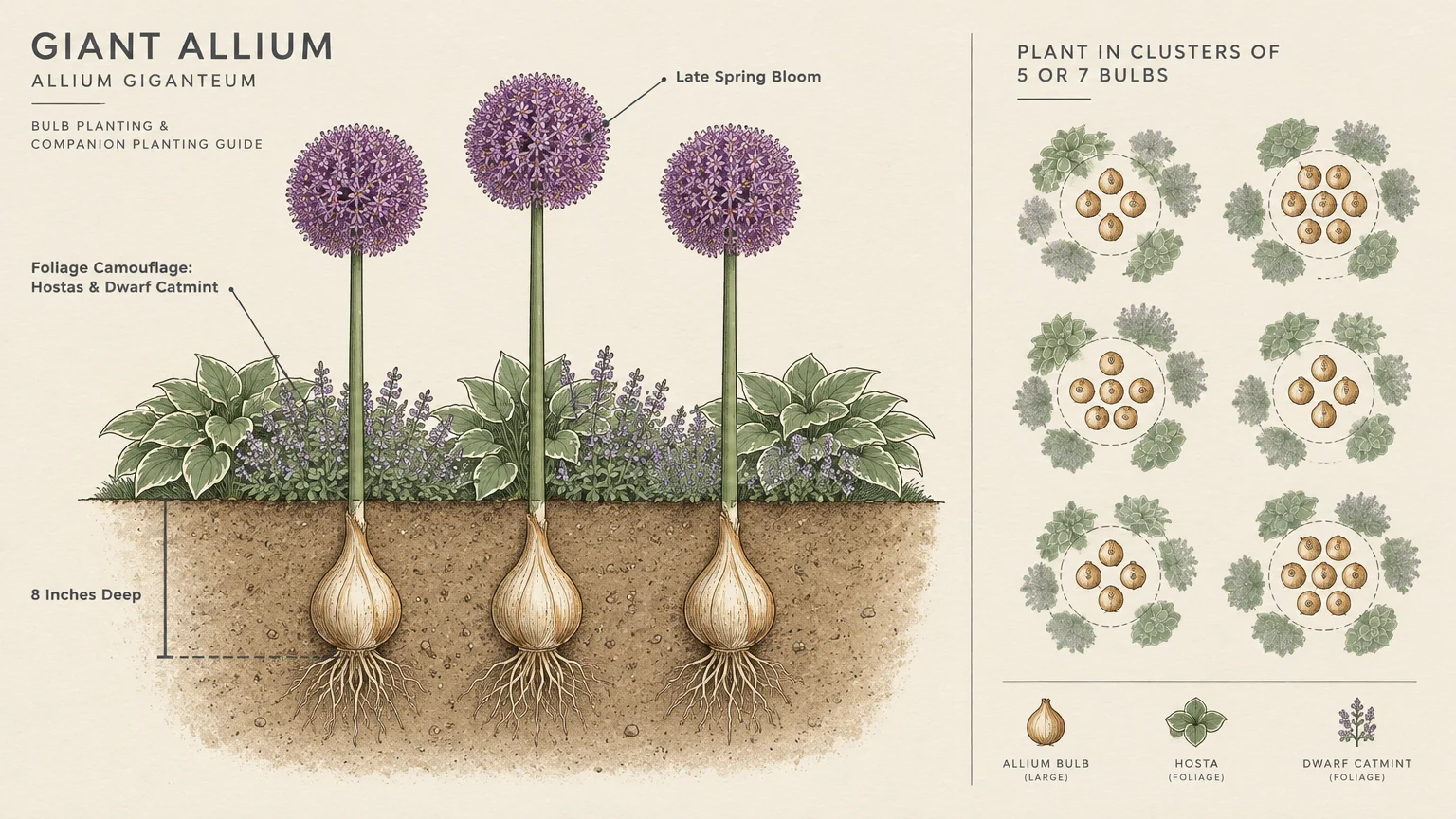
Outdoor Strategy #1: Giant Allium (Allium giganteum)
Giant alliums command attention like few other purple flowering plants can. Their massive spherical flower heads hover on sturdy stems like violet sculptures floating above lower border plantings.
Plant these dramatic spring-blooming bulbs during the autumn months at a depth of roughly eight inches. They thrive in USDA Hardiness Zones 4 through 9 and demand well-drained, sandy loam.
Position giant alliums behind lower-growing perennials such as hostas, lady’s mantle, or dwarf catmint. The early foliage of alliums withers right as the stunning purple globes burst open in late spring.
Because of their bold geometric silhouette, giant alliums bring immediate architectural structure to mixed borders. Plant them in clusters of five or seven bulbs to generate powerful visual rhythm.
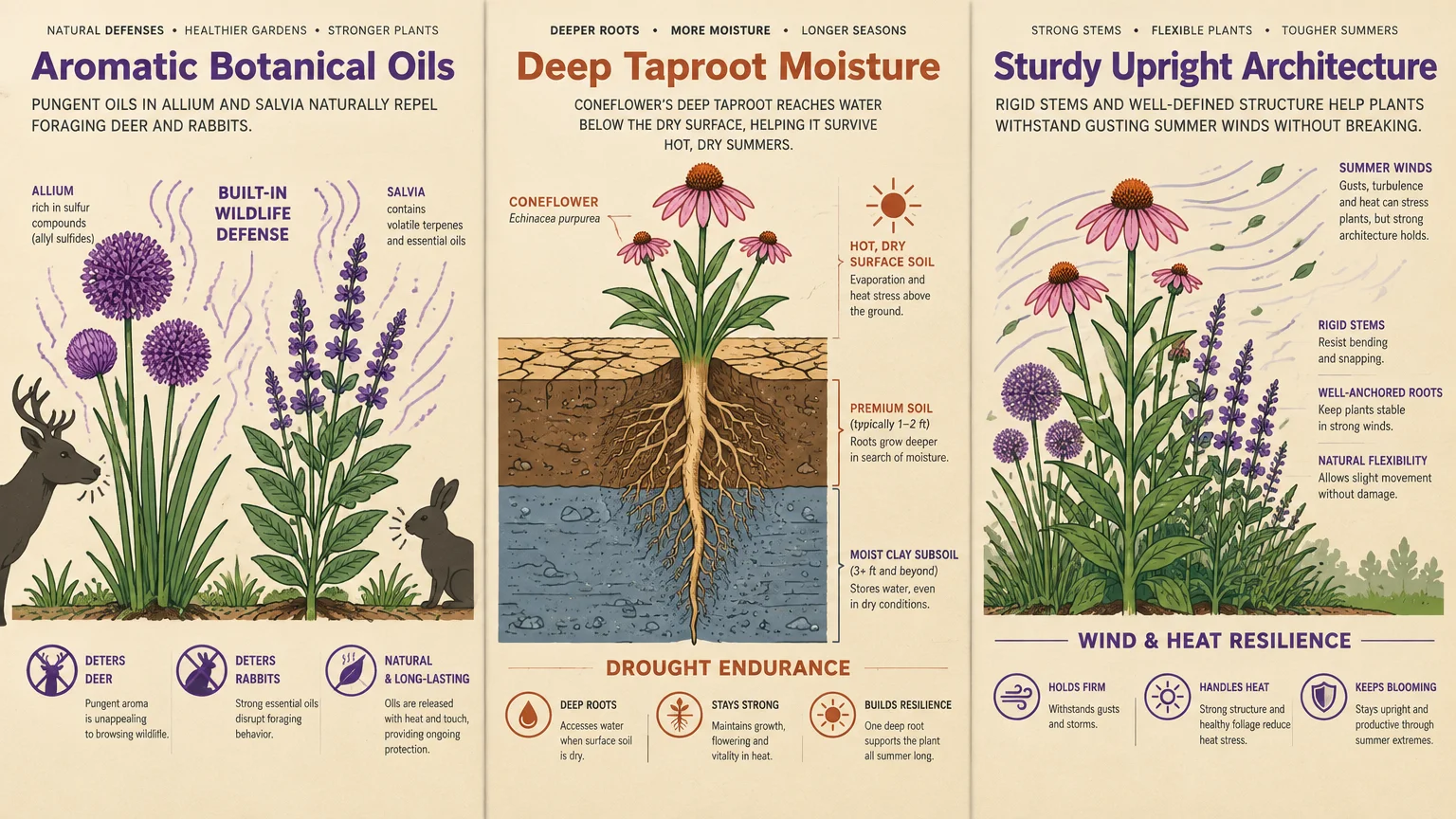
Deer, rabbits, and rodents naturally avoid ornamental onions due to their pungent botanical oils. This built-in natural defense protects your spring investment from hungry neighborhood wildlife without chemical repellents.
Leave the dried seed heads standing long after the purple color fades in early summer. They add fascinating textural interest to late-summer garden beds and dry floral arrangements.
Outdoor Strategy #2: Caradonna Salvia (Salvia nemorosa)
Caradonna salvia introduces dark violet-purple floral spikes supported by saturated, near-black vertical stems. This intense coloration creates an electric contrast against chartreuse shrubs and golden foliage plants.
This dependable perennial performs reliably across USDA Hardiness Zones 4 through 9. It asks for full sunlight and moderate, well-draining soil to prevent winter root rot.
Shear the spent flower spikes back to basal growth after the initial early summer bloom display finishes. This quick routine pruning triggers a vigorous second flush of purple spikes by late summer.
Use Caradonna salvia along walkway edges, patio perimeters, or front-of-the-border drifts. Its rigid, upright habit neatly frames softer, mounding companion plants like coreopsis and daylilies.
The nectar-rich spikes draw clouds of bees, butterflies, and hummingbirds into your yard all summer. Meanwhile, the aromatic foliage naturally repels browsing deer and rabbits with total ease.
Incorporate this variety into gravel gardens or modern xeriscapes where crisp structure matters. It withstands intense summer heat and drying winds without dropping flower buds.
Outdoor Strategy #3: Purple Coneflower (Echinacea purpurea)
Purple coneflower stands as an iconic North American native that blends rugged endurance with saturated magenta-purple petals. Its prominent coppery cones supply rich texture to sunny landscape beds.
Flourishing in USDA Hardiness Zones 3 through 9, coneflowers shrug off blazing summer heat, clay soil, and severe dry spells. Their deep taproots tap into subsoil moisture long after regular rainfall stops.
Group coneflowers in sweeping drifts of nine or more plants rather than solitary clumps. Broad sweeps of purple petals generate a naturalistic meadow aesthetic that turns heads from across the street.
Avoid cutting back the spent flower heads when autumn chills arrive in October. Goldfinches and native songbirds feast on the nutritious cone seeds throughout frosty winter mornings.
Interplant purple coneflowers with native ornamental grasses like little bluestem or sideoats grama. The sturdy purple stems remain upright in high winds without requiring staking or pampering.
Divide mature clumps every three to four years during early spring to maintain plant vigor. Replanting divided crowns expands your dramatic purple drifts without spending extra money.
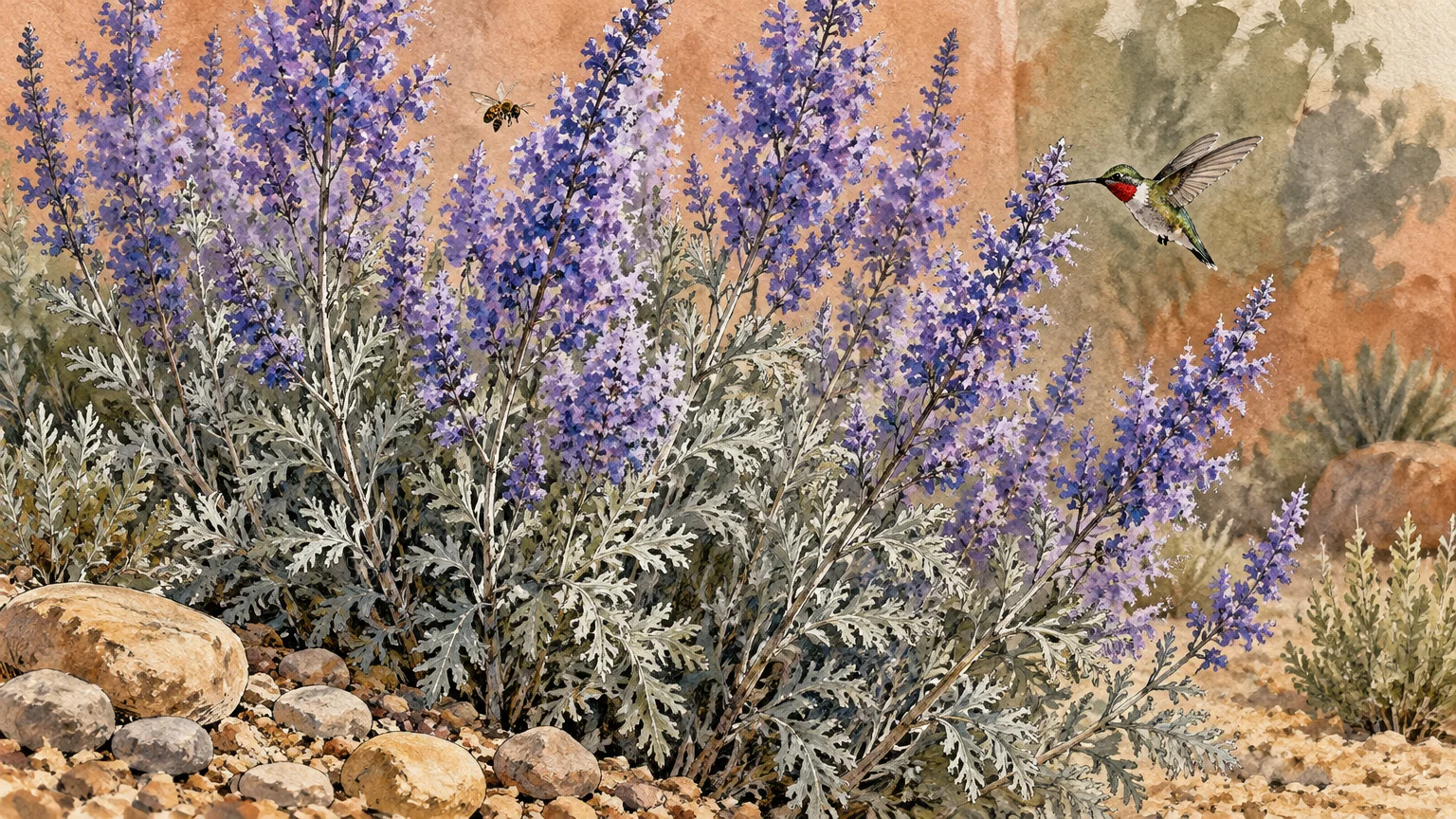
Outdoor Strategy #4: Russian Sage (Salvia yangii)
Russian sage blankets outdoor borders with an ethereal, cloud-like haze of smoky lavender-purple blooms. Its silvery stems and finely dissected gray-green leaves offer remarkable contrast under bright midsummer sunlight.
Adaptable across USDA Hardiness Zones 4 through 9, this tough sub-shrub loves hot, arid conditions. It flourishes where other perennials wilt, making it ideal for south-facing foundation beds.
Prune the woody stems back to roughly six inches above ground level each spring before growth starts. Hard spring pruning encourages robust new stems that bear larger, more profuse flower clusters.
Plant Russian sage behind sunny yellow black-eyed Susans or fiery orange daylilies to explore vibrant garden color ideas. The cool purple haze softens aggressive, hot color palettes while amplifying their radiance.
Excellent drainage remains mandatory for winter survival in wet climates. Avoid heavy organic mulch and rich soils, which cause stems to flop and invite crown rot.
Outdoor Strategy #5: Japanese Iris (Iris ensata)
Japanese iris delivers pure theatrical luxury with enormous, velvety flat blooms measuring up to eight inches across. Rich imperial purples and deep royal violets coat the gracefully ruffled petals.
Thriving in USDA Hardiness Zones 4 through 9, these dramatic perennials crave moisture-retentive, acidic soils. They flourish naturally along pond banks, bioswales, and rain garden perimeters.
Unlike bearded iris varieties, Japanese iris cannot tolerate alkaline soil conditions or dry summer periods. Amend your planting bed with generous heaps of peat moss, leaf mold, and composted pine bark.
Install them where you can admire their intricate petal markings and yellow throat signals up close. Their sword-like upright foliage provides crisp vertical lines even after the early-summer blooms fade.
Divide overcrowded clumps every three or four seasons in late summer after blooming finishes. This division rejuvenates root vigor and ensures steady, breathtaking purple floral displays every June.
Submerge potted Japanese irises directly into garden water features during active spring growth. Move pots back to standard damp garden soil before winter freezes lock pond water in ice.
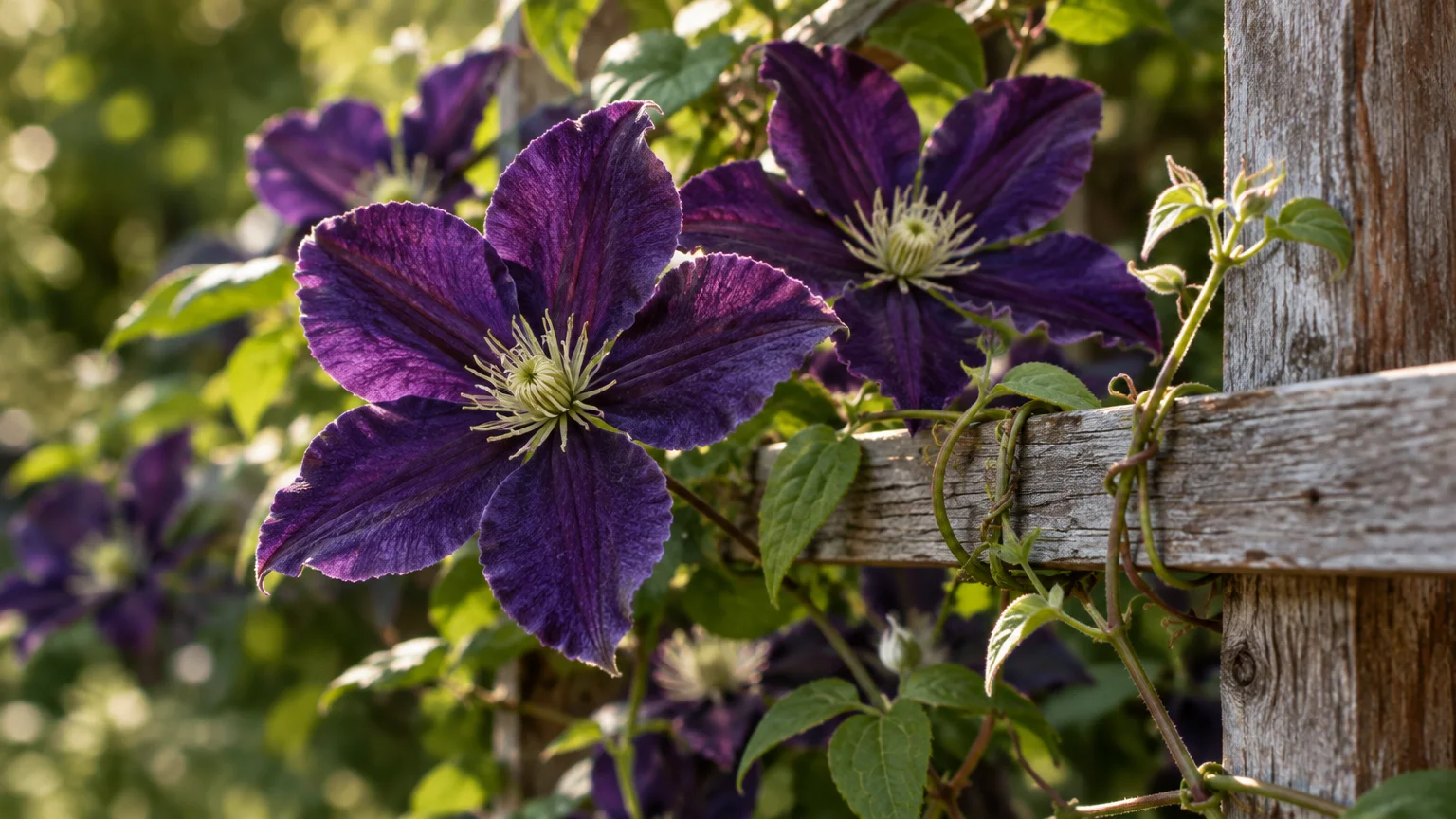
Outdoor Strategy #6: Jackman Clematis (Clematis ‘Jackmanii’)
Jackman clematis acts as a vertical showstopper, blanketing trellises, arbors, and bare walls with velvet-purple star blossoms. Each flower opens four to seven inches wide from midsummer onward.
This classic climbing vine excels in USDA Hardiness Zones 4 through 8, preferring cool roots and full sun overhead. Shading the root zone with low perennials keeps the plant healthy.
Belonging to Clematis Pruning Group 3, Jackmanii flowers entirely on vigorous new spring growth. Cut all old stems back to twelve inches above the ground in early spring before buds open.
Train the climbing vines over pergolas, chain-link fences, or weathered stone pillars. The intense royal purple petals contrast beautifully against light cedar wood, white siding, and warm brick walls.
Provide consistent soil moisture and a thick organic mulch layer around the base of the plant. Consistent hydration prevents midsummer stress and rewards you with hundreds of vivid blossoms.
Outdoor Strategy #7: Russell Hybrid Lupine (Lupinus polyphyllus)
Russell hybrid lupines produce imposing, dense spires of purple pea-like flowers that soar above palmate foliage. Their dramatic form injects formal vertical height into rustic cottage borders and informal beds.
Ideal for USDA Hardiness Zones 4 through 8, lupines flourish during mild, cool early summers. They prefer slightly acidic, well-draining soils that remain consistently cool and moist throughout spring.
Deadhead spent floral spikes immediately down to the foliage to encourage late-summer reblooming. This practice prevents energy waste on seed pods and maintains lush green foliage through the season.
As nitrogen-fixing legumes, lupines naturally enrich poor soils while building up surrounding plant communities. Avoid high-nitrogen fertilizers, which stimulate excessive leaf growth over dramatic blooms.
Pair these architectural beauties with soft mounding plants like lady’s mantle or silvery lamb’s ear. The contrasting textures and colors generate immediate visual rhythm across your flower beds.
Plant lupines from starter pots early in spring because their long taproots resent summer root disturbance. Established plants resist wind shear and hold their vertical structure through rainstorms.
Outdoor Strategy #8: New York Ironweed (Vernonia noveboracensis)
New York ironweed provides an electrifying late-season finale, bearing massive clusters of vivid magenta-purple florets atop towering stems. It easily commands the rear of late-summer borders with bold presence.
Hardy in USDA Hardiness Zones 5 through 9, this resilient native plant thrives in moist, rich soils and full sun. It handles wet clays and seasonal flooding without hesitation.
Reaching heights of six to eight feet, ironweed creates a living summer privacy screen or dynamic backdrop. Cut stems back by half in early June to produce a bushier, shorter plant.
Migrating monarch butterflies, swallowtails, and native bumblebees flock to these rich purple nectar sources during September. It serves as an essential ecological anchor for late-season pollinator conservation.
Pair ironweed with native goldenrods, Joe Pye weed, and tall switchgrass for a majestic autumn prairie display. The intense royal purple and gleaming gold create an unforgettable seasonal partnership.
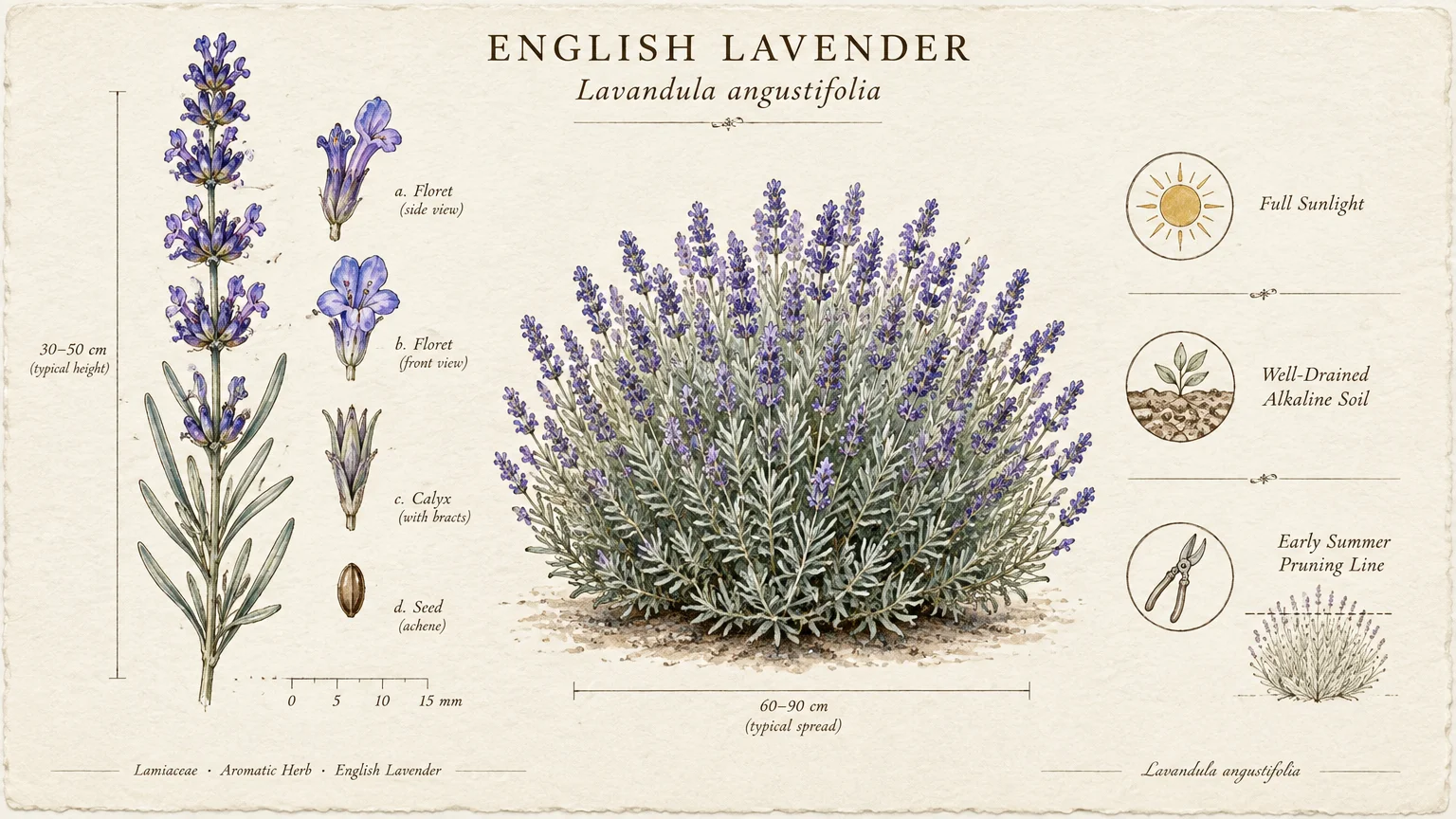
Outdoor Strategy #9: English Lavender (Lavandula angustifolia)
English lavender delivers sensory drama, merging aromatic gray-green foliage with dense spikes of violet-purple blooms. Its classic Mediterranean appearance lends sophisticated order to tidy landscape designs.
Thriving across USDA Hardiness Zones 5 through 9, lavender insists on scorching sun and gritty, alkaline soil. Poor soil low in organic matter keeps lavender compact and healthy over many seasons.
Prune the plants lightly after flowering in summer, trimming green stems without cutting into old woody tissue. Regular trimming maintains a dense, tidy mound and prevents hollow centers from forming.
Line garden paths with lavender to release refreshing essential oils whenever brushing against the stems. The cool purple blossoms bring calm elegance to hot pool patios and stone terraces.
Excellent drainage is vital during winter freezes, so plant crowns slightly elevated on raised mounds or ridges. Excess moisture around roots remains the most common threat to lavender survival.
Seasonal Considerations for Your Garden
Seasonal timing dictates the health, vigor, and bloom density of all purple flowering plants. Adapting your garden chores to each distinct season ensures strong root systems and continuous floral color.
In early spring, clean away winter debris and assess perennial crowns for signs of new green shoots. Cut back dead ornamental grass foliage and prune woody perennials like Russian sage down to six inches.
Apply a balanced, slow-release organic fertilizer around emerging perennials before spring rains begin. Avoid fertilizing lavender and lupines heavily, as rich nutrients encourage weak stems rather than abundant flowers.
Midsummer requires diligent water management and strategic deadheading across your garden borders. Shear spent salvia spikes to stimulate fresh purple blooms and deadhead coneflowers to extend their season.
Monitor soil moisture around water-loving Japanese irises during extended hot dry stretches. Deep, infrequent soaking encourages perennials to send roots deep into the soil profile where moisture lingers.
In autumn, your focus shifts toward soil preparation, planting hardy bulbs, and winter protection. Plant giant allium bulbs into well-drained beds before the ground freezes solid in late November.
Leave sturdy seed heads of purple coneflower and New York ironweed standing throughout the fall. These architectural seed structures nourish local bird populations and create dramatic winter silhouettes in your garden beds.
Before winter arrives, apply a two-inch layer of shredded bark mulch around perennial root zones. Keep mulch pulled several inches away from plant crowns to prevent excess moisture retention and rot.
In cold northern regions, protect young clematis vines with an extra mound of compost around their roots. This simple insulating layer guards tender root systems against damaging freeze-thaw cycles.
Dealing with Outdoor Pests and Weather
Outdoor gardens face constant pressure from wildlife browsing, aggressive insects, and erratic climate events. Protecting your dramatic purple blooms requires practical defensive strategies tailored to these environmental challenges.
Deer and rabbits frequently target lush green perennial shoots during the early spring months. Choose naturally aromatic purple perennials like lavender, salvia, and Russian sage to deter herbivores without fencing.
If deer pressure is severe, apply organic deterrent sprays containing spicy pepper or putrescent egg solids. Reapply these sprays every three weeks and immediately following heavy rainstorms to maintain protection.
Common insect pests like aphids and spider mites target tender new perennial shoots during warm weather. Blast infested stems with a sharp stream of water from your garden hose to dislodge pests safely.
Encourage beneficial predatory insects like ladybugs, lacewings, and hoverflies by eliminating broad-spectrum chemical insecticides. These natural predators rapidly consume aphid colonies without damaging delicate flower petals or harming visiting bees.
Combat prolonged drought and blistering summer heatwaves by installing drip irrigation or soaker hoses beneath mulch. Drip lines deliver water directly to the soil, minimizing fungal foliage diseases and reducing water evaporation.
Sudden late spring frosts can scorch emerging flower buds on plants like lupines and hydrangeas. Cover vulnerable plants overnight with breathable frost blankets or overturned buckets, removing covers promptly the next morning.
Winter wind desiccation threatens broadleaf plants and woody perennials like lavender in exposed yards. Construct temporary burlap windbreaks around vulnerable plantings to protect them from dry, freezing winter gusts.
Ensure garden beds slope gently away from structures and low spots to prevent standing winter water. Excess pooling water during freeze-thaw cycles suffocates roots and causes rapid crown rot in dormant perennials.
Frequently Asked questions
Which purple flowering plants bloom for the longest period during the growing season?
Caradonna salvia and purple coneflower rank among the longest-blooming purple perennials for sunny landscapes. Both species reliably produce flowers from early summer straight into autumn when properly maintained and deadheaded.
Russian sage also offers exceptional longevity, maintaining its hazy lavender-purple cloud for twelve weeks or more. Pairing these extended bloomers ensures your beds maintain continuous purple color throughout the entire summer.
How do I choose between cool lavender tones and deep royal purple flowers?
Cool lavender shades create an illusion of greater distance, making compact yards feel noticeably larger and more serene. Pale violet-blue tones soften harsh direct sunlight and harmonize effortlessly with pastel pinks, whites, and silvers.
Deep royal purple varieties act as commanding focal anchors that demand immediate attention from visitors. Use dark purples to anchor borders and create dramatic contrast against brilliant yellow or bright orange companion plants.
Can I grow dramatic purple flowers successfully in heavy clay soil?
Several outstanding purple selections tolerate heavy clay soil naturally, including purple coneflower and New York ironweed. Both species possess vigorous root systems capable of penetrating dense subsoils without rotting.
For drainage-sensitive plants like lavender and Russian sage, plant crowns on raised mounds or elevated berms. Incorporate coarse horticultural grit and expanded shale into planting holes to ensure rapid excess water runoff.
What are the best companion colors to pair with purple flowers for maximum contrast?
Golden yellows, warm oranges, and lime greens create the most electric visual contrast alongside rich purple petals. Because purple sits directly opposite yellow on the traditional color wheel, these pairings amplify each other’s visual intensity.
When curating the best purple flowers for gardens, mix deep purple salvia with golden black-eyed Susans or yellow coreopsis. For a modern design, surround purple blooms with chartreuse hostas or golden Hakonechloa grass.
Check your USDA Plant Hardiness Zone at the USDA’s website. For lawn and garden care advice, consult your local University Extension program (listed here).
Find native plant information from the National Wildlife Federation.
Disclaimer: This article provides general outdoor gardening advice. Success can vary greatly based on your specific climate, soil type, and local conditions.
Always choose plants appropriate for your USDA Hardiness Zone.