
You can protect your delicate seedlings and stop cats digging in your garden beds without resorting to harsh chemicals or stressful barriers. Safe, natural deterrents safeguard your tender greens while respecting your neighborhood animals.
Feline visitors love soft, freshly cultivated soil for their personal litter boxes, but simple home remedies quickly redirect their wandering paws. These non-toxic solutions preserve your thriving harvest and keep your garden peaceful.
Explore proven remedies that keep your outdoor haven fragrant, healthy, and feline-free throughout the entire growing season. You will transform your cultivated beds into an inhospitable zone for curious cats while enhancing overall soil vigor.
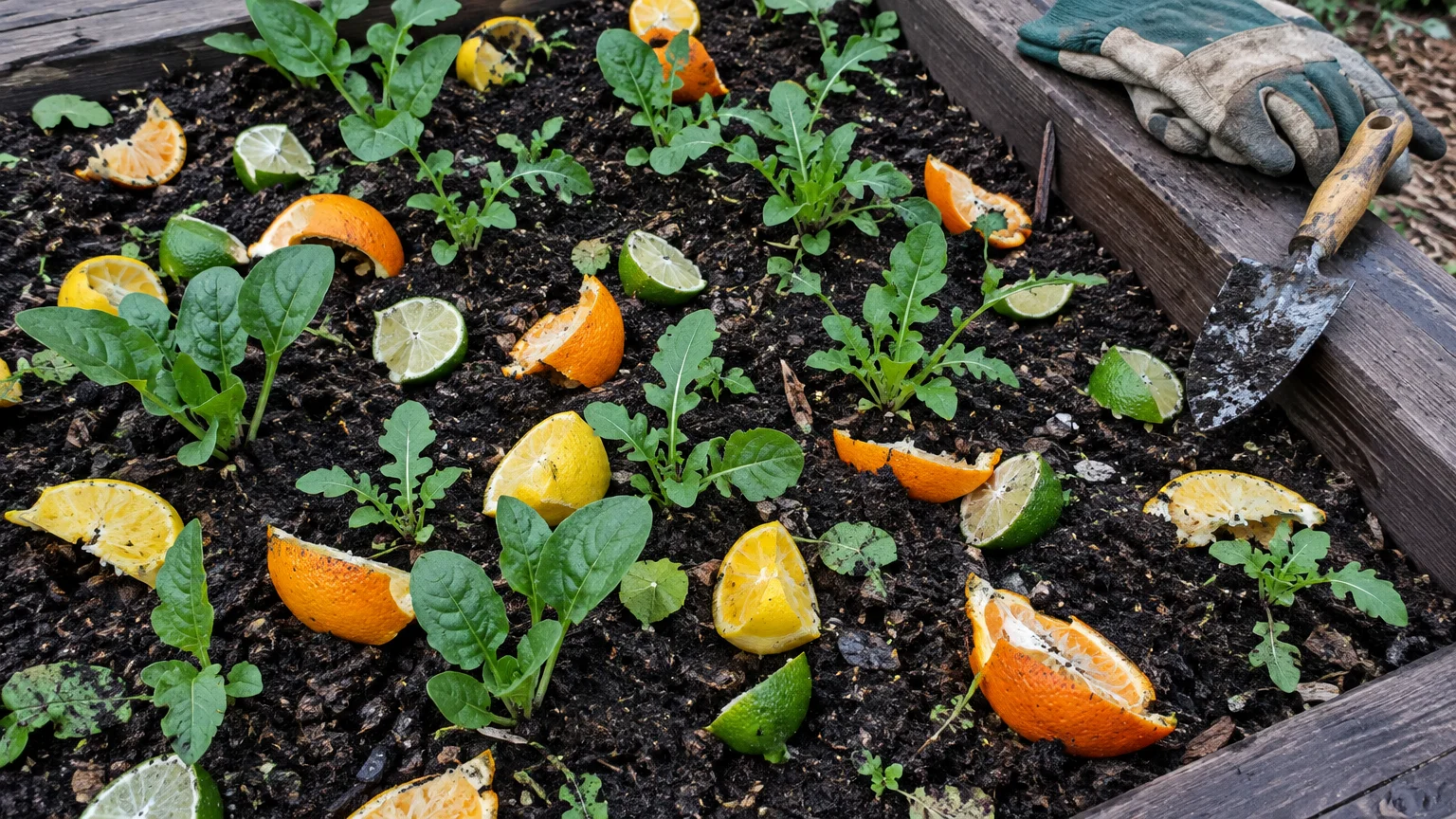
Tip #1: Scatter Fresh Citrus Peels
Cats possess an exceptionally sharp sense of smell, boasting millions more olfactory receptors than humans. This keen nasal sensitivity makes concentrated citrus scents deeply offensive to roaming felines.
You can easily repurpose your kitchen scraps by saving fresh lemon, lime, orange, and grapefruit rinds. Coarsely chop the fresh peels to rupture the oil glands and release their potent fragrance.
Scatter the fragrant pieces directly across exposed soil beds where neighborhood cats frequently loiter. The colorful peels create an effective natural cat repellent that biodegrades cleanly into the earth.
While decaying peels nourish your soil biology, warm outdoor air gradually dissipates their volatile citrus oils. Replenish your peel barrier every few days and after every heavy rainstorm to maintain maximum potency.
This simple routine protects your tender greens without introducing synthetic chemicals to your garden ecosystem. Your plots stay pristine, and wandering animals quickly learn to steer clear of the pungent borders.
For an added boost, combine fresh peels with a splash of diluted lemon juice across surrounding timber borders. This creates a persistent scent fence that stops cats from approaching your delicate leafy vegetables.
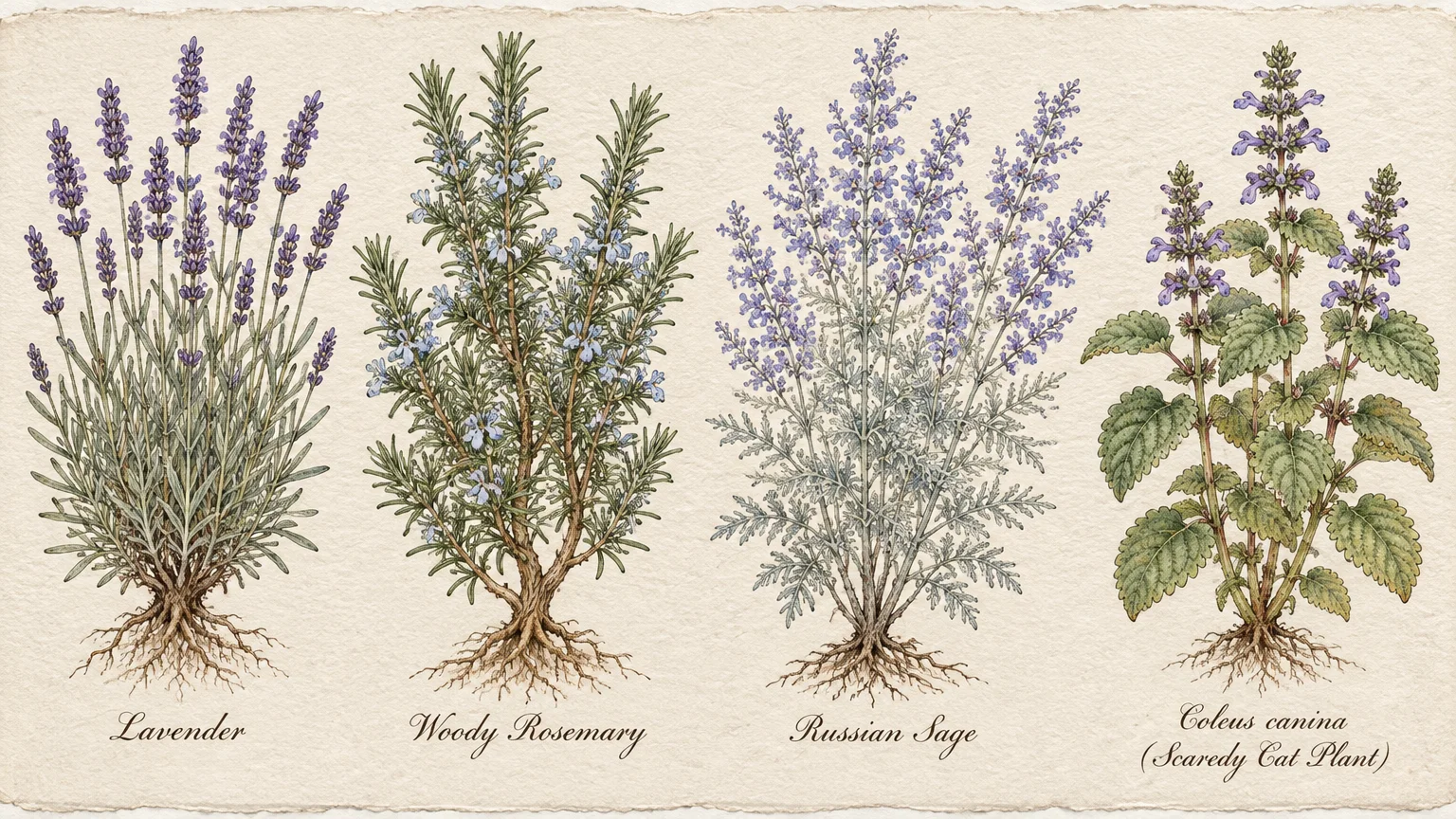
Tip #2: Plant Aromatic Cat Repellent Plants
Living barriers offer an attractive, long-term method to protect your beds while adding ornamental charm. Strategically placing cat repellent plants builds an aromatic shield that keeps curious felines at bay.
Felines strongly dislike herbs packed with pungent essential oils, including hardy lavender, Russian sage, and woody rosemary. These sun-loving perennials produce dense, fragrant foliage that cats actively avoid brushing against.
You can also establish Coleus canina, commonly marketed under the name Scaredy Cat plant. This resilient specimen emits an intense, musky odor that felines find completely intolerable.
Position these aromatic defenders around the outer perimeters of your raised planters and along garden pathways. Their sturdy stems create both an unpleasant odor barrier and a physical blockade against trespassing animals.
In addition to driving away unwanted felines, these colorful plants entice vital pollinators like bumblebees and swallowtail butterflies. Your garden gains vibrant blossoms, delicious culinary herbs, and reliable animal protection simultaneously.
Interplant these fragrant species alongside vulnerable rows of carrots, spinach, and tender salad greens. The contrasting botanical textures enrich garden aesthetics while keeping the underlying soil safe from disturbances.
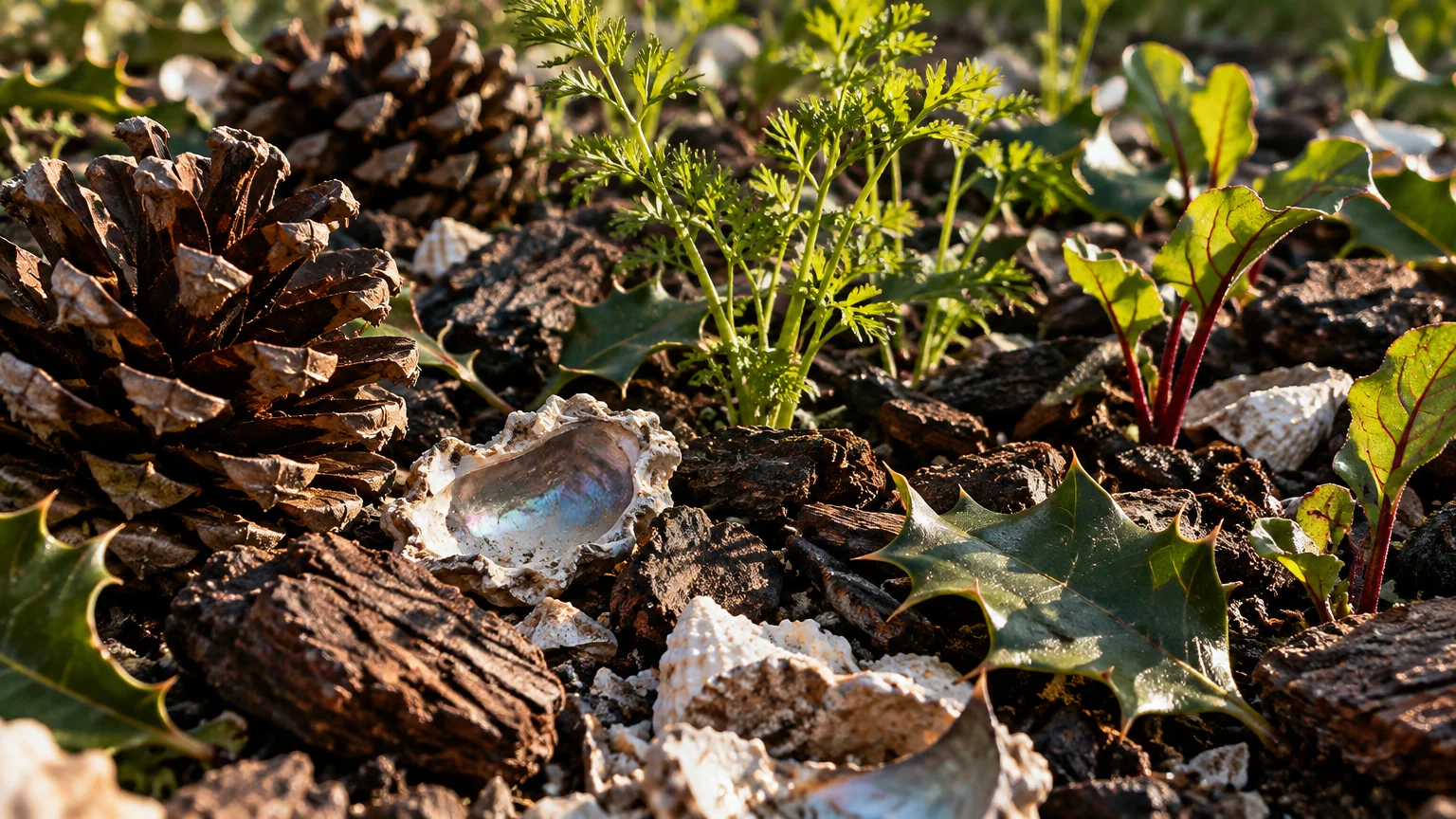
Tip #3: Apply Coarse and Prickly Mulches
Cats instinctively seek out fine, velvety soil that feels gentle and inviting on their sensitive paw pads. You can immediately stop cats digging by introducing rough, irregular textures across your planting beds.
Layer sharp organic materials across open ground, such as whole pine cones, crushed sea shells, and coarse bark. You can also disperse dry holly leaves and thorny berry bramble trimmings around vulnerable root zones.
Felines will refuse to tread across these prickly surfaces because walking on them causes immediate tactile discomfort. The rough mulch prevents them from scratching, scraping, or settling into their habitual digging posture.
Beyond animal deterrence, coarse organic mulches provide superb benefits by preserving precious soil moisture and preventing weed growth. Your garden soil stays cool during scorching summer days while remaining protected against erosion.
Spread a dense two-inch layer around your developing vegetable crops, leaving zero patches of soft earth exposed. Neighborhood cats will quickly bypass your spiky borders in search of softer digging grounds elsewhere.
As the prickly materials slowly decompose over several seasons, they enrich the soil structure with beneficial organic matter. This dual-purpose technique rewards your plants while delivering lasting peace of mind.
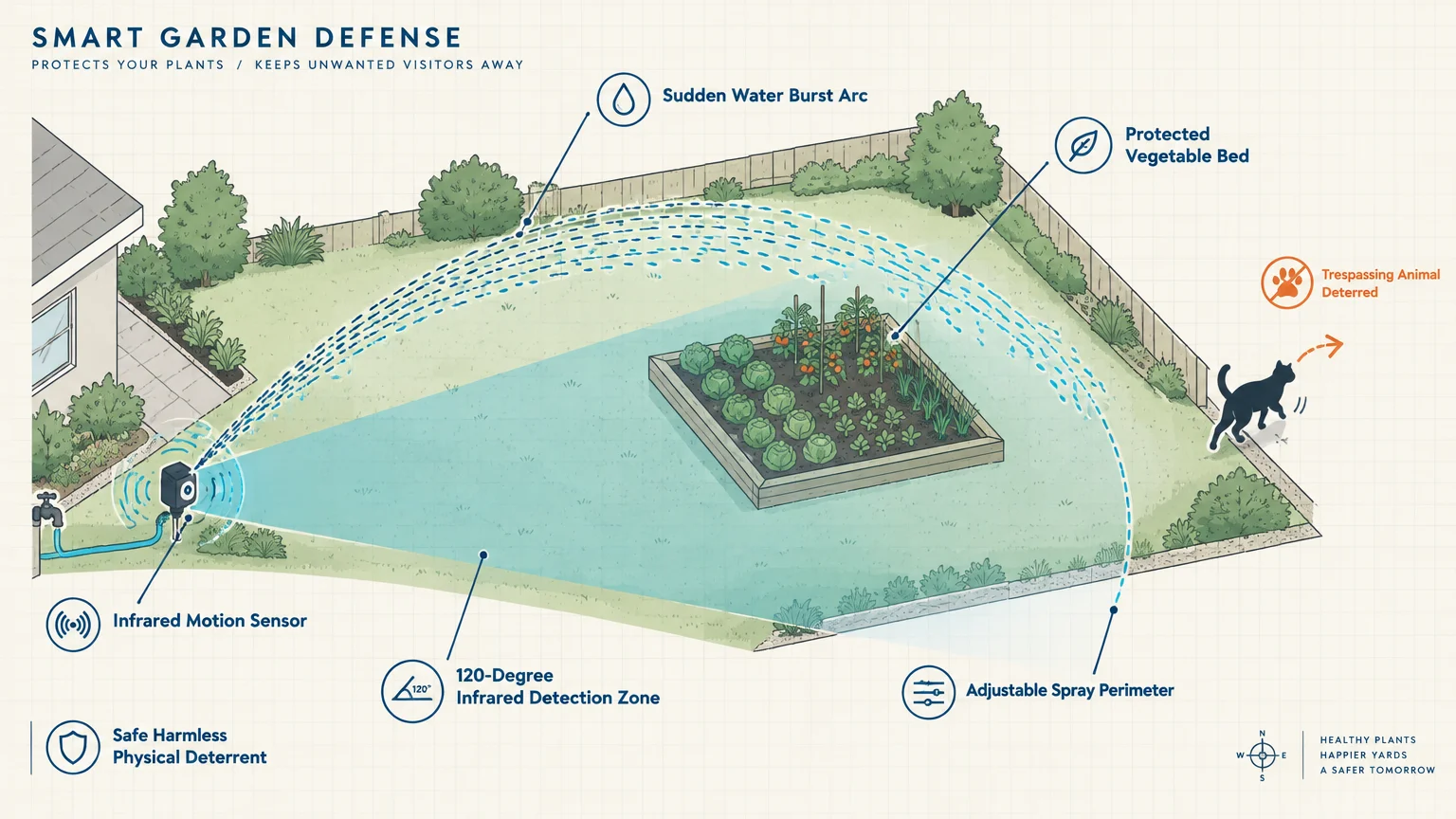
Tip #4: Install Motion-Activated Sprinklers
Water provides an instantaneous, highly effective deterrent that safely trains neighborhood animals to steer clear. A sudden burst of water startles curious cats and teaches them that your beds are off-limits.
Set up a motion-activated garden cat deterrent sprinkler connected to your regular garden hose at key entry points. The built-in infrared sensor detects animal movement up to thirty feet away across wide angles.
When an encroaching cat steps into range, the sprinkler releases a quick, startling jet of clean water. Felines despise unexpected drenching and immediately bolt in the opposite direction without suffering any physical harm.
After just a couple of damp encounters, visiting animals develop a strong psychological aversion to that area. They quickly map your garden space as an unpredictable hazard and alter their neighborhood walking routes.
This automated sentry functions reliably day and night, eliminating the need for constant vigilance or messy applications. It provides round-the-clock defense while conserving water through brief, measured spray cycles.
Position the spray head toward pathways rather than directly into delicate flower blooms to avoid crushing tender stems. You will maintain pristine, undisturbed soil while keeping local wildlife safely at bay.

Tip #5: Distribute Used Coffee Grounds
Your morning brewing routine supplies an outstanding, cost-free remedy to keep cats out of garden plots. The dark, roasted scent of spent coffee grounds acts as a powerful deterrent against roaming felines.
Collect your daily grounds and scatter them in a light, even dusting across the soil surface. Never dump thick clumps, as compact piles can form a water-repellent crust or harbor fungal mold.
Cats that walk over the scattered grounds get the bitter particulate stuck between their toes. When they clean themselves, the foul taste reinforces an intense aversion to visiting your garden.
Meanwhile, your garden soil receives a generous boost of essential nitrogen, potassium, and trace minerals from the grounds. Beneficial earthworms eagerly consume this organic material, aerating your garden soil as they tunnel through beds.
Reapply fresh grounds once a week to maintain a potent aromatic barrier against inquisitive feline noses. The lingering roasted aroma blends naturally into the garden while consistently safeguarding your fragile young crops.
Ask local coffee shops for free five-gallon buckets of spent grounds if you manage large garden plots. This sustainable habit repurposes valuable kitchen waste while safeguarding your edible harvest entirely for free.
Tip #6: Lay Down Wire Mesh or Garden Lattice
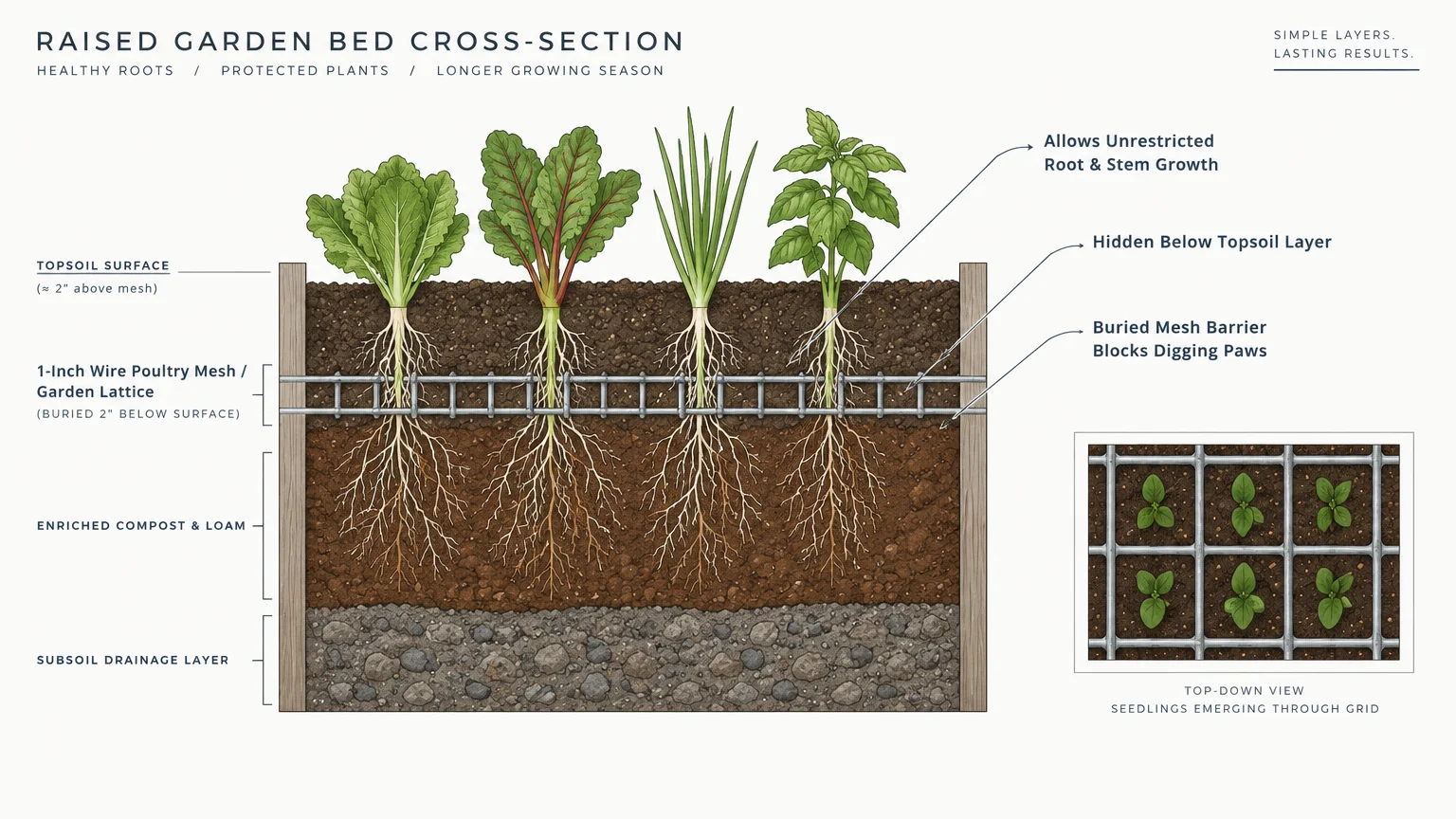
Persistent cats sometimes ignore scent barriers, requiring a firm subterranean shield to halt their digging habits. Installing sturdy mesh directly over your soil bed makes scratching and excavating physically impossible for cats.
Lay sheets of galvanized chicken wire, plastic hardware cloth, or light wooden lattice flat across freshly prepared beds. Felines cannot push their paws through the rigid grid to scoop out their customary bathroom trenches.
Use wire snips to cut neat cross openings in the mesh where you plan to plant your seedlings. Your young vegetables will grow upward freely through the openings while the surrounding ground remains completely armored.
Dust a thin layer of soil or shredded bark over the wire to conceal the hardware completely. The invisible grid stays hidden from sight while providing impenetrable protection beneath the surface of the bed.
Once your vegetables establish dense leaf canopies, their mature foliage naturally shades the soil and blocks feline access. At that stage, you can easily pull the mesh away or leave it buried permanently.
This fail-safe mechanical remedy ensures complete success in newly sown seedbeds where wandering animals love to dig. Your tiny seeds sprout without disturbance, yielding strong, straight rows of healthy vegetables.

Tip #7: Formulate an Essential Oil Spray Barrier
Concentrated plant essences provide a fast-acting liquid perimeter that repels wandering felines through sheer aromatic power. A simple homemade spray creates an invisible boundary line that sensitive animal noses refuse to cross.
Mix twenty drops of pure peppermint, eucalyptus, or lemongrass essential oil into two cups of warm water. Add a few drops of mild castile soap to emulsify the oils thoroughly throughout the liquid solution.
Pour the mixture into a clean spray bottle and shake the contents vigorously before every application. Spray the liquid generously along fence lines, stone borders, raised bed frames, and garden access pathways.
Avoid spraying concentrated essential oil solutions directly on delicate vegetable foliage, as potent botanical oils can cause leaf scorch. Focus your spray instead on non-living perimeter structures, stakes, and perimeter mulch rings.
The refreshing aroma smells wonderful to humans but delivers an overwhelming olfactory shock to approaching cats. Wandering felines will turn away at your property line to protect their highly sensitive nasal membranes.
Reapply this natural botanical spray weekly or after heavy rain to ensure constant aromatic protection across the garden. Your borders will smell like an invigorating herb meadow while deterring curious neighborhood pets.
Tip #8: Build an Attractive Cat-Friendly Sanctuary
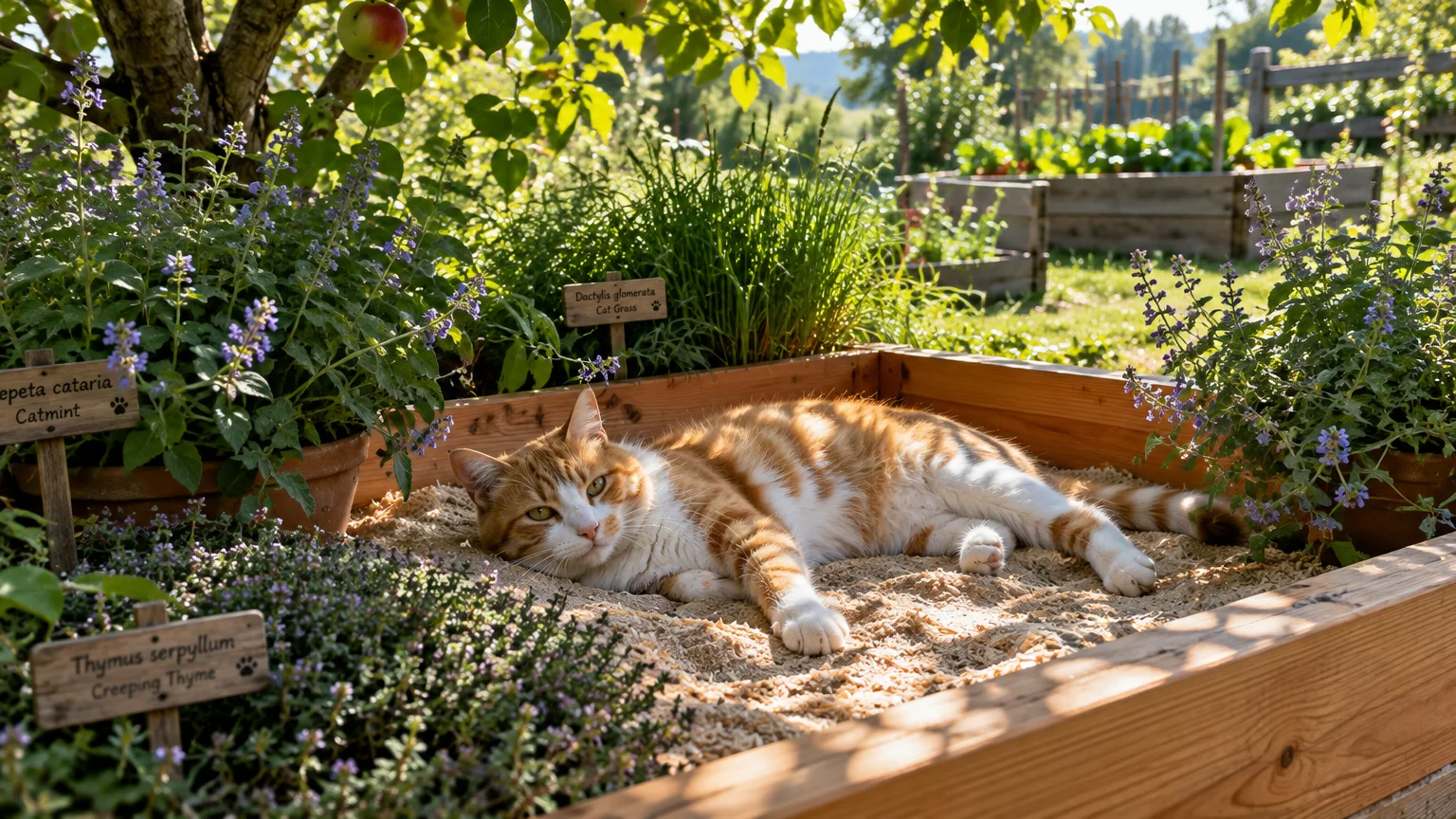
Sometimes the easiest way to protect valuable plants involves luring feline visitors toward an enticing alternative space. Providing an appealing sanctuary in an unused corner effectively distracts wandering cats from your prized beds.
Select an out-of-the-way nook well away from your edible vegetables, fragile perennials, and fruit bushes. Cultivate a lush patch of catnip (Nepeta cataria), fragrant catmint (Nepeta mussinii), and succulent cat grass there.
Place a shallow wooden box filled with clean, loose sand right beside these intoxicating feline herbs. Cats naturally gravitate toward this custom-built lounge to roll, nibble foliage, and dig safely away from crops.
This humane method honors natural animal behaviors while ensuring your prized culinary beds remain tidy and clean. Felines happily claim their designated play area, leaving your tender greens untouched and completely undisturbed.
Maintain the sanctuary by raking the sand box weekly and pruning back spent herb stems when needed. A well-kept feline retreat permanently solves garden conflicts without generating neighborhood stress or animal frustration.
By offering a far more appealing destination, you effortlessly steer curious paws away from delicate seedlings. Both you and your neighborhood cats enjoy harmony across the shared outdoor landscape.

Tip #9: Insert Wooden Skewers and Chopsticks
Cats demand open ground where they can easily turn, squat, and rake soil over their deposits. Inserting simple wooden skewers or bamboo chopsticks into bare dirt disrupts their physical ability to maneuver comfortably.
Press ordinary bamboo skewers pointed-end down into vulnerable soil, spacing them six to eight inches apart. Leave two to four inches of the blunt wooden end standing upright above the soil surface.
This simple grid makes it impossible for felines to find a comfortable crouching stance between your plants. Encountering awkward wooden obstacles, the animals promptly abandon the plot in search of an unhindered spot.
The slender wooden stakes blend naturally into your garden landscape and remain hidden as your vegetables expand. Bamboo biodegrades harmlessly into the soil over time, leaving zero toxic residues or synthetic clutter behind.
Apply this inexpensive deterrent around freshly planted seeds and tiny starts until their foliage covers the bed. Once the plant canopy thickens, simply collect the skewers and store them for the next season.
You can also use trimmed tree branches or pruned rose canes to achieve the same protective effect. Nature provides plentiful materials to protect your growing crops without spending money on commercial gadgets.
Tip #10: Deploy Sound and Light Deterrents
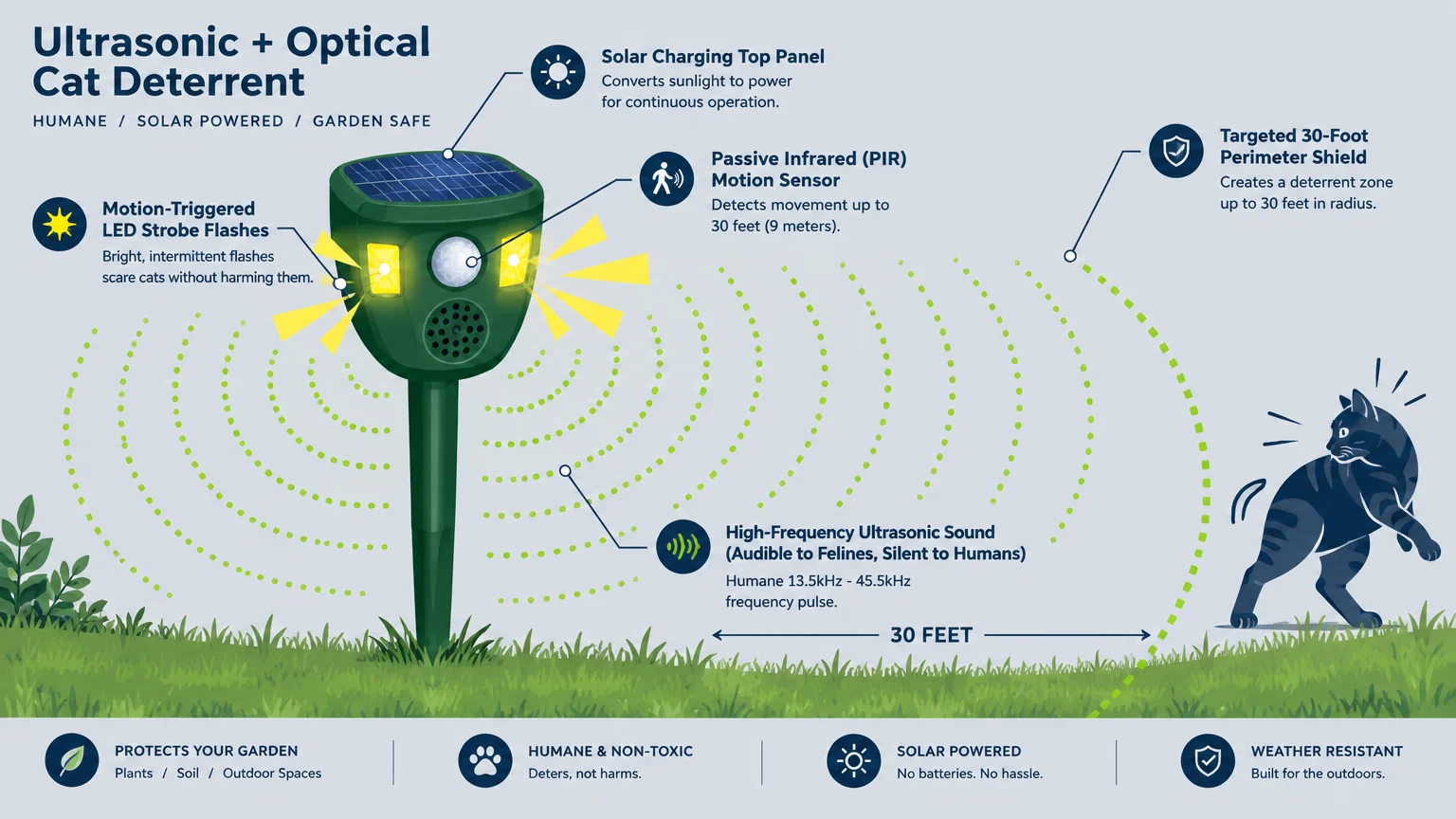
Felines thrive on stealth and quiet predictability whenever they explore outdoor territory. Introducing unexpected sounds and flickering light reflections unsettles their confidence, making your garden beds unappealing for leisurely digging.
Hang resonant metal or bamboo wind chimes near garden fence lines and entry gates. Gentle breezes generate sudden, random notes that startle creeping felines and disrupt their quiet routines.
Suspend strips of shimmering holographic tape or old compact discs from stakes directly inside your vegetable plots. As the reflective surfaces sway in the wind, they flash sudden glints of sunlight across the soil.
These erratic light flashes make cats feel exposed and vulnerable to unseen predators in open space. Unable to relax under the flashing reflections, trespassing felines quickly retreat toward darker, calmer ground.
Pair visual scare items with aromatic plant barriers to create a multi-sensory barrier felines cannot tolerate. Combining multiple natural deterrents prevents animals from becoming accustomed to any single sensory disruption.
Your garden beds remain tranquil and protected while dancing wind chimes add cheerful melody to breezy afternoons. You achieve a feline-free oasis through clever environmental adjustments rather than harsh confrontations.

Putting It All Together: Enjoy Your Beautiful Garden
Creating a thriving, bountiful garden does not require stressful battles with neighborhood felines. By layering tactile textures, aromatic herbs, and humane physical barriers, you easily safeguard your precious plants.
Observe which areas attract cats most frequently and apply the remedies that best suit your layout. Combining several complementary techniques ensures long-lasting protection against digging paws throughout every season.
Your garden should remain an inviting sanctuary filled with colorful blooms, crisp vegetables, and serene tranquility. Implement these gentle, eco-friendly strategies today to cultivate your best harvest yet in complete harmony with nature.
Take pride in knowing your growing space stays completely safe for pets, wildlife, and family members alike. Step outside and enjoy the lush, uninterrupted beauty of your flourishing garden beds.
Frequently Asked Questions
Will natural cat repellents harm my edible crops?
Non-toxic remedies like citrus peels, coffee grounds, and aromatic herbs are completely safe for food gardens. They break down naturally, enriching the soil with organic matter while steering wandering animals away.
Avoid spraying concentrated essential oil solutions directly onto leafy greens to prevent leaf burn. Apply liquid mixtures exclusively to surrounding mulch, garden stakes, and wooden raised bed frames.
How often should I reapply scent-based deterrents?
Scent remedies naturally lose their potency over time as exposure to sunshine and wind evaporates the fragrant oils. Plan to refresh citrus rinds, coffee grounds, and essential oil sprays once every week.
Always reapply scent barriers immediately after heavy rainstorms, which wash away volatile botanical compounds. Consistent maintenance reinforces the boundary line until visiting animals establish new habits elsewhere.
Why do cats prefer digging in vegetable gardens?
Domestic and feral felines instinctively search out loose, dry, and easily workable earth to bury their waste. Freshly tilled vegetable rows and soft seedbeds mimic ideal natural litter boxes for roaming cats.
Mulching your open beds or installing wire mesh eliminates that fine, soft texture entirely. Once the soil becomes difficult to dig, cats quickly move on to easier territory.
Is black pepper safe to use as a garden cat deterrent?
Black pepper and cayenne pepper can irritate a cat’s sensitive paws and face, leading to painful grooming distress. Humane gardeners should avoid spicy powders in favor of gentler aromatics like citrus and rosemary.
Gentle remedies change feline behavior effectively without causing unnecessary physical discomfort or eye inflammation. Stick with fragrant herbs and coarse mulches for safe, compassionate results across your garden.
For region-specific advice, consult your local University Extension program (find yours via the USDA directory). For plant databases and inspiration, visit the Missouri Botanical Garden or the Royal Horticultural Society.
Disclaimer: This article provides general gardening advice; always consider your specific climate, soil conditions, and local pests. Follow safety guidelines when using gardening tools and products.