You might assume the rarest blooms belong solely behind locked botanical glasshouses. Yet many endangered flowers share surprisingly practical lessons you can apply directly to your backyard beds, shaded borders, and patio containers.
Today, 45% of all known flowering plant species face extinction, and over three-quarters of newly described plants are already threatened. Knowing why these rare plants struggle helps you build healthier soil, smarter microclimates, and ethical gardens at home.
Below, you will explore 15 extraordinary flowers alongside hardy, legal nursery-grown plants and native alternatives that bring the same drama to your landscape.
1. Ghost Orchid (Dendrophylax lindenii)
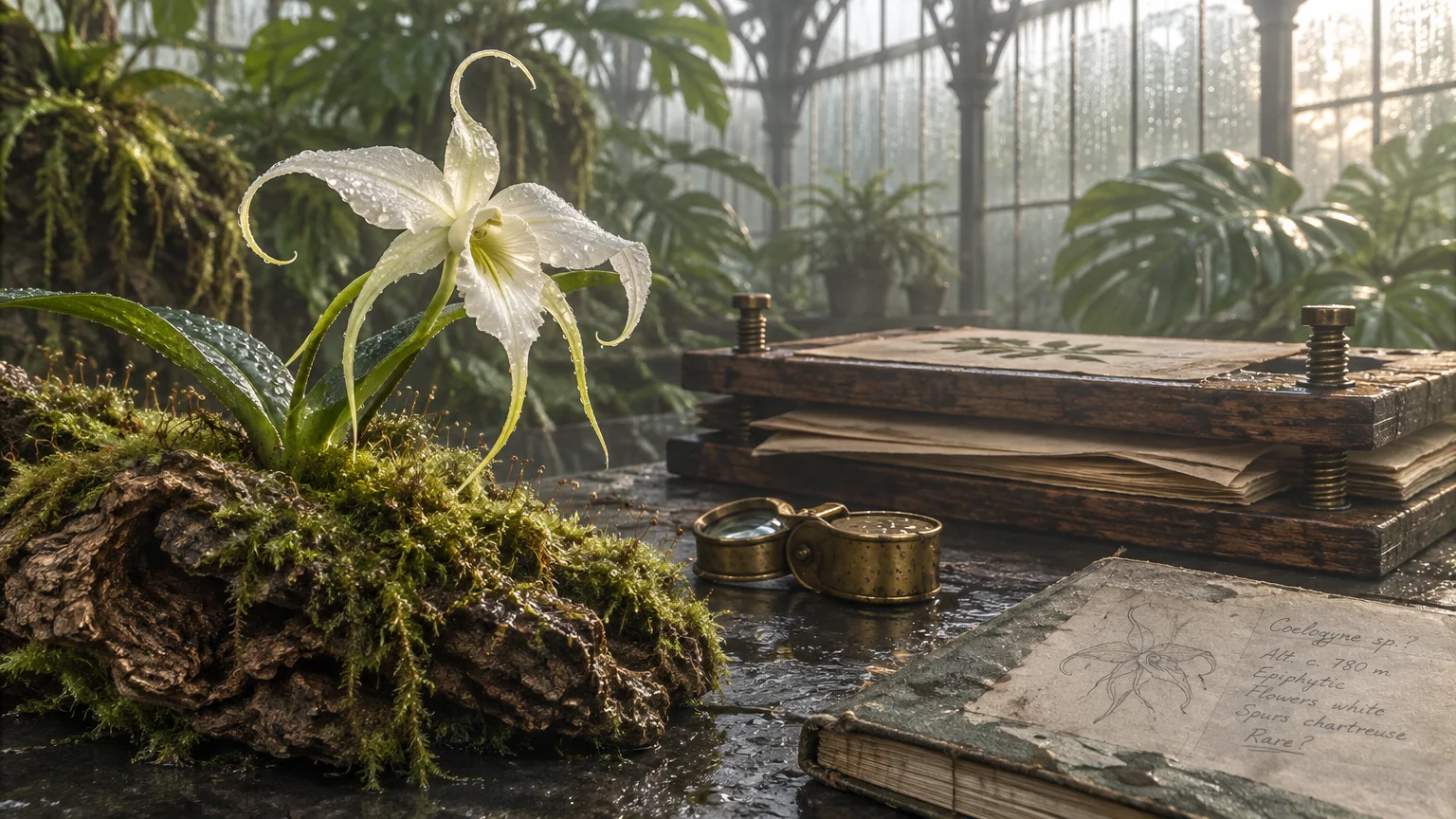
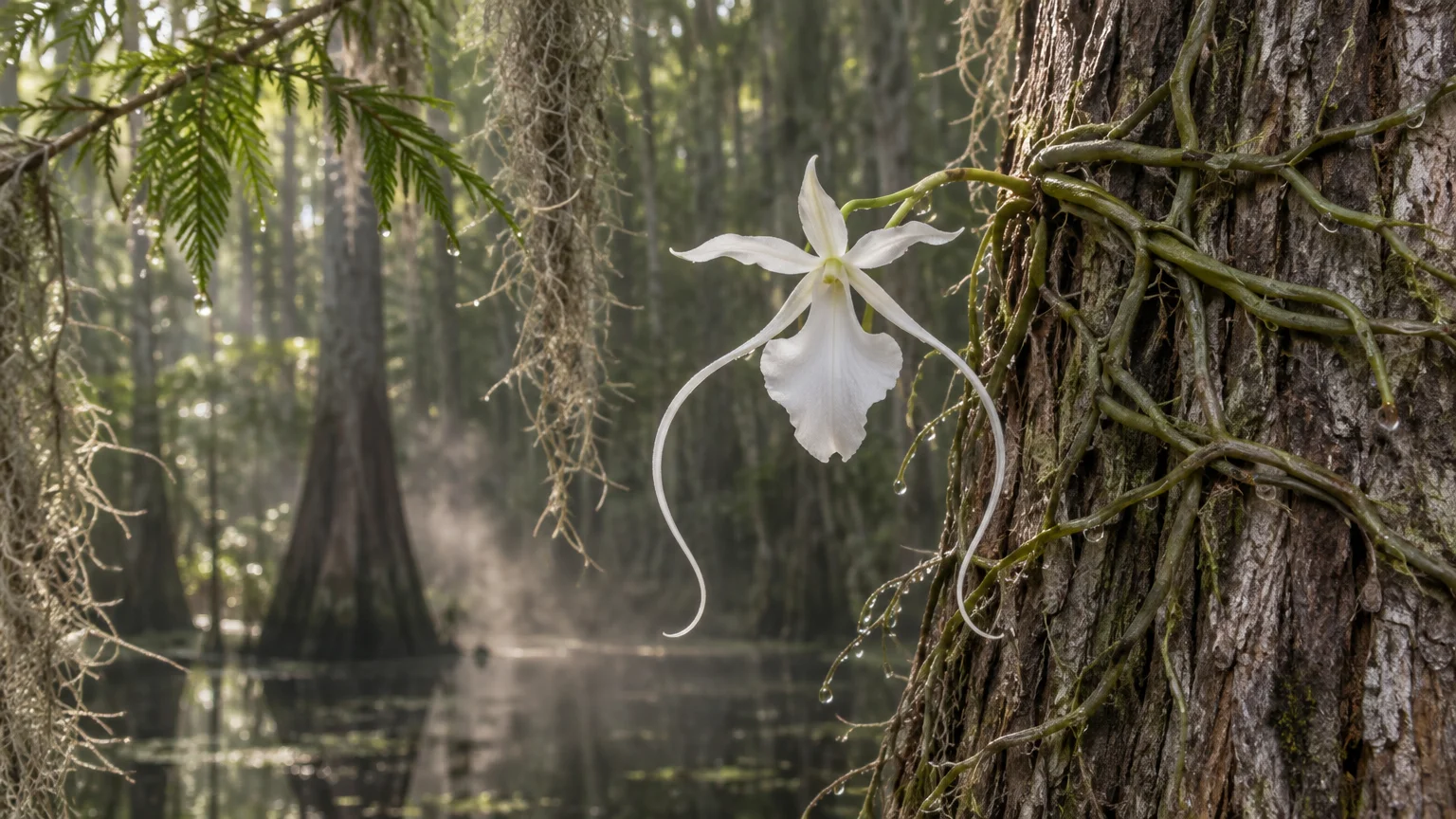
The leafless Ghost Orchid clings to tree bark in southwest Florida and western Cuba, dangling pure white blooms during June and July. Its first global assessment in 2026 classified it as Critically Endangered, with just 750 to 891 mature plants remaining.
In June 2025, the U.S. Fish and Wildlife Service proposed listing this CITES Appendix II orchid as endangered under federal law. A seven-year reintroduction trial saw only 15% of planted seedlings survive after 83 months, proving how fragile wild populations remain.
Never purchase wild-collected orchids; look instead for sterile flasked seedlings or hardy terrestrial native orchids suited to your region. If you garden in USDA Zones 10 or 11, mount nursery-grown epiphytic orchids on rough-barked live oaks where morning mist lingers.
Homeowners in cooler climates can capture that ethereal white woodland look with native bloodroot or nodding trillium under deciduous trees.
2. Lady’s-Slipper Orchid (Cypripedium calceolus)
Britain declared this striking yellow-and-maroon orchid extinct in 1917 before a single plant resurfaced in 1930 in the Yorkshire Dales. In summer 2024, conservationists celebrated the first naturally germinated wild seedling spotted there in nearly a century.
Growing roughly 30 centimeters tall and blooming in May and June, this species needs up to 10 years to produce its first flower. It relies on limestone-rich alkaline soil and specific underground mycorrhizal fungi to survive.
That picky biology explains why you should test your garden pH before investing in unusual perennials. For a dependable backyard version, buy laboratory-propagated North American pink or yellow lady’s-slippers matched to USDA Zones 3 through 7.
Plant them in dappled woodland shade with undisturbed leaf litter and zero synthetic fungicides.
3. Titan Arum or Corpse Flower (Amorphophallus titanum)
Native to Sumatra’s rainforests, the IUCN Endangered Titan Arum produces a towering inflorescence reaching 7 to 12 feet tall. Recent U.S. Botanic Garden blooms measured 73, 77.5, and 90 inches high, fueled by massive underground tubers weighing up to 100 kilograms.
Wait times test any gardener’s patience; seedlings take eight to nine years to flower, then open for only two or three days every few years. Its rotting-meat scent draws carrion beetles and flies across dense forest floors.
While few backyards can house a 170-pound tropical bulb, you can replicate that architectural foliage in partial shade using hardy voodoo lilies or elephant ears. Keep soil consistently moist and rich in compost throughout summer, then lift tender tubers before your first hard freeze.
4. Monster Flower (Rafflesia arnoldii)
Stretching nearly three feet across and weighing up to 24 pounds, the Monster Flower claims the title of largest individual bloom on Earth. Found in Sumatra and Borneo, it lacks leaves, stems, and roots, living entirely as a parasite inside tropical woody vines.
Roughly 60% of the 42 known Rafflesia species face severe extinction risk, and at least 67% of their habitats sit outside protected reserves. Because it cannot survive without its host vine, no botanical garden has successfully cultivated it for home growers.
Use this biological marvel as a reminder to design layered plantings where vines, shrubs, and groundcovers support one another. In sunny yards, pair vigorous native clematis or passionflower vines over sturdy arbors with shade-loving hostas cooling their root zones below.
5. Middlemist’s Red Camellia (Camellia japonica ‘Middlemist’s Red’)
Nurseryman John Middlemist brought this prized shrub from China to England in 1804, yet only two historic living specimens remain documented today. One thrives at London’s Chiswick House Conservatory, while another grows among early-1830s plantings at New Zealand’s Waitangi Treaty Grounds.
Despite its name, the shrub opens luminous deep-pink double blooms in late winter or early spring, usually peaking in March at Chiswick House. Mature shrubs reach six to 10 feet tall and five to eight feet wide.
Unlike truly unobtainable rainforest parasites, rare camellias offer practical lessons for shady foundation beds in USDA Zones 7 through 9. Give modern camellia cultivars partial shade, acidic well-draining soil between pH 5.5 and 6.5, and a sheltered spot protected from harsh morning winter sun.
6. Franklin Tree (Franklinia alatamaha)
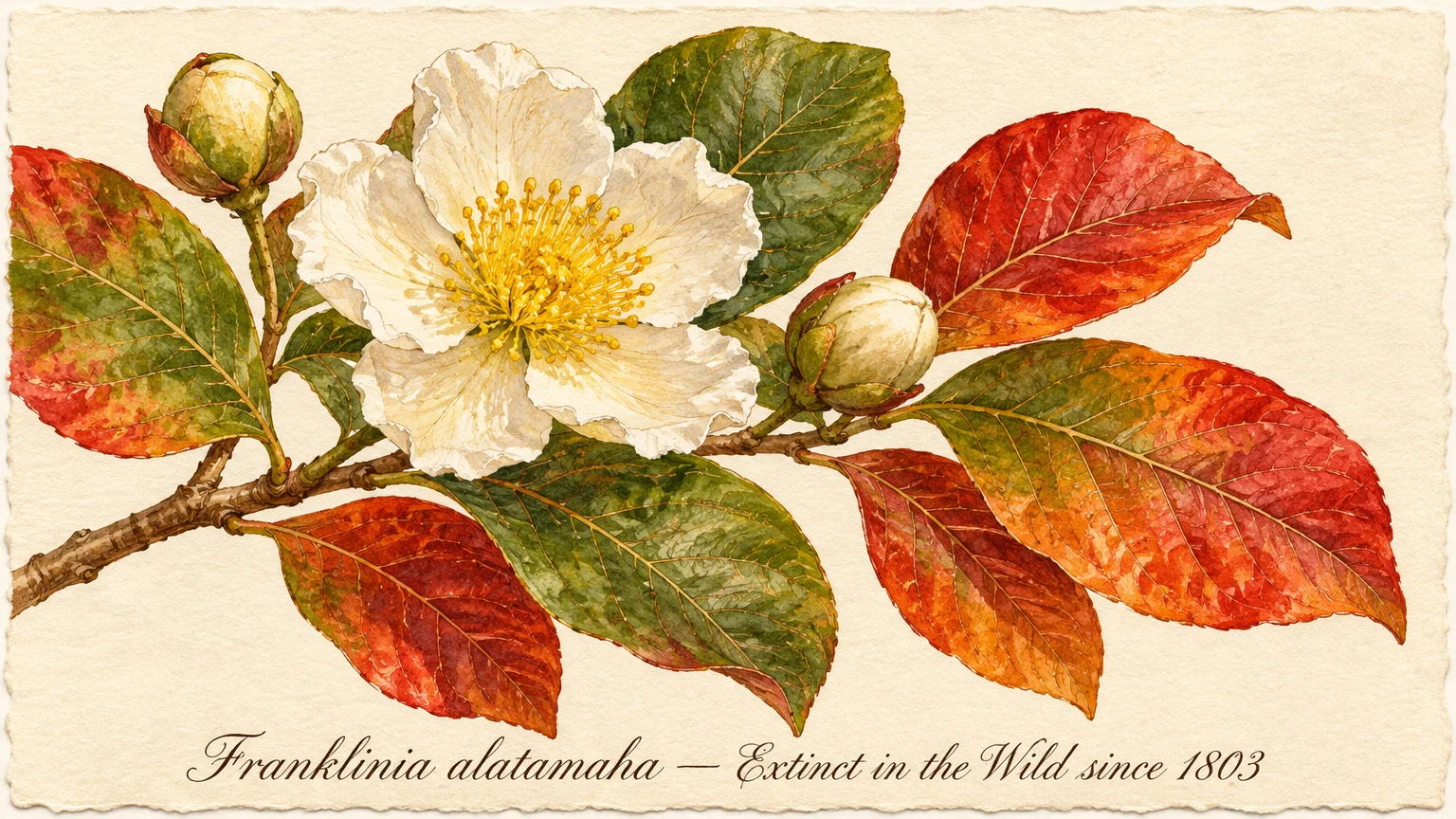
Botanists John and William Bartram discovered this small flowering tree in 1765 along a two-to-three-acre stretch of Georgia’s Altamaha River. They collected seeds in 1773, and the species has been extinct in the wild since 1803.
Every tree alive today descends from those salvaged seeds, thriving across USDA Hardiness Zones 5 through 8—and even Zone 9, with shelter needed in Zone 5. Reaching 10 to 20 feet tall, it unfurls fragrant two-to-three-inch white flowers in August and September against fiery autumn leaves.
Add a nursery-grown Franklin tree to your lawn as a multi-season focal point where full sun meets morning dew. Amend heavy clay beforehand with organic matter, and choose its permanent home carefully because sparsely fibrous roots resent transplanting.
7. Jade Vine (Strongylodon macrobotrys)
Hanging in luminous turquoise-green clusters, the IUCN Endangered Jade Vine grows naturally only in Philippine rainforests, where bats pollinate its claw-shaped blooms. Those surreal pastel tones look artificial even in bright midday light.
Homeowners in frost-free USDA Zones 10 through 12 can grow this vigorous climber outdoors over heavy pergolas in warm, humid conditions with filtered light. Expect dramatic cascading flower racemes through spring and summer once vines mature.
If freezing winters rule out tropical vines in your yard, echo that cool blue-green palette using hardy blue wisteria, sky-blue plumbago, or sea holly. Group cool-toned blossoms beside silver-leaved lamb’s ear to make evening patios glow.
8. Chocolate Cosmos (Cosmos atrosanguineus)
Originally native to Mexico, the velvet-maroon Chocolate Cosmos is classified by the IUCN as Extinct in the Wild. Every cultivated plant exists as a sterile clone divided from underground tubers, releasing a rich cocoa scent in warm afternoon sun.
This rare flower actually rewards everyday home gardeners across USDA Zones 7 through 10. Plant nursery-bought tubers in lean, sharp-draining soil and full sun for continuous blooms from midsummer until your first frost.
Hummingbirds and butterflies flock to its dark petals, making it a functional powerhouse along sunny walkways and vegetable patch edges. In colder zones, dig the tubers after frost blackens the foliage and store them dry in peat moss until spring.
9. Rothschild’s Slipper Orchid (Paphiopedilum rothschildianum)
Restricted to steep landslides between 500 and 1,800 meters elevation in Borneo’s Kinabalu Park, this IUCN Endangered orchid thrives on mineral-rich serpentinite soils. Soil tests in its tiny mountain range measure slightly acidic, between pH 5.8 and 6.7.
During its April and May peak, sturdy stems carry up to six dramatic striped flowers spanning five to 13 inches across. Because all wild orchids fall under CITES protection, only buy laboratory-raised seedlings from reputable licensed nurseries.
Even if you never grow tropical slipper orchids, their cliff-side home teaches an essential outdoor rule: drainage saves roots. Build raised stone berms or gravelly slopes for finicky rock garden perennials that rot in soggy winter clay.
10. Cooke’s Koki’o (Kokia cookei)
Cooke’s Koki’o—a small deciduous tree reaching roughly 10 feet tall—survived only through careful grafting after vanishing from its native Molokai habitat in Hawaii. Listed as IUCN Extinct in the Wild and both federally and state endangered, it bears glowing orange-red hibiscus-like blossoms.
Propagators famously kept this species alive by grafting scions onto related native hibiscus relatives, saving a genetic lineage nearly lost forever. That technique remains one of horticulture’s smartest tools for overcoming stubborn soil-borne diseases and poor root vigor.
Bring that same practical mindset to your backyard fruit trees, heirloom roses, and ornamental hibiscus. Selecting grafted varieties on hardy, locally adapted rootstock lets you enjoy delicate flowers without sacrificing winter survival or drought resilience.
11. Queen of the Andes (Puya raimondii)
High in the cold Peruvian and Bolivian Andes, roughly 800,000 individuals of this towering bromeliad endure fierce winds and thin mountain air. A single rosette waits more than 80 years to send up a giant flower spike packed with 8 to 12 million seeds, then promptly dies.
Livestock grazing, wildfires, and shifting mountain climates threaten those slow-maturing colonies today. Few residential gardens can wait eight decades for one bloom, yet spiky architectural rosettes bring unmistakable desert-mountain texture to dry slopes.
Create a fast-track version of this silhouette using hardy yucca, agave, or ornamental red-hot pokers matched to your local climate. Surround them with crushed granite mulch to mimic Andean scree and slash your summer watering bill.
12. Gibraltar Campion (Silene tomentosa)
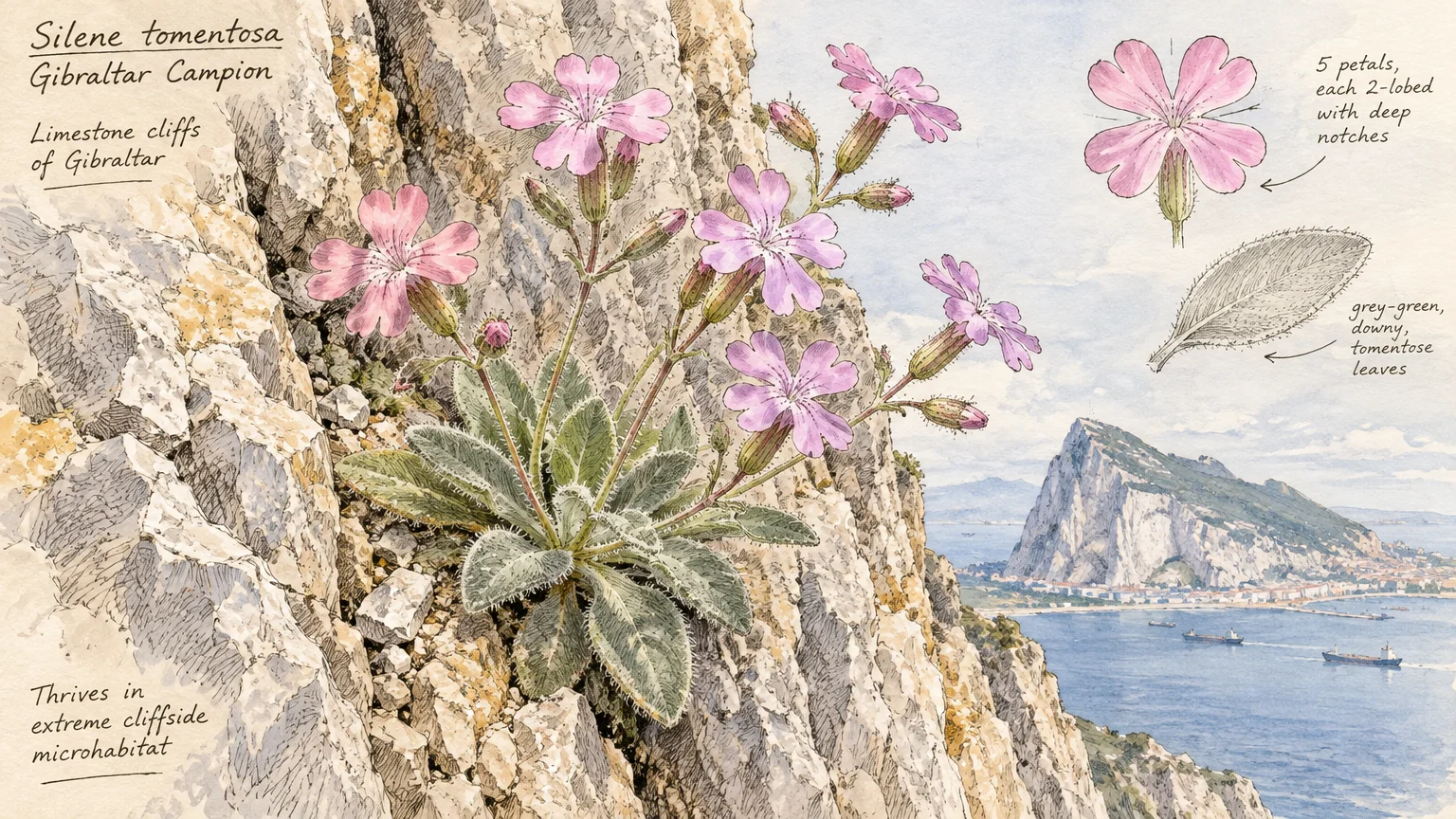
Clinging to sheer limestone cliffs on the Rock of Gibraltar, this delicate campion once vanished from botanical records before climbers rediscovered a tiny surviving patch. Its pale pink-to-white petals open from papery calyxes tuned to salty sea breezes and intense Mediterranean sun.
Plants that evolve on vertical stone faces despise rich, wet garden soil and heavy bark mulch. They anchor deep into narrow rock crevices where rainwater drains away within minutes.
Put that insight to work along dry stone retaining walls, sunny gravel paths, or raised alpine troughs in your yard. Plant dwarf soapwort, creeping thyme, or hardy native catchfly varieties in gritty mineral mix for tough, zero-fuss curb appeal.
13. Parrot’s Beak (Lotus berthelotii)
Native to dry pine-forest edges in the Canary Islands, Parrot’s Beak has grown vanishingly scarce in the wild while surviving widely in specialist nurseries. Silvery, needle-fine foliage spills over rock ledges beneath curved scarlet-and-orange blooms shaped like tropical bird beaks.
While hardy outdoors year-round only in mild, frost-free coastal pockets, it shines as a seasonal spiller in sunny porch urns and hanging baskets elsewhere. Give it gritty potting mix, bright morning sun, and light afternoon relief during blistering inland heatwaves.
Pair Parrot’s Beak with deep purple petunias or compact rosemary to create a pollinator-friendly container arrangement that handles missed waterings better than thirsty annuals.
14. Kadupul Flower (Epiphyllum oxypetalum)
Known widely as the Queen of the Night, this spineless jungle cactus produces large, fragrant white blooms that open after dark and wilt before sunrise. While cultivated widely by enthusiasts, catching its fleeting midnight performance feels nearly impossible without sharp timing.
Unlike desert cacti, jungle epiphytes prefer bright filtered shade, chunky orchid-bark potting soil, and warm summer porch breezes. Outdoors in frost-free zones, hang potted plants beneath high tree canopies where rain passes quickly through the root ball.
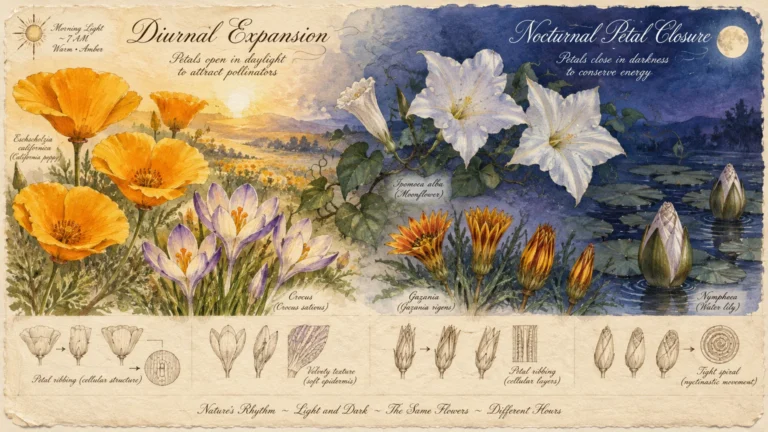
Add evening magic to your own patio by planting night-blooming four-o’clocks, flowering tobacco, or moonflower vines near seating areas. White petals reflect moonlight naturally and fill warm summer air with sweet scent for nocturnal moths.
15. Blue Vanda (Vanda coerulea)
Revered across misty Himalayan foothills and Southeast Asian woodlands, the Blue Vanda displays rare slate-blue checkered petals prized by collectors for generations. Because over-harvesting and habitat loss pressured wild orchids, the entire orchid family carries CITES protection today.
Never buy bare-root wild orchids from unverified sellers; under federal rules, importing or moving protected plants without proper permits violates strict quarantine and conservation laws. Even travelers bringing home unrestricted bare-rooted plants face a strict 12-plant cap and zero soil allowances.
Instead, choose sterile lab-propagated vanda hybrids for warm greenhouses, or brighten cold-climate borders with hardy blue-violet Siberian iris and monkshood. True blue flowers remain genuinely rare in nature, making any cool-toned perennial a standout anchor beside golden foliage.
Seasonal Considerations for Your Garden
Rare and delicate perennials demand timing synced closely to local frost dates and soil temperatures rather than calendar pages alone. In early spring, wait until soggy soil crumbles in your hand before planting tender tubers like chocolate cosmos or division-grown orchids.
Summer heat tests shallow-rooted woodland species and tropical patio containers alike. Apply two inches of shredded leaf mold or pine needles around acid-loving shrubs such as camellias and Franklin trees to stabilize root moisture and prevent surface crusting.
Fall offers the safest window to establish hardy woody specimens while soil stays warm enough for root growth before winter dormancy. Hold off on late-season nitrogen fertilizer so tender shoots harden properly before freezing winds arrive.
Winter calls for restraint rather than fussing; leave healthy perennial stems standing to shield crowns from icy thaw-freeze cycles and shelter overwintering beneficial insects.
Check your USDA Plant Hardiness Zone at the USDA’s website. For lawn and garden care advice, consult your local University Extension program (listed here).
Find native plant information from the National Wildlife Federation.
Dealing with Outdoor Pests and Weather
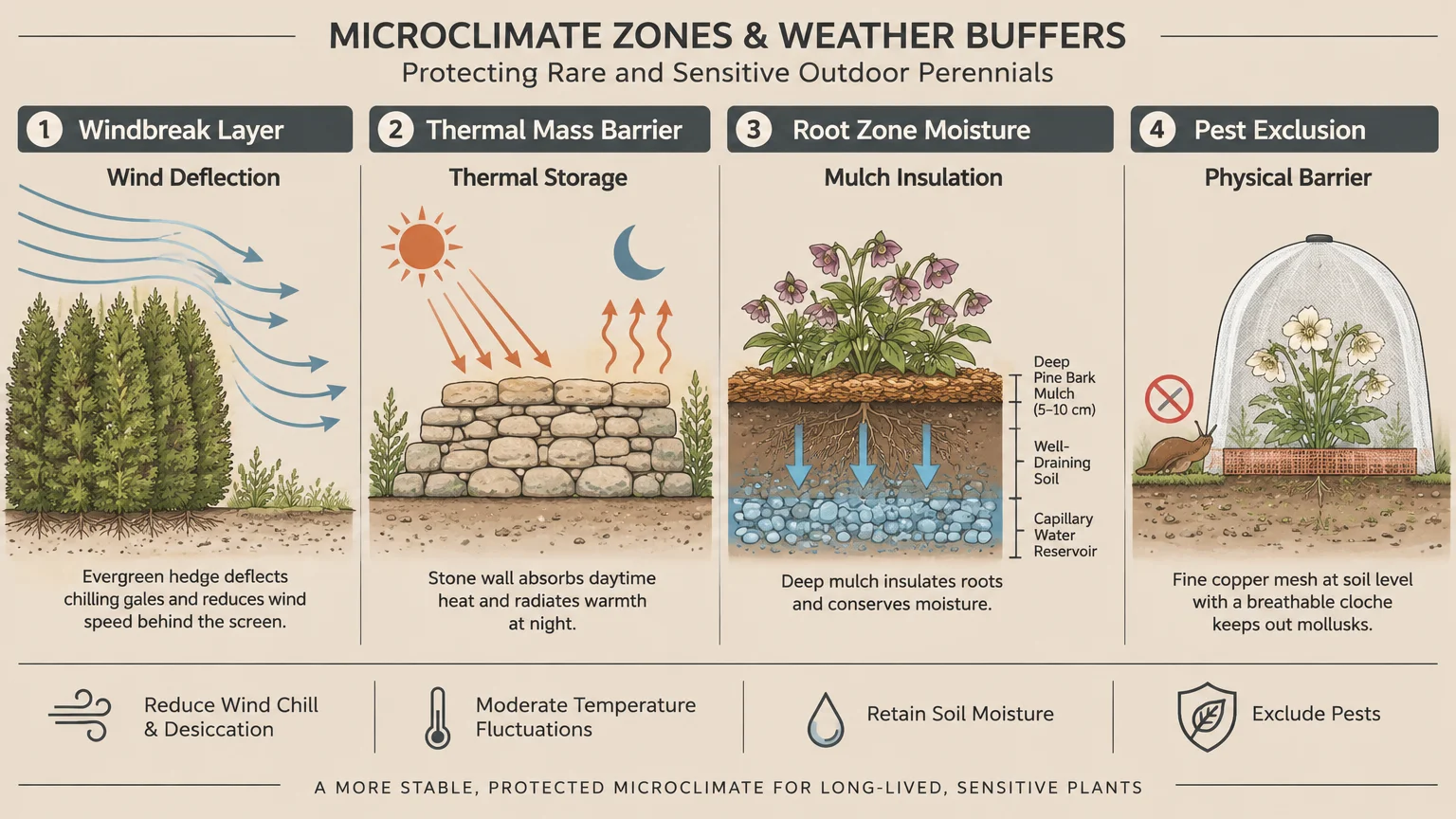
Hungry deer and rabbits rarely ignore prized, unusual perennials, especially fresh spring shoots emerging after winter scarcity. Protect vulnerable plantings like native orchids and young Franklin trees with physical wire cages or alternating scent repellents rotated after heavy rain.
Slugs and snails target fleshy leaves and tender flower buds in damp, shaded beds where moisture-loving woodland rarities thrive. Clear rotting boards, space plants for brisk morning airflow, and water deeply at dawn rather than late evening.
Extreme weather swings punish plants adapted to narrow wild microclimates. Use breathable frost cloth anchored to the ground—never draped plastic touching leaves—when late spring freezes threaten early camellia buds, and sink sensitive tropical pots into sheltered corners during summer gales.
For drought resilience, group water-thirsty blooms near downspouts or rain barrels while keeping gravelly, sun-baked slopes dedicated to arid-adapted plants.
Frequently Asked Questions
Can homeowners legally buy and grow endangered or rare plants?
Yes, provided you purchase nursery-propagated stock or sterile tissue-cultured seedlings rather than poached wild plants. Remember that over 28,000 plant species fall under CITES Appendix II—including all orchids and cacti—and international shipments require phytosanitary certificates and USDA Protected Plant Permits costing $70 for two years.
How do I know which rare or exotic plants will survive in my yard?
Match each plant’s USDA Hardiness Zone, soil pH, and drainage needs before ordering. A zone 10 tropical vine belongs inside a heated sunroom in Ohio, whereas a zone 5 Franklin tree thrives outdoors across much of the Midwest and Northeast.
Are rare flowers expensive to maintain long term?
They cost very little once placed in the right soil and sun exposure from day one. Spending extra time amending drainage, testing soil pH, and mulching properly beats replacing dead specimens or buying specialty chemical fixes year after year.
What are the best native alternatives to exotic rare flowers?
Look for regional gems propagated ethically by native plant nurseries, such as wild columbine, cardinal flower, blazing star, and oakleaf hydrangea. Native blooms support local bees, hummingbirds, and butterflies while shrugging off regional pests and winter cold naturally.
Disclaimer: This article provides general outdoor gardening advice. Success can vary greatly based on your specific climate, soil type, and local conditions. Always choose plants appropriate for your USDA Hardiness Zone.